Summary Outline –
Household pests can be more than a nuisance—they can damage your property and pose health risks to your family. From rodents nibbling at wires to insects invading your pantry, pest infestations can quickly become a serious concern.
But here’s the good news: understanding how to identify and control common household pests is a practical first step toward a pest-free home.
This analysis will guide you through recognizing household pests, the telltale signs of an infestation, effective control methods, and preventive measures to keep your home pest-free in the long term.
Whether you’re dealing with an infestation or aiming to protect your home pro-actively, this is your ultimate guide to household pest prevention and control.
- post content … analysis/ home pest invasion
- 1st: Signs That You Have Roaches
- 2nd: Warning Signs You Might Have Mice in Your Home
- 3rd: How to Know That You Have Termites
- 4th: Bed Bug Alert: 5 Signs That Your Home May Be at Risk
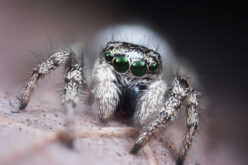
- 5th: You Have an Invasion of House Spiders
- 6th: Signs That You Have Other Damaging Pests
- 7th: How Pest Control Services Can Help
- conclusion
- other home utility management topics

-
- —— begin first topic ——
-
1st Invasion: Signs That You Have Roaches
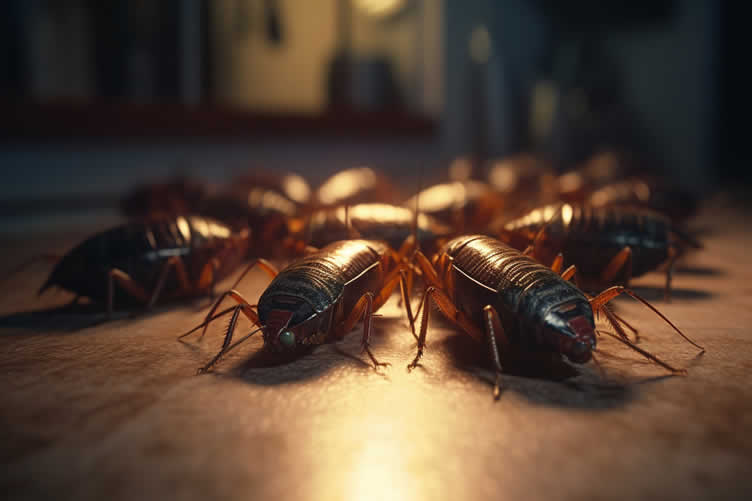
Roaches are one of the most resilient and unwelcome pests that can invade your home. Their presence often goes unnoticed at first, but as the infestation grows, you may begin to see clear indications of their activity.
Identifying these signs early can help you take the necessary steps to eliminate them promptly and prevent further damage to your property and health risks to your family.
Below are some common signs that you might have a roach infestation:
[ see below images: signs you have roaches ]
-
Droppings
Roach droppings are a telltale sign of their presence. These droppings often look like small, dark specks or pellets, similar in appearance to coffee grounds or black pepper.
You may find these in areas where roaches are most active, such as kitchen cabinets, along baseboards, or behind appliances. If you notice an accumulation of these droppings, it’s a strong indicator of an infestation.
-
Unpleasant Odor
A strong, musty smell is another common sign of a roach problem. Roaches release pheromones to communicate with each other, and as their population grows, the odor becomes more noticeable.
This smell can linger in areas where they are nesting, such as dark corners, cabinets, or under sinks. If you notice a persistent and unpleasant odor in your home, it could be due to roaches.
-
Egg Casings
Roaches lay egg cases, called oothecae, which are often left behind in hidden spaces. These casings are typically small, oval-shaped, and light brown in color.
Each egg casing can contain multiple roach eggs, which can hatch and multiply the infestation. Check for egg casings in dark, secluded areas like under furniture, inside cupboards, or behind appliances.
-
Shed Skins
Roaches shed their skins several times as they grow. These shed skins are another visible sign of their presence. You may find these translucent, dry skins in areas where roaches are active.
Discovering even one shed skin can indicate an ongoing infestation that needs to be addressed quickly.
-
Smear Marks
If water is readily available in your home, roaches may leave smear marks as they crawl. These marks are typically dark and irregular in shape, often appearing on surfaces like walls, baseboards, or counters. Frequent sightings of these marks could indicate heavy roach activity in your home.
By addressing these signs promptly, you can prevent a minor roach problem from becoming a major infestation. Implementing pest control measures and maintaining cleanliness in your home are critical steps in keeping these pests at bay.

copyright image by 123rf.com
—— view these pest control techniques ——
Taking Care and Controlling Home Roaches
Dealing with roaches in your home can be a challenging and unpleasant task, but with the right strategies, it is possible to control and even eliminate them completely. Roaches are resilient pests that thrive in environments where food, water, and hiding spaces are readily available.
Controlling these unwelcome guests requires a combination of preventative measures, proper cleaning habits, and targeted pest control solutions. Below are key steps to take for keeping your home roach-free.
-
1. Maintain a Clean Environment
Cleanliness is the foundation of effective roach control. Roaches are attracted to crumbs, spills, and food scraps, making your kitchen and dining areas their favorite spots.
Regularly wipe down countertops, sweep floors, and clean up food residues immediately after meals. Store food in airtight containers and avoid leaving pet food out overnight. Additionally, empty trash bins daily and ensure they are sealed tightly to prevent easy access for pests.
-
2. Eliminate Water Sources
Roaches can survive for extended periods without food, but they require water to thrive. Minimize their access to water by promptly fixing any leaks in pipes or faucets.
Dry sinks and showers after use and avoid letting water sit in pet bowls or potted plant saucers overnight. Monitoring and reducing moisture levels in your home can significantly discourage roach infestations.
-
3. Seal Entry Points
To keep roaches out of your home, carefully inspect for potential entry points and seal them. Use caulk or weatherstripping to fill gaps around windows, doors, and baseboards.
Pay extra attention to holes in walls where plumbing or electrical wiring is installed, as roaches often use these openings to move between rooms or buildings.
-
4. Use Baits and Traps
Pest control products like gel baits and traps can be effective in targeting roaches already inside your home. Place bait stations in corners, under sinks, and near other high-activity areas where roaches are commonly seen.
These baits work by luring roaches to consume the poisoned bait, which eventually spreads to the entire colony as it is carried back to their nesting sites.
-
5. Apply Natural Remedies
For those who prefer to avoid chemical-based solutions, natural remedies can also deter roaches. Ingredients like diatomaceous earth, boric acid, or a mixture of baking soda and sugar can be used in crevices and areas where roaches are likely to travel.
Essential oils such as peppermint or lavender may also repel roaches when sprayed along baseboards and corners.
-
6. Seek Professional Help
If your efforts to control roaches on your own are unsuccessful or the infestation worsens, it may be time to call in professional pest control services.
Experts have access to specialized tools and treatments that can eliminate even the most stubborn infestations. They can also provide tailored advice to ensure your home remains pest-free in the future.
By combining good household practices and targeted pest control solutions, you can successfully address and prevent roach problems in your home. Taking action promptly and maintaining these habits over time will help create a safe and clean living environment.

copyright image by 123rf.com
[ pinterest: getting rid of cockroaches ]
[ youtube: For Your Consideration: The Incredible… Roach! ]

-
-
2nd Invasion: Warning Signs You Might Have Mice in Your Home
Mice can be sneaky little creatures, often going unnoticed for long periods before you realize they’ve invaded your space. Unfortunately, by the time you spot one, it may already be too late, and the infestation could be much larger than you expect.
Knowing the warning signs of a mouse infestation is essential for taking swift action before the problem escalates.
In this section, we’ll share with you some key indicators that you might have mice in your home. Read on!
[ see below images: signs you have mice ]
-
Droppings in Unexpected Places
One of the first and common early signs of a mouse infestation is discovering droppings. Mice often leave small, dark droppings, roughly the size of a grain of rice, in places they regularly visit, such as along walls, under cabinets, or near food sources.
If you notice droppings in places like pantries, drawers, or hidden corners, it’s a clear sign that mice have been around. These droppings can also pose a health risk as they can carry harmful bacteria and diseases.
-
Chewed Items or Damaged Belongings
Mice need to gnaw constantly to keep their teeth from growing too long, and they’ll chew on anything they can find—whether it’s food packaging, wires, furniture, or insulation.
If you observe bite marks on your food packages, especially in the pantry, or find gnaw marks on walls, furniture, or electrical wiring, this is a strong indication of a mouse problem. Mice can even chew on wiring, which can be dangerous, as it can lead to short circuits or even fires.
-
Strange Smells
An unusual, musty odor can often be the result of a mouse infestation. Mice not only leave behind droppings and urine but also excrete oils and pheromones that can produce a distinct, unpleasant smell.
If you begin to notice a strong odor in your home that’s difficult to pinpoint, it could be the result of mice marking their territory or urine buildup in hidden areas.
-
Nests and Shredded Materials
Mice build nests out of materials they find around your home, including paper, fabric, insulation, and even shredded cardboard. If you come across piles of shredded paper or fabric in hidden spots like behind furniture or in attics, it’s likely a mouse nest.
These nests provide a safe space for the mice to rest and breed. Finding one should be a clear indication that you have a rodent issue.
-
Visible Mice or Tracks
While mice tend to stay out of sight, they sometimes leave traces of their presence. Look for signs like greasy marks along walls, particularly near entrances, baseboards, or under furniture.
Mice have a natural habit of following the same path repeatedly, leaving behind dirty, greasy trails that indicate their route. You might also spot a mouse itself, especially during the night or early morning hours. If you see one, it’s time to act quickly.
-
Food Disappearances
If food is mysteriously disappearing, especially from areas where it’s kept unsecured, mice might be to blame. Mice will eat a wide variety of foods, from grains and cereals to fruits and even pet food. They often nibble on small amounts of food throughout the day.
If your food storage is being compromised, it’s a sign that mice are actively seeking food sources in your home.
Mice can be a serious problem if left unchecked. They can damage property, contaminate food, and carry diseases that can pose health risks to you and your family. If you notice any of the warning signs discussed above, it’s essential to take action immediately.

copyright image by 123rf.com
—— view these pest control techniques ——
Taking Care and Controlling Home Mice
Mice infestations can disrupt your home, create health risks, and cause property damage if not managed effectively. The good news is that with the right approach, you can take back control and prevent mice from becoming a recurring problem.
Below, we break down the essential steps for managing and preventing mice infestations with actionable and sustainable methods.
-
1. Seal Entry Points
Mice can squeeze through incredibly small openings, making it crucial to thoroughly inspect your home for potential entry points. Focus on sealing gaps and cracks around windows, doors, pipes, and wires with materials like steel wool, caulk, or metal mesh.
Pay special attention to areas where utility lines enter the home and check for any gaps around vents or foundation walls to block their pathways.
-
2. Maintain Cleanliness
A clean home deprives mice of food and nesting materials. Regularly clean kitchen surfaces, sweep up crumbs, and store food in airtight containers. Avoid leaving pet food out overnight and ensure trash bins have tight-fitting lids.
Declutter areas such as basements, attics, or garages, as mice often use clutter as hiding spots or nesting material sources.
-
3. Use Mousetraps Strategically
Mousetraps are an effective way to control an existing infestation. For best results, place traps in areas where you’ve noticed droppings, gnaw marks, or other signs of activity.
Opt for a variety of traps, including snap traps, glue traps, or live-capture traps, to increase your chances of success. Make sure to check traps regularly and dispose of trapped mice quickly and hygienically.
-
4. Utilize Natural Deterrents
Certain scents, such as peppermint oil, cloves, or ammonia, can deter mice. You can place cotton balls soaked in these substances around common entry points, in corners, and in areas where mice are likely to hide.
While natural deterrents might not solve an active infestation, they work well as part of a prevention plan to keep mice away.
-
5. Set Up Bait Stations
For larger infestations, bait stations can be an effective solution when placed properly. These stations contain poison bait designed to eradicate mice.
If you choose this method, handle the bait carefully and place it out of reach of pets and children. Always follow the manufacturer’s guidance for safe and efficient use.
-
6. Call in Professional Help
Consider calling a professional for mice removal to effectively address the issue before it worsens. Experts can assess the severity of the infestation, locate hidden nests, and implement a comprehensive solution tailored to your home.
Professional services often employ advanced techniques, such as ultrasonic repellents or fumigation, that aren’t available to regular homeowners.
-
7. Prevent Future Infestations
Long-term prevention is key to keeping mice from returning. Regularly inspect your home for new entry points, maintain cleanliness, and monitor for early warning signs.
Consider investing in weather stripping for doors and windows, and ensure shared spaces, such as attics and basements, are well-organized and cleaned routinely.
By addressing the problem with a mix of proactive measures and expert help when necessary, you can protect your home from future infestations and enjoy a mice-free living space. Stay vigilant, and remember that prevention is always the most effective strategy.

copyright image by 123rf.com
[ pinterest: getting rid of mice ]
[ youtube: Mice Species Fast Facts and Information ]
-
-
3rd Invasion: How to Know That You Have Termites
Termites are silent destroyers that can cause significant structural damage to your home without any obvious signs at first. These pests feed on wood and other cellulose materials, often leaving homeowners unaware of their presence until considerable damage has been done.
Understanding the signs of a termite infestation can help you act quickly to protect your property. Below are some key indicators that termites may be present in your home.
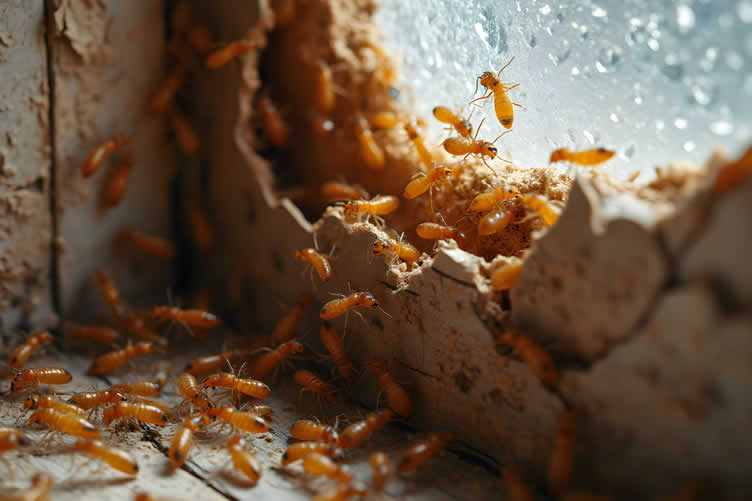
[ see below images: signs you have termites ]
-
Mud Tubes
Termites construct mud tubes as a protective passageway between their nests and food sources. These tubes are typically found along walls, foundations, or wooden surfaces and can be spotted both indoors and outdoors.
Mud tubes are a clear sign of termite activity and should be addressed immediately to prevent further infestation.
-
Wood Damage
Termites feed on wood from the inside out, leaving surfaces appearing normal while hollowing out the material inside.
If you notice wood that sounds hollow when tapped or shows blistering or peeling paint, it could indicate termite damage. Explore these areas carefully, as they may reveal tunnels created by termites.
-
Discarded Wings
After swarming to establish new colonies, reproductive termites (alates) shed their wings. Piles of discarded wings near windowsills, doors, or other openings are a telltale sign of a termite swarm.
This typically happens during the warmer months and signals that termites are actively reproducing nearby.
-
Frass (Termite Droppings)
Drywood termites often leave behind small piles of droppings, known as frass, as they tunnel through wood.
These droppings resemble tiny, pellet-like granules and are usually found near infested wooden structures or furniture. Spotting frass is a strong indication of termite activity.
-
Tight-Fitting Doors or Windows
Termite damage can cause warping in wood, leading to doors and windows that suddenly become difficult to open or close.
These changes happen because termites weaken the structure of the wood, distorting its shape over time. If you notice this issue, inspect the surrounding wood for further signs of termites.
By staying vigilant and regularly inspecting your home for these signs, you can identify a potential termite infestation before it becomes severe.
Prompt action, including consulting professional pest control services, is essential to ensure the complete eradication of termites and prevent further damage to your property.

copyright image by 123rf.com
—— view these pest control techniques ——
Taking Care and Controlling Home Termites
Termites can cause extensive damage to your home if left unchecked, making early detection and proper control measures crucial. While these pests are small, their ability to silently compromise the structural integrity of your property is significant.
Learning how to manage and prevent termite infestations is the key to protecting your home and ensuring long-term safety and value. Below are essential steps that cover active treatment and preventative strategies.
-
1. Identifying Termite-Prone Areas
Start by identifying areas in your home that are most at risk for termite infestations. These typically include places with high moisture levels, exposed wood, and cracks in the foundation
Regularly check areas such as basements, attics, crawl spaces, and wooden furniture for any signs of damage, mud tubes, or discarded wings, which are common indicators of termite activity.
-
2. Using Chemical Treatments
Chemical treatments are often one of the most effective methods for eradicating termites. Applying termiticides, either as a barrier treatment around the perimeter of the home or in affected areas, can eliminate existing colonies and prevent new ones from forming.
Fumigation is another option for severe infestations, but it should always be carried out by licensed pest control professionals.
-
3. Leveraging Natural Remedies
For a more eco-friendly approach, there are natural remedies to consider. Substances like diatomaceous earth or orange oil can deter termites without introducing harmful chemicals into your living space.
Additionally, nematodes—natural predators of termites—can be applied to infested areas to consume and eliminate these pests effectively.
-
4. Reducing Moisture Around the Home
Moisture attracts termites and provides an ideal environment for them to thrive. Fix leaky pipes, ensure proper ventilation in crawl spaces, and direct water away from your home’s foundation through functional gutters and downspouts.
By addressing moisture issues, you can make your home less inviting to termites.
-
5. Regular Professional Inspections
Even with diligent care, termites can still find their way into your property. Scheduling professional inspections annually can help catch infestations early before significant damage occurs.
Pest control experts have the tools and expertise to detect hidden signs of termite activity that might go unnoticed.
By implementing these measures, homeowners can not only tackle active infestations but also establish a strong line of defense against future termite threats. Taking comprehensive action will safeguard your home and save you from costly repairs in the long run.
AI generated image by 123rf.com
[ pinterest: getting rid of termites ]
[ youtube: 10 Facts about Termites ]
-
-
4th Invasion: Bed Bug Alert: Signs Your Home May Be at Risk
Bed bugs are notorious for being stealthy invaders, often hiding in cracks and crevices where they’re hard to detect. Their presence can easily go unnoticed until the problem becomes overwhelming. Unlike other pests that might be more obvious, bed bugs are masters of staying out of sight.
However, there are several signs that can alert you to their presence long before an infestation spirals out of control. Recognizing these early indicators can help you take action before the situation becomes more difficult to manage.
If you suspect you might have bed bugs, these signs could be the first clue that you’re dealing with an unwelcome guest in your home.
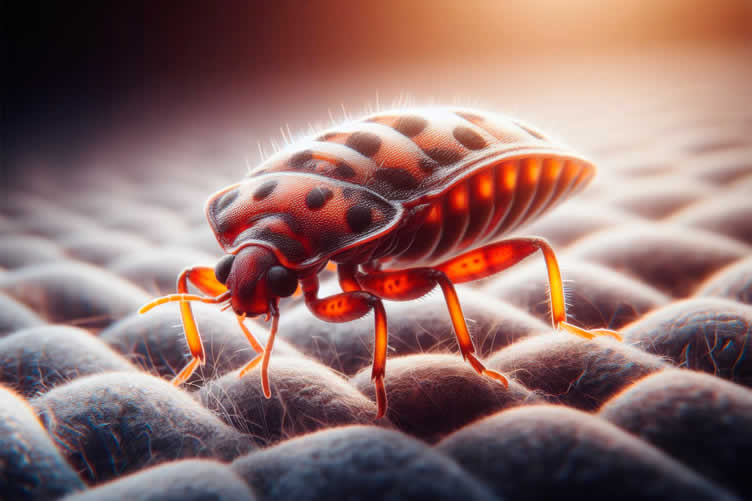
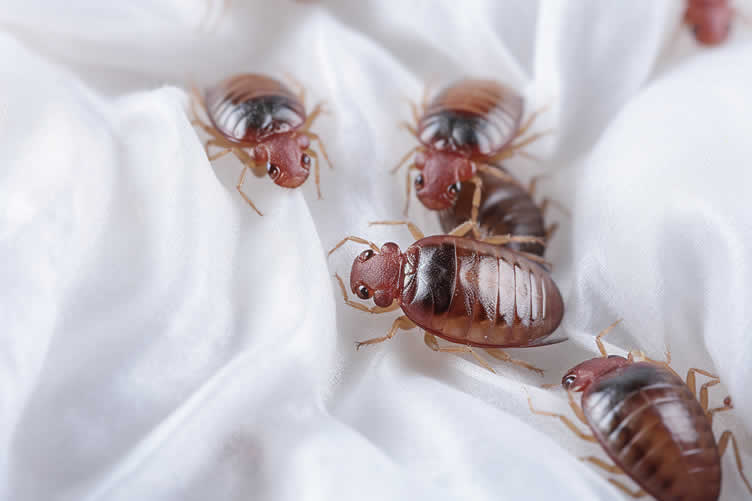
[ see below images: signs you have bed bugs ]
-
Unexplained Bites
One of the most common indications of a bed bug infestation is finding small, itchy red bumps on your skin after waking up, usually on exposed areas such as your neck, arms, or legs. These bites may appear in clusters or lines and can be mistaken for other insect bites or rashes.
The key difference is that bed bug bites typically occur while you’re sleeping, as they feed on your blood during the night. If you start noticing bites that appear after sleeping, particularly in areas that are difficult to reach, it could be a sign of bed bugs.
-
Visible Blood Stains on Bedding
Bed bugs feed by piercing your skin with their needle-like mouthparts, which allows them to draw blood. Sometimes, during or after a feeding, they may get squished, leaving behind small blood stains on your sheets, pajamas, or pillowcases.
These stains can be easily overlooked, but if you notice tiny red or rusty-colored marks on your bedding, it might be a sign of a bed bug infestation. Moreover, these stains can sometimes be mistaken for other types of stains, but their source often becomes more apparent when you start seeing more signs of bed bugs.
-
Dark Spots or Fecal Matter
Bed bugs excrete digested blood in the form of dark, rusty-colored spots. These spots are often found in places where bed bugs are hiding, such as bed frames, mattress seams, and nearby furniture.
The fecal matter looks similar to ink stains, and if you notice these marks on your bedding or furniture, they could be a strong indication that bed bugs are present. In addition to the spots, you may also see tiny egg shells or molted skins, which are signs that the bed bugs are growing and reproducing.
-
A Musty or Sweet Odor
Another sign of a bed bug problem is a musty or sweet odor, often described as a smell of overripe fruit or almonds. This odor comes from the scent glands of bed bugs and is most noticeable when there is a significant infestation.
If you start observing an unusual odor in your bedroom, particularly near your bed or furniture, it could be a warning sign that bed bugs are living nearby. While this odor may not always be overpowering, it’s worth paying attention to if you suspect an infestation.
-
Small, Rusty-Colored Spots on Furniture
Bed bugs often hide in cracks and crevices in furniture, and over time, these areas may show signs of their presence. Check your bed frame, headboard, and any furniture near your bed for small, rust-colored spots, which could be blood stains from the bed bugs or their droppings.
These spots can be hard to detect, especially if they are on dark-colored furniture, but they are a telltale sign of a bed bug issue.
Detecting the signs of a bed bug infestation early is vital to preventing their rapid spread and protecting your living space. By remaining vigilant for indicators such as bites, droppings, or the presence of live bugs, you can take action before the problem becomes unmanageable.
copyright image by 123rf.com
—— view these pest control techniques ——
Taking Care and Controlling Bed Bugs
Bed bugs are persistent pests that can cause discomfort, stress, and sleepless nights if left unchecked. Handling a bed bug infestation requires both effective control measures and preventative strategies to stop future occurrences.
Creating a strong plan not only removes existing infestations but also ensures your home remains free of these unwelcome intruders. Below are some critical steps and methods to help you manage and prevent bed bug problems.
-
1. Conduct a Thorough Inspection
The first step in controlling a bed bug infestation is conducting a meticulous inspection of your living space. Check common hiding spots such as mattresses, headboards, bed frames, furniture crevices, and even electrical outlets for signs of bed bugs.
Look for live bugs, eggs, exoskeletons, or tiny rust-colored stains. Catching an infestation early makes it easier to treat and prevents further spread.
-
2. Use High-Temperature Treatments
Bed bugs are highly sensitive to heat, making high-temperature treatments a powerful method of elimination. Launder infested bed sheets, clothes, and linens in hot water and dry them on the highest setting.
Steam cleaners can be used on furniture, carpets, and hard-to-wash items to kill both bed bugs and their eggs effectively. Ensure consistent application of heat for maximum results.
-
3. Seal and Declutter Your Home
Clutter provides numerous hiding places and makes pest control more difficult. Organize and remove clutter from areas where bed bugs may be hiding.
Additionally, seal cracks, gaps in walls, and crevices around furniture to eliminate potential hiding spots. Using bed bug-proof mattress and pillow covers further reduces their ability to find refuge.
-
4. Apply Safe Pest Control Products
For minor infestations, bed bug sprays, diatomaceous earth, or other approved pest control powders can be applied to targeted areas.
These treatments work by killing bed bugs on contact or disrupting their life cycles. Always follow the product’s instructions carefully for safe and effective use.
-
5. Seek Professional Assistance When Needed
If an infestation becomes overwhelming or unmanageable, reaching out to professional bed bug extermination services, such as Pass Pest Control, is your best course of action.
Expert exterminators utilize advanced methods such as heat treatments, fumigation, or specialized insecticides to completely eradicate bed bugs from your home. Professionals also provide valuable guidance on preventing future infestations.
-
6. Prevent Future Infestations
Once the infestation is under control, the next step is prevention. Regularly inspect your living spaces for early warning signs of bed bugs.
Take precautions when traveling, such as examining hotel bedding or keeping luggage off the floor, to avoid bringing bed bugs home. Regularly vacuum your home and monitor areas that are more susceptible to infestation.
By taking these steps with diligence and persistence, you can control and prevent bed bug infestations, ensuring your home remains a safe and comfortable environment.
copyright image by 123rf.com
[ pinterest: getting rid of bed bugs ]
[ youtube: The Truth About Bed Bugs ]
-
-
5th Invasion: You Have an Invasion of House Spiders
Discovering an invasion of house spiders can be unsettling, but identifying the signs early can help you take the necessary steps to address the issue.
Spiders generally prefer undisturbed areas and can multiply quickly if left unchecked. Recognizing the signs of a spider infestation and understanding the types of spiders commonly found in homes will allow you to act effectively to eliminate them and prevent their return.
[ see below images: types of household spiders ]
-
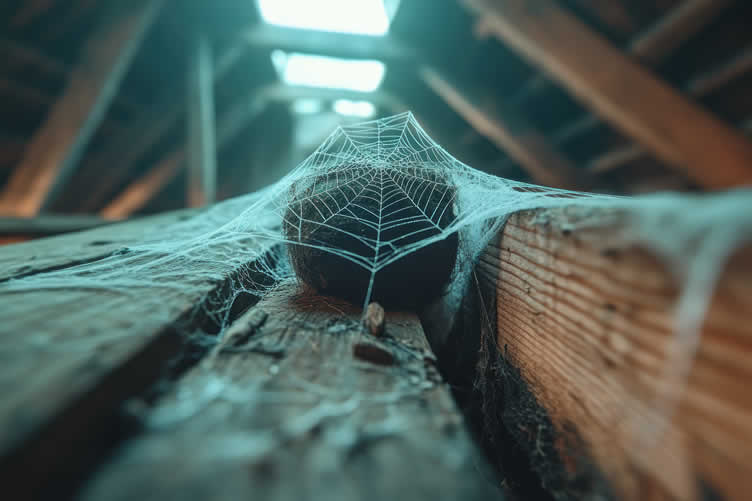
Presence of Webs in Corners and Crevices
One of the most obvious signs of a spider infestation is the presence of webs. House spiders, such as the common house spider (Parasteatoda tepidariorum), build irregular and often messy webs in corners, window frames, or ceiling edges to trap prey.
If you notice an abundance of webs, especially in less-frequented or hidden areas of your home, it could indicate an increasing spider population.
-
Frequent Sightings of Spiders
Spotting spiders regularly around your home is another clear sign of an infestation. Especially during late summer and fall, male spiders such as the Brown Recluse (Loxosceles reclusa) might wander indoors in search of mates.
Their presence often suggests that there is a more established spider population nearby.
-
Egg Sacs Attached to Surfaces
Spider egg sacs are small, round, and often white or cream-colored. These sacs, which can contain hundreds of baby spiders, are usually attached to hidden spots like wall cracks, under furniture, or within corners.
A significant number of egg sacs could suggest that the infestation is in its advanced stages.
-
Unusual Bites or Skin Irritations
While most spiders are harmless to humans, bites from certain species, like the Black Widow (Latrodectus mactans), can cause noticeable skin reactions.
If you or someone in your home is experiencing unexplained bites or irritations, it may be due to an increase in spider activity.
-
Pest Activity in the Home
Spiders feed on other insects, so an increase in pest activity, such as flies, moths, or ants, may indirectly attract spiders. European house spiders (Tegenaria domestica), for example, thrive in environments rich with prey, and their presence might be an indicator of other pest problems.
By understanding these signs and the species commonly invading homes, you’ll be better equipped to take the steps necessary to reclaim your space from house spiders and prevent future infestations.

copyright image by 123rf.com
—— view these pest control techniques ——
Controlling House Spiders
House spiders, while often harmless, can become an unwelcome nuisance if left unchecked. Knowing how to manage their presence effectively is essential for maintaining a comfortable and hygienic home.
By combining proactive control measures with preventative strategies, you can significantly reduce spider activity indoors and deter future infestations. Below are practical, segmented steps to help you take control.
-
1. Remove Clutter and Clean Regularly
Cluttered spaces provide ideal hiding spots for spiders. Begin by decluttering storage areas like basements, attics, and closets. Regularly vacuum carpets, curtains, and corners to eliminate webs, egg sacs, and hidden spiders.
Pay special attention to hard-to-reach areas where spiders are likely to reside, such as behind furniture and in ceilings’ upper corners.
-
2. Seal Gaps and Entry Points
Inspect your home for cracks, crevices, and other small openings that may allow spiders to gain access. Use caulk to seal any gaps in walls, floors, windows, and doors.
Installing weather stripping around windows and door frames is another effective method to block entry points while also improving energy efficiency.
-
3. Manage Other Pest Activity
Since spiders feed on other insects, reducing their food sources is crucial to controlling their population. Use integrated pest management (IPM) techniques to eliminate common pests like ants, flies, or moths.
Keep food stored in airtight containers, clear crumbs, and fix any leaks that might attract insects drawn to moisture.
-
4. Utilize Natural Repellents
Essential oils such as peppermint, tea tree, or eucalyptus are known to repel spiders effectively. Create a homemade solution by diluting a few drops of essential oil in water, then spraying it around windows, doorways, and other potential entry points.
Additionally, placing cedar blocks in closets or drawers can deter spiders while keeping these areas fresh.
-
5. Install Spider Traps
Sticky glue traps can be a useful tool for monitoring and reducing spider populations in the home. Position these traps in common problem areas such as basements or near foundation walls.
Check and replace them regularly for best results. Traps are a non-toxic and effective option for households with children or pets.
-
6. Seek Professional Help When Necessary
If spider activity persists despite your efforts, or you are dealing with a more aggressive or venomous species, it may be time to consult a pest control expert. Professionals can assess the situation and apply targeted treatments to eliminate spiders safely and thoroughly.
copyright image by 123rf.com
[ pinterest: getting rid of spiders in home ]
[ youtube: EVERY Spider in Your House ]
-
-
6th Invasion: Signs That You Have Other Damaging Pests
Your home can be vulnerable to various pests beyond the commonly discussed ones like bed bugs, mice, roaches, and termites. These pests can cause significant structural damage or pose health risks if left unchecked.
Identifying their presence early is vital to minimizing harm and addressing infestations effectively. Below are some common signs of other damaging pests that every homeowner should watch for.
[ see below images: signs you have other pests ]
-
Carpenter Ants
Carpenter ants are a threat to wooden structures, though they do not eat wood like termites. Instead, they excavate wood to build their nests, leaving behind visible damage.
Signs of their presence include small piles of wood shavings (known as frass) near wooden surfaces and the faint rustling sounds from within walls. You may also see large black or red ants, often near entry points like windows or baseboards.
-
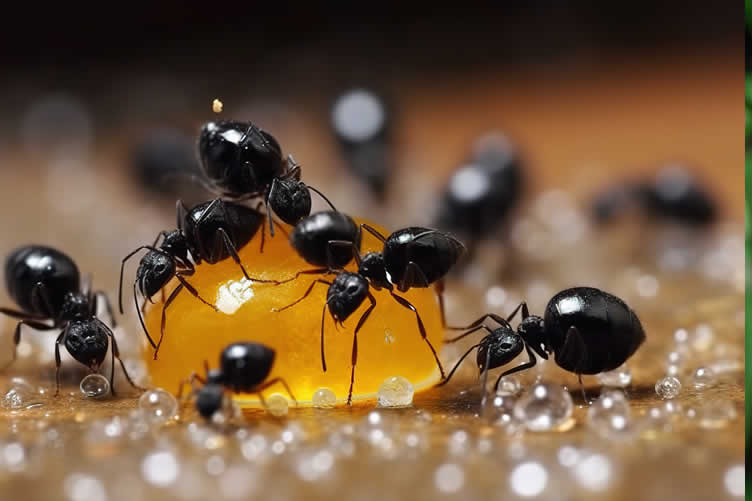
Ants
General household ants are typically a nuisance rather than a major structural threat, but their presence can still cause frustration for homeowners. They are often attracted to food sources, particularly sugary or greasy items.
Trails of tiny brown or black ants in kitchens, pantries, or near garbage areas are a common sign of an infestation. Additionally, you may notice small entry points, such as cracks in walls or gaps around windows and doors, where ants gain access to your home.
-
Carpet Beetles
Carpet beetles are pests that can damage fabrics and upholstered furniture. Their larvae feed on natural fibers such as wool, leather, and silk, leaving behind irregular holes in clothing, rugs, or curtains.
A sign of an infestation may include finding shed skins of larvae or spotting adult beetles near windows as they are attracted to light.
-
Silverfish
Silverfish are small, silvery pests that thrive in damp, dark environments such as basements, closets, or bathrooms.
They are known to feed on starches and cellulose, causing damage to books, wallpaper, and stored documents. Look for tiny holes, yellow staining, or ragged edges on paper materials as indicators of their activity.
-
Powderpost Beetles
Powderpost beetles infest wooden objects, boring tiny holes into the wood to lay their eggs. Over time, this can weaken the structure of furniture, flooring, or wooden beams.
Signs of an infestation include fine, powdery dust (called frass) collecting near damaged wood and the appearance of small round exit holes in the wood’s surface.
-
Fruit Flies
Fruit flies are small, flying insects commonly found around overripe fruits, vegetables, or other fermenting organic material. These pests reproduce rapidly, laying their eggs on surfaces of fermenting food or moist organic matter.
Signs of a fruit fly problem include seeing tiny flies hovering near trash bins, drains, or exposed produce. To prevent infestations, it is crucial to store food in sealed containers, regularly dispose of overripe produce, and maintain a clean kitchen area.
-
Stink Bugs
Stink bugs are shield-shaped insects that become a nuisance when they invade homes, especially during cooler months as they seek shelter.
These pests are named for the unpleasant odor they release when disturbed or crushed. Signs of a stink bug issue include spotting them on walls, windowsills, or light fixtures inside the home.
-
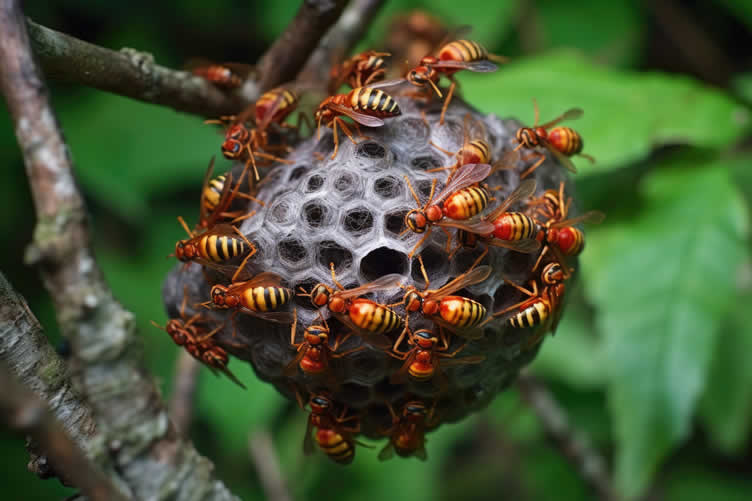
Wasps or Hornets
While more noticeable than other pests, wasps and hornets can build nests in attics, eaves, or other secluded areas of your home. You may notice paper-like nests forming near your property or hear buzzing sounds in walls or ceilings.
These pests can pose a significant hazard due to their aggressive stings, especially for individuals with allergies.
copyright image by 123rf.com
—— view these pest control techniques ——
Taking Care and Controlling Other Damaging Home Pests
Your home is your sanctuary, but it can also be an inviting space for a variety of pests that cause significant damage and pose health risks.
Preventing and controlling these pests requires both vigilance and effective measures to protect your property and loved ones.
Below are some common damaging pests and actionable steps for managing and preventing them.
-
Carpenter Ants
Carpenter ants are capable of causing significant structural damage to your home by burrowing into wood to build their nests. To control carpenter ants, begin by locating and eliminating the source of the infestation, which often involves removing damaged wood or decayed material where they may nest.
Keep food secured in airtight containers and promptly clean up spills and crumbs to reduce attractants. Seal cracks and openings around windows, doors, and foundations to prevent entry.
If the infestation persists, consider using baiting systems specifically designed for carpenter ants, or consult a pest control professional for targeted treatments.
-
Ants
Ants are resourceful pests that can invade your home searching for food, often forming trails that are difficult to eliminate.
To control ants, identify their entry points and seal them with caulking. Clean up spills quickly and store food securely to remove their food sources.
Use ant baits or sprays to tackle nests effectively. For ongoing prevention, trim back trees and shrubbery that touch your home, as these can serve as bridges for ants to enter.
-
Carpet Beetles
Carpet beetles can cause significant damage to natural fibers, such as wool, silk, and cotton, as well as stored foods. To control carpet beetles, start by thoroughly vacuuming areas where they are found, including carpets, furniture, and baseboards, to remove larvae and eggs.
Wash infested fabrics in hot water or dry clean them to eliminate any pests. Store vulnerable items in airtight containers or garment bags. Regularly inspect stored items and clean out areas like closets and pantries.
For persistent infestations, consider using insecticides labeled for carpet beetles or consult a pest control professional for assistance.
-
Silverfish
Silverfish are small insects that thrive in dark, humid environments and can damage books, wallpaper, and clothing. To manage silverfish, reduce moisture levels in your home by using dehumidifiers and ensuring proper ventilation.
Remove clutter that might provide hiding spots and vacuum regularly to eliminate eggs and larvae. For prevention, store your belongings in sealed bins, repair leaks promptly, and apply natural deterrents like diatomaceous earth or boric acid around areas where silverfish are commonly spotted.
-
Powderpost Beetles
Powderpost beetles are wood-destroying insects that can weaken wooden structures and furniture. To control powderpost beetles, identify the infested wood and determine the extent of the damage. Remove and replace severely damaged wood if necessary.
For less critical infestations, treat the wood with a borate-based insecticide or a product specifically labeled for powderpost beetles. Ensure the wood is properly sealed or painted afterward to prevent reinfestation.
Reduce moisture in affected areas, as powderpost beetles are attracted to damp wood. For widespread or severe infestations, seek advice from a pest control professional to implement more targeted solutions.
-
Fruit Flies
Fruit flies are small insects often found around ripe or decaying fruits and vegetables. To control fruit flies, remove any overripe produce and clean up food spills or residues.
Empty trash bins regularly and ensure they are sealed tightly. Use traps, such as a container with apple cider vinegar covered with plastic wrap and small holes, to catch adult flies.
Clean drains and garbage disposals thoroughly, as they can harbor food particles that attract fruit flies. For persistent problems, consider using insecticides labeled specifically for fruit flies and maintain strict sanitation practices to prevent reinfestation.
-
Stink Bugs
Stink bugs are shield-shaped insects that often invade homes in search of warmth, especially during the fall and winter months.
To control stink bugs in the home, seal any cracks, gaps, or openings around windows, doors, and utility entry points to prevent their entry. Use weatherstripping and door sweeps to close off additional potential access points.
If stink bugs are already inside your home, avoid squashing them as they release a foul odor when crushed. Instead, gently remove them by vacuuming with a vacuum cleaner fitted with a disposable bag, and quickly dispose of the bag outdoors.
Ensure that window screens are intact and consider using traps or specific insecticides labeled for stink bugs in severe infestations. Maintaining a clean and tidy home will also reduce the chances of attracting stink bugs.
-
Wasps and Hornets
Wasps and hornets can be aggressive pests, particularly during late summer when their populations peak. These insects often build nests in eaves, attics, or trees close to homes, posing a risk of stings if disturbed.
To manage wasps and hornets, locate and safely remove their nests using a wasp spray designed for long-range applications, ideally at night when the insects are less active. Prevent future infestations by sealing gaps or cracks around your home and removing food sources like fallen fruit or open garbage.
If the infestation is severe or the nest is in a dangerous location, contacting a professional pest control service is recommended.
copyright image by 123rf.com
-
-
7th Invasion: How Pest Control Services Can Help
Dealing with pests in your home can be both stressful and harmful to your health and property. From termites causing structural damage to cockroaches spreading bacteria, pests can impact your daily life in more ways than one.
Professional pest control services are essential for identifying, managing, and preventing infestations, ensuring your home remains a safe and comfortable environment. Below, we’ll explore how these services can effectively keep your home pest-free.
-
Comprehensive Pest Inspections
Pest control services typically begin with a thorough inspection of your property. This step is critical to identifying the types of pests present, the extent of the infestation, and the potential entry points they are using.
Detailed inspections allow professionals to create a targeted treatment plan tailored specifically to your home’s needs.
-
Targeted Treatment Plans
Once the pests and their hiding spots are identified, pest control specialists implement treatment plans designed to eliminate the problem.
These plans often include environmentally-conscious solutions and safe applications of chemical or non-chemical remedies to effectively target pests without compromising the health of your family or pets.
-
Preventative Measures
Beyond addressing current infestations, pest control services offer measures to prevent future problems.
Experts may seal off potential entry points, recommend maintenance practices, or apply preventative treatments to protect against common threats in your region, such as ants, rodents, termites, or bed bugs.
-
Expert Advice and Ongoing Support
A reliable pest control service does not stop at elimination and prevention. They often provide homeowners with valuable advice on pest management practices, such as reducing clutter, proper food storage, and maintaining cleanliness to create an unattractive environment for pests.
Many companies also offer regular follow-up inspections and services to ensure pests do not return.
copyright image by 123rf.com
—— view finding services ——
Finding and Choosing Pest Control Services
When dealing with pests, finding a reliable pest control service is essential to ensure effective and long-lasting solutions.
- Start by researching local pest control companies online or seeking recommendations from neighbors and friends.
- Look for services with strong customer reviews, certifications, and experience in handling the specific type of pest problem you are facing.
Once you’ve identified potential providers, it’s important to understand the range of services they offer. Common pest control options include general pest management for ants, cockroaches, and spiders, as well as specialized treatments for termites, bed bugs, or rodents.
Some companies may also offer eco-friendly or chemical-free solutions, which are ideal for households with children, pets, or environmental concerns.
Discuss your needs with the provider, ask about their treatment methods, and ensure their services align with your expectations before making a decision. Comparing quotes and warranties can also help you choose the best service for your situation.
Investing in professional pest control services is not just about addressing visible infestations — it’s about safeguarding your home’s overall environment and long-term integrity.
LetsRenovate has partnered with HomeAdvisor™, a renowned provider of highly-rated, carefully-vetted pest control contractors. Start your search here by entering your zip code to find local professionals.
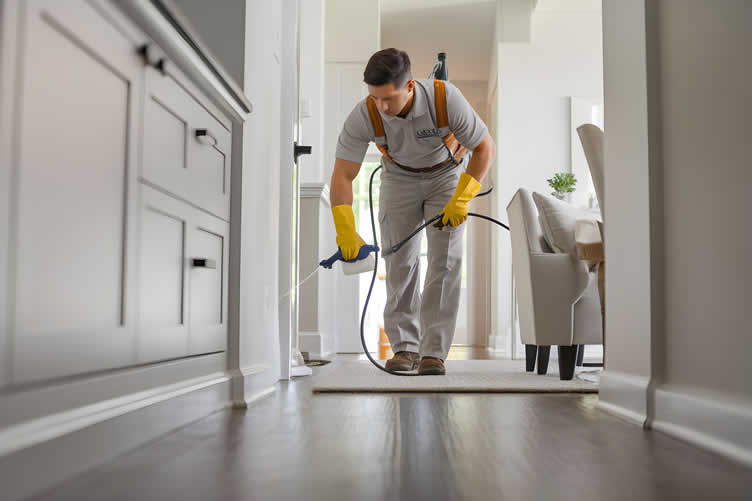
AI generated image by 123rf.com
But Wait!
Before starting your search and evaluation of pest control services, it is highly recommended to download and use this evaluation worksheet.
This resource will help you objectively rank and assess potential contractors, considering essential factors such as pricing, licensing, and referral information.

Evaluation Sheet
File Type:
-
-
Conclusion
Any type of home pest invasion doesn’t just disrupt daily life—it can damage your home and health. The good news? All it takes is a proactive approach to identify, manage, and prevent infestations to keep your sanctuary pest-free.
If you’re looking for targeted pest solutions or want to schedule an inspection, it’s always a good idea to consult with local pest control professionals.
Transform your living space into a safe, pest-free haven today and enjoy the peace of mind that comes with a well-maintained, welcoming home.
-
Quick scroll to more interior home utility management ideas …

-
ideas to view and compare from the photo above
pest repellent ultrasonicbed bug killerpesticide protective clothing
- What comments can you share about
your home pest invasion and the methods you use to control?



addressing how to manage home pest invasion and other home improvement needs …

… grab this directory of ideas for future use



… remodeling decisions





plan the specifications you need for making …

… key home improvement and remodeling decisions



Budgeting Worksheet For Costing Home Remodeling and Home Improvement Decisions
 File Type (excel)


SHARE IT ..! You might have someone in your social network who could find this informative post about controlling a home pest invasion valuable. Feel free to share it on Facebook, X (formally Twitter), LinkedIn, or Pinterest!


… home remodeling – improvement




get the size dimensions for any home remodeling project …
… for functionality, aesthetics, and adhering to building codes

Calendar For:
Home Maintenance
File Type:
… view our sharing links below for a quick "share the knowledge"
Find Pest and Environmental Services Pest Control Lead-Mold-Radon Recovery Services Water Softening top-rated, pre-screened local contractors FREE: download contractor selection enter zip code – powered by HomeAdvisor ™
Quick Contractor Guides selecting negotiating working with inspecting

Cover image credit: home pest invasion by 123rf.com
end of post … please share it!
 |
did you find home pest invasion analysis helpful? If so, please share the article with your friends and family! |
Nice pic idea? Leave us a quick comment below.
And please share this pic idea within your social networks.