Summary Outline –
Creating a personal space for kids, a cozy haven where they feel comfortable and free to express their unique personality, goes beyond mere interior design. It’s a significant and influential step in nurturing their overall development.
By letting kids decorate their own rooms, we not only make it a fun and exciting experience, but also foster their creativity, decision-making skills, and sense of ownership.
Summary of Site Content
1st Decorating Tip: [view decorating tip]
… we initiate this analysis by exploring the psychological advantages of personalized space for children, regardless of their age. This encompasses understanding the unique needs based on gender and their psychological well-being.
2nd Decorating Tip: [view decorating tip]
… the second decorating tip delves more deeply into the benefits of empowering your kids in decorating and managing their personalized space.
3rd Decorating Tip: [view decorating tip]
… moving on, the third decorating tip provides valuable advice for parents collaborating with their children on room decorating projects. It outlines budgetary considerations and guidelines, ensuring a loving and gentle approach to the process.
4th Decorating Tip: [view decorating tip]
… the fourth decorating tip involves embracing the enjoyable aspect of decorating – choosing a theme that will beautifully transform and personalize your space.
5th Decorating Tip: [view decorating tip]
… the fifth decorating tip addresses the decorating theme as their children grow older and mature into the teenage years and close to off-to-college years that follow
6th Decorating Tip: [view decorating tip]
… the sixth and final decorating tip focuses on the initial stage of getting started. It provides guidance for both the child and parent, outlining the necessary steps to embark on this important project. However, what if you require assistance? Is there someone who could serve as an independent advisor to the child?
This sense of ownership and autonomy can have a profound impact on their growing minds, instilling a sense of confidence and independence that stays with them throughout their lives.
So, let’s embrace the idea of empowering kids to create a space that truly reflects who they are and supports their holistic growth.
- post content
- Decorating Tip 1: The Importance of Personalized Space for Kids
- Decorating Tip 2: Benefits of Letting Kids Decorate
- Decorating Tip 3: Tips for Parents on Room Decorating Projects
- Decorating Tip 4: Inspiring Ideas and Themes for Kid’s Bedrooms
- Decorating Tip 5: Transition to a Teen/Adolescent Theme and Feel
- Decorating Tip 6: Getting Started

-
Quick scroll to first topic about kids room decorating ideas …

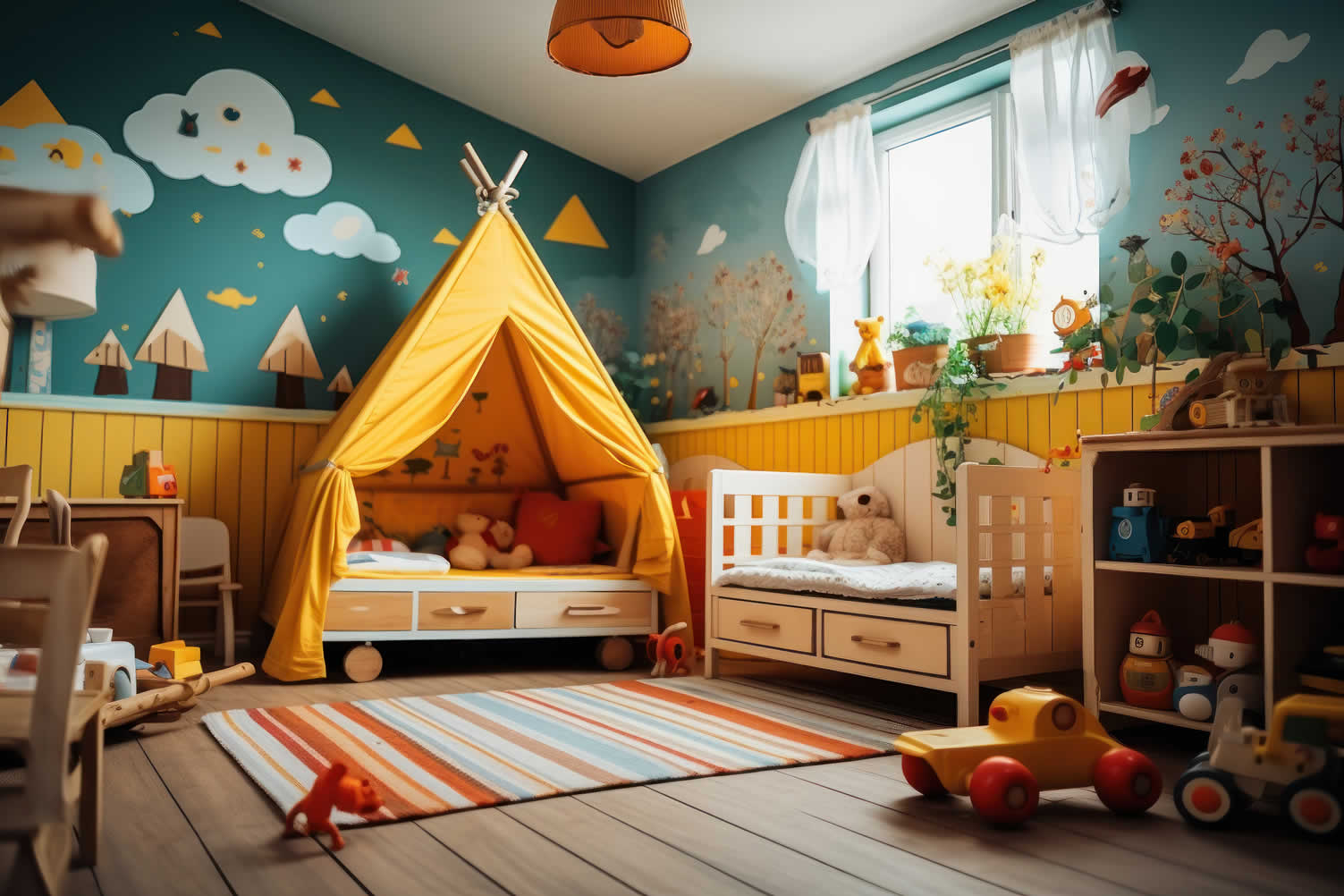
first “kids room decorating ideas” idea

copyright image by 123rf.com
Decorating Tip 1: The Importance of Personalized Space for Kids
Notes:
-
Every child is unique, bursting with their own ideas, tastes, and creative potential. Encouraging them to infuse their room, essentially their little world, with what they love and imagine, does wonders for their self-identity. It helps them establish a sense of self, explore their interests, and communicate their thoughts through design.
Such personalization reinforces their self-worth by acknowledging their choices and tastes. It is also a tangible way for children to see the outcome of their decisions, teaching them early life lessons about planning and the impact of their choices.
A personalized space also serves as a safe haven, a sanctuary where kids can relax, recharge, and feel at ease. This is especially important for introverted children or those who struggle with anxiety or sensory issues.
By giving them control over the design of their room, we are also providing them with a sense of security and stability in an ever-changing world.
-
Quick scroll to “self-care renovations” side notes …
-
-
1st: Psychological Benefits of Personalized Spaces
The psychological landscape of children is complex and continually evolving, making the environments in which they grow and develop of paramount importance. The act of personalizing their own space can touch many facets of their mental and emotional well-being.
In the following notes, we’ll explore how tailored spaces can aid in their cognitive development, provide emotional support, and act as a catalyst for creativity and self-expression:
-
Gives Them Independence
A child’s room is often the first environment they can influence and control. When they can make decisions about what goes in the playroom, they learn to manage their space and belongings, which is the first step in fostering independence.
-
Encourages Self-Expression
Personalization allows children to express their evolving tastes, interests, and personalities. A luxury-styled rec room adorned with their selected colors, themes, or patterns becomes a canvas for self-expression, building their identity and self-esteem.
-
Allows For Creativity
A personalized space is a stimulant for creativity. With the inclusion of a reading nook, for instance, children can delve into books that spark their imagination or indulge in creative play that translates into a powerful mode of self-expression and intellectual growth.
-
Enhances Cognitive Development
Personalized spaces can be set up to challenge a child’s mind. Whether it’s through strategic games, puzzles that what goes in the playroom, or a selection of books in their reading nook, these elements can significantly contribute to cognitive development and academic skills.
-
Provides Emotional Security
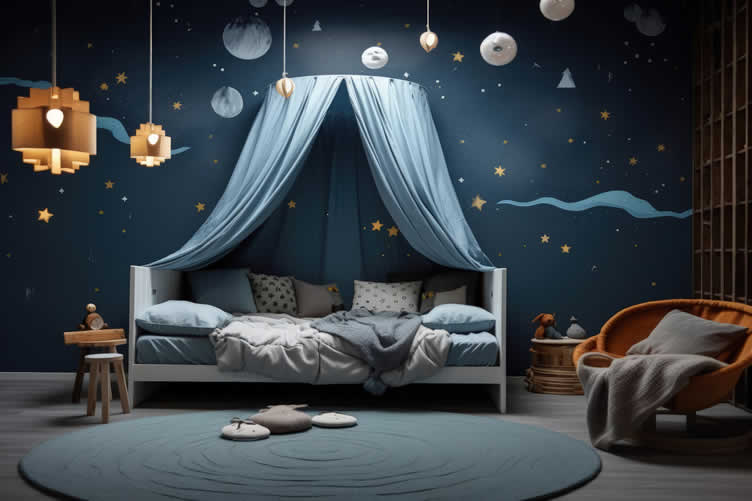
Children who have a say in personalizing their space feel more secure and attached to it. It becomes a safe haven where they can retreat, unwind, and rejuvenate, thus supporting their emotional well-being.
copyright image by 123rf.com

-
-
2nd: Psychological Needs Influenced by Gender and Age
The psychological needs of children vary widely based on gender and age. Personal spaces for children serve not just as physical retreats but also as environments that cater to these distinct needs.
For both genders, these rooms can be platforms to explore identity, experience privacy, and practice autonomy. This is especially true during the formative years of pre-teens and adolescents, where the drive for self-discovery and peer acceptance is pronounced.
-
Psychological Needs by Gender
Boys’ Spaces
For boys, a space of their own often acts as a proving ground for competence and confidence. Elements such as sports equipment or technology can encourage physical activity, strategic thinking, and problem-solving skills.
Girls’ Spaces
In girls’ spaces, there is often a stronger focus on social interaction and emotional expression. Spaces that provide a setting for communication, such as a small seating area, can foster social skills and support emotional development through shared experiences with friends.
-
Psychological Needs by Age Group
Pre-Teens
For pre-teens, personal space begins to lay the groundwork for the journey through adolescence. Age-appropriate autonomy in their room’s design and usage can help them gain confidence in their decision-making skills and express their budding identities.
Teenagers
Teenagers, in their quest for identity and independence, derive significant benefits from personal space which acts as a sanctuary for self-reflection. It becomes increasingly important as they navigate complex social dynamics and increased academic pressures, requiring a space that can adapt to their changing needs and evolving interests.
copyright image by 123rf.com
[ youtube: kids room decoration ideas]
[ youtube: designer kids rooms (tricks & tips)]
-
-
-
ideas to view and compare from the information discussed above
Scroll up to directory … or scroll to next section about kids room decorating ideas …

second “photo remodeling” idea
copyright image by 123rf.com
Decorating Tip 2: Benefits of Letting Kids Decorate
Notes:
-
Let’s dive deeper into the understanding of the numerous benefits that children can derive if given the opportunity to have a personal stake in decorating their own rooms. By allowing children to express their creativity and individuality through room decoration, we empower them to develop a sense of ownership and pride in their living space.
This fosters a nurturing environment where they can freely explore their personal preferences, learn decision-making skills, and cultivate a sense of responsibility. Moreover, the act of making choices and taking part in the design process enhances their cognitive development, spatial awareness, and problem-solving abilities.
-
Quick scroll to “key benefits” side notes …
- 1st: Learn About What’s Important to Them
- 2nd: Signal Their Independence
- 3rd: Fosters Creativity
- 4th: Helps Them Learn to Invest In and Care For Their Space
- 5th: Develops Decision-Making Skills
- 6th: Boosts Confidence and Self-Expression
- shop ideas
- next topic: Tips for Parents on Room Decorating Projects
-
-
1st: Learn About What’s Important to Them
Engaging children in the decoration of their personal spaces can serve as a silent yet vivid communicator of their values and passions. As they select themes, colors, and objects that resonate with them, parents gain insight into what their children hold dear.
Every poster, collectible, or chosen hue has a story—an intricate piece of the puzzle that forms their identity. The autonomy to decorate nurtures not only a child’s aesthetic preferences but also helps in solidifying their interests and priorities.
This kind of expression is crucial for their development, offering a non-verbal channel for them to convey their thoughts and feelings, which sometimes words alone cannot capture.
Through this process, children not only learn about their own evolving tastes and interests but also develop a deeper connection with their inner self, cultivating self-awareness from a tender age.
-
2nd: Signal Their Independence
By involving children in the decision-making process of room decoration, parents send a powerful message of trust and respect for their child’s individuality and independence. This act is a validation of their child’s opinions and choices, reinforcing their confidence to make decisions.
As they navigate through options and express their preferences, children learn the fundamentals of independent thinking and the consequences of their choices. It is a practical exercise in autonomy, teaching them the importance of creating and living in a space that truly reflects who they are.
Such experiences are instrumental in building a child’s self-esteem and laying the foundation for them to become self-reliant and sure-footed individuals who are unafraid to stand by their convictions.
-
3rd: Fosters Creativity
Allowing children to decorate their room is tantamount to handing them a blank canvas where their creativity can flourish. It’s a safe and tangible medium for them to experiment with colors, patterns, and organizational concepts.
This process sparks their imagination, as they consider various themes and artistic elements, perhaps even integrating their own artwork or craft projects into the décor. This creative freedom not only fosters their artistic abilities but also encourages innovative thinking and problem-solving skills.
Through personalizing their space, children learn the valuable lesson that creativity is not just about artistry; it’s an expansive concept that can transform their environment and the way they experience it.
-
4th: Helps Them Learn to Invest In and Care For Their Space
By involving children in the process of decorating their own rooms, we provide them with more than just an aesthetic appeal; we teach them the value of investment and responsibility. As children make decisions about what goes into their room, they develop a sense of ownership and are more likely to take care of their belongings.
They learn the importance of keeping their space tidy and may even feel encouraged to perform maintenance tasks to keep everything looking its best. This lesson in stewardship instills in them the understanding that personal spaces reflect personal effort and care, a notion they can carry into adulthood when managing their own homes.
-
5th: Develops Decision-Making Skills
Allowing children to partake in the design of their rooms serves another crucial developmental purpose: honing decision-making skills. When presented with choices about color schemes, furniture placement, and which keepsakes to display, children engage in a series of decisions that reflect their priorities and tastes.
Such opportunities empower them to think critically about their preferences and the practicalities of their decisions. They learn to weigh options, consider consequences, and make trade-offs. The act of choosing where to put a shelf or what bedding to use imparts lessons on prioritizing and the satisfaction of making informed choices.
These skills, cultivated in the microcosm of their personal space, lay the groundwork for confident and thoughtful decision-making in their future personal and professional lives.
-
6th: Boosts Confidence and Self-Expression
Encouraging children to personalize their rooms goes beyond aesthetics; it’s a form of self-expression that significantly boosts their confidence. Through the autonomy of selecting themes, colors, and decor, they articulate their emerging identities and interests.
This form of personalization allows them to establish a space that truly resonates with who they are, or who they aspire to be. Such empowerment comes with a proud acknowledgment of their choices when they showcase their room to others, bolstering their self-esteem.
Moreover, nurturing this creative liberty helps them to embrace their individuality, which is essential to building a confident self-identity.
copyright image by 123rf.com
-
-
ideas to view and compare from the information discussed above
Scroll up to directory … or scroll to next section about kids room decorating ideas …
 … grab this directory of ideas

May We Suggest Other Photo Remodeling Ideas About
“Giving Your Kids a More Structured Life …” (new win)


third “photo remodeling” idea
copyright image by 123rf.com
Decorating Tip 3: Tips for Parents on Room Decorating Projects
Notes:
-
As parents, your role in guiding your child through the process of personalizing their space is pivotal. While it’s important to allow them creative freedom, providing a mix of support and direction is beneficial.
Offer your expertise in organization and budgeting, lend a hand in the execution of their ideas, and encourage them to think about functionality as well as style. It’s a delicate balance between letting them take the lead and being available to steer the project towards a successful outcome.
Together, you can transform their room into a reflection of their personality while teaching them valuable life skills. Below, we will illustrate specific tips that can help make room decorating an enjoyable and developmental experience for your child.
-
Quick scroll to “parental guidance tips” side notes …
- 1st: Set Boundaries and Guidelines
- 2nd: Encourage Creativity Within Limits
- 3rd: Provide Age-appropriate Options and Tools
- 4th: Collaborate and Offer Guidance
- 5th: Balance Approval with Learning Opportunities
- 6th: Cultivating Creativity Through Free Reign
- 7th: Embracing Chaos with a Plan: Tips for Parents
- shop ideas
- next topic: Inspiring Ideas and Themes for Kid’s Bedrooms
-
-
1st: Set Boundaries and Guidelines
While it’s important to encourage children to express themselves, setting boundaries and guidelines is essential for a successful room decoration project. Discuss with your child the importance of making choices that are sustainable and safe.
For instance, establish rules regarding permanent changes like painting walls or adding fixtures, and promote the use of elements that can be easily updated as their tastes evolve.
Encourage them to think long-term, consider the functionalities of their room, and understand the budget. Explain that some items might be too costly or impractical for their space.
By setting clear limitations, parents help children to learn decision-making within set parameters, preparing them for future responsibilities while
-
2nd: Encourage Creativity Within Limits
While children should be encouraged to express their individuality through room decoration, it’s important to explain why they cannot have carte blanche. Discuss with them the necessity of a cohesive design plan that factors in space constraints, safety standards, and even the potential for mess.
For instance, an indoor sandbox or wall-to-wall carpet may seem fun in theory, but these could create cleaning challenges or even safety issues.
Helping children understand these practical considerations ensures that their freedom is exercised with an awareness of the broader impacts of their choices. It also instills an understanding of compromise and thoughtful planning.
By guiding children to make wise decorating decisions that balance their creative desires with practicality, parents encourage responsible self-expression.
-
3rd: Provide Age-appropriate Options and Tools
When allowing children the freedom to decorate their rooms, it is vital to provide them with age-appropriate options and tools that empower them while ensuring their safety.
Younger children might enjoy a selection of removable wall decals or non-toxic, washable wall paints that encourage their creativity without permanent commitment.
For older kids and teenagers, introducing them to basic interior design tools and digital planning apps can help them visualize their ideas before making any changes. This approach allows children of all ages to experiment with their tastes and preferences, all the while maintaining a safe and suitable environment.
Providing such options helps children learn the principles of design and project management, reinforcing the value of innovation within the confines of practicality and safety.
-
4th: Collaborate and Offer Guidance
Participating in the room decorating process together can be a delightful activity for both children and parents. Offering guidance while encouraging kids to take the lead allows them to exercise their creativity fully.
This collaboration also provides a valuable teaching moment where parents can discuss themes, color theory, and space utilization in an enjoyable and interactive way.
Allowing total freedom under watchful guidance ensures that children feel their ideas are valued and taken seriously while learning to make decisions that are both fun and feasible.
The act of co-creating a living space not only helps in developing a child’s decision-making skills but also strengthens the bond between parent and child, transforming room decoration from a simple task into a memorable and educational experience.
-
5th: Balance Approval with Learning Opportunities
When granting children the autonomy to decorate their rooms, it’s important to note that not all of their choices need parental approval to be valuable. Allowing them to make decisions that may not align with adult tastes can be a teaching tool in itself.
Children often learn best through experience, and having the freedom to choose and implement their own ideas teaches them about consequence and personal responsibility.
Encouraging them to think critically about their choices and reflecting on what they like or don’t like once complete will help them internalize important design and life lessons.
Despite the tide of stuffed animal tsunamis or experimental color schemes, embracing their individuality in a space that’s truly their own can significantly boost a child’s confidence and creativity.
-
6th: Cultivating Creativity Through Free Reign
You might be surprised how much you like what they come up with when you allow kids total freedom in decorating their room. When children are given the reins, they often combine colors, patterns, and themes in ways that adults wouldn’t think to try, resulting in a burst of creativity and originality.
This youthful ingenuity can lead to inspiring and playful spaces that radiate positive energy. More than just a mishmash of ideas, these rooms often reflect pure imagination and can serve as a reminder of the boundless creativity we all possess but may have lost touch with over time.
By trusting their instincts, children can create a personalized haven that is not only a joy for them to reside in but also a delightful surprise for adults to behold.
-
7th: Embracing Chaos with a Plan: Tips for Parents
Here are a few tips and tricks that can help guide the process when allowing kids total control over their room’s decor:
- Set Some Ground Rules:
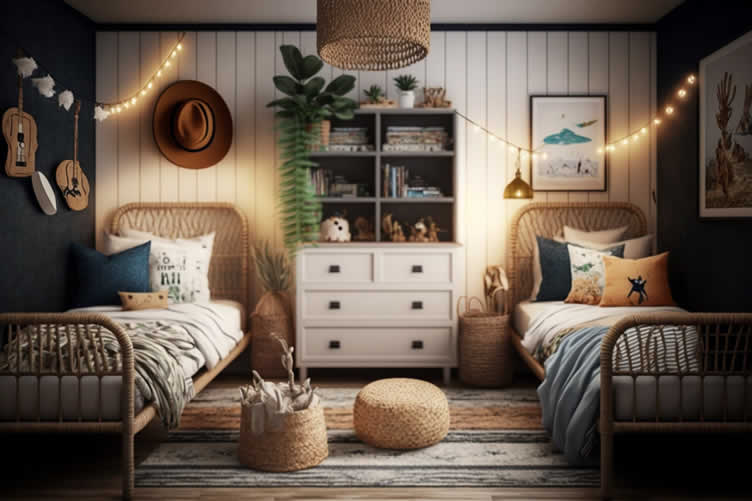
Before diving in, establish some basic guidelines regarding budget, safety, and any other non-negotiables. This ensures that while the kids have freedom, they also understand the importance of boundaries. - Start Small:
Encourage them to begin with small projects or a single area of the room. This can help children feel less overwhelmed by choice and gives them a taste of the decorating process. - Storage Solutions:
Invest in storage that’s both fun and functional. This means children can display their favorite items and keep the mess at bay simultaneously. - Removable Decor:
Use wall decals, washi tape, and removable wallpaper so they can change their minds and redecorate as their tastes evolve without too much commitment or hassle. - Thrift and Craft:
Propose a DIY approach for unique items or repurpose old furniture. Not only does this foster creativity, but it also teaches the value of upcycling and personalization. - Color Control:
Give them a say in the color palette but offer choices within a range you can both live with. This will help avoid any potential neon overload while still giving them the sense of control they crave. - Personal Gallery:
Create an art display where they can showcase their drawings and crafts. This personal gallery can be easily updated and will give them pride in their own creations.
copyright image by 123rf.com
[ view post: ways to update kids’ rooms on a budget ]
[ grab file: FREE budgeting worksheet]
- Set Some Ground Rules:
-
-
ideas to view and compare from the information discussed above
Scroll up to directory … or scroll to next section about kids room decorating ideas …
SHARE IT ..! You might have someone in your social network who could find this informative post on how simple renovations can boost your mental health valuable. Feel free to share it on Facebook, Twitter, LinkedIn, or Pinterest!




fourth “photo remodeling” idea
copyright image by 123rf.com
Decorating Tip 4: Inspiring Ideas and Themes for Kid’s Bedrooms
Notes:
-
When designing a child’s bedroom, choosing a theme can be more than just an aesthetic decision; it can be a launchpad for imagination and learning. A well-thought-out theme can not only make a space more enjoyable but also inspire a child’s creativity, curiosities, and interests.
Some tips to incorporate:
- Gender-Neutral Options:
Spaces that defy stereotypes by focusing on interests rather than gender norms. - DIY Projects and Crafts:
Homemade décor, like paper mâché lamps or hand-painted canvases, add a personal touch. - Incorporating Favorite Hobbies:
Whether they love space or soccer, designing their room around what they’re passionate about can be incredibly fulfilling. - Interactive and Playful Elements:
From a rock-climbing wall to a treehouse-inspired bed, incorporating interactive elements can make the room an exciting place to learn and play. - Encouraging Organization:
With designated spaces for their toys, books, and art supplies, children can learn the importance of keeping their space tidy while also making it easier for them to find what they need.
By weaving in elements that are both fun and educational, these themed environments encourage children to explore and think creatively. Here are a few themes that can excite any child:
- Gender-Neutral Options:
-
Quick scroll to “decorating themes” side notes …
-
-
1st: Whimsical and Imaginative Theme
Immerse your child’s bedroom in a world of wonder and whimsy with a decorating theme that sparks the imagination. This approach allows for playful elements that can transform a regular bedroom into a storybook adventure.
-
Fairytale Forest
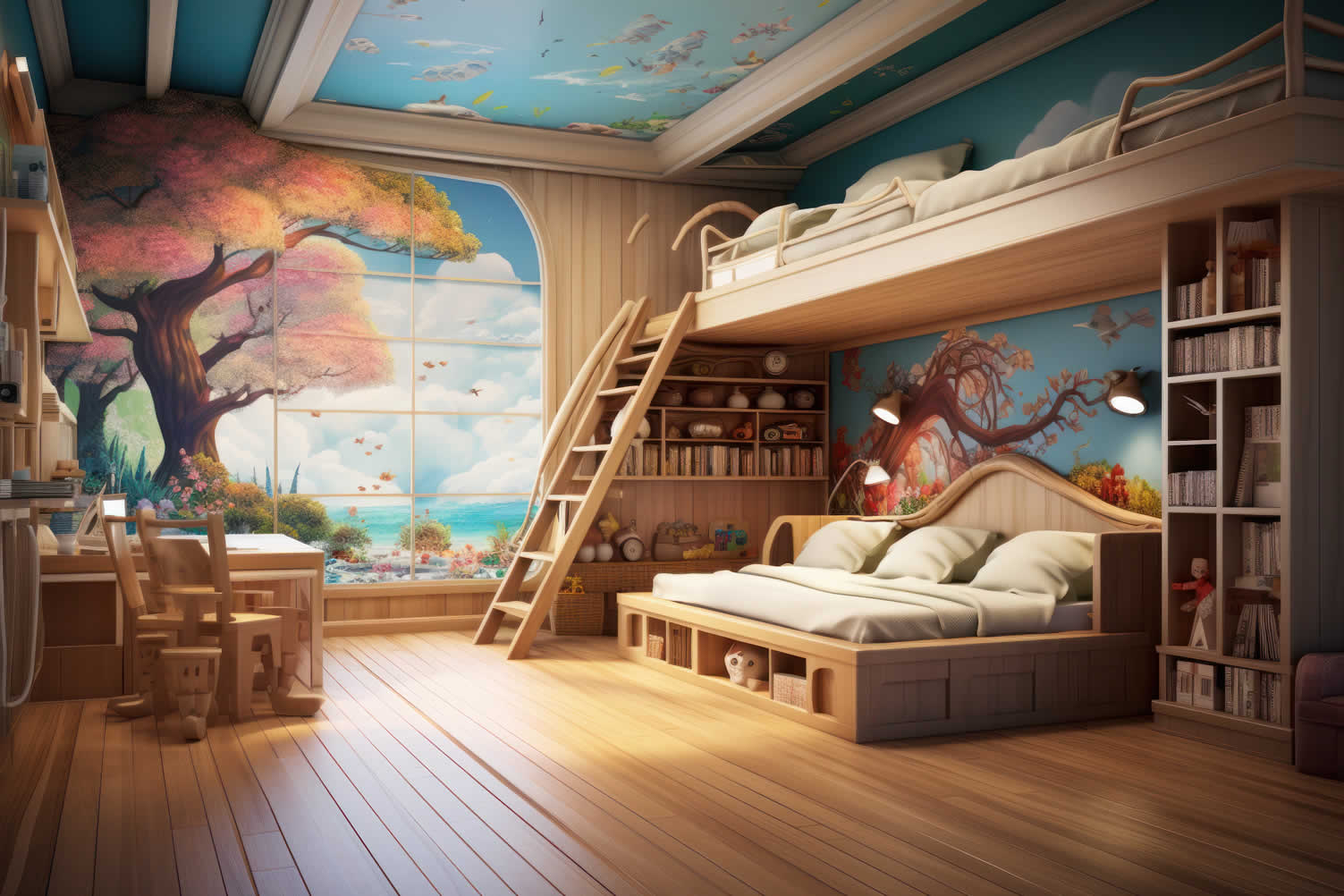
Create an enchanted forest with tree decals or a mural that makes bedtime feel like stepping into a fairytale. You can add elements like a canopy bed to represent a woodland bower, and fairy lights to mimic the twinkle of stars through treetops.
-
Outer Space Odyssey
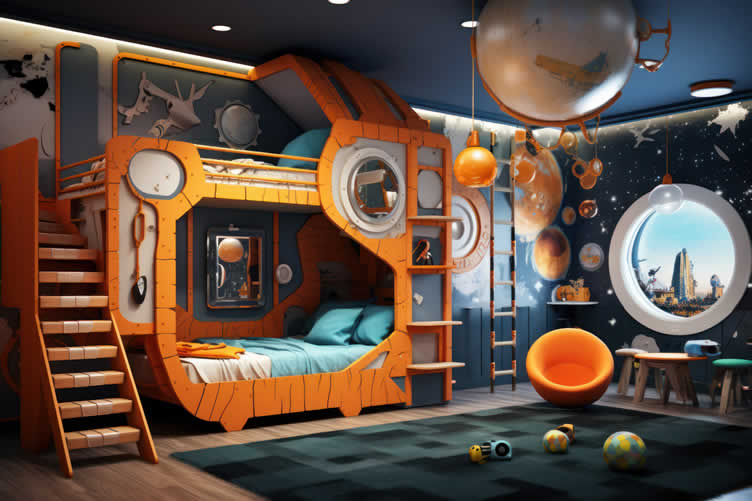
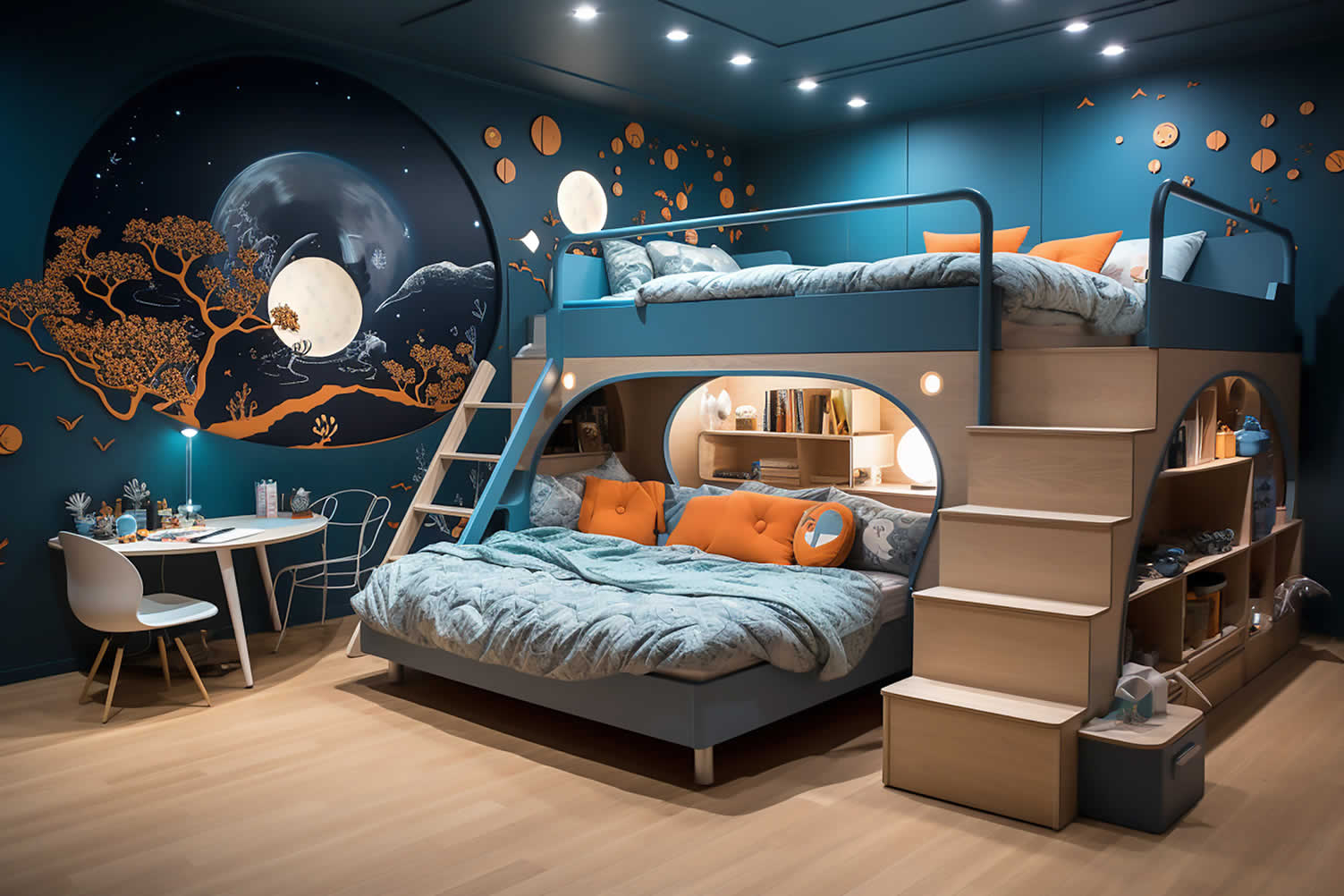
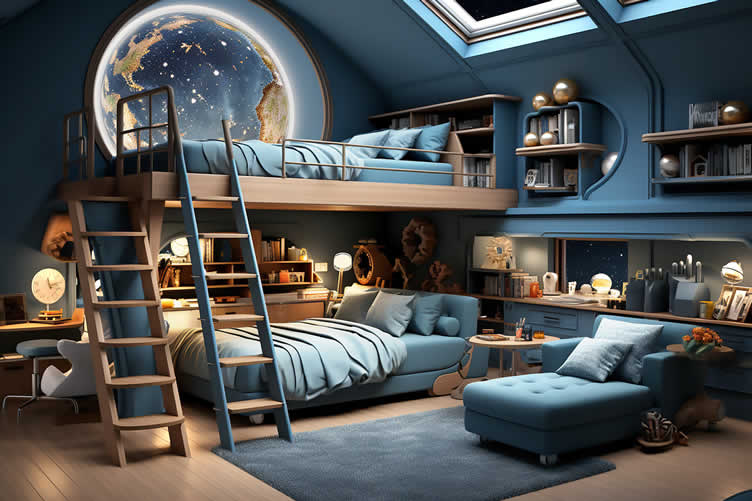
Blast off to outer space by incorporating stars, planets, and rocket ship motifs. Use glow-in-the-dark ceiling decals to emulate the galaxy, and consider bedding and accessories that feature astronauts or alien friends.
-
Pirate’s Cove
Transform the room into a pirate’s hideaway with treasure maps, ships, and ocean creatures adorning the walls. A bed shaped like a ship with sails and a ship wheel will ensure that every day is an exciting voyage.
-
Circus Spectacle
Bring the magic of the circus to life with bright colors, stripes, and patterns. Red and white canopies, circus animal decorations, and playful clown accents make each day a carnival celebration.
-
Under the Sea Adventure
Dive into an underwater theme where marine life and the beauty of the ocean floor become the centerpiece of the room. Walls can be painted in tranquil shades of blue and adorned with decals of fish, corals, and mermaids.
-
Treehouse Hideaway
Evoke the spirit of a forest retreat with a treehouse-themed bedroom. Realistic tree decals or a loft bed fashioned like a treehouse can serve as a cozy nook for both play and rest. Include accessories like rope ladders, binoculars, and plush woodland creatures to enhance the sense of adventure.
-
Hot Air Balloon Journey
Carry the theme of exploration up into the skies with a hot air balloon-inspired bedroom. The ceiling can be painted sky blue with fluffy white clouds, and you can hang colorful balloon models or mobiles to give the sensation of floating high above the ground.
copyright image by 123rf.com
[ view images: imaginative kids bedroom ideas]
[ pinterest: under the sea kids bedroom]
-
-
2nd: Creative and Artistic Haven Theme
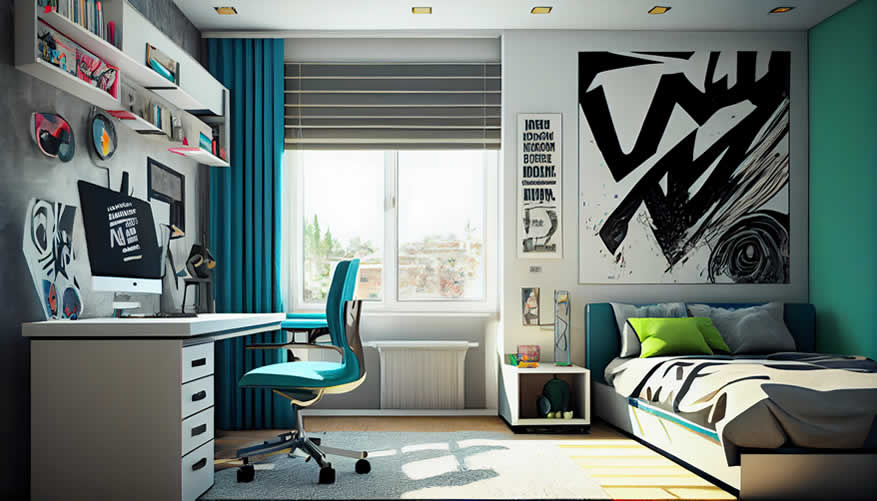
Transform your child’s bedroom into a place of endless imagination with a "Creative and Artistic" theme. This sanctuary of inspiration can be tailored with various creative zones, each designed to spark a different aspect of your child’s creativity.
-
Art Studio
Set up an art studio corner with easels, a wide variety of painting supplies, and ample natural light to simulate an artist’s true workspace. Display shelves for the art creations and washable floor coverings make this space both functional and inviting for young Picassos.
-
Music Room
Dedicate a section as a music room, with instruments mounted on the walls and a small recording area. Soundproofing the walls with acoustic panels will keep the creative flow contained and encourage musical exploration any time of day.
-
Inventor’s Workshop
Incorporate an inventor’s workshop complete with a workbench, safe tools, and a pegboard for hanging gadgets and gizmos. Use clear storage bins for assorted materials to invent and build, encouraging engineering minds to envision and create.
-
Writer’s Nook
Create a cozy writer’s nook with a child-sized writing desk, ergonomic chair, and a vintage-inspired lamp. Shelves filled with classic and modern literature will surround the young author with endless inspiration.
-
Theater Stage
Install a small platform to act as a theater stage, complete with curtains and stage lighting. A costume rack and a prop box in the corner will support a wide array of performances and recitals.
-
Dance Studio
Equip a mirrored wall with a ballet barre for a dance studio setting, resilient flooring for dance moves, and a sound system for the rhythm of tap or the melody of ballet.
-
Walls as Canvases
Transform the bedroom walls into canvases; chalkboard or magnetic paint allows for an ever-changing exhibit of creativity—drawings, poems, and magnetic sculptures can take center stage.
-
Furniture as Sculptures
Choose furniture that doubles as sculptures, like a bookshelf that spirals or a chair that looks like a hand. These elements of functional art will reinforce the creative atmosphere and encourage out-of-the-box thinking.
copyright image by 123rf.com
[ view images: artistic kids bedroom ideas]
[ pinterest: creative kids bedroom]
-
-
3rd: Calming and Nature-Inspired Theme
The "Embracing Nature" decorating theme is perfect for creating a nurturing space for children to grow and dream. By incorporating elements that reflect the soft whispers of the forest or the serene beauty of a garden, the bedroom becomes a place of natural comfort.
-
Whispering Woods
Create a mystical forest environment for your child by focusing on colors and textures that evoke a sense of being amongst whispering trees. Use earthy tones such as moss green, bark brown, and mushroom gray as your base palette.
Add whimsical tree and animal decals to the walls to stimulate their imagination. A ceiling-mounted mobile with leaves or forest creatures can add a sense of enchantment. Soft, plush area rugs and throw pillows shaped like forest animals or tree stumps complete the secret woodland atmosphere.
-
Tranquil Beach Retreat
Design a child’s bedroom reminiscent of a serene beach retreat using a color palette of soft blues, sandy beiges, and sunny yellows. Incorporate seashell or sea life patterns in bedding and curtains for thematic consistency.
Textured rugs that resemble the ocean floor and decorative elements such as driftwood art pieces or a small indoor sandbox can inspire creative play and relaxation. Hang lightweight, breezy curtains that flutter with the breeze of a ceiling fan to mimic the coastal winds.
-
Serene Meadow
Craft a space for your child that captures the simplicity and calmness of a serene meadow. Pastel greens and yellows alongside floral patterns can be used in bedding, wall art, and curtains.
Consider a large, playful mural of a meadow scene complete with animals and wildflowers. Use cloud-shaped pillows and sun-shaped lights to bring a bit of the expansive sky into the room.
-
Mountain Lodge Escape
For a sense of adventure and the rugged outdoors, turn your child’s room into a mountain lodge escape. Wooden furniture and plaid patterns create a rustic feel. Install a rock-climbing wall or mountain mural to encourage active play.
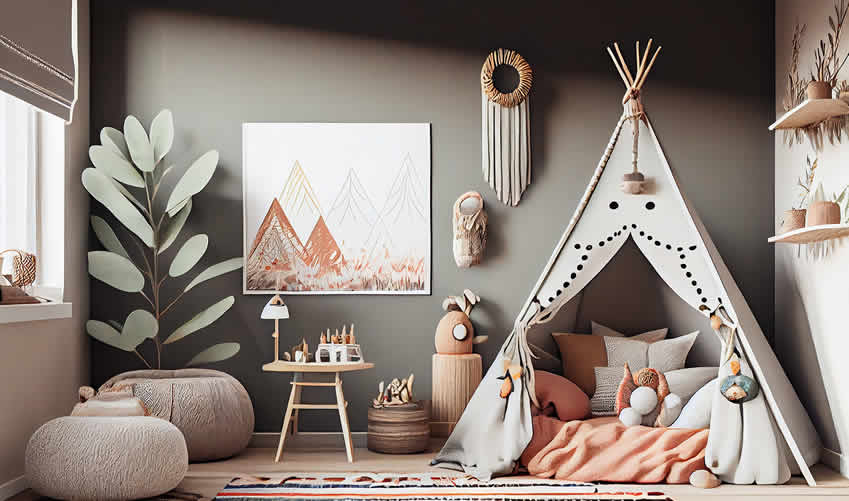
Bedding and curtains with mountain prints or bear and moose silhouettes solidify the lodge theme, while a cozy teepee reading nook adds a perfect hideaway spot.
-
Tranquil Garden Haven
Envision a space that’s blooming with life by decorating your child’s room in a garden-inspired theme. Floral and fauna patterns on linens blend well with soft pink, lavender, and sage on walls.
A butterfly net canopy over the bed can bring delightful dreams, while birdhouses and insect-shaped wall decorations contribute to the garden charm. Real potted plants improve air quality and nurture a caring relationship with nature.
-
Cosmic Retreat
Turn your child’s bedroom into an outer space odyssey with a deep space color scheme and glow-in-the-dark celestial bodies. Use constellation bedding and a rocket ship bed frame to ignite their interstellar imagination.
Wall murals of galaxies or space scenes and floating shelves to display ‘moon rocks’ or space-themed toys can encourage curiosity about the cosmos.
-
Rainforest Canopy
Create a jungle-themed area where your child can revel in the mystery of a rainforest canopy. Using a palette of vibrant greens and rich browns, accessorize with plush animal friends and fake hanging vines.
Tree-stump cushions and a leafy bed canopy will further enhance the rainforest experience. Ambient sounds of wildlife and rainfall will complete the tropical illusion.
-
Sunlit Meadow
Design a bedroom that feels like a sunny meadow filled with wildflowers and butterflies for your child. Incorporate bright colors with flower and butterfly decals aplenty.
Use fluffy cloud-like pillows and arrange bedding and rugs in a spectrum of colors to mimic a wildflower patch. A sun-shaped lamp or light fixture can be the sunny finishing touch to this vibrant and warm retreat.

copyright image by 123rf.com
[ view images: nature-inspired kids bedroom ideas]
[ pinterest: enchanted forest kids bedroom]
-
-
4th: Educational and Interactive Theme
Creating an educational and interactive environment within a child’s bedroom can invigorate their love for learning and curiosity.
This theme can be realized through the introduction of interactive maps, globes, and educational posters that adorn the walls, complemented by puzzle and activity rugs on the floor offering both comfort and cognitive challenges.
-
Dinosaur Dig Site
To create the Dinosaur Dig Site, use earthy color palettes and murals to emulate the prehistoric times.
Incorporate bedding and curtains featuring dinosaur prints, and place a small tent with a ‘Paleontologist Kit’—comprising brushes, magnifying glasses, and toy fossils—for simulated excavation activities.
A floor mat designed to look like a dig site can serve as an interactive area where children can uncover hidden dinosaur bones.
-
Jungle Safari
Turn the room into a Jungle Safari with lush green colors, leaf-patterned wallpapers, and a jungle canopy bed.
An assortment of plush exotic animals can be placed around to simulate wildlife, and a treasure chest of binoculars, a toy camera, and a map encourages adventure and exploration.
Hang educational posters of different animal species and habitats to blend learning into the theme.
-
Space Station Launchpad
For the burgeoning astronaut, a bed with a custom rocket ship frame can serve as the centerpiece for the Space Station Launchpad. Use glow-in-the-dark ceiling stickers to create a starry night sky and provide a telescope for stargazing.
Integrate educational materials like space-themed puzzles and books, and a dashboard-style toy panel that can simulate a spaceship control board for interactive play.
-
Time Travel Journey
Invite imagination through time with a Time Travel Journey theme. Showcase different eras and civilizations with wall timelines and period-specific artifacts as decor.
Create ‘artifact’ drawers with replicas of ancient coins, scrolls, and miniature monuments for hands-on historical exploration.
A globe and a costume wardrobe with period outfits can enhance the educational play, allowing children to dress up and ‘travel’ through different times.
-
Interactive Map Corner
Set up an interactive map corner with world maps, a spinning globe, and geographical tools, where young explorers can embark on virtual journeys and learn about different cultures and environments.
This tactile experience will help them understand the vastness of our world and the diversity within it.
-
Science Station
Designate a science station equipped with a kid-friendly microscope, telescope, and a variety of experiment kits. Shelves with glass jars can display interesting rocks, shells, and leaves, prompting natural scientific inquiry and observation.
-
Math and Puzzle Zone
Introduce a math and puzzle zone featuring an array of educational toys and games such as tangrams, abacus, and math board games. These fun tools will assist in developing a strong foundation in critical thinking and numerical skills.
-
Book Corner
Create a cozy book corner adorned with bean bags and cushy seating to foster a comfortable reading environment. Include a diverse range of books, including interactive ones with flaps and textures, to make the joy of reading accessible and fun.
-
Art and Creation Area
Encourage creative expression by setting up an art and creation area, with an easel, art supplies, and a variety of mediums for painting, drawing, and crafting. Display a corkboard or hanging lines with clips to showcase the masterpieces produced in this creative laboratory.
-
Learning Tech Pod
Incorporate a learning tech pod with a child-safe computer or tablet loaded with educational apps and games. This tech nook will be a hub for interactive learning, where digital literacy can flourish alongside traditional educational methods.
copyright image by 123rf.com
[ view images: interactive kids bedroom ideas]
[ pinterest: learning center kids bedroom]
-
-
5th: Personalized and Unique Decorating Theme
To create a space that is truly reflective of a child’s personality and passions, a "Personalized and Unique" decorating theme is ideal.
This approach focuses on individualizing the decor based on the child’s current likes and potential interests, allowing for flexibility as the child grows and evolves.
It underscores their uniqueness and is adaptable enough to change with the child’s development without requiring complete overhauls of the space.
-
Favorite Book Characters
Transform the child’s bedroom into a little library haven celebrating their adored literary figures. Start by using wall decals or stencils of quotes and images from their favorite books.
Add themed bookends and display shelves to organize the books, drawing direct inspiration from the stories themselves to accessorize further. This not only encourages reading but surrounds the child with the comfort of their treasured characters.
-
Sports or Hobbies Theme
Dedicate areas of the room to the child’s favorite sports or hobbies. Incorporate equipment-shaped hooks for hanging bags and gear, and use storage bins designed like sporting accessories for their toys.
Decorate walls with decals or framed memorabilia that spotlight iconic sports stars or hobby milestones, turning the room into a personal hall of fame.
-
Movie or TV Show Inspiration
Capture the magic of their favorite screen adventures through wall art, bed linens, and accessories mirroring the aesthetic of beloved movies or TV shows.
Create a themed media corner decorated with posters and collectible items, setting up a shelf dedicated to DVDs or streaming device setups that reflect the theme.
Be cautious to choose elements that are beloved classics to ensure longevity in their interest.
-
Collection Display Theme
If the child is a collector, design the room with display cases or floating shelves to show off their prized possessions. Whether it’s action figures, dolls, or travel souvenirs, having them on show can make the region more meaningful and personal.
Lighting can play a significant role here, with spotlights or LED strips highlighting their collection.
-
Dream Job or Future Aspiration
Decorate with items that represent the child’s dream profession or future goals. For an aspiring astronaut, use a space-themed bedding set and glow-in-the-dark ceiling stars.
Future artists might enjoy a wall-mounted roll of paper for drawing, and young scientists could display models of the solar system or dinosaur skeletons. This theme can be a daily source of inspiration and motivation for the child’s aspirations.
-
Custom Wall Art
Start by designing an area for custom wall art where the child can display their own paintings and drawings. Use magnetic paint or create a gallery wall with changeable frames.
Not only does this celebrate their creativity, but it also allows them to update their space as often as they like with new artwork.
-
Own Creation Station
Set up a small creation station complete with art supplies, crafting materials, and construction sets. This dedicated space encourages them to make new items to decorate their room, fostering a sense of achievement and ownership over their space.
-
Bespoke Furniture
Consider bespoke furniture pieces that can be painted or decorated by the child. Whether it’s a plain wooden chair that they can paint or a shelving unit they can fill with their favorite objects, the goal is to make the room feel like their personal haven.
copyright image by 123rf.com
[ view images: personalized kids bedroom ideas]
[ pinterest: chalkboard wall kids bedroom]
-
-
-
ideas to view and compare from the information discussed above
space exploration muralsunder the sea muralsenchanted forest murals
Scroll up to directory … or scroll to next section about kids room decorating ideas …
interior design like kids bedroom



decorating teen and adolescent rooms





fifth “photo remodeling” idea
copyright image by 123rf.com
Decorating Tip 5: Transition to a Teen/Adolescent Theme and Feel
Notes:
-
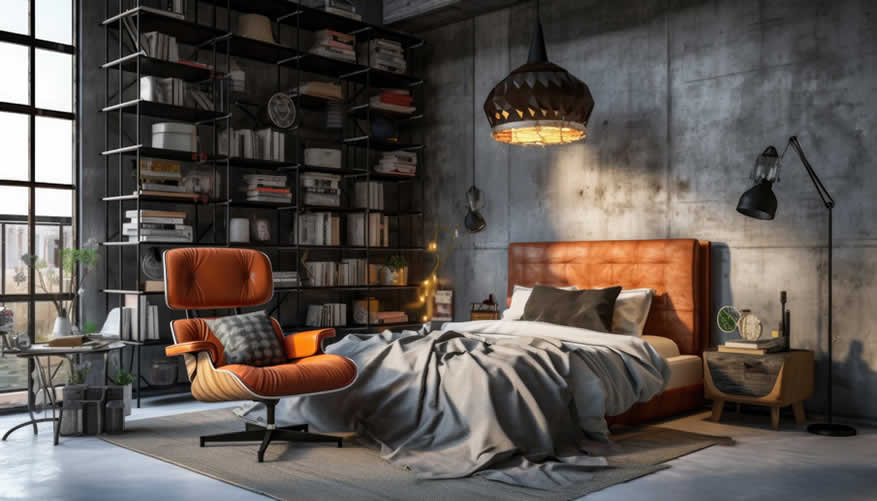
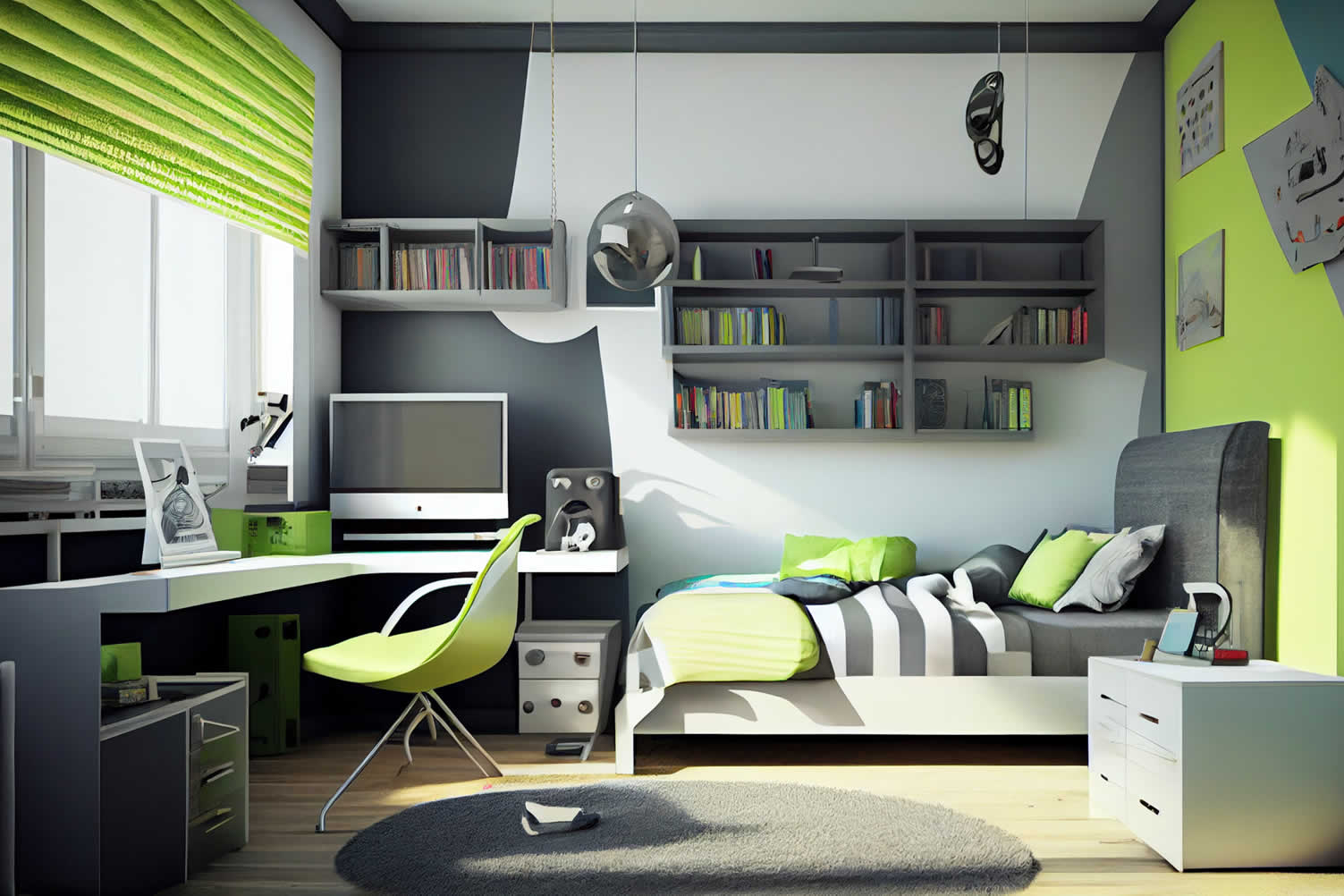
As children mature into teenagers, their interests and needs change, calling for a room decor that reflects their evolving identity. With the foundation of flexibility built into their childhood room, transitioning their space into a teenage theme becomes a seamless endeavor.
Start by evolving the existing color palette to more sophisticated hues that appeal to a teenager’s taste while maintaining warmth and comfort. Encourage them to express their growing individuality by selecting posters and art that align with their current passions, whether it’s music, film, or social causes.
Replace the child-friendly furniture with pieces that offer a more mature feel, perhaps introducing a work desk or bookshelves that cater to their academic and hobby needs.
Upgrade the creation station to suit the teenager’s advanced skill set — it could transition into a digital workstation or a space for larger, more intricate projects.
Most importantly, this redesign should be a collaborative process that respects the teen’s input, enabling them to take the lead in creating a personal sanctuary that will support them through the challenges of adolescence and serve as a comforting base as they prepare to venture out into the world.
-
Quick scroll to “teen/adolescent” side notes …
-
-
1st: Personal Touches and Tips
Incorporating a teen’s unique personality and interests into their bedroom decor is essential for creating a space where they feel truly at home. Encourage them to choose accessories that reflect their hobbies, whether it’s artwork from their favorite bands or display shelves for their sports trophies.
Including a chalkboard wall or a space for a gallery wall can allow them to express their creativity and change the decor with their evolving tastes. For a personal touch, custom name signs or initials as wall art can make the bedroom feel distinctively theirs.
Accommodating these personal elements not only tailors the space to the teenager’s current preferences but also offers the flexibility for the decor to grow with them.
-
Some Tips To Incorporate:
-
Hobbies and Interests:
This is a great way to personalize their space and make it feel like their own. If they love sports, you could incorporate their favorite team’s colors or memorabilia. If they’re into music, you could create a music-themed room with instruments, posters, or album covers. -
Favorite Colors and Themes:
Let them choose their favorite colors and themes for their room. This could be anything from classic blue and green to more unique themes like outer space or superheroes. -
Personal Touches:
Encourage them to add their own personal touches to their room, such as photos, artwork, or souvenirs from their travels. -
Storage:
Teenagers tend to accumulate a lot of stuff, so it’s important to have plenty of storage options in their room. This could include shelves, cabinets, drawers, and under-bed storage. -
Desk and Workspace:
Make sure they have a dedicated space for studying and working on homework. This should include a desk, chair, and good lighting. -
Relaxation Area:
Create a space for them to relax and unwind, such as a reading nook or a gaming area.
-
-
Think About the Future:
-
Choose Versatile Furniture and Decor:
As teenagers grow and change, their tastes will too. Choose furniture and decor that can be easily adapted to different styles. -
Multi-functional Furniture:
Opt for beds with built-in storage drawers, ottomans that double as seating and storage, or desks with hidden compartments. Maximize space and create a clutter-free haven. -
Don’t Go Too Trendy:
Avoid trends that will be outdated in a few years. Choose classic pieces that will grow with them.
-
-
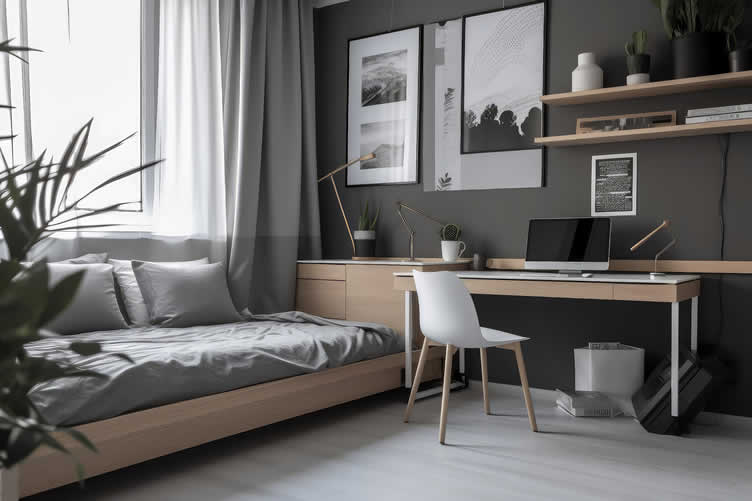
Viewing Case Student Success Stories
When contemplating the journey of redecorating a teenager’s bedroom, it can be incredibly beneficial to draw inspiration from the success stories of other parents.
By viewing case studies, one has the opportunity to see a variety of approaches to design and organization that have proven effective in real-life scenarios. Through platforms such as design blogs, social media, and home improvement shows, parents can explore a wealth of transformative bedroom makeovers.
Each story not only shares striking before-and-after photos but often includes testimonials about how the new environment has positively impacted the teenager’s mood, study habits, and overall satisfaction.
Furthermore, these case studies often highlight practical tips and innovative ideas that can be tailored to suit any space, budget, or style preference.
By leveraging the collective wisdom and creativity of other parents, one can undertake the decorating project with a sense of confidence and a vision that resonates with their teen’s unique personality.
copyright image by 123rf.com
[ view images: case studies for teen bedroom]
[ pinterest: teen bedroom decoration themes]
-
-
2nd: Decorating Tips for the Teenage Boys
Transitioning from early adolescence into the teenage years brings about a myriad of changes for young boys, and their bedrooms should evolve to reflect their maturing tastes and needs.
Decorating a teenage boy’s room involves more than just aesthetic appeal—it’s about creating a functional, comfortable space that can adapt to his evolving lifestyle. For boys in their early teens, themes can be adventurous or reflect their burgeoning interests, whether that’s sports, music, or technology.
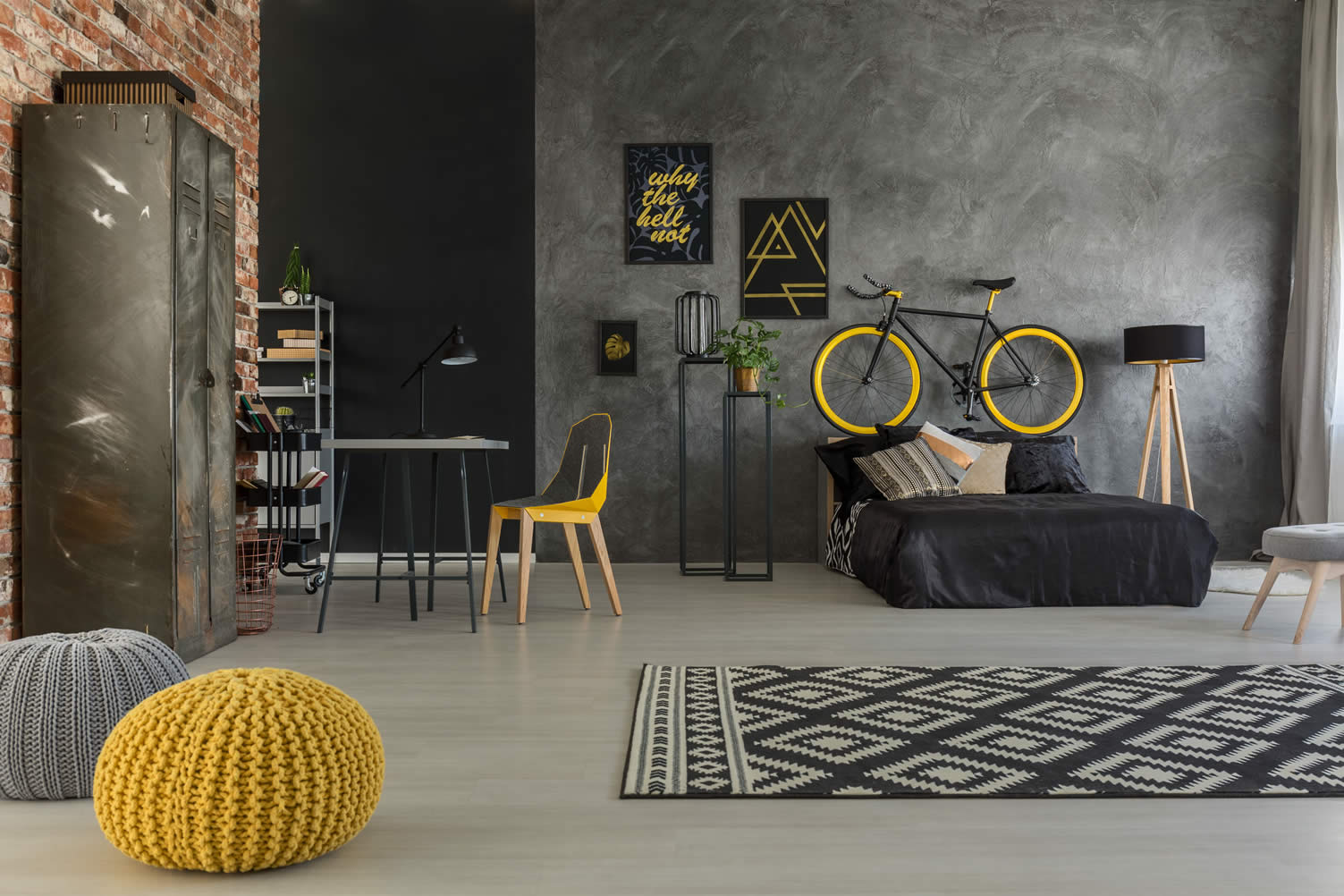
The color palette can be vibrant yet versatile enough to grow with them. Consider incorporating modular furniture that can be reconfigured as their hobbies and study habits change.
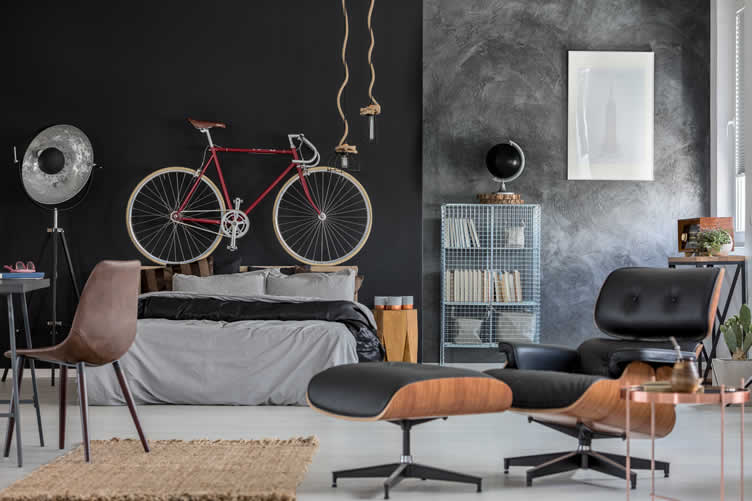
As they march towards the late teens, the focus often shifts to sophistication and practicality. It’s wise to opt for a more neutral color scheme that serves as a backdrop for posters, collectibles, and personal achievements.
A dedicated study area becomes crucial as they prep for college, complete with ergonomic furniture and good lighting. Storage solutions are key during these transformative years, with ample shelving, drawers, and closet organizers to keep clothes, gadgets, and schoolwork in order.
Encouraging a teenage boy to participate in the design process not only nurtures his sense of independence but also ensures the space will be one he’s happy to call his own, all the way to college and beyond.
-
Adventure Quest Theme
Creating a bedroom theme based on adventure and quests is perfect for a teen boy who loves to imagine and explore. Use maps, vintage travel posters, and globe decor to instill a sense of adventure.
Mount a canoe or kayak on the wall for a bold statement piece, and incorporate storage resembling old trunks to evoke the aura of an explorer’s trove.
-
High-Tech Hub
For the tech-savvy teen, a high-tech hub theme can make their bedroom the ultimate sanctuary. Use sleek, modern furniture with LED lighting for a futuristic feel.
Smart furniture pieces that incorporate charging stations and Bluetooth speakers will keep devices organized and ready to use. Decorate with posters of famous scientists, tech innovators, or related abstract art to inspire.
-
Sports Prodigy
Sports themes are timeless and can be personalized based on the teen’s favorite sports or teams. Decor can include framed jerseys, action shots of favorite athletes, and equipment transformed into decor or furniture, like a skateboard shelf or a baseball bat lamp.
Use astroturf as a rug for a unique textured floor that resembles a playing field.
-
Musical Retreat
For teens who love music, turning their bedroom into a musical retreat can be inspiring. Mount their favorite instruments on the wall for easy access and as a form of art.
Install soundproofing panels that double as a bold graphic element. Posters of music legends and vinyl records can make great wall decor while showcasing their musical preferences.
-
Scholarly Domain
Encourage academic pursuits with a scholarly-themed bedroom. Utilize classic library aesthetics like rich wood, a world globe, and a telescope for a vintage study feel.
Bookshelves filled with literature, historical figurines or models and a comfortable reading nook can create an atmosphere conducive to learning and contemplation.

copyright image by 123rf.com
[ view images: teen boy bedroom ideas]
[ pinterest: teen boy bedroom]
-
-
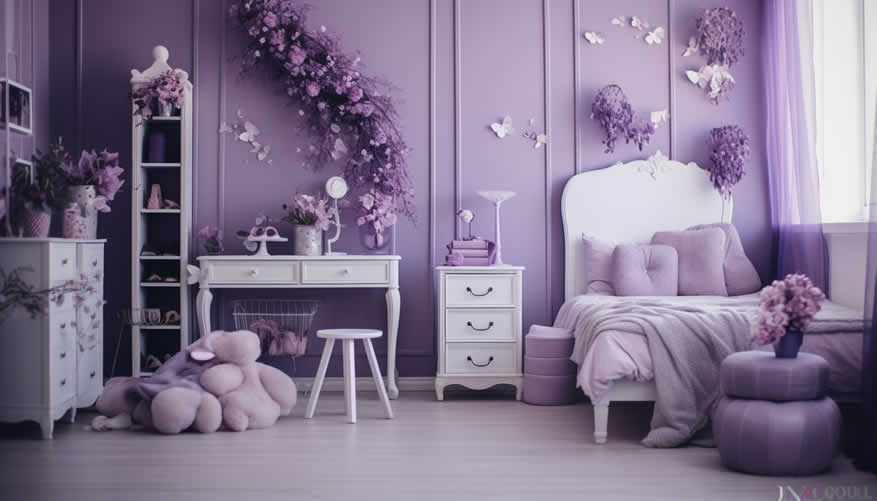
3rd: Decorating Tips for the Teenage Girls
Decorating for a teenage girl’s bedroom requires careful consideration of her unique and evolving sense of self. For girls transitioning from tween to teen, the bedroom becomes a sanctuary for dreams, growth, and personal expression.
- Early Teens:
Starting with early teens, the space can reflect a mix of playfulness and newfound sophistication, with palettes that move beyond the typical pinks to embrace a broader spectrum of colors that match her personality. - At this stage, incorporating flexible furniture pieces and decor that strike a balance between fun and function is key. A cozy reading nook, for instance, could become the coveted corner for delving into novels or lounging with friends.
- Wall decals and removable wallpapers provide an easy and affordable way to allow her to experiment with different styles and themes without long-term commitment.
- Later Teens:
Moving towards the later teen years, the bedroom should transition once again, this time with an eye on adulthood. The aesthetic may shift towards a more grown-up and chic environment—perhaps with a savvy combination of textures and muted tones that offer a sense of calm and concentration, especially important as academic pressures mount. - Going to College:
As college approaches, a well-organized and inspiring study area becomes essential. This personal workspace should grow in importance, equipped with task lighting and storage systems for books, technology, and all the necessities for late-night study sessions. - Spaces for showcasing her achievements and memories, such as bulletin boards or gallery walls, can serve as reminders of her journey.
- Incorporating clever storage solutions like under-bed drawers and over-the-door organizers is vital during these years of accumulation—from fashion to textbooks. Keeping her involved in the design choices encourages a lasting connection to the space.
Much like her male counterpart, a teenage girl’s room is a reflection of her identity and aspirations, serving not just as a place of rest, but as an incubator for the future she is beginning to design for herself.
Some decorating themes for teenage girls:
-
Bohemian Oasis
For the free-spirited teen girl, a Bohemian-themed bedroom is a perfect choice. Embrace a mix of patterns, textures, and vibrant colors to create a warm and inviting space. Canopies of light, flowing fabrics and an array of pillows on a daybed can make the room cozy.
Embellish the walls with macramé hangings, dream catchers, and fairy lights to encourage a creative and peaceful atmosphere.
-
Glamour Haven
For the teen that enjoys a touch of sophistication and glamour, consider a bedroom theme that showcases elegance. Use a palette of muted gold, soft pinks, and whites to create a chic and stylish space.
Mirrored furniture, a plush velvet chair, and a Hollywood-style vanity with lights around the mirror can add that sparkle of glam. Accent the space with sequined pillows and pearl-draped décor to make your teen feel like a star.
-
Nature-Inspired Nook
Teens who are nature lovers and enjoy the outdoors would appreciate a bedroom that brings in elements of nature. Use earthy tones and natural materials like wood and stone to mirror the outdoors. Incorporate plant life, whether real or artificial, to add a touch of greenery.
Wall art can include landscapes or floral designs, and bedding with leaf or animal prints can tie the theme together for a serene, natural retreat.
-
Adventure Den
Create a space that fuels wanderlust and the spirit of adventure for the explorer at heart. Maps, a vintage compass, travel books, and globes can serve as decor while inspiring dreams of future travels. Use suitcases as storage or stacks of them as a functional side table.
Decorative airplane models or ship replicas can adorn shelving, and photographs of different cultures or world landmarks can transform the room into a global getaway.
copyright image by 123rf.com
[ view images: teen girl bedroom ideas]
[ pinterest: teen girl bedroom]
- Early Teens:
-
-
ideas to view and compare from the information discussed above
Scroll up to directory … or scroll to next section about kids room decorating ideas …
below for …
home decorating services

Find Interior Design Services Decorators Interior Designers Furniture Painting & Staining top-rated, pre-screened local contractors FREE: download contractor selection enter zip code – powered by HomeAdvisor ™
Quick Contractor Guides selecting negotiating working with inspecting

sixth and last “photo remodeling” idea

copyright image by 123rf.com
Decorating Tip 6: Getting Started – "Decorating Kids Bedroom"
Notes:
-
Take the leap into bedroom renovation with your child at the helm. This approach not only encourages your child’s creativity and decision-making skills but can also yield a space that truly reflects their evolving identity and interests.
-
Step 1: Setting the Groundwork
Begin by establishing clear parameters, such as the budget, timelines, and any non-negotiables regarding function or design. This ensures that both you and your teen have a mutual understanding of the project’s scope and limitations.
-
Step 2: Brainstorming Session
Reserve time for a brainstorming session where your child can freely express their likes, dislikes, and desires for their new space. Encourage them to create a mood board that captures their vision, utilizing physical cutouts or digital tools like Pinterest.
-
Step 3: Prioritizing Elements
Together, identify the most important elements from the brainstorming session. Which aspects are essential for their comfort, which for functionality, and which are purely aesthetic? This step helps in prioritizing tasks and resources.
-
Step 4: Research and Inspiration
Guide your child towards research, where they can find inspiration and perhaps discover DIY projects that can personalize their space cost-effectively. This research phase will aid in refining their ideas and finding practical ways to bring them to life.
-
Step 5: Making a Plan
Translate the brainstormed ideas and research findings into a cohesive plan. Assist your child in laying out a roadmap that includes a timeline, shopping list, and a task distribution chart if other family members are participating in the process.
-
Step 6: Execution
Now it’s time to put the plan into action. Depending on the resources and time available, this can be a single weekend project or spread out over several weeks. Keep the atmosphere positive and view any setbacks as learning opportunities.
-
Step 7: Adjustment Period
After the decorations and changes are complete, there may need to be an adjustment period. Encourage your child to live in the space and make any tweaks that might be necessary. Sometimes the best ideas come after experiencing the room in day-to-day life.
-
Step 8: Celebratory Reveal
Conclude the project with a celebratory reveal. This can be a family event or one where friends are invited to view the transformed space. It’s a way of honoring your child’s hard work and creativity, marking the completion of the project.
By guiding your child through these steps and allowing them to lead the way, you’re providing a valuable learning experience while creating an environment they’ll be proud to call their own.
-
-
Quirk scroll to topic supporting side notes …
-
-
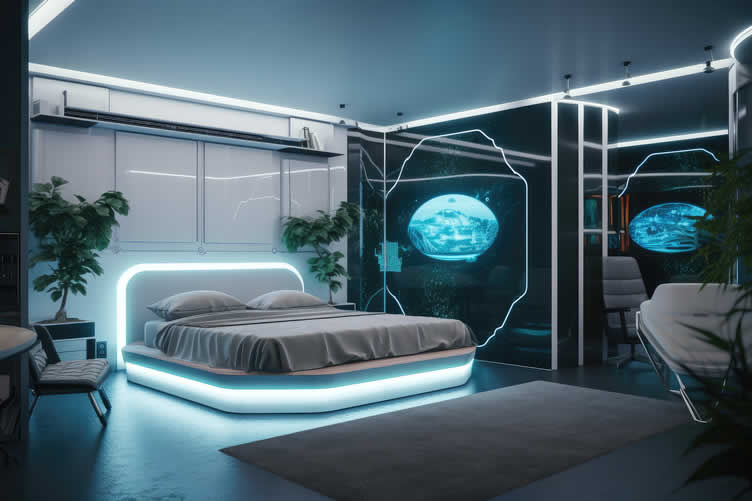
1st: Integrating Home Automation
With the decoration and design phase behind us, the next step is to consider incorporating home automation features into your child’s room. This modern touch not only adds convenience and safety but can be a great way to teach your child about energy conservation and responsible digital consumption.
From smart lighting systems that can be set to a schedule, to energy-saving smart power strips that monitor and reduce electricity usage, the options to integrate technology are vast and surprisingly user-friendly.
-
Smart Lighting
Smart bulbs can be controlled via an app or voice commands, allowing for the adjustment of intensity and color while saving energy. These systems often come with features that allow you to create schedules or sync the lights with sunrise and sunset, promoting healthier sleep patterns.
-
Smart Plugs and Outlets
Use smart plugs and outlets to give you control over the devices plugged into them. They can shut down power to devices that have been left on standby, reducing "vampire power" consumption—a sneaky source of energy drain in many households.
-
Temperature Control
Smart thermostats can be programmed from a smartphone or computer, allowing precise control over the room’s temperature, minimizing energy usage, and ensuring comfort.
-
Usage Monitoring
For online usage, parental control software can be installed on devices to monitor and restrict the content your child can access. Additionally, Wi-Fi control systems can monitor internet usage and limit access to online services at certain times of the day, ensuring that your child can focus on schoolwork and sleep without distraction.
By integrating these smart systems into your child’s room, you are not just creating a tech-savvy space but also teaching them the importance of living a lifestyle that’s conscious of energy usage and digital safety.
copyright image by 123rf.com
-
-
2nd: Need Some Professional Guidance
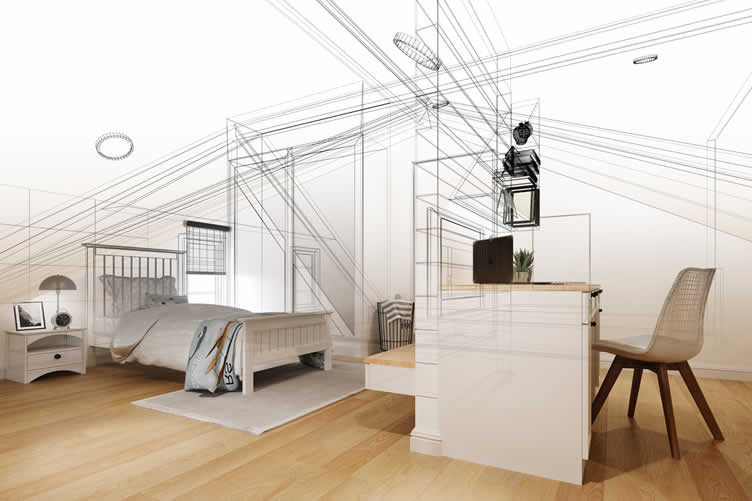
For those looking to create the optimal environment for their child’s growth and comfort, consulting with a professional interior designer specializing in children’s spaces can be a game-changer.
These experts have a keen understanding of how to blend functionality with fun, ensuring the room is both a place of play and serene retreat.
Engaging a professional means they can work independently with your child, respecting their individuality and incorporating their input into the room’s design.
This inclusive approach not only empowers your child by valuing their choices but also fosters a sense of pride and ownership in their personal space, encouraging them to maintain and cherish it.
So why wait? Start planning your child-centric room today and watch your little one thrive in their personalized, safe, and technology-savvy space!
LetsRenovate has partnered with HomeAdvisor™, a renowned provider of highly-rated, carefully-vetted local contractors. Start your search here by entering your zip code to find local professionals.
copyright image by 123rf.com
But Wait!
Before starting the search and evaluation process for decorating services, We strongly recommend downloading and using this comprehensive worksheet. It will ensure that you have all the necessary information and tools to make informed decisions and streamline the entire process effectively.
This resource aims to provide an unbiased assessment and ranking of potential decorators, carefully considering crucial aspects including pricing, quality, and more. Our goal is to offer a comprehensive evaluation that helps you make informed decisions.

Evaluation Sheet
File Type:
-
-
FINAL REMARKS
Although it might seem daunting to let your little one take the design lead, the developmental benefits are immense. Cultivating a creative, independent spirit within the familiar comfort of their own room is an investment into your child’s future.
Remember, as much as it’s about the end result, this process is about the memories you create and the confidence your child gains through making their mark on their personal environment.
Bloom where you’re planted, and let your kids do the same in their uniquely decorated bedrooms!
-
ideas to view and compare from the information discussed above
child bedroom storagechild bedroom bookcaseschild bedroom decor
- What comments can you share about
kids room decorating ideas?
Scroll up to directory … or scroll to more bed n’ bath-related topics …


view illustration “becoming a bank”
Cover image credit: kids room decorating ideas by 123rf.com
end of post … please share it!
 |
did you find this kids room decorating ideas analysis helpful? If so, please share the article with your friends and family! |
Nice pic idea? Leave us a quick comment below.
And please share this pic idea within your social networks.