Summary Outline –
The Importance of Spotting Plumbing Problems Early
We’ve all experienced it at some point—a dripping faucet, a shower that doesn’t quite rinse out all the soap, or a toilet that seems to have a mind of its own. While these may seem like minor inconveniences, they often signal underlying issues that, if left unattended, could lead to more significant problems.
For homeowners, especially those with a penchant for DIY projects, understanding these signals can save both time and money.
This guide will walk you through the five common plumbing problems you might face, identify when a DIY plumbing fix is feasible, and highlight situations where you should call in a professional.
- post content … analysis/ DIY plumbing issues
- 1st: Persistent Clogs and Slow Drains
- 2nd: Unusual Sounds and Odors
- 3rd: Low Water Pressure
- 4th: Water Stains and Mold
- 5th: Frequent Toilet Issues
- 6th: Faulty or Leaky Faucets
- 7th: Other Issues That May Require a Plumber
- 8th: Finding a Plumber And What to Know
- conclusion
- other home structural topics

-
- —— begin first topic ——
-
1st TERM: Persistent Clogs and Slow Drains
Persistent clogs and slow drains can be maddening. They often result from the buildup of hair, soap scum, food particles, and grease in your pipes. Thankfully, you don’t always need a plumber to tackle these issues.
A simple DIY plumbing fix involves using natural ingredients like baking soda and vinegar. Start by pouring a cup of baking soda down the drain, followed by a cup of vinegar. Allow the mixture to fizz for a few minutes before flushing it with boiling water.
This natural remedy can help break down the buildup and restore your drain’s flow. Additionally, using a plunger can create enough suction to dislodge minor blockages.
-
DIY Fixes
- Baking Soda and Vinegar:
As mentioned earlier, pour a cup of baking soda followed by a cup of vinegar down the drain. Allow it to fizz for a few minutes, then flush with boiling water to clear any buildup. - Use a Plunger:
Press the plunger over the drain and pump it several times. This can create a vacuum that dislodges minor clogs. - Sink Strainer:
Implementing a sink strainer can help catch hair and food particles before they enter your pipes, preventing clogs from forming. - Manual Removal:
If you can access the drain trap, disassemble it to remove any gathered debris manually. - Hot Water:
Regularly flushing your drains with hot water can help dissolve grease buildup before it solidifies and causes a blockage. - Dish Soap and Hot Water:
For grease clogs, pour a few tablespoons of dish soap followed by hot water down the drain to help break down the grease. - Plumbing Snake:
If a clog persists, consider using a plumbing snake or auger to break up and remove the blockage from within the pipes. - Enzyme Cleaners:
Bio-enzymatic drain cleaners can also be a great option, as they use natural enzymes to eat away at organic material without harming your plumbing.
By implementing these DIY solutions, you can efficiently address persistent clogs and restore your plumbing system’s function. However, it’s essential to recognize when a professional plumber is needed for more extensive issues.
- Baking Soda and Vinegar:
-
When to Call a Plumber
However, if you find yourself constantly wrestling with the same clogged drain, it might be time to bring in the professionals. Persistent clogs that resist DIY attempts could indicate deeper issues within your plumbing system.
Blockages in the main drain or sewage system might show up as ongoing obstructions in your sink, bathtub, or shower.
Materials like hair, grease, soap scum, and food particles build up in the pipes over time to produce difficult obstacles that home treatments cannot always remove.
Usually, from accumulations or a more major problem like tree roots invading your sewage pipes, slow down of drains starts to occur regularly. To find the best help, you can also look it up online.
For instance, if you reside in Long Beach, simply search for plumbers in Long Beach, and you’ll get numerous options to choose from.
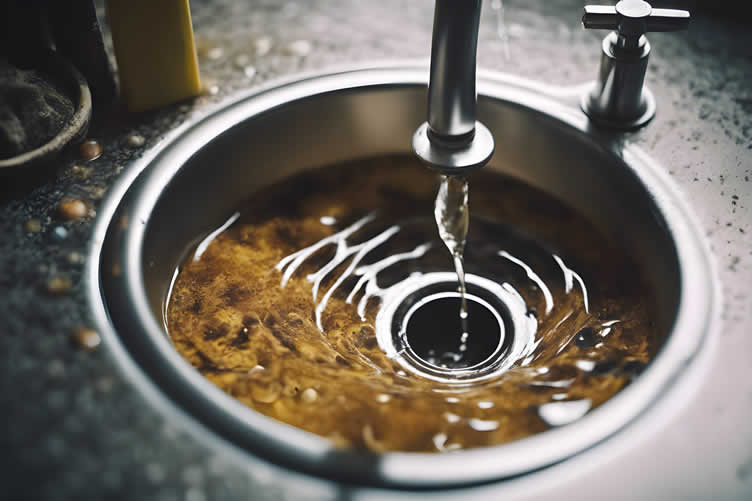
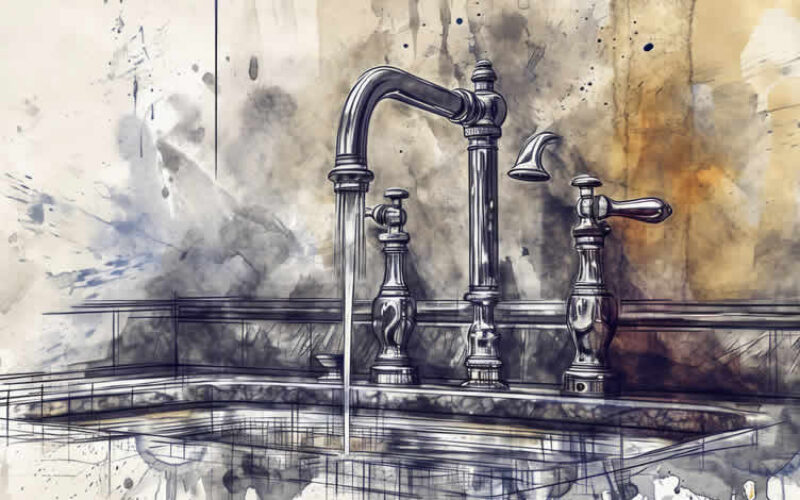
AI generated image by 123rf.com
[ view diagram: home plumbing system ]
[ youtube: how to unclog any drain ]

-
-
2nd TERM: Unusual Sounds and Odors
Your pipes shouldn’t sound like a haunted house, nor should your taps emit unpleasant odors. Gurgling sounds in your pipes often arise from trapped air, while funky smells might indicate bacteria growth or a trap that’s gone dry.
To address noises, try running water in all your taps simultaneously for a few minutes; this can help push trapped air out of your plumbing system.
For odors, pour a mixture of baking soda and vinegar down the smelly drain, followed by hot water. This can help neutralize odors and clean minor bacterial growth.
-
DIY Fixes
1. Gurgling Sounds
- Cause: Trapped air or partial blockages in pipes.
- Fix: Run water in all your taps simultaneously for a few minutes to help eliminate trapped air and clear minor blockages.
2. Bubbling in Toilet
- Cause: Ventilation issues or blockages in the vent pipes.
- Fix: Check the roof vent for blockages such as leaves or debris. Ensure it is clear to allow proper airflow.
3. High-Pitched Whistles
- Cause: High water pressure or a worn-out washer in the faucet.
- Fix: Test your water pressure with a pressure gauge. If it’s too high, consider installing a pressure regulator. Replace worn washers in taps to eliminate the sound.
4. Rumbling or Boiling Sounds
- Cause: Air trapped in the heating system or sediment buildup in water heaters.
- Fix: Bleed radiators to release air and flush the water heater to remove sediment buildup.
5. Odors from Drains
- Cause: Bacteria growth or dried-out traps.
- Fix: Pour a mixture of baking soda and vinegar down the affected drains, followed by hot water. This can neutralize odors and clean any buildup.
6. Foul Smells from Garbage Disposals
- Cause: Food scraps trapped in the disposal.
- Fix: Grind up ice cubes or citrus peels in the disposal to clean it. Alternatively, use a mixture of baking soda and vinegar, followed by hot water.
7. Muffled or Thumping Noises
- Cause: Loose pipes or water hammer due to high water pressure.
- Fix: Secure loose pipes with brackets, and install water hammer arrestors to absorb the shock and eliminate thumping sounds.
By exploring these DIY solutions, you can often resolve unusual plumbing sounds and odors, keeping your home environment comfortable and functional. However, if the issues persist, contacting a professional plumber for further investigation may be necessary.
-
When to Seek Professional Help
If these DIY solutions don’t silence the noises or freshen the air, the problem may be more complex. Persistent sounds or odors could signal issues like a blocked vent pipe or even a sewer gas leak.
Signs of underlying problems include unusual sounds like hissing, gurgling, or pounding. Often referred to as "water hammer,” banging or clanging noises may arise from pipe vibrations caused by a valve or faucet suddenly stopping water flow.
These situations require the attention of a skilled plumber to ensure your home remains safe and comfortable. If neglected, this might finally harm your plumbing system.
Usually, gurgling sounds indicate that there is a drain system clog or that air is trapped in the pipes, therefore generating incorrect water flow. Furthermore, a major clue of a problem is bad smells coming from pipes or drains.
copyright image by 123rf.com
[ youtube: why is my plumbing making noise? ]
[ youtube: prevent plumbing sulfur smells ]
-
-
3rd TERM: Low Water Pressure
Few things are as frustrating as stepping into the shower only to be met with a trickle of water. Low water pressure can stem from various causes, including clogged aerators or partially closed valves.
Start by checking the aerators on your faucets. If they’re clogged, simply unscrew them and soak them in vinegar to dissolve mineral deposits. Also, ensure that your main water valve is fully open.
-
DIY List of Fixes
- Check for Clogs in Aerators and Showerheads
Remove the aerators from faucets and showerheads, soak them in vinegar to remove mineral build-up, then rinse and reattach. - Inspect Main Water Valve
Ensure that the main water valve is completely open. It’s typically located near where the water line enters your home. - Examine Pipe Conditions
Look for any visible leaks, corrosion, or damage in exposed pipes. Replace any damaged sections as necessary. - Clear Out Any Debris from Pipes
If you suspect blockages within the pipes, use a mixture of baking soda and vinegar followed by hot water to help dissolve any build-up. - Evaluate Pressure Regulator Settings
Check your pressure regulator (if installed) and adjust it to the recommended setting, usually between 40-60 psi. - Flush the Water Heater
Sediment build-up in your water heater can affect pressure. Flush the heater according to the manufacturer’s instructions to remove any deposits. - Check for Partially Closed Valves
Inspect all supply valves to sinks, toilets, and appliances to ensure they are fully open.
By addressing these potential fixes, you can significantly improve water pressure in your home without needing to call in a professional. However, if issues persist after trying these steps, it may be time to consult a plumber for more in-depth solutions.
- Check for Clogs in Aerators and Showerheads
-
When to Get a Plumber Involved
If these quick checks and DIY solutions don’t resolve the issue, there may be a more serious problem, like a hidden plumbing leak or a malfunctioning pressure regulator.
Low water pressure may result from leaks, mineral buildup in pipes, or problems with the municipal water supply, among other things.
Particularly in places with hard water, mineral deposits may build up within pipes, therefore limiting water flow and changing the diameter. Because water leaves the plumbing system before it reaches your fixtures, leaks in the system may also lower water pressure.
Such complexities often call for professional intervention. A plumber can diagnose and fix these issues, restoring your water pressure and preventing potential damage to your plumbing system.
To restore normal water pressure, a plumber may check for leaks, examine your pipes, and remove mineral deposits. Quick resolution of these problems guarantees a continuous and dependable water supply for your house and helps to stop further harm.
copyright image by 123rf.com
[ view diagram: understanding water pressure PSI ]
[ youtube: adjust and measure water pressure ]
-
-
4th TERM: Water Stains and Mold
Water stains and mold can be unsightly and hazardous. They’re often indicators of plumbing leaks, which can lead to costly damage if not addressed promptly.
To temporarily fix a minor leak, consider using epoxy putty or a pipe repair clamp. These temporary solutions can help prevent further water damage while you await professional repair.
-
DIY Fixes
- Identify and Seal Leaks:
Inspect pipes, fittings, and fixtures for any leaks. Use plumber’s tape, caulk, or epoxy putty to seal small leaks temporarily until they can be permanently fixed. - Use Bleach Solution for Mold Removal:
Mix one cup of bleach with a gallon of water and scrub affected areas with a sponge or cloth. Ensure proper ventilation and wear gloves and a mask. - Vinegar and Baking Soda:
Apply a solution of vinegar and baking soda to stained areas. This natural remedy can help remove stains and inhibit mold growth. - Regular Cleaning:
Maintain cleanliness by regularly wiping down surfaces prone to moisture, such as under sinks or in bathrooms. Use a mildew-resistant cleaner to keep mold at bay. - Improve Ventilation:
Increase air circulation in areas prone to moisture buildup, such as bathrooms and basements, by opening windows, using exhaust fans, or placing a dehumidifier in the space. - Replace Damaged Materials:
If water stains are persistent and materials like drywall or carpet are heavily impacted, consider replacing them to prevent mold regrowth. - Install Water Leak Sensors:
While this is a preventive measure, installing water leak sensors can alert you to future leaks before they cause significant water stains or mold issues.
- Identify and Seal Leaks:
-
When a Plumber Is Necessary
Water stains and mold can be symptoms of significant plumbing leaks, which require expert attention. Significant markers of plumbing problems that need quick treatment include water stains on flooring, walls, or ceilings.
Usually stemming from leaks or broken pipes, these stains may let water penetrate the foundation of your house and create discoloration or even damage. Persistent leaks may lead to more serious problems over time including structural damage and mildew and mold development.
Given its health hazards and ability to aggravate respiratory problems, mold development is especially alarming. Mold grows in moist surroundings. Hence, any indications of it on walls, beneath sinks, or around pipes should be taken quick care of.
A professional plumber can thoroughly inspect your plumbing system, identify the source of the leak, and perform necessary repairs to prevent further issues.
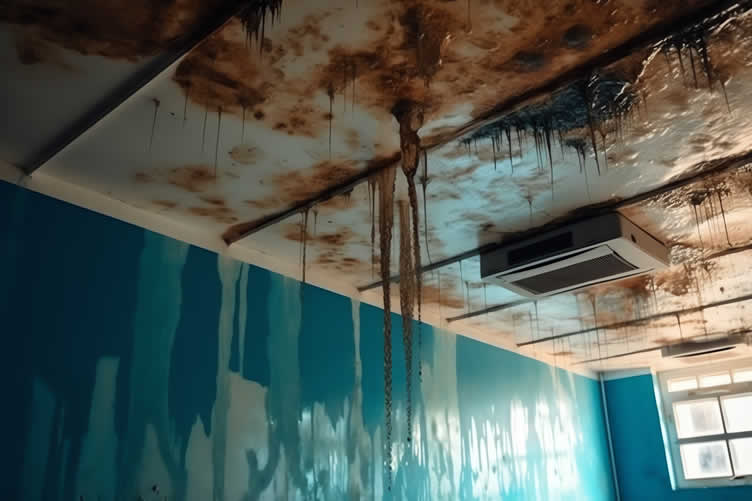
copyright image by 123rf.com
[ view diagram: identify plumbing water stains ]
[ youtube: smart water monitors ]
[ amazon: smart water leak detector ]
-
-
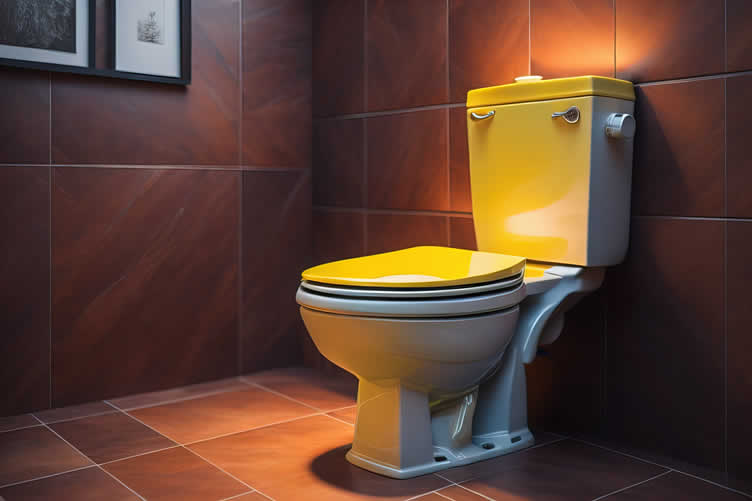
5th TERM: Frequent Toilet Issues
A toilet that runs continuously or clogs frequently can be a real nuisance. These issues often arise from a malfunctioning flapper or a buildup of waste and paper.
For basic toilet problems, you can try replacing the flapper, which is an inexpensive and straightforward fix. Additionally, using a plunger or an auger can help clear blockages.
-
DIY Fixes
- Replace the Flapper:
If your toilet runs continuously, it may be due to a worn-out flapper. Turn off the water supply, drain the tank, and remove the old flapper to install a new one. - Adjust the Float:
A mis-adjusted float can cause toilet running issues. Adjust the float arm so the water level is set correctly, ensuring it shuts off when the tank is full. - Clear Clogs with a Plunger:
For minor clogs, start with a plunger. Make sure to use a flange plunger designed for toilets for better suction and effectiveness. - Snake the Toilet:
If plunging doesn’t resolve the blockage, a toilet auger can help. Insert the auger into the toilet bowl and crank the handle to break up stubborn clogs. - Check for Blocked Vent Pipes:
Poor flushing can be a sign of a blocked vent pipe. Use a ladder to inspect the vent, and if it’s blocked by debris or animals, clear it out to restore proper airflow. - Inspect the Fill Valve:
If the toilet fills slowly, check the fill valve for any blockages or wear. Cleaning or replacing the valve can often resolve the issue. - Add Dish Soap for Tough Clogs:
For stubborn clogs, pour a cup of dish soap into the toilet bowl and let it sit for about 20 minutes before plunging to help lubricate the blockage.
- Replace the Flapper:
-
When to Call in the Pros
However, if your toilet issues persist despite these DIY efforts, it may be time to call in a professional. Continuous problems could indicate deeper issues with the plumbing or the toilet itself.
Although a plunger might help with occasional blockages, frequent toilet problems usually point to more major plumbing system concerns.
Regular blockages might result from a toilet component breaking down or from a buildup in the sewage system. Blockages or malfunctions of the water delivery system may cause toilet overflow.
A plumber can examine and fix internal components or handle sewer line problems if you have ongoing toilet difficulties, including erratic flushing or water flowing continuously.
copyright image by 123rf.com
[ view diagram: repair toilet tank components ]
[ youtube: replace toilet flush valve ]
-
-
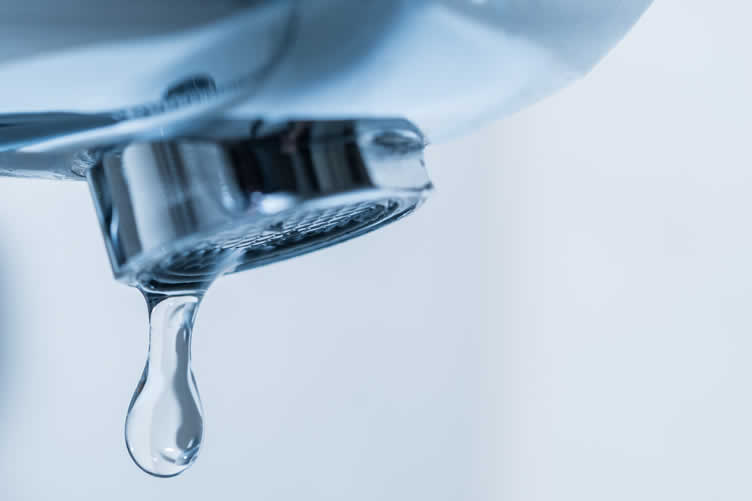
6th TERM: Faulty or Leaky Faucets
Leaky faucets can be more than just a minor annoyance; they can lead to water waste and increased utility bills. Addressing a leaky faucet promptly can save both water and money.
While some leaks can be resolved with simple repairs, others may require replacing components or the entire faucet.
Identifying the cause of the leak—whether it be worn washers, damaged seals, or corrosion—is crucial for effective repair.
-
DIY Fixes
- Turn Off the Water Supply:
Before starting any repair, ensure you turn off the water supply to avoid further leaks or spills. - Identify the Faucet Type:
Different faucets (compression, cartridge, ball, or disc) have unique mechanisms, so identify your faucet type to choose the right repair method. - Inspect for Worn Washers or O-Rings:
Typically, leaky faucets are caused by worn washers or O-rings. Replace these components to fix the leak. - Use the Right Tools:
Ensure you have the necessary tools, like a screwdriver, wrench, and pliers, to help with disassembly and reassembly. - Clean Parts Thoroughly:
Before reassembling, clean any debris or mineral build-up from the faucet components and spouts to ensure everything functions smoothly. - Check for Corrosion:
Inspect the faucet and its components for corrosion, which may require a complete replacement of the affected parts. - Reassemble Carefully:
Follow the reverse order of disassembly to reassemble the faucet, ensuring all parts are secure but not over-tightly fitted, which can cause damage. - Test for Leaks:
Turn the water supply back on and test the faucet for any leaks. If the issue persists, consider consulting a professional plumber.
- Turn Off the Water Supply:
-
What If Your Fix Doesn’t Work?
If you’ve attempted basic repairs and the leak continues or worsens, it may indicate a more serious underlying issue that requires expert assessment.
Additionally, if you notice signs of water damage around the faucet or in adjacent areas, a plumber can ensure that the problem is comprehensively addressed to prevent further damage.
Moreover, if you’re encountering unusual noises, inconsistent water flow, or persistent leaks, it’s wise to consult a plumber, as these could point to plumbing system complications that necessitate advanced knowledge and tools.
Ultimately, hiring a professional can save time, money, and effort in the long run, ensuring that your faucet issues are resolved correctly and efficiently.
copyright image by 123rf.com
[ view diagram: repair a leaky faucet diagram ]
[ youtube: how to fix a leaky faucet ]
-
-
7th TERM: Other Issues That May Require a Plumber
While many people associate plumbing services primarily with leaks and blockages, there are a variety of other issues that may arise, necessitating the expertise of a professional plumber.
Understanding these potential problems can help homeowners identify when it’s essential to call in an expert rather than attempting a DIY plumbing fix. Below are several common plumbing-related issues that warrant professional attention.
-
Leaking Pipes
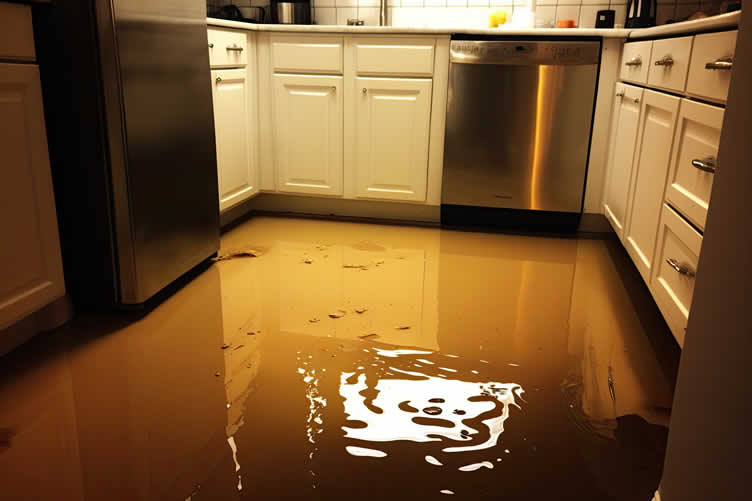
Leaking pipes are a common problem that can lead to water damage and increased utility bills. Often, leaks can go unnoticed for a time, resulting in significant issues such as mold growth or structural damage.
While minor leaks may seem manageable for a DIY enthusiast, they can quickly escalate into major problems if not addressed properly. A professional plumber can locate the source of the leak and recommend the best course of action to resolve it.
-
Water Heater Problems
Water heaters are essential for providing hot water to your home, but they can experience a range of issues, from insufficient heating to strange noises and leaks. These problems can often stem from sediment build-up or faulty heating elements.
Although some homeowners may attempt repairs or adjustments, it’s generally advisable to consult a plumber, especially when dealing with complex systems or potential safety hazards.
-
Sewage Problems
Sewage issues can be among the most unpleasant plumbing problems one can encounter. Blockages or backups in your sewage line can lead to significant health risks and the need for emergency plumbing services.
Homeowners should never attempt DIY fixes for sewage issues due to the potential for harmful exposure and the complexity involved. A licensed plumber has the right tools and knowledge to address sewage problems safely and effectively.
-
HVAC Issues Involving Pipe Venting
Heating, ventilation, and air conditioning (HVAC) systems often utilize various plumbing components, particularly in venting and drainage.
Problems in this area may lead to inefficiencies or unsafe operating conditions. Issues such as clogged vents or broken pipes can impede airflow and lead to higher energy costs.
Homeowners should engage professionals for any HVAC-related plumbing issues to ensure proper repairs and compliance with safety regulations.
-
Whole House Water Filtration
While maintaining a clean and safe water supply is crucial, installing and maintaining a whole house water filtration system can be a complicated task. Improper installation can affect water quality and even lead to plumbing complications down the line.
Enlisting a professional plumber can help ensure the system is set up correctly and functioning as intended, providing peace of mind regarding your home’s water supply.
-
New Room Construction or Remodel
When planning for new room construction or a remodel, proper plumbing considerations are essential. This involves installing new pipes, rerouting existing plumbing, and ensuring that the drainage and venting systems are in compliance with local codes.
Homeowners should consult with a licensed plumber to assess the plumbing requirements for the new space and to avoid costly mistakes that could arise from improper installation.
Additionally, considering the placement of fixtures and access to existing plumbing lines can significantly impact both the functionality and comfort of the new room.
-
Other DIY Plumbing Issues
Homeowners often encounter a variety of other plumbing challenges that may tempt them to take a DIY approach, such as toilet repairs, faucet leaks, and minor drainage issues.
While some of these tasks can be managed by the handy homeowner, it’s essential to know when to seek help from a professional.
Missteps in DIY plumbing repairs can lead to more significant issues and potentially costly repairs, making it vital to assess each situation carefully before proceeding.
copyright image by 123rf.com
-
-
6th TERM: Finding a Plumber And What to Know
When it comes to selecting a plumber, conducting proper research is crucial to ensure quality service. Start by asking for recommendations from family, friends, or neighbors, as personal experiences can provide valuable insights.
Additionally, searching online for local plumbing services and reading customer reviews can help identify reliable professionals in your area.
-
What to Know About Hiring Plumbing Contractor
Before hiring a plumber, there are several key factors to consider to ensure you make the best choice for your needs. Taking the time to evaluate these factors can help you find a skilled plumber who meets your needs and budget.:
- Experience and Qualifications:
Look for a plumber with a solid track record and relevant certifications. Experienced plumbers are more likely to handle unexpected issues efficiently. - Reviews and Recommendations:
Check online reviews and ask friends or family for recommendations. This will give you insight into the plumber’s reliability and quality of work. - Licensing and Insurance:
Ensure the plumber is licensed and insured. This protects you from liability in case of accidents and guarantees that they meet industry standards. - Get Multiple Quotes:
It’s wise to obtain at least three estimates from different plumbers. This will give you a clearer idea of the average cost and help you avoid overpaying. - Availability and Response Time:
Consider their availability, especially if you need emergency services. A plumber who can respond quickly is crucial for urgent issues. - Review Warranty and Guarantees:
A reputable plumber should offer warranties on their work, which offers peace of mind knowing you can rely on their service for any future issues.
- Experience and Qualifications:
LetsRenovate has partnered with HomeAdvisor™, a renowned provider of highly-rated, carefully-vetted local plumbers. Start your search here by entering your zip code to find local professionals.
copyright image by 123rf.com
But Wait!
Before starting your search and evaluation of plumbing services, it is highly recommended to download and use this evaluation worksheet.
This resource will help you objectively rank and assess potential plumbers, considering essential factors such as pricing, licensing, and referral information.

Evaluation Sheet
File Type:
-
-
Conclusion
In the world of home maintenance, plumbing problems are bound to pop up. While many issues can be tackled with a do-it-yourself plumbing fix, knowing when to seek professional help is crucial.
By understanding the signs and taking appropriate action, you can maintain a safe and efficient plumbing system for your home.
Always prioritize safety and recognize your limits. If you’re unsure or feel out of your depth, don’t hesitate to consult a professional plumber.
By taking proactive steps, you can prevent minor issues from escalating into major problems, ensuring your home’s plumbing remains in top shape.
-
Quick scroll to more home structural needs ideas …

-
ideas to view and compare from the photo above
book: all about plumbingdiy plumbing repair kitplumbing auger
- What comments can you share about
TERMPHRASE that you have installed?

addressing DIY plumbing issues and other home improvement needs …
… grab this directory of ideas for future use




Budgeting Worksheet For Costing Plumbing and Home Improvement Decisions
 File Type (excel)


SHARE IT ..! You might have someone in your social network who could find this informative post on DIY plumbing issues valuable. Feel free to share it on Facebook, X (formally Twitter), LinkedIn, or Pinterest!


… the bathroom shower-tup-sink


Calendar For:
Home Maintenance
File Type:
… view illustration “becoming a bank”
Find Plumbing Services Plumbing Issues Drain Clearing Septic/Sewers Water Heaters Pumps Water Softening top-rated, pre-screened local contractors FREE: download contractor selection enter zip code – powered by HomeAdvisor ™
Quick Contractor Guides selecting negotiating working with inspecting

Cover image credit: DIY plumbing issues by 123rf.com
end of post … please share it!
 |
did you find DIY plumbing issues analysis helpful? If so, please share the article with your friends and family! |
Nice pic idea? Leave us a quick comment below.
And please share this pic idea within your social networks.