Summary Outline –
Understanding the home electrical system that powers our home is about more than just knowing how to change a light bulb or reset a breaker. It is about feeling empowered to make smarter decisions for your household.
When you understand the flow of energy, you can spot potential safety issues before they become hazards, make upgrades that add real value to your property, and find clever ways to trim those monthly utility bills.
Whether you are planning a renovation or simply want to be a more conscientious homeowner, getting to know your electrical system is a bright idea.
This guide is designed to walk you through the basics without the headache of complex jargon. We will explore where this energy comes from, how it travels across the country to your doorstep, and how it is distributed to your appliances.
We will also look at practical ways to manage your usage and peek into the smart future of home energy. By the end, you will look at your outlets with a newfound appreciation and a lot more confidence.
- post content
- Electric Tip 1: How Electricity is Generated and Distributed
- Electric Tip 2: Understanding Your Home’s Electrical System
- Electric Tip 3: Powering Your Home Smarter
- Electric Tip 4: How The Industry Manages Energy Use
- Electric Tip 5: Powering the Future
- electric tip 6: DIY electrical work vs. hiring a certified contractor

-
Quick scroll to first topic about your home electrical system … or review summary content

Content Summary
section directory1st Home Power: [view section]
… to understand how we power our homes, we need to start with the source of electricity. This section examines how electricity is generated, the types of power plants and their contribution by percentage, and how electricity is transported from the generator to your home.
2nd Home Power: [view section]
… the second section gets into the details of your home electrical system. It covers how power comes into your home, how it’s split and distributed to power your appliances, lighting, and other devices.
3rd Home Power: [view section]
… this section discusses how to create a more energy-efficient home. We’ll look at which appliances consume the most electricity and share ways to manage and reduce your usage. We’ll also explore how home automation can help make your home more efficient.
4th Home Power: [view section]
… the fourth section examines how the power industry manages energy usage and works to prevent brownouts and blackouts. It also explores ways households can become more self-sufficient to protect against power outages and rising energy costs.
5th Home Power: [view section]
… the fifth section looks to the future of building a sustainable energy landscape. It reviews topics like renewable energy objectives, energy storage, the future of home energy production, and how AI data centers might one day produce electricity.
6th Home Power: [view section]
… the sixth and final section discusses whether you should tackle home electrical projects yourself or hire a certified electrical contractor. We’ll help you decide the best path forward for your home’s electrical needs.
first “home electrical system” idea

copyright image by 123rf.com
Electric Tip 1: How Electricity is Generated and Distributed
Notes:
-
Electricity powers nearly every aspect of modern life, from our homes to industries. But how is it produced, and what fuels this process?
The energy that charges your phone or keeps your fridge running often begins its journey at power plants located hundreds of miles away, where massive generators convert energy into electricity.
Electricity generation involves transforming various energy sources into electrical power, using methods that range from fossil fuels to renewable options like wind and solar. Each energy source comes with its own benefits and drawbacks, affecting cost, efficiency, and environmental impact.
This section explores how electricity is generated and examines the diverse fuel sources that make it possible, offering a deeper understanding of the energy driving our world. We’ll also explore how this electricity travels from the power plant to your home.
-
Quick scroll to supporting notes …
-
-
1st: How Generators Produce Electricity
… through spinning magnets and coils
Electricity generation through generators is one of the most significant technical marvels enabling modern life.
At their core, generators rely on the basic principles of electromagnetic induction, discovered by Michael Faraday in the early 19th century.
Generators essentially convert mechanical energy into electrical energy. This is done through the continuous movement of powerful magnets near coils of conductive wire, which creates an electrical current.
copyright image by 123rf.com
This process underpins nearly every aspect of our energy infrastructure, ensuring that homes, industries, and communities are powered reliably and efficiently.
Below, we’ll explore how this spinning process works and how generators produce the electrical current so vital to our daily lives.
- Quick scroll to summary content …
(continue read)
-
The Basics of Electromagnetic Induction[ view]
Electromagnetic induction is the principle behind how generators work. It states that when a conductor, such as a coil of wire, moves through a magnetic field, or when a magnetic field moves around a stationary conductor, an electric current is induced in the conductor.
This interaction between magnetic fields and electrical conductivity is the foundation of electrical generation. Modern generators are designed to maximize this interaction by continuously spinning magnets, either inside or around the coils, to produce consistent electrical output.
This phenomenon is described by Faraday’s Law of Induction, which mathematically relates the induced voltage to the rate of change of the magnetic field. It is this scientific principle that powers generators on scales ranging from small portable devices to massive power plants supplying energy to entire regions.
-
How the Spinning Process Generates Electricity[ view]
To appreciate how electricity is generated, it’s important to understand the core components of a generator. Inside a generator, there are typically two main components—the rotor and the stator.
The rotor is the moving part, often equipped with magnets or electromagnets, while the stator is the stationary part that contains the coils of copper wire.
Through an external energy source—such as steam powered by fossil fuels, flowing water in hydroelectric dams, or wind in turbines—the rotor is set in motion. As the rotor spins within the stator, the magnetic field around it moves, continuously cutting across the conductive copper coils.
This motion induces an electrical current to flow through the coils, producing electricity. By controlling the speed of the rotor’s motion and the strength of the magnetic field, the generator can produce electricity at a specific frequency and voltage needed for distribution.
-
Scaling for Efficiency and Power Needs[ view]
Different types of generators are optimized for varying applications, from small-scale portable models to industrial machines producing many gigawatts of power.
For instance, thermal power plants burn fuel to create steam, which drives turbines connected to generators, rotating the rotor at high speeds. Similarly, wind turbines harness kinetic energy from the wind to rotate blades connected to a rotor, which in turn spins the magnets in the generator.
The efficiency of this process depends on minimizing losses due to resistance in wires and maximizing the magnetic flux interaction.
Modern innovations, such as stronger permanent magnets and superconducting materials, continue to improve generator performance for both renewable and non-renewable energy sources.
-
Trustworthy Sources and Industry Application
The understanding and operation of generators are based on decades of scientific research and engineering advancements. Leading industry players, such as General Electric and Siemens, have been instrumental in refining generator designs for both commercial and residential applications.
Governmental studies, including those conducted by the U.S. Department of Energy, routinely evaluate generator performance, ensuring safety and reliability for widespread use.
The reliability of generators has made them the backbone of power systems worldwide, from emergency backup units during outages to full-scale grid systems. Companies and homeowners alike rely on them for consistent power supply, all thanks to the ingenious interplay of magnets, coils, and motion.
By leveraging these technologies, generators continue to meet the growing demand for electricity, ensuring power delivery to every corner of the globe.
Section Description Key Components or Technologies Introduction Electricity generation through generators is a technological wonder based on electromagnetic induction. This process converts mechanical energy into electrical energy via the interaction of magnets and coils of wire. Electromagnetic Induction, Magnets, Coils Principle of Operation The principle of electromagnetic induction states that when a conductor moves through a magnetic field, an electric current is induced. This concept is foundational to generator functionality. Faraday’s Law of Induction Core Components A generator consists mainly of a rotor (moving part with magnets) and a stator (stationary part with conductive wires). Motion between these creates the magnetic field interaction needed to generate electricity. Rotor, Stator, Copper Coils, Magnets Energy Sources Various external energy sources, such as steam, water, or wind, drive the rotor’s motion, facilitating the generation of electricity. Fossil Fuels, Hydroelectric Power, Wind Power Scaling and Efficiency Generators are adapted for different scales, from small portable models to large industrial power plants. Efficiency is increased by optimizing the interaction of the magnetic field and reducing energy losses. Permanent Magnets, Superconducting Materials Applications and Reliability Generators are vital in powering systems worldwide, providing reliable energy for both residential and industrial uses. Their design has been refined by leading companies and assessed by governmental research. General Electric, Siemens, U.S. Department of Energy 

copyright image by 123rf.com
Safe and Comfortable Home
Many of us live in homes that aren’t optimized for energy efficiency or safety, especially as we age.
To stay comfortable and safe long-term, homeowners can install energy-efficient windows, LED lighting, and programmable thermostats to cut down on energy costs.
Safety upgrades like grab bars, non-slip flooring, and better lighting in hallways also help create a more secure home.
These updates improve daily life and add value to your home for years to come.
view ideas: home upgrades for seniors (new win)
[ youtube: What is Electromagnetic Induction? ]
[ youtube: Nuclear Reactor – Understanding how it works ]

-
2nd: Power Sources That Drive Generators
Generators owe their functionality to the ability to convert mechanical energy into electrical energy, and the key to this conversion lies in the source of the mechanical energy itself.
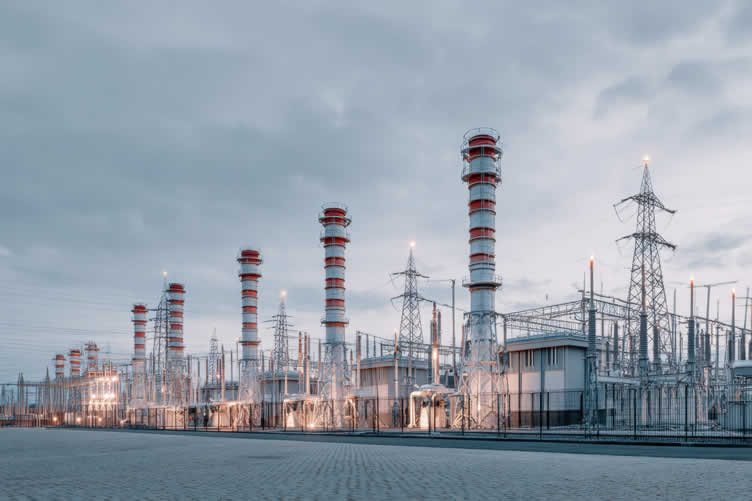
Across the United States, various fuels and energy resources are utilized to spin the turbines required for power generation.
copyright image by 123rf.com
Each energy source plays a crucial role in meeting the nation’s energy demands, balancing accessibility, efficiency, and environmental considerations.
Below, we explore the primary power sources driving modern generators, their impact on electricity production, and their respective contributions to the US energy mix.
- Quick scroll to summary content …
(continue read)
-
Natural Gas (~43%)[ view]
Natural gas is one of the leading energy sources for electricity generation in the United States, accounting for nearly 43% of the country’s electricity in recent years as per the EIA (2023).
Its high efficiency and relatively lower carbon emissions compared to coal make it a preferred choice for many power plants. The gas is burned to produce high-pressure steam or hot gasses, directly powering generator turbines.
This energy source is also praised for its scalability and ability to provide flexible backup power during peak energy demand, making it a vital component of the nation’s energy infrastructure.
-
Nuclear Power (~18%)[ view]
Nuclear power, fueled primarily by uranium, offers a stable and consistent energy source for generators. Through nuclear fission, heat is produced, which is then used to generate steam and drive turbines.
This power source is highly efficient and generates electricity without emitting greenhouse gases during production. Nuclear plants supplied about 18% of the electricity in the US in 2023, proving their importance as a reliable baseload energy source.
However, challenges such as high construction costs and concerns over radioactive waste management continue to shape discussions around its future expansion.
-
Coal (~16%)[ view]
Coal has been a significant energy source for decades, powering billions of homes and industries. It works as the primary fuel for steam turbines, with combustion converting water into steam that drives the generator’s rotors.
Despite the rise of alternative energy sources, coal continues to play a measurable role in energy production. According to the U.S. Energy Information Administration (EIA), coal contributed approximately 16% of electricity generation in the US in 2023.
However, concerns over carbon emissions and environmental degradation have led to a steady decline in its usage over the years, accompanied by shifts towards cleaner energy solutions.
-
Hydropower (~6%)[ view]
Hydropower is one of the oldest and most reliable renewable energy sources. By harnessing the kinetic energy of flowing water, generators in hydroelectric plants convert motion into electricity.
This source of energy accounted for approximately 6% of the electricity generated in the US in 2023. Hydropower is prized for its minimal emissions and ability to adapt quickly to demand fluctuations.
However, its reliance on suitable water resources limits its scalability, with geographical and ecological concerns influencing its development.
-
Wind Farms (~10%)[ view]
Wind farms, which use the kinetic energy of wind to spin turbine blades, are a pivotal force in renewable energy.
This clean energy source produced nearly 10% of the electricity in the US in 2023, reflecting its growing importance as a sustainable alternative to fossil fuels.
Onshore and offshore wind farms exploit geographical advantages to boost energy generation, though variability in wind speeds and the need for expansive installations remain key considerations.
-
Solar Energy (~4%)[ view]
Solar energy has emerged as a rapidly growing segment within the US energy mix. Photovoltaic (PV) panels and concentrated solar power (CSP) systems harness sunlight, converting it into electricity either directly or by producing steam to spin turbines.
While contributing about 4% of electricity generation in 2023, solar power continues to expand due to declining costs, tax incentives, and increasing public support for sustainability.
Its intermittent nature, reliant on weather conditions, presents challenges that complementing energy storage technologies are attempting to address.
-
Other Sources (~3%)[ view]
The US electricity grid is also powered by lesser-used energy sources, such as geothermal power, biomass, and emerging technologies like hydrogen or marine energy systems.
While these collectively account for a smaller fraction of energy production compared to other sources, their potential for growth cannot be overlooked.
For instance, geothermal energy leverages heat from the earth’s crust, while biomass fuels utilize organic matter, both offering sustainable options with scalable possibilities in specific regions.
The diversity of power sources driving generators underlines the complexity and adaptability of the US energy sector.
Each fuel type contributes its strengths and faces challenges, but together they ensure a robust and dynamic electricity supply network capable of meeting the growing demand and transitioning toward cleaner, greener energy solutions.
Power Source Percentage of US Electricity (2023) Key Characteristics Natural Gas ~43% Highly efficient and emits less carbon compared to coal; used widely for its scalability and reliability in meeting peak energy demands. Nuclear Power ~18% Provides stable, consistent energy without greenhouse gas emissions; challenges include high costs and radioactive waste management. Coal ~16% Historically significant but declining due to high carbon emissions; drives steam turbines for electricity generation. Hydropower ~6% Renewable energy source reliant on water flow to generate electricity; minimal emissions but impacted by geography and ecological concerns. Wind Farms ~10% Uses wind energy to spin turbines; a growing renewable source with geographical advantages, though wind variability is a key challenge. Solar Energy ~4% Harnesses sunlight through photovoltaic panels or CSP systems; rapid growth supported by declining costs and incentives, though intermittent by nature. Other Sources ~3% Includes geothermal, biomass, and emerging technologies like hydrogen; offers sustainable solutions with potential for regional scalability. 
copyright image by 123rf.com
Better Home Environment
As our power grid shifts to cleaner energy, it’s important to remember that this doesn’t automatically fix indoor air quality.
Pollutants from cooking, volatile organic compounds (VOCs) from cleaning products and furniture, and poor ventilation are still common problems in modern homes. These can lead to respiratory issues and other health concerns.
To create a healthier home, you can use air purifiers, choose low-VOC products, and improve natural airflow, complementing the move toward a cleaner energy future. How Electricity is Generated
view ideas: combating indoor air pollution (new win)
[ youtube: How Thermal power plant works? ]
[ youtube: Hydropower 101 ]
-
3rd: How Electricity is Transported
… from the generating plant to your home
Electricity is essential to modern life, powering our homes, businesses, and industries. However, few people understand the complex journey electricity takes from a power plant to a light switch.
This process involves a coordinated network of infrastructure, including power plants, transmission lines, and distribution networks, all working together to deliver power safely and efficiently.
copyright image by 123rf.com
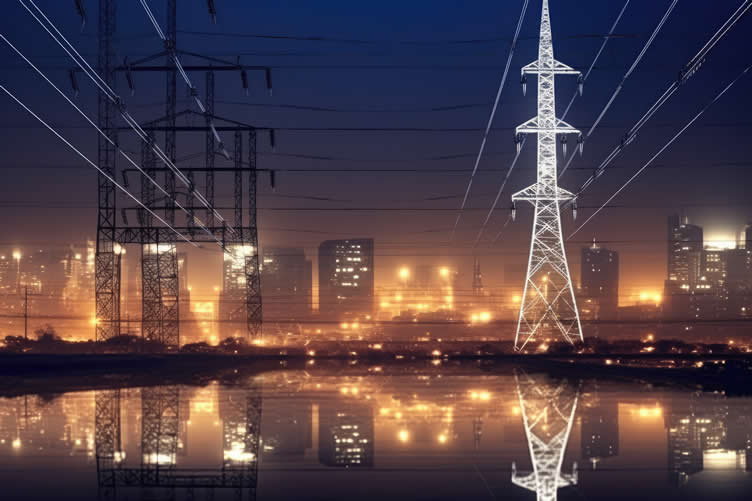
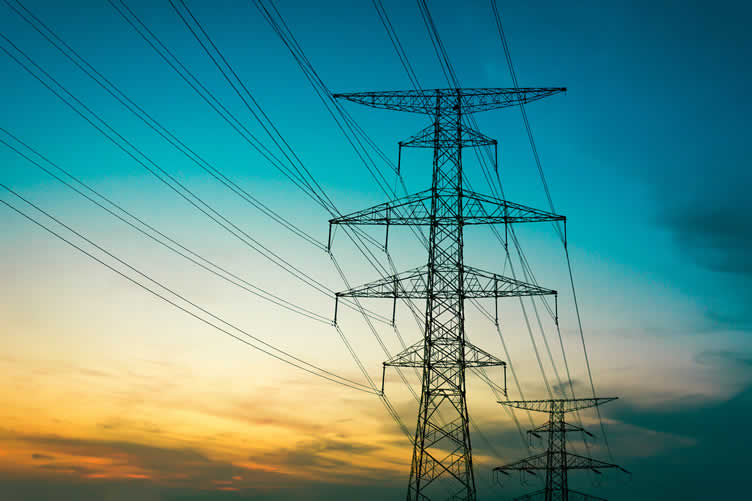
You’ve likely seen high-voltage transmission lines on large steel towers stretching across the countryside. These lines act as the highways of the electrical grid, moving power over long distances.
Transporting electricity at high voltages is the most efficient way to get energy from remote power plants to populated areas because it significantly reduces energy loss and cost.
Below, we’ll explore the key stages involved in this journey.
- Quick scroll to summary content …
(continue read)
-
Electricity Generation[ view]
The process begins at the generating plant, where electricity is produced through various methods. The generated electricity from these plants is in the form of alternating current (AC) and is typically produced at high voltages due to the efficiency and capacity required to meet large-scale energy needs.
At this stage, the electricity may undergo initial transformation to a higher voltage to prepare it for long-distance transmission.
-
High-Voltage Transmission[ view]
Once generated, electricity is transmitted over long distances via high-voltage transmission lines. These overhead or underground lines carry electricity from the power plant to regional substations.
Transmission at high voltages (often ranging between 110,000 to 765,000 volts) is critical as it minimizes energy loss during transportation. The higher voltage reduces the resistance encountered during transmission over vast distances, allowing for an efficient flow of energy.
This stage often involves large towers and cables spanning hundreds of miles, forming the backbone of the electricity grid.
-
High-voltage transmission relies on large steel towers and long cables spanning great distances. These lines are often visible across rural areas or along highways, where the towers and cables stand out as prominent features of the landscape.
-
-
Regional and Local Substations[ view]
Electricity reaches substations after the high-voltage transmission phase. At these facilities, transformers step down the electrical voltage to levels suitable for regional or local distribution.
Substations serve as control points within the grid, enabling power to be routed to different areas based on demand. They also house switching equipment, metering devices, and protection systems designed to ensure safe and reliable operation.
-
As the electricity nears your town or city, it exits the highway and enters a substation. Here, the energy undergoes a transformation. Substations with fenced enclosures and equipment, such as large transformers, often located near towns or industrial zones.
-
Warning signs and markers indicating high-voltage areas for safety precautions. Red or white-colored spheres sometimes seen on power lines near major crossing points, designed to increase visibility for low-flying aircraft.
-
-
Distribution Networks[ view]
After voltage is reduced at substations, electricity enters the distribution phase. It is carried from substations to smaller, localized networks that serve neighborhoods and individual homes.
These networks often include a combination of overhead distribution lines and underground cables. The distribution voltage usually ranges between 4,000 to 25,000 volts, which is then further reduced at transformers located closer to residential or commercial areas.
-
Electricity flows from substations where the voltage is reduced to ensure safe distribution. From there, it travels along three-phase distribution lines, either overhead on utility poles or buried underground in newer neighborhoods.
- These lines deliver power through local areas and neighborhoods. Overhead lines are often visible, connecting poles across streets.
-
-
Final Step to the Home[ view]
The final step in the process occurs at a transformer near or directly on your property. These neighborhood transformers lower the voltage down to the standard level used in homes, which is typically 120 or 240 volts in most countries such as the United States.
From here, electricity is delivered through service drops or underground cables directly into the main electrical panel of your home. The electrical panel manages the flow of electricity to the different outlets and appliances inside your house.
-
From overhead lines (or underground lines in cities and new neighborhoods), the electricity flows to a neighborhood transformer, which you might recognize as the cylindrical drum on a utility pole or a green metal box on a neighbor’s lawn.
- This transformer reduces the high voltage to a safer level for home use (typically 120 or 240 volts in the U.S.). The electricity then travels through overhead service drops or underground cables to your main electrical panel, which acts as the control center, distributing power throughout your house.
-
-
Maintaining Reliability and Safety
Throughout this entire process, utilities and grid operators work diligently to ensure stability, reliability, and safety within the electricity supply chain.
Advanced monitoring systems track energy demand and supply in real time, reducing the risk of power outages and ensuring that electricity reaches customers without interruption.
Substantial investments in grid resilience and technology continue to modernize and improve the efficiency of the electricity transportation system.
Electrical Distribution
(from the summary table below)
Stage Description Key Details Purpose Electricity Generation The process starts at the generating plant where electricity is produced through various methods. Electricity is produced as alternating current (AC) and often at high voltages for efficiency. To generate energy and prepare it for long-distance transmission by stepping up voltage levels. High-Voltage Transmission Electricity is transmitted over long distances via high-voltage transmission lines. Towers and cables stretch across regions carrying electricity at voltages between 110,000 to 765,000 volts. To minimize energy loss during transportation and ensure efficient delivery over long distances. Regional and Local Substations Electricity reaches substations where voltage is stepped down for regional or local distribution. Substations contain transformers, switching equipment, and protection systems. To manage and control electricity distribution, ensuring safe and reliable operation. Distribution Networks Electricity enters smaller distribution networks serving neighborhoods and individual homes. Voltage is reduced to 4,000 to 25,000 volts, then further decreased by local transformers. To safely deliver electricity to end-users in a reliable and efficient manner. Final Step to the Home Electricity is delivered to homes via service drops or underground cables. Voltage is stepped down to 120 or 240 volts by neighborhood transformers. To provide power in a usable form for appliances and lighting in residential areas. 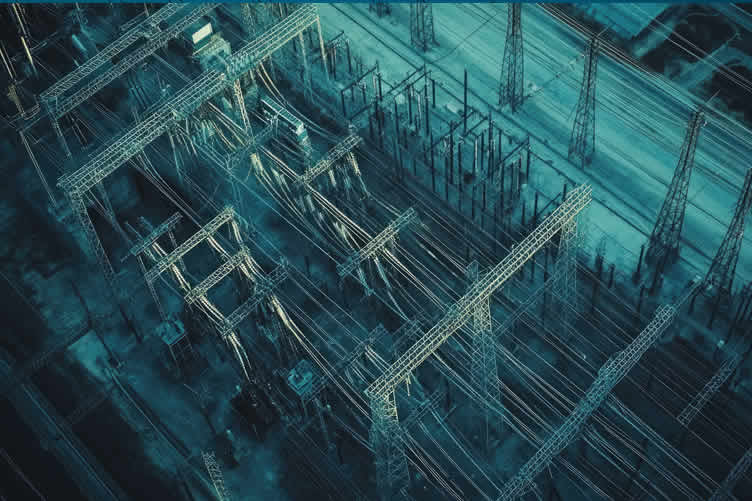
copyright image by 123rf.com
Is It Possible to Live Off-the-Grid?
Living off the grid is possible and offers a sustainable, independent lifestyle. It involves generating electricity through renewable sources like solar panels or wind turbines, sourcing water via wells or rain collection, and managing waste responsibly.
While it requires planning, tools, and adaptability, advancements in technology have made it more accessible than ever.
With the right setup, individuals or families can achieve self-sufficiency and reduce their environmental impact.
view ideas: your off-grid home (new win)
[ youtube: how does the power grid work ]
[ youtube: how electricity gets to you ]
-
-
ideas to view and compare from the information discussed above
electric can openerelectric tea kettleelectric salt/pepper grinder
Scroll up to directory … or scroll to next section about understanding home electrical …

Tackling your home electrical system and other home improvement needs …
… save this curated directory of ideas for future reference.






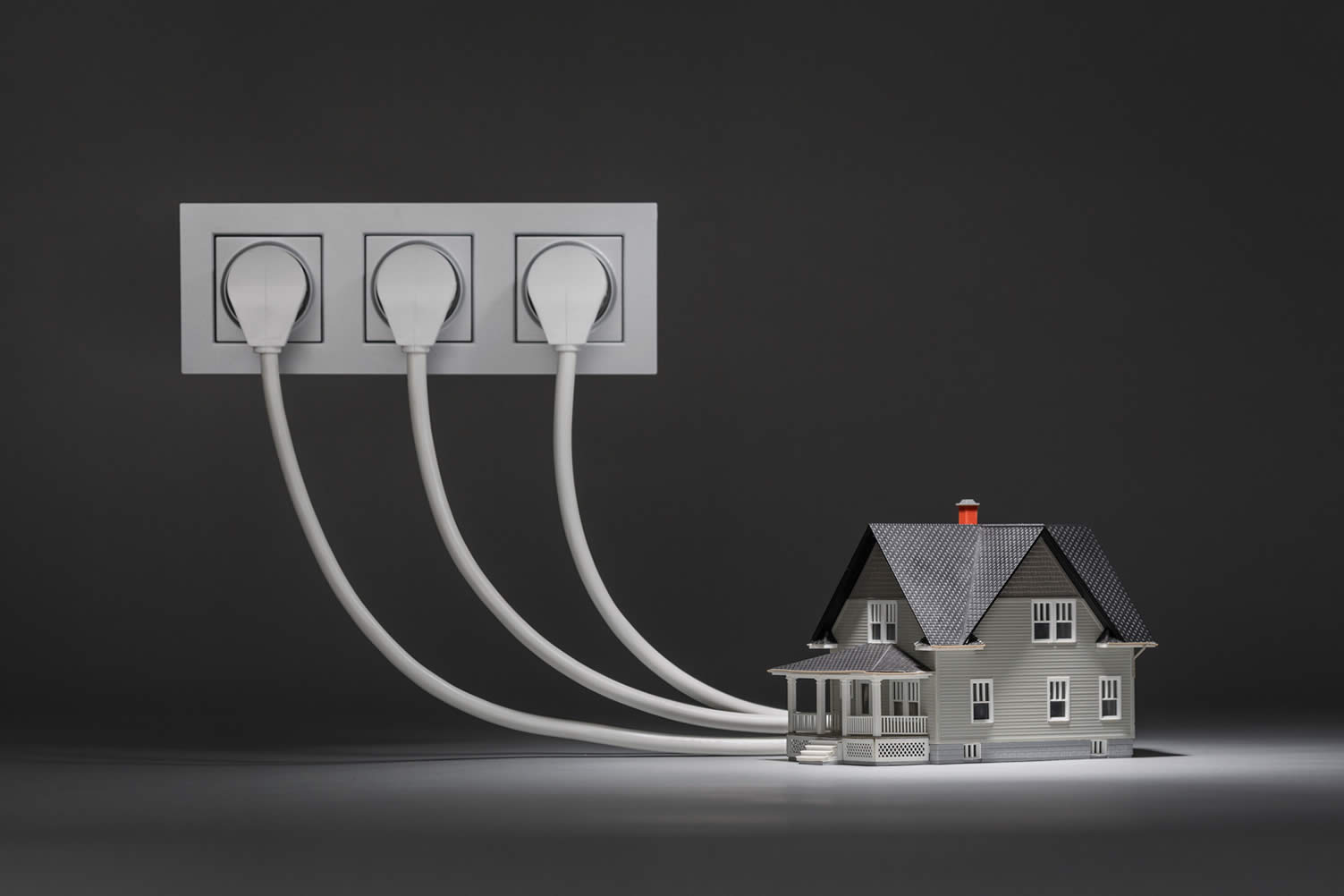
second “photo remodeling” idea
copyright image by 123rf.com
Electric Tip 2: Understanding Your Home’s Electrical System
Notes:
-
Electricity enters your home through a meter box, measuring usage in kilowatt-hours before distributing power. From there, it flows into the main service panel, typically in a garage, basement, or utility closet.
This panel, the "brain" of your system, divides 120/240-volt service into circuits protected by breakers. Most U.S. homes use split-phase service, with two 120-volt lines that combine for high-powered appliances.
The panel sends power to branch circuits: 120-volt circuits for outlets and lighting, and dedicated circuits for appliances like refrigerators or microwaves to prevent overloads. Heavy-duty appliances like electric ranges, dryers, and water heaters use 240-volt circuits with larger plugs for efficiency.
Safety is critical. Each circuit has a breaker sized for its wire gauge and load, preventing overheating or fires by tripping if overloaded. Understanding your home’s electrical system helps keep it safe and efficient.
-
Quick scroll to supporting notes …
-
-
1st: How Electricity Powers Your Home
Electricity powers nearly every aspect of modern life, flowing seamlessly into homes to operate everything from lighting and appliances to heating and technology.
But understanding how this energy reaches your home and powers various devices can elevate your ability to manage energy efficiently, troubleshoot issues, and ensure safety.
This section will explain the process of electricity entering the house, its regulation through important components, and how key concepts like voltage, amperage, and wattage function in your home’s electrical system.
copyright image by 123rf.com
Electricity delivery to homes begins with a complex infrastructure that includes the power grid, substations, and transformers.
Once this energy reaches your neighborhood, the final phase focuses on safely and efficiently introducing it into individual homes, where it is distributed and managed.
Below, we break down this process and explore the important elements that make it possible.
- Quick scroll to summary content …
(continue read)
-
The Electric Meter Box[ view]
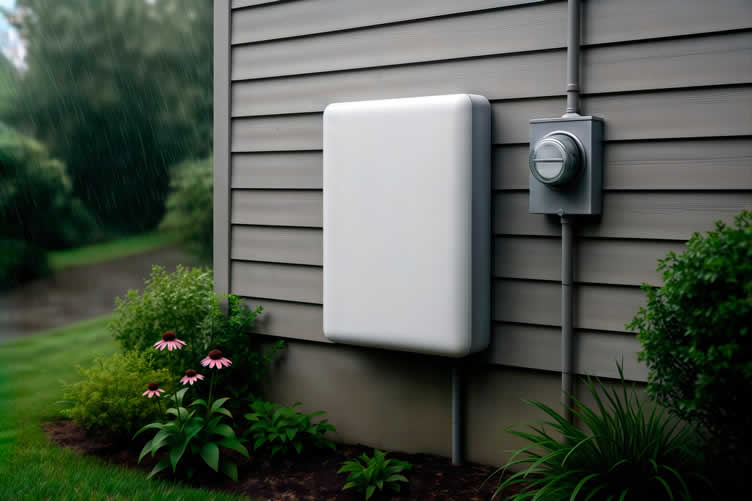
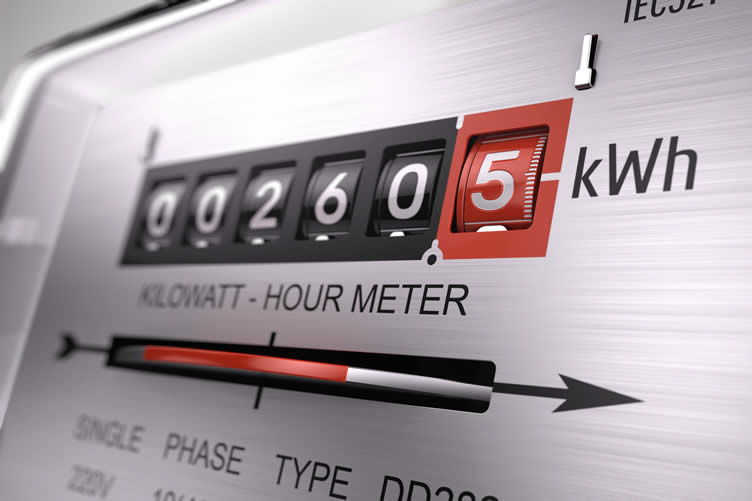
The first point of contact for electricity in your home is the electric meter box. Installed outside or at the entrance of your home, this device measures the total amount of electricity your household consumes.
The meter records electrical flow in kilowatt-hours (kWh), serving as the basis for your energy billing. Modern smart meters transmit real-time data to your utility provider, enabling accurate billing and usage monitoring.
Electricity enters your home at high voltage from the grid, but before it becomes usable, it must pass through the meter. From here, the power is directed to the main service panel, where it is further managed and divided.
-
The Main Service Panel[ view]
Often referred to as the breaker box, the main service panel plays a vital role in safely distributing power throughout your home. This panel contains several circuit breakers or fuses that regulate the flow of electricity to individual circuits.
Each breaker corresponds to a specific area or set of appliances in your home, ensuring that the electrical load is balanced and safe. The service panel also offers protection against electrical surges or faults.
If a device overloads the system, the corresponding circuit breaker will "trip," cutting off the power to prevent overheating or fires. This is a critical safety feature that every homeowner should understand.
-
Circuit Breakers and Home Safety[ view]
Circuit breakers are an essential component of your home’s electrical system. These devices safeguard your home from potential hazards by cutting power during overloads, short circuits, or ground faults.
Regular maintenance and periodic checks of your breaker box are critical to ensure its proper functioning. If your breakers trip frequently, it may signify an overloaded circuit or outdated electrical components that require upgrading.
Professional electricians can provide inspections and suggest solutions that maintain safety while accommodating modern power demands.
-
Segmenting Power Within the Home[ view]
Once electricity passes through the main panel, it is distributed to various circuits around your home. These circuits are designed to serve specific areas or groups of devices.
For instance, kitchen circuits may be assigned higher amperage to support appliances like refrigerators, while smaller areas may have lower capacity requirements. Proper segmentation helps optimize energy use and prevent overloading.
-
Simplifying Voltage, Amperage, and Wattage[ view]
Understanding the fundamentals of electricity can feel overwhelming, but breaking it down into simple, relatable concepts can make it much easier to grasp.
For homeowners, having a basic knowledge of voltage, amperage, and wattage is essential for making informed decisions about electrical work, selecting the right appliances, and ensuring safety in their homes.
Let’s explore these terms in a straightforward way.
- Voltage – The "Push":
Think of voltage as the force that pushes electrical energy through a circuit, similar to the pressure that drives water through a hose. A higher voltage means a stronger "push," allowing electricity to travel longer distances or power more demanding devices efficiently. - Amperage – The "Flow":
Amperage refers to the flow of electricity. Imagine water flowing through the hose—greater flow equates to more current. When considering your home’s electrical system, the amperage tells you how much electricity is being used by a device or how much your circuit can handle safely. - Wattage – The "Work":
Wattage is the total energy used to perform work, such as lighting a room or powering a refrigerator. Picture the water filling a bucket from the hose—this represents the total electricity utilized. Wattage depends on both voltage (push) and amperage (flow), illustrating why balancing these factors is important when managing energy consumption.
- Voltage – The "Push":
-
Ensuring Electrical Safety and Efficiency
Maintaining your home’s electrical system goes beyond understanding its mechanics; it involves routine safety practices and leveraging professional guidance.
Avoid overloading circuits, invest in energy-efficient devices, and promptly address any flickering lights or unusual power outages. Ensuring your electrical system adheres to local codes is also key, especially during renovations or upgrades.
Whether you are modernizing an older home’s wiring or simply aiming to better understand your energy consumption, knowledge of electricity’s path into your home empowers you to make informed decisions.
For expert recommendations, the National Electrical Manufacturers Association (NEMA) offers guidance on best practices (nema.org), while local electricians can provide practical, on-site assessments.
By developing this understanding, you enhance not only your home’s functionality but also its safety and energy efficiency. Your electricity system is more than just wires and breakers—it’s a vital component of your daily life, uniquely tailored to meet your home’s needs.
Component Description Function Importance Electric Meter Box This is typically located outside or at the entrance of your home and measures electricity consumption in kilowatt-hours (kWh). Records the amount of electricity used by your household and sends data to the utility provider for billing. Ensures accurate billing and helps monitor energy usage, with modern smart meters providing real-time updates. Main Service Panel Also known as the breaker box, this distributes electricity throughout your home via circuit breakers or fuses. Regulates the flow of electricity to different areas and devices, preventing overload and protecting against surges. Critical safety component that prevents overheating and fire hazards, ensuring balanced power distribution. Voltage Refers to the electric potential difference measured in volts, representing the “push” of electricity. Provides the force needed to move electricity through circuits, generally 120V for most home devices and 240V for heavy appliances. Essential for powering devices appropriately and efficiently across various circuits in the home. Amperage Measures the flow of current in amperes (A), representing the volume of electricity used. Ensures circuits can handle specified electrical loads safely without exceeding capacity limits. Prevents system overloads and ensures safe operation of devices by maintaining proper current levels. Wattage Calculated as voltage multiplied by amperage, representing the total electrical power used. Helps determine energy consumption of appliances and devices, enabling efficient energy management. Important for selecting energy-efficient products and estimating electrical capacity requirements. 
AI generated image by 123rf.com
Smart Weatherization
Reducing home energy consumption starts with smart weatherization. Sealing air leaks, adding insulation, and optimizing windows and doors can prevent energy loss and maintain a comfortable temperature year-round.
These steps lower utility bills, reduce strain on heating and cooling systems, and extend their lifespan.
Whether it’s a DIY project or done by professionals, weatherization is a cost-effective way to create a more energy-efficient,
view ideas: home’s energy efficiency (new win)
[ youtube: electrical panel explained
[ youtube: Difference Volts, Watts, and Amps ]
-
2nd: How Power Is Split and Distributed
Your home’s electrical system is like its backbone, ensuring day-to-day functionality and comfort. From powering basic appliances to handling specialized equipment, different circuits serve unique purposes to meet your household’s needs effectively and safely.
Understanding how electricity is managed within your home is key to ensuring safety, efficiency, and compliance with electrical codes.
copyright image by 123rf.com
The main electrical panel acts as the central hub of your home’s power system, taking the incoming 120/240-volt service from your utility provider and distributing it to different circuits tailored to specific needs (typical residential service in the U.S. is split-phase, meaning it brings in two 120-volt "legs" that can be combined for larger appliances).
Each circuit is protected by breakers or fuses that prevent overloading and fire hazards, ensuring a reliable and safe flow of electricity throughout your residence.
This section explores how power is split and distributed through your home, offering insights into the distinct types of circuits and their purposes.
- Quick scroll to summary content …
(continue read)
-
General Purpose 120-Volt Circuits[ view]
General purpose 120-volt circuits are the most common distribution lines in your home. These circuits power everyday items such as wall outlets, many overhead lights, and small plug-in devices like chargers, lamps, or small appliances.
Because they handle a variety of loads, these circuits are designed to spread electrical demand across multiple outlets, ensuring no single area becomes overloaded. This setup not only enhances safety but also improves functionality by allowing simultaneous use of multiple devices without disrupting power flow.
Ensuring these circuits are properly grounded and equipped with standard circuit breakers remains critical for consistent operation.
Key examples and concepts include:
- Primary Uses:
Wall outlets, overhead lights, and small plug-in devices like lamps, phone chargers, or toasters. - Design Purpose:
Distribute electrical demand across multiple outlets, preventing overloads in any single area. - Key Features:
- Enhanced safety by spreading the load.
- Allows simultaneous use of multiple devices.
- Requires proper grounding and standard circuit breakers for consistent operation.
- Primary Uses:
-
Dedicated 120-Volt Circuits[ view]
Certain appliances in your home require their own dedicated 120-volt circuits for reliability, safety, and adherence to electrical codes. These circuits are specifically designed to supply a single high-demand appliance with uninterrupted power.
Examples include refrigerators, microwaves, bathroom receptacles, and sump pumps. Having each of these on its own breaker ensures that essential appliances remain operational even if another circuit trips.
This segmentation prevents outages in critical systems and minimizes the risk of overloading, thereby extending the lifespan of both the circuit and the appliance connected to it.
- Common Appliances:
Refrigerators, microwaves, bathroom outlets, and sump pumps. - Benefits:
- Supplies uninterrupted power to high-demand appliances.
- Essential appliances remain functional even if another circuit trips.
- Extends the longevity of both circuits and connected devices.
- Common Appliances:
-
240-Volt Circuits[ view]
Larger appliances and systems requiring higher voltage to function rely on 240-volt circuits. These circuits are used for power-intensive equipment such as electric ranges, dryers, water heaters, heat pumps, and air conditioning condensers.
The higher voltage allows these appliances to operate efficiently and effectively without straining the electrical system. Some modern homes also use 240-volt circuits for electric vehicle chargers or heavy workshop tools.
These circuits are essential for powering items that heavily contribute to the convenience and functionality of contemporary living spaces. Proper installation and dedicated breakers for these circuits are crucial to maintaining safety and meeting energy demand.
- Primary Uses:
Electric ranges, dryers, water heaters, heat pumps, and air conditioning units. - Additional Applications:
- Electric vehicle chargers.
- Heavy-duty tools for workshops.
- Importance:
- Ensures efficient operation of power-intensive equipment.
- Requires proper installation and dedicated breakers for safe functionality.
- Primary Uses:
-
Other Specialized Circuits
Beyond the typical 120- and 240-volt systems, homes sometimes integrate specialized circuits for unique functions. Examples include circuits for outdoor lighting, pool or hot tub systems, or home automation infrastructures.
These circuits often incorporate advanced safety mechanisms and weather-resistant components to ensure durability and reliability. Custom circuits may also be installed for backup power via generators or solar panel systems, designed to safeguard your home against outages.
Proper planning, professional assessments, and compliance with local codes are vital when adding or modifying specialized circuits.
- Examples:
- Outdoor lighting or irrigation systems.
- Pool or hot tub equipment.
- Home automation setups.
- Backup power systems like generators or solar panels.
- Key Considerations:
- Designed with advanced safety features.
- Incorporates weather-resistant components.
- Complies with building codes through careful planning and professional assessment.
Even though electrical systems may seem complex, understanding how power is distributed within your home can empower you to make informed decisions about upgrades, repairs, or energy efficiency improvements.
For expert advice and professional installations, consulting a licensed electrician is the best course of action.
Trusted authorities such as the National Electrical Manufacturers Association (NEMA) (nema.org) offer additional resources to explore best practices and ensure your home’s electrical system operates safely and effectively.
- Examples:
Category Description Examples/Purpose Main Electrical Panel The central hub of your home’s power system, managing incoming 120/240-volt service from the utility provider and distributing it to different circuits. Ensures safety, efficiency, and prevents hazards by using breakers or fuses for overload protection. General Purpose 120-Volt Circuits Common circuits that power wall outlets, overhead lights, and small plug-in devices. Chargers, lamps, small appliances; spread electrical demand across outlets for functionality and safety. Dedicated 120-Volt Circuits Specialized circuits designed for single high-demand appliances, ensuring uninterrupted power. Refrigerators, microwaves, bathroom receptacles, sump pumps; minimizes risk of overloading and enhances safety. 240-Volt Circuits Circuits for power-intensive equipment requiring higher voltage for operation. Electric ranges, dryers, water heaters, heat pumps, air conditioning units, and electric vehicle chargers. Other Specialized Circuits Unique circuits for outdoor lighting, pools, home automation, or backup power systems. Solar panel systems, generators, weather-resistant outdoor circuits; incorporates advanced safety mechanisms. 
copyright image by 123rf.com
In-Depth Home Electrical System
Every household has unique electrical requirements depending on the size of the home, the number of residents, and the types of appliances in use. Understanding these needs is crucial to ensure efficiency and safety.
Begin by identifying your home’s power consumption and ensuring your electrical system can handle the load without overloading circuits. Regular maintenance, using surge protectors, and ensuring outlets are properly grounded are important safety practices.
Additionally, familiarize yourself with essential safety measures like knowing where your circuit breaker is located and how to use it in an emergency. These steps not only protect your home but also provide greater peace of mind.
view ideas: understanding electrical needs and safety (new win)
Switch Socket Plates
viewing amazon
-
-
ideas to view and compare from the information discussed above
Scroll up to directory … or scroll to next section about powering your home …
Outline the specific requirements needed for upgrading …

… your home electrical system and other key home improvement and remodeling decisions


Download this PDF for a concise summary of everything you need to know about …?



May We Suggest Other Photo Remodeling Ideas About
“Managing Home Lighting Needs …” (new win)

third “photo remodeling” idea
copyright image by 123rf.com
Electric Tip 3: Powering Your Home Smarter
… a guide to energy efficiency and automation
Notes:
-
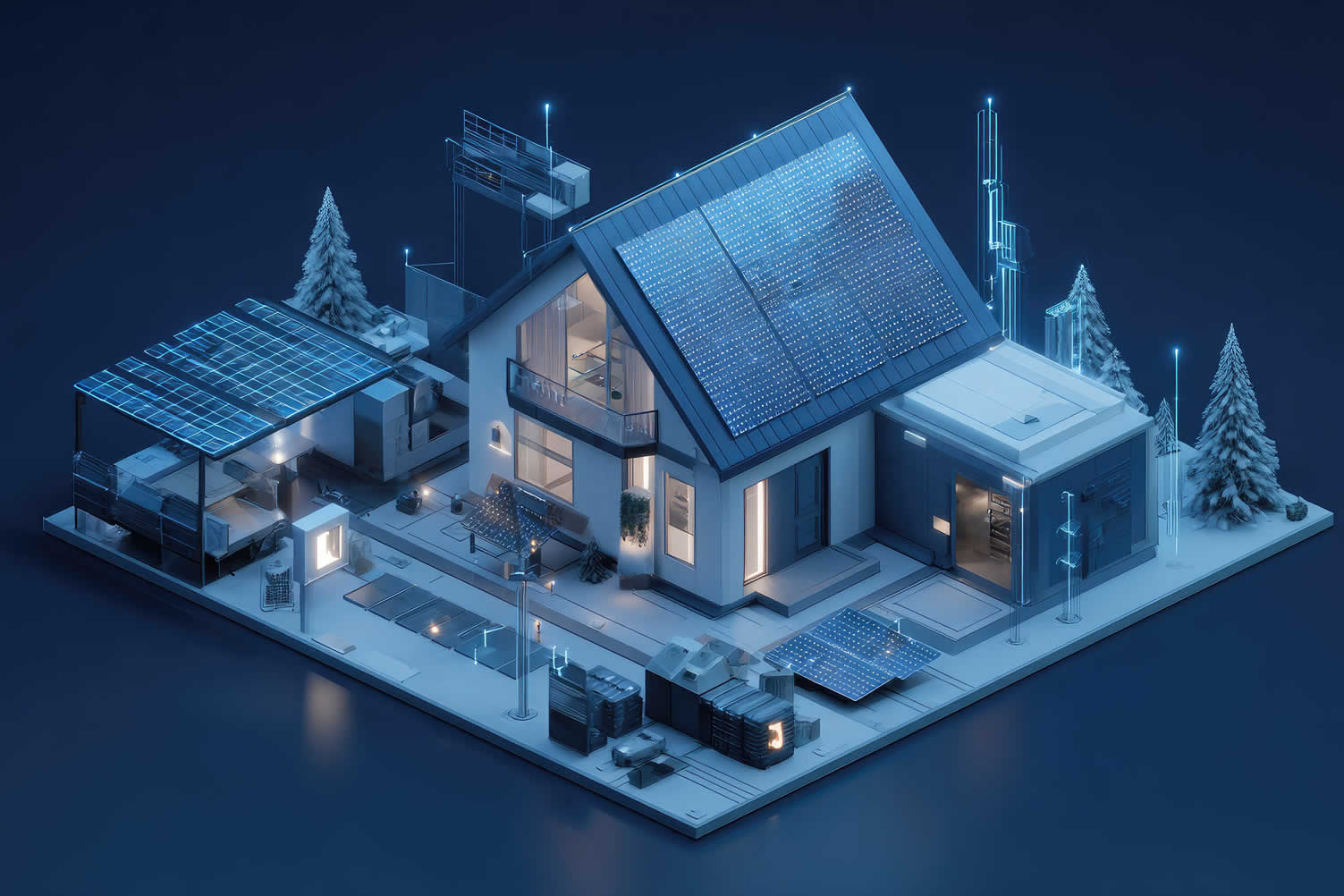
Managing your home’s power usage isn’t just about cutting down on electric bills—it’s about creating a more sustainable, efficient, and future-ready living space. With energy costs on the rise and increasing concerns about environmental impact, many homeowners are seeking smarter ways to monitor and reduce their electricity consumption.
Whether you’re starting small with simple energy-saving tips or planning to integrate advanced home automation systems, there are countless opportunities to optimize the way your home uses power.
This guide offers invaluable insights into understanding your home’s power usage systems, from identifying high-consumption areas to developing strategies for reducing energy waste. It also explores innovative solutions like home automation technology, which allows you to take control of your energy usage like never before.
By combining practical tips and cutting-edge tools, you’ll not only save money but also contribute to a healthier planet—all while enhancing the comfort and functionality of your home.
-
Quick scroll to supporting notes …
-
-
1st: Where the Kilowatt-Hours Go
Understanding how energy is consumed in your home is key to managing your electricity bill, designing an energy-efficient living space, and contributing to a more sustainable environment.
Kilowatt-hours (kWh) measure the amount of electricity used over time, and every appliance or system in your home plays a role in the total energy consumption.
copyright image by 123rf.com
By identifying where the majority of kilowatt-hours go, homeowners can make informed decisions about improving efficiency, conserving energy, and potentially reducing household costs.
Below, we provide a breakdown of the primary contributors to energy consumption in an average home, as well as strategies for optimizing energy usage.
- Quick scroll to summary content …
(continue read)
-
Heating and Cooling (HVAC Systems)[ view]
The majority of energy used in a home, typically about 46-50%, is allocated to heating and cooling. HVAC systems are essential for maintaining a comfortable indoor climate year-round, but they draw significant energy due to their intensity and frequency of use, especially in extreme seasons.
Factors like poor insulation, leaky windows, and inefficient systems can further increase energy use.
To reduce these numbers, homeowners can invest in energy-efficient HVAC units, properly seal their homes, and prioritize programmable thermostats to minimize unnecessary heating or cooling cycles.
-
Water Heating[ view]
Water heating accounts for approximately 15-20% of home energy consumption. The demand comes mainly from activities like bathing, cleaning, and washing clothes or dishes.
Energy efficiency can be greatly improved by using modern "on-demand" tank-less heaters or upgrading to insulated storage tanks.
Consider reducing water temperatures to safe yet energy-saving levels (120°F is typical) and installing low-flow fixtures to cut down on unnecessary water heating.
-
Appliances and Electronics[ view]
Home appliances and electronics consume around 20-25% of energy depending on usage patterns and types. Major contributors include refrigerators, washing machines, dryers, ovens, televisions, and computers.
Refrigerators and freezers, in particular, run continuously and account for a significant portion of this category.
Upgrading to ENERGY STAR-rated appliances, unplugging unused electronics, and opting for smart power strips to minimize "phantom loads" (electricity consumed by devices in standby mode) are effective ways to reduce kilowatt-hours in this area.
-
Lighting[ view]
Lighting represents roughly 10% of home electricity use. Traditional incandescent bulbs are far less efficient compared to modern LED or CFL bulbs, which save up to 75% more energy and last significantly longer.
Opting for energy-efficient lighting, utilizing natural light during the day, and installing dimmer switches or motion-sensor lighting can further help decrease electricity consumption.
-
Other Energy Uses[ view]
The remaining 5-10% of energy consumption typically involves miscellaneous systems such as home automation devices, pool or spa equipment, HVAC fans, and small appliances.
While individually these systems may not account for large amounts of energy, their combined usage can add up over time. Keeping these systems well-maintained and upgrading to energy-efficient versions can help manage their contribution to the overall energy load.
-
Final Thoughts on Power Consumption
By understanding which systems and activities consume the most kilowatt-hours, you gain the tools to enhance home energy efficiency effectively.
Professional energy audits can also identify areas for improvement, while emerging technologies like renewable energy systems—such as solar panels—can offset consumption and reduce reliance on traditional power sources.
For more in-depth guidance on energy-saving options, consider consulting with an expert or referencing authoritative sources such as the U.S. Department of Energy (DOE).
Smart planning and efficiency upgrades not only reduce your energy bills but also contribute to a healthier planet, allowing you to align your financial goals with sustainable living practices.
Category Percentage of Energy Consumption Details Heating and Cooling (HVAC Systems) 46-50% This category comprises the largest share of energy consumption in homes. HVAC systems are crucial for maintaining a comfortable temperature but demand significant energy, especially during extreme weather conditions. Efficiency can be improved through better insulation, sealing windows, and using energy-efficient HVAC units and programmable thermostats. Water Heating 15-20% Water heating is a significant energy consumer due to activities like bathing, cleaning, and washing. Upgrading to tank-less water heaters, insulated storage tanks, reducing water temperatures to 120°F, and installing low-flow fixtures are effective strategies to reduce energy use in this category. Appliances and Electronics 20-25% This category includes items such as refrigerators, washing machines, dryers, ovens, televisions, and computers. To minimize energy use, homeowners can upgrade to ENERGY STAR-rated appliances, unplug unused devices, and utilize smart power strips to reduce phantom energy loads. Lighting 10% Lighting energy consumption can be reduced with LED or CFL bulbs, which are much more efficient than incandescent bulbs. Incorporating natural daylight, dimmer switches, or motion-sensor lighting can further reduce this category’s energy footprint. Other Energy Uses 5-10% Miscellaneous systems such as home automation devices, pool or spa equipment, and HVAC fans contribute to the remaining energy use. Regular maintenance and upgrading to energy-efficient versions can help manage the collective impact of these systems. 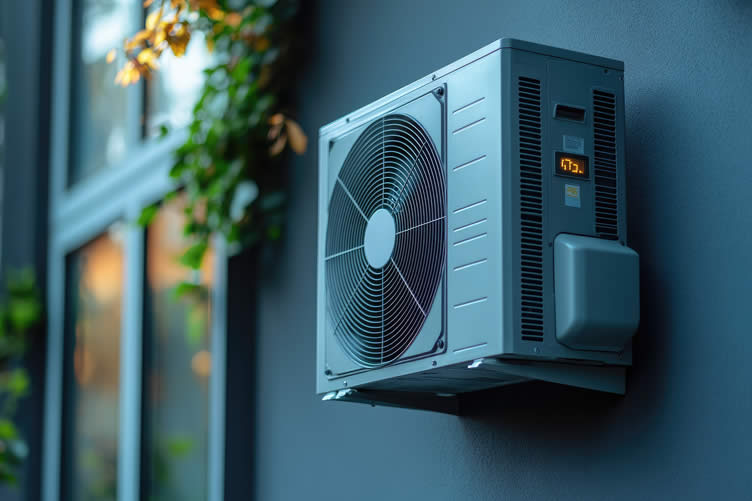
copyright image by 123rf.com
Do You Know Your Home HVAC System?
A home HVAC system is key to keeping your living space comfortable and healthy by regulating temperature and circulating air. These systems combine heating, ventilation, and air conditioning to maintain balanced indoor conditions year-round.
Understanding how its components work—like the thermostat, filters, and ducts—helps you spot potential issues.
Regular maintenance, such as changing filters and scheduling professional check-ups, optimizes efficiency, prolongs the system’s life, and lowers energy costs while improving air quality for your family.
view ideas: what does HVAC mean? (new win)
-
2nd: Ways to Manage and Reduce Electricity Use
Reducing electricity use in your home is not only an effective way to lower utility bills but also a proactive step toward environmental conservation.
By making mindful adjustments and investing in energy-efficient systems, homeowners can significantly cut their electricity consumption without sacrificing comfort or convenience.

copyright image by 123rf.com
Whether you’re working with a limited budget or ready for larger investments, these tips will help you create a more energy-efficient home while enhancing its overall value.
Below, we break down key areas of focus and the actionable steps you can take in each.
- Quick scroll to summary content …
(continue read)
-
Heating and Cooling (HVAC and Thermostat)
Heating and cooling systems account for a significant portion of home energy use—often as much as 50%. By implementing the listed energy-saving measures, you can achieve significant reductions in energy usage:
- Install a programmable or smart thermostat:
Automatically adjusting temperatures can reduce energy consumption by 10-15%. - Service your HVAC system regularly:
Maintaining your system and replacing filters every three months can improve efficiency by up to 15%, cutting unnecessary energy use. - Seal air ducts:
Preventing leaks ensures heated or cooled air is effectively delivered, improving system efficiency by 20-30%. - Use ceiling fans:
Adjusting your thermostat by 4°F while using ceiling fans can save 1-3% per degree, translating to a total of 4-12% energy savings. - Set energy-efficient thermostat temperatures:
Keeping your thermostat at 68°F in winter and 78°F in summer can reduce heating and cooling costs by up to 10%.
When combined, these strategies can optimize energy efficiency and deliver cumulative savings of 50-82%, depending on your home’s specific conditions and existing practices.
- Install a programmable or smart thermostat:
-
Water Heating
Water heaters are another major energy consumer in most households. Simple changes can reduce both energy use and costs. Here’s an estimate of the potential energy savings for each action:
- Lower the water heater thermostat to 120°F:
This simple adjustment can save approximately 4-22% of energy used for heating water, depending on the previous thermostat setting. - Insulate the water heater tank and pipes:
Proper insulation can reduce standby heat losses and result in energy savings of around 7-16%. - Upgrade to an energy-efficient water heater (tank-less or heat pump models):
Switching to an energy-efficient model can lower water heating energy use by 25-50%, depending on the efficiency and usage patterns. - Install low-flow showerheads and faucet aerators:
Reducing hot water usage through these fixtures can save up to 25-60% of hot water energy for individual appliances. - Repair leaks promptly:
Fixing leaks, especially hot water leaks, can prevent unnecessary energy and water waste, potentially contributing to an overall saving of around 5-10%.
Together, these measures can provide a cumulative reduction in energy expenses while contributing to a more sustainable and efficient household.
- Lower the water heater thermostat to 120°F:
-
Appliances and Plug Loads
Household appliances and electronic devices contribute considerably to your energy bill. Using them strategically can make a difference.
- Opt for ENERGY STAR-rated appliances:
ENERGY STAR appliances can reduce energy usage by approximately 10–50%, depending on the device type and usage frequency. For instance, ENERGY STAR refrigerators use around 15% less energy than standard models. - Avoid standby power:
Reducing standby power by unplugging devices or using advanced power strips can save up to 10% on your electricity bill annually, as standby power accounts for a significant portion of home energy consumption. - Set refrigerators and freezers to recommended temperatures:
Properly adjusting your refrigerator and freezer settings can save roughly 5–10% on energy use, as these appliances are often over-cooled unnecessarily. - Run dishwashers and washing machines with full loads:
Using these appliances efficiently can lead to about a 20–30% reduction in energy usage compared to running partial loads frequently. - Air-dry clothes whenever possible:
Skipping the dryer and air-drying clothes can save up to 15–20% of a home’s energy use attributed to drying machines.
Collectively, these changes could potentially save you 30–50% on your household energy consumption, depending on the number of measures applied and your current energy habits.
- Opt for ENERGY STAR-rated appliances:
-
Lighting and Controls
Lighting is an often-overlooked aspect of energy consumption, but small changes can lead to big results. By implementing the suggested energy-saving strategies, you can achieve significant reductions in your household energy consumption. For example:
- Replace incandescent bulbs with LED options:
Since LEDs use up to 75% less energy, you can expect immediate savings on your lighting costs—approximately 20-30% of the average household energy use is lighting-related, so this switch alone can reduce overall energy consumption by up to 15-20%. - Install motion sensors or timers in commonly used areas:
This prevents wasted energy from lights being unintentionally left on and can help save an additional 5-10%, depending on how often lights are unnecessarily used. - Use dimmers to adjust light levels:
Reducing brightness levels when full lighting isn’t essential can lower energy use by up to 10%, depending on usage patterns. - Take advantage of natural light by opening curtains or blinds during the day. Paired with other measures, this simple practice can reduce artificial lighting needs by up to 5%.
- Use task lighting instead of overhead lighting to focus illumination only where it’s needed. This targeted approach can save an estimated 5-7% of lighting energy.
When combined, these efforts have the potential to cut lighting-related energy consumption by over 30-40%, offering considerable energy savings while enhancing comfort and functionality in your living space.
- Replace incandescent bulbs with LED options:
-
Building Shell and Schedule
Your home’s construction and usage patterns greatly affect its energy efficiency. Addressing this can lead to long-term savings and significantly reduce your energy consumption:
- Insulate walls, attic spaces, and floors:
Proper insulation can lead to energy savings of up to 15-20% by retaining conditioned air and reducing the need for heating and cooling. - Seal windows and doors with weatherstripping or caulking:
Addressing drafts in your home can contribute an additional 10-15% in energy savings by minimizing air leakage. - Install energy-efficient windows or add insulating window films:
Upgrading to more efficient windows or applying insulating films can reduce heat transfer and save approximately 10-25% on energy bills, depending on the climate. - Schedule energy-intensive activities during off-peak hours:
Aligning high-energy tasks with off-peak times may not directly reduce energy consumption but can lower costs by 5-10%, depending on your utility provider’s rate structure. - Consider zoning systems for individual room temperature control:
Zoning systems can enhance efficiency and deliver up to 20-30% in savings by avoiding over-conditioning unused spaces.
Combined, these strategies could potentially lower energy consumption by 30-50% when applied comprehensively, enhancing both comfort and cost efficiency in your home.
- Insulate walls, attic spaces, and floors:
-
Why Get an Energy Audit?
An energy audit is an in-depth evaluation of your home’s energy use and efficiency. Conducting one can identify problem areas and offer tailored solutions.
- Professional auditors use specialized tools like infrared cameras and blower door tests to pinpoint energy leaks. Acting on these insights can lead to energy savings of up to 20-30%.
- You’ll get a detailed report on your home’s energy performance with specific recommendations for improvement. Addressing issues like air leaks, poor insulation, and inefficient systems can significantly reduce energy waste and costs.
- Many utility companies offer free or discounted audits to help you get started.
- An audit helps you understand your home’s specific needs so you can prioritize the most effective upgrades.
-
Additional Tips
Reducing energy use often involves small lifestyle changes and adjustments that can add up over time.
- Replace outdated equipment with energy-efficient alternatives when renovating.
- Consider renewable energy systems like solar panels to offset electricity usage further.
- Monitor your home’s energy use with advanced energy management systems or smart home apps.
- Use landscaping strategically by planting trees or shrubs for natural cooling and shading.
Implementing these strategies can lead to substantial energy savings while making your home more sustainable and comfortable.
Trusted sources, such as the U.S. Department of Energy (DOE) and ENERGY STAR programs, provide additional resources and guidance for homeowners looking to take the next step toward energy efficiency.
Category Strategies Potential Savings Heating and Cooling (HVAC and Thermostat) Install a programmable or smart thermostat, service the HVAC system regularly, seal air ducts, use ceiling fans, and set energy-efficient thermostat temperatures. Cumulative savings of 50-82%, with individual measures like 10-15% from programmable thermostats, 15% from HVAC maintenance, 20-30% from sealing ducts, and 4-12% from thermostat adjustments combined with ceiling fans. Water Heating Lower the water heater thermostat, insulate the water heater tank and pipes, upgrade to an energy-efficient water heater, install low-flow showerheads and faucet aerators, and repair leaks promptly. Overall savings of approximately 25-50%, with measures like 4-22% from lowering the thermostat, 7-16% from insulation, and 25-60% from low-flow fixtures. Appliances and Plug Loads Opt for ENERGY STAR-rated appliances, reduce standby power, set recommended refrigerator and freezer temperatures, run dishwashers and washing machines with full loads, and air-dry clothes whenever possible. Potential savings of 30-50%, with approximately 10–50% from ENERGY STAR appliances, 10% from reducing standby power, and 20-30% from efficient use of dishwashers and washing machines. Lighting and Controls Replace incandescent bulbs with LEDs, install motion sensors or timers, use dimmers, take advantage of natural light, and implement task lighting strategies. Savings of over 30-40% on lighting energy usage, with individual efforts providing reductions of around 15-20% from LED bulbs and 5-10% from motion sensors or timers. Building Shell and Schedule Insulate walls, attics, and floors, seal windows and doors, install energy-efficient windows or insulating films, schedule energy-intensive activities during off-peak hours, and consider zoning systems for temperature control. Combined energy savings of 30-50%, with specific reductions like 15-20% from insulation and 10-25% from energy-efficient windows or films. 
copyright image by 123rf.com
Making the Switch With Style!
Switching to LED lighting is an effective way to cut energy use and lower utility bills. LED bulbs are more energy-efficient and last longer than traditional incandescent ones, making them a cost-effective choice.
With a wide variety of decorative styles, LEDs easily complement any room or outdoor space.
Whether you need modern fixtures, warm ambient lighting, or outdoor string lights, LEDs offer both functionality and style to suit your home.
view ideas: choosing the right LED style (new win)
-
3rd: Leveraging Home Automation
… to reduce energy consumption
With rising energy costs and growing awareness of environmental sustainability, more homeowners are turning to home automation to streamline energy use and lower utility bills.
Modern smart home systems not only enhance convenience but also play a pivotal role in reducing household energy consumption.
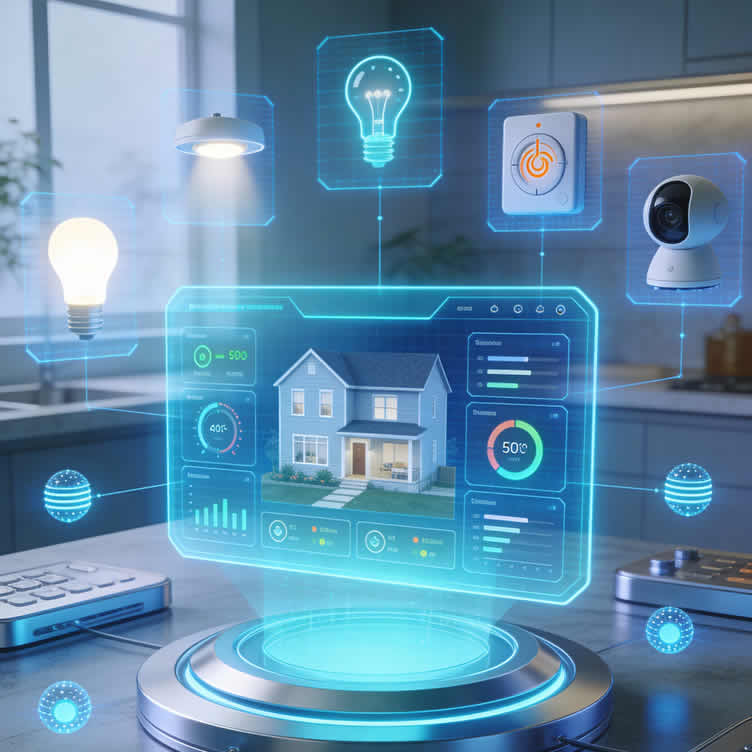
copyright image by 123rf.com
By integrating advanced technologies into everyday living spaces, homeowners can ensure their homes are more efficient, eco-friendly, and aligned with their budget goals.
This guide explores how home automation systems can make energy management simple, accessible, and effective.
- Quick scroll to summary content …
(continue read)
-
Smart Thermostats for Temperature Control[ view]
One of the most impactful ways to incorporate home automation for energy savings is through smart thermostats. These devices monitor, learn, and adapt to your household’s daily temperature preferences, allowing for precise control of heating and cooling systems.
Unlike traditional thermostats, smart models use advanced algorithms and sensors to optimize energy use, ensuring that your HVAC system only operates when needed.
For example, smart thermostats can detect when a room is unoccupied and adjust temperatures accordingly, preventing wasted energy. Additionally, many devices can be customized with scheduling features or controlled remotely via smartphone apps.
According to ENERGY STAR, upgrading to a smart thermostat can save homeowners up to 10% annually on heating and cooling costs. Pairing these innovative devices with proper insulation and weatherproofing enhances their effectiveness.
-
Integrated Smart Lighting[ view]
Lighting accounts for a significant portion of household energy consumption, but automation can drastically reduce unnecessary energy use. Homeowners can install smart lighting systems that adjust indoor and outdoor lighting levels based on occupancy and time of day.
These systems operate using motion sensors, dimming capabilities, and remote controls, ensuring that lights are only used when and where they are required.
For instance, motion-sensing lights in frequently used areas, such as the kitchen or hallway, can turn on automatically when someone enters the space and switch off after it becomes vacant.
Furthermore, incorporating LED bulbs with smart lighting setups further multiplies energy efficiency, as these bulbs consume far less electricity and have longer lifespans than traditional incandescent options.
-
Power Management with Smart Plugs and Outlets[ view]
Phantom energy consumption, also known as standby power, is a hidden enemy of home energy efficiency. Many devices and appliances consume electricity even when they are not actively being used—but this issue can be mitigated through the use of smart plugs and outlets.
These devices enable homeowners to monitor and control the energy usage of specific gadgets through smartphone apps or voice commands.
By scheduling times for appliances to turn off completely, whether it’s powering down entertainment systems or kitchen electronics overnight, smart plugs dramatically reduce wasted energy.
Leading brands often include usage analytics, helping homeowners identify energy-intensive appliances and make informed adjustments. Research by the National Renewable Energy Laboratory indicates that eliminating phantom power can reduce energy costs by up to 10%.
-
Optimizing with Energy Monitoring Tools[ view]
Another game-changing solution is the use of comprehensive energy monitoring tools. Modern home automation systems often include energy dashboards and real-time tracking capabilities that provide insights into how and when energy is being used in the household.
These systems can help homeowners identify inefficiencies or adjust habits to achieve savings. For example, whole-home energy management systems can consolidate data from thermostats, lighting, and appliances into a single interface.
This centralized approach simplifies energy optimization while providing actionable reports for better decision-making.
Studies show that knowledge of consumption patterns alone can lead to behavior changes, resulting in noticeable energy reductions.
-
Achieving Long-Term Benefits with Renewable Integration
For eco-conscious homeowners, combining automation with renewable energy sources, such as solar panels, can unlock even greater energy savings. Home automation systems can prioritize the use of solar-generated electricity during peak production hours, reducing reliance on the grid.
Additionally, smart energy storage solutions optimize the use of battery reserves during periods of high demand, further minimizing costs.
Platforms that synchronize with solar panel setups ensure seamless performance and energy distribution.
For example, Tesla’s Powerwall and similar systems actively balance renewable energy usage and grid consumption, offering both financial savings and reduced environmental impact.
-
Building a Sustainable Future with Automation
Home automation represents a practical and forward-thinking approach to optimizing energy use. By incorporating programmable devices such as smart thermostats, automated lighting, and energy monitoring systems, homeowners can enjoy both immediate and long-term benefits.
Not only do these technologies lead to lower utility bills, but they also contribute to a reduced carbon footprint, positioning homeowners as proactive stewards of the environment.
Whether you’re starting small with smart plugs or fully automating your home’s energy systems, the opportunities are vast and customizable to your household’s needs.
Leveraging trusted sources like ENERGY STAR-certified devices ensures high standards of quality, reliability, and efficiency. By investing in home automation today, you’re taking a thoughtful step toward a more energy-efficient, cost-effective, and sustainable lifestyle.
Feature Details Benefits Smart Thermostats for Efficient Temperature Control Smart thermostats monitor and adapt to temperature preferences, using algorithms and sensors to optimize energy use. They can detect room occupancy and adjust temperatures for efficient HVAC operation. Helps save up to 10% annually on heating and cooling costs, enhances comfort, and prevents energy waste. Integrated Smart Lighting for Dynamic Energy Savings Smart lighting systems adjust based on occupancy and time of day, using motion sensors, dimming options, and remote controls. Pairing with LED bulbs further improves efficiency. Reduces unnecessary energy use, cuts electricity costs, and extends bulb lifespan. Power Management with Smart Plugs and Outlets Smart plugs and outlets control and monitor energy usage for specific devices, eliminating phantom energy consumption. Features include scheduling and usage analytics. Decreases standby power usage by up to 10%, lowers utility bills, and identifies energy-intensive appliances for better adjustments. Energy Monitoring Tools Energy dashboards and tracking tools consolidate data from household systems, offering insights into consumption patterns for efficient energy management. Helps identify inefficiencies, encourages behavior changes, and simplifies optimization for noticeable energy savings. Renewable Integration Automation integrates with solar panels and energy storage systems, prioritizing renewable energy use during peak production and balancing grid reliance. Reduces environmental impact, minimizes energy costs, and optimizes renewable energy distribution. 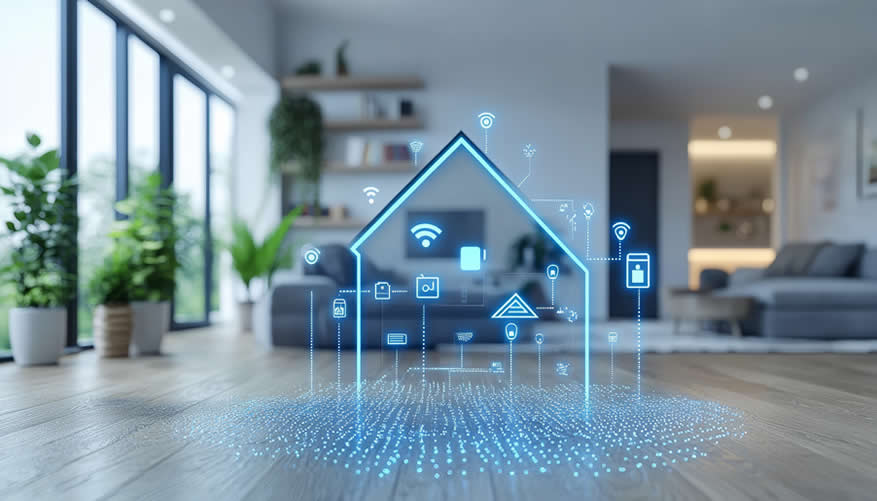
copyright image by 123rf.com
Make Life Easier
Home automation makes your life easier and more efficient by connecting smart devices like thermostats, lights, and security cameras. These can be controlled with the touch of a button or your voice, even from your smartphone.
Imagine adjusting the temperature before you get home, scheduling your lights while you’re away, or getting real-time safety updates.
Home automation saves time, reduces energy use, and provides peace of mind, making your daily routine smoother and more enjoyable.
view ideas: home automation 101 (new win)
-
-
ideas to view and compare from the information discussed above

Scroll up to directory … or scroll to next section about home electrical system …
SHARE IT ..! Someone in your network might benefit from this insightful post about their home energy system. Feel free to share it on Facebook, X (formally Twitter), LinkedIn, or Pinterest!


Easily determine the dimensions you need for any home remodeling project …
… ensuring functionality, visual appeal, and compliance with building codes.



Are there any other interesting topics that might have been overlooked but could offer valuable insights …?





fourth “photo remodeling” idea
copyright image by 123rf.com
Electric Tip 4: How The Industry Manages Energy Use
Notes:
-
Ensuring that energy is always available to meet demand is a critical responsibility for power companies. This complex process, known as energy management, involves a combination of forecasting, resource allocation, and real-time monitoring.
Power companies must balance the supply of energy generated by various sources—such as coal, natural gas, nuclear, hydro, wind, and solar—against the consumption patterns of homes, businesses, and industries. The ultimate goal is to reliably deliver electricity while maintaining efficiency, managing costs, and meeting environmental regulations.
To achieve this, energy providers employ advanced technologies, predictive models, and strategic planning, allowing them to adapt to fluctuations in demand while minimizing waste. Modern developments, such as incorporating renewable energy sources and offering smart grid infrastructure, have further enhanced their ability to provide consistent and sustainable power.
Below, we explore the key strategies for energy management and discuss how individual households can play an active role in reducing energy consumption with home automation.
-
Quick scroll to supporting notes …
-
-
1st: How Power Companies Manage Energy Usage
… to ensure adequate supply
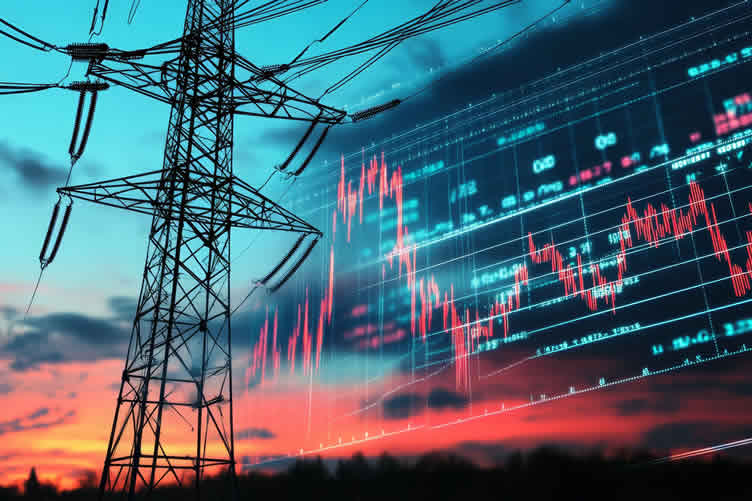
Ensuring that energy is always available to meet demand is a critical responsibility for power companies. This complex process, known as energy management, involves a combination of forecasting, resource allocation, and real-time monitoring.
Power companies must balance the supply of energy generated by various sources—such as coal, natural gas, nuclear, hydro, wind, and solar—against the consumption patterns of homes, businesses, and industries.
The ultimate goal is to reliably deliver electricity while maintaining efficiency, managing costs, and meeting environmental regulations.
copyright image by 123rf.com
To achieve this, energy providers employ advanced technologies, predictive models, and strategic planning, allowing them to adapt to fluctuations in demand while minimizing waste.
Modern developments, such as incorporating renewable energy sources and offering smart grid infrastructure, have further enhanced their ability to provide consistent and sustainable power.
Below, we explore the key strategies for energy management and discuss how individual households can play an active role in reducing energy consumption with home automation.
- Quick scroll to summary content …
(continue read)
-
Forecasting Energy Demand[ view]
Accurately predicting energy demand is vital to maintaining a stable supply. By analyzing historical usage data alongside variables like weather conditions, time of day, and seasonal changes, power companies can anticipate when electricity consumption will peak.
For instance, hot summer days often lead to higher energy usage due to widespread air conditioning, while colder seasons see increases from heating systems.
This forecasting enables utilities to prepare in advance by ramping up energy production or by tapping into reserve supplies as needed.
It also provides insights into potential deficits, allowing grid operators to implement demand-response programs, where participants voluntarily lower or shift their energy use during critical periods in exchange for incentives.
-
Resource Allocation and Grid Management[ view]
Electricity must be used as it’s generated, making real-time grid balancing a critical task for energy providers. This process involves managing both generation and consumption to prevent disruptions.
Using advanced software, system operators monitor energy flow and adjust inputs from power stations, renewables, and stored reserves to match demand fluctuations. If demand outpaces supply, they can quickly increase generation or take other steps to ensure a continuous energy supply.
Once a demand forecast is set, utilities allocate resources to meet the expected need. This means dispatching energy from different power plants based on cost-effectiveness, emissions, and production capacity.
For instance, when solar or wind energy is abundant, utilities prioritize it to reduce reliance on more expensive and environmentally harmful fossil fuels.
Grid management also ensures that energy is distributed safely and evenly across transmission lines. Smart grids, which use sensors and automated controls, are key to this process. They monitor usage patterns in real time, detect faults, and optimize electricity flow to help prevent outages.
-
Demand Response Programs[ view]
Demand response initiatives empower power companies to influence consumer behavior during periods of high demand, stabilizing the grid while optimizing energy consumption.
Programs like capacity or reliability demand response encourage users to reduce energy use during critical periods, often accompanied by financial incentives.
Economic demand response focuses on engaging consumers to shift their energy use patterns to take advantage of lower-cost periods. Ancillary services demand response also plays a vital role in maintaining grid stability by recruiting user participation to provide fast-acting reserves in urgent situations.
These programs not only maintain grid reliability but also foster a collaborative relationship between providers and consumers.
-
Pricing Structures to Shape Behavior[ view]
Strategic pricing structures have proven effective at influencing energy consumption patterns, ensuring efficient usage while preventing peak load issues.
Time-of-use (TOU) pricing, for example, motivates users to consume electricity during off-peak periods by offering reduced rates for usage during low-demand hours. Critical peak pricing programs introduce temporary rate increases during times of extreme strain on the grid, encouraging customers to conserve energy.
These pricing mechanisms ensure that energy resources are utilized efficiently while helping consumers manage their utility expenses more wisely.
-
Working With Customer-Side Technology[ view]
The integration of customer-side technology has revolutionized energy management, enabling both providers and consumers to engage in smarter energy practices.
Power companies collaborate with households and businesses to deploy energy-efficient devices such as smart thermostats, advanced metering systems, and renewable energy installations like rooftop solar panels.
These technologies provide users with greater control over their consumption while enhancing the provider’s ability to monitor, forecast, and adapt in real time. Leveraging such innovations facilitates a shift toward more sustainable and efficient energy ecosystems.
-
Advancing Through Additional Strategies
Power companies employ other advanced methods to enhance energy management further. Battery storage systems, for instance, store electricity generated during low-demand periods and release it when demand rises, ensuring consistent supply.
Investment in renewable sources such as wind and solar energy adds diversity to energy portfolios while decreasing reliance on non-renewable resources. Additionally, educational initiatives promote conservation awareness among consumers, driving long-term reductions in demand.
By implementing a combination of advanced infrastructure and customer-focused strategies, power companies can effectively meet energy needs in an increasingly complex and dynamic environment.
Modern energy management is a multifaceted endeavor, requiring collaboration between power companies, consumers, and technological innovators.
By employing precise forecasting, real-time balancing, demand response mechanisms, dynamic pricing, and cutting-edge technologies, power providers can ensure a reliable and resilient energy supply that addresses both present and future demands.
An ongoing commitment to innovation and sustainability allows these companies to meet the evolving needs of their customers while supporting a greener, more efficient energy future.
Key Aspect Description Examples/Impact Forecasting Energy Demand Predicting energy demand using historical data, weather patterns, and seasonal changes to prepare for peak consumption periods. On hot summer days, higher energy usage from air conditioning; in winter, increased heating system usage. Resource Allocation and Grid Management Balancing energy generation and consumption in real-time using advanced software and resource deployment for cost-effective, safe, and efficient energy distribution. Prioritizing solar or wind energy when available; utilizing smart grids with sensors to optimize electricity flow and detect faults. Demand Response Programs Encouraging consumers to reduce or shift energy use during high-demand periods through financial incentives and participation in grid stability programs. Capacity demand response programs; critical peak pricing initiatives to conserve energy during extreme grid strain. Pricing Structures Implementing pricing mechanisms such as time-of-use (TOU) and critical peak pricing to influence energy use behavior and enhance resource efficiency. Lower rates for off-peak electricity usage; temporary rate hikes during grid strain to encourage reduced consumption. Customer-Side Technology Collaboration with households and businesses to deploy devices like smart thermostats, advanced metering systems, and renewable energy installations for smarter energy management. Rooftop solar panels; devices providing users with control over their consumption while supporting real-time monitoring by providers. Additional Strategies Utilizing solutions like battery storage systems, renewable energy investments, and education initiatives to promote conservation and ensure consistent energy supply. Battery systems storing energy during low-demand periods; awareness campaigns driving long-term reduction in usage. 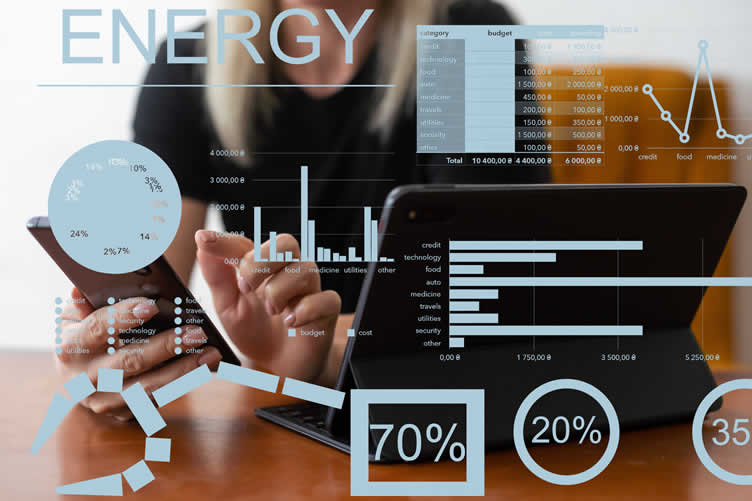
copyright image by 123rf.com
Using Ceiling Fans
When used effectively, ceiling fans can significantly lower your energy bills. They work by circulating air to maintain a consistent temperature, which reduces the need for energy-hungry heating and cooling systems.
In the summer, a fan can make a room feel up to 4°F cooler, allowing you to raise your thermostat and save on air conditioning costs.
In winter, reversing the fan’s direction pushes warm air down, reducing your reliance on heating.
This dual functionality makes installing a ceiling fan a great investment for a more comfortable and energy-efficient home.
view ideas: ceiling fans are great investment (new win)
-
2nd: Causes of Brownouts and Blackouts
Electricity is the silent current that powers our homes, supports our businesses, and illuminates our daily lives. But what happens when that current wavers?
Disruptions like brownouts and blackouts can interrupt our routines, causing everything from minor inconveniences to more critical, widespread challenges.

AI generated image by 123rf.com
Gaining a clear understanding of why these events happen and what measures can be taken to address them is essential for maintaining a robust, resilient power supply for everyone.
This guide offers a friendly, in-depth look into the main triggers behind these power disruptions, exploring the steps that can lead to prevention and resolution and help ensure a reliable energy system for all.
- Quick scroll to summary content …
(continue read)
-
What Is a Brownout and How Does It Happen?
A brownout, unlike a full blackout, occurs when the voltage in an electrical power supply drops temporarily. While electricity doesn’t completely cut off, lights may dim and electronic devices may begin to malfunction.
The most common causes of brownouts are linked to high demand during peak usage periods, where the electrical grid struggles to supply sufficient voltage to all consumers. Other catalysts include faulty wiring, outdated infrastructure, or sudden weather-related stressors such as heatwaves.
To resolve brownouts, power providers often utilize solutions such as grid upgrades and proactive demand management. Upgrading aging electrical infrastructure ensures the grid can handle increased loads, while demand response programs encourage consumers to adjust electricity use during peak periods.
Furthermore, real-time monitoring of voltage levels allows early detection of potential brownout conditions, helping utilities act quickly to mitigate their impact.
-
Understanding Blackouts and Their Core Triggers
Blackouts result in a complete loss of electricity over a specific area, ranging from small-scale outages caused by local issues to widespread disruptions stemming from systemic failures.
A key cause of blackouts includes severe weather, such as hurricanes, storms, or extreme cold, which may damage power lines or substations. Other factors include equipment malfunctions, grid overloads, cyber-attacks on energy systems, and natural disasters like earthquakes.
Fixing blackouts requires a targeted approach based on the root cause. For weather-related blackouts, repairs to damaged transmission infrastructure, often supported by enhanced weatherproofing of lines and substations, play a pivotal role.
If the blackout stems from grid overload, solutions like intelligent load shedding and advanced energy storage systems — such as batteries that store surplus energy for use during peak times — become essential.
Emergency planning protocols and investment in cybersecurity measures are vital for addressing risks tied to human-made disruptions, ensuring the resilience of the power grid.
-
Preventative Measures for a More Reliable Energy Future
Proactive measures to prevent brownouts and blackouts center on modernizing and diversifying the energy grid.
Adopting renewable energy sources such as wind and solar adds cleaner and more sustainable power to the grid, while utilizing distributed energy resources (local generation systems) reduces dependence on a centralized structure.
Smart grid technologies allow for real-time balancing between supply and demand, enabling the electricity system to perform efficiently even under stress.
Additionally, collaborative efforts between energy providers and consumers amplify reliability. For example, equipping homes and businesses with energy-efficient appliances reduces strain on the grid.
Policies that incentivize energy storage adoption or the development of microgrids — smaller, localized grids that can operate independently — further enhance system resilience.
-
The Importance of Building Resilience
The frequency of brownouts and blackouts can be minimized by adopting policies that favor infrastructural improvements and technological innovation. Governments, utility companies, and energy consumers all play a crucial role in securing the reliability and sustainability of the energy supply.
Through a combination of planning, investment, and public education, communities can better prepare for and recover from disruptions, helping to ensure uninterrupted access to electricity.
Topic Causes Solutions Preventative Measures Brownouts Temporary drop in voltage due to high demand during peak periods, faulty wiring, outdated infrastructure, or weather-related stressors like heatwaves. Grid upgrades, proactive demand management, real-time monitoring of voltage levels, and encouraging consumers to adjust electricity use during peak times. Modernizing the grid, adopting renewable energy sources, utilizing distributed energy resources, real-time supply-demand balancing, and energy-efficient appliances. Blackouts Complete loss of electricity caused by severe weather (hurricanes, storms, extreme cold), equipment malfunctions, grid overloads, cyber-attacks, or natural disasters. Repairs to damaged infrastructure, weatherproofing lines and substations, intelligent load shedding, advanced energy storage systems, and enhanced cybersecurity measures. Investment in infrastructure, smart grid technologies, microgrids, public education, and policies to improve resilience against disruptions and risks. 
AI generated image by 123rf.com
Being Prepared
Severe storms and hurricanes are a leading cause of power outages, as high winds and flooding can damage power lines.
To prepare, keep essentials like a backup generator, flashlights, batteries, and non-perishable food on hand.
Trimming trees near power lines can reduce potential damage, while surge protectors can safeguard your appliances.
Staying informed with weather updates and having an emergency kit ready can make a significant difference.
view ideas: prepare for hurricane season (new win)
-
3rd: Becoming Self-Sufficient and Prepared
… for power outages
Power independence is becoming increasingly important for households as the frequency and impact of power disruptions, such as blackouts and brownouts, continue to rise.
These events, caused by severe weather, grid overloads, or infrastructure issues, can disrupt daily life and compromise safety. By taking proactive steps to reduce reliance on power companies, households can ensure greater stability, comfort, and security during times of uncertainty.
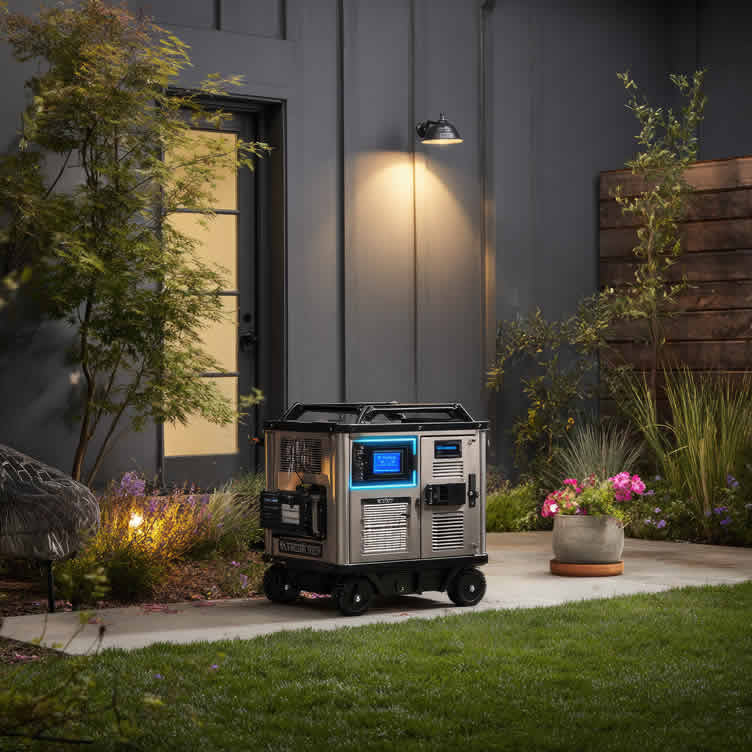
copyright image by 123rf.com
Below, we review key solutions that empower consumer households to become less dependent on external energy providers while enhancing preparedness for power outages.
From adopting renewable energy sources to integrating backup systems, these methods provide practical and effective strategies for energy resilience.
- Quick scroll to summary content …
(continue read)
-
Solar Panels and Renewable Energy[ view]
One of the most sustainable ways to reduce dependence on power companies is by installing solar panels on your property. Solar panels harness sunlight to generate electricity, offering an eco-friendly and cost-effective energy solution.
Advancements in photovoltaic technology have made solar panels highly efficient, even in regions with less consistent sunlight. Households with solar panels can take advantage of free, renewable energy while minimizing utility bills and their environmental footprint.
Solar panels work best with professional installation and proper system sizing to meet household needs. Partnering with reputable solar providers ensures access to high-quality products and optimized design for maximum energy production.
Additionally, some states and local governments offer tax incentives and rebates, making solar installations a more affordable option for homeowners. Reliable sources, such as the Solar Energy Industries Association (SEIA), provide guidance on finding verified suppliers and financial incentives.
-
Solar Batteries for Energy Storage[ view]
While solar panels generate electricity during the day, solar batteries take energy independence a step further by storing excess power for later use.
This stored electricity can be drawn upon during evenings, cloudy days, or power outages, ensuring your household remains powered without relying on the grid. Modern battery technologies, such as lithium-ion systems, are compact, highly efficient, and capable of holding significant energy reserves.
For maximum energy resilience, pairing solar panels with solar batteries creates a reliable off-grid system. This combination not only supports everyday energy needs but also provides peace of mind during emergencies, as stored power can keep crucial appliances running.
Many leading solar battery manufacturers, including Tesla (Powerwall), offer systems designed for extended durations, ensuring households are protected during extended power outages.
-
All-Home Generators for Backup Power[ view]
An all-home generator provides an immediate and comprehensive backup power solution during outages. Unlike solar systems, which rely on natural conditions, all-home generators are powered by fuel sources such as natural gas, propane, or diesel.
These systems are designed to seamlessly activate during a power outage, restoring electricity to your entire household within seconds.
All-home generators are particularly beneficial for families with critical energy needs, such as medical equipment or home offices. They also prevent food spoilage, maintain basic lighting, and sustain essential heating or cooling systems during emergencies.
Experts recommend consulting companies like Generac or Kohler for professional installation and routine servicing to ensure reliable operation and safety compliance.
-
Portable Generators for Emergency Use[ view]
Portable generators are a more affordable alternative for households seeking short-term power solutions during outages. These devices are compact, versatile, and capable of powering smaller appliances, such as refrigerators, lights, or essential electronics.
Their portability allows them to be stored conveniently when not in use and deployed quickly in emergencies.
When using portable generators, safety should be a top priority. Always operate these devices outdoors, well away from doors or windows, to avoid carbon monoxide accumulation indoors.
The U.S. Consumer Product Safety Commission (CPSC) provides essential guidelines for safe generator use, ensuring that families can access immediate backup power without compromising their well-being.
-
Exploring Other Energy Solutions[ view]
Beyond the primary strategies above, households can adopt alternative solutions to strengthen energy resilience. Installing energy-efficient systems reduces overall consumption, making homes less dependent on external electricity supplies.
Additionally, incorporating passive solar designs, such as natural lighting or insulation improvements, can enhance energy efficiency without requiring advanced technologies. For rural or off-grid properties, wind turbines may complement a solar setup to provide a diversified energy source.
Smaller systems, such as uninterruptible power supplies (UPS), offer immediate temporary energy for sensitive electronics, while innovative energy storage technologies continue to emerge, presenting new opportunities for households seeking independence.
-
Final Thoughts
Pursuing energy independence is not only an investment in convenience but also a commitment to safety and sustainability. By combining renewable energy technologies, backup systems, and energy-efficient practices, households can minimize reliance on external power providers and build resilience against outages.
Leveraging expert resources and government incentives further enhances the accessibility and cost-effectiveness of these solutions.
For more resources, consider visiting the U.S. Department of Energy (DOE) for guidance on renewable energy options or the Electric Power Research Institute (EPRI) for insights on infrastructure improvements.
By taking proactive steps today, you can secure a brighter and more independent energy future for your home.
Energy Efficient Home
(from the summary table below)
Topic Details Key Benefits Solar Panels and Renewable Energy Solar panels harness sunlight to generate electricity, offering a sustainable, eco-friendly solution. Advancements in photovoltaic technology ensure high efficiency, even in areas with inconsistent sunlight. Reduces utility bills, lowers environmental footprint, and leverages tax incentives and rebates for affordability. Solar Batteries for Energy Storage Solar batteries store excess power generated during the day for use at night, on cloudy days, or during outages. Modern lithium-ion systems are compact and efficient, supporting off-grid settings. Provides uninterrupted energy supply, enhances energy resilience, and maintains crucial appliances during emergencies. All-Home Generators All-home generators provide full-house backup power using fuel sources like natural gas, diesel, or propane. These systems activate automatically during an outage. Reliable for critical energy needs, ensures seamless operation, and protects households from emergencies affecting essential systems. Portable Generators Portable generators offer a compact, cost-effective solution for powering essential appliances during brief outages. Their mobility ensures quick deployment when needed. Affordable and versatile option. Ensures short-term power for sensitive devices and adapts to emergency demands. Other Energy Solutions Includes energy-efficient systems, passive solar designs, wind turbines, and uninterruptible power supplies. Smaller systems cater directly to reducing reliance on external power. Optimizes energy consumption, diversifies sources, and promotes sustainable practices with long-term benefits. 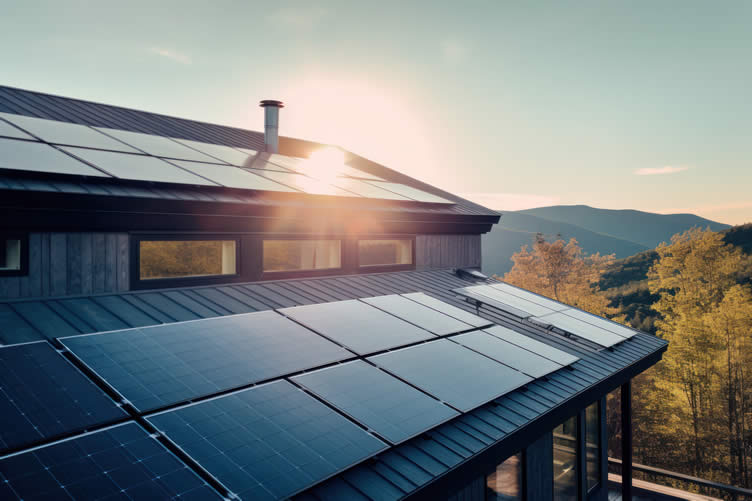
copyright image by 123rf.com
Why Invest In A Battery?
An efficient home solar system doesn’t just rely on sunlight—it plans for times when the sun isn’t shining.
Adding a backup battery ensures your home stays powered during cloudy days, nighttime, or outages. These batteries store excess energy from sunny periods, letting you use it when needed.
This boosts reliability and maximizes the value of your solar investment by making your energy more versatile and accessible.
view ideas: install a solar battery? (new win)
-
-
ideas to view and compare from the information discussed above
solar landscape lights outdoorsolar string lightssolar deck lights
Scroll up to directory … or scroll to next section about home electrical system …

Budgeting Worksheet For Costing Home Remodeling and Home Improvement Decisions
 File Type (excel)

Download this PDF for a concise summary of everything you need to know about …?



… view our home remodeling guides and steps

fifth “photo remodeling” idea
copyright image by 123rf.com
Electric Tip 5: Powering the Future
… building a sustainable energy landscape
Notes:
-
The United States is at a turning point in its energy production journey, facing the dual demands of growing power needs and intensifying environmental challenges.
From lighting up homes and fueling businesses to supporting the increasingly critical infrastructure of AI and healthcare, energy lies at the heart of modern society. However, meeting these diverse requirements sustainably requires innovation, strategic action, and a reevaluation of traditional energy practices.
Shaping the energy future demands a collaborative effort combining advanced technologies, progressive policies, and environmental stewardship.
With renewable energy sources like solar and wind gaining traction alongside emerging technologies such as battery storage and smart grids, the possibilities for a cleaner, more efficient energy ecosystem are expanding.
This evolving landscape offers a clearer path toward balancing economic practicality with ecological responsibility, paving the way for energy systems that empower both current and future generations.
-
Quick scroll to “home electrical system” side notes …
-
-
1st: Renewable Energy as a Cornerstone of the Future
Renewable energy is paving the way for a cleaner, more sustainable future as it leads the global transition from traditional fossil fuels to greener alternatives.
By utilizing naturally replenished resources like sunlight, wind, and water, renewable energy provides a powerful solution to reducing greenhouse gas emissions and mitigating the effects of climate change.
These resources are not only abundant but also inherently sustainable, ensuring they can meet the growing energy demands of a rapidly developing world without depleting finite reserves.
copyright image by 123rf.com
This shift toward renewables does more than just benefit the environment—it strengthens energy independence by reducing reliance on imported fuels and supports economic resilience by fostering industries and jobs in clean energy sectors.
As a result, renewable energy has become an essential cornerstone of the future energy landscape, offering a pathway to a healthier planet and a more secure, self-sufficient energy system for generations to come.
- Quick scroll to summary content …
(continue read)
-
Advancements in Solar Energy
Solar energy has solidified itself as one of the cornerstones of the renewable energy era, offering a clean and inexhaustible source of power. Advances in photovoltaic technology have drastically improved efficiency and reduced costs, making solar power more accessible to both residential and commercial consumers.
Looking ahead, the integration of solar arrays with energy storage systems is set to address intermittency concerns, ensuring a stable and continuous energy supply even during periods of low sunlight.
With government incentives and private investments further driving adoption, the future of solar energy appears promising as a sustainable solution for America’s growing energy needs.
-
The Rise of Wind Power
Wind energy is another pivotal component of the nation’s renewable energy strategy. Onshore and offshore wind farms are increasingly being developed to harness this abundant resource.
The scaling of offshore wind farms along the nation’s coasts is particularly noteworthy, as these sites offer significant energy potential.
Innovations in turbine design are making wind power more efficient and less costly, while grid enhancements are enabling better integration of wind-generated electricity. Such advancements suggest that wind energy will play a critical role in ensuring the reliability of future energy systems.
-
The Role of Next-Generation Nuclear Energy
Amid the global quest for sustainable energy solutions, next-generation nuclear energy emerges as a compelling option.
These advanced technologies are designed to address traditional concerns surrounding nuclear power, such as safety, waste management, and cost-efficiency, while delivering reliable, carbon-free energy.
By leveraging innovative reactor designs and improved fuel cycles, next-generation nuclear energy has the potential to significantly contribute to a cleaner and more resilient energy future.
-
Small Modular Reactors and Safety Enhancements
While nuclear energy has faced challenges in public perception, its importance in achieving zero-carbon energy goals is undeniable. Next-generation designs, such as small modular reactors (SMRs), represent a significant leap forward.
These reactors are designed with enhanced safety systems and flexibility to complement renewable sources by providing consistent base-load power.
Additionally, advances in reactor materials and waste management solutions aim to address long-standing concerns surrounding nuclear energy. With strategic investments and regulatory support, nuclear power is poised to remain a key player in the future energy mix.
-
Fusion Energy – A Potential Game Changer
Fusion energy is often regarded as the "holy grail" of energy science, promising nearly limitless, clean power with minimal environmental impact.
Though still in the experimental stages, breakthroughs in plasma confinement, magnetic field technology, and materials science are bringing fusion closer to commercial viability.
If achieved, fusion energy has the potential to revolutionize the nation’s energy landscape by providing a nearly inexhaustible source of power for decades to come.
Category Details Renewable Energy as a Cornerstone of the Future Renewable energy stands at the forefront of the global transition toward a cleaner, more sustainable future. By harnessing naturally replenished resources such as sunlight, wind, and water, renewable energy offers a solution to reduce greenhouse gas emissions, combat climate change, and meet the growing demand for energy. This shift not only supports environmental health but also promotes energy independence and economic resilience, making it a vital component of our future energy landscape. Advancements in Solar Energy Solar energy has solidified itself as one of the cornerstones of the renewable energy era, offering a clean and inexhaustible source of power. Advances in photovoltaic technology have drastically improved efficiency and reduced costs, making solar power more accessible to both residential and commercial consumers. Looking ahead, the integration of solar arrays with energy storage systems is set to address intermittency concerns, ensuring a stable and continuous energy supply even during periods of low sunlight. With government incentives and private investments further driving adoption, the future of solar energy appears promising as a sustainable solution for America’s growing energy needs. The Rise of Wind Power Wind energy is another pivotal component of the nation’s renewable energy strategy. Onshore and offshore wind farms are increasingly being developed to harness this abundant resource. The scaling of offshore wind farms along the nation’s coasts is particularly noteworthy, as these sites offer significant energy potential. Innovations in turbine design are making wind power more efficient and less costly, while grid enhancements are enabling better integration of wind-generated electricity. Such advancements suggest that wind energy will play a critical role in ensuring the reliability of future energy systems. The Role of Next-Generation Nuclear Energy Amid the global quest for sustainable energy solutions, next-generation nuclear energy emerges as a compelling option. These advanced technologies are designed to address traditional concerns surrounding nuclear power, such as safety, waste management, and cost-efficiency, while delivering reliable, carbon-free energy. By leveraging innovative reactor designs and improved fuel cycles, next-generation nuclear energy has the potential to significantly contribute to a cleaner and more resilient energy future. Small Modular Reactors and Safety Enhancements While nuclear energy has faced challenges in public perception, its importance in achieving zero-carbon energy goals is undeniable. Next-generation designs, such as small modular reactors (SMRs), represent a significant leap forward. These reactors are designed with enhanced safety systems and flexibility to complement renewable sources by providing consistent base-load power. Additionally, advances in reactor materials and waste management solutions aim to address long-standing concerns surrounding nuclear energy. With strategic investments and regulatory support, nuclear power is poised to remain a key player in the future energy mix. Fusion Energy – A Potential Game Changer Fusion energy is often regarded as the “holy grail” of energy science, promising nearly limitless, clean power with minimal environmental impact. Though still in the experimental stages, breakthroughs in plasma confinement, magnetic field technology, and materials science are bringing fusion closer to commercial viability. If achieved, fusion energy has the potential to revolutionize the nation’s energy landscape by providing a nearly inexhaustible source of power for decades to come. 
copyright image by 123rf.com
Guide to Sustainable Living
Transforming your home into an eco-friendly space benefits both the planet and your comfort. Start with energy-efficient appliances, LED lighting, and better insulation to cut energy waste.
Add renewable energy options like solar panels to reduce reliance on power grids. Conserve water with low-flow fixtures and choose sustainable or re-purposed furniture to lower environmental impact.
Adopt a recycling system and use non-toxic cleaners to make eco-friendliness part of your daily life.
view ideas: creating eco-friendly home (new win)
-
2nd: Energy Storage and Grid Modernization
As the shift to cleaner energy sources gains momentum, energy storage and grid modernization have emerged as essential elements in building a sustainable and reliable energy infrastructure.
Energy storage solutions, such as advanced batteries, play a key role in balancing supply and demand by storing excess energy generated from renewable sources like solar and wind.
copyright image by 123rf.com
This ensures that power is available even when the sun isn’t shining or the wind isn’t blowing.
At the same time, upgrading aging grid systems helps improve efficiency, reduce energy loss, and support the seamless integration of renewable energy into the system.
Together, these innovations not only enhance energy efficiency but also ensure a stable and consistent power supply to meet the increasing demands of modern society.
- Quick scroll to summary content …
(continue read)
-
The Importance of Energy Storage
Energy storage technologies are critical to balancing supply and demand in a diversified energy network.
Innovations in battery systems, including lithium-ion advancements and the emerging potential of solid-state batteries, are enabling more efficient storage of energy generated by intermittent sources like solar and wind.
Additionally, grid-scale storage solutions such as pumped hydro and compressed air are being explored to stabilize the national energy infrastructure.
The continued evolution of energy storage will be instrumental in providing a reliable power supply for all sectors, from households to industrial centers.
-
Modernizing the Electric Grid
The future of energy production cannot be discussed without addressing the necessity of modernizing the aging electric grid. Smart grid technologies, incorporating real-time data and decentralized energy production, are transforming how electricity is distributed and used.
Investments in grid infrastructure and cybersecurity are essential to support the integration of renewable assets, electric vehicles, and AI-driven data systems.
A resilient and adaptive grid is key to meeting the energy demands of a rapidly evolving society.
-
The Integration of Artificial Intelligence in Energy Management
Artificial intelligence is revolutionizing the way energy is managed, offering innovative solutions to optimize efficiency, reduce waste, and enhance sustainability.
By leveraging advanced algorithms and real-time data analysis, AI enables smarter decision-making and unlocks new possibilities for renewable energy integration and grid optimization.
-
Optimizing Energy Distribution
Artificial intelligence is set to revolutionize energy production and distribution by improving efficiency and reducing waste. AI algorithms can analyze consumption patterns, predict demand surges, and optimize power distribution across the grid.
This intelligent coordination ensures that energy is delivered where it is needed most, unlocking operational efficiencies that were previously unattainable.
-
Enhancing Predictive Maintenance
AI also plays a vital role in the maintenance of energy systems, utilizing predictive analytics to identify and address potential issues before they result in outages.
From detecting faults in wind turbines to monitoring solar panel performance, these AI-driven strategies improve reliability and reduce operational costs.
This proactive approach ensures that energy systems remain robust and dependable over time.
-
A Sustainable and Resilient Energy Future
The future of energy production in the US lies in a multi-faceted approach that combines renewable innovation, advanced nuclear power, energy storage, grid modernization, and AI-driven solutions.
By prioritizing sustainability, reliability, and economic feasibility, the nation can support the diverse needs of its energy consumers while contributing to global efforts to combat climate change.
This transformation requires collaboration across industries, policymakers, and communities to ensure that the next era of energy is both sustainable and equitable for all.
Topic Key Components Significance Future Implications Energy Storage Advanced battery systems (e.g., lithium-ion, solid-state), grid-scale storage solutions (e.g., pumped hydro, compressed air) Balances supply and demand, supports renewable energy adoption, stabilizes energy infrastructure Enables reliable power for households and industries, fosters further renewable energy integration Grid Modernization Smart grid technologies, real-time data systems, decentralized energy production Transforms energy distribution, supports renewable assets, enhances cybersecurity Creates a resilient and adaptive grid to meet evolving societal energy needs Artificial Intelligence in Energy Management Advanced algorithms, real-time data analysis, predictive analytics Optimizes efficiency, reduces waste, enhances energy distribution Unlocks new possibilities for renewable energy, ensures robust and dependable energy systems A Sustainable and Resilient Energy Future Renewable innovation, advanced nuclear power, energy storage, AI-driven solutions Supports sustainability, reliability, and economic feasibility Contributes to combating climate change and fosters equitable energy solutions 
copyright image by 123rf.com
What Is Eco-Living?
Adopting an eco-conscious lifestyle benefits the environment while reducing your energy consumption and carbon footprint.
Simple changes like using reusable goods, reducing single-use plastics, and adopting energy-efficient habits can make a big difference.
For instance, choosing public transportation or walking short distances lowers fuel use, while mindful water usage conserves the energy needed for heating.
By making these small shifts in your daily routine, you help create a greener future and promote sustainability in your community.
view ideas: guide to sustainable practices (new win)
-
3rd: The Future of Home Energy Production and Savings
As the global focus shifts towards sustainability, reducing energy consumption, and innovative technology, the future of home energy production and management is undergoing a remarkable transformation.
Homeowners have more tools than ever to minimize their environmental footprint and cut costs while maintaining comfort and efficiency within their homes.
copyright image by 123rf.com
Among these advancements, concepts such as renewable energy generation, smart wiring solutions, and energy-efficient technologies are revolutionizing how we power and manage households.
By integrating these elements into a cohesive ecosystem, homes of the future will become smarter, more efficient, and environmentally responsible.
- Quick scroll to summary content …
(continue read)
-
Renewable Energy Integration in the Home
The growing accessibility and affordability of renewable energy sources like solar and wind power are driving their adoption in residential energy production. Solar panels, in particular, have become a foundational component for clean and sustainable energy generation.
By harnessing the power of the sun, homeowners can significantly reduce their reliance on traditional energy grids and lower utility bills over time.
Additionally, advancements in energy storage technologies, like lithium-ion and solid-state batteries, now allow excess energy to be stored for later use, ensuring homes remain powered even during outages or periods without sun.
Equally important is the rise of community-based energy systems. By participating in shared solar programs or microgrids, households can collectively generate and distribute renewable energy, fostering energy independence and resilience.
These renewable solutions not only allow homeowners to meet present energy needs but also drive environmental benefits by reducing greenhouse gas emissions.
-
The Rise of Smart Wiring Solutions
Smart wiring solutions are at the core of the modern energy management revolution. These systems leverage advanced technologies like AI, the Internet of Things (IoT), and smart home integration to optimize energy usage across all household systems.
By connecting appliances, lighting, HVAC systems, and even security systems through a centralized, smart network, homeowners can monitor and control energy consumption in real time.
For example, smart wiring enables adaptive lighting that adjusts based on your daily routine, significantly reducing wasted energy. Heating and cooling systems can learn user preferences and schedule adjustments to maintain comfort efficiently.
Additionally, real-time energy insights, accessible via a smartphone app or dashboard, empower users to track consumption trends and identify areas for further savings.
Beyond convenience, smart wiring is a game-changer for reducing peak energy usage, an issue that strains energy grids.
By automating energy-intensive activities during off-peak periods, homeowners can take advantage of lower energy rates, further reducing expenses while contributing to grid stability.
-
Energy-Efficient Technologies for Modern Homes
Energy-efficient technologies are becoming indispensable tools for ensuring sustainability and cost savings in residential settings. From ultra-efficient LED lighting to ENERGY STAR-certified appliances, innovations in design are delivering high performance with reduced energy input.
Smart thermostats, for instance, allow for precise management of indoor climates by learning the household schedule and adjusting temperatures accordingly, which can result in substantial energy savings over the course of a year.
Emerging technologies, such as advanced insulation materials and triple-glazed windows, are also playing a crucial role in minimizing energy waste. These materials help maintain consistent indoor temperatures, reducing dependency on heating or cooling systems.
Coupled with energy recovery ventilation systems, modern homes are being built to not only waste less energy but actively enhance air quality and occupant comfort.
-
The Role of AI in Energy Optimization
Artificial intelligence is poised to usher in a new era of proactive energy management. Powered by machine learning algorithms, AI systems analyze historical energy usage and external environmental factors to predict and optimize energy use.
By providing predictive maintenance alerts, these systems ensure that appliances and devices operate at peak efficiency, preventing costly repairs and unexpected bills.
AI also facilitates the integration of renewable energy sources into the home’s ecosystem. Through predictive modeling, systems can forecast energy generation based on weather patterns and adjust household usage accordingly.
This dynamic energy management ensures maximum utilization of resources, all while easing the transition toward a sustainable future.
-
Preparing Homes for the Future
The future of home energy is one of interconnectedness, efficiency, and sustainability. By combining renewable energy solutions, smart wiring, and innovative energy-saving technologies, homeowners can create a living environment that aligns with the global push for sustainability without sacrificing comfort or convenience.
These advancements empower individuals to take control of their energy consumption and reduce their environmental footprint while enjoying state-of-the-art home automation features.
The transformation of energy use in households begins with informed decisions and strategic investments. For those looking to stay ahead of the curve, now is the time to explore these technologies and reap the long-term benefits they provide.
As the transition continues, the homes of tomorrow will be smarter, greener, and more adaptable than ever before.
Topic Details Key Focus The Future of Home Energy Production and Savings Homes are becoming smarter and more efficient through renewable energy, smart wiring solutions, and energy-efficient technologies. These advancements help reduce environmental footprints and costs while maintaining comfort and efficiency. Sustainability, cost savings, innovation Renewable Energy Integration in the Home Technologies like solar panels and improved energy storage systems enable homeowners to harness renewable energy effectively. Shared solar programs and microgrids further enhance energy independence and community resilience. Renewable energy, energy storage, community-based solutions The Rise of Smart Wiring Solutions Smart wiring integrates AI, IoT, and smart home technology to optimize energy use. Real-time monitoring and automation reduce waste and costs while enabling precise control over household energy consumption. AI, IoT, energy optimization Energy-Efficient Technologies for Modern Homes Efficient technologies such as LED lighting, advanced insulation, and smart thermostats minimize energy waste. These solutions improve sustainability while ensuring household comfort. Efficiency, performance, reduced energy waste The Role of AI in Energy Optimization AI systems analyze energy trends and optimize usage through predictive modeling. They enable seamless integration of renewable energy sources and maintenance alerts, ensuring peak appliance efficiency. AI, predictive modeling, energy management Preparing Homes for the Future Integrating renewable energy, smart systems, and innovative technologies prepares homes for a sustainable future. These advancements help homeowners reduce their environmental footprint and enjoy modern conveniences. Sustainability, modernization, adaptability 
copyright image by 123rf.com
Rise of Intelligent Homes
Smart home wiring integrates advanced technology into your home’s electrical system for greater efficiency, adaptability, and convenience.
It allows you to connect and control devices like lighting, thermostats, and security systems through a centralized hub or a smartphone app.
Besides enhancing comfort and functionality, smart wiring can lead to energy savings through automation and monitoring.
A well-designed system also improves your home’s resale value, making it future-ready and attractive to tech-savvy buyers.
view ideas: smart wiring solutions (new win)
-
4th: The Energy Evolution of AI Data Processing Centers
The rapid growth in artificial intelligence (AI) technologies and the rise of massive data processing centers have created a new challenge for the energy sector.
These AI data centers, which power machine learning algorithms, autonomous systems, and cloud computing services, require enormous amounts of electricity to function effectively.
With global demand for AI services sharply increasing, the energy consumption of these centers has surged, leading to a dual necessity: managing environmental impact and ensuring reliable energy supplies.
copyright image by 123rf.com
To address this, AI data centers are exploring innovative ways to become self-sufficient energy producers, contributing excess electricity to the grid and supporting broader energy sustainability efforts.
Through advancements in renewable energy and cutting-edge energy management technologies, these centers have the potential to not only meet their energy needs but also transform into active participants in the global energy transition.
This section explores how AI data processing centers are evolving into self-energy producers, their contributions to grid stability, and the broader implications for the energy ecosystem.
- Quick scroll to summary content …
(continue read)
-
Meeting Energy Needs with Sustainable Power
Modern AI data centers are some of the most energy-intensive infrastructures in the world. With thousands of processors running simultaneously, their energy consumption is comparable to that of small cities.
To meet this demand sustainably, data centers are increasingly investing in on-site renewable energy solutions like solar farms, wind turbines, and geothermal systems.
Some are even exploring Small Modular Reactors (SMRs) as a compact and efficient power source. SMRs provide a consistent energy supply and feature advanced safety measures like automated shutdown systems and passive cooling, minimizing risk while adhering to strict standards.
This approach ensures an uninterrupted power flow for intensive AI computations and aligns with long-term carbon reduction goals.
By generating their own power, these facilities reduce their reliance on traditional fossil fuels and lower long-term energy costs. This financial incentive has led to strategic investments in energy storage systems, such as advanced batteries, allowing data centers to store surplus renewable power for use during peak hours.
As a result, many tech giants have committed to powering their data centers with 100% renewable energy, proving the benefits of integrating energy production directly into data center design.
-
Contributing to Energy Grid Stability
Beyond achieving self-sufficiency, AI data processing centers are playing an essential role in stabilizing energy grids, particularly during periods of high energy demand or supply fluctuations.
When these facilities produce surplus energy, they can channel the excess power back to the grid, enhancing electricity availability for nearby communities and reducing strain on traditional power plants.
Technology stack advancements enable sophisticated load balancing and energy dispatching strategies, allowing data centers not only to store but also redistribute energy in real time.
By doing so, they contribute to meeting grid demand during energy shortages, making the entire power supply chain more resilient. For instance, in regions with increasing extreme weather events, the ability of data centers to supply additional renewable energy has proven to be a vital resource for avoiding blackouts.
Furthermore, the integration of artificial intelligence in managing this process unlocks even greater potential. AI software optimizes energy storage and distribution, responding dynamically to grid needs while maintaining operational efficiency within the data center.
This intelligent coordination exemplifies the mutual benefit between AI-driven systems and the energy grids they interact with.
-
Broader Implications for the Energy Ecosystem
Transforming AI data centers into energy producers presents game-changing opportunities for the broader energy ecosystem.
First, it reinforces the shift toward localized and distributed energy models, reducing dependency on centralized fossil fuel power plants while advancing clean energy transitions worldwide.
Second, the economic benefits are undeniable; not only do companies gain operational efficiencies, but surplus energy sales to the grid introduce an additional revenue stream.
Additionally, AI data centers setting a precedent for energy independence could inspire similar innovations across other sectors, from manufacturing to transportation.
Adopting their models may lead to a wave of energy innovations rooted in sustainability and economic logic. This could accelerate the pace of global energy decarbonization and help meet climate targets on a larger scale.
Finally, these systems demonstrate how technology can integrate seamlessly with environmental stewardship. By showing that innovation and sustainability are mutually reinforcing, AI data centers encourage public trust in both industries, reinforcing the positive societal impacts of renewable-powered digital technologies.
-
Closing Thoughts
The world’s data needs are growing, as is the energy required to meet them. By becoming self-sufficient energy ecosystems, AI data processing centers are not only responding to those demands responsibly but also fostering a future where surplus renewable energy contributes to the collective good.
Their role in grid stability and the broader energy transformation illustrates their dual importance as technological innovators and environmental stewards.
Efforts to merge renewable energy with AI data processing demonstrate the power of innovation in addressing complex, interconnected challenges. These transitions are critical to ensuring a sustainable future for both the digital and physical worlds.
Topic Description Impacts Future Outlook The Energy Evolution of AI Data Processing Centers AI data centers require massive amounts of electricity to power machine learning algorithms, autonomous systems, and cloud computing services, creating challenges for energy management and environmental impact. Growing energy consumption due to increased demand for AI services underscores the need for sustainable practices. Centers are exploring renewable energy and energy management technologies to reduce environmental strain. AI data centers aim to become self-sufficient energy producers, contributing to global energy sustainability by generating surplus energy and supporting decarbonization efforts. Meeting Energy Needs with Sustainable Power Data centers are integrating renewable energy solutions such as solar, wind, and geothermal power. They are also considering Small Modular Reactors (SMRs) for a consistent power supply aligned with carbon reduction goals. By investing in renewable energy and battery storage systems, facilities reduce reliance on fossil fuels and ensure operational efficiency, with some companies committing to 100% renewable energy usage. These advancements offer financial benefits through long-term cost reductions and energy grid participation, promoting broader adoption of sustainable energy models across industries. Contributing to Energy Grid Stability AI data centers leverage surplus renewable energy to enhance grid stability, provide additional electricity during peak times, and strengthen resilience against extreme weather events. Advanced AI-driven technologies enable real-time energy load balancing, improving grid reliability and reducing outage risks. AI software optimization and integration of distributed energy resources will continue advancing energy collaboration between data centers and the power grid. Broader Implications for the Energy Ecosystem Transforming AI data centers into energy producers supports clean energy transitions and creates economic benefits through operational efficiencies and revenue from surplus energy sales. Encourages energy independence models that can influence other industries, accelerating global decarbonization efforts and fostering public trust in sustainable technologies. Continued innovation in renewable energy integration within AI data centers holds promise for meeting climate targets and advancing global sustainability goals. 
copyright image by 123rf.com
Home Management with AI and IoT
The integration of Artificial Intelligence (AI) and Internet of Things (IoT) technology is transforming the way homeowners manage their spaces.
From smart thermostats that learn your schedule to energy-efficient lighting systems controlled by voice commands, these innovations are designed to make life more convenient, sustainable, and secure.
With AI-driven assistants and connected IoT devices, homeowners can automate routine tasks, monitor energy consumption, and enhance safety with real-time alerts, all while customizing their living environment to suit their lifestyle.
This cutting-edge technology represents the future of smarter, more efficient home management, empowering homeowners to take control with ease and confidence.
view ideas: using IoT for home automation (new win)
-
-
ideas to view and compare from the information discussed above
electrical monitoring systemlight sensor socketsmart weather station
Scroll up to directory … or scroll to next section about home electrical system …
Download this PDF for a concise summary of everything you need to know about …?


below for …
managing your home electrical system





… remodeling decisions
Download this PDF for a concise summary of everything you need to know about …?


Find Electrical Services Electricians Lighting Design Fans Generators Electronics Home Security top-rated, pre-screened local contractors FREE: download contractor selection enter zip code – powered by HomeAdvisor ™
Quick Contractor Guides selecting negotiating working with inspecting

sixth and last “photo remodeling” idea
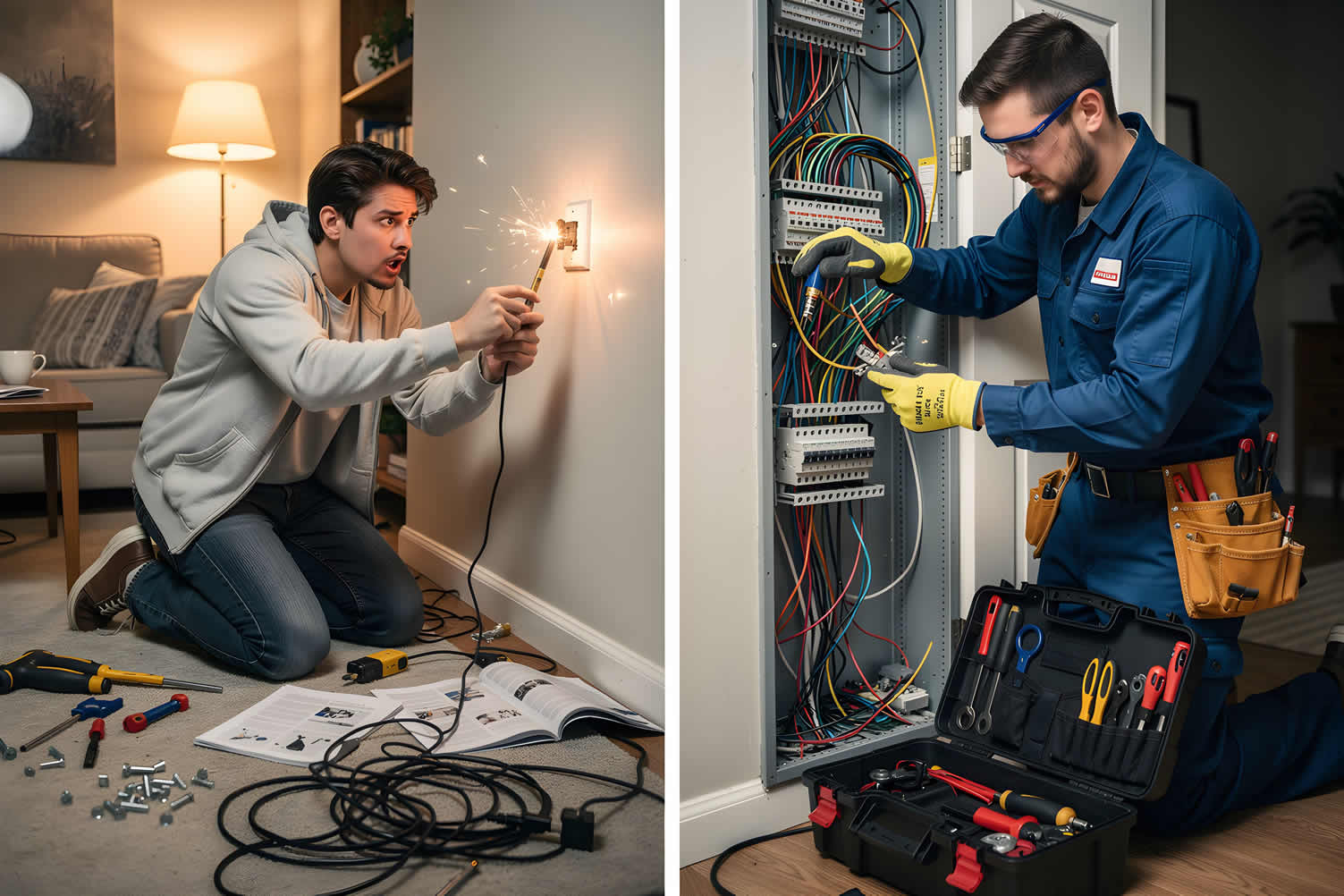

copyright image by 123rf.com
Electric Tip 6: DIY Electrical Work vs. Hiring a Certified Contractor
Notes:
-
When it comes to electrical projects in your home, making the right choice between doing it yourself or hiring a certified professional can have a significant impact on safety, cost, and overall results.
While DIY solutions can be tempting for their cost-effectiveness and sense of accomplishment, electrical work requires careful consideration of expertise, tools, and potential risks.
This guide will help you weigh the benefits and challenges of both options, ensuring your decision aligns with your skills, budget, and the scope of your project.
-
Quick scroll to supporting notes …
-
-
1st: DIY Electrical Design, Setup, and Wiring
… a beginner’s guide
Understanding the basics of home electrical systems is an essential step for anyone considering DIY electrical projects.
While the idea of designing or installing electrical wiring might initially feel overwhelming, building a solid foundation of knowledge and equipping yourself with the right tools can make a significant difference.
It empowers homeowners to tackle small-scale projects—like fixing a broken outlet or adding a light fixture—safely and effectively.
copyright image by 123rf.com
This guide will outline the fundamental concepts you need to know, provide a detailed overview of essential tools like voltage testers and wire strippers, and highlight the most important safety precautions to keep in mind.
Safety should always be your top priority when working with electricity, which means understanding the limits of your skills and knowing when it’s time to call a licensed electrician to handle more complex or hazardous tasks.
With the right preparation and a cautious approach, you can confidently take on minor electrical repairs and upgrades in your home.
- Quick scroll to summary content …
-
Understanding Electrical Systems
Home electrical systems consist of various components that work together to supply power where it’s needed. A standard electrical system includes a service panel (or breaker panel), circuits that distribute electricity, outlets, switches, and wiring connecting all elements.
These systems are governed by strict codes and regulations to ensure safety and efficiency. Familiarizing yourself with electrical terminologies, voltage ratings, circuit breaker functionalities, and basic wiring principles serves as a solid foundation for your DIY endeavors.
Electrical currents can be hazardous if approached without proper understanding. Always ensure the main power supply is shut off before handling wiring or fixtures, and use tools designed with insulation for added safety.
Additionally, keeping local electrical codes in mind is crucial to ensure compliance and prevent faults in your system.
-
Essential Knowledge for DIY Electrical Projects
One of the most important knowledge areas for DIY electrical work is understanding how circuits operate. This includes differentiating between series and parallel circuits, knowing what amperage is required for certain devices, and identifying the purpose of ground wires in a system.
Understanding the color coding of wires—black or red for hot wires, white for neutral, and green or bare for grounding—is also critical when working with electrical systems.
Another valuable skill is learning how to read and interpret wiring diagrams. These diagrams act as maps of how electrical components are interconnected, making it easier to design or troubleshoot your setup.
Additionally, grasping the significance of load limits on circuits can prevent dangerous overloading that could lead to electrical fires or damage to appliances.
-
Tools Required for Electrical Design and Setup
Successfully completing DIY electrical projects depends on using the right tools and equipment designed for electrical work. A few essentials include a voltage tester, wire cutters, pliers, and a wire stripper.
A multimeter is another great tool for testing circuits and measuring voltage or resistance, ensuring your setup functions correctly. Screwdrivers with insulated handles and fish tapes for pulling wires through conduit or wall cavities are also beneficial for electrical installations.
For more advanced projects, a soldering iron may be required for precise connections, and a circuit tracer can be invaluable when identifying existing wiring paths.
Investing in durable, high-quality tools from trusted manufacturers ensures reliability and safety during use. Before beginning any project, check that all your tools are in proper working order and comply with safety standards.
-
How to Approach a DIY Electrical Setup
When starting a DIY electrical project, preparation is key. Begin by creating a detailed plan that outlines the location of switches, light fixtures, and outlets.
This should include a clear understanding of which circuits will be used and how much additional load your design will place on an existing system.
Marking these locations on walls using chalk or painter’s tape can help you visualize your setup while avoiding surprises during installation.
Once your plan is ready, review your toolbox and gather materials such as wires, connectors, and electrical tape.
Ensure your wires are appropriately rated for the amperage they will carry, as under-rated wires can overheat and cause fire hazards.
Throughout the project, periodically test circuits to ensure your design is functioning as intended and that there are no short circuits or ground faults.
Finally, while small-scale wiring projects like adding a new outlet or replacing a light fixture can be safely accomplished with the right knowledge, larger or more complex tasks may require a licensed electrician’s expertise.
Examples include performing work near water sources, rerouting circuits, or upgrading the electrical panel. Always prioritize safety, and never hesitate to seek professional assistance when needed.
-
Closing Thoughts
DIY electrical projects can be a rewarding way to improve your home while saving on labor costs, especially when performed with the right knowledge and tools.
By investing time in understanding how your home’s electrical system works, planning carefully, and adhering to safety protocols, you can accomplish a wide range of installations and repairs confidently.
It is worth noting that bringing your project ideas to life requires patience, attention to detail, and a commitment to complying with safety regulations. Always stay informed, use trusted references, and lean on expert resources when in doubt.
Section Description Key Takeaways Understanding Electrical Systems Home electrical systems are composed of service panels, circuits, outlets, switches, and wiring. They function together to distribute power efficiently and safely. Familiarizing yourself with terminologies, voltage ratings, circuit breaker functionalities, and wiring principles is essential. Always turn off the main power before working and comply with safety codes. Essential Knowledge for DIY Electrical Projects Key concepts include circuit operations, load limits, color coding of wires, and reading wiring diagrams for effective design and troubleshooting. Grasp series and parallel circuits, amperage requirements, and proper handling of ground wires to prevent risks like overloading and electrical fires. Tools Required for Electrical Design and Setup Essential tools include a voltage tester, wire cutters, pliers, wire strippers, and multimeters. Insulated screwdrivers and fish tapes are also helpful for installations. Invest in high-quality tools, ensure they are in good condition, and follow safety standards during use to complete tasks reliably. How to Approach a DIY Electrical Setup Begin with a detailed plan, mark locations for fixtures, and gather materials. Frequently test circuits and monitor for short circuits during the process. Small tasks can be done independently, but larger projects near water, rerouting circuits, or upgrading panels should involve licensed electricians for safety. Closing Thoughts DIY electrical work can save costs while providing the satisfaction of home improvement. It requires careful planning, patience, and adherence to regulations. Stay informed, use reliable references, and prioritize safety to achieve success while maintaining compliance with electrical standards. 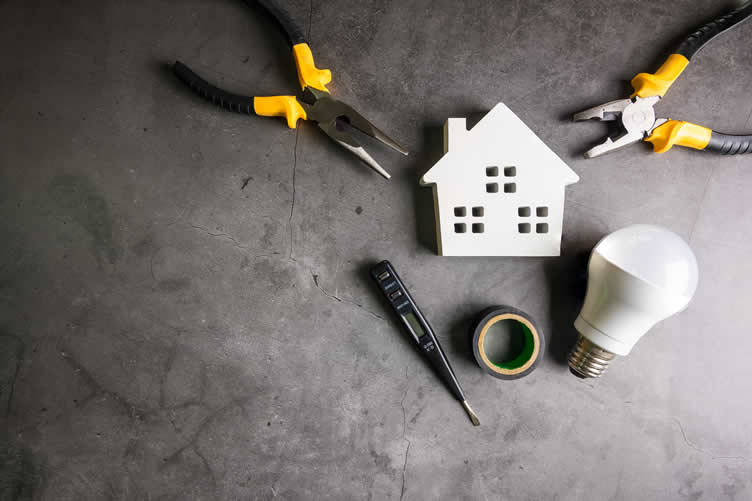
copyright image by 123rf.com
DIY Plumbing Projects
If you’ve mastered DIY electrical work, chances are you have the precision and problem-solving skills to excel in DIY plumbing projects as well.
Some manageable tasks include fixing a dripping faucet, unclogging a drain, replacing a showerhead, or even installing a new toilet.
These projects often require basic tools and a step-by-step approach, making them perfect for individuals with a knack for tackling home repairs.
Just ensure you research thoroughly, follow safety protocols, and know when to call a professional for more complex plumbing systems.
view ideas: when to DIY plumbing issues (new win)
-
2nd: Why Hire a Licensed Electrical Contractor
Ensuring the electrical systems in your home are safe, efficient, and up to code is a crucial aspect of maintaining a functional and secure living space.
Whether you’re undertaking a major renovation or need minor repairs, hiring a licensed electrical contractor ensures the work is performed correctly and safely.
Licensed professionals bring the expertise required to handle complex issues while adhering to local regulations, which protects both your family and your property from potential hazards.
-
What an Experienced Electrician Can Offer:
- Expert Knowledge:
They understand electrical codes and safety standards, ensuring compliance with regulations. - Troubleshooting Skills:
Quickly identify and resolve electrical issues with long-lasting solutions. - Safety Assurance:
Minimize risks such as fire or electrical shocks by using best practices and certified tools. - Time and Cost Efficiency:
Complete projects with precision and avoid costly errors caused by DIY attempts. - Warranty and Insurance:
Licensed contractors often provide warranties for their work and are insured, adding a layer of protection for homeowners.
- Expert Knowledge:
-
How to Find a Reliable Electrician:
- Check Credentials:
Verify their license and certifications to ensure they meet regulatory requirements. - Read Reviews:
Look for customer testimonials and online ratings to gauge satisfaction and quality of work. - Seek Recommendations:
Ask friends, family, or neighbors for trusted referrals. - Request Quotes:
Compare estimates from multiple contractors to find a balance of affordability and quality. - Inspect Experience:
Ensure the electrician has expertise in the specific type of job you require, be it repairs, installations, or upgrades.
- Check Credentials:
LetsRenovate has partnered with HomeAdvisor™, a renowned provider of highly-rated, carefully-vetted local electrical contractors. Start your search here by choosing the type of electrician you need and entering your zip code to find local professionals.

copyright image by 123rf.com
But Wait!
Before beginning your search and evaluation of electrical contractors for your home electrical system needs, it is highly recommended to download and use this evaluation worksheet.
This resource will help you objectively rank and assess potential contractors, considering essential factors such as pricing, licensing, and referral information.

Evaluation Sheet
File Type: -
-
-
Conclusion:
Understanding the electricity that powers our home is the first step toward a safer, more efficient, and comfortable living environment. From the generation plants spinning miles away to the smart plug in your living room, every part of the system works in harmony to support your lifestyle.
By familiarizing yourself with your panel, respecting the safety limits of your circuits, and embracing modern efficiency tips, you ensure that your home runs smoothly.
Electricity is a powerful resource, and with a little knowledge, you can harness it to create a home that is safe, sustainable, and truly yours.
Sources and References
- U.S. Department of Energy (DOE): energy.gov
- Federal Energy Regulatory Commission (FERC): ferc.gov
- World Energy Council (WEC): worldenergy.org
- U.S. Energy Information Administration (EIA): eia.gov
- World Nuclear Association: world-nuclear.org
- National Renewable Energy Laboratory (NREL): nrel.gov
- [1] Electric Power Research Institute (EPRI): “Grid Modernization for Stability and Resilience”
- [2] U.S. Department of Energy (DOE): “Guide to Preventing Power Outages”
- [3] International Energy Agency (IEA): “Electricity Security Measures in a Rapidly Changing World”
- burgasserconsulting, draft-reference.docx, energy, epeconsulting, nationalgrid, nerdwallet, powers-electric, sartellelectrical, science.smith, zdnet
-
ideas to view and compare from the information discussed above
book: illustrated nec code bookelectrical goggles with light
- What comments can you share about understanding
your home electrical system?
Scroll up to directory … or scroll to more home structural topics …

Calendar For:
Home Maintenance
File Type:





… view our sharing links below for a quick "share the knowledge"
Cover image credit: home electrical system by 123rf.com
end of post … please share it!
 |
did you find this home electrical system analysis helpful? If so, please share the article with your friends and family! |
Nice pic idea? Leave us a quick comment below.
And please share this pic idea within your social networks.