Summary Outline –
Creating a sustainable and eco-friendly home is not only beneficial for the environment but also for your health and well-being. One of the key areas where you can make a significant impact is through green home improvements.
In this post analysis, we will explore some innovative and eco-friendly ideas that can transform your house into a sustainable haven. From choosing the right flooring options like engineered and wood flooring to implementing energy-efficient solutions, we will guide you on the path to a greener home.

-
Quik scroll to first topic about green home improvements …

first “green home improvements” idea

copyright image by 123rf.com
green guide-1:Engineered Flooring: A Sustainable Choice
Notes:
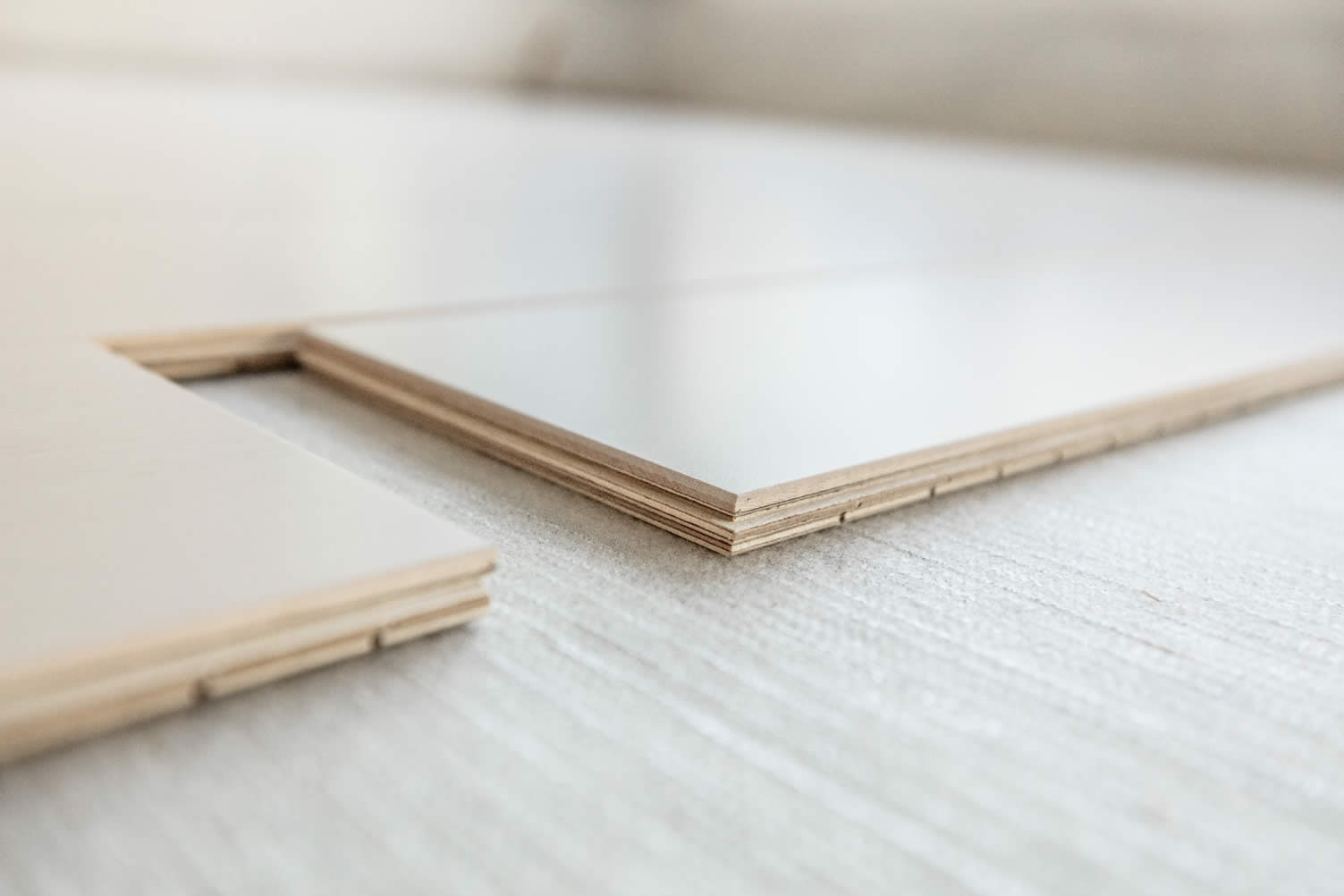
- Engineered flooring is a popular choice among environmentally conscious homeowners. It consists of a real wood top layer bonded to multiple layers of high-density fiberboard or plywood.
- Here’s why engineered flooring is a sustainable option for your home:
-
Durability and Longevity:
Engineered flooring is designed to withstand moisture, temperature changes, and heavy foot traffic, making it incredibly durable. Its longevity reduces the need for frequent replacements, minimizing waste and the carbon footprint associated with production.
-
Responsible Sourcing:
Look for engineered flooring made from sustainable harvested wood. Opting for products certified by organizations like the Forest Stewardship Council (FSC) ensures that the wood used comes from responsibly managed forests.
-
Reduced Waste:
Compared to solid wood flooring, engineered flooring utilizes fewer natural resources. The manufacturing process maximizes the use of wood, reducing waste.
Additionally, some manufacturers use recycled wood fibers in the production of engineered flooring, further minimizing environmental impact.
-
-
Quik scroll to topic side notes …
-
-
1stb: Using Engineered Wood in Various Settings:
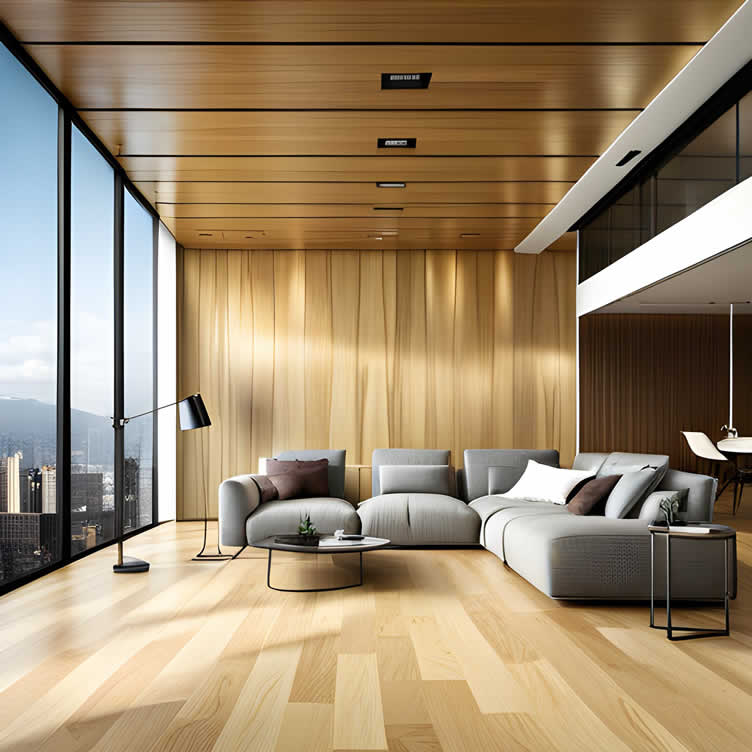
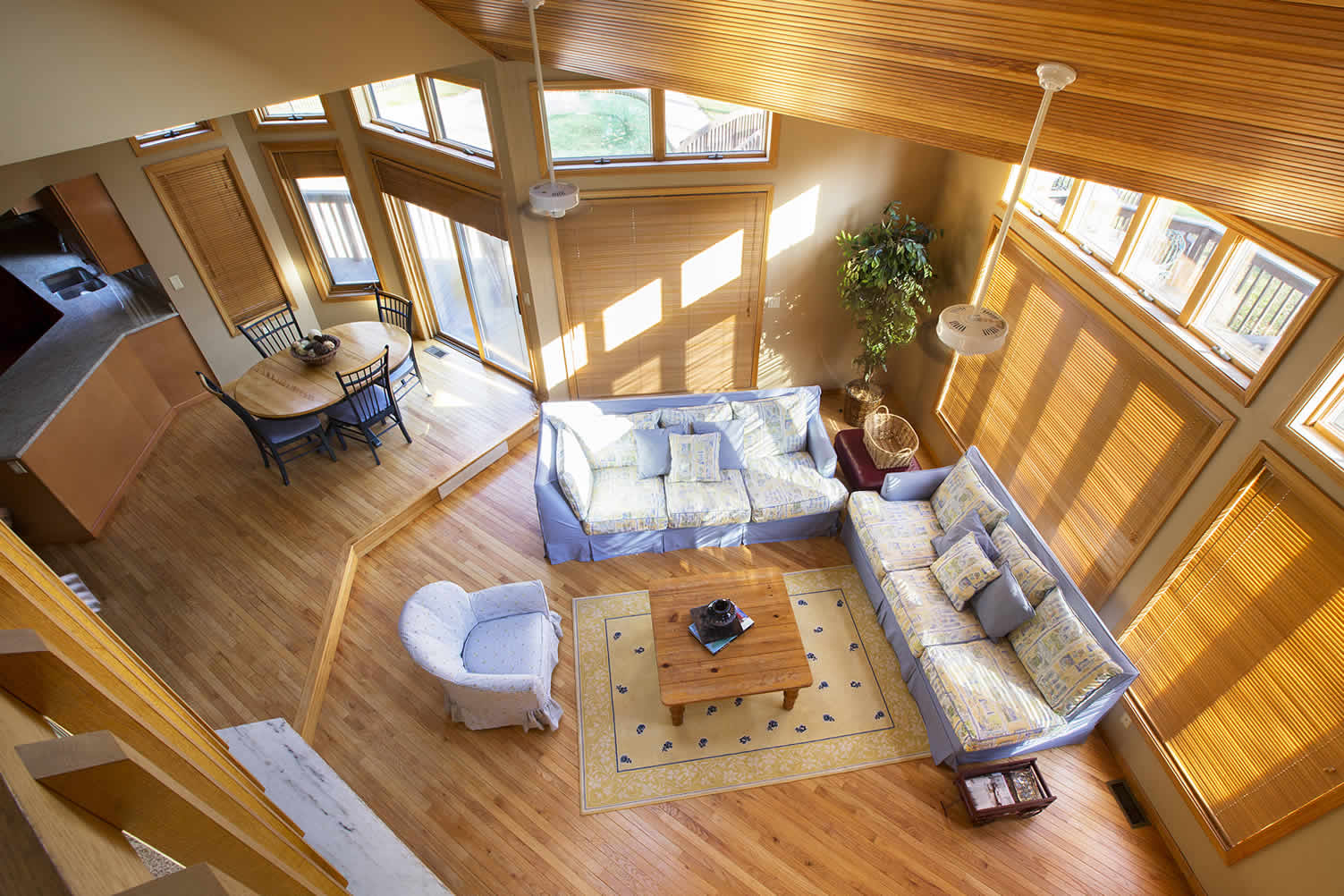
Engineered hardwood flooring is an ideal choice for many homeowners due to its durability and aesthetic appeal. This type of flooring has a core made of high-density fiberboard or plywood topped with a natural wood veneer.
The veneer can be treated with a variety of protective finishes to give it extra durability and make it more resistant to scratches, dents, and other wear and tear.
Engineered wood flooring is perfect for rooms that get a lot of foot traffic and moisture, like kitchens and bathrooms. Because the core is made from plywood or fiberboard, it is more resistant to warping and moisture damage. It also has a lower risk of cracking or buckling from seasonal changes in temperature or humidity.
copyright image by 123rf.com
Engineered wood flooring can also be used in areas of the home that have uneven floors, such as basements. The core layer provides stability for the floor’s surface and prevents any shifting with changes in temperature or humidity.
However, engineered wood flooring is not ideal for areas that are exposed to high levels of moisture, such as laundry rooms and mudrooms (and some bathrooms). For these areas, a waterproof laminate flooring option may be more suitable.
Overall, engineered wood flooring offers homeowners an attractive and durable option for their home’s floors.

-
-
ideas to view and compare from the information discussed above
Scroll up to directory … or scroll to next section about green home improvements …

second “photo remodeling” idea
copyright image by 123rf.com
green guide-2:Wood Flooring: A Natural and Eco-Friendly Choice
Notes:
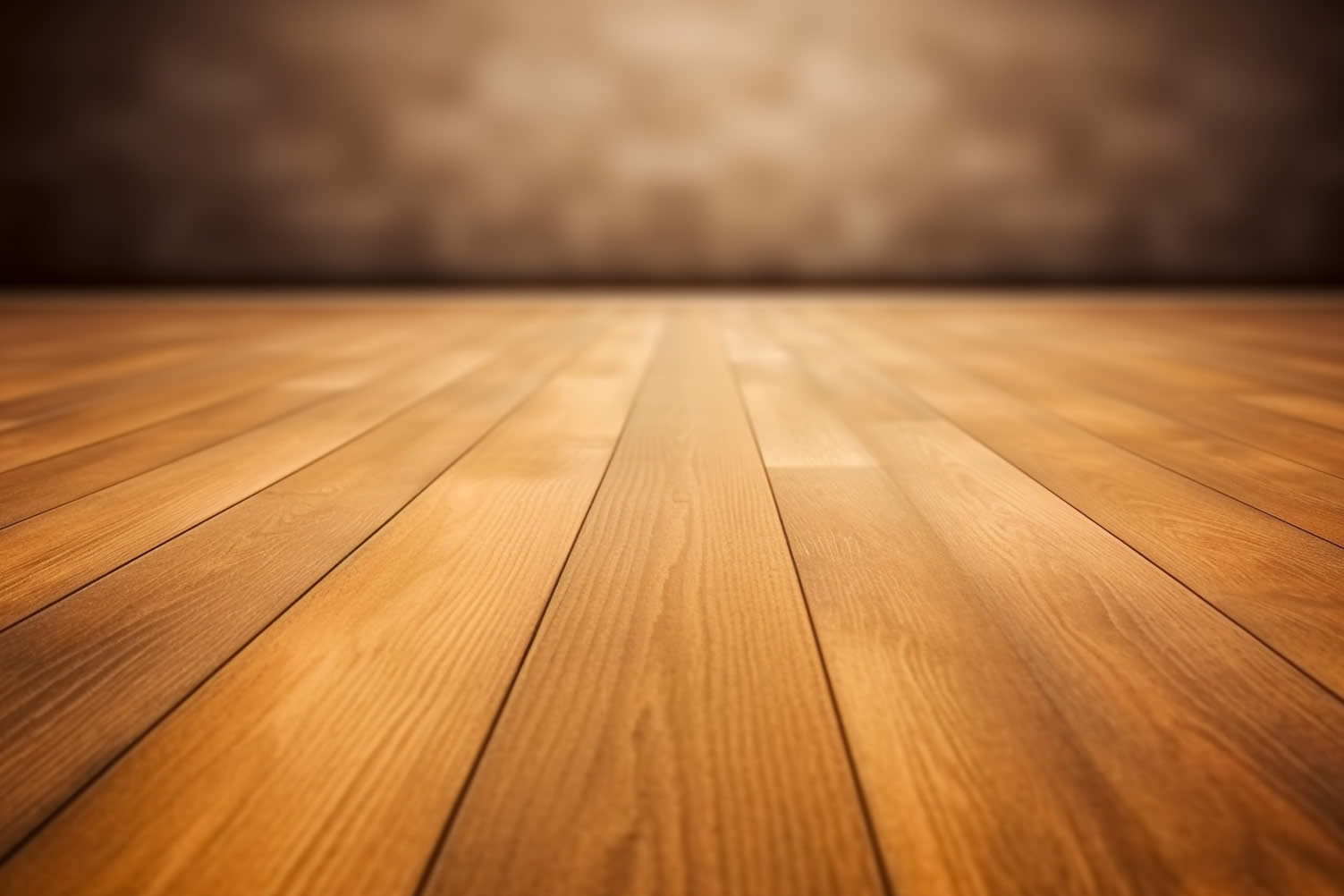
- Wood flooring is a classic option that brings warmth and natural beauty to any home. Here’s how wood flooring contributes to a greener living space:
-
Sustainable Harvesting:
When choosing wood flooring, opt for products sourced from sustainably managed forests. Responsible forestry practices ensure the long-term health and regeneration of forests, preserving biodiversity and reducing deforestation.
-
Carbon Sequestration:
Wood is a renewable resource that naturally stores carbon dioxide. By using wood flooring, you are promoting the sequestration of carbon, helping to mitigate climate change. Choose woods like bamboo, which grow rapidly and have excellent sustainability credentials.
-
Non-Toxic and Allergen-Free:
Wood flooring is non-toxic and does not harbor allergens like dust mites or pet dander, making it an excellent choice for individuals with respiratory conditions or allergies. Its low emission of volatile organic compounds (VOCs) improves indoor air quality.
-
-
Quik scroll to topic side notes …
-
-
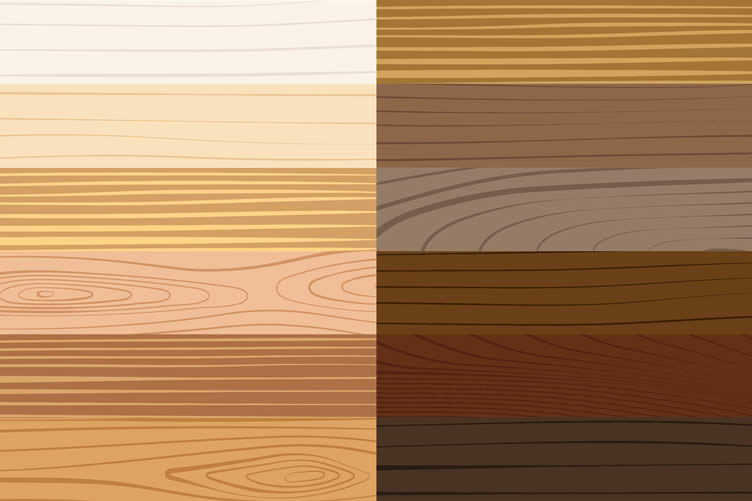
2ndb: Types of Wood Flooring:
Solid hardwood flooring is a classic choice for homeowners who want to add warmth and beauty to their homes. This type of flooring has been used in homes for centuries, and it continues to be one of the most popular choices today.
-
About Pre-Finished Hardwood
Pre-finished hardwood is a type of solid hardwood that has been buffed and finished in the factory before installation, allowing it to be ready for use right away. This eliminates the need for sanding or sealing after installation, making pre-finished hardwood a great choice for busy homeowners who want to get their floors up and running quickly.
-
Exotic Hardwood
Exotic hardwood is a type of solid hardwood that comes from tropical trees and other regions around the world. This type of flooring offers unique patterns, colors, and textures that cant be found in traditional varieties, making it perfect for homeowners who want to add a bit of drama to their floors.
copyright image by 123rf.com
-
Popular Wood Types for Homes
Solid hardwood comes in a variety of styles, colors, and finishes that make it easy to find an option that fits your home’s unique aesthetic. Most notably:
-
Oak:
Oak is the most popular type of hardwood flooring in the United States. It is a strong and durable wood that comes in a variety of colors, from light blonde to dark brown. Oak is also relatively affordable, making it a good choice for many homeowners. -
Maple:
Maple is another popular choice for hardwood flooring. It is a hard and dense wood that is known for its beautiful grain patterns. Maple is also very resistant to scratches and dents, making it a good choice for high-traffic areas. -
Cherry:
Cherry is a warm and elegant wood that is often used in traditional or formal settings. It is a relatively soft wood, but it is still durable and easy to maintain. Cherry can be finished in a variety of colors, from light pink to dark red. -
Walnut:
Walnut is a rich and dark wood that is often used in contemporary or modern settings. It is a very durable wood that is also resistant to stains. Walnut can be finished in a variety of colors, from light brown to dark chocolate. -
Hickory:
Hickory is a very strong and durable wood that is often used in high-traffic areas. It is also resistant to scratches and dents. Hickory has a distinctive grain pattern that can be either light or dark. -
Ash:
Ash is a strong and lightweight wood that is often used in furniture. It is also a good choice for hardwood flooring. Ash has a straight grain pattern that can be either light or dark.
These are just a few of the many types of solid hardwood flooring available.
-
-
-
2ndc: Bamboo: Most Eco-Friendly Option:
Bamboo flooring is becoming increasingly popular as an alternative to traditional solid hardwood flooring. It has a unique look and texture that adds character to any space, while also being one of the most environmentally friendly building materials available.
-
Rapid Growing
Harvested from rapidly growing bamboo forests in Asia, bamboo can be harvested and regrown every 3-5 years – while hardwood trees can take decades to mature.
This means that bamboo flooring has a much lower environmental impact than hardwood flooring, and it is becoming an incredibly sustainable resource for home building.
-
Renewable Resource
Bamboo can be harvested without harming the environment, as the roots of the bamboo plant are not damaged during harvesting. Bamboo can be replanted and harvested again and again, without depleting the bamboo forest.

copyright image by 123rf.com
-
Requires Less Water and Fertilizer
Bamboo can grow in poor soil and with little water, making it a more sustainable choice than hardwood trees, which require a lot of water and fertilizer to grow.
-
Carbon-Neutral Material
Bamboo absorbs carbon dioxide from the atmosphere as it grows, making it a carbon-neutral material. This means that bamboo flooring does not contribute to climate change.
-
Very Durable
In addition to its environmental benefits, bamboo floors are known for their durability and resistance to moisture damage. With proper care and maintenance, a bamboo floor should last you many years with minimal upkeep.
If you’re looking for an eco-friendly, easy-to-care-for flooring solution, bamboo could be the right choice for your home.
-
-
-
ideas to view and compare from the information discussed above

Scroll up to directory … or scroll to next section about green home improvements …

home flooring selection and install

remodeling decisions

May We Suggest Other Photo Remodeling Ideas About
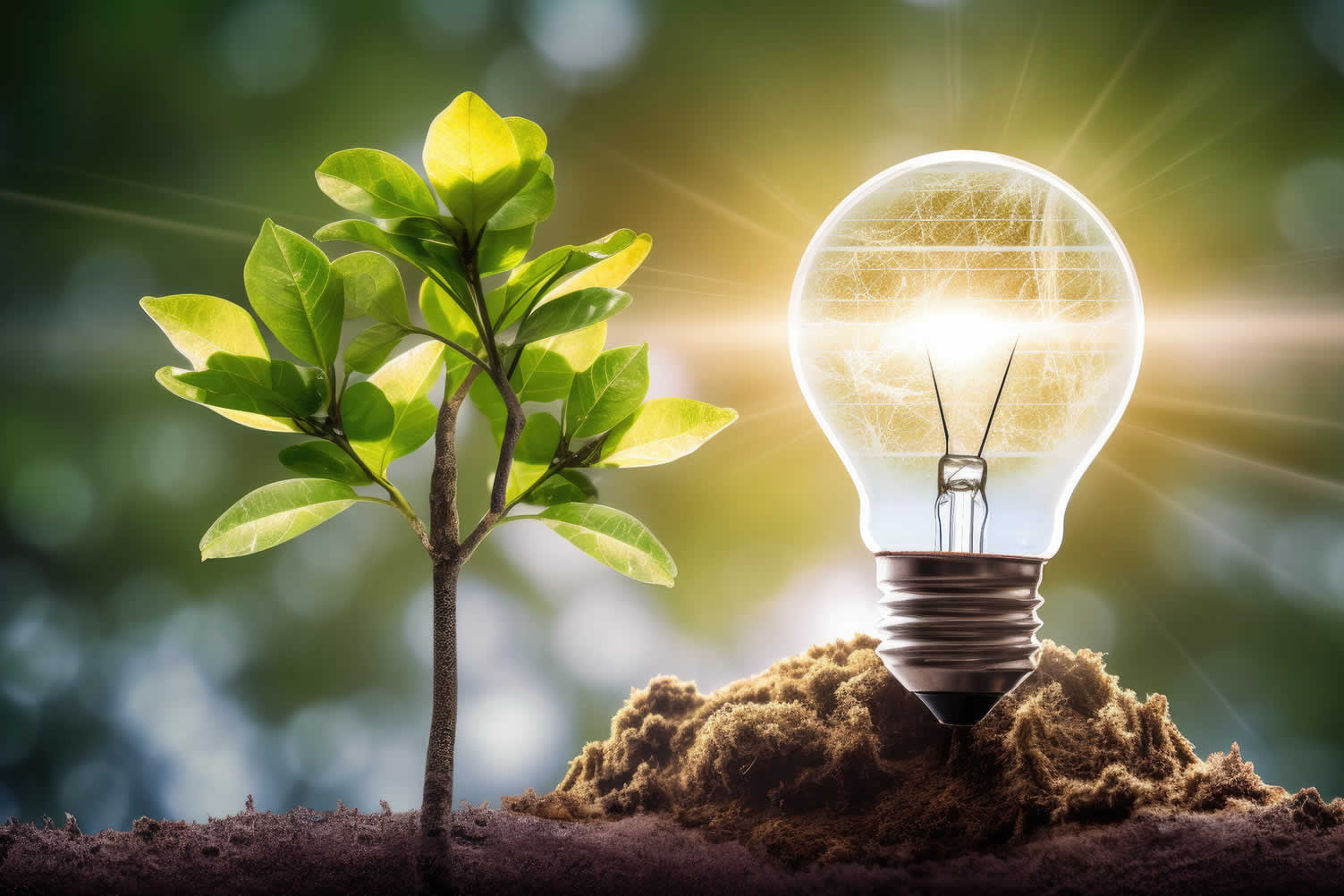
“Green Energy and Self-Sustainment…” (new win)


third “photo remodeling” idea
copyright image by 123rf.com
green guide-3:Energy-Efficient Lighting and Appliances
Notes:
- Creating a green home involves more than just flooring choices. Consider implementing energy-efficient lighting and appliances to reduce your environmental footprint:
-
LED Lighting:
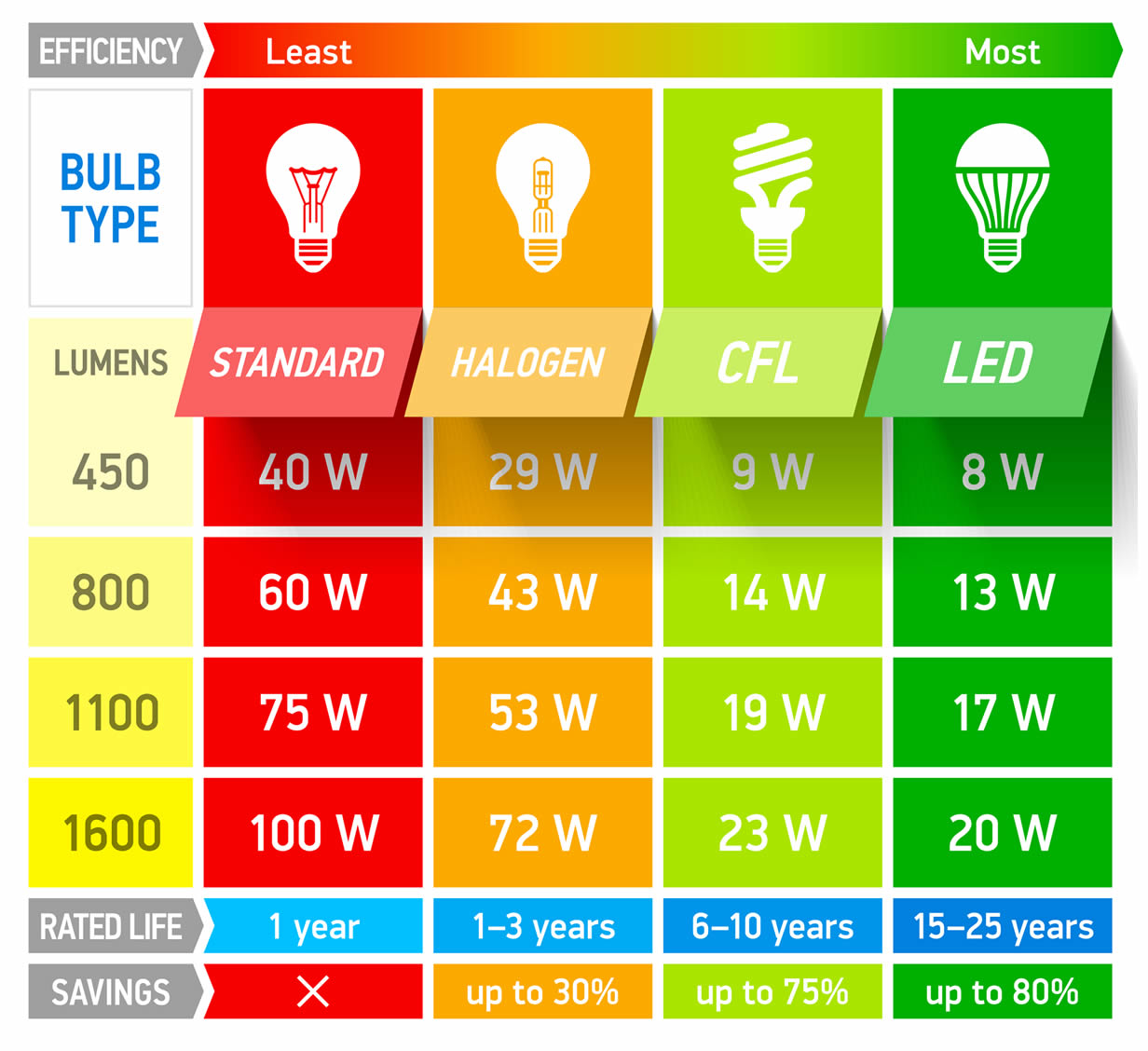
Replace traditional incandescent bulbs with energy-efficient LED lights. LEDs consume less energy, have a longer lifespan, and produce significantly less heat, helping you save on electricity bills and reduce greenhouse gas emissions.
-
Energy Star Appliances:
When purchasing new appliances, look for the Energy Star label. These appliances are designed to use less energy, which translates to lower utility bills and a smaller carbon footprint. Energy Star-rated refrigerators, washing machines, and dishwashers are excellent choices for a greener home.
-
Smart Home Technology:
Embrace smart home technology to optimize energy consumption. Programmable thermostats, smart lighting systems, and energy monitoring devices allow you to control and reduce energy usage, leading to long-term energy savings.
-
-
Quik scroll to topic side notes …
-
-
3rdb: Evolving Styles of LED Light Bulbs:
As technology has advanced, so have LED light bulbs. In the past, they were bulky and often had a cold, clinical look to them. However, in recent years LED light bulbs have become more stylish looking and smarter than ever before.
They now come in a variety of shapes and sizes that can fit any space or decor style. Furthermore, many modern LED lights are equipped with features like dimming capabilities and motion sensors that make them even more convenient to use.
With their sleek designs and smart functionalities, LED lights are taking over homes around the world as the preferred lighting option for both functionality and aesthetic appeal.
Whether you’re looking for something more modern and contemporary, or something that has a classic look, LED lights have what you need. Plus, they can reduce your energy consumption costs!
copyright image by 123rf.com
-
-
-
3rdc: About Energy-Star Appliances:
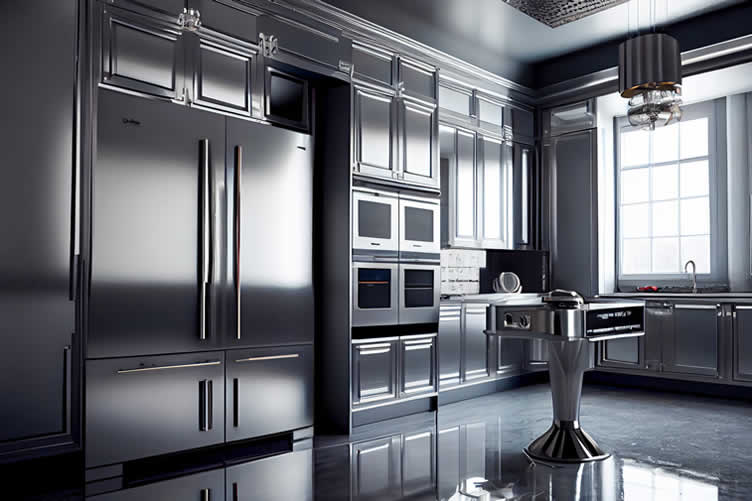
Energy-star-rated appliances are certified by the U.S. Environmental Protection Agency (EPA) as meeting their strict efficiency standards, which means they can help you save up to 30% on your monthly electric bill without sacrificing performance or quality.
Additionally, energy-star appliances are also designed to be more durable and reliable than other traditional models. With the latest technologies, they can function better and last longer. This means you can get more years out of your appliances without having to worry about frequent repairs or breakdowns.
copyright image by 123rf.com
Making Your Appliances Smart
Smart home appliances are revolutionizing the way we live. From smart thermostats to refrigerators that can order groceries, these devices offer a level of convenience and control that was previously impossible.
With just a few taps on your smartphone or voice commands through an AI assistant, you can now automate many daily tasks around the house and enjoy life with greater ease. Smart home appliances make it easy to perform mundane chores like setting temperatures for optimal comfort in each room or tracking energy usage throughout the day.
With smart home appliances, you can monitor and control appliances in your home remotely and receive important notifications when something needs attention. With connected devices such as security systems, lights, cameras, and more all communicating with each other through the internet of things (IoT), users can access everything from one central location.
This makes it much easier to manage your home’s security or check on a pet while you’re away. Finally, these appliances are designed to save energy by automatically turning off when not in use and running only when necessary.
Smart Kitchen Appliances
google imagesSmart Refrigerator view ideas Smart Oven Range view ideas Smart Wall Ovens view ideas Smart Stove Tops view ideas Smart Dishwasher view ideas Smart Microwaves view ideas Smart Range Hood view ideas Types of Range Hoods
google imagesRange Hoods view ideas – Wall Mount view ideas – Island Hoods view ideas – Range Inserts view ideas – Under Cabinets view ideas – Downdraft view ideas
-
-
-
3rdd: The Future of Home Automation:
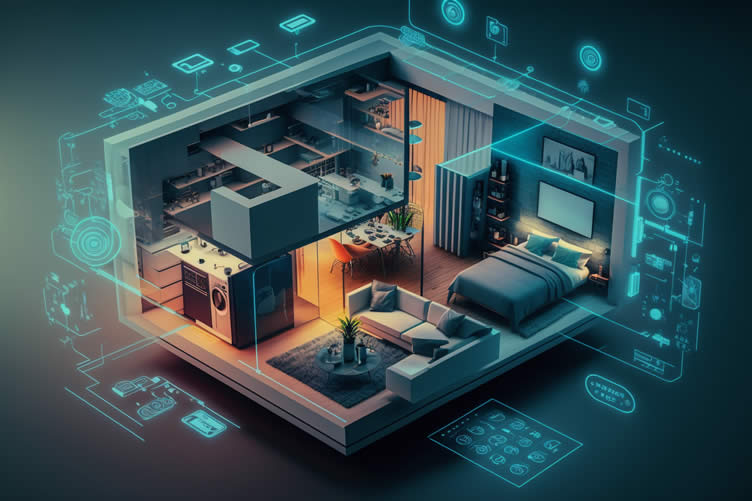
The future of home automation promises to revolutionize how we live and interact with our homes. As technology continues to advance, the possibilities for automating everyday tasks are becoming endless.
From controlling lighting and temperature levels to voice-activated appliances, a future home could be completely automated with minimal effort from the user.
With advances in artificial intelligence and machine learning, these smart systems will likely become increasingly sophisticated over time, making it possible for them to learn from their users’ habits and preferences to make life easier than ever before.
copyright image by 123rf.com
Imagine the ability to control your entire home and garden – all connected by a central hub – just by speaking a few simple commands or having appliances anticipate what you need before you even have to ask!
The potential applications of this technology are truly exciting – no longer will mundane tasks take up precious time when they can be completed automatically with ease.
-
-
ideas to view and compare from the information discussed above
Scroll up to directory … or scroll to next section about green home improvements …

 … grab this directory of ideas
fourth “photo remodeling” idea

copyright image by 123rf.com
green guide-4:Water Conservation Strategies
Notes:
- Conserving water is another crucial aspect of creating a sustainable and eco-friendly home. Consider implementing these water-saving strategies:
-
Low-Flow Fixtures:
Install low-flow faucets, showerheads, and toilets to reduce water usage without compromising functionality. These fixtures use less water while maintaining adequate water pressure, helping you conserve this precious resource.
-
Rainwater Harvesting:
Utilize rainwater harvesting systems to collect and store rainwater for various household purposes such as watering plants, cleaning, and flushing toilets. This reduces the reliance on municipal water sources and helps in water conservation efforts.
-
Xeriscaping:
Incorporate xeriscaping techniques in your landscaping design. Xeriscaping involves using native plants, efficient irrigation methods, and natural mulching to create a beautiful and water-efficient garden. This reduces the need for excessive watering and promotes sustainable landscaping practices.
-
-
Quik scroll to topic side notes …
-
-
4thb: Monitoring Water Use:
Monitoring your home’s water usage is a great way to conserve this precious resource. By understanding how much water you use, and where most of it goes, you can make small changes that will help reduce your overall consumption.
The first step in monitoring your home’s water usage is to understand how much water you’re using. To do this, start by checking your home’s water meter and taking note of what it reads. This will give you an idea of how much water you’re consuming daily.
If possible, consider purchasing a flow meter that can measure the amount of water that flows through each faucet or appliance in your home. This way, you can pinpoint exactly where most of your water consumption comes from and make changes accordingly.

copyright image by 123rf.com
Another great way to keep track of your home’s water usage is to install a low-flow showerhead or toilet that uses less water per flush. Although these appliances may seem small at first, they can make a big difference in your overall water consumption.
Lastly, try to limit how often you run your dishwasher or do laundry, as these two appliances are usually some of the biggest culprits when it comes to unnecessarily using large amounts of water.
-
4thc: Having Smart Rain Harvesting System
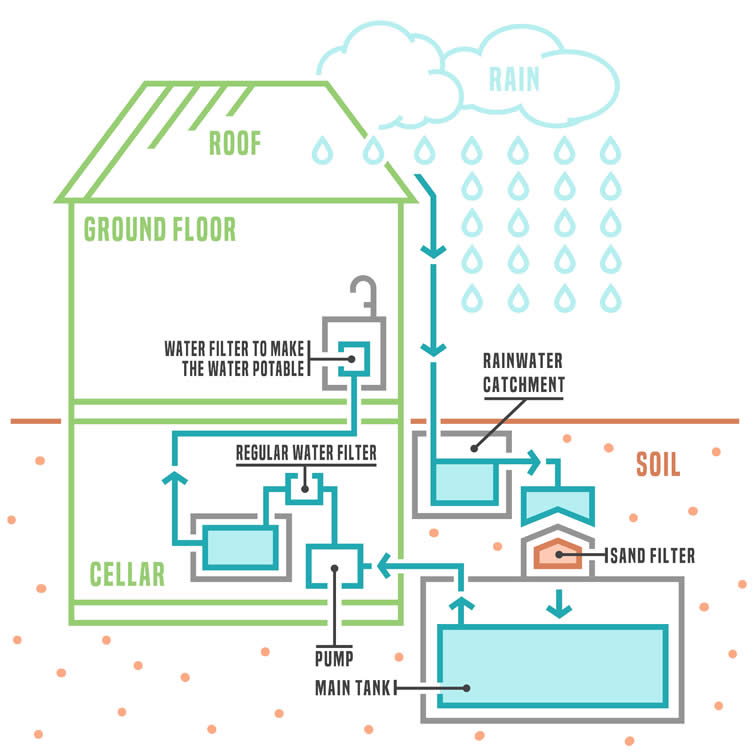
Installing a smart rain harvesting and drainage system is an effective way to collect rainwater and runoff from your home and garden. This type of system involves the installation of an underground collection tank that can store large amounts of water for use during dry periods or times when extra irrigation is needed.
The collected water can also be used for other applications such as flushing toilets and washing machines, or even in landscaping projects. Smart drainage systems are becoming increasingly popular due to their cost-effectiveness, low maintenance requirements, and ability to reduce runoff risks.
It is important to consider the size of the underground tank that will be installed, as well as any other factors such as soil type and slope to maximize efficiency.
copyright image by 123rf.com
Additionally, collecting and storing rainwater is an effective way to reduce water bills and conserve resources. However, the collected water must be purified before it can be used for drinking or other purposes.
One of the most effective methods for purifying this type of water is to use filters and chemicals. Filters help remove large particles such as dirt and debris while chemicals, such as chlorine, are added to kill bacteria and other microorganisms that may be present in the collected rainwater.
By using these two techniques together, it is possible to create clean drinking water from rainwater collection.
Please double check with your local jurisdiction on the harvesting and collection of rainwater. Some jurisdictions in dry, arid region restrict the use of rainwater collection and storage.
-
4thc: About Xeriscaping:
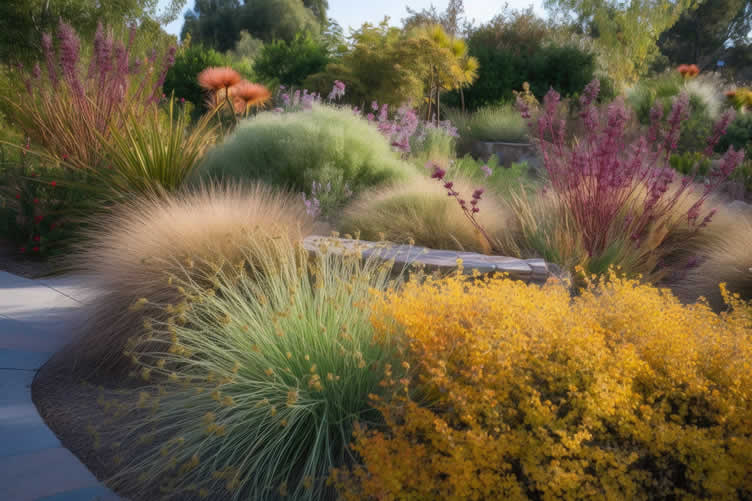
Xeriscaping is a landscaping technique that uses native plants and other elements to reduce water consumption. It can create attractive, low-maintenance yards and gardens while also reducing the environmental impact of traditional lawns and landscapes.
Xeriscaping utilizes drought-tolerant plants, mulch, gravel, rocks, and more to create beautiful outdoor spaces without needing large amounts of water or maintenance.
When installing a xeriscaped landscape it’s important to consider the climate of the area as well as any environmental conditions that may affect the success of the landscape. It’s also important to select plants and design features that are well-suited to the area and its requirements, such as drought tolerance, resistance to pests, low maintenance needs, and more.
copyright image by 123rf.com
With careful planning, it’s possible to create beautiful outdoor spaces with xeriscaping that require minimal care while still looking attractive for years.
Here are some of the best materials for xeriscaping:
- Silt:
Silt is a good choice for xeriscaping because it retains water well without becoming soggy. - Compost:
Compost helps to improve the drainage and water retention of soil. - Mulch:
Mulch helps to suppress weeds, retain moisture, and protect plant roots. - Rocks:
Rocks can be used to create interesting features in your xeriscape, such as pathways, borders, and water features. - Pavers:
Pavers can be used to create patios, walkways, and other hardscapes that require less water than traditional lawns.
Using Artificial Grass
google imagesFront Yard Ideas view samples Backyard Ideas view samples Between Pavers view samples w/ Rock Landscaping view samples Around Pool view samples Playground view samples Golf Turf view samples Lawn Games view samples For Pets view samples - Silt:
-
-
ideas to view and compare from the information discussed above
Scroll up to directory … or scroll to next section about green home improvements …
below for …
green home energy

Find Energy Efficient Services Insulation Windows-Insulation Ducts & Vents Thermostats Solar Installation Skylights Home Automation Generators Home Automation Electrical Wiring Networks/Phone Computers/ Media Home Security Alarms top-rated, pre-screened local contractors FREE: download contractor selection enter zip code – powered by HomeAdvisor ™
Quick Contractor Guides selecting negotiating working with inspecting

fifth and last “photo remodeling” idea

copyright image by 123rf.com
green guide-5: Energy-Efficient Insulation and Windows
Notes:
- Improving the insulation and windows in your home can significantly reduce energy consumption and create a more comfortable living environment:
-
Insulation:
Properly insulate your home to minimize heat transfer, keeping your home cool in summer and warm in winter. High-quality insulation materials like cellulose or spray foam insulation help reduce energy usage for heating and cooling.
-
Energy-Efficient Windows:
Upgrade to energy-efficient windows with double or triple glazing and low-emissivity coatings. These windows reduce heat loss in winter and heat gain in summer, resulting in lower energy requirements for maintaining a comfortable indoor temperature.
-
Window Treatments:
Install window treatments like blinds, shades, or curtains to enhance the energy efficiency of your windows. Close them during hot summer days to block out heat and open them during sunny winter days to allow natural warmth in, reducing the need for artificial cooling and heating.
-
-
Quik scroll to energy-efficient side notes …
-
-
5thb: Types of Insulation
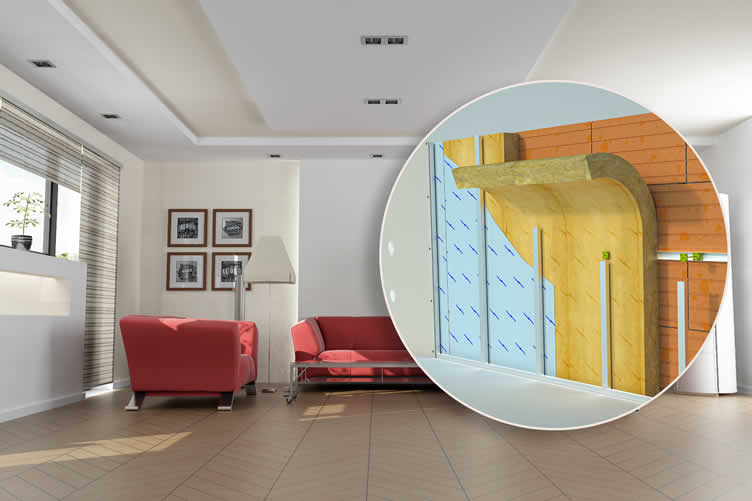
When it comes to insulation, the R-value is a measure of thermal resistance and indicates how well the material can resist heat flow. The higher the R-value, the better the material’s insulative properties and the more effective it will be at keeping your home comfortable. Different types of insulation materials have different R-values.
For example, fiberglass is a common choice for wall and attic insulation because of its affordability and R-value (3.14 – 4 per inch). Cellulose is made of recycled materials like newspaper, cardboard, and sawdust and is an eco-friendly option with an R-value of 3.7 to 3.8 per inch.
copyright image by 123rf.com
Spray foam insulation is also energy efficient with an R-value of up to 6 per inch and can be easily applied in hard to reach areas. Rigid board insulation has one of the highest R-values on the market at 6 to 7 per inch but can be more difficult to install due to its large panels.
Understanding home insulation types and their R-values is essential when deciding how to best insulate your home. All of the options discussed here are viable solutions, but you should choose the one that works best for your situation and budget.
-
5thc: Breaking Down Energy-Efficient Windows
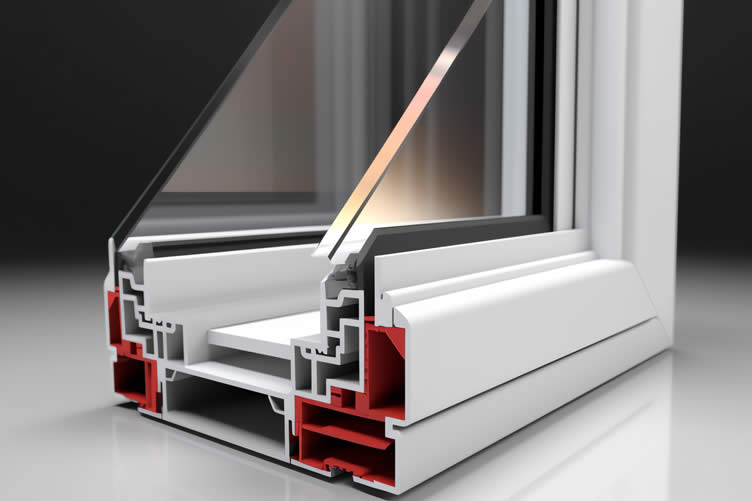
Energy-efficient windows are made up of a variety of components that work together to ensure maximum efficiency. These components include frames, glazing, spacers, gaskets, gas fills, coatings, sealants, and insulation.
Each of these components plays an important role in providing optimal performance for your window system. Let’s look at each one in more detail to understand how they all come together to create an energy-efficient window for homes.
-
Frames
Frames are the first component to consider when discussing energy-efficient windows. They provide support for glazing and serve as a barrier against outside air infiltration. Frames can be made from materials such as vinyl, aluminum, fiberglass, or wood.
Different materials offer different levels of performance in terms of insulation and energy efficiency. For example, wood frames tend to be more expensive but offer the best insulating properties compared to other frame types.
-
Glazing
Glazing is the second component that makes up an energy-efficient window system. Glazing refers to any type of transparent material used on windows such as glass or plastic that allows natural light into a room while providing protection from the elements outdoors.
The thickness and type of glazing used will affect how much heat and light will pass through your window system. Glazing can be single, double, or triple paned depending on the climate in which you live.
-
Spacer
The third component of an energy-efficient window is the spacer. Spacers are used to separate the panes of glass within a window unit and provide insulation from the outside air.
The material used for spacers varies depending on what type of energy-efficient windows you have installed but typically includes materials like metal or foam.
-
Gaskets
Gaskets are also part of energy-efficient windows and work to seal any gaps between the frame and glazing. This helps reduce air infiltration into your home as well as keep moisture out during winter months when humidity levels tend to be higher. Gaskets are typically made from rubber, foam, or plastic.
-
Low-e
Finally, Low-e coatings can be applied to window glass to help regulate the amount of heat coming into your home and reduce energy costs as well.
Low-e stands for “low emissivity” and refers to a coating that is applied to the inner pane of glass which reflects infrared radiation, keeping the heat out in summer months while also preventing it from escaping during winter months.
copyright image by 123rf.com
By understanding and considering each component that makes up an energy-efficient window system, you can reduce your monthly energy bills and make your home more comfortable by keeping the cold air out during winter and warm air out during summer
-
-
5thd: Automating Window Treatments
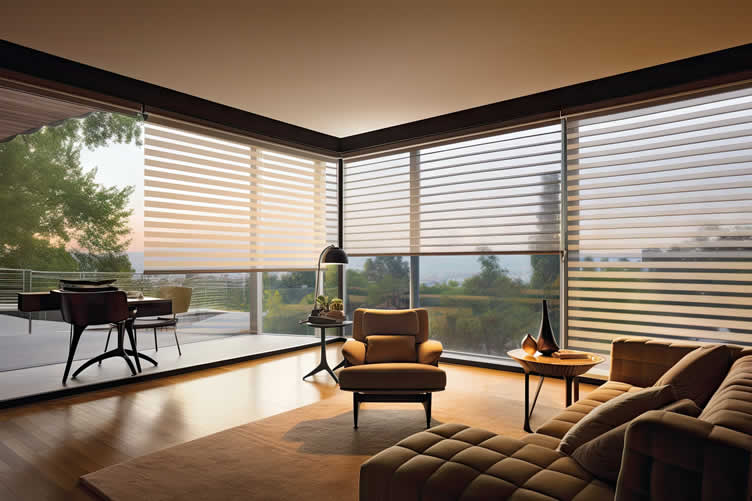
Automated window blinds are a great way to maximize energy efficiency in the home. By utilizing automated technology, homeowners can take advantage of natural light while also controlling how much sunlight enters their homes.
The use of automated window blinds helps reduce heating and cooling costs by blocking out unwanted heat from entering through windows during the summer months, as well as preventing heated air from escaping in the winter months.
Additionally, these automated window treatments can be programmed to open and close at specific times throughout the day, allowing for optimal control over when sunlight is allowed into your home.
With this level of control over natural lighting levels within a home, homeowners can save money on their energy bills while also reducing their environmental impact.
copyright image by 123rf.com
Programing Automated Blinds
By programming your window treatments to open and close according to the season, you can control how much sunlight enters your home throughout the year.
In the summer months, closing automated blinds in rooms that receive direct sunlight will help keep heated air from entering through windows and raising indoor temperatures.
During winter months, opening up those same window treatments during daylight hours allows for natural heat from sunlight to enter the home and warm it up without having to use additional energy sources such as furnaces or space heaters.
-
-
CONCLUSION
Incorporating sustainable and eco-friendly practices into your home improvements is a step towards creating a greener future.
By choosing engineered and wood flooring, implementing energy-efficient lighting and appliances, adopting water conservation strategies, and improving insulation and windows, you can transform your home into an environmentally friendly haven.
These choices not only benefit the planet but also contribute to your well-being and long-term cost savings. Embrace the power of green home improvements and inspire others to join the sustainable living movement.
-
ideas to view and compare from the information discussed above
- What comments can you share about
your green home improvements?
Scroll up to directory … or scroll to more green home ideas …


view illustration “becoming a bank”
Cover image credit: green home improvements by 123rf.com
end of post … please share it!
 |
did you find this green home improvement analysis helpful? If so, please share the article with your friends and family! |
Nice pic idea? Leave us a quick comment below.
And please share this pic idea within your social networks.