Summary Outline –
Knowing how to respond quickly and effectively can make all the difference, not just in minimizing damage but also in ensuring the safety of your family.
Recent search trends show that homeowners are frequently looking for immediate help with urgent issues, with searches like "emergency plumber near me" and "AC not working" topping the list.
This tells us that many people find themselves in crisis mode, needing reliable information right away. This guide is designed to be your calm in the storm.
We’ll walk you through how to identify a true home emergency, the immediate steps you should take, when it’s time to call a professional, and what you can do to keep things under control while you wait for help to arrive.
By the end, you’ll feel more confident and prepared to handle whatever your home throws your way.
- post content … analysis/ urgent home repairs
- 1st: Identifying Urgent Home Repairs
- 2nd: Immediate Steps to Take
- 3rd: When to Call a Professional
- 4th: Finding a Reliable Repair Service
- 5th: DIY Steps to Take While Waiting for Repair Help
- 6th: Preventing Future Emergencies
- conclusion
- other home structural topics

-
- —— begin first topic ——
-
1st Advice: Identifying Urgent Home Repairs
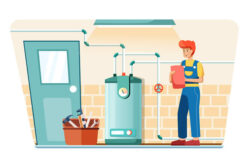
Not every home repair is an emergency, but knowing the difference is crucial. A dripping faucet might be an annoyance, but a burst pipe flooding your basement is a catastrophe in the making.
An urgent repair is any issue that poses an immediate threat to your property, your health, or your safety. These situations demand swift action to prevent escalating damage or dangerous conditions.

copyright image by 123rf.com
Learning to recognize the signs of these critical problems is the first step toward effective management.
In this section, we will explore the most common types of home emergencies—from water and electrical issues to HVAC failures and roof damage—so you can quickly assess the situation and act accordingly.
[ view summary table: identifying urgent home repairs ]
-
Water Leaks and Plumbing Issues
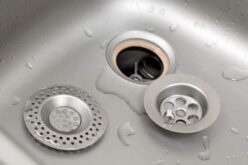
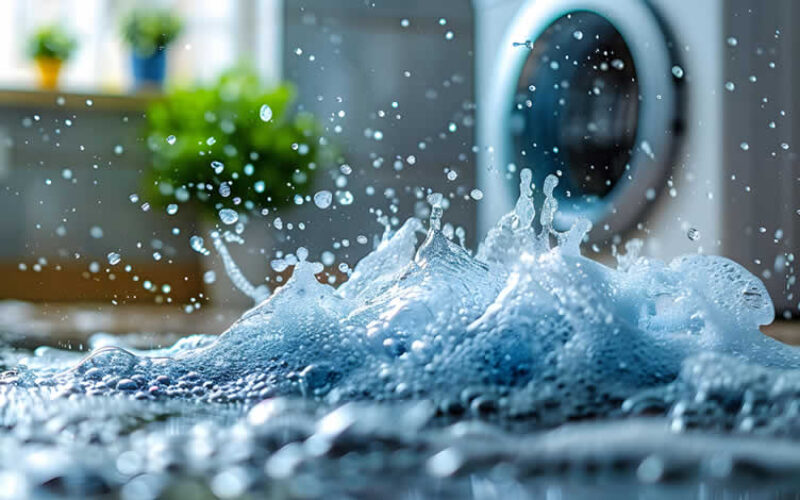
Water damage is one of the most destructive forces a home can face. What starts as a small leak can quickly lead to saturated drywall, ruined flooring, and the potential for mold growth. Recognizing a plumbing emergency is key.
Obvious signs include a burst pipe actively spraying water or a major leak from an appliance like a water heater or washing machine. You might also notice a sudden, significant drop in water pressure throughout your home, or hear the sound of running water when all faucets are off.
Stains appearing on ceilings or walls, accompanied by a damp or musty smell, also point to a hidden leak that needs immediate attention. If you encounter any of these signs, it’s time to treat the situation as an "emergency plumber near me" event.
-
Electrical Problems
Electrical issues are not just inconvenient; they can be extremely dangerous, posing a risk of fire and electrocution. Signs of an urgent electrical problem include a burning smell coming from outlets or switches, sparks when you plug or unplug an appliance, or frequently tripping circuit breakers.
If an outlet or switch plate feels warm to the touch, it’s a red flag. Flickering or dimming lights that occur consistently can also indicate a serious issue with your home’s wiring.
Never ignore these signs. An electrical emergency requires a cautious and immediate response, prioritizing safety above all else.
-
Heating and Cooling System Failures
Your heating and cooling (HVAC) system is essential for maintaining a safe and comfortable indoor environment. An "AC not working" during a heatwave isn’t just a matter of comfort; it can be a serious health risk, especially for young children, the elderly, or those with medical conditions.
Similarly, a furnace failure in the middle of winter can lead to dangerously low temperatures and the risk of frozen pipes.
Signs of an impending HVAC emergency include strange noises like grinding or screeching, a system that won’t turn on at all, or the smell of gas near your furnace, which indicates a potentially deadly leak.
-
Roof Damage
Your roof is your home’s primary defense against the elements. After a severe storm with high winds or hail, it’s crucial to check for damage.
An urgent need for "roof repair near me" arises when you see missing or damaged shingles, notice water stains on your ceiling, or find leaks in your attic.
A sagging roof deck is an even more critical sign of structural damage that requires immediate professional assessment. Even minor-looking damage can allow water to seep in, compromising your home’s structure and leading to costly repairs down the line.
-
Appliances Not Working
Malfunctioning major appliances, such as refrigerators or water heaters, can also constitute urgent repairs, especially if the failure impacts food safety or access to hot water.
A broken refrigerator can lead to spoiled food within hours, especially in warmer climates. On the other hand, a failing water heater could mean hygiene and health issues.
If you notice unusual noises, leaks, or a lack of performance, troubleshooting the problem or contacting a technician can help restore operations efficiently. Consumer reports suggest keeping appliance maintenance schedules to mitigate sudden breakdowns and prolong their lifespan.
-
Other Critical Repairs
Some repair needs may be unique, such as pest infestations or structural foundation cracks. Termites, for example, cause billions of dollars in damage annually and require immediate pest control intervention.
Similarly, visible cracks in your home’s foundation or sudden settling can jeopardize the structural integrity of the entire house.
These issues require prompt attention from specialists to assess and address any potentially dangerous underlying causes. Additionally, storm-related damages such as broken windows or compromised walls should be prioritized to ensure security and safety.
Category Description Indicators Recommended Action Identifying Urgent Home Repairs Understanding what constitutes an urgent repair is crucial to protecting your property and ensuring safety. Emergencies typically involve immediate threats. Burst pipes, electrical hazards, HVAC failures, structural damage. Learn to recognize early warning signs and act swiftly to prevent further damage or danger. Water Leaks and Plumbing Issues Water damage can lead to costly repairs and mold growth. Addressing leaks quickly is essential. Signs include burst pipes, major leaks, water stains, and musty smells. Contact a plumber immediately for serious leaks or hidden plumbing issues. Electrical Problems Electrical issues pose fire and electrocution risks that should never be ignored. Burning smells, sparks from outlets, warm switches, or consistently tripping breakers. Turn off power to affected areas and call an electrician to ensure safety. Heating and Cooling System Failures HVAC system failures can create both comfort and health risks, especially in extreme weather conditions. Noisy operation, system failure, or gas leaks near the furnace. Seek professional HVAC repair services immediately to restore safe indoor conditions. Roof Damage Roof damage leaves your home vulnerable to weather and water penetration. Missing shingles, water stains, leaks, or sagging roofs. Arrange for a roofing professional to assess and repair damages as soon as possible. Appliances Not Working Malfunctioning appliances can disrupt daily life and pose health risks, particularly when refrigeration or water heating fails. Unusual noises, poor performance, or leaks from appliances. Perform troubleshooting or call a technician to diagnose and fix the issue promptly. Other Critical Repairs Structural issues and pest infestations can have severe long-term consequences. Foundation cracks, termite infestations, or storm-related damage like broken windows. Engage specialists to prevent further damage and ensure the safety of your home. 


copyright image by 123rf.com
-
Scroll up to directory … or scroll to next section about the steps to take …

-
-
2nd Advice: Immediate Steps to Take
… when encountering an urgent home repair
Home repairs can unexpectedly disrupt your daily routine, and knowing how to respond quickly and effectively is critical.
Whether it’s a burst pipe, an electrical outage, or a structural problem, taking immediate steps to address the situation can mitigate further damage, reduce costs, and ensure safety.
AI generated image by 123rf.com
Below are key actions to take when faced with an urgent home repair, categorized by specific scenarios.
[ view summary table: immediate steps to take ]
-
Shutting Off Water and Electricity
When dealing with emergencies such as a burst pipe, water leaking through ceilings, or major appliance failures involving water, the first step is to shut off your home’s water supply.
The main shut-off valve is typically located in the basement, a crawl space, or near the water meter on an exterior wall. Turning this valve clockwise will stop the flow of water and prevent further flooding.
For emergencies involving electricity, such as sparking appliances or floodwater near electrical outlets, turn off electricity to the affected area at the breaker box.
Go to your home’s main electrical panel (often in the garage, basement, or a utility closet) and flip the main breaker to the "off" position. This will cut power to the entire house, eliminating the risk of shock or an electrical fire.
Always ensure your hands and the breaker panel are dry before handling it. If you’re unsure about the situation’s severity, contacting a licensed electrician is critical to avoid potential injuries or fires.
-
Containing the Problem
If the issue involves spreading damage, such as a roof leak, cracked window, or localized flooding, your next priority should be containment.
For roof leaks, place a sturdy bucket or container beneath the leak and temporarily cover the damaged area with a tarp or heavy-duty plastic sheeting to prevent water from pouring in.
For a small hole in a pipe, you can temporarily wrap it with rubber and secure it with a C-clamp or duct tape.
If a window is broken during a storm, cover the opening with a tarp or plywood to keep rain and wind out. These are not permanent solutions, but they can significantly limit the extent of the damage while you wait for a professional.
For flooding, use towels or a wet/dry vacuum to remove excess water from floors. Make sure to dry the area thoroughly to prevent mold growth. Quick containment can save time and resources later on during the repair process and help minimize associated risks.
-
Responding to Food Appliance Breakdowns
When refrigerators, freezers, or other food storage appliances stop working, time is of the essence to prevent food spoilage.
Keep the refrigerator and freezer doors closed as much as possible to maintain their internal temperatures. A full freezer can keep food safe for up to 48 hours if unopened, while a refrigerator will preserve food for about four hours.
If it’s clear that the issue won’t be resolved quickly, consider transferring perishable items to a friend’s or neighbor’s appliance, or pack them into a cooler with plenty of ice.
Elect to dispose of any items that reach unsafe temperatures (above 40°F for refrigerated food) to avoid the risk of food-borne illness, as per guidelines from the U.S. Food and Drug Administration (FDA).
-
Ensuring Personal Safety
Your family’s safety is the top priority. In the case of a gas leak, evacuate the house immediately and call your gas company from a safe distance.
Do not use any electronics or light switches on your way out. If there’s a fire, get everyone out of the house and call 911. Your household’s emergency preparedness plan should include clear procedures for such scenarios.
During a major storm, stay away from windows and take shelter in a basement or an interior room on the lowest floor. Make sure everyone in your household knows your family’s emergency plan and where to meet if you need to evacuate.
For structural concerns like sagging ceilings, shifting foundations, or compromised walls due to storms, evacuate the affected area and avoid entering until a professional thoroughly inspects it. Falling debris poses a severe risk, so staying clear is essential.
-
Other Key Considerations
Beyond immediate repairs, take steps to document the damage before making any fixes. Photographs and detailed descriptions will be helpful if you need to file a claim with your homeowners’ insurance.
Additionally, maintain a list of verified local contractors and emergency repair professionals for quick access in urgent situations. Researching reputable providers in advance ensures you won’t need to rely on last-minute decisions when time is critical.
Finally, regular home maintenance can prevent many urgent repairs from occurring in the first place. Schedule routine checks for plumbing, roofing, and home systems to identify and address potential issues early. This proactive approach can save considerable time, money, and stress.
For further reference, consult resources like the American Red Cross for emergency preparedness, or your local government’s disaster response guidelines, to remain informed and ready when emergencies arise.
Scenario Immediate Steps Considerations Shutting Off Water and Electricity Turn off the home’s water supply by locating the main shut-off valve, typically found in the basement, crawl space, or near the water meter, and turning it clockwise. For electrical emergencies, cut power by flipping the main breaker in the electrical panel to the “off” position, ensuring hands and the panel are dry before handling. Contact a licensed electrician if unsure about the situation’s severity. Prevent risks of shocks or electrical fires by acting promptly. Containing the Problem Use temporary solutions such as a bucket for roof leaks, a tarp or plastic sheeting to cover damaged areas, or wrapping small pipe holes with rubber and securing them. For flooding, use towels or a wet/dry vacuum to remove water and dry the area thoroughly. Temporary measures are not long-term fixes, but they can significantly limit damage until professional help arrives, minimizing further risks and costs. Responding to Food Appliance Breakdowns Keep refrigerator and freezer doors closed to preserve internal temperatures. For prolonged issues, transfer perishable items to an alternate appliance or cooler with ice to prevent spoilage. Dispose of items that exceed safe temperatures as per FDA guidelines. Refrigerators maintain safe temperatures for about 4 hours if unopened, while freezers can keep food safe for up to 48 hours. Avoid consuming spoiled food to prevent illnesses. Ensuring Personal Safety For gas leaks, evacuate the house immediately and notify the gas company from a safe location. During a fire, evacuate and call emergency services (911). For structural concerns, such as sagging ceilings or shifting foundations, avoid affected areas and wait for professional inspection.
During storms, stay away from windows and seek shelter in a safe, interior room.Ensure the household has clear emergency procedures and safety plans, including evacuation routes and meeting points. Focus on safety above all else in severe cases of damage or danger. Other Key Considerations Document damage with photographs and descriptions to support insurance claims. Maintain a list of vetted local contractors for quick access during emergencies. Adopt proactive home maintenance practices to identify and mitigate potential issues early. Regular upkeep and preparation can reduce the likelihood of urgent repairs and facilitate a timely response during a crisis. 
copyright image by 123rf.com
[ youtube: Find Shut Off Water Valve To House ]
[ youtube: electrical panel explained ]
-
Scroll up to directory … or scroll to next section about when to call a professional …
-
-
3rd Advice: When to Call a Professional
While the DIY spirit is admirable, some jobs are simply too complex, dangerous, or critical to tackle on your own. Knowing your limits is a key part of responsible homeownership.
Attempting a repair that is beyond your skill level can not only make the problem worse but also void your home insurance and put your safety at risk.

AI generated image by 123rf.com
In an emergency, the goal is a safe and effective long-term solution, which often requires the expertise of a licensed professional.
This section will help you determine when to put down the tools and pick up the phone, ensuring the job is done right.
[ view summary table: when to call a professional ]
-
Assessing the Complexity
Be honest about your skills and knowledge. A simple fix like patching a tiny hole in drywall is one thing, but rewiring an electrical circuit or soldering a copper pipe requires specialized training and tools.
Plumbing, electrical, and HVAC systems are intricate, and a small mistake can lead to major consequences.
If you’re looking at a problem and don’t immediately know how to solve it, or if the repair involves your home’s core systems, it’s a clear sign you need an expert. Professionals have the experience to diagnose the root cause of the problem, not just the symptom you see.
-
Safety Concerns
Any repair that involves a significant risk of injury is a job for a professional. This includes most electrical work, any task involving gas lines, and repairs that require you to climb on a high or unstable roof.
Professionals are trained in safety protocols and have the proper equipment to protect themselves and your home. There’s no DIY project worth risking your health or life for. If a situation feels unsafe, trust your instincts and call for help.
-
Insurance Requirements
Many homeowner’s insurance policies have specific requirements about who can perform repairs, especially for major systems like plumbing and electrical.
If you attempt a DIY repair and something goes wrong, your insurance company may deny your claim, leaving you responsible for the full cost of the damage.
Using a licensed and insured professional ensures that the work is up to code and that you’re covered if any issues arise later.
Topic Description Key Points When to Call a Professional While DIY efforts can be rewarding, some tasks are too complex, dangerous, or critical for an amateur. Knowing your limits is crucial to responsible homeownership to avoid worsening problems, voiding insurance, or risking safety. Seek expert help for safe, effective, and long-lasting solutions, particularly in emergencies. Assessing the Complexity Evaluate the difficulty of the repair honestly. Tasks involving intricate systems like plumbing, electrical, or HVAC often require specialized skills and tools that homeowners typically do not possess. Core systems need expert attention for proper diagnostics and resolution beyond visible symptoms. Safety Concerns Repairs with a high risk of injury, such as electrical work, gas line handling, or working on unstable roofs, demand professional expertise. Professionals follow safety standards and use proper equipment to minimize risks. Trust your instincts when a situation feels unsafe. Ensuring safety is critical to avoiding potentially life-threatening accidents. Insurance Requirements Homeowner’s insurance often mandates the use of licensed professionals for major repairs. DIY fixes gone wrong can void insurance claims, leading to unforeseen expenses for damages. Certified professionals help ensure repairs meet code requirements and protect insurance coverage. 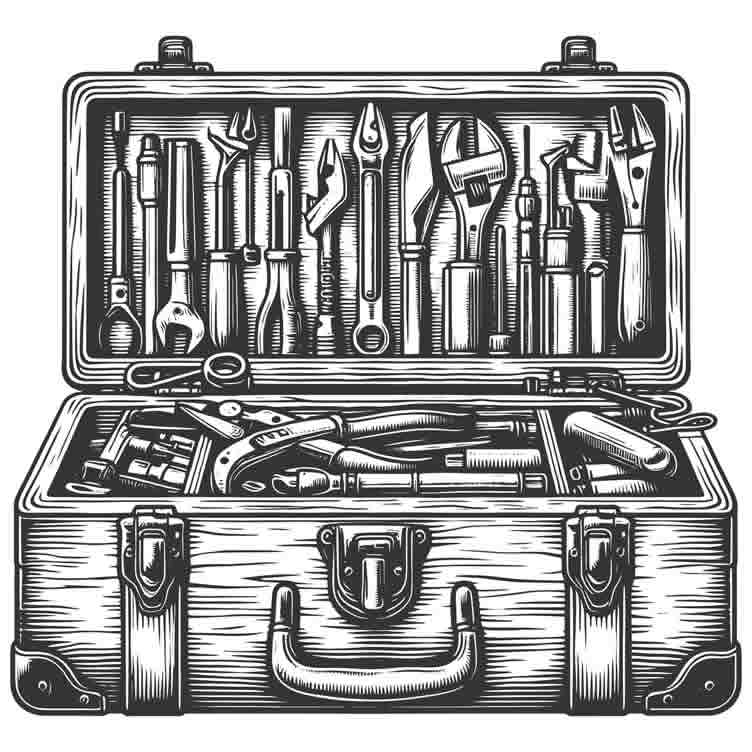
AI generated image by 123rf.com
-
Scroll up to directory … or scroll to next section finding reliable repair services …
-
-
4th Advice: Finding a Reliable Repair Service
Once you’ve decided to call a professional, the next challenge is finding a trustworthy and competent one, especially when you’re under pressure. A quick online search will yield dozens of options, but not all service providers are created equal.

AI generated image by 123rf.com
Taking a few extra minutes to vet your choices can save you from shoddy workmanship, overcharging, and future headaches.
A reliable professional will not only fix the immediate problem but also provide peace of mind. Here are some essential tips for choosing the right person for the job.
[ view summary table: finding reliable service ]
-
Checking Credentials and Reviews
Start by looking for licensed and insured professionals. A license proves they have met the industry standards for training and knowledge, while insurance protects you from liability if an accident occurs on your property.
Next, check online reviews on sites like Google, Yelp, and Angi. Look for companies with a consistent track record of positive feedback.
Pay attention to comments about their punctuality, professionalism, and the quality of their work. A few negative reviews are normal, but a pattern of complaints is a major red flag.
-
Getting Multiple Quotes
Even in an emergency, it’s wise to get at least two or three quotes if time allows. This helps you understand the fair market price for the repair and avoid being taken advantage of in a moment of panic. When you call, describe the problem as clearly as you can.
A reputable company should be able to give you a general idea of the cost, including any emergency service fees, over the phone. Be wary of any company that refuses to provide a price range or is vague about their charges.
-
Understanding Contracts and Warranties
Before any work begins, get a written contract or estimate that details the scope of the work, the materials to be used, the total cost, and the timeline for completion. This document protects both you and the contractor.
Also, ask about warranties. A reliable service provider will stand by their work and offer a warranty on both parts and labor. This guarantees that if the repair fails within a certain period, they will fix it at no additional cost.
LetsRenovate has partnered with HomeAdvisor™, a renowned provider of highly-rated, carefully-vetted local contractors. Start your search here by choosing the type of contractor you need and entering your zip code to find local professionals.
Topic Description Details Finding a Reliable Repair Service Steps to ensure you choose a competent and trustworthy professional for your repair needs. When under pressure, take time to vet service providers to avoid subpar workmanship, overcharging, and future issues. A reliable professional offers peace of mind and quality work. Checking Credentials and Reviews Importance of verifying qualifications and customer feedback. Choose licensed and insured professionals to ensure industry standards and liability protection. Check reviews on platforms like Google, Yelp, and Angi for consistent positive feedback. Avoid providers with a pattern of negative reviews. Getting Multiple Quotes Value of comparing pricing and services before choosing a provider. Obtain two or three quotes to understand fair market prices. Reputable companies should provide a price range or estimate over the phone if you describe the issue. Be cautious of vague or non-committal responses about charges. Understanding Contracts and Warranties Key elements to protect both parties in a repair agreement. Get a written contract detailing work scope, materials, cost, and timeline before work starts. Ask about warranties on parts and labor to ensure repairs are covered if issues arise within the warranty period. 
copyright image by 123rf.com
But Wait!
Before starting your search and evaluation of outdoor kitchen contractors, it is highly recommended to download and use this evaluation worksheet.
This resource will help you objectively rank and assess potential contractors, considering essential factors such as pricing, licensing, and referral information.

Evaluation Sheet
File Type:
-
Scroll up to directory … or scroll to next section steps while waiting …
-
-
5th Advice: DIY Steps to Take While Waiting for Repair Help
When faced with home emergencies, it’s not uncommon for professional assistance to be delayed due to high demand or other scheduling challenges.
During these waiting periods, taking proactive steps to mitigate damage and maintain the safety and comfort of your home is essential.

copyright image by 123rf.com
While these temporary fixes won’t replace professional repairs, they can help prevent further harm and keep your living space functional until repairs are completed.
Below are expert-recommended strategies to manage common household issues while waiting for help.
[ view summary table: while waiting for help ]
-
Patching Up Plumbing and Roof Leaks
Leaking pipes or a damaged roof can quickly cause water damage to your home. If you notice a plumbing leak, start by shutting off the water supply to reduce any further flooding.
For small pipe leaks, wrapping the affected area with waterproof tape or a rubber patch can create a temporary seal. Roof leaks should be addressed by placing a tarp over the damaged section to prevent water from entering.
Ensure the tarp is secured tightly with heavy objects or temporary fasteners. While these solutions are not permanent, they can significantly reduce the risk of water damage and provide peace of mind until professional repairs can be made.
-
Isolating Electrical Issues
Electrical problems such as exposed wires or flickering lights should be treated with caution. If you suspect an electrical fault, turn off the power to the affected area at your circuit breaker panel to prevent potential hazards such as electrical fires.
Do not attempt to fix wiring or outlets unless you have expertise. Instead, isolate the issue and wait for a certified electrician to inspect and repair the problem. Avoid using outlets or switches near the damaged area to minimize the risk of further complications.
-
Keeping Food Cool
When your refrigerator or freezer is out of service due to power outages or mechanical failure, keeping food at safe temperatures is crucial to prevent spoilage. Dry ice is a reliable solution for keeping your freezer cool for an extended period, as it can maintain temperatures below freezing without relying on electricity.
Alternatively, ice packs and insulated coolers can be used as temporary measures. Keep refrigerator doors closed as much as possible to preserve the cold air inside.
Refer to food safety guidelines from the USDA to determine how long perishable items can be stored without refrigeration.
-
Using Fans or Space Heaters
If your HVAC system is down, maintaining a comfortable indoor temperature may require creative solutions.
During warmer months, use portable fans to increase airflow and open windows to promote natural ventilation. For colder weather, space heaters can provide targeted warmth in specific rooms.
Always follow the manufacturer’s safety guidelines when using portable heaters, ensuring they are placed on stable surfaces and kept away from flammable materials.
These measures can be lifesaving, particularly for households with vulnerable members such as infants or elderly individuals.
-
Boarding Up Damage
If a window or door is broken due to a storm or accident, boarding up the damage can provide temporary protection against weather exposure and security breaches.
Use plywood to cover the opening, securing it tightly with screws or nails to withstand outdoor elements. If plywood is unavailable, alternative materials such as heavy-duty plastic and duct tape can function as an interim solution.
Boarding up effectively minimizes additional risks until permanent repairs can be made.
-
Clearing Debris
After severe weather events, debris around your property can pose safety hazards. Assess the situation carefully, removing smaller objects such as branches and broken materials to create a safer environment.
For larger debris like fallen trees, consult professionals to handle the removal without risking injury or further property damage. Wearing protective gear such as gloves and sturdy shoes is recommended when performing any clean-up tasks.
-
Other Temporary Fixes
For various other home emergencies, creative problem-solving can go a long way. For example, if a door latch is broken, using a temporary lock or sliding a piece of wood across the entryway can secure the area until repairs are completed.
Similarly, if furniture or fixtures have been damaged, stabilizing them with clamps, adhesive, or temporary anchors can provide immediate use functionality.
Taking these proactive steps while waiting for professional repair services showcases preparedness and can make a significant difference in minimizing damage to your home.
Always prioritize safety and consult trustworthy sources, such as guides provided by the Federal Emergency Management Agency (FEMA) or local contractors, for further advice tailored to your situation.
Category Description Temporary Solutions Patching Up Plumbing and Roof Leaks Leaking pipes and roof damage can lead to water damage in the home if not addressed promptly. Start by shutting off the water supply to stop flooding in case of plumbing leaks. Wrap leaking pipes with waterproof tape or use rubber patches for a temporary seal. For roof leaks, cover the damaged section with a tarp secured with heavy objects or fasteners to prevent water entry until professional repairs are arranged. Isolating Electrical Issues Electrical problems like exposed wires or flickering lights can pose significant safety hazards, including electrical fires. Turn off power to the affected area via the circuit breaker panel to eliminate potential dangers. Avoid fixing wiring or outlets unless you have the expertise, and wait for a certified electrician. Refrain from using outlets or switches near the issue to prevent further complications. Keeping Food Cool Refrigerator or freezer outages caused by power issues or mechanical failures can result in food spoilage if not managed properly. Use dry ice to keep the freezer cold for longer periods, or turn to ice packs and insulated coolers as an temporary alternative. Keep refrigerator doors closed to maintain the cold environment. Refer to USDA food safety guidelines for storage times of perishable items. Using Fans or Space Heaters HVAC system failures may result in discomfort during extreme weather conditions. During warmer months, deploy portable fans and maximize natural ventilation by opening windows. For cooler temperatures, use space heaters in specific rooms while adhering to safety guidelines, keeping them on stable surfaces and away from flammable materials. Boarding Up Damage Broken windows or doors due to storms or accidents compromise security and weather resistance. Secure the opening with plywood using nails or screws. If plywood is unavailable, use heavy-duty plastic and duct tape as a temporary solution to prevent further risks until permanent repairs can be completed. Clearing Debris Debris left behind by severe weather can create hazards around the property. Carefully remove smaller debris like branches or fragmented materials to enhance safety. Leave larger debris such as fallen trees to professional removers. Always use protective gear like gloves and sturdy shoes during clean-up. Other Temporary Fixes General household emergencies may require versatile and creative problem-solving to reduce further damage. For broken door latches, use temporary locks or wood to secure the space. Stabilize damaged furniture or fixtures with clamps, adhesives, or anchors for immediate functionality. Prioritize safety and consult experts for reliable advice tailored to your particular situation. 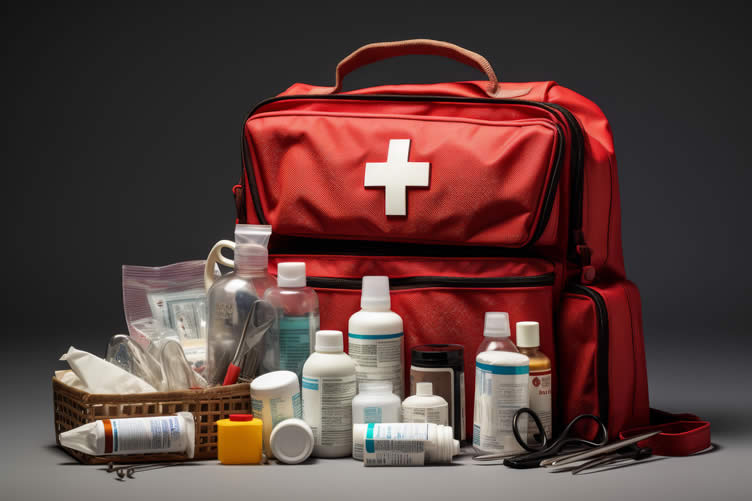
copyright image by 123rf.com
-
Scroll up to directory … or scroll to next section preventing future emergencies …
-
-
6th Advice: Preventing Future Emergencies
The best way to handle a home emergency is to prevent it from happening in the first place. While you can’t control the weather or predict every accident, proactive maintenance can significantly reduce your risk of unexpected failures.

copyright image by 123rf.com
Regular inspections and timely upgrades are investments in your home’s health and your own peace of mind.
By taking a few simple steps throughout the year, you can identify and address small issues before they escalate into full-blown crises.
[ view summary table: preventing future emergencies ]
-
Routine Inspections
Make a habit of regularly inspecting your home’s key systems. Once or twice a year, check your plumbing for any signs of leaks, corrosion, or wear. Test your sump pump to ensure it’s working correctly.
Have your HVAC system professionally serviced annually to keep it running efficiently and catch any potential problems early. Walk around your property after major storms to look for roof or siding damage. These simple visual checks can help you spot trouble long before it becomes an emergency.
-
Upgrading Systems
If your home’s systems are old and outdated, consider investing in upgrades. A new, high-efficiency water heater is less likely to fail and leak than a 15-year-old model.
Modern electrical panels are better equipped to handle the demands of today’s electronics and have advanced safety features.
While these upgrades require an initial investment, they can save you money in the long run by preventing costly emergency repairs and improving your home’s energy efficiency.
-
Preparing an Emergency Kit
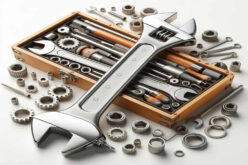
Just as you would for a natural disaster, it’s a good idea to have a home repair emergency kit. This should include basic tools like a wrench, pliers, and a screwdriver, as well as materials like duct tape, a tarp, and a pipe repair kit.
Also, keep a list of trusted emergency repair services handy, so you’re not scrambling to find a number in a crisis. Having these supplies on hand allows you to respond quickly and effectively to any unexpected issue.
Topic Description Details Preventing Future Emergencies Steps to reduce risks of home emergencies The best way to handle a home emergency is to prevent it from happening. While you can’t control the weather or predict every accident, proactive maintenance such as regular inspections and timely upgrades can significantly reduce the risk of unexpected failures. These measures are investments in your home’s health and your peace of mind. Routine Inspections Importance of maintenance checks Inspect your home’s key systems once or twice a year. Check plumbing for leaks, corrosion, or wear, ensure the sump pump is functioning correctly, and professionally service the HVAC system annually. Walk around your property after storms to look for potential damage to the roof or siding. These visual checks help detect issues early. Upgrading Systems Benefits of modernizing home systems Consider updating old systems to improve efficiency and reliability. High-efficiency water heaters reduce the likelihood of failures compared to older models. Modern electrical panels provide better safety features and handle today’s electronic demands. While upgrades require an initial investment, they save money long-term by preventing emergencies. Preparing an Emergency Kit Essential tools and preparations for emergencies Prepare a home repair emergency kit with basic tools like a wrench, pliers, and screwdriver, along with materials such as duct tape, a tarp, and a pipe repair kit. Keep a list of trusted emergency repair services for quick access during crises. Having these items on hand allows for swift responses to unexpected issues. 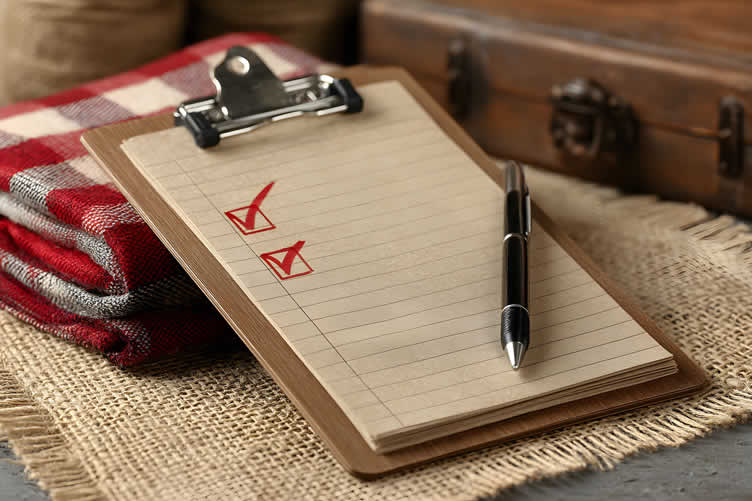
copyright image by 123rf.com
Calendar For:
Home Maintenance Tasks
By the MonthFile Type (PDF)
click here for home maintenance calendar-
Scroll up to directory … or scroll to conclusion …
-
-
Conclusion
… your proactive homeownership plan
Home emergencies can be daunting, but with the right knowledge and a proactive mindset, you can navigate them with confidence.
By learning to identify urgent issues, taking immediate and decisive action, and knowing when to call in a professional, you can protect your home and your family.
Remember that the ultimate goal is not just to fix problems as they arise, but to prevent them through regular maintenance and thoughtful care. A well-maintained home is a safe home, and your efforts to stay prepared will always be a worthwhile investment.
-
Quick scroll to more interior home and decor ideas …
-
ideas to view and compare from the photo above
book: home repairsplumbing leak repairweaather plastic sheeting
- What comments can you share about
any urgent home repairs that you have encountered?


Tackling home upgrades and fulfilling all your home improvement needs …
… save this curated directory of ideas for future reference.
… remodeling decisions



Download this PDF for a concise summary of all you need to know about …?
SHARE IT ..! Someone in your network might benefit from this insightful post about handling urgent home repairs. Feel free to share it on Facebook, X (formally Twitter), LinkedIn, or Pinterest!


… view illustration “becoming a bank”
… view our sharing links below for a quick "share the knowledge"
Find Handyman Services (opens new win) Handyman Carpentry Electrical Plumbing top-rated, pre-screened local contractors FREE: download contractor selection enter zip code – powered by HomeAdvisor ™
Quick Contractor Guides selecting negotiating working with inspecting

Cover image credit: urgent home repairs by 123rf.com
end of post … please share it!
 |
did you find this guide about managing urgent home repairs helpful? If so, please share the article with your friends and family! |
Nice pic idea? Leave us a quick comment below.
And please share this pic idea within your social networks.