Summary Outline –
Why is Air Pollution a Problem? Recognizing how and why air pollution impacts health can help you make more informed choices. On the lower end of the severity scale, pollutants in the air can cause eye, nose, and throat irritation. However, poor air can also lead to respiratory distress and aggravated asthma symptoms.
At its most damaging, air pollution results in cardiovascular problems, compromised immune health, and cancer, among other issues.
Summary of Site Content
1st Section: [view section]
… the introductory section provides a comprehensive definition of air pollution and explores its profound societal implications, both physically and mentally. Subsequently, the discussion looks into the two distinct categories of air pollution: outdoor pollution, which affects the wider population, and indoor pollution, which directly impacts the well-being of individuals residing within their homes.
2nd Section: [view section]
… the second section highlights the importance of maintaining good air quality in our homes. It explores the reasons behind the need for optimal air quality and provides insights on how to effectively measure it within our living spaces.
3rd Section: [view section]
… the third section examines the possible improvements that can be made to obtain “Air Quality” within the home. This includes identifying and addressing sources of poor air quality, ensuring proper ventilation, regular HVAC maintenance and filter replacement, incorporating air purifiers, and implementing small tactics such as using houseplants, maintaining cleanliness, and addressing mold and mildew issues.
4th Section: [view section]
… the fourth section, which may require remodeling, involves installing a centralized air ventilation and purification system. This system intakes outside air, purifies it, circulates it throughout the home, and then exhausts it.
5th Section: [view section]
… in the fifth and final section, we examine potentially hazardous substances found in homes during major renovations. These substances include asbestos, lead paint, mold, and other similar materials that could pose a risk to family members.
Unfortunately, you’re not only exposed to such wellness problems when you’re outside. Naturally, air — alongside its various pollutants and particulate matter — is present in your home.
Unless your property has strict indoor air quality measures in place, your family may still be at risk. Therefore, renovations and improvements that prevent particulates and pollutants from entering your home should be among your priorities.

-
Quik scroll to first topic about indoor air pollution and improvements to make…

first “renovation ideas about indoor air pollution” idea


copyright image by envato.com
Section 1: What Is Air Pollution
Notes:
-
Air pollution is an extremely critical environmental concern that arises due to the presence of harmful airborne substances in the air we breathe. These substances, including solid particles like dust and soot, pollen from plants, and gases such as nitrogen dioxide and sulfur dioxide, have profound and far-reaching effects on the health and well-being of living organisms. They can lead to a wide range of health problems, from respiratory conditions like asthma and lung cancer to cardiovascular diseases and even premature death.
Moreover, the consequences of air pollution extend beyond human health. The release of greenhouse gases and other pollutants into the atmosphere contributes significantly to climate change, leading to rising global temperatures, melting ice caps, and extreme weather events. This, in turn, poses a threat to ecosystems, biodiversity, and the delicate balance of our planet.
Air pollution originates from diverse sources, encompassing industrial emissions, pollens, dust, vehicular exhaust, and the combustion of fossil fuels. Let’s explore the different types of outdoor and indoor air pollution.
-
Quik scroll to topic side notes …
-
-
1st: Outdoor Air Pollution
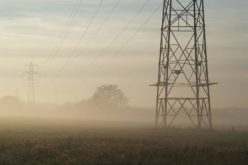
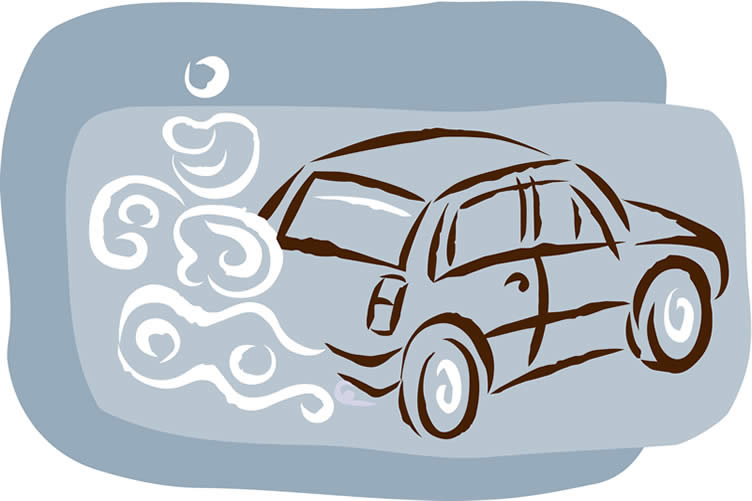
Air pollution, often caused by harmful emissions from industries, vehicles, and the burning of fossil fuels, poses significant risks to both human health and the environment. These emissions release various pollutants into the air, including particulate matter, nitrogen oxide, carbon monoxide, and sulfur dioxide.
These pollutants can have detrimental effects on respiratory health, leading to increased risks of respiratory diseases such as asthma and lung cancer. Additionally, they contribute to the formation of smog and acid rain, causing damage to ecosystems and impacting biodiversity.
It is crucial to address and mitigate air pollution through sustainable practices and clean energy solutions to safeguard our well-being and preserve the planet for future generations.
-
Natural Air Pollution:
Certain types of air pollution occur naturally and can be caused by various factors. These include forest fires, which release smoke and particulate matter into the air, volcanic eruptions that emit sulfur dioxide and ash, radon gas seeping from the ground, pollen from plants, and dust particles suspended in the atmosphere.
-
Human-made Air Pollution:
This includes the industrial release of chemicals and particulates into the atmosphere, resulting from various manufacturing processes and activities. Additionally, vehicle emissions contribute to air pollution, especially in densely populated areas with heavy traffic.
Furthermore, the burning of waste, such as garbage and landfill gases, also releases harmful pollutants into the air, further exacerbating environmental issues.
-
Burning Fossil Fuels:
This includes burning coal, oil, and natural gas in power plants, cars, and other vehicles. Burning fossil fuels releases a variety of pollutants, including carbon dioxide, sulfur dioxide, nitrogen oxides, and particulate matter.
-
Agriculture:
Various farming practices, including animal production and the utilization of pesticides and fertilizers, can significantly contribute to air pollution. These activities release harmful substances such as ammonia, methane, and nitrous oxide into the atmosphere, which can have detrimental effects on air quality and human health.
copyright image by 123rf.com

-
-
2nd: Indoor Air Pollution
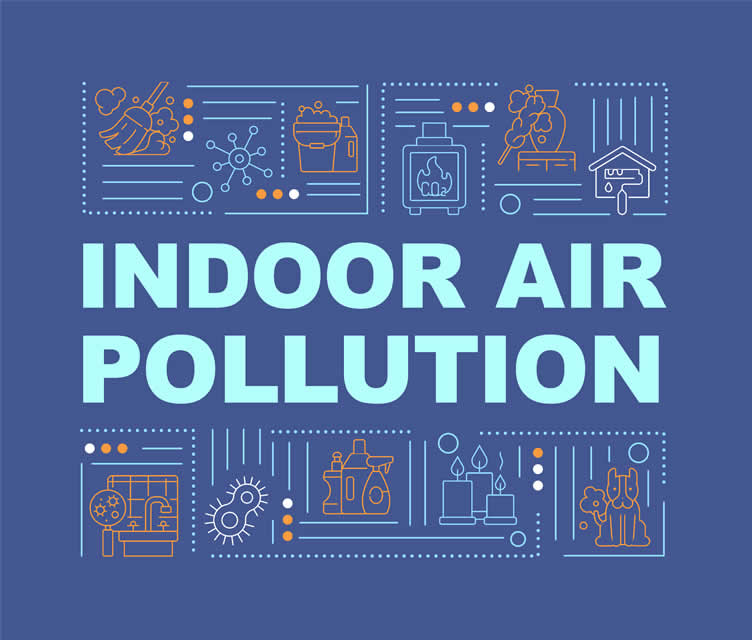
Indoor air pollution, also known as indoor environmental quality, encompasses various pollutants that can be found within homes and other buildings. These pollutants can arise from multiple sources, including tobacco smoke, mold growth, pesticides, and emissions emitted by household appliances.
The accumulation of these pollutants can have adverse effects on the health and well-being of occupants, making it crucial to address and mitigate indoor air pollution for a healthier living environment. Through understanding these types, we can begin combating indoor air pollution, leading to improved home environments and personal health.
-
Air Allergens:
Air allergens are substances suspended in the air that trigger allergic reactions when inhaled. These can significantly influence indoor air quality, contributing to a range of health concerns like asthma, allergic rhinitis, and other respiratory ailments.
Understanding the nature of these allergens is a crucial step towards combating indoor air pollution and creating a healthier home environment.
-
Pollen:
Pollen is a fine powder produced as part of the reproductive cycle of many varieties of plants. These tiny grains are released to fertilize other plants of the same species. When pollen particles get introduced into the indoor environment, often through open windows or on clothing, they can become a significant indoor allergen.
People exposed to high levels of pollen can experience allergic reactions, including sneezing, itchy eyes, and congestion. Monitoring pollen levels and keeping windows closed during high-pollen periods can help in combating indoor air pollution caused by pollen.
-
Dust Mites:
Dust mites are tiny insects, almost invisible to the naked eye, that thrive in dust found in homes. These creatures feed on organic detritus, such as flakes of shed human skin, and flourish in the stable environment of dwellings.
Dust mites are a common source of allergy and asthma symptoms as they produce allergenic proteins in their feces and disintegrated body fragments. These allergens can trigger reactions when inhaled, such as sneezing, runny nose, itchy eyes, and even asthma attacks.
Regular cleaning, especially of bedding and upholstered furniture, can help in combating indoor air pollution caused by dust mites.
-
Pet Dander:
Pets, such as cats and dogs, shed tiny skin flakes known as pet dander. For individuals with sensitivities or allergies, exposure to pet dander can trigger symptoms ranging from sneezing and itching to more serious respiratory issues.
Regular cleaning, grooming of pets, and use of air purifiers can be effective strategies in combating indoor air pollution caused by pet dander.
-
Mold Spores:
Mold is a type of fungus that releases tiny, lightweight spores that easily float through the air. These mold spores are common in household dust and can be problematic when they land on wet or damp spots, leading to mold growth.
Exposure to mold spores can trigger allergic reactions, including sneezing, runny nose, red eyes, and skin rash. In some cases, mold exposure can result in severe reactions like shortness of breath.
Maintaining a dry and clean environment, using dehumidifiers, and regularly cleaning damp areas like bathrooms and kitchens are crucial steps in combating indoor air pollution caused by mold spores.
-
Cockroaches:
A less known but potent source of indoor allergens are cockroaches. These insects thrive in human dwellings, especially in warmer and humid conditions. Cockroach allergens are proteins present in their saliva, feces, and disintegrated body fragments, much like dust mites.
When inhaled, these allergens can trigger allergic reactions like sneezing, coughing, itchy eyes, and runny nose. In severe cases, they can even cause asthma attacks.
Therefore, maintaining cleanliness, preventing access to food and water sources for these pests, and professional extermination if necessary, are key strategies in combating indoor air pollution caused by cockroaches.
-
Smoke Particles:
Smoke, particularly from cigarettes and other tobacco products, is a significant source of indoor air pollution. Smoke particles contain a multitude of harmful substances, including nicotine, tar, and carbon monoxide. These tiny particles can easily infiltrate the respiratory system, causing irritation, coughing, and wheezing.
Long-term exposure to smoke particles can even lead to serious health problems, including heart disease and lung cancer. Additionally, smoke particles can trigger allergic reactions in some individuals, causing symptoms like itchy eyes, runny nose, and exacerbated asthma.
Measures such as maintaining a smoke-free environment indoors, proper ventilation, and use of air purifiers are vital in combating indoor air pollution caused by smoke particles.
-
Volatile Organic Compounds (VOCs):
VOCs are gases emitted from certain solids or liquids, commonly found in a variety of household products and materials such as paints, cleaning supplies, pesticides, building materials, and furnishings. They also come from burning fuels like gas, wood, coal, or kerosene.
Exposure to VOCs can cause a range of health effects, including eye, nose, and throat irritation, shortness of breath, headaches, fatigue, nausea, dizziness, and skin problems. More long-term exposure can lead to liver, kidney, and central nervous system damage, and some VOCs have been linked to cancer in both humans and animals.
Strategies for combating indoor air pollution caused by VOCs include improving ventilation, using low-emitting products, and properly disposing of products that contain VOCs.
copyright image by 123rf.com
Types of Home Mold (places found)
google imagesAcremonium (drainage areas) view samples Alternaria (showers, bathtubs) view samples Aspergillus (on walls) view samples Aureobasidium (wood surfaces) view samples Chaetomium (water damage) view samples Cladosporium (fabrics) view samples Fusarium (food) view samples Mucor (damp carpet, rugs) view samples Penicillium (food, mattress) view samples Stachybotrys (black mold) view samples Understanding Black Mold
google imagesAbout Black Toxic Mold view samples Black Mold Symptoms view samples What is Black Mold youtube How to Kill Black Mold youtube Types of Good Mold
google imagesPenicillium (makes penicillin) view samples Cheese (blue cheese, gorgonzola) view samples Mushrooms (growing) view samples Fermentation (the process) view samples -
-
-
ideas to view and compare from the information discussed above
air pollution maskair pollution window screenair pollution wipes
Scroll up to directory … or scroll to next section about indoor air pollution and home improvements to make …


second “photo remodeling” idea

copyright image by 123rf.com
Section 2: The Need for Indoor Air Quality
Notes:
-
The average person spends around 90% of their time indoors, making the quality of indoor air crucial to our overall well-being. Poor indoor air quality can have a significant impact on our health, especially for vulnerable populations such as children and the elderly.
-
Indoor Air Quality
Indoor air quality is a measure of how clean the air inside a building or home is. It is influenced by several factors, including outdoor pollution levels, ventilation systems, and household activities like cooking, cleaning, and smoking.
Poor indoor air quality can lead to health problems like headaches, dizziness, fatigue, and respiratory issues. To combat indoor air pollution caused by poor indoor air quality, it is essential to properly maintain ventilation systems and regularly clean and dust the home. Using natural cleaning products instead of chemical ones can also help improve indoor air quality.
-
-
Quik scroll to topic side notes …
-
-
Measuring Indoor Air Quality
Understanding and combating indoor air pollution begins with learning how to measure indoor air quality. This is an essential first step providing homeowners with an accurate assessment of the air within their homes. It can help identify pollutants, allergens, and even potential sources of harmful chemicals.
There are several methods available for measuring indoor air quality. Here are some you might consider:
- Air Quality Monitors:
These devices can measure and provide real-time data on the levels of different pollutants in the air, including volatile organic compounds (VOCs), particulate matter (PM), and carbon dioxide. - Radon Test Kits:
Radon is a radioactive gas that can seep into homes from the ground. Long-term exposure to high levels can lead to serious health issues. Radon test kits are a simple and inexpensive way to determine if your home is at risk. - Carbon Monoxide Detectors:
Carbon monoxide is a colorless, odorless gas that can be deadly in high concentrations. Every home should have a carbon monoxide detector to alert occupants to dangerous levels. - Mold Test Kits:
Mold spores can contribute to poor indoor air quality and can cause respiratory issues. Mold test kits can identify the presence of mold and help guide you in the necessary steps to remove it.
By using these measurement tools, homeowners can gain a clear picture of their indoor air quality and take steps to improve it, offering a healthier, safer living environment.

copyright image by 123rf.com
- Air Quality Monitors:
-
-
ideas to view and compare from the information discussed above
air quality monitorcarbon monoxide detectorsradon gas detector
Scroll up to directory … or scroll to next section about indoor air pollution and home improvements to make …
 … grab this directory of ideas
May We Suggest Other Photo Remodeling Ideas About
“Suggestions In Protecting Your Home and Family …” (new win)


third “photo remodeling” idea

copyright image by 123rf.com
Section 3: What "Air Quality" Improvements Can You Make?
Notes:
-
Improving indoor air quality can significantly contribute to a healthier and more comfortable living environment. Key improvements include regular maintenance of HVAC systems and ensuring adequate ventilation to combat indoor air pollution.
Incorporating air-purifying plants can also help purify the air by absorbing pollutants and releasing oxygen. Additionally, minimizing the use of aerosol products and switching to natural cleaning products can reduce airborne chemicals. And regular dusting and vacuuming prevent dust and allergens from circulating, further improving indoor air quality.
In addition to these solutions, it is important to regularly check for potential sources of indoor air pollution, such as mold growth or gas leaks. These can have a significant impact on your health and should be addressed immediately. It is also recommended to regularly change air filters and have HVAC systems inspected by professionals to ensure proper functioning.
Moreover, promoting good ventilation habits in your household can make a big difference in maintaining indoor air quality. This includes opening windows when cooking or using the bathroom, as well as avoiding smoking indoors.
-
Quik scroll to topic side notes …
-
-
1st: Detail Look Of "Air Quality" Tactics
The great news is that you don’t need to create a completely airtight environment to make a significant impact. Instead, there are some relatively straightforward steps you can take.
Of course, specific measures may vary depending on the type of property you own and the region you reside in. However, by adopting a strategic approach, you can initiate an improvement project that enhances the health outcomes of your family.
When addressing the issue of fighting indoor air pollution, it is crucial to prioritize the following tasks:
-
Identifying The Causes and Sources of Indoor Air Pollution:
Not all homes or locations are affected by the same pollutants. Take the time to assess your home for elements that can impact the quality of air. These could include sources of dust, pollen, or even asbestos.
Examine appliances such as stoves, furnaces, and dryers, among others, for their emission levels. Research the air quality levels in your local area to gain a better understanding of the types of pollution you may encounter. This knowledge will enable you to make more informed decisions.
-
Install and Maintain Effective Ventilation:
Improving indoor air quality relies on promoting good airflow through the use of ventilation systems. As part of your renovation, consider installing or updating efficient air ducts throughout your home to ensure proper air circulation.
Additionally, making these ducts easily accessible can facilitate essential cleaning and prevent blockages. Enhancing the airflow in your living space is a key step toward maintaining a healthy and refreshing environment.
[ see topic below: centralized ventilation system]
-
Use Exhaust Fans:
Consider incorporating exhaust fans in both your kitchen and bathrooms. These fans effectively remove pollutants, such as smoke, odors, and humidity, ensuring a fresher and healthier environment for you and your family.
It is especially crucial to use exhaust fans while cooking, as gas stoves can release carbon monoxide and other harmful gases. Proper ventilation through the use of exhaust fans also prevents moisture build-up, which is a breeding ground for mold and mildew.
-
Get Regular HVAC Maintenance:
To maintain optimal functionality and prevent the recirculation of pollutants, it is crucial to schedule regular servicing for your HVAC system. By doing so, you can ensure that all components are operating efficiently, air quality is preserved, and potential issues are identified and addressed promptly.
Regular maintenance not only extends the lifespan of your HVAC system but also contributes to a healthier and more comfortable indoor environment for you and your loved ones.
-
Change the HVAC Filter Regularly:
A crucial but often overlooked step for good "air quality" is the regular replacement of your HVAC filter. These filters trap a variety of pollutants such as dust, pollen, and other particulates that can degrade indoor air quality.
Over time, a saturated filter can lose its effectiveness and even become a source of air pollution itself. Therefore, it is recommended that you change the filter every 90 days. However, for homes with pets or individuals with allergies, more frequent changes may be necessary.
-
Adopting Purification Measures:
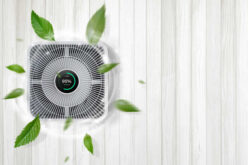
In recent years, purifiers have become increasingly accessible. If you are considering installing a purifier as part of your project, it is crucial to ensure that it is suitable for the specific types of pollutants you are addressing.
High-efficiency particulate air (HEPA) filters are capable of removing 99.97% of particles that are equal to or larger than 0.3 microns. Moreover, these filters are available in a variety of sizes, ranging from room-sized units to portable ones.
-
Sealing Problem Areas:
It has become increasingly common for homeowners to seal windows and cracks in order to enhance efficiency. However, this simple action can also play a crucial role in minimizing the entry of pollutants into indoor spaces.
As part of your project, consider thoroughly inspecting your property for any areas of unwanted air leakage and promptly sealing them to ensure a healthier and more comfortable living environment.

copyright image by AI generated image 123rf.com
Ventilation Systems
viewing amazon– exhaust fans view ideas – bathroom ventilator view ideas – humidity sensor fan view ideas – bathroom dehumidifier view ideas Air Purifiers and Detection
viewing amazon– HEPA filter air purifiers view ideas – activated carbon view ideas – UV purifier view ideas – ozone air purifier view ideas – dehumidifiers view ideas – indoor air sensors view ideas – carbon monoxide view ideas – radon view ideas – gas leak view ideas – smoke view ideas – air quality view ideas -
-
2nd: Incorporating Simple Tactics to Enhance Air Quality
While large-scale changes can significantly improve indoor air quality, there are also a variety of simple, everyday measures that can make a considerable difference.
From houseplants that naturally purify the air to the strategic use of natural cleaning products, these minor adjustments can contribute greatly to combating indoor air pollution and creating a healthier living space.
-
Add Houseplants:
Houseplants, with their natural ability to remove pollutants from the air, can play a significant role in improving indoor air quality. By absorbing harmful toxins and releasing oxygen, these green companions not only enhance the aesthetic appeal of any space but also contribute to a healthier living environment.
-
Increase Ventilation:
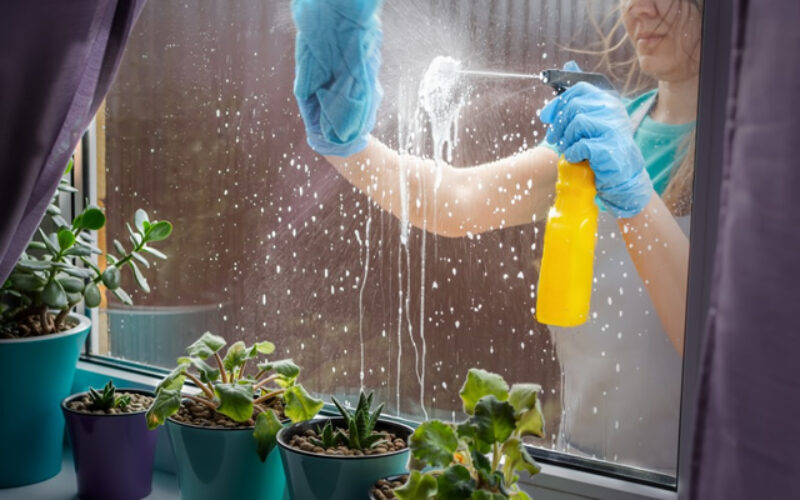
To ensure a constant flow of fresh air in your home, make it a habit to open windows and doors whenever possible. By doing so, you can create a refreshing environment that promotes better air quality and a sense of vitality.
-
Avoid Using Harsh Chemicals:
To create a healthier indoor environment, it is advisable to refrain from using harsh chemicals, such as cleaning products and air fresheners. These products often contain volatile organic compounds (VOCs) that can be released into the air, contributing to poor indoor air quality.
By opting for more natural and eco-friendly alternatives, you can help minimize exposure to these potentially harmful substances and promote a safer living space for you and your loved ones.
-
Vacuum Regularly to Remove Dust and Allergens:
Regular vacuuming is a crucial step in maintaining a clean and healthy home environment. By diligently removing dust and allergens from carpets, furniture, and other surfaces, you can create a space that promotes better air quality and reduces the risk of allergies and respiratory irritations.
-
Maintain a Clean Environment:
Maintaining a clean living space is crucial to prevent the accumulation of dust and pollutants. By regularly cleaning and dusting all surfaces, such as furniture, floors, and vents, you can create a healthier environment for yourself and your loved ones.
This not only helps in reducing allergies and respiratory issues but also promotes a sense of cleanliness and tranquility in your home. So, make it a habit to dedicate some time each week to keep your living space fresh, tidy, and free from harmful particles.
-
Keep Humidity Levels Low to Prevent Mold and Mildew Growth:
Excessive humidity can provide an ideal environment for the growth of mold and mildew, which can greatly impact indoor air quality. Use a dehumidifier to keep humidity levels between 30-50%.
Pay particular attention to damp areas of your home such as basements or bathrooms that tend to be more humid can benefit from the use of a dehumidifier. This can help to prevent mold growth and improve air quality.
-
Check for Leaks and Fix Them Promptly:
Water leaks in your home can lead to moisture buildup, which can create an ideal environment for mold and mildew growth. Regularly check for leaks and make sure to fix them promptly to prevent any potential air quality issues.
-
Avoid Smoking Indoors:
Cigarette smoke contains a high level of harmful pollutants, including carbon monoxide, formaldehyde, and volatile organic compounds (VOCs), which can greatly impact indoor air quality. These pollutants can linger in the air for hours, posing health risks to both smokers and non-smokers alike.
To maintain a healthy indoor environment, it is crucial to avoid smoking inside your home and encourage others to do the same.
-
Invest in an Air Quality Monitor:
Having an air quality monitor is essential for staying informed about the air you breathe. With this device, you can easily monitor and track the quality of the air in your surroundings.
This knowledge empowers you to make informed decisions about your health and well-being. Stay proactive in ensuring a clean and healthy environment with an air quality monitor.

copyright image by 123RF Free Images
Best "Air Cleaning" Houseplants
Best "Indoor" Trees
Best "Pet Friendly" Houseplants
viewing amazon -
-
-
ideas to view and compare from the information discussed above
Scroll up to directory … or scroll to next section about indoor air pollution and home improvements to make …


fourth “photo remodeling” idea


copyright image by 123rf.com
Section 4: Installing a Central Air Ventilation (Purification) System
Notes:
-
Installing a centralized home ventilation system is a crucial step towards enhancing indoor air quality. By effectively extracting stale air and supplying a constant flow of fresh air throughout your home, this system mitigates the risk of indoor air pollution.
It operates continuously, ensuring a consistent supply of clean air, thereby creating a healthier living environment for you and your loved ones. This investment not only brings noticeable improvements in air quality but also provides long-term health benefits for the inhabitants, promoting overall well-being.
With the increasing focus on energy efficiency and insulation in modern homes, there is a greater need to properly ventilate indoor spaces. Poor indoor air quality has been linked to various health problems such as respiratory issues, allergies, and even more severe conditions like heart disease and cancer.
The centralized home ventilation system helps combat these risks by constantly replacing stale air with fresh and filtered outdoor air.
-
Quik scroll to topic side notes …
-
-
The Working Principles of Centralized System
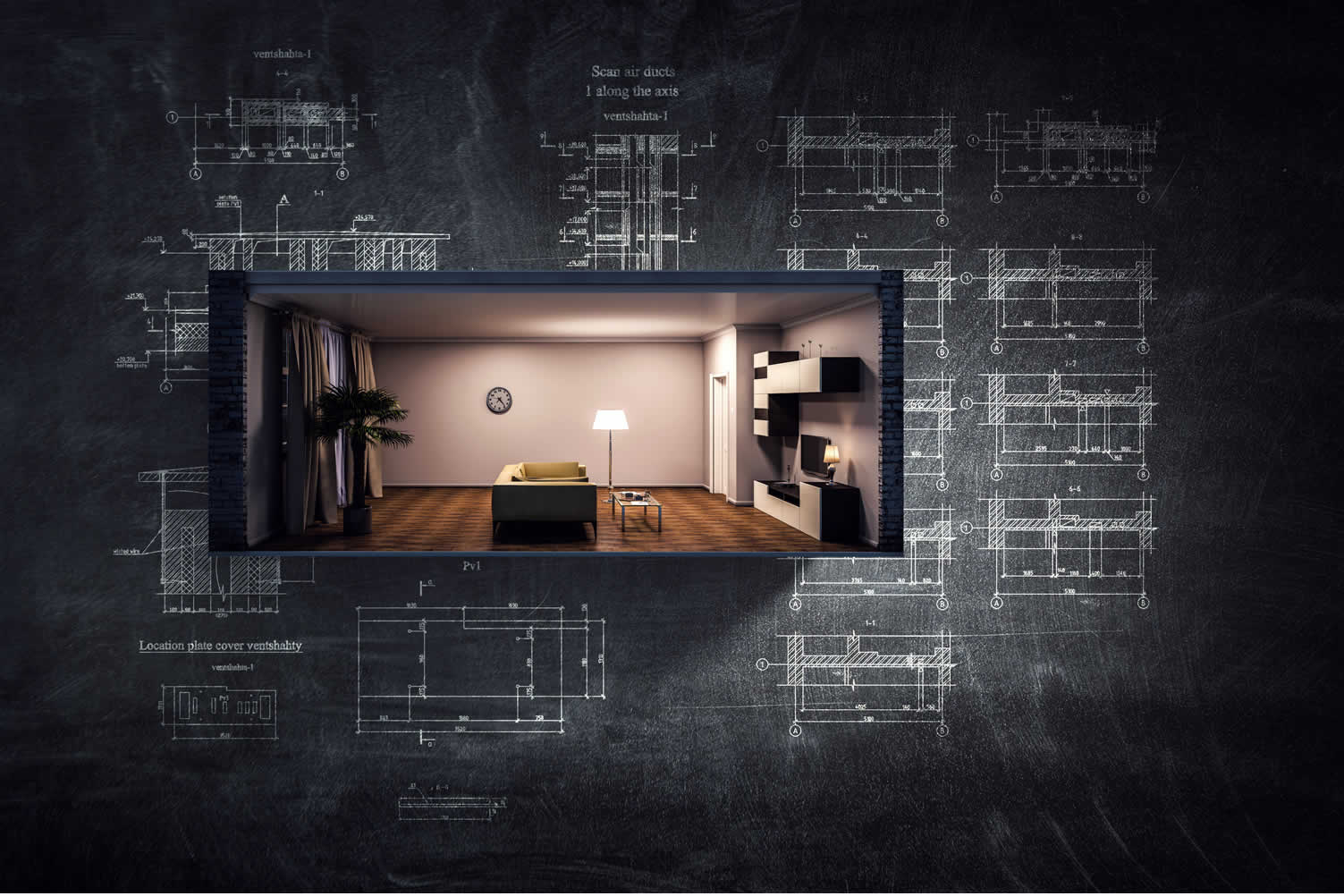
The working principle of a centralized home ventilation system involves ducts, fans, and filters to circulate air throughout the house.
A network of ducts connects each room in the house to a central unit that draws fresh outdoor air and distributes it through the ducts into different living spaces. At the same time, it removes stale indoor air from bathrooms, kitchens, and other areas with high levels of moisture and pollutants.
The system also incorporates filters that trap dust, pollen, and other particulates, preventing them from circulating back into your home. This filtration process ensures that the air entering your home is free from harmful particles and allergens, making it safe for everyone to breathe.
Moreover, the ventilation system can be adjusted to control the amount of fresh air that enters each room, offering flexible control over indoor air quality.
A centralized home ventilation system consists of several key elements that work together to improve indoor air quality. Here’s a closer look at each of these components:
- Ductwork:
This complex network of pipes is the transportation system for air in your home. It connects every room to the central unit, allowing for the distribution of fresh air and the extraction of stale air. The design and layout of the ductwork are crucial for efficient airflow and can be customized to suit the specific needs of your home. - Fans:
These powerful devices draw fresh air into the system and push stale air out. They ensure a continuous flow of air, enhancing the system’s ability to maintain good indoor air quality. - Filters:
These components play a key role in purifying the air before it enters your home. They trap dust, pollen, and other particulates, thus preventing these potential allergens from circulating indoors. Some advanced systems may also have filters capable of trapping microscopic pollutants such as bacteria and viruses. - Heat Recovery Ventilator (HRV):
This component helps to preserve the energy while ventilating the home. It captures heat from the outgoing stale air and uses it to warm the incoming fresh air during winter. During the summer, the process is reversed, providing a comfortable and energy-efficient home environment. - Control System:
This allows homeowners to manage the operation of the ventilation system. You can adjust the rate of ventilation based on your needs, the number of occupants, and the level of indoor pollutants.
By working together, these components of a centralized home ventilation system ensure a balanced and healthy indoor environment, making your home not only more comfortable but also safer for you and your family.

copyright image by 123rf.com
Types of Home Ventilation
google imagesNatural Ventilation view design Spot Ventilation view design Whole-Home Ventilation view design – Ventilation Basic youtube HVAC Ductwork
google images– HVAC ductwork view illus – HVAC ductwork diagram view illus – HVAC ductwork design view illus – HVAC components view illus – HVAC ductwork symbols view illus - Ductwork:
-
-
ideas to view and compare from the information discussed above
Scroll up to directory … or scroll to next section about indoor air pollution and home improvements to make …
below for …
home ventilation services

Find HVAC Services Air Conditioning Central Heating Ducts & Vents Insulation Thermostats Water Heaters top-rated, pre-screened local contractors FREE: download contractor selection enter zip code – powered by HomeAdvisor ™
Quick Contractor Guides selecting negotiating working with inspecting

fifth and last “photo remodeling” idea
copyright image by 123rf.com
Section 5: What To Consider During Future Renovation Projects?
Notes:
-
During renovations, it’s common for additional particles to be released into the air. This can include dust from drilling or emissions from industrial devices, among other things. To minimize indoor air pollution, it’s advisable to invest in extraction attachments for your power tools.
These attachments effectively use a vacuum to capture dust and other particles, preventing them from being released into the air. When it comes to gas-powered devices, it’s recommended to research and choose items with the lowest possible emissions.
Before making any structural alterations, it is crucial to research the composition of your property. Unintentionally exposing asbestos or other hazardous materials can compromise air quality and endanger your family’s health.
If necessary, consult the Environmental Protection Agency (EPA) for a list of qualified contractors in your area who are qualified to remove such materials safely.
-
Quik scroll to topic side notes …
-
-
1st: About Asbestos
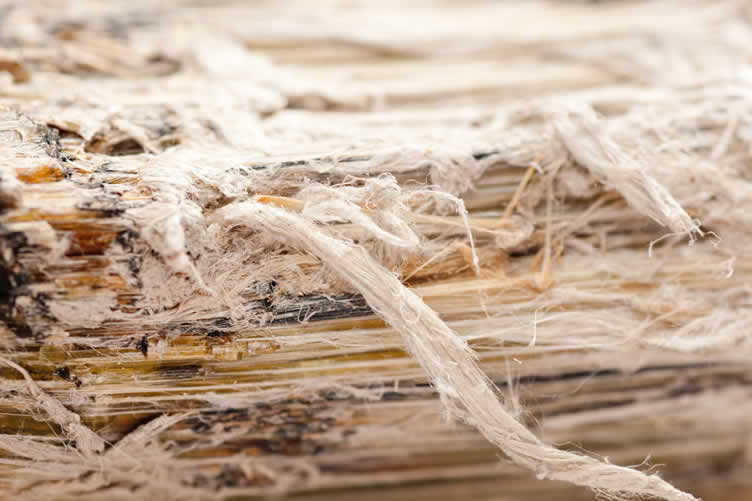
Asbestos is a naturally occurring mineral that was widely used for insulation and as a fire retardant in homes built between the 1940s and 1980s. If disturbed during a renovation, asbestos fibers can become airborne and, when inhaled, can lead to serious lung diseases, including asbestoses and mesothelioma.
Asbestos can be found in a wide range of home products, especially those in older homes. Some common items include:
- Insulation materials in walls and attics
- Vinyl floor tiles and the backing on vinyl sheet flooring
- Adhesives used for laying floor and wall tiles
- Some types of paint and patching compounds used on walls and ceilings
- Heat-resistant fabrics
- Certain types of roofing and siding materials
Be aware that this list isn’t exhaustive, and other products in your home may also contain asbestos. Always take precautions when renovating and consider professional testing to ensure safety.
copyright image by envato.com
If you discover you have asbestos in your home, particularly during renovations, here’s a step-by-step guide on what to do:
- Stop work immediately:
Halt any renovation work as soon as you suspect asbestos might be present. Disturbing asbestos can release harmful fibers into the air, which pose a serious health risk when inhaled. - Avoid contact:
Do not touch, move or disturb the material. This helps to prevent the release of asbestos fibers. - Limit access:
Prevent access to the area suspected to contain asbestos. This includes keeping children, pets, and other family members away. - Contact professionals:
Hire a certified asbestos professional to confirm the presence of asbestos through testing. These experts have the knowledge and tools to safely take samples for analysis. - Follow their advice:
If asbestos is confirmed, follow the professional advice. They will suggest the best course of action, such as encapsulation or removal. - Professional Removal:
If removal is necessary, ensure it is done by a licensed asbestos abatement company. This task requires specialized skills and safety measures to prevent spreading the fibers. - Post-removal inspection:
Once the removal is completed, an independent asbestos professional should conduct a follow-up inspection to ensure all asbestos has been safely removed and the area is safe for reoccupation.
Remember, dealing with asbestos is not a DIY project and should always be left to professionals. It’s always better to err on the side of caution when it comes to your health and safety.
-
2nd: About Lead Paint
Lead-based paint was commonly used in homes built before 1978. If the paint is in good shape, the lead paint is usually not a problem. However, deteriorating lead-based paint (peeling, chipping, chalking, cracking, damaged, or damp) is a hazard and needs immediate attention.
Several areas within a home may contain lead-based paint, particularly if the home was built before 1978. These often include:
- Exterior walls and fences.
- Windows and window sills.
- Doors and door frames.
- Stairs, railings, and banisters.
- Porches and balcony railings.
- Interior walls, particularly in kitchens and bathrooms.
- Wooden furniture, especially those predating 1978.
- Baseboards and crown molding.
- Garages, sheds, and other outbuildings.
Always be wary when working on older properties and remember that professional lead testing and abatement are the safest ways to deal with lead-based paint.
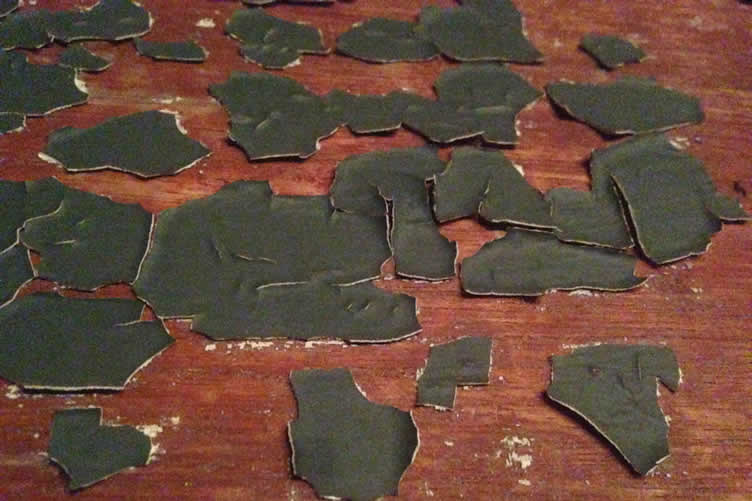
copyright image by envato.com
If you find or suspect the presence of lead-based paint in your home, take immediate steps to ensure safety. Here’s what you should do:
- Hire a Certified Inspector:
The first step is to hire a certified lead-based paint inspector or risk assessor. They will evaluate all painted surfaces in your home to check for the presence of lead-based paint. - Manage and Control Lead Dust:
Keep all painted areas clean and free of dust as much as possible. Regularly wipe down surfaces like windowsills and floors with a wet mop or wet cloth. - Do Not Disturb Lead-Based Paint:
Avoid activities that will disturb or damage areas with lead-based paint, such as scraping, sanding, or using heat guns. - Hire a Lead-Safe Certified Firm for Renovation:
If you’re planning a renovation or painting project that might disturb the lead-based paint, hire a firm certified in lead-safe practices by the EPA or your state, if it has an EPA-authorized lead program. - Consider Abatement:
If the lead-based paint is deteriorating or if you have a child under six years old, pregnant women, or other vulnerable individuals in the house, you should consider professional lead abatement. Abatement professionals are trained to handle and safely remove lead-based paint.
Remember, exposure to lead-based paint can be harmful, especially to children and pregnant women. Don’t take any chances – when in doubt, always seek professional advice.
-
3rd: Other Substances
Other harmful substances that you may encounter during the renovation process include Formaldehyde, mold, and radon gas. It is important to take necessary precautions and follow safety guidelines to protect yourself and others from the potential health risks associated with these substances.
-
Dealing with Formaldehyde:
Formaldehyde is another hazardous substance often found in homes, particularly in pressed-wood products such as particleboard, plywood, and fiberboard. It’s also common in certain types of insulation, permanent press fabrics, and even some cosmetics or personal care products. This substance can release gas into the air over time, leading to various health concerns.
To detect formaldehyde, homeowners can use indoor air testing kits available commercially. If high levels are detected, it’s advisable to hire a professional who specializes in the removal and mitigation of formaldehyde exposure.
They can recommend the best course of action, which can range from replacing the offending materials to improving ventilation or using air purifiers. As with asbestos and lead paint, professional handling of formaldehyde is crucial to ensure a safe and healthy living environment.
-
Dealing with Mold:
Mold is a common household problem that can cause serious health issues if not addressed. It typically thrives in damp and poorly ventilated areas of the home, like basements, kitchens, and bathrooms. If you notice a musty smell or see visible signs of mold, it’s crucial to act promptly.
The first step in dealing with mold is identifying and eliminating the source of moisture – this could involve fixing leaky pipes or improving ventilation. For small mold infestations, over-the-counter mold removers can be effective. However, larger infestations or black mold should always be handled by professionals, as they have the appropriate equipment and knowledge to safely remove the mold and prevent its recurrence.
Regularly cleaning and ventilating your home can help prevent mold growth. However, in some cases, a dehumidifier may be needed to maintain a mold-unfriendly environment. While dealing with mold can be challenging, promptly addressing the issue is vital for maintaining a safe and healthy home environment.
-
Dealing with Radon:
Radon is a naturally occurring radioactive gas that can cause serious health concerns if present in high levels. It seeps into homes from the soil beneath, making its way through cracks in the foundation or gaps around service pipes. Since radon is colorless and odorless, it can be difficult to detect without the use of specialized equipment.
Testing your home for radon is a critical step during a renovation. Home testing kits are readily available and easy to use, but they must be left in place for a certain period and then sent to a laboratory for analysis. If you discover high radon levels, it’s advisable to engage a certified radon mitigation professional.
Radon reduction techniques can include sealing cracks in the foundation, increasing ventilation, and installing a radon reduction system. This system involves piping and a fan to redirect the radon from your home to the outside. Remember, dealing with radon is not a do-it-yourself task and should always be handled by professionals to ensure the safety and health of your household.
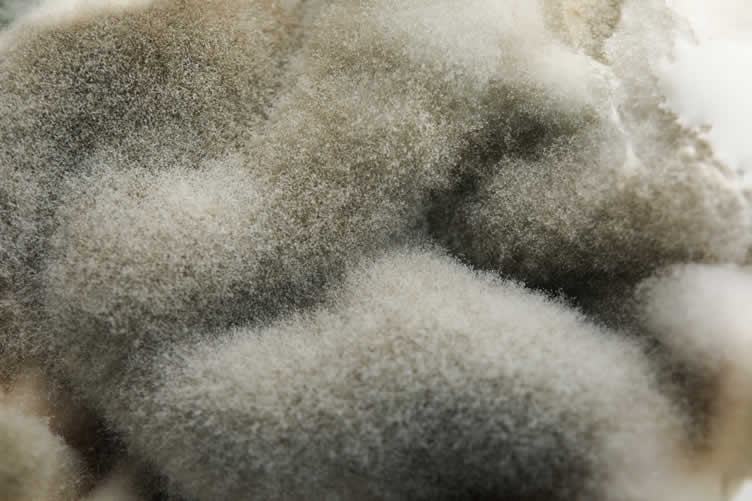
copyright image by envato.com
-
-
-
FINAL REMARKS
There are multiple ways you can combat indoor air pollution through home improvement. It’s vital to identify the most relevant measures for your property and adopt projects that reduce the potential for health problems.
Nevertheless, it’s also wise to remember that air quality can change over time. The improvements you make now may not be as effective in the future. Therefore, you should commit to regularly reviewing your indoor air quality and making adjustments accordingly.
By keeping on top of this issue, you can ensure your home is a positive environment for your family in the years ahead.
-
ideas to view and compare from the information discussed above
- What comments can you share about
about indoor air pollution and home improvements to make?
Scroll up to directory … or scroll to next section about indoor air pollution and home improvements to make …

view illustration “becoming a bank”


Cover image credit: indoor air pollution by 123rf.com
end of post … please share it!
 |
did you find this renovation ideas about indoor air pollution and home improvements to make helpful? If so, please share the article with your friends and family! |
Nice pic idea? Leave us a quick comment below.
And please share this pic idea within your social networks.