Summary Outline –
Darkness settles in. Appliances stop working, and silence replaces the familiar hum of electricity. Power outages cause daily disruption, cutting off vital utilities and forcing homes to adapt rapidly.
Whether brought on by extreme weather, infrastructure breakdowns, or unanticipated events, losing power presents problems that demand immediate solutions. Food spoils, heating, and cooling systems go out of commission, and communication gets tough without enough planning.
Having the correct supplies guarantees comfort, safety, and functionality until power is restored, allowing you to navigate outages with confidence and control.
- post content
- Preparedness Tip 1: Dependable Backup Power Sources for Essential Appliances
- Preparedness Tip 2: Long-Lasting Food and Water Supplies for Sustained Comfort
- Preparedness Tip 3: Reliable Lighting Solutions for Safety and Visibility
- Preparedness Tip 4: Climate Control Strategies for Extreme Temperatures
- Preparedness Tip 5: Communication and Emergency Contact Tools for Staying Informed
- Preparedness Tip 6: Type of Disasters: Being Prepared and Getting Relief

-
Quick scroll to first topic about home power outage preparedness …

first “home power outage preparedness” idea

copyright image by 123rf.com
Preparedness Tip 1: Dependable Backup Power Sources
… for Essential Appliances
Notes:
-
Maintaining the operation of important devices becomes the first concern when the grid fails. A dependable backup power supply guarantees medical equipment operates as it should keeps access to communication tools, and helps prevent food from spoiling.
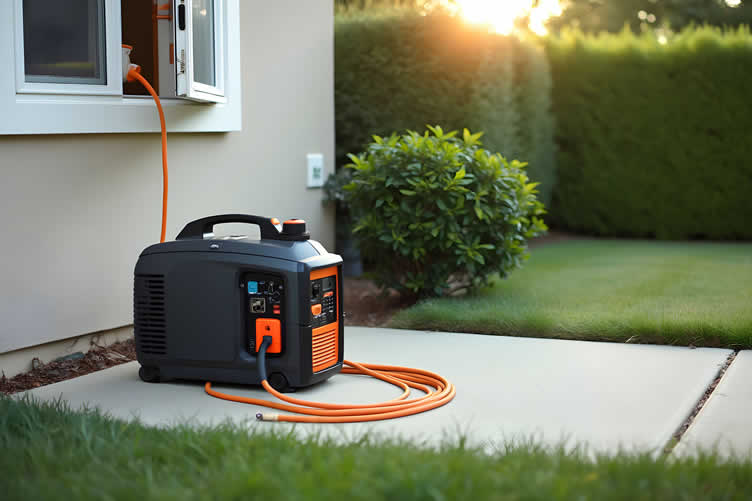
Portable generators run vital equipment such as sump pumps, heaters, and refrigerators by immediately generating electricity. Fuel-efficient inverter generators offer quieter operation, making them perfect for domestic use without excessive noise or fuel consumption.
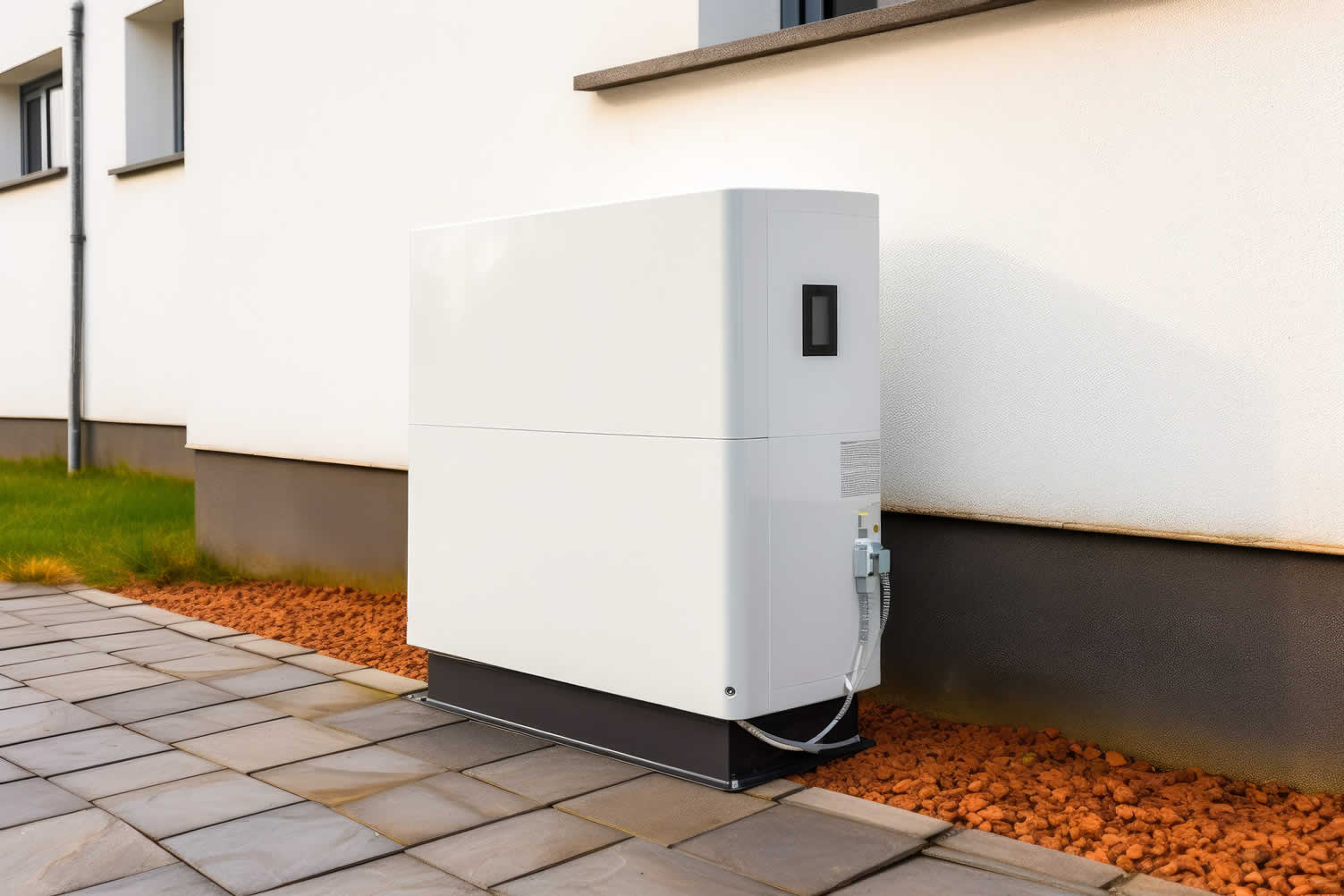
An alternative for those looking for a more silent, emission-free solution is a battery-powered backup system. Smaller devices include laptops, phones, and LED bulbs run on power stations including those running lithium-ion batteries.
Solar charging panels improve usability, allowing these stations to recharge without reliance on fuel. Homes remain usable even when the main grid is off, thanks to a consistent backup power source.
-
Quick scroll to “backup power” side notes …
-
-
1st: Types of Home Generators to Consider
When preparing for a power grid failure, having a reliable generator can be a crucial aspect of home power outage preparedness. Generators provide a backup source of electricity, ensuring that essentials like heating, cooling, cooking, and medical equipment remain operational during an emergency.
With several types of home generators available, it’s important to understand their differences, benefits, and limitations in order to make an informed choice that fits your household’s needs.
Below are some of the most common types of home generators to consider, categorized to help guide your decision-making process.
[ view images: type home generators ]
-
Portable Generators
Portable generators are a popular choice due to their affordability and versatility. These generators are typically fueled by gasoline or diesel, making them convenient for short-term use during power outages.
They are compact and easy to transport, so they can be used not just at home, but also during camping trips or outdoor events. However, they usually require manual operation, regular refueling, and cannot support the full power demands of a household.
Additionally, they must be operated outdoors due to exhaust emissions, which can pose safety risks if not managed properly.
-
Standby Generators
Standby generators offer a seamless solution for home power outage preparedness. These systems are permanently installed outside the home and automatically activate when the power grid goes down.
Powered by natural gas or liquid propane, standby generators can deliver enough electricity to support the entire house, including critical systems like HVAC, refrigerators, and water heaters. They are highly reliable and convenient, making them ideal for homeowners who experience frequent or prolonged power outages.
While they come with a higher price tag and require professional installation, their long-term benefits and peace of mind often outweigh the initial investment.
-
Dual-Fuel Generators
Dual-fuel generators provide flexibility by operating on two types of fuel, such as gasoline and propane. This adaptability is particularly useful in emergency situations when one fuel source might be scarce or unavailable.
Like portable generators, they are mobile and less expensive than standby systems. They are well-suited for powering essential appliances and electronics, but their output is typically limited compared to larger generators.
Homeowners looking for an affordable yet versatile option may find dual-fuel generators to be a practical choice.
-
Solar Generators
Solar generators are an eco-friendly alternative for those concerned about sustainability. These systems harness energy from the sun through solar panels, storing it in a high-capacity battery.
They operate silently, produce no emissions, and have lower running costs compared to fuel-powered generators. However, their performance depends on sunlight availability, which may be a concern during storms or in regions with limited sun exposure.
Solar generators are most effective for powering small devices and appliances but may not provide sufficient power for an entire household during a prolonged outage.
-
Inverter Generators
Known for their advanced technology, inverter generators provide a stable and consistent power output, making them ideal for powering sensitive electronics like laptops, televisions, and medical devices.
They are quieter and more fuel-efficient than traditional portable generators, yet they tend to have a smaller capacity. This makes them best suited for smaller-scale power needs during outages.
For families looking for a quiet and efficient backup power source, inverter generators are a strong contender.
-
Choosing the Right Generator for Your Needs
When selecting a home generator, consider your household’s energy requirements, budget, and any potential fuel limitations.
It’s also advisable to consult a professional to assess your power needs and ensure safe and proper generator installation. Investing in the right generator can make all the difference in ensuring your family’s safety and comfort when faced with a power grid failure.
AI generated image by 123rf.com
[ youtube: STAND-BY GENERATOR….EVERYTHING to KNOW ]
[ amazon: generators for home use ]

-
-
2nd: Understanding Your Power Wattage Needs
Selecting the right generator for your home during a power outage begins by understanding your specific power wattage needs. Properly calculating these requirements ensures that you have enough power to keep essential appliances and systems running smoothly without overloading your generator.
It is critical for home power outage preparedness to focus on prioritizing crucial household functions, balancing efficiency with capability, and investing in a generator that meets your unique energy demands.
Below, we break down wattage considerations for different appliances and home systems, helping you make an informed decision.
-
Essential Appliances and Wattage Requirements
Certain appliances are indispensable during a power outage. Knowing their average wattage can help you determine the size and capacity of the generator you’re considering.
Here’s a breakdown of common appliances and their approximate power needs:
- Refrigerator/Freezer:
These critical appliances generally require between 500-800 watts to operate, but startup wattage can be higher. - Lights:
Basic household lighting, such as LED bulbs, typically consumes around 60-100 watts per bulb. - Microwave:
A standard microwave uses approximately 600-1200 watts, depending on its size and power capabilities. - Electric Stove/Oven:
If you rely on electric cooking, expect a wattage demand of 2000-5000 watts for these appliances. - Sump Pump:
Running a 1/2 HP sump pump can draw around 1000-1500 watts, which is vital for homes in flood-prone areas.
When selecting a generator, verify that its total wattage capacity accommodates not just running wattage but also startup (surge) wattage for appliances like refrigerators or pumps.
- Refrigerator/Freezer:
-
Heating, Cooling, and Ventilation Needs
Keeping your home comfortable during an outage is critical, particularly in extreme weather conditions. Assess the power required for heating, cooling, and air circulation:
- HVAC Systems:
Central air conditioning systems generally require around 3000-5000 watts for continuous operation, while startup wattage may reach 6000-8000 watts. If you only need smaller cooling systems, such as window units, these consume between 500-1500 watts. - Electric Heaters:
Space heaters typically use 1500 watts, making energy efficiency a consideration if heating multiple rooms. - Fans and Air Purifiers:
These systems are less demanding, drawing anywhere from 50-300 watts, offering additional flexibility when power availability is limited.
- HVAC Systems:
-
Backup Power for Electronics and Medical Devices
For families with sensitive electronic equipment or essential medical devices, it’s important to choose a generator designed to deliver high-quality, consistent power output:
- Laptops, TVs, and Routers:
These devices typically consume 50-300 watts combined, but they require a generator with inverter technology to prevent power fluctuations that may damage circuits. - CPAP Machines or Oxygen Concentrators:
Life-sustaining devices for those with medical conditions usually need between 200-400 watts but also depend on stable energy sources.
For this category, inverter generators are most compatible due to their fuel efficiency and ability to provide steady power.
- Laptops, TVs, and Routers:
-
Estimated Total Wattage and Generator Recommendations
To calculate your total wattage needs, make a prioritized list of all essential items you want running during a power outage.
Add together their running wattage requirements and account for an extra margin to manage starting surges. For example:
- Essential Needs Total Wattage = 5000 watts (running) + 2000 watts (startup surge).
- Recommended Generator Capacity = 7000-7500 watts.
For smaller households or minimal needs, a 3000-4000 watt portable generator may suffice. Larger households with HVAC needs or heavier appliance loads may require standby generators offering 10,000-20,000 watts.
-
Expert Advice and Final Considerations
When preparing for power outages, accuracy in estimating wattage and understanding your household’s power priorities is vital. Consult with a professional electrician to perform a load assessment of your home and ensure proper generator installation.
Additionally, refer to trusted sources like the U.S. Department of Energy or manufacturer guidelines for specific wattage figures.
Investing time in planning can ensure your home power outage preparedness is effective, safeguarding your family’s comfort and safety during extended power grid failures.
Selecting the right generator tailored to your wattage needs will not only enhance resilience but also provide peace of mind during uncertain times.
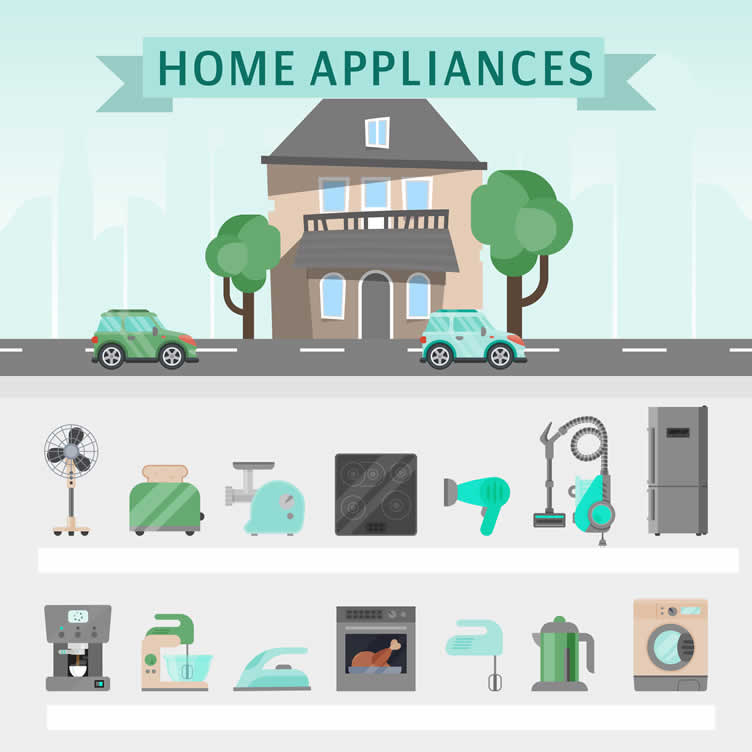
copyright image by 123rf.com
[ view diagram: generator power wattage charts ]
[ youtube: size generator to power my house ]
-
-
3rd: Operating a Home Generator System
A reliable home generator system is crucial for maintaining comfort, safety, and functionality during a power grid failure. Operating a generator requires thorough preparation, adherence to safety protocols, and an understanding of its proper use to ensure both effectiveness and longevity.
This guide will walk you through the essential steps of operating a generator system, along with the safety precautions needed to protect your home, family, and equipment.
-
Starting and Connecting Your Generator
- Read the Manual:
Before first-time use, review the manufacturer’s manual for your specific generator model. This document contains crucial information about setup, fuel requirements, and operational limits. - Check Fuel and Oil Levels:
If your generator runs on gasoline, propane, or diesel, ensure the fuel tank is adequately filled. Verify engine oil is at the recommended level to avoid damage during operation. - Position the Generator Properly:
- Place the generator outdoors on a flat, dry surface, at least 20 feet away from the house. Ensure the exhaust is pointed away from doors, windows, and vents.
- Use a weatherproof cover or tent designed for generators to protect it from rain while maintaining adequate ventilation.
- Connect with a Transfer Switch:
- If your generator is meant to power your home directly, ensure a transfer switch has been professionally installed. This prevents back-feeding electricity into utility lines, protecting utility workers and equipment.
- Plug essential devices directly into the generator or use heavy-duty extension cords rated for outdoor use.
- Start the Generator:
- Switch off all connected appliances before starting the generator.
- Follow the manual’s instructions to start the generator, whether it uses an electric start or a pull-start mechanism.
- Allow the generator to reach a stable operating speed before connecting appliances, beginning with the most critical devices.
- Read the Manual:
-
Safe Operation While Running
- Monitor Output and Load Capacity:
- Avoid exceeding the generator’s wattage capacity to prevent overloading and potential damage to the unit. Use a wattage meter or monitor built into the system to track usage.
- Use Appropriate Extension Cords:
- Ensure that any extension cords used with the generator are rated to handle the power load required by your appliances. Check the cord’s gauge and wattage rating to confirm its capacity is sufficient for safe operation.
- Only use cords designed for outdoor use to protect against moisture and other environmental factors.
- Avoid using damaged or frayed cords, as they can pose significant safety hazards, including electrical fires or shocks.
- Refueling Safely:
- Turn off the generator and allow it to cool for at least 15 minutes before refueling. Never add fuel while the engine is running or still hot to avoid fire hazards.
- Use an approved container to transport and store fuel, keeping it in a well-ventilated area away from the home.
- Ventilation Requirements:
- Generators emit carbon monoxide, a colorless, odorless gas that can be fatal. Always operate the generator outdoors in a well-ventilated area to prevent toxic buildup in enclosed spaces.
- Regular Monitoring:
- Check fuel levels, oil levels, and overall performance periodically during prolonged outages. Shut off the generator if you hear unusual noises or notice mechanical issues.
- Monitor Output and Load Capacity:
-
Safety Precautions to Consider
- Install Carbon Monoxide Detectors:
- Place battery-powered carbon monoxide detectors in your home to alert you of dangerous gas buildup. Regularly test and replace their batteries to ensure functionality.
- Protect Electrical Systems:
- Use surge protectors to safeguard appliances from power surges or fluctuations caused by the generator.
- Ensure proper grounding of the generator to prevent electrical shocks.
- Maintain Your Generator:
- Perform regular maintenance, including oil changes, air filter replacements, and spark plug inspections, as recommended by the manufacturer.
- Store the generator and its fuel properly when not in use, following storage guidelines from the manufacturer and local laws.
- Stay Updated on Local Regulations:
- Consult your local government guidelines on generator use during emergencies. Certain noise or fuel storage restrictions may apply in your area.
- Install Carbon Monoxide Detectors:
-
Emergency Shutdown Procedures
If your generator malfunctions or an emergency arises, follow these steps to shut it down safely:
- Disconnect all connected devices and appliances.
- Turn off the generator following the manufacturer’s instructions.
- Allow the generator to cool down before conducting any inspections or repairs.
-
Final Thoughts
Operating a home generator system during a power outage is both a responsibility and a necessity. Proper preparation, careful use, and strict adherence to safety protocols are essential to protect your household and ensure the generator operates efficiently.
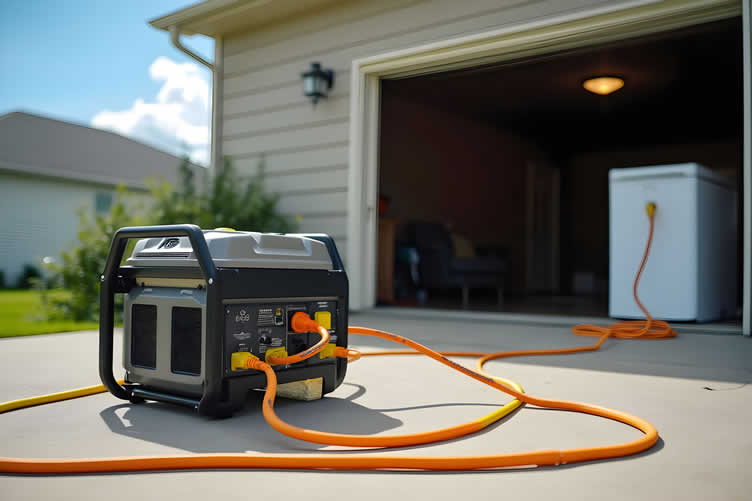
AI generated image by 123rf.com
[ view diagram: operating portable home generator ]
[ youtube: Generators 101 – needs to know ]
-
-
-
ideas to view and compare from the information discussed above
Scroll up to directory … or scroll to next section about home power outage preparedness …

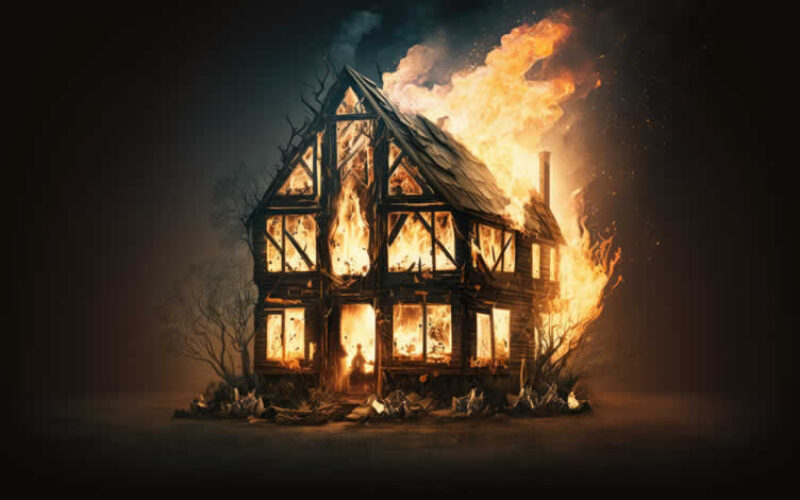


… that can impact you and how to be prepared when the disaster strikes

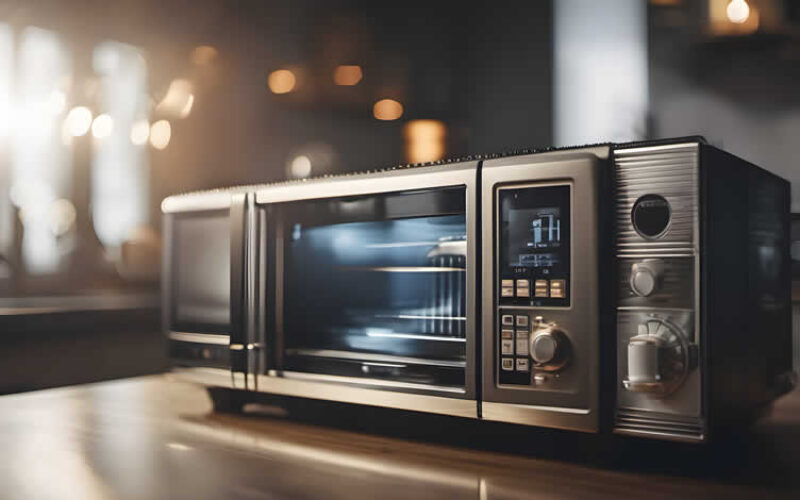


… remodeling decisions
second “photo remodeling” idea

copyright image by 123rf.com
Preparedness Tip 2: Long-Lasting Food and Water Supplies
… for Sustained Comfort
Notes:
-
When power outages persist, access to fresh food disappears. Hence, emergency food storage becomes even more important for readiness.
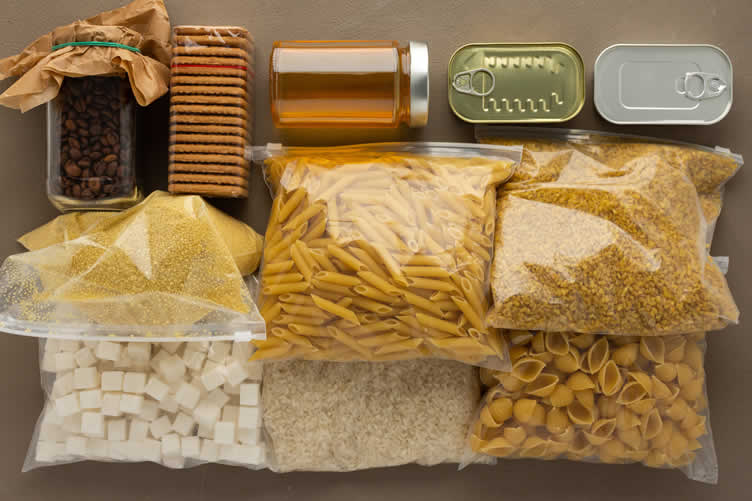
Nonperishable foods such as ready-to-eat meals, protein-heavy legumes, and canned vegetables guarantee nutrition without cooking. Freeze-dried foods offer light-weight, long-lasting alternatives offering complete meals with minimal preparation.
Keeping a manual can opener guarantees access to tinned goods without depending on electric instruments. Extended outages can cause uncertainty about water availability; hence a sufficient supply becomes crucial. Together with large-capacity water containers, stored bottled water guarantees sanitation and hydration.
The extra security provided by filtration devices and purification tablets enables one to acquire safe drinking water from many sources. Maintaining enough food and water guarantees survival through prolonged power outages and helps to avoid discomfort.
-
Quick scroll to “food and water storage” side notes …
-
-
1st: Emergency Food and Water Supplies
When preparing for power outages or other disaster scenarios, having adequate emergency food and water supplies is crucial for maintaining health and well-being. Proper planning ensures that you and your family have access to sustenance even when traditional resources are unavailable.
This guide highlights essential items to keep on hand, offering practical, user-friendly options to ensure you’re prepared for the unexpected.
-
Shelf-Stable Food Items
Non-perishable food items are key components of any emergency preparedness kit. Choose foods that require little to no cooking and provide balanced nutrition.
Examples include:
- Canned Goods:
Canned vegetables, fruits, fish (tuna, salmon), and beans are excellent choices due to their long shelf life. Ensure they are low-sodium (if dietary restrictions apply) and rich in nutrients. - Peanut Butter (or Nut Alternatives): A high-protein, calorie-dense option that does not require refrigeration.
- Granola or Protein Bars:
These are convenient, compact, and ready-to-eat energy sources. - Freeze-Dried Meals:
Designed for emergency preparedness, these meals only require water for rehydration and are lightweight to store. - Crackers, Dried Fruits, and Nuts:
These options are portable, nutritious, and serve as great snacks or meal additions.
Storage Tip: Rotate emergency food items regularly to ensure freshness. Always check expiration dates and replace items as necessary.
- Canned Goods:
-
Emergency Water Supply
Water is a non-negotiable necessity in any emergency kit. FEMA recommends storing at least one gallon of water per person per day, for at least three days.
Here’s a breakdown of water-related supplies to include:
- Bottled Water:
Store commercially bottled water in a cool, dark place, and periodically check expiration dates. - Water Storage Containers:
Use food-grade containers that are BPA-free and specifically designed for water storage to avoid contamination.
- Bottled Water:
-
Water Purification Systems
Access to clean water may become compromised during a disaster. Including water purification tools ensures a reliable supply:
- Water Filtration Straws (e.g., LifeStraw):
These compact devices filter contaminants directly from rivers, lakes, or other sources. - Purification Tablets (Potable Aqua, chlorine dioxide):
These are small and easy to use for disinfecting water in emergency scenarios. - Gravity-Fed Water Filters (e.g., Berkey systems):
Ideal for purifying larger quantities of water for daily use.
Pro Tip: Always have a backup purification system, as methods like boiling or basic filtering may not always be feasible during an outage.
- Water Filtration Straws (e.g., LifeStraw):
-
A Manual Can Opener
A manual can opener is an indispensable tool in any emergency supply kit. Choose a durable, easy-to-use model to access canned goods efficiently when electricity is unavailable. Store it in an easily accessible location, ideally alongside your food supplies.
-
Miscellaneous Items to Have on Hand
Other useful items to include during an emergency may not fit into traditional "food and water" categories but are equally important:
- Disposable Utensils and Plates:
Simplify meal preparation and cleanup during outages. - Cooking Alternatives (e.g., portable stoves, sterno cans): Ensure you have a safe way to warm up or prepare food if needed.
- Sealable Storage Bags:
Useful for storing leftovers or protecting opened packages from contamination.
- Disposable Utensils and Plates:
copyright image by 123rf.com
[ pinterest: emergency food ]
[ youtube: 4 Best Ways to Store Water for an Emergency ]
-
-
2nd: Home Food and Drinking Water Storage
Preparing for power outages, grid system breakdowns, and periods of economic uncertainty requires a well-thought-out plan for food and water storage. Ensuring your family has access to essential supplies during emergencies not only provides peace of mind but also safeguards against potential health risks.
This guide will walk you through the best practices for storing food and water, maintaining your supplies over time, and creating a reliable emergency storage system.
-
Types of Food to Store
When building your food storage, focus on non-perishable items that provide high nutritional value and long shelf life.
Foods should be easy to prepare, requiring minimal cooking or no refrigeration. Consider including the following categories:
- Canned Goods:
Vegetables, fruits, beans, meats, and soups are excellent choices. Look for options with low sodium to promote health during prolonged use. - Grains and Legumes:
Store rice, oats, pasta, quinoa, lentils, and dry beans in sealed, airtight containers to prevent spoilage. - Freeze-Dried and Dehydrated Foods:
Available commercially, these foods are lightweight, easy to store, and retain nutrients for years. - Nut Butters and Shelf-Stable Proteins:
Peanut butter, almond butter, and shelf-stable protein options like canned tuna or chicken offer high energy and protein. - Snacks and Comfort Foods:
Include items like crackers, granola, and dried fruits to provide energy and foster a sense of normalcy during emergencies.
When purchasing food for storage, check shelf life and expiration dates. Stockpile what your family already eats to ensure familiarity while avoiding waste.
- Canned Goods:
-
Drinking Water Storage and Safety
Water is critical to health and survival during emergencies. The general rule is to store at least one gallon of water per person per day for a minimum of three days.
However, for extended emergencies, aim for a two-week supply. Ensure that water is stored safely using the following steps:
- Use Food-Grade Water Storage Containers:
Choose BPA-free plastic, glass, or stainless steel containers designed for water storage. Avoid using containers that previously held chemicals or non-food substances. - Sanitize Containers Before Use: Wash containers thoroughly and sanitize with a solution of 1 teaspoon of unscented bleach per quart of water.
- Store in a Cool, Dark Place:
Exposure to heat and light can degrade water quality over time. Keep containers sealed tightly and stored off the ground to prevent contamination. - Rotate Water Supplies Regularly:
Replace stored water every six months to maintain freshness.
- Use Food-Grade Water Storage Containers:
-
Rotating and Maintaining a Food Storage System
Proper rotation is the key to minimizing waste and maintaining a fresh supply of emergency food.
Use the FIFO (First-In, First-Out) strategy, where older items are consumed first, and newly purchased items are placed at the back of the storage area. Here are steps to maintain an organized system:
- Label all items with the purchase and expiration dates as soon as they are stored.
- Set regular intervals (e.g., every six months) to inspect storage conditions and replace any food nearing expiration.
- Incorporate stored food into your regular meal plans to ensure a seamless rotation and avoid spoiling.
For organization, consider shelving units or stackable bins. Keep similar categories together, such as canned goods on one shelf and grains and legumes on another.
-
Best Practices for Long-Term Food Storage
To maximize the longevity and quality of your food supply, follow these essential tips:
- Control Temperature:
Store food in a cool, dry place where temperatures remain between 50–70°F. Avoid attics or basements prone to extreme temperatures or humidity. - Use Airtight and Pest-Resistant Containers:
Mylar bags, vacuum-sealed bags, and food-grade buckets are excellent choices for grains, flours, and dry goods. Add oxygen absorbers to extend shelf life. - Monitor Humidity:
Use desiccants or moisture-absorbing packets to keep dry goods safe from mold and clumping. - Protect Against Pests:
Keep food raised off the ground and away from walls. Inspect storage areas regularly for signs of rodents or insects.
- Control Temperature:
-
Final Thoughts
An effective emergency food and water storage plan is an investment in your family’s well-being and safety during unforeseen events. By choosing the right types of supplies, properly rotating stock, and maintaining optimal storage conditions, you can confidently face power outages, grid failures, and economic disruptions.

copyright image by 123rf.com
[ pinterest: home food storage ]
[ youtube: How to Build 1 Year of Food Storage ]
-
-
-
ideas to view and compare from the information discussed above
emergency food supplywater purification bottlemanual can opener
Scroll up to directory … or scroll to next section about home power outage preparedness …

addressing home power outage preparedness and other home improvement needs …

… grab this directory of ideas for future use



May We Suggest Other Photo Remodeling Ideas About
“Getting Ready for Spring …” (new win)


third “photo remodeling” idea
copyright image by 123rf.com
Preparedness Tip 3: Reliable Lighting Solutions
… for Safety and Visibility
Notes:
-
When darkness falls, safe navigation and visibility are immediate concerns. Though they provide some temporary respite, candles, and conventional flashlights have drawbacks like energy dependence and fire hazards.
Modern lighting solutions instead offer safer, more durable alternatives. LED lanterns provide bright, energy-efficient illumination and last much longer than traditional battery-powered options. Rechargeable variants minimize the need for continuous battery replacements, giving cost-effective and eco-friendly benefits.
Headlamps provide directional lighting for hands-free operation, therefore freeing both hands for important chores. Additionally, powerful safety rated lights offer greater longevity, resisting impact, water exposure, and harsh circumstances.
These lights ensure that visibility is constant during an outage by keeping performance in dangerous conditions. Choosing premium, long-lasting lighting systems guarantee houses remain secure and well-lit during extended blackouts.
-
Quick scroll to “lighting solutions” side notes …
-
-
1st: Safe Alternative Lighting Solutions for Emergencies
During power outages, grid failures, or other unexpected disasters, having reliable and safe lighting solutions is essential. These alternative lighting sources can provide clarity, security, and comfort when traditional power sources are unavailable.
This guide explores various lighting options, ensuring both safety and practicality. Being prepared with the right tools can make a significant difference in navigating challenging scenarios effectively.
[ view samples below: alternative lighting solutions ]
-
LED Flashlights
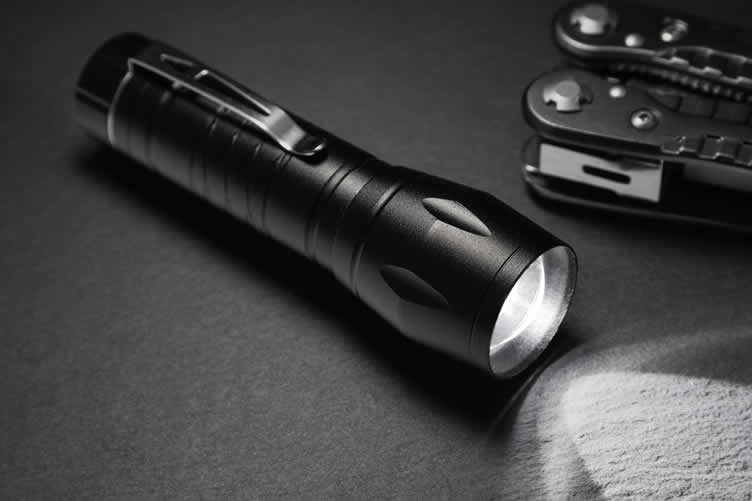
LED flashlights are one of the most practical and energy-efficient options for emergency lighting. They are lightweight, durable, and typically have long-lasting battery life due to the low power consumption of LED bulbs.
Many high-quality models are waterproof and shock-resistant, making them suitable for extreme conditions. Rechargeable LED flashlights or models that accept universal battery types are especially useful. Some advanced models also offer adjustable brightness levels or strobe functions for additional utility.
-
LED Headlamps
LED headlamps are an excellent choice for hands-free lighting during emergencies. They are designed to be worn on the head, allowing users to work, move, or perform tasks without needing to hold a light source.
LED headlamps are lightweight, comfortable, and provide bright, focused beams that can illuminate a wide area or specific task. Many models come with adjustable straps for a secure fit and offer multiple brightness settings or modes, including red-light options for preserving night vision.
Rechargeable versions or headlamps that use standard batteries are particularly convenient for prolonged use. These devices are versatile, making them ideal for activities such as repairs, navigating dark areas, or emergency evacuations.
-
Solar-Powered Lanterns
Solar lanterns capitalize on sustainable energy, eliminating the need for batteries or constant recharging. These lanterns are equipped with solar panels that store energy during the day for use at night.
Many modern designs feature adjustable brightness settings and USB ports for charging small devices in emergencies. For optimal function, it is essential to ensure the solar device is exposed to sufficient sunlight to maintain its charge. Solar-powered lighting solutions are an environmentally-friendly option for extended grid-down scenarios.
-
Hand-Crank Flashlights
Hand-crank flashlights are an ideal source of light when access to batteries or sunlight is not available. These devices rely on mechanical energy generated simply by cranking a handle.
Often, they incorporate small LED bulbs that maximize light output while minimizing energy requirements. Some models also come with additional features, like built-in radios or USB charging ports, offering multi-functionality during emergencies.
While they may not provide prolonged light without continuous effort, they are a reliable backup choice.
-
Battery-Powered LED Lanterns
Battery-powered LED lanterns are a robust option for illuminating larger spaces during emergencies. They are designed to emit wide-angle light, making them suitable for family use or lighting a room.
Ensure you stockpile the appropriate batteries for these lanterns, keeping in mind that rechargeable batteries can be a more economical and eco-conscious solution. Many quality models also come equipped with safety features, such as enclosed bulbs to reduce fire risk, enhancing safety during disasters.
-
Candles and Oil Lamps (Use with Caution)
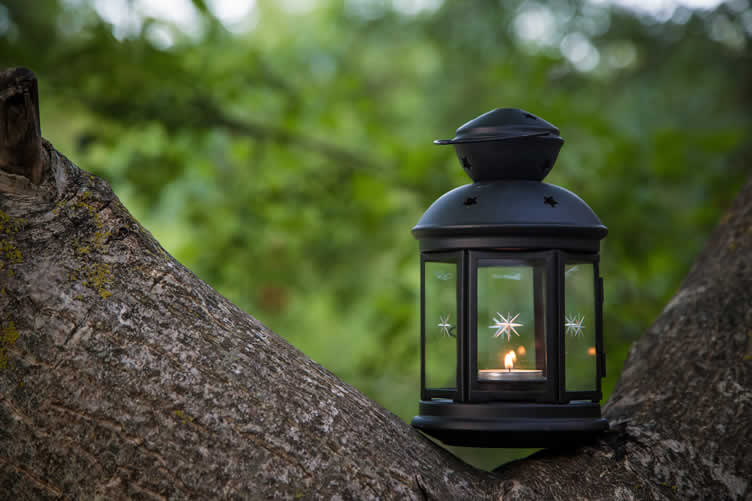
While candles and oil lamps may serve as traditional sources of light during critical times, they should be used with caution. Both options pose a fire hazard and require careful supervision, especially in households with children or pets.
Opt for long-burning, drip-less candles and ensure they are placed on stable, non-flammable surfaces. For oil lamps, ensure high-quality lamp oil is used and the lamp is equipped with a proper chimney to control the flame. Never leave these options unattended.
-
Glow Sticks
Glow sticks are an inexpensive, portable, and safe alternative for temporary lighting needs. They do not emit heat or sparks, eliminating fire risk entirely.
Most glow sticks activate by a simple snap and shake motion and can provide light for several hours. They are particularly useful for marking paths, identifying hazards, or providing low-level illumination in confined spaces.
Stocking glow sticks in your emergency kit adds an easy-to-use lighting backup.
-
Final Considerations
When preparing for power outages or disasters, consider a combination of these alternative lighting solutions to match various needs and scenarios. Store your lighting devices in an accessible location with backup supplies like batteries or charging materials.
Regular maintenance, such as testing equipment and charging batteries, is crucial to ensure your emergency lighting is functional when needed.
copyright image by envato.com
[ pinterest: emergency lighting ]
[ youtube: Emergency Lighting Solution ]
-
-
2nd: Durability and Water Resistance of Lighting Sources
When selecting lighting sources for emergency preparedness, it is essential to ensure they can withstand exposure to water and harsh environmental conditions.
Many emergencies, such as floods or storms, can lead to high levels of moisture or direct water exposure, making water-resistant or waterproof lighting a critical feature.
-
IPX4 vs. IPX7 or IPX8
Look for flashlights, lanterns, or headlamps with an IP (Ingress Protection) rating, which indicates their resistance to dust and water. Devices with ratings of IPX4 or higher provide reliable protection against splashing water, while those with IPX7 or IPX8 are designed to function even when submerged.
Additionally, consider using lighting solutions made of durable materials that can withstand impacts or extreme temperatures. These features ensure that your lighting devices remain operational when exposed to unpredictable and challenging conditions, enhancing your safety in emergencies.
-
Studies: Water Resistant Lighting
A study conducted by the Illuminating Engineering Society (IES) in 2020 highlighted that lighting devices with IPX7 or higher ratings significantly reduce the risk of electrical failure during floods or heavy rain conditions (Illuminating Engineering Society, 2020).
Additionally, research by the Federal Emergency Management Agency (FEMA) underscores the necessity of using durable and water-resistant equipment to prevent accidents and ensure personal safety in disaster scenarios (FEMA, 2018).
These findings emphasize the importance of selecting reliable, water-resistant lighting solutions to mitigate risks and maintain preparedness in the face of environmental challenges.
copyright image by 123rf.com
-
-
-
ideas to view and compare from the information discussed above
Scroll up to directory … or scroll to next section about home power outage preparedness …
SHARE IT ..! You might have someone in your social network who could find this informative post about being prepared for home power outages valuable. Feel free to share it on Facebook, X (formally Twitter), LinkedIn, or Pinterest!



Budgeting Worksheet For Costing Home Remodeling and Home Improvement Decisions
 File Type (excel)
fourth “photo remodeling” idea
copyright image by 123rf.com
Preparedness Tip 4: Climate Control Strategies
… for Extreme Temperatures
Notes:
-
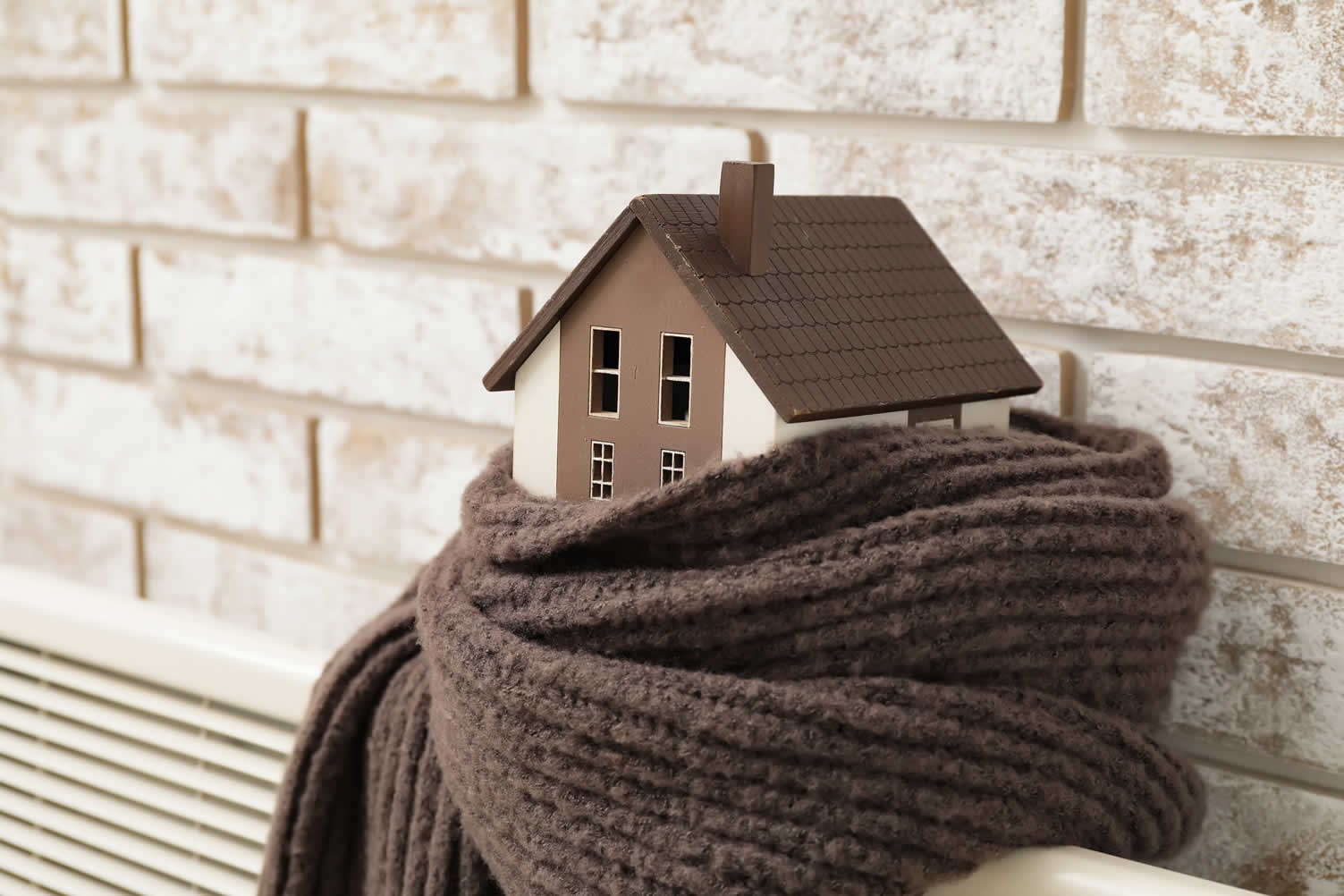
When heating and cooling systems fail, control of temperature becomes difficult. Maintaining warmth is absolutely vital in cold weather to avoid pain and maybe health hazards.
Thermal sleeping bags, layered clothes, and insulated blankets trap body heat, therefore lowering the exposure to frigid conditions. Although they provide more warmth, portable propane or kerosene heaters need appropriate ventilation to avoid carbon monoxide accumulation.
In warmer climates, it’s imperative to stop heat from building within the house. While blackout curtains exclude sunlight, therefore lowering interior temperatures, battery-powered fans create air circulation.
Staying hydrated and using cooling towels can help reduce heat-related stress. Effective climate control systems help households to retain comfort and safety independent of external temperature.
-
Quick scroll to “climate control” side notes …
-
-
1st: Considering Solar Panels for Reliable Backup Power
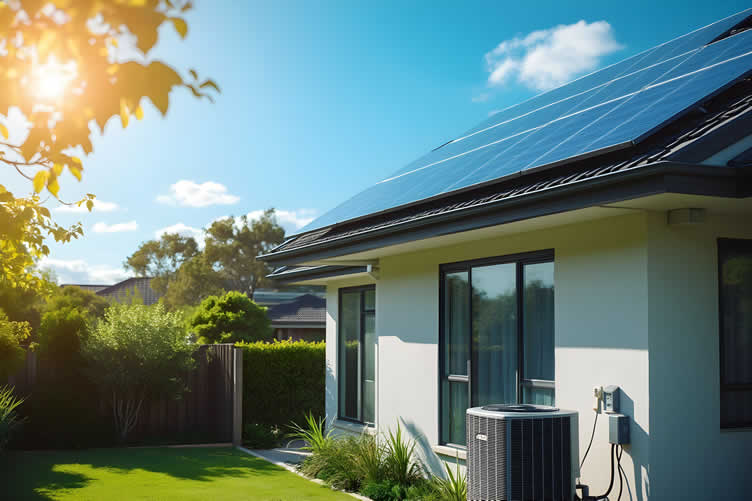
Solar panels offer a sustainable, efficient, and reliable solution to ensure energy availability during commercial power outages, grid system breakdowns, and natural disasters. Investing in a solar-powered system not only promotes energy independence but also enhances preparedness for unforeseen emergencies.
By harnessing the sun’s energy, homeowners can establish a dependable source of electricity that mitigates the disruptions caused by traditional power failures.
Below, we explore the advantages and practical considerations for integrating solar panels into your home energy preparedness plan.
-
Energy Independence During Power Outages
Home power outage preparedness is a critical concern, particularly in areas prone to severe weather events or aging grid infrastructure. Solar panels paired with battery storage systems allow homeowners to generate and store electricity for use during grid disruptions.
When the sun is shining, solar panels capture energy, converting it into electricity for immediate use or storage in batteries. This ensures essential appliances like refrigerators, medical devices, or communication systems remain operational even during extended outages.
Studies by the National Renewable Energy Laboratory (NREL) demonstrate that homes equipped with solar-plus-storage systems maintain higher levels of self-sufficiency during emergencies (NREL, 2020).
-
Cost Savings Over Time
While the initial installation costs of solar panels can seem significant, the long-term financial benefits make them a smart investment. By reducing dependence on utility power, homeowners can lower monthly energy bills and protect themselves from rising electricity rates.
Additionally, government incentives, tax credits, and financing options make solar panel installation more accessible for residential properties.
-
Environmentally Friendly and Sustainable
Solar panels provide a renewable energy source that reduces carbon footprints and contributes to environmental sustainability. Unlike traditional fossil fuels, solar energy does not produce greenhouse gas emissions, making it a cleaner and greener option.
Choosing a solar power system aligns with global efforts to combat climate change and promotes a more sustainable future. The Environmental Protection Agency (EPA) recommends solar panels as a viable way to reduce household emissions while enhancing energy resilience (EPA, 2023).
-
Key Installation Considerations
To maximize the benefits of solar panels, it’s essential to plan installation carefully. Roof-mounted solar panels are ideal for maximizing sunlight exposure, especially on south-facing or unshaded roofs.
Alternatively, ground-mounted systems can be installed in yards or sunny open areas, offering flexibility for homes with limited roof space. It’s also crucial to consider the integration of a battery storage system, as it provides the critical ability to store unused power for nighttime use or during extended overcast periods.
Consulting reputable solar installers and conducting a professional energy audit can help determine the optimal system size and placement based on individual energy needs and geographic location.
Investing in solar panels is not only a step toward energy independence but also a proactive measure for home power outage preparedness.
By choosing this trustworthy and reliable technology, homeowners can ensure safety, comfort, and sustainability during uncertain times with the added benefit of long-term cost savings.
Proper planning and professional advice will ensure your solar power system is tailored to meet your energy needs and provide peace of mind.

copyright image by 123rf.com
-
-
2nd: Using Solar Panels to Power HVAC Systems
Solar panels can effectively generate the power needed to run a home HVAC system, including heating, air conditioning, and water heating.
However, the number of panels required will depend on a variety of factors, including the energy consumption of your HVAC equipment, your geographic location, the amount of sunlight your area receives, and the efficiency of the solar panels you choose.
-
How Many Solar Panels Are Needed for Heating?
The energy demands of a home heating system vary depending on the size of the house, the type of heating system, and regional climate conditions. On average, traditional electric heating systems may consume between 10,000 and 20,000 kilowatt-hours (kWh) annually.
To meet these energy needs, a typical residential solar panel system might require 15 to 25 panels, assuming each panel has a capacity of around 350 watts and operates optimally. Switching to more energy-efficient heating solutions, such as heat pumps, can reduce the required number of solar panels significantly.
-
How Many Solar Panels Are Needed for Air Conditioning?
Air conditioning, particularly during hot summer months, can be one of the largest energy consumers in a household. A standard central air conditioning unit typically uses 1.5 to 5 kWh per hour of operation.
For a home running its AC system for 5-8 hours daily, this translates to approximately 2,000 to 3,000 kWh annually. Depending on the factors outlined earlier, powering an AC system through solar energy would generally require 5 to 10 panels.
-
How Many Solar Panels Are Needed for Water Heating?
Solar panels can also be used to power an electric water heater or supplement a solar water heating system. The average household uses about 3,000 to 4,500 kWh annually for water heating, equating to the output of approximately 8 to 12 solar panels.
Homeowners may also consider dedicated solar water heating systems that use thermal collectors, which can directly heat water more efficiently.
-
Tailoring a Solar System to Your HVAC Needs
Determining the specific number of solar panels for your HVAC system requires a personalized assessment. Performing an energy audit, evaluating your existing HVAC equipment, and consulting with a solar energy professional will ensure your system is appropriately designed to meet your home’s heating, cooling, and water heating demands.
By optimizing system efficiency and using renewable solar energy, homeowners can enjoy sustainable climate control while reducing their reliance on traditional energy sources.
[ view diagram: integrating solar with home hvac system ]
[ youtube: Can Solar Power My HVAC ]
-
-
3rd: Solar Panel Battery Backups During Power Outages
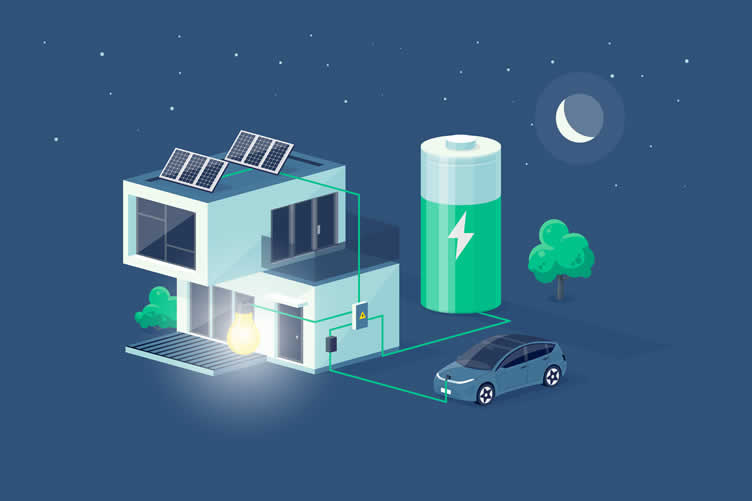
Investing in a solar panel battery backup can be a critical lifeline during natural disasters, extreme weather events, or other situations that disrupt traditional power infrastructure. These systems store excess energy generated by your solar panels, ensuring that your home has a reliable source of electricity when the grid goes down.
For homeowners in areas prone to hurricanes, wildfires, or winter storms, a solar battery backup provides peace of mind by keeping essential appliances like refrigerators, medical devices, and communication tools operational.
Additionally, solar panel battery backups are eco-friendly, offering a sustainable and silent alternative to gas-powered generators. By combining solar energy with a battery system, households can maintain power independence and resilience, even in the most challenging circumstances.
copyright image by 123rf.com
[ view diagram: home solar battery diagram ]
[ youtube: Before Getting Home Battery Storage Installed ]
-
-
ideas to view and compare from the information discussed above
Scroll up to directory … or scroll to next section about home power outage preparedness …

plan the specifications you need for making …

… key home improvement and remodeling decisions


… for home power outage preparedness
fifth “photo remodeling” idea
copyright image by 123rf.com
Preparedness Tip 5: Communication and Emergency Contact Tools
… for Staying Informed
Notes:
-
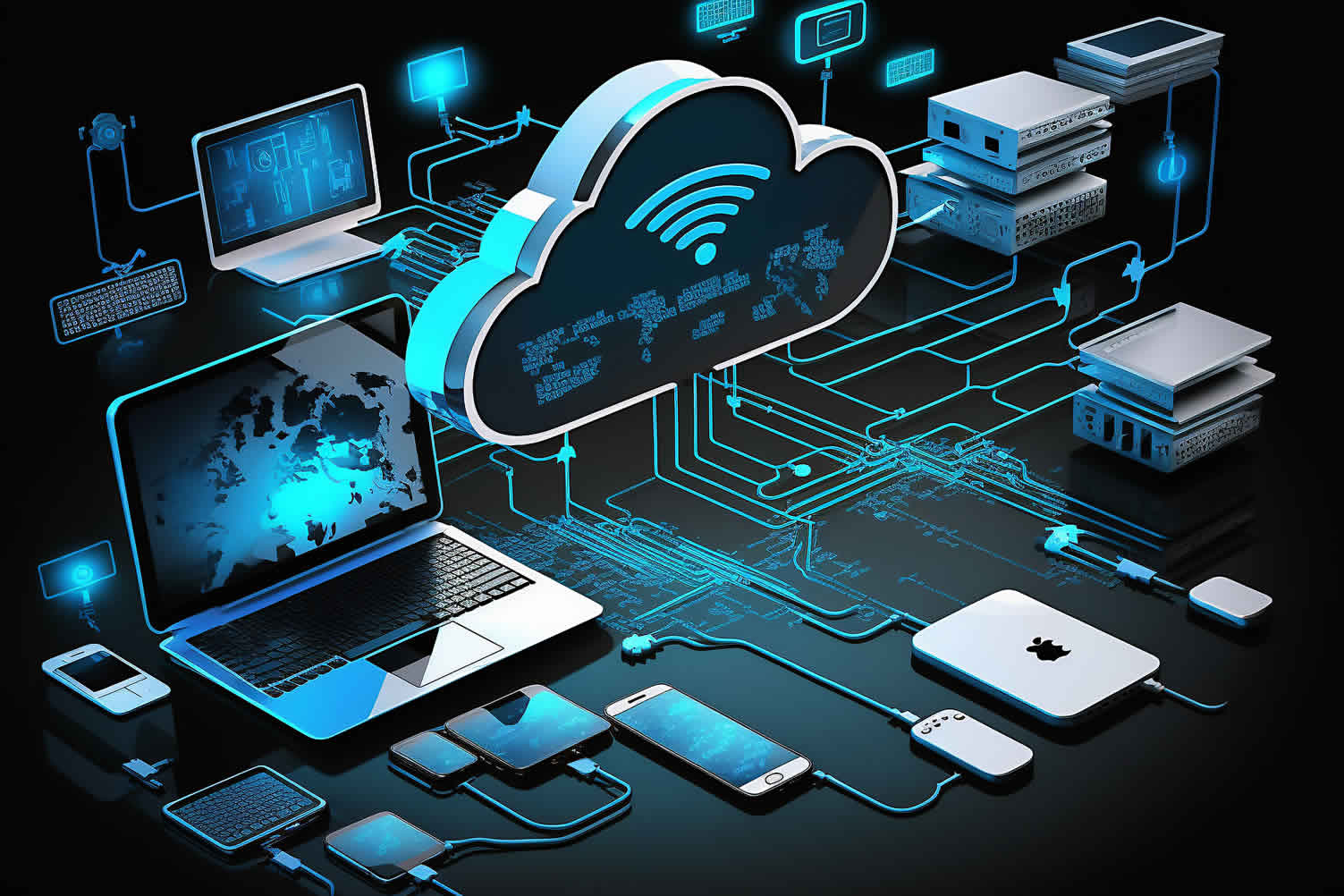
Losing power disrupts normal communication channels, making it difficult to receive updates and contact emergency services. Hand-crank or battery-powered radios give constant access to emergency broadcasts, news updates, and weather information.
These radios operate without dependency on power outlets, ensuring information remains available despite protracted outages.
To stay useful, cell phones and other communication gadgets need backup charging options. Portable power banks have enough energy to recharge phones several times, keeping lines of communication open.
When cellular networks fail, two-way radios provide an alternative, allowing direct connection with family members or emergency personnel. Maintaining dependable means of communication guarantees access to important data and support as needed.
-
Quick scroll to “emergency contact” side notes …
-
-
1st: Portable Power Packs for Communication
When faced with unexpected power outages, staying connected becomes a critical priority. Whether caused by severe weather conditions, natural disasters, or grid system breakdowns, losing access to electricity can hinder vital communication, leaving individuals isolated during emergencies.
Portable power packs serve as a reliable solution for charging cell phones, radios, and other communication devices, ensuring you remain connected and informed when conventional power sources fail.
By incorporating portable power solutions into your home power outage preparedness plan, you can safeguard your ability to communicate with loved ones, emergency services, and the broader community. Below are key types of portable power packs and alternative solutions to consider.
[ view samples below: portable power packs ]
-
Portable Battery Packs
Portable battery packs, also known as power banks, are compact, lightweight devices designed to recharge electronic gadgets like smartphones and tablets on the go. These devices come with various capacities, measured in milliamp hours (mAh), that determine how many charges they can provide.
For homeowners preparing for power outages, large-capacity power banks (20,000 mAh or more) can serve as an essential tool to keep phones functional for extended periods. Many modern power banks also feature multiple USB ports, enabling simultaneous charging of multiple devices.
Look for power banks with fast-charging capabilities and pass-through charging, allowing you to recharge the power bank while it charges your device. Brands like Anker and RavPower are frequently recommended for their reliable performance and durability.
-
Solar-Powered Chargers
Solar-powered chargers are an eco-friendly alternative, ideal for prolonged outages where traditional charging methods are unavailable. These chargers use sunlight to generate electricity, providing an unlimited power source as long as sunlight is available.
Portable solar panels often fold into compact designs, making them easy to store and transport. Some models also include built-in battery storage for charging devices during nighttime or cloudy conditions.
While solar chargers may not deliver the same speed as traditional battery packs, they can be a valuable addition to your emergency kit, especially in scenarios where recovery from a power outage may take several days.
Recommended options include Goal Zero Nomad solar panels and BioLite SolarPanels, known for their rugged design and high efficiency.
-
Crank-Powered Chargers
Crank-powered chargers offer another practical solution for emergency power needs. These devices require no external power source, relying instead on manual energy generated through hand-cranking or pedaling.
While these chargers are generally slower and less efficient than battery packs or solar panels, they provide an unlimited power source, making them a dependable backup option. Crank-powered chargers often double as emergency radios, allowing users to tune into weather alerts and public announcements.
Options like the Eton American Red Cross Emergency Radio combine multiple functionalities, including charging capacity, flashlight, and radio communication, to meet diverse emergency needs.
-
Portable Power Stations
For households seeking a more robust solution, portable power stations are an excellent choice. These devices store energy in high-capacity lithium-ion batteries and are capable of powering larger appliances and multiple devices simultaneously.
With a range of input options, including wall outlets, car chargers, and solar panels, portable power stations offer unmatched flexibility for emergencies. Models like the Jackery Explorer series or EcoFlow Delta can maintain operations for essential devices such as laptops, routers, and even small medical equipment during extended outages.
Although they are more expensive than other options, their versatility and capacity make them a worthwhile investment for comprehensive home power outage preparedness.
-
Key Considerations for Choosing a Power Solution
When selecting a portable power solution, consider the following factors:
- Device Compatibility:
Ensure the power pack supports your devices’ charging requirements. - Storage Capacity:
Opt for higher-capacity options for extended outages. - Portability:
Choose lightweight and compact designs for mobility. - Charging Speed:
Look for solutions offering fast-charging capabilities. - Durability and Weather Resistance:
Prioritize rugged options designed to withstand harsh conditions. - Sustainability:
Solar-powered options are ideal for environmentally conscious users.
- Device Compatibility:
-
Integrating Portable Power into Your Emergency Plan
To maximize the effectiveness of your portable power solutions, incorporate them into a comprehensive emergency preparedness strategy. Store your power packs fully charged and regularly test them to ensure functionality.
Pair them with other emergency essentials, such as non-perishable food, water, flashlights, and a first-aid kit. Finally, educate your household members on how to use these devices effectively during emergencies.
By investing in portable power packs and complementary solutions, you can maintain crucial lines of communication, enhancing your resilience and safety during power outages. These tools are an essential component of a well-rounded home power outage preparedness plan.
Always prioritize trusted, high-quality products from reputable manufacturers to ensure reliable performance when it matters most.
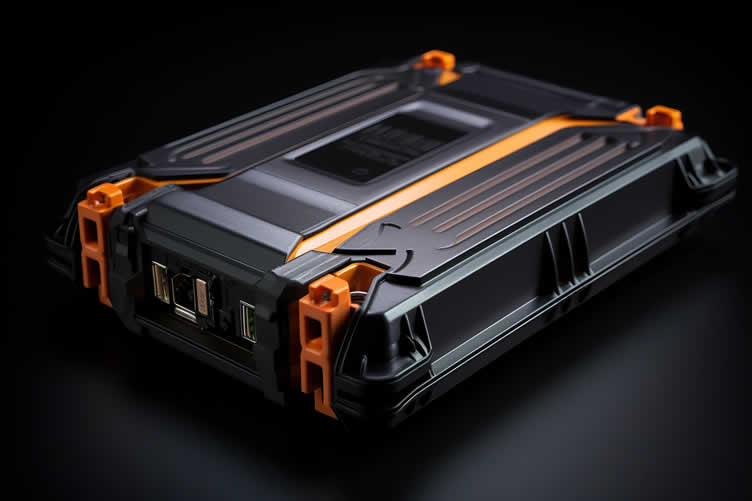
copyright image by 123rf.com
[ view images: solar battery packs ]
[ amazon: solar battery bank ]
-
-
2nd: The Importance of a 72-Hour Kit
Natural disasters and emergencies can occur unexpectedly, often leaving little time to gather essential supplies before evacuating. Preparing a 72-hour kit for each family member ensures that your household can remain safe, self-sufficient, and secure during the critical first few days of a disaster.
These kits, if carefully designed, provide the necessary tools to address basic needs such as food, water, communication, and medical care, while reducing stress and uncertainty in challenging situations.
Below, we outline the key components to include in your emergency kit, with a specific focus on ensuring every household member has access to reliable portable power solutions.
-
Essentials for Sustenance and Hydration
Every 72-hour kit should include a sufficient supply of non-perishable food and clean drinking water. Plan for at least one gallon of water per person per day, and prioritize lightweight, high-calorie food items such as energy bars, freeze-dried meals, and canned goods with pull-tab openings.
Consider dietary restrictions and age-appropriate options, such as baby formula or diabetic-friendly snacks, where necessary.
Including a portable water purification system, such as water purification tablets or a small filter, can provide an emergency solution if access to clean water becomes compromised (source: FEMA, "Emergency Kit Supplies," www.ready.gov).
-
Portable Power for Communication and Lighting
Maintaining the ability to communicate during a disaster is critical for ensuring safety and accessing help. Each 72-hour kit should include a portable power pack or solar charger capable of powering essential electronics, such as mobile phones, radios, or small LED lights.
Look for models that offer multiple charging ports and compatibility with a range of devices. Choose durable, weather-resistant options with a high energy capacity to keep you connected, even in extended emergencies.
Pair these power solutions with a crank- or battery-operated NOAA weather radio to stay informed of up-to-date emergency alerts and instructions from local authorities (source: Red Cross, "Disaster Preparedness Guide," www.redcross.org).
-
First Aid and Health Supplies
Basic medical supplies can be life-saving during a disaster. Include a comprehensive first-aid kit in every household member’s 72-hour pack, containing essentials such as adhesive bandages, antiseptic wipes, pain relievers, and sterile gauze.
Personalize the kit by adding prescribed medications, medical devices like inhalers or EpiPens, and a list of emergency contact information, including healthcare providers. Ensure the contents are organized and clearly labeled for quick access.
-
Personal Comfort and Safety Items
Comfort and safety items can make a significant difference during a stressful evacuation. Add weather-appropriate clothing, a lightweight emergency blanket, a multipurpose tool, and personal hygiene products such as toothbrushes, feminine hygiene items, and hand sanitizer.
It is also wise to include copies of important documents in a waterproof bag, such as identification, insurance policies, and medical records. A whistle, dust mask, and sturdy gloves further enhance your ability to stay secure and self-sufficient.
-
Child and Pet-Specific Needs
For households with children, include comfort items such as small toys, games, or stuffed animals to ease their fears during the event. Additionally, pack diapers, wipes, and extra clothing if applicable.
For pets, prepare a separate kit that includes food, water, bowls, waste bags, a leash, and copies of veterinary records.
-
Keeping Your Kit Updated and Accessible
Regularly review and refresh your 72-hour kits to ensure they remain functional and up-to-date. Replace expired items, test portable power solutions, and adjust the contents to account for any changes in household needs.
Store the kits in accessible, easy-to-carry bags or backpacks, and ensure every household member knows where their kit is located.
By assembling a tailored 72-hour kit for each family member, you can provide your household with a greater sense of security and peace of mind. Preparedness today can make all the difference tomorrow during an unexpected evacuation or emergency situation.
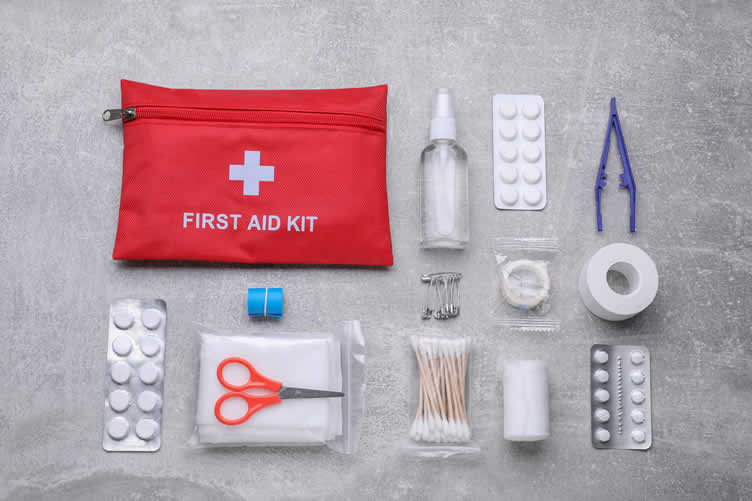
copyright image by 123rf.com
-
-
-
ideas to view and compare from the information discussed above

Scroll up to directory … or scroll to next section about home power outage preparedness …

get the size dimensions for any home remodeling project …
… for functionality, aesthetics, and adhering to building codes



Find Energy Efficient Services Insulation Windows-Insulation Ducts & Vents Thermostats Solar Installation Skylights Home Automation Generators Home Automation Electrical Wiring Networks/Phone Computers/ Media Home Security Alarms top-rated, pre-screened local contractors FREE: download contractor selection enter zip code – powered by HomeAdvisor ™
Quick Contractor Guides selecting negotiating working with inspecting

sixth and last “photo remodeling” idea

copyright image by 123rf.com
Preparedness Tip 6: Type of Disasters: Being Prepared and Getting Relief
… when Disaster Strikes
Notes:
-
Preparing for disasters is an essential step in safeguarding the well-being of your family and community. Whether it’s a natural disaster, such as a hurricane or earthquake, or an unforeseen emergency, being proactive can greatly reduce risks and ensure a quicker recovery.
This guide will outline key steps and strategies to help you effectively prepare for various types of disasters, enabling you to respond with confidence when the need arises.
-
Quirk scroll to topic "type disasters" side notes …
-
-
1st: Types of Disasters and the Importance of Preparedness
Disasters can strike unexpectedly, disrupting lives and creating chaos in their wake. These events, whether natural or man-made, require families and individuals to be prepared in order to mitigate risks and ensure safety.
By understanding the specific threats that may impact your area and preparing accordingly, you can build resilience and stay ahead of potential challenges. Below, we explore several common types of disasters and provide actionable steps to prepare for each.
-
Earthquakes
Earthquakes can occur without warning and have the potential to cause significant damage to buildings, infrastructure, and entire communities. These natural disasters result from sudden movements along fault lines in the Earth’s crust, releasing energy that can shake the ground violently.
Living in earthquake-prone regions requires special attention to preparedness, such as ensuring buildings are structurally reinforced, creating an emergency kit, and having a clear evacuation plan to protect lives and minimize damage.
How to Prepare:
- Secure heavy furniture such as bookshelves and appliances to walls to prevent them from tipping over.
- Create a family emergency plan, including designated safe spots in your home (e.g., under sturdy tables or against interior walls).
- Assemble a 72-hour kit with essentials such as non-perishable food, water, and first-aid supplies.
- Stay informed by following alerts from organizations like the United States Geological Survey (USGS) at [www.usgs.gov](https://www.usgs.gov).
-
Hurricanes
Hurricanes are powerful and dangerous storms characterized by heavy rain, strong winds, and the potential for severe flooding. These massive weather systems form over warm ocean waters and can cause widespread destruction when they make landfall.
Coastal areas are particularly vulnerable to their impacts, facing storm surges, high waves, and wind damage. However, hurricanes don’t just affect the coasts—their remnants can travel far inland, bringing heavy rainfall, flooding, and even tornadoes to regions hundreds of miles from the shoreline.
How to Prepare:
- Identify evacuation routes and have a plan for securing your home, including boarding up windows and moving outdoor items indoors.
- Monitor weather updates through the National Hurricane Center at www.nhc.noaa.gov to stay ahead of storm developments.
- Store emergency supplies such as flashlights, extra batteries, and a weather radio in an accessible location.
-
Wildfires
Wildfires can spread rapidly, fueled by dry conditions, high winds, and flammable vegetation, devastating entire communities within hours.
They pose direct threats to property, destroying homes and infrastructure, endanger human health through smoke and air pollution, and cause significant harm to local ecosystems by damaging wildlife habitats and altering landscapes for decades.
How to Prepare:
- Create a defensible space around your home by clearing flammable debris such as dry leaves and vegetation.
- Have an evacuation plan in place and ensure every household member knows the fastest route to safety.
- Keep an air filter mask or respirator readily available to protect against smoke inhalation.
- Stay updated using tools like the National Interagency Fire Center at www.nifc.gov.
-
Floods
Flooding can arise from heavy rain, overflowing rivers, or storm surges caused by severe weather events such as hurricanes or prolonged rainfall. It is one of the most common natural disasters, affecting both urban and rural areas, and can occur virtually anywhere, regardless of the region.
How to Prepare:
- Know your area’s flood risks and consider investing in flood insurance, as typical homeowner’s policies may not cover flood damage.
- Elevate electrical appliances and utilities in your home to minimize damage.
- Prepare an emergency "go-bag" with waterproof containers for important documents and valuables.
-
Tornadoes
Tornadoes are highly destructive windstorms characterized by rotating columns of air that extend from thunderstorms to the ground. They can appear with little warning, making them particularly dangerous, and often leave narrow paths of severe damage in their wake.
With wind speeds that can exceed 300 miles per hour in the most intense cases, tornadoes have the power to uproot trees, demolish buildings, and flip vehicles, transforming affected areas in mere moments.
How to Prepare:
- Identify a safe room in your home, such as a basement or interior room with no windows.
- Practice tornado drills with your family to ensure everyone knows what to do when a warning is issued.
- Keep portable weather radios on hand to receive alerts.
-
Grid Failures
Grid failures, or widespread power outages, happen when the electrical grid can no longer supply power to households, businesses, and essential services.
These disruptions can be caused by natural disasters like hurricanes, earthquakes, or wildfires, which damage infrastructure, as well as cyber-attacks targeting critical systems, or equipment malfunctions due to aging components or lack of maintenance.
Such outages can last from a few hours to several days, impacting daily life, economic activity, and even public safety.
How to Prepare:
- Invest in backup power solutions such as generators or portable power banks.
- Stock up on non-perishable foods and drinking water to avoid reliance on electric-powered appliances.
- Keep flashlights, candles, and extra batteries easily accessible.
- Learn how to manually operate garage doors, gates, or other automated systems in case of an outage.
- Ensure that essential devices, such as medical equipment, have alternative power options available.
-
Pandemics
The global COVID-19 pandemic highlighted the critical importance of health and hygiene preparedness in an interconnected world. Pandemics have the potential to overwhelm healthcare systems, leaving hospitals and medical workers struggling to meet demand.
They can disrupt supply chains, leading to shortages of essential goods and services, and significantly alter the daily functioning of society by shutting down schools, businesses, and public spaces.
How to Prepare:
- Store an adequate supply of prescription medications, face masks, hand sanitizers, and hygiene products.
- Establish a remote-working strategy and ensure access to digital communication tools when needed.
- Be informed by following guidance from reputable organizations such as the Centers for Disease Control and Prevention (CDC) at [www.cdc.gov](https://www.cdc.gov).
-
Staying Prepared for Any Disaster
While each disaster type presents unique challenges, the foundation of preparedness involves planning, staying informed, and being equipped with the right tools and knowledge. Make preparedness a priority for your household to reduce risk and enhance safety during emergencies.

copyright image by 123rf.com
[ youtube: Actions to Take When Disaster Strikes ]
[ youtube: Emergency Water: Potential Sources ]
-
-
2nd: Getting Help with Emergency Preparedness
When facing power outages or other disaster events, professional services can play a crucial role in ensuring safety and preparedness.
Emergency management consultants offer expertise in creating detailed disaster response plans tailored to specific needs, including addressing power loss, food storage, and communication challenges.
Home energy specialists can assist with installing backup power solutions such as generators or solar battery systems to maintain essential services during an outage. Additionally, professional electricians can help inspect and fortify electrical systems to minimize risks during severe weather.
For broader disaster scenarios, organizations specializing in emergency supply kits and survival gear can provide ready-made solutions containing essential items like non-perishable food, water filtration devices, and first aid supplies.
A summary list of professional services that you can search for online to find options available in your particular area.
- Standby Generator Installation Contractors
- Generac Certified Installer Network
- Kohler Power Systems Professionals
- Cummins Power Generation Specialists
- Solar Panel Installation Professionals
- SunPower Authorized Dealers
- Tesla Solar Certified Installers
- LG Solar Platinum Installers
- Emergency Preparedness Consultants
- Red Cross Emergency Planning Advisors
- FEMA-Certified Preparedness Trainers
- Community Emergency Response Team (CERT) Local Coordinators
- Other Specialized Services
- Weatherproofing and Insulation Experts
- Emergency Plumbing and Electrical Technicians
- Disaster Cleanup and Restoration Services (e.g., SERVPRO, Belfor)
These services ensure that individuals and families are equipped with the necessary tools to stay safe. Collaborating with these professionals not only aids in quicker recovery during emergencies but also builds long-term resilience to face unforeseen challenges effectively.
LetsRenovate has partnered with HomeAdvisor™, a renowned provider of highly-rated, carefully-vetted home generator contractors. Start your search here by entering your zip code to find local professionals.

copyright image by 123rf.com
But Wait!
Before beginning your search for home generator contractors, consider downloading this evaluation worksheet.
This valuable tool will help you objectively assess and rank potential contractors, taking into account key factors like pricing, licensing, and referrals.

Evaluation Sheet
File Type: - Standby Generator Installation Contractors
-
-
FINAL REMARKS
A power loss changes daily living, but with the correct supplies, you preserve safety, comfort, and control. While food and water stockpiling avoids shortages, backup power sources keep some appliances functioning.
Reliable lighting solutions remove risks, and climate control techniques guarantee against very high temperatures. When traditional channels fail, effective communication tools offer updates and assistance.
Preparing ahead of time creates a resilient home environment that can confidently withstand unexpected blackouts.
-
ideas to view and compare from the information discussed above
- What comments can you share about
home power outage preparedness?
Scroll up to directory … or scroll to more home utility management-related topics …
view illustration “becoming a bank”


Calendar For:
Home Maintenance
File Type:


… view our sharing links below for a quick "share the knowledge"
AI generated image credit: home power outage preparedness by 123rf.com
end of post … please share it!
 |
did you find this home power outage preparedness analysis helpful? If so, please share the article with your friends and family! |
Nice pic idea? Leave us a quick comment below.
And please share this pic idea within your social networks.