Summary Outline –
Welcome to the world of home electrical needs, more specifically, the realm of electrical safety. It is a crucial area that is filled with various critical complications and cautious concerns. A safe home undoubtedly brings happiness, creating an atmosphere of serenity and harmony between humans and technology.
But what does it mean for your home to truly ensure electrical safety? The answer awaits; here’s a preview of everything you need to understanding home electrical needs and safety essentials:

-
Quik scroll to first topic about understanding home electrical needs …

first “understanding home electrical needs” idea


copyright image by 123rf.com
Section 1: Understanding Home Electrics
Notes:
-
To ensure the safety of your home’s electrical system, it is important to have a basic understanding of home electricity. Every cable running through the walls or ceiling, every switch you toggle on or off, and even your favorite game console coming to life, all depend on the magic of home electrics.
Electricity, a fundamental force of nature, is a form of energy resulting from the existence of charged particles. It can either be static, accumulating on the surface of an insulator, or dynamic, flowing through a conductor. Electricity is integral to numerous aspects of our daily lives, powering our homes, industries, and devices.
The history of electricity begins thousands of years ago, with ancient civilizations aware of shocks from electric fish. However, it wasn’t until the 17th century that the first systematic and scientific study of electricity was initiated.
The late 19th and early 20th centuries witnessed revolutionary advancements, with figures such as Nikola Tesla, Thomas Edison, and Michael Faraday contributing significantly to our understanding and application of electricity.
Today, with an increasing emphasis on renewable power sources, our relationship with electricity continues to evolve.
-
Quik scroll to topic side notes …
-
-
1st: Home Electrical Components:
Electricity enters our homes from the main tower lines outside through a meter box. This box measures our usage before the electricity disperses to different rooms through wires hidden safely beneath walls or above ceilings.
-
Electrical Meter
The electrical meter, a vital part of home electrical components, measures the amount of electricity consumed within the household. Typically found outside the home, this device records the consumption in kilowatt-hours and is instrumental for utility companies to bill for electricity usage.
It acts as a gateway, allowing the flow of electricity from the electrical grid into the home, contributing to the overall functionality and efficiency of a home’s electrical setup.
[ view sample: electrical meter]
[ youtube: electricity explained]
-
The Main Service Panel
This is the box that contains the circuit breakers for your home’s electrical system. It is usually a gray metal box typically located in a utility room, garage, or basement.
The main service panel is responsible for receiving incoming power from the utility company and distributing it to the different branch circuits. These circuits, in turn, supply power to various fixtures, outlets, appliances, and other devices throughout the house.
[ view sample: main service panel]
-
Circuit Breaker Panel
The circuit breaker panel, often colloquially referred to as the "fuse box," is a major component of any home electrical setup. It serves as the hub for electricity distribution throughout the house.
Each circuit is protected by a breaker that trips in case of an overload or short circuit, ensuring the safety of the home and its residents.
[ view sample: electrical circuit breaker]
-
Wiring
Wiring is the network of conductive materials that carries electricity from the circuit breaker panel to every outlet, switch, and light in the house. It’s typically made from copper or aluminum and is insulated to prevent electrical shocks.
The quality of the wiring directly impacts the efficiency and safety of the home’s electrical setup.
[ view sample: home electrical wiring basics]
-
Outlets and Switches
Outlets and switches are the points of interaction between the residents and their home’s electrical system. Outlets provide the power for all plug-in appliances and electronic devices, while switches control the lighting and often hard-wired appliances.
The placement and type of outlets and switches can greatly affect the convenience and functionality of a home’s electrical components.
-
Light Fixtures
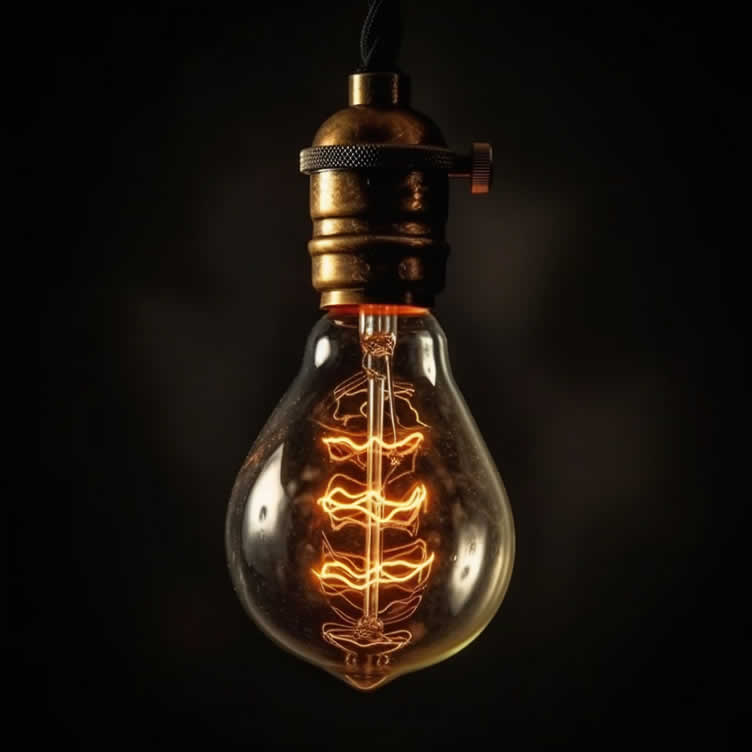
Light fixtures play a significant role in the home’s electrical setup, serving both functional and aesthetic purposes. These components provide illumination throughout the home, enabling various activities to take place comfortably during any time of the day.
They come in a variety of forms, including ceiling lights, wall lights, table lamps, and floor lamps, each designed to suit specific lighting requirements. Moreover, light fixtures contribute to the decor, enhancing the beauty and ambiance of the home.
It is essential to ensure their proper installation and maintenance for safe and efficient operation.
[ view directory: home lighting needs]
-
Other Electrical Appliances
Other electrical appliances complete the home electrical setup, and they vary immensely, from large, integral units like refrigerators and washing machines, to smaller, portable devices like blenders, toasters, and vacuum cleaners.
Each appliance serves a unique purpose, often enhancing convenience and efficiency in daily household tasks. These components require proper installation and regular maintenance to ensure their safe, effective operation.
Notably, each piece of equipment contributes to the overall electrical consumption of the home, emphasizing the importance of energy-efficient appliance selection.
[ view topic: enhance service life of your home appliances]
copyright image by 123rf.com
Here is a simplified representation of how various home electrical components are interconnected:
- Electrical Meter:
The entry point of electricity into the home. It tracks your energy usage. - Main Service Panel:
The electrical meter feeds the main service panel. - Circuit Breakers:
Located within the main service panel, these breakers distribute electricity to the various circuits in the home. - Electrical Wires:
These wires carry electricity from the circuit breakers to the different parts of the home. - Outlets and Switches:
Outlets are the points where appliances plug into the electrical system. Switches control the flow of electricity to these outlets. - Light Fixtures:
These are wired into the circuits and controlled by switches, providing illumination throughout the home. - Other Electrical Appliances:
These devices, large and small, plug into outlets and draw electricity to function.

-
-
2nd: Understanding Home Wiring Basics
Home electrical wiring basics are crucial for any homeowner to grasp, as they can help prevent electrical accidents and maintain a safe environment.
-
Electrical Circuits
In every home, there are two types of electrical circuits: series and parallel. A series circuit features a single path of electricity for the power source to flow through.
In contrast, a parallel circuit enables the current to flow through multiple paths, allowing for more consistent voltage across each device in the circuit.
-
More About Series Electrical Circuits
In a series electrical circuit, the components are connected end-to-end, forming a single path for electricity to flow from the power source to the end of the circuit. This implies that if one device in the circuit fails or is turned off, the entire circuit is affected, causing all devices to cease functioning.
This is akin to traditional Christmas lights; when one bulb blows, the entire string of lights goes out. Understanding this principle is a fundamental part of grasping home electrical wiring basics.
[ view ideas: series electrical circuit diagram]
-
More About Parallel Electrical Circuits
Parallel electrical circuits, on the other hand, offer flexibility by allowing current to flow through multiple pathways. In these circuits, electrical devices are arranged in parallel connections, each having its individual path to the power source.
This means that if one device fails or is switched off, the remaining devices continue to operate because they each have separate paths for the electricity to flow. A common example of parallel circuits in a home setting is the lighting system.
Each light bulb has its own circuit to the power source, so turning off one light doesn’t affect the others. Recognizing these differences and understanding how parallel circuits work is a critical aspect of mastering the basics of home electrical wiring.
[ view ideas: parallel electrical circuit diagram]
-
-
What You Should Know About Home Wiring
When dealing with home wiring, it’s necessary to understand the color-coding system for wires. Typically, black and red wires signify hot or live wires, white wires are neutral, and green or bare copper wires are ground wires.
-
Understanding The "Hot" Wire
The black or red wires in home electrical wiring are typically indicative of “hot” or “live” wires. These wires carry the electrical current from the circuit breaker to the connected devices, such as outlets, lights, or appliances. It’s crucial to remember that touching a live wire can result in an electric shock.
Therefore, it is essential to ensure the power is turned off at the circuit breaker before working with these wires. Understanding the role and safety precautions associated with black or red wires is a vital component of home electrical wiring basics.
[ view ideas: electrical hot wire diagram]
-
Understanding The "Neutral" Wire
The white wires in a home’s electrical wiring system typically serve as neutral wires. They complete the electrical circuit by providing a path for the electrical current to return to the power source after flowing through the “hot” wires and the electrical device.
In a standard two-wire electrical outlet, the white neutral wire connects to the silver-colored terminal. It’s crucial to understand that, while less dangerous than “hot” wires, neutral wires can still carry current, especially if the circuit is unbalanced or if there is a fault somewhere in the system.
Therefore, similar caution should be exercised when dealing with white wires, always making sure to turn off the power at the circuit breaker before beginning any electrical work.
[ view ideas: electrical neutral wire diagram]
-
Understanding The "Ground" Wire
The green or bare copper wires in a home electrical wiring system are usually recognized as the ground wires. Ground wires provide an additional pathway for electrical current to return safely to the ground if there is a problem in the wiring, such as a short circuit.
This helps to reduce the likelihood of electrical shock or fires, enhancing the safety of the system. When connecting a switch or an outlet, the green or bare copper wire typically attaches to the green grounding screw.
As always, even though ground wires are designed for safety, it’s important to turn off the power at the circuit breaker before working with them.
[ view ideas: electrical ground wire diagram]
-
-
Wiring a Socket
When wiring a socket, the first step is to ensure your power is turned off at the circuit breaker. Use a screwdriver to remove the faceplate of the socket and expose the wiring behind it.
You will typically find three wires: the live (often red or brown), neutral (often blue), and earth (green/yellow). The live wire should be connected to the L terminal, the neutral wire to the N terminal, and the earth wire to the E or earth terminal.
After connecting the wires, replace the faceplate and turn the power back on to test the socket. Understanding how to safely wire a socket is a fundamental aspect of home electrical wiring basics.
[ view ideas: wiring an electrical socket diagram]
-
Setting Up an Electrical Switch
Setting up an electrical switch follows a similar process. Again, ensure the power is off at the circuit breaker before starting. Remove the faceplate of the switch to expose the wiring. In a simple single pole switch, you will typically find two wires: the live (hot) wire, and the ground wire.
The live wire should be connected to one terminal on the switch, and the ground wire to the other. Once wired, replace the faceplate and restore power to test the switch.
[ view ideas: wiring an electrical switch diagram]
Gaining a proper understanding of the role and precautions associated with ground wires forms an important part of the home electrical wiring basics.
Remember, tinkering with home electrical systems is not advisable unless you have proper knowledge and safety gear. Always consult with a professional electrician for any significant electrical work.

copyright image by 123rf.com
-
-
3rd: Understanding Amps – Voltage – GFCI
Knowing about electrical amps and voltage is critical for both safety and efficiency in the use of household electrical appliances. These two elements are intrinsically connected, as they directly influence the power consumption and performance of electrical appliances.
By understanding these concepts, homeowners can optimize their usage of appliances, maintain a safe domestic environment, and potentially achieve energy savings.
-
Understanding Electrical Amps
Electrical amps, or amperes, represent the rate at which electricity is flowing in a circuit. Simply put, they are a measure of how much electricity is being used. For instance, a 10-amp motor uses twice the amount of electricity as a 5-amp motor.
The wiring for amps must be carefully considered in an electrical system. The wire’s thickness is a critical factor – thicker wires can carry higher amp loads without overheating. Overheating could lead to fire hazards, so choosing the right wire gauge for the ampere load is essential.
When wiring a home for different amps, various considerations are paramount to ensuring safety and optimal performance.
First, the wire gauge selected must correspond to the total ampere load of the circuit. For instance, a 15-amp circuit typically requires 14-gauge wire, while a 20-amp circuit necessitates 12-gauge wire.
Secondly, the type of circuit—whether it’s for general lighting and outlets or a dedicated appliance circuit—will also determine the amp requirements. Dedicated circuits often need higher amp ratings to cater to the substantial energy usage of large appliances.
Lastly, the local building codes and National Electrical Code (NEC) should guide all wiring decisions. They provide crucial specifics about the appropriate wire gauge, circuit breaker size, and safety measures for different amp ratings.
-
Appliances and Their Amp Requirements
Different home appliances require varying amounts of electrical amps to function optimally. Here’s a brief overview:
- Refrigerator:
Standard refrigerators typically require between 3 to 5 amps. - Microwave:
A microwave can consume anywhere between 9 to 15 amps, depending on the make and size. - Air Conditioner:
Depending on the model and BTU (British Thermal Unit), air conditioners can demand between 5 to 15 amps. - Electric Oven:
Electric ovens generally require significant electrical amps, usually around 15 to 20 amps. - Washing Machine:
Most washing machines use between 5 to 10 amps. - Television:
A standard television unit requires approximately 1 to 2 amps.
Remember, the exact amps may vary depending on the make, model, and usage of the appliance. Always refer to the manufacturer’s guidelines for accurate information.
Understanding amps is crucial for safety. Overloading a circuit with too many electrical appliances can lead to excessive amps, potentially causing overheating or fire.
- Refrigerator:
-
Types of Electrical Voltage
There are primarily two types of electrical voltage: Direct Current (DC) and Alternating Current (AC). DC voltage is a steady, constant voltage that doesn’t change its direction of flow. It is commonly used in low-voltage applications such as battery-powered devices.
AC voltage, on the other hand, changes its direction and magnitude in a cyclical manner. Most home and industrial electrical systems use AC voltage because it can be easily transformed to different voltages, making it more versatile for various applications.
Homes typically use varying types of Alternating Current (AC) voltage for different applications. The most common types are 120V and 240V. The 120V AC is standard for most household appliances, such as televisions, computers, lighting, and small kitchen appliances.
On the other hand, 240V AC is used for high-power home appliances that require a considerable amount of electrical energy to function. It’s crucial to know these voltage requirements to ensure the safe operation of appliances and to avoid potential electrical hazards.
-
Wiring Requirements of Voltage Use
For lower voltage applications, such as those typically found in residential settings (110V to 240V), the wiring can be relatively thin as the current required is lesser. However, for higher voltage applications such as industrial machinery or power transmission lines (over 240V), thicker and more robust wiring is necessary to safely handle the larger current.
It’s also important to remember that higher voltages can cause severe electrical burns or electrocution, so the insulation and grounding of the wiring must be suitable for the voltage level.
Always consult with a professional electrician or refer to the National Electrical Code (NEC) for detailed guidelines on wiring for different AC voltage levels.
-
-
Appliances and Their Voltage Requirements
Different appliances need different voltage levels to operate optimally and safely. Here’s a list of some common household appliances and their typical voltage requirements:
- Lamps and Lighting:
These are usually rated for 120V in most homes. - Televisions and Computers:
These also typically use 120V. - Small Kitchen Appliances (Microwave, Blender, Toaster):
These generally use 120V. - Electric Stoves:
These require a higher voltage and are typically rated for 240V. - Water Heaters:
Like electric stoves, water heaters also typically operate at 240V. - Central Air Conditioning Units:
These heavy-duty appliances usually require 240V. - Large Capacity Washers and Dryers:
These appliances also require a higher voltage, usually 240V.
Always remember to check the manufacturer’s instructions for the exact voltage specifications of each appliance. Using the correct voltage is essential to ensure the appliance’s proper functioning and longevity, and to prevent potential electrical hazards.
- Lamps and Lighting:
-
Ground Fault Circuit Interrupter (GFCI)
GFCI outlets, also known as Ground Fault Circuit Interrupter (GFCI) outlets, are a crucial component of household electrical safety. These special types of electrical outlets are designed to protect individuals from electric shock, particularly in areas where water and electricity can potentially mix, such as kitchens, bathrooms, garages, and outdoor locations.
GFCI outlets function by monitoring the balance of electrical currents flowing into and out of a circuit. If a ground fault or imbalance is detected, the GFCI outlet swiftly cuts off the power, preventing electrical shock.
Therefore, understanding and correctly using GFCI outlets is a key aspect in maintaining a safe home environment.
-
Wiring Requirements for GFCI
The wiring requirements for GFCI outlets are largely similar to regular outlets, but with an additional layer of protection. They must be wired with a hot wire, a neutral wire, and a ground wire.
The outlet constantly monitors the balance of electrical current moving between the hot and neutral wires. In the case of an imbalance, which can occur when electricity inadvertently comes into contact with water or a person, the GFCI outlet immediately cuts off the power.
While it is possible to wire a GFCI outlet using standard household voltage (110V to 240V), professional installation is highly recommended due to the complexity of the task and the potential safety risks. As with all wiring projects, adherence to the National Electrical Code (NEC) is crucial in ensuring safety and performance standards are met.
[ view ideas: gfci wiring diagram]
-
copyright image by 123rf.com
-
-
-
ideas to view and compare from the information discussed above
electrical tool kitelectrical safety gloveselectrical safety glasses
Scroll up to directory … or scroll to next section about understanding home electrical needs …


 … grab this directory of ideas
second “photo remodeling” idea

copyright image by 123rf.com
Section 2: The Importance of Electrical Safety
Notes:
-
Why should you go the extra mile to prevent sparks from flying when plugging appliances into power sockets on walls? Well, when electricity is mishandled or misunderstood, it can lead to dangerous consequences.
Faulty wiring or overloaded circuits from too many heavy-duty appliances plugged in at once – (a common occurrence during winter when electric heaters are in high demand) – can result in severe damage to your property. Most importantly, it poses a serious threat to human lives.
Shockingly, every year, nearly five hundred people lose their lives due to accidents related to electricity, either directly or indirectly.
Here are the main causes of electrical fires in homes:
- Faulty Wiring:
Faulty wiring is the leading cause of electrical fires in homes. This can happen when wires are not properly installed or maintained, and they can start to overheat and catch fire. - Overloaded Outlets:
Overloading an outlet can cause the wires to overheat and start a fire. This can happen when you plug too many appliances into one outlet, or when you use an appliance that draws too much power for the outlet. - Damaged Cords:
Damaged cords can also cause electrical fires. This can happen when cords are frayed, cracked, or otherwise damaged. - Space Heaters:
Space heaters are a common cause of electrical fires, especially during the winter months. This is because space heaters can overheat and catch fire if they are not used properly. - Old Appliances:
Old appliances are more likely to have faulty wiring or other electrical problems that can lead to fires. It is important to have your appliances inspected and repaired regularly by a qualified electrician. - Misuse of Extension Cords:
Extension cords should only be used for temporary purposes. If you use an extension cord for an extended period of time, it can overheat and start a fire. - Not cleaning Dryer Lint:
Dryer lint is a highly flammable material. If it is not cleaned out regularly, it can build up and cause a fire.
- Faulty Wiring:
-
Quik scroll to topic side notes …
-
-
1st: Risk Mitigation in Electrical Use:
Understanding your home’s electrical system is the first step towards mitigating the risk of electrical mishaps and fires. Familiarize yourself with the fuse box or circuit breaker, main switch, and the purpose of each circuit in your home.
Regular inspections can help identify potential problems such as overloaded circuits, burnt-out fuses, or faulty wiring.
Below are some mitigating factors to reduce the risk of electrical mishap or fire:
-
Safe Usage of Electrical Appliances
The safe usage of electrical appliances is crucial in electricity fire prevention. Always use appliances that have been approved by recognized testing laboratories. Avoid overloading outlets with multiple adaptors or power strips, and always unplug appliances when not in use.
Regularly check your appliances for signs of damage, such as frayed cords or cracked bodies, and repair or replace them as necessary.
-
Avoid Overloading Outlets
It is essential to avoid overloading outlets as a safety precaution in electricity fire prevention. Each outlet in your home is designed to deliver a certain amount of electricity; by plugging in too many devices, you risk overloading the circuit.
Overloaded circuits can overheat and cause a fire, even if nothing plugged into them appears to be malfunctioning. Always be conscious of how many devices are connected to each outlet.
If necessary, consider utilizing surge protectors, which can help manage the electrical load, and remember to never plug a surge protector into another surge protector, as this can also lead to an overload. This simple practice can significantly reduce the risk of electrical mishaps, and ultimately, a fire.
-
Regular Inspection and Replacement of Damaged Cords
Inspecting cords for damage regularly is another crucial step in mitigating the risk of electrical mishaps and fires. Cords that are frayed, cracked, or otherwise damaged can become potential fire hazards as they might cause electrical shorts.
Regular inspection can help identify these issues early so that damaged cords can be replaced promptly. Furthermore, it’s advisable never to run cords under rugs or furniture where they can become overheated or damaged.
By practicing vigilant cord maintenance, you significantly lower the risk of a fire stemming from an electrical mishap. This preventative measure, while simple, plays a critical role in maintaining a safe home environment.
-
Temporary Use of Extension Cords and Preventing Overloads
As part of electricity fire prevention, extension cords should only be used temporarily and never be overloaded. Extension cords are not designed as a long-term solution for powering devices and appliances. When used continuously, they can potentially overheat and become an electrical mishap or even a fire hazard.
Furthermore, care should be taken to avoid overloading these cords. Just like outlets, extension cords have a specific capacity and exceeding this capacity can lead to overheating and possibly a fire.
Therefore, always ensure to safely disconnect devices from extension cords when they are not in use and avoid plugging multiple high-energy devices into a single cord. By adhering to these practices, you can mitigate the risk of electrical mishaps and further fortify your home against potential fire hazards.
-
Proper Use and Monitoring of Space Heaters
Proper use and regular monitoring of space heaters are crucial aspects of electricity fire prevention and risk mitigation. Space heaters, due to their high heat output, can pose a significant risk if not used appropriately.
Therefore, it’s important never to leave a space heater unattended while it’s in operation. Always ensure that the space heater is placed on a flat, stable surface away from flammable materials such as curtains, furniture, or rugs.
Also, ensure that the heater is not overloaded by plugging it directly into a wall outlet, not an extension cord. Remember, for safety reasons, the space heater should be turned off and unplugged when leaving the room or going to sleep.
Through diligent use and monitoring, the risk of an electric mishap or potential fire caused by space heaters can be significantly reduced.
-
Guarding Outlets, Switches, and Cords
One often overlooked aspect of electricity fire prevention and electrical mishap prevention is the protection of outlets, switches, and cords, particularly around little kids and pets. Children and pets are naturally curious and may unknowingly tinker with or damage these electrical components, leading to potential risks.
To prevent such incidents, consider using child and pet-proof outlet covers and guards. These devices effectively block access to electrical outlets, reducing the likelihood of accidental shocks or electrical fires.
Similarly, protect switches with safety covers and keep cords out of reach or concealed. It’s also advisable to regularly check cords for signs of fraying or damage, and replace them promptly if needed.
In addition to the aforementioned safety measures, installing locks on critical electrical components like fuse boxes and circuit breakers is an effective way to prevent unauthorized access or tampering, especially by children.
These simple precautions can significantly reduce the risk of electrical mishaps, ensuring a safer environment for everyone in the household.
-
Regular Cleaning of Dryer Lint Traps
Regular cleaning of dryer lint traps is another essential step in mitigating the risk of electricity fire prevention. Lint, a highly flammable material, builds up in the dryer’s lint trap over time and can ignite if it comes into direct contact with the heated dryer elements.
This poses a significant risk of electrical mishaps and potential fires. Therefore, it’s recommended to clean the lint trap after every use to prevent lint accumulation.
Additionally, consider a periodic check and cleaning of the venting system and the area underneath and behind the dryer where lint can also gather. By maintaining a regular cleaning schedule for your dryer’s lint trap and associated areas, the risk related to dryer fires can be significantly reduced.
-
Regular Electrical Inspections
To further mitigate the risk of electrical mishaps and potential fires, it is essential to schedule regular electrical inspections. These inspections, executed by a certified electrician, ensure that all your electrical systems and appliances are up to code and functioning properly.
Inspectors look for common electrical issues such as overloaded circuits, faulty wiring, or outdated equipment, all of which can pose a significant fire hazard. Regular electrical inspections not only help in identifying these problematic areas early but also allow for the necessary corrections to be made promptly.
By adhering to a regular inspection schedule, you can ensure the safety and integrity of your electrical systems, thereby significantly reducing the risk of electrical incidents and potential fires.

copyright image by 123rf.com
-
-
2nd: Risk Mitigation By Using Proper Wiring:
Electrical amps and voltage are fundamental concepts in the realm of electrical circuits. Amps, short for amperes, measure the flow rate of electric charge in a circuit, while voltage represents the electric force that drives this charge flow.
Understanding these two parameters is crucial in designing and installing electrical wiring systems, as improper handling can lead to dangerous outcomes, including electrical fires and equipment damage.
-
Risk Mitigation with Proper Wiring
To mitigate risks associated with electrical amps and voltage, proper wiring is essential. This involves choosing the right wire size for the current (amp) rating and ensuring the load voltage does not exceed the wire’s voltage rating.
Using undersized wires for high current load can lead to overheating and potential fire hazards. On the other hand, exposing wires to higher voltage than their rating can degrade the insulation and expose the conductive material, leading to short circuits and equipment malfunctions.
Furthermore, the incorporation of Ground Fault Interrupter (GFCI) outlets, which automatically shut off electrical power when an imbalance is detected, is a critical safety measure. These outlets are especially crucial in areas where water and electricity might come into contact, such as kitchens and bathrooms.
-
The Importance of Regular Maintenance
Besides proper installation, regular maintenance of electrical wiring also plays a significant role in risk mitigation. This includes routine inspection for any signs of wear, damage, or corrosion, which might potentially lower the carrying capacity of the wires, thereby raising the risk of accidents.
It’s always advisable to engage a professional electrician for such inspections to ensure safety and compliance with electrical standards.
-
The Necessity of Rodent Control in Electrical Safety
Rodent control emerges as an often-overlooked but vital aspect of electrical safety. Rodents such as rats and squirrels have a propensity to gnaw on electrical wires, stripping away their insulation and exposing the conductive material underneath.
This can lead to short circuits, malfunctions, or even electrical fires, given the right conditions. Moreover, the resulting bare wires can lead to electrocution hazards for humans and pets.
Hence, effective rodent control measures, such as periodic checks for signs of rodent infestation and professional pest control services, are crucial in mitigating risks associated with electrical amps and voltage.

copyright image by 123rf.com
-
-
3rd: Safety Precautions When Working with Electricity:
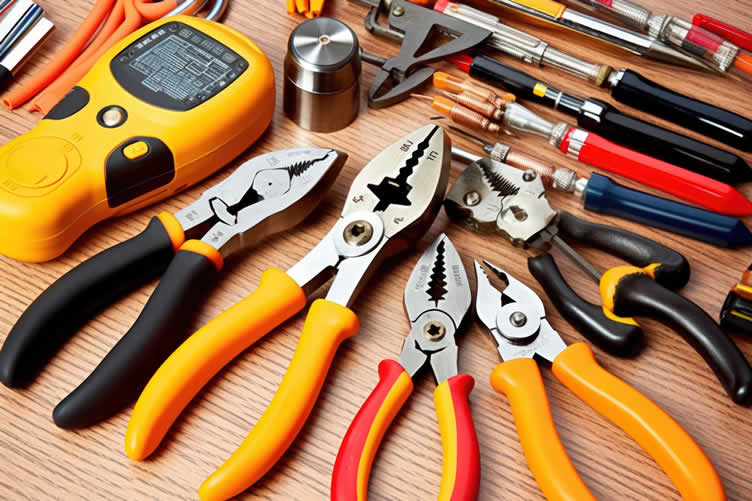
Safety should always be the topmost priority when working with electricity. Begin by turning off the power at the source to prevent any accidental shocks. Always use insulated tools that are specifically designed for electrical work. Wearing rubber-soled shoes can provide additional insulation and protection.
Avoid working in damp conditions as water acts as a conduit for electricity, greatly increasing the risk of electrical shock. Be sure to wear safety glasses to protect your eyes from any flying objects.
Tips for Electrical Safety
- Turn off the power to the circuit you will be working on. This is the most important step to ensure your safety. You can do this by flipping the breaker switch in your electrical panel to the off position.
- Use a voltage tester to make sure that there is no voltage present at the outlet or switch you will be working on.
- Use a wire stripper to remove about 1/2 inch of insulation from the ends of the wires you will be connecting.
- Twist the wires together tightly so that they make good contact.
- Slide a wire connector over the twisted wires and crimp it in place with a crimping tool.
- Flip the breaker switch back to the on position and use a voltage tester to make sure that there is voltage present at the outlet or switch.
copyright image by 123rf.com
-
-
ideas to view and compare from the information discussed above
Scroll up to directory … or scroll to next section about understanding home electrical needs …
remodeling decisions

home future innovations in home electricity
May We Suggest Other Photo Remodeling Ideas
“This time about plumbing needs …” (new win)


third “photo remodeling” idea
copyright image by 123rf.com
Section 3: Modern Electric System Innovations
Notes:
-
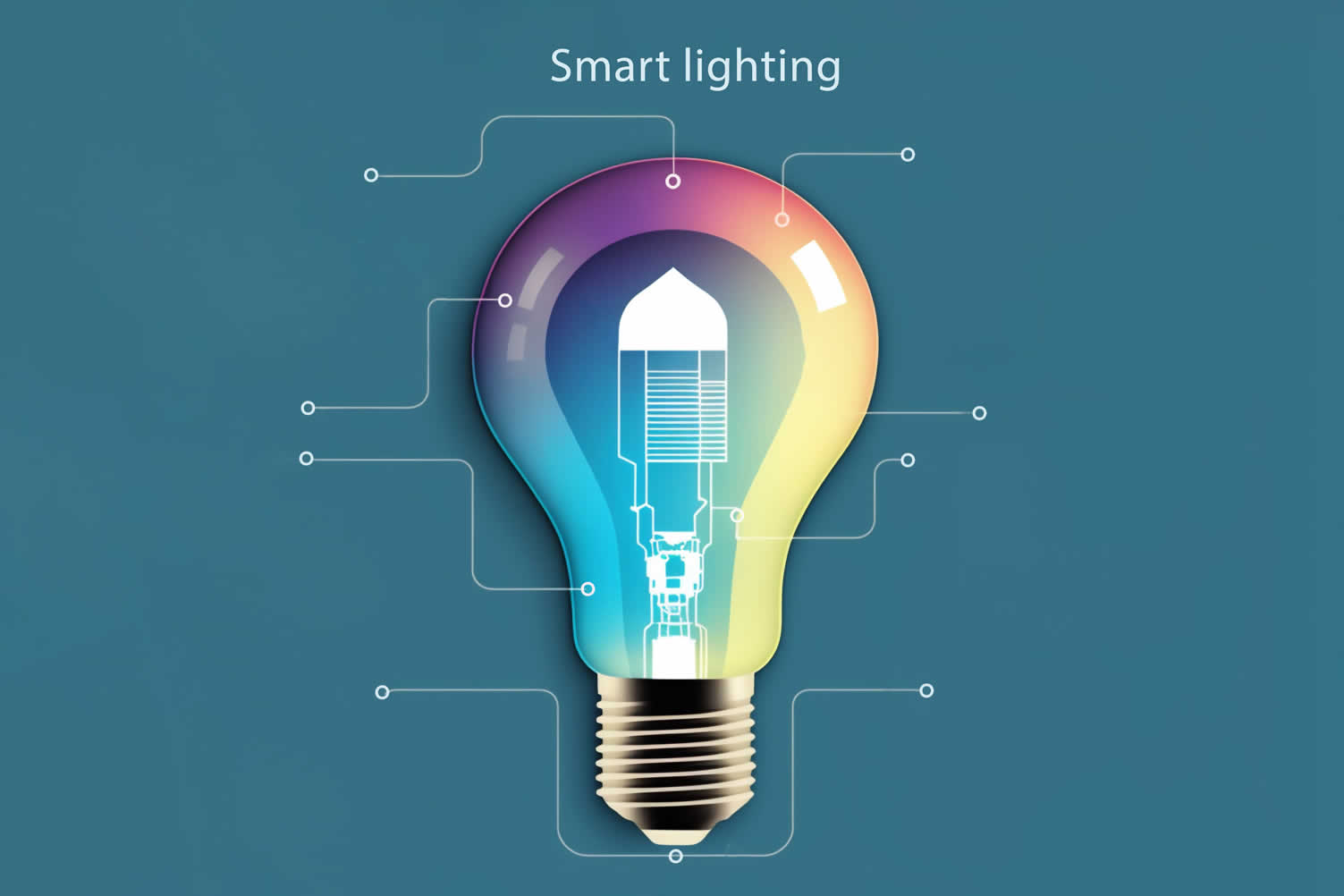
Innovation in the field of electricity has revolutionized the way we live, work and play. A key example of these modern electrical innovations is the development of smart grids. Smart grids use digital communication technology to detect and react to local changes in usage, significantly optimizing energy distribution and reducing waste.
Another noteworthy innovation is the advent of energy-efficient appliances. Some examples include the following:
-
Smart Electrical Wiring
In the realm of modern electrical innovations, the smart electrical wiring systems have become an integral part of our lives. With the ability to integrate with other smart home technologies, these systems provide unparalleled convenience and efficiency. Through the use of intelligent circuitry, smart electrical wiring systems can automate tasks, improve safety, and conserve energy.
Moving on, smart switches and outlets are another significant innovation in this field. These devices can be controlled remotely, often via smartphone apps, and can be programmed to turn on and off at specified times. This not only contributes to energy efficiency but also enhances home security and comfort.
By making the switch to these modern electrical innovations, you can harness the power of technology to create more sustainable and intelligent living spaces.
-
LED Light Bulbs:
LED (Light Emitting Diode) light bulbs are a shining example of modern electrical innovations. These bulbs have completely transformed the lighting industry, offering unparalleled energy efficiency, an exceptional lifespan, and a remarkable quality of light.
Their impact is undeniable, setting new standards for brilliance, longevity, and sustainability. Unlike traditional incandescent bulbs, LED bulbs convert approximately 95% of the energy they use into light, making them a more environmentally friendly option.
Additionally, they can last up to 25 times longer, significantly reducing replacement costs and waste. The widespread adoption of LED technology signifies a crucial step forward in our transition towards more sustainable and efficient energy practices.
-
Smart Appliances:
Smart appliances, equipped with Wi-Fi, Bluetooth, or other wireless protocols, mark a significant change in the home appliance industry. These devices utilize modern electrical innovations to offer a higher level of automation and convenience.
Not only do smart appliances, such as refrigerators, washing machines, or thermostats, adapt to individual use patterns, they also contribute to energy efficiency. For instance, a smart refrigerator can provide alerts when grocery items are running low or approaching their expiration dates.
Additionally, smart appliances can be controlled remotely through smartphones, allowing users to adjust settings on the go.
-
Wireless Charging:
Wireless charging has completely transformed the landscape of power delivery. By eliminating the need for physical connectors and cables, it provides a seamless and efficient charging solution, particularly for portable devices like smartphones and laptops.
The underlying principle of wireless charging is electromagnetic fields used to transfer energy between two objects, thus offering convenience and improved mobility. Furthermore, this technology is constantly being refined to increase its charging speed and range, making it an essential component of our increasingly wireless future.
-
Solar Panels:
Solar panels have revolutionized the way we harness energy. These devices convert sunlight — an abundant and renewable energy source — directly into electricity, thereby providing a sustainable and eco-friendly power solution.
Solar panels have seen widespread adoption, from residential rooftops to large-scale solar farms, playing a critical role in reducing our reliance on fossil fuels. The technology behind solar panels is constantly advancing, with newer models boasting increased efficiency and affordability.
-
-
Quik scroll to topic side notes …
-
-
The Future of Home Electricity:
In the coming years, the future of home electricity will be marked by a significant shift toward renewable energy sources. The drive for sustainability is leading to an increased installation of home solar panels and wind turbines, which not only decrease our carbon footprint but also promise substantial cost savings in the long term.
Advancements in battery technology are enabling households to store this generated electricity effectively, ensuring a reliable power supply even during periods of low energy production.
-
Distributed Energy Resources (DERs)
Distributed Energy Resources (DERs), which include technologies like solar panels, wind turbines, and energy storage devices, are poised to revolutionize the future of home electricity.
DERs allow individuals to generate and manage their energy supply locally, reducing dependence on traditional power grids, and enhancing resilience against power outages.
Moreover, the proliferation of DERs not only supports our shift towards a more sustainable and environmentally-friendly energy system but also empowers homeowners with greater control over their energy usage and costs.
With the continuous advancements in DER technology, the era of decentralized and democratized power is swiftly approaching.
-
Microgrids
Microgrids are emerging as a viable solution for the future of home electricity. These self-sufficient energy systems, capable of operating independently from the traditional power grid, are proving instrumental in the optimization of energy usage within homes.
By integrating various Distributed Energy Resources (DERs), microgrids can manage local energy production and consumption, significantly enhancing energy efficiency.
They also provide a level of resilience against power outages and allow homeowners to contribute excess generated power back to the main grid.
-
Future Home Electrical Systems
Modern home electrical systems are becoming progressively smarter and more interconnected. The rise of the Internet of Things (IoT) has empowered homeowners with the ability to control and monitor their electrical usage in real-time, leading to remarkable energy efficiency.
Furthermore, the future may see the integration of Artificial Intelligence (AI) in these systems, allowing for automatic adjustment of energy use based on behavior patterns and predictive analytics.
This would essentially create self-regulating electrical systems that maximize efficiency and comfort.

copyright image by 123rf.com
-
-
-
ideas to view and compare from the information discussed above
Scroll up to directory … or scroll to next section about understanding home electrical needs …


fourth “photo remodeling” idea

copyright image by 123rf.com
Section 4: Finding Professional Help with Electrical Needs
Notes:
-
Electricity is not something to be trifled with by non-professionals due to its potential risks. Attempting to handle electrical tasks on your own can lead to serious injuries or even fatal accidents. This is where the importance of getting professional help for all your electrical needs comes into the picture.
Professional electricians have the skills and expertise to safely and accurately conduct various electrical tasks. They follow strict safety protocols to prevent any mishaps and ensure that your electrical systems are functioning correctly, which can improve the safety of your home. Their knowledge of electrical systems can also prevent future issues, saving you time and money in the long run.
-
Quik scroll to topic side notes …
-
-
1st: Services Provided By An Electrician:
Professional electricians offer an array of installation services that are crucial for the safety and functionality of your home’s electrical system.
Here are some key services provided by an experienced, trained electrical contractors:
For expert assistance, you can visit: https://www.thelocalelectrician.com.au/level-2-electrician/ or seek the assistance of other local electricians.
-
Installation Services
Home electrical installation is a crucial aspect of any residential structure, playing a pivotal role in ensuring the smooth operation of appliances and systems that make a house feel like a home.
From lighting fixtures to security systems, these installations provide comfort, safety, and convenience for residents. It’s essential to have a trusted professional handle such tasks because of their critical nature which directly impacts the household’s daily functionality.
The task requires a certain level of expertise in home electrical services to maintain safety standards and efficiency, which is why it is advisable to hire an experienced electrician.
- Circuit Installation
- Electrical Panel Installation
- Surge Protection Installation
- Wiring and Rewiring
- Smoke Detector Installation
- Outlet and Switch Installation
- Generator Installation
- Ceiling Fan Installation
-
Code Compliance and Standards
Electrical codes and standards are integral parts of any electrical system. They dictate the safe installation and operation of electrical wiring and equipment.
As these codes and standards can be complex and subject to regular updates, it is essential to have a professional electrician interpret and adhere to them during installation or repair work.
- Code Inspection
- Code Violation Correction
- Permit Acquisition
- Update to Latest Code
- Education and Advice
copyright image by 123rf.com
-
Repair Services
Home electrical repair services are specifically tailored to address problems that may disrupt the seamless functioning of your home’s electrical systems. Such issues could range from a malfunctioning outlet to more complex problems like a broken circuit breaker.
By employing a professional and experienced electrician for these repair services, homeowners can assure prompt and efficient resolution of these issues, thereby preventing potential hazards and ensuring the continuity of their home’s electrical operations.
- Circuit Repair
- Outlet and Switch Repair
- Electrical Panel Upgrade
- Lighting Repair
- Appliance Wiring Repair
- Generator Repair
- Smoke Detector Repair
- Surge Protector Repair
-
Troubleshooting Services
Home electrical troubleshooting services are designed to diagnose and rectify a plethora of electrical issues that can pose threats to the safety and convenience of your home.
An experienced electrician is equipped with the necessary skills and knowledge to identify and fix issues ranging from minor glitches like flickering lights to major concerns such as overloaded circuits.
- Diagnosis
- Fault Detection
- Problem Resolution
- Safety Checks
- Advice and Consultation
- Emergency Troubleshooting
copyright image by 123rf.com
-
Maintenance
Home electrical maintenance services, provided by professional electricians, encompass a wide range of tasks, including routine inspections, fault diagnosis, repairs, and installation of new electrical components.
Regular electrical maintenance can prevent potential hazards, such as electrical fires and shocks, while also ensuring your appliances and systems are functioning optimally.
- System Checks
- Component Replacement
- Cleaning
- Calibration
- Preventive Measures
- Emergency Maintenance
-
Electrical Inspection
Home electrical inspection services form a crucial component of comprehensive home functionality and safety. These inspections involve a meticulous examination of your home’s entire electrical system, from the wiring and outlets to circuit breakers to ensure their compliance with safety standards.
They highlight any existing potential issues or future risks, providing homeowners with the peace of mind that their electrical systems are safe and efficient.
- Electrical System Evaluation
- Circuit Analysis
- Outlet and Switch Inspection
- Electrical Panel Inspection
- Lighting System Inspection
- Appliance Inspection
- Generator Inspection
- Smoke Detector Inspection
- Surge Protector Inspection
copyright image by 123rf.com
-
-
2nd: Finding Electrical Services
Finding and using home electrical services from a qualified electrician guarantees that all electrical works are conducted safely, and professionally, and adhere to the latest regulations.
They possess the necessary skills and experience to diagnose, troubleshoot, and repair any electrical issues you may encounter in your home.
When searching for a qualified electrician, it’s crucial to consider their certifications, experience, and customer reviews. This can be done through online search engines, local directories, or recommendations from trusted friends and neighbors.
You can likewise utilize a third-party search portal offered by a reputable brand. These portals thoroughly vet their contractors and provide multiple electricians (2-3 or more) who will submit bids for your project.
LetsRenovate has aligned with HomeAdvisor ™, one of the leading providers of top-rated, pre-screened local contractors. Begin your search here by selecting the type of electrical services needed and then entering your zip code for local contractor search.
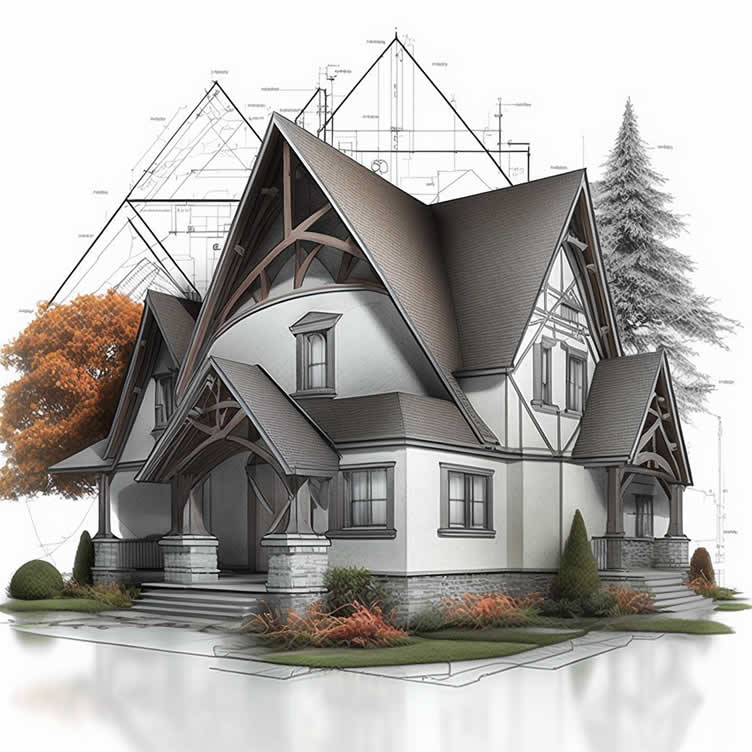
copyright image by 123rf.com
But Wait!
Download first this contractor search and evaluation worksheet to rank and evaluate contractors as it relates to price, experience, time commitment, insurance, references, and their affiliation with professional associations.
Look for and compare contractors regarding positive customer reviews, proven experience, and a solid reputation in the community. It’s beneficial to check whether they’re licensed and insured, as this provides an additional layer of protection.
Remember, a qualified electrician will not only fix your current electrical problems but also help prevent future issues, ensuring the safety and efficiency of your home’s electrical system.

Evaluation Sheet
File Type:
Spec Planning
File Type:Key Questions
When selecting your electrical contractor, the following questions can help ensure you choose a qualified and professional individual or organization:
- What certifications do you hold?
- Can you provide proof of your qualifications and licenses?
- How many years of experience do you have offering home electrical services?
- Can you provide references from previous clients?
- Can you offer a detailed estimate for the work needed?
- Do you have insurance coverage that protects against potential damages or injuries?
- What is your protocol for handling unforeseen issues or complications during a project?
- How do you ensure you stay updated with the latest regulations and safety standards in the field of electrical services?
The electrician may pose the following questions to homeowners during the estimation process:
- What specific electrical issue are you experiencing?
- Have you noticed any recurring electrical problems in your home?
- Can you provide details of any previous electrical repairs or installations performed in your home?
- Are you aware of the age and condition of your home’s electrical system?
- Are there any specific electrical upgrades or installations you are considering for your home?
- Do you have any specific timelines or deadlines for the completion of these electrical services?
- Will the project require any special accommodations such as working during specific hours or coordinating with other contractors?
These questions help the electrician understand the scope of the project, any potential complications, and your expectations, enabling them to provide a more accurate and detailed estimate.
-
-
ideas to view and compare from the information discussed above
Scroll up to directory … or scroll to next section about understanding home electrical needs …
below for …
home electrical services
view illustration “becoming a bank”
Find Electrical Services Electricians Lighting Design Fans Generators Electronics Home Security top-rated, pre-screened local contractors FREE: download contractor selection enter zip code – powered by HomeAdvisor ™
Quick Contractor Guides selecting negotiating working with inspecting

fifth and last “photo remodeling” idea

copyright image by 123rf.com
Section 5: DIY Electrical Maintenance and Care
Notes:
-
When it comes to DIY home electrical maintenance, safety should always be your top priority. Always turn off the power at the breaker box before starting any electrical work, and use tools with insulated handles for added protection.
-
Check Your Electrical Outlets:
Regularly inspect your outlets for signs of scorching or discoloration, which could indicate potential fire hazards. If your outlets feel warm to the touch, call a professional electrician to investigate the issue.
-
Test Your GFCI Outlets:
Ground Fault Circuit Interrupter (GFCI) outlets are designed to protect against electrical shocks. Test these outlets monthly by plugging in a nightlight and pressing the "test" button on the outlet. If the light doesn’t turn off, the outlet isn’t working properly and needs replacement.
-
Tighten Loose Outlets:
Loose outlets can cause the wires to loosen, leading to sparking. Tighten any loose outlets you find during your inspection. If an outlet or switch is cracked, loose, or doesn’t work properly, it should be replaced. This is a relatively easy DIY project that can save you money on an electrician’s bill.
-
Check Your Cords and Cables.
Look for any frayed or damaged cords or cables. If you see any, replace them immediately. Cords and cables that are damaged can cause fires or shocks, so it is important to regularly inspect them.
-
Invest in Surge Protection:
Surges can cause serious damage to your electrical appliances and other electronics. Invest in a surge protector, and replace it every few years to ensure maximum protection.
-
Monitor Your Light Bulbs:
If a light bulb frequently burns out in the same fixture, it could be a sign of a more serious electrical problem. Always replace bulbs with ones of the correct wattage to prevent overheating.
-
Maintain Your Circuit Breaker:
Your circuit breaker can wear out over time. If you find yourself resetting circuit breakers often, or if certain circuits always seem to trip, it may be time for a new one.
-
Have Your Electrical System Inspected By a Professional Every 10 years:
This is especially important if you have an older home or if you have made any major changes to your electrical system.
By taking these steps to maintain your home’s electrical needs, you can avoid potential hazards and keep your system running smoothly. Remember, if you’re unsure about a task, it’s always best to call a professional. DIY maintenance can save you time and money, but safety should never be compromised.
-
-
Quik scroll to topic side notes …
-
-
Home Lighting Design
Home lighting design is a critical aspect of interior decoration that often goes unnoticed. It plays a significant role in balancing the aesthetics and functionality of living space. When executed properly, a good home lighting design can highlight the architectural features of a house, provide the right ambiance, and improve the overall comfort of the inhabitants.
From task lighting in the kitchen, and ambient lighting in the living room, to accent lighting for artwork, each room has unique lighting needs based on its function and the activities performed there.
Understanding and implementing the principles of home lighting design can profoundly enhance your living environment, making it more inviting and comfortable.
-
Ambient Lighting:
This is the primary source of light in a room and sets the overall mood. It is usually achieved using ceiling light fixtures, track lights, or wall-mounted fixtures to provide uniform illumination.
-
Task Lighting:
As the name suggests, task lighting aids in performing specific tasks like reading, cooking, or working. It is often brighter and more focused. Desk lamps, under-cabinet lights, and vanity mirrors are typical examples.
-
Accent Lighting:
Accent lighting is used to highlight specific features in a room such as pieces of art, architectural details, or plants. It is typically provided by track, recessed, or wall-mounted fixtures.
-
Decorative Lighting:
This type of lighting adds character and personality to a room. Examples include chandeliers, pendant lights, or unique table lamps. While primarily aesthetic, decorative lighting can also contribute to the overall light levels in a space.
copyright image by 123rf.com
-
-
-
FINAL REMARKS
Navigating the intricacies of electrical safety is not just about preventing accidents; it’s about creating a harmonious environment powered by unseen forces. It requires placing trust in professional assistance, embracing modern advancements, and upgrading existing systems.
By prioritizing safety while adapting to progress, we ensure seamless experiences with our home electrical system – to create safer spaces; and to let us confidently illuminate our lives within our comforting home.
-
ideas to view and compare from the information discussed above
- What comments can you share about
understanding home electrical needs?
Scroll up to directory … or scroll to additional topics related to home structural design and projects …
Cover image credit: understanding home electrical needs by 123rf.com
end of post … please share it!
 |
did you find this home electrical analysis helpful? If so, please share the article with your friends and family! |
Nice pic idea? Leave us a quick comment below.
And please share this pic idea within your social networks.