Summary Outline –
Taking steps to lower your household energy use might initially seem like a complex or overwhelming project. However, true transformation often comes from making small, intentional adjustments to your daily routines and home environment.
By approaching your living space with a nurturing mindset, you can easily identify areas where energy escapes unnoticed. Every minor improvement you make contributes to a much larger, positive impact on both your personal finances and the health of our shared planet.
By exploring a few strategic upgrades and mindful practices, you can build a more sustainable, welcoming home
- post content
- Section 1: the energy impact of your HVAC system
- Section 2: Hot Water and Major Home Appliances
- Section 3: Home Lighting, Media, and Electronics Energy Use
- Section 4: Budget-Friendly Tips to Reduce Home Energy Use
- Section 5: Making Key "Green Energy" Investments?
- Section 6: Questions About Saving Energy and Finding Help

-
Quick scroll to first topic about how to save energy … or review summary content

Content Summary
section directory1st Home Energy Savings: [view section]
… the first step to saving energy at home is to look at your HVAC system. As the largest energy consumer in most homes, your HVAC system accounts for about 45–50% of your total energy use. Simple actions like adjusting thermostat settings, regularly replacing filters, and scheduling routine maintenance can significantly reduce this percentage.
2nd Home Energy Savings: [view section]
… next, let’s look at other major energy users in your home, like the water heater and large kitchen and laundry appliances. Together, these can account for 25–40% of your home’s energy costs. You can reduce this by simply adjusting your water heater’s temperature and adopting energy-saving habits when using your appliances.
3rd Home Energy Savings: [view section]
… did you know that lighting, media devices, and electronics account for roughly 15-20% of your home’s energy use? You can easily lower this by making a few simple "how to save energy" changes. Switch from incandescent and CFL bulbs to energy-efficient LEDs, and use smart power strips or plugs to completely turn off devices. This prevents them from drawing power when they’re not in use, a problem often called “phantom” or “standby” energy consumption.
4th Home Energy Savings: [view section]
… the fourth section covers budget-friendly tips for reducing home energy use. It suggests using smart controls and automation to turn off devices when not in use and automatically adjust HVAC temperatures. The section also reviews how to seal your home’s envelope by caulking air leaks and improving insulation.
5th Home Energy Savings: [view section]
… the fifth section covers key “green energy” investments that can make your home more energy-efficient and sustainable. These include investing in solar energy, new energy-efficient windows and doors, and new energy-certified appliances and technology.
6th Home Energy Savings: [view section]
… the sixth and final section reviews nine frequently asked questions about saving energy. It also explains the importance of hiring a home energy inspector to assess where your home can be more energy-efficient and what phased improvements you can make.
first “how to save energy” idea

copyright image by 123rf.com
Section 1: The Energy Impact of Your HVAC System
Notes:
-
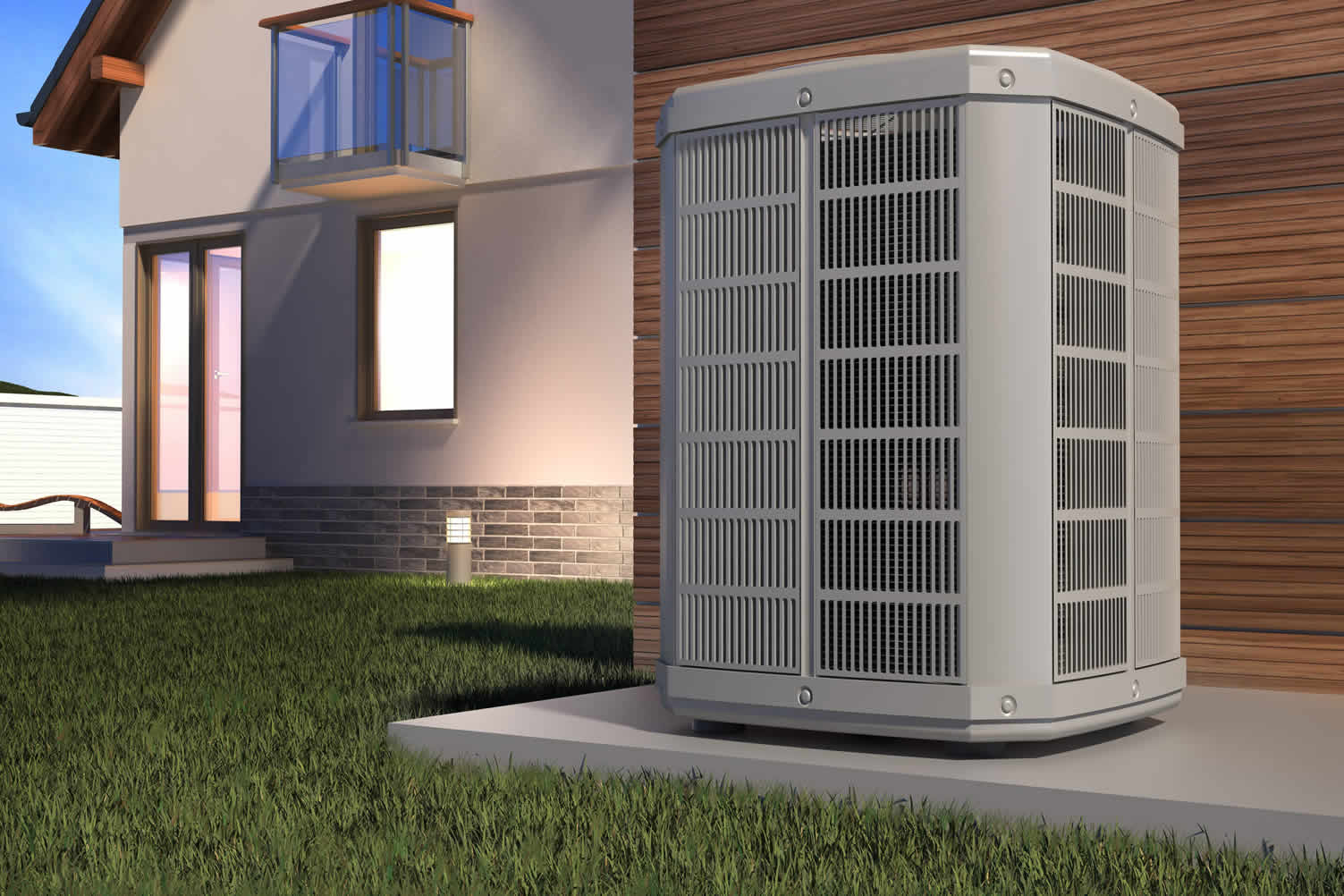
Heating, ventilation, and air conditioning (HVAC) systems are among the most significant contributors to energy consumption in the average household, accounting for roughly 40-50% of total energy use.
This makes them one of the primary factors influencing your home energy bills. Since these systems are essential for maintaining comfort in your home throughout the year, it’s important to ensure they operate efficiently and effectively.
With that in mind, let’s explore some practical energy-saving tactics for your HVAC system to reduce energy costs while still keeping your home comfortable and inviting.
-
Quick scroll to supporting notes …
-
-
1st: Managing Heating and Cooling Energy Costs
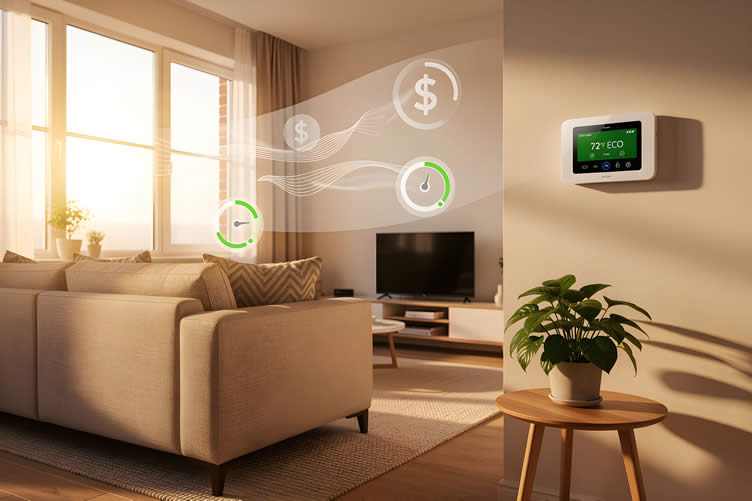
Your heating, ventilation, and air conditioning (HVAC) systems are essential for keeping your home comfortable throughout the year, but they also happen to be one of the biggest energy consumers in the household.
These systems account for a substantial portion—approximately 46%—of your home’s total energy use, which makes them a major factor in your utility bills.
AI generated image by 123rf.com

By taking steps to optimize how these systems perform and how you use them, you can significantly reduce your energy expenses, improve overall efficiency, and even extend the lifespan of your valuable equipment.
Below, we’ll explore some practical and effective strategies for managing your HVAC system to ensure you’re maximizing both your comfort and your savings.
-
Seasonal Temperature Settings
Adjusting your thermostat based on seasonal changes is one of the simplest and most effective ways to reduce energy consumption while maintaining a comfortable home environment.
- Set your thermostat wisely:
During winter, keep your thermostat around 68°F during the day and lower it at night to save energy. For summer, aim for a setting of 78°F when you’re home and increase the temperature slightly when you’re away. - Invest in a programmable or smart thermostat:
These devices automatically adjust temperatures based on your daily schedule, ensuring optimal energy use without sacrificing comfort.
- Set your thermostat wisely:
-
Ceiling Fans to Support Your HVAC System
Ceiling fans can significantly enhance heating and cooling efficiency by improving air circulation throughout your home. Utilize fans year-round:
- Summer months:
during summer months, set the fan to rotate counterclockwise to create a cooling breeze, allowing you to reduce reliance on your air conditioner. - Winter months:
reverse the fan direction to clockwise at low speed. This adjustment circulates warm air that rises to the ceiling, redistributing heat throughout the room for enhanced comfort; it forces warm air down from the ceiling. - Partner with your HVAC system:
Use ceiling fans to complement your air conditioning or heating, allowing you to rely less on your HVAC system and reduce energy use.
- Summer months:
-
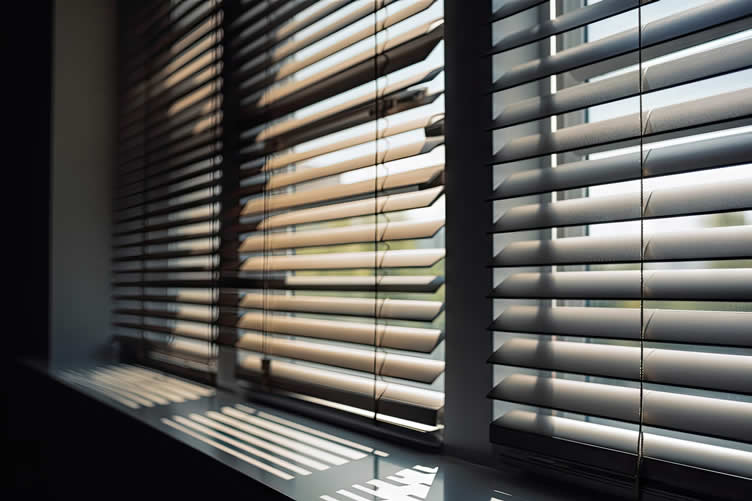
Window Blinds and Curtains
Seasonal use of window treatments can minimize energy loss and keep your home more comfortable naturally.
- Summer savings:
Close blinds or curtains during the hottest part of the day to reduce solar heat gain and ease the burden on your air conditioner. - Winter insulation:
Open blinds during sunny winter days to allow sunlight to warm your home, and close them at night to retain heat. - Added layer:
Incorporating thermal or insulated curtains can amplify these benefits, offering an additional layer of energy efficiency throughout the year.
- Summer savings:
-
Regular HVAC Maintenance
Routine maintenance is essential for keeping your HVAC system running efficiently and preventing costly repairs.
- Schedule professional servicing:
Have your HVAC system inspected and tuned up by a licensed technician at least 1-2 times each year, ideally before the start of peak heating or cooling seasons. This ensures your system is running at peak performance by addressing issues like clogged filters, dirty coils, or system leaks. - Replace filters regularly:
Dirty filters reduce airflow and force your system to work harder, so replace them every 1-3 months, or as recommended by the manufacturer.
By incorporating these strategies, you can take control of your heating and cooling systems, enjoy a more comfortable home, and significantly reduce your energy expenses.
According to the U.S. Department of Energy, small changes in how you use and maintain your HVAC system can lead to substantial savings over time.
- Schedule professional servicing:
- Quick scroll to summary content …
Category Strategies Details Seasonal Temperature Settings Adjust Thermostat During winter, set the thermostat to 68°F during the day and lower it at night. For summer, keep it at 78°F when home and increase it slightly when away. Consider using programmable or smart thermostats for automatic adjustments. Ceiling Fans Support HVAC System During summer, set fans to rotate counterclockwise to create a cooling breeze. For winter, reverse the direction to clockwise at low speed to circulate warm air. Use fans year-round to complement HVAC performance. Window Blinds and Curtains Seasonal Use Close blinds or curtains during hot summer afternoons to minimize solar heat. Open blinds on sunny winter days to retain heat, and use insulated curtains year-round for added energy efficiency. Regular HVAC Maintenance Professional Servicing & Filter Replacement Schedule professional inspections 1-2 times per year, ideally before peak seasons. Replace filters every 1-3 months to ensure proper airflow and prevent unnecessary stress on the system. 

copyright image by 123rf.com
Style Meets Functionality
Ceiling fans make an excellent investment for any home by serving both practical and decorative purposes.
Not only do they help complement your cooling and heating systems—circulating air to maintain comfortable temperatures and reduce HVAC strain—but they also come in a wide range of stylish designs to enhance your ceiling’s aesthetic.
From modern minimalism to rustic charm, a well-chosen ceiling fan can elevate the decor in any room while providing energy-efficient comfort year-round.
view ideas: why ceiling fans?(new win)
-
Scroll up to section directory … or scroll to next supporting note …
-
-
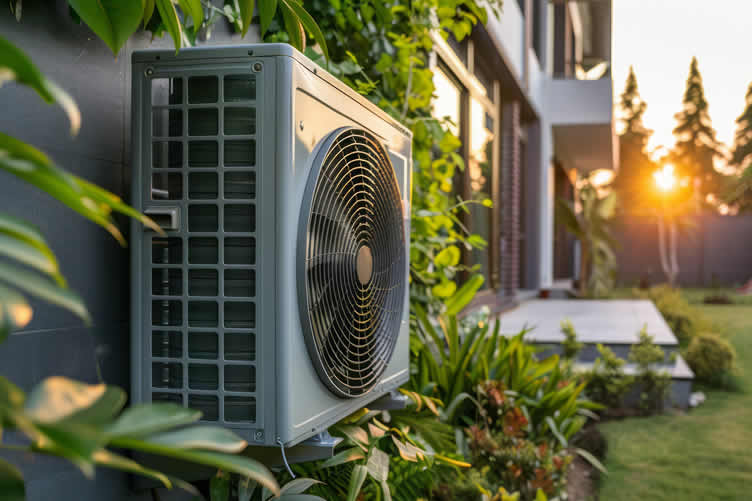
2nd: Investing in New and Alternative HVAC Systems
… to reduce home energy use
Reducing your home’s energy use is a wonderful goal that not only helps you save money on utility bills but also plays a part in creating a more sustainable environment for everyone.
If you’re looking for a significant way to make a difference, investing in a modern or alternative HVAC system is one of the smartest moves a homeowner can make.
copyright image by 123rf.com
These advanced technologies are specifically designed to optimize energy efficiency, which means they use less power to keep your home comfortable.
This improved performance also minimizes waste, making them an excellent choice when it’s time to upgrade your home’s heating and cooling systems.
-
Mini-Split Systems for Targeted Comfort
Mini-split systems, also called ductless HVAC systems, offer a flexible and energy-efficient way to manage the temperature in specific areas of your home. These are particularly useful in rooms that tend to get excessively hot or cold, such as sunrooms or converted basements.
Unlike central HVAC systems, which regulate the temperature of the entire house, mini-split systems allow you to control the climate of individual spaces. This reduces the need to overcompensate with higher or lower settings on your central HVAC, which can drive up energy costs.
Additionally, their compact size and improved efficiency make them an attractive option for reducing overall energy use. According to the U.S. Department of Energy, mini-split systems can save up to 30% on energy compared to traditional HVAC systems.
-
Underfloor Heating for Consistently Cold Areas
Underfloor heating is an innovative solution for areas of your home that remain persistently cold, such as bathrooms, basements, or tiled spaces.
Unlike forced-air systems, which can create uneven temperatures, underfloor heating provides a steady and uniform warmth from the ground up. Powered by either electric heating mats or hydronic systems (which use heated water), they are energy-efficient because they operate at lower temperatures while still achieving effective heating.
Furthermore, underfloor heating eliminates the need for additional space heaters or frequent adjustments to the main HVAC system, which saves energy and enhances comfort. Homes with this feature often see an improvement in overall energy efficiency and home value.
-
Portable AC and Heating Units for Small Spaces
Portable air conditioners and heating units are excellent choices for cooling or heating smaller, enclosed spaces without relying on the home’s central HVAC system.
These appliances provide targeted climate control while consuming significantly less energy than running a large system for the entire house.
For instance, if you prefer to keep your HVAC temperature settings lower to save energy, a portable unit can help maintain comfort in frequently used spaces such as bedrooms or home offices.
Though intended for short-term or supplementary use, portable units can fill a crucial role in your energy-saving strategy when chosen appropriately. Always look for models with high Energy Efficiency Ratio (EER) or Seasonal Energy Efficiency Ratio (SEER) ratings to maximize savings.
-
Replacing Outdated HVAC Systems with Energy-Efficient Models
If your home’s central HVAC system is ten or more years old, upgrading to a newer, high-efficiency model could drastically reduce your energy consumption.
Modern HVAC systems are built with advanced technology such as variable-speed compressors, smart thermostats, and zoning capabilities that help use energy more efficiently. Look for systems with ENERGY STAR certification and high SEER ratings, as these indicators reflect better energy performance.
While the upfront cost may seem significant, the long-term savings and rebates offered by many state and federal energy programs significantly offset these initial investments.
According to ENERGY STAR, upgrading to a high-efficiency HVAC system can save homeowners up to 20% annually on heating and cooling costs.
By adopting one or several of these alternative HVAC solutions, you can create a more comfortable living environment while lowering your home’s energy consumption.
Investing in energy efficiency is not only a win for your budget but also a responsible choice for reducing the environmental footprint of your household.
Always consult HVAC professionals and conduct thorough research to select the best option tailored to your home’s needs.
- Quick scroll to summary content …
Solution Description Benefits Mini-Split Systems Also known as ductless HVAC systems, these allow targeted temperature control for specific areas of a home, such as sunrooms or converted basements, providing flexibility and reducing reliance on central HVAC systems. Save up to 30% on energy compared to traditional HVAC systems, improve comfort in specific areas, and offer compact sizing for easy installation. Underfloor Heating An innovative heating solution that provides uniform warmth from the ground up using electric heating mats or hydronic systems, suitable for persistently cold areas like bathrooms, basements, or tiled spaces. Enhances energy efficiency by operating at lower temperatures, eliminates the need for additional heaters, and promotes even temperature distribution. Portable AC and Heating Units Ideal for small or enclosed spaces, these units provide targeted climate control without depending on a central HVAC system. Consumes less energy than larger systems, maintains comfort in frequently used spaces, and offers flexibility for short-term or supplementary use. High EER or SEER ratings maximize savings. Energy-Efficient HVAC Models Modern systems with advanced features like variable-speed compressors, smart thermostats, and zoning capabilities replace outdated systems to drastically reduce energy consumption. Save up to 20% annually on heating and cooling costs, offer long-term energy savings, and may include rebates from energy programs to offset initial costs. 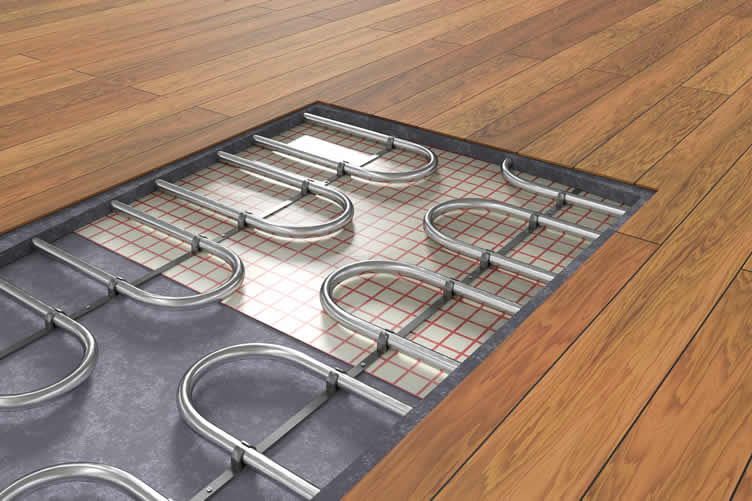
copyright image by 123rf.com
What’s In a Title!
HVAC stands for Heating, Ventilation, and Air Conditioning—essential systems that regulate the temperature, airflow, and overall climate within your home.
These systems work together to ensure a comfortable living environment year-round.
The heating component typically includes furnaces or heat pumps, ventilation involves ducts and air filters, and the air conditioning system provides cooling during warmer months.
Understanding these components can help you decide the best overall HVAC system for your home and family.
view ideas: what does HVAC comprise?(new win)
-
Scroll up to section directory …
-
-
-
ideas to view and compare from the information discussed above


Scroll up to main directory … or scroll to next section about how to save energy …


Download this PDF for a concise summary of everything you need to know about …?


… remodeling decisions

second “photo remodeling” idea

copyright image by 123rf.com
Section 2: Hot Water and Major Home Appliances
… energy consumption
Notes:
-
Did you know that heating water and running your major home appliances can account for a substantial portion—nearly 25-40%—of your household’s total energy consumption?
It’s a surprising figure for many homeowners. Your water heater, working behind the scenes, is often the biggest contributor, responsible for around 18% of the average home energy bill all by itself.
The remaining portion is taken up by the everyday workhorses of your home: appliances like refrigerators, washing machines, dryers, and dishwashers.
This combined energy demand not only has a direct impact on the amount you pay for utilities each month but also adds to your home’s overall carbon footprint.
By making mindful changes to how you use these devices, you can take a vital step toward a more sustainable and cost-effective lifestyle.
-
Quick scroll to supporting notes …
-
-
1st: The Energy Impact of Your Water Heater
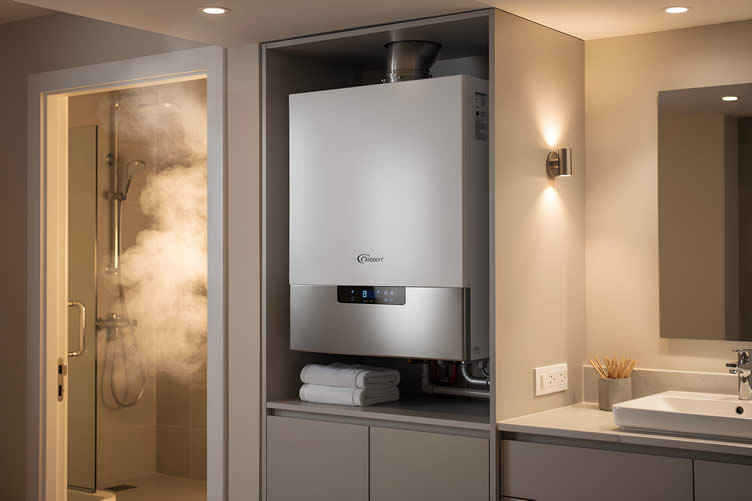
Your water heater quietly delivers the modern luxury of hot water for daily tasks such as bathing, cooking, and cleaning—services we often take for granted.
Yet, this indispensable appliance is one of the most energy-intensive devices in your home, consuming approximately 18% of your monthly energy budget.
AI generated image by 123rf.com
Fortunately, there are practical and effective ways to reduce water heating expenses and improve energy efficiency, saving you money while minimizing your environmental impact.
-
Adjusting the Water Heater Temperature
A simple yet highly effective tactic to reduce energy costs is lowering your water heater’s thermostat setting. Most manufacturers set the default temperature at 140°F, but reducing it to 120°F can significantly cut energy consumption without compromising comfort.
According to the U.S. Department of Energy (DOE), this reduction can save a household up to 10% annually on water heating costs while also reducing the risk of scalding and slowing the buildup of mineral deposits in your tank.
-
Insulating Your Water Heater and Pipes
Uninsulated water heaters and pipes lose heat, forcing the system to work harder and consume more energy. Wrapping your water heater with an insulating blanket can cut standby heat loss by 25-45%, reports the DOE, leading to up to 16% savings in water heating costs annually.
Additionally, insulating hot water pipes can raise water temperatures by 2-4°F, allowing you to use less heated water for your daily needs. These materials are inexpensive and available at most hardware stores, making this a cost-effective improvement for any home.
-
Installing Low-Flow Showerheads and Faucets
Water-saving fixtures, such as low-flow showerheads and faucet aerators, are an excellent investment for reducing both water and energy consumption. By lowering the volume of water used, these devices minimize the amount of water your heater needs to heat, cutting associated energy costs.
According to the Environmental Protection Agency’s (EPA) WaterSense program, installing a certified low-flow showerhead can save an average family over $70 annually in energy and water expenses, all without sacrificing performance.
-
Considering Tankless Water Heaters
For those ready to make a longer-term commitment to energy efficiency, a tankless water heater is a worthwhile investment. Unlike traditional units that constantly heat and store water in a tank, tankless systems heat water on demand, eliminating standby energy loss.
Studies from EnergyStar.gov estimate that tankless models can be up to 34% more energy-efficient for households that use less than 41 gallons of hot water daily.
Although the upfront cost can be higher, the lower operating costs and extended lifespan of tankless units make them an eco-friendly and cost-saving option over time.
By employing these strategies, you can take control of your water heating costs while improving your home’s energy efficiency. Beyond the financial benefits, these changes contribute to a more sustainable lifestyle by conserving resources and reducing greenhouse gas emissions.
For more guidance and expert advice, consult resources like the U.S. Department of Energy (energy.gov) or Energy Star-certified appliance recommendations.
- Quick scroll to summary content …
Understanding Water Heaters
(from the summary table below)
Topic Description Potential Benefits The Energy Impact of Your Water Heater Your water heater accounts for about 18% of monthly energy use, being one of the most energy-intensive appliances for daily tasks like bathing, cooking, and cleaning. Identifying energy-saving strategies can reduce costs and environmental impact. Adjusting the Water Heater Temperature Lowering the thermostat from 140°F to 120°F decreases energy consumption without affecting comfort. Reduces annual heating costs by up to 10%, limits scalding risks, and prevents mineral deposits in the tank. Insulating Your Water Heater and Pipes Using an insulating blanket and pipe insulation minimizes heat loss and reduces energy consumption. Decreases standby heat loss by 25-45%, saving up to 16% in annual water heating costs, and raises pipe water temperatures by 2-4°F. Installing Low-Flow Showerheads and Faucets Low-flow fixtures reduce water volume usage, conserving energy by heating less water. Saves families over $70 annually in energy and water costs, all while maintaining performance. Considering Tankless Water Heaters Tankless systems heat water on demand, eliminating standby heat loss. Up to 34% more energy-efficient for households that use less than 41 gallons of hot water daily, with lower operating costs over time. 
copyright image by 123rf.com
Is Your Drinking Water Truly Safe?
The water you use and drink every day might seem clean, but how often do you stop to ensure its quality?
Safe drinking water is essential for maintaining good health, yet impurities, outdated plumbing, and contaminants can compromise its safety.
Regularly testing your water, investing in effective filtration systems, and staying informed about local water quality are simple steps you can take to protect your household.
Clean, reliable water is not just a convenience—it’s a necessity for a healthier home and life.
view ideas: importance of clean drinking water(new win)
-
Scroll up to section directory … or scroll to next supporting note …
-
-
2nd: Unlock Savings From Your Home’s Major Appliances
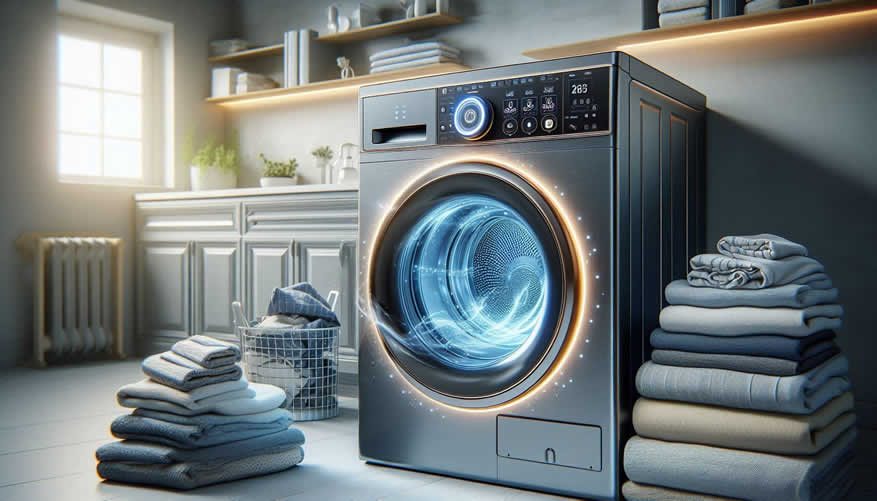
Your major appliances do more than just bring comfort and efficiency to your daily life—they also hold the key to unlocking significant energy savings.
By making thoughtful adjustments to how you use them and considering strategic upgrades, you can substantially reduce your household’s energy consumption.
copyright image by 123rf.com
This not only leads to lower utility bills but also helps minimize your environmental footprint.
This guide offers simple, actionable strategies to help you optimize the energy use of your essential appliances, allowing you to achieve maximum efficiency without compromising on their performance.
-
Laundry Appliances
Laundry appliances, such as washers and dryers, are among the biggest energy consumers in your home. Optimizing their performance can lead to noticeable savings.
Tips to Reduce Energy Costs:
- Wash in Cold Water:
Approximately 90% of the energy used by washing machines goes toward heating water. Using cold water not only saves energy but also helps preserve fabrics. - Use Energy Star®-Rated Machines:
Energy-efficient washers use 25% less energy and 33% less water compared to standard models. Look for Energy Star certifications when upgrading appliances. - Maximize Load Size:
Run full loads to make the most of your machine’s energy use, but avoid overloading as this can reduce cleaning efficiency. - Air Dry When Possible:
Take advantage of clotheslines or drying racks to reduce reliance on dryers, especially during warmer months.
- Wash in Cold Water:
-
Dishwashing Appliance
Dishwashers offer convenience, but they can also consume significant amounts of water and electricity. Implementing a few smart practices can help minimize their energy impact.
Tips to Reduce Energy Costs:
- Air Dry Your Dishes:
Many dishwashers have an air-dry option that eliminates the need for energy-intensive heated drying cycles. - Skip Pre-Rinsing:
Modern dishwashers are designed to clean effectively without the need to pre-rinse dishes, saving water and energy. - Run Full Loads:
Always run the dishwasher with a full load to maximize energy efficiency. Choose “eco” or energy-saving cycles when available. - Upgrade to Energy-Efficient Models:
According to the U.S. Department of Energy, Energy Star dishwashers save up to 12% in energy and 30% in water use compared to non-certified models.
- Air Dry Your Dishes:
-
Major Kitchen Appliances
Refrigerators, ovens, and other kitchen appliances are active daily and present significant opportunities for energy savings when used wisely.
Tips to Reduce Energy Costs:
- Refrigerator and Freezer Efficiency:
Set refrigerator temperatures between 35–38°F and freezer temperatures at 0°F for optimal performance. Avoid overloading, as it can block airflow and make the appliance work harder. - Keep Appliances Clean:
Regularly clean refrigerator coils and oven cavities to improve performance and reduce energy strain. - Cook Smart:
Use the right-sized burner for your pots and pans, keep oven doors closed during cooking, and use energy-efficient countertop appliances like slow cookers or toaster ovens for small meals. - Upgrade to Modern Designs:
New Energy Star refrigerators use about 40% less energy than models sold 15 years ago. Look for high-efficiency options if considering replacements.
- Refrigerator and Freezer Efficiency:
-
General Appliance Efficiency Tips
Beyond focusing on specific devices, consider these universal tactics to maximize energy savings across your household appliances.
Tips to Reduce Energy Costs:
- Unplug Unused Devices:
Many appliances and electronics consume standby power even when not in active use. Use power strips to cut off power completely. - Perform Routine Maintenance:
Check seals, filters, and vents on appliances like refrigerators, dryers, and HVAC systems to ensure they operate at peak efficiency. - Consider Smart Appliances:
Newer devices with smart technology can optimize energy use by running during off-peak hours or providing usage insights to improve efficiency.
By incorporating these strategies into your home routine, you can achieve a more energy-efficient household.
For expert recommendations on energy-saving appliances and tips, consult Energy Star resources (energystar.gov) or your local utility provider for additional rebates and programs.
With just a few adjustments, you can enhance your home’s functionality, reduce expenses, and contribute to a more sustainable lifestyle.
- Unplug Unused Devices:
- Quick scroll to summary content …
Appliance Category Tips to Reduce Energy Costs Additional Notes Laundry Appliances Wash in cold water to reduce energy use for heating water. Use Energy Star®-rated machines for better efficiency. Maximize load size while avoiding overloading. Air dry clothes when possible to limit dryer reliance. Energy Star-rated washers use 25% less energy and 33% less water. Cold water washing also preserves fabric quality. Dishwashing Appliance Use the air-dry option to save energy. Skip pre-rinsing as modern dishwashers clean effectively without it. Run full loads and select eco or energy-saving cycles. Upgrade to Energy Star-certified models if possible. Energy Star dishwashers save up to 12% energy and 30% water use compared to non-certified models. Major Kitchen Appliances Set refrigerator temperatures between 35–38°F and freezer at 0°F. Clean refrigerator coils and oven interiors regularly. Cook with the right-size burner and keep oven doors closed during cooking. Consider replacing old models with Energy Star-certified designs. New Energy Star refrigerators operate with about 40% less energy than models from 15 years ago. General Appliance Efficiency Unplug unused devices or use power strips to eliminate standby power. Perform routine maintenance on seals, filters, and vents. Opt for smart appliances to optimize energy use and improve overall efficiency. Smart technology appliances can run during off-peak hours and provide insight for better energy management. 
copyright image by 123rf.com
The Benefits of Smart Appliances
When it’s time to replace a major home appliance like a refrigerator, choosing a smart model can be a game-changer for energy savings and convenience.
Smart refrigerators are designed with advanced technology, including ENERGY STAR certification, ensuring they operate efficiently while reducing energy consumption.
These appliances can monitor internal conditions, adjust settings to maintain optimal performance, and even connect to your smartphone for added functionality.
By investing in a smart refrigerator, you not only enhance the efficiency of your home but also contribute to a more sustainable future.
view ideas: reviewing smart refrigerators(new win)
-
Scroll up to section directory …
-
-
-
ideas to view and compare from the information discussed above
eco: dishwasher podseco: laundry sheetswater heater flush kit
Scroll up to main directory … or scroll to next section about how to save energy …

Tackling home upgrades such as "how to save energy" and likewise fulfilling all your home improvement needs …
… save this curated directory of ideas for future reference.



May We Suggest Other Photo Remodeling Ideas About
“Improving and Taking Care of Your Health …” (new win)


third “photo remodeling” idea
copyright image by 123rf.com
Section 3: Home Lighting, Media, and Electronics
… ~15-20% of home energy use
Notes:
-
Did you know that approximately 15-20% of your home’s energy consumption comes from lighting, media devices, and electronics?
From binge-watching your favorite shows to keeping your home brightly lit, these everyday activities can add up significantly on your energy bill. The good news is that small, intentional changes can lead to meaningful savings without sacrificing comfort or functionality.
Below, we’ll share practical and budget-friendly tactics to help you reduce your energy costs while enhancing the efficiency of your lighting, media, and electronic use.
These tips are easy to implement and fit a variety of lifestyles, empowering you to make a positive impact on your energy usage and the environment.
-
Quick scroll to supporting notes …
-
-
1st: Energy-Efficient Home Lighting
… a bright idea for savings
When it comes to managing energy costs at home, lighting is one of the most straightforward yet most impactful areas to address.
By making a few intentional upgrades to your light fixtures and adopting some simple, practical habits, you can significantly cut down on your energy usage.
copyright image by 123rf.com
This not only saves you money on your electricity bills but also helps reduce your overall environmental footprint.
Below, we’ll explore several expert-backed strategies designed to help you optimize your home’s lighting for ultimate efficiency and cost savings.
-
Upgrade to LED Lighting
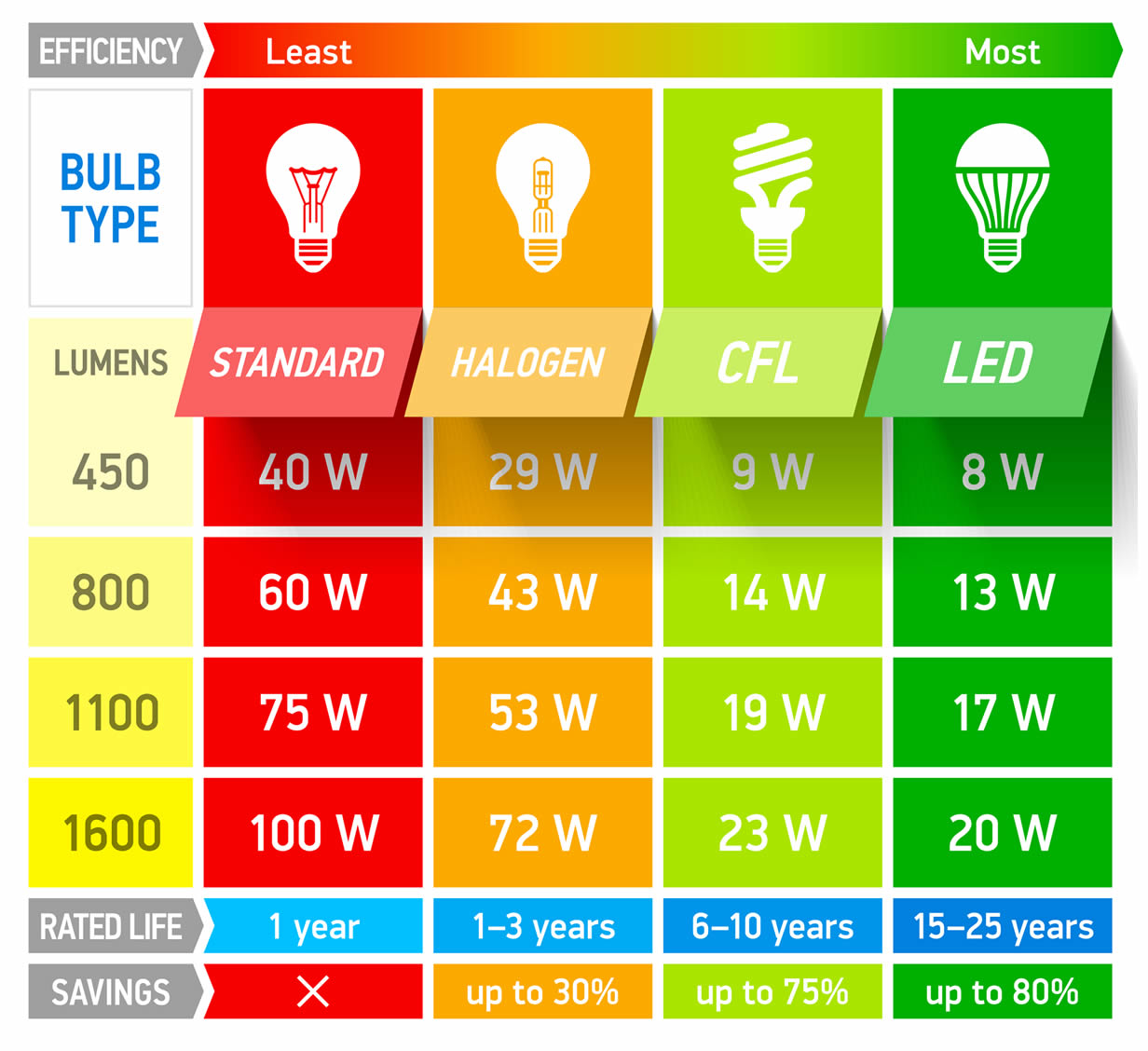
One of the most effective ways to reduce energy consumption in your home is by replacing outdated incandescent or halogen bulbs with LED options. LEDs are known to use up to 80% less electricity than traditional bulbs while lasting much longer, which reduces waste and replacement costs.
Smart LEDs take this a step further by allowing you to customize brightness, set schedules, and control lights remotely, ensuring no excess energy is wasted. With their advanced technology and affordability, LEDs provide a quick and lasting return on investment for your lighting upgrades.
-
Switch Off Lights in Unused Spaces
Turning off lights in empty rooms may seem like a small habit, but it delivers measurable savings over time. If you find it challenging to remember, installing motion sensors or programmable lighting systems can automate this task, ensuring lights only operate when needed.
These automated systems are particularly useful in spaces like hallways or closets, where lights are often left on accidentally. By adopting this simple solution, you can reduce unnecessary energy usage without requiring constant vigilance.
-
Optimize Lighting for Specific Tasks
Instead of relying on full-room lighting for all your activities, consider using task lighting, which focuses illumination where it’s needed most.
Desk lamps, under-cabinet kitchen lighting, or reading lights not only provide better visibility for specific tasks but also use significantly less energy than overhead fixtures.
For additional savings and comfort, choose warm-temperature LED task lights that are energy-efficient while creating an inviting atmosphere.
-
Maximize Natural Light
An often-overlooked strategy for reducing energy costs is to take full advantage of natural light during daylight hours. Open curtains and reposition furniture to allow sunlight to brighten your spaces, reducing the need for artificial lighting.
Installing light-colored or reflective surfaces, such as mirrors, can also help amplify natural light and distribute it throughout a room.
By effectively incorporating daylight into your home, you decrease reliance on energy-consuming artificial lights during the day.
-
Consider Dimming and Smart Controls
Using dimmer switches or smart lighting controls allows you to customize the brightness of your lights according to your needs. Reducing intensity during evening or low-use hours directly decreases energy consumption.
Smart lighting systems enable additional savings by learning your habits and automating adjustments, ensuring your home is illuminated efficiently at all times. These systems are also convenient for creating mood lighting that is both energy-saving and aesthetically pleasing.
By implementing these thoughtful and effective solutions, you can revolutionize your home’s lighting to save on energy costs without sacrificing comfort or style.
Research from the U.S. Department of Energy underscores the significant benefits of LED adoption and automated systems as core contributors to reducing residential energy waste.
Make these changes today and enjoy the immediate rewards of lower bills, increased home value, and a brighter, more sustainable living environment.
- Quick scroll to summary content …
Strategy Details Benefits Upgrade to LED Lighting Replace outdated incandescent or halogen bulbs with LED options. Smart LEDs allow customization of brightness, scheduling, and remote control. LEDs use up to 80% less electricity and last longer, reducing energy waste, replacement costs, and providing a good return on investment. Switch Off Lights in Unused Spaces Adopt the habit of turning off lights in empty rooms. Consider installing motion sensors or programmable systems to automate this process. Reduces unnecessary energy usage naturally, avoiding constant vigilance and ensuring lights only operate when needed. Optimize Lighting for Specific Tasks Use task lighting like desk lamps, under-cabinet lighting, or reading lights. Choose energy-efficient warm-temperature LED lights. Focused illumination saves energy compared to using full-room lighting, while providing comfort and better visibility. Maximize Natural Light Reposition furniture, open curtains, and use reflective surfaces to brighten rooms naturally during daylight hours. Decreases reliance on artificial lighting, saving energy while creating an inviting and naturally-lit atmosphere. Consider Dimming and Smart Controls Install dimmer switches or smart lighting to customize brightness and automate adjustments based on needs. Directly decreases energy usage and ensures efficient lighting, all while offering aesthetic and convenient solutions. 
copyright image by 123rf.com
Stylish and Energy-Efficient LED Lighting
Today’s LED lights have revolutionized home lighting by combining style and efficiency.
These modern designs mimic the classic charm of incandescent bulbs while consuming up to 80% less energy, making them an excellent choice for both aesthetics and cost savings.
Available in a wide range of shapes, sizes, and colors, LEDs allow you to illuminate your home creatively and sustainably, no matter your decor preferences.
view ideas: choosing the right LED bulbs(new win)
-
Scroll up to section directory … or scroll to next supporting note …
-
-
2nd: Tackling Energy Waste From Phantom Standby Loads
From televisions and gaming consoles in the living room to computer monitors and chargers in the office, modern homes are filled with helpful technology.
While these conveniences make our lives easier, they also create a hidden problem known as phantom standby loads.

copyright image by 123rf.com
This occurs when devices continue to draw electricity even after they’ve been turned off, silently wasting energy and increasing your utility bills.
Addressing this sneaky issue is an essential step for any homeowner who wants to build a more energy-efficient, cost-effective, and sustainable home.
-
What Are Phantom Standby Loads?
Phantom standby loads, also called vampire energy or standby power, occur when electronic devices consume electricity even while they appear off or in standby mode.
Examples include televisions, gaming consoles, streaming devices, chargers, and even idle kitchen appliances. According to the U.S. Energy Information Administration, phantom loads can account for about 5-10% of household electricity use, unnecessarily inflating energy costs and environmental impact.
While it’s impossible to eliminate all standby usage, taking conscious steps can significantly reduce its effects.
-
Use Smart Power Strips or Smart Plugs
One effective solution to combat phantom standby loads is incorporating smart power strips or smart plugs into your household setup. These modern devices are designed to cut power to electronics when they are not actively in use.
For instance, a smart power strip can detect when a primary device, like a TV, is turned off and automatically shut down peripheral devices such as sound systems or gaming consoles.
Smart plugs, on the other hand, allow you to control power remotely via apps, giving you oversight of your energy usage even when you’re away from home. By doing so, they not only prevent energy waste but also contribute to the longevity of your devices.
-
Shut Down Devices or Use Aggressive Sleep Mode Settings
Another crucial tactic is to ensure your computers, monitors, and other user-controlled electronics are either completely shut down when not in use or switched into an energy-efficient sleep mode.
Many modern devices have customizable power settings that allow aggressive sleep configurations, significantly reducing energy waste during periods of inactivity.
Research from ENERGY STAR shows that computers in sleep mode use up to 70% less power compared to active mode, highlighting the importance of this simple yet effective practice. Always save your work frequently and enable automatic sleep settings for added convenience without disruption.
-
Invest in Energy-Efficient Equipment
Upgrading to energy-efficient electronics is a proactive, long-term approach to reducing phantom loads. Look for devices certified by ENERGY STAR or similar energy efficiency programs, as they are designed to minimize standby power usage without compromising performance.
Older models often lack these optimizations, so replacing outdated devices can result in noticeable energy savings. While there might be an initial cost upfront, the reduced energy consumption means these upgrades often pay for themselves over time.
-
Unplug Devices When Not in Use
Finally, one of the simplest steps to eliminate phantom energy consumption is disconnecting devices when they are not in use. Although this might seem inconvenient, it can be particularly effective with items like phone chargers, which are often left connected to outlets unnecessarily.
Strategically locating outlets or using charging stations can make this approach more practical for homeowners. For infrequently used devices, such as printers or seasonal decor, unplugging is an easy way to avoid wasting energy altogether.
By implementing these strategies, you can take meaningful steps to reduce phantom standby loads in your home. Not only will you lower energy costs and support environmental sustainability, but you’ll also gain greater control over your household’s overall energy efficiency.
For further guidance, resources from trusted organizations such as ENERGY STAR, the U.S. Department of Energy, and industry experts provide actionable insights to help you maximize energy savings.
Make these small but impactful changes today and enjoy a smarter, more sustainable home tomorrow.
- Quick scroll to summary content …
Topic Description Solutions Phantom Standby Loads Phantom standby loads refer to the electricity consumed by devices that are turned off or in standby mode, such as televisions, gaming consoles, and chargers. They can account for about 5-10% of household electricity usage. Using smart power strips or smart plugs, shutting down devices, enabling aggressive sleep mode settings, upgrading to energy-efficient equipment, and unplugging devices when not in use. Smart Power Strips or Smart Plugs Modern devices designed to cut power to electronics when not in use. Smart power strips automatically turn off peripheral devices, while smart plugs provide remote control over energy usage. Prevent energy waste and extend the longevity of devices by cutting off power when electronics are idle. Sleep Mode Settings Use of energy-efficient sleep mode settings on devices like computers and monitors to reduce power consumption during inactivity. Reduces energy usage by up to 70% for computers in sleep mode compared to active mode. Energy-Efficient Equipment Devices certified by programs like ENERGY STAR are designed to minimize standby power consumption while maintaining performance. Replacing older models with energy-efficient equipment can lead to significant long-term savings. Unplugging Devices Disconnecting devices from power outlets when not in use eliminates phantom energy consumption. Particularly effective for infrequently used devices. A simple and direct approach to avoid unnecessary energy waste. 
copyright image by 123rf.com
Journey of Electricity
Sometimes, we take electricity for granted. We know we pay for it, but have you ever thought about what it takes to power your daily life?
Every time you charge your phone or use an appliance, electricity flows seamlessly to meet your needs.
Before it reaches your home, it undergoes a fascinating journey—from generation at power plants, across miles of wires, through substations, and finally into your outlets.
This intricate system provides the comfort we rely on, making it all the more important to understand its origins.
view ideas: behind your home’s power(new win)
-
Scroll up to section directory …
-
-
-
ideas to view and compare from the information discussed above
Scroll up to main directory … or scroll to next section about how to save energy …

Outline the specific requirements needed for making eco-decisions for the home …
… and other key home improvement and remodeling decisions
Download this PDF for a concise summary of everything you need to know about …?


fourth “photo remodeling” idea
copyright image by 123rf.com
Section 4: Budget-Friendly Tips to Reduce Home Energy Use
Notes:
-
Cutting down on home energy usage doesn’t have to involve expensive upgrades or complex installations. With simple, affordable strategies, you can make a significant impact on reducing your energy consumption while keeping your home more comfortable and efficient.
From addressing common sources of energy loss to using smarter habits, these tactics will help you save money and minimize your environmental footprint.
Below, you’ll find practical tips to effectively manage and conserve energy in your home without stretching your budget.
-
Quick scroll to supporting notes …
-
-
1st: Implementing Smart Controls and Automation
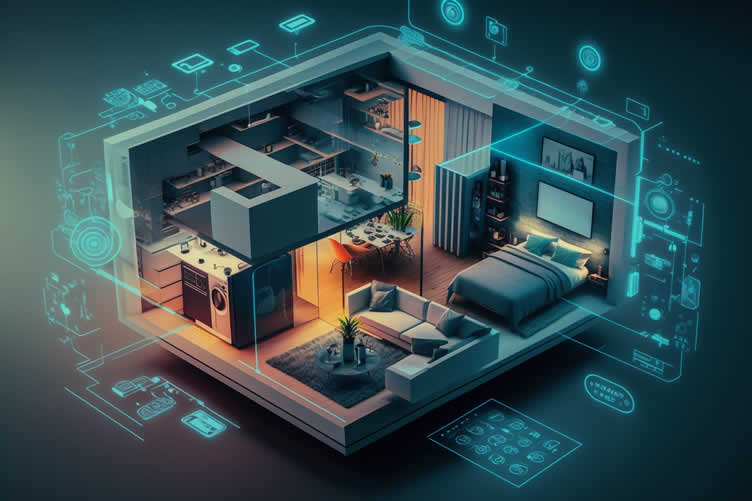
Integrating smart home technology into your household is like introducing a dependable partner dedicated to managing your energy consumption with precision and care.
These innovative tools do more than just streamline your daily routines; they actively work to lower your utility bills and reduce your overall environmental impact.
copyright image by 123rf.com
By embracing the power of smart controls and automation, you can transform your home into a more intelligent, responsive, and energy-conscious living space that works for you.
-
Smart Thermostats for Climate Control
Smart thermostats are a game-changer when it comes to optimizing your heating and cooling systems. These devices learn your schedule, preferences, and routine behaviors, automatically adjusting temperatures to ensure your home remains comfortable without wasting energy on unoccupied spaces.
For instance, they can lower the heat when everyone is at work or asleep and warm up the house just before you return or wake up.
Studies show that smart thermostat users can save up to 10%-15% on heating and cooling costs, making them a worthy investment for energy-conscious households.
Incorporating a programmable thermostat also gives you remote control access, so you can make adjustments easily from your smartphone no matter where you are.
-
Smart Lighting Solutions for Efficient Illumination
Upgrading to smart lighting is a simple yet impactful way to manage electricity usage in your home. Smart lighting systems come equipped with features such as dimmers, scheduled timers, and occupancy sensors.
These allow lights in less frequently used spaces like hallways, garages, or guest rooms to automatically turn off when not in use.
For even greater efficiency, many systems allow you to adjust the brightness according to the time of day or ambient light conditions, giving you the perfect balance between illumination and energy savings.
Beyond functionality, many smart lighting options are compatible with voice-activated systems, allowing you to integrate convenience into your energy-saving measures.
-
Smart Plugs and Energy Monitoring
Smart plugs and energy monitors serve as a diagnostic tool for tracking the energy consumption of devices throughout your home. With these tools, you can identify which devices consume the most power and create strategies to reduce their usage.
For example, smart plugs allow you to remotely turn off electronics that drain energy when not in use, such as televisions or gaming consoles that stay in standby mode.
Additionally, energy monitors provide insights into your consumption patterns, enabling you to make informed decisions, such as replacing inefficient appliances or setting tighter schedules to prevent waste.
-
Presence Sensors for Room-Based Efficiency
Presence sensors take energy management to the next level by coordinating lighting and HVAC systems based on occupancy. These sensors detect when someone enters or exits a room and adjust the room’s conditions accordingly.
For example, if a living room is unoccupied during the day, the thermostat can automatically reduce heating or cooling, while the lights in that area turn off until someone returns.
This level of fine-tuned coordination ensures that energy is only used where it’s truly needed, providing both convenience and cost reduction.
-
Gradual Home Automation Integration
Integrating home automation gradually into your household is an effective approach to optimizing energy use without overwhelming your budget or lifestyle.
Start with areas where energy savings can be easily realized, such as scheduling lights to turn on and off during certain times of the day or automating the irrigation system for your lawn based on weather conditions.
Over time, expand your system to include advanced features like automated window blinds that adjust to block or allow sunlight depending on the season, or appliances that sync with your family’s schedule.
By gradually adopting these technologies, you can create a cohesive and customized solution that aligns with your energy goals and day-to-day habits.
By implementing smart controls and automation, you empower your home to work smarter, not harder. These technologies serve as an extension of your proactive energy-saving efforts, providing long-term benefits in comfort, savings, and sustainability.
Each device plays a role in reducing energy waste and simplifying the way you interact with your living space, allowing you to focus on what truly matters—to feel at peace knowing your home is running at its best.
- Quick scroll to summary content …
Smart Control Features Benefits Smart Thermostats Learns user schedule and behavior, adjusts temperature automatically, provides remote control access through smartphones. Saves 10%-15% on heating and cooling costs, ensures comfort, reduces energy consumption in unoccupied spaces. Smart Lighting Includes dimmers, scheduled timers, occupancy sensors, brightness adjustments based on ambient light, and voice-activated systems. Optimizes electricity usage, enhances convenience, reduces energy waste in low-use areas, and integrates seamlessly with smart home systems. Smart Plugs and Energy Monitors Tracks energy consumption, enables remote power control, and provides insight into energy usage patterns. Identifies energy-draining devices, prevents standby power waste, and informs decisions like replacing inefficient appliances or tightening schedules. Presence Sensors Detects occupancy, coordinates lighting and HVAC systems automatically based on room usage. Reduces energy use in unoccupied rooms, enhances efficiency, and combines convenience with cost savings. Gradual Home Automation Integration Starts simple with automating lights, irrigation systems, and expands over time to include advanced features like smart blinds and synced appliances. Allows energy optimization without overwhelming budget, provides scalable solutions that align with user habits and goals. 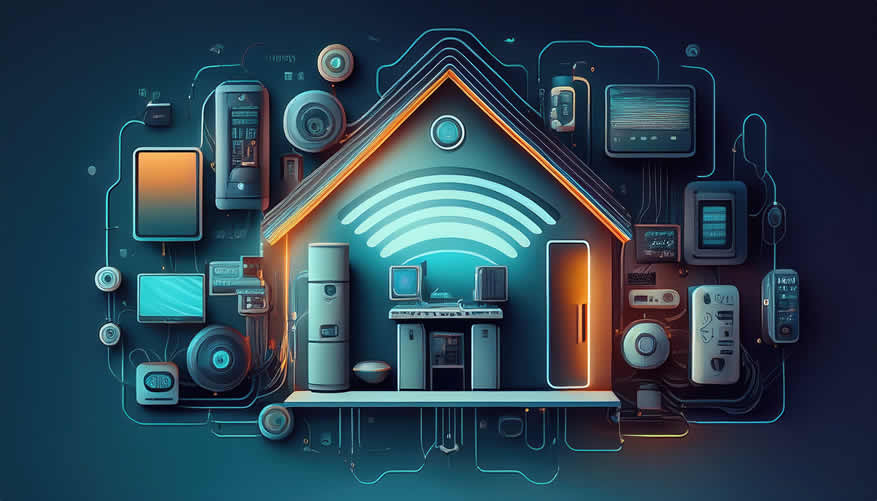
AI generated image by 123rf.com
Elevate Your Home with Smart Technology
Home automation has become a game-changer for many households, particularly among those who have grown up immersed in the latest tech innovations.
While adding smart devices like thermostats or lighting systems can help optimize energy usage, why stop there?
Consider upgrading your living space with a centralized hub powered by IoT technology, seamlessly connecting all your devices to the cloud.
This not only enhances convenience but also allows for smarter, more efficient energy management, creating a home that works perfectly in sync with your lifestyle.
view ideas: using IoT for home automation(new win)
-
Scroll up to section directory … or scroll to next supporting note …
-
-
2nd: Sealing the Building Envelope
When your home constantly struggles to maintain its conditioned air, it places an unnecessary and continuous strain on your heating and cooling systems.
This ongoing battle against escaping air inevitably leads to higher energy bills and a noticeable reduction in your overall comfort.
By carefully improving your home’s building envelope—the physical barrier between the interior and exterior environments—you can significantly minimize this energy loss.

copyright image by 123rf.com
A well-sealed home not only enhances efficiency but also creates a more stable and comfortable living environment year-round.
Taking the time to address these key areas of energy inefficiency ensures that your home works with you in harmony, rather than against you, no matter the season.
-
Addressing Air Leaks
One of the most effective ways to improve your building envelope is sealing obvious air leaks around your home. Gaps around windows, doors, and utility penetrations—such as electrical outlets on exterior walls or plumbing and ductwork—are common culprits of air leakage.
These small gaps can add up to significant energy loss over time. Using caulk to seal stationary cracks and weatherstripping for moving components, like doors and windows, provides a reliable barrier that helps to maintain indoor temperatures and reduce energy waste.
Smart home automation solutions, like connected climate monitors, can also pinpoint areas of air leakage with higher precision, empowering you to act quickly.
-
Enhancing Insulation
Many homes lose valuable energy through insufficient insulation, especially in areas like attics or exposed ducts. Adding or topping up insulation in these spaces significantly reduces heating and cooling loads, maintaining a stable indoor temperature.
Insulated duct sleeves, foam wraps, and additional attic insulation are excellent solutions to prevent heat transfer in unconditioned spaces.
Modern technology, including smart thermostats and energy monitoring systems, complements these efforts by analyzing energy usage trends to optimize your HVAC performance, ensuring your energy use is as efficient as possible.
-
Improving Windows and Glass Surfaces
Windows are another major point of energy transfer, particularly in extreme climates. If your home faces especially cold winters, using window insulation kits and forming an additional insulating barrier keeps warmed air from escaping through the glass.
Similarly, in hot climates, reflective window films help reduce internal heat gain caused by thermal radiation. Integrated smart shades or automated blinds can work in tandem with these improvements to adjust according to sunlight exposure, preventing unnecessary heating or cooling throughout the day.
These proactive steps allow you to maintain a consistent and comfortable home environment while effectively reducing energy consumption.
By making strategic investments in sealing your building envelope and leveraging smart home solutions, you take control of your home’s energy performance.
These improvements not only lower your energy bills but also support long-term sustainability, creating a home that is efficient, comfortable, and built to last.
To further explore building envelope improvements and discover the latest tools to help with your energy-saving goals, consult resources like the U.S. Department of Energy’s recommendations on residential insulation or seek guidance from local energy-efficiency initiatives in your area.
- Quick scroll to summary content …
Sealing the Building Envelope
(from the summary table below)
google imagescommon air leaks view – how to find air leaks view caulking air leaks view – caulk around windows view – caulk around doors view improve home insulation view – insulating ductwork view window insulation (winter) view – window film (summer) view where hidden air leaks? youtube how to seal whole house youtube Key Area Description Solutions Sealing the Building Envelope A home that struggles to maintain its conditioned air places unnecessary strain on heating and cooling systems, resulting in higher energy bills and reduced comfort. Improving the building envelope minimizes energy loss, enhances efficiency, and ensures year-round comfort. Address key areas of energy inefficiency with measures like sealing air leaks, enhancing insulation, and improving windows. Addressing Air Leaks Air leaks around windows, doors, and utility penetrations such as electrical outlets or plumbing are common causes of energy loss. These gaps add up over time, increasing energy waste. Seal stationary cracks with caulk and moving parts like doors and windows with weatherstripping. Smart home automation tools can aid in pinpointing air leakage areas for quick action. Enhancing Insulation Insufficient insulation, particularly in attics and ducts, results in significant heating and cooling loads. Proper insulation helps retain stable indoor temperatures. Add or improve insulation in key areas like exposed ducts and attics. Use insulated duct sleeves, foam wraps, and advanced energy monitoring technology to optimize HVAC efficiency. Improving Windows and Glass Surfaces Windows are major points of energy transfer, especially in extreme climates. Poorly insulated windows cause heat loss in winter and increased heat gain in summer. Use window insulation kits, reflective films, and integrated smart shades or blinds that adapt to sunlight exposure. These solutions reduce heat transfer and stabilize internal temperatures. 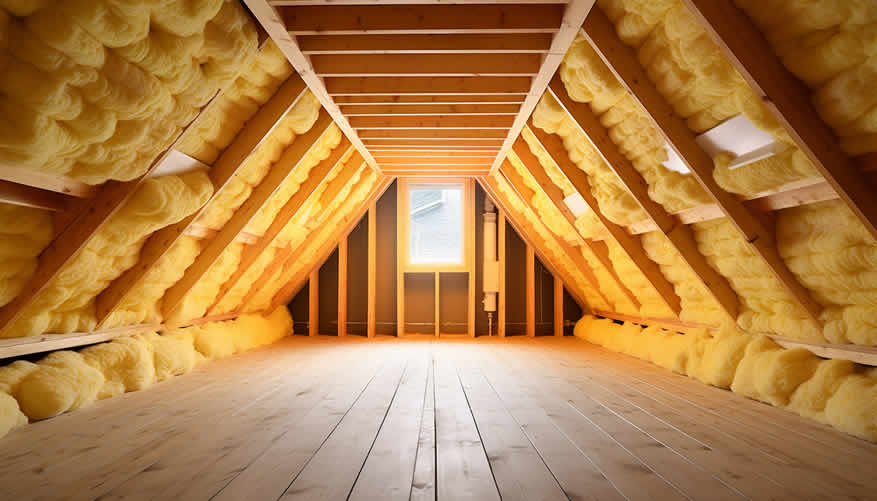
copyright image by 123rf.com
Essential Tools for an Energy-Efficient Home
Making your home more energy-efficient involves tackling a variety of improvement projects, and having the right tools can make all the difference.
A reliable toolkit should include a caulking gun for sealing gaps, a programmable thermostat for precise climate control, weatherstripping supplies to reduce drafts, and an energy meter to monitor electricity usage.
Investing in high-quality tools ensures your DIY efforts are effective, helping you save money on energy bills while reducing your environmental impact.
Let’s explore how these essential items can help you create a more efficient, comfortable home and tackle other DIY projects.
view ideas: complete DIY tool guide(new win)
-
Scroll up to section directory …
-
-
-
ideas to view and compare from the information discussed above
Scroll up to main directory … or scroll to next section about how to save energy …



SHARE IT ..! Someone in your network might benefit from this insightful post about how to save energy. Feel free to share it on Facebook, X (formally Twitter), LinkedIn, or Pinterest!



Easily determine the dimensions you need for any home remodeling project …
… ensuring functionality, visual appeal, and compliance with building codes.
fifth and last “photo remodeling” idea


copyright image by 123rf.com
Section 5: Making Key "Green Energy" Investments?
Notes:
-
Timing is everything when it comes to making meaningful home improvement decisions, especially those that boost your home’s energy independence and efficiency.
Whether you’re looking to lower utility costs, reduce your environmental footprint, or enhance your home’s self-reliance, it’s essential to evaluate your budget and prioritize investments that offer long-term savings and sustainability.
Key moments such as receiving a tax refund, planning a move, or simply recognizing areas of energy waste in your household can serve as excellent opportunities to take action.
By focusing on upgrades designed for energy efficiency and sustainability, you not only create a more comfortable and cost-effective living space but also contribute towards a greener, more future-proof home.
Below, we’ll explore some of the most impactful sustainable investments you can make to transform your home into an energy-efficient haven.
-
Quick scroll to supporting notes …
-
-
1st: Investing in Home Solar Energy
Harnessing the power of the sun to generate electricity for your home is more than an environmentally conscious choice—it’s a strategic investment in energy independence and long-term cost savings.
Solar energy systems allow homeowners to produce clean, renewable power, reducing reliance on traditional energy grids.
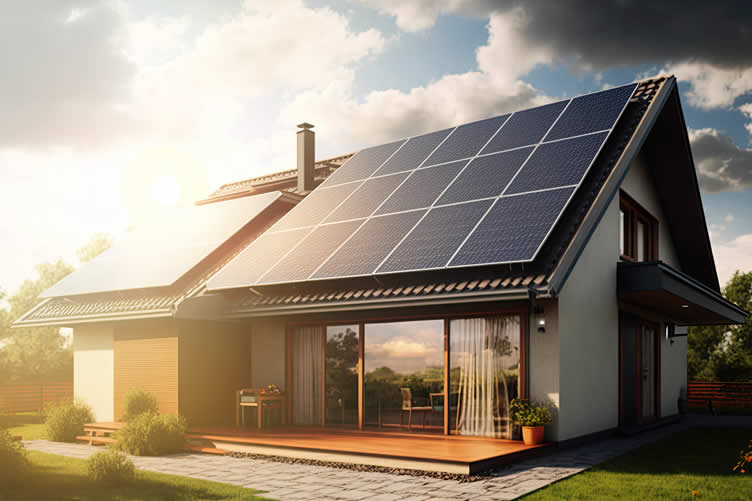
copyright image by 123rf.com
If your property or landscape receives ample sunlight during the day, solar energy can help meet your household’s energy needs, with the potential to sell excess power to the grid and offset utility costs.
-
Increasing Energy Independence and Cost Savings
Solar energy systems empower homeowners to generate their own electricity, reducing dependency on local utility companies and insulating against fluctuating energy rates.
Over time, this can lead to significant savings, as solar panels typically last 25 to 30 years with minimal maintenance. Many states offer incentives, such as tax credits or rebates, further decreasing the initial investment cost and improving the return on investment.
For homes that experience partial sun exposure, optimizing placement on rooftops or open landscapes can maximize efficiency, ensuring even modest systems contribute meaningfully to energy needs.
-
Enhancing Environmental Impact
Choosing solar energy significantly reduces your carbon footprint and demonstrates a commitment to environmental sustainability. Traditional energy sources, like coal and natural gas, release large quantities of greenhouse gases into the atmosphere.
By comparison, solar energy is a zero-emission source of power. For eco-conscious homeowners, this shift not only benefits the planet but also enhances the market appeal of your home, as more buyers seek properties equipped with green energy solutions.
-
Potential Revenue Opportunities with Solar Energy
One of the lesser-known advantages of solar energy is the ability to sell excess power back to the grid through net metering programs.
Many communities support initiatives where homeowners can contribute surplus solar power to the local energy network, earning credits or revenue that offset their own power usage.
This benefit is particularly attractive in areas with generous solar subsidies or states that actively encourage renewable energy adoption.
-
Increasing Your Home’s Value
Investing in a solar energy system contributes to a rise in property value. Homes with solar installations are increasingly sought after in the real estate market, as buyers appreciate the prospect of lower power bills and energy independence.
A home equipped with renewable energy solutions signals modernity, efficiency, and forethought, making it both marketable and future-ready. Additionally, studies suggest that properties with solar systems sell faster compared to those without.
-
Government Incentives and Subsidy Programs
Federal, state, and local governments recognize the importance of renewable energy, offering various incentives to encourage homeowners to install solar panels.
These incentives often include significant tax credits, direct rebates, or reduced costs through government-supported solar programs.
Understanding these offerings is a critical factor in reducing the upfront expense of transitioning to solar energy and making the option accessible to more homeowners.
-
Simple Maintenance and Long-Term Durability
Once installed, solar panels are relatively low maintenance, requiring occasional cleaning and routine inspections to ensure optimum functionality.
Built to withstand a range of weather conditions, most solar panels continue to perform efficiently for decades. This combination of durability and minimal upkeep ensures homeowners can continue benefiting from their investment with peace of mind.
Investing in solar energy is more than a commitment to renewable power—it’s a forward-thinking decision that enhances your home’s energy efficiency, reduces environmental impact, and contributes to long-term financial gains.
By selecting a system tailored to your home’s unique needs, you can create a sustainable energy solution that aligns with both your lifestyle and values.
- Quick scroll to summary content …
Category Details Benefits Investing in Home Solar Energy Harnesses the power of the sun to generate electricity, offering an environmentally friendly and strategic investment. Reduces reliance on traditional energy grids and provides long-term cost savings. Increasing Energy Independence and Cost Savings Allows homeowners to generate clean electricity, reducing dependency on utility companies and mitigating fluctuating energy rates. Potential for significant savings over time with minimal maintenance. Includes incentives like tax credits or rebates. Enhancing Environmental Impact Solar energy reduces carbon footprints and promotes environmental sustainability by replacing high-emission energy sources like coal. Zero-emission power source and increased market appeal for eco-conscious buyers. Potential Revenue Opportunities Excess power generated can be sold back to the grid via net metering programs or earn credits through community energy initiatives. Offsets energy costs and enables revenue generation in areas with supportive solar incentives. Increasing Your Home’s Value Solar installations boost property value and signal modernity and efficiency to potential buyers in the real estate market. Homes with solar systems sell faster and appeal to buyers seeking energy-efficient solutions. Government Incentives and Subsidy Programs Federal and local governments offer tax credits, rebates, and reduced solar program costs to encourage adoption of renewable energy. Significantly reduces upfront investment costs and increases accessibility. Simple Maintenance and Long-Term Durability Solar panels require minimal upkeep with occasional cleaning and are designed to withstand diverse weather conditions. Ensure decades of efficient performance with low maintenance for continued return on investment. 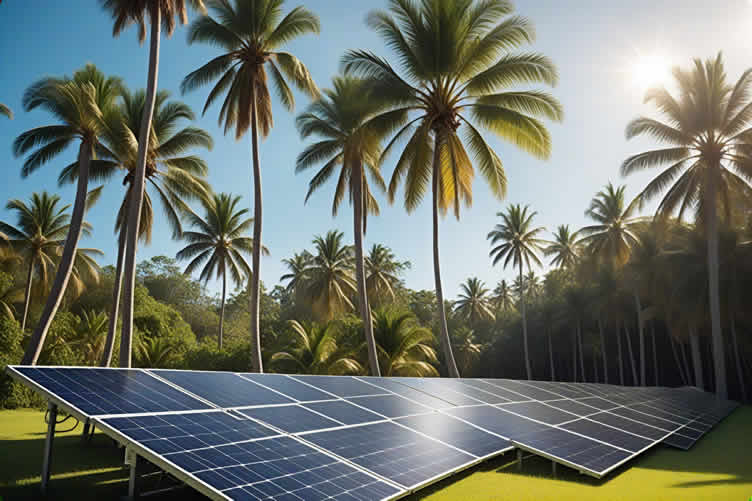
AI generated image by 123rf.com
Is It Time for Solar?
Deciding if solar energy is right for your home requires careful consideration of several factors. Start by evaluating your home’s position—does your roof receive ample sunlight throughout the day?
Next, think about your budget; while solar panels can be an investment, they often pay off over time through reduced energy bills and potential tax incentives.
Lastly, consider your long-term plans for the home. If you intend to stay for many years, solar energy can be a cost-effective and environmentally friendly choice that increases your property’s value.
By weighing these aspects, you can determine if now is the right time to make the switch to solar.
view ideas: installing a solar energy system(new win)
-
Scroll up to section directory … or scroll to next supporting note …
-
-
2nd: The Impact of Energy-Efficient Windows and Doors
… on home energy costs
Making the choice to invest in energy-efficient windows and doors is a smart and highly effective way to enhance your home’s overall energy performance while also reducing long-term utility costs.
These crucial home upgrades can significantly address two key areas of home energy efficiency that often lead to higher bills: heat loss during colder months and improved insulation year-round.

AI generated image by 123rf.com
Thanks to innovative technologies now widely available, modern energy-efficient options not only improve the comfort level within your home by maintaining a more stable indoor temperature but also contribute positively to a more sustainable and environmentally friendly lifestyle.
-
Energy-Efficient Windows with Smart Pane Technology
Windows play a crucial role in determining your home’s energy efficiency. Traditional windows often allow heat to escape in the winter and permit excess heat to enter during the summer, placing a strain on your heating and cooling systems.
Energy-efficient windows equipped with smart pane technology are designed to combat these challenges. These advanced panes use specialized coatings and multiple glazing layers to reflect heat back into your home during colder months and reduce solar heat gain during warmer periods.
Additionally, some smart pane technologies incorporate gas-filled layers between panes, further improving insulation and energy performance.
By installing these windows, homeowners can experience a noticeable reduction in their energy bills while also enhancing indoor comfort. Over time, the energy savings from this investment often offset the initial cost, making them a financially sound as well as environmentally friendly choice.
According to the U.S. Department of Energy, homes that switch to energy-efficient windows can save an average of 12% on annual energy expenses—a compelling reason to make the upgrade.
-
Energy-Efficient Doors with Smart Build Technology
Doors are another critical component of your home’s insulation and overall energy performance. Older door models, particularly those made from materials with poor thermal resistance, can result in significant energy loss.
Energy-efficient entrance doors incorporate smart build technology to address this issue by creating an airtight seal that minimizes unwanted drafts and temperature fluctuations.
These cutting-edge doors are often constructed using materials such as insulated fiberglass or steel, combined with advanced thermal technologies like foam cores or weather-resistant finishes.
Not only do they prevent heat transfer, but they also enhance the overall security and durability of your home. An effective energy-efficient entrance door reduces over-reliance on heating and cooling systems, helping to regulate indoor temperatures naturally throughout the year.
Upgrading to energy-efficient doors can contribute to both significant cost savings and environmental benefits. With less energy wasted, you’ll lower your home’s carbon footprint while enjoying a cozier atmosphere.
Consumers using energy-efficient doors can save hundreds of dollars annually, depending on their region and climate, as reported by industry studies.
-
Enhancing Home Value and Satisfaction
Beyond cost savings, energy-efficient windows and doors can also enhance your home’s overall value. These improvements are highly sought after by prospective buyers due to their practicality and eco-friendly appeal.
Whether you’re staying put or planning to sell in the future, investing in these upgrades provides immediate benefits and long-term rewards.
Modern homeowners are looking for sustainable solutions that align with their lifestyle, and energy-efficient windows and doors deliver on both functionality and aesthetics.
With proper installation from trusted professionals and regular maintenance, these upgrades can provide years of energy savings, improved comfort, and peace of mind.
When considering your next home improvement project, making the switch to energy-efficient windows and doors is an investment you won’t regret.
For accurate guidance tailored to your specific home, consult energy-efficiency professionals or refer to resources such as the Energy Star program, which continuously reviews and certifies high-performance windows and doors.
These informed choices will set you on the path to a greener and more cost-effective living space.
- Quick scroll to summary content …
Aspect Description Benefits Energy-Efficient Windows Windows with smart pane technology include specialized coatings, multiple glazing layers, and gas-filled layers to improve insulation. These windows reduce heat loss in winter and minimize solar heat gain in summer. Lower energy bills, improved indoor comfort, and an average of 12% savings on annual energy expenses as per the U.S. Department of Energy. Energy-Efficient Doors Doors with smart build technology are made from materials like insulated fiberglass or steel with foam cores and weather-resistant finishes. These features minimize drafts, improve thermal resistance, and enhance durability. Reduced reliance on heating and cooling systems, lower carbon footprint, hundreds of dollars saved annually depending on climate, and increased overall home security and comfort. Overall Impact Energy-efficient windows and doors enhance thermal insulation, reduce heating and cooling costs, and align with sustainable living practices. Increased home value, significant long-term cost savings, improved aesthetic appeal, and alignment with eco-friendly lifestyles sought by modern homeowners. 
copyright image by 123rf.com
Why Invest in High-Quality Windows
High-quality windows are an essential investment for creating an energy-efficient, comfortable, and aesthetically pleasing home.
Superior windows act as a barrier against outdoor elements, minimizing air leaks and maintaining indoor temperatures. This not only reduces your reliance on heating and cooling systems but also lowers energy bills over time.
Additionally, well-constructed windows enhance natural lighting, improve home security, and boost your property’s overall value.
By choosing durable materials and energy-efficient designs, you ensure long-term savings and a cozier living space.
view ideas: long-term benefits of high-quality windows(new win)
-
Scroll up to section directory … or scroll to next supporting note …
-
-
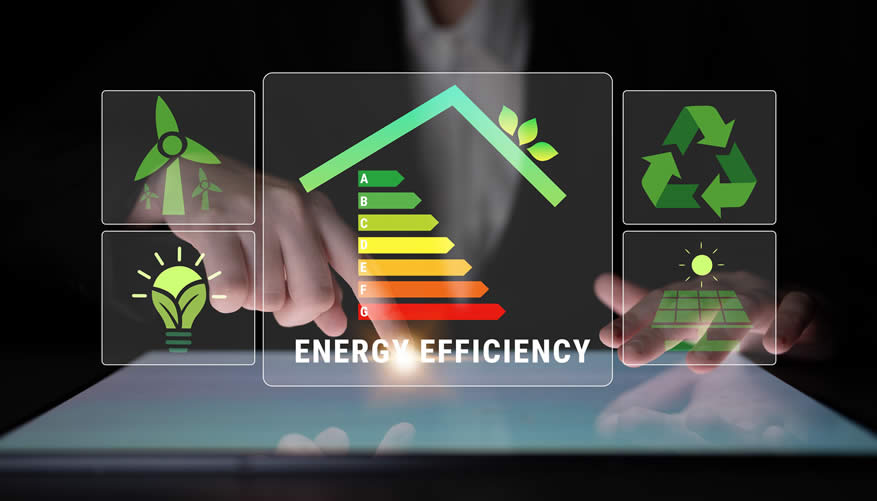
3rd: Investing in Energy-Efficient Appliances and Technology
Eventually, even the most durable, highest-quality appliances and home components will reach the end of their functional lifespan. This inevitable reality prompts the need for thoughtful, forward-thinking upgrades.
When that time comes for your home, prioritizing energy-efficient solutions offers a dual benefit: it not only helps reduce your monthly utility bills but also significantly minimizes your household’s environmental impact.
copyright image by 123rf.com
This approach represents a smarter, more sustainable way to enhance your living space.
From essential kitchen appliances to the structural elements that make up your home’s envelope, choosing energy-efficient options ensures better performance, contributes to a healthier planet, and secures long-term savings for years to come.
-
Energy-Efficient Major Household Appliances
Replacing outdated appliances with modern energy-efficient models is one of the most impactful steps you can take toward a greener home.
Appliances such as refrigerators, dishwashers, and washing machines equipped with ENERGY STAR certification consume significantly less energy and water compared to traditional models.
For instance, according to the U.S. Environmental Protection Agency (EPA), ENERGY STAR-certified washers use about 25% less energy and 33% less water than non-certified models. These savings quickly add up, making ongoing utility costs more manageable while ensuring optimal performance.
When upgrading, it’s essential to evaluate energy ratings, warranty options, and the estimated yearly energy use to maximize your investment in both savings and environmental benefits.
-
Upgrading Your HVAC System
Your heating, ventilation, and air-conditioning (HVAC) system likely makes up a significant portion of your home’s energy consumption.
By upgrading to an energy-efficient system with advanced compressors, smart thermostats, and zoning capabilities, homeowners can reduce operational energy usage while enjoying enhanced indoor comfort.
According to ENERGY STAR, high-efficiency HVAC systems can lower heating and cooling costs by up to 20%. Paired with regular maintenance and proper installation, these systems not only last longer but also improve air quality, ensuring your home remains a comfortable and healthy space for years to come.
-
Re-Enveloping Home Insulation for Maximum Efficiency
Upgrading your home’s insulation with high-performance materials like spray foam or rigid foam boards is a fantastic way to improve its energy efficiency. These modern materials help create a much tighter seal than older insulation might provide, effectively wrapping your home in a protective layer.
This improved barrier is crucial for keeping your carefully conditioned air—whether it’s warm air in the winter or cool air in the summer—from escaping, while also preventing extreme outdoor temperatures from seeping in.
These improvements, verified by energy audit data or expert guidance, are pivotal for long-term energy conservation and cost reductions.
-
Smart Homes and Energy Efficiency with Centralized Systems
Investing in a smart home central hub connected to a cloud-based system is a game-changer for managing your home’s energy use.
By integrating Internet of Things (IoT) devices throughout your living space, this system can seamlessly analyze real-time data, including weather forecasts, family schedules, and even advanced AI-powered insights, to optimize energy production and consumption.
For instance, smart thermostats can adjust temperatures based on when your home is occupied, while intelligent lighting systems can turn lights on or off depending on natural light levels or family routines.
These systems don’t just make life more convenient—they significantly reduce energy waste, lowering utility bills and lightening your environmental footprint.
Additionally, with cloud-connected features, you can monitor and control your home’s energy usage remotely via your smartphone or tablet, ensuring you’re always in control, no matter where life takes you.
[ view sub-note above: making your home smart ]
The result is a home that works smarter, not harder, creating a comfortable and energy-efficient environment you can feel good about.
Investing in energy-efficient appliances, home envelopes and smart technology is a commitment to both eco-conscious living and tangible financial benefits.
Meeting modern energy standards often results in measurable improvements in comfort, savings, and home value.
- Quick scroll to summary content …
Investing Energy Efficiency Appliances/Technology
(from the summary table below)
Category Description Benefits Energy-Efficient Major Household Appliances Replacing outdated appliances with modern ENERGY STAR-certified models, such as refrigerators, dishwashers, and washing machines. Consumes significantly less energy and water, reduces utility costs, ensures optimal performance, and benefits the environment. Upgrading Your HVAC System Investing in a high-efficiency HVAC system with advanced compressors, smart thermostats, and zoning capabilities. Reduces heating and cooling costs by up to 20%, improves indoor air quality, and ensures long-term comfort and efficiency. Re-Enveloping Home Insulation Upgrading insulation with high-performance materials like spray foam or rigid foam boards to create a tighter seal. Improves energy efficiency, reduces energy costs, and prevents temperature extremes from affecting indoor comfort. Smart Homes and Energy Efficiency Integrating IoT-based smart hub systems for centralized management of energy usage throughout the home. Optimizes energy production and consumption, reduces waste, lowers utility bills, and provides remote control via mobile devices. 
copyright image by 123rf.com
Move or Stay? Deciding What’s Best
Investing in energy-efficient upgrades can significantly enhance your home’s value and reduce energy costs over time.
But when considering whether to sell your current home and move into a property that already has these amenities, it’s essential to weigh several factors.
Ask yourself if the cost of moving, such as buying a new home and additional fees, outweighs the benefits of starting fresh with modern features.
Alternatively, staying put allows you to customize your living space to your preferences and enjoy the satisfaction of seeing your upgrades come to life.
Both options have their merits, but the decision should ultimately align with your financial goals, lifestyle needs, and long-term vision for your ideal home.
view ideas: the rise of “stay-put renovations”(new win)
-
Scroll up to section directory …
-
-
-
ideas to view and compare from the information discussed above
Scroll up to main directory … or scroll to next section about how to save energy …







Budgeting Worksheet For Costing Home Remodeling and Home Improvement Decisions
 File Type (excel)
Are there any other interesting topics that might have been overlooked but could offer valuable insights …?



Find Energy Efficient Services Insulation Windows-Insulation Ducts & Vents Thermostats Solar Installation Skylights Home Automation Generators Home Automation Electrical Wiring Networks/Phone Computers/ Media Home Security Alarms top-rated, pre-screened local contractors FREE: download contractor selection enter zip code – powered by HomeAdvisor ™
Quick Contractor Guides selecting negotiating working with inspecting

sixth and last “photo remodeling” idea
copyright image by 123rf.com
Section 6: Questions About Saving Energy and Finding Help
Notes:
-
When it comes to optimizing your home’s energy efficiency, many homeowners have questions about where to start and how to choose the right professional. A home energy inspector is a trained expert who evaluates your property’s energy usage and identifies cost-effective opportunities to reduce waste and improve overall efficiency.
Partnering with a qualified inspector can help you build a tailored energy-saving plan that meets your specific needs, whether you’re looking to reduce utility bills, enhance comfort, or make eco-conscious upgrades.
Below, we’ll address common concerns about how to find and work with an energy inspector, along with tips to ensure your energy-saving plan achieves long-term benefits for your household.
-
Quick scroll to supporting notes …
-
-
1st: 9 Essential FAQs About Energy Savings
… unleash your home’s potential
Making your home more energy-efficient is a wonderful way to craft your dream space while ensuring a harmonious coexistence with nature.
By understanding exactly how your home uses—and loses—energy, you can make budget-friendly choices that elevate both your comfort and your property value.
Here are the answers to your most frequent questions about home energy investments, designed to help you upgrade with confidence.
-
1. Where should I start my energy-saving journey?
A professional home energy audit is the best first step. Energy experts use thermal imaging and blower-door tests to pinpoint hidden air leaks and evaluate your insulation levels.
This provides you with a clear, personalized report ranking upgrades by their impact and cost-effectiveness.
-
2. What upgrades offer the fastest financial return?
Swapping old bulbs for LED lighting is an affordable solution that often pays for itself in less than a year.
Installing a smart thermostat and tackling basic air sealing around doors are also brilliant quick wins that usually return your investment within one to two years.
-
3. How can I improve my home’s envelope?
Mid-range investments like upgrading your attic insulation and professional air sealing work beautifully together to keep your indoor climate stable.
A well-insulated envelope lowers your overall heating and cooling load, which helps your equipment run less and last much longer.
-
4. Which long-term investments bring the most value?
High-efficiency HVAC systems and energy-efficient window replacements are trend-forward ideas that offer exceptional comfort.
While their payback period is longer—often 10 to 20 years for windows—they drastically reduce outside noise, eliminate drafts, and significantly boost your home’s resale value.
-
5. How do I calculate payback vs. lifetime savings?
Your payback period is your net upfront cost divided by your annual energy savings, showing exactly how long it takes to break even.
Lifetime savings look at the bigger picture: the total money you keep in your pocket over the upgrade’s entire lifespan after covering that initial cost.
-
6. How can I maximize available incentives?
Federal tax credits and state utility rebates can make premium upgrades incredibly affordable.
For instance, installing an eco-friendly heat pump might qualify you for a 30% federal tax credit, drastically cutting your upfront costs and shortening your break-even timeline.
-
7. Do smart home devices actually reduce waste?
Absolutely. Smart thermostats, automated lighting, and smart plugs prevent you from heating, cooling, or powering empty rooms.
These expertly curated selections learn your family’s schedule, naturally reducing energy waste without you having to lift a finger.
-
8. Should I DIY these projects or hire a professional?
You can easily personalize your style and tackle simple DIY tasks like applying weatherstripping, caulking drafty windows, or swapping out lightbulbs.
However, it is always safest to hire a professional for complex jobs involving thermostat wiring, HVAC replacements, or major wall insulation.
-
9. What should I ask before starting a major upgrade?
Before committing to a big project, always ask your contractor about the estimated annual savings, available rebates, and how the upgrade will resolve specific comfort issues like humidity or hot spots.
Transforming your living space into an eco-friendly, comfortable sanctuary is a deeply rewarding experience.
Question Answer Where should I start my energy-saving journey? A professional home energy audit is the best first step. Energy experts use thermal imaging and blower-door tests to pinpoint hidden air leaks and evaluate your insulation levels, providing a clear, personalized report ranking upgrades by their impact and cost-effectiveness. What upgrades offer the fastest financial return? Swapping old bulbs for LED lighting is an affordable solution that often pays for itself in less than a year. Installing a smart thermostat and tackling basic air sealing around doors are also quick wins that usually return your investment within one to two years. How can I improve my home’s envelope? Mid-range investments like upgrading your attic insulation and professional air sealing work together to keep your indoor climate stable. A well-insulated envelope reduces your heating and cooling load, helping equipment run less and last longer. Which long-term investments bring the most value? High-efficiency HVAC systems and energy-efficient window replacements offer exceptional comfort. Though their payback period is longer—often 10 to 20 years for windows—they reduce noise, eliminate drafts, and boost your home’s resale value. How do I calculate payback vs. lifetime savings? Your payback period is your net upfront cost divided by your annual energy savings, showing how long it takes to break even. Lifetime savings reflect the total money you save over the upgrade’s lifespan after covering the initial cost. How can I maximize available incentives? Federal tax credits and state utility rebates can make premium upgrades affordable. For example, installing an eco-friendly heat pump might qualify you for a 30% federal tax credit, reducing upfront costs and shortening your break-even timeline. Do smart home devices actually reduce waste? Yes. Smart thermostats, automated lighting, and smart plugs prevent heating, cooling, or powering empty rooms. They learn your family’s schedule, reducing energy waste effortlessly. Should I DIY these projects or hire a professional? Simple DIY tasks like applying weatherstripping, caulking drafty windows, or swapping lightbulbs are manageable. For complex jobs, like thermostat wiring, HVAC replacements, or major wall insulation, it is safest to hire a professional. What should I ask before starting a major upgrade? Ask your contractor about estimated annual savings, available rebates, and how the upgrade will resolve specific comfort issues such as humidity or hot spots. This helps ensure your investment aligns with your needs. 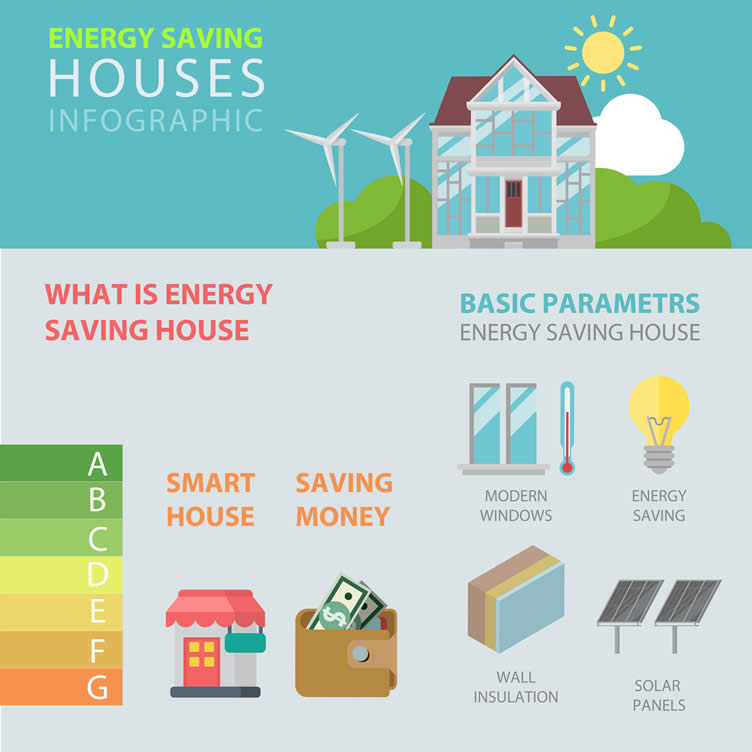
copyright image by 123rf.com
Path to Partial Self-Sufficiency
Have you considered the idea of transitioning to a more self-sufficient lifestyle?
Living partially or completely off the grid may seem like a big step, but it offers the freedom to sustain yourself and your home during unforeseen events.
It doesn’t necessarily mean disconnecting entirely from modern conveniences—instead, it’s about finding ways to rely less on external systems, whether that’s generating your own energy, growing your own food, or setting up rainwater collection systems.
Starting small can make a big difference in building resilience and ensuring peace of mind for you and your family.
view ideas: remodeling your off-grid home(new win)
-
Scroll up to section directory … or scroll to next supporting note …
-
-
2nd: Maximizing Efficiency with a Home Energy Inspector
When it comes to reducing energy costs and increasing your home’s efficiency, hiring a professional energy-saving inspector can be a game-changer.
These experts are equipped to identify inefficiencies in your home and create a customized energy savings plan tailored to your needs.
Not only can this save you money in the long run, but it also helps create a more sustainable and comfortable living environment.
-
What an Experienced Home Energy Inspector Can Offer
- Comprehensive Energy Assessments:
A thorough evaluation of your home to pinpoint inefficiencies, such as air leaks, outdated appliances, or inadequate insulation. - Customized Energy Plans:
Development of a step-by-step action plan based on your home’s specific needs and your budget. - Detailed Energy Usage Reports:
Insights into where energy is being wasted and suggestions for improvement to reduce overall consumption. - Appliance and System Recommendations:
Expert advice on upgrading to energy-efficient appliances and systems for better long-term savings. - Cost-Effective Solutions:
Strategies to reduce energy usage without requiring major renovations or hefty spending. - Eco-Friendly Suggestions:
Sustainable options like installing solar panels, LED lighting, or improving natural ventilation to align with green living goals. - Expert Guidance for Rebates and Incentives:
Help navigating tax credits, rebates, or energy programs to make upgrades more affordable.
- Comprehensive Energy Assessments:
-
Finding the Right Home Energy Inspector
To find a trusted and experienced home energy inspector, start by searching for certified professionals in your area.
Look for inspectors accredited by recognized organizations such as the Residential Energy Services Network (RESNET) or Building Performance Institute (BPI).
Reading customer reviews and testimonials can provide valuable insight into their expertise and reliability. Additionally, don’t hesitate to ask for references or examples of past work to ensure they align with your expectations.
Partnering with the right energy-saving expert is the first step toward a more efficient and sustainable home.
LetsRenovate has partnered with HomeAdvisor™, a renowned provider of highly-rated, carefully-vetted local green-energy contractors. Start your search here by choosing the type of contractor you need and entering your zip code to find local professionals.

copyright image by 123rf.com
But Wait!
Before searching for a green-energy contractor, we recommend downloading and using this evaluation worksheet.
This resource will help you objectively assess and rank potential candidates based on essential factors like pricing, licensing, and referrals.

Evaluation Sheet
File Type:-
Scroll up to section directory …
-
-
-
Conclusion:
… embracing a greener, more affordable future
Transforming your house into an energy-efficient home is a deeply rewarding endeavor. By managing your climate control, optimizing appliance usage, and sealing your home against the elements, you can reduce the financial strain of running your household.
This brings the peace of mind that comes from knowing your home operates intelligently, eliminating waste wherever possible.
Lowering your energy consumption is also a wonderful contribution to the natural world. By using fewer resources, you reduce your household’s carbon footprint and help preserve the environment for future generations.
Start your journey today by choosing one or two strategies from this guide. You’ll soon see your thoughtful actions blossom into meaningful, lasting savings.
Citations
- Aspen Heating. 10 Energy Saving Tips for Heating and Cooling Your Home.
- Department of Energy (DOE). Home Energy Checklist.
- Department of Energy (DOE). Energy Saver Guide: Tips on Saving Money and Energy at Home.
- Department of Energy (DOE). Spring and Summer Energy-Saving Tips.
- Environmental Protection Agency (EPA). Pollution Prevention Tips for Energy Efficiency.
- Smart Energy. Making Your Home Energy Efficient with Smart Appliances.
- Southface Institute. Energy Efficiency Checklist.
- Cobb EMC. Three Smart Home Technologies to Help You Save Energy.
- Aqara. Embracing the Smart Home Revolution: Top Energy-Saving Devices for Your Home.
-
ideas to view and compare from the information discussed above
book: home energy inspectionthermal detectionenergy monitoring system
- What comments can you share about
how to save energy?
Scroll up to main directory … or scroll to more home utility management-related topics …



Calendar For:
Home Maintenance
File Type:
… view our sharing links below for a quick "share the knowledge"
Cover image credit: how to save energy by envato.com
end of post … please share it!
 |
did you find this "how to save energy" analysis helpful? If so, please share the article with your friends and family! |
Nice pic idea? Leave us a quick comment below.
And please share this pic idea within your social networks.