Summary Outline –
Inviting birds into your backyard can transform your outdoor space into a vibrant haven filled with nature’s charm and lively sounds. Birds not only bring beauty and joy but also help in maintaining ecological balance by controlling pests and pollinating plants.
By creating an environment that meets their essential needs for food, water, shelter, and safety, you can encourage a variety of bird species to visit and even make your backyard their temporary or permanent home.
Below, we present a neatly indexed solution to help you implement these steps effectively, ensuring a warm and welcoming environment for your feathered guests to thrive and bring life to your backyard.
- post content
- Birdie Tip 1: Creating a Backyard Haven for Feathered Friends
- Birdie Tip 2: Inviting Birds to Your Backyard
- Birdie Tip 3: Build Them a House
- Birdie Tip 4: Keep Your Birdie Friends Clean
- Birdie Tip 5: Birds Need a Place to Perch
- Birdie Tip 6: Inviting in the Hummingbirds
- Birdie Tip 7: How about welcoming Owls and bats

-
Quick scroll to first topic about creating a welcoming environment for backyard birds …

first “creating a bird paradise” idea
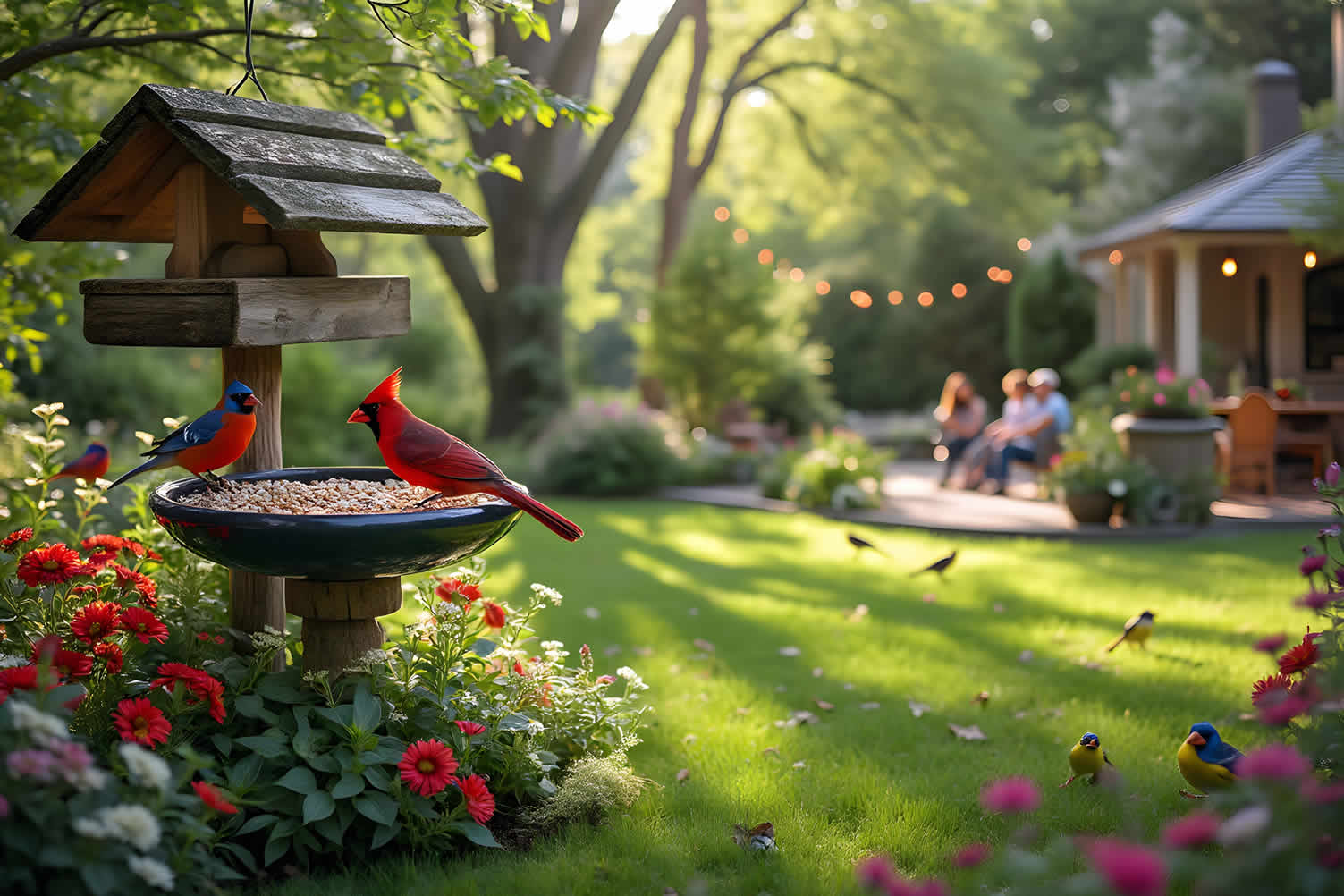

AI generated image by 123rf.com
Birdie Tip 1: Creating a Backyard Haven for Feathered Friends
Notes:
-
Creating a backyard bird paradise offers more than a passing glimpse at nature. It brings vibrant color, calming birdsong, and a constant source of entertainment for the entire family.
For children and adults alike, it’s an opportunity to connect with nature, learn about wildlife, and develop a sense of stewardship for the environment.
This first section covers essential steps, from understanding local bird species to maintaining a safe, welcoming environment for your feathered visitors.
-
Quick scroll to “creative backyard haven” side notes …
-
-
1st: Understanding and Nurturing Local Bird Species
The first step in building a bird-friendly backyard is getting to know the birds already sharing your neighborhood. Not all birds are the same, and the types you spot in your yard may change throughout the year.
Understanding the habits, preferences, and appearances of your local bird species allows you to tailor your backyard to suit their specific needs. This section covers how to identify common backyard birds and offers insight into typical bird behaviors you might observe.
-
Identifying Common Backyard Birds
Learning to recognize different bird species is both rewarding and educational. Many local libraries and websites provide regional bird guides featuring illustrations and descriptions. Smartphone apps such as Merlin Bird ID or Audubon Bird Guide can also help you identify birds by sight and sound.
Observe distinctive features such as size, shape, color patterns, and calls. Take note of how they perch or move as some birds, like robins, hop on the ground, while others, such as finches, flit between branches.
Consistently spotting the same species allows you to anticipate their needs and provide the right resources.
-
Understanding Bird Behavior and Needs
Birds, like all wildlife, act with intention. Some prefer dense shrubbery for nesting, while others require open spaces. Knowing whether your visitors are insectivores, seed-eaters, or nectar feeders will guide your choices in plants and feeders.
Watch for mating rituals, feeding habits, and flocking behavior. These provide clues to their comfort in your yard and can indicate if your habitat meets their needs.
Pay attention to signs of breeding season, like gathering nesting materials, which can inspire you to offer natural fibers or birdhouses.
-
Planting Native Trees and Shrubs
Native plants offer the most natural and nutritious food sources for birds, while also providing shelter and spots for nesting. Trees like oak, maple, and pine support a variety of bird species.
Shrubs such as serviceberries, elderberries, and viburnum produce berries and attract insects, providing a buffet for your feathered guests.
When landscaping, aim for diversity by planting in layers. Tall trees, mid-sized shrubs, and ground cover mimic the variety of a wild habitat, appealing to a wider range of species.
-
Understanding Seasonal Bird Migrations
Migration patterns bring new sights to your backyard as seasons change. Early spring and late fall see surges in different species passing through.
Learn when migrations occur in your area, and adjust food offerings and habitat features accordingly. Temporary water features or fruiting plants, for example, can offer vital rest stops to migratory visitors.
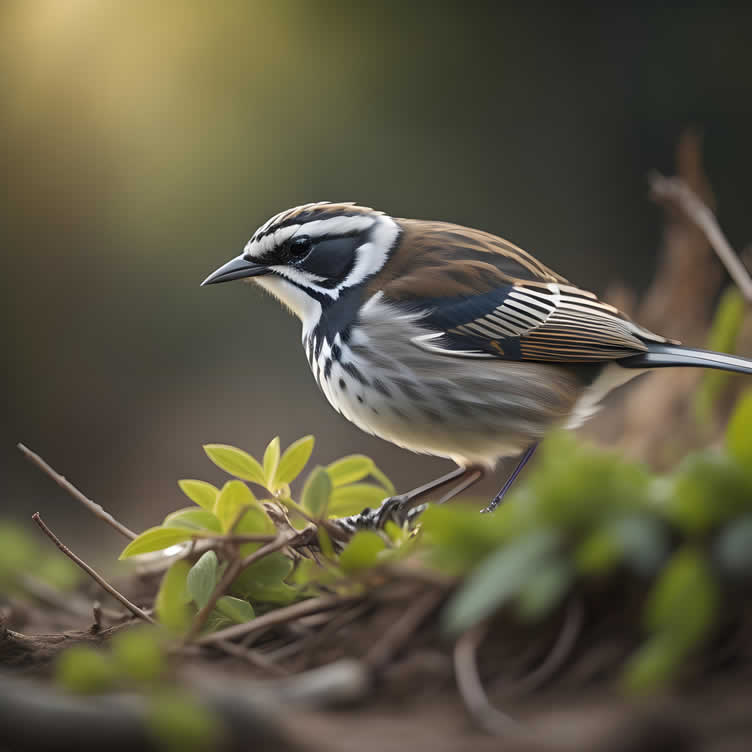
copyright image by 123rf.com
[ bird resource: allaboutbirds.org ]
[ youtube: How and Why Birds Migrate ]

-
-
2nd: Maintaining a Safe Environment
A true bird paradise must also be a sanctuary from threats, offering a safe and welcoming environment for your feathered visitors. This means shielding them from predators, providing plenty of food and water sources, and maintaining clean, natural spaces where they can thrive.
Vigilance in protecting your visitors not only ensures their well-being but also fosters trust, encouraging them to return time and time again.
-
Avoiding Harmful Foods
Not all foods are safe for birds. Avoid bread, processed snacks, and dairy products, which provide little nutrition and can be harmful in large quantities. Chocolate, onions, and avocado are toxic to birds.
Only offer fresh, non-moldy food in your feeders, as spoiled seeds can cause illness. When in doubt, rely on reputable sources for bird-safe feeding guidelines, such as the National Audubon Society.
-
Protecting Birds from Predators
Domestic cats, hawks, and even snakes can threaten backyard birds. Reduce risks by keeping pet cats indoors and placing feeders and baths away from areas where predators might hide.
Install baffles or guards on feeder poles to deter climbing predators. Use window decals or screens to prevent collisions, which are a leading cause of bird mortality.
-
Avoiding Pesticides and Herbicides
Chemicals used on lawns and gardens can contaminate food and water sources, harming birds and their young. Choose organic gardening methods whenever possible and tolerate occasional “weeds” that might serve as a natural food source.
Integrated pest management encourages a healthy balance by promoting beneficial insects and companion planting, reducing the need for synthetic chemicals.
-
Tailoring Your Backyard to Attract Certain Birds
Some species are drawn to specific types of feeders, foods, or plants. Bluebirds prefer mealworms and nesting boxes in open fields. Hummingbirds love nectar-rich tubular flowers, while orioles adore orange halves and grape jelly.
Research the preferences of your target birds, then plant or provide their favorites. Consult local birding groups or extension offices for advice on what works best in your region.
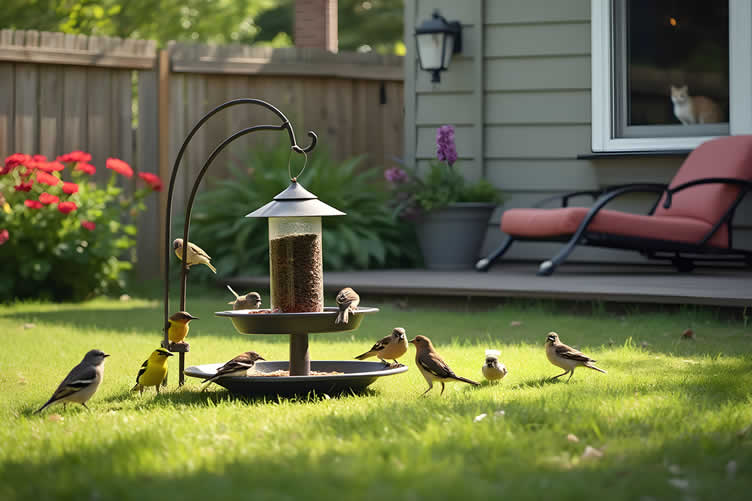
AI generated image by 123rf.com
-
-
3rd: The Joys of Birdwatching
With your bird paradise established, the real joy comes in observing the daily drama and diversity of your new feathered neighbors.
From the playful antics of sparrows fluttering around to the vibrant flashes of color from visiting cardinals or finches, each day brings a new scene to enjoy.
You’ll witness nesting, feeding, and even the occasional squabble, offering endless entertainment and a deeper connection to nature right in your own backyard.
-
Tips for Birdwatching in Your Backyard
Place a comfortable bench or chair near your busiest bird feeders to create a cozy spot for relaxed observation. Make sure the seating area provides a clear view of the feeders, and consider adding a small table for your gear.
Early mornings are the best time for birdwatching, as birds are most active gathering breakfast and interacting with one another. The soft morning light also enhances the experience, making it easier to spot the vibrant colors of different species.
Keep a pair of binoculars and a notepad handy to observe details and take quick notes on what you see. A bird identification guide can also be useful for identifying unfamiliar species.
Watch quietly from a distance to avoid startling your feathered visitors, and take your time to notice subtle behaviors, such as courtship displays, territorial interactions, or nest building.
Patience and stillness can reveal fascinating moments that may otherwise go unnoticed.
-
Investing in a Bird Cam or Bird Box with a Camcorder
For an even closer look at the lives of birds, consider investing in a bird cam or a bird box equipped with a camcorder.
Bird cams can be placed near feeders or water sources to capture high-definition footage of your winged visitors up close. Alternatively, a bird box with a built-in camcorder offers a unique opportunity to observe nesting behaviors, egg incubation, and the rearing of chicks without disturbing the birds.
These tools are not only fascinating for personal observation but can also be an excellent way to learn more about bird habits and contribute to citizen science projects.
Opt for a camcorder with night vision capabilities to capture activity during dawn and dusk, when birds are most active.
-
Documenting Your Bird Visitors
Recording your observations adds depth to your birdwatching experience and helps you appreciate the beauty of the birds you encounter.
A simple journal is a great tool—note the dates, weather conditions, locations, and species you spot. Over time, you might notice patterns, like when certain birds migrate or which species prefer specific habitats.
Apps like eBird make it even easier to log your sightings digitally, and by using them, you can contribute valuable data to citizen science projects that aid in bird conservation efforts.
Consider taking photographs of the birds you see to create a personal "family album" of your feathered visitors. This not only helps you identify species later but also preserves memories of your birdwatching adventures.
Sharing your discoveries with local birding communities, social media groups, or online forums can also connect you with fellow enthusiasts.
It’s a great way to exchange tips, learn more about bird behavior, and build your knowledge while forming meaningful connections with others who share your passion.
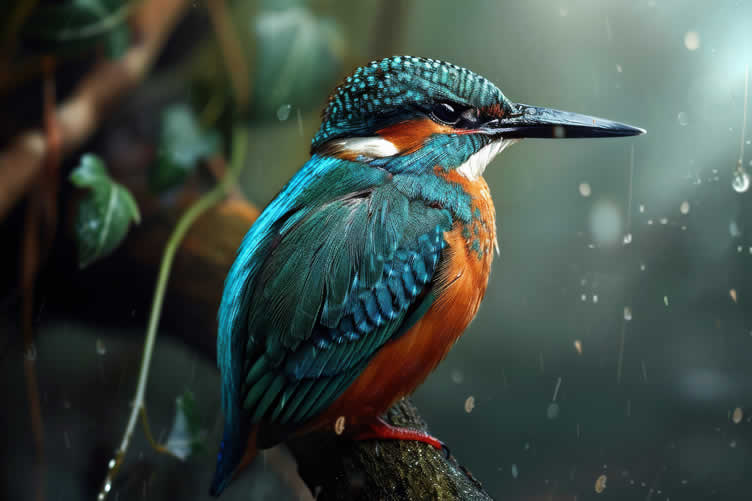
copyright image by 123rf.com
[ youtube: Birdwatching for Beginners ]
[ youtube: Top 10 Tips After 10 Years of Birding ]
-
-
-
ideas to view and compare from the information discussed above
book: backyard birdswildlife bird cambird watching binoculars
Scroll up to directory … or scroll to next section about creating a bird paradise …


… is finding below the perfect bird feeder

second “creating a bird paradise” idea
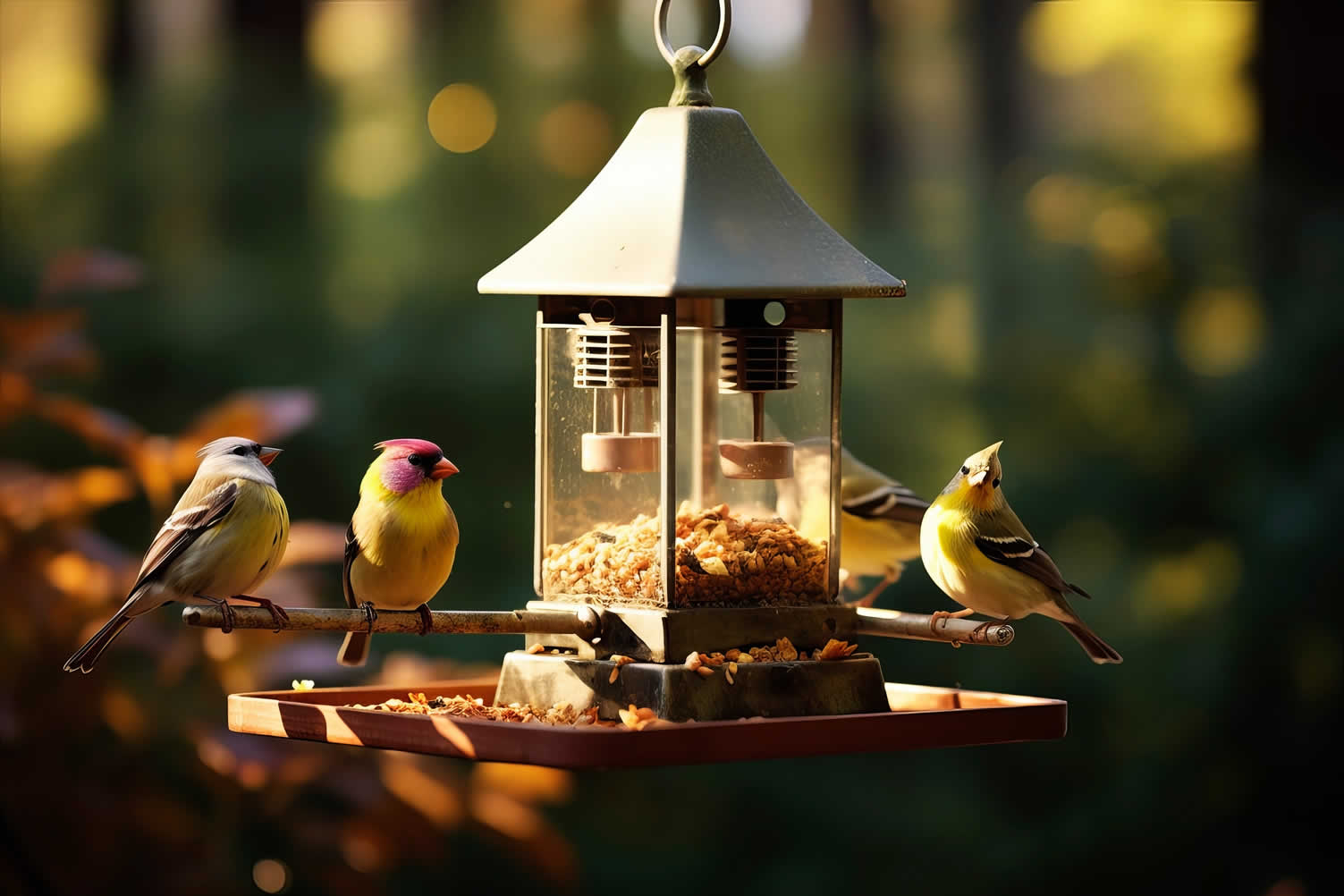
copyright image by 123rf.com
Birdie Tip 2: Inviting Birds to Your Backyard
Notes:
-
Transform your backyard into a bird lover’s paradise with bird-themed decor that is both functional and attractive. From bird feeders and birdhouses to perches and other inviting touches, these decorative additions not only enhance your yard’s charm but also attract a variety of birds to your outdoor space.
The bird feeder, however, takes center stage. Providing a reliable source of food is the key to drawing in an array of bird species. With a well-placed feeder, you’ll enjoy the sight of vibrant, colorful birds and the soothing sounds of their cheerful chirping—creating a delightful experience for you and your family.
To ensure birds feel safe and comfortable while feeding, place the feeder at a height out of reach of potential disturbances. A thoughtfully designed and positioned bird feeder can turn your backyard into a lively sanctuary for feathered friends, bringing nature’s beauty closer to home.
-
Quick scroll to “bird feeders and seed” side notes …
-
-
1st: Bird Feeders to Enhance Your Backyard Bird Paradise
Creating a backyard bird paradise is a great way to bring nature closer to home while supporting local bird populations. The right bird feeder attracts a variety of birds and ensures they have safe, healthy feeding options.
Choosing the right feeder helps meet the needs of different bird species and creates a sustainable, engaging environment. Below, we’ll cover different types of bird feeders, their features, and what makes each one perfect for your feathered visitors.
[ view sample images: bird feeders ]
-
Hopper Feeders
Hopper feeders are one of the most versatile and commonly used styles, loved for their ability to attract a variety of bird species, including cardinals, finches, and sparrows.
Shaped like a small house or box, these feeders have a central reservoir that holds the birdseed, which is dispensed as birds perch on the sides. The covered design helps protect the food from rain and snow, ensuring it stays dry and edible.
Hopper feeders are ideal for those who want an all-purpose feeder that can cater to both small and larger birds while supporting a variety of seed types such as sunflower seeds, mixed seeds, and cracked corn.
-
Tube Feeders
Tube feeders are elongated and cylindrical, designed to appeal to smaller bird species such as chickadees, titmice, and nuthatches. These feeders have multiple feeding ports or holes and perches, allowing several birds to feed simultaneously.
Their closed design keeps the birdseed protected from the elements while making them less accessible to larger birds and squirrels. Tube feeders are especially beneficial if you want to limit seed wastage and focus on attracting smaller birds.
-
Platform Feeders
Platform feeders offer an open and flat feeding surface, making them accessible to nearly all types of birds. These feeders can be hung, placed on top of a pole, or set on the ground, depending on your preference and the species you aim to attract.
Because platform feeders do not have a cover, they are best suited for fair weather and should be cleaned regularly to prevent mold or contamination. The open design is particularly appealing to ground-feeding birds like doves, jays, and even squirrels.
This feeder style allows you to provide not only seeds but also fruits, suet, and bread crumbs.
-
Suet Feeders
Suet feeders are specifically designed to hold suet cakes, an excellent source of energy for birds during colder months when natural food sources might be scarce. These feeders typically have a wire cage construction that allows woodpeckers, wrens, and nuthatches to cling as they feed.
Suet feeders can be hung from tree branches or mounted on poles, making them accessible to birds that prefer vertical feeding. To discourage pests like squirrels, consider using suet feeders with built-in predator guards or cages that restrict access.
-
Nyjer Feeders
Nyjer feeders are slender and often have very fine feeding ports specifically designed to hold nyjer (thistle) seeds, which are a favorite among finches, goldfinches, and pine siskins.
These feeders are built to prevent small seeds from spilling while making them easily accessible to birds with slender beaks. Their design minimizes waste and helps you attract colorful, small birds to your backyard oasis.
Nyjer feeders also tend to be weather-resistant and easy to clean, ensuring a consistent supply of food for your feathered visitors.
-
Window Feeders
Window feeders attach directly to your home’s windowpane, providing an up-close opportunity to observe birds as they feed. These feeders are typically made of clear plastic and are equipped with suction cups to ensure stability.
They attract a variety of smaller bird species and are perfect for birdwatching enthusiasts who want a closer look without disrupting nature. Window feeders are also a great educational tool for children and bring the joy of birdwatching indoors.
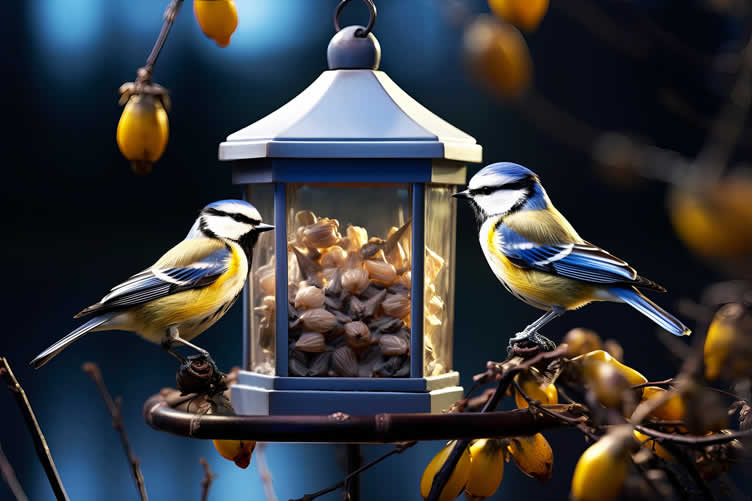
Bird Feeder Type Best For Key Features Maintenance Needs Hopper Feeders Cardinals, Finches, Sparrows Central reservoir, weather-protected, versatile feed types Moderate; clean periodically to avoid mold Tube Feeders Chickadees, Titmice, Nuthatches Multiple feeding ports, protected design Easy to clean; prevents seed waste Platform Feeders Doves, Jays, Ground-feeding Birds Open flat design, suitable for various feed types Regular cleaning; best for dry conditions Suet Feeders Woodpeckers, Wrens, Nuthatches Wire cage construction, holds high-energy suet cakes Minimal; clean after suet replacement Nyjer Feeders Finches, Goldfinches, Pine Siskins Fine ports for nyjer seeds, minimizes waste Easy cleanup; weather-resistant Window Feeders Variety of smaller birds Clear design for close observation, suction cup attachment Clean regularly to maintain clarity 
copyright image by 123rf.com
-
-
2nd: Creating a Safe and Inviting Space for Bird Feeders
Ensuring the proper placement and protection of your bird feeders is crucial for creating a welcoming oasis for birds and mitigating common challenges, such as exposure to predators or spoilage due to environmental factors.
Thoughtful consideration of these aspects will enhance the safety and appeal of your backyard bird paradise.
-
Ideal Placement for Bird Feeders
The location of your bird feeder plays a critical role in attracting birds and ensuring their safety. Place bird feeders approximately 10-12 feet away from dense shrubbery or trees to give birds a clear view of potential threats, such as prowling cats or other predators.
At the same time, nearby foliage should provide a safe retreat for birds, as they often prefer feeding near cover. Avoid locations that are too exposed to the elements, such as areas with constant wind or direct sunlight, as these conditions can spoil birdseed and make feeding uncomfortable for your avian visitors.
Additionally, feeder placement should be convenient for your viewing pleasure but also easily accessible for periodic cleaning and maintenance. A well-maintained bird feeder is critical to preventing the spread of diseases among bird populations.
-
Protecting Your Bird Feeder from Predators and Pests
To ensure visiting birds remain safe, it is essential to implement measures that deter predators and pests. Installing bird feeders on poles fitted with baffles or other guard mechanisms can prevent squirrels, raccoons, and other animals from climbing and accessing the birdseed. Aim for a height of 4-6 feet above the ground to deter ground predators like cats.
Hang feeders using sturdy hooks or mounts that minimize swinging, as excessive movement can scare birds away.
If squirrels persistently invade, consider using specialized feeders with weight-sensitive mechanisms that close access to the food when heavier than a bird lands on it. Protecting against pests not only keeps the seeds intact but also enhances the safety and comfort of avian guests.
Finally, ensure the feeder is placed in an area free of chemical exposure, such as pesticides or herbicides, which could contaminate the food supply. Providing clean water sources like birdbaths nearby can further encourage a thriving bird population.
Aspect Recommendations Placement 10–12 feet from shrubs or trees; avoid exposure to harsh weather; accessible for cleaning Height 4–6 feet above ground to deter ground-based predators Protection Measures Use baffles, sturdy hooks, and predator-proof designs; keep areas free of chemicals Maintenance Regularly clean feeders to prevent disease spread 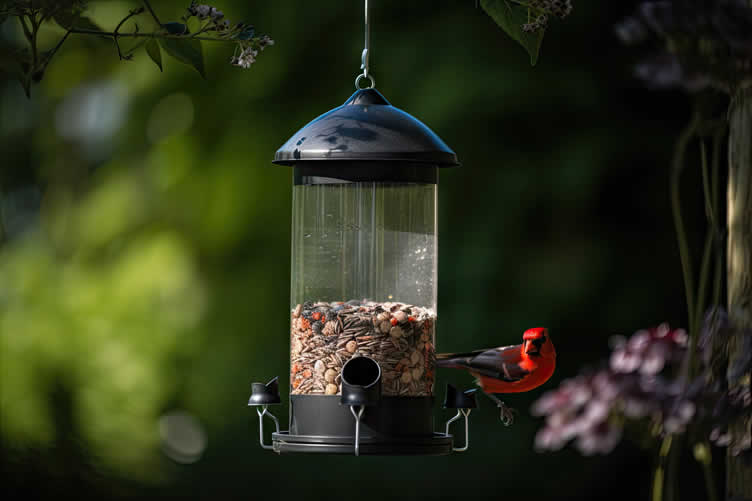
copyright image by 123rf.com
-
-
3rd: Choosing the Right Bird Seed for Your Feeders
Choosing the right bird seed is key to attracting a variety of birds to your backyard and providing them with proper nutrition. Different bird species have unique dietary needs, and the wrong seed can deter them or harm their health.
By selecting seeds that appeal to common backyard birds, you can create a welcoming environment that supports local bird populations and promotes biodiversity.
[ view pricing: bird seeds ]
-
Black Oil Sunflower Seeds
Black oil sunflower seeds are one of the most versatile bird seeds, popular among many species such as cardinals, chickadees, nuthatches, and finches. These seeds have a thin shell, making them easy to crack open, and their high oil content provides excellent energy for birds.
They are ideal for tube feeders, hopper feeders, or tray feeders.
Offering black oil sunflower seeds in your yard is an effective way to attract a wide range of birds, especially during colder months when birds need extra calories to maintain their body heat.
-
Nyjer (Thistle) Seeds
Nyjer seeds are a favorite for finches, including American goldfinches, house finches, and purple finches. These tiny seeds are rich in protein and fat, supplying high energy that small birds require.
Special mesh feeders are often used to dispense Nyjer seeds, as their small size can easily fall through standard feeder openings.
Keep in mind that Nyjer seeds can spoil quickly if left damp, so it is important to replace them regularly to maintain freshness and avoid waste.
-
Safflower Seeds
Safflower seeds are an excellent choice if you’re looking to attract cardinals, grosbeaks, and doves while deterring pests like squirrels and blackbirds. These seeds have a bitter taste that many mammals and less desirable bird species find unappealing.
Safflower seeds are best suited for hopper feeders or platform feeders.
Offering safflower seeds can help you focus on attracting specific songbirds without interference from other animals.
-
Millet
White millet and red millet are often included in seed mixes or used alone to attract ground-feeding birds such as sparrows, juncos, and mourning doves. Millet is a tasteful and nutritious option for these species, rich in carbohydrates to sustain their energy levels.
Scatter millet on the ground or use tray feeders to accommodate the feeding habits of these birds, as they prefer to forage close to the ground.
-
Suet Pellets
Though not a seed, suet pellets are worth mentioning as an additional option for backyard feeding. They are made from rendered animal fat mixed with seeds, nuts, or dried fruits, providing a high-energy food source, especially beneficial during colder seasons.
Suet pellets work well for woodpeckers, nuthatches, and wrens. Including suet in your feeding station can diversify the bird species visiting your yard.
Seed Type Attracts Notes Black Oil Sunflower Cardinals, chickadees, nuthatches, finches High-energy, easy to crack open, suitable for most feeders Nyjer Goldfinches, house finches, purple finches Tiny seeds, requires special mesh feeders, replace frequently Safflower Cardinals, grosbeaks, doves Bitter-tasting, deters squirrels and less desirable birds Millet Sparrows, juncos, mourning doves Ground-feeding birds prefer it; scatter or use tray feeders Suet Pellets Woodpeckers, nuthatches, wrens High-energy, cold season feeding option; not technically a seed Find Bird Seed
viewing amazon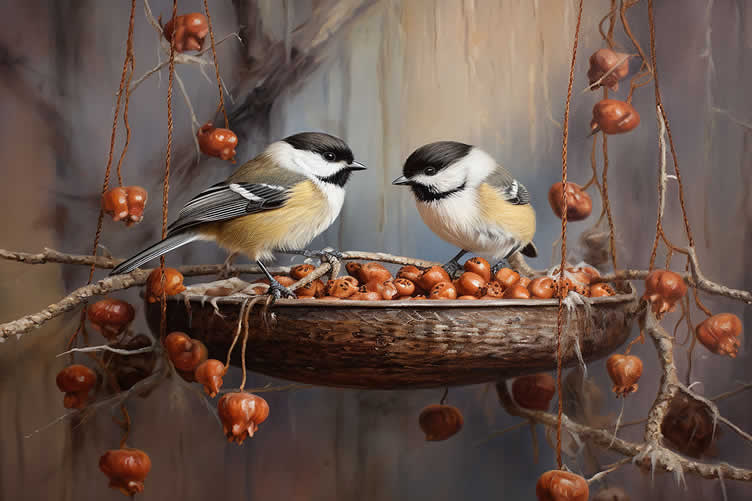
copyright image by 123rf.com
-
-
-
ideas to view and compare from the information discussed above
Scroll up to directory … or scroll to next section about creating a bird paradise …




May We Suggest Other Photo Remodeling Ideas About
“Biodiversity In Both Yard and Home …” (new win)


third “photo remodeling” idea
copyright image by 123rf.com
Birdie Tip 3: Build Them a House
Notes:
-
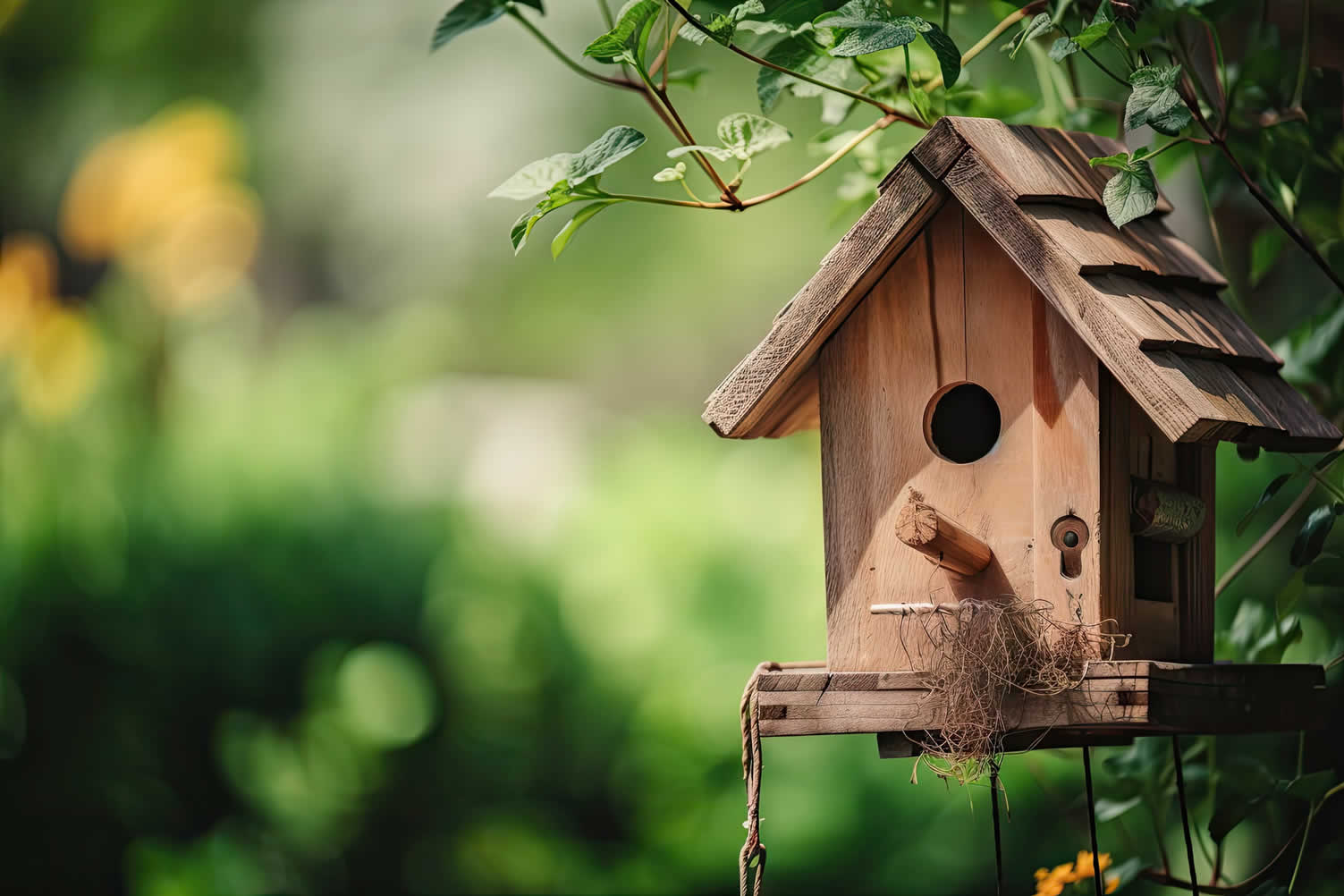
For birds to thrive, they need two essentials: food and shelter. A bird feeder filled with seeds or nectar provides a reliable food source, especially during colder months or in areas where natural resources are scarce.
Pairing this with a birdhouse offers them a safe refuge to rest, nest, and escape predators or harsh weather.
While birds can survive without human intervention, creating a bird-friendly environment in your backyard can significantly enrich their lives.
By offering both food and shelter, you can attract a diverse range of species—from cheerful songbirds to vibrant cardinals and finches.
With the right setup, your yard can transform into a lively sanctuary, giving you the joy of watching nature up close and fostering a deeper connection with the natural world.
-
Quick scroll to “bird house needs” side notes …
-
-
1st: Providing Shelter for Your Backyard Bird Paradise
Birds rely on suitable nesting spaces, roosting spots, and protection from predators and elements. Ensuring that your backyard accommodates their natural habits will create a thriving environment, allowing you to support biodiversity and enjoy the presence of birds year-round.
Below, we explore shelter solutions tailored to specific bird species, providing insights that will aid you in creating the perfect haven for your feathered guests.
[ view sample images: about birds and type houses ]
-
Bluebirds
Bluebirds are cavity nesters and are attracted to nest boxes placed in open areas with scattered trees. A well-constructed bluebird house should have a small entrance hole, ideally 1.5 inches in diameter, to prevent larger, aggressive birds from entering.
Position the box about 4-6 feet off the ground, facing an open area. Clean the box after each nesting season to encourage reuse.
-
Cardinals
Northern cardinals prefer dense shrubs or trees for nesting rather than traditional birdhouses. Planting native bushes such as elderberry or dogwood provides ideal spots for cardinals to build their nests.
Offering both natural thickets and well-secluded corners of your yard will make them feel secure and shielded from predators.
-
Chickadees
Chickadees also favor cavity nesting and will readily use birdhouses with a small entrance hole, slightly smaller than those for bluebirds, around 1.25 inches in diameter.
Place the birdhouse in a quiet location with some tree cover, and supply nesting materials like moss or dried grass nearby to help them build their nests.
-
Doves
Mourning doves often prefer open nesting platforms as opposed to enclosed nesting boxes. A simple platform feeder or a shallow basket placed in an open but sheltered spot can provide suitable nesting areas.
Planting native vegetation or evergreen trees further supports their nesting needs.
-
Finches
These birds thrive when your backyard includes natural plantings such as sunflowers, milkweed, or thistles, which they use to nest and perch.
They are less likely to use birdhouses, so support them with an array of native plants that attract these colorful species.
-
Nuthatches
Nuthatches are drawn to densely wooded yards with dead trees, as they nest inside natural cavities. To attract them, consider leaving dead trees or logs intact if safe to do so.
Alternatively, a birdhouse placed between 10-20 feet high on a tree trunk often works well for these agile birds.
-
Owls
Owls require larger nesting boxes to accommodate their size. Barred owls or screech owls, for example, prefer wooded areas with minimal human activity.
Owl boxes should be placed at least 10 feet off the ground with a secure mounting structure, ensuring stability as they often reuse shelters for years.
-
Purple Martins
Purple martins prefer open, spacious areas and communal housing. Multi-compartment birdhouses or gourd colonies are ideal, with each compartment typically measuring about 6×6 inches.
Position their shelter in an open field or yard with minimal overhead obstructions, ensuring they’re safe from predators.
-
Robins
Robins frequently choose open nesting platforms set within shrubs, dense bushes, or even on structures like ledges. These platforms should be placed in spots protected from rain and high winds, creating a calm and accessible nesting environment.
-
Sparrows
House sparrows and other types often make use of traditional birdhouses or small nesting boxes. Providing multiple small shelters close together can accommodate sparrows that enjoy communal nesting.
Where possible, situate these houses in busier areas of the yard—sparrows adapt well to human activity.
-
Tree Swallows
Tree swallows rely on nest boxes similar to those used by bluebirds. Installing boxes near water sources like ponds or streams can significantly increase the likelihood of attracting them to your backyard.
Like bluebirds, these birds appreciate cleared-out shelters from previous tenants.
-
Woodpeckers
Woodpeckers naturally carve spaces into tree trunks. While they mostly prefer natural cavities, providing a log-style birdhouse can attract them.
These should mimic the entrance and design of their natural nesting sites and be placed on tree trunks in forested areas. Preserving snags (dead standing trees) in your yard will also ensure woodpecker habitats remain intact.
-
Wrens
Wrens prefer dense shrubs or small birdhouses with minimal dimensions—an entrance hole of 1 inch works best. Wrens will happily occupy a shelter close to dense greenery, often utilizing man-made structures such as birdhouses quite readily.
-
Other Species
Other bird species may have more diverse shelter needs, typically tied to natural landscapes, including hedgerows, tall grasses, or coniferous trees.
Creating diverse natural habitats in your yard will cater to a wider variety of avian species.
Bird Species Recommended Shelter Type Placement Tips Bluebirds Nest boxes with small entrance holes Place 4-6 feet off the ground in open areas Cardinals Dense shrubs or trees Use native bushes like elderberry or dogwood Chickadees Birdhouses with 1.25-inch entrance holes Quiet spots with nearby tree cover Doves Open nesting platforms or shallow baskets Place in open, sheltered areas Finches Natural plantings like sunflowers or milkweed Maintain foliage with free access to native plants Nuthatches Cavity-based birdhouses or tree cover Install 10-20 feet high on tree trunks Owls Large nesting boxes Stable mounting in wooded areas 10+ feet high Purple Martins Multi-compartment birdhouses or gourd colonies Use open areas with no overhead obstructions Robins Open nesting platforms Place near calm, rain-shielded spots Sparrows Small nesting boxes, close together Position in human-tolerant areas of the yard Tree Swallows Nest boxes near water sources Install close to ponds or streams Woodpeckers Log-style birdhouses or preserved snags Attach to tree trunks in wooded spaces Wrens Small birdhouses with dense greenery nearby Minimize box dimensions and ensure proximity to shrubs Other Species Varied natural landscapes Include hedgerows, tall grass, or coniferous trees 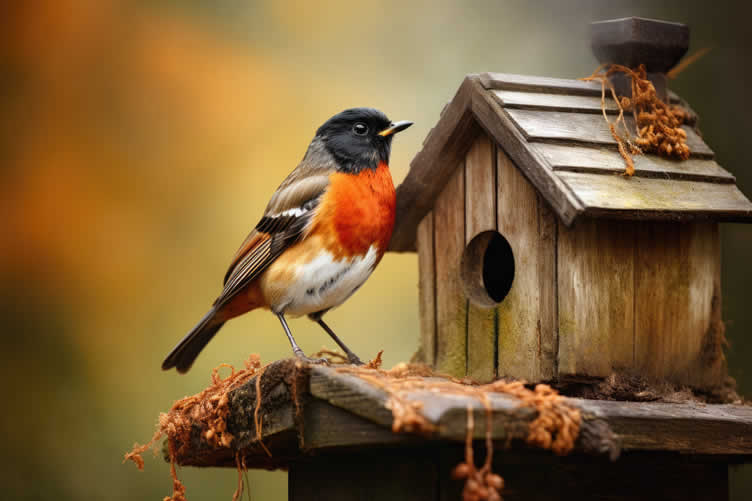
copyright image by 123rf.com
About Birds and Birdhouses
all about birds and amazonbluebirds about view house cardinals about view house chickadees about view house doves about view house finches about view house nuthatches about view house owls about view house purple martins about view house robins about view house sparrows about view house tree swallows about view house woodpeckers about view house wrens about view house other species about view house -
-
3rd: Decorative Houses
Decorative birdhouses not only enhance the aesthetic appeal of your outdoor space but can also serve as delightful focal points, even if some birds may not use them for nesting.
By blending functionality with décor, these charming additions can elevate your garden into a welcoming haven for both birds and bird enthusiasts alike.
Below, we explore a variety of decorative birdhouses that cater to style preferences while contributing to a vibrant backyard environment.
[ view sample images: decorative houses ]
-
Traditional Wooden Birdhouses
Classic wooden birdhouses are a versatile option for any backyard. These timeless designs can be hand-painted or stained to complement your garden’s theme.
They often appeal to species like wrens, finches, and chickadees if the entrance hole and dimensions are properly sized. Even if unoccupied, their natural appearance blends seamlessly with greenery and landscaping, providing rustic charm to your outdoor décor.
-
Cottage-Style Birdhouses
For those who prefer a whimsical touch, cottage-style birdhouses are perfect. These intricate designs mimic miniature homes, complete with shutters, porches, and decorative trim.
While many birds might find the small doorways simply unsuitable for nesting, these houses still add delight and warmth to your backyard. They are ideal for creating a storybook-like setting where nature and design coexist beautifully.
-
Modern and Minimalist Birdhouses
Modern and minimalist birdhouses feature sleek lines and subtle colors, catering to contemporary garden aesthetics. Made from materials such as metal, acrylic, or polished wood, these designs might cater less to functionality but excel in visual appeal.
Their geometric shapes and simplistic finishes make them standout accents that enhance the overall aesthetics of your backyard sanctuary.
-
Themed Birdhouses
Themed birdhouses bring a sense of fun and personality to your outdoor space. From replicas of famous landmarks to quirky shapes like teapots or barns, these birdhouses make an artistic statement.
Although birds may not always find such unconventional structures ideal for nesting, they contribute to making your space more inviting by instilling creativity into your backyard setup.
-
Natural and Eco-Friendly Birdhouses
Eco-friendly birdhouses crafted from reclaimed wood, bamboo, or other recycled materials cater to nature enthusiasts. These designs resonate with eco-conscious homeowners, fostering sustainability principles while looking organic and earthy.
Though primarily decorative, sustainably designed birdhouses can promote environmental stewardship within your backyard, offering a sense of pride in creating a nature-friendly retreat.
Style Description Functionality Traditional Wooden Timeless wooden structures with natural charm Can attract species like wrens and chickadees if dimensions are correct Cottage-Style Whimsical designs resembling mini cottages Primarily decorative but adds character Modern and Minimalist Contemporary sleek designs with clean lines Focused on aesthetics with limited nesting utility Themed Artistic and quirky shapes or replicas Works as a fun, creative statement piece Natural and Eco-Friendly Designs using sustainable, reclaimed materials Promotes eco-conscious landscaping efforts 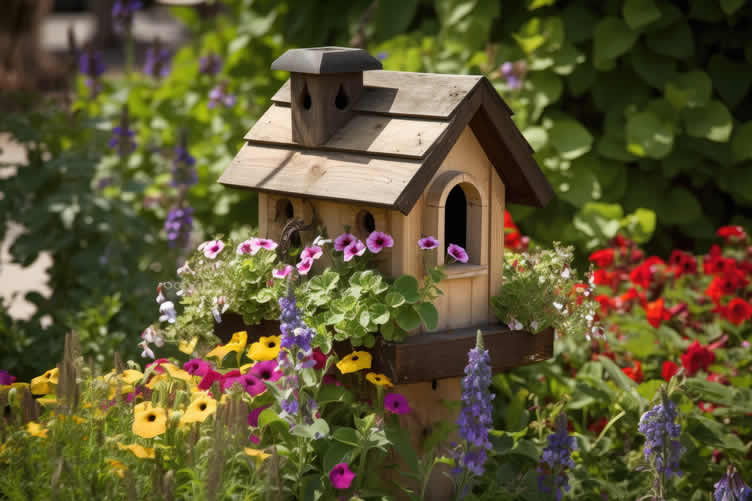
copyright image by 123rf.com
-
-
-
ideas to view and compare from the information discussed above
Scroll up to directory … or scroll to next section about creating a bird paradise …

addressing transforming creating a bird paradise in your backyard and other home improvement needs …

… grab this directory of ideas for future use



… remodeling decisions
fourth “photo remodeling” idea
copyright image by 123rf.com
Birdie Tip 4: Keep Them Clean
Notes:
-
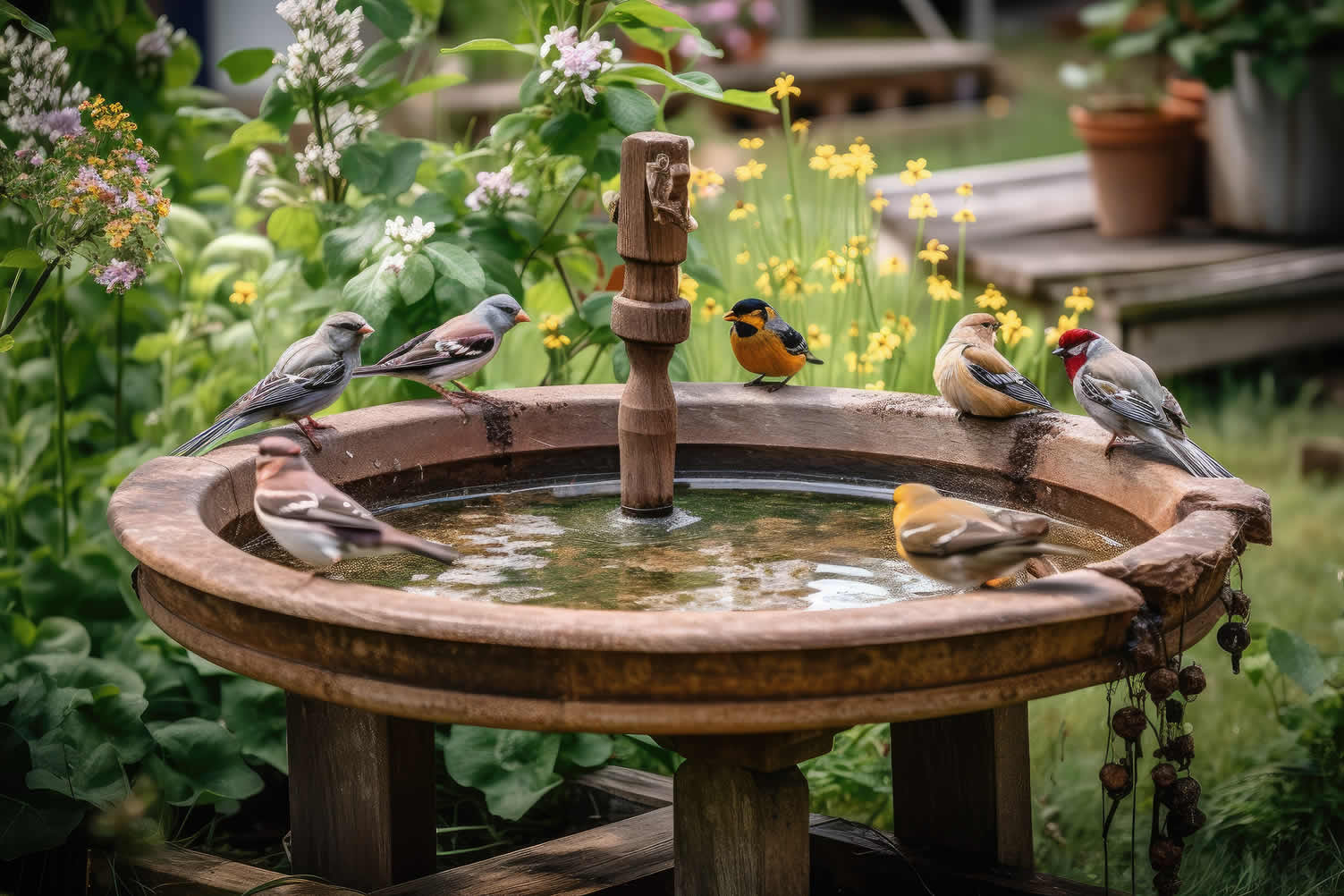
A decorative bird bath can be a charming addition to your yard, enhancing its beauty while serving a practical purpose. Consider pairing it with a small fountain or waterfall to create a feature that combines elegance and utility.
Such an addition not only elevates your garden’s aesthetic but also provides a tranquil oasis for local birds.
Birds will appreciate the bath for cleaning and cooling off on hot summer days, but its primary benefit is as a reliable source of drinking water. This is especially important in winter when a heated bird bath can prevent water from freezing, offering birds a much-needed reservoir for hydration year-round.
-
Quick scroll to “bird bathing” side notes …
-
-
1st: Types of Bird Baths and Water Reservoirs to Consider
Bird baths and water reservoirs are essential additions to any garden or outdoor space, providing a much-needed haven for birds to hydrate, bathe, and thrive. Choosing the right type of bird bath depends on various factors, including aesthetics, functionality, and seasonal adaptability.
Below, we explore a variety of options to meet the needs of both homeowners and visiting bird species while ensuring ease of maintenance and year-round usability.
[ view sample images: bird baths ]
-
Classic Pedestal Bird Baths
The traditional pedestal bird bath is easily recognizable and remains a popular choice due to its timeless design and widespread availability. These bird baths typically consist of a basin mounted on an elegant pedestal, often made of materials like concrete, stone, or resin.
Aesthetic yet practical, a pedestal bird bath offers birds a safe, elevated location to drink and bathe while adding a classic charm to your garden. Ensure that the basin is shallow with optional textured surfaces for safe footing.
-
Hanging Bird Baths
If space is limited or predators are a concern, a hanging bird bath is an excellent alternative. These baths are suspended from tree branches, hooks, or pergolas, offering birds a safe and elevated place to gather.
Hanging models are typically lightweight and made of plastic, metal, or ceramic. They can sway in the breeze, which may deter some birds, but the added height makes them less accessible to ground predators.
-
Ground-Level Bird Baths
Ground-level bird baths mimic natural water sources like puddles or shallow streams, attracting a wider array of bird species, including larger ones like robins and doves. These are often made from heavier and durable materials like stone or ceramic to prevent tipping.
However, they require careful placement as they can be more vulnerable to predators. Surrounding the bath with natural cover such as shrubs can provide added security for visiting birds.
-
Solar-Powered Bird Baths
Solar-powered bird baths are an innovative option for those who want to incorporate functionality and sustainability into their garden. Equipped with a small solar panel, these baths often feature integrated fountains that keep water circulating.
This movement prevents water from stagnating, reducing the likelihood of mosquito breeding and bacteria buildup. These bird baths are suitable for sunny locations and add a dynamic visual element to your space.
-
Heated Bird Baths
For colder climates, heated bird baths are a lifeline for birds. These models prevent water from freezing during harsh winters, ensuring birds have access to drinking water year-round.
Designed with safety measures such as thermostatic controls, they maintain an optimal temperature without overheating. Heated bird baths come in pedestal, deck-mounted, or ground-level variations, offering versatility in placement.
-
Deck-Mounted Bird Baths
For those with limited garden space, deck-mounted bird baths provide a practical and efficient solution. These baths are designed to attach securely to a deck railing, providing an easily accessible water source for birds.
They often include removable basins for simplified cleaning and maintenance, making them a user-friendly option for homeowners.
-
Decorative Bird Baths
If aesthetics are your primary focus, decorative bird baths offer the opportunity to showcase intricate designs while serving a functional purpose. From hand-painted ceramics to sculptural pieces, these baths often double as garden art.
While they add a visual statement to your outdoor area, it is important to ensure they also meet practical needs, such as being shallow enough for birds and easy to maintain.
Type Key Features Best For Classic Pedestal Baths Elevated traditional design, shallow basins, textured surfaces Elegance and versatility Hanging Bird Baths Suspended, lightweight, safe from ground predators Small spaces or predator concerns Ground-Level Bird Baths Mimics natural water sources; larger size; durable Attracting diverse bird species Solar-Powered Bird Baths Integrated fountains; sustainable and dynamic Reducing stagnation, visual appeal Heated Bird Baths Prevents freezing; thermostatic controls Ensuring year-round water availability Deck-Mounted Bird Baths Space-efficient; attaches to deck railings Compact placement and convenience Decorative Bird Baths Artistic designs; doubles as garden decor Garden aesthetics and functionality 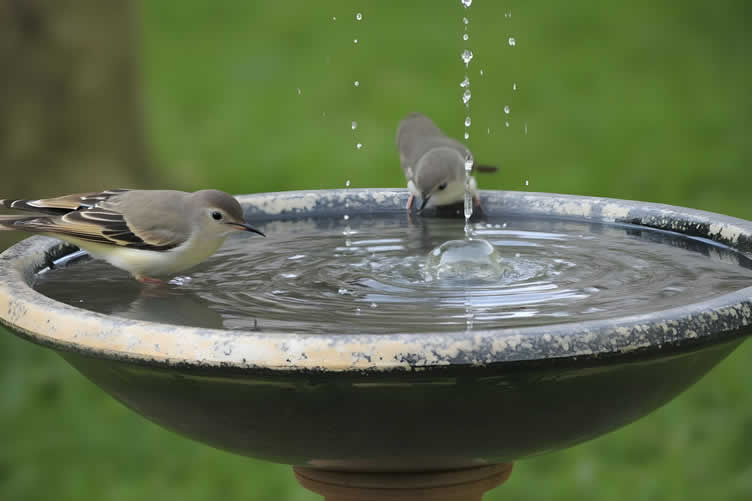
AI generated image by 123rf.com
-
-
2nd: Other Hydration Reservoirs
Incorporating garden fountains, ponds, and waterfalls into your outdoor space can serve as an effective and aesthetically pleasing way to attract birds while meeting their needs. These water features not only provide essential hydration but also create a serene and dynamic garden ambiance, benefiting both birds and homeowners alike.
Below, we explore how to use garden fountains, ponds, and waterfalls thoughtfully to engage with bird life and ensure their needs are met year-round.
-
Garden Fountains for Birds
Garden fountains are a great way to attract birds, as moving water is more appealing than still water. The sound and sparkle of flowing water signal safety and freshness, encouraging birds to drink and bathe. To make your fountain bird-friendly, keep the flow gentle—fast streams can deter birds.
Adjustable fountains are ideal for attracting both small and large species. Regularly clean the fountain and refill it with fresh water to ensure it stays safe.
Placing it in partial shade helps prevent overheating in warmer months, making it a reliable water source year-round.
-
Ponds as a Natural Water Reservoir
Garden ponds offer a natural water source for birds, similar to what they find in the wild. To make your pond bird-friendly, include a shallow edge or tiered levels for easy access.
Native aquatic plants enhance the look and create safe spaces for cover and perching. Keep the water clean by using recirculation pumps or beneficial bacteria to control algae.
Regularly remove debris to attract a variety of bird species. A gradient of depth can meet different bird needs, providing options for drinking, bathing, and wading.
-
Benefits of Waterfalls for Birds
Waterfalls add a dynamic touch to bird-friendly gardens, providing both hydration and visual appeal. Birds are attracted to the sound of moving water, and a waterfall’s flow keeps the water fresh and oxygenated.
Include ledges or flat stones for birds to perch, drink, or bathe safely. Position the waterfall near shrubs or small trees to give birds shelter and security.
Regular maintenance is key to keeping it clean and free of algae. Using materials that mimic natural rock can make the space feel more inviting for birds.
Feature Key Characteristics Benefits for Birds Garden Fountains Flowing water; adjustable flow settings Attracts birds with sound and movement; safe hydration Ponds Natural design; aquatic plants for cover Provides accessible points for drinking, bathing, and wading Waterfalls Continuous flow; perch-friendly ledges Ensures fresh water; enhances backyard aesthetics and bird appeal 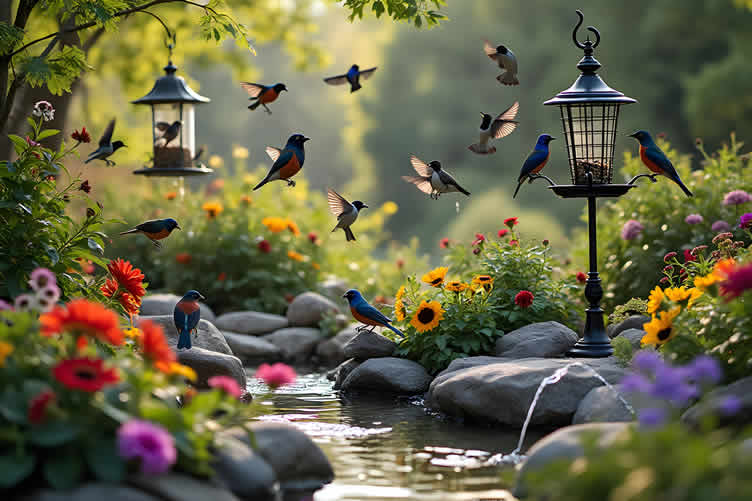
AI generated image by 123rf.com
-
-
-
ideas to view and compare from the information discussed above
Scroll up to directory … or scroll to next section about creating a bird paradise …
SHARE IT ..! You might have someone in your social network who could find this informative post about creating a bird paradise in the backyard valuable. Feel free to share it on Facebook, X (formally Twitter), LinkedIn, or Pinterest!





fifth “photo remodeling” idea
copyright image by 123rf.com
Birdie Tip 5: Birds Need a Place to Perch
Notes:
-
When designing your backyard oasis, a cozy sitting area for reading and relaxation is often a must. Similarly, birds love to perch, taking in their surroundings and filling the air with their cheerful songs.
While the trees in your yard already serve as natural perching spots, you can enhance your outdoor space by adding decorative perching posts. Not only will these posts provide additional spots for your feathered visitors, but they’ll also elevate the charm of your bird-friendly retreat.
-
Quick scroll to “perching” side notes …
-
-
1st: Creating the Perfect Bird Perch Setup
Bird perches are an essential addition to any backyard that aims to attract and support local bird populations. By providing carefully chosen and well-placed perching spots, you can create a haven that benefits birds while enhancing your yard’s natural beauty.
Perches offer birds a place to rest, survey their surroundings, preen their feathers, and interact with one another. The right setup not only meets the needs of your feathered friends but also enriches your backyard experience with the sights and sounds of nature.
Here’s how to select and set up perches that will appeal to birds and transform your outdoor space into a bird-friendly retreat.
[ view sample images: type bird perches ]
-
Natural Tree Branches
Using existing trees or salvaged natural branches as perches is one of the easiest and most effective approaches. Birds instinctively seek out branches because they mimic their natural habitats, providing a familiar and secure perch.
These natural perches can serve as multi-functional spots for mating calls, resting, and feeding. When choosing branches, opt for varying thicknesses, as different bird species prefer different sizes. Select untreated and non-toxic wood to ensure your setup is safe for wildlife.
Strategically place these branches at different heights and orientations to further mimic the dynamics of a natural woodland.
-
Decorative Driftwood Perches
Driftwood offers a rustic and aesthetic appeal while also serving as a versatile perch for birds. You can source driftwood pieces from beaches or specialty garden stores.
These unique perches bring an artistic element to your yard and can blend seamlessly into garden designs. Make sure the driftwood is cleaned and free of sharp edges before installation.
Place these perches in areas where birds are likely to gather, such as near bird feeders or baths, to maximize their utility.
-
Artificial Standing Perches
For a more curated addition to your bird-friendly space, consider artificial standing perches. These structures are often made of materials like treated wood or metal and come in various designs to suit your style and the needs of local bird species.
A standing perch can be a decorative focal point in your garden while also providing functional resting spots for birds. Choose UV-resistant, durable materials to ensure these perches withstand outdoor conditions over time.
Position standing perches in locations with good visibility and shade to meet the comfort and safety needs of birds.
-
Feeding Perches
Combining perches with bird feeders can create an all-in-one station for attracting avian visitors. These setups often include horizontal rods or small platforms where birds can land comfortably while feeding.
Ensure that feeder perches are wide enough to accommodate the sizes of the birds you wish to attract. Additionally, regular maintenance is crucial to prevent debris buildup and mold growth that can pose a risk to bird health.
Place feeding perches in accessible areas with minimal predator risks to encourage consistent visits.
-
Recycled and Up-cycled Perch Options
For an eco-friendly option, up-cycle materials like old ladders, wooden furniture, or broom handles to make bird perches. This reduces waste and lets you create designs that match your garden.
Use non-toxic finishes to protect the environment and the birds. Install the perches securely to ensure they’re sturdy enough for bird activity.
Perch Type Description Key Considerations Natural Tree Branches Mimics birds’ natural habitat and provides a familiar resting spot. Vary thickness, use non-toxic untreated wood, place thoughtfully. Decorative Driftwood Rustic and artistic perches that blend seamlessly into garden aesthetics. Clean thoroughly, ensure no sharp edges, position near gathering areas. Artificial Standing Perches Sturdy and styled perches made from durable materials. Use UV-resistant materials, locate for visibility and shade. Feeding Perches Integrated perches with feeders for comfortable and functional resting spots during feeding. Regular cleaning, wide enough for hosting larger birds if needed. Recycled and Up-cycled Perches Custom perches utilizing re-purposed materials such as ladders or broom handles. Treat materials safely, ensure stability and durability. 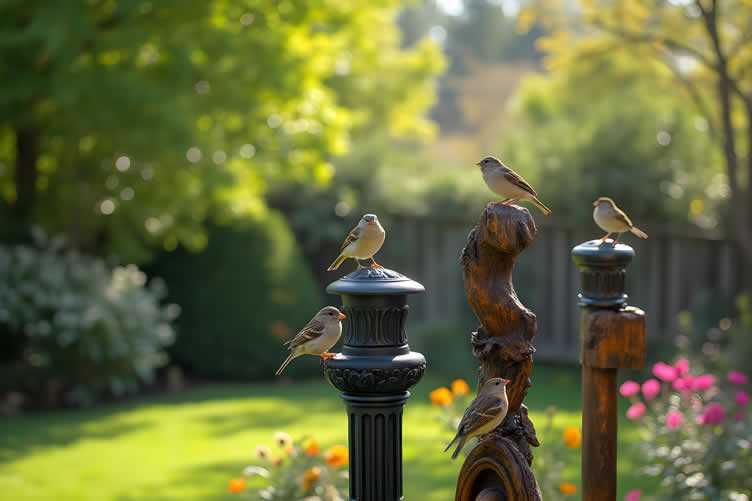
AI generated image by 123rf.com
-
-
2nd: Creating Natural Perches for Birds Using Tree Limbs
Transforming your yard into a bird-friendly sanctuary doesn’t have to involve expensive materials or complex installations. One simple and eco-friendly way to achieve this is by creating natural perches for birds using tree limbs.
Tree limbs are ideal as they mimic a bird’s natural habitat, providing comfortable and familiar spots for perching, resting, and preening. This approach not only enhances the aesthetic of your outdoor space but also fosters a thriving, biodiverse environment for avian visitors.
-
Selecting the Right Tree Limbs
When choosing tree limbs for your perches, prioritize sturdy, untreated wood. Avoid branches that are brittle, diseased, or chemically treated, as these can harm the birds.
Ideal tree limbs include hardwood varieties such as oak, maple, or birch, which are robust and long-lasting. Ensure the branch diameter is appropriate for the types of birds you wish to attract.
For example, smaller birds like finches will need thinner branches, while larger birds such as doves require thicker perches.
-
Preparing the Tree Limbs
Proper cleaning and preparation of the tree limbs are crucial to creating safe perches. Start by removing loose bark, sharp edges, or splinters that might injure the birds.
Clean the limbs with a gentle solution of water and mild soap, and allow them to dry completely in the sun. By preparing the branches, you reduce the likelihood of introducing pests or bacteria to your yard.
-
Mounting and Positioning the Perches
Positioning the tree limbs strategically in your yard is key to attracting birds and keeping them safe. Attach the limbs to existing structures such as fences, posts, or tree trunks using eco-friendly materials like biodegradable twine or untreated rope.
Alternatively, install the limbs as standalone perching posts by anchoring them securely in the ground. Place the perches at varying heights to create diverse vantage points and reduce competition among birds.
Remember to place them away from high-traffic areas to minimize disturbances and keep them within eyesight of shrubs or trees that serve as cover against predators.
-
Maintaining and Replacing the Perches
Natural materials like tree limbs can deteriorate over time, so regular maintenance is necessary to keep the perches in stable condition.
Inspect the limbs periodically for damage, rot, or pests, and replace them as needed to ensure a safe environment. Seasonal upkeep, such as removing ice or debris, will extend the usability of the perches. Keeping them clean and intact demonstrates your commitment to fostering a bird-friendly habitat.
-
Benefits of Using Tree Limbs for Perching
Using tree limbs as perches provides numerous benefits to both birds and the environment. Not only do they offer birds a safe and natural place to perch, but the limbs also contribute to sustainability by re-purposing materials that might otherwise go to waste.
This practice helps create a balanced ecosystem in your yard and encourages more bird species to visit, with their songs and activities enriching the overall outdoor experience.
Component Details Material Selection Hardwood varieties (oak, maple, birch); avoid treated, diseased, or brittle limbs Preparation Remove splinters, clean with water and mild soap, sun-dry Mounting Attach to fences, posts, or tree trunks; position at varying heights Maintenance Inspect for damage, clean regularly, replace if decayed Environmental Benefit Promotes sustainability, re-purposes natural materials, encourages ecological diversity 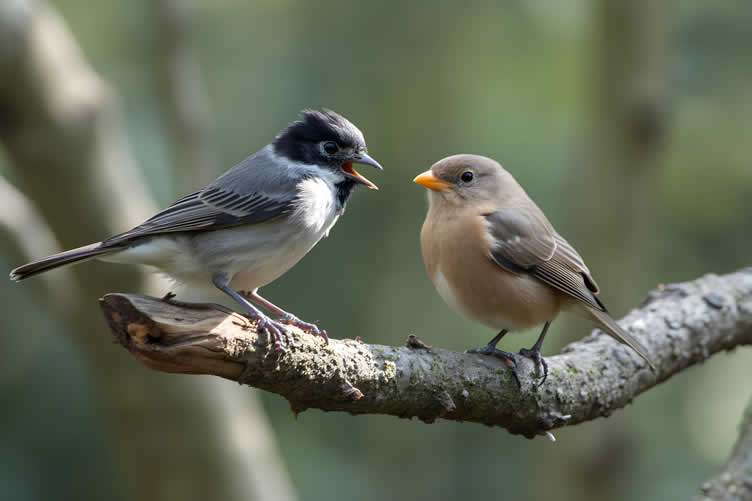
copyright image by 123rf.com
[ youtube: Building a Natural Wood Perch ]
[ amazon: outdoor wild bird perch ]
-
-
-
ideas to view and compare from the information discussed above
Scroll up to directory … or scroll to next section about creating a bird paradise …

Budgeting Worksheet For Costing Home Remodeling and Home Improvement Decisions
 File Type (excel)
are you looking for other interesting topics that may be helpful …?


Find Landscaping/Maintenance Landscape Design Landscape Maintenance Pest Control Sprinkler Systems Tree & Shrubs Water Features top-rated, pre-screened local contractors FREE: download contractor selection enter zip code – powered by HomeAdvisor ™
Quick Contractor Guides selecting negotiating working with inspecting

sixth “photo remodeling” idea
copyright image by 123rf.com
Birdie Tip 6: Inviting the Hummingbirds
Notes:
-
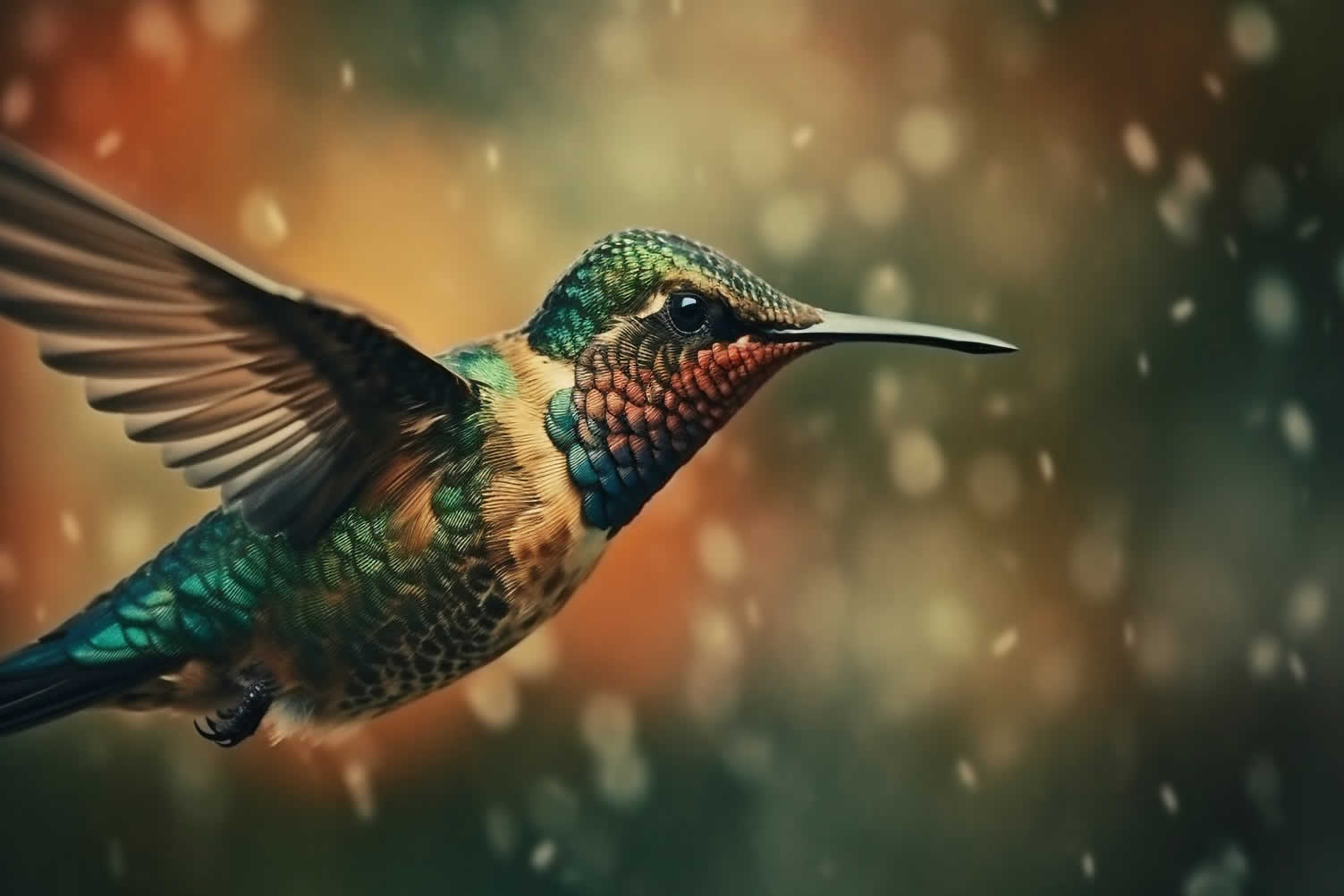
Hummingbirds are a delightful addition to any backyard, offering endless enjoyment as they hover gracefully around feeders near a window, perfect for family observation. However, attracting these fascinating creatures requires the right approach.
Providing special nectar feeders and planting flowers that appeal to hummingbirds can entice them to visit your yard. Once they discover these inviting “hummingbird attractions,” you can look forward to their frequent returns, bringing beauty and excitement to your outdoor space.
-
Quick scroll to “hummingbird” side notes …
-
-
1st: Attracting Hummingbirds to Your Backyard
Hummingbirds, known for their vibrant colors and rapid wing movements, are a delight to observe in any backyard. These tiny yet remarkable creatures can be drawn to your environment with the right combination of flowers, feeders, and water features.
By creating an inviting space tailored to their needs, you can enjoy the presence of these fascinating birds while supporting their ecological role as pollinators. Below, we outline the essential elements for attracting hummingbirds effectively and responsibly.
-
Selecting the Right Plants
Native flowering plants are the backbone of any hummingbird-friendly garden. They provide the nectar hummingbirds naturally consume and help reduce reliance on artificial feeders.
Opt for species with tubular, brightly colored flowers, such as trumpet vines, bee balms, or columbines, as these are particularly attractive to hummingbirds’ feeding habits.
Additionally, choosing a variety of plants with staggered bloom times ensures a constant nectar supply throughout the season. Avoid using pesticides or herbicides on these plants since chemicals can harm the birds or disrupt their food sources.
-
Setting Up Feeders
Hummingbird feeders offer a convenient and supplemental way to provide nourishment. Use feeders designed with red accents, as hummingbirds are naturally drawn to this color.
Fill the feeders with a sugar-water solution made by mixing four parts water to one part white granulated sugar.
Avoid using honey, artificial sweeteners, or red dye, as these can pose health risks to the birds.
Be sure to clean feeders thoroughly every few days, especially in warm weather, to prevent mold or bacterial growth that could potentially harm hummingbirds. Place the feeders in areas that are easy for the birds to find yet safe from predators.
-
Providing a Reliable Water Source
Hummingbirds require clean, fresh water for drinking and bathing. Traditional birdbaths may not meet their requirements due to their size and habits.
Instead, consider adding features like misters, drippers, or shallow fountains, which are better suited to hummingbirds’ needs.
These water sources not only provide necessary hydration but also create a dynamic and inviting element in your backyard that hummingbirds will love.
-
Creating a Safe Environment
Hummingbirds are incredibly small and vulnerable to predators such as outdoor cats or larger birds. To ensure their safety, position feeders and water features in open areas where they can see potential threats.
Dense shrubs or small trees placed nearby can serve as safe resting spots while still offering a clear view of their surroundings.
Minimize the use of reflective surfaces like large windows, or place decals on them, to prevent collisions that could injure hummingbirds.
Aspect Details Plants Use native, tubular flowering plants like trumpet vines or bee balms with staggered bloom times. Avoid chemicals. Feeders Provide a solution of 4 parts water to 1 part sugar; clean frequently. Avoid red dyes. Water Source Incorporate misters, drippers, or shallow fountains for drinking and bathing. Safety Measures Use open spaces for visibility and dense shrubs for safety. Avoid reflective hazards like windows. 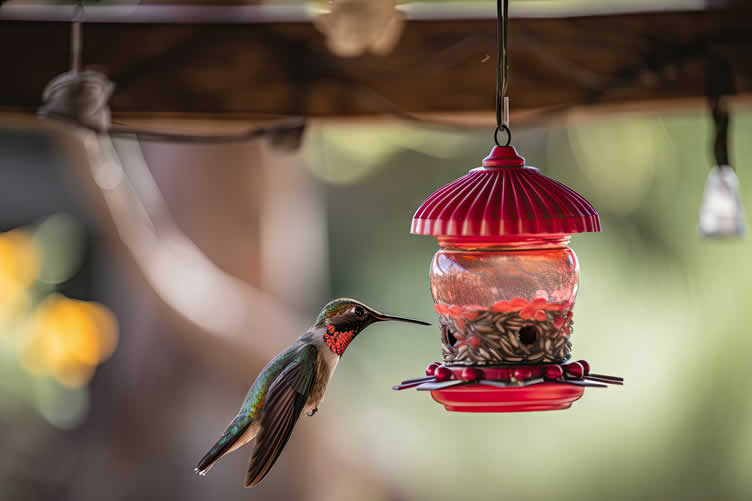
copyright image by 123rf.com
view post: (new win)
Naturalistic Designs for Your Home Landscape: A Guide to Biodiversity and Beauty[ view images: hummingbird ]
[ youtube: How Feed & Attract Hummingbirds 101 ]
[ amazon: hummingbird feeder ]
-
-
2nd: Best Flowers to Plant to Attract Hummingbirds
Hummingbirds are captivating creatures that bring energy and beauty to any garden. To create a haven for these winged wonders, planting the right flowers is essential. Hummingbirds are particularly drawn to brightly colored, tubular flowers rich in nectar.
By selecting a variety of blooms that cover the entire growing season, you can ensure a reliable food source that will keep them visiting your garden regularly. Below, explore the best flowers to attract hummingbirds and understand their specific appeal and benefits.
-
Bee Balm
Bee balm (Monarda) is a vibrant, tubular-flowered perennial that serves as an excellent nectar source. Its bright red, pink, and purple blossoms are particularly appealing to hummingbirds, especially during mid to late summer.
Bee balm thrives in full sun and well-drained soil, making it an easy addition to any garden. Additionally, it has the added benefit of being a pollinator-friendly plant, attracting other beneficial species like bees and butterflies.
-
Cardinal Flower
The cardinal flower (Lobelia cardinalis) is a show-stopper with its tall spikes of vivid red blooms. Widely considered one of the most attractive flowers for hummingbirds, its tubular shape perfectly suits their feeding preferences.
Cardinal flowers prefer moist soil and partial to full sunlight, making them ideal for gardens near water features or in damp areas. Their extended bloom period brings consistent visits from hummingbirds during the summer months.
-
Zinnia
Zinnias are annual flowers that come in a range of warm hues, including orange, pink, red, and yellow. Their long-lasting blooms offer a dependable nectar source for hummingbirds from late spring to early fall.
Zinnias thrive in sunny locations and can be easily planted from seed, often blooming quickly. Their brightly colored, open blooms make them highly visible to passing hummingbirds, ensuring they become a popular feeding spot.
-
Salvia
Salvia, also known as sage, is a versatile plant loved by hummingbirds for its tubular flowers and nectar-rich offerings. Available in a variety of colors, red and purple salvia are especially effective in attracting these birds.
Salvia can bloom multiple times a year if deadheaded properly, making it a season-long favorite. These drought-tolerant flowers are easy to grow in sunny areas and add both color and movement to the garden.
-
Bleeding Heart
Bleeding hearts (Dicentra spectabilis) are unique, heart-shaped flowers that bloom in the spring. Their drooping blossoms and soft pink or white hues appeal to hummingbirds, offering an early-season nectar supply.
These flowers prefer shaded or partially shaded areas and moist, well-drained soil. Bleeding hearts provide crucial nourishment during the year’s early months before many summer bloomers emerge.
-
Butterfly Bush
Despite its name, the butterfly bush (Buddleia) is also a hummingbird magnet. Its fragrant, cone-shaped flowers bloom in clusters and come in various shades of purple, pink, and white.
This hardy perennial blooms throughout summer and fall, offering a long-lasting nectar source. Butterfly bushes thrive in full sun and are particularly popular for their ability to attract various pollinators to the garden.
-
Trumpet Creeper
The trumpet creeper (Campsis radicans) is a vigorous climbing vine with large, trumpet-shaped flowers that hummingbirds adore. With blooms in shades of orange, red, and yellow, this plant makes a striking addition to trellises, fences, or walls.
Trumpet creepers are drought-tolerant and bloom prolifically throughout the summer, making them a reliable food source. However, it’s important to manage this plant carefully, as it can spread aggressively if not maintained.
-
Lupine
Lupines are vertical-blooming perennials with spiky, tubular flowers that come in a rainbow of colors. Hummingbirds enjoy their rich nectar and find their tall stature easy to spot.
Lupines thrive in sunny to lightly shaded environments with well-drained soil. Because of their early summer blooms, they support hummingbirds during a critical part of the season.
-
Eastern Red Columbine
Native to North America, the eastern red columbine (Aquilegia canadensis) is a favorite of both gardeners and hummingbirds. Its red and yellow nodding flowers bloom in spring, providing an early-season nectar source.
Eastern red columbine grows best in woodland gardens or partially shaded areas, blending seamlessly into naturalized settings.
-
Petunia
Petunias are colorful and versatile flowers that are particularly appealing to hummingbirds. With a range of colors, including pink, red, and purple, petunias are ideal for sunny garden beds, containers, or hanging baskets.
They bloom profusely from spring through fall, offering a continuous nectar source. Deadheading petunias regularly will encourage more blooms and extend their flowering period.
Flower Best Growing Conditions Appeal to Hummingbirds Bee Balm Full sun, well-drained soil Nectar-rich tubular flowers with bold colors Cardinal Flower Moist soil, partial to full sun Vivid red spikes ideal for hummingbird feeding Zinnia Full sun, widely adaptable Bright, long-lasting flowers Salvia Sunny areas, drought-tolerant Tubular blooms in red and purple hues Bleeding Heart Part shade, moist soil Unique, early-season heart-shaped flowers Butterfly Bush Full sun Summer-fall nectar source; fragrant blooms Trumpet Creeper Sun to part shade, drought-tolerant Large, vibrant trumpet-shaped flowers Lupine Sun to partial shade, well-drained Vertical, tubular blooms in diverse colors Eastern Red Columbine Part shade, woodland areas Early bloom, native red and yellow flowers Petunia Full sun, adaptable Continuous blooms in a variety of bright colors 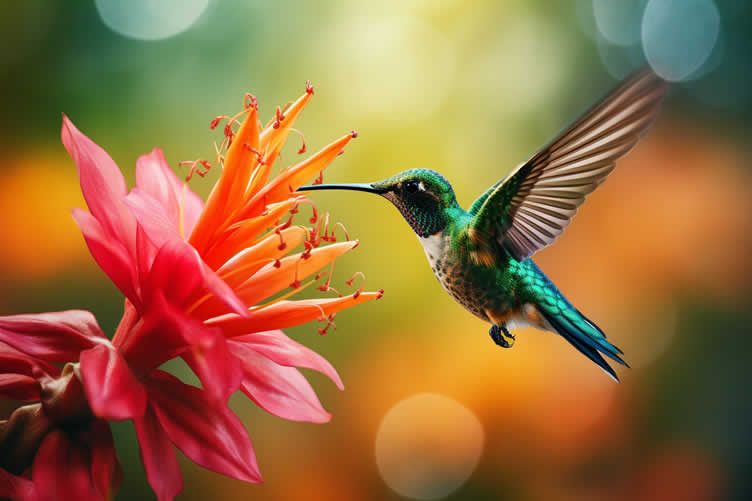
copyright image by 123rf.com
Sunny Perennial Pics
Part-Sun Perennials
viewing amazon -
-
-
ideas to view and compare from the information discussed above
Scroll up to directory … or scroll to next section about creating a bird paradise …


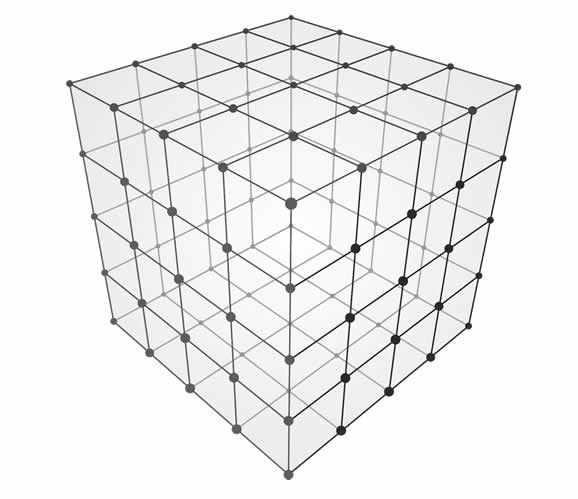
get the size dimensions for any home remodeling project …

… for functionality, aesthetics, and adhering to building codes


seventh and last “photo remodeling” idea

copyright image by 123rf.com
Birdie Tip 7: How About Welcoming Owls and Bats
Notes:
-
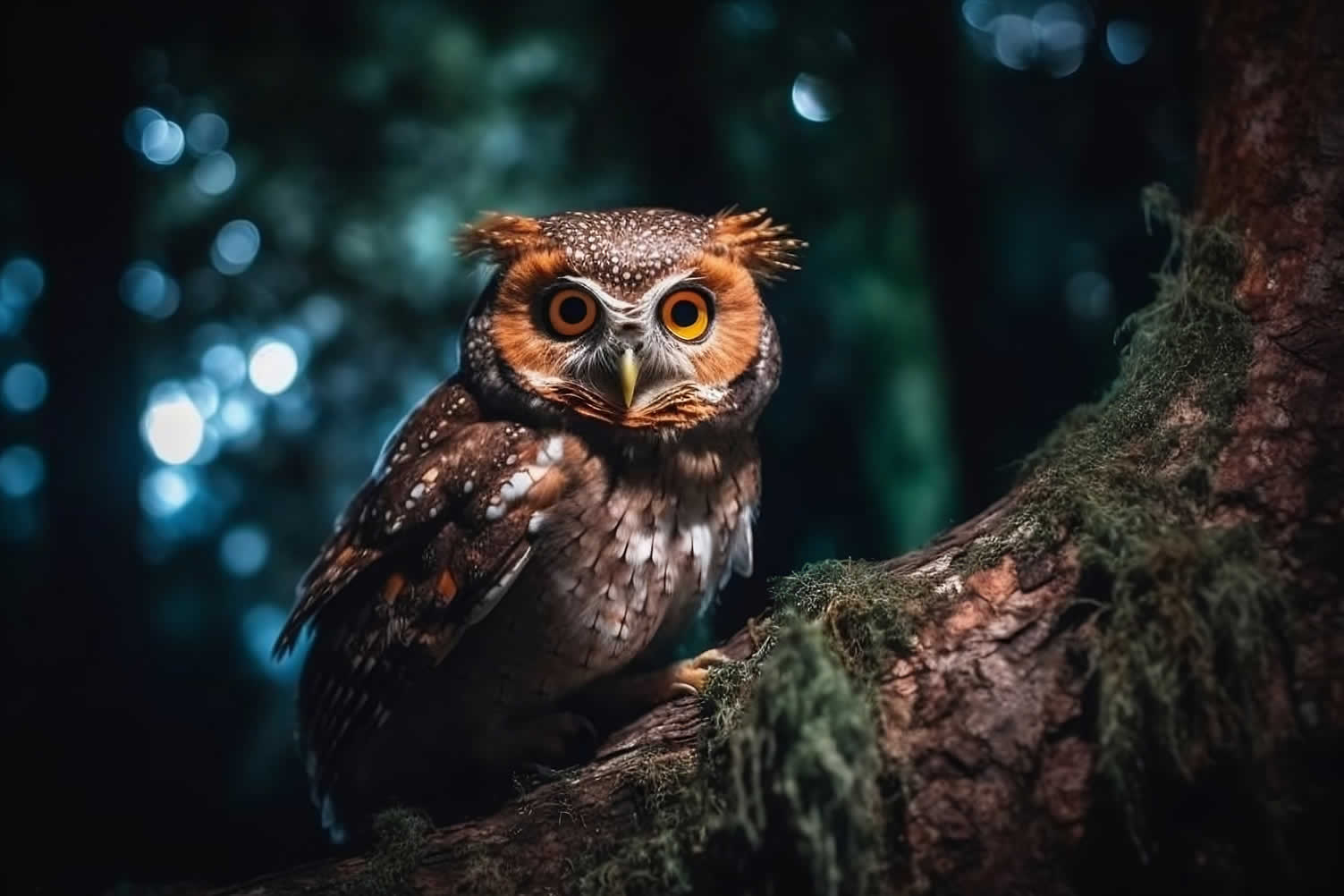
Beyond traditional backyard birdwatching, certain species like owls and bats can offer unique benefits to your outdoor space.
Owls help control rodent populations, while bats play a dual role in managing insects and serving as essential pollinators.
By thoughtfully designing your backyard with their needs in mind, you can create a sanctuary that supports these remarkable creatures.
A well-planned, harmonious environment not only invites them in but also contributes to ecological health, making your outdoor space a haven for both wildlife and nature enthusiasts alike.
-
Quirk scroll to topic "owls and bats" side notes …
-
-
1st: Attracting Owls to Your Backyard
Owls are not only fascinating creatures but are also effective natural pest controllers. Encouraging their presence in your backyard can help balance the ecosystem while providing you the opportunity to observe these mysterious nocturnal birds.
Owls prey on rodents, insects, and other small animals, reducing the need for chemical pest control and contributing to a healthier, more sustainable environment. To attract owls successfully, you need to create a habitat that caters to their nesting, feeding, and safety requirements.
Below, we provide an expert guide to making your backyard owl-friendly.
-
Providing Suitable Nesting Sites
Owls typically require secure and undisturbed places for nesting. Installing owl nesting boxes is an excellent way to provide them with a home, especially if your yard lacks hollow trees, which are their natural nesting sites.
Ensure the nesting boxes are made of untreated wood and are large enough to accommodate the species local to your region.
Barn owls, for example, prefer spacious boxes elevated at least 10-15 feet above the ground. Place the boxes in quiet areas surrounded by tall trees or open fields to mimic their natural habitat.
-
Ensuring a Reliable Food Source
Attracting owls also involves ensuring that prey is readily available in your backyard. Maintain a natural ecosystem by avoiding the use of chemical pesticides and herbicides, which can harm their prey, including rodents, insects, and small mammals.
Planting native ground covers can attract a variety of insects and rodents, which in turn become a food source for owls. A well-balanced landscape promotes biodiversity and supports the prey population necessary to sustain these predators.
-
Creating a Safe Environment
Safety is crucial for owls to feel comfortable settling in your backyard. Avoid bright outdoor lighting at night, as it can disturb their activities and deter them from visiting.
Dense trees and shrubs can provide owls with places for shelter from predators and harsh weather.
It’s also important to ensure windows and reflective surfaces are managed to minimize accidental collisions. Use decals or special window film to make glass more visible to birds.
-
Offering a Water Source
Although many species of owls obtain most of their water requirements from their prey, a supplemental water source can still be beneficial. Set up shallow birdbaths, ponds, or small water features in your yard.
Keep these water sources clean and accessible, offering not only hydration but also a place to bathe.
Place water sources in areas with some cover nearby, where owls can perch and feel safe while drinking.
-
Maintaining a Quiet and Undisturbed Space
Owls are sensitive to noise and disturbances, especially during their nocturnal activities.
Minimize loud sounds during the evenings and nights, and keep pets, such as dogs and cats, under control to prevent them from frightening or harming owls.
A tranquil environment will increase the chances of owls visiting and staying in your backyard.
Aspect Details Nesting Sites Install untreated wood nesting boxes elevated 10-15 feet, or preserve natural hollow trees in quiet areas surrounded by tall trees or open fields. Food Source Avoid chemicals to preserve prey such as rodents and insects; plant native ground covers to promote biodiversity and attract owl prey items. Safety Provide dense shrubs for shelter; minimize outdoor lighting; use window decals or films to prevent collisions. Water Source Add shallow birdbaths, ponds, or features in secure locations for drinking and bathing; ensure they remain clean and accessible. Quiet Environment Reduce noise pollution in the evenings; control pets to prevent disturbances. 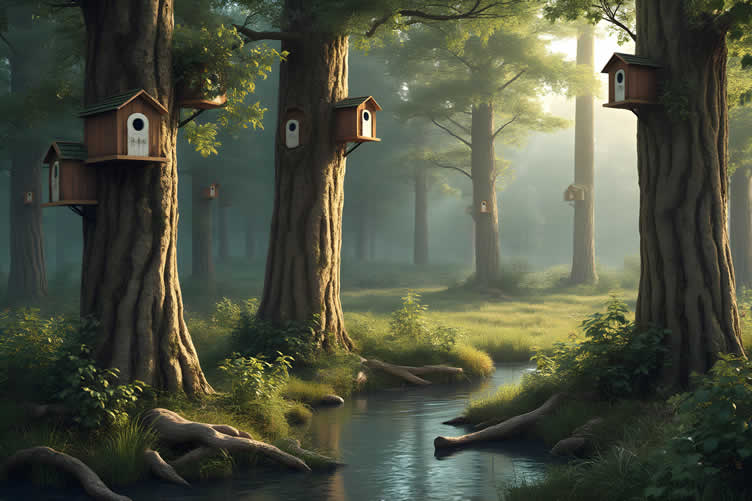
AI generated image by 123rf.com
[ view images: owl birdhouse ]
[ youtube: How to Build an Owl House and Attract Them ]
[ amazon: find owl house ]
-
-
2nd: Attracting Bats to Your Backyard
Bats are remarkable creatures that play a vital role in maintaining the balance of ecosystems. Known for their natural pest control abilities, bats consume enormous quantities of insects like mosquitoes, beetles, and moths, reducing the need for chemical pesticides.
Additionally, some bats are important pollinators, aiding in the reproduction of fruiting plants, making them valuable allies for gardeners and farmers.
By attracting bats to your backyard, you not only contribute to their conservation but also benefit from their ecological services.
-
Habitat and Shelter
Providing adequate shelter is one of the most effective ways to attract bats. Bat houses are an excellent option, offering them a safe and secure space to roost.
These structures should be installed in sunlit areas, as bats prefer warm environments, ideally reaching internal temperatures between 80°F and 100°F.
Place the bat house at least 15 feet off the ground, away from predators, and ensure the location is within proximity to water and food sources.
A well-constructed bat house made from untreated wood with a rough interior surface is more likely to attract residents. Consider designing or purchasing a bat house that meets the specifications set by organizations such as Bat Conservation International for the highest success rate.
-
Food Sources
Bats rely heavily on an abundant supply of insects to thrive. To encourage a healthy insect population in your backyard, cultivate a diverse range of native plants that attract moths, beetles, and other nighttime insects.
Avoid using pesticides as they reduce the availability of prey and can harm bats directly. Building a rich, biodiverse garden that includes fragrant flowers and shrubs can naturally increase insect activity, providing bats with plenty of sustenance.
Additionally, leaving areas of your yard slightly wild or planting night-blooming flora can further entice bats.
-
Water Availability
Bats need a dependable water source for drinking. A pond or other open water source, such as a fountain, can significantly enhance your yard’s bat-friendliness.
Carefully maintain this water source by keeping it clean and accessible. Providing open spaces around water features is essential, as bats need room to swoop down and drink while still in flight.
If possible, opt for running water features since moving water tends to attract more insects, indirectly benefiting bats.
-
Quiet and Safe Environment
Bats are nocturnal creatures and are highly sensitive to noise and disturbances, particularly during their roosting hours. To create a bat-friendly environment, minimize loud activities and excessive lighting at night.
Limit the use of outdoor lights or use red-spectrum bulbs, which are less likely to interfere with bats’ natural behaviors.
Additionally, control pets like cats, which can pose a threat to bats.
Practicing these safety measures ensures bats feel secure and are more likely to establish a long-term residence in your yard.
Category Key Requirements Shelter Install bat houses in sunlit, elevated areas; use untreated wood with rough surfaces for roosting. Food Sources Grow native plants to attract insects; avoid pesticides that harm bats or reduce insect populations. Water Availability Provide open, clean water sources like ponds or fountains; ensure open flight access for drinking. Environment Maintain quiet, dark conditions at night; limit pet access and reduce disturbances near roosting areas. 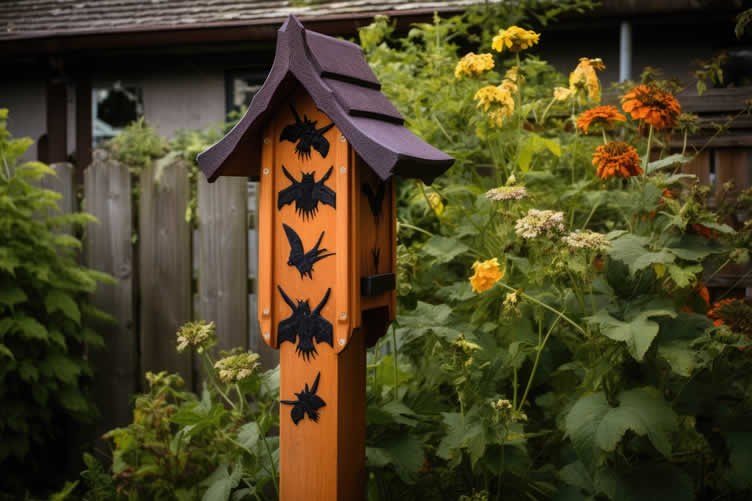
copyright image by 123rf.com
[ view images: bat house ]
[ youtube: setting up a bat house ]
[ amazon: find bat houses ]
-
-
-
FINAL REMARKS
A backyard designed for birds becomes a source of wonder, joy, and continued learning. It connects your household to nature, supports local wildlife, and provides countless hours of entertainment and education.
By identifying your local species, creating a welcoming habitat, and taking steps to ensure safety, you lay the foundations for a vibrant, living ecosystem just outside your door.
The next time you spot a finch on your feeder or a cardinal singing at dawn, take a moment to appreciate the beauty you’ve helped foster.
If you’re ready for even more excitement, reach out to a local bird club or participate in citizen science programs. Every step you take enriches your understanding, your home, and the natural world.
-
ideas to view and compare from the information discussed above
- What comments can you share about
creating a bird paradise?
Scroll up to directory … or scroll to more yard n’ garden-related topics …
view illustration “becoming a bank”

Calendar For:
Home Maintenance
File Type:


… view our sharing links below for a quick "share the knowledge"
Cover image credit: creating a bird paradise by pixabay.com
end of post … please share it!
 |
did you find creating a bird paradise analysis helpful? If so, please share the article with your friends and family! |
Nice pic idea? Leave us a quick comment below.
And please share this pic idea within your social networks.