Summary Outline –
Home moldings are more than just decorative accents; they are an integral part of architectural design that can completely transform a space. These details add depth, character, and sophistication to a room, elevating it from plain to polished.
Moldings can serve many purposes, from hiding imperfections in walls or ceilings to creating a seamless transition between surfaces. They also enhance visual appeal by adding texture, dimension, and a finished look to any space.
Traditionally, moldings have been used in homes to showcase craftsmanship and attention to detail, and they continue to play a key role in modern interior design. Whether it’s crown molding to add elegance to a room, baseboards for a clean edge, or chair rails for protecting walls, these features can suit both classic and contemporary styles.
This guide dives into everything you need to know about moldings, including their rich history, diverse modern applications, and practical tips for choosing the right styles and materials for your space.
- post content … analysis/ home moldings and trim
- 1st: Introduction to Home Moldings
- 2nd: Types of Home Crown Molding
- 3rd: Baseboard Molding
- 4th: Window and Door Casing
- 5th: Chair Rail Molding
- 6th: Wall Frame Moldings and Panels
- 7th: Other Types of Molding and Trim
- 8th: Material Types for Home Molding and Trim
- 9th: How to Choose the Right Molding for Your Space
- 10th: Installation Tips for Molding and Trim
- conclusion
- other home structural topics

-
- —— begin first topic ——
-
1st Molding: Introduction to Home Moldings
Have you ever walked into a room and been captivated by its sense of elegance, charm, or character? Chances are, moldings played a starring role in creating that inviting atmosphere.
These architectural details, often seen along walls, ceilings, or floors, add depth and personality to any space. From subtle crown moldings that frame a ceiling to intricate wainscoting that enhances walls, moldings have the power to elevate your interior design.
Whether you’re new to the concept or a seasoned DIY enthusiast searching for fresh inspiration, understanding the purpose, styles, and variety of wall moldings can help you transform your home and take your design skills to new heights.
-
Historical Significance of Moldings
The origins of wall moldings date back centuries, with roots in ancient Greek and Roman architecture. Early use of moldings was primarily functional. Their purpose ranged from concealing structural imperfections to hanging art, keeping pests at bay, and emphasizing the grandiose scale of monumental buildings.
During the Renaissance, moldings became more elaborate, crafted to signify wealth and sophistication. Intricate designs carved from wood adorned the homes of nobles and aristocrats, with details often inspired by nature, mythology, or classical art.
Over time, these architectural details evolved to balance purpose with aesthetics, blending seamlessly into modern spaces while preserving nods to their historical roots.
-
Modern Uses of Moldings
Today, moldings are primarily prized for their visual appeal, but their practical benefits remain just as relevant. Homeowners turn to moldings for a variety of reasons, ranging from stylistic enhancements to functional improvements.
-
Visual Appeal
Wall moldings are often the final touch that brings a room together. Whether highlighting a ceiling’s height or framing a doorway, they add depth and dimension that can make a space feel polished and complete.
Different types of moldings evoke specific moods or themes—from the dramatic luxury of crown molding to the clean, modern lines of base molding.
-
Hiding Imperfections
Got uneven drywall or unsightly gaps where your walls meet the ceiling? Moldings, particularly those installed at joints or edges, can effortlessly mask these imperfections.
Not only does this save time and effort on patching or sanding, but it also creates a unified, flawless look.
-
Adding Value to Your Home
Well-placed moldings can increase the perceived value of a home. Buyers often equate detailed trim work with quality craftsmanship, making it a small investment with the potential for big returns.
The addition of prominent features like crown molding or decorative wall panels can substantially enhance both your home’s marketability and its visual appeal.
-
Types of Molding
- Crown Molding:
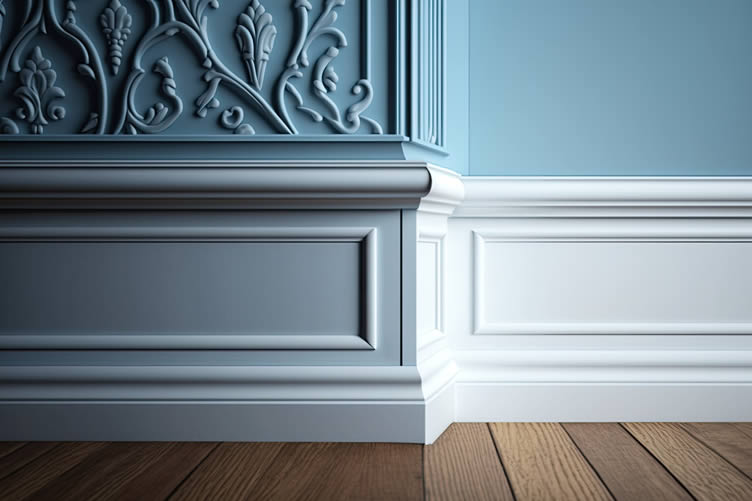
Positioned where the walls meet the ceiling, crown molding adds elegance and height to a room, creating a polished and sophisticated appearance.[ see topic below: crown molding ]
- Baseboards (floor molding):
Installed at the bottom of walls, baseboards provide a finished look while protecting walls from scuffs and damage.[ see topic below: baseboards ]
- Casing (door and window trim):
Used to trim around doors and windows, casings help define architectural details and create a seamless transition between walls and openings.[ see topic below: casing ]
- Chair Rail:
Typically placed horizontally along walls, chair rails add decorative accents and help protect walls from furniture damage.[ see topic below: chair railing ]
- Wainscoting (and other wall molding):
Paneling or molding applied to the lower sections of walls, offering both protection and an opportunity for creative design.[ see topic below: wainscoting ]
- Picture Rail:
A functional and decorative molding that allows for hanging pictures without damaging walls, often found in older or traditionally styled homes.[ see topic below: picture rail ]
- Egg and Dart:
A decorative molding characterized by repeating oval and arrow elements, often used in classic or historical designs for added flair.[ see topic below: egg and dart ]
- Crown Molding:
-
copyright image by 123rf.com
[ pinterest: types of interior moldings ]
[ youtube: Understand Trim & Molding ]
-
Scroll up to directory … or scroll to next section of home moldings and trim …


-
-
2nd Molding: Types of Home Crown Molding
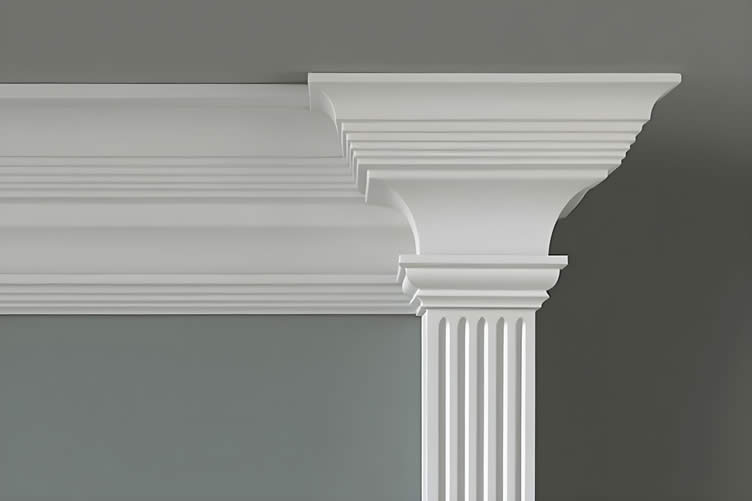
Crown molding, a decorative trim used where walls meet ceilings, serves both aesthetic and practical purposes in home design. It adds a touch of elegance and sophistication, instantly enhancing the visual appeal of any space.
Beyond its beauty, crown molding can also subtly hide imperfections at joint areas, giving a cleaner, polished look to rooms. It comes in various materials and styles, each suited to different interior designs and user needs, from traditional to modern.
This guide explores the key styles of crown molding to help you make an informed decision that suits your home’s character and décor.
[ view sample images: crown molding ]
-
Traditional Crown Molding
Traditional crown molding is synonymous with timeless elegance. It often features intricate designs, such as ornate carvings or curves, evoking a classic and luxurious ambiance.
This style works particularly well in historic homes or formal settings, where maintaining a classic aesthetic is crucial. Common materials for traditional moldings include wood and plaster, which allow for detailed craftsmanship and a refined finish.
-
Modern Crown Molding
Modern crown molding features clean lines and minimal detailing to complement contemporary interiors. Simplistic in design yet impactful in appearance, modern molding is often crafted from sleek materials such as MDF (medium-density fiberboard) or polyurethane, which are cost-effective and lightweight.
This understated style fits perfectly in homes with a focus on modernity, open spaces, and neutral color palettes.
-
Transitional Crown Molding
Transitional crown molding bridges the gap between traditional and modern styles. It maintains some elements of classic designs, such as gentle curves, while incorporating the simplicity of contemporary aesthetics.
This versatile option suits homeowners who desire the best of both worlds, providing sophistication without overwhelming the room’s design.
-
Craftsman Crown Molding
Craftsman crown molding emphasizes simplicity and structure, often featuring straight edges, step-like details, and a solid, robust appearance.
This style aligns perfectly with rustic or farmhouse aesthetics, where the focus is on organic materials and functionality. Typically made of wood, craftsman moldings contribute to creating a warm and inviting atmosphere.
-
Colonial Crown Molding
Colonial crown molding represents a traditional American design style often found in older homes. With symmetrical shapes and subtle detailing, it blends well with interiors that evoke a historical or vintage feel.
Often crafted from wood or plaster, it adds prestige and charm to any room, especially in dining rooms or libraries.
-
Contemporary Crown Molding
Contemporary crown molding is designed for homes that demand innovative and cutting-edge solutions.
This style often features unique materials, such as metals or composites, and incorporates bold or geometric patterns. The creative possibilities make contemporary moldings an excellent choice for eclectic or artistic spaces where individuality is essential.
Crown Molding Style Key Characteristics Recommended Materials Best Applications Traditional Ornate, detailed, classic aesthetics Wood, plaster Historic homes, formal settings Modern Clean lines, minimal design MDF, polyurethane Contemporary spaces, neutral décor Transitional Mix of classic and contemporary elements Wood, MDF Versatile in both modern and classic homes Craftsman Straight edges, step-like details, rustic look Wood Rustic, farmhouse, or casual interiors Colonial Symmetrical shapes, historical feel Wood, plaster Older homes, vintage-style interiors Contemporary Bold and geometric, innovative materials Metals, composites Eclectic, modern artistic spaces 
AI generated image by 123rf.com
[ pinterest: about crown molding ]
[ youtube: how install crown molding ]
-
Scroll up to directory … or scroll to next section of home moldings and trim …
-
-
3rd Molding: Baseboard Molding
Baseboard molding serves both functional and aesthetic purposes in a home, making it an essential element of interior design. At its core, baseboard molding covers the joint between the wall and the floor, concealing uneven edges and providing a polished, finished appearance to a room.
Beyond practicality, baseboards offer a chance to reinforce a design theme while enhancing the character and style of a space.
With a wide variety of styles available, each type of baseboard molding caters to distinct aesthetic preferences and functional demands, making it a popular upgrade for home improvement enthusiasts and professionals alike.
[ view sample images: base moldings ]
-
Flat Baseboard Molding
Flat baseboard molding is one of the simplest and most modern options available. Characterized by its clean, straight edges, it provides a sleek, minimalist appearance that works well in contemporary or transitional interiors.
Its unadorned surface makes it ideal for spaces where simplicity and understated elegance are desired. Flat baseboards are especially popular in homes with clean lines and open concepts, as they blend effortlessly into the background and can be painted to match any décor.
-
Colonial Baseboard Molding
Colonial baseboard molding is rooted in traditional design, offering a classic, timeless look. Featuring curved edges, intricate detailing, and symmetrical profiles, colonial molding is ideal for homeowners seeking a decorative touch that exudes elegance and heritage.
Often used in older homes or spaces seeking traditional charm, it complements more elaborate interior designs. This style can be found in both painted and stained finishes and is frequently made from hardwoods like oak or pine to achieve a rich, authentic aesthetic.
-
Stepped Baseboard Molding
The stepped baseboard molding style stands out for its signature "stepped" or layered design. This profile is commonly used in transitional homes, blending elements of traditional and modern styles.
Its subtle curves and tiered edges make it a popular choice for those who want something more decorative than flat molding but less intricate than colonial designs.
This molding works well in spaces that balance modern minimalism with a hint of classic detail, creating a smooth visual transition across different styles.
-
Jointed Baseboard Molding
Jointed baseboard molding refers to molding made from joined pieces of material, often solid wood or engineered wood products, to achieve longer lengths. This type is especially useful in larger spaces where seamless installation is desired without multiple cuts or interruptions.
Jointed molding can come in various profiles, but its main advantage lies in reducing visible seams and improving durability. Many contractors and homeowners prefer jointed materials for their high-quality finish and the flexibility to work with various design schemes.
-
High-Trimmed Profile Baseboard Molding
High-trimmed profile baseboard molding is a bold choice for homeowners who want to make a statement. Often featuring intricate designs, prominent heights, and dramatic curves, this molding type adds a sense of grandeur and sophistication to a room.
It is commonly found in luxurious or high-end interiors, where attention to detail and ornamental craftsmanship is paramount. Ideal for formal spaces like dining rooms or living rooms, high-trimmed profiles often serve as a focal point, elevating the overall design of the house.
-
Clammed Baseboard Molding
Clammed baseboard molding is specifically designed to provide a tight fit and reduce gaps along the wall-floor junction. This type of molding serves a highly functional purpose, often in homes where air drafts or uneven flooring might pose a problem.
While it can be styled to suit various interiors, the primary focus of clammed molding is practicality, making it a great choice for spaces where durability and functionality are prioritized over decorative features.
-
Other Styles of Baseboard Molding
In addition to the common profiles mentioned, baseboard molding can come in a range of other styles to meet unique design needs.
- Custom molding, for instance, allows homeowners to create bespoke profiles that reflect their personal taste and complement specific architectural features.
- Cove molding offers a curved, recessed profile that works well in subtle or understated interiors.
- Shoe molding, commonly installed along the bottom of baseboards, provides added detail while offering functionality in protecting floors.
Each of these options caters to different applications and design objectives, demonstrating the flexibility and creative potential of baseboard molding.
Baseboard Type Key Characteristics Best Suited For Flat Baseboard Simple and clean profile; minimalistic design Contemporary and modern homes Colonial Baseboard Traditional style with curved edges and detail Classic, elegant, or heritage interiors Stepped Baseboard Multi-layered stepped design; subtle yet decorative Transitional spaces blending styles Jointed Baseboard Seamless look with joined material for durability Large rooms requiring continuous lengths High-Trimmed Profile Ornate, high-profile designs for a bold aesthetic High-end spaces or formal interiors Clammed Baseboard Tight fit for functional use; reduces air drafts Practical applications and uneven floors Other Styles Bespoke or specialized designs like cove or shoe molding Unique or custom design preferences 
copyright image by 123rf.com
[ pinterest: about baseboard molding ]
[ youtube: Install Baseboard Like A Professional ]
-
Scroll up to directory … or scroll to next section of home moldings and trim …
-
-
4th Molding: Window and Door Casing
Window and door casing is a critical element in both the aesthetic appeal and functional performance of a home. Acting as the finishing trim, casings enclose the space between walls and window or door frames, creating a polished, cohesive appearance while simultaneously concealing structural gaps.
They also serve a practical purpose by sealing openings against drafts, moisture, and pests. Selecting the right type of window and door casing requires an understanding of available styles, as this decision can greatly impact the overall design and efficiency of your home.
Below, we explore the most common styles of window and door casing and their unique attributes.
[ view sample images: window and door casing (trim) ]
-
Colonial Casing
Colonial casing is a timeless style characterized by its wider, symmetrical design and simple yet elegant profiles. Rooted in traditional architecture, this casing often features subtle bevels or curves that provide a classic aesthetic.
Because of its versatile appeal, colonial casing works well in historic homes as well as modern spaces looking to incorporate a touch of tradition. This style is renowned for its ability to complement crown molding and baseboards, creating a cohesive and dignified interior look.
-
Modern Casing
Modern casing takes a minimalist approach, often with clean, straight lines and sharp edges. Designed to blend seamlessly with contemporary interiors, modern casing avoids unnecessary detailing, focusing instead on sleek and understated aesthetics.
Typically thinner in width compared to traditional styles, modern casing serves as an unobtrusive frame around windows and doors, giving rooms a crisp and streamlined appearance. This style is particularly popular in homes that emphasize modern design trends, open spaces, and simplicity.
-
Craftsman Casing
Highly popular for its handcrafted, rustic appeal, craftsman casing is distinguished by its thicker design and layered look. Craftsman-style casings typically incorporate bold lines and square edges, often featuring multiple pieces of trim stacked together for a dimensional effect.
They are ideal for homes with a custom-built or artisan aesthetic. While craftsman casings excel in traditional or farmhouse-style properties, their versatility also allows them to enhance the charm of transitional spaces.
-
Farmhouse Casing
Farmhouse casing embraces simplicity and warmth, often crafted from natural or reclaimed wood to exude a sense of comfort. This style usually avoids elaborate detailing, opting for straight edges and a slightly thicker build to accentuate its robust and homey design.
Farmhouse casings are a staple in rustic and country-style homes but are increasingly making their way into modern interiors seeking to incorporate a touch of vintage charm.
-
Transitional Casing
Transitional casing finds a balance between traditional and modern design elements. Its moderate thickness and gentle styling make it adaptable to a wide variety of decors.
Transitional casings are often subtle, merging with surrounding elements without being too ornate or stark. This style is ideal for homeowners seeking versatility, as it can bridge differing styles throughout a single home for a consistent visual experience.
-
Picture Frame Casing
Picture frame casing is named for its resemblance to a picture frame, as it wraps evenly around all four sides of a window or door without interruptions. This seamless appearance offers a clean and structural feel, making it ideal for modern and contemporary homes.
Picture frame casing works exceptionally well in properties with symmetrical or grid-like window designs, as it emphasizes uniformity and balance.
Casing Style Key Features Best Suited For Colonial Casing Wide, symmetrical, elegant bevels or curves Traditional and transitional interiors Modern Casing Minimalist, straight lines, and sleek design Contemporary and modern spaces Craftsman Casing Thick, layered trim with square edges Rustic and custom artisan aesthetics Farmhouse Casing Simple, natural wood with thicker edges Country, rustic, and modern-rustic mix interiors Transitional Casing Moderate thickness, subtle styling Mixing traditional and modern design preferences Picture Frame Casing Even trim on all sides, clean and seamless look Modern symmetric designs and grid-style windows 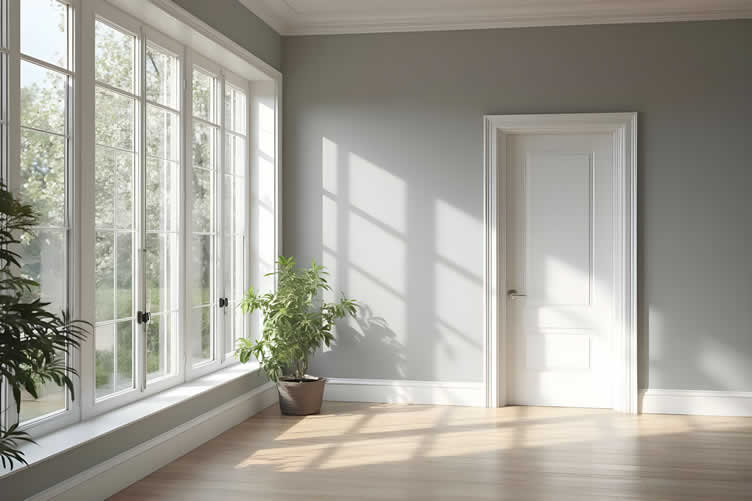
AI generated image by 123rf.com
[ pinterest: about window door trim ]
[ youtube: How to Install Door Trim ]
-
Scroll up to directory … or scroll to next section of home moldings and trim …
-
-
5th Molding: Chair Rail Molding
Chair rail molding, a classic design element in architecture and interior design, is as functional as it is aesthetically pleasing. Originally used to protect walls from damage caused by chairs, this horizontal molding has evolved into a defining feature across various styles of homes and buildings.
Positioned typically at one-third of the wall’s height, chair rail molding breaks wall surfaces to create proportion and adds visual interest, transforming plain interiors into spaces with character and sophistication.
Today, chair rail molding is not merely functional but also serves as a decorative element, with numerous styles to suit various design preferences.
[ view sample images: chair rail molding ]
-
Traditional Chair Rail Molding
Traditional chair rail molding closely adheres to classical design principles, often featuring elegant curves and ornate details. It typically complements interiors styled with vintage or historic aesthetics, such as Colonial, Victorian, or Georgian homes.
The profiles in this style are rounded and decorative, serving both as a statement piece and as a harmonious element that ties together crown molding, paneled walls, and baseboards.
Traditional chair rail molding is commonly made from materials like hardwood, which enhance the timeless appeal of the space.
-
Modern Chair Rail Molding
For sleek, contemporary interiors, modern chair rail molding offers a minimalist approach. These moldings are often characterized by clean, straight lines and subtle forms, ensuring they contribute to the design without overwhelming the space.
Frequently crafted from engineered wood or medium-density fiberboard (MDF), modern chair rails may also incorporate painted or textured finishes to align with the room’s color scheme.
Their functional yet understated style integrates seamlessly into homes with open floor plans and modern furnishings.
-
Rustic Chair Rail Molding
Rustic chair rail molding blends natural materials and earthy finishes, adding warmth and charm to spaces such as cabins or country-style homes. This style often features raw wooden textures or distressed finishes to create a worn, lived-in feeling.
Typically crafted from reclaimed wood or rough-hewn materials, rustic moldings emphasize organic aesthetics, pairing well with exposed beams or brick walls to heighten visual interest.
-
Decorative or Custom Chair Rail Molding
Decorative and custom chair rail molding captures the imagination by offering endless possibilities in design. From intricate carvings to custom patterns that incorporate personal touches or motifs, the decorative style is highly versatile.
These moldings can include mixed materials such as wood and metal or even incorporate creative techniques like stenciling to provide a bold or artistic look.
Ideal for high-end interiors or spaces with intricate designs, custom moldings allow homeowners to express individuality while complementing architectural themes.
-
Transitional Chair Rail Molding
For those who aim to balance the warmth of traditional elements with the simplicity of modern design, transitional chair rail molding is an excellent option.
This style often bridges different aesthetics, offering streamlined profiles with small decorative flourishes.
Transitional moldings are versatile and work well in diverse spaces, whether they are contemporary homes with classic elements or traditional spaces seeking a touch of modernization.
Style Characteristics Best Suited For Common Materials Traditional Ornate, rounded details, classical profiles Colonial, Victorian, or historic homes Hardwood Modern Minimalist, clean lines, subtle forms Contemporary and modern interiors MDF, engineered wood Rustic Natural textures, raw or distressed finishes Country-style homes, cabins Reclaimed wood, rough-hewn wood Decorative or Custom Intricate carvings, mixed materials, custom patterns High-end or artistic interiors Wood, metal, stenciled surfaces Transitional Streamlined with slight decorative touches Blends modern and traditional styles Hardwood, MDF 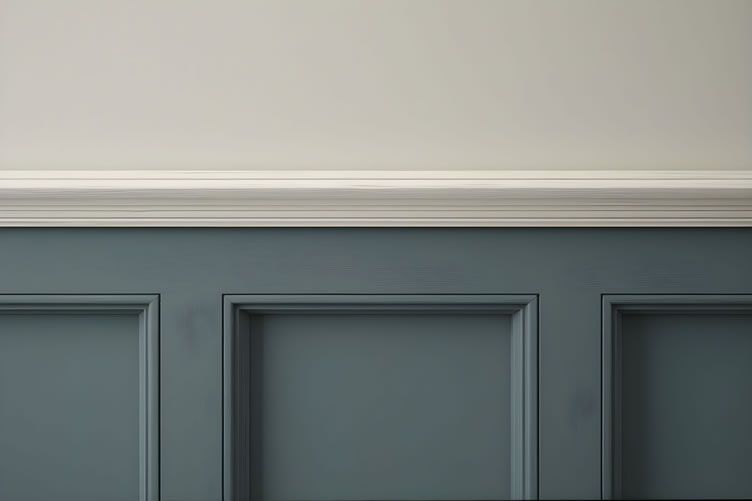
AI generated image by 123rf.com
[ pinterest: about chair rails ]
[ youtube: chair rails: ultimate guide ]
-
Scroll up to directory … or scroll to next section of home moldings and trim …
-
-
6th Molding: Wall Frame Moldings and Panels
Wall frame moldings and panels are a timeless decorative feature that can elevate the aesthetics of any space. They serve both functional and ornamental purposes, offering a way to add dimension, character, and sophistication to walls.
Whether used in modern, traditional, or transitional interiors, wall frame moldings and panels can create a cohesive and visually appealing design statement. They are often used to enhance architecture, create focal points, or provide structural organization within a room’s design.
Below, we explore various popular styles of wall frame moldings and panels to help you decide on the best fit for your home or project.
[ view sample images: wall frame molding and panels ]
-
Raised Panel Molding
Raised panel molding is one of the most classic and elegant styles, often found in traditional or formal settings. The design features panels that are slightly elevated from the background surface, creating depth and texture.
This molding style is well-suited for dining rooms, libraries, or any area where a sophisticated and stately ambiance is desired. The raised design emphasizes craftsmanship and can be customized with intricate detailing or decorative elements to enhance its appeal.
-
Flat Panel Molding
Flat panel molding, also referred to as Shaker-style paneling, is a hallmark of modern and simple design aesthetics. Unlike raised panel molding, flat panel molding features smooth, recessed panels that align flush with the framing, creating a clean and understated look.
This style works exceptionally well in contemporary and minimalist interiors, offering subtle sophistication without overwhelming the space. Its versatility also makes it a popular choice for transitional spaces that blend traditional and modern elements.
-
Beadboard Paneling
Beadboard paneling is a charming option recognized for its vertical grooves, which create a visually appealing texture and pattern. This style evokes a cottage or farmhouse aesthetic, making it ideal for spaces like kitchens, bathrooms, or entryways.
Traditionally made from narrow wooden planks, beadboard is also available in MDF or PVC for durability and moisture resistance. Its ability to add warmth and character to a room while remaining highly functional makes it a perennial favorite for homeowners.
-
Board and Batten Paneling
Board and batten paneling is characterized by alternating wide planks (boards) and narrow strips (battens) to produce a stunning three-dimensional effect. This style is versatile, as it can be adapted to suit both traditional and modern interiors.
It’s often used to create an architectural statement on feature walls or to add texture to hallways and staircases. Board and batten’s clean, geometric lines create a strong visual impact without being overly ornate, making it practical and appealing for many design scenarios.
-
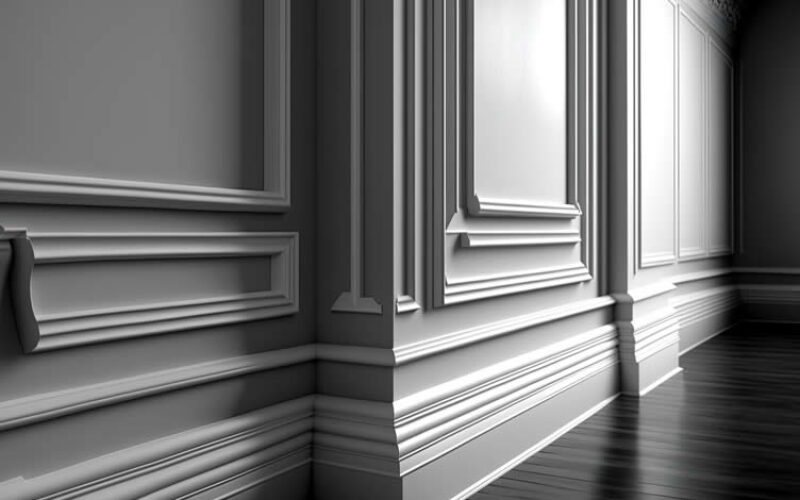
Wainscoting
Wainscoting refers to the decorative treatment of walls using panels and moldings to cover the lower portion of a wall, typically below a chair rail. It is frequently installed to offer protection against scuffs and damage while adding aesthetic appeal.
Styles of wainscoting vary widely, including raised panels, beadboard, and flat panels, making it suitable for both traditional and modern interiors. Wainscoting often serves to add definition and interest to large, open spaces while maintaining cohesion in the overall design.
-
Picture Frame Molding
Picture frame molding adds a touch of elegance by forming decorative square or rectangular frames directly onto the wall surface. This style mimics the look of framed artwork and is a great choice for creating texture and symmetry.
It is particularly popular in formal spaces such as dining rooms or entryways, allowing homeowners to transform plain walls into sophisticated focal points. The layout can be easily customized to suit the scale of the room or the homeowner’s unique design preferences.
-
Shadow Box Molding
Shadow box molding is a variation of picture frame molding, but it focuses more on depth and shadow play to add visual intrigue. This style is typically used in modern and transitional spaces as it adds dimension and complexity to walls without overwhelming them.
Shadow box molding fits well in spaces where light and shadow can enhance its effect, such as a well-lit living room or hallway.
Style Key Features Best Suited For Raised Panel Molding Elevated panels, intricate detailing Formal, traditional spaces Flat Panel Molding Recessed, smooth panels Modern, minimalist, transitional spaces Beadboard Paneling Vertical grooves, cottage aesthetic Kitchens, bathrooms, entryways Board and Batten Wide planks with narrow strips, geometric look Feature walls, hallways, staircases Wainscoting Lower wall panels, protective and aesthetic Large, open areas, traditional settings Picture Frame Molding Decorative frames, elegant and simple Formal spaces, dining rooms, entryways Shadow Box Molding Depth-focused, modern and clean Modern and transitional interiors 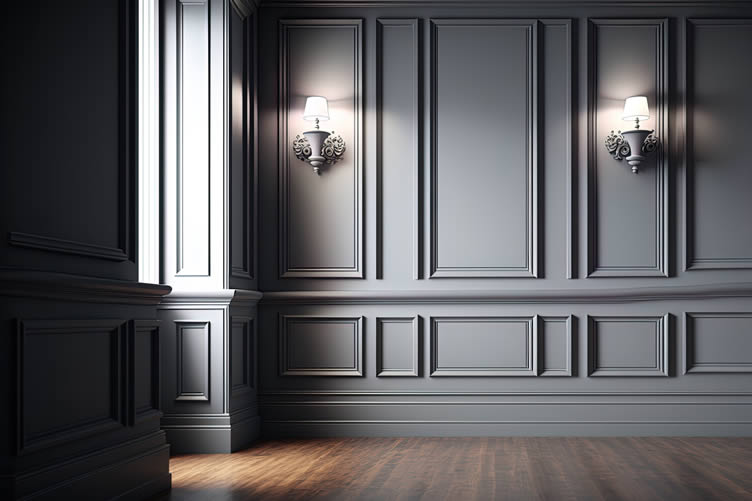
copyright image by 123rf.com
-
Scroll up to directory … or scroll to next section of home moldings and trim …
-
-
7th Molding: Other Types of Molding and Trim
Beyond the commonly recognized styles of crown molding, base molding, chair rail molding, and wall frames, there are numerous other options available that cater to specialized design needs or unique architectural preferences.
These alternative types of molding and trim not only add character to a room but often serve critical purposes, such as protecting walls or enhancing transitions between surfaces.
Below are some examples and explanations of such molding types, highlighting their distinct styles and practical applications.
[ view sample images: other types molding ]
-
Picture Rail Molding
Picture rail molding is a timeless choice that merges functionality with classic charm. Installed horizontally on walls, typically near the ceiling, picture rail molding was originally designed to support hanging artwork without damaging the walls.
This type of molding is still used today in historic homes or vintage-inspired interiors, as it provides a practical way to display art while adding an elegant line that complements other architectural features.
Its versatility allows it to work seamlessly with a variety of design schemes, from traditional to transitional interiors.
-
Cove Molding
Cove molding features a concave, curved profile that softens transitions between walls and ceilings or other intersecting surfaces. This style is particularly common in minimalist or modern interiors due to its understated and sleek design.
Cove molding offers a smooth, seamless aesthetic while enhancing the sense of dimensionality in a space. Additionally, it can be used as a decorative element to create subtle contours in cabinetry or shelving, proving its wide range of applications.
-
Quarter Round Molding
Quarter round molding is a compact and practical option often used to bridge the gap between flooring and baseboards. Its rounded profile makes it ideal for covering small inconsistencies, such as gaps or uneven edges along the floor, while also protecting baseboards from scuff marks or damage.
This type of molding is particularly useful in high-traffic areas or on slightly uneven surfaces where clean lines are desired. Available in various finishes and materials, quarter round molding is highly adaptable to any design style.
-
Crown Cap Molding
Crown cap molding elevates the visual impact of standard door and window casings by adding a distinguished layer of detailing just above the frames.
By incorporating a bold or ornate profile, crown cap molding draws attention to these architectural features, emphasizing their artistic presence in the room. It is especially popular in upscale or traditional homes where decorative elements are prioritized.
-
Egg and Dart Molding
Egg and dart molding is a classic decorative trim that adds a timeless and elegant touch to interior spaces. Characterized by its repeating pattern of oval "egg" shapes alternating with pointed "dart" elements, this design originated in ancient Greek and Roman architecture.
Traditionally used in crown molding and chair rails, egg and dart molding is an excellent choice for homeowners looking to introduce a sense of historic charm and sophistication.
Its intricate detailing pairs beautifully with ornate furniture and traditional design themes, creating a cohesive and refined aesthetic.
-
Wainscoting Trim
Wainscoting trim is a broad term that typically refers to the use of vertical panels or beadboard at the lower portion of walls. Complementary horizontal moldings are then applied to create a unified and framed look.
This style of trim adds texture and depth to walls and is frequently used in kitchens, bathrooms, or dining rooms for both protection against wear and aesthetic enhancement.
Beyond its decorative appeal, wainscoting adds a level of sophistication to interiors while maintaining practicality.
Type of Molding Profile and Purpose Common Applications Picture Rail Molding Horizontal support for hanging artwork; elegant aesthetic Art display in vintage or historic interiors Cove Molding Concave, curved transition; seamless and minimalist look Wall-to-ceiling transitions and modern interiors Quarter Round Molding Rounded profile; covers gaps and protects baseboards Flooring edges and high-traffic areas Crown Cap Molding Decorative detailing above door/window frames Enhancing architectural features in upscale designs Egg and Dart Molding Ornamental design featuring repeating oval (egg) and arrow (dart) patterns Traditional and classical interiors; adding elegance to ceilings and walls Wainscoting Trim Wall panels with horizontal moldings for texture and depth Kitchens, bathrooms, and dining rooms for protection 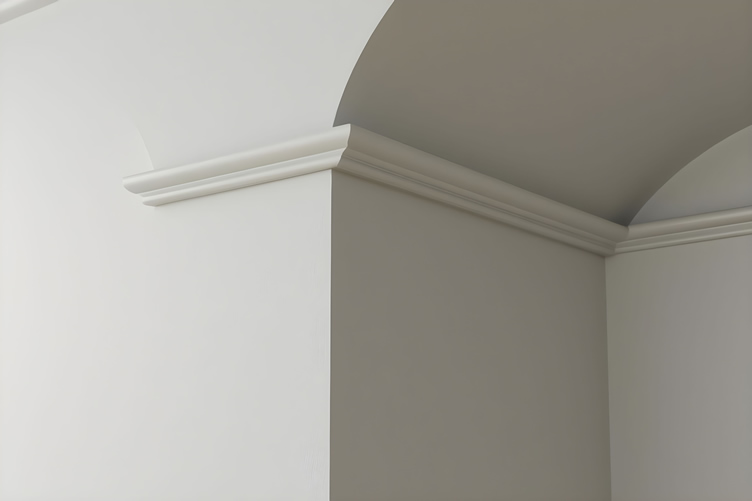
AI generated image by 123rf.com
Abstract Wall Paper
viewing amazonAnimal Wallpaper
viewing amazonBotanical Wallpaper
viewing amazonChildren Wallpaper
viewing amazonGeometric Wallpaper
viewing amazonIllustration Wallpaper
viewing amazon-
Scroll up to directory … or scroll to next section of home moldings and trim …
-
-
8th Molding: Material Types for Home Molding and Trim
Molding and trim play a crucial role in the overall aesthetics and functionality of a home’s interior and exterior. These architectural elements frame spaces, define transitions between surfaces, and enhance design cohesion.
Choosing the right material for your molding and trim is essential to ensure durability, style, and adaptability to the specific environment. With a variety of materials available, it’s important to understand their unique properties and optimal applications to make informed decisions.
-
Wood Molding and Trim
Wood remains one of the most traditional and popular materials for molding and trim due to its timeless appearance and versatility. Solid wood options like pine, oak, and maple are particularly valued for their ability to be sanded, stained, or painted to match specific design preferences.
Wood is ideal for interior spaces that require a warm and natural finish, particularly in living rooms, kitchens, and bedrooms.
However, wood can be prone to warping or expanding in areas with high humidity, such as bathrooms or basements, and maintenance is required to keep it in pristine condition.
-
MDF (Medium-Density Fiberboard)
Medium-Density Fiberboard (MDF) is a budget-friendly alternative to solid wood and is crafted from recycled wood fibers combined with resin. MDF is known for its smooth surface, making it an excellent choice for painted finishes that require precise detailing.
It’s a consistent and uniform material, free from the grain patterns and knotholes found in solid wood, offering a crisp, modern look.
MDF is best suited for interior applications where moisture is not present, as it can swell or warp when exposed to damp environments.
-
PVC (Polyvinyl Chloride)
PVC molding and trim are gaining popularity for their exceptional durability and water resistance. Made from synthetic materials, PVC is impervious to moisture, insects, and rot, making it ideal for both interior and exterior applications.
It is frequently used in bathrooms, kitchens, and any spaces exposed to high humidity, as well as exterior trim work where weather resistance is key.
PVC can be challenging to paint due to its slick surface and often comes prefinished in neutral colors. While it is slightly more expensive than MDF, its low maintenance and longevity make it a worthwhile investment.
-
Polyurethane
Lightweight yet strong, polyurethane molding and trim offer a versatile option for intricate designs and detailed patterns. This material resists cracking, chipping, and rotting, making it suitable for both interior and exterior applications.
Its resistance to moisture and insects ensures durability, even in challenging environments. Polyurethane is an excellent choice for decorative ceiling molding, crown molding, and applications requiring elaborate architectural details.
It is typically pre-primed and ready for painting, offering convenience for homeowners seeking customizable finishes.
-
Metal Trim
Metal trim is known for its sleek, industrial aesthetic and exceptional durability. Stainless steel and aluminum are the most common metals used in trim applications and are frequently employed in modern or contemporary designs.
Metal trim is perfect for exterior corners, edges, and high-traffic areas within the home due to its resistance to wear and tear.
It also functions well in spaces exposed to moisture or temperature variations. While it offers unique design flexibility, metal trim can be more expensive and requires professional installation for the best results.
-
Composite Materials
Composite materials combine various synthetic and natural elements to produce sturdy and durable trim. These materials are designed to mimic the appearance of wood or stone while offering enhanced resistance against moisture, insects, and environmental damage.
Composites are particularly well-suited for exterior applications, providing a low-maintenance alternative to traditional options. They are manufactured to withstand the elements, making them perfect for climates with extreme weather conditions.
Composite trim is available in a wide range of colors and styles, offering versatility for different architectural designs.
Material Best Applications Key Characteristics Drawbacks Wood Interior spaces with low humidity Timeless, natural finish, customizable Prone to warping in humid conditions MDF Painted interior spaces Smooth surface, affordable Not moisture-resistant PVC High-humidity spaces, exterior use Waterproof, durable, low-maintenance Expensive, limited paint-ability Polyurethane Intricate designs, decorative finishes Lightweight, moisture-resistant Slightly more expensive Metal High-traffic areas, modern designs Durable, industrial aesthetic Costly, professional installation needed Composite Exterior trim, extreme weather conditions Highly durable, low-maintenance Higher upfront cost 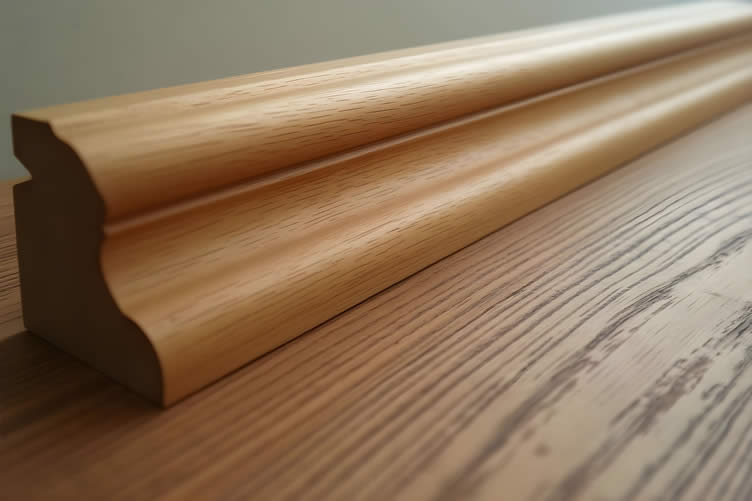
AI generated image by 123rf.com
[ pinterest: PVC TRIM VS. WOOD TRIM ]
[ youtube: Light Weight DIY Crown Molding ]
-
Scroll up to directory … or scroll to next section of home moldings and trim …
-
-
9th Molding: How to Choose the Right Molding for Your Space
Choosing the perfect molding is about more than just aesthetics; it’s also about functionality, durability, and creating harmony within your space. The right molding can enhance your home’s architectural style, provide a seamless transition between walls and ceilings, and even hide imperfections.
Here are key considerations to guide your decisions and help you find the ideal balance between style and practicality.
-
Considering Room Size and Style
For smaller rooms, it’s best to choose delicate or simpler moldings that complement the space without making it feel crowded or busy.
Too much detail in a small area can overwhelm the room and detract from its overall appeal. Larger rooms, on the other hand, have the capacity to handle bolder, more intricate designs that add character and visual interest without overpowering the space.
When selecting moldings, consider the existing furniture, color scheme, and decor style in the room. Coordinating these elements will create a harmonious and cohesive look, ensuring that the moldings enhance the overall aesthetic rather than clashing with it.
-
Matching Molding to Your Home’s Architecture
Every home has its unique character, and your choice of molding should reflect and enhance that character. The right molding can serve as a subtle yet powerful design element that ties a room together.
For example, Victorian homes, with their intricate and elaborate designs, often call for ornate, detailed trims that complement their rich, historic charm. In contrast, mid-century modern spaces may benefit from clean, streamlined profiles that emphasize simplicity and functionality.
When selecting molding, consider not only your home’s architectural heritage but also how your personal taste and style can be woven into the design. The result is a space that feels authentic, cohesive, and uniquely yours.
-
Personal Preferences and Trends
Molding trends have shifted toward versatility and adaptability, reflecting modern preferences for both style and functionality.
Neutral tones like soft grays, beiges, and off-whites remain a favorite for their ability to blend seamlessly with a variety of interior designs, while eco-friendly materials such as reclaimed wood, bamboo, and recycled composites are increasingly sought after as sustainability becomes a priority in home decor.
Modular designs, which allow for easy customization and reconfiguration, are also on the rise, offering flexibility for changing needs over time. For those who value timeless elegance, classic white trims continue to be a go-to option, providing a clean and sophisticated look that stands the test of time.
On the other hand, bold colors and unique finishes are becoming a creative choice for homeowners who want their moldings to stand out as statement pieces, adding a touch of personality and artistic flair to their spaces.
Whether you prefer subtle sophistication or dramatic accents, modern molding trends offer something for everyone.

copyright image by 123rf.com
[ youtube: How to Choose Interior Molding ]
[ youtube: use scale and proportion to pick molding ]
-
Scroll up to directory … or scroll to next section of home moldings and trim …
-
-
10th Molding: Installation Tips and Techniques
… for molding and trim
Installing molding and trim can elevate your space, adding polish and architectural detail that transforms an ordinary room into a sophisticated one. While the process may appear daunting, proper preparation, attention to detail, and knowledge of techniques can ensure a high-quality, flawless result.
Below, we provide professional tips and segmented techniques to guide you through a seamless molding and trim installation process.
-
Preparation is Key
Before beginning your installation, ensure that you have the proper tools and materials. Common tools include a miter saw, nail gun, measuring tape, level, and adhesives.
Start by inspecting your molding or trim pieces for imperfections or warping. Adjustments, sanding, or priming may be needed to achieve a perfect finish, especially with wood-based trims.
Measure your walls precisely, marking clear guidelines that establish where the trim will sit. This prevents misalignments that can affect the overall appearance.
-
Achieving Perfect Cuts
Precise cuts are the foundation of professional-looking molding and trim. A miter saw is an essential tool for achieving clean, angled cuts that ensure your pieces align seamlessly.
When cutting corners, use the appropriate angles – inside corners typically require a cope joint for a tight fit, while outside corners generally require mitered cuts.
Always measure twice before cutting, as even a small error can compromise the installation. Test-fit pieces before securing them to confirm a precise fit.
-
Aligning and Securing the Trim
Correct alignment during installation is crucial. Begin by securing prominent pieces such as baseboards before moving on to crown molding or chair rails.
Use a level to verify alignment and ensure the trim sits flush against the wall. Depending on the wall condition and the type of trim, opt for either adhesives, nails, or a combination of both for securing the pieces.
A construction adhesive can provide additional hold, reducing the reliance on nails and minimizing unsightly nail holes.
-
Filling Gaps and Finishing Details
Once the molding and trim are installed, it’s time to focus on the finishing details that make a difference. Use caulk to fill any gaps between the trim and the wall. This step is especially important for crown molding, where irregularities in the ceiling can leave noticeable gaps.
After caulking, sand any rough edges and touch up paint or stain to ensure a polished, cohesive look. Always allow sufficient drying time for paint or stain before applying a second coat for the best results.
-
Dealing with Uneven Surfaces
Older homes or imperfect walls can present challenges when installing molding and trim. Use shims to adjust and level the trim as necessary.
For more significant irregularities, flexible molding may be a solution, as it can conform to curves and uneven surfaces. Be patient with this step to ensure a consistent and professional outcome across all areas of the installation.
-
Cost Considerations
The cost of moldings varies widely depending on materials, design complexity, and installation methods. Entry-level options like MDF moldings offer affordability without sacrificing aesthetic appeal, ideal for budget-conscious homeowners.
For those with a higher budget, natural wood or plaster moldings bring classic beauty and unmatched quality.
Don’t forget to include labor costs if you choose professional installation. A well-planned budget ensures your project meets your design aspirations without unexpected surprises.
Aspect Tip Preparation Measure accurately, inspect materials for defects, and gather essential tools for a seamless process. Cutting Use a miter saw for precision and verify angles when cutting corners for a snug fit. Alignment and Security Employ a level for alignment and secure trim with nails, adhesive, or both, depending on the wall type. Finishing Touches Apply caulk to fill gaps, sand imperfections, and paint or stain for a professional appearance. Uneven Walls Use shims or flexible molding to handle irregular or curved surfaces. Cost Consideration - MDF: Most affordable option; ideal for budget-friendly projects.
- Wood (e.g., oak, mahogany): Higher cost due to durability and natural appearance.
- Polyurethane: Mid-range cost; offers affordability with moisture resistance.
- PVC: Similarly mid-range; durable and moisture-resistant.
- Custom/Intricate Designs: Higher cost due to increased design complexity.
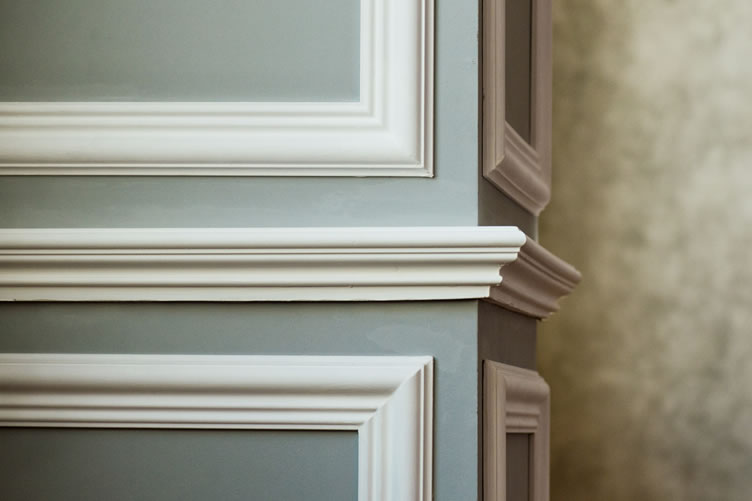
copyright image by 123rf.com
[ youtube: Installing Baseboards and Window Trim ]
[ youtube: Best Way To Fill Nail Holes In Trim ]
—— looking for help ——
Finding a Contractor to Molding and Trim
Hiring a skilled contractor can make all the difference when it comes to installing interior room molding and trim.
Start by researching local professionals who specialize in trim work or carpentry. Look for contractors with strong reviews, examples of completed projects, and proper credentials, such as licensing and insurance.
Request multiple quotes to compare pricing and services, but keep in mind that the cheapest option isn’t always the best. During consultations, discuss your design vision, preferred materials, and time-line to ensure they understand your expectations.
A reliable contractor will offer clear communication, a detailed estimate, and a portfolio of past work to inspire confidence in their craftsmanship.
LetsRenovate has partnered with HomeAdvisor™, a renowned provider of highly-rated, carefully-vetted local trim and molding work. Start your search here by entering your zip code to find local professionals.

AI generated image by 123rf.com
But Wait!
Before you begin searching for and evaluating trim, molding, or framing contractors, we highly recommend downloading this evaluation worksheet.
This handy resource is designed to help you objectively assess and rank potential contractors by taking into account key factors like pricing, licensing, and referrals.

Evaluation Sheet
File Type:
-
Scroll up to directory … or scroll to conclusion …
-
-
Conclusion
Home moldings are much more than practical or decorative details; they are storytelling pieces that add depth, warmth, and personality to any room.
Whether you’re preserving the charm of a historical home or upgrading a modern space, the wide variety of options ensures there’s something for every style and budget.
By understanding their history, exploring types, and following best practices, you can use moldings not only to enhance your living space but also to increase its value and appeal.
Dive into your molding project with confidence, and remember that the right details can turn a house into a home.
-
Quick scroll to more home structural project ideas …
-
ideas to view and compare from the photo above
book: trim and moldingnail hole fillertrim/molding removal tool
- What comments can you share about
the types of molding and trim that you have installed?

addressing how home molding and other home improvement needs …

… grab this directory of ideas for future use


… view our home remodeling guides and steps


Download this PDF for a concise summary of all you need to know about …?


Budgeting Worksheet For Costing Home Remodeling and Home Improvement Decisions
 File Type (excel)
SHARE IT ..! You might have someone in your social network who could find this informative post on how simple renovations can boost your mental health valuable. Feel free to share it on Facebook, X (formally Twitter), LinkedIn, or Pinterest!





… home remodeling – improvement

get the size dimensions for any home remodeling project …
… for functionality, aesthetics, and adhering to building codes


looking for other interesting topics that may be helpful …?



Calendar For:
Home Maintenance
File Type:
… view illustration “becoming a bank”
… view our sharing links below for a quick "share the knowledge"
Find Carpentry Services (opens new win) Carpentry Additions Major Remodels Handyman top-rated, pre-screened local contractors FREE: download contractor selection enter zip code – powered by HomeAdvisor ™
Quick Contractor Guides selecting negotiating working with inspecting

Cover image credit: home molding by 123rf.com
end of post … please share it!
 |
did you find home molding and trim analysis helpful? If so, please share the article with your friends and family! |
Nice pic idea? Leave us a quick comment below.
And please share this pic idea within your social networks.