Summary Outline –
Could you imagine waking up every day in an off-grid home that generates its own power, collects its own water, and manages its own waste? Welcome to the world of off-grid living.
These homes are designed to be self-sufficient, utilizing solar panels for electricity, rainwater harvesting systems for water, and septic tanks and/or composting toilets for waste management.
Not only do they reduce your environmental footprint, but they also offer a sense of independence and connection to nature. Imagine the peace of mind that comes with knowing your home is both eco-friendly and resilient to external disruptions.
Summary of Site Content
1st Off-Grid Tip: [view Off-Grid Tip]
… before committing to off-grid living, it’s important to understand what it entails. Consider the benefits, the rising interest, essential factors to keep in mind, and the best regions for off-grid homes and sustainability.
2nd Off-Grid Tip: [view Off-Grid Tip]
… if living off-grid still appeals to you, conduct a thorough analysis of your needs, assess the type of site required, and consider any necessary mental preparation.
3rd Off-Grid Tip: [view Off-Grid Tip]
… moving off-grid doesn’t have to mean a complete disconnection from grid-type services. There are several stages to consider: partial off-grid, hybrid off-grid, and full off-grid. Find the phase that best suits your lifestyle and current needs.
4th Off-Grid Tip: [view Off-Grid Tip]
… the fourth section gets into the detailed necessities for off-grid living. We explore the best options for energy production, water supply and management, waste management, and sustainable living practices. Each of these elements is crucial, depending on the off-grid phase you choose.
5th Off-Grid Tip: [view Off-Grid Tip]
… the fifth and final section focuses on building or remodeling your off-grid home. We start with a detailed, step-by-step guide outlining the necessary tasks, whether you choose to hire professionals or take the DIY route. Additionally, we cover the maintenance of your off-grid components and explore automation options to help you achieve maximum efficiency and usability.
With an increasing number of people becoming eco-conscious and yearning for self-sufficiency, the interest in off-grid living has surged. This shift is driven by the desire to reduce carbon footprints, lower utility bills, and achieve greater independence.
This analysis will walk you through the essentials of building or remodeling your home for almost off-grid living, covering topics such as sustainable energy sources, water conservation techniques, and waste management solutions.
Whether you’re looking to make small changes or undertake a complete overhaul, you’ll find valuable insights and practical advice here.

-
Quick scroll to first topic about living off-grid …

first “living off-grid” idea

copyright image by 123rf.com
Off-Grid Tip 1: Understanding Off-Grid Living
Notes:
-
Off-grid living refers to a lifestyle where individuals or households are not reliant on public utilities and services such as electricity, water supply, and sewage systems.
Instead, they generate their own power, typically through renewable energy sources like solar panels or wind turbines. Water is collected from natural sources such as rainwater or wells, and waste is managed through septic systems or composting toilets.
Achieving an off-grid lifestyle is a multifaceted endeavor that requires careful planning and a willingness to adapt to new ways of living.
-
Quick scroll to “understanding off-grid living” side notes …
-
-
1st: Benefits of Living Off-the-Grid
The primary allure of living living off-the-grid is the pursuit of sustainability. By reducing reliance on non-renewable resources, you contribute to a healthier planet.
Additionally, self-sufficiency fosters a sense of independence and resilience, as you’re not reliant on municipal services for energy and water.
Here are a few key advantages:
- Environmental Sustainability:
By relying on renewable energy sources and natural water collection methods, off-grid living significantly reduces your carbon footprint. You minimize the exploitation of finite resources and decrease pollution, making notable contributions to environmental conservation. - Cost Savings:
Once the initial investment in equipment and infrastructure is covered, off-grid living can lead to substantial financial savings. Without monthly utility bills for electricity, water, and sewage, your living expenses can be drastically reduced.Additionally, the use of solar and wind energy insulates you from fluctuating energy prices.
- Energy Independence:
With your power generated on-site, you are no longer vulnerable to power outages and disruptions in public utility services. This independence enhances your security and provides a stable, reliable source of energy, especially beneficial in remote or rural areas. - Healthier Living:
Utilizing natural resources promotes a healthier way of life. From fresh, untreated water to organic waste management systems that enrich your soil, the practices inherent in off-grid living contribute to a healthier lifestyle. Moreover, the hands-on nature of maintaining your systems encourages physical activity and outdoor engagement. - Resilience and Self-Sufficiency:
Learning to generate your own power, collect your own water, and manage your own waste fosters a sense of accomplishment and resilience. It equips you with the skills and knowledge to be self-reliant, capable of sustaining yourself and your family without dependency on large, often overstressed, public systems.
By embracing off-grid living, you not only enhance your own independence and security but also contribute positively to the planet.
Whether you are motivated by environmental concerns, the prospect of saving money, or the desire for a more self-sufficient lifestyle, the benefits are vast and rewarding.

copyright image by 123rf.com

- Environmental Sustainability:
-
2nd: Growing Interest in Eco-Conscious Lifestyles
The trend towards eco-conscious living is more than just a fad. It’s a response to climate change and the desire for healthier lifestyles.
Green building practices and sustainable living are influencing how we design and remodel our homes, making off-grid living more accessible and attractive.
Moreover, advancements in technology are making it easier and more affordable to generate your own renewable energy, collect rainwater, and create self-sustaining systems for waste management.
off-grid living is not just for those seeking a rustic lifestyle. It’s also appealing to individuals who value innovation, efficiency, and cost savings. Many modern off-grid homes incorporate high-tech solutions, such as solar panels and smart home systems, to increase convenience while reducing environmental impact.
-
Joining the Off-Grid Community
Embracing an off-grid lifestyle doesn’t mean you have to isolate yourself. In fact, there is a growing community of off-grid enthusiasts who share knowledge, resources, and support.
From online forums and social media groups to in-person gatherings and workshops, there are plenty of opportunities to connect with like-minded individuals.
This sense of community can be invaluable for those transitioning to an off-grid lifestyle or seeking advice on sustainable living practices.
-
Empowering Yourself Through Living Off-Grid
Off-grid living is not just about reducing reliance on public systems; it’s also about taking control of your daily life.
By generating your own power, managing your own waste, and sourcing your own water, you become self-sufficient and less dependent on outside sources. This sense of empowerment can have a positive impact on mental well-being and overall happiness.
Additionally, the cost savings associated with living off-the-grid living can provide financial stability and allow for more flexibility in life choices.

copyright image by 123rf.com
[ youtube: off-grid living: pros and cons]
[ youtube: off grid community in Oregon]
-
-
3rd: Essentials of Off-Grid Living
Living off-the-grid involves a fundamental shift towards self-sufficiency, requiring a combination of essential components to ensure that everyday needs are met independently. The key elements include reliable sources of power, water, and food, as well as effective waste management systems.
Below, we’ll delve deeper into each of these essentials, providing a comprehensive guide to help you thrive in an off-grid lifestyle.
-
Energy Needs
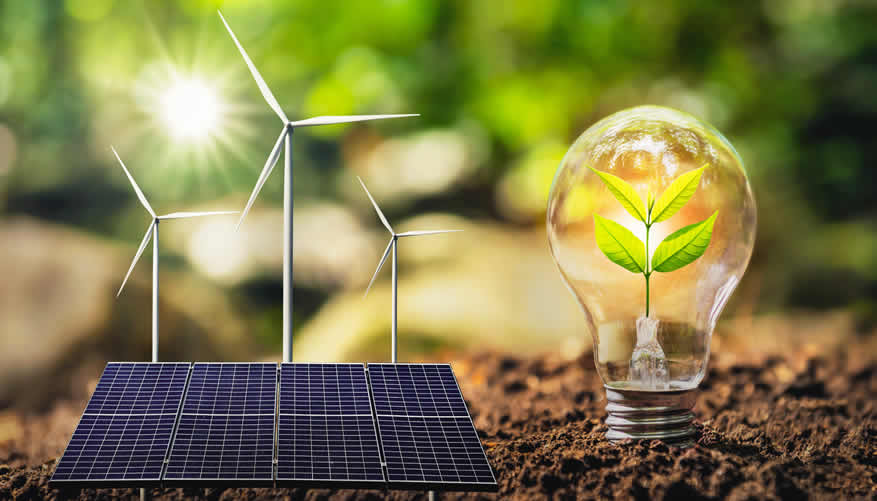
Energy is a fundamental requirement for any off-grid home. Renewable energy sources such as solar, wind, and hydro power are ideal for providing sustainable and environmentally friendly energy.
Solar panels, in particular, are among the most popular choices due to their high efficiency and decreasing costs over the years.
Additionally, advancements in battery technology have made it easier to store solar energy for use during cloudy days or at night, further enhancing the reliability of this renewable energy source.
Wind turbines can also be a valuable addition, especially in areas with consistent wind patterns, while hydro power, though less common, offers a reliable source of energy in regions with flowing water.
[ see topic below: energy production ]
-
Water Management
An off-grid home must also manage its water supply. This involves the use of rainwater harvesting systems to collect and store rainwater, which can be a crucial resource in areas with limited water availability.
Additionally, water filtration units are employed to ensure that the collected water is safe for consumption and daily use. Graywater recycling mechanisms are also essential, allowing the reuse of wastewater from sinks, showers, and laundry for irrigation or other non-potable purposes.
Together, these systems ensure a sustainable and clean water supply, significantly reducing dependency on external water sources and promoting self-sufficiency.
[ see topic below: water management ]
-
Waste Management
Effective waste management is crucial for off-grid living. Composting toilets and septic systems are common solutions, each offering unique advantages.
Composting toilets break down human waste through aerobic decomposition, turning it into usable compost that can enrich the soil in gardens.
Septic systems, on the other hand, treat and dispose of wastewater safely underground through a combination of settling and bacterial breakdown.
Both methods not only reduce environmental impact but also contribute to a self-sustaining lifestyle.
[ see topic below: waste management ]
copyright image by 123rf.com
-
-
4th: Best Regions to Build or Remodel an Off-Grid Home
Choosing the right location is critical when planning to build or remodel a home for off-grid living. Factors such as climate, terrain, availability of natural resources, and local regulations play a significant role in determining the best regions for self-sufficiency and sustainable living.
Here, we provide insight into some of the most suitable areas to consider for both full and partial off-grid needs.
-
Mountainous Regions
Mountainous areas are ideal for off-grid living due to their abundance of natural resources. These regions often provide ample opportunities for renewable energy sources such as hydroelectric power and wind energy.
The isolation of mountain living ensures a high level of self-sufficiency.
- Rocky Mountains, USA:
The Rocky Mountains offer diverse terrains and climates that are suitable for off-grid solar panels and off-grid water systems. The area provides excellent opportunities for sustainable living due to its rich biodiversity and clean water sources.
- Rocky Mountains, USA:
-
Desert Regions
Desert regions are surprisingly viable for off-grid homes, primarily due to the high levels of sunlight available for solar power systems. The dry climate also simplifies waste management.
- Sonoran Desert, USA:
Known for its sunshine, the Sonoran Desert is perfect for off-grid solar panels. The sparse population and open spaces make it an attractive option for those looking to maximize their connection to nature.
- Sonoran Desert, USA:
-
Coastal Areas
Coastal regions offer unique advantages for off-grid living, such as the availability of wind and tidal energy. These regions can also utilize rainwater harvesting systems efficiently.
- Pacific Northwest, USA:
Coastal areas in the Pacific Northwest are ideal for off-grid power systems using wind and solar energy. The region’s abundant rainfall makes off-grid water collection systems highly effective for self-sufficiency.
- Pacific Northwest, USA:
-
Forested Regions
Forested areas provide natural resources such as wood for construction and heating, as well as a natural habitat for sustainable agriculture and livestock raising.
- Appalachian Mountains, USA:
The dense forests of the Appalachian Mountains offer a wealth of natural resources for sustainable living. This region supports off-grid home designs that incorporate both renewable energy and efficient water management systems.
- Appalachian Mountains, USA:
By carefully evaluating these regions, future off-grid homeowners can identify the best locations to build or remodel their homes.
Whether aiming for full off-grid living or a hybrid approach, these areas offer the resources and conditions needed to thrive independently and sustainably.
copyright image by 123rf.com
[ view diagram: worst states for off-grid living]
[ youtube: Montana’s off-grid town]
-
-
-
ideas to view and compare from the information discussed above
Scroll up to directory … or scroll to next section about living off-grid …



… of site preparation and needs

second “photo remodeling” idea
copyright image by 123rf.com
Off-Grid Tip 2: Analyzing the Planning and Design Off-Grid Home
Notes:
-
Planning and designing an off-grid home is a multifaceted and rewarding endeavor that requires careful consideration of various elements ranging from location and energy sources to water management and waste disposal.
This process begins with understanding the specific needs and goals of the inhabitants while taking into account environmental factors and available resources. Creating an off-grid home involves innovative design, strategic use of technology, and a keen awareness of sustainable practices.
The following sections will guide you through the essential steps and key considerations to ensure a successful transition to off-grid living, providing a holistic framework for building a self-sufficient and resilient home.
-
Quick scroll to “analyzing off-grid” side notes …
-
-
1st: Off-Grid Needs Analysis
To successfully transition to an off-grid home, it is essential to conduct a comprehensive need analysis. This involves understanding the various energy and resource needs of the household and planning sustainable power solutions to meet those needs.
A detailed needs analysis will ensure that every aspect of living off the grid is addressed, from maintaining a comfortable indoor climate to ensuring reliable connectivity.
-
Heating and Cooling Home
Effective heating and cooling are critical components of off-grid living. Utilizing renewable energy sources like off-grid solar panels can be an efficient way to power heating, ventilation, and air conditioning (HVAC) systems.
Geothermal heat pumps and passive solar design techniques, such as south-facing windows and thermal mass, can also contribute to maintaining a stable indoor temperature year-round.
If you currently operate a gas-powered HVAC system, consider using it until you can replace it entirely with a solar- or geothermal alternative.
-
Water Heating
Heating water is another significant energy requirement for an off-grid home. Solar water heaters are a popular choice, leveraging the sun’s energy to provide hot water.
Tankless water heaters, which heat water on demand, can also be more energy-efficient compared to traditional storage tanks, reducing the overall energy consumption.
-
Power Electrical Appliances
Modern off-grid power systems need to support various electrical appliances. Prioritizing energy-efficient appliances, such as those with ENERGY STAR ratings, and being mindful of their energy consumption is crucial.
Low-power kitchen gadgets, inverter refrigerators, and LED televisions can help minimize the strain on your off-grid energy resources.
-
Computers and Charging Stations
Running computers and other charging stations can also be supported by modern off-grid power systems. Energy-efficient laptops and desktops, as well as USB charging stations, can be a part of an off-grid setup without significantly increasing energy consumption.
Prioritize devices with low power usage and consider implementing smart power strips to eliminate phantom loads when devices are not in use. Investing in high-capacity batteries and inverters will ensure that your essential electronics remain operational, even on cloudy days or during extended periods of low sunlight.
-
Lighting
Lighting tends to consume a significant portion of electricity in any household. Utilizing energy-efficient LED lights can drastically reduce power consumption.
Moreover, strategically placing windows and skylights to maximize natural daylight can minimize the need for artificial lighting during the day, aligning with off-grid home design principles.
-
Water Needs
Water is a fundamental necessity for any off-grid home, and ensuring a reliable supply is crucial. One popular option is to use rainwater harvesting systems, which collect and store rainwater for various uses. This can significantly reduce dependence on external water sources.
Another approach is to utilize groundwater through well systems, ensuring the water is clean and potable. Implementing water purification systems, such as reverse osmosis or UV filters, can make sure your water is safe for drinking and cooking.
Additionally, utilizing low-flow fixtures and water-efficient appliances can help in conserving water and ensuring sustainable usage practices in your off-grid home.
-
Water Drainage and Sewer Systems
Efficient water drainage and sewer systems are indispensable components of any off-grid home. Properly managing graywater and blackwater is crucial for maintaining hygiene and sanitation.
One effective method is to install a septic system, which treats wastewater on-site. Septic tanks separate solids from liquids, and effluent is then transported to a drain field where it naturally decomposes.
For graywater, which can come from sinks, showers, and laundry, setting up a graywater recycling system can be beneficial. This involves filtering and reusing graywater for purposes such as irrigation or flushing toilets, thereby maximizing water efficiency.
Additionally, implementing composting toilets can significantly reduce water usage and produce nutrient-rich compost, which can be used to improve soil quality in gardens.
-
Garbage Disposal
Effective garbage disposal is essential for maintaining hygiene and sustainability in an off-grid home. Reducing waste production from the outset through practices like composting organic matter and recycling can significantly minimize the amount of garbage that needs to be disposed of.
Composting not only reduces waste but also provides nutrient-rich soil that can be used for gardening.
For non-compostable waste, consider implementing a waste separation system to recycle materials like plastics, glass, and metals, and properly disposing of non-recyclable items. Managing waste efficiently contributes to a cleaner, more sustainable off-grid living environment.
-
Internet
Reliable Internet connectivity is becoming increasingly essential, even for those living off the grid. Satellite Internet services and long-range Wi-Fi solutions can offer dependable connections.
Ensuring that the off-grid power systems can support these technologies is important for maintaining communication and access to information.
-
WIFI
In an off-grid home, a well-managed WIFI network can enhance connectivity across devices. Using routers and extenders designed for low power consumption can help keep the network running efficiently. Integrating the network with a smart power management system can also help optimize energy use.
-
Other Needs
Other essential needs may include refrigeration for food storage, security systems, and entertainment devices. Off-grid solar panels and battery storage systems can help manage power supply for these needs, ensuring that the off-grid home remains self-sufficient and comfortable.
copyright image by 123rf.com
-
-
2nd: Off-Grid Site Analysis
Successfully transitioning to off-grid living begins with meticulous site analysis and preparation. Understanding the strengths and limitations of your chosen location is critical to creating a sustainable and efficient off-grid home.
By maximizing natural resources, optimizing your home layout for energy efficiency, selecting the right location, and preparing the home site effectively, you can ensure a comfortable and environmentally-friendly lifestyle.
-
Maximizing Natural Resources
When embarking on off-grid site preparation, a key consideration is how to make the most of the natural resources available. This involves assessing sun exposure for solar panels, evaluating wind patterns if wind turbines are part of your energy solution, and identifying water sources for both consumption and hydropower.
Likewise, architectural designs should incorporate elements that enhance natural light and ventilation, reducing the need for artificial lighting and air conditioning.
-
Home Layout for Energy Efficiency
Designing an off-grid home for energy efficiency is vital for minimizing the demand on your off-grid power systems.
This includes orienting the house to take advantage of natural daylight, incorporating passive solar heating and cooling techniques, and utilizing high-quality insulation materials for walls, floors, and roofs to maintain indoor temperature.
Open floor plans enhance air circulation, while thoughtful placement of windows and doors promotes natural ventilation. This approach further boosts energy efficiency, making off-grid living more comfortable and sustainable.
-
Choosing the Right Location
Selecting an optimal location for your off-grid home site is a fundamental step in the planning process. Factors to consider include the proximity to essential resources such as water and wood, the site’s exposure to sunlight and wind, and the potential for natural hazards.
Accessibility to the site for construction and future maintenance also plays a critical role. An ideal location will offer a balance between resource availability and minimizing environmental impact.
-
Home Site Preparation
Effective home site preparation involves both initial groundwork and ongoing maintenance. Clearing the land, grading for proper drainage, and creating accessible pathways are foundational steps.
Additionally, planning for waste management is crucial for an off-grid home. Installing a septic tank system is essential for handling household wastewater effectively. The septic system should be appropriately sized for your household’s needs and comply with local regulations to prevent soil and water contamination.
Along with a septic tank, consider incorporating other waste disposal elements such as a graywater recycling system and composting toilets, which can further reduce environmental impact. Proper management of both organic and inorganic waste will ensure a hygienic and eco-friendly living environment.
Soil testing to determine suitability for construction and gardening is also essential. Establishing a reliable water supply and setting up sustainable waste management systems early on can prevent future complications and facilitate a smooth transition to off-grid living.
-
Other Considerations
In addition to the primary needs, there are other essential considerations for off-grid site analysis. These may include planning for food production through gardens or greenhouses, setting up storage facilities for equipment and supplies, and ensuring security measures are in place.
By addressing these aspects during the initial planning phase, you can create an off-grid home design that meets all your needs while promoting a sustainable and self-sufficient lifestyle.
Consideration of all these factors in off-grid site analysis and preparation ensures a balanced, efficient, and sustainable off-grid living experience. Embracing this lifestyle requires thoughtful planning and a commitment to living in harmony with nature.
copyright image by 123rf.com
-
-
3rd: Off-Grid Mental Preparedness
Living off the grid demands more than just physical resources and infrastructure. It requires a robust mental fortitude and preparedness to handle the distinct challenges and lifestyle changes that come with self-sufficiency.
Individuals considering this transition must cultivate particular mental abilities to thrive in an off-grid environment.
-
Adaptability
Adaptability is crucial for anyone choosing to live off-grid. This lifestyle often involves unpredictable conditions and requires individuals to be flexible and open to change.
Whether it’s adjusting to weather fluctuations, learning new skills on the fly, or dealing with unexpected equipment failures, the ability to adapt quickly and efficiently can make a significant difference in maintaining stability and progress.
-
Resilience
Living off-grid can be physically and emotionally demanding. Resilience, the capacity to recover from setbacks and persist through difficulties, is essential. Off-grid individuals must be prepared to handle isolation, unexpected challenges with resource management, and the continuous demands of maintaining their systems.
Building mental resilience helps prevent burnout and promotes a positive outlook even during tough times.
-
Problem-Solving Skills
Off-grid living frequently requires innovative problem-solving skills. From fixing broken equipment with limited tools to figuring out how to optimize energy consumption, the ability to identify problems and develop effective solutions is vital.
Cultivating critical thinking and a proactive attitude towards challenges ensures that off-grid residents can handle issues independently and resourcefully.
-
Self-Motivation
The independence of an off-grid lifestyle means that individuals need to be highly self-motivated. Without the convenience of external support and services, the impetus for maintaining and improving living conditions must come from within. S
elf-motivation drives the continuous learning and effort required to manage an off-grid home, ensuring that tasks are completed efficiently and goals are met.
-
Stress Management
Stress management is an essential mental ability for off-grid living. The demands of self-sufficiency can lead to high-stress situations. Effective stress management techniques, such as mindfulness, meditation, and physical exercise, help maintain mental clarity and emotional balance.
Learning to handle stress constructively ensures that individuals can continue to thrive and enjoy their off-grid experience without being overwhelmed by the pressures it entails.
-
Community Building
Although off-grid living often involves a degree of isolation, the ability to build and maintain a supportive community is important. Establishing connections with like-minded individuals and local resources can provide emotional support, share knowledge, and offer practical assistance when needed.
Developing interpersonal skills and fostering community ties enrich the off-grid experience and create a safety net.

copyright image by 123rf.com
-
-
-
ideas to view and compare from the information discussed above
Scroll up to directory … or scroll to next section about living off-grid …

addressing off-grid home design and living and other improvement needs …

… grab this directory of ideas for future use



… check out below the partial- and hybrid off-grid homes
May We Suggest Other Photo Remodeling Ideas About
“Your Yard n’ Garden …” (new win)



third “photo remodeling” idea
copyright image by 123rf.com
Off-Grid Tip 3: Overview: Off-Grid Home Living Phases
Notes:
-
Off-grid living can be approached in phases, allowing you to gradually transition from partial reliance on traditional utilities to complete self-sufficiency. This phased approach makes the process manageable and less overwhelming.
You can start by implementing small changes, such as installing solar panels or rainwater collection systems, and gradually move towards more extensive solutions like building a renewable energy system or creating a sustainable food source.
By taking incremental steps, you can adapt to the new lifestyle more easily and ensure that each stage is well-planned and executed.
-
Quick scroll to “off-grid home phases” side notes …
-
-
Phase 1: Partial Off-Grid Needs
Creating an off-grid home doesn’t necessarily mean severing all ties with conventional utilities. By embracing a hybrid approach, homeowners can achieve self-sufficiency while still benefiting from the reliability of municipal services.
Remodeling your home for partial off-grid living involves integrating sustainable practices and systems that minimize dependency on external resources. This approach marries the best of both worlds, creating an environmentally conscious living space that caters to modern comfort and convenience.
-
Energy Efficiency
Energy efficiency lies at the heart of off-grid living, reducing the amount of power your home needs. Upgrading to energy-efficient appliances can drastically decrease electricity consumption.
For instance, choosing LED lighting over incandescent bulbs and Energy Star-rated refrigerators and washing machines can make a marked difference.
Enhancing your home’s insulation and installing smart thermostats also contribute to lower energy use, making your partial off-grid journey both practical and sustainable.
Embracing renewable energy solutions like off-grid solar panels can further support your energy needs while minimizing your environmental footprint.
-
Water Conservation
Water conservation is a crucial aspect of sustainable living, especially for those interested in partial off-grid solutions.
Implementing water-saving fixtures like low-flow toilets and faucets can significantly reduce water usage. Incorporating drought-resistant landscaping helps to lower your irrigation needs, making your garden more sustainable.
Off-grid water systems, such as rainwater harvesting or graywater recycling, provide additional methods to conserve and re-purpose water, promoting a responsible use of this precious resource.
-
Waste Minimization
Waste minimization plays a vital role in sustainable home design, aiming to reduce the environmental impact of daily living. Incorporating recycling bins and composting systems can help manage and reduce the volume of waste generated.
By decreasing the use of single-use plastics and opting for reusable or biodegradable alternatives, you contribute to a cleaner and more sustainable environment.
Thoughtful waste management practices in off-grid power systems and integration with local waste services ensure that non-compostable and non-recyclable materials are appropriately handled, maintaining a balance between self-sufficiency and practicality in partial off-grid living.

copyright image by 123rf.com
-
-
Phase 2: Hybrid Off-Grid Needs
Embarking on the journey to design or remodel a home for hybrid off-grid living can be both exciting and rewarding. The goal is to create a residence that harmonizes modern convenience with sustainable practices, maximizing self-sufficiency while minimizing environmental impact.
By integrating renewable energy, efficient water use, and waste reduction strategies, you can craft a home that excels in sustainable living.
-
Integrating Renewable Energy
Harnessing renewable energy is a cornerstone of any off-grid living plan. Integrating off-grid power systems such as solar panels or wind turbines can significantly reduce or even eliminate reliance on traditional power grids.
Off-grid solar panels are particularly popular due to their efficiency and declining costs, making them an accessible option for many homeowners.
Moreover, incorporating energy storage solutions like batteries ensures a steady power supply even when natural energy sources are not immediately available.
Having a well-planned renewable energy system in place not only promotes self-sufficiency but also aligns with sustainable living principles.
-
Efficient Water Use
Effective water management is crucial for designing an off-grid home. Strategies like installing rainwater collection systems allow you to capture and store rainwater for various household uses, providing an alternative to depending on municipal water supplies.
In areas prone to drought or limited rainfall, building a well can offer a consistent and reliable water source.
To further enhance water efficiency, consider incorporating water-saving fixtures and appliances throughout your home.
Utilizing graywater systems to recycle lightly used water for irrigation and other non-potable uses can drastically cut down on overall water consumption, supporting the off-grid water strategy.
-
Waste Reduction
Sustainable waste disposal methods are vital for a hybrid off-grid home. By reducing waste generation through composting and recycling, you can minimize your environmental footprint.
Composting organic waste turns kitchen scraps, garden trimmings, and other biodegradable materials into nutrient-rich soil, perfect for gardening. Implementing graywater systems to re-purpose water from showers and sinks for irrigation is another efficient practice.
Moreover, maintaining a connection to local municipal waste services ensures the proper disposal of non-recyclable and non-compostable waste, bridging the gap between self-sufficiency and practicality.
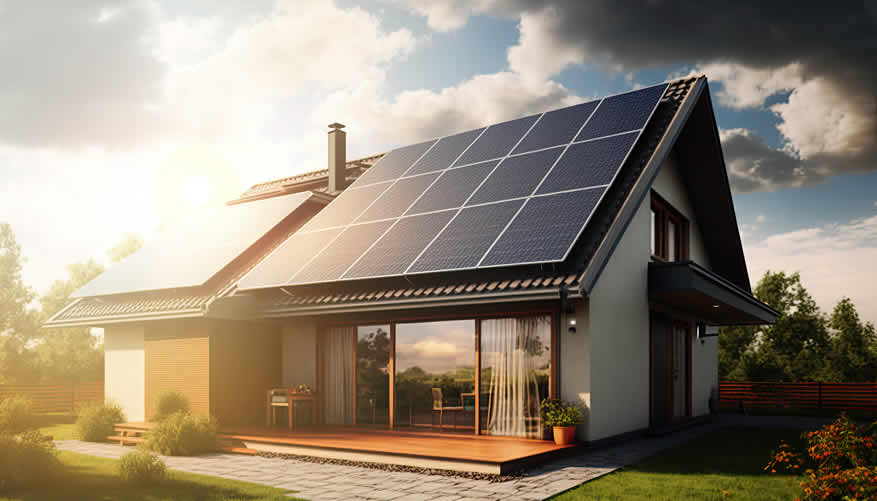
copyright image by 123rf.com
[ view diagram: hybrid off-grid home ]
[ youtube: off grid solar power system battery bank ]
-
-
3rd: Phase 3 Full Off-Grid Needs
Creating or transforming a home to meet full off-grid requirements involves meticulous planning and a thoughtful approach to various essential systems.
From power generation to water management and waste disposal, each component needs to be designed to promote self-sufficiency and sustainability.
Below, we discuss the key areas to focus on when building or remodeling an off-grid home.
-
Off-Grid Power Systems
One of the cornerstones of off-grid living is a reliable and renewable energy source. Off-grid power systems typically include solar panels, wind turbines, or a combination of both.
Off-grid solar panels are a popular choice due to their efficiency and declining costs. These systems store energy in batteries, ensuring that power is available even during periods of low sunlight. It is essential to calculate your energy needs accurately and size your system appropriately to avoid shortages.
Additionally, incorporating energy-efficient appliances and lighting can help minimize power consumption, making your system more effective.
-
Off-Grid Water Management
Managing your water supply independently is crucial for self-sufficiency in an off-grid home. Off-grid water solutions include rainwater harvesting, well water systems, and even water filtration from natural sources.
Rainwater collection systems capture and store rainwater, which can then be filtered for drinking, cooking, and other household needs. It is important to consider the best locations for off-grid living where ample rainfall can be expected.
In areas with scarce rain, well water may be a more viable option, though it entails installing and maintaining a suitable well and filtration system.
-
Waste Disposal
Effective waste management is another critical component of off-grid living. Sustainable waste disposal methods include composting toilets and graywater systems.
Composting toilets break down human waste into compost, which can be safely used to enrich soil in gardens. Graywater systems, on the other hand, treat and recycle water from sinks, showers, and washing machines for use in irrigation or toilet flushing.
These systems not only reduce water usage but also minimize the environmental impact of waste.
Embarking on the journey to create an off-grid home demands commitment to sustainable living and a keen focus on self-sufficiency.
By meticulously planning and implementing efficient power systems, water management, and waste disposal solutions, you can build a resilient and eco-friendly home that not only supports living off the grid but also aligns with broader goals of environmental conservation.
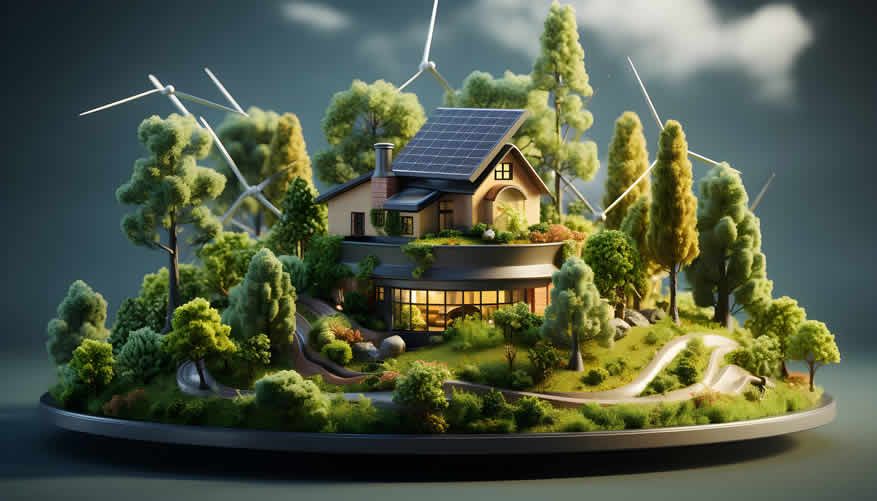
copyright image by 123rf.com
[ view diagram: off-grid power systems diagram ]
[ youtube: should you add wind power to solar power ]
-
-
4th: Budget Planning for Off-Grid Home Phases
Embarking on the journey to create an off-grid home is an exciting venture towards self-sufficiency and sustainable living.
Careful budget planning is essential for ensuring a successful project, whether you’re partially adopting off-grid solutions, integrating a hybrid system, or fully committing to living off the grid.
The following sections provide budgeting tips and estimates tailored to different phases of building or remodeling an off-grid home.
-
Partial Off-Grid Home
Building a partial off-grid home allows you to introduce sustainable features without a complete dependency on off-grid systems.
- Initial Investment:
Expect to invest in essential components such as rainwater harvesting systems, off-grid solar panels, and energy-efficient appliances. Budget around $5,000 – $15,000 for these systems combined. - Monthly Savings:
Incorporating renewable energy can significantly reduce utility bills, leading to savings of approximately $100 – $300 per month, depending on your energy and water consumption. - Upgrade Opportunities:
Plan for future upgrades as your budget permits. Investing in advanced rainwater recycling systems or expanding your solar panel array can further enhance self-sufficiency.
- Initial Investment:
-
Hybrid Off-Grid Home
A hybrid off-grid home combines traditional utilities with robust off-grid power systems, offering a balanced approach to sustainable living.
- Initial Investment:
The upfront costs are higher due to the integration of comprehensive off-grid power systems and efficient water management solutions. Allocate between $15,000 – $40,000 for a complete setup, including higher-capacity solar panels and battery storage. - Monthly Savings:
Hybrid systems can reduce dependency on traditional utilities by 50-70%, potentially saving $200 – $500 per month. - Maintenance and Upgrades:
Budget for regular maintenance of renewable energy systems and consider phased investments in backup power sources like wind turbines to enhance reliability and sustainability.
- Initial Investment:
-
Full Off-Grid Home
A full off-grid home offers complete independence from traditional utilities, demanding a more substantial initial investment but providing long-term savings and self-sufficiency.
- Initial Investment:
The comprehensive nature of a full off-grid home requires substantial planning and financial commitment. Expect to invest $50,000 – $100,000 or more, depending on the size of the home and the complexity of the systems being installed. - Monthly Savings:
Achieving complete independence from utility bills promises full savings on energy and water costs, typically amounting to $300 – $700 per month. - Sustainable Living Considerations:
Factor in the costs of advanced off-grid water systems and extensive renewable energy setups. Locations with optimal conditions for solar or wind energy can help maximize efficiency and returns on investment.
- Initial Investment:
In summary, the journey to building or remodeling an off-grid home requires thoughtful budget planning across all phases, from partial solutions to full independence.
Understanding the initial investments, potential savings, and necessary maintenance helps you achieve a sustainable and self-sufficient lifestyle tailored to your needs and budget.

copyright image by 123rf.com

Budgeting Worksheet For Costing Living Room Design and Other Home Improvement Decisions
 File Type (excel)
click here for budgeting worksheet -
-
5th: Case Studies: Real-life Off-Grid Homes
Exploring real-life case studies of off-grid homes offers an invaluable glimpse into the diverse approaches and solutions people have implemented to achieve self-sufficiency.
By learning from the experiences of others, you can gather practical information and inspiration to apply to your own journey towards sustainable living.
-
The Smith Family’s Journey
The Smith family transitioned to full off-grid living over five years. Starting with solar panels, they gradually added a rainwater harvesting system, composting toilets, and a wind turbine. Their home now operates entirely independently of municipal utilities.
-
Jane’s Hybrid Home
Jane wanted to reduce her environmental impact without going fully off the grid. She installed solar panels and a rainwater harvesting system while still relying on municipal electricity and water as a backup. This hybrid approach allowed her to take significant steps towards sustainability without feeling overwhelmed.
-
Michael’s Partial Transition
Michael was interested in off-grid living but wasn’t ready for a complete transformation. He focused on energy efficiency, upgrading appliances, and reducing water usage. These changes decreased his utility bills and made his home more eco-friendly.
-
-
-
ideas to view and compare from the information discussed above
books: about solar powerabout wind powerwells and septic system
Scroll up to directory … or scroll to next section about living off-grid …
SHARE IT ..! You might have someone in your social network who could find this XXXXXX valuable. Feel free to share it on Facebook, X (formally Twitter), LinkedIn, or Pinterest!



get the size dimensions for any off-grid home remodeling project …

… for functionality, aesthetics, and adhering to building codes
fourth “photo remodeling” idea
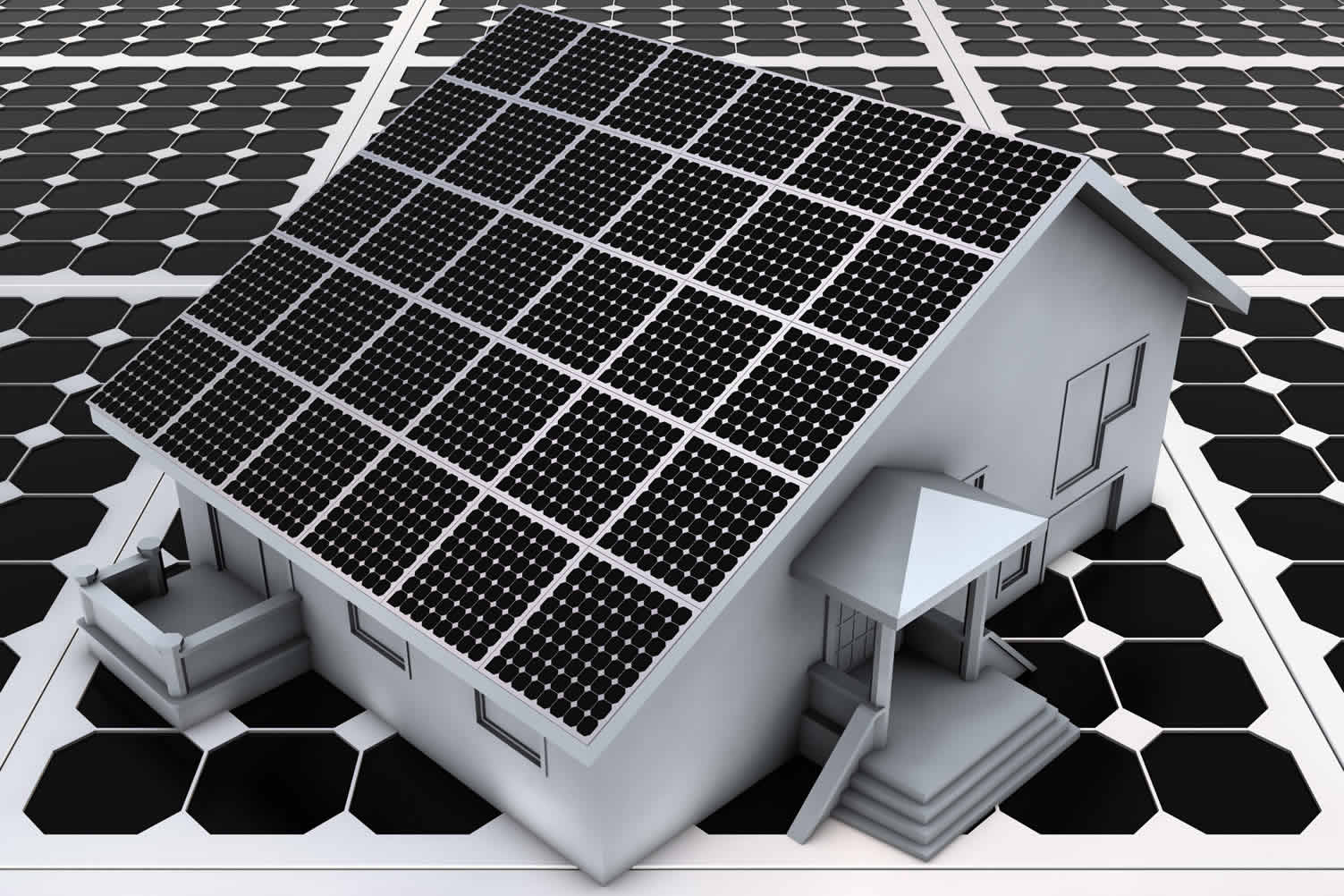
copyright image by 123rf.com
Off-Grid Tip 4: Basic Elements of Off-Grid Living
Notes:
-
Living off-grid necessitates a foundational understanding of the essential elements required to create a self-sufficient home. The goal is to minimize reliance on public utilities and instead harness natural resources to meet daily needs.
The following sections will provide a detailed review of the critical components for off-grid living and the items necessary to support a sustainable lifestyle.
-
Quick scroll to “off-grid elements needed” side notes …
-
-
1st: Energy Production
A reliable energy source is a cornerstone of off-grid living. Without connections to public utilities, the success of an off-grid home hinges on its ability to generate sufficient power independently.
Multiple sustainable power solutions can be employed to meet the energy needs of a self-sufficient household.
The primary methods include solar power, wind turbines, geothermal energy, hydroelectric systems, and wood. Each of these solutions requires specific resources and technologies to function effectively, and understanding their intricacies is crucial for ensuring a stable energy supply.
-
Solar Power
Solar power is one of the most popular choices for off-grid homes due to its accessibility and scalability. Off-grid solar panels capture sunlight and convert it into electricity through photovoltaic cells.
To successfully harness solar power, an off-grid home needs a combination of solar panels, batteries for energy storage, inverters to convert DC to AC power, and charge controllers to prevent overcharging.
The amount of energy produced depends on factors such as geographical location, panel efficiency, and sunlight exposure. A well-designed solar array can provide a consistent and renewable energy source, significantly reducing reliance on other power systems.
-
Ideal Places to Install Solar Panels
- Rooftops:
One of the most common and efficient places to install solar panels is on rooftops. They provide ample space, are typically exposed to direct sunlight for most of the day, and do not interfere with the daily function of the home’s yard or other outdoor spaces. - Ground-Mounted Systems:
For homes with extensive land, ground-mounted solar panels can be an excellent option. These systems can be positioned at the optimum angle and direction for maximum sunlight exposure. - Solar Carports:
Installing solar panels on carports combines the benefits of providing shelter for vehicles and generating electricity. Carports are usually situated in sunny spots, making them an efficient location for solar power generation. - Garden Sheds and Outbuildings:
Smaller structures like garden sheds, barns, or other outbuildings can also serve as suitable supports for solar panels, especially if the main building’s roof is not ideal due to shading or structural issues. - Fences and Walls:
Vertical installations on fences or walls can be an innovative solution for properties with limited roof space or those looking to maximize solar energy capture. Specialized solar panels designed for vertical mounting can still capture substantial amounts of sunlight.
By strategically placing solar panels in these locations, off-grid homes can maximize their solar energy production and move closer to sustainable, independent living.
- Rooftops:
-
Batteries for Energy Storage
To ensure a constant power supply even when the sun isn’t shining, off-grid systems require reliable solar batteries. These batteries store excess energy produced during sunny periods for use at night or during cloudy days.
It’s crucial to choose the right type and size of battery to meet your household’s energy demands. Lithium-ion batteries, known for their long lifespan and efficiency, are a popular choice.
When selecting the battery size, consider your total energy consumption and the amount of energy your solar panels generate. Properly sized batteries ensure you’re not left in the dark, literally and figuratively, enhancing the practicality of your off-grid solar power system.
-
-
Solar Water Heaters
Solar water heaters are an excellent way to harness the sun’s energy for domestic hot water needs. These systems use solar collectors, typically mounted on rooftops, to absorb and transfer solar energy to water stored in a tank.
By converting sunlight into heat, solar water heaters can reduce the reliance on conventional water heating methods, cutting down on utility costs and lowering carbon footprints.
For off-grid homes, solar water heaters provide a sustainable and reliable source of hot water year-round, with minimal maintenance required after installation. Properly sizing the system and positioning the solar collectors are key to maximizing efficiency and ensuring an uninterrupted supply of hot water.
-
Best Places to Install Solar Water Heaters
- Rooftops:
One of the most common and efficient places to install solar water heaters is on rooftops. Ensure the roof has a south-facing aspect or the direction with the most sunlight exposure throughout the day, and minimal shading from trees or other structures. - South-facing Walls:
For homes or buildings where roof space is limited or not ideally oriented, solar collectors can also be mounted on south-facing walls. This vertical installation can still capture a good amount of solar energy. - Ground Mounts:
In cases where rooftop installation is not feasible, ground-mounted systems offer an alternative. These should be placed in open areas with full sun exposure and free from shadows. It’s essential to secure the frames safely and ensure accessibility for maintenance. - Pole Mounts:
For versatility and optimal sun tracking, pole-mounted solar water heaters can be installed in various locations. These mounts can be adjusted to maximize solar absorption and are particularly useful in larger properties with ample space. - Balconies:
In apartment buildings or homes with limited space, balconies can serve as an installation site. As long as they receive sufficient sunlight, balconies can support solar collectors and provide a practical solution for hot water needs in urban settings.
- Rooftops:
-
-
Wind Turbines
Off-grid wind turbines are another viable option, especially in regions with consistent and strong winds. Wind turbines generate electricity by converting kinetic energy from wind into mechanical power, which is then transformed into electrical energy.
Essential components include the turbine blades, a tower to elevate the system, a generator, and a battery storage system.
The efficiency of wind turbines depends on wind speed and frequency; hence, a thorough site assessment is needed to determine suitability. Wind power can serve as an excellent complement to solar energy, particularly during periods of low sunlight.
-
Ideal Locations for Installing Wind Turbines
- Open Fields and Farmlands:
These areas usually have less obstruction and more consistent wind flow, making them excellent for wind turbine installation. - Hilltops and Elevated Areas:
Wind speeds tend to be higher and more stable at higher altitudes, which can enhance the performance of wind turbines. - Coastal Regions:
Coastal areas benefit from strong and steady winds, particularly from sea breezes, making them ideal for wind energy generation. - Large Backyards or Open Spaces:
If the property has ample open space without natural or man-made obstructions, placing wind turbines here can be highly effective. - Near Water Bodies:
Riverbanks or lakeshores often experience enhanced wind speeds due to the absence of large obstructions, providing a suitable location for turbine installation. - On Towers or Tall Structures:
Installing wind turbines on existing tall structures or dedicated towers can help capture higher-altitude winds, increasing energy production.
- Open Fields and Farmlands:
-
-
Using Geothermal Systems for Off-Grid Homes
Geothermal systems offer a sustainable and efficient solution for heating and cooling off-grid homes. By harnessing the Earth’s natural and constant underground temperatures, geothermal systems can provide a reliable source of energy that reduces reliance on traditional fuels.
These systems work through a series of pipes, often referred to as a ground loop, that are buried in the ground near the home. The pipes circulate a mixture of water and antifreeze, which absorbs heat from the ground during the winter and releases heat back into the ground during the summer.
For off-grid homes, integrating geothermal systems with other renewable energy technologies, such as solar panels or wind turbines, can further enhance energy independence and sustainability.
The combination of these renewable resources can create a robust, self-sustaining energy system, ensuring that the home remains comfortable and energy-efficient throughout all seasons.
-
Hydroelectric Systems
For those living near water sources, hydroelectric systems offer a dependable form of off-grid power. Hydroelectric systems generate electricity by using flowing water to turn a turbine connected to a generator.
Key elements for successful hydroelectric power include a water source with adequate flow and drop, piping to direct the water flow, a turbine, and an energy storage system.
The amount of energy produced by hydroelectric solutions can be highly consistent, providing a stable power supply year-round, making it an advantageous option for off-grid living if the geographical conditions align.
-
Wood
While not a conventional energy-producing method in the same category as solar or wind, wood can be a significant source of energy, especially for heating purposes.
Using wood-fired stoves or boilers, off-grid homes can convert wood into heat energy for cooking and warming living spaces.
To effectively use wood as an energy source, a reliable supply of sustainable, locally-sourced firewood is necessary.
Additionally, efficient wood-burning appliances and proper storage facilities for wood are crucial for minimizing smoke emissions and maximizing heat output.
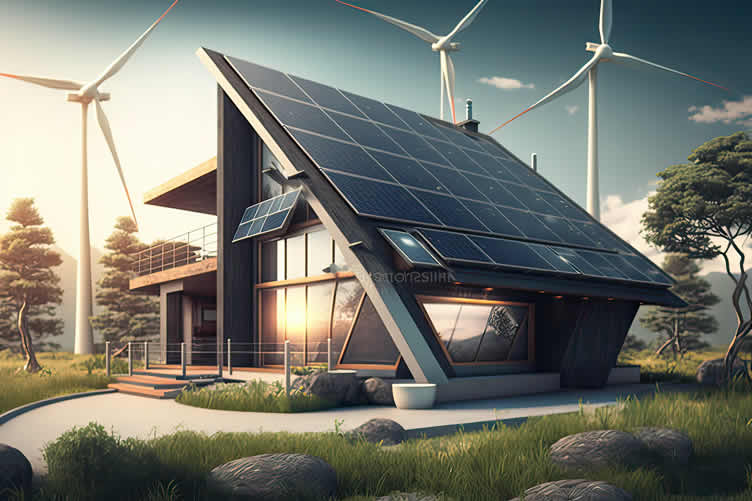
copyright image by 123rf.com
-
-
2nd: Water Supply and Management
Water supply and management are crucial components of off-grid living, ensuring that an off-grid home remains self-sufficient and sustainable.
Effective water management involves sourcing, purifying, and preserving water to meet daily needs while minimizing environmental impact.
The following sections highlight various methods and systems that support an off-grid water supply.
-
Water Wells
Water wells are a fundamental source of off-grid water supply. Drilling a well provides access to underground water, which is often more reliable than surface water sources.
To ensure successful water production, it is essential to conduct a thorough site evaluation, considering factors such as water table depth and local geology. Installing a pump powered by renewable energy, such as solar panels, can enhance the sustainability of the water well system.
-
Rainwater Harvesting
Rainwater harvesting is a sustainable water solution that captures and stores rainwater for domestic use. A typical setup includes gutters, downspouts, and storage tanks to collect and retain water.
For effective off-grid rain harvesting, it’s crucial to install a filtration system to remove debris and contaminants. This method provides a valuable water source, especially in regions with adequate rainfall, reducing reliance on external water supplies.
-
Installing an Underground Water Reservoir Tank
Installing an underground water reservoir tank is a highly effective method for ensuring a reliable and abundant water supply in an off-grid home.
These tanks, typically made from durable materials such as concrete, polyethylene, or fiberglass, can store large volumes of water collected from wells or rainwater harvesting systems. The process begins with selecting an appropriate location, ideally on high ground to facilitate gravity-fed water distribution.
By implementing an underground water reservoir tank, off-grid households can achieve a dependable and sustainable water supply, further enhancing their self-sufficiency and resilience.
-
Water Purification Systems
Ensuring water safety is paramount in off-grid living. Water purification systems, such as reverse osmosis units, UV filters, and activated carbon filters, can effectively remove pathogens and impurities from harvested or well water.
Depending on the water source and quality, choosing the appropriate purification method is essential for delivering clean and potable water to an off-grid home.
-
Water Preservation
Water preservation techniques are vital for maximizing the efficiency of an off-grid water supply. Implementing water-saving fixtures like low-flow faucets and showerheads can significantly reduce water consumption.
Additionally, practices like mulching and efficient irrigation in gardening can help conserve water. Educating household members about mindful water usage further supports sustainable water management.
-
Other Sustainable Water Solutions
Beyond traditional methods, integrating graywater systems and composting toilets can enhance an off-grid water management plan. Graywater systems recycle wastewater from sinks, showers, and laundry for irrigation purposes, reducing overall water usage.
Composting toilets offer an eco-friendly alternative to conventional sewage systems, conserving water and creating valuable compost for gardening. Leveraging these innovative solutions contributes to comprehensive and sustainable off-grid living.

copyright image by 123rf.com
-
-
3rd: Waste Management in Off-Grid Living
Effective waste management is a crucial component of off-grid living, ensuring that waste is handled in an environmentally responsible manner.
An efficient waste management system not only helps in maintaining the hygiene of an off-grid home but also promotes sustainability by recycling and re-purposing waste materials.
-
Septic Tanks
Septic tanks are a common solution for managing household waste in off-grid homes. These underground systems treat sewage through natural processes, breaking down solid waste into sludge while allowing liquids to percolate into a leach field.
Proper maintenance, including regular inspections and pumping, is essential to prevent system failures and groundwater contamination.
-
Compost Toilets
Compost toilets offer a sustainable alternative to traditional septic systems by turning human waste into compost. These toilets require little to no water, making them ideal for off-grid living.
By properly managing the composting process, which involves regular turning and adding of carbon-rich materials, the resulting compost can be safely used to enrich soil in gardening projects.
-
Graywater Recycling
Graywater systems recycle wastewater from sinks, showers, and laundry, providing an additional water source for irrigation and other non-potable uses.
Integrating graywater management into an off-grid home reduces the demand on primary water supplies and decreases the amount of wastewater needing disposal. Ensuring the safe treatment and distribution of graywater is vital for successful implementation.
-
Composting
Organic waste composting is another critical aspect of off-grid waste management. By breaking down kitchen scraps, yard waste, and other organic materials, composting transforms what would be waste into valuable soil amendment.
A well-maintained compost pile needs a balanced mix of green and brown materials, adequate moisture, and proper aeration to facilitate decomposition.
-
Recycling and Re-purposing
Recycling and re-purposing materials help to minimize waste and support sustainable living in off-grid homes.
By systematically separating recyclable items like plastics, glass, and metals, and finding new uses for items such as containers or building materials, off-grid inhabitants can reduce their environmental footprint and create a more resource-efficient home.
-
Other Innovative Practices
In addition to the aforementioned methods, exploring other waste management strategies can further enhance the sustainability of an off-grid home.
Techniques such as vermiculture, which uses worms to decompose organic waste, or creating biochar from agricultural residues, can provide additional benefits.
These innovative practices not only manage waste but also contribute to soil health and carbon sequestration.

copyright image by 123rf.com
-
-
4th: Sustainable Living Practices
Sustainable living practices are foundational to the off-grid lifestyle, ensuring that each individual can thrive in harmony with nature while minimizing their environmental impact.
These practices encompass a wide range of daily habits and long-term strategies designed to maintain a balanced and resource-efficient way of life in an off-grid home.
-
Energy Conservation Tips
Energy conservation is a crucial aspect of off-grid living. Implementing energy-efficient practices helps to reduce the overall power consumption within an off-grid home, making the most of renewable energy sources like solar and wind power.
Simple measures include using LED bulbs, energy-efficient appliances, and optimizing natural light. Additionally, insulating the home properly and using passive solar design can significantly decrease the need for artificial heating and cooling, further conserving energy.
-
Water Conservation Habits
In an off-grid home, where water supply might be limited, adopting water conservation habits is essential. Strategies such as collecting rainwater, utilizing graywater systems for irrigation, and installing low-flow fixtures can drastically reduce water usage.
Encouraging shorter showers, fixing leaks promptly, and using native plants in landscaping also contribute to effective water management. These habits ensure that the precious resource of water is used wisely and sustainably.
-
Building a Supporting Community
Building a supporting community is vital to off-grid sustainable living. A network of like-minded individuals can share resources, knowledge, and skills, making it easier to troubleshoot problems and innovate new solutions.
Community gardening, bartering goods and services, and hosting workshops on sustainable practices foster a sense of connectedness and mutual support. This communal approach not only improves the quality of life but also enhances the overall resilience of the off-grid lifestyle.
-
Other Innovative Practices
Exploring other innovative practices can further bolster the sustainability of off-grid living. Embracing permaculture principles, for instance, allows for the creation of self-sustaining ecosystems that provide food and raw materials with minimal waste.
Utilizing alternative building materials such as reclaimed wood or recycled metal supports sustainable construction. Moreover, integrating renewable energy technologies like micro-hydro systems or solar water heaters offers additional ways to live sustainably off the grid.
These practices collectively contribute to a holistic and environmentally friendly way of life.
By committing to these sustainable living practices, off-grid inhabitants can create a harmonious balance with their environment, ensuring that they live healthy and eco-conscious lives.
Through continuous adaptation and innovation, off-grid sustainable living can be both rewarding and fulfilling.
copyright image by 123rf.com
-
-
-
ideas to view and compare from the information discussed above
Scroll up to directory … or scroll to next section about living off-grid …

plan the specifications you need for making …
… key home improvement and remodeling decisions







below for …
… helping build-remodel-setup off-grid home


Find Energy Efficient Services Insulation Windows-Insulation Ducts & Vents Thermostats Solar Installation Skylights Home Automation Generators Home Automation Electrical Wiring Networks/Phone Computers/ Media Home Security Alarms top-rated, pre-screened local contractors FREE: download contractor selection enter zip code – powered by HomeAdvisor ™
Quick Contractor Guides selecting negotiating working with inspecting

fifth and last “photo remodeling” idea

copyright image by 123rf.com
Off-Grid Tip 5: Getting Started: Off-Grid Home and Living
Notes:
-
Transitioning to off-grid living is an exciting and transformative journey that offers self-sufficiency and a deeper connection to nature.
Whether you’re motivated by environmental concerns, a desire for independence, or the appeal of a simpler lifestyle, embarking on this path requires careful planning and preparation.
Below, we outline the essential steps to help you get started on creating your off-grid home.
-
Step 1: Assess Your Needs and Goals
Begin by clearly defining your reasons for going off-grid. Are you looking to reduce your carbon footprint, save on utility costs, or live a more self-sustained life?
Understanding your motivations will help guide your decisions throughout the process.
[ see above topic: understanding off-grid]
-
Step 2: Design Your Off-Grid Home
Design with efficiency and sustainability in mind. Take into account insulation, natural light, and renewable energy systems. Collaborate with architects or builders experienced in off-grid structures to ensure your home is designed to meet your needs.
Likewise, conduct a needs, site, and mental preparedness analysis to determine the right off-grid procedures to use. Ensure your home design includes enough space for your energy systems, water storage, and other necessary components.
[ see above topic: analyze planning and design]
-
Step 3: Select the Type of Phase Transition for Your Off-Grid Home
Deciding on the type of phase transition for your off-grid home is crucial and will significantly impact your planning and budget. You have three main options: partial conversion, hybrid conversion, or full off-grid conversion.
Your budget will be a defining factor in determining which type of phase transition to pursue. When planning your budget, remember to account for ongoing maintenance and potential upgrades to your off-grid systems.
[ see above topic: living phases ]
-
Step 4: Install Renewable Energy Systems
Investing in renewable energy sources like solar panels, wind turbines, or micro-hydro systems is essential for off-grid living. Determine your energy requirements and plan your setup accordingly. Proper installation and maintenance are key to ensuring a reliable power supply.
[ see above topic: energy production ]
-
Step 5: Ensure Water Supply and Management
Having a reliable water source is non-negotiable. Options include drilling a well, collecting rainwater, or using a nearby water body. Implement systems for water filtration and conservation to ensure a steady supply of clean water.
[ see above topic: water needs ]
-
Step 6: Develop Waste Management Systems
Effective waste management is vital for sustainability. Consider composting toilets, graywater systems, and recycling processes. Proper waste handling will minimize your environmental impact and promote a healthy living environment.
[ see above topic: waste management ]
-
Step 7: Build Sustainable Living Practices
Adopting sustainable living practices is crucial for long-term off-grid success. Focus on reducing your ecological footprint by growing your own food, preserving produce, and practicing permaculture techniques.
Embrace habits like reusing and re-purposing materials, minimizing waste, and conserving natural resources. Incorporating sustainable practices into your daily routine will not only support your off-grid lifestyle but also contribute to the well-being of the environment.
[ see above topic: sustainable living ]
-
Step 8: Build Skills and Knowledge
Living off-grid requires a diverse set of skills to handle maintenance and repairs effectively. Invest time in learning basic carpentry, plumbing, electrical work, and even small engine repair. Understanding how your systems work, and being capable of troubleshooting issues, will save you time and resources.
Consider taking workshops, watching instructional videos, and reading manuals related to off-grid living. A proactive approach to skill-building ensures that you can maintain your home systems and become more self-reliant, ultimately enhancing the sustainability of your off-grid lifestyle.
[ see sidenotes below: implementing plan ]
-
-
Quirk scroll to topic "getting help for off-grid" side notes …
-
-
1st: Finding Help to Build or Remodel Your Off-Grid Home
Building or remodeling an off-grid home can be a complex and daunting task, especially if you lack the skills or time to manage every aspect yourself. Thankfully, various specialists can provide the expertise needed to ensure each system runs efficiently and sustainably.
In this note, we will explore different types of contracting help you may require to build or remodel your off-grid home, focusing on energy production, water management, waste management, and other essential areas.
-
Energy Production
Renewable Energy Contractors
Utilizing renewable energy is a cornerstone of off-grid living. Renewable energy contractors specialize in installing solar panels, wind turbines, and other alternative energy systems.
They can assess your energy needs, recommend suitable installations, and ensure they are correctly set up to maximize efficiency. Hiring a professional ensures that your energy systems are safe, reliable, and capable of meeting your home’s power demands.
-
Water Management
Water System Engineers:
Managing water is crucial for sustaining an off-grid lifestyle. Water system engineers can design and implement solutions for sourcing, storing, and distributing water. They might assist with installing rainwater catchment systems, wells, and efficient irrigation setups.
Professionals can help you understand your water rights, ensure systems comply with local regulations, and maintain sanitary conditions, safeguarding your water supply from potential contaminants.
-
Waste Management
Waste Disposal Specialists:
Efficient waste management is essential for maintaining a healthy and sustainable off-grid home. Waste disposal specialists can guide you in setting up composting toilets, graywater systems, and waste recycling processes.
They ensure that these systems are environmentally sound, efficient, and compliant with health regulations. By managing waste effectively, you can reduce your environmental footprint and support a cleaner, healthier lifestyle.
-
Other Essential Areas
General Contractors:
For broader construction or remodeling needs, a general contractor with experience in off-grid homes can be invaluable. They coordinate various aspects of the build, from foundation work to finishing touches.
These professionals have the expertise to integrate off-grid systems seamlessly into your home, ensuring structural integrity and harmonious operation.
Material Sourcing Experts:
Sourcing sustainable and local materials can significantly impact the eco-friendliness of your off-grid home. Material sourcing experts can connect you with suppliers of eco-friendly building materials, such as reclaimed wood, low-VOC paints, and natural insulation.
Their knowledge ensures you use the most sustainable options available, which can help reduce your home’s overall environmental impact.
Permaculture Consultants:
To further enhance your self-sufficiency, consider hiring a permaculture consultant. They can design a landscape that supports sustainable living, integrating food production, water conservation, and waste recycling into one cohesive system.
By leveraging their expertise, you can create a thriving, self-sustaining environment around your off-grid home.
By enlisting the help of specialized contractors and consultants, you can navigate the complexities of building or remodeling your off-grid home more effectively. Their expertise will ensure that your systems are efficient, sustainable, and suited to your specific needs, ultimately supporting a healthier, self-reliant lifestyle.
LetsRenovate has partnered with HomeAdvisor™, a renowned provider of highly-rated, carefully-vetted local contractors. Start your search here by choosing the type of contractor you need and entering your zip code to find local professionals.

copyright image by 123rf.com
But Wait!
Before beginning the search and evaluation process for contractors, it is strongly advised to download and use this comprehensive worksheet.
This resource will equip you with all the essential information and tools needed to make informed decisions and streamline the entire process.

Evaluation Sheet
File Type: -
-
2nd: DIY Off-Grid Home Conversion
Embarking on a DIY off-grid home conversion project can be an exciting and rewarding endeavor. By taking on the task yourself, you have the opportunity to tailor your living space to your specific needs while also saving on the costs associated with hiring professionals.
Below are some key areas where DIY tasks can make a significant impact on transforming your home into a self-reliant off-grid sanctuary.
-
Solar Panel Installation
Installing solar panels is a fundamental step in converting your home to off-grid living. This task involves mounting the panels on your roof or in your yard, setting up an inverter to convert solar energy into usable electricity, and connecting the system to your home’s electrical grid.
Basic electrical knowledge and safety precautions are crucial for this project. Tools you might need include power drills, mounting hardware, a multimeter, and wire strippers.
-
Rainwater Harvesting System
Creating a rainwater harvesting system is an effective way to secure a self-sufficient water supply. Begin by installing gutters and downspouts to direct rainwater into storage tanks or barrels.
Adding a filtration system will ensure that the harvested water is safe for household use. This project might require tools such as a hacksaw, PVC pipes and connectors, a water pump, and screen mesh for filtering debris.
-
Composting Toilets
Converting to composting toilets can significantly reduce water usage and provide you with excellent compost for gardening. Installation involves setting up the composting unit, which might require building a supportive frame and ensuring proper ventilation.
Tools needed could include a saw, screwdriver, and plastic tubing for ventilation. Detailed instructions from the toilet manufacturer can guide you through the setup process.
-
Off-Grid Heating Solutions
Implementing off-grid heating solutions, such as a wood-burning stove, can keep your home warm without relying on traditional energy sources.
This project entails choosing a suitable location, installing a heat-resistant hearth, and setting up a chimney for proper ventilation. You’ll need basic carpentry and masonry skills, and tools such as a level, masonry drill bit, and chimney pipe.
-
Graywater Recycling
Setting up a graywater recycling system can help you reuse water from sinks, showers, and washing machines for irrigation purposes. This involves redirecting graywater through a filtration system before it reaches your garden.
Necessary tools include PVC pipes, connectors, and a water pump. Understanding local regulations and ensuring the system meets health standards are essential steps.
Taking on these DIY tasks can not only make off-grid living possible but also give you a deeper connection to your home and its sustainability. With the right skills and tools, you can achieve a functional and efficient off-grid home that caters to your unique lifestyle and environmental goals.

copyright image by 123rf.com
-
-
3rd: Maintaining Your DIY Off-Grid Home
Once you have established your DIY off-grid home, regular maintenance is essential to ensure it remains functional, efficient, and comfortable. Proper upkeep will prolong the life of your systems and help you avoid costly repairs.
The following note outlines the key areas to focus on, including solar panels, solar batteries, other energy production methods, water
-
Solar Panels
Maintaining your solar panels involves regular cleaning, inspections, and performance monitoring. Clean the panels with water and a soft brush to remove dirt and debris that can reduce efficiency. Inspect for any damage, such as cracks or loose connections.
Periodically check the system’s performance to ensure it’s generating the expected amount of electricity based on weather conditions and energy consumption patterns.
-
Solar Batteries
Solar batteries require routine checks to ensure they are storing and discharging energy effectively. Regularly inspect the batteries for any signs of corrosion or leakage. Keep the battery terminals clean and tightly connected.
Monitor the battery’s state of charge and cycle it according to the manufacturer’s recommendations to maintain its health and efficiency.
-
Other Energy Production Methods
If your off-grid home incorporates other energy production methods like wind turbines or hydroelectric systems, maintenance tasks will vary. Wind turbines need regular inspections of the blades, tower, and internal mechanics for wear and tear.
Keep the area around the turbine clear of obstructions. Hydroelectric systems require checking the intake screens for debris and ensuring the water flow remains consistent. Lubricate moving parts and inspect for any signs of damage.
-
Water Management Systems
Your water management system, including rainwater harvesting and graywater recycling, also needs regular attention. Clean gutters and downspouts to ensure unobstructed water flow into your storage tanks. Inspect tanks for leaks and check that filters are functioning correctly.
For graywater systems, routinely check pipes and filters for clogs and replace them as necessary. Test water quality periodically to ensure it is safe for its intended use.
-
Waste Management
Handling waste efficiently is crucial for off-grid living. Composting toilets require periodic emptying of the compost material and cleaning of the unit.
Monitor the composting process to ensure it is decomposing waste effectively, and add bulking agents like sawdust if needed to maintain aeration. For other waste, such as recycling and non-compostable refuse, set up a regular schedule to transport materials to appropriate disposal or recycling facilities.
By adhering to these maintenance tasks, you can ensure that your DIY off-grid home remains a sustainable and enjoyable haven.
Regular care not only extends the life of your systems but also contributes to a healthier, more eco-friendly lifestyle.
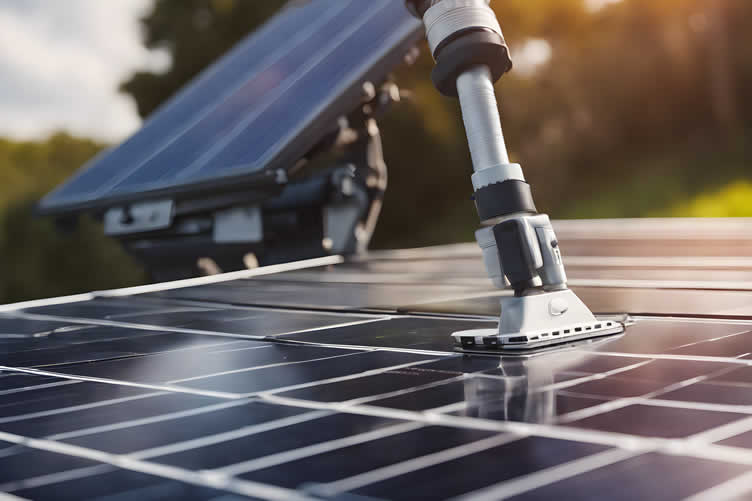
AI generated image by 123rf.com
[ youtube: how to clean solar panels ]
[ amazon: solar panel cleaning brush and pole ]
-
-
4th: Integrating Home Automation in Off-Grid Living
Home automation technology has revolutionized the way we manage our homes, and this is particularly pertinent for off-grid living. By integrating advanced automation systems into off-grid homes, residents can optimize energy production and preservation, improve water and waste management, and enhance security.
These automated systems bring a level of convenience and efficiency that aligns perfectly with the goals of sustainable and self-reliant living.
-
Energy Production
Home automation systems can significantly boost energy production in off-grid homes. Automated solar trackers adjust the position of solar panels throughout the day to maximize their exposure to sunlight, thereby increasing energy output.
Additionally, home automation can control wind turbines, ensuring they operate optimally based on real-time weather data. By integrating these systems with smart home technologies, off-grid residents can monitor energy production from their smartphones or tablets, making adjustments as necessary to ensure maximum efficiency.
-
Energy Preservation
Energy preservation is crucial for maintaining a consistent power supply in an off-grid home. Automated energy management systems can monitor consumption patterns and make real-time adjustments to conserve energy.
For example, these systems can dim lights, adjust thermostats, and turn off unnecessary devices when not in use. By automating these functions, off-grid homes can significantly reduce energy waste, extending the life of batteries and other storage solutions.
-
Water Management
Efficient water management is vital for off-grid sustainable living. Automated irrigation systems can use moisture sensors to deliver water precisely where and when it is needed, minimizing waste.
Smart home systems can also monitor graywater recycling setups, ensuring that filters are clean, and pumps are operating efficiently. With automated alerts and remote monitoring capabilities, residents can maintain optimal water usage without constant manual intervention.
-
Waste Management
Automating waste management processes can greatly enhance the sustainability of off-grid homes. Smart composters can process organic waste more efficiently by maintaining optimal conditions for decomposition.
Automated waste separation systems can sort recyclables and non-recyclables, reducing the environmental footprint. These automated systems can not only handle waste more effectively but also provide useful data on waste generation patterns, helping residents to minimize impact.
-
Home Security
Home security is a critical aspect of off-grid living, and automation can provide robust solutions. Smart security systems equipped with cameras, motion sensors, and alarms can monitor the property constantly, sending alerts to homeowners in case of suspicious activity.
Automated lighting can simulate occupancy while residents are away, deterring potential intruders. By integrating these security measures with mobile apps, off-grid homeowners can keep their property secure from any location.
-
Other Benefits
Beyond energy and water management, home automation in off-grid living offers numerous other benefits. Automated systems can manage indoor air quality by controlling ventilation and filtration systems, ensuring a healthier living environment.
Voice-activated assistants can simplify daily tasks, allowing residents to focus on more critical aspects of off-grid living.
With continuous advancements in technology, the potential applications of home automation in off-grid homes continue to expand, further enhancing the sustainability and convenience of self-reliant lifestyles.

copyright image by 123rf.com
-
-
-
FINAL REMARKS
Transitioning to off-the-grid living requires careful planning and consideration of various factors, including energy, water, and waste management.
By adopting renewable energy sources and sustainable practices, you can achieve self-sufficiency and contribute to environmental conservation.
- Encouraging Further Research
For those interested in exploring off-the-grid living further, there are many resources available. Books, online courses, and workshops can provide in-depth knowledge and practical skills. - Taking the First Steps
Start small by incorporating sustainable practices into your daily life. Gradually transition to renewable energy sources and implement water and waste management systems. With determination and careful planning, you can successfully build or remodel your home for off-the-grid living. - Explore More
Ready to take the plunge into off-the-grid living? Start by researching the best practices and technologies for your unique needs. Connect with a community of like-minded individuals who can offer support and advice. Remember, every step towards sustainability makes a difference.
- Encouraging Further Research
-
ideas to view and compare from the information discussed above
off grid radiogray water drain adapterwater purification system
- What comments can you share about
living off-grid?
Scroll up to directory … or scroll to more home remodeling-related topics …
view illustration “becoming a bank”

Calendar For:
Home Maintenance
File Type:






Cover image credit: living off-grid by 123rf.com
end of post … please share it!
 |
did you find the living off-the-grid analysis helpful? If so, please share the article with your friends and family! |
Nice pic idea? Leave us a quick comment below.
And please share this pic idea within your social networks.