first “tips for improving your home’s energy efficiency” idea


copyright image by 123rf.com
Reducing Your Home’s Energy Use
Summary Outline:
Take a moment to review the infographic above. It illustrates a typical home with pointers to where you can improve the efficiency of home energy use.
Home energy is defined as a utility source to heat and cool your home, run electrical appliances and lighting, provide water for bathing and washing, and any other outside service to operate a home. The goal is to “improve efficiency” by reducing the amount of energy (and resources) that the home needs to support a family.
As U.S. residential energy consumption is anticipated to rise this year, so too is the price. Taking steps to improve the efficiency of your home now will help you reduce your future energy consumption and in turn, your spending – all the while making your home more environmentally friendly.
Let’s review in detail some of the efficiency elements that you should consider:
-
- —— begin first topic ——
-
1st:Before You Begin:
Prior to breaking ground on any home renovation or improvements, you’ll first need to assess your current home energy situation and identify any problem areas. Home energy assessments can be simple or complex; this can depend on your level of knowledge and whether you choose to hire a professional or do it yourself.
- In the case of the latter, you’ll want to accomplish three things:
- Check the wattage of your light bulbs
- Inspect your home’s insulation (check the areas around windows and doors for drafts or air leaks to the outside)
- Replace any necessary air filters and check the status of your HVAC system.
-
copyright image by envato.com
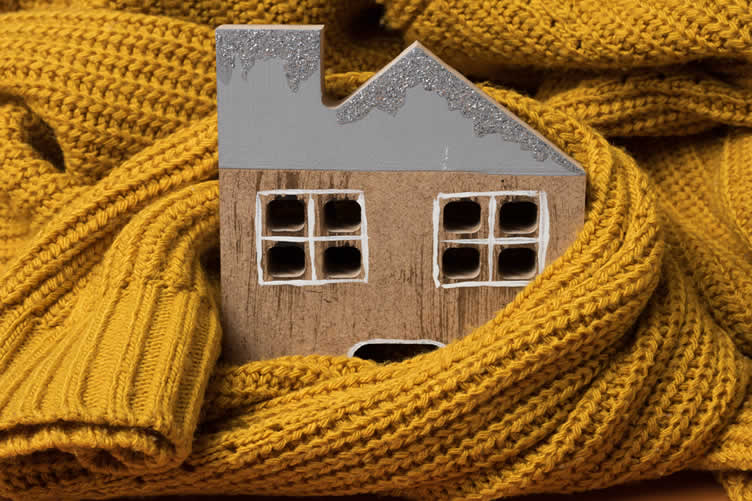
- The most important aspect of your DIY assessment concerns the insulation of the home. Improper insulation is often the most prominent cause of home energy inefficiency.
- Areas of your home can be exposed to the outside temperature, which can cause your HVAC system to constantly run to keep you warm or cool. Combating the inconsistent temperatures inside of your home forces your HVAC to work harder than it needs to, increasing your energy bill in the process.
- Making any improvements or reinforcing your home’s insulation should be at the top of your list before taking on any additional projects – otherwise, you’ll be spending time and money without fixing the underlying issue.
-
Quik scroll to topic side notes …
-
Performing a Home Energy Assessment:
If you’re concerned about conducting the inspection yourself or would prefer more assurance, hiring an outside energy consultant may be the right choice for you.
Once you’ve completed the assessment, you’ll have a much better idea about the best way to go about improving your home’s energy efficiency, as well as a starting point for doing so.
copyright image by envato.com
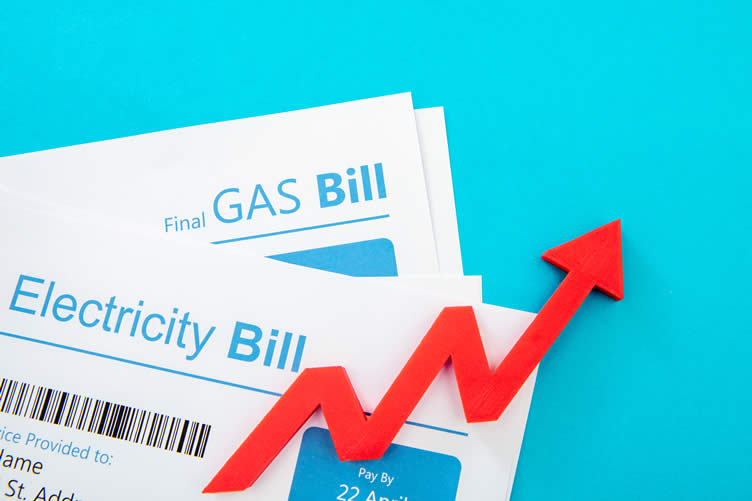
The objective of an energy inspection is to locate the escape routes of heated and cooled air. From poorly insulated walls and roofs to numerous gaps in windows and doors, there are many ways that heated and cooled air can easily escape the home, areas that you may not be familiar with.
The loss of heated/cooled air drives up your home utility costs over time. The inspection will help identify the preventative action to keep heating/cooling costs down and allow your home to retain its comfort at the least amount of cost.
Take a quick view of this infographic to locate areas of the home that should be inspected:
resources: About Home Energy Assessments– home energy assessment view pics – home energy audit worksheet view pics – about home energy assessments view info – energy audit – should you get one? view info – DIY home energy audit view info – how conduct home energy assessment youtube – tag along with energy assessment youtube – energy monitoring w/ home assistant youtube – BBB warns against audit scams youtube Energy Loss Infographic

view larger image: (new win) INFOGRAPHIC: preventing heat loss -
DIY Home Weaterization:
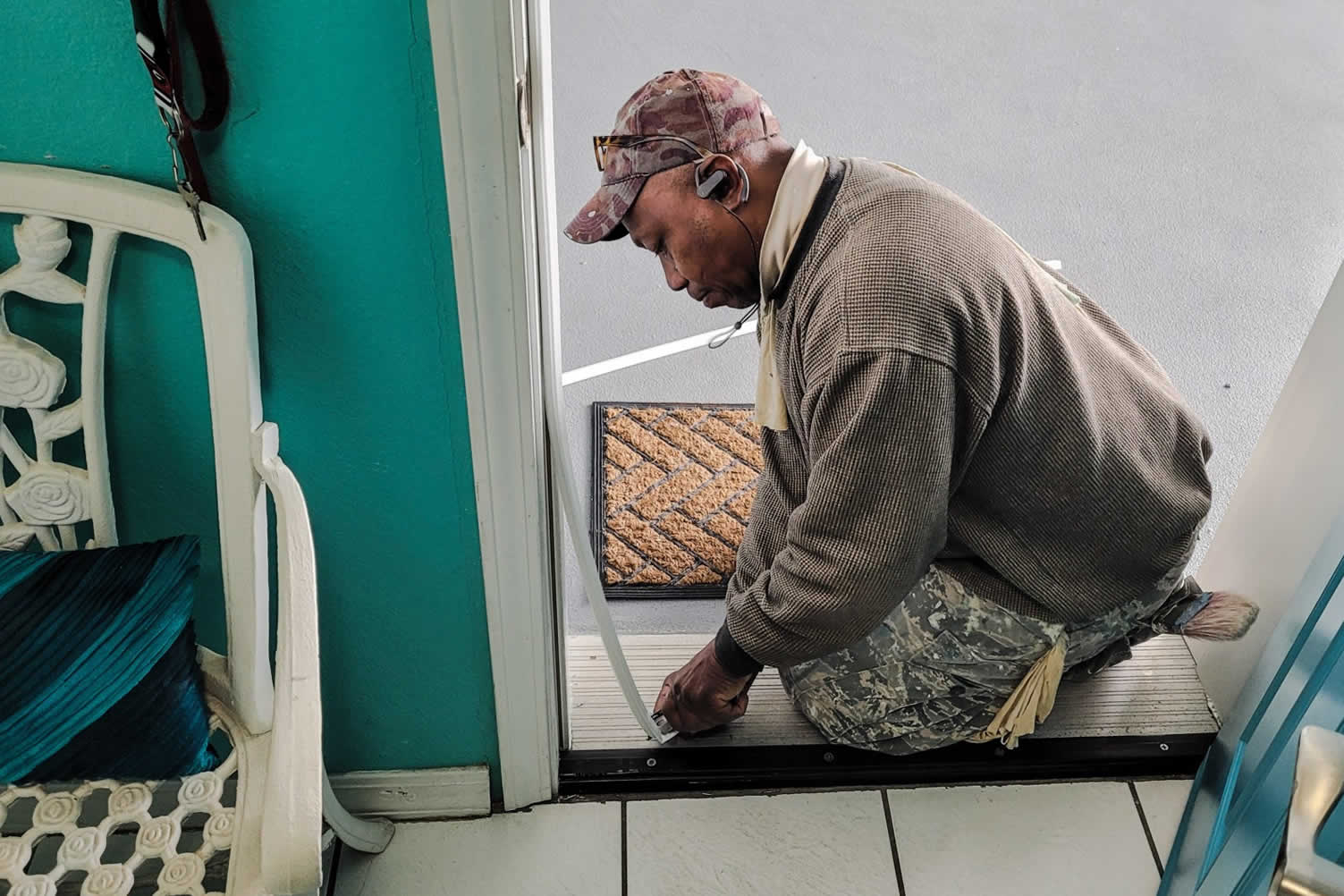
One quick DIY is to check exterior doors and windows. If you do not properly seal these exterior features, air can leak out. A small crack or gap under or around doors and windows, for example, may cause air to escape – thus driving up costs to heat and cool your home.
copyright image by envato.com
If you want to prevent your home from losing heat/cool at your exterior door entrances, you can purchase an under and side frame door seal; the same also applies to your windows. So make sure you check them to ensure they are properly sealed.
These are simple weekend DIY projects you can do prior to winter or summer to help reduce HVAC costs.
- —— next topic ——
-
2nd:Upgrade Your Appliances:
The appliances we use in our daily lives are often the biggest culprits in terms of energy consumption. Products such as your furnace, washer, dryer, dishwasher, HVAC system, and refrigerator can account for the bulk of your monthly energy use.
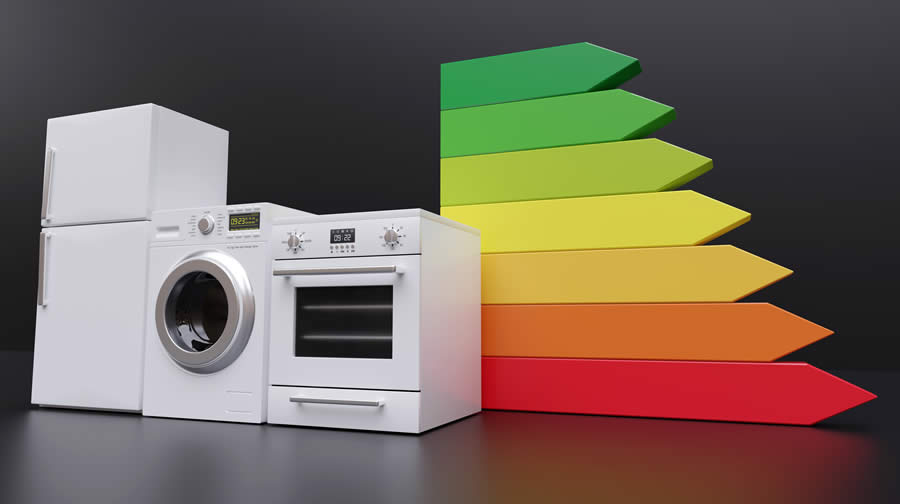
- Most household appliances mentioned above adhere to certain energy-efficiency standards, known as ENERGY STAR and Seasonal Energy Efficiency Ratio (SEER) ratings. ENERGY STAR represents minimum efficiency ratings, while SEER represents the maximum energy rating of an appliance or product.
- You’ll want to reference current energy-efficiency standards to determine whether or not the appliances within your home are up to code or if you need to replace them.
-
copyright image by envato.com
- Although replacing certain appliances can be costly, making these upgrades can greatly reduce your home’s energy consumption–saving you money in the long run. Renovating on a budget may require additional time and effort in the planning process, but it’s necessary for making smart financial decisions when updating your home.
- If you’re on a tight budget, it’s important to remember that you don’t need to complete all improvements at once. You can replace your appliances over time as you save up enough money to do so. Every upgrade that you make will work to improve the energy efficiency of your residence.
-
Quik scroll to topic side notes …
-
Looking At Smart Appliances:
Making your appliances smart is another way to save energy. The next generation of appliances comes with smart technologies that make it possible to control the functions with any smart device.
This allow the convenience you need to manage home needs and to save on unnecessary use.

copyright image by envato.com
images: Smart Kitchen AppliancesSmart Refrigerator view ideas Smart Oven Range view ideas Smart Wall Ovens view ideas Smart Stove Tops view ideas Smart Dishwasher view ideas Smart Microwaves view ideas Smart Range Hood view ideas Smart Other Appliances
Smart Washer/Dryer view ideas Smart Thermostat view ideas Smart Vacuums view ideas Smart Mattresses view ideas Smart Speakers view ideas Smart Mirrors view ideas Smart Television view ideas Maintain Appliances:
In the meantime, you should routinely maintain your current appliances to make sure they are running efficiently. Not taking proper care of your appliances can lead to costly repairs and reduce the energy efficiency of the appliance.To avoid such a situation, it is essential that you do the regular maintenance of your home appliances as directed my the manufactures maintenance schedule. Get more information:
view post: (new win) How To Enhance Service Life Of Your Home Appliances - —— next topic ——
-
3rd:Swap Out Inefficient Lighting:
Changing the light bulbs of a home is one of the easiest and most cost-effective actions that a homeowner can take toward improving energy efficiency.
- If you’re still using incandescent bulbs around your house, tons of energy is being wasted as these bulbs are only able to convert approximately 15% of their use into providing light – they often lose the rest as heat.
-

copyright image by envato.com
- Energy-efficient lighting choices such as LEDs or CFLs are much more economically conscious and can convert a much greater percentage of their energy use into light. Compact Fluorescent Lights (CFLs) in particular only use 30% to 50% of the energy that traditional incandescent ones do and tend to last 5 to 8 times longer.
- Additionally, the output of these bulbs is much brighter – making them a smart choice for homeowners looking to upgrade their lighting while improving energy efficiency.
-
Quik scroll to topic side notes …
-
Comparing Light Bulbs:
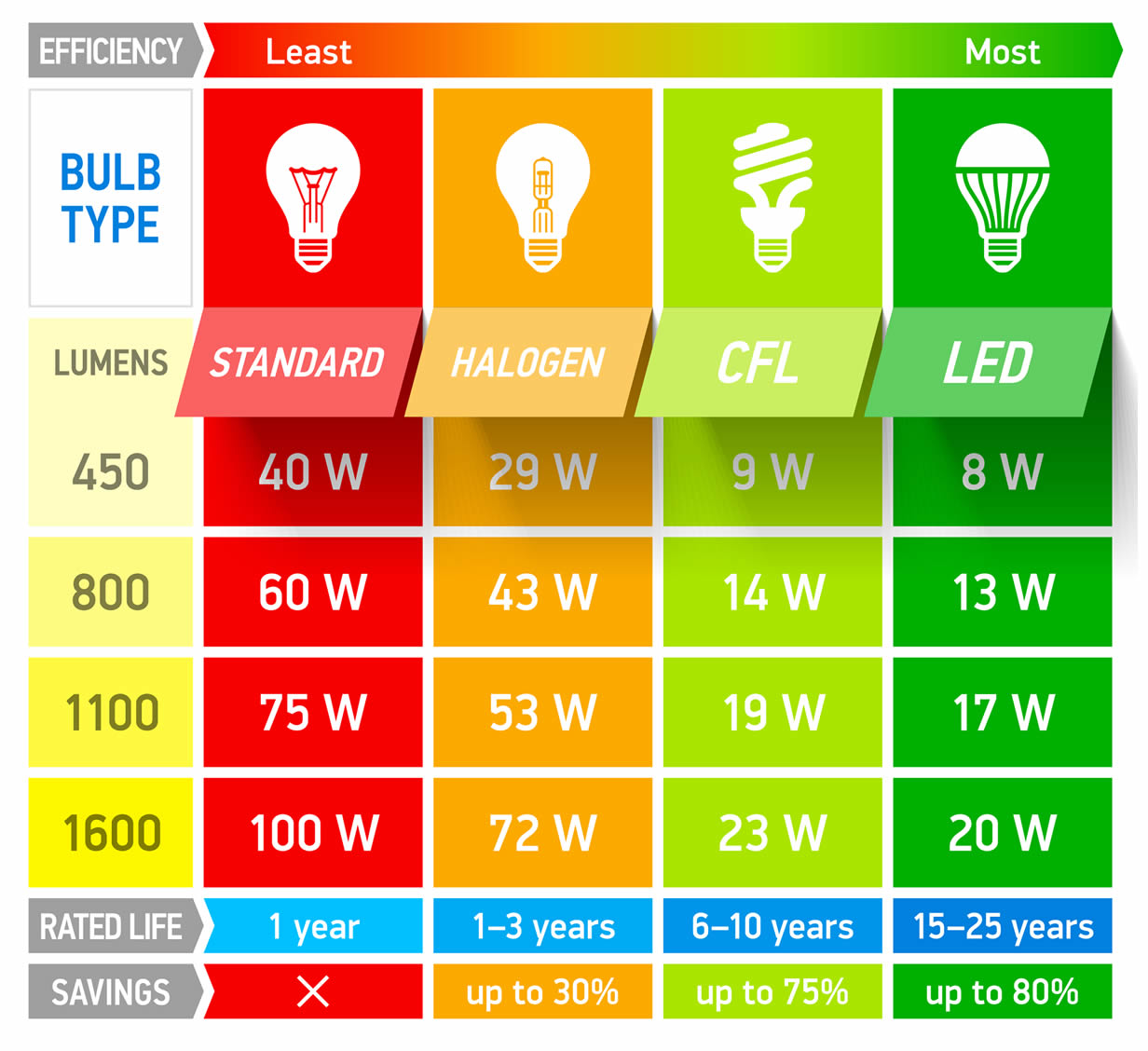
To achieve maximum energy efficiency, you want to consider replacing all your light bulbs with LED light bulbs. And given the competitive market for LEDs, the price has dropped considerably and the options and styles have increased.
You can find almost any type of LED light bulb that can save up to 80% in energy cost. Plus many of these LEDs can be smart – allowing you to set schedules when the lighting turns on/off and much more.
copyright image by 123rf.com
But you may thinking that you are limited in style and type when it comes to LEDs, especially for specialty needs such as bathroom vanities where the lighting needs to be unique.
You may be surprised, however, the many LED types and styles that are now available. You can find bath vanity, garage overhead lighting. outdoor security, specialized lighting, and stylish bulbs that include the vintage and industrial look. All types of styles, shapes, and colors that reduce home emery costs.
- —— next topic ——
-
4th:Smarten Your Home:
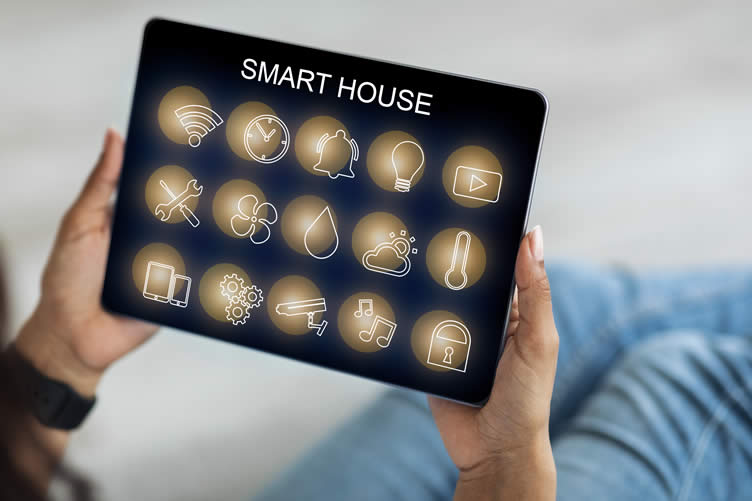
Current technology and the Internet of Things (IoT) capabilities have made smart home systems much more widespread in houses today when compared to just a few years ago.
- Smart home systems can integrate devices such as thermostats, smoke detectors, lights, and security systems into a single, easy-to-use application that you can control on your smartphone.
-
copyright image by envato.com
- In addition to making your life easier, the use of a smart home system or devices will help you improve your home energy efficiency. Once you connect your devices to your network, you can regulate your various devices at the touch of a button –allowing you to adjust settings without being present.
- Smart thermostats for example—are adjustable no matter where your location is and offer real-time status updates of your system, sending you alerts if there’s a problem or things aren’t working properly.
-
Quik scroll to topic side notes …
-
What Future Homes May Look Like:
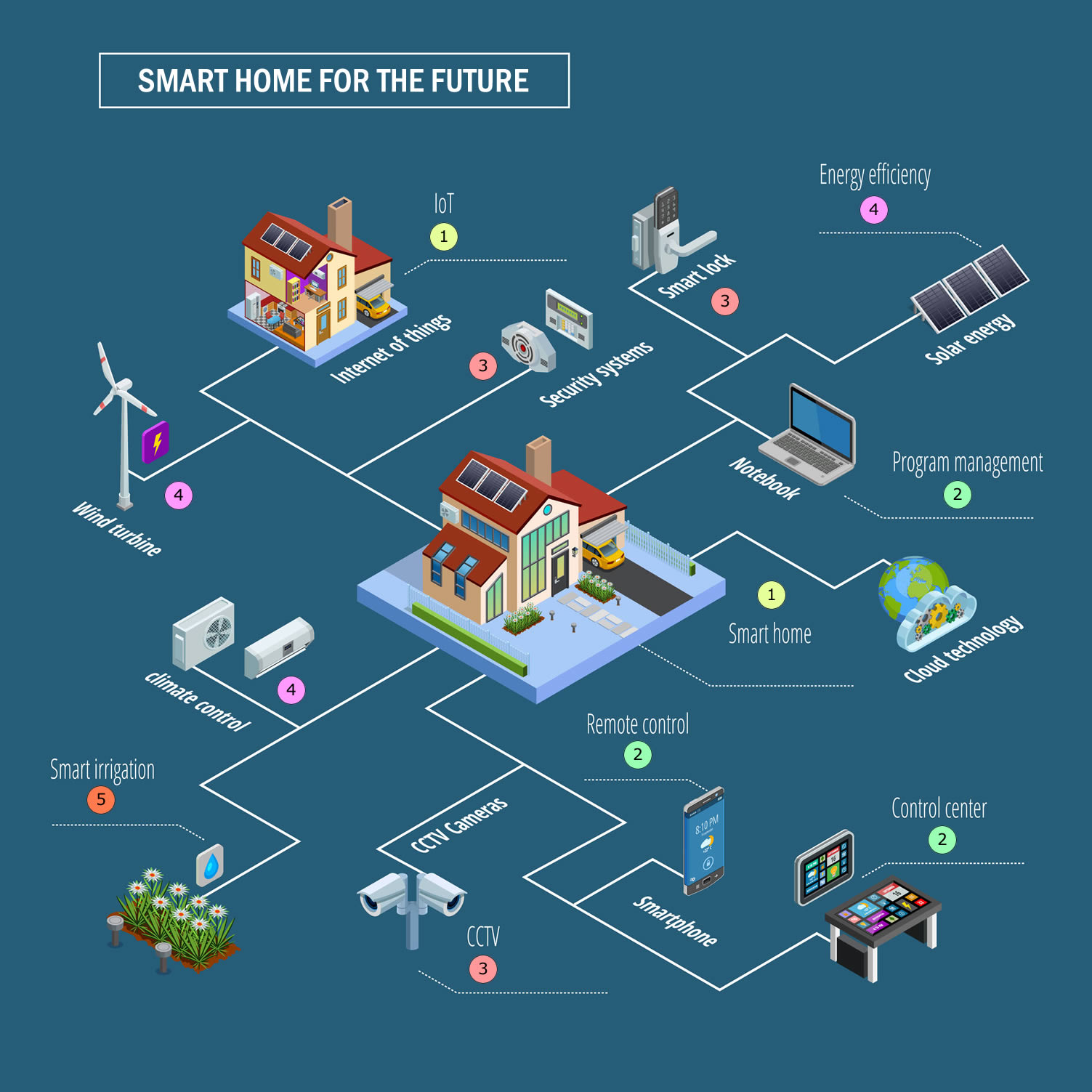
Future homes begin with IoT, where every home device – including family devices – are connected to the internet for everything home management and family communication.
Essentially, IoT is a network that connects everything and everyone within a central command center. The command center will allow us to communicate with home appliances, order household items, send family messages, and through the IoT, monitor and manage home security, home entertainment, and home energy production.
copyright image by 123rf.com
Being connected to the cloud via IoT, professional and service providers will be able to communicate and sent calendar reminders on upcoming appointments and services.
Appliance manufactures will be able to monitor your appliance; performing regular maintenance and upgrades via the cloud. And if needed, schedule a service call to ensure your appliances are operating efficiently.
Another key feature of IoT being connected to cloud technology allows for remote home management, wherever you are. Whether you are on vacation or traveling for work, you can monitor, manage, message, and control your home’s devices using any mobile device.
view post: (new win) What a Future Smart Home May Look Like - —— next topic ——
-
5th:Go Solar:
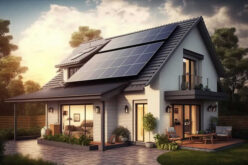
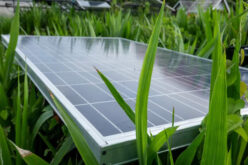
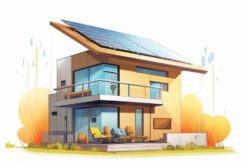
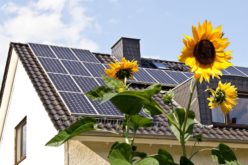
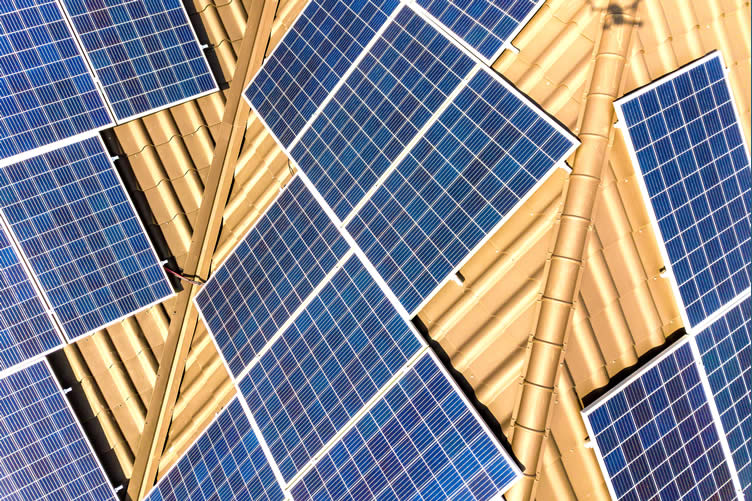
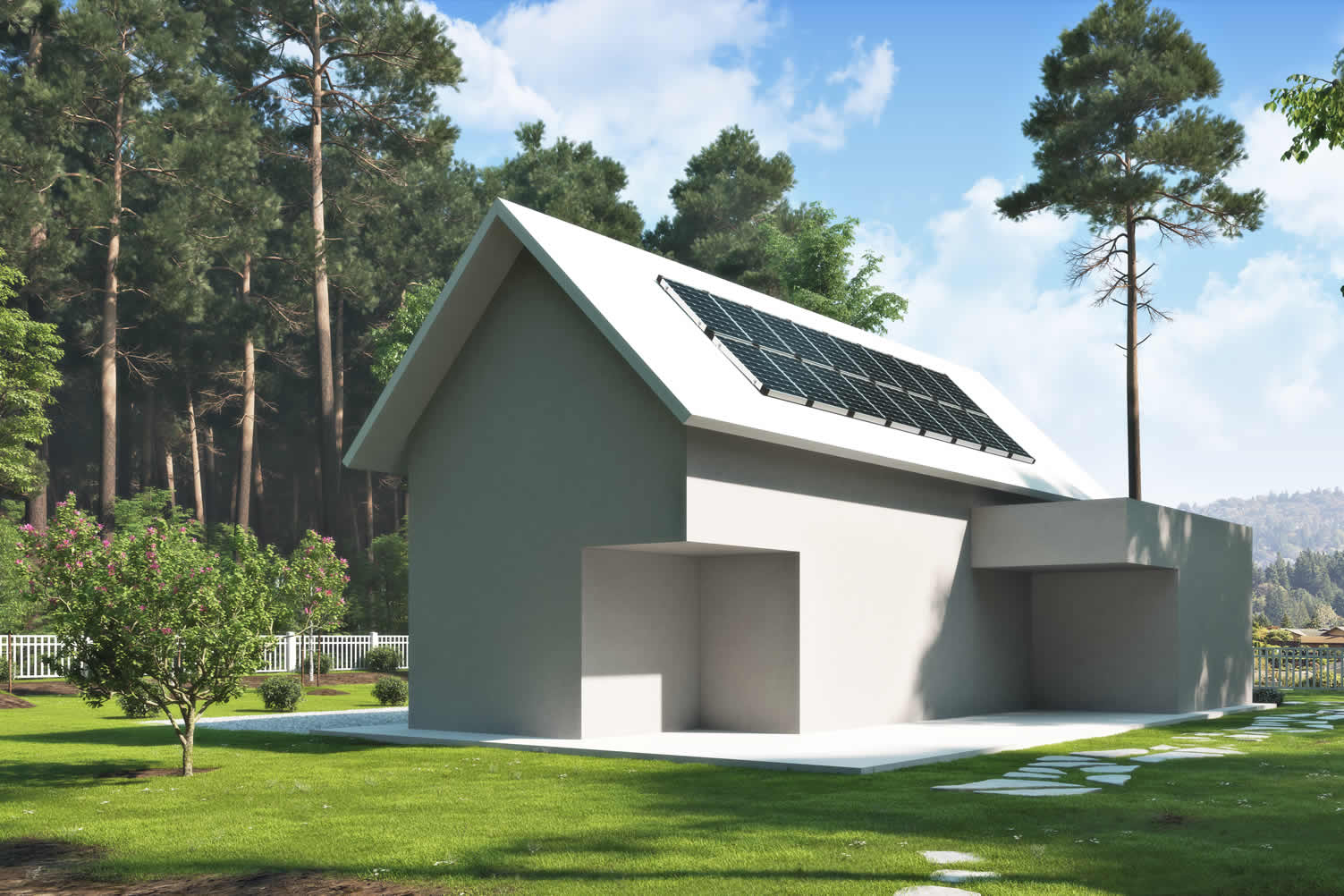
As renewable energy has recently become more widely available for residences, solar energy is becoming an increasingly popular choice amongst homeowners. In addition to being an eco-friendly energy substitute, the installation of solar panels can be crucial toward helping you slash your monthly utility bills.
- The location of installing solar panels can be anywhere on the exterior of your home, including your roof, garage, a barn, or even in your yard; you’ll want to place them wherever they’ll receive the most exposure to sunlight.
- This is when they’ll work the best, but even on a cloudy day they’ll still capture and store energy for your home.
-

copyright image by envato.com
- While it’s worth noting that the cost of solar panel installation can be significant upfront, the return on investment makes solar an attractive alternative for powering your home.
- Post-installation, solar panels pay themselves off within 4-8 years and last for 20-30 years on average, providing the homeowner with over two decades of energy savings.
- In terms of additional monetary benefits, the government offers certain energy rebates and tax credits to those who invest in solar panels for their home. Future resale value is also positively impacted as in the current market, listings with solar capabilities are typically more sought after and sell at higher prices.
-
Quik scroll to topic side notes …
-
Consider Investing Into Stored Battery Systems:
Solar panels only work at maximum efficiency when the sun is shining. At night or during very cloudy days, these panels will not generate enough electricity to run basis household needs.
However, during sunny days, the panels can generate enough electricity to run a household depending on the size of the home and number of panels. Many current users generate more electricity than what’s needed and sell the excess electricity to the utility grid for electrical credits.
Homeowners then use these credits to supply electricity during the night and storming days. The production of electricity – and the credits – could reduce the electrical utility costs to almost zero during some periods.

copyright image by tesla.com
But how about storing the solar electricity that is produced during the day using a backup battery? That way you can preserve electricity for use during off-hours and avoid the use of grid except for emergency needs.
Solar battery systems – again, depending on the needs of the home – is perfect for homeowners who are looking to live off the grid. The batteries allow you to store excess electricity for home use, without being tied to grid fees and other hidden costs.
Here are two particular topics that may be of interest:
-
The Bottom Line
Making major renovations requires a considerable amount of investment in terms of time and effort, but the improvements made can transform your space into the home you’ve always wanted – one that’s energy-efficient.
- In being proactive and undertaking these projects now, you can relax as the cooler weather rolls in, knowing that your home will remain energy-conscious.
-
Quik scroll to more green-home remodeling ideas …

-
ideas to view and compare from the photo above
- What comments can you share about
tips you used for a more energy efficient home?
eco-living ideas


home lighting needs


smart and secure home


living more green


Find Energy Efficient Services Insulation Windows-Insulation Ducts & Vents Thermostats Solar Installation Skylights Home Automation Generators Home Automation Electrical Wiring Networks/Phone Computers/ Media Home Security Alarms top-rated, pre-screened local contractors FREE: download contractor selection enter zip code – powered by HomeAdvisor ™
Quick Contractor Guides selecting negotiating working with inspecting

Cover image credit: tips for improving your home’s energy efficiency by envato.com
end of post … please share it!
 links open new win
or simply search by entering green home item or other remodeling need

Nice pic idea? Leave us a quick comment below.
And please share this pic idea within your social networks.