Summary Outline –
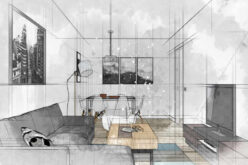
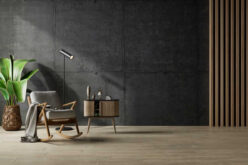
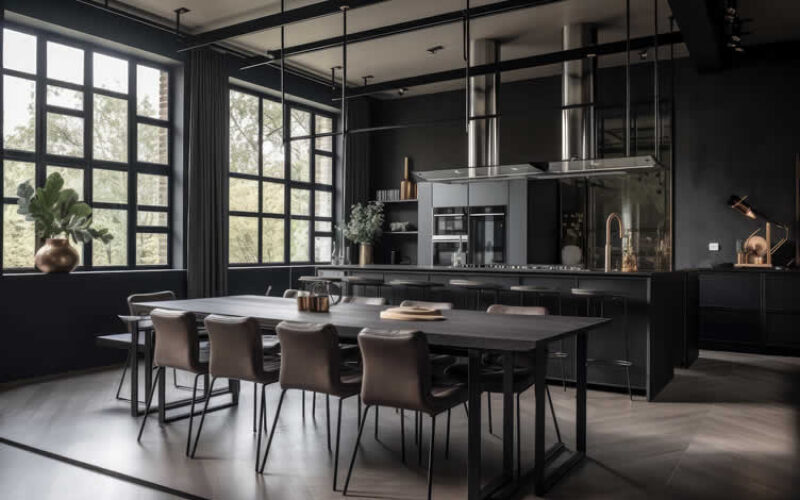
This comprehensive guide delves into the key principles, materials, and techniques that define the distinctive charm of industrial aesthetics.
Whether you’re styling a spacious loft apartment with exposed brick and steel accents or integrating subtle warehouse-inspired elements into a more traditional home, this guide offers practical and actionable tips.
You’ll learn how to select furniture pieces that blend functionality with rugged beauty, such as reclaimed wood tables or metal-frame chairs.
Additionally, the guide covers how to choose lighting fixtures that reflect the industrial tradition, like pendant lights with an aged finish or Edison bulb designs that evoke a vintage feel.
By following these steps, you can transform your space into a cozy yet urban sanctuary that celebrates the raw and authentic appeal of industrial design.
- post content
- Styling Tip 1: Understanding Industrial Home Style
- Styling Tip 2: Transform Your Living Space (Living Room/Entryway)
- Styling Tip 3: Exploring Industrial Charm (Kitchen/Dining room)
- Styling Tip 4: Mastering Industrial Style (bath/bedroom)
- Styling Tip 5: Expanding Industrial Style Beyond the Basics (other home areas)
- Styling Tip 5b: Industrial Design with Home Automation
- Styling Tip 5c: getting professional help

-
Quick scroll to first topic about industrial home style … or review summary content

Content Summary
section directory1st Attic Review: [view section]
… the first review covers a comprehensive understanding of industrial interior design, its origins, key elements, and the various styles available.
2nd Attic Review: [view section]
… the second section provides industrial interior design ideas for your living spaces, particularly the living room and entryway.
3rd Attic Review: [view section]
… the third section shifts to the kitchen and dining room, exploring industrial design concepts that can be applied.
4th Attic Review: [view section]
… the fourth section guides you through industrial design possibilities for the bathroom and bedroom, showing how these spaces can embrace interesting industrial touches.
5th Attic Review: [view section]
… the fifth and final section explores other home areas, suggesting how to blend industrial style with automation, and when to consult a professional for a tailored look.
first “industrial home style” idea

copyright image by 123rf.com
Styling Tip 1: Understanding Industrial Home Style
Notes:
-
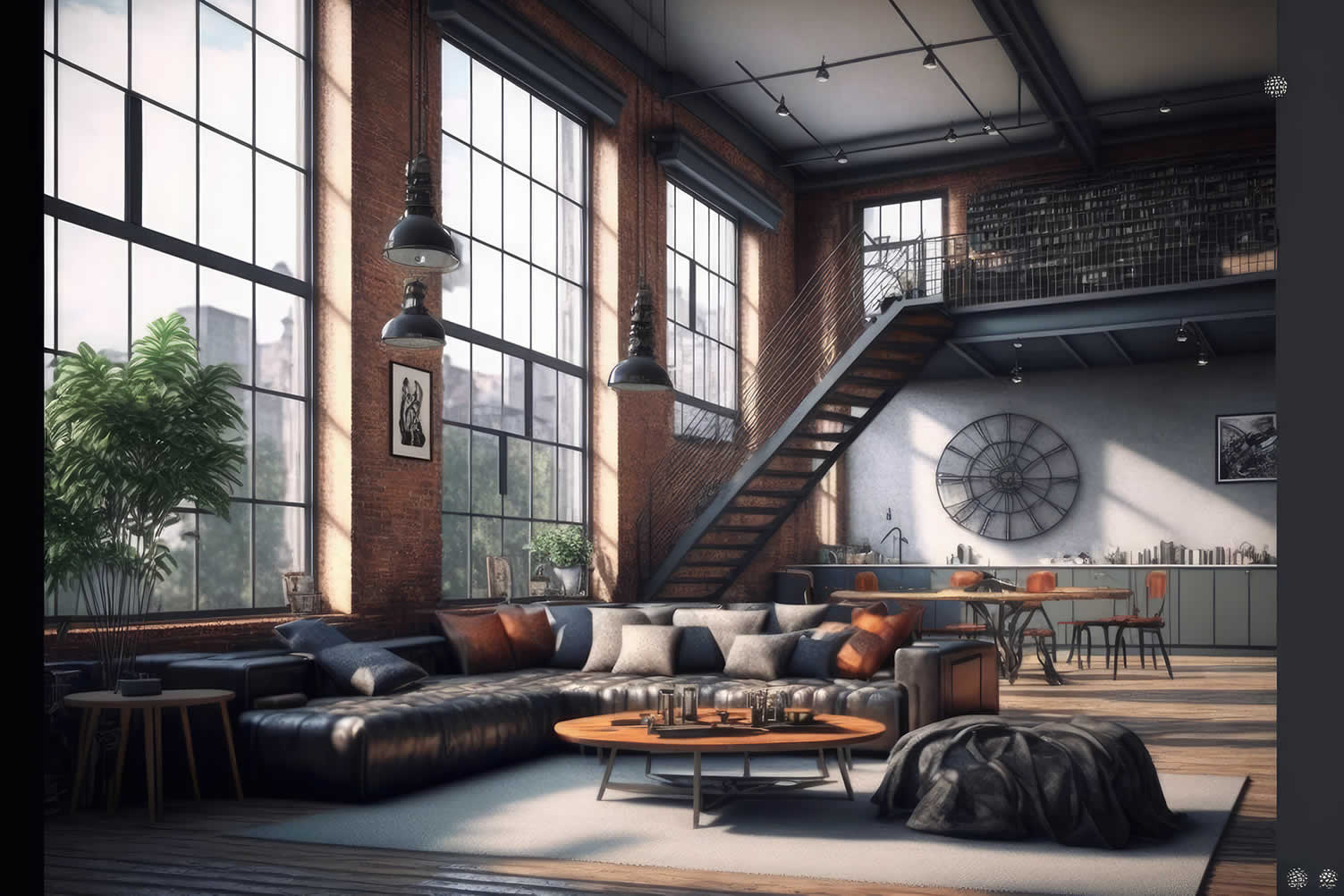
Industrial design traces its roots to the early 20th century when architects began converting factories and warehouses into living spaces. The style celebrates the structural elements typically hidden behind walls—exposed pipes, ductwork, and support beams become features rather than flaws. This honest approach to design creates spaces that feel authentic and grounded.
The philosophy centers on functionality meeting aesthetics. Every element serves a purpose while contributing to the overall visual impact. Unlike styles that prioritize ornamentation, industrial design embraces simplicity and practicality. The result is an environment that feels spacious, uncluttered, and effortlessly cool.
Urban apartments and townhomes provide ideal canvases for this style. High ceilings, large windows, and open floor plans—common features in converted industrial buildings—naturally complement the aesthetic. However, you don’t need a warehouse loft to achieve this look.
This comprehensive guide explores the principles, materials, and techniques that define industrial aesthetics. Whether you’re decorating a loft apartment or bringing warehouse-inspired elements into a traditional home, you’ll discover practical tips for implementing this distinctive style.
-
Quick scroll to supporting notes …
-
-
1st: Essential Materials for Industrial Spaces
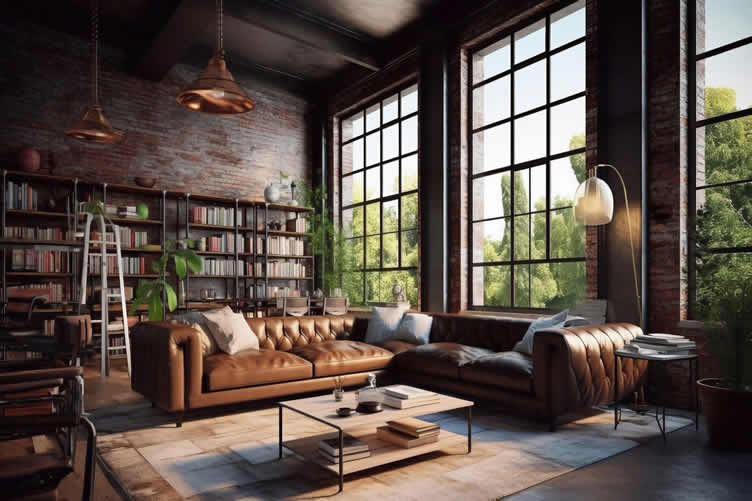
Industrial design is all about celebrating raw beauty and authentic materials. At its core, this style embraces the unfinished and turns it into something chic, functional, and full of character.
Exposed elements like brick walls, concrete floors, and steel accents are not mere background details but vital components that define the aesthetic. These materials evoke a sense of honesty and durability, creating spaces that effortlessly blend heritage with modernity.
copyright image by 123rf.com
For anyone looking to bring this style into their home, choosing the right materials is essential to achieving an authentic industrial look. From metals with a rustic patina to reclaimed woods that infuse warmth, the use of natural and industrial-inspired elements can transform any space into a stylish urban retreat.
Whether you’re starting from scratch or incorporating small touches, understanding these core materials will help you craft a space that embodies the rugged charm of industrial design.
- Quick scroll to “structural” components …
-
Open Space Concept[ view]
Open space arrangements in industrial design emphasize flow and functionality, often combining living, dining, and kitchen areas into a seamless layout. This approach maximizes natural light and highlights the raw beauty of building materials, creating a cohesive and spacious environment that feels both modern and inviting.
High ceilings are a signature feature of industrial design, enhancing the sense of spaciousness and inviting creative opportunities. This vertical space doesn’t just make a room feel larger; it creates a more airy and expansive atmosphere.
Such impressive height allows for striking oversized light fixtures, perhaps an elegant chandelier with exposed bulbs or a rustic, metal pendant. These draw the eye upward and add character.
Beyond lighting, this vertical space is perfect for captivating suspended decor, like intricate mobiles or art pieces that seem to float, adding a unique focal point that defines industrial grandeur.
-
Exposed Brick Walls[ view]
Brick walls form the cornerstone of industrial design. Their textured surface adds warmth and character while providing visual interest without additional decoration. If your space features existing brick, consider leaving it exposed or cleaning it to reveal its natural beauty. The imperfections and variations in color tell a story that perfectly aligns with the industrial aesthetic.
For spaces without original brick, several alternatives exist. Brick veneer panels offer an authentic appearance with easier installation. Faux brick wallpaper has improved dramatically in recent years, providing a budget-friendly option that still delivers visual impact.
When selecting brick treatments, look for natural red tones or weathered grays that complement your overall color scheme.
The beauty of exposed brick lies in its versatility. It serves as a neutral backdrop for bold furniture pieces or stands as a striking focal point in minimalist spaces. Maintaining brick walls requires minimal effort—occasional dusting and sealing every few years keeps them looking their best.
-
Exposed Beams, Pipes, and Ductwork[ view]
Exposed structural elements like beams, pipes, and ductwork have become increasingly popular as design features, offering a distinctive industrial and modern aesthetic.
These architectural components are no longer hidden behind drywall or ceilings but celebrated for their raw, authentic appeal. Whether you’re remodeling a loft or enhancing a traditional home, showcasing these elements can add character and charm.
To achieve the best look, consider contrasting exposed beams or pipes with softer materials, such as neutral-toned walls or plush furnishings, to balance the space.
Opt for finishes like polished metal, matte black, or even a distressed wood look for beams, depending on the ambiance you want to create. These features are incredibly versatile, working well in minimalist, industrial, rustic, or even eclectic styles.
Exposed structures also serve as a functional design choice, saving costs on concealing elements while maintaining accessibility for future repairs. When integrating these features, ensure they are properly cleaned and maintained to prevent dust buildup or wear.
With the right approach, exposed structural features can transform your home into a unique and stylish space that blends modern innovation with timeless appeal.
-
Concrete Elements[ view]
Concrete is the quintessential industrial material, valued for its durability, versatility, and raw aesthetic. It plays a key role in creating authentic spaces and features prominently in various design elements within industrial settings.
Concrete countertops in kitchens or bathrooms deliver both style and functionality. Concrete accent walls add texture and depth without overwhelming the space. Even smaller concrete accessories—planters, bookends, or side tables—contribute to the overall aesthetic.
Working with concrete requires some consideration. Proper sealing protects the surface from stains and moisture while maintaining its natural appearance.
The material’s cool temperature and hard surface might necessitate area rugs in living spaces for comfort. However, these minor adjustments pale in comparison to the dramatic impact concrete brings to industrial interiors.
-
Doors, Windows, and Flooring[ view]
When it comes to industrial design, doors, windows, and flooring play a significant role in setting the tone for your space. For doors, consider using styles such as sliding barn doors or metal-framed glass doors.
These options blend functionality with bold, industrial aesthetics, often featuring exposed tracks, dark finishes, or distressed materials. Solid wood doors with raw or reclaimed finishes also add character while maintaining the industrial look.
For windows, maximize natural light with large, grid-style steel or aluminum frames. Black finishes are particularly effective at creating a striking contrast and emphasizing the industrial motif.
Multi-pane designs with visible hardware further enhance the industrial vibe, giving your space the sleek yet rugged feel that defines this decor style.
Flooring in industrial spaces often leans into practicality and raw materials. Polished concrete is a classic choice, offering durability and a seamless, modern feel. Polished concrete reflects light and creates a sleek finish, while sealed concrete maintains a more rustic appearance.
Hardwood or distressed wood floors work equally well, adding warmth and texture. Alternatively, you might consider stone or tile flooring in neutral tones for a more grounded and earthy approach.
To complete the look, keep floor coverings minimal—rugs in muted tones or natural fibers provide just enough softness without overshadowing the industrial theme.
-
Metal and Wood Combinations[ view]
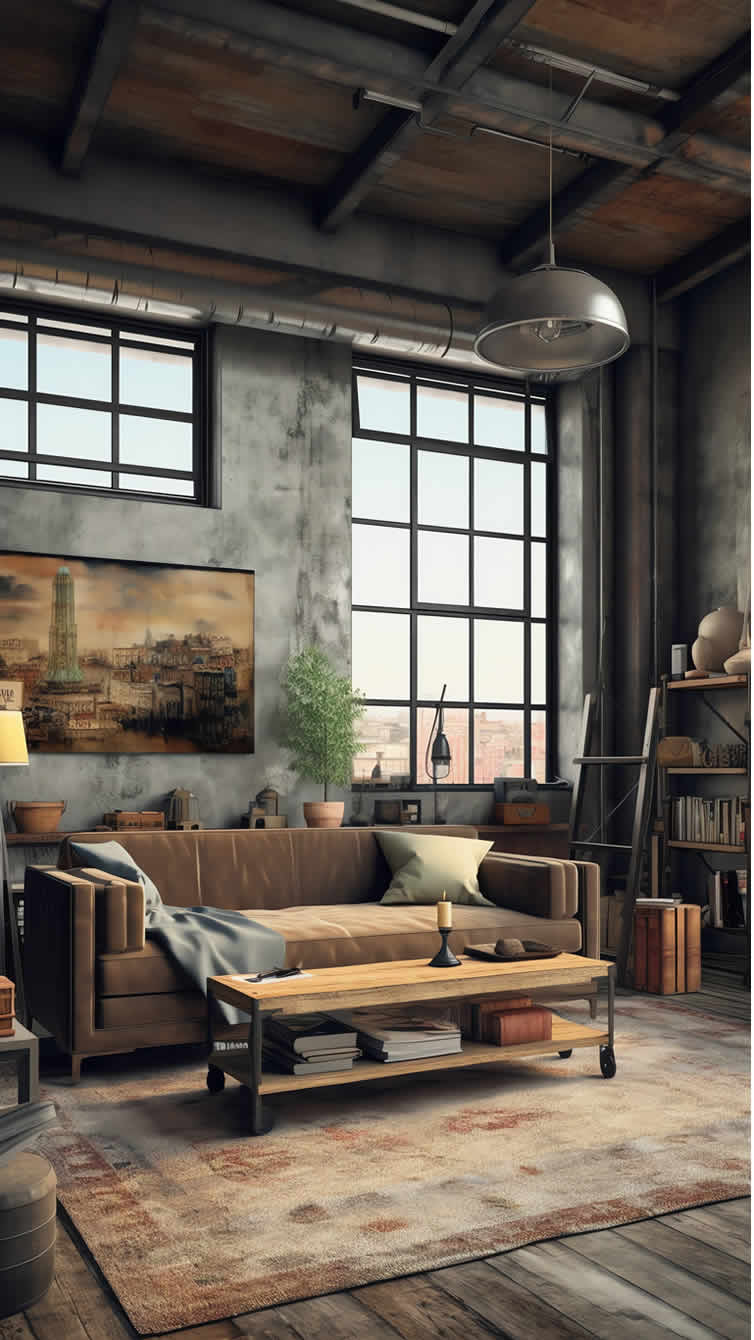
Industrial design often features a captivating blend of metal and wood. This combination unites metal’s strength and modern edge with wood’s natural warmth and organic beauty. The contrast creates visual depth while preserving the practical spirit central to the style.
When selecting furniture, choose pieces that openly display their construction. Exposed bolts, welds, and joinery celebrate craftsmanship and lend authenticity to your space. Avoid furniture that hides its build; industrial design embraces these details as integral features.
Look for furniture that prominently showcases both materials. Think dining tables with thick wooden tops and sturdy metal legs, or coffee tables featuring industrial metal bases and weathered wood surfaces. These pieces can anchor your living areas while offering practical storage.
Leather furniture also complements industrial spaces beautifully. A well-worn leather sofa in rich brown or distressed black adds comfort and character, developing a graceful patina over time. Pair it with metal-framed chairs or benches for a striking contrast.
For storage, prioritize both practicality and style. Open shelving with metal frames and reclaimed wood shelves allows you to display items while maintaining an airy feel. Vintage lockers or metal cabinets provide closed storage with an authentic touch, and rolling carts offer flexible, mobile solutions.
Finally, when arranging furniture, aim for open layouts and avoid clutter. Industrial design thrives on spaciousness and flow. Position pieces to define zones without blocking sight lines, allowing features like exposed brick walls or large windows to stand out as dominant focal points.
-
Reclaimed Wood Features[ view]
Sustainability meets style through reclaimed wood elements. These pieces carry history in their weathered surfaces, nail holes, and varied patina. Reclaimed wood adds warmth to industrial spaces while honoring the style’s roots in re-purposed materials.
Incorporate reclaimed wood through shelving systems that display books, plants, and decorative objects. Floating shelves made from old barn wood create visual interest against brick or concrete walls.
Dining tables crafted from reclaimed timber become conversation pieces that ground dining areas. Accent walls featuring horizontal or vertical reclaimed planks introduce texture and warmth without requiring extensive renovation.
When sourcing reclaimed wood, verify its treatment and condition. Properly cleaned and sealed reclaimed materials are safe for interior use and resist pests or decay. Many suppliers offer certified reclaimed wood with documentation of its origin, adding to the story these pieces tell.
-
Lighting[ view]
Factory lighting plays a key role in industrial design. Originally created for function over aesthetics, its utilitarian style has a timeless appeal that suits modern homes.
Vintage factory pendants with metal shades and exposed bulbs embody industrial lighting. Look for enamel finishes in matte black, aged copper, or gunmetal gray. Edison bulbs with visible filaments add vintage charm while providing warm, ambient light.
Reproduction fixtures combine the look of factory originals with modern efficiency. Many manufacturers offer period-style designs enhanced with LED technology and dimming features, delivering authenticity with improved energy efficiency and functionality.
Layer lighting for a cohesive industrial aesthetic. Pendant lights work well over kitchen islands or dining tables. Wall-mounted fixtures with articulating arms are ideal for task lighting, while metal tripod floor lamps with wire cage shades double as sculptural elements in living rooms.
Track lighting also complements industrial spaces. Exposed tracks and adjustable fixtures mimic warehouse lighting and can highlight artwork or architecture. Opt for industrial-style heads to maintain consistency.
-
Color Palettes[ view]
Industrial color schemes are inspired by raw materials, with neutral tones like gray, black, white, and brown providing a sophisticated backdrop that highlights textures. These colors reflect concrete, metal, wood, and brick—the foundations of industrial design.
Start with neutral walls and large surfaces. Gray offers versatility and pairs well with warm or cool accents, while white walls maximize light in spaces with limited natural light, creating balance. Exposed brick or concrete can serve as a primary feature, eliminating the need for extra wall treatments.
Add depth by layering tones within your neutral palette. Pair light gray walls with dark gray furniture or mix weathered brown wood with black metal for contrast. This approach keeps the space visually interesting without being overwhelming.
Use accent colors sparingly. Deep blues, forest greens, or burnt oranges work well in textiles, artwork, or a single accent wall, adding personality while maintaining the industrial vibe. Choose shades that evoke vintage industrial settings, such as those found in aged machinery or oxidized metal.
-
Incorporating Texture and Depth[ view]
Texture is essential for preventing industrial spaces from feeling cold or sterile. While the style emphasizes hard surfaces and raw materials, layering textures adds warmth and visual interest.
Area rugs soften concrete or wood floors and define seating areas. Natural fiber rugs like jute or sisal bring organic texture, while vintage Persian or Turkish rugs add warmth, color, and historical depth. Cowhide rugs introduce natural patterns that complement industrial backdrops.
Textiles in furniture and accessories balance hard surfaces. Throw pillows in linen, canvas, or leather add comfort and subtle texture. Wool blankets draped over sofas or chairs provide function and softness. Canvas or burlap curtains filter light while keeping a utilitarian look.
Plants bring life and organic texture to industrial spaces. Large potted plants in concrete or metal containers create focal points. Hanging plants in macramé holders or metal baskets add greenery at different heights.
Low-maintenance succulents in vintage metal containers or wooden crates are perfect for the industrial style.
-
Decorative Elements and Finishing Touches[ view]
Industrial design celebrates functional objects as decoration. Instead of hiding everyday items, display them on open shelving to showcase dishes, glassware, and kitchen tools. Hanging pot racks keep cookware accessible while adding visual interest, and even mounted tool collections can become art.
Choose artwork that complements the architectural features. Black and white photography suits the neutral palette, while simply framed vintage advertisements or industrial diagrams add period-appropriate charm. For impact, opt for large-scale pieces in minimal frames.
Vintage finds and re-purposed objects bring authenticity and character. An old factory cart can be transformed into a coffee table, or stacked vintage suitcases can become unique end tables.
Salvaged architectural elements, like corbels or moldings, can serve as charming shelves or brackets. These unique pieces tell a story, enriching your home’s aesthetic.
Numbers and typography also shine in industrial settings. Use large metal letters for personalized wall art, or hang vintage factory signage for nostalgic appeal. Even oversized house numbers can become striking decorative statements.

Design Element Description Material Choices Practical Considerations Essential Materials for Industrial Spaces Industrial design thrives on the natural beauty and authenticity of raw materials. Highlighting unfinished textures like brick, concrete, and steel allows for a harmonious blend of heritage and modernity while offering durability and rugged charm. Brick walls, concrete floors, steel accents, reclaimed wood with patina, metals with a rustic finish, and natural industrial-inspired elements. Prioritize materials that stand out for their robustness and easy maintenance. Protect surfaces like concrete with proper sealing to enhance longevity and usability. Open Space Concept Open layouts are integral to industrial design, merging living areas into cohesive spaces that maximize natural light. High ceilings elevate the sense of spaciousness, while suspended decor, like large light fixtures or artistic mobiles, introduces character. Vertical space highlights include chandeliers with exposed bulbs, metal pendant lighting, and oversized light fixtures. Unified designs that blend dining, kitchen, and living areas. Ensure strategic furniture placement to emphasize flow without crowding the space. Optimize lighting to draw attention to unique architectural details. Exposed Brick Walls Brick walls add texture, warmth, and historical depth. Their imperfections and natural tones serve as an engaging visual feature that complements any industrial space. Options include natural exposed brick, brick veneer panels, or quality faux-brick wallpaper in red or weathered gray tones. For authentic exposed brick, periodic cleaning and sealing are necessary to maintain its appeal. Faux treatments provide simpler upkeep without losing visual impact. Exposed Beams, Pipes, and Ductwork Exposed structural features celebrate raw design and provide functionality with an industrial edge. These elements often become eye-catching focal points in industrial decor. Polished metal, matte black beams or pipes, distressed wood, and even painted finishes to contrast softer elements in the space. Clean exposed structures regularly to prevent dust buildup. Ensure durability while allowing versatility in pairing with different design styles. Concrete Elements Concrete is a perfect representation of industrial style with its raw and versatile aesthetic. It offers both practicality and distinctive charm in walls, countertops, or home accessories. Concrete countertops, accent walls, or smaller decor items like planters or bookends in sealed finishes for protection. Sealing concrete enhances resistance to stains and wear. Complement concrete with softer textiles or rugs in living areas for added comfort. Doors, Windows, and Flooring The choice of industrial-inspired doors, windows, and flooring grounds the style while enhancing structure and utility. These features define both appearance and functionality. Sliding barn doors, metal-framed glass doors, large grid-style steel windows, polished concrete floors, or distressed wood flooring in neutral tones. Keep floor coverings minimal to preserve the industrial impact. Regular cleaning maintains the sleek and open appearance of large windows and floors. Metal and Wood Combinations The pairing of metal and wood blends industrial strength with warmth, offering a visually striking and functional aesthetic that defines furniture and decor in industrial spaces. Furniture with exposed bolts or welded metal frames combined with reclaimed wood surfaces or leather upholstery for contrast and character. Position furniture purposefully to maintain openness without clutter. Opt for pieces that highlight craftsmanship and construction details. Reclaimed Wood Features Reclaimed wood adds sustainability and charm to industrial design, featuring unique textures and natural patinas that enrich the space with warmth and history. Shelving, dining tables, feature walls, and floating shelves crafted from reclaimed timber or barn wood. Choose certified reclaimed wood to ensure safe and durable use. Proper sealing protects wood from damage while showcasing its character. Lighting Lighting in industrial design balances function and style. Vintage factory fixtures and exposed bulbs create ambiance while reflecting the utilitarian roots of the style. Metal pendant lights, Edison bulbs, wall sconces with articulating arms, track lighting, and tripod floor lamps in period-inspired finishes like aged copper or gunmetal gray. Layer lighting with focused task options and ambient overhead fixtures. Modern reproductions offer energy-efficient choices without compromising authenticity. Color Palettes Neutral tones dominate industrial design, reflecting materials like metal, concrete, and wood. Accents in deep or muted shades add depth and personality to the decor. Walls in white or gray, neutral-toned flooring, and accents in deep blue, green, or burnt orange introduced through textiles and decor. Layer textures within the same color scheme for subtle contrast. Use accent shades sparingly to preserve the industrial theme. Texture and Depth Adding diverse textures is key to softening the hard, raw materials typical of industrial design. These layers provide warmth and visual interest. Natural fiber rugs, textiles like linen and leather, and organic elements such as potted plants or wooden decor items. Mix textures deliberately to balance hard surfaces. Use rugs or textiles to enhance comfort and cohesion in living areas. Decorative Elements and Finishing Touches Everyday objects can take on new life as industrial decor, transforming functional items into artistic and conversational features. Metal letters, vintage factory signage, re-purposed objects like factory carts or lockers, and oversized industrial artwork in black-and-white or minimalist styles. Curate unique vintage pieces for authenticity. Layer decorative elements sparingly to preserve openness and showcase key architectural features. 

copyright image by 123rf.com
[ pinterest: industrial home style ]
[ youtube: Industrial Interior Design Style Explained ]

-
2nd: Types of Industrial Decor Substyles
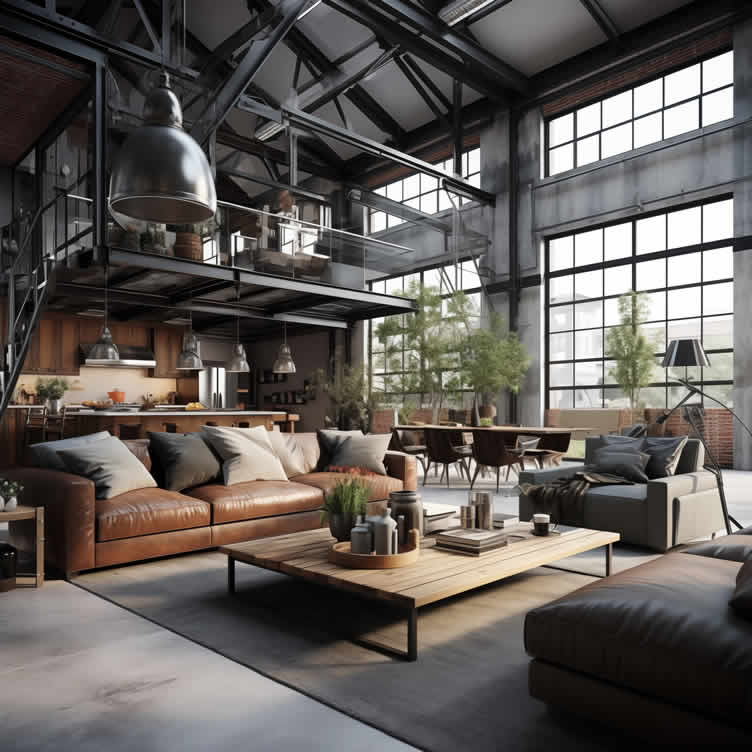
Industrial decor has evolved over the years, offering a blend of practicality, raw aesthetics, and historical homage that adapts beautifully to various tastes and interior design approaches.
This combination adapts beautifully to a wide variety of personal tastes and different interior design approaches, making it a flexible and enduring choice for modern homes.
copyright image by 123rf.com
While rooted in its rugged origins, the industrial style now boasts several substyles that cater to different preferences, merging its foundational elements with contemporary aesthetics and varied influences.
Below, we explore the distinct substyles of industrial decor, highlighting their unique characteristics to inspire your next home project.
- Quick scroll to “decor substyle” types …
-
Traditional Industrial Substyle[ view]
The traditional industrial substyle stays true to the origins of industrial design, taking inspiration from old factories and warehouses. It emphasizes authenticity through the use of exposed brick walls, raw wood, and weathered metals like steel, cast iron, and aluminum.
Lighting in this substyle often features oversized pendant fixtures, factory lamps, and Edison bulbs. Furniture selections are functional and straightforward, often showcasing reclaimed or distressed materials that reflect the utilitarian spirit of early industrial spaces.
what and how –
- Exposed structural elements such as beams, pipes, and ductwork are left visible to reinforce the raw and unrefined aesthetic of the traditional industrial substyle.
- Neutral and earthy color palettes, including shades of gray, brown, and black, are commonly used, allowing the natural textures of materials like brick, wood, and metal to take center stage.
- Accessories are often minimalistic, favoring practical pieces like vintage clocks, metal shelving, or old factory tools re-purposed as decor to enhance the industrial authenticity.
- Rugs or fabric elements, when included, are generally understated and neutral, providing subtle warmth without overpowering the space’s raw and rugged character.
-
Modern Industrial Substyle[ view]
For those who admire clean lines and a polished aesthetic, the modern industrial substyle offers a sleek interpretation of the classic industrial look. This substyle combines modern minimalism with industrial elements, using muted color palettes of blacks, grays, and whites.
Smooth metals like stainless steel and polished concrete intermingle with glass and clean wood finishes. The result is a refined, understated industrial vibe that aligns with contemporary design trends while preserving the raw essence of the style.
what and how –
- Utilize sleek and streamlined furniture pieces made from materials like metal or wood, keeping designs minimal and functional to enhance the clean aesthetic.
- Incorporate lighting fixtures with a modern edge, such as exposed filament bulbs encased in black metal frames or polished glass shades, to add both ambiance and industrial character.
- Opt for décor accents like abstract wall art, geometric mirrors, or simple metal shelving to introduce subtle details that complement the subdued palette and modern appeal.
- Balance textures by pairing smooth polished surfaces like concrete countertops or stainless steel with soft textiles in neutral tones, such as plush rugs or linen curtains, for a touch of warmth and comfort.
-
Industrial Chic Substyle[ view]
The industrial chic substyle represents a delicate balance between rugged industrial elements and sophisticated, upscale finishes. This approach often features a mix of soft textures like velvet and leather with metallic accents, creating a contrast between the rough and the refined.
Luxurious touches, such as gold or brass hardware and decorative mirrors, are often incorporated to elevate the space. It is a popular choice for homeowners who want their industrial-inspired spaces to feel elegant and inviting.
what and how –
- Exposed materials such as brick, concrete, and wood are foundational, adding an authentic, raw texture to the space while staying true to the industrial aesthetic.
- Statement lighting, such as oversized pendant lights, industrial-style sconces, or Edison bulb fixtures, serves as both functional and decorative elements that amplify the chic appeal.
- Neutral color palettes, typically featuring shades of gray, beige, or black, provide a versatile backdrop that allows metallic accents and bold textures to stand out.
- Strategic layering of textiles, including distressed rugs, throw pillows, and soft curtains, helps to soften the overall look and creates a warm, inviting atmosphere.
-
Rustic Industrial Substyle[ view]
Rustic industrial decor merges the practicality of industrial design with the warmth of rustic aesthetics. This substyle often incorporates unpolished wood, handwoven textiles, and natural materials for a cozy, lived-in feel.
Elements like aged leather sofas, exposed beams, and stone features complement the industrial framework of open spaces and visible ductwork. Rustic industrial offers a nostalgic charm that is perfect for creating welcoming and tranquil living spaces with a nod to history.
what and how –
- Opt for reclaimed wood furniture pieces, such as dining tables or shelving units, to emphasize sustainability while adding rich texture and character to your space.
- Metal accents like wrought iron light fixtures, vintage hardware, or steel-framed furniture introduce a rugged, industrial edge that balances the warmth of natural elements.
- Incorporate soft, neutral-toned textiles like throw blankets, jute rugs, or linen curtains to contrast the harder industrial components and enhance comfort.
- Decorative items like galvanized steel planters, antique clocks, or weathered signs can add layers of charm and personality, tying the rustic industrial theme together seamlessly.
-
Farmhouse Industrial Substyle[ view]
Farmhouse industrial decor melds the charm of country living with the raw appeal of industrial design. It often features shiplap walls, wide-plank floors, and vintage accessories paired with industrial staples like metal shelving and exposed fixtures.
Neutral tones, warm woods, and practical furnishings define this style, delivering a blend of rustic comfort and industrial edge. It is particularly well-suited for family-oriented homes that prioritize both function and aesthetics.
what and how –
- Incorporate barn-style sliding doors to add a functional yet stylish focal point, seamlessly tying together the rustic and industrial aspects of the design.
- Opt for oversized light fixtures with exposed bulbs or metal finishes to illuminate spaces while reinforcing the industrial aesthetic.
- Use reclaimed wood accents, such as beams, furniture, or shelving, to infuse warmth and character into the room while maintaining sustainability.
- Add distressed leather or linen upholstery in neutral tones for seating, striking a balance between comfort and the raw, lived-in feel characteristic of farmhouse industrial decor.
-
Urban/Urban Loft Industrial Substyle[ view]
The urban or urban loft industrial substyle capitalizes on the spacious, open layouts of loft apartments and urban dwellings. This version of industrial decor often emphasizes exposed brick walls, soaring ceilings, and large windows to complement the urban environment.
Furnishings tend to be modular and adaptable, perfect for making the most of compact spaces. A mix of vintage and modern materials, along with bold, artistic accents like graffiti- or industrial-inspired art, create a unique and edgy aesthetic.
what and how –
- Exposed structural features like beams, pipes, and ducts are left visible to enhance the raw industrial vibe, adding authenticity and character to the space.
- Neutral and earthy color palettes dominate, with shades like gray, black, and brown often softened by the warmth of wood and metallic finishes.
- Industrial lighting fixtures, such as pendant lights with metal shades or Edison bulb designs, contribute to the gritty, urban aesthetic while providing functional illumination.
- Functional and versatile furniture, including multi-purpose pieces and reclaimed wood tables or metal-framed shelving, ensures the space remains both practical and stylish.
-
Boho Industrial Substyle[ view]
The boho industrial substyle introduces a free-spirited, eclectic energy to the rugged foundation of industrial design. It incorporates materials such as woven rugs, macramé hangings, and colorful textiles to add warmth and personality to the space.
Plants, light woods, and global decor elements such as Moroccan lanterns or tribal patterns further enrich the design. This substyle is ideal for those looking to create spaces that feel both creative and grounded.
what and how –
- Integrate reclaimed or vintage furniture pieces with weathered finishes to emphasize the industrial roots while adding character to the design.
- Use open shelving made of rustic wood or metal piping to display curated collections of books, plants, and eclectic accessories.
- Layer various textured fabrics such as embroidered throws, fringe cushions, or patterned poufs to create a cozy and inviting vibe.
- Incorporate ambient lighting with fixtures like Edison bulb string lights, bohemian pendant lamps, or intricate lanterns for a harmonious mix of industrial and boho aesthetics.
-
Other Interpretative Substyles
Beyond these popular iterations, industrial decor continues to inspire reinterpretations that cater to niche tastes and unique spaces.
This could include coastal industrial, which combines rugged industrial elements with light colors and nautical motifs, or Scandinavian industrial, which incorporates Nordic minimalism and bright, airy palettes.
These innovative versions highlight the adaptability of industrial decor, proving its ability to evolve and accommodate diverse preferences and lifestyles.
Substyle Description Key Features Traditional Industrial Substyle This substyle takes inspiration from old factories and warehouses, emphasizing authenticity with raw, rugged materials and a utilitarian spirit. Exposed brick walls, raw wood, weathered metals, oversized pendant lighting, and visible structural elements like beams and ductwork. Neutral and earthy color palettes dominate. Modern Industrial Substyle A sleek and polished interpretation blending modern minimalism with industrial elements, perfect for contemporary interiors. Muted colors like black, gray, and white, smooth metals, polished concrete, and functional furniture with clean lines. Lighting with modern edges complements the design. Industrial Chic Substyle This approach blends rugged industrial elements with refined, sophisticated finishes for a chic, elevated look. Soft textures like velvet, metallic accents, neutral tones, statement lighting, and layered textiles to soften the raw materials like brick and wood. Rustic Industrial Substyle A cozy and nostalgic combination of industrial design with rustic charm, emphasizing natural textures and sustainability. Reclaimed wood furniture, aged leather, exposed beams, soft textiles, and vintage or antique decor accents such as galvanized steel or distressed signs. Farmhouse Industrial Substyle A blend of country living charm with industrial elements, creating functional and family-friendly spaces with a rustic edge. Shiplap walls, wide-plank floors, barn-style sliding doors, oversized light fixtures, and reclaimed wood accents paired with neutral-toned upholstery. Urban/Urban Loft Industrial Substyle Featuring open, spacious layouts suited for loft apartments, this substyle highlights bold architectural elements and artistic accents. Exposed brick, large windows, visible ducts and beams, modular furnishings, and industrial-inspired art. Neutral palettes with wood and metal finishes. Boho Industrial Substyle A creative, eclectic mix of industrial foundation and bohemian elements, fostering a warm and personalized aesthetic. Reclaimed furniture, woven rugs, plants, global decor motifs, ambient lighting, and layered fabrics for a relaxed, artistic vibe. Other Interpretative Substyles Innovative adaptations of industrial design tailored to niche tastes, merging industrial elements with regional or thematic influences. Examples include coastal industrial with light colors and nautical motifs or Scandinavian industrial featuring bright, minimalistic palettes. 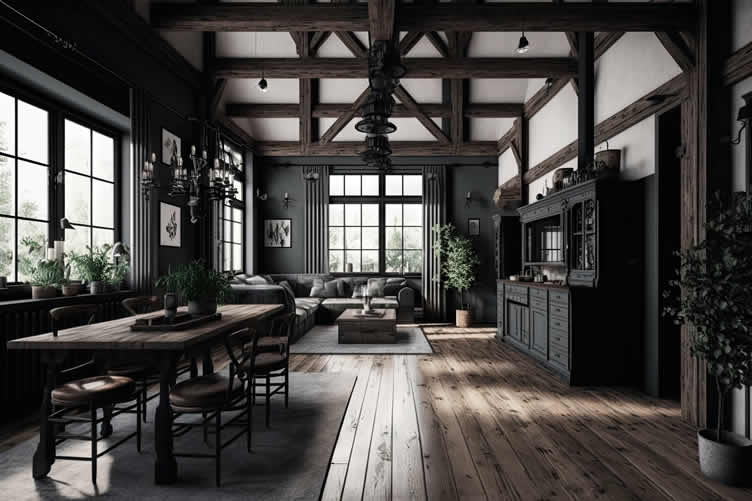
copyright image by 123rf.com
[ pinterest: modern industrial ]
[ youtube: Industrial chic decor ]
-
3rd: Creating Industrial Styling on a Budget
Industrial style has become a timeless and sought-after trend in home decor due to its raw, utilitarian appeal combined with modern functionality. Originating from the design of old factories and warehouses, this style features exposed materials, sleek lines, and a mix of rustic and urban aesthetics.
While creating an industrial-style space may seem costly, with its emphasis on unique textures and materials, it’s surprisingly achievable on a budget with smart planning and creative sourcing.
Below, we will explore ways to achieve this aesthetic affordably while maintaining authenticity and high design impact.
[ view summary table: budgeting tips ]
-
Focus on Reclaimed Materials
One of the fundamental principles of industrial style is its use of reclaimed or re-purposed materials, which can be both sustainable and cost-effective. Consider sourcing wood, metal, or brick from salvage yards, flea markets, or online marketplaces that offer secondhand materials.
These pieces often add character to your space while reflecting the authentic charm of industrial design. For instance, reclaimed wood can be used for accent walls, shelves, or even furniture, while exposed brick can serve as an ideal backdrop.
If traditional materials aren’t accessible, modern wallpaper or faux panels mimicking brick or concrete provide budget-friendly alternatives.
-
DIY Projects for Custom Pieces
Industrial design thrives on individuality and innovation, making it an excellent style for incorporating do-it-yourself projects. Crafting your own furniture or decor can significantly reduce costs while adding a personal touch to your space.
For example, you can transform old pipes into shelving units or table legs, or refurbish vintage furniture with a steel or distressed finish. With minimal investment and guidance from easily accessible online tutorials, you can create custom pieces that enhance the industrial atmosphere without straining your finances.
-
Mix High and Low Elements Strategically
When working within a budget, consider blending high-quality statement items with cost-effective accessories. Splurge strategically on key items such as a leather sofa, industrial lighting fixtures, or a sturdy dining table that serves as focal points.
For other decor elements—like rugs, throw pillows, or vases—look for more affordable pieces that complement the main features without detracting from the overall aesthetic. Stores and websites that offer discounts or interior design outlet sections can be excellent resources for these items.
-
Incorporate Exposed Structural Elements
One of the defining characteristics of industrial styling is the celebration of exposed structure, such as pipes, ducts, and beams. If your space already has these features, allowing them to take center stage instead of covering them can save considerable renovation costs while staying true to the style.
For homes without such structural elements, faux versions, like exposed lighting conduits or decorative brackets, can be added at a fraction of the cost to emulate the industrial feel authentically.
-
Neutral Color Schemes with Textural Contrasts
The industrial aesthetic typically focuses on a neutral palette, often dominated by shades of gray, black, white, and rich browns. You can easily and affordably achieve this look with paint choices and a careful selection of complementary decor.
Add depth and warmth by incorporating textures like velvet or leather alongside raw materials like concrete and metal. Paint and textiles are among the most cost-efficient ways to transform a space, allowing you to create a layered, cohesive, and welcoming industrial vibe without an exorbitant price tag.
-
Shop Secondhand and Upcycled Items
Thrift stores, estate sales, and even online marketplaces are treasure troves when it comes to finding furniture and decor that fit the industrial theme. Items such as metal chairs, vintage signage, or factory carts can often be found at a fraction of the cost of new equivalents.
Many of these pieces may only require a bit of cleaning or a minor update, such as a fresh stain or a coat of paint, to bring them into alignment with your decor.
-
Invest in Industrial Lighting
Lighting plays a critical role in industrial design, and the good news is there are plenty of budget-friendly options. Pendant lights with exposed bulbs, floor lamps with metal finishes, or track lighting mimicking warehouse fixtures can all enhance the ambiance.
Look for lighting that features sleek lines or vintage touches. Shopping at discount home improvement stores or opting for DIY lighting kits can help you save significantly while ensuring your lighting stays on trend.
Creating an industrial-style home doesn’t have to be an expensive endeavor. By focusing on reclaimed materials, experimenting with DIY projects, and shopping strategically for decor, you can transform a space into an edgy, modern sanctuary that reflects both personality and practicality.
With careful attention to detail and a thoughtful approach to budgeting, the industrial aesthetic can become an accessible and rewarding style for any homeowner.
Aspect Description Creating Industrial Styling on a Budget Industrial style combines raw, utilitarian elements with modern functionality, inspired by warehouse and factory designs. It is characterized by exposed materials, sleek lines, and a mix of rustic and urban aesthetics. Contrary to common belief, this style can be achieved affordably through careful planning and creative sourcing. Focus on Reclaimed Materials Reclaimed or re-purposed materials like wood, metal, and brick are sustainable and cost-effective. Salvage yards, flea markets, and online marketplaces are valuable resources. These materials can be used for accent walls, furniture, or shelves. If unavailable, budget-friendly faux alternatives such as wallpapers or panels mimicking brick or concrete work well. DIY Projects for Custom Pieces DIY projects add a personal touch and reduce costs. Transform old pipes into shelves or refurbish vintage furniture with a distressed look. Online tutorials offer great guidance for creating custom decor pieces that enhance the industrial style without overspending. Mix High and Low Elements Strategically Combine high-quality statement items like a leather sofa or industrial lighting fixtures with affordable accessories. Splurge on focal items while sourcing decor elements like rugs or pillows from discount stores or outlet sections to maintain the aesthetic economically. Incorporate Exposed Structural Elements Exposed structural features like pipes, ducts, and beams are key to industrial design. Leaving these features visible saves costs and maintains authenticity. Faux structural elements like decorative brackets or exposed conduits can replicate this effect affordably. Neutral Color Schemes with Textural Contrasts Neutral colors like gray, black, white, and brown define the industrial palette. Use paints and enhance depth with textures like velvet, leather, concrete, and metal. Affordable options like textiles and paints create a cohesive, welcoming industrial vibe. Shop Secondhand and Upcycled Items Thrift stores, estate sales, and online marketplaces offer budget-friendly industrial decor. Items like metal chairs, vintage signage, and factory carts can be sourced and updated with simple changes like paint or stain. Invest in Industrial Lighting Industrial lighting includes pendant lights with exposed bulbs, track lighting, and floor lamps with metal finishes. Choose sleek and vintage designs from discount stores or create custom lighting with DIY kits to save on costs. 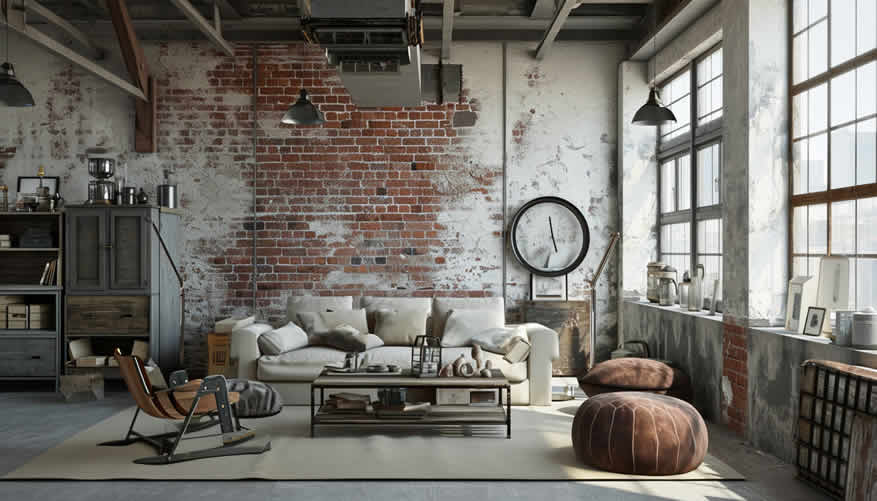
copyright image by 123rf.com

Budgeting Worksheet For Costing Home Remodeling and Home Improvement Decisions
 File Type (excel)
-
-
-
ideas to view and compare from the information discussed above
Scroll up to directory … or scroll to next section about industrial styling living and entryway …
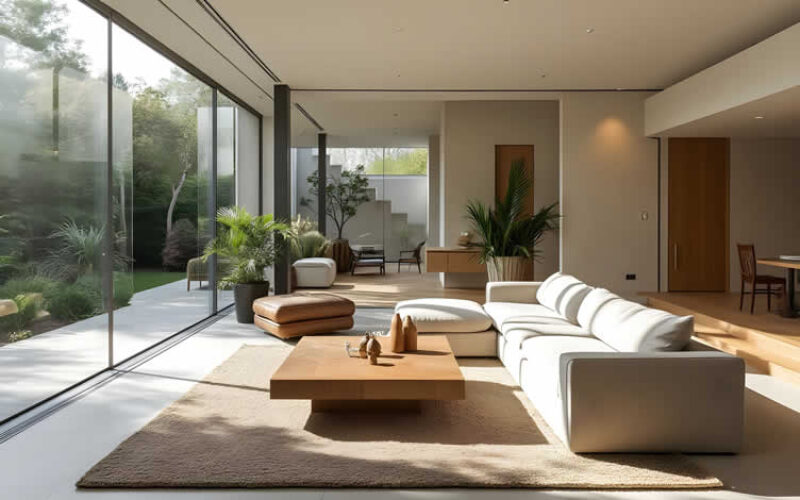



Download this PDF for a concise summary of all you need to know about …?





Are there any other interesting topics that might have been overlooked but could offer valuable insights …?



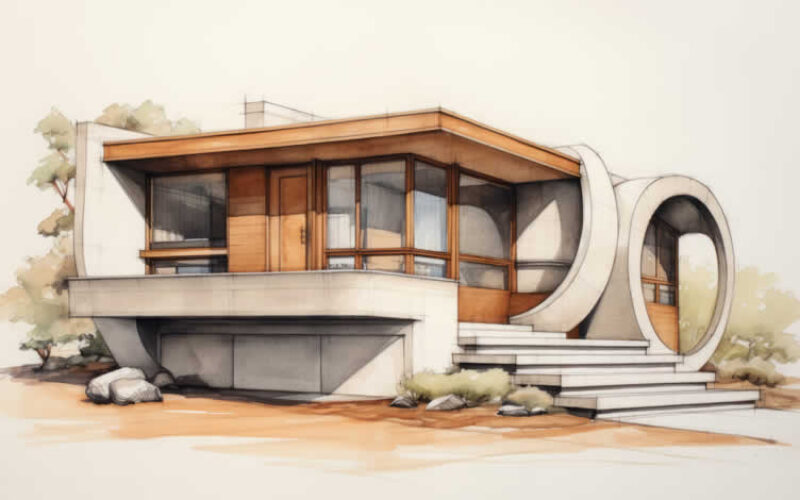

… remodeling decisions

Budgeting Worksheet For Costing Home Remodeling and Home Improvement Decisions
File Type (excel)
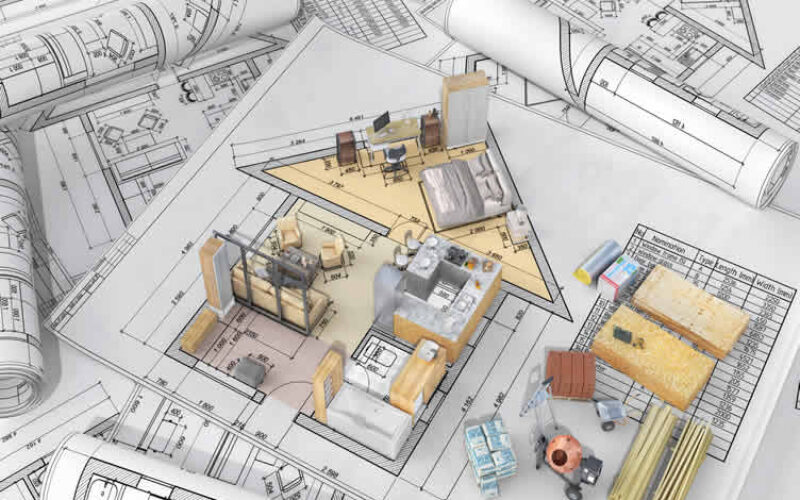

second “photo remodeling” idea
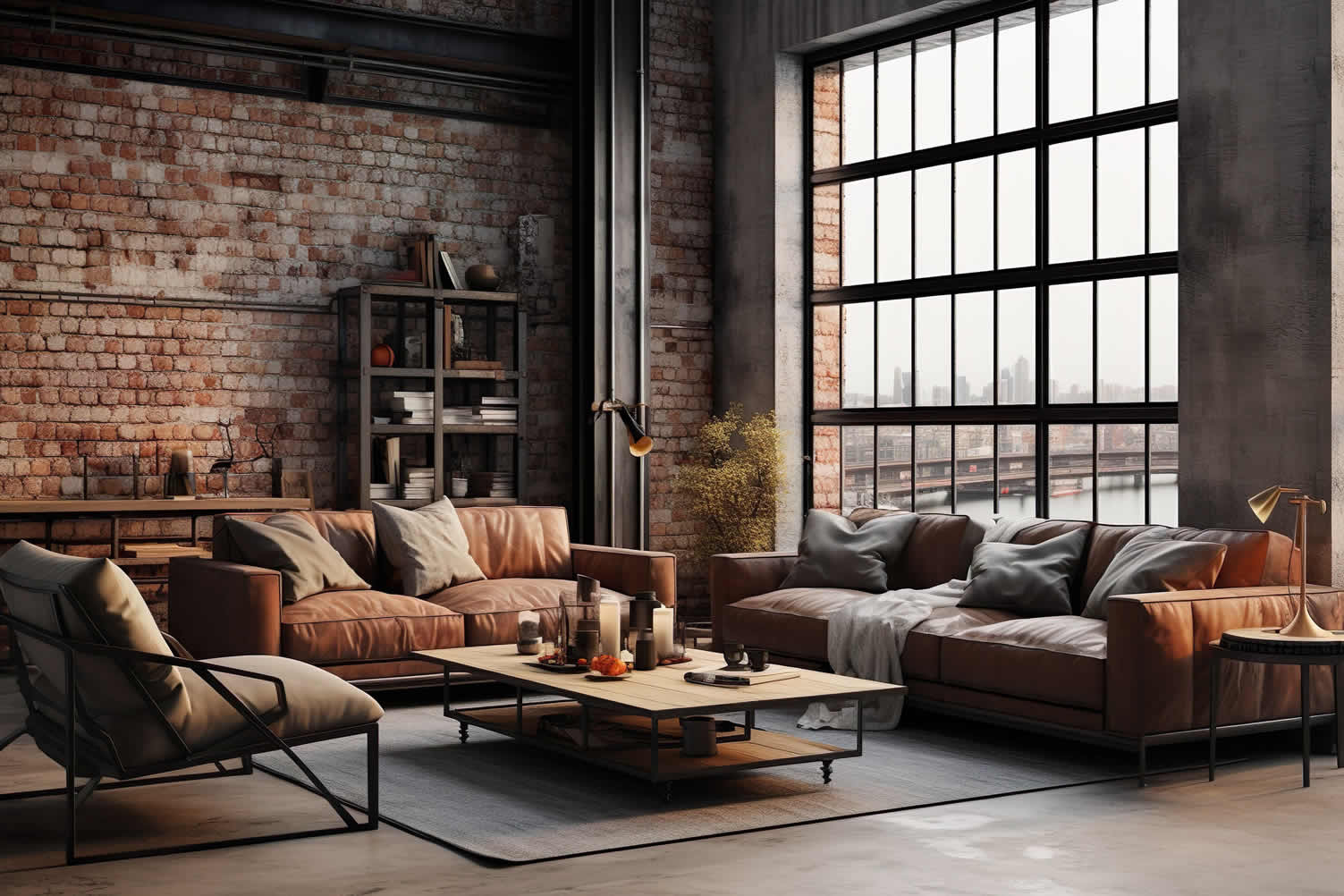
copyright image by 123rf.com
Styling Tip 2: Transform Your Living Space
Notes:
-
Industrial design offers a unique charm that blends functionality with raw beauty, making it perfect for modern living spaces.
Its distinct aesthetic draws inspiration from converted warehouses and urban lofts, integrating materials like exposed brick, metal accents, and reclaimed wood. This style thrives on simplicity and authenticity, effortlessly balancing minimalism with character-rich details.
Whether you’re designing a cozy living room or revamping your home’s entryway and hallway, incorporating industrial styling elements can elevate both the functionality and aesthetic appeal of your space.
This guide will walk you through key industrial elements, styling tips, and practical advice for transforming your living room, entryway, and hallway into timeless spaces with urban allure.
-
Quick scroll to supporting notes …
-
-
1st: Industrial Living Room
Industrial design has a unique appeal that blends raw, rugged textures with functionality and openness. Originating from the conversion of warehouses and factories into residential spaces, this style celebrates the beauty of unfinished elements and minimalist aesthetics.
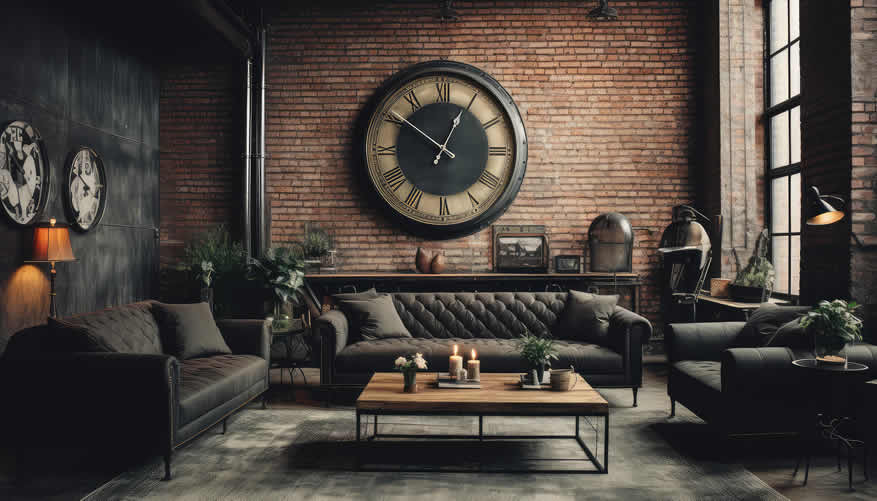
copyright image by 123rf.com
To help your living room truly come alive with the industrial style, it’s essential to thoughtfully approach each design decision. This means taking careful consideration of every aspect, from the fundamental layout and how you define the overall flow of the space, right down to the smallest decorative pieces.
Below, we explore the fundamental elements of designing an industrial living room that is both stylish and functional.
- Quick scroll to “living room” industrial styling …
-
Design Layout[ view]
The layout of an industrial living room emphasizes openness and functionality. Typically, an open-plan design is ideal, creating a seamless flow between seating areas and other parts of the room.
Furniture placement should maximize space without feeling cluttered, employing multi-functional pieces that contribute to the room’s practical yet gritty charm. Keeping the space uncluttered enhances the room’s airy quality while providing plenty of room to showcase statement elements central to industrial design.
what and how –
- Use exposed materials like brick, concrete, or wood for walls and floors to create a raw, authentic industrial backdrop that reinforces the room’s structural elements.
- Incorporate sleek, multi-purpose furniture with metal and wood finishes that provide practicality and align with the industrial aesthetic, complementing the room’s open and functional design.
- Maintain a neutral color palette with shades of gray, black, and brown, while adding depth and warmth through textures and accents like soft rugs or cushions to balance the industrial edge with a cozy ambiance.
-
Styling Design[ view]
Industrial styling thrives on simplicity and authenticity. The key is to celebrate natural materials like exposed brick, concrete, wood, and metal. Layering textures like distressed woods with sleek metals provides intriguing contrasts and depth.
Neutral tones such as gray, black, and beige often dominate, but adding subtle injections of warmer colors, such as rust or earthy hues, can balance the cooler palette. Patterns are generally understated, favoring simple stripes or geometrics over complex motifs, maintaining the industrial room’s clean and cohesive look.
what and how –
- Incorporate furniture with clean, minimalist designs made from raw or reclaimed materials such as a sleek metal coffee table or a distressed wooden bookshelf to foster the industrial aesthetic.
- Use lighting as a statement feature by opting for fixtures like exposed Edison bulb pendants, dome-shaped metal shades, or pipes turned into creative sconces to enhance the room’s authenticity.
- Add personal touches through functional decor pieces such as leather throw pillows, woven blankets in neutral tones, or a large wall clock with a mechanical, vintage vibe to keep the space inviting yet true to its industrial roots.
-
Furniture Pieces[ view]
Furniture in an industrial living room leans heavily on functionality and raw beauty. Opt for robust, heavyset furniture made from reclaimed wood, steel, or wrought iron.
Sectional leather sofas or oversized fabric couches in neutral tones can anchor the room and promote comfort while complementing the industrial aesthetic. Coffee tables featuring metal frames with wooden tops or entirely made of concrete are quintessential.
Completing the space with vintage-inspired or retro-style furniture adds character and further ties the room into its industrial roots.
what and how –
- Incorporate open shelving units or bookcases crafted from a mix of wood and metal to showcase decor items, books, or greenery while maintaining the industrial vibe.
- Look for accent chairs with exposed metal frameworks or distressed leather finishes to add depth and texture without overpowering the room.
- Use sturdy side tables or consoles with clean lines, often combining raw wood and matte black or brushed metal for a cohesive industrial feel.
- Consider multi-functional furniture, such as storage ottomans or trunks, that blend practicality with rugged charm and fit effortlessly into the space.
-
Wall Elements[ view]
Exposed brick stands as one of the most iconic wall features in industrial interiors. If real brick is not an option, brick veneer or textured wallpaper mimicking this look can be an excellent alternative.
Concrete walls or finishes add another layer to the industrial appeal, particularly when paired with natural wood accents.
Industrial artwork or large-scale abstract pieces bring personality to the space. Metal wall sculptures or raw wood panels can also act as dramatic, design-forward focal points in the room.
what and how –
- Use dark, moody paint colors like charcoal gray or deep navy on walls to complement industrial elements and add a cozy yet modern ambiance.
- Consider incorporating exposed piping or ductwork as an intentional design statement, enhancing the raw, unfinished look characteristic of industrial interiors.
- Add texture and warmth with reclaimed wood wall panels or mixed-material designs that incorporate both wood and metal for visual interest.
- Opt for oversized wall clocks, vintage advertisements, or old factory signs to emphasize the industrial theme and introduce a touch of nostalgia to the living room.
-
Flooring and Ceiling[ view]
Polished concrete or warm-toned hardwood flooring forms the perfect foundation for an industrial living room. Area rugs can be added to soften the aesthetic and provide comfort while delineating spaces.
For ceilings, exposed beams, ductwork, and piping are ideal for achieving an authentic industrial look. Leaving structural elements bare maintains the warehouse-inspired charm, but painting them in neutral or darker shades can help unify the overall design.
what and how –
- Choose flooring materials with durability and character, such as reclaimed wood or polished concrete with a matte finish, to emphasize practicality and the raw aesthetic of industrial design.
- Opt for area rugs with simple textures or muted patterns that complement the industrial palette while adding a sense of warmth and cohesion to seating areas.
- Utilize ceiling treatments like exposed brick, wooden planks, or painted metal beams to further highlight the industrial ambiance, ensuring a balance between ruggedness and aesthetic appeal.
- Consider incorporating lighting fixtures mounted on exposed ductwork or beams to enhance the ceiling’s visual interest and tie together functional and decorative elements seamlessly.
-
Décor Elements[ view]
Industrial décor thrives on understated and purposeful items. Avoid cluttering the space, but focus on including pieces that are functional and visually interesting.
Oversized clocks, vintage metal signs, or salvaged industrial equipment add historical depth and charm. Combine these with accessories like sculptural vases, statement mirrors with metal frames, or aged leather-bound books for an element of refinement.
what and how –
- Incorporate a blend of reclaimed wood and metal furniture, such as coffee tables with iron legs or shelving made from wood planks and black steel brackets, creating a balance between warmth and ruggedness.
- Use lighting fixtures as focal points by opting for industrial-inspired designs like exposed Edison bulb chandeliers, metal pendant lights, or tripod floor lamps to enhance the living room’s ambiance.
- Add layered textures to soften the space by juxtaposing materials like distressed leather couches, knitted throw blankets, and natural fiber rugs for a cozy yet authentic industrial feel.
- Highlight structural features like exposed brick walls, visible pipes, or ceiling beams, and if such elements aren’t naturally present, consider adding faux finishes or textured wallpaper that simulate the look.
-
Shelving[ view]
The shelving within an industrial living room should emphasize modular and open designs. Wall-mounted shelves incorporating reclaimed wood with metal brackets are not only practical for storage but also tie into the industrial aesthetic.
Displaying carefully chosen pieces such as vintage cameras, potted plants, or small industrial sculptures add character and intrigue to shelves without overwhelming the design.
what and how –
- Opt for adjustable shelving systems that can be reconfigured to suit changing needs, ensuring both functionality and flexibility within the space.
- Incorporate a mix of materials, such as metal mesh or perforated steel paneling, alongside reclaimed wood for a distinctly industrial and visually engaging look.
- Use shelving as an opportunity to integrate ambient lighting by adding LED strip lights or metal sconces underneath, enhancing both style and utility.
- Balance practicality and decor by combining functional storage elements, like wire baskets or bins, with decorative industrial-inspired accents, such as antique tools or weathered books.
-
Lighting and Lamps[ view]
Lighting plays an essential role in creating the industrial atmosphere of a living room. Pendant lights with metal cages, Edison bulbs, and oversized floor lamps mimic factory lighting and offer a raw, utilitarian look.
Wall sconces with adjustable arms or tripod-style lamps can provide additional illumination while reinforcing the space’s industrial ambiance. Choosing fixtures in materials like aged brass, blackened steel, or brushed nickel keeps the lighting consistent with the room’s motif.
what and how –
- Layering different types of lighting, such as task lights, ambient lighting, and accent lights, helps to create a dynamic and functional space while maintaining an industrial edge.
- Incorporating dimmer switches allows for greater control over brightness levels, enabling a seamless transition from bright, practical lighting to a cozier, more intimate atmosphere.
- Selecting light fixtures with visible wiring or exposed conduits enhances the industrial aesthetic, lending an authentic, unfinished charm to the room.
- Opting for LED Edison bulbs combines the vintage industrial look with modern energy efficiency, ensuring the space retains its style while staying eco-friendly.
-
Area Rugs[ view]
Area rugs soften the ruggedness of an industrial space while helping to define seating or conversational areas. Neutral-colored rugs, particularly those in natural materials such as jute or sisal, blend seamlessly with the design.
Vintage-inspired rugs with muted patterns or subtle distressing add visual interest while maintaining harmony with the rest of the room. Layering rugs over hardwood or concrete flooring can add warmth without detracting from the industrial aesthetic.
what and how –
- Opt for oversized, geometric-patterned rugs in monochromatic tones to enhance the open and structured feel of industrial spaces while adding a modern edge.
- Incorporate rugs with textured weaves, such as hand-knotted or braided designs, to introduce depth and tactile contrast against the sleek, hard surfaces commonly found in industrial-style rooms.
- Choose rugs with subtle metallic threads or detailing that complement the exposed metal elements, such as steel furniture or light fixtures, for a cohesive aesthetic.
- Position area rugs to create distinct zones within open-plan industrial living spaces, using them to anchor furniture arrangements while maintaining the minimalist flow of the design.
-
Fireplace[ view]
For an industrial living room, a fireplace with a minimalist or raw design builds on the cozy factor while staying true to the style. Choose fireplaces with metal or concrete surrounds, or consider a freestanding stove for a vintage factory-inspired appearance.
Electric fireplaces with modular designs are also popular options, especially for those looking to blend industrial style with modern convenience.
what and how –
- Opt for muted, earthy tones or darker finishes for the fireplace, such as matte black, gray, or rust-like hues, to enhance the industrial aesthetic and complement the room’s overall color palette.
- Incorporate textures like exposed brick or tarnished metal around the fireplace to emphasize the raw, unfinished look that defines industrial style, adding depth and visual interest to the space.
- Pair the fireplace with functional decor elements, such as simple metal grates or sleek firewood storage solutions, to maintain an uncluttered atmosphere while subtly tying in the industrial theme.
-
Other Essentials[ view]
Additional elements, such as metallic hardware, distressed wood accent pieces, and carefully chosen greenery, can subtly elevate the aesthetic of an industrial living room. Incorporating plants like fiddle-leaf figs or succulents adds a sense of freshness and balances out the harsher industrial tones.
Subtly placed textiles, such as leather or wool throws, offer a layer of warmth without compromising the design’s authenticity. Attention to balance and cohesion ensures that every inclusion complements the room’s core aesthetic.
what and how –
- Mix varied textures like metal, wood, and concrete to establish depth and visual interest, keeping in tune with the industrial theme. These materials, when used thoughtfully, provide a dynamic yet cohesive look.
- Opt for functional yet stylish lighting, such as exposed bulb fixtures or vintage-inspired pendant lights, to enhance the ambiance and spotlight the room’s key design features.
- Use neutral or muted tones, like charcoal, beige, or earthy grays, as the primary palette, and layer in subtle hints of color through accessories or artwork to avoid overwhelming the design.
- Incorporate open shelving or re-purposed furniture to highlight the utilitarian roots of industrial design while also providing practical storage options for a clutter-free space.
Element Description Design Application Styling Tips Design Layout The industrial living room layout emphasizes openness and functionality. Open-plan designs are ideal, blending seating areas seamlessly with other areas of the room. Feature exposed materials such as brick, concrete, and wood for walls and floors to highlight structural elements. Incorporate multi-purpose furniture with metal and wood finishes to align with the industrial aesthetic. Choose sleek furniture designs to maximize space, and maintain a neutral palette like gray or brown for cohesion. Add texture through accents like rugs or cushions for warmth. Styling Design Industrial styling celebrates raw materials, simplicity, and authenticity. It layers textures like distressed woods and sleek metals for contrast and depth. Neutral tones dominate (gray, black, beige), but warmer earthy hues such as rust can be added for balance. Incorporate minimalist furniture made from raw or reclaimed materials like wood and metal. Use industrial lighting fixtures like Edison bulb pendants to emphasize authenticity. Incorporate functional decor, like leather throw pillows and vintage accessories, to keep the space inviting. Furniture Pieces Industrial furniture focuses on functionality and robustness, using materials like reclaimed wood, steel, and wrought iron. Choose sectional leather sofas or neutral-toned fabric couches to anchor the space. Include coffee tables with metal frames and open shelving units that combine practicality with visual appeal. Introduce vintage-inspired items like industrial chairs or trunks for added character. Blend multi-functional, durable furniture with distressed finishes for cohesiveness. Wall Elements Walls in industrial designs often feature exposed structural materials, such as brick or concrete, enhancing the raw, rugged look. Use textures like brick veneers or concrete finishes to create the desired aesthetic. Complement these with metal or wood accents and focal elements like large-scale artwork or wall clocks. Add warmth using reclaimed wood panels or dark moody paint colors. Incorporate exposed piping or ductwork for a statement and accessorize with vintage factory signs for nostalgia. Flooring and Ceiling Industrial spaces often use polished concrete or hardwood floors, with ceilings showcasing exposed beams, ductwork, or piping. Utilize durable materials like reclaimed wood or matte concrete. Layer area rugs to add comfort and define seating areas, while ceiling treatments enhance structural charm. Consider simple or geometric rugs for warmth, and use lighting mounted on exposed ceiling features for functionality. Ensure textures harmonize with the room’s overall appeal. 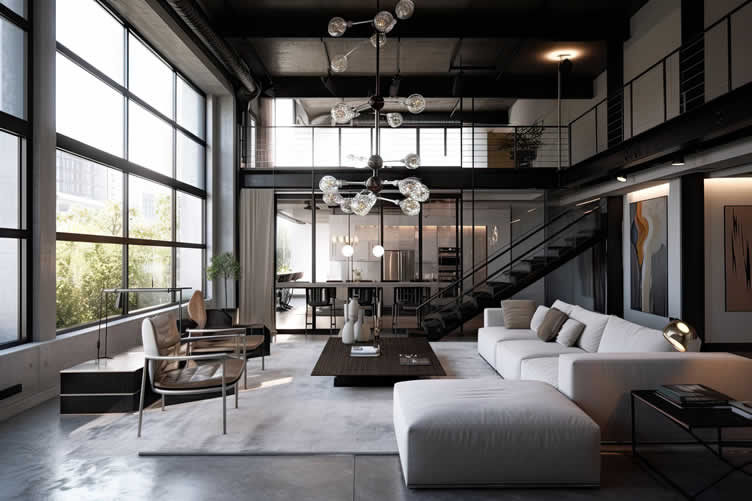
copyright image by 123rf.com
[ pinterest: industrial living room ]
[ youtube: Decorate Living Room Using Industrial Design ]
-
2nd: Industrial Styling for the Entryway and Hall
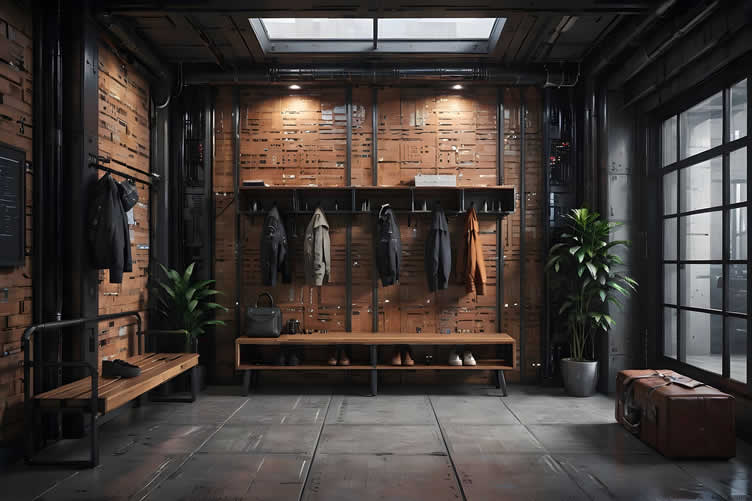
Industrial design brings a perfect blend of functionality, raw charm, and modern edge to any home space, making it an excellent choice for entryways and hallways. These often-overlooked spaces offer more than just a path for coming and going; they provide the first impression of your home.
Entryways and hallways are practical spots to organize daily essentials like coats and keys while also setting the aesthetic and mood for your entire living space. They greet visitors and hint at the design story that unfolds within.
AI generated image by 123rf.com
Industrial styling emphasizes clean, straightforward lines, avoiding unnecessary frills to create a sense of spaciousness. This style highlights rugged textures, like the raw feel of exposed brick or the cool touch of metal.
The beauty of reclaimed elements also shines through, as items with a past are given new life, adding character and a story to the space. Together, these touches create a unique and inviting atmosphere, making these areas feel both stylish and functional.
Below, we explore key design considerations to transform your entryway and hallway into a compelling expression of industrial design.
- Quick scroll to “entryway/hallway” industrial styling …
-
Entryway Design and Layout[ view]
Designing an industrial entryway starts with a focus on functionality and smart use of the available space. An open layout is key, prioritizing simplicity to avoid overcrowding while maintaining utility.
Balance the arrangement by incorporating raw materials like exposed brick walls, concrete flooring, or steel accents to establish a strong industrial foundation.
Establish clear zones, such as a dedicated area for footwear, coats, and umbrellas, using streamlined partitioning or open cubbies, which align with the raw and utilitarian industrial aesthetic.
Utilizing furniture and decor with a consistent material theme provides stylistic continuity, ensuring a cohesive and approachable entryway.
what and how –
- Integrate large, minimalistic wall hooks or metal pegboards to provide a practical solution for hanging bags and jackets while reinforcing the industrial theme. Opt for matte black or steel finishes for a sleek yet durable look.
- Add statement lighting fixtures, such as pendant lights with exposed Edison bulbs or metal cage designs, to illuminate the entryway while enhancing the raw and industrial ambiance.
- Use durable and easy-to-clean flooring options like polished concrete or dark-toned tiles, which are both aesthetically cohesive and functional for high-traffic areas.
- Incorporate subtle decorative elements like a reclaimed wood bench or a metal-framed mirror to combine practicality with industrial charm, offering both seating and visual expansion of the space.
-
Furniture Pieces for the Entryway[ view]
Furniture within an industrial-styled entryway should combine purpose and design authenticity. A reclaimed wood bench with visible grain and imperfections offers a practical seating area while capturing the industrial spirit.
Pair the bench with a steel-framed console table that doubles as a surface for keys, mail, or statement decor. Storage solutions like vintage lockers or wall-mounted metal hooks can add charm and practicality for neatly organizing outdoor items.
Keep the furniture design minimal and functional, ensuring it aligns with the scaled-down aesthetics of the space.
what and how –
- Opt for open shelving units with metallic frames to provide storage while maintaining an airy, industrial vibe. Use them to display baskets or trays for small essentials like gloves, wallets, or sunglasses.
- Incorporate a distressed leather or upholstered stool as an alternative seating option, adding a touch of warmth and comfort without straying from the industrial theme.
- Highlight functionality with a multi-purpose storage bench that features hidden compartments, blending practicality with a seamless industrial look.
- Include statement lighting, such as a caged pendant or wall-mounted sconce with an Edison bulb, to enhance the space’s ambiance and tie together the rugged yet sophisticated aesthetic.
-
Wall Elements and Décor[ view]
Walls in an industrial entryway serve as a canvas to showcase the rugged beauty of this design style. Exposed brick or plastered concrete walls act as standout features. If these elements aren’t already part of your home, wallpaper or faux brick panels can simulate the look effectively.
Adorn the walls with striking black-and-white photography or large-scale abstract art to add personality without overwhelming the simplicity of the design. Oversized metal or wooden-framed mirrors not only amplify natural light in smaller entryways but also add depth and practicality.
Leverage wall-mounted shelving made from distressed wood and iron brackets to craft functional yet stylish displays for small plants or decorative pieces.
what and how –
- Incorporate industrial-style lighting fixtures such as wall sconces with exposed bulbs or pipe-inspired designs to provide both functional lighting and a decorative element that complements the raw aesthetics.
- Enhance the texture and warmth of the space by adding a mix of materials like metal wall grids for hanging notes or décor, offering an urban, utilitarian touch while maintaining visual interest.
- Introduce a touch of greenery with vertical wall planters crafted from dark metal frames or reclaimed wood, bringing life to the space while aligning with industrial design.
- Use a combination of vintage-inspired signage or metallic word art to infuse character and individuality, evoking a sense of charm and nostalgia against the rugged textures.
-
Lighting for the Entryway[ view]
Industrial lighting anchors the space with a mix of functionality and understated elegance. Start with a bold, statement fixture like a cage-style pendant light or a metal dome light to cast a warm glow.
For added layers, place wall-mounted sconces along the entryway walls, designed with exposed filaments or crafted from iron and matte metals. These lighting fixtures not only illuminate the space but also serve as dramatic design elements that tie the area together.
Consider dimmable options to give flexibility to the ambiance, adjusting between soft welcoming hues and bright practicality.
what and how –
- Incorporate Edison-style bulbs to enhance the industrial aesthetic, offering a nostalgic yet modern look with their vintage-inspired filaments and warm glow.
- Use materials like weathered wood and aged metal in fixtures to complement the industrial theme, balancing rustic charm with refined functionality.
- Opt for oversized fixtures or geometric shapes to create a striking focal point, adding depth and visual interest to the entryway.
- Consider layering the lighting with floor lamps or accent lights in sleek, industrial finishes, ensuring the space exudes both style and usability.
-
Just the Hallway[ view]
Hallways within an industrial-styled home extend the character of the entryway by focusing on practical design continuity. Utilize long runner rugs with neutral tones or geometric patterns to provide texture and guide the eye through the space.
The flooring itself can feature polished concrete, weathered wood, or even tiles mimicking these materials for a seamless look.
Walls can be similarly treated with exposed material finishes or painted in neutral shades like charcoal gray or white to serve as a backdrop for curated wall art.
Slim, linear lighting fixtures—such as track lights or LED strips—are excellent choices for hallways, as they emphasize clean lines and ensure adequate visibility in these transitional areas.
what and how –
- Incorporate metal accents, such as black or brushed steel hardware for door handles and light fixtures, to reinforce the industrial theme and add a sleek, modern touch.
- Use open shelving or slim console tables made of reclaimed wood and metal to create functional storage options while maintaining the raw aesthetic.
- Introduce subtle greenery through small potted plants or trailing vines to soften the space and add a refreshing contrast to the industrial elements.
- Consider large, minimalist mirrors with metal frames to reflect light and make the hallway feel more spacious, all while complementing the overall design.
-
Other Considerations for Industrial Styling
To finalize your industrial entryway and hallway, incorporate subtle but impactful touches that contribute to the space’s warmth and personalization.
Materials with contrasting textures—wrought iron against soft textiles or aged wood next to brushed steel—help achieve an authentic industrial character.
Small potted greenery injects life into the raw environment, striking a delicate balance between stark and soft elements.
Vintage clocks, leather-bound trays, and re-purposed industrial tools serve as conversation-starting decor items while reinforcing the aesthetic’s authenticity.
Design Focus Description Material Recommendations Entryway Design and Layout Industrial entryway design centers around functionality and the efficient use of available space. This includes maintaining an open layout with clean lines and a decluttered appearance. Incorporating materials like exposed brick walls, concrete flooring, or steel accents enhances the industrial aesthetic while ensuring practicality. Exposed brick, concrete, steel. Furniture Pieces for the Entryway Furniture in industrial-styled entryways combines utility and authentic design elements. Reclaimed wood benches, steel-framed console tables, and vintage lockers are not only functional but also emphasize industrial charm. Open shelving units with metal frames provide additional storage while maintaining an airy look. Reclaimed wood, steel, distressed leather. Wall Elements and Décor Walls are treated as canvases to showcase industrial textures like exposed brick or plastered concrete. Adding oversized mirrors, wall-mounted shelves, and urban-inspired signage enhances character and utility. Industrial-style lighting fixtures double as both functional elements and visual highlights. Faux brick panels, distressed wood, metal accents. Lighting Lighting in the entryway plays a pivotal role in setting the tone. Cage-style pendant lights, matte metal sconces, or Edison-style bulbs create a warm glow and reflect the industrial design. These elements contribute to both ambiance and utility, ensuring the space is well-lit while maintaining a rugged charm. Exposed Edison bulbs, metal dome lights, weathered wood fixtures. Hallway Styling The hallway extends the industrial theme with flooring such as polished concrete or weathered wood. Neutral wall tones act as a backdrop for curated artwork, while slim lighting fixtures ensure clean lines and visibility. Open shelving and metal-framed mirrors offer functionality while maintaining an authentic look. Polished concrete, weathered wood, brushed steel accents. Other Considerations Layers of texture and carefully chosen materials ensure warmth and personality in industrial spaces. Contrasting elements such as wrought iron and soft textiles maintain balance, while greenery adds life to the rugged environment. Decor like vintage clocks or re-purposed tools ties the aesthetic together while preserving functionality. Wrought iron, soft textiles, potted greenery. 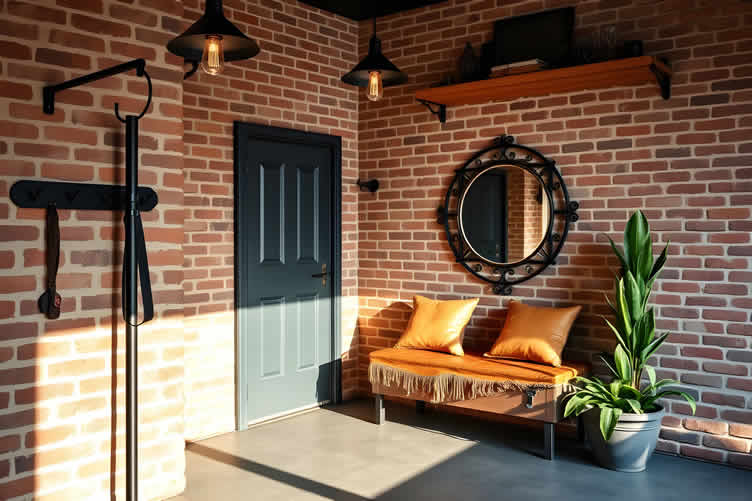
AI generative image by 123rf.com
-
-
ideas to view and compare from the information discussed above
Scroll up to directory … or scroll to next section about industrial styling kitchen and dining …

Tackling home upgrades and fulfilling your industrial home style needs …

… save this curated directory of ideas for future reference.


Download this PDF for a concise summary of all you need to know about …?






May We Suggest Other Photo Remodeling Ideas About
“The Future Home…” (new win)


third “photo remodeling” idea
copyright image by 123rf.com
Styling Tip 3: Exploring Industrial Charm in Kitchen and Dining Spaces
Notes:
-
The industrial design aesthetic brings a unique blend of raw authenticity and modern functionality to your kitchen and dining areas. Incorporating industrial elements can create both a bold statement and a cozy ambiance, making your home feel welcoming while exuding a sleek, urban flair.
Whether you’re a fan of rugged textures or streamlined efficiency, industrial design offers the perfect balance of form and function.
When styling your kitchen and dining room with an industrial theme, it’s all about finding the right mix of materials like weathered wood, brushed metals, and concrete finishes.
These elements can be paired with vintage-inspired lighting fixtures and open shelving for a look that is both practical and striking.
This guide will walk you through key industrial styling elements and provide practical tips for designing spaces that are as stylish as they are functional.
-
Quick scroll to supporting notes …
-
-
1st: Industrial Styling Elements for the Kitchen
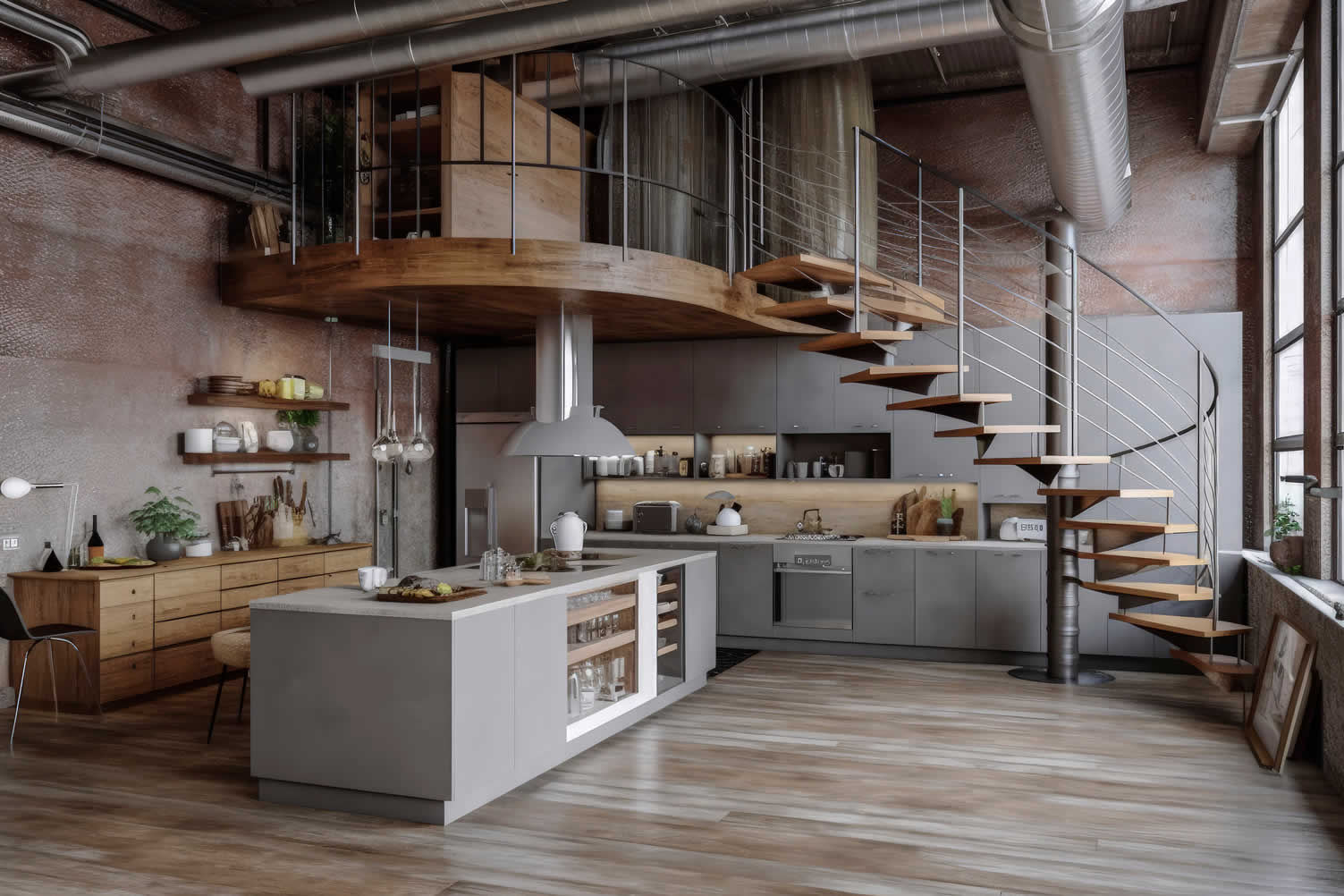
The industrial kitchen design combines raw, unfinished aesthetics with a strong focus on functionality, resulting in a space that is both practical and visually striking.
Inspired by the look and feel of old factories and urban lofts, this style celebrates the beauty of natural materials, bold textures, and utilitarian designs.
Think exposed brick walls, stainless steel appliances, concrete countertops, and open shelving, all working together to create a cohesive yet rugged charm.
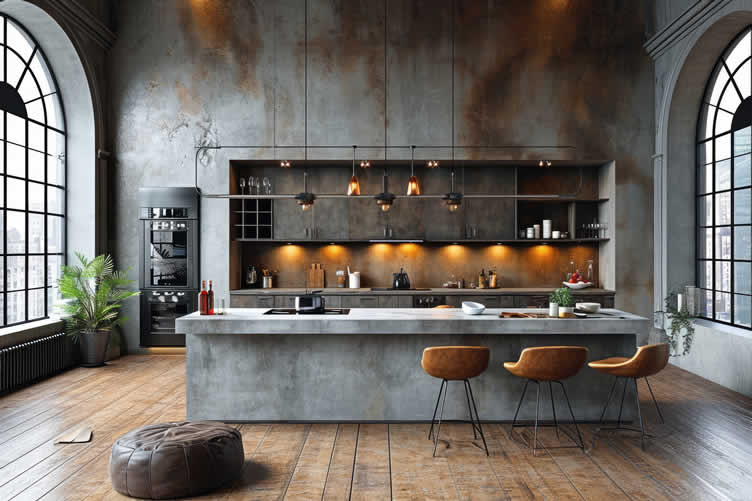
copyright image by 123rf.com
An industrial kitchen is an ideal choice for homeowners who value a blend of rustic character and modern convenience. Its dynamic nature allows it to adapt to various layouts and personal touches while maintaining its versatile appeal.
Whether it’s a large loft with expansive space to showcase industrial elements or a smaller kitchen transformed with touches like metal accents or reclaimed wood, this design style offers endless possibilities.
Below, we break down the key elements that can help you craft an industrial-style kitchen, turning your culinary space into a true industrial masterpiece.
- Quick scroll to “kitchen” industrial styling ideas …
-
Kitchen Layout[ view]
An industrial kitchen layout prioritizes both form and function, with open floor plans that highlight spaciousness and efficiency. The design often utilizes the "work triangle" approach, ensuring optimal placement of the sink, stove, and refrigerator for a seamless workflow.
To emphasize the raw, utilitarian feel, consider exposing structural elements like beams, ductwork, or brick walls. These features serve as focal points while embodying the essence of industrial design.
what and how –
- Opt for stainless steel appliances and surfaces to enhance durability while contributing to the sleek, modern aesthetic commonly associated with industrial kitchens.
- Incorporate open shelving instead of traditional cabinetry, using materials like reclaimed wood or metal to maintain an authentic, gritty charm and provide easy access to essentials.
- Use neutral color palettes, such as shades of gray, black, and white, and add contrast with natural materials like wood or concrete to create a balanced yet understated look.
- Integrate industrial-style lighting fixtures, such as pendant lights with metallic finishes or exposed bulbs, to tie the space together and highlight key functional areas.
-
Cabinets[ view]
Industrial-style cabinets feature straightforward designs with an emphasis on durable materials. Metal-faced fronts, reclaimed wood doors, or matte black finishes are excellent options.
Open shelving units or glass-front cabinets also work well, allowing you to display kitchen essentials while adding to the industrial appeal. Look for cabinets that incorporate exposed hardware like rivets or steel latches to enhance the aesthetic.
what and how –
- Mix and match textures by combining metal cabinets with reclaimed wood accents to achieve a balanced yet rugged look that embodies the industrial style.
- Opt for modular or freestanding cabinet units, which not only provide flexibility in kitchen layouts but also enhance the raw, workshop-inspired aesthetic.
- Incorporate darker tones like charcoal gray or deep brown in cabinet finishes to complement the industrial theme while maintaining a modern edge.
- For a bold statement, consider adding contrasting elements such as vibrant cabinet interiors or unique patinas on metal surfaces, offering subtle visual interest without straying from the industrial motif.
-
Countertops[ view]
Choosing the right countertop material is essential in capturing the industrial vibe. Concrete countertops are a hallmark of this style, offering a minimalist yet robust appearance.
Stainless steel can also be an excellent choice for its sleek, industrial feel, practicality, and resistance to heat. For a warmer contrast, butcher block countertops made from reclaimed wood can soften the space without straying from the theme.
what and how –
- Opt for dark or matte finishes on concrete countertops to enhance the industrial aesthetic while minimizing visible wear and stains. This complements the raw and edgy character of the style.
- Incorporate rivets or exposed seams on stainless steel countertops to emphasize the utilitarian roots of industrial design, creating added visual interest.
- Blend butcher block countertops with distressed or weathered wood textures to evoke a sense of reclaimed materials, a key element in industrial-inspired spaces.
- Combine different countertop materials, such as pairing concrete with butcher block, to create a layered and dynamic look that balances functionality with industrial charm.
-
Appliances[ view]
Appliances in an industrial kitchen combine state-of-the-art technology with solid, professional-grade aesthetics. Stainless steel is the material of choice, providing both durability and a modern industrial finish.
Oversized ranges, large range hoods, and side-by-side refrigerators elevate the utilitarian aspect of the design. Look for appliances with exposed mechanical details, such as visible screws or industrial handles, to complement the overall theme.
what and how –
- Focus on professional-grade performance by choosing appliances with high-capacity cooking features, such as convection ovens or six-burner stoves, to align with the industrial emphasis on functionality and capability.
- Include open shelving or metal racks to display practical yet stylish appliances like stand mixers or coffee machines, turning them into part of the decor while maintaining a cohesive industrial look.
- Opt for darker or matte finishes on appliances for a more rustic industrial twist, or incorporate mixed metals to create an edgy, modern contrast that still feels consistent with the overall style.
- Select built-in appliances with clean, minimalistic lines to preserve the streamlined and efficient design typical of industrial kitchens, ensuring the space remains both functional and visually striking.
-
Furniture Pieces[ view]
Industrial furniture connects form and function, offering simple yet bold designs. For seating, opt for barstools or chairs made of metal and wood with a distressed finish.
Industrial-style tables often feature heavy materials like reclaimed wood tabletops on steel legs. Rolling utility carts with exposed metal frames can serve as additional movable prep space, adding practicality to the kitchen.
what and how –
- Incorporate open shelving units in metal or wood to display dishes, cookware, or decorative accents while staying true to the industrial aesthetic of practicality and openness.
- Use pendant lighting fixtures with exposed bulbs or metal shades to enhance the raw and utilitarian appeal of the space.
- Integrate furniture with visible joints, bolts, or welds to highlight the craftsmanship and authenticity of industrial design.
- Opt for pieces in neutral color palettes, such as black, gray, and natural wood tones, to maintain the understated and cohesive look characteristic of industrial kitchens.
-
Shelving and Organization[ view]
Open shelving is a signature element of industrial kitchen design. Use reclaimed wood planks supported by black metal brackets for a stylish and practical storage option.
This creates a sense of openness while showcasing dishes, cookware, or decorative items with a rustic touch. Wire baskets, metal bins, and industrial hooks can also complement the shelving while keeping your kitchen organized and visually cohesive.
what and how –
- Incorporate vintage-inspired details such as labeled glass jars, aged canisters, or weathered wooden crates to store dry goods and utensils, adding warmth and authenticity to the industrial aesthetic.
- Mix and match materials like worn leather straps, iron piping, or copper accents on storage elements to introduce subtle contrasts while reinforcing the industrial theme.
- Arrange items thoughtfully on open shelves by balancing functional pieces like plates and mugs with decor accents like potted plants, antique lanterns, or small artwork to keep the space visually interesting.
- Opt for multi-functional storage solutions, such as sliding barn doors on shelving units or wall-mounted pegboards, to maximize space while maintaining the distinct industrial charm.
-
Flooring[ view]
Flooring in an industrial kitchen should be durable and reflect the rugged aesthetic of the design. Polished concrete is one of the most popular choices, as it provides a smooth and seamless industrial foundation.
Alternatively, brick-patterned tiles or natural stone tiles can achieve a factory-inspired look while adding texture. Hardwood is another option, especially if it features a distressed or weathered finish for added character.
what and how –
- Opt for epoxy coatings on concrete floors to enhance durability while maintaining the industrial aesthetic. They offer a sleek finish and are resistant to wear and tear, making them ideal for high-traffic areas.
- Consider using large-format tiles for a minimalist and modern industrial vibe. Matte finishes and neutral tones, such as gray or black, work exceptionally well to complement exposed metal or brick elements.
- Incorporate mixed textures by combining materials like wood and stone. For example, reclaimed wood inlays within concrete floors can add warmth without deviating from the industrial theme.
- Explore metallic accents within the flooring, such as embedded steel strips or brushed metal tiles, to subtly tie the flooring design to other industrial elements like lighting fixtures or cabinetry hardware.
-
Lighting[ view]
Lighting plays a crucial role in emphasizing the industrial style. Pendant lights with exposed bulbs, black metal fixtures, or wireframe designs are excellent choices to create a warm yet edgy atmosphere.
Oversized metal shades in brushed or matte finishes, often suspended over kitchen islands or dining areas, can become focal points while providing ample light. Wall-mounted fixtures with adjustable arms add additional brightness and depth to the space.
what and how –
- Opt for dimmable lighting options to create flexibility in ambiance, allowing you to shift from functional brightness during meal prep to a softer, cozier glow for evening gatherings.
- Incorporate layered lighting by blending task-specific fixtures, such as under-cabinet lighting, with decorative statement pieces to achieve both practicality and aesthetic balance.
- Consider using Edison-style bulbs, which not only enhance the industrial character but also emit a warm, inviting light that complements the raw materials often found in industrial kitchens.
- Choose fixtures with a mix of metal and glass elements, as these materials work cohesively to enhance the rugged yet polished look typical of industrial designs.
-
Other Essentials[ view]
To complete the industrial design, focus on the finer details that tie the space together. Add a mix of metallic tones such as copper, brass, or black steel in your fixtures and hardware for contrast.
Exposed pipes, railings, or mechanical details on the ceiling or walls enhance the industrial feel. Use neutral colors like gray, black, or white as the base palette, and incorporate texture through textiles like leather or rough-hewn fabrics in accessories.
Lastly, consider decor pieces such as vintage clocks, factory-style signage, or raw metal planters for a finishing touch that personalizes the space.
Element Description Materials/Design Features Styling Tips Kitchen Layout The industrial kitchen layout marries functionality with aesthetics, often utilizing open floor plans and the “work triangle” to enhance workflow. Structural elements like beams or ductwork may remain exposed to emphasize the raw, utilitarian character of the space. Open floor plans, exposed brick walls, structural beams. Materials include stainless steel and reclaimed wood for durability and visual interest. Focus on spatial efficiency using the “work triangle” approach. Integrate open shelving and neutral tones with wood or concrete for added texture. Cabinets Industrial cabinets emphasize durability and straightforward designs, blending utilitarian function with bold aesthetics. Features like exposed hardware enhance the rugged charm of the space. Metal-faced fronts, reclaimed wood, glass-front cabinets, matte black finishes. Modular or freestanding units suit the industrial look. Mix metal and wood textures for a balanced appearance. Consider darker tones like charcoal gray and add unique patinas for subtle visual interest. Countertops Industrial countertops prioritize durability while adding character. Materials like concrete or stainless steel enhance the minimalist yet robust style. Concrete, stainless steel, butcher block (reclaimed wood). Matte or dark finishes, with rivets or exposed seams for added texture. Blend multiple materials such as concrete and butcher block for a dynamic look. Opt for finishes that complement other rugged kitchen elements. Appliances Appliances in industrial kitchens are functional and professional-grade, with an aesthetic that complements the raw, workshop-inspired style. Stainless steel appliances with visible mechanical details such as exposed handles or screws. High-capacity options for functionality. Choose matte finishes or mixed metals for a bold look. Display stylish smaller appliances on open shelving for practicality and decor. Furniture Industrial furniture combines practicality with rugged charm, focusing on materials like wood and metal in raw, distressed finishes. Reclaimed wood tabletops, metal and wood barstools, rolling utility carts with exposed metal frames. Utilize visible details such as bolts or welds. Stick to neutral colors like natural wood tones, blacks, and grays for consistency. Shelving and Organization Open shelving creates both practical storage and visual impact, showcasing decor and essentials in a cohesive industrial style. Reclaimed wood planks, black metal brackets, wire baskets, vintage-inspired containers. Use thoughtful arrangements to balance necessities and decorative items. Add texture with leather straps or iron piping for contrast. Flooring Industrial kitchen flooring is durable and reflects the design’s rugged aesthetic while maintaining easy maintenance. Polished concrete, distressed hardwood, brick-patterned tiles. Neutral tones like gray or black are favored for seamless integration. Add epoxy coatings to concrete for durability. Combine materials like wood and concrete for warmth and texture. Lighting Lighting in industrial kitchens emphasizes functionality and style, often serving as statement pieces. Pendant lights with exposed bulbs, oversized metal shades, wall-mounted adjustable fixtures, Edison-style bulbs. Blend task lighting with decorative elements. Use dimmable options to shift ambiance from functional to cozy. Other Essentials Details like metallic tones and exposed mechanical elements enhance the overall industrial aesthetic, bringing the space together. Mixed metals (copper, brass, black steel), neutral base colors, rough-hewn fabrics, vintage-inspired decor. Add personal touches with vintage clocks or factory-style signage. Use textiles to introduce texture and warmth. 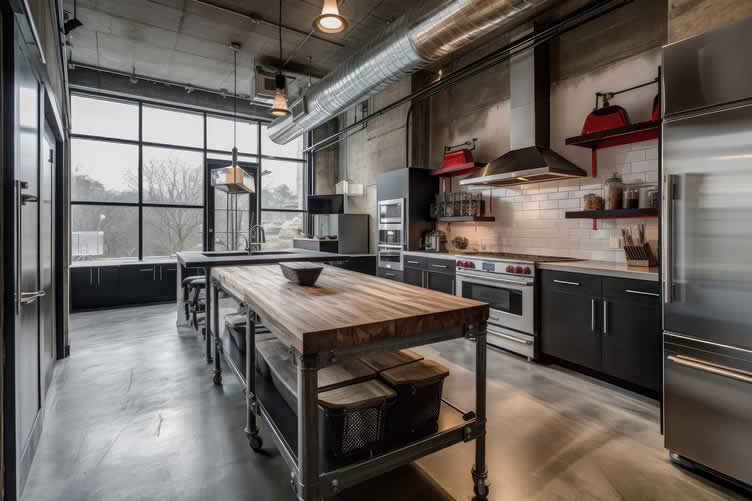
copyright image by 123rf.com
[ pinterest: industrial kitchen ]
[ youtube: Industrial Kitchen Design ]
-
2nd: Industrial Dining Room
The industrial design style has become one of the most popular trends for modern dining rooms, thanks to its ability to perfectly balance raw functionality with striking, eye-catching aesthetics.
This unique style takes its inspiration from the practicality and rugged charm of old warehouses and factories, featuring exposed materials like brick, concrete, and steel that evoke a sense of history and authenticity.
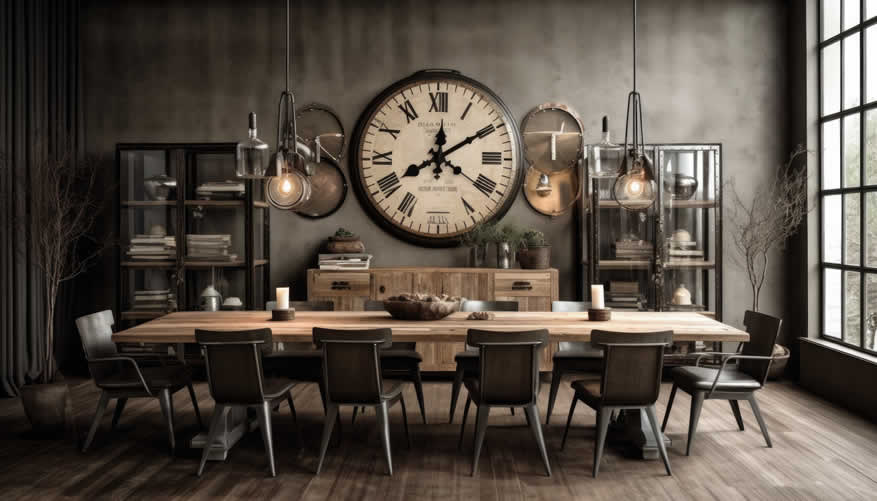
copyright image by 123rf.com
By combining these raw, utilitarian elements with contemporary touches—such as sleek furniture, warm lighting, or polished wood surfaces—it creates a space that feels both edgy and inviting.
Incorporating industrial elements into your dining room allows you to craft an environment that is not only bold and timeless but also highly functional, seamlessly blending form and purpose for a truly distinctive atmosphere.
- Quick scroll to “dining room” industrial styling ideas …
-
Dining Room Design and Layout[ view]
The layout of an industrial dining room relies on open, uncluttered spaces and strategically positioned elements that highlight the room’s raw beauty. Opt for a simple floor plan that does not obstruct the visual flow, making the space feel more open and spacious.
Exposed structural details such as brick walls, wooden beams, and concrete flooring help set the scene for an industrial overhaul.
Use a central dining table to anchor the room while keeping adjacent areas minimal to avoid overwhelming the aesthetic. For smaller dining rooms, explore space-saving solutions like custom-built benches or wall-mounted furniture to create a sleek look without sacrificing functionality.
what and how –
- Choose pendant lighting with metal or exposed bulb designs to emphasize the industrial aesthetic while providing functional illumination over the dining table. Consider hanging multiple fixtures in a linear arrangement for added visual impact.
- Incorporate mix-and-match seating options, such as wooden chairs paired with metal stools, to create a dynamic, utilitarian vibe that aligns with industrial design principles.
- Add warmth to the space with textiles like leather cushions or woven rugs. These soft touches balance the room’s raw materials and enhance comfort without detracting from the overall style.
- Decorate with reclaimed or upcycled elements like vintage signage, metal pipes re-purposed as shelving, or distressed wood accents to further highlight the industrial theme in a sustainable, personalized way.
-
Furniture Pieces[ view]
Furniture is key to capturing the industrial vibe in a dining room. A dining table with a sturdy wooden top, preferably in reclaimed or weathered finishes, paired with raw metal legs, is an iconic centerpiece for this style.
Metal or wooden chairs with minimalist designs complement the table while continuing the industrial theme. For a bolder approach, introduce a mix of seating styles, such as pairing sleek metal bar stools with vintage-inspired chairs.
Look for storage solutions like open shelving or metal-framed cabinets to emphasize functionality and authenticity. Buffets or sideboards with a combination of raw wood and matte black steel are also versatile pieces for an industrial dining room.
what and how –
- Incorporate multi-purpose furniture like rolling carts with metal frames and wooden shelves, which can be used for both storage and serving, adding an industrial yet functional touch.
- Consider benches with metal frames and upholstered seats as alternative seating options. They provide a communal dining feel while maintaining the industrial design aesthetic.
- Use accent pieces such as vintage-inspired metal cabinets or lockers to store dining essentials, enhancing the room’s rugged, authentic charm.
- Opt for lighting fixtures that double as statement pieces, like pendant lights with metal shades or exposed Edison bulbs, to tie the furniture elements cohesively into the industrial theme.
-
Wall Elements and Decor[ view]
The walls in an industrial dining room are an excellent canvas for showcasing raw textures and materials. Exposed brick is a hallmark feature of the style and can be complemented by neutral paint colors for a cohesive look.
For versatility, use industrial-style wallpaper that replicates the appearance of aged brick, stone, or concrete.
Decorating your walls with bold, metallic art, vintage signage, or black-and-white photography enhances the warehouse-inspired aesthetic.
Consider using large mirrors with distressed frames to reflect light and add dimension to the room. Floating shelves in a mix of wood and metal offer a practical way to display decor while adhering to the industrial theme.
what and how –
- Incorporate wall sconces or pendant lighting with Edison bulbs to highlight the raw and rugged aesthetic, providing both functional and decorative elements to the space. Choose fixtures made of blackened steel, aged brass, or industrial pipe for an authentic touch.
- Create a gallery wall with a mix of vintage-inspired posters, architectural sketches, or abstract artwork in monochrome tones. Pair these with sturdy, matte-finish frames to keep the look cohesive and stylish.
- Utilize a chalkboard or corkboard section for a practical yet decorative feature. This can serve as a spot for personal notes, menu ideas, or creative sketches that add a unique and dynamic feel to the room.
- Experiment with layering textures by adding a statement wall panel or reclaimed wood installation. Whether horizontal planks or geometric designs, these materials can create depth and warmth without straying from the industrial theme.
-
Lighting[ view]
Lighting plays a pivotal role in establishing the industrial atmosphere of the dining room. Pendant lights with metal shades or exposed bulbs are quintessential to the style and can be suspended over the dining table for dramatic effect.
Incorporate materials like aged copper, brushed nickel, or matte black steel to highlight industrial influences.
Wall-mounted sconces with adjustable arms or cage-style designs add functional lighting while creating visual interest.
For a more eclectic twist, try re-purposing old factory or warehouse lighting fixtures, as they offer a distinct authenticity that ties the industrial theme together seamlessly.
what and how –
- Choose Edison-style filament bulbs for your fixtures to amplify the warm, vintage glow that complements industrial decor while adding a nostalgic touch to the room.
- Use track lighting with exposed wiring or raw metallic finishes for a modern-industrial edge, ensuring both versatility and brightness for larger dining spaces.
- Incorporate layered lighting by combining overhead fixtures with table lamps or floor lamps featuring industrial elements such as concrete bases or wire cages to create depth and ambiance.
- Opt for dimmable lighting options to adjust the brightness as needed, enhancing the dining room’s atmosphere for both casual meals and intimate gatherings.
-
Other Touches[ view]
To complete the industrial dining room, bring in additional elements that enhance the texture and warmth of the space.
Use natural materials such as leather, wool, or jute in the form of chair cushions, rugs, or table decorations to soften the ruggedness of metal and stone. Incorporating greenery, such as potted plants or hanging ivy, is another excellent way to add life and contrast to the raw aesthetic.
Personal touches, like antique clocks, vintage toolboxes, or re-purposed machinery parts, make your space one-of-a-kind. Introduce these elements sparingly to avoid clutter and keep the design balanced.
Layering textiles and contrasting textures will also help the space feel inviting and cozy while remaining true to the industrial theme.
what and how –
- Include distressed wood for shelving, sideboards, or even tabletops to add warmth and authenticity. The aged and weathered appeal of reclaimed wood complements the industrial theme perfectly.
- Use metal accents strategically, such as wrought iron table legs, steel-framed chairs, or decorative pipes, to tie the space together with an industrial edge.
- Add vintage-inspired tableware or decor, such as metal trays, enamel pitchers, or rough-hewn ceramic dishes, to further underscore the rustic charm and timelessness of the industrial dining room.
Aspect Description Key Features Suggestions Designing an Industrial Dining Room The industrial style blends raw functionality with bold aesthetics inspired by old warehouses and factories, creating a timeless and highly functional space. Exposed brick walls, wooden beams, concrete flooring, and open spaces. Highlight industrial elements by combining modern features like pendant lighting and reclaimed wood furniture. Dining Room Design and Layout An open and uncluttered layout emphasizes the raw beauty of industrial design while maintaining functionality. Central dining table, exposed materials, space-saving furniture, pendant lights. Use mix-and-match seating, softened by textiles like leather cushions and woven rugs. Furniture Pieces Furniture in industrial dining rooms focuses on a mix of raw wood and metal for a cohesive and functional design. Reclaimed wood tables, metal legs, vintage-inspired seating, multi-functional cabinets. Consider benches or rolling carts with metal frames as functional and stylish additions. Wall Elements and Decor Walls serve as a canvas to showcase industrial textures and decorative elements that highlight the theme. Exposed brick, neutral paint, floating wood-and-metal shelves, vintage signage. Add mirrors with distressed frames or gallery walls with monochrome artwork and industrial-style frames. Lighting Lighting is key to setting the industrial atmosphere through the use of metal fixtures, exposed bulbs, and adjustable elements. Pendant lights, Edison bulbs, track lighting with exposed wiring, dimmable options. Re-purpose vintage factory lighting for authenticity and layer lighting for depth. Other Touches Additional elements can add texture, warmth, and a personalized touch to complete the industrial dining space. Leather accents, greenery, distressed wood shelves, vintage clocks, re-purposed machinery parts. Layer textiles and incorporate contrasting textures like jute and wrought iron for balance. 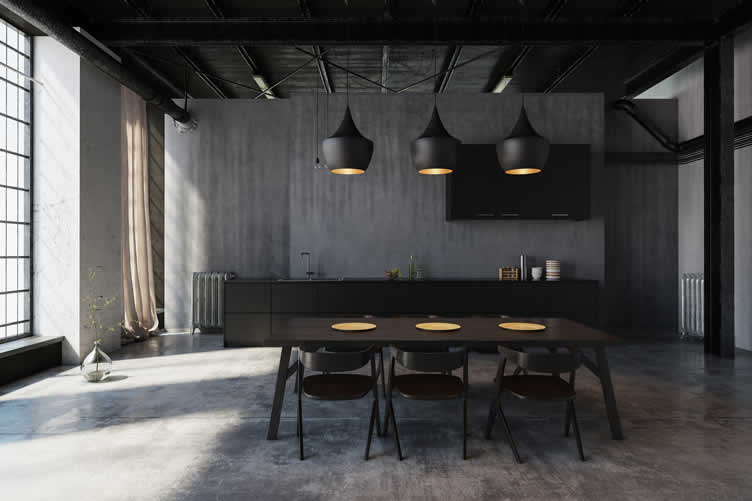
copyright image by 123rf.com
-
-
ideas to view and compare from the information discussed above
industrial: kitchen island lightingcabinet handlesdining table set
Scroll up to directory … or scroll to next section about industrial styling bed n’ bath …
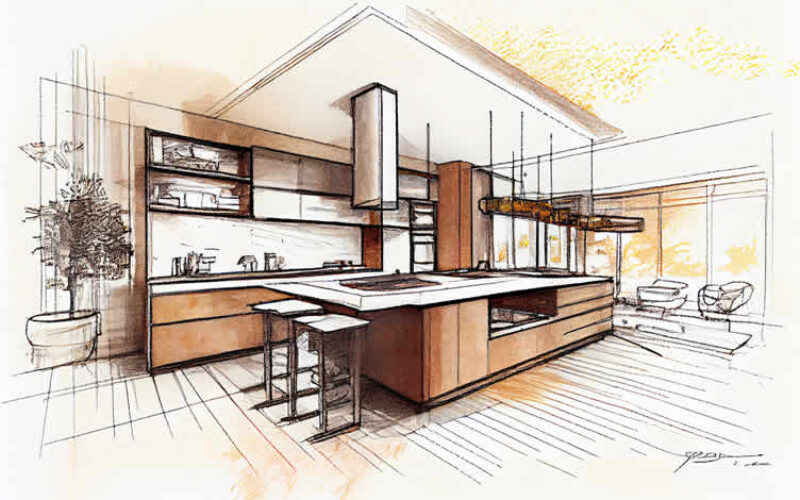


SHARE IT ..! Someone in your network might benefit from this insightful post about industrial home style. Feel free to share it on Facebook, X (formally Twitter), LinkedIn, or Pinterest!


Download this PDF for a concise summary of what to know about …?


… view our home remodeling guides and steps




fourth “photo remodeling” idea
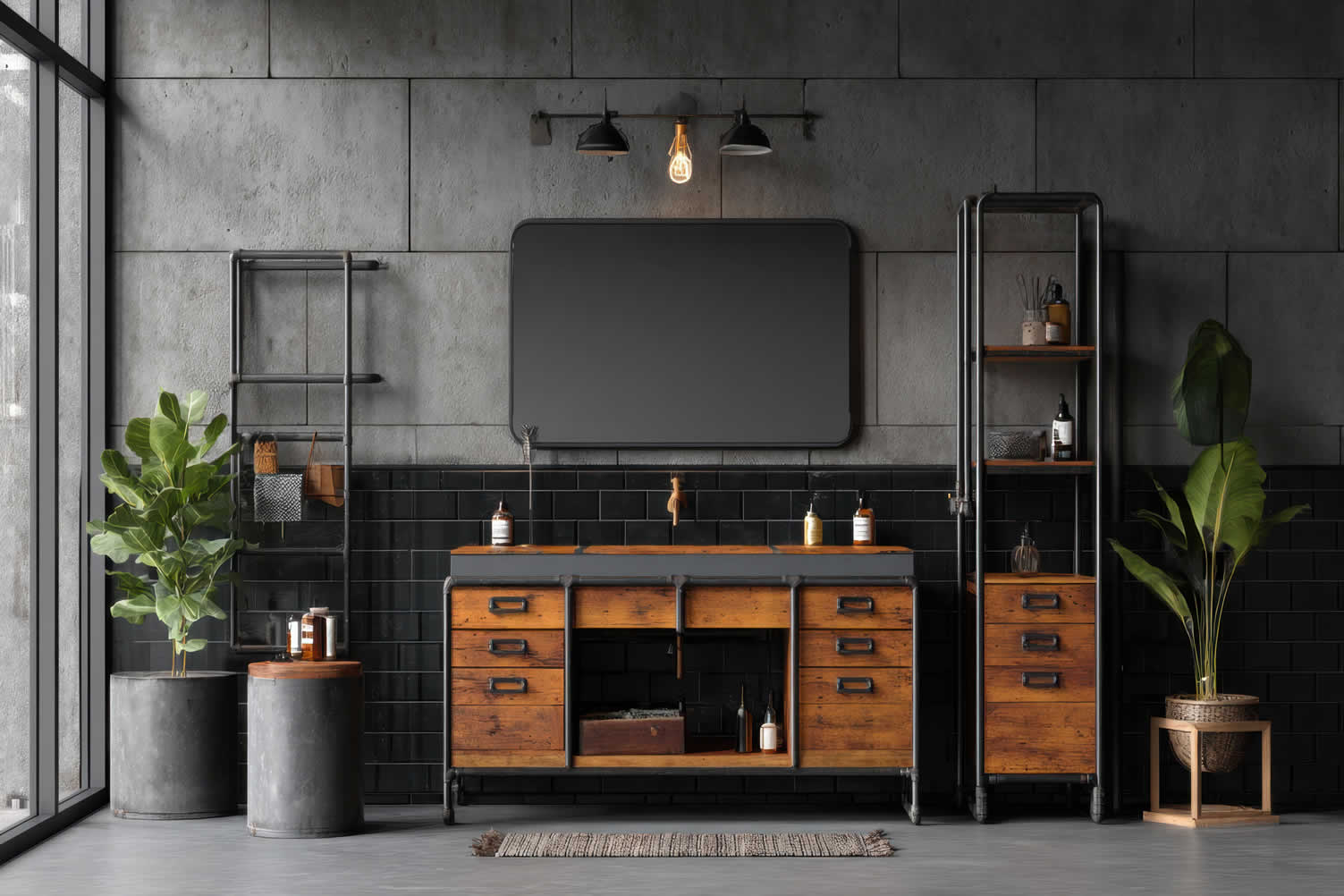
copyright image by 123rf.com
Styling Tip 4: Mastering Industrial Style: Bathroom and Bedroom
Notes:
-
Industrial design is all about blending raw, utilitarian elements with modern sophistication to create a space that feels both functional and stylish.
This design approach thrives on combining materials like exposed brick, concrete, and wood with minimalist decor and sleek metal fixtures, resulting in a look that is as timeless as it is trendy.
Whether you’re redesigning your master bedroom for a cozy yet edgy retreat or updating your bathroom to reflect an industrial aesthetic, there are countless ways to bring this design style to life.
This guide reviews essential industrial styling elements and offers practical tips to seamlessly weave these into your home. With careful attention to textures, lighting, and color schemes, your bathroom and bedroom can exude warmth and elegance while maintaining that distinct industrial charm.
-
Quick scroll to supporting notes …
-
-
1st: Styling Elements for an Industrial Bathroom
Industrial design, when applied to bathrooms, beautifully marries raw, rugged elements with practical functionality. This approach creates a space that isn’t just visually striking but also deeply inviting.
Drawing its rich inspiration from the sturdy, no-nonsense aesthetic of old factories and warehouses, this distinctive style places a strong emphasis on showcasing exposed materials, keeping embellishments to a thoughtful minimum, and embracing a bold, utilitarian charm.
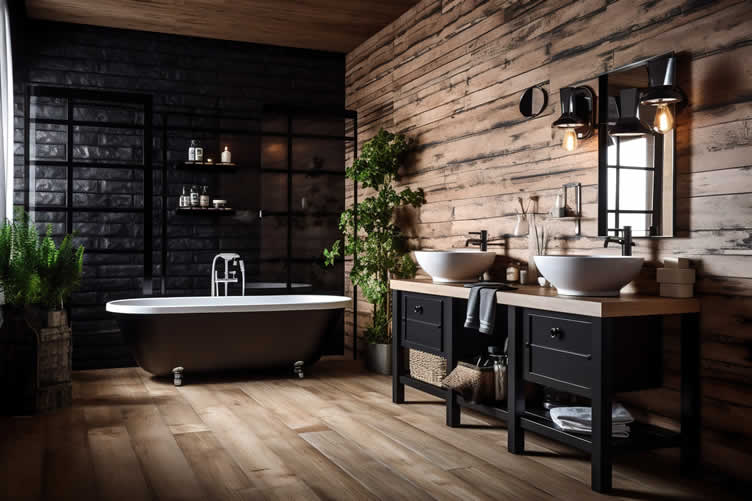
copyright image by 123rf.com
Industrial bathrooms, surprisingly, are not only incredibly stylish but also remarkably adaptable. This means that home improvers have a wonderful opportunity to tailor the design to their personal taste, all while holding onto the core principles of simplicity and lasting durability.
Below, we’ll explore the key elements to consider, helping you thoughtfully craft your very own industrial bathroom sanctuary.
- Quick scroll to “bathroom” industrial styling ideas …
-
Vanities[ view]
An industrial bathroom vanity serves as a focal point, combining form and function. Opt for vanities featuring materials like reclaimed wood, concrete, or metal.
Reclaimed wood vanities with natural imperfections bring warmth and texture to the space, contrasting beautifully with the stark elements of industrial design.
Metal frames or accents, such as steel legs or iron handles, can add a utilitarian feel, while a concrete countertop introduces a polished yet rugged surface.
what and how –
- Choose vanities with open shelving to display neatly arranged towels or storage baskets, emphasizing the raw and exposed aesthetic synonymous with industrial design.
- Consider incorporating matte black or brushed metal fixtures for a cohesive look that enhances the utilitarian vibe while maintaining a modern edge.
- Pair the vanity with a large, frameless or metal-framed mirror to amplify light and open up the space, staying true to the industrial theme’s practicality.
- Use minimalistic hardware and exposed plumbing under the vanity to accentuate the stripped-down, functional nature of industrial styling.
-
Sink and Faucet[ view]
To achieve an industrial look with your sink and faucet, prioritize utility and simplicity. Wall-mounted sinks made of stainless steel or cast iron are ideal choices, seamlessly blending into the industrial aesthetic.
For a touch of vintage style, consider a trough sink, which is not only eye-catching but also highly functional. Go with aged or matte finishes for faucets, such as oil-rubbed bronze, brushed nickel, or black steel.
Cross-handle or wheel-shaped faucet designs evoke an industrial appeal with hints of retro charm.
what and how –
- Opt for exposed plumbing beneath the sink to enhance the industrial vibe, using materials such as stainless steel or black iron for an authentic, raw look.
- Incorporate practical and robust designs by choosing deep sinks that accommodate everyday usage while complementing the utilitarian aesthetic of industrial spaces.
- Pair the sink with accessories like soap dispensers or towel hooks in coordinating finishes, such as brushed metals or matte black, to create a cohesive and polished style.
- Focus on geometric shapes and minimalistic designs for both sinks and faucets, ensuring they emphasize clean lines and functionality typical of industrial decor.
-
Shower Enclosure[ view]
A key feature in any industrial bathroom, the shower enclosure should emphasize clean lines and modern materials. Frameless or black steel-framed glass panels are excellent for achieving a balance between openness and structure.
Clear or frosted glass panels with steel hardware maintain transparency while subtly highlighting the industrial feel. Materials like subway tiles or exposed concrete for walls reinforce the aesthetic while maintaining durability and practicality.
what and how –
- Opt for minimalist designs that focus on functionality, such as simple geometric shapes and neutral color palettes, to enhance the industrial aesthetic.
- Incorporate matte black or brushed steel fixtures to underscore the raw, industrial tone while maintaining a sleek, modern finish.
- Use textured materials, such as frosted glass or corrugated metal accents, to add depth and character to the space without overwhelming the clean lines.
- Consider adding subtle contrasts, like warm wood elements or soft lighting, to balance the cool and structured feel of the industrial design.
-
Bathtub[ view]
If space allows, a free-standing bathtub can serve as a centerpiece in your industrial bathroom. Choose designs in cast iron or with a matte black or enamel-coated exterior for an authentic industrial vibe.
Clawfoot tubs with weathered finishes can introduce vintage flair, while geometrically precise tubs in darker tones align with more modern interpretations of industrial design.
Pairing the bathtub with a floor-mounted or wall-mounted faucet in brass or black complements the aesthetic seamlessly.
what and how –
- Opt for textured elements like exposed brick or concrete walls to create a raw, industrial backdrop that complements the bathtub’s bold lines and materials.
- Incorporate rugged yet functional accents, such as metal shelving or vintage-inspired lighting fixtures, to enhance the space’s utilitarian charm while retaining elegance.
- Consider using natural wood or reclaimed materials for vanity tops or cabinetry to add warmth and contrast against the cooler, industrial finishes.
- Finish the look with small details like matte black towel racks, wire baskets for storage, and neutral-hued linens to maintain a cohesive industrial aesthetic.
-
Toilet[ view]
The toilet in an industrial bathroom should integrate simplicity and efficiency. Opt for floating or wall-mounted designs for a clean, modern look or maintain traditional-pattern toilets in white or matte black to align with the industrial scheme.
Exposed plumbing, such as stainless steel pipes running visibly behind the fixture, can subtly tie into the raw, unfinished look associated with industrial spaces.
what and how –
- Select fixtures with angular or geometric shapes to enhance the clean, structured lines typical of industrial styling. Square or rectangular designs often work well in achieving this aesthetic.
- Incorporate finishes such as brushed or matte metals to add texture and visual interest while maintaining the understated, raw appearance of industrial decor.
- Consider pairing the toilet with exposed concrete or brick wall accents to emphasize the rugged, utilitarian charm of the space.
- Add functional accessories, like a sleek metal toilet paper holder or a minimalist floor-to-wall brush set, to complement the overall industrial theme without adding unnecessary complexity.
-
Hardware[ view]
Hardware plays a critical role in defining the industrial style of your bathroom. Exposed screws, rivets, and raw materials like brushed metal or blackened steel should dominate.
Towel racks, hooks, and toilet paper holders with pipe-inspired designs can add a cohesive touch. To ensure functionality, choose hardware with robust construction and finishes that can withstand moisture and wear over time.
what and how –
- Opt for matte or brushed finishes on hardware, as these textures emphasize the raw and rugged aesthetic that is central to industrial design. Avoid shiny or polished materials, which can detract from the intended style.
- Incorporate utilitarian elements, such as industrial-style faucets with cross handles or spout designs reminiscent of factory equipment, to enhance the functional yet stylish appeal.
- Use a cohesive color palette with tones like black, gray, or aged brass to maintain consistency across all hardware pieces and tie the overall design together seamlessly.
- Consider mixing materials like wood and metal for shelving brackets or vanity hardware to introduce subtle contrast without compromising the industrial theme.
-
Shelving and Organization[ view]
Open shelving is a hallmark of industrial bathrooms, adding both practicality and an opportunity for visual expression. Install shelves made of reclaimed wood paired with iron or steel brackets for a rugged, raw appearance.
Wire baskets, exposed pipe-style towel holders, and vintage lockers can enhance storage solutions while adhering to the aesthetic. Incorporate potted greenery or small decor pieces to soften the overall look and add personality.
what and how –
- Consider using a variety of finishes on shelving materials, such as distressed wood or matte black brackets, to emphasize the industrial vibe while maintaining a cohesive look.
- Mix functionality with design by incorporating multi-tiered shelving units, perfect for storing toiletries while displaying decorative accents like candles or antique jars.
- Opt for bold, industrial-style hardware like rivets or exposed hinges on cabinets and storage units to complement the open shelving and reinforce the rugged aesthetic.
- Use wire mesh or perforated metal baskets for an edgy yet practical way to organize towels, toiletries, or other essentials, blending seamlessly with the overall theme.
-
Flooring[ view]
Flooring in an industrial bathroom should strike a balance between durability and aesthetic appeal. Concrete floors, either polished or with a slightly textured finish, are a popular choice for their robustness and rough charm.
Alternatively, opt for large-format tiles mimicking concrete, stone, or weathered wood to achieve a similar look. For those wanting variation, patterned encaustic tiles in grayscale tones can introduce visual interest without straying from the industrial style.
what and how –
- Consider incorporating sealed concrete floors for a water-resistant and low-maintenance option that complements the industrial aesthetic while standing up to daily wear and tear.
- Use matte-finished tiles to maintain the understated vibe of industrial design, ensuring a seamless integration of texture and practicality.
- Pair dark or neutral-toned flooring with metallic accents, such as brushed nickel or black fixtures, to enhance the raw, industrial look.
- For added functionality, explore slip-resistant flooring options that prioritize safety while maintaining the rugged charm of industrial styling.
-
Lighting[ view]
Lighting in an industrial bathroom should emphasize function while contributing to the overall aesthetic. Wall-mounted sconces with metal shades, exposed bulbs, or cage designs provide a raw, utilitarian feel.
Pendant lights with Edison-style bulbs hanging at various heights can create visual intrigue, while LED strip lighting beneath cabinets offers a modern twist to this traditional style.
Stick to muted tones like blackened steel, brass, or aged bronze for all fixtures.
what and how –
- Incorporate dimmer switches to adjust the brightness, allowing for versatile lighting that suits both relaxing baths and practical grooming tasks.
- Consider using fixtures with a matte or textured finish to enhance the rugged appeal associated with industrial styling.
- Opt for vintage-style bulbs or warm-toned LEDs to reinforce the cozy yet bold ambiance of an industrial bathroom.
- Position lighting strategically, such as near mirrors or over focal points, to balance functionality with the dramatic flair characteristic of industrial design.
-
Other Key Elements[ view]
To complete the industrial look, consider incorporating statement features such as exposed ductwork, pipes, or brick walls. These elements showcase the raw architecture of the space and reinforce the industrial theme.
Mirrors with metal frames, particularly in distressed or patina finishes, can amplify the room’s design. Accessories like vintage clocks, leather accents, or small industrial-inspired decor pieces offer finishing touches while adding character and depth.
By incorporating these carefully chosen elements, your industrial bathroom will embody a balance of rugged charm, modern utility, and timeless elegance, offering both style and function to enhance your home.
Element Description Materials and Features Design Tips Vanities An industrial bathroom vanity serves as a focal point, combining form and function. Reclaimed wood, concrete, metal. Open shelving, matte black or brushed metal fixtures, large mirrors. Pair with large metal-framed mirrors and use exposed plumbing under the vanity for a cohesive industrial look. Sink and Faucet Utility and simplicity define industrial-style sinks and faucets. Stainless steel, cast iron. Wall-mounted or trough sinks. Aged or matte finishes like black steel or brushed nickel. Expose plumbing below the sink. Use cross-handle or wheel-shaped faucets to enhance the industrial style. Opt for deep sinks for added functionality. Shower Enclosure Focuses on clean lines and modern materials to achieve the industrial look. Frameless or black steel-framed glass panels. Subway tiles, exposed concrete, frosted glass. Use frosted glass or corrugated metal accents for texture, and add warm wood elements or lighting for visual contrast. Bathtub A free-standing bathtub can act as a centerpiece for industrial bathrooms. Cast iron, matte black, or enamel-coated finishes. Clawfoot tubs, textured concrete or brick backgrounds. Complement with exposed brick or concrete walls and use textured details like reclaimed wood or wire baskets for warmth. Toilet Simplicity and efficiency are key in industrial bathroom toilet designs. Wall-mounted or traditional designs. Stainless steel plumbing, brushed or matte metals. Go for geometric shapes like square or rectangular designs. Position against exposed concrete or brick walls to enhance the utilitarian aesthetic, and pair with minimalist accessories. Hardware Defines the industrial style with exposed details and robust construction. Brushed metal, blackened steel, pipe-inspired designs. Opt for matte or brushed finishes to avoid excess polish and highlight textures for a unified aesthetic. Shelving and Organization Open shelving enhances utility and visual expression. Reclaimed wood and steel brackets. Wire baskets, vintage lockers. Combine functionality and style with multi-tiered shelving. Use wire mesh or metal baskets for storage while maintaining the industrial look. Integrate potted greenery or small decor pieces for softness, and mix rugged and functional elements seamlessly. Flooring Balance durability with a raw, industrial aesthetic. Concrete, large-format tiles mimicking concrete, stone, or weathered wood. Explore slip-resistant options. Pair dark or neutral tones with metallic accents. Lighting Blends function with bold industrial charm. Metal shades, exposed bulbs or cages. Edison-style bulbs, brass, or black steel fixtures. Position lights near mirrors or focal points. Use dimmer switches for versatility. Other Key Elements Statement features bring the industrial style to life. Exposed ductwork, pipes, brick walls. Metal-framed mirrors, vintage clocks. Use distressed or patina finishes for added character. Incorporate small industrial-themed decor pieces for a cohesive look. Balance with personal touches and explore complementary design blogs or expert recommendations. 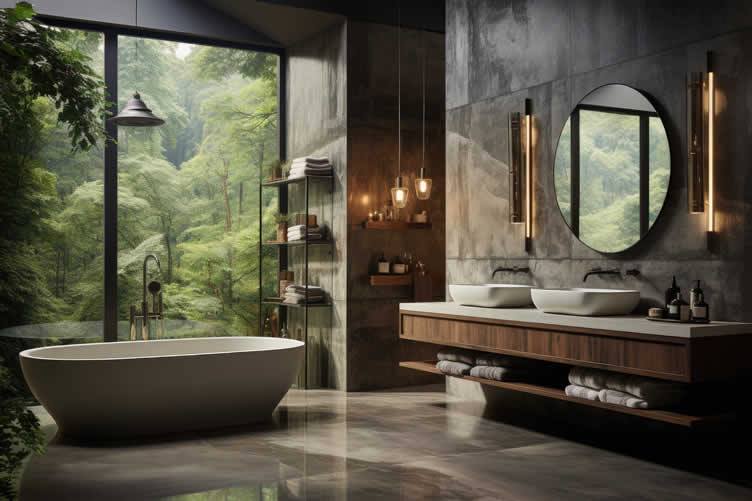
copyright image by 123rf.com
[ pinterest: industrial bathroom ]
[ youtube: Designs With Vintage Or Minimalist Chic ]
-
2nd: For the Bedroom
Industrial design in the bedroom artfully combines raw edginess with cozy comfort, creating a unique aesthetic that balances rugged materials with functional simplicity.
Inspired by the architecture of old factories and industrial spaces, this design style prioritizes practicality and utility while seamlessly incorporating natural textures like exposed wood and stone, as well as urban materials such as metal and concrete.
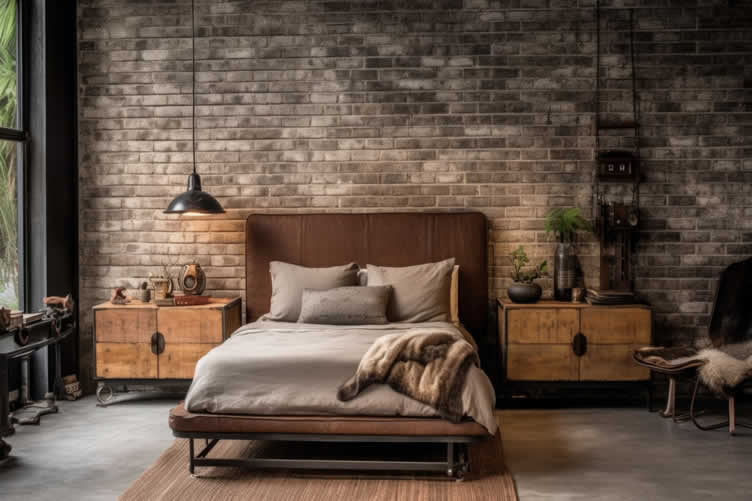
copyright image by 123rf.com
The contrast between these elements creates a striking yet approachable atmosphere. Whether you’re starting from scratch or refreshing an existing space, industrial styling offers endless possibilities to craft a bedroom that feels both bold and inviting.
Below, we’ll explore key areas to focus on when integrating industrial design elements into your bedroom, such as furniture, lighting, and materials that bring the look to life.
- Quick scroll to “bedroom” industrial styling ideas …
-
Bedroom Design and Layout[ view]
The foundation of an industrial bedroom lies in its open, uncluttered layout. This style thrives on minimalism, highlighting spaciousness to evoke a loft-like atmosphere often associated with its origins.
Integrating exposed architectural features such as brick walls, concrete ceilings, or visible ductwork brings an authentic industrial character to the room. Neutral color palettes with shades of gray, white, tan, and black anchor the design, creating a perfect backdrop for the rough textures industrial styling is known for.
Arrange the room to feel balanced, leaving plenty of negative space to create a harmonious environment that feels both airy and grounded.
what and how –
- Introduce functional yet stylish furniture made from raw materials like reclaimed wood, metal, or steel. These pieces not only complement the industrial aesthetic but also provide durability and timeless appeal. Opt for clean, simple designs to maintain the minimalist vibe.
- Incorporate soft textiles such as cotton or linen bedding, woven rugs, and subtle curtains to add warmth and comfort to the space. Layer these elements mindfully to strike a balance between the stark industrial atmosphere and cozy livability.
- Use industrial-style lighting fixtures like pendant lights, metal sconces, or Edison bulb accents. These lighting pieces add character while emphasizing the room’s understated charm. Look for oversized designs or fixtures with a matte or aged finish for authenticity.
- Highlight textures like exposed brick, distressed wood, and metallic surfaces to create visual depth. Adding greenery, such as small potted plants or hanging greenery, can soften the rugged edges and bring a touch of life to the bedroom.
-
The Bed[ view]
The bed serves as the main focal point of the bedroom, and in an industrial design scheme, it provides an opportunity to emphasize bold, structural elements. Opt for beds with metal or wooden frames, particularly in finishes like weathered steel or reclaimed wood.
A platform-style bed is a popular choice, as it keeps the design simple and low-profile. For an added industrial edge, consider beds with visible rivets, pipe-like construction details, or vintage-inspired designs.
The combination of hard surfaces with softer textures like neutral bedding creates a balanced and inviting centerpiece.
what and how –
- Choose bedding in muted, earthy tones or soft neutrals such as gray, beige, or off-white to complement the industrial aesthetic while adding warmth to the space.
- Incorporate textural contrast by layering materials like chunky knit throws, washed linen, or quilted covers to create depth and subtle coziness against the bed’s solid structural elements.
- Position the bed near a wall featuring an industrial texture, such as exposed brick, concrete, or wood paneling, to reinforce the theme and enhance the overall impact of the space.
- Add functional yet stylish lighting, like adjustable wall-mounted sconces or pendant lights with metal finishes, to frame the bed and highlight its details while maintaining the industrial vibe.
-
Textiles[ view]
While the industrial style often highlights raw and unrefined materials, textiles bring necessary warmth and softness into the space. Choose linens, throws, and pillows in neutral tones, such as off-white, charcoal, or earthy browns, but focus on natural materials like cotton, wool, and linen.
To add subtle texture, incorporate knitted throws or woven patterns that contrast against the harder materials in the room. Layering these elements achieves a balance of coziness and ruggedness that enhances the industrial aesthetic without compromising comfort.
what and how –
- Opt for oversized wool or cable-knit blankets to drape over the edge of the bed, adding a tactile layer that softens the room’s sharp edges while providing comfort.
- Incorporate a mix of patterned and solid cushions in muted shades to maintain the industrial palette. Look for cushions with rugged elements, such as leather piping or metal button details, to align with the theme.
- Introduce a textured area rug in a neutral or monochromatic color scheme beneath the bed to ground the room and provide a soft, inviting surface underfoot.
- Consider heavy, floor-length linen curtains or blackout panels in earthy tones to complement the raw aesthetic while ensuring privacy and functionality.
-
Furniture Pieces[ view]
Industrial bedroom furniture adheres to both functionality and form, featuring clean lines and utilitarian designs.
Metal and wood dominate, so look for nightstands, dressers, and benches crafted from reclaimed or distressed wood paired with steel frames. Pieces with caster wheels or visible hardware, like exposed screws or rivets, bring added authenticity to the industrial look.
Try incorporating vintage pieces, such as a re-purposed metal locker or a factory cart re-purposed into a coffee table, to enhance the raw and re-purposed appeal of the space. Avoid overly ornate or polished furniture, as simple designs fit better with this style.
what and how –
- Opt for a minimalist bed frame made from sturdy materials like blackened steel or reclaimed wood, emphasizing clean lines and an understated silhouette to maintain the industrial aesthetic.
- Incorporate metal storage solutions such as wire baskets or lockers, which serve as both functional pieces and statement accents, reinforcing the utilitarian charm.
- Select lighting fixtures such as vintage-inspired pendant lights or metal desk lamps with exposed bulbs to add an authentic industrial touch while creating a warm, inviting ambiance.
- Use open shelving made from raw wood and metal brackets to display carefully curated decor items or practical essentials, blending practicality with purposeful design seamlessly.
-
Window Treatments[ view]
Industrial design often emphasizes natural light and open windows, making window treatments minimal and practical. Opt for sheer curtains in neutral tones to allow light to filter through without overwhelming the space.
If privacy is a concern, go for flat Roman shades or roller blinds in materials like canvas, linen, or even metal mesh. Avoid frilly or heavy drapery, as these can clash with the clean, industrial lines of the room.
For additional character, consider styling windows with black steel frames or grids reminiscent of factory-style windows.
what and how –
- Choose window treatments that complement the raw and understated style of industrial design, such as natural or textured materials like burlap or unbleached cotton. These subtle fabrics enhance the minimalist charm of the space.
- Incorporate window hardware in metallic finishes such as black, bronze, or brushed nickel to echo the industrial aesthetic. Simple, streamlined rods or tracks work perfectly and maintain the cohesive, utilitarian look.
- Consider layering sheer panels with blackout roller shades for flexibility in light control and privacy. This approach balances functionality with simplicity, ensuring the room remains versatile without losing its industrial edge.
- For an added touch of warmth, pair neutral treatments with earthy tones found in nearby bedroom decor, like warm wood tones or leather accents, blending softness into the otherwise structured atmosphere.
-
Flooring[ view]
Flooring is a critical element in industrial design, as it lays the groundwork for the overall tone of the space. Polished concrete floors are a staple in industrial interiors, offering a sleek yet raw edge that is hard to replicate.
Alternatively, reclaimed wood flooring provides warmth and texture, adding a more organic contrast to the harder surfaces. Modern options like vinyl with concrete or wood grain patterns can achieve a similar look on a tighter budget.
If a softer underfoot experience is desired, consider layering an area rug with a subtle geometric pattern or in muted colors to soften the overall look while maintaining the industrial tone.
what and how –
- Opt for distressed hardwood floors or engineered wood in darker tones to bring a cozy yet authentic industrial feel to the bedroom, balancing warmth with ruggedness.
- Incorporate concrete-look vinyl planks or tiles for a durable, budget-friendly option that mimics the minimalist aesthetic of polished concrete.
- Enhance texture and comfort with a layered rug featuring neutral tones or vintage-inspired patterns to create a visually appealing and inviting atmosphere.
- Consider using oversized floor tiles with a matte finish to underline simplicity while maintaining the sleek, understated elegance central to industrial design.
-
Lighting[ view]
Lighting in an industrial bedroom is both functional and stylish, often incorporating fixtures with a vintage, factory-inspired feel. Look for pendant lights with metal shades, cage-style designs, or exposed Edison bulbs to create a warm, ambient glow.
Wall-mounted sconces with adjustable arms or desk lamps with articulated joints add to both the aesthetic and practicality of the space. For a larger statement, consider a multi-light chandelier made of blackened steel or brass with industrial detailing.
Dimmable lighting options allow you to achieve different moods, from a bright and energizing space to a cozy, relaxed retreat.
what and how –
- Opt for fixtures with a matte black, oil-rubbed bronze, or brushed nickel finish to enhance the industrial aesthetic and give the bedroom a timeless, edgy vibe.
- Incorporate vintage-style filament bulbs for an authentic industrial look while providing a soft, inviting glow that complements the raw materials in the space.
- Consider using track lighting or rail systems for a flexible approach that adds character while allowing you to adjust the lighting direction for specific areas like bedside tables or reading nooks.
- Blend functional lighting with decorative elements, such as wire-caged lights or reclaimed wood bases, to strike a balance between practicality and the rugged charm of industrial design.
-
Other Styling Considerations[ view]
To achieve a fully cohesive industrial bedroom, carefully curate accent pieces and decor that enhance the rugged yet comfortable feel of the space. Wall art featuring urban landscapes, abstract designs, or monochromatic photography complements the aesthetic.
Decorative accents like metal clocks, vintage suitcases, or wire baskets can be used to add functionality and charm. Incorporating indoor plants in cement pots or metal planters adds a touch of greenery that softens the industrial vibe.
Lastly, focus on de-cluttered organization and clean surfaces to maintain the minimal and clean ethos of industrial design.
Bringing industrial styling elements into the bedroom creates a sophisticated yet approachable environment that feels timeless. By combining the raw appeal of industrial materials with thoughtful touches of warmth and comfort, you can create a space that’s uniquely yours while respecting the principles of this iconic design aesthetic.
Beyond its visual impact, industrial design is durable and easy to maintain, making it both practical and aesthetically rewarding.
Key Element Description Design Tips Bedroom Design and Layout An industrial bedroom emphasizes a spacious, uncluttered layout with exposed architectural features such as brick walls, concrete ceilings, or ductwork. Neutral color palettes provide the perfect backdrop for raw textures. Position furniture for balance, leave negative space, and choose durable materials like metal and reclaimed wood. Add soft textiles to contrast with the rugged elements and incorporate industrial lighting for ambiance. The Bed The bed is the room’s focal point, combining bold, structural styles like wooden frames or metal finishes with soft bedding for balance. Pick beds with vintage elements or pipe-like details, and pair them with neutral-toned bedding layered with textured throws. Situate the bed against a feature wall like exposed brick to reinforce the industrial look. Textiles Textiles introduce warmth into the otherwise rugged industrial style, relying on natural materials and neutral tones. Layer knitted throws, woven patterns, and oversized blankets in earthy or muted shades. Add textured rugs and curtains to complement the industrial aesthetic. Furniture Pieces Functional, minimalistic designs dominate industrial furniture, with wood and metal being the primary materials. Use reclaimed wood, steel frames, or vintage items like re-purposed lockers. Avoid ornate designs and opt for simple, utilitarian pieces with exposed hardware. Window Treatments Industrial window treatments prioritize simplicity and natural light. Heavy drapery is avoided in favor of functional options. Select sheer curtains, canvas roller blinds, or linen Roman shades. Metallic hardware complements the industrial theme, while factory-inspired window styling adds authenticity. Flooring The flooring sets the tone for industrial style, with polished concrete or reclaimed wood being popular choices. Use distressed or engineered wood for warmth, or concrete-look vinyl for cost efficiency. Layer textured or vintage-patterned rugs for comfort and visual appeal. Lighting Lighting combines functionality with vintage-inspired designs, emphasizing industrial fixtures with character. Install pendant lights, wall-mounted sconces, or Edison bulb accents. Use dimmable options or track lighting for flexibility, and choose finishes like matte black or oil-rubbed bronze. Other Styling Considerations Accent pieces and decor complete the industrial bedroom by adding charm and cohesion. Incorporate metal clocks, wire baskets, urban-inspired art, and greenery in cement pots. Maintain clean surfaces and de-clutter to emphasize the minimalistic, rugged appeal. 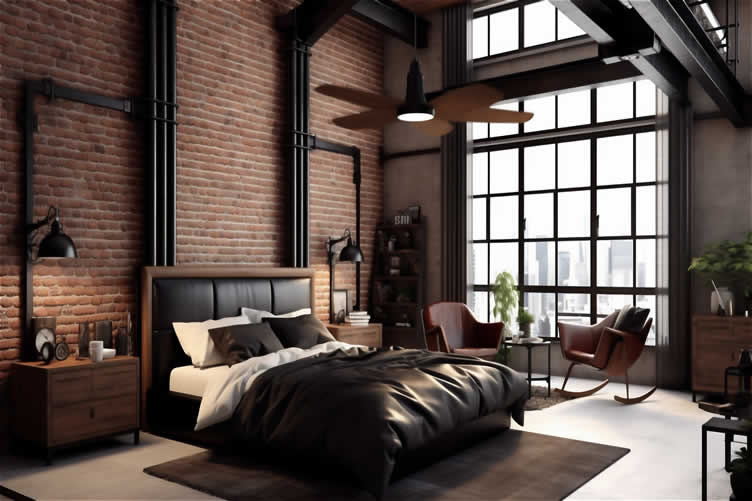
copyright image by 123rf.com
[ pinterest: industrial bedroom ]
[ youtube: 90+ INDUSTRIAL BEDROOM DECOR IDEAS ]
-
-
ideas to view and compare from the information discussed above
Scroll up to directory … or scroll to next section about industrial styling other home areas …

Outline the specific requirements needed for making …
… key home improvement and remodeling decisions


Download this PDF for a concise summary of all you need to know about …?
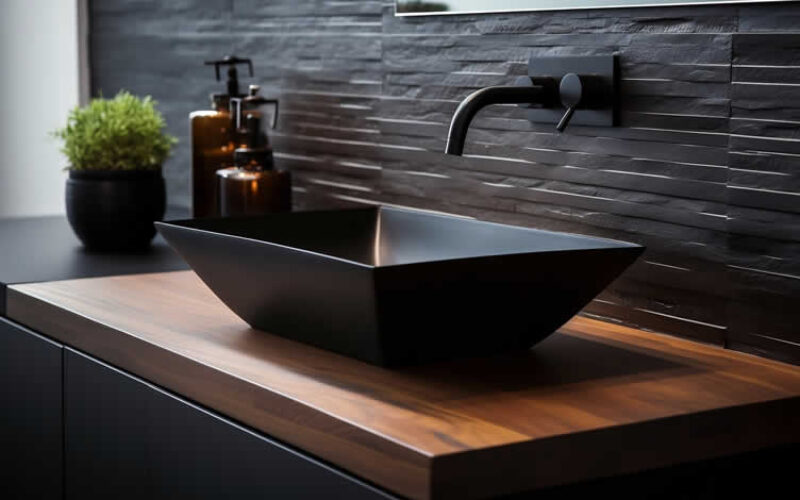
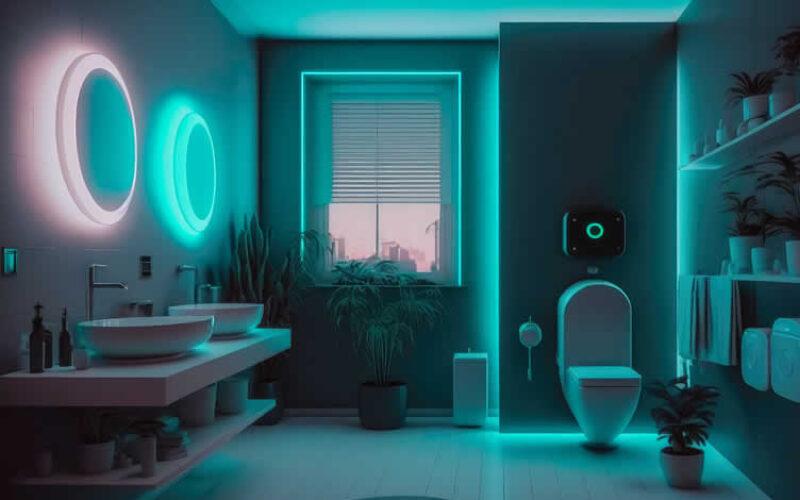
… home remodeling – improvement – repair



Download this PDF for a concise summary of all you need to know about …?
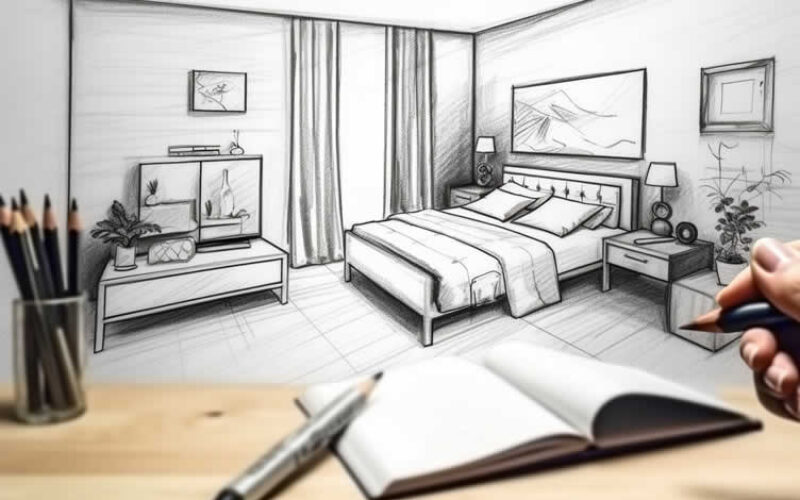
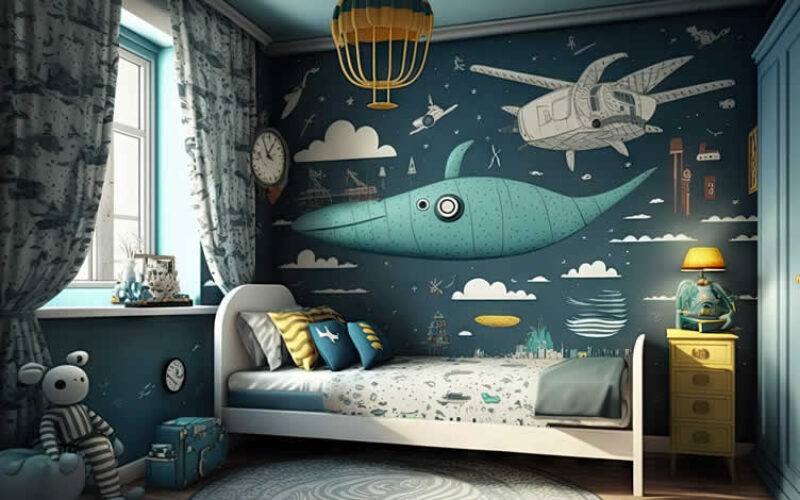
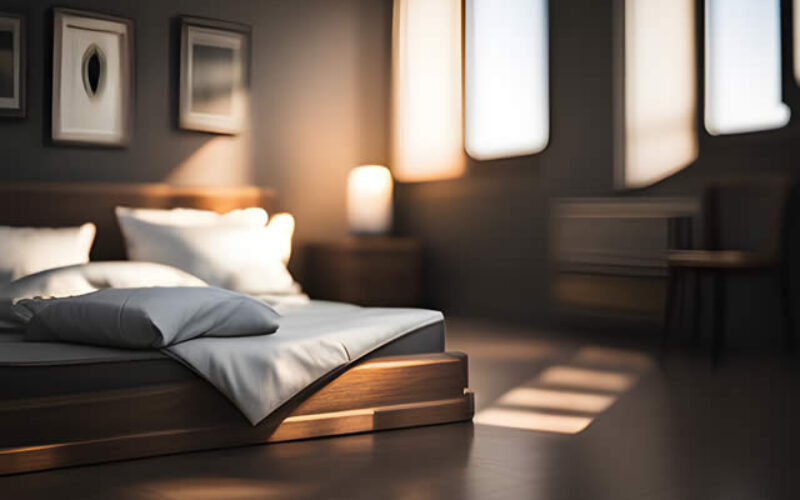
Find Interior Design Services Decorators Interior Designers Furniture Painting & Staining top-rated, pre-screened local contractors FREE: download contractor selection enter zip code – powered by HomeAdvisor ™
Quick Contractor Guides selecting negotiating working with inspecting

fifth and last “photo remodeling” idea
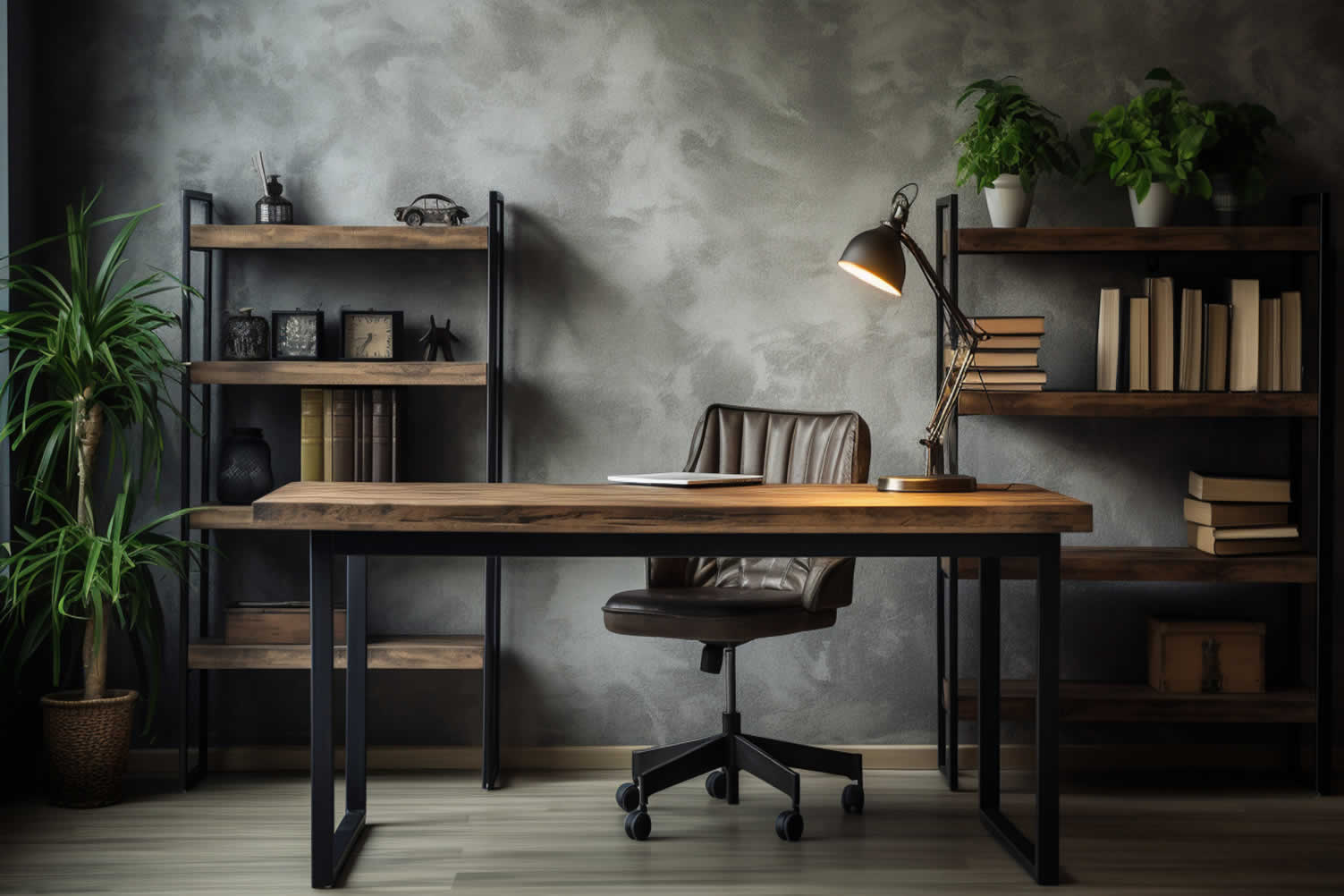

copyright image by 123rf.com
Styling Tip 5: Expanding Industrial Style Beyond the Basics
Notes:
-
While industrial styling is often associated with open living areas or kitchens, its principles can transform other underutilized or specialized spaces into cohesive, visually stunning environments.
Exploring industrial design for areas like home offices, recreation rooms, patios, basements, and other unique spaces allows homeowners to imbue these environments with character and practicality.
Whether incorporating reclaimed wood shelving in a home office, concrete textures on a patio, or exposed piping in a basement lounge, industrial elements add depth and dimension.
By extending this bold and adaptable style throughout the home, you can create a seamless and eye-catching flow that blends utility with modern flair.
-
Quick scroll to supporting notes …
-
-
1st: Industrial Styling for Other Areas of the Home
Industrial design, once primarily associated with expansive living rooms or sleek kitchens, has beautifully broadened its horizons. It’s now gracefully evolving to find its unique place in nearly every corner of our homes.
This style’s distinctive blend of raw, earthy textures, robust and rugged materials, and a sophisticated minimalist sensibility creates a truly cohesive and inviting aesthetic, no matter where it’s applied.
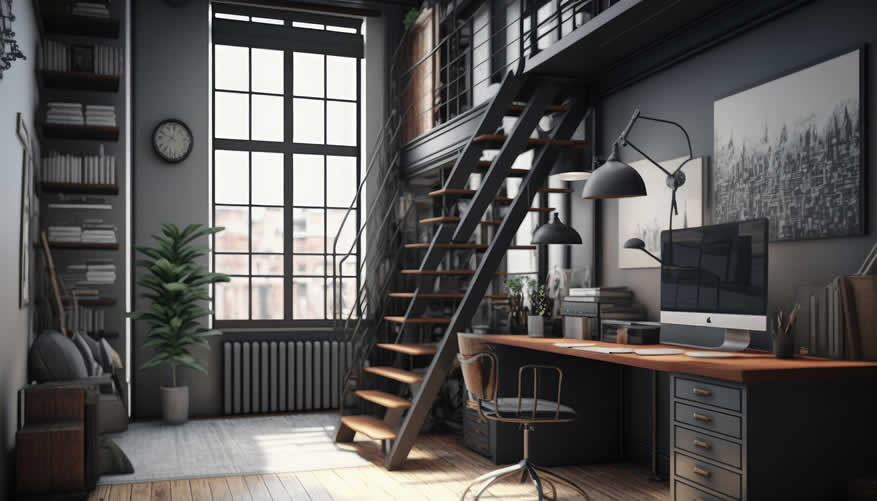
copyright image by 123rf.com
Perhaps you’re envisioning a more inspiring home office, a tranquil recreational retreat for hobbies, or even a functional and stylish outdoor entertaining space; industrial styling genuinely offers endless possibilities.
It allows you to transform these areas into modern and functional masterpieces that truly reflect your personal touch.
Below, we’ll gently guide you through how industrial design can be thoughtfully tailored for various spaces in your home, ensuring that both its compelling aesthetics and its comforting practicality are wonderfully achieved.
- Quick scroll to “other home areas” industrial styling ideas …
-
Home Office[ view]
Creating an industrial-inspired home office is all about combining functionality with character. Start with a sturdy work desk that incorporates reclaimed wood paired with blackened steel or iron legs, giving the space a robust and utilitarian feel.
Complement your desk with shelving units made of weathered wood and exposed piping for storage, creating a visual homage to the industrial roots of warehouse design.
The seating in an industrial office should blend comfort with structure. Opt for a leather or fabric chair featuring metal detailing that ties in with the room’s overall aesthetic.
Lighting plays a vital role in setting the mood, and incorporating adjustable task lighting with metal shades on an articulated arm can help achieve a professional yet stylish environment.
To soften the space and add warmth, include a durable area rug in muted patterns or earthy tones, while wall art made from vintage signage or blueprints evokes creativity and inspiration.
what and how –
- Enhance the industrial aesthetic by choosing accessories with raw, unfinished textures, such as galvanized metal organizers, concrete pen holders, or wire baskets for desk storage. These add both form and function, keeping essentials within easy reach while maintaining the rugged appeal.
- Incorporate greenery with low-maintenance indoor plants like succulents or snake plants housed in industrial-style planters, such as distressed metal pots or concrete vessels. This touch of natural elements can balance the space and bring life to the room.
- Consider using a monochromatic or neutral color palette for walls and decor, employing shades of gray, taupe, or beige to amplify the industrial ambiance while allowing feature furniture and accessories to stand out.
- Finish the look with statement decorative pieces like an oversized industrial wall clock, vintage machinery replicas, or old factory-inspired items that double as conversation starters and reinforce the office’s industrial character.
-
Recreation Room[ view]
When styling a recreation room with industrial elements, the focus shifts toward creating a space that feels inviting, comfortable, and stylish. Use materials like brick or concrete for accent walls, enhancing the authentic industrial vibe.
Large, deep-seated sofas in distressed leather or neutral fabrics provide ample seating while adhering to the rugged look of the theme.
Metal and wood coffee tables or storage trunks double as functional pieces, offering both style and utility. Bar carts or cabinets fashioned from industrial steel or reclaimed wood are excellent for creating a casual and relaxed atmosphere.
Enhance the aesthetic appeal with pendant lighting or industrial-style chandeliers crafted with Edison-style bulbs, which exude warmth and character.
Finally, incorporate playful elements like a reclaimed wood dartboard cabinet or vintage pinball machine to complete the recreation room with personality and energy.
what and how –
- Opt for open shelving units crafted from raw metal and wood to display books, decor, or game accessories, keeping the space organized while maintaining an authentic industrial appeal.
- Add a rug with bold geometric patterns or neutral tones to soften the concrete or wood flooring and create a cozy layer of comfort underfoot.
- Decorate with vintage-inspired accessories, such as old metal signage, wire baskets, or antique timepieces, to bring personality and a touch of nostalgia to the room.
- Incorporate greenery using industrial-style planters in metal finishes or reclaimed wood to balance the rustic design with a refreshing, organic element.
-
Kids Bedroom[ view]
While industrial styling may not seem like the obvious choice for a child’s bedroom, the design can be adapted to meet both the playful and practical needs of little ones.
Begin with a metal bed frame in a black, gray, or white finish. Pair this with softly textured bedding in neutral shades to balance industrial tones with comfort.
Wall accents like metal letter art or chalkboard paint can add interactive elements to the space, while wire storage baskets and wall-mounted shelving units make tidying up both visually appealing and practical.
A thick jute rug underfoot adds texture and durability to the room while staying in line with the industrial aesthetic. For lighting, consider caged wall sconces or table lamps that are safe for children while retaining the robust character of the design.
what and how –
- Incorporate sturdy furniture pieces designed for both function and play, such as industrial-style storage benches with a steel frame and wooden tops that can double as seating and toy storage.
- Opt for a balanced color palette, introducing pops of playful colors like orange or teal in accent pieces, such as cushions or wall art, to add vibrancy while complementing the room’s industrial feel.
- Include creative play elements, such as a chalkboard wall for kids to draw on or a wall-mounted pegboard for organizing toys, art supplies, or hanging small industrial-themed decor.
- Use durable flooring like vinyl or laminate that mimics wood or concrete for easy maintenance, and layer it with washable rugs to make the space cozier and child-friendly.
-
Patio, Deck or Balcony[ view]
Your outdoor space can also take on the industrial aesthetic, making patios or decks an extension of your interior design theme.
Furnish the area with metal-framed outdoor furniture featuring cushions in weather-resistant yet neutral fabrics, such as gray or beige. Raw wood dining tables or coffee tables add a touch of natural warmth and blend beautifully with exposed metal.
Lighting is key for maximizing outdoor enjoyment in the evenings. String Edison-style bulbs overhead or add wall-mounted sconces in industrial finishes, like oil-rubbed bronze or aged steel, to create an ambient glow.
Consider galvanized steel planters for greenery, introducing organic elements while staying true to the theme. Durable outdoor rugs in minimalist patterns can tie the look together, and incorporating fire pits with a steel base adds both functionality and industrial charm to your outdoor haven.
what and how –
- Opt for weathered metal accents, such as steel or iron railings and furniture legs, to emphasize the rustic yet modern industrial vibe. Combining these elements with distressed wood furniture creates a balanced aesthetic that feels both rugged and inviting.
- Introduce multi-functional storage options like metal trunks or shelving units for practical yet stylish organization, especially on smaller balconies or decks where space is a premium. These can double as seating or display areas for potted plants and decor items.
- Use neutral and earthy tones accented with muted metallic finishes, such as matte black or antique copper, to maintain cohesion with the industrial theme. Incorporating patterned throw pillows or blankets can add softness and visual contrast for comfort.
- Add vertical interest with wall-mounted metal grids or trellises. These structures are perfect for hanging small planters, outdoor lights, or even tools, seamlessly blending functionality with chic industrial design.
-
Basement or Attic[ view]
Basements and attics are often overlooked spaces that can become stunning industrial retreats when styled appropriately. Exposed beams, ductwork, or brick walls can serve as the foundation of your design, highlighting the raw architectural elements of these areas.
Choose multi-functional furniture such as modular sofas or convertible ottomans, ensuring the space feels both inviting and practical.
For storage, incorporate metal lockers or vintage trunks that add character while keeping your space organized. Industrial lighting, such as pendant lights with weathered finishes or exposed filament bulbs, will complement the unfinished edges of the space.
Flooring is also an important consideration—polished concrete or wood-look tiles are durable and fit seamlessly into the industrial style.
Personalize the space by adding decor items like vintage maps, framed black-and-white photography, or artwork that references urban landscapes or industrial innovations. These touches help ground the design while giving it a tailored and polished finish.
what and how –
- Consider incorporating a neutral or monochromatic color palette, blending shades of gray, black, and white with occasional warm tones like rust or brown to add depth and ensure cohesion in the industrial aesthetic.
- Use textiles strategically to soften the space, such as adding area rugs with geometric patterns, leather cushions, or sturdy canvas throws, balancing the rugged industrial vibe with comfort.
- Opt for open shelving units with metal frames or reclaimed wood planks for both display and functionality, allowing you to showcase decor items while maintaining an airy and organized feel.
- Enhance the ambiance by layering textures, such as pairing rough brick walls with sleek metallic finishes or distressed wood furniture with smooth glass elements, creating visual interest in every corner of the room.
Area Description Key Features Decor Elements Industrial Home Office A functional space combining robust materials with stylish design. Furniture featuring reclaimed wood and metal; adjustable task lighting; seating with metal detailing. Vintage wall art, galvanized metal organizers, concrete pen holders, and industrial-style planters. Industrial Recreation Room An inviting, stylish area emphasizing comfort and entertainment. Brick or concrete accent walls; distressed leather sofas; metal and wood coffee tables. Pendant lighting, vintage pinball machines, reclaimed wood dartboard cabinets, and wire baskets. Industrial Kids Bedroom A playful yet functional space with industrial charm tailored for kids. Metal bed frames; chalkboard paint; wall-mounted shelving units; durable jute rugs. Pop accents with colors like orange or teal; chalkboard walls; industrial-style storage benches. Industrial Patio, Deck, or Balcony An outdoor extension of an industrial-themed home with rugged yet inviting elements. Metal-framed furniture with weather-resistant fabrics; raw wood tables; Edison-style bulb lighting. Galvanized steel planters, distressed wood furniture, outdoor rugs, and industrial fire pits. Industrial Basement or Attic Transformed spaces that highlight raw and architectural elements. Exposed ductwork and beams; modular furniture; polished concrete or wood-look tile flooring. Framed photography, vintage maps, open shelving, and rugs with geometric patterns. 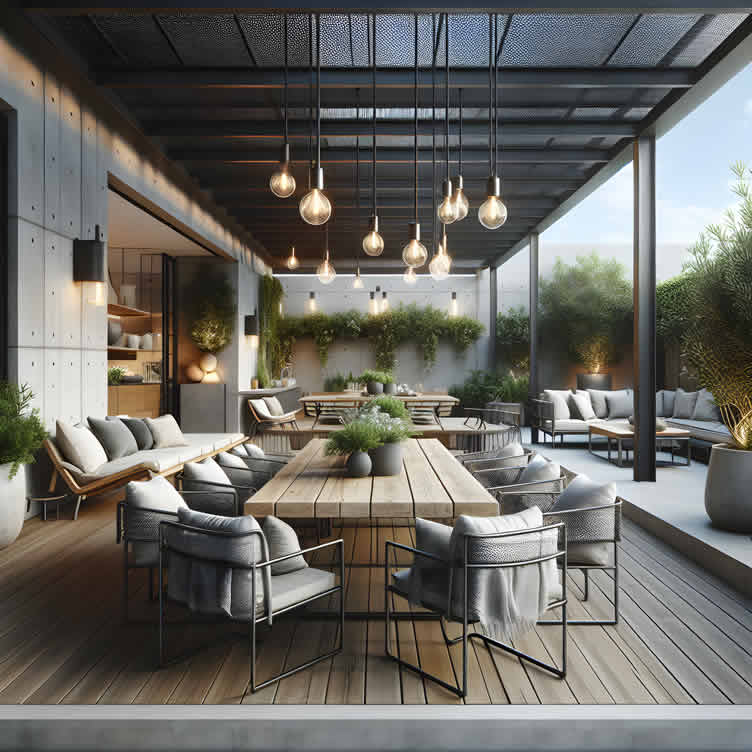
AI generated image by 123rf.com
[ pinterest: industrial home office ]
[ pinterest: industrial patio ideas ]
-
2nd: Industrial Design with Home Automation
The fusion of industrial design with home automation brings together the rugged elegance of raw materials and the convenience of advanced technology. This combination creates a living space that feels both timeless and futuristic, defined by its functionality, aesthetics, and seamless integration.

copyright image by 123rf.com
Industrial interiors are known for their bold architectural elements, such as exposed brick walls, metal accents, and vintage-inspired decor, while home automation provides the tools for modern living.
Together, these elements enhance your daily experiences, improving comfort, efficiency, and control over your living environment.
[ view summary table: smart automation ]
-
Smart Switches and Outlets
Smart switches and outlets are a foundational element for automating an industrial-themed home. They enable you to control and customize your lighting, appliances, and other electronic devices effortlessly. Install black or metallic-finish switches with minimalist designs to complement your industrial aesthetic.
These smart features allow for scheduling and remote operation, which can be managed through an app or voice commands. Beyond convenience, these devices enhance energy efficiency and safety, ensuring peace of mind while maintaining the style of your space.
-
Lighting Control
Lighting is a key component of industrial design, and home automation takes it to the next level. Incorporate smart lighting systems with dimmable LED fixtures to enhance the ambiance in your space.
Supporting the industrial aesthetic, consider vintage-style LED Edison bulbs, which offer a warm glow and a retro charm. By integrating automated lighting control, you can adjust brightness levels or switch between lighting presets throughout the day for different activities.
Motion sensors can also be programmed to activate lights only when needed, adding convenience and energy savings without disrupting the decor.
-
Sound and Acoustic Control
Acoustic design paired with automation enhances the mood and functionality of an industrial interior. Smart sound systems, like wireless speakers and soundbars, can be strategically placed to resonate with the open spaces and high ceilings typical of industrial homes.
Opt for devices that offer discreet, wall-mounted designs in metallic finishes for a seamless look. These systems can be connected to a central hub, enabling voice or app-controlled access to playlists, podcasts, or ambient sounds, creating a fully immersive sensory experience that feels modern yet well-grounded.
-
HVAC Control
Efficient heating, ventilation, and air conditioning systems are integral to maintaining comfort in an industrial home, which often has large, open rooms that are challenging to regulate. Smart thermostats integrated with HVAC systems can automatically adjust temperatures based on your preferences, time of day, or occupancy.
Choose devices with understated, sleek designs to blend organically into your industrial space. These systems not only provide precision control for optimal comfort but also contribute to significant energy savings through efficient operation and scheduling.
-
Home Security
Peace of mind is a critical aspect of home automation, and integrating smart security systems into your industrial home can help achieve that. From video doorbells to surveillance cameras and smart locks, home security options can be tailored to meet your needs.
Look for units with metallic or matte-black finishes that echo industrial aesthetics. Many of these devices allow real-time monitoring from your smartphone, enabling you to check in on your home from anywhere.
Sophisticated alarm systems can also be part of the network, ensuring comprehensive protection that aligns with modern living requirements.
-
Central Hub for Control with IoT
A centralized hub for controlling all your Internet of Things (IoT) devices can effectively tie together the automated elements of your industrial home. Whether it’s a dedicated smart control panel or a virtual assistant like Google Nest Hub or Amazon Echo Show, these hubs offer intuitive and user-friendly interfaces to manage every automated function.
Make sure your chosen central hub supports multiple devices and platforms to ensure seamless integration. Minimalist designs pair effortlessly with the straightforward, no-frills aesthetic of industrial interiors while elevating user convenience.
-
Additional Features
Industrial design with home automation extends beyond basic systems. Automated blinds or motorized shades can enhance the functional appeal of large industrial windows and lofty spaces.
Smart kitchen solutions, such as app-controlled appliances or automated coffee makers, can also complement the theme, introducing convenience to your daily routines.
Additionally, consider incorporating eco-friendly IoT systems, like smart water usage monitors, to elevate sustainability in your home. All these features come together to support a cohesive and stylish living space that emphasizes functionality and technology.
Feature Description Industrial Design with Home Automation The fusion of industrial design with home automation brings together the rugged elegance of raw materials and the convenience of advanced technology. This combination creates a living space that feels both timeless and futuristic, defined by its functionality, aesthetics, and seamless integration. Smart Switches and Outlets Smart switches and outlets are a foundational element for automating an industrial-themed home. They enable control of lighting, appliances, and other devices effortlessly. Metallic-finish, minimalist designs complement the industrial aesthetic, while providing scheduling, remote operation, energy efficiency, and safety. Lighting Control Lighting is a key feature of industrial design, enhanced with home automation through dimmable LED fixtures and vintage-style Edison bulbs. Automated systems allow brightness adjustment, presets for different activities, and motion sensors for energy savings, all while maintaining industrial decor. Sound and Acoustic Control Acoustic design paired with automation uses smart sound systems like wireless speakers and soundbars that resonate with industrial spaces. Wall-mounted, metallic-finish devices connect to a central hub for easy control, offering an immersive, modern sensory experience. HVAC Control Efficient heating, ventilation, and air conditioning in large industrial homes can be managed with smart thermostats. These devices adjust automatically based on preferences or occupancy, ensuring optimal comfort, energy savings, and a seamless integration into the industrial aesthetic. Home Security Smart security systems like video doorbells, cameras, and smart locks ensure peace of mind while echoing industrial aesthetics with metallic or matte-black finishes. These systems offer real-time monitoring and alarms, meeting modern security needs. Central Hub for Control with IoT A centralized hub manages all IoT devices in an industrial home. Smart control panels or virtual assistants like Google Nest Hub provide user-friendly interfaces, supporting multiple devices and seamless integration, while complementing the minimalist industrial style. Additional Features Industrial design with home automation extends to features like motorized blinds for large windows, smart kitchen appliances, and eco-friendly systems such as water usage monitors. These additions enhance functionality, sustainability, and modern living within the industrial aesthetic. 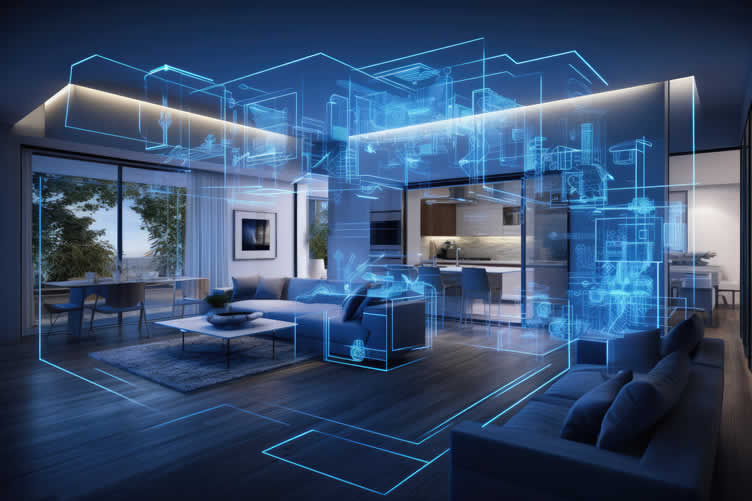
copyright image by 123rf.com
-
-
3rd: Getting Professional Help
When embarking on the journey of creating your dream industrial-style home, sometimes the help of a professional can make all the difference.
While DIY projects and strategic budgeting are fantastic ways to personalize your space, an experienced contractor or interior designer brings expertise and insights that elevate your vision to new heights.
From intricate structural considerations to polish-perfect decor, their guidance can ensure a seamless blend of functionality and aesthetics. Here’s how professionals can help you achieve an authentic and striking industrial design:
[ view summary table: professional benefits ]
-
Expertise in Structural Adjustments
Industrial-style homes often incorporate architectural elements such as exposed beams, pipes, or concrete finishes. A professional contractor can assess your space, identifying opportunities to highlight these raw materials while maintaining the structural integrity of your home.
They can also handle challenging renovations, such as removing walls or creating open-concept layouts, which are key to achieving the airy, industrial look.
-
Tailored Design Consultation
An interior designer brings a wealth of knowledge about styling and trends, ensuring your vision is fully realized. They can help you choose the perfect color palette of muted tones, select statement pieces like a metal coffee table or pendant lighting, and incorporate reclaimed materials for authenticity.
With their expertise, your space will reflect the industrial aesthetic while also catering to your unique preferences and lifestyle needs.
-
Maximizing Functionality and Budget
While industrial design champions raw and unfinished elements, every piece should serve a purpose. Professionals excel at maximizing functionality—whether it’s designing custom storage solutions or incorporating multi-use furniture.
Additionally, they can help you stay within budget by sourcing cost-effective materials and recommending investment-worthy decor items that still align with the industrial style.
-
Seamless Execution and Efficiency
Managing a home remodel requires careful planning, especially for industrial design where details like textures and finishes demand precision. A professional team ensures your project is completed on time with high-quality results.
They coordinate everything from material procurement to installation, taking the stress off your shoulders and allowing you to enjoy the transformation process.
-
Access to Exclusive Resources
Contractors and interior designers often have access to unique resources, from wholesale pricing on materials to connections with skilled artisans. This not only saves you money but can also introduce statement elements into your home, such as a custom steel frame or aged wood installations, that truly make your industrial design stand out.
Bringing in professional help doesn’t mean losing creative control; instead, it means partnering with experts who amplify your ideas while handling the technical and logistical challenges.
With their support, your industrial-style home can become a perfectly balanced space that marries personality, practicality, and timeless style.
Aspect Description Benefit Expertise in Structural Adjustments Professional contractors bring specialized knowledge to structural modifications, ensuring the incorporation of architectural elements such as exposed beams or concrete finishes while maintaining the integrity of the home. Achieves key industrial-style aesthetics safely and effectively while handling complex renovations like open-concept layouts. Tailored Design Consultation Interior designers guide the selection of color palettes, reclaimed materials, and statement decor pieces that suit the industrial aesthetic and cater to personal preferences. Creates a customized design that reflects the industrial look while aligning with individual lifestyle needs. Maximizing Functionality and Budget Professionals ensure each element serves a purpose, offering multi-use furniture and cost-effective solutions while suggesting high-value investments for lasting impact. Balances aesthetics with practicality, ensuring efficient use of space and adherence to budget constraints. Seamless Execution and Efficiency Professional teams plan and manage every stage of the remodel, from procurement to installation, guaranteeing precision in textures and finishes. Saves time and reduces stress, delivering superior results with minimal disruption to daily life. Access to Exclusive Resources Contractors and designers leverage exclusive networks, obtaining wholesale materials and artisan-crafted elements unavailable to the general public. Introduces unique statement pieces like custom steel frames or aged wood installations, enhancing the industrial design. LetsRenovate has partnered with HomeAdvisor™, a renowned provider of highly-rated, carefully-vetted local interior designers. Start your search here by entering your zip code to find local professionals.
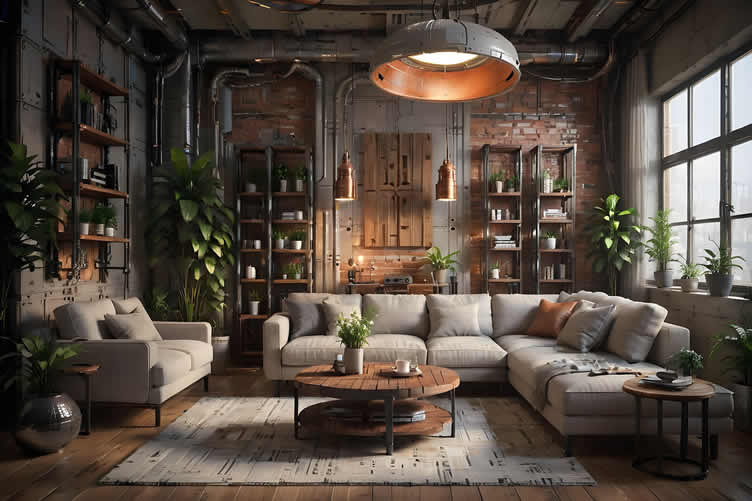
AI generative image by 123rf.com
But Wait!
Before you start looking for an interior designer, download this evaluation worksheet.
It’s designed to help you objectively compare potential professionals based on key factors like pricing, licensing, and referrals.

Evaluation Sheet
File Type: -
-
-
Conclusion:
… bring your industrial vision to life
Industrial home style offers endless possibilities for creating authentic, functional spaces that feel uniquely yours. By focusing on core principles and choosing materials, furniture, and lighting that honor its heritage, you can transform any room into an urban retreat.
Successful industrial design balances raw, edgy elements with warmth and personal touches. Blend vintage finds with modern pieces, or add unexpected colors and textures that reflect your personality. The best industrial spaces feel lived-in, showcasing a mix of past and present.
Start small—experiment with exposed materials, metal and wood combinations, and vintage-inspired lighting in one room or corner. As you grow comfortable with the look, expand throughout your home. The process of creating your industrial space should be as fulfilling as the end result.
References and Citations
- Industrial Interior Design: Everything You Need to Know About This Raw and Commanding Style
https://www.architecturaldigest.com. - An Introduction to Industrial Interior Design https://vpcbuilders.com.
- Industrial design style: https://www.ikea.com.
- Industrial interior design: 7 characteristics you need to know: https://www.bbcmaestro.com.
- Industrial Interior Design: 7 Characteristics of Industrial Style: https://www.masterclass.com.
- Why The Industrial Style Is So Popular In Home Interior Design?: https://cosywood.co.uk.
- Industrial Interior Design: Everything You Need to Know About This Raw and Commanding Style
-
ideas to view and compare from the information discussed above
- What comments can you share about
any industrial styling ideas?
Scroll up to directory … or scroll to more home interior-related topics …



Easily determine the dimensions you need for any home remodeling project …
… ensuring functionality, visual appeal, and compliance with building codes.


view illustration “becoming a bank”
Download this PDF for a concise summary of all you need to know about …?



Calendar For:
Home Maintenance
File Type:
… view our sharing links below for a quick "share the knowledge"
Cover image credit: industrial home style by 123rf.com
end of post … please share it!
 |
did you find this industrial home style analysis helpful? If so, please share the article with your friends and family! |
Nice pic idea? Leave us a quick comment below.
And please share this pic idea within your social networks.