Summary Outline –
Your home entryway serves as the opening chapter of your family’s story, setting the tone for every visitor who crosses your threshold. This often-overlooked space holds tremendous potential to create lasting first impressions while providing essential functionality for daily life.
A thoughtfully designed entryway not only welcomes guests with warmth and style but also establishes the design narrative that flows throughout your home.
Creating an inviting entryway doesn’t require extensive renovations or significant financial investment. With strategic decorating ideas and careful attention to both form and function, you can transform this transitional space into a beautiful introduction to your personal style.
Whether you’re working with a spacious foyer or a compact apartment entrance, the right combination of lighting, furniture, and decorative elements can make your home entryway feel both practical and welcoming.

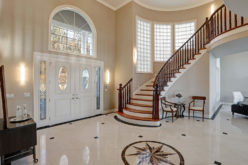
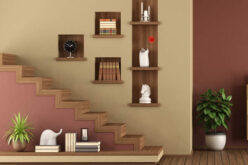
first “home entryway” idea
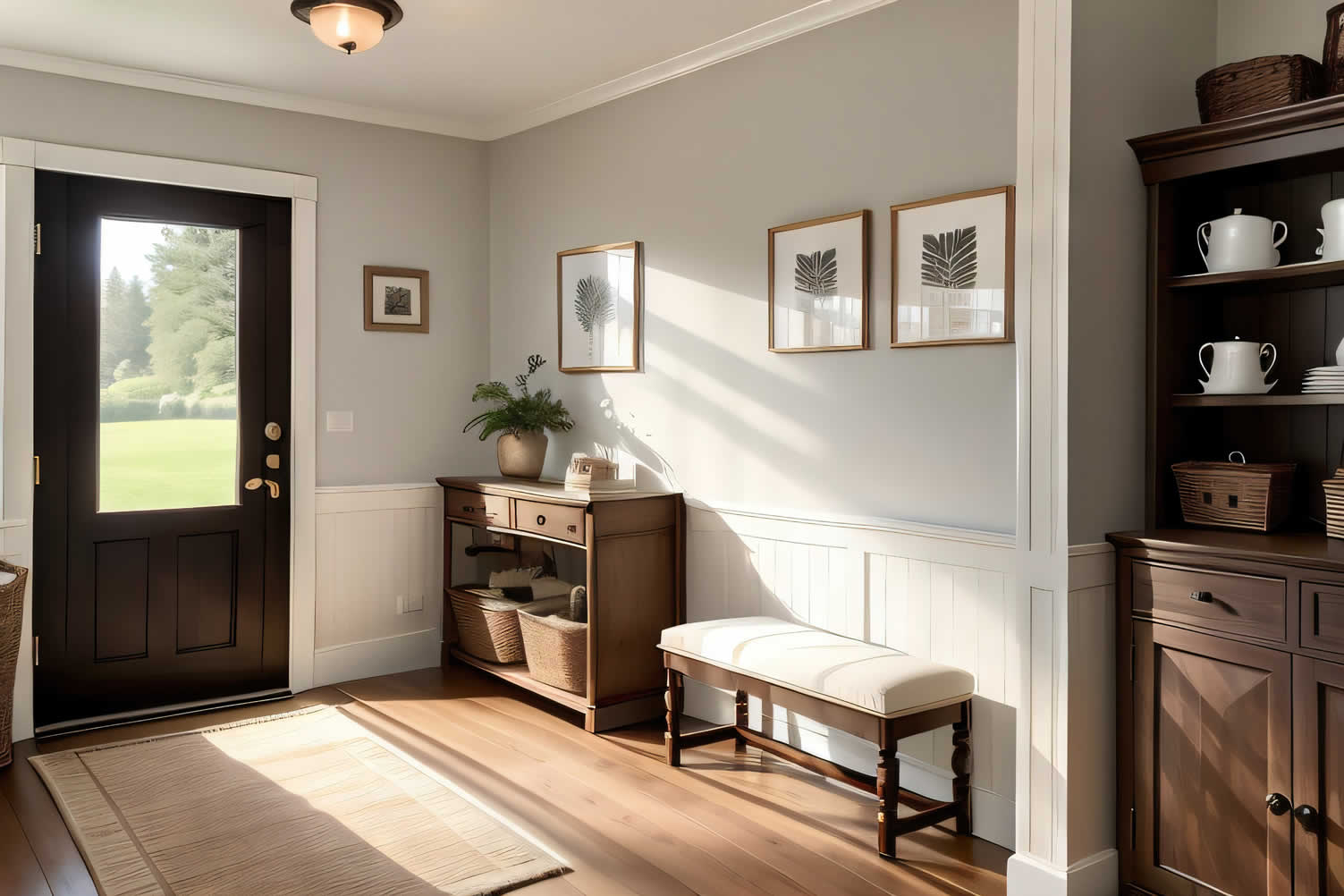

copyright image by 123rf.com
Section 1: Key Elements of an Inviting Entryway
Notes:
-
The foundation of exceptional entryway decor lies in balancing four essential components that work together to create a cohesive and functional space.
These elements form the backbone of your design strategy, ensuring that your home entryway serves both aesthetic and practical purposes while making guests feel genuinely welcome.
-
Quick scroll to “essential components” side notes …
-
-
1st: Adequate Lighting
Lighting plays a crucial role in transforming your entryway into a welcoming and functional space. The right lighting not only ensures safety but also elevates the overall atmosphere, creating a first impression that resonates with every guest.
To achieve this balance, it’s important to use a combination of lighting techniques tailored to your space. Below, we explore the various types of lighting and how they can be used to craft an inviting and practical entryway.
[ view sample images/summary table: entryway lighting ]
-
Ambient Lighting for a Welcoming Foundation
Ambient lighting serves as the primary source of illumination in your entryway. This foundational layer ensures the space feels open, warm, and evenly lit.
Ceiling fixtures such as chandeliers or flush-mounted lights are popular choices for providing ambient light, especially in larger entryways.
For smaller spaces, wall-mount sconces or recessed lighting can achieve a similar effect without overwhelming the area.
The key is to strike a balance between brightness and warmth, often achieved through dimmable light sources or bulbs with a color temperature ranging between 2700K and 3000K for soft, inviting tones.
-
Task Lighting for Practicality and Function
Task lighting is essential for performing specific activities in your entryway, such as finding keys or sorting through mail. Table lamps positioned on sideboards or console tables provide focused illumination, adding both style and function to the space.
For greater control, adjustable wall-mounted lights or modern plug-in sconces can serve as versatile options, particularly in compact areas.
Task lighting should complement ambient light by offering brighter, targeted illumination without creating harsh contrasts. Opt for glare-free adjustable fixtures to maintain a seamless look while prioritizing usability.
-
Accent Lighting to Highlight Special Features
Accent lighting provides the opportunity to add personality and charm to your entryway by drawing attention to architectural details, artwork, or other decorative elements. Picture lights, track lighting, or LED light strips can be perfect for highlighting specific areas.
For example, a spotlight focused on a framed mirror or wall art can give the space a curated, gallery-like feel. Accent lighting should generally be an understated addition to your design, offering subtle contrasts that enhance the overall mood without overpowering the space.
-
Other Lighting Options to Consider
While ambient, task, and accent lighting form the core of a balanced lighting plan, additional options can help customize your entryway further.
Motion sensor lights are practical for energy efficiency and safety, especially in high-traffic areas or for families with children. Smart lighting systems allow you to easily adjust brightness, color, and timing, offering both convenience and enhanced control over your entryway’s ambiance.
Layering your lighting with decorative touches, such as string lights or lanterns, can also add a touch of whimsy or seasonal charm, depending on your preferences.
Lighting Type Purpose Examples Suggestions Ambient Lighting Provides general illumination for a welcoming atmosphere. Chandeliers, flush-mounted lights, recessed lighting. – Install a statement chandelier or pendant light.
– Complement fixtures to your home’s architectural style.
– Use dramatic fixtures for high ceilings to draw attention.Task Lighting Offers focused illumination for specific activities. Table lamps, wall sconces, adjustable lights. – Use wall sconces positioned at eye level (60-66 inches from the floor).
– Add subtle architectural interest to the space.Accent Lighting Highlights decorative or architectural features. Picture lights, LED strips, spotlights. – Install LED strip lights under floating shelves.
– Use picture lights above artwork.
– Place small table lamps on consoles for localized lighting.Other Lighting Options Adds convenience, efficiency, or decorative flair. Motion sensors, smart lighting, decorative string lights. – Add motion-sensor lighting for efficiency and convenience.
– Consider dimmers for adjustable brightness levels.
– Use decorative candles or lanterns for warmth and charm.

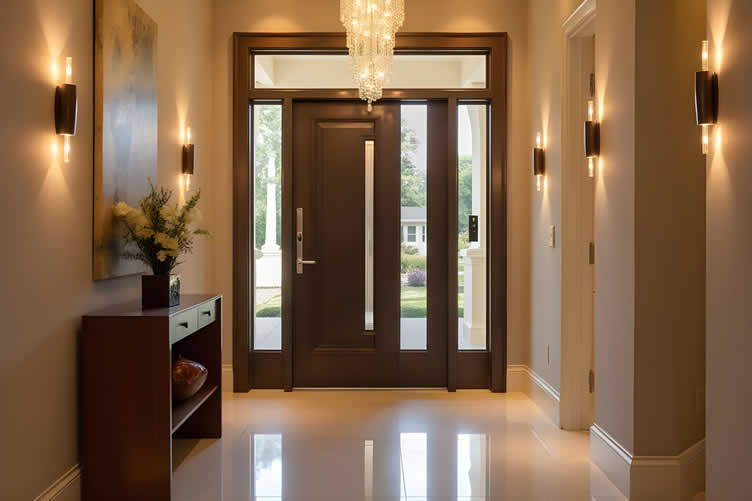
AI generated image by 123rf.com
[ pinterest: entryway lighting ]
[ youtube: Entryways: Top 12 Styling Tips) ]

-
-
2nd: Functional Furniture
The entryway to your home serves as the gateway to your personal space, setting the tone for your guests and providing a sense of welcome. Functional furniture is a key element in creating an inviting and practical entryway, combining aesthetics with usability.
Carefully selected pieces can help you maximize space, reduce clutter, and create a cohesive, warm atmosphere that is both stylish and efficient. Here, we will explore several types of functional furniture that can elevate your entryway while catering to your everyday needs.
[ view sample images/summary table: entryway furniture ]
-
Entryway Tables and Consoles
Entryway tables and console tables are a staple in entryway design, blending practicality with elegant aesthetics. These tables provide a convenient surface to store daily essentials such as keys, wallets, or mail while leaving space for decorative elements like vases, picture frames, or a chic table lamp.
Their slim designs make them ideal for narrow spaces, and many options include drawers or lower shelves for additional storage. Opt for materials such as wood or metal, depending on your home’s overall style, and consider designs that complement your existing decor.
Interior designers often emphasize the importance of a well-lit table surface; pairing it with a stylish lamp can boost the welcoming ambiance for guests and family members alike.
-
Benches and Chairs
Seating options like benches or chairs provide both functionality and comfort in an entryway and add an inviting touch to the space. A bench with built-in storage compartments or cubbies can neatly house shoes, gloves, or other items you use daily.
Upholstered benches inject softness and warmth, contributing to a stylish yet practical design. Alternatively, a well-appointed chair can offer a charming focal point while enabling a place to sit for putting on or removing shoes.
Whether made of polished wood, metal, or fabric, these seating solutions can make even a small entryway feel cozy and efficient.
-
Decorative Storage Cabinets
If your entryway allows for more space or vertical storage, decorative storage cabinets can be a game-changer in maintaining order and reducing visual clutter. These cabinets can serve as a home for items such as shoes, seasonal outerwear, or bags while creating a sense of organization.
Consider cabinets with minimalistic designs or intricate detailing to match your personal aesthetic. Glass-paneled doors, natural wood finishes, or reflective surfaces can give your entryway a sophisticated edge while still being highly functional.
Taller cabinets are excellent solutions for maximizing vertical space without occupying too much floor area, especially in homes with high ceilings.
-
Other Options
For entryways with spatial constraints, consider multi-functional solutions like a small wall-mounted drop-front desk. These desks can double as hidden storage spaces for mail, small accessories, or even a workspace.
Similarly, you can opt for a petite table that holds a table lamp or acts as a platform for decorative trays, houseplants, or even an aromatic diffuser.
If floor space is limited, wall-mounted shelves or hooks can also provide functionality while preserving a clean aesthetic. Such thoughtful additions complement tight entryways seamlessly while adding to their overall charm and utility.
Type of Furniture Key Benefits Best Use Cases Suggestions Entryway Tables and Consoles Surface for daily essentials; adds style and lighting options Narrow spaces; ideal for enhancing decor Choose a narrow console table with drawers or shelves for extra storage. Style it with lamps, framed artwork, or a small vase to create an inviting focal point. Benches and Chairs Seating and storage options Comfortable addition; practical for daily routines Select an upholstered bench with storage under the seat or a decorative chair for personality and functionality. Opt for multi-functional seating styles. Decorative Storage Cabinets Ample storage; reduces clutter Larger or high-ceiling spaces; organizing smaller items Pick a tall cabinet that complements the entryway’s aesthetic. Use it for outerwear or less frequently used items. Other Options Small-scale functionality; optimized for tight spaces Compact entryways; versatile designs Install a wall-mounted drop-front desk, a small side table with a lamp, or display trays and plants for added functionality and charm. 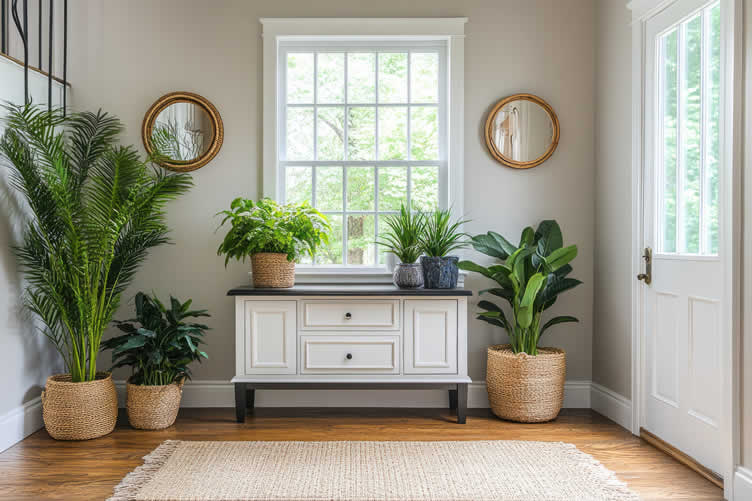
copyright image by 123rf.com
[ pinterest: entryway furniture inspiration ]
[ youtube: Entryways (No Entry? Tiny Entry? I GOT YOU!) ]
-
-
3rd Decorative Accents
Your entryway sets the tone for your home, offering guests a glimpse of your style and creating a warm, welcoming first impression. With the right decorative accents, even a simple entryway can transform into a more inviting and functional space.
These accents are not just about visual appeal—they contribute to the ambiance and personality of your home. Below, we explore specific types of decorative accents that can enhance your entryway and turn it into a charming and purposeful area.
[ view sample images/summary table: entryway decorative accents ]
-
Mirrors
Adding a mirror to your entryway is one of the simplest yet most effective ways to elevate the space. A well-placed mirror reflects light, helping to brighten and visually expand smaller or darker entryways.
Functionally, mirrors are practical for last-minute checks before you head out the door, making them a dual-purpose addition to your décor. Opt for a mirror with a unique frame design—like metallic, wooden, or antique-inspired finishes—to complement your entryway’s overall aesthetic.
Remember, larger mirrors create more dramatic effects, while smaller ones can add subtle elegance without overwhelming the space.
-
Artwork and Wall Décor
Artwork and wall décor imbue your entryway with personality and charm. Choose pieces that reflect your style or tell a story about your passions and interests.
For instance, a large statement piece of artwork can serve as a focal point, setting the mood for the rest of your home. Alternatively, a gallery wall featuring a curated arrangement of smaller frames can create visual interest and a sense of intimacy.
Consider mixing and matching different mediums—like paintings, prints, and sculpture-style wall hangings—to achieve depth while avoiding monotony. Always pay attention to scale so the artwork complements the dimensions of your entryway.
-
Bringing in Greenery
Houseplants and greenery bring life and freshness to any space, and your entryway is no exception. Adding potted plants or a vase filled with flowers instantly enlivens the area, creating an inviting and pleasant atmosphere.
For narrow entryways, opt for slim, tall planters that take up minimal floor space, or incorporate wall-mounted plant holders to add greenery without cluttering the floor. Plants like ferns, pothos, or peace lilies thrive indoors and are low-maintenance options.
Besides their aesthetic appeal, plants improve air quality and foster a calming environment—offering a warm welcome to both residents and visitors alike.
-
Other Decorative Touches
Beyond mirrors, artwork, and greenery, other decorative accents can enhance your entryway’s charm. Consider items like decorative vases, unique sculptures, or a stylish umbrella stand to add both function and flair.
Grandfather clocks or elegant floor clocks can serve as stunning focal points in a home’s entryway. Their timeless charm and rhythmic ticking help create a welcoming and nostalgic atmosphere for anyone who steps through the door.
A woven basket or decorative box can also serve as a stylish way to store essential items, such as keys or mail, keeping your entryway both neat and inviting.
Decorative Accents Description Details Mirrors Enhance space and light, while providing functional benefits. – Creates the illusion of larger spaces.
Serves as a focal point or enhances visual interest with grouped arrangements.
– Frame styles can reflect various aesthetics like traditional, modern, or rustic.Artwork and Wall Decor Add personality and color to the entryway. – Choices can include family photos, statement art pieces, or vintage collections.
– Decorative items should handle potential traffic and moisture near the door.
– Creates conversation starters and reflects personal interests.Greenery Introduce natural elements for a welcoming atmosphere. – Options include potted plants, hanging planters, or fresh flowers.
– Low-light, low-maintenance plants like snake plants or pothos are ideal.
– Enhances aesthetics while purifying the air for a healthier environment.Other Decorative Touches Includes items like vases, grandfather (floor) clocks, sculptures, and decorative storage solutions. Enhances charm and function with cohesive design elements. 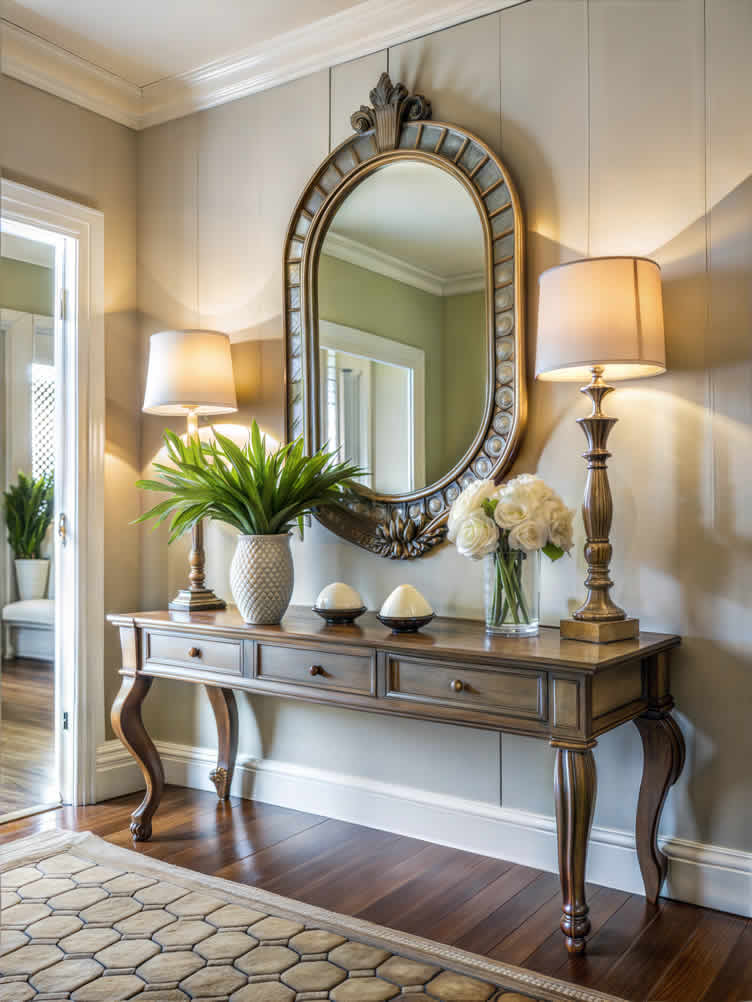
copyright image by 123rf.com
[ pinterest: entryway decorative accents ]
[ youtube: 34 Best Entryway Mirror Ideas ]
-
-
4th: Playing with Color
When guests step into your home, your entryway becomes their first impression. Carefully chosen colors can create a warm and welcoming atmosphere that reflects your personal style.
Understanding how to use color thoughtfully in this space allows you to highlight key features, influence the mood, and establish a cohesive design. From the front door to the area rug, every detail adds to the ambiance of your entryway.
Below, we break down key considerations for playing with color and transforming your entryway into a vibrant yet harmonious space.
[ view sample images/summary table: entryway colorization ]
-
Front Door: A Fresh Coat of Paint
The front door is the focal point of your entryway and an excellent opportunity to make a bold statement. A fresh coat of paint not only updates your exterior but also sets the tone for what lies beyond.
For a welcoming yet timeless look, consider deep hues like navy blue, forest green, or charcoal gray. These colors exude elegance and pair well with a variety of home exteriors.
If you’d rather create a striking effect, brighter shades such as cherry red, sunshine yellow, or turquoise can provide a cheerful vibe.
When choosing your color, factor in the architectural style of your home and surrounding landscape, ensuring a unified aesthetic.
-
Entryway Walls: Elevating the Mood
The color of your entryway walls plays a significant role in establishing the overall atmosphere of the space. Neutral tones such as soft grays, warm beiges, or creamy whites are commonly recommended for small or dimly lit entryways as they reflect light and create an open feel.
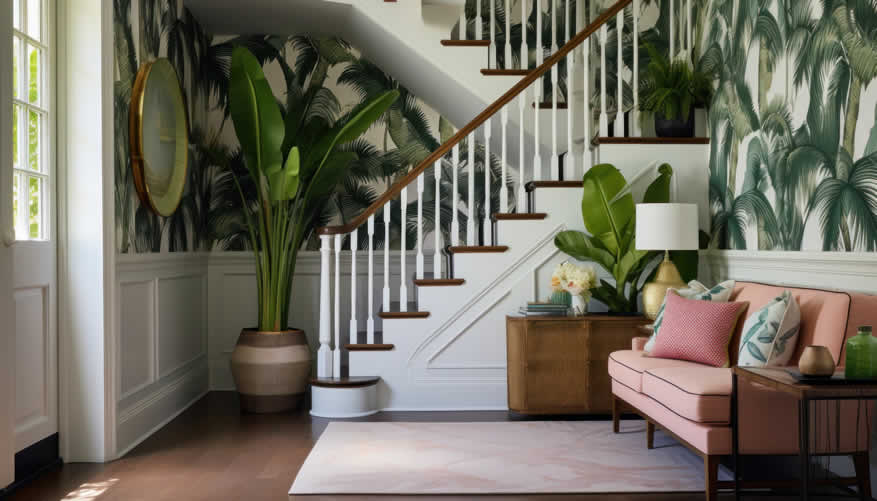
However, for those looking to add character, earth tones like terracotta, sage green, or mustard yellow can instill warmth and sophistication. Consider incorporating an accent wall with a deeper hue or textured wallpaper to create depth and visual interest.
Additionally, using durable, easy-to-clean paint finishes is essential for a high-traffic area like the entryway.
-
Area Rugs: Adding Color and Comfort
An area rug is both a functional and decorative element that can introduce color to your entryway in an understated or eye-catching manner. Rugs with intricate patterns or vibrant hues can act as a centerpiece, drawing attention to the floor while tying the room’s design together.
Popular options for entryways include Persian-style rugs for their timeless appeal or handwoven rugs in bold geometric designs that add modern charm.
For practicality, choose rugs made of durable materials such as wool, jute, or synthetic blends that resist wear and stains. The right rug will not only complement your color palette but also provide a comfortable and inviting texture underfoot.
-
Other Elements to Enhance the Look
Beyond the front door, walls, and rugs, there are other ways to incorporate color into your entryway. Furniture items such as painted consoles, colorful storage benches, or decorative stools can breathe life into your space.
Accessories like framed artwork, vases, or entryway organizers in complementary hues add a cohesive flair. Even small details, such as the color of your coat hooks or umbrella stands, can subtly tie your design together.
Experimenting with color in functional yet aesthetic accents allows you to refresh the entryway without committing to major changes.
Color Feature Details Front Door A fresh coat of paint can transform your home’s exterior. Color options include: - Sunny Yellow: Cheerful and welcoming.
- Calming Blue: Evokes tranquility and peace.
- Inviting Red: Warm and bold impression.
Entryway Walls Colors and designs for a welcoming backdrop: - Soft Warm Tones: Options like light peach, sage green, or creamy beige add a soothing feel.
- Pattern or Accent Wall: Adds personality and charm for those wanting a creative touch.
- Ensure the colors complement the home’s overall scheme for harmony and balance.
Area Rug Rugs enhance both practicality and style: - Select colors that match or complement the overall theme.
- For neutral tones, choose subtle patterns or soft hues for cohesion.
- Bolder designs with vibrant colors or intricate patterns can echo accent pieces.
Opt for materials like wool, synthetic, or treated natural fibers for durability, and choose a rug size that is proportional to the space.
copyright image by 123rf.com
[ pinterest: entryway wall colors ]
[ youtube: How To Paint a Front Door Without Removing It ]
-
-
-
ideas to view and compare from the information discussed above
Scroll up to directory … or scroll to next section about home entryway …


addressing transforming your home entryway and other home improvement needs …

… grab this directory of ideas for future use




… remodeling decisions

Download this PDF for a concise summary of all you need to know about …?

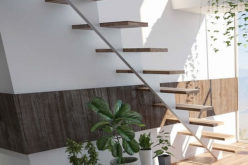
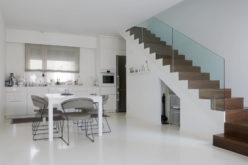
second “photo remodeling” idea
copyright image by 123rf.com
Section 2: Practical Considerations
Notes:
-
Creating a beautiful entryway extends beyond aesthetics to encompass the practical needs of daily life, ensuring your space remains both functional and welcoming through the seasons.
These considerations help maintain the beauty of your entryway decor while serving your family’s everyday requirements.
-
Quick scroll to “practical considerations” side notes …
-
-
1st: Storage Solutions
Storage in the entryway is vital for maintaining order and simplifying daily routines. The right solution depends on the size of your space, the number of people in your household, and the types of items you need to store.
Updating your home entryway can greatly enhance both the functionality and aesthetic appeal of your space. As the first area guests see upon arrival, the entryway sets the tone for the rest of the home.
Practical considerations, such as effective storage solutions and purposeful organization, can help create a welcoming and efficient space.
[ view sample images/summary table: entryway storage ]
-
Wall-Mounted Coat Hooks
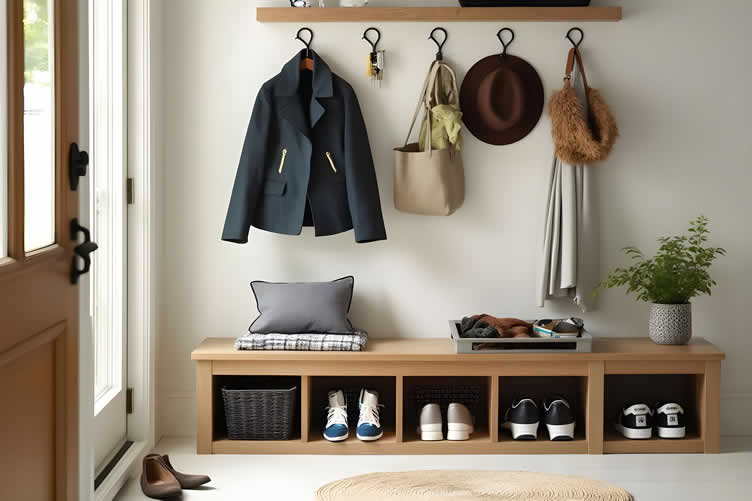
Wall-mounted coat hooks are an excellent choice for small or narrow entryways. They save on floor space while providing a convenient way to store coats, hats, bags, and other essential items.
Opt for durable materials like metal or high-quality wood to ensure longevity, especially in high-traffic areas. Additionally, you can select hooks with unique designs that complement your decor, whether it’s sleek and modern, rustic farmhouse, or mid-century-inspired.
To keep the space orderly, consider grouping hooks with a mounted shelf above for extra functionality, allowing space to place keys, wallets, or decorative items.
-
Coat Racks
Another option is a coat rack designed specifically for larger entryways. This type of storage solution typically features a combination of hooks, shelves, and/or drawers to accommodate a variety of items. Some even come with built-in seating for added functionality.
When choosing an entryway coat rack, consider factors such as size, style, and material. You may want to measure your space beforehand to ensure a proper fit and choose a design that matches your home’s aesthetic.
No matter which option you choose, make sure to keep it organized by assigning designated spots for each family member’s belongings. This will not only save time in the morning rush but also prevent clutter from accumulating over time.
It’s also helpful to periodically declutter and donate any items that are no longer needed or used.
-
Freestanding Coat Trees
Freestanding coat trees are ideal for larger entryways or households with several members. Their vertical design allows for multiple levels of storage, accommodating items of varying lengths and sizes.
Choose a coat tree with a sturdy base to avoid tipping, and consider designs with additional features, such as small trays or cubbies integrated into the tree. A thoughtfully placed freestanding coat tree can double as a stylish statement piece while providing ample storage for outerwear.
-
Shoe Storage
Shoes can easily clutter an entryway, so having dedicated shoe storage is essential for maintaining an organized space. Shoe benches are a popular option as they offer both seating and storage, blending practicality with style.
Open shelving units, cubbies, or compact cabinets keep shoes organized and accessible. If space is limited, consider stackable or wall-mounted racks. Prioritize storage solutions that include ventilation to help keep footwear fresh, especially in wet or snowy seasons.
-
Standing Cabinet Functioning as a Coat Closet
If your home lacks a built-in coat closet, a standing cabinet can provide an excellent alternative. These cabinets can house not only coats and jackets but also other outdoor essentials like umbrellas, scarves, and gloves.
Consider adjustable shelving inside the cabinet for customizable storage and ensure the interior space includes a hanging rod for longer items. For a seamless look, match the cabinet’s style to your entryway furniture and decor.
-
Plan Storage According to Your Needs
Every household has unique storage needs, so planning ahead is vital for a well-functioning entryway. Assess what items are frequently used and need to be stored in the space.
For families with children, low hooks and open bins can provide easy access for kids, while adults may prefer higher hooks or locked cabinets for secure storage. Regularly declutter and rotate seasonal items to ensure the space remains functional without being overwhelmed by unnecessary belongings.
Storage Type Best For Features Materials Style Tip Wall-Mounted Coat Hooks Small or narrow entryways Space-saving, versatile designs Various designs, materials, and finishes such as modern, rustic, or decorative styles.
Combine hooks with a shelf for added functionality Freestanding Coat Racks Larger entryways Multi-level storage unit, stable base Made from materials like wood, metal, or combinations.
Select designs that double as statement pieces Coat Umbrella Tree Small to large entryways Multi-level hook storage, stable bass Made from materials like wood, metal, or combinations; suitable for styles from minimalist to traditional. Select designs that double as statement pieces Shoe Storage Maintaining footwear organization Benches, cubbies, or compact cabinets Options range from rustic baskets to polished cabinets that blend seamlessly with decor.
Ensure ventilation to keep shoes fresh Standing Cabinet Homes without built-in closets Versatile storage with rods and shelves Solid wood offers a timeless and sturdy option, while materials like MDF or laminated finishes can provide more budget-friendly and modern alternatives.
Match cabinet style to other decor Custom Plan Households with unique needs Adaptable solutions based on usage Adaptable to specific household requirements, ensuring practicality for diverse family needs and weather environments.
AI generated image by 123rf.com
[ pinterest: entryway storage ]
[ youtube: ENTRYWAY Storage and Organization Solutions ]
-
-
2nd: Personalization
Creating a personalized entryway is a meaningful way to transform a simple space into an inviting area that reflects your family’s unique story. Personalizing your entryway adds warmth, character, and charm while making the space functional and welcoming.
A carefully thought-out design can create a lasting first impression for visitors and ensure that your home feels truly like yours. Below are some key considerations for adding personalization to your entryway.
[ view sample images/summary table: entryway personalization ]
-
Showcase Your Family’s Story
Your entryway is the perfect place to share your family’s story, offering a glimpse into your shared experiences, passions, and memories. This could mean incorporating a gallery wall featuring family photos, travel mementos, or heirlooms that hold special meaning.
Shadow boxes containing artifacts from family vacations, such as shells from the beach or maps from trips, can also serve as conversation starters. These personalized touches create a welcoming and intimate atmosphere that speaks to your family’s history and values.
-
Add Personality Through Thoughtful Accents
To further personalize your entryway, consider curated elements that are reflective of your taste and style. Artwork can be a powerful way to set the tone for the space, whether it’s a vibrant painting, a minimalist print, or a handcrafted piece.
Framed photos of moments that matter most to you can also convey a sense of comfort and familiarity. Don’t overlook options like decorative mirrors or unique lighting fixtures, which can enhance both functionality and aesthetics while tying together the overall look of the entryway.
-
Celebrate the Changing Seasons
Seasonal décor is a wonderful way to keep your entryway fresh and dynamic throughout the year. By rotating elements like wreaths, doormats, floral arrangements, or holiday-themed pieces, your space can evolve with the seasons.
For spring, consider a vase of fresh tulips or pastel accents; in autumn, incorporate warm tones and natural elements like pumpkins or dried leaves. These small, intentional changes demonstrate care and attention to detail, ensuring your guests always feel welcomed by the thoughtful touches in your home.
-
DIY Accent Walls for Bold Character
Creating an accent wall in your entryway can be an impactful way to add character and interest to the space. Using paint, wallpaper, or paneling, you can design a focal point that reflects your style.
A bold paint color can add vibrance, while wallpaper with an intricate design provides texture and depth. Paneling options, such as shiplap or beadboard, bring a sense of timeless charm and architectural detail.
DIY projects allow room for creativity and can often be customized to suit both budget and vision, making them an excellent avenue for personal expression.
By weaving in these elements, you can design an entryway that not only serves its practical purpose but also exudes warmth, creativity, and uniqueness. Personalization ensures your home sends a welcoming message that aligns with your family’s identity, providing comfort to both residents and visitors.
Category Description Personalization Personal touches make the entryway unique, reflecting your family’s personality while maintaining design cohesion. These details create an authentic and welcoming atmosphere. Display Family Objects - Display family photos or cherished moments.
- Showcase collections reflecting passions or travels.
- Include meaningful objects that tell your family’s story, such as heirlooms or handmade items.
Add Personality - Showcase artwork, framed photos, or bold wall art above entry tables as focal points.
- Use vibrant abstract paintings, statement sculptures, or cherished family photos.
- Mix textures and colors like wooden frames, metallic accents, or fabric elements for depth.
Seasonal Decor - Update throw pillows, floral arrangements, or seasonal artwork to reflect the seasons.
- Refresh the entryway to keep the space feeling current without major redesigns.
DIY Accent Wall - Use paint, wallpaper, or paneling to add character and style.
- Choose bold colors, geometric patterns, or textured materials for depth.
- An accent wall instantly showcases personal taste and transforms the space.
copyright image by 123rf.com
[ pinterest: entryway gallery wall ]
[ youtube: Feng Shui Entryway Tips ]
-
-
-
ideas to view and compare from the information discussed above
framed wall artgallery wall frame setinterior seasonal decor
Scroll up to directory … or scroll to next section about home entryway …

get the size dimensions for any home improvement project …
… for functionality, aesthetics, and adhering to building codes


… view our home remodeling guides and steps
May We Suggest Other Photo Remodeling Ideas About
“Interior Home Thinking …” (new win)

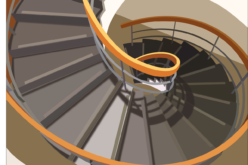
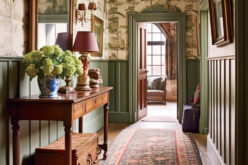
third “photo remodeling” idea
copyright image by 123rf.com
Section 3: Creating a Welcoming Style and Entrance
Notes:
-
Your entryway and front porch are the first impressions of your home’s personality and style. By carefully choosing the right styling approach, you can create a space that not only looks beautiful but also feels inviting and functional for your family and guests.
Whether you prefer a charming rustic appeal, a modern minimalist vibe, or something in between, these thoughtful styling ideas will help you complement and enhance the overall look of your entryway.
-
Quick scroll to “style and entrance” side notes …
-
-
1st: Entryway Styles
Your home entryway should reflect your personal design preferences while creating a seamless transition into the rest of your home.
Different decorating styles offer various approaches to creating a welcoming space that feels authentic to your aesthetic preferences.
[ view sample images/summary table: entryway styles ]
-
Modern
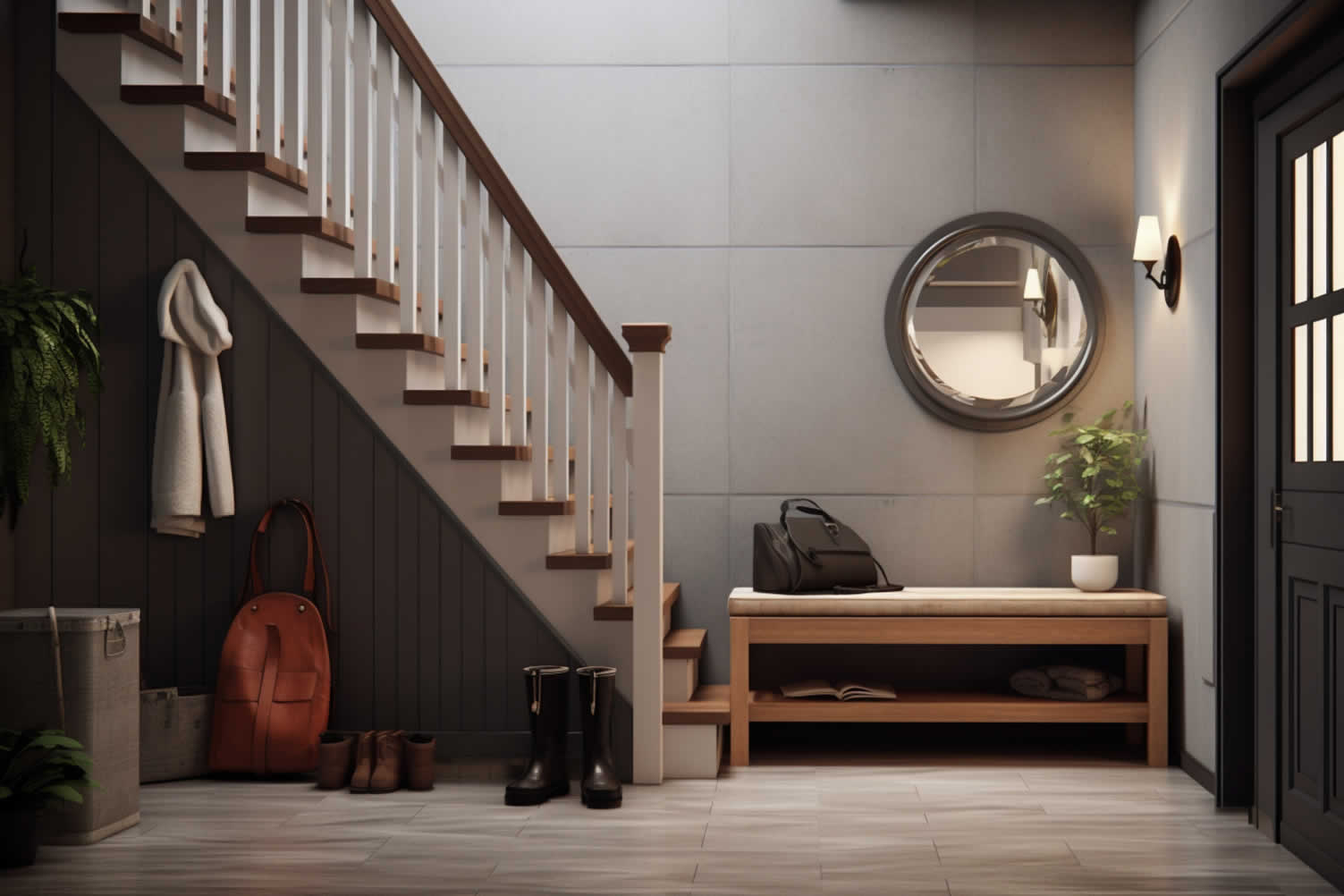
Modern entryway decor emphasizes clean lines, minimal clutter, and functional beauty. This style focuses on quality over quantity, selecting fewer pieces that make strong design statements. A sleek console table paired with a geometric mirror and a single statement light fixture can create a sophisticated modern entryway.
Color palettes in modern design tend toward neutrals with occasional bold accent colors, while materials like metal, glass, and smooth wood create the clean aesthetic that defines this style. Storage solutions should be streamlined and often hidden, maintaining the uncluttered appearance that modern design requires.
-
Traditional
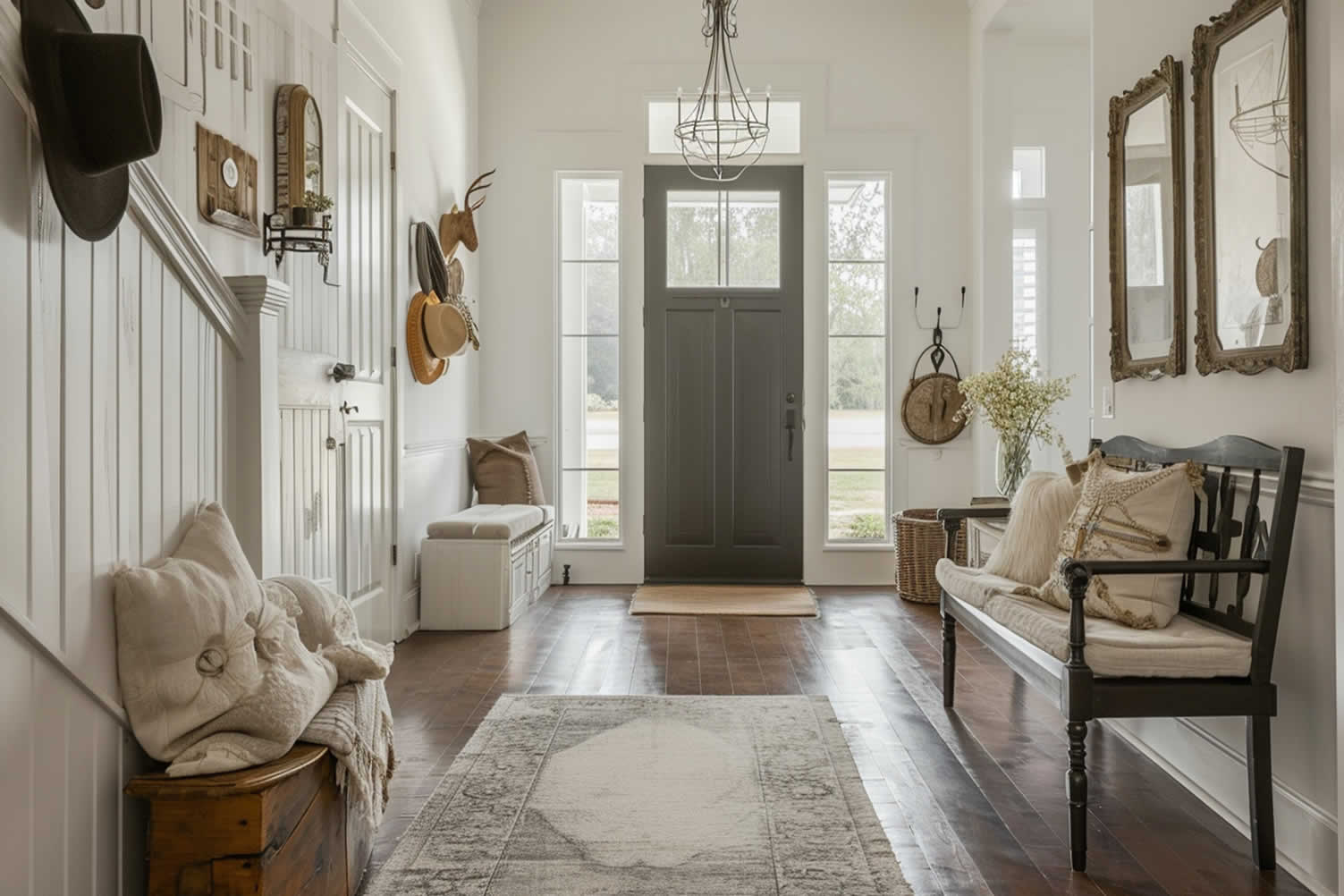
Traditional entryway decor draws inspiration from classic design elements, creating spaces that feel timeless and elegant. This style often incorporates rich wood furniture, ornate mirrors, and classic lighting fixtures that reference historical design periods.
Traditional entryways benefit from layered lighting, patterned rugs, and decorative accessories that create a sense of established elegance. Colors tend toward warm neutrals with rich accent tones, while materials like polished wood, brass, and traditional textiles contribute to the refined atmosphere.
-
Minimalist
Minimalist entryway decor strips away excess to focus on essential elements, creating serene spaces that feel calm and uncluttered. This approach requires careful selection of each piece, ensuring that every item serves both functional and aesthetic purposes.
The minimalist approach to entryway decor emphasizes quality materials, simple forms, and neutral color palettes. Storage solutions should be streamlined and often hidden, while decorative elements are kept to a carefully curated minimum that maximizes impact.
-
Vintage
A vintage entryway style evokes a sense of charm and nostalgia, bringing the past to life through carefully curated design elements. This style often incorporates antique furniture, weathered finishes, and intricate details that tell a story of history and craftsmanship.
Warm wood tones, distressed paint, and ornate hardware are hallmarks of vintage pieces, creating a welcoming and timeless atmosphere.
Accessories like vintage mirrors, rugs with faded patterns, and softly glowing light fixtures help complete the look. This style is perfect for those who appreciate the character and authenticity of bygone eras, offering a cozy and inviting first impression of your home.
-
Eclectic
Eclectic entryway decor celebrates the mixing of styles, periods, and influences to create unique spaces that reflect diverse tastes and experiences. This approach allows for greater creative freedom while requiring a good eye for balance and proportion.
Successful eclectic entryways maintain cohesion through repeated colors, materials, or themes while incorporating varied furniture styles and decorative objects. This style works particularly well for families who have collected meaningful objects over time or enjoy mixing vintage and contemporary pieces.
-
Modern Coastal
For those who dream of bringing the serenity of the seaside into their home, a modern coastal entryway is a perfect choice.
This style embraces a light, airy, and effortless ambiance, characterized by a calming palette of whites, soft blues, and natural tones. Incorporating materials like weathered wood, woven jute, and soft textiles enhances its beach-inspired charm.
Decorative elements such as oversized vases filled with dried grasses, nautical-inspired artwork, or a subtle striped rug can add layers of coastal personality. With this style, the entryway becomes a tranquil gateway, inviting a sense of relaxation and breezy sophistication into your space.
-
Urban Living
For an urban living entryway style, the focus is on blending functionality with modern aesthetics to accommodate the fast-paced city lifestyle. Choose sleek, space-saving furniture such as a narrow console table or wall-mounted hooks to maintain a clean and organized look in smaller spaces.
Materials like metal, glass, and polished wood create a contemporary vibe, while neutral tones paired with bold accents, like a vibrant rug or statement artwork, add personality.
Include smart storage solutions, such as baskets or cabinets, to reduce clutter and keep essentials like keys or shoes within easy reach.
An urban living entryway sets the tone for modernity and practicality, offering a seamless transition between the bustling city outdoors and the comfort of home.
-
Scandinavian
A Scandinavian-inspired entryway embraces simplicity, functionality, and a touch of warmth. Opt for furniture with clean lines and natural materials like light-colored wood or white-painted finishes to keep the space airy and inviting.
Incorporate soft textiles, such as a cozy rug or woven baskets, to add texture while maintaining practicality. Keep the color palette light and neutral, focusing on whites, grays, and soft pastels to create a tranquil atmosphere.
Add a touch of nature with a small plant or vase of fresh flowers to bring life and harmony into the space. Minimalistic yet thoughtfully designed, this approach ensures your entryway feels welcoming and clutter-free.
-
Farmhouse
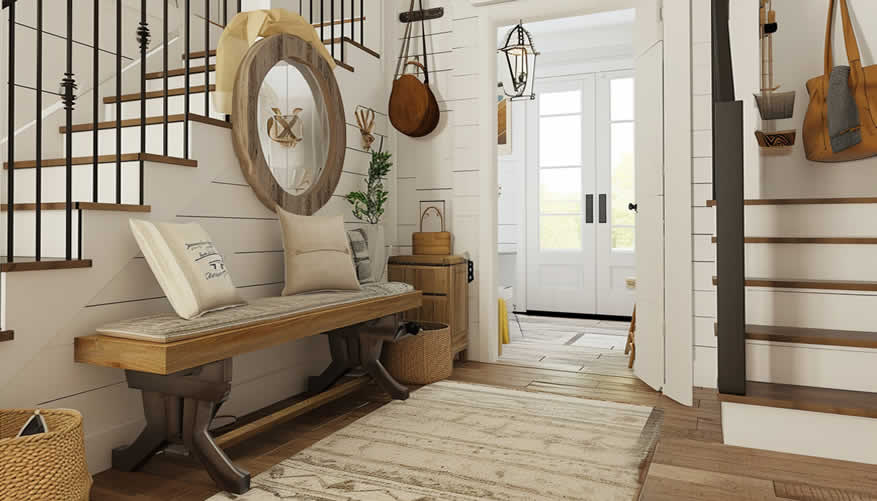
The timeless charm of farmhouse styling can turn your entryway into a space that feels warm and welcoming for family and guests alike. Begin with natural materials like reclaimed wood or distressed finishes for furniture, such as a sturdy bench or a wall shelf.
Enhance the cozy feel with accents like woven baskets, rustic hooks, or a vintage mirror to reflect light and expand the space. Incorporate earthy tones such as muted greens, soft creams, and warm browns, paired with cozy textiles like plaid cushions or chunky knit throws.
Small touches of greenery, such as a potted plant or eucalyptus stems in a mason jar, can complete the look while bringing a breath of fresh air into the space. This combination of rustic elements and thoughtful details ensures your entryway anchors a sense of comfort and simplicity as soon as you step inside.
Style Key Features Color Palette Materials Modern Clean lines, minimal clutter, functional beauty Neutrals with occasional bold accents Metal, glass, smooth wood Traditional Timeless elegance, layered lighting, patterned rugs Warm neutrals with rich accent tones Rich wood, brass, traditional textiles Minimalist Serene, uncluttered, functional and aesthetic Neutral, simple palettes Quality materials, streamlined forms Vintage Charming, nostalgic, historic design elements Warm wood tones, faded patterns Antique furniture, distressed finishes, ornate details Rustic Warm, natural elements, inviting atmosphere Neutral tones, earthy colors Raw wood, woven baskets, stone or brick accents Eclectic Mix of styles, diverse and unique Repeated colors or themes for cohesion Varied furniture styles, mix of vintage and contemporary Modern Coastal Light, airy, seaside-inspired ambiance Whites, soft blues, natural tones Weathered wood, woven jute, soft textiles Urban Living Functional, space-saving, practical Neutral tones with bold accents Metal, glass, polished wood Scandinavian Simple, functional, warm Light neutrals, whites, soft pastels Light-colored wood, woven baskets, natural finishes Farmhouse Cozy, rustic, family-oriented Muted greens, soft creams, warm browns Reclaimed wood, rustic hooks, woven baskets 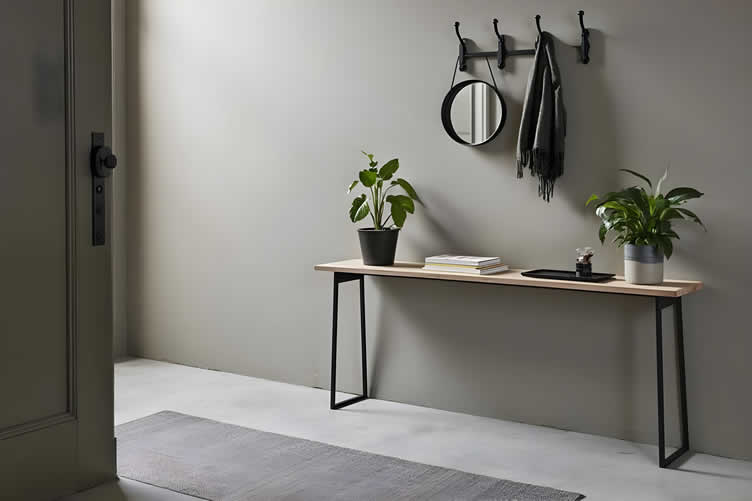
AI generated image by 123rf.com
[ pinterest: interior styles types guide ]
[ youtube: Design Styles Explained in 25 Minutes ]
-
-
2nd: Making Your Front Porch Entrance Inviting
Your front porch serves as the gateway to your home and sets the tone for the experience awaiting inside. An inviting front porch not only enhances your home’s curb appeal but also creates a welcoming atmosphere for guests, neighbors, and family.
Thoughtful design, strategic decor, and cohesive styling can transform this space into a warm, functional extension of your entryway.
Below, explore front porch design ideas that seamlessly complement the cozy and rustic aesthetic of your interior while making an impactful first impression.
[ view sample images/summary table: front porch ideas ]
-
Thoughtful Front Porch Design Ideas to Enhance Warmth and Welcome
The design of your front porch should harmonize with the character of your home entryway. Begin by selecting durable yet beautiful furniture pieces like weather-resistant wooden benches or wicker chairs fitted with comfortable cushions in earthy tones. These furnishings create a sense of relaxation and invite visitors to linger.
Layering textures is another vital aspect. Consider adding a statement rug made of natural fibers such as jute or sisal to anchor the space.
Complement this with throw blankets or outdoor-rated pillows in warm, inviting patterns like plaid or herringbone for extra coziness. These small touches reinforce the sense of continuity between outdoor and indoor decor.
Outdoor lighting plays an integral role in front porch ambiance. Lantern-style sconces, hanging string lights, or candle-lit lamps provide a soft, welcoming glow during the evening hours. Ensure that the lighting complements the rustic charm of your entryway to maintain a unified aesthetic.
A personal touch can be added with thoughtfully curated greenery. Opt for potted plants, hanging baskets, or seasonal arrangements that bring life and vibrancy to your porch. Planters made from natural materials such as terracotta or reclaimed wood harmonize beautifully with a rustic theme.
To keep it fresh and low-maintenance, mix hardy perennial plants with seasonal flowers that add color and texture year-round.
-
Seasonal Flair and Functional Additions
Enhancing your front porch can also involve celebrating the seasons. For fall, accents like pumpkins, gourds, or wreaths made of dried fall foliage can create a festive charm.
Winter calls for garlands of greenery draped around doorways, paired with cozy lanterns. Spring and summer showcase bright floral arrangements and light, airy textures evoking seasonal vivacity.
Functionality is another aspect to prioritize. Incorporate weather-proof storage solutions, like stylish baskets or benches with built-in compartments, to hold outdoor essentials.
Additionally, creating a defined walkway with materials such as brick, stone, or gravel can guide guests to your front porch while reinforcing the inviting feel.
-
The Value of Attention to Detail
Finally, small but thoughtful details can elevate your porch from ordinary to extraordinary. Consider installing a high-quality, decorative doormat that aligns with the overall aesthetic.
House numbers, door hardware, and even the color of your front door should reflect the cohesive design palette. These finishing touches signal care and attention, making visitors feel valued before even stepping inside.
Creating an inviting front porch is not only about style but also utility and comfort. When done thoughtfully, this space becomes much more than just a transition zone—it becomes a memorable first impression, setting the tone for your entire home.
Design Element Recommendation Furniture Durable wood or wicker pieces with earthy-toned cushions Textures Natural fiber rugs, patterned pillows, throw blankets Lighting Lanterns, string lights, or sconces for a soft glow Greenery Perennials, seasonal flowers, natural-material planters Seasonal Decor Pumpkins in fall, garlands in winter, floral for spring/summer Details Decorative doormats, cohesive hardware, attention to colors 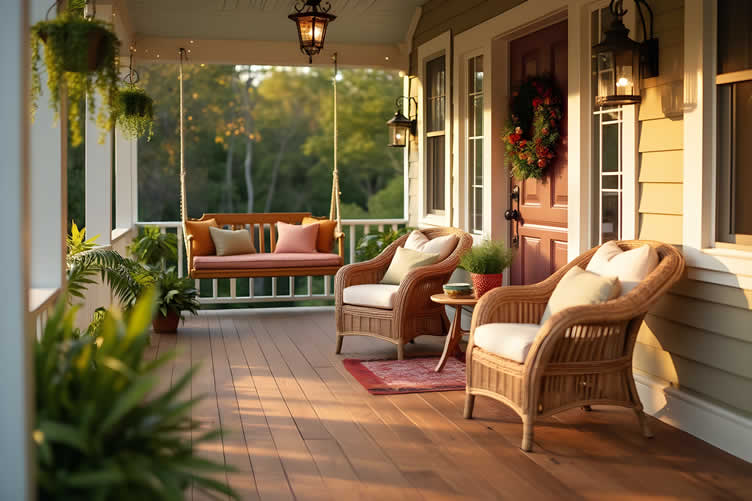
AI generated image by 123rf.com
[ pinterest: front porch ideas ]
[ youtube: Tips For Styling A Small Front Porch ]
-
-
-
ideas to view and compare from the information discussed above
book: interior stylingsmart doorbell camerasmart entry door lock
Scroll up to directory … or scroll to next section about home entryway …
SHARE IT ..! You might have someone in your social network who could find this informative post about revamping the home entryway valuable. Feel free to share it on Facebook, X (formally Twitter), LinkedIn, or Pinterest!


Download this PDF for a concise summary of all you need to know about …?

Find Interior Design Services Decorators Interior Designers Furniture Painting & Staining top-rated, pre-screened local contractors FREE: download contractor selection enter zip code – powered by HomeAdvisor ™
Quick Contractor Guides selecting negotiating working with inspecting

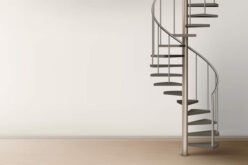
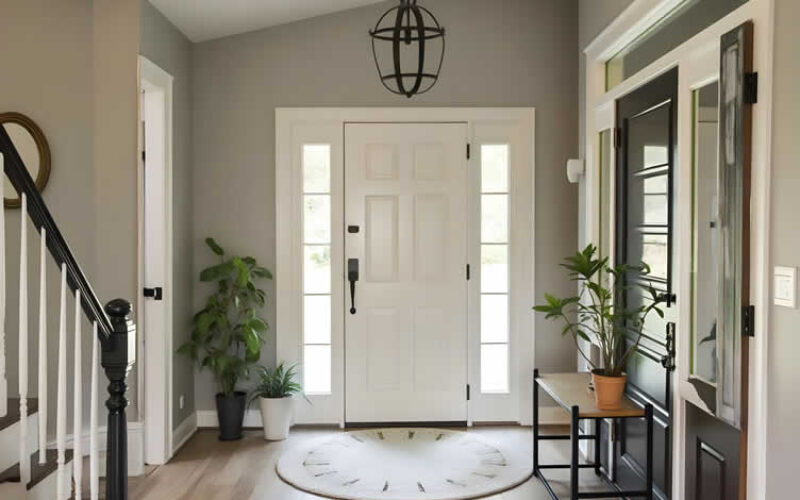
fourth and last “photo remodeling” idea
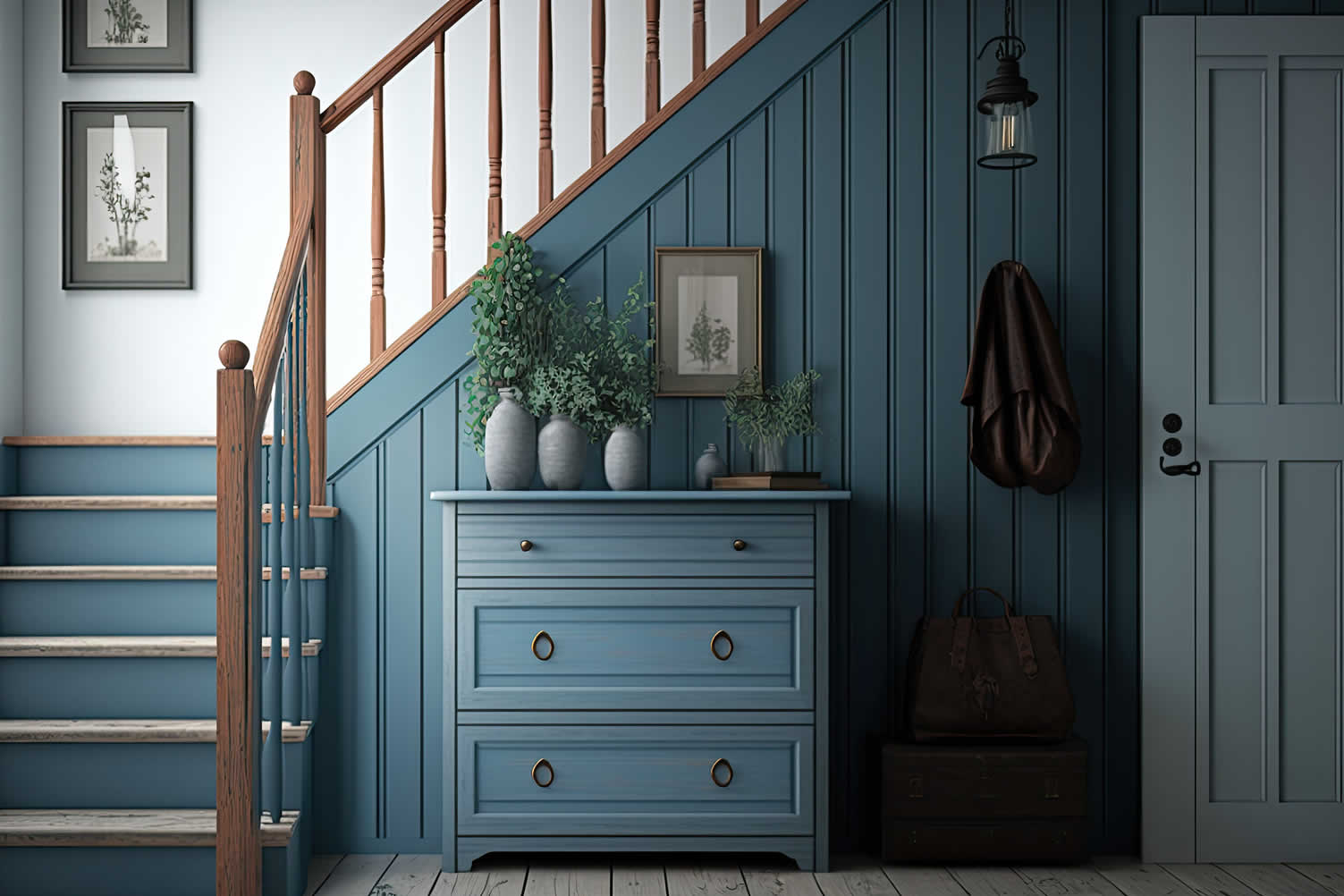

AI generated image by 123rf.com
Section 4: Revamping Entryway: DIY or Hire a Professional?
Notes:
-
The entryway is the first impression your home makes, setting the tone for all who enter. Whether you dream of a warm, inviting space or one that is sleek and modern, deciding how to approach the revamp is an important step.
Should you take a DIY approach to add your personal touch, or is it better to enlist the help of a professional interior designer to bring your vision to life with expertise?
Exploring both options can help you choose the path that best fits your needs, style, and budget.
-
Quick scroll to topic "essential components" side notes …
-
-
1st: DIY Steps for Updating Your Home Entryway
Transforming your home entryway into a welcoming and stylish space can significantly enhance the overall appeal of your home. Whether you’re looking to add charm, functionality, or a personal touch, a DIY update is an effective way to achieve this.
By following a series of thoughtful and practical steps, you can create an entryway that feels inviting and sets the right tone for the rest of your home.
Here are some expert-recommended DIY steps to update your entryway:
[ view summary table: DIY steps ]
-
Declutter and Assess Your Space
Start by clearing out your entryway space of unnecessary items and taking stock of what needs improvement. This is a critical first step to ensure you have a clean slate to work with.
Take note of structural updates, such as worn flooring or peeling paint, and assess functionality for storage or organization needs.
-
Take Measurements and Plan Your Layout
Once your entryway is cleared, take precise measurements of the space. Understanding the dimensions is essential for planning furniture, storage, or decorative elements. This step ensures you can choose pieces that fit comfortably without overcrowding the area.
Consider the flow of movement through the space and aim to maintain an open, welcoming vibe. Even in smaller entryways, thoughtful spacing can create a balanced and functional layout that feels inviting rather than cramped.
-
Defining Your Style
Choosing a style for your entryway is key to creating an inviting, cohesive space. Start by considering your home’s overall aesthetic—modern, rustic, minimalist, or eclectic—and use it as a guide. Your entryway sets the tone for your home, so aligning it with your style ensures a seamless flow.
Once you’ve chosen a style, it will help guide decisions on colors, furniture, and décor. For instance, a modern look may feature neutral tones and clean lines, while a rustic style leans toward warm earth tones and natural wood textures.
Add personal touches through artwork, lighting, or small decorations. A consistent style creates a welcoming, harmonious space for guests.
-
Repaint or Add a Statement Wall
One of the simplest and most cost-effective updates is applying a fresh coat of paint. Choose a color that complements your home’s overall palette but adds a welcoming tone to your entryway.
You might also consider adding a statement wall with unique wallpaper, paneling, or even stenciled designs for a more personalized touch.
-
Upgrade Your Lighting
Lighting is crucial to creating the right ambiance. Replace outdated light fixtures with stylish sconces, pendant lights, or a modern chandelier.
For smaller entryways, opt for fixtures that maximize light without overwhelming the space, while ensuring energy-efficient bulbs are used to minimize long-term costs.
-
Add Functional and Stylish Furniture
A small bench, console table, or coat rack can add both functionality and design to your entryway. Look for furniture pieces with built-in storage, such as a bench with hidden compartments or a table with drawers, to keep the space organized and clutter-free.
-
Enhance Storage Solutions
Incorporate smart storage options like decorative baskets, wall hooks, or floating shelves. These additions make it easy to store everyday items such as shoes, keys, and bags while maintaining a tidy and aesthetic look. Tailor your solutions to your household’s specific needs.
-
Introduce Greenery and Decor
Plants or flowers can bring life and vibrancy to your entryway. Choose low-maintenance options that thrive indoors, such as ferns or succulents. Complement these with tasteful decor pieces like artwork, mirrors, or seasonal items to reflect your personal style.
-
Refresh the Entryway Rug or Floor Mats
Replace old rugs or mats with something fresh and inviting. Consider a durable yet attractive rug that can withstand high-traffic use while adding a layer of comfort and design. A patterned or textured rug can also serve as a focal point for the area.
-
Upgrade Your Front Door Hardware
A small but impactful change is updating your front door hardware. Replace outdated handles, door knockers, and house numbers with sleek, modern options that match your home’s aesthetic. This finishing touch ties the overall design together.
By implementing these steps with care, you can transform your entryway into a practical and beautiful gateway to your home. For more design inspiration and detailed guides, scroll up above to view the varying elements of entryway design ideas.
You can also consider visiting reputable sources such as HGTV or Better Homes & Gardens. These trusted platforms provide valuable insights and examples to help you achieve professional-looking results.
DIY Steps Description Declutter and Assess Your Space Clear the entryway of unnecessary items, note structural updates needed (e.g., worn flooring or peeling paint), and assess functionality for storage and organization. Take Measurements and Plan Your Layout Measure the space precisely to plan furniture and decorative elements effectively. Aim for a functional layout that maintains a welcoming flow. Defining Your Style Select a style that aligns with your home’s aesthetic. Use it to guide choices in colors, furniture, and décor while adding personal touches. Repaint or Add a Statement Wall Apply a fresh coat of paint or consider a statement wall. Choose colors or designs that complement your overall interior style. Upgrade Your Lighting Replace outdated fixtures with modern options like sconces or chandeliers. Use energy-efficient bulbs and consider space-friendly lighting for smaller areas. Add Functional and Stylish Furniture Integrate furniture like benches or console tables with built-in storage to combine practicality with design. Enhance Storage Solutions Use decorative baskets, wall hooks, or floating shelves for organized storage. Tailor these solutions to your household needs. Introduce Greenery and Decor Add life with indoor plants like ferns or succulents, and incorporate decor such as artwork, mirrors, or seasonal accents. Refresh the Entryway Rug or Floor Mats Replace rugs or mats with durable, attractive options that complement the space while withstanding high traffic. Upgrade Your Front Door Hardware Refresh door hardware like handles, knockers, or house numbers with sleek, modern designs to complete the look. 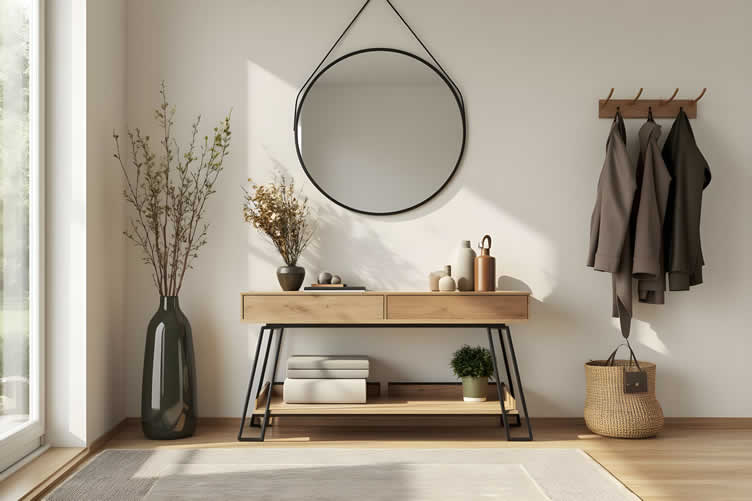
AI generated image by 123rf.com
-
-
2nd: Finding and Using an Interior Designer
Revamping your entryway can transform the first impression of your home, creating a warm and inviting atmosphere that welcomes both guests and family. While it may seem like a small space, designing an entryway requires thoughtful planning to balance functionality and style.
This is where an interior designer or decorator can truly shine, bringing expertise and a trained eye to help you make the most of this important area.
When searching for an interior designer, begin by identifying your personal style and the goals you have for your entryway.
Do you want it to feel modern and sleek, relaxed and coastal, or perhaps bold and artistic? Gathering visual inspiration from magazines or online platforms like Pinterest can help communicate your vision.
Next, research local designers or decorators whose previous work aligns with your aesthetic. Many professionals offer consultations to discuss your needs and share ideas.
Working with a designer ensures that the layout, furnishings, and decor of your entryway are tailored to suit your lifestyle. They will consider practical needs, such as storage for shoes and coats, while selecting pieces that enhance the overall look of your home.
Designers can also recommend high-quality materials and unique accents that may not be readily available in retail stores, ensuring a polished and cohesive result.
Partnering with a skilled interior designer doesn’t just simplify the process; it brings a sense of care and personalization to creating a space that sets the tone for your entire home. With their expertise, you can achieve an entryway that feels as functional as it does beautiful.
LetsRenovate has partnered with HomeAdvisor™, a renowned provider of highly-rated, carefully-vetted local interior designers and decorators. Start your search here by entering your zip code to find local professionals.
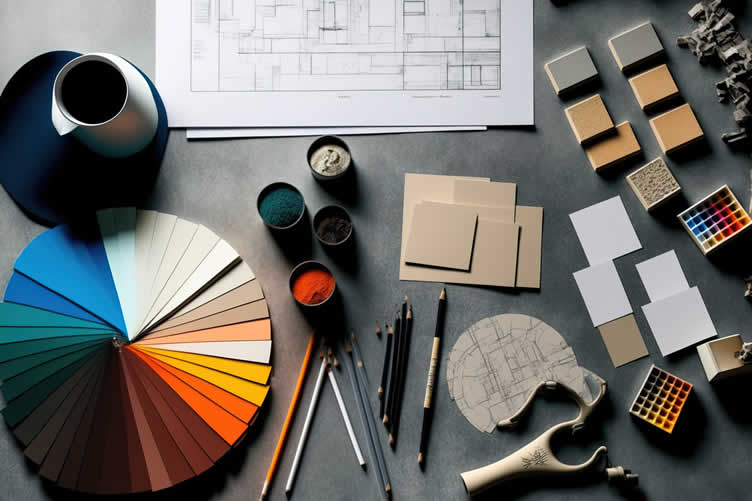
copyright image by 123rf.com
But Wait!
Before beginning your search for interior designers, consider downloading this comprehensive evaluation worksheet.
This valuable tool will help you objectively compare and rank potential contractors by focusing on key factors such as pricing, licensing, and referrals.

Evaluation Sheet
File Type:
-
-
Creating Your Perfect Welcome
The most successful entryway decor combines practical functionality with personal style, creating a space that serves your family’s daily needs while making every visitor feel genuinely welcome. Remember that the best decorating ideas are those that reflect your authentic style while addressing the practical realities of your lifestyle.
Start with the essential elements of lighting, furniture, and storage, then layer in the decorative accents that make your space uniquely yours. Your home entryway should feel like a natural extension of your family’s personality, setting the stage for the warmth and hospitality that guests will experience throughout your home.
Consider your entryway as an ongoing project that can evolve with your family’s needs and changing tastes. Small updates and seasonal refreshes can keep your space feeling current and welcoming, ensuring that your home’s first impression remains as warm and inviting as the family who lives there.
-
ideas to view and compare from the information discussed above
- What comments can you share about
home entryway?
Scroll up to directory … or scroll to more interior home-related topics …
view illustration “becoming a bank”

looking for other interesting topics that may be helpful …?



Calendar For:
Home Maintenance
File Type:
… view our sharing links below for a quick "share the knowledge"
Cover image credit: home entryway by 123rf.com
end of post … please share it!
 |
did you find this home entryway analysis helpful? If so, please share the article with your friends and family! |
Nice pic idea? Leave us a quick comment below.
And please share this pic idea within your social networks.