Summary Outline –
Solar tube lighting offers an elegant solution that transforms these shadowy areas into bright, naturally illuminated spaces. Also known as tubular skylights or sun tunnels, these innovative systems capture sunlight from your roof and channel it directly into your home’s interior rooms.
Unlike traditional windows or skylights, solar tubes can bring natural light to spaces that seemed impossible to brighten naturally.
This comprehensive guide explores everything you need to know about solar tube lighting systems. You’ll discover how these remarkable devices work, the different types available, where they perform best in your home, and whether they’re the right natural lighting solution for your specific needs.
We’ll also examine installation considerations, potential drawbacks, and alternative options to help you make an informed decision about brightening your living spaces.
- post content … analysis/ solar tube lighting
- 1st: How Home Solar Tubes Work
- 2nd: Types of Home Solar Tubes
- 3rd: Where Home Solar Tubes Can Be Used
- 4th: Benefits of Home Solar Tubes
- 5th: Drawbacks of Home Solar Tubes
- 6th: Home Solar Tube Installation
- 7th: Maintaining Home Solar Tubes
- 8th: Alternatives to Home Solar Tubes
- conclusion
- other "green home" topics

-
- —— begin first topic ——
-
1st TERM: How Home Solar Tubes Work
Solar tube lighting systems, also known as tubular skylights or sun tunnels, are an innovative way to bring natural light into spaces within your home that are otherwise hard to illuminate.
These systems are designed to maximize natural daylight, reduce energy consumption, and create a more sustainable and comfortable living environment. To understand their functionality and benefits, it’s essential to explore how solar tubes work and what makes them an efficient option for homeowners.
[ view summary table: how solar tubes work ]
-
Capturing Sunlight
The process begins with a rooftop dome, which is strategically installed to capture sunlight. This dome is made from high-quality, weather-resistant materials designed to withstand varied climates and conditions.
The dome works by collecting sunlight during the day, even in low-light conditions such as overcast skies, thanks to its optical properties that enhance light gathering. Some advanced models feature lenses or reflective enhancements to improve their light-capturing ability further.
-
Channeling Light Through the Tube
After sunlight enters through the rooftop dome, it’s directed into a highly reflective tube lined with mirror-like material that efficiently channels the light.
This material, often made from aluminum or similar reflective surfaces, ensures that most of the captured light is retained as it travels through the tube.
The tubular design allows light to zigzag down as minimal light is lost during transmission. Depending on the design and length, the tube can bend slightly to accommodate different architectural layouts, ensuring a seamless installation even in complex home designs.
-
Diffusing Natural Light Indoors
Once the light reaches the end of the tube, it enters the living space through a diffuser installed in the ceiling.
The diffuser is crafted to evenly spread light, preventing harsh glare or overly concentrated light spots. The result is a consistent, soft, and natural illumination that mimics the effect of sunlight streaming through a window.
This makes solar tubes particularly useful in living rooms, bathrooms, hallways, and closets—areas often devoid of windows or natural light sources.
-
Energy Efficiency and Heat Control
Another critical aspect of solar tubes is how they balance natural lighting with energy efficiency. Unlike traditional windows or skylights, solar tubes minimize heat transfer and help maintain indoor temperatures.
The reflective tube and dome materials often include UV protection elements that filter out harmful ultraviolet rays while retaining daylight. This makes solar tubes not only an energy-saving lighting solution but also a practical option for maintaining comfort.
References
- U.S. Department of Energy – "Daylighting with Tubular Skylights" Source: https://www.energy.gov/energysaver/daylighting
- Journal of Eco-Friendly Design and Sustainability – "Innovations in Natural Lighting Systems"
- National Renewable Energy Laboratory (NREL) – "Residential Lighting Energy Analysis Report."
Feature Description How Solar Tubes Work Solar tubes, also known as tubular skylights, channel natural sunlight into spaces that lack windows, providing sustainable and energy-efficient lighting solutions. Capturing Sunlight A rooftop dome, crafted from weather-resistant materials, collects sunlight. Advanced models use lenses or reflective enhancements to capture light even in low-light conditions. Channeling Light Through the Tube Sunlight is directed into a highly reflective tube, efficiently retaining light as it travels. The tube design can adapt to various architectural layouts for seamless installation. Diffusing Natural Light Indoors A diffuser evenly spreads light into indoor spaces, avoiding glare or harsh spots, creating soft, natural illumination perfect for rooms with limited natural light. Energy Efficiency and Heat Control Solar tubes reduce energy consumption while minimizing heat transfer. UV protection elements in the materials ensure comfort and safeguard interiors from harmful rays. 


AI generated image by 123rf.com
[ view diagram: how solar tubes work ]
[ youtube: What is a Solatube, and How does it work? ]
Health Benefits of Natural Lighting
Introducing natural lighting into your home not only enhances its aesthetic appeal but also promotes physical and mental well-being. Below are some of the key health benefits associated with natural lighting:
- Boosts Vitamin D Levels:
Exposure to sunlight helps the body produce vitamin D, which is essential for bone health, immune function, and overall wellness. - Improves Mood and Mental Health:
Natural light has been shown to reduce symptoms of depression and anxiety by triggering the release of serotonin, a hormone associated with happiness and calmness. - Enhances Sleep Quality:
Regular exposure to natural light helps regulate the body’s circadian rhythm, leading to better sleep patterns and overall restfulness. - Reduces Eye Strain:
Proper natural lighting reduces the need for artificial light sources, minimizing glare and decreasing the strain on your eyes when performing tasks like reading or working. - Supports Productivity and Focus:
Studies suggest that natural light in working and living spaces can boost concentration levels and productivity by creating a more inviting and energizing environment. - Decreases Risk of Seasonal Affective Disorder (SAD):
Natural light is an effective tool in combating seasonal affective disorder, a form of depression often triggered during darker months due to lack of sunlight.
References:
- Holick MF. Vitamin D Deficiency. N Engl J Med. 2007;357(3):266-81.
- Lambert GW, et al. Effect of sunlight on serotonin levels in the brain. Lancet. 2002;360(9348):1840-1842.
- Czeisler CA, et al. Regulation of the sleep-wake cycle in humans. Science. 1980;210(4466):1264-1267.
- Bullough JD, et al. Light and health effects on visual discomfort. J Vis Commun. 2002;25(1):283-292.
- Edwards L, Torcellini P. A Literature Review of the Effects of Natural Light on Building Occupants. National Renewable Energy Laboratory. 2002.
- Terman M, et al. Bright Light Therapy for Seasonal Affective Disorder. Am J Psychiatry. 1998;155(3):452-454.

AI generated image by 123rf.com
-
Scroll up to directory … or scroll to next section of the considering sun tunnels …

-
-
2nd TERM: Types of Home Solar Tubes
When considering adding solar tubes to your home, understanding the types available is essential to making the right choice for your space and lighting needs.
Solar tubes or sun tunnels come in various options tailored to different architectural structures and preferences. Here, we will explore the primary types of home solar tubes, focusing on their unique features and applications.
[ view images and summary: types solar tubes ]
-
Rigid Solar Tubes
Rigid solar tubes are designed for efficiency and maximum light transmission, making them ideal for spaces that require consistent illumination. These tubes feature a fixed, straight pathway from the roof to the diffuser, which minimizes the loss of light along the way.
With highly reflective interior surfaces, these tubes ensure the sunlight is channeled effectively and evenly into the home.
Rigid solar tubes are perfect for longer distances between the roof and ceiling or for areas with minimal obstructions, such as attics or slanted roofs. Their robust design makes them a popular choice for homeowners seeking superior light output.
-
Flexible Solar Tubes
Flexible solar tubes are a versatile solution for properties with structural obstructions or design challenges. Made with a bendable tubular pathway, these solar tubes can maneuver around obstacles like rafters, joists, or plumbing to provide natural light where it would otherwise be challenging to install a traditional skylight.
Although flexible tubes may not transmit light as efficiently as rigid options due to the curved pathway, they are invaluable for homes requiring adaptable installations.
They are most commonly used in spaces with limited roof-to-ceiling alignment, allowing homeowners to enjoy natural light regardless of spatial constraints.
-
Daylight Dimming Solar Tubes
For those seeking control over the intensity of natural light, daylight dimming solar tubes are an excellent option. These systems come with a built-in mechanism, such as a dimmer, that allows the user to adjust the amount of light entering the room.
Whether you want soft, ambient lighting or full brightness, dimmable solar tubes add flexibility and functionality to your home.
They are especially popular in bedrooms, home offices, or media rooms where lighting control is essential for creating specific atmospheres.
-
Energy-Efficient Solar Tubes with Integrated Ventilation
Some solar tubes are designed with integrated ventilation systems, combining the benefits of natural light with enhanced airflow. These hybrid designs not only brighten spaces but also improve air circulation, making them perfect for moisture-prone areas such as bathrooms, laundry rooms, or kitchens.
With advanced insulation to prevent heat transfer, these energy-efficient models lower utility costs while delivering dual-purpose functionality, ensuring home comfort throughout the year.
Type of Solar Tube Key Features Best Applications Rigid Solar Tubes Highly reflective interior, straight pathway, efficient light transmission. Ideal for spaces requiring consistent illumination with minimal obstructions, such as attics or slanted roofs. Flexible Solar Tubes Bendable pathway to maneuver around obstacles, adaptable design. Perfect for homes with structural limitations or spaces lacking roof-to-ceiling alignment. Daylight Dimming Solar Tubes Built-in dimming mechanism for adjustable light intensity. Best suited for bedrooms, home offices, or media rooms where lighting control is important. Energy-Efficient Solar Tubes with Integrated Ventilation Includes ventilation system, advanced insulation to reduce heat transfer. Ideal for moisture-prone areas like bathrooms, laundry rooms, or kitchens, combining light and airflow benefits. 
AI generated image by 123rf.com
[ view diagram: solar tube skylight ]
[ youtube: all about sun tunnels ]
-
Scroll up to directory … or scroll to next section of the considering sun tunnels …
-
-
3rd TERM: Where Home Solar Tubes Can Be Used
Home solar tubes are versatile lighting solutions that bring natural sunlight into interior spaces. By capturing daylight through rooftop-mounted domes and channeling it indoors through reflective tubing, solar tubes illuminate areas that might otherwise depend heavily on artificial lighting.
Understanding where these innovative systems can be installed is key to maximizing their benefits, energy efficiency, and functionality within your home.
[ view images and summary: where tubes can be used ]
-
Bathrooms and Powder Rooms
Bathrooms are a common area for solar tube installation due to their typically limited natural light. These spaces often lack large windows, making them ideal candidates for solar tubes.
The addition of natural light in bathrooms not only reduces electricity consumption but also creates a bright, refreshing atmosphere that enhances overall comfort and usability.
Solar tubes equipped with integrated ventilation systems are particularly beneficial in such moisture-rich environments, as they offer the dual advantage of proper lighting and improved airflow.
-
Kitchens and Pantries
Kitchens are central hubs of activity in most homes, and sufficient lighting is crucial for cooking, cleaning, and other tasks. Solar tubes provide bright, natural daylight that can transform a dim kitchen into a vibrant, inviting space.
Similarly, pantries often lack windows, making them another excellent location for solar tubes. With a steady stream of daylight illuminating shelves and storage areas, finding ingredients and organizing becomes significantly easier.
-
Hallways and Stairwells
Hallways and stairwells are often overlooked when it comes to natural lighting, yet they are used frequently throughout the day.
Since these areas typically contain few or no windows, they can feel dark and uninviting. Installing solar tubes in hallways and stairwells introduces soft, natural light that brightens these transitional spaces and improves safety by enhancing visibility.
-
Home Offices and Workspaces
With the rise of remote work, home offices and designated workspaces have become vital parts of modern homes. Adequate lighting is essential for productivity, and solar tubes serve as a sustainable solution by providing consistent, glare-free daylight.
Research has shown that exposure to natural light can boost mood, energy levels, and focus, creating a more inspiring and efficient workspace.
-
Closets and Laundry Rooms
Closets and laundry rooms tend to be small, enclosed spaces that heavily rely on artificial light. Solar tubes can bring daylight into these otherwise dark areas, making it easier to locate clothing or complete laundry tasks.
The result is a brighter, more functional environment that reduces energy usage and enhances convenience.
-
Living Rooms and Common Areas
While living rooms often have windows, certain layouts or architectural features can limit natural light penetration.
Solar tubes can complement existing windows by illuminating darker corners and filling the space with a warm ambiance. This makes family gatherings or leisure time more enjoyable in a well-lit, welcoming environment.
-
Basements and Below-Ground Spaces
Basements and other below-ground areas are among the most light-deprived parts of the home.
With proper installation, solar tubes can direct daylight into these spaces, reducing dependence on artificial lighting. They create a more comfortable atmosphere while also contributing to energy savings.
Harnessing the power of home solar tubes to brighten these specific areas can transform your living experience while promoting sustainability. With their adaptability and energy-efficient benefits, these devices provide a practical yet environmentally friendly lighting solution for virtually any part of the home.
Sources and Citations
- U.S. Department of Energy. "Skylights." Retrieved from www.energy.gov.
- International Association of Certified Home Inspectors. "All About Tubular Skylights." Retrieved from www.nachi.org.
- National Renewable Energy Laboratory. "Daylighting in Buildings." Retrieved from www.nrel.gov.
Area Benefits of Solar Tubes Bathrooms and Powder Rooms Provides natural light in spaces with limited windows, reduces electricity usage, enhances comfort, and improves airflow with ventilation-equipped solar tubes. Kitchens and Pantries Brightens spaces necessary for cooking and organizing, transforms dim areas into functional and inviting spaces, enhances visibility in storage areas. Hallways and Stairwells Introduces soft, natural light to frequently used yet windowless areas, improves safety by enhancing visibility, and creates a welcoming atmosphere. Home Offices and Workspaces Provides consistent, glare-free daylight that boosts mood, energy, and focus, promotes productivity in remote workspaces. Closets and Laundry Rooms Brings daylight to enclosed, dark spaces, improves functionality for locating clothing or completing laundry, reduces energy consumption. Living Rooms and Common Areas Complements existing windows to brighten dark corners, creates a warm ambiance and enhances comfort for family gatherings or leisure time. Basements and Below-Ground Spaces Reduces dependency on artificial lighting by directing daylight, improves comfort, and contributes to energy savings in light-deprived areas. 
copyright image by 123rf.com
[ view diagram: interior places for solar tunnels ]
[ youtube: Solar sun tunnels bring natural light inside ]
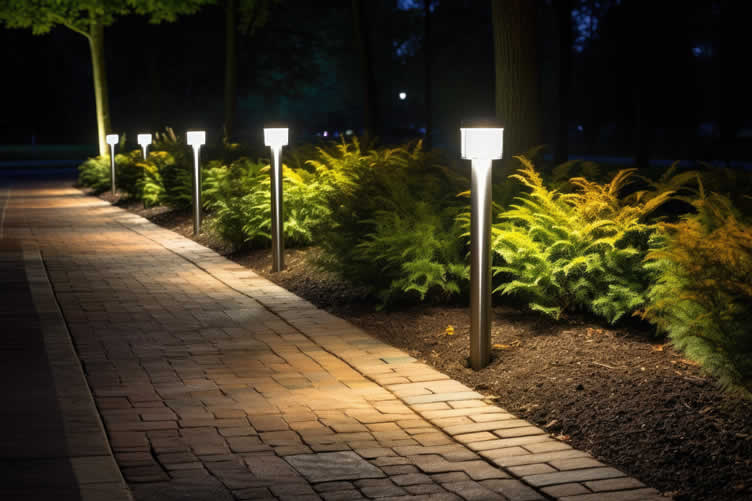
Why Consider Solar Lighting for Exterior Decor
Solar lighting is an excellent choice for enhancing the beauty and functionality of your home’s outdoor spaces while remaining environmentally friendly. These systems use renewable solar energy, offering a sustainable alternative to traditional electrical fixtures.
By installing solar lights in your garden, pathways, or patio areas, you can create an inviting, warm atmosphere perfect for evening gatherings or peaceful relaxation.
Beyond aesthetics, solar lighting is cost-efficient. Since the lights rely on sunlight, they help reduce electricity bills and require minimal maintenance. Many modern solar lights come equipped with sensors, automatically turning on at dusk and off at sunrise, providing convenience while conserving energy.
Additionally, solar lighting is simple to install, as it doesn’t require extensive wiring or professional help, making it an accessible solution for homeowners aiming to improve their outdoor spaces.
With its affordability, ease of use, and eco-friendly design, solar lighting is a thoughtful investment for a brighter, greener, and more welcoming home environment.
copyright image by 123rf.com
-
Scroll up to directory … or scroll to next section of the considering sun tunnels …
-
-
4th TERM: Benefits of Home Solar Tubes
Solar tubes, also known as tubular skylights, are innovative solutions for bringing natural light into spaces that might otherwise remain dimly lit. These systems are increasingly popular for homeowners due to their energy efficiency, ease of installation, and ability to enhance indoor living environments.
Below, we explore the key benefits of home solar tubes and why they are a smart investment for modern households.
[ view summary table: benefits solar tubes ]
-
Energy Efficiency and Cost Savings
One of the most significant advantages of solar tubes is their ability to reduce household energy consumption. By channeling natural sunlight into your interior spaces, solar tubes minimize the need for artificial lighting during daylight hours.
This reduction in electricity usage can translate into noticeable savings on energy bills over time. Additionally, since solar tubes require no electricity to operate, they offer a sustainable lighting option that aligns with eco-friendly living practices.
-
Improved Indoor Lighting and Ambiance
Solar tubes bring crisp, natural daylight into spaces that might otherwise rely on artificial lights. Unlike traditional overhead lighting, the light from solar tubes is diffused evenly, creating a soft and pleasant ambiance.
This natural lighting solution is especially beneficial in areas like hallways, kitchens, and bathrooms where natural light may be limited due to architectural constraints. Better lighting not only improves the aesthetics of a space but also positively impacts mood, productivity, and overall well-being.
-
Easy Installation and Minimal Structural Impact
Solar tubes are designed to be installed quickly and easily compared to traditional skylights. Their compact and flexible design means they require minimal structural changes to your roof, making them an ideal solution for both new construction and retrofit projects.
For homeowners concerned about the cost and complexity of home improvements, solar tubes offer an affordable and efficient way to transform interior lighting with minimal disruption.
-
Enhanced Privacy and Security
Unlike windows or conventional skylights, solar tubes provide improved privacy because they do not create a direct line of sight between your home’s interior and the outside. This makes them an excellent solution for rooms where maintaining privacy is essential, such as bathrooms and bedrooms.
Additionally, since solar tubes are compact and sealed, they reduce the potential for break-ins or damage, providing a secure alternative to other daylighting solutions.
-
Environmentally Friendly Living
Investing in solar tubes contributes to a more sustainable home. By harnessing natural sunlight, you reduce your reliance on artificial lighting and lower your carbon footprint.
This eco-conscious choice aligns with broader global efforts to promote renewable energy sources and combat climate change.
Over the long term, solar tubes are durable and maintenance-free, further reinforcing their positive environmental impact by reducing waste and unnecessary energy consumption.
-
Increased Property Value
Finally, solar tubes may enhance the value of your home by incorporating innovative, energy-saving features that appeal to modern buyers.
Homes equipped with solar tubes stand out in the market as sustainable and well-lit spaces, which can be a significant selling point for prospective homeowners.
Sources and Citations
- Department of Energy, "Energy-Efficient Lighting," www.energy.gov.
- Natural Resources Defense Council, "The Benefits of Daylighting," www.nrdc.org.
- American Lighting Association, "Maximizing Natural Light in Your Home," www.alamembers.com.
Benefit Description Energy Efficiency and Cost Savings Reduces household energy consumption by channeling natural sunlight, decreasing the need for artificial lighting. Offers long-term savings on energy bills and promotes eco-friendly living. Improved Indoor Lighting and Ambiance Provides evenly diffused natural light, enhancing the aesthetics, mood, and productivity of interior spaces like hallways, kitchens, and bathrooms. Easy Installation and Minimal Structural Impact Allows quick and simple installation with minimal structural changes, making it suitable for new construction and retrofit projects without significant disruption. Enhanced Privacy and Security Maintains privacy without creating a direct line of sight and provides a sealed, secure lighting solution that minimizes break-in risks. Environmentally Friendly Living Promotes sustainability by reducing reliance on artificial lighting, lowering the carbon footprint, and contributing to global efforts to combat climate change. Increased Property Value Boosts home value by integrating innovative, energy-saving features that attract eco-conscious buyers looking for well-lit living spaces. 
AI image rendition from theskylightcompany.co.uk by 123rf.com
[ pinterest: what about solar tubes ]
[ youtube: Sun Tunnels vs Skylights: Which Is Better? ]
-
Scroll up to directory … or scroll to next section of the considering sun tunnels …
-
-
5th TERM: Drawbacks of Home Solar Tubes
While solar tubes offer numerous advantages as an effective and eco-friendly way to illuminate interior spaces, it’s important to consider potential drawbacks before deciding on this installation.
Understanding the limitations can help homeowners make an informed decision that aligns with their needs and expectations.
[ view summary table: drawbacks solar tubes ]
-
Limited Design Flexibility
One of the primary drawbacks of solar tubes is their limited flexibility in design and placement compared to traditional windows or skylights. Due to their tubular shape, they are typically installed in direct vertical pathways, which may restrict their usability in multi-story homes or rooms without access to the roof.
Additionally, solar tubes do not provide outside views as skylights or windows do, which may diminish the aesthetic appeal for some homeowners looking to connect indoor spaces with the outdoors.
-
Restricted Light Output in Low-Light Conditions
Solar tubes rely solely on natural sunlight to function effectively, meaning their performance is directly impacted by the availability of daylight. On overcast days, during early mornings or late evenings, or in heavily shaded areas, the light output of solar tubes can be noticeably reduced.
This limitation may necessitate the use of supplemental artificial lighting, particularly in rooms that require consistent brightness throughout the day, which lessens some of the energy-saving advantages.
-
Potential for Heat Transfer
While solar tubes are designed with insulation and sealing in mind, they are not immune to potential heat transfer issues. Poor installation or degraded components over time may lead to slight increases in heat gain during the summer or heat loss during the winter.
While this effect is less significant than with larger skylights, it’s a factor worth considering, especially in regions with extreme temperature fluctuations.
-
Limited Lifespan of Materials
The materials used in solar tubes, such as acrylic or polycarbonate domes, are exposed to constant sunlight and weather elements. Over time, these materials may become cloudy, scratched, or discolored, which could reduce the efficiency of the solar tube in channeling light.
Although modern products often come with protective coatings that enhance their durability, eventual wear and tear may still require replacements or repairs.
-
Higher Initial Costs Compared to Light Fixtures
While the long-term energy savings of solar tubes are notable, the initial investment can be relatively high when compared to conventional lighting solutions.
Installation costs may vary based on roof type and labor fees, and some homeowners may find it challenging to justify this expense unless significant energy savings are expected over time. Such an upfront cost might not align with every budget, making it less accessible to some.
Drawback Description Limited Design Flexibility Solar tubes are restricted to vertical placement, limiting their usability in multi-story homes or areas without roof access. They also do not provide outdoor views like skylights or windows, potentially reducing aesthetic appeal. Restricted Light Output in Low-Light Conditions Performance relies entirely on natural sunlight, making them less effective on overcast days, early mornings, evenings, or in shaded areas. Supplemental artificial lighting may be needed in such scenarios. Potential for Heat Transfer Although well-insulated, poor installation or aging components can lead to heat gain in summer or heat loss in winter, especially in regions with extreme temperatures. Limited Lifespan of Materials Materials like acrylic or polycarbonate domes can degrade over time due to exposure to sunlight and weather, potentially reducing efficiency. Protective coatings help but do not prevent eventual wear and tear. Higher Initial Costs Compared to Light Fixtures The upfront investment in solar tube installations is higher compared to traditional lighting solutions. Costs vary based on factors such as roof type and labor, which may make them less affordable to some homeowners. 
copyright image by 123rf.com
[ pinterest: drawbacks solar tubes ]
[ youtube: Pros and Cons of Solar Tubes ]
-
Scroll up to directory … or scroll to next section of the considering sun tunnels …
-
-
6th TERM: Home Solar Tube Installation
Home solar tube installation is an increasingly popular solution for enhancing natural light in interior spaces, offering a highly efficient, eco-friendly way to illuminate homes with minimal energy consumption.
Solar tubes, also known as tubular skylights or sun tunnels, direct sunlight into homes through a reflective tube system, creating a bright and welcoming ambiance. For homeowners exploring sustainable and cost-effective lighting options, understanding the installation process is key to achieving the best results.
[ view summary table: solar tube insulation ]
-
Assessing the Installation Area
The first step in installing solar tubes is identifying an appropriate installation area. This begins with assessing the roof type, as most solar tubes are compatible with common materials like shingles and metal roofs.
You must also determine the room that will benefit most from added natural light. Hallways, bathrooms, and smaller rooms without windows are often ideal candidates.
Additionally, it’s important to assess attic space and other obstructions like wiring, HVAC ducts, or roof trusses that might affect placement.
-
Can Solar Tubes Be Installed in Multi-Story Homes?
Yes, solar tubes can be installed in multi-story homes, although the process may be slightly more complex compared to single-story installations. The key factor is creating a continuous path for the reflective tube from the roof to the desired room.
This might require running the tube through attic spaces, between floors, or around obstacles, but modern solar tube designs offer flexible materials and angled adapters to make this achievable.
Consulting with a professional installer is highly recommended for multi-story homes to ensure proper placement and maximal light efficiency while preserving the structural integrity of the building.
With the right planning and expertise, solar tubes can bring natural sunlight into even the most interior rooms of multi-story households, fostering a brighter and more uplifting living environment.
-
-
Preparing the Installation Surface
Once the area is confirmed, preparing the installation surface is essential. This includes marking the roof and ceiling openings where the solar tube will connect.
Using professional-grade tools ensures accurate measurements and clean cuts to avoid leaks or aesthetic concerns. Some installations may include sealing and weatherproofing the roof area to ensure durability and insulation against moisture or temperature fluctuations.
-
Setting Up the Solar Tube System
The core of the process involves installing the solar tube itself. This includes connecting the exterior dome, which collects sunlight, with the interior diffuser that disperses light throughout the chosen room.
The reflective tubing is securely fitted between the roof and ceiling openings, maximizing light transfer while minimizing energy loss. Properly aligning and sealing reflective tubing is crucial to achieving optimal brightness and longevity for the system.
-
Testing and Final Adjustments
After installation, testing the system ensures it operates as intended. This step involves checking for proper light diffusion, assessing the sealing for insulation from external elements, and ensuring that no gaps or defects are present.
If any issues arise during testing, small adjustments can be made to realign the tubing, reseal connections, or reposition the components as needed.
-
Professional Consultation and Maintenance
Although solar tubes are often marketed as DIY-friendly, professional installation can provide added assurance of quality and longevity.
Furthermore, regular maintenance, including cleaning the dome and checking seals, helps to maintain light levels and prevent wear over time. Consulting with a certified installer guarantees a safer and more reliable result.
References
- Natural Light Energy Systems. "How to Install Solar Tube Lighting." https://www.nltubular.com
- Energy.gov. "Daylighting with Tubular Skylights." U.S. Department of Energy. https://energy.gov
- Green Building Advisor. "Maximizing Solar Tube Efficiency." https://greenbuildingadvisor.com
Step Details Introduction to Solar Tubes Home solar tube installation enhances natural light in spaces, using reflective tube systems for an eco-friendly, efficient lighting solution. Installation in Multi-Story Homes Solar tubes can be installed in multi-story homes with careful planning. Flexible materials and adapters allow for navigation around obstacles like attic spaces and between floors. Assessing Installation Area Identify a suitable area based on roof type and the chosen room, factoring in potential obstructions such as wiring or roof trusses. Preparing Installation Surface Mark roof and ceiling openings, ensure accurate measurements, and seal roof areas to prevent leaks and ensure insulation. Setting Up the System Connect the exterior dome to the interior diffuser using reflective tubing. Ensure secure fitting to maximize light efficiency and minimize energy loss. Testing and Adjustments Test the system to confirm proper light diffusion and sealing. Address gaps or alignment issues with small adjustments if needed. Professional Consultation and Maintenance While DIY options exist, professional installation ensures long-term reliability. Regular maintenance helps maintain light levels and system durability. 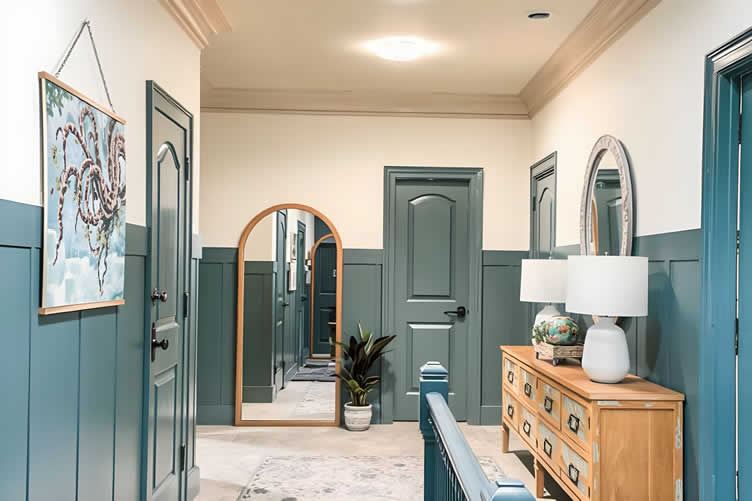
AI image rendition from skylight.com by 123rf.com
[ youtube: How to Install a Solatube | 8 simple steps ]
[ amazon: sun tunnel ]
-
Scroll up to directory … or scroll to next section of the considering sun tunnels …
-
-
7th TERM: Maintaining Home Solar Tubes
Home solar tubes are an efficient and cost-effective way to bring natural daylight into your living space, but like any home improvement system, they require proper care and attention to ensure peak performance and longevity.
Regular maintenance minimizes potential issues, maximizes energy savings, and preserves the aesthetic quality of your home. Below, we discuss essential maintenance needs and repair considerations for home solar tubes to help you maintain optimal functionality and efficiency.
[ view summary table: maintaining solar tubes ]
-
Routine Cleaning for Optimal Performance
Over time, dust, dirt, and debris can accumulate on the exterior dome of solar tubes, potentially obstructing incoming sunlight and diminishing their effectiveness.
Cleaning the dome periodically with a soft cloth, mild soap, and water ensures that light transmission remains uninterrupted.
Similarly, the interior surfaces, including reflective tubing, may slightly degrade due to dust particles entering the system. This can be remedied by gently cleaning or inspecting for smudges whenever access is possible.
-
Inspecting Seals and Structural Integrity
A vital component of maintaining solar tubes involves inspecting the seals between the dome and roof structure to prevent potential leaks. Weather exposure can sometimes cause seals to degrade, and prompt attention or replacement is critical to avoid moisture intrusion.
Checking for cracks or damage in the tubing or dome itself is equally important, as even small defects can affect light efficiency and lead to energy losses over time.
-
Addressing Repairs and Professional Expertise
While home solar tubes are generally low-maintenance, certain situations may necessitate repairs. For example, if water leakage or extensive damage to the tubing or dome is detected, professional evaluation is recommended.
Experts can properly assess the issue, ensure weatherproofing, and provide quality replacement parts or solutions as needed. For older installations, upgrading components to newer, energy-efficient designs can also enhance system performance.
-
Long-Term Care and Life-cycle Considerations
The lifespan of high-quality solar tube systems often stretches beyond a decade, making them an enduring investment in sustainability and efficiency. However, wear and tear from prolonged sun exposure or extreme weather conditions can affect components over time.
Scheduling periodic assessments by certified professionals ensures that your system remains in top condition and extends its operational lifespan. Keeping warranty details and manuals on hand can also streamline any required maintenance or replacement processes.
References
- U.S. Department of Energy. “Daylighting the Home with Solar Tubes.” energy.gov.
- National Renewable Energy Laboratory. “Residential Daylighting Best Practices.” nrel.gov.
- Building Performance Institute. “Weatherproofing and Maintenance for Sustainable Homes.” bpi.org.
Maintenance Task Details Importance Routine Cleaning Remove dust, dirt, and debris from the exterior dome using a soft cloth, mild soap, and water. Clean interior reflective tubing if accessible to maintain light transmission. Ensures optimal light efficiency and prevents performance degradation. Inspecting Seals and Structure Check seals between the dome and roof for wear or leaks. Examine the dome and tubing for cracks or damage. Prevents moisture intrusion and energy loss over time. Addressing Repairs For issues like leaks or significant damage, consult professionals for evaluations, repairs, and potential upgrades. Maintains functionality and resolves critical issues efficiently. Long-Term Care Schedule periodic professional inspections and retain warranty details for streamlined maintenance or replacements. Prolongs the operational lifespan and enhances system performance. 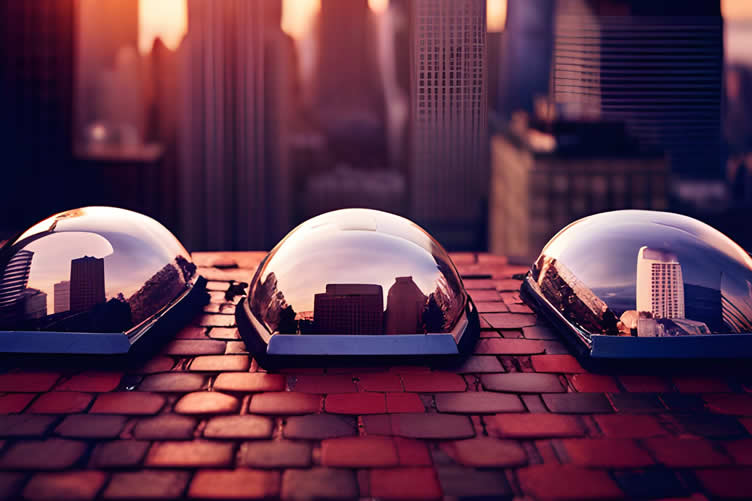
AI generated image by 123rf.com
[ youtube: Clean or Change a Lens in a Solatube System ]
[ amazon: Cleaning Tubular Skylight ]
-
Scroll up to directory … or scroll to next section of the considering sun tunnels …
-
-
8th TERM: Alternatives to Home Solar Tubes
When considering ways to bring more natural light into your home, solar tubes are a popular choice. However, they may not be suitable for every home or scenario.
For households seeking alternative solutions, there are a variety of effective and innovative options. Each can provide natural lighting benefits while catering to different architectural designs, personal preferences, or budget considerations.
Below, we review the primary alternatives to solar tubes and their unique advantages.
[ view images and summary: alternatives ]
-
Skylights
Skylights are a versatile and aesthetically pleasing option for introducing natural light into your home. Installed directly into the roof, skylights create a connection between indoor spaces and the sky, allowing an abundance of daylight to flow into the room.
Unlike solar tubes, skylights offer a broader view of the outdoors, creating an open and expansive atmosphere. They also come in a range of designs, from fixed units to vented models that allow air circulation, making them highly adaptable to individual needs.
However, proper installation is essential to prevent issues such as leaks or energy inefficiency.
-
Light Shelves
Light shelves are an architectural feature designed to maximize the distribution of natural light within a room. Typically installed near windows, these horizontal shelves reflect sunlight deeper into indoor spaces, reducing reliance on artificial lighting.
Light shelves are especially effective in homes with large windows or where direct sunlight needs diffusion to avoid glare. Their simplicity, efficiency, and compatibility with various interior designs make them a practical alternative to solar tubes.
However, they are best suited for homes that already enjoy some degree of natural light access.
-
Clerestory Windows
Clerestory windows are a stylish alternative option for enhancing natural light flow. Positioned high on walls, above eye level, these windows capture sunlight and direct it into spaces without impacting privacy or usable wall space.
Clerestory windows work particularly well in homes with high ceilings and can serve as a design focal point while improving energy efficiency. Although they require a specific architectural design to be effective, they represent an innovative and elegant lighting solution.
-
Smart Glass Technology
Innovative and modern, smart glass presents a high-tech alternative to traditional natural lighting solutions. This technology allows for the adjustment of transparency levels, offering control over how much natural light enters the space.
Smart glass can replace traditional windows or be installed alongside them to enhance functionality. While the cost of smart glass can be higher upfront compared to other solutions, the long-term energy-saving potential and the added convenience make it an attractive, scalable option.
-
Larger Standard Windows
Sometimes, the simplest solution is to install larger, well-placed windows. Expanding window sizes or opting for floor-to-ceiling installations can dramatically increase natural light levels while creating a seamless indoor-outdoor connection.
This approach can also improve ventilation and make small spaces feel larger and more inviting. While it requires structural adjustments and proper planning, larger windows are a timeless and effective method of enhancing natural light.
-
Final Notes
Each alternative to solar tubes offers specific benefits and potential challenges, making it essential to consider factors such as your home’s architecture, budget, and specific lighting requirements before deciding.
Whether prioritizing energy efficiency, elegance, or advanced technology, bringing more natural light into your living spaces can significantly enhance your home’s comfort and functionality.
References
- U.S. Department of Energy. “Daylighting in Buildings.” www.energy.gov
- Houzz. “Why Skylights and Clerestory Windows Enhance Design and Daylighting.” www.houzz.com
- The Spruce. “Natural Lighting Options You Can Add to Your Home.” www.thespruce.com
Alternative Description Key Advantage Considerations Skylights Installed directly into the roof, skylights provide abundant daylight and a view of the outdoors. Creates an open, expansive atmosphere; offers vented or fixed designs. Requires proper installation to prevent leaks or inefficiency. Light Shelves Horizontal shelves near windows reflect sunlight deeper into indoor spaces, reducing glare and providing even lighting. Simple, efficient, and compatible with various interior styles. Works best in homes with some existing natural light access. Clerestory Windows High-positioned windows capture light without impacting privacy or usable wall space. Ideal for homes with high ceilings; enhances energy efficiency and style. Requires specific architectural features to be effective. Smart Glass Technology High-tech glass that adjusts transparency to control light entry. Provides convenience and advanced energy efficiency. Higher upfront cost with potential long-term energy-saving benefits. Larger Standard Windows Expanding window sizes or installing floor-to-ceiling windows increases natural light flow and improves ventilation. Timeless and effective; creates a seamless indoor-outdoor connection. Requires structural adjustments and careful planning. 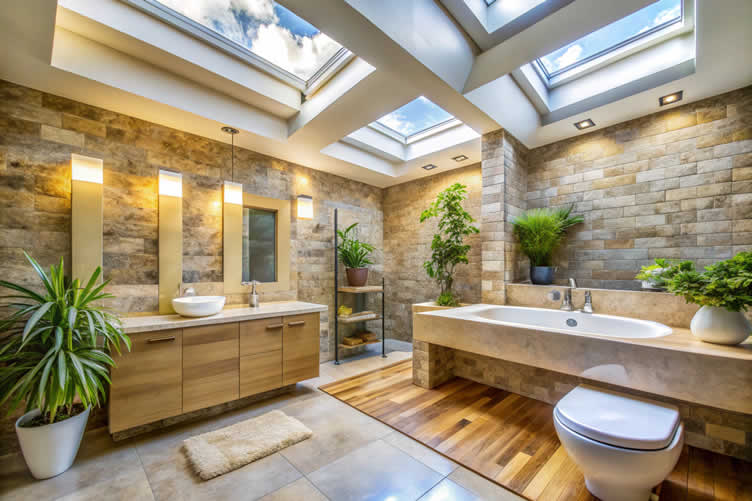
AI generated image by 123rf.com
-
Scroll up to directory … or scroll to conclusion …
-
-
Making the Right Choice for Your Home
Solar tube lighting represents an excellent natural lighting solution for many homes, particularly those with interior spaces that lack adequate windows. These systems excel at providing energy-efficient, natural illumination in bathrooms, hallways, closets, and other interior rooms where traditional skylights aren’t feasible.
The technology works best for homeowners seeking to reduce energy consumption while improving their indoor environment with natural light. If you find yourself switching on lights during daylight hours or feeling cramped in dim interior spaces, solar tubes could transform your daily experience while lowering electricity bills.
Consider your specific circumstances carefully. Homes with clear roof access above target rooms, moderate budgets for home improvement, and desire for maintenance-free natural lighting benefit most from these systems.
However, if you need controllable lighting levels, have very humid indoor conditions, or want natural lighting solutions that work at night, alternative approaches might better serve your needs.
Before deciding, evaluate your home’s layout, identify the darkest interior spaces that would benefit most from natural light, and consider how solar tube installation would integrate with your existing lighting systems.
With proper planning and installation, these innovative natural lighting solutions can brighten your home while supporting both environmental sustainability and your personal well-being.
-
Quick scroll to more interior "green home" ideas …
-
ideas to view and compare from the photo above
- What comments can you share about
solar tubes or sun tunnels that you have installed?


addressing why use solar tube lighting and other home improvement needs …

… grab this directory of ideas for future use

… view our home remodeling guides and steps


below for …
… solar tube insulation

Budgeting Worksheet For Costing Home Remodeling and Home Improvement Decisions
 File Type (excel)
Download this PDF for a concise summary of all you need to know about …?






… view illustration “becoming a bank”
SHARE IT ..! You might have someone in your social network who could find this informative post about solar tube lighting valuable. Feel free to share it on Facebook, X (formally Twitter), LinkedIn, or Pinterest!


Calendar For:
Home Maintenance
File Type:

get the size dimensions for any home remodeling project …
… for functionality, aesthetics, and adhering to building codes


… view our sharing links below for a quick "share the knowledge"
Find Roofing Services Roofing Gutter Systems Chimney Pest Control top-rated, pre-screened local contractors FREE: download contractor selection enter zip code – powered by HomeAdvisor ™
Quick Contractor Guides selecting negotiating working with inspecting

Cover image credit: solar tube lighting by 123rf.com
end of post … please share it!
 |
did you find this solar tube lighting analysis helpful? If so, please share the article with your friends and family! |
Nice pic idea? Leave us a quick comment below.
And please share this pic idea within your social networks.