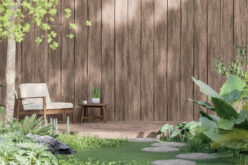
Summary Outline –
After spending all winter cooped up indoors, you’re probably looking ahead to spring and being able to spend time outdoors. Your patio should be an outdoor room where you can relax, spend time with family, or entertain visiting friends.
Summary of Site Content
1st Patio Tip: [view tip]
… start updating your patio with this first tip: consider adding a fire pit or pond for added entertainment and enjoyment.
2nd Patio Tip: [view tip]
… the second patio tip emphasizes the importance of privacy during your patio visits and relaxation. You can achieve privacy by using hedges or shrubs, or by constructing a living green wall.
3rd Patio Tip: [view tip]
… moving forward, the third patio tip focuses on coverings to shield from the scorching sun or rain. We explore various options to consider.
4th Patio Tip: [view tip]
… after setting up a fire pit and ensuring privacy, the fourth patio tip is to enhance your outdoor space by incorporating an outdoor kitchen and entertainment area for dining, drinks, and merriment.
5th Patio Tip: [view tip]
… the fifth patio tip delves into illuminating your patio for special occasions using a variety of lighting options for both the patio and deck.
6th Patio Tip: [view tip]
… the sixth and final patio tip enhances the patio ambiance by incorporating an outdoor rug and personal decor items that reflect your personality.
However, your patio might need some improvements to recover from the dormant season and be ready for many months of fun and relaxation. Knowing patio improvements you can make without using professionals saves you money but still brings value to your enjoyable outdoor space.

-
Quick scroll to first topic about changes to make to your patio …

first “about changes to make to your patio” idea

copyright image by 123rf.com
Patio Tip 1: Add a Fire Pit or Pond?
Notes:
-
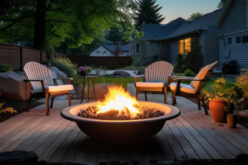
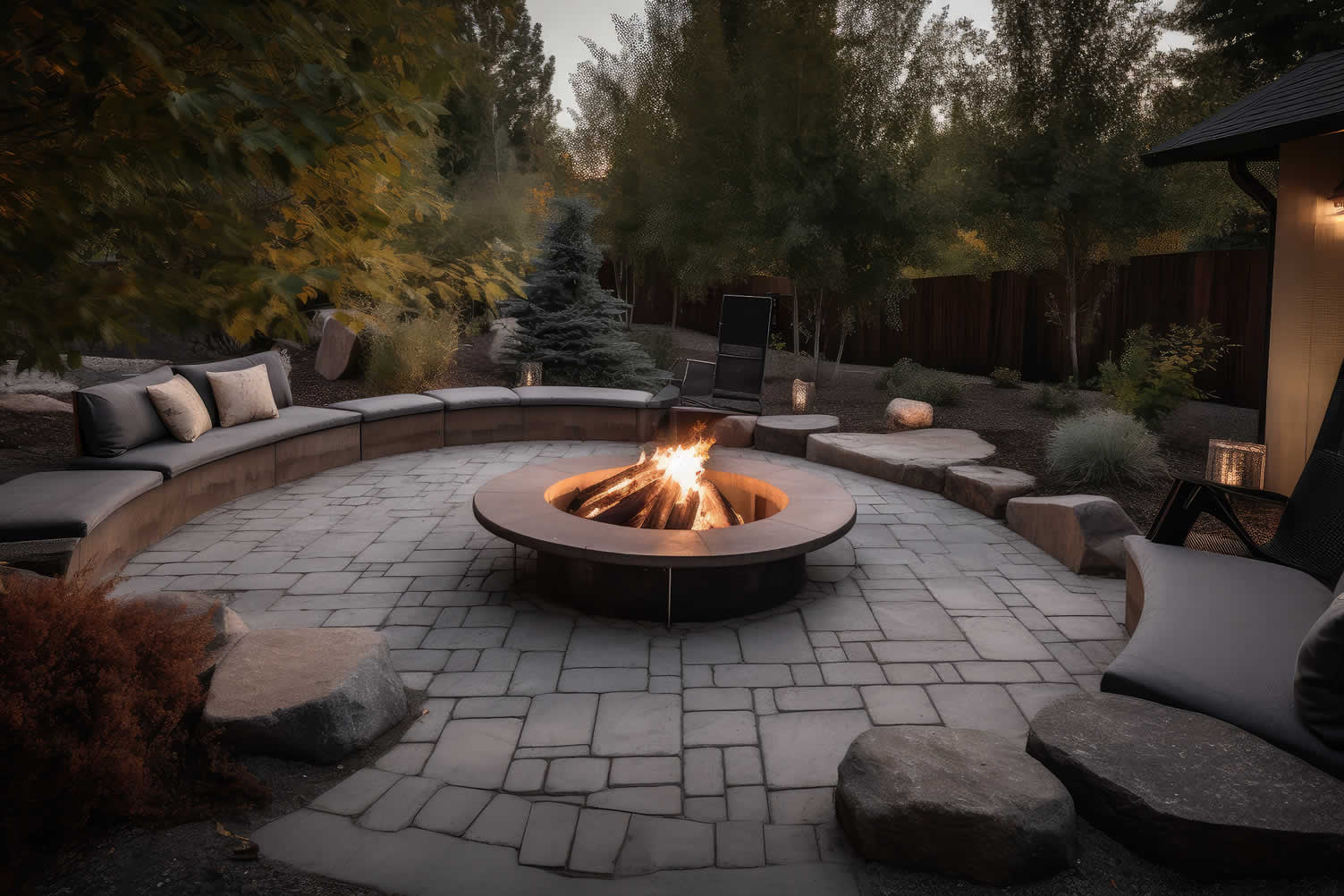
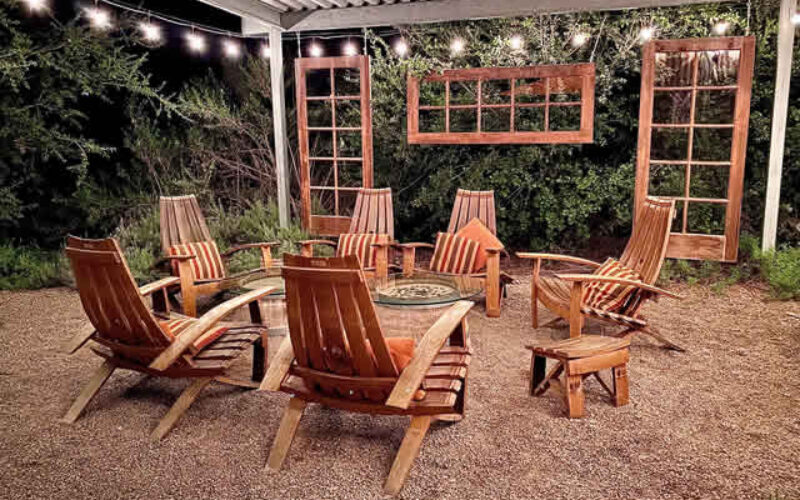
You might decide on a fire pit if your community permits open fires. An in-ground pit naturally draws attention as a patio focal point, and the right hardscaping around can magnify the effect while providing a natural communal space for all your outdoor get-togethers.
The right fire pit is useful for a patio whose early spring evenings might still be on the cool side, but it also extends the usefulness of the space into the fall later on.
A small pond is another great feature; it doesn’t have to be big or elaborate. Incorporate one into raised beds; use it to add gr
-
Quick scroll to “pit/pond” side notes …
-
-
1st: Embrace the Warmth: Hardscape Fire Pits
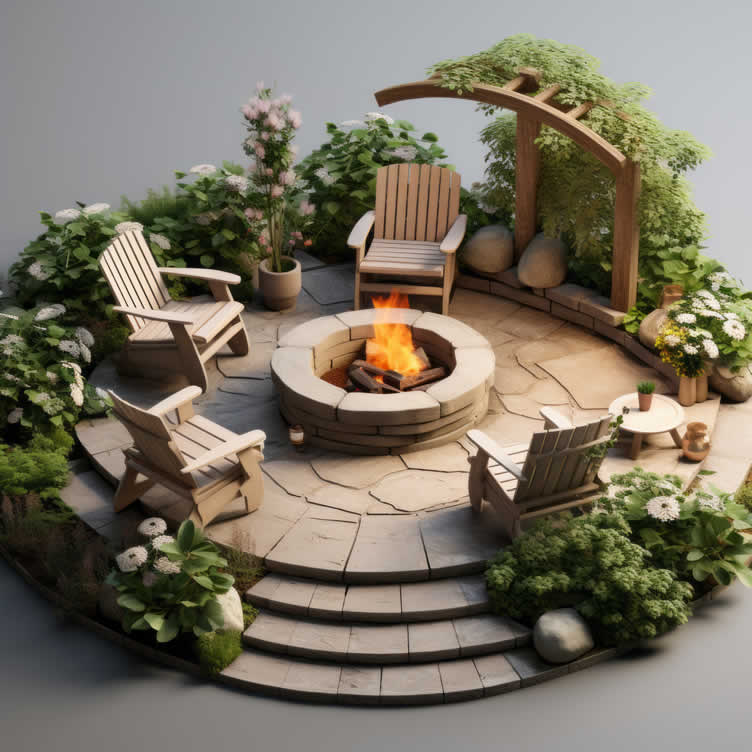
As you delve into the springtime makeover of your patio, consider the addition of a hardscape fire pit. Not only does it serve as a stylish focal point, but it also extends the usability of your outdoor space into the cooler evenings.
Tailor-made for gathering, storytelling, and even cooking, a fire pit adds both ambiance and practicality to your setting.
-
Natural Stone Fire Pits
Rustic Charm: Natural stone fire pits evoke an earthy, organic aesthetic that blends seamlessly into any landscape. Durable and unique, these fire pits are custom-built, ensuring no two are alike. Perfect for those seeking an ageless, nature-inspired look, they create a serene space for relaxation.
[ view ideas: natural stone]
-
Brick Fire Pits
Traditional Elegance: Brick fire pits offer a classic design that stands the test of time. With various patterns and shades, bricks can be configured to match your patio’s theme. This type of fire pit provides a sense of old-world craftsmanship and can be easily coordinated with existing brick structures.
[ view ideas: brick fire pit]
-
Concrete Fire Pits
Contemporary Simplicity: For a sleek, modern addition to your patio, consider a concrete fire pit. Concrete’s versatility allows for a variety of shapes and finishes, from smooth and rounded to angular and textured. A concrete fire pit embodies minimalist elegance and creates a chic, sophisticated gathering spot.
[ view ideas: concrete fire pit]
-
Metal Fire Pits
Industrial Flair: Metal fire pits strike a bold image and can be found in various designs, from steel bowls to intricate cutouts. They cater to contemporary tastes and often come with the convenience of portability. Perfect for those who appreciate a modern, industrial touch, metal fire pits add a distinctive edge to the patio.
[ view ideas: metal fire pit]
-
Custom Fire Features
Personalized Artistry: For the ultimate statement piece, a custom-designed fire feature can be the centerpiece of your outdoor living space. Whether incorporating artistic elements, personalized motifs, or multi-functional aspects like built-in seating or tabletops, custom fire features create an exceptional and unforgettable outdoor experience.
[ view ideas: custom fire pit]
copyright image by 123rf.com

-
-
2nd: Building a Patio Pond
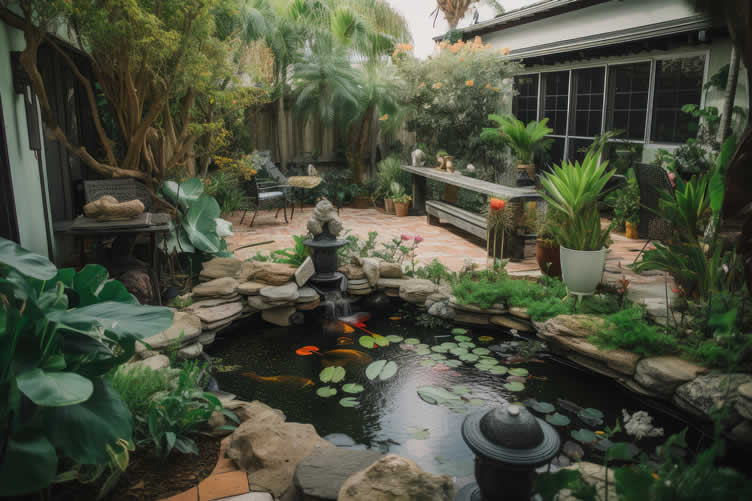
Adding a patio pond can transform your outdoor living space into a tranquil oasis. The soothing sound of water and the potential for water plants and fish turn a simple patio into a nature-infused retreat. Crafting your own patio pond can be a rewarding weekend project that enhances the ambiance of any outdoor setting.
With a variety of materials and styles available, you can customize your patio pond to match your personal taste and budget.
-
Step 1: Designing Your Pond
Begin by deciding the size, shape, and location of your pond to ensure it integrates seamlessly with your patio. It’s essential to consider factors like sunlight exposure, which affects plant life and algae growth, and proximity to trees, which can impact maintenance due to leaf debris.
[ view images: patio pond design ideas ]
[ pinterest: patio ponds ]
-
Step 2: Gathering Materials
Once your design is set, compile all necessary materials, such as a pond liner, pump, tubing, and stones or pavers for edging. You’ll also need to choose plants and possibly fish to populate your pond, and consider a filtration system for water clarity and quality.
[ view diagram: pond materials diagram ]
[ youtube: how to create a patio pond ]
-
Step 3: Excavation and Liner Installation
Carefully mark the outline of your pond and begin excavating to the desired depth. Ensure the base is level and then install the pond liner, securing it in place and taking care to avoid wrinkles or trapped air that can cause uneven surfaces.
[ view diagram: patio pond building diagram ]
[ youtube: decking pond ideas ]
-
Step 4: Installing the Pump and Filtration System
Submerge the pump and connect it to the tubing and any water features, like a fountain or waterfall, you’re including. If you’re using a filtration system, install it according to the manufacturer’s instructions to maintain a healthy ecosystem for plants and fish.
[ view diagram: pond pump filtration diagram ]
[ youtube: DIY installing pond pump-filter ]
-
Step 5: Edging and Landscaping
Arrange stones, pavers, or other edging materials around your pond’s perimeter, overlapping the pond liner to conceal it. Add landscaping touches, such as aquatic plants and decorative rocks, to create a natural aesthetic that complements your patio.
[ view diagram: patio pond landscaping ]
[ pinterest: pond landscaping ]
-
Step 6: Filling and Adding Life
Fill the pond with water, and once the environment is stabilized, gradually introduce plants and fish. Use a dechlorinator if you’re using tap water and allow the water to reach a suitable temperature and nutrient balance before adding any living organisms.
[ view diagram: pond management diagram ]
[ youtube: pond care 101 ]
-
Step 7: Enjoyment and Maintenance
With construction complete, relax and enjoy the serene environment. Regular maintenance, including monitoring water levels, cleaning the pump filter, and trimming plants, will keep your patio pond thriving for years to come.
copyright image by 123rf.com
-
-
3rd: Add Greenery
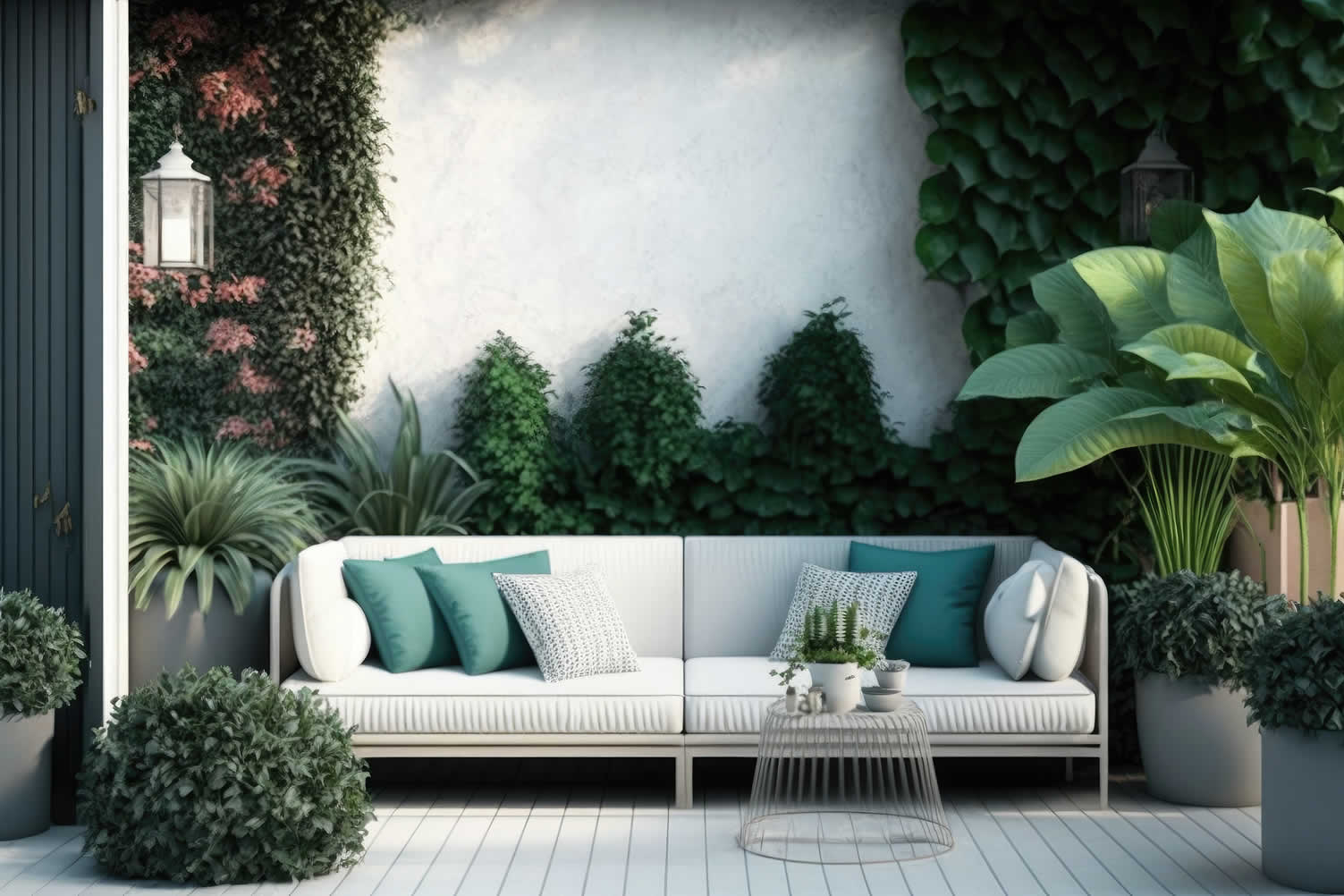
Plants not only oxygenate the air but also breathe life into your patio design. A splash of greenery can transform even the most barren of spaces into a blooming respite.
Opt for container gardening to add a touch of color and texture to your patio, without the commitment of planting directly into the ground.
-
Incorporating Nature
Consider the local climate and the amount of sunlight your patio receives when planning your outdoor oasis. Assess whether your area is sunny or shaded, as this will impact the types of plants that thrive best. If your patio gets a lot of sunlight, opt for sun-loving potted trees like citrus or olive trees.
For shadier spots, ferns or hostas could be great choices. To bring life and greenery to your space, mix in hanging plants like spider plants or cascading vines such as English ivy.
If you’re dealing with limited space, get creative with vertical gardens using wall-mounted planters or ladder planters to maximize your greenery without taking up too much floor space.
-
Creating a Statement
Think about creating eye-catching focal points in your outdoor space – imagine a cluster of vibrant blooms in various heights and colors, a serene water feature adding a touch of tranquility, or consider incorporating a natural element such as bamboo screens for privacy.
These elements not only enhance the aesthetic appeal of your patio but also serve a functional purpose, transforming your outdoor area into a private sanctuary where you can unwind and relax.
copyright image by 123rf.com
-
-
-
ideas to view and compare from the information discussed above
Scroll up to directory … or scroll to next section about changes to make to your patio …




 … grab this directory of ideas
second “photo remodeling” idea
copyright image by 123rf.com
Patio Tip 2: Add Some Privacy
Notes:
-
Even though your backyard is your space, the open nature of being outdoors isn’t always a private affair. Yet, you can do something about it. Planting large bushes, privacy hedges, or fast-growing trees along your property line can eventually give you visual walls around your yard.
They’re effective at blocking out the eyes of the outside world or just your nosy neighbors, and they can do this without you having to put a fence up.
If you’d like some shade and greenery closer to your patio, then potted plants or hanging planters might accomplish a similar effect. Anything potted is also something you move out of the way when you need more space for guests.
-
Quick scroll to “backyard privacy” side notes …
-
-
1st: Enhancing Privacy with Greenery
Incorporating hedges, shrubs, and trees as natural barriers can further establish your private sanctuary. These living walls are not only aesthetically pleasing but provide a sound buffer and enhance the privacy of your patio.
When selecting these plants, take into account their growth rate, maintenance needs, and how they complement your existing design.
-
Choosing the Best Hedges
The ideal hedge should offer year-round privacy and require minimal upkeep. For a dense and evergreen option, ‘Emerald Green’ arborvitae is a popular choice due to its upright, narrow growth habit.
If you prefer something faster growing, consider the classic privet hedge. Hedges like boxwood can be trimmed for a more formal look, while flowering varieties like hibiscus add a splash of color along with privacy.
[ view ideas: best hedges for privacy]
-
Selecting Shrubs for Seclusion
Shrubs can be used to create low barriers while still adding to the overall design aesthetic. Dwarf varieties of shrubs, such as the ‘Green Velvet’ boxwood, maintain a compact form and are easy to shape.
For a more free-form approach, flowering shrubs like azaleas provide rich, seasonal color and can grow to various heights depending on the species.
[ view ideas: best shrubs for privacy]
-
Incorporating Privacy Trees
Trees can provide a high canopy or act as a screen for immediate privacy. The ‘Sky Pencil’ holly is an ideal tree for tight spaces with its slender growth.
For those looking for more width, consider the lush ‘Green Giant’ arborvitae or cypress trees, which can be easily scaled to the desired height and width with regular pruning.
Deciduous trees like the Eastern Redbud offer seasonal privacy and stunning flowers in the spring.
[ view ideas: best trees for privacy]

copyright image by 123rf.com
-
-
2nd: Fencing as a "Living Wall" Foundation
In addition to plants, installing a fence can be a sturdy and immediate solution for privacy concerns, as well as a support structure for a living wall.
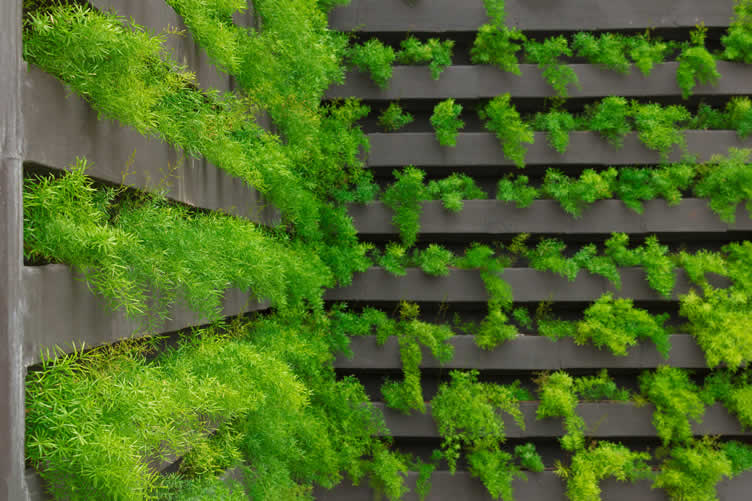
A wooden fence, for instance, not only obstructs the view from the outside but also serves as a fantastic trellis for climbing plants such as ivy, which can create a lush green facade over time.
Meanwhile, metal or vinyl fences with suitable frameworks allow for the integration of hanging planters, where a mix of perennial flowers and foliage can flourish.
Incorporating climbing roses or clematis alongside the more traditional ivy can create a living wall that is not only functional but also a dynamic feature in your garden, attracting beneficial pollinators and offering a seasonal display of blooms.
When planning your living wall, consider the sunlight exposure and water requirements to ensure a thriving vertical garden.
copyright image by 123rf.com
[ view images: living wall ideas ]
[ pinterest: create living wall ]
-
3rd: Create a Cozy Corner
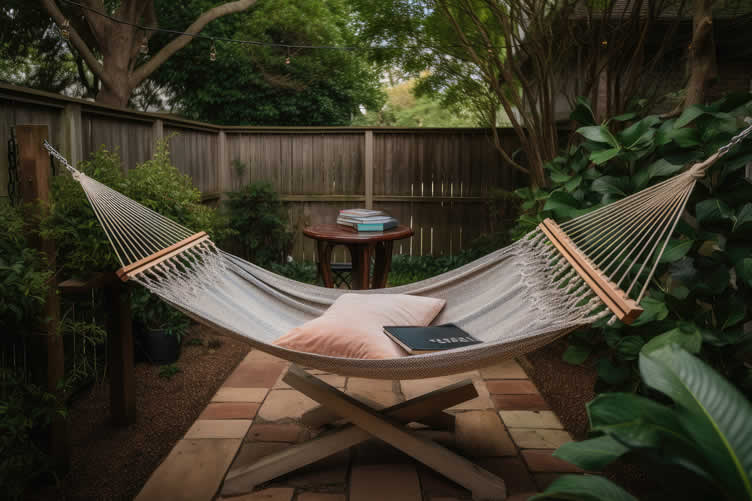
Every patio deserves a special spot for solitary reflection or intimate conversations. Imagine a cozy reading nook with a comfortable chair, surrounded by lush greenery and the gentle sound of a nearby fountain.
Or picture a shaded retreat adorned with twinkling fairy lights, perfect for lazy Sunday afternoons. Perhaps envision a hammock gently swaying under the starlit sky, inviting you to unwind and lose yourself in the tranquility of the night.
-
Designing the Space
Start with a comfortable chair or a love-seat, layered with weather-resistant textiles. Add a small table to hold a beverage or a book. If space allows, consider a standalone fireplace or a fire pit for a warm, inviting touch. Canopies, pergolas, or even a simple set of string lights can provide the privacy and ambiance you’re after.
-
Personal Touch
This corner should reflect your personality—select items that are meaningful to you, whether it’s a set of handcrafted coasters, re-purposed buckets for planters, or a collection of outdoor lanterns. The beauty of a cozy corner is its flexibility; it can be as luxurious or as Spartan as you like.
copyright image by 123rf.com
[ view images: patio cozy corner ideas ]
[ pinterest: building a cozy corner ]
-
-
-
ideas to view and compare from the information discussed above
Scroll up to directory … or scroll to next section about changes to make to your patio …
the yard n’ garden

May We Suggest Other Photo Remodeling Ideas About
“Backyard Landscaping …” (new win)



third “photo remodeling” idea
copyright image by 123rf.com
Patio Tip 3: Get Yourself Covered
Notes:
-
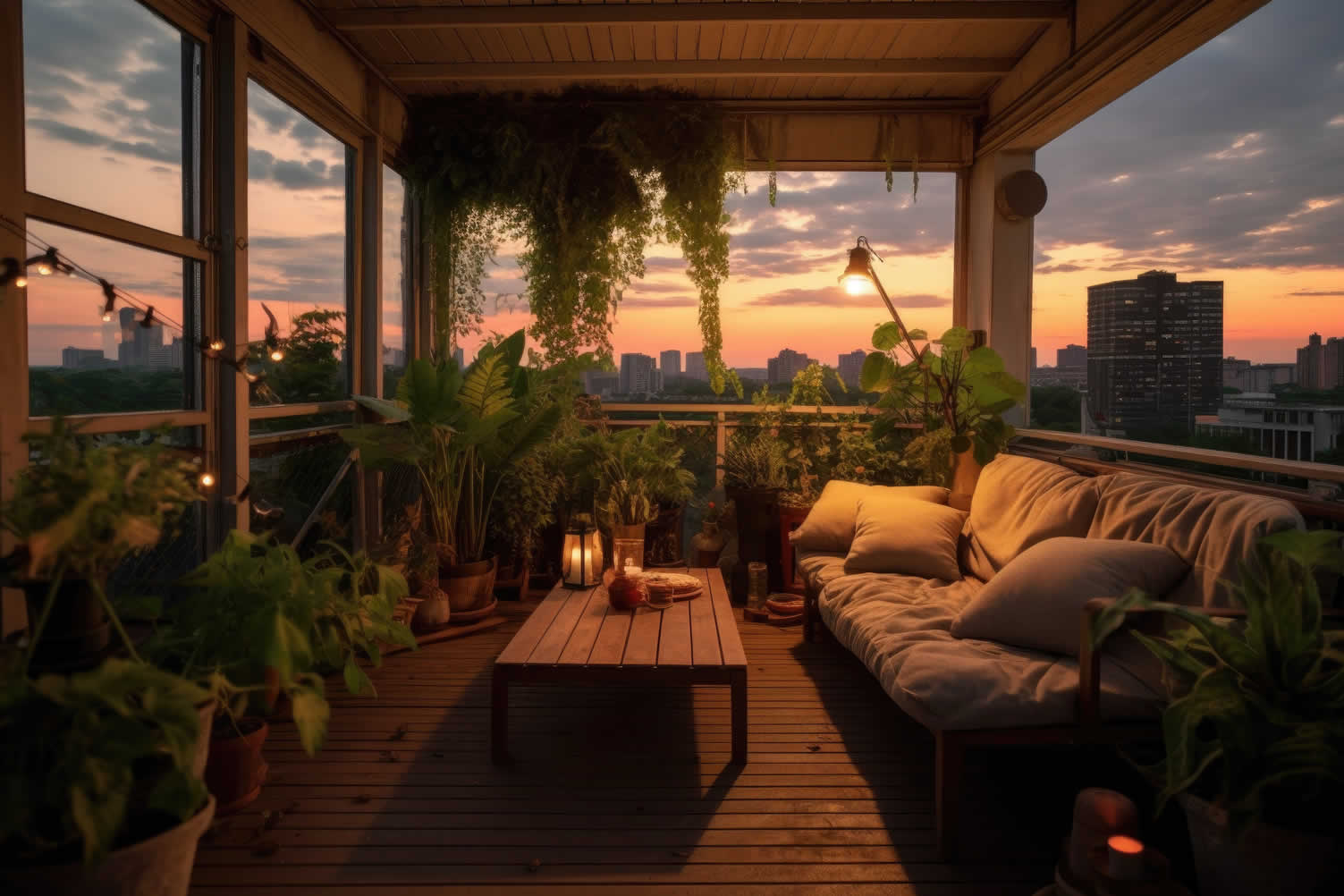
The weather won’t always agree with your desire to spend time outside or when you’re free to do it. Even a sunny day can get uncomfortable if the rays constantly beat down on you, and rain can soak you if you’re not covered.
Putting a roof over your patio can protect you from all that while still giving you a place to enjoy fresh air in a place that’s cool from the sun and dry from rain. The right porch covering is also a chance to decorate using hanging planters. You might even consider outdoor curtains to make your patio feel like a living room.
-
Quick scroll to “patio covering” side notes …
-
-
1st: If Not a Roof, A Pergola Might Do
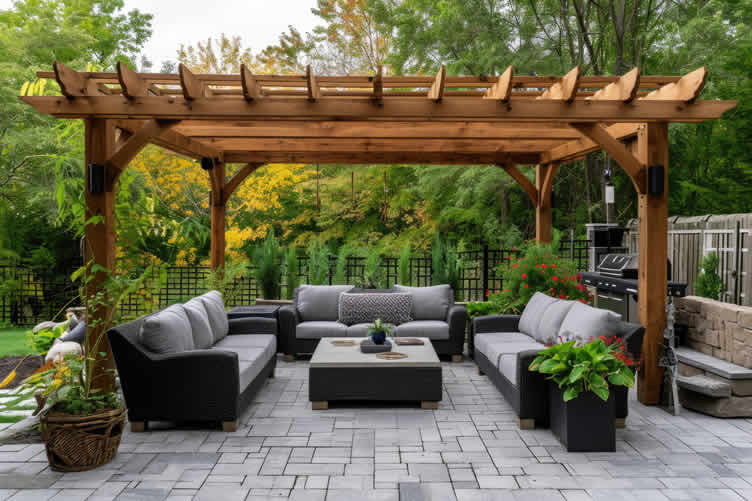
For a less permanent solution than a roof, consider erecting a pergola over your patio. A pergola offers a delightful blend of shade and sunlight, creating a dappled lighting effect perfect for hot summer days.
Its open lattice work provides a platform for climbing plants, adding a verdant, natural canopy over time. Not only does it shield you from harsh sunlight, but it also enhances the aesthetic appeal of your outdoor space.
Durable materials like cedar or vinyl can ensure your pergola stands strong against the elements, providing a chic, airy, and inviting space to unwind.
-
Types of Pergolas to Consider
- Traditional Wooden Pergola:
Classic in style, these pergolas are typically made from woods like cedar or redwood, offering a natural look that ages beautifully over time. - Vinyl Pergola Kits:
For those seeking low maintenance options, vinyl pergolas are durable and resist weathering, never requiring painting or staining. - Metal Pergolas:
Often constructed with aluminum or steel, these give a more modern appeal and are exceptionally sturdy in harsh weather conditions. - Sail Pergolas:
Featuring a stretchable fabric instead of lattice beams, these pergolas provide a contemporary look and are customizable to various shapes and sizes. - Retractable Canopy Pergolas:
Ideal for those who want flexibility, these pergolas come with canopies that can be pulled back or extended as needed for sunlight control. - Open-Top Pergolas:
Designed to maintain an airy environment with beams that provide partial shade, this option is perfect for gardeners wanting to encourage plant growth on top. - Gabled Pergolas:
Characterized by their pitched roof design, gabled pergolas offer extra headroom and efficient water runoff, suitable for regions with more precipitation. - Two-Tiered Pergolas:
These feature a second layer of beams above the main structure, often for ornamental purpose or added shade, bringing a unique architectural element to your patio.
- Traditional Wooden Pergola:
copyright image by 123rf.com
[ view images: patio pergolas ]
[amazon: patio pergola ]
-
-
2nd: How About a Sun Sail or Umbrella
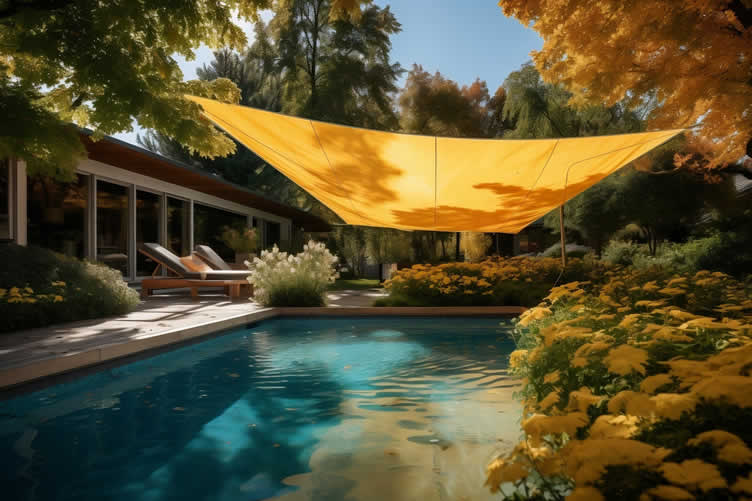
A patio sun sail, distinct from more traditional pergola designs, offers a customizable solution that combines functionality with modern aesthetics. These sails are made from UV-protected high-density polyethylene or similar fabrics, providing essential protection from the sun’s harmful rays.
The material’s breath-ability allows for air circulation, keeping the area beneath comfortably cool. Sun sails are versatile – available in a variety of colors, shapes, and sizes – and can be installed at different angles to cast shadow perfectly as the sun moves.
They present an ideal choice for homeowners looking to add shade and UV protection to their patios without committing to a permanent structure or for those seeking a sleek, minimalist outdoor design.
-
Utilizing Patio Umbrellas for Flexible Shading
Another dynamic option for patio shade is the use of patio umbrellas. These umbrellas can range from the classic center-post models, ideal for pairing with a patio table, to more modern cantilever designs that can be angled and rotated to provide shade throughout the day.
With their simple setup and portability, patio umbrellas offer a convenient means for homeowners to create a shaded refuge with ease. The variety of materials, such as durable acrylics or polyester fabrics, ensures long-lasting color and protection against sun and moisture.
Additionally, with advancements in design, many umbrellas now include features like built-in LED lights or even solar panels for a touch of ambiance and eco-friendly energy.
Patio umbrellas stand as an excellent solution for those seeking immediate shade with the flexibility to adjust their outdoor space according to their needs.
copyright image by 123rf.com
[ view images: patio sun sail ideas ]
[amazon: patio shades for outside ]
[amazon: patio umbrellas ]
-
-
3rd: Upgrade Your Furniture
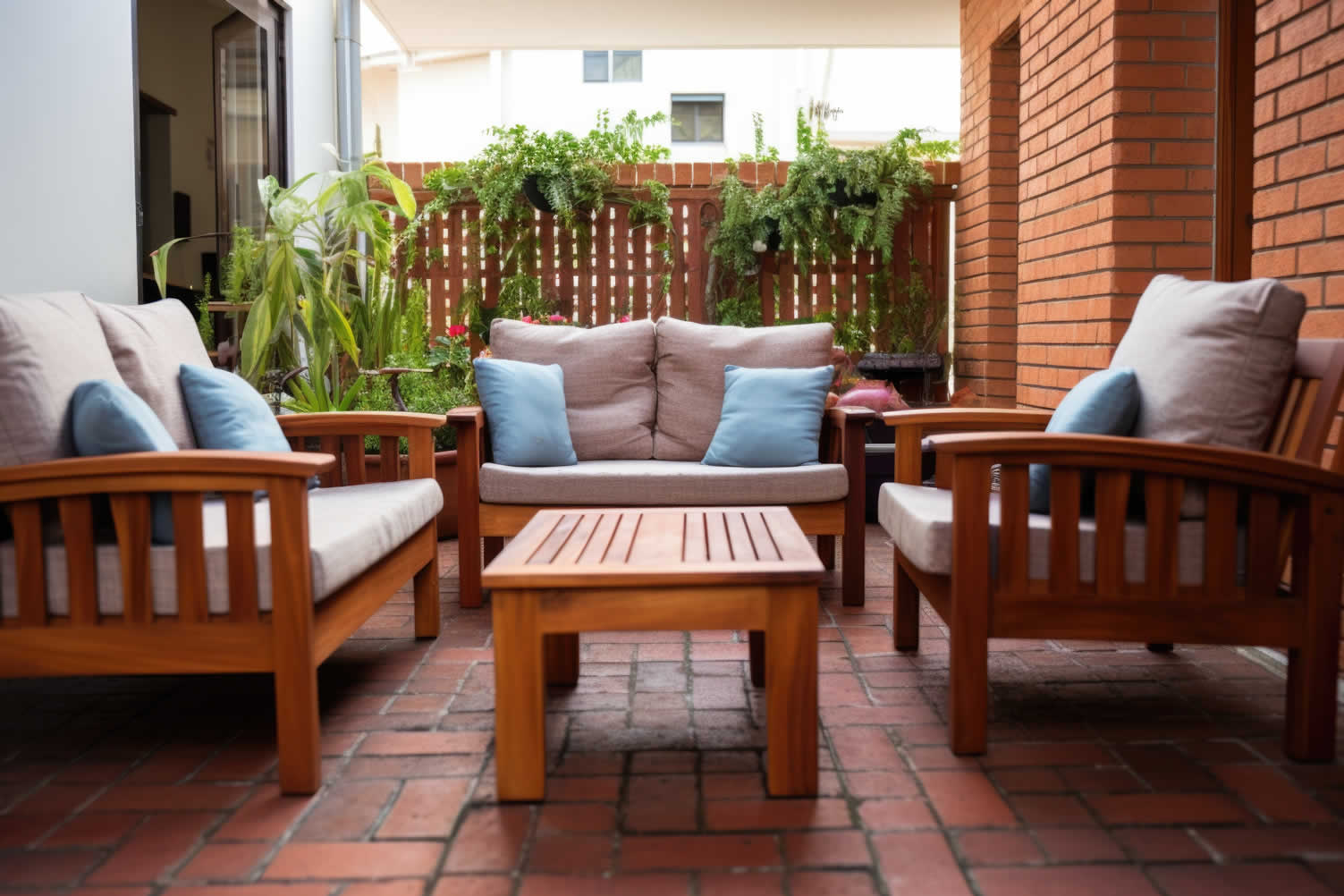
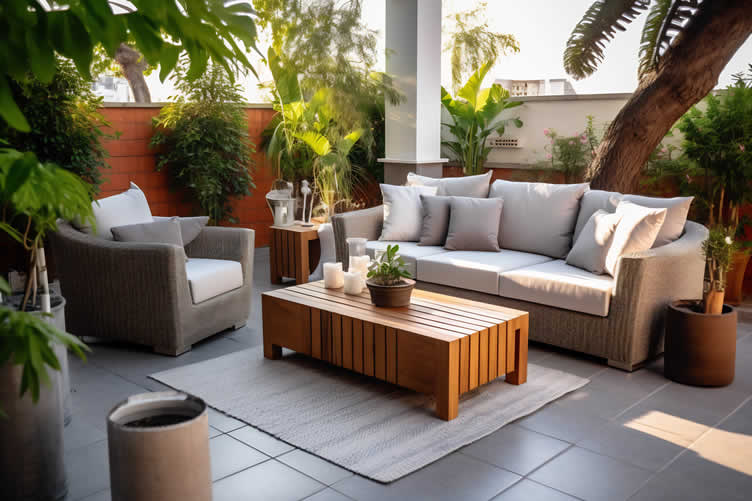
Your patio is a living room under the sky, and the furniture serves as its vessels, providing comfort and style. Spring is the ideal time to reassess your seating and lounging situation. Consider the architecture and size of your patio, the type of entertaining you do, and of course, your personal design preferences.
-
Choosing the Right Pieces
Opt for materials that can withstand the feast of nature on your doorstep. Durable woods like teak and cedar are weather-resistant, while aluminum and synthetic wickers offer modern looks and ease of maintenance.
Don’t just focus on the seating—complement it with side tables, ottomans, and perhaps even a statement piece like a sun lounger or a swing.
-
Stylish Comfort
Comfort is key, so look for plush cushions that are fade-resistant and easy to clean. Throw in a few outdoor rugs to anchor the space and tie the furniture together. Remember, it’s not just about the aesthetics—ensure the layout encourages conversation for a welcoming atmosphere.
copyright image by 123rf.com
-
-
-
ideas to view and compare from the information discussed above
Scroll up to directory … or scroll to next section about changes to make to your patio …
SHARE IT ..! You might have someone in your social network who could find this informative post about making changes to make to your patio this coming spring valuable. Feel free to share it on Facebook, Twitter, LinkedIn, or Pinterest!



fourth “photo remodeling” idea

copyright image by 123rf.com
Patio Tip 4: Eat, Drink, and Be Merry
Notes:
-
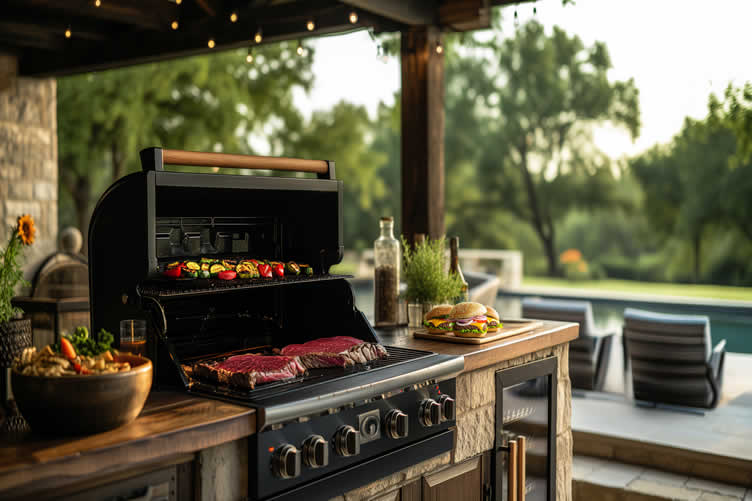
Warmer weather means barbecues and grilling to many families, and you can add a grilling station to your patio. A dedicated cooking space simplifies hosting parties or enjoying dinner with your family outside.
Two features you need to start with are a flat space to lay your tools out and overhead coverage if it rains. A patio bar can elevate your food and beverage game, too.
Either an outdoor grill or bar makes it easier to stay full or refreshed while hanging out on your patio, but adding both at the same time can make your patio the envy of everyone up and down your block.
-
Quick scroll to “patio enjoyment” side notes …
-
-
1st: Outdoor Kitchens
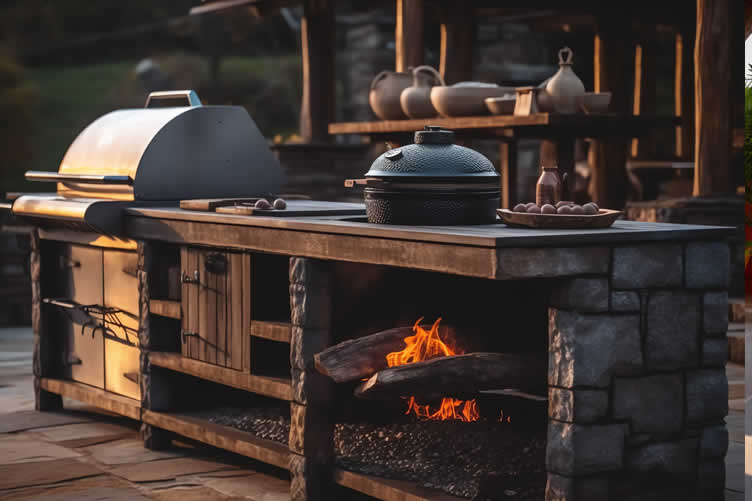
An outdoor kitchen setup elevates the entertaining experience, offering a place to cook and gather with friends in the fresh air. A well-designed outdoor cooking space should be both functional and sociable, providing all the amenities necessary for a seamless dining experience.
A robust cooking station is the heart of any outdoor kitchen, a place where culinary creativity comes to life beneath the open sky. It should be designed to withstand the elements while offering the same conveniences as its indoor counterpart.
From grills and pizza ovens to smokers and cooktops, the right cooking station should cater to the chef’s needs and make AL fresco meal preparation a pleasure, not a chore.
-
Built-In Grill
The centerpiece of most outdoor kitchens is the grill. A built-in model offers a seamless look and can be customized with various cooking surfaces for grilling, searing, and smoking.
Consider adding a rotisserie kit for perfectly cooked roasts and an infrared burner for intense heat ideal for searing steaks. Additionally, built-in lighting can improve visibility for evening grilling sessions, while a smoker box allows for imparting that rich, smoky flavor into meats and veggies.
With these add-ons, your built-in grill transforms into a multi-functional cooking powerhouse that caters to a wide array of culinary ventures.
-
Outdoor Cooktop Options
Adding an outdoor cooktop to your kitchen setup brings the convenience of stovetop cooking to the open air, broadening your culinary possibilities. Opt for a durable, weather-resistant cooktop model that integrates seamlessly with your countertops and other appliances.
A high-quality stainless steel cooktop with multiple burners allows for simultaneous cooking, which is perfect for preparing sauces or sides while grilling. Consider the power source as well—propane and natural gas cooktops offer ease of use and consistent heat output.
-
Countertops and Prep Area
The importance of a spacious and durable countertop cannot be overstated in an outdoor kitchen setup. The choice of material, from natural stone to tile or concrete, should not only complement the overall aesthetic but also stand up to the elements and the heat from cooking appliances.
Ample countertop space allows for a convenient prep area, necessary for organizing ingredients and preparing dishes. To enhance functionality, incorporate a built-in cutting board and storage drawers or cabinets beneath the prep area to keep essential tools and spices within arm’s reach.
-
Sink and Faucet
Adding a sink with a high-quality outdoor faucet to your outdoor kitchen is not just a convenience; it’s a necessity for both hygiene and practicality. The sink should be positioned within easy reach of the prep area, allowing for the washing of hands, utensils, and fresh produce.
Choose materials that are rust-resistant and designed for outdoor use, like stainless steel, to ensure longevity and ease of maintenance.
-
Pizza Oven
An outdoor pizza oven not only enhances the versatility of your cooking station but also serves as an enchanting focal point for social gatherings. These ovens can reach high temperatures, essential for creating the perfect crisp crust and evenly cooked toppings.
When choosing a pizza oven, consider the fuel source—wood-fired ovens provide an authentic flavor, while gas and electric ovens offer convenience and precision.
copyright image by 123rf.com
-
-
2nd: Outdoor Bar Essentials
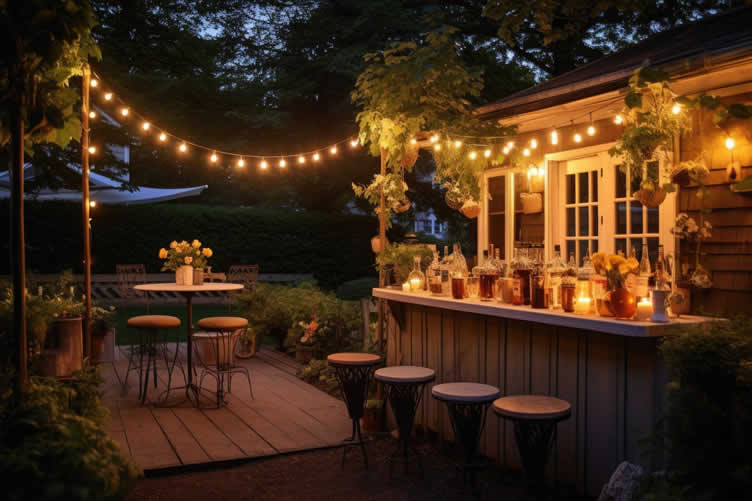
An outdoor bar is not merely an extension of home entertainment; it is a central feature that encapsulates the joy of open-air socializing. With the elements of nature as a backdrop, an outdoor bar provides a relaxed atmosphere where moments are shared and memories are made.
Whether it’s for serving refreshing cocktails on a sunny afternoon or sipping fine wines under a canopy of stars, an outdoor bar enriches the overall outdoor living experience, offering both functionality and a gathering spot for guests and hosts alike.
-
Countertops
Choosing the right countertop is critical to the design and functionality of your outdoor bar. Opt for materials that withstand the elements, such as granite, concrete, or even weather-resistant synthetic products.
These surfaces are not only durable but also add a touch of sophistication to your bar’s aesthetic. The countertop should have ample space for preparing drinks and can include built-in features such as a sink or ice bucket to maximize efficiency and guest interaction.
-
Bar Refrigeration
An efficient bar fridge is the cornerstone of any outdoor bar, striking the perfect balance between convenience and style. Opt for a model that offers both robust cooling and energy efficiency.
Look for fridges designed specifically for outdoor use, with features such as UV-resistant finishes and waterproof seals to safeguard against the elements.
Adjustable shelves and compartments can keep an organize inventory, ensuring that everything from craft beers to vintage sodas are at the ideal temperature and within arm’s reach.
-
Ice Maker
An essential addition to any upscale outdoor bar is a high-quality ice maker. This appliance ensures a consistent supply of fresh ice, crucial for crafting chilled beverages on demand.
Choose an ice maker designed for the outdoors, made with stainless steel and equipped with insulation to operate efficiently regardless of the weather.
With features like adjustable ice cube sizes and a self-cleaning function, the right ice maker not only elevates the convenience but also the elegance of your outdoor entertainment space.
-
Bar Sink and Faucet
Every efficient outdoor bar should include a high-quality sink and faucet, adding both practicality and sleek design to the area. Choose a sink that’s made from stainless steel or another durable material resistant to rust and staining.
The faucet should offer both cold and hot water options, if possible, to accommodate all types of drink preparation. Features such as a pull-down sprayer make it easier to rinse equipment and clean up, keeping the bar hygienic and convenient for both the bartender and the guests.
A well-positioned sink also means that glassware can be quickly washed and ready for reuse, preventing any shortage during your gatherings.
-
Bar Seating
Selecting the ideal seating for an outdoor bar can greatly enhance the comfort and style of the space. Opt for bar stools that not only match the bar’s decor but are also designed to weather the elements. Materials like teak, aluminum, or treated wicker offer durability and require minimal maintenance.
Consider adjustable stools for flexibility or choose ergonomic designs for added comfort during extended gatherings. Adding seat cushions with outdoor fabric can introduce a pop of color as well as additional comfort for your guests.
-
Lighting and Ambiance
Ambiance is crucial for setting the right mood at your outdoor bar, especially when the sun sets. Strategically place soft, warm lighting to create an inviting environment.
You could use anything from string lights that provide a gentle glow to more permanent solutions like wall sconces or outdoor pendants. The goal is for your guests to feel relaxed and comfortable, encouraging them to linger over their drinks and conversations well into the evening.
copyright image by 123rf.com
-
-
3rd: Outdoor Dining Setup
The act of dining alfresco is a joyous celebration of the senses. To optimize your outdoor dining experience, think beyond the traditional table and chairs.
-
The Right Table
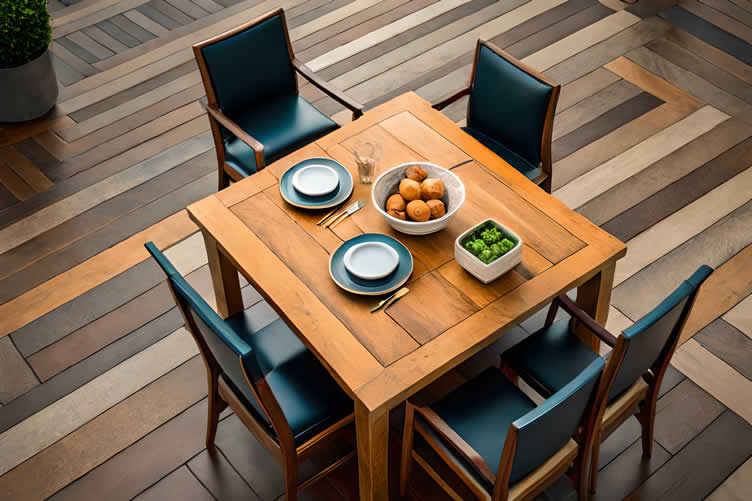
Select a table that complements the size and shape of your patio. There’s a wide variety of finishes—wood, metal, stone, or glass—to suit different aesthetics. Extendable tables are a great option for occasional hosting of larger groups.
-
Seating Considerations
Comfortable, durable chairs are a must for those long summer suppers. If space allows, add a bench or a settee for flexible seating arrangements.
Outdoor dining is about creating a shared experience, so ensure your layout encourages interaction. An easy-to-clean tablecloth and melamine dinnerware are practical yet stylish choices for outdoor meals.
copyright image by 123rf.com
[ view images: patio dining sets ]
[amazon: patio dining sets ]
-
-
4th: Additional Amenities
Adding extra amenities to your outdoor kitchen can elevate it from a basic cooking area to a fully functional outdoor oasis, primed for entertainment and leisure.
When planning these additional features, it’s important to consider the comforts and conveniences that will enhance the cooking experience while also creating an inviting space for both the chef and guests.
From weather-proof entertainment systems to cozy fire pits, each element is designed to amplify the pleasure of outdoor living.
-
Storage and Organization
Proper storage solutions are key to maintaining an organized and functional outdoor kitchen. Think about incorporating weather-resistant cabinets and drawers to protect your cooking essentials from the elements.
These storage options not only keep your utensils, dishes, and cooking equipment within arm’s reach but also contribute to a clutter-free space. Opt for stainless steel or marine-grade polymer units for their ability to withstand varied weather conditions.
Additionally, consider adding hooks or a magnetic knife strip to keep tools handy, and don’t forget a designated spot for waste and recycling to ensure your outdoor area remains pristine.
-
Integrated Waste Receptacle
To maintain an immaculate entertainment space, incorporating an integrated waste receptacle within your outdoor kitchen and bar area is essential. A hidden trash bin, cleverly built into the design, can help manage refuse without detracting from the area’s aesthetic.
Select a receptacle with a hands-free opening mechanism, such as a foot pedal, to allow for easy disposal during mealtimes. Moreover, choosing a model with separate compartments for trash and recyclables can streamline the cleaning process, promoting sustainability and convenience for you and your guests.
-
Waterproof Sound System
To elevate the ambiance of any outdoor gathering, installing a waterproof sound system is a game-changer. Opt for durable, weather-proof speakers that provide high-quality sound and can be discreetly mounted or seamlessly integrated into your outdoor decor.
Wireless or Bluetooth capability allows for a clutter-free environment and easy operation from any mobile device. Not only does this allow hosts to set the mood with a curated playlist, but it also ensures the entertainment continues come rain or shine.
-
Outdoor Media Viewing Area
Creating an outdoor media viewing area can transform your backyard into a versatile hub for entertainment. Invest in a weatherproof television or a projector with an outdoor screen to provide guests with an immersive movie night or to catch live sporting events under the stars.
Positioning this area in a shaded or sheltered spot minimizes glare and protects the equipment. Comfortable seating and adjustable lighting will enhance the viewing experience, ensuring that friends and family can relax and enjoy media in the beauty of the outdoors.
-
Weather Protection for Outdoor Spaces
To ensure the comfort and protection of your outdoor living areas, incorporating weatherproof solutions is essential. Installing retractable awnings or permanent roof structures can shield guests from the harsh sun or unexpected rain showers.
For a more flexible approach, consider high-quality patio umbrellas that can be repositioned as needed throughout the day. Adding outdoor curtains or privacy screens not only enhances seclusion but also provides an additional barrier against the elements.
Select materials that are resistant to fading, mildew, and water damage to maintain a pristine environment regardless of the weather.
copyright image by 123rf.com
[ view images: outdoor media center ]
[ pinterest: setting up outdoor movie ]
-
-
-
ideas to view and compare from the information discussed above
Scroll up to directory … or scroll to next section about changes to make to your patio …
below for …
patio kitchen setup and more


home remodeling – improvement – repair


enlisting expert help in getting your patio ready for spring
fifth “photo remodeling” idea
copyright image by 123rf.com
Patio Tip 5: Light It Up
Notes:
-
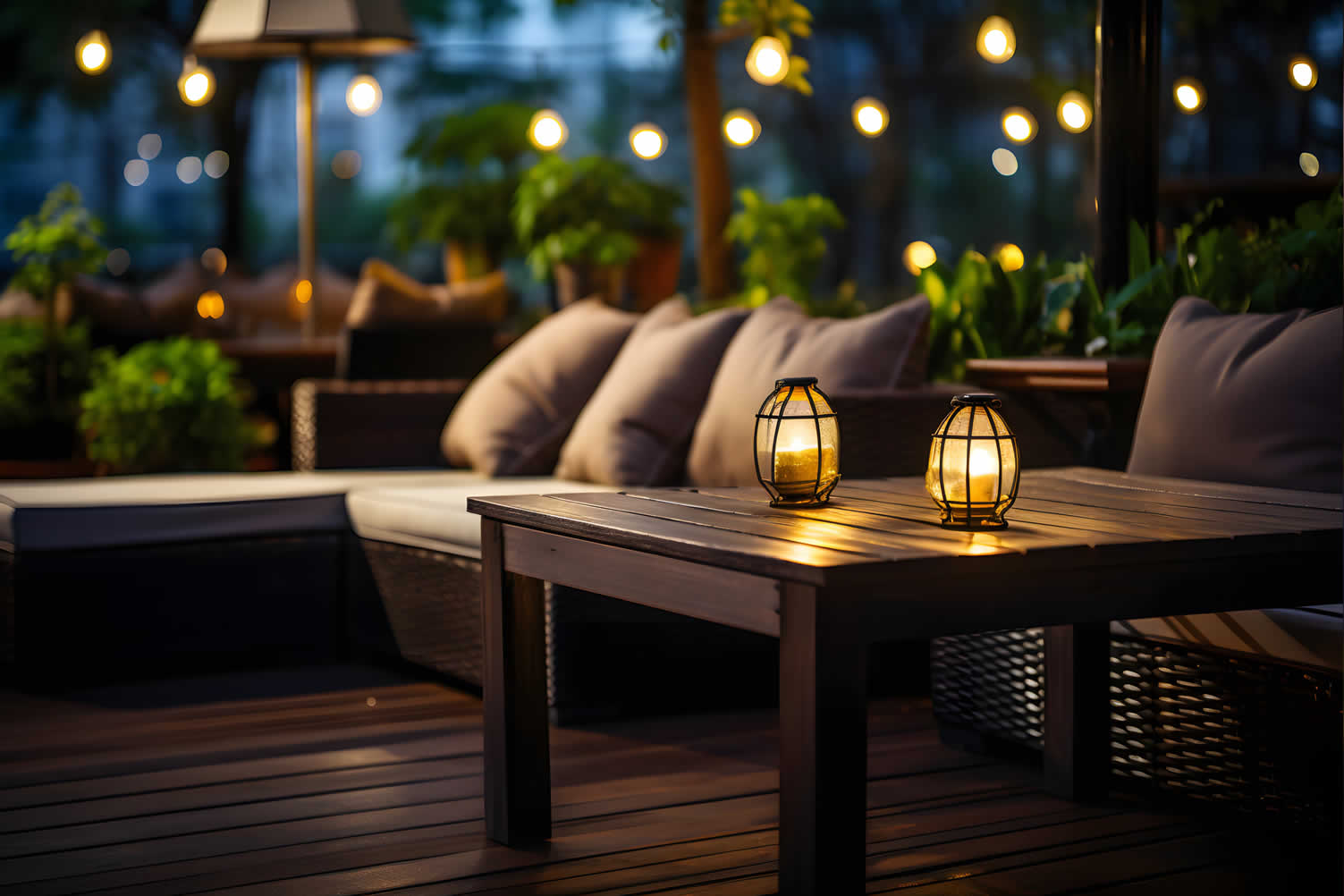
LED light strings are a recent trend in outdoor patio decor. They provide functional lights after the sun goes down and a festive vibe for everyone to enjoy. Days get longer in the spring, but nights can still be long early in the season.
Stone hurricanes for your candles and oversized lanterns are other playful ideas that still provide great lighting. You might even be able to use a few indoor table lamps temporarily on a covered porch.
-
Quick scroll to “patio lighting” side notes …
-
-
1st: Lighting Makeover
Evenings on the patio are magical but they need the right lighting to truly shine. From practical illumination to decorative flair, the right lighting can serve several purposes.
-
Layered Lighting
Layer your lighting with three basic types—ambient, task, and accent. Overhead string lights provide ambient light that sets the mood, while lanterns and table lamps can cater to task lighting for reading or cooking.
Solar-powered ground lights or tiki torches offer soft accent lighting that outlines the edges of your patio.
-
Creative Solutions
Don’t be afraid to think outside the box. Mason jar lanterns, pathway lights, and even re-purposed boat lanterns can add a touch of whimsy. Reflect the light with strategically placed mirrors, or give candles a safe home in hurricane lamps.
If you have a covered patio, consider installing a ceiling fan with a light kit for added comfort on warm evenings.
-
Patio Lighting Options
Deciding on the perfect patio lighting involves more than just picking out attractive fixtures; it’s about creating an atmosphere that reflects your personal style and meets your outdoor living needs.
Start by considering how you intend to use your outdoor space, then explore the myriad of lighting options available to make your vision come to life.
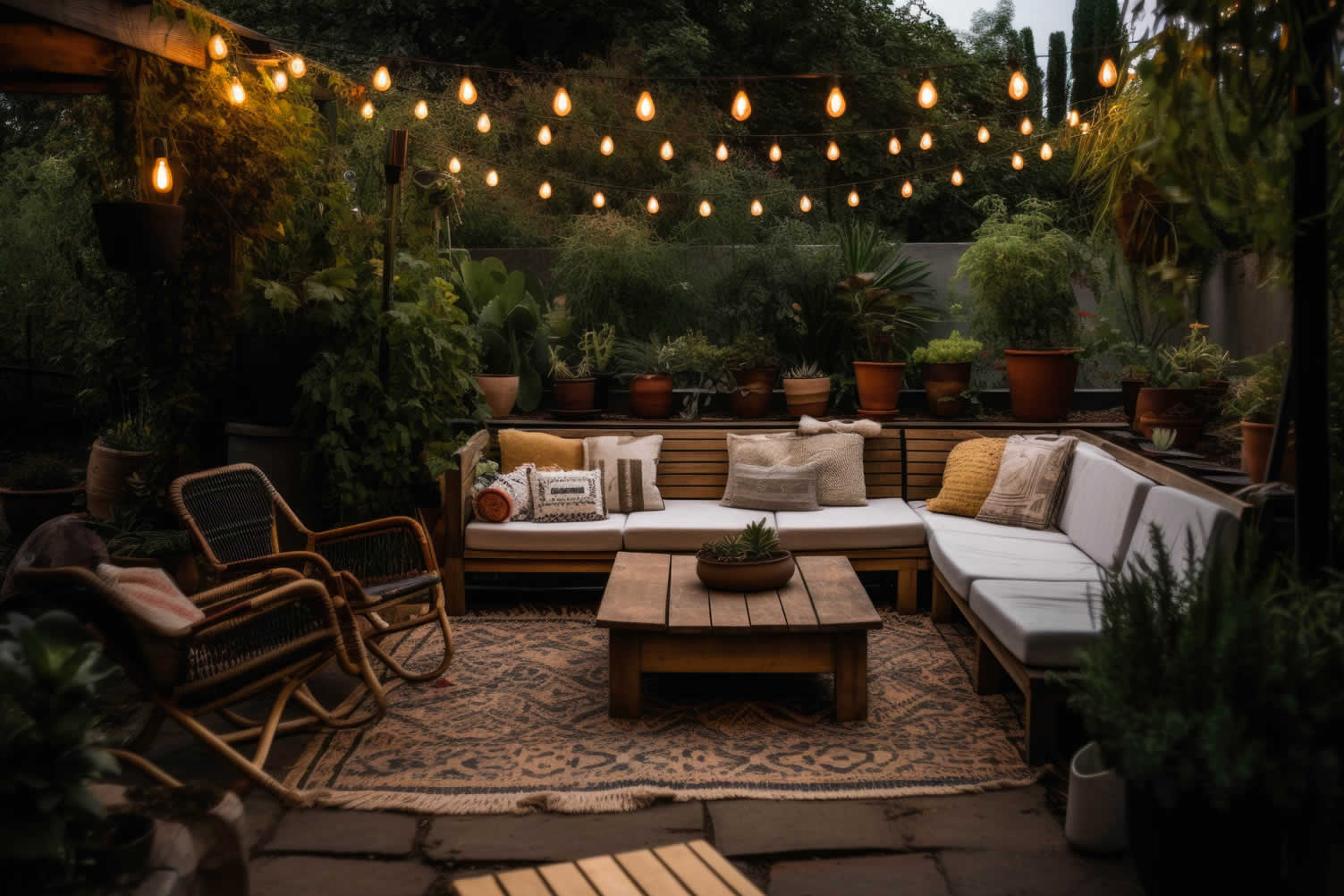
- String Lights:
Ideal for creating a warm, ambient glow overhead. - Lanterns:
Both functional and decorative, perfect for task lighting. - Table Lamps:
Portable and convenient for focused lighting in seating areas. - Solar-Powered Ground Lights:
Eco-friendly options that provide subtle accent lighting. - Tiki Torches:
Add a tropical or festive flair while outlining perimeters. - Pathway Lights:
Ensure safe navigation through the patio space. - Mason Jar Lanterns:
A DIY option for personalized, rustic charm. - Boat Lanterns:
Uniquely styled for a nautical theme. - Mirrors:
To reflect and amplify light from other sources. - Hurricane Lamps:
To house candles and prevent them from extinguishing. - Ceiling Fan with Light Kit:
A practical combination for both illumination and airflow. - Festoon Lights:
Large bulbs on a string, offer a retro vibe. - LED Strips:
Versatile and can be hidden under furniture or railings for a modern look. - Spotlights:
Focused lighting to highlight architectural features or plants. - Umbrella Lights:
Attached to a patio umbrella, providing light directly over a dining area.
[ view images: patio lighting ideas ]
[ pinterest: decorating patio with lights ]
- String Lights:
-
Deck Lighting Options
When it comes to illuminating your deck, the right lighting can not only enhance the safety of the space but also elevate its aesthetic appeal, creating an inviting atmosphere for relaxation and entertainment.
Deck lighting should be strategic, blending form and function to illuminate the area effectively without overwhelming it.
- Post Cap Lights:
Designed to fit on top of deck posts, good for perimeter lighting. - Deck Rail Lights:
Discreet lights that can be mounted on the railing for ambient illumination. - Stair Lights:
Safety lights embedded into steps or alongside staircases. - Recessed Floor Lights:
Flush with the deck flooring, they provide a minimalist aesthetic. - Pendant Lights:
Hanging lights that add a decorative touch over dining or seating areas. - Wall Sconces:
Mounted on exterior walls to offer additional lighting and character. - In-Floor Spotlights:
Highlighting key features such as plants or statues on or around the deck. - Bollard Lights:
Strong, vertical lights that can be used to frame the deck space or light pathways leading up to it. - Accent Lights:
Small, directional lights to showcase decking textures or for subtle spot illumination.
[ view images: deck lighting ideas ]
[ pinterest: decorating deck with lights ]
- Post Cap Lights:
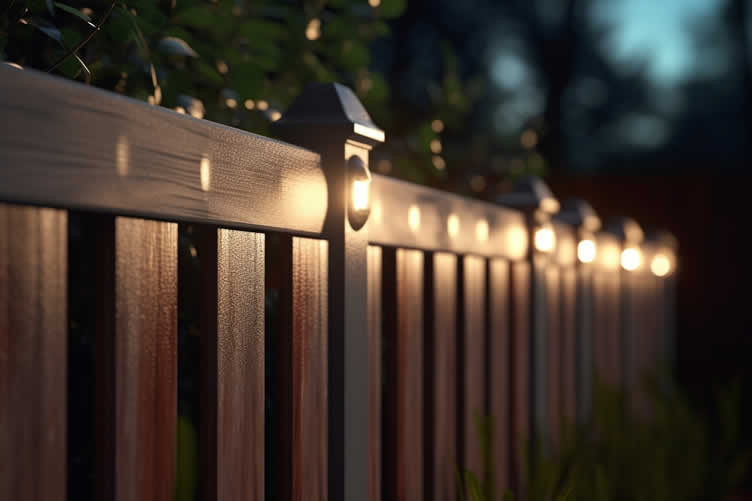
copyright image by 123rf.com
-
-
2nd: Planning Landscape Lighting
When planning landscape lighting, it is essential to consider both aesthetics and functionality. A well-illuminated landscape not only amplifies the beauty of outdoor areas at night but also ensures safety and security.
Begin by assessing the areas that need illumination, such as pathways, garden features, and entertaining spaces. After identifying these areas, choose the appropriate lighting types for each function.
Consider energy efficiency, maintenance, and integration with the existing outdoor decor. It’s also important to balance light and shadow to create a welcoming atmosphere without over-lighting, which could detract from the natural night-time ambiance.
-
Wired Landscape Lighting
Wired, or hardwired, landscape lighting involves a permanent installation with a direct connection to your home’s electrical system. This type of lighting is reliable and can support a higher wattage, allowing for brighter and often more ornate light fixtures.
- Durability:
They are often more durable and long-lasting. - Brightness:
Supports higher wattage for brighter lighting options. - Consistency:
Provides consistent lighting without relying on weather conditions. - Design Variety:
Offers a wider selection of designs and sizes for tailored landscaping themes. - Installation:
Requires professional installation due to electrical work involved. - Cost:
Typically involves higher upfront cost for materials and installation but more cost-effective in the long run.
- Durability:
-
Solar Landscape Lighting
Solar landscape lighting is an increasingly popular and eco-friendly option. They harness the sun’s energy, storing it in rechargeable batteries during the day, and automatically turn on at dusk.
- Eco-Friendly:
Utilizes renewable solar energy, reducing carbon footprint. - Ease of Installation:
No wiring means simple, often DIY, installation. - Cost-Effectiveness:
No ongoing utility cost and minimal maintenance required. - Autonomy:
Lights operate independently, even during power outages. - Flexibility:
Can be easily moved around to different locations if needed. - Dependence on Weather:
Their performance is subject to weather conditions and may provide dimmer light in comparison to wired options. - Variety:
Comes in various styles, though sometimes with less brightness and size options than wired lights.
- Eco-Friendly:
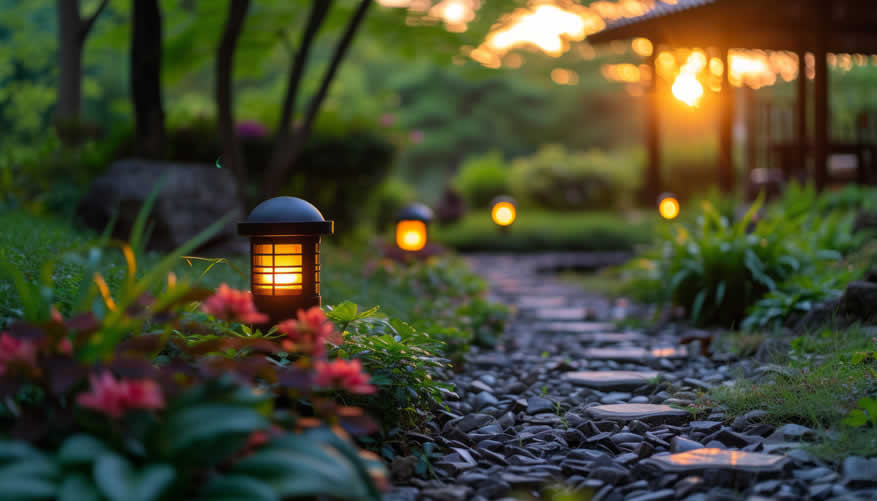
copyright image by 123rf.com
-
-
-
ideas to view and compare from the information discussed above

Scroll up to directory … or scroll to next section about changes to make to your patio …
below for …
patio and deck services


Find Decks n’ Patio Services Decks Patio Fences Landscape Design top-rated, pre-screened local contractors FREE: download contractor selection enter zip code – powered by HomeAdvisor ™
Quick Contractor Guides selecting negotiating working with inspecting

sixth and last “photo remodeling” idea

copyright image by 123rf.com
Patio Tip 6: Lay Out a Rug
Notes:
-
Rugs can have a huge impact on an indoor living space, and their impact can be equally strong outside, too. If your patio is otherwise perfect, this can be the change you make that makes the space feel incredibly different.
Outdoor rugs are made of different materials than many indoor rugs, which also makes them much cheaper. If you want, you can even make your outdoor rug by hand. Feel free to take a plain rug and paint a border or pattern for a bold aesthetic statement.
-
Quirk scroll to supporting side notes …
-
-
1st: Types Outdoor Rugs
Adding an outdoor rug can transform your patio or deck into an inviting and stylish extension of your home. Rugs define spaces, add a touch of comfort underfoot, and can anchor your outdoor furniture setup, bringing a cohesiveness to the overall design.
When choosing an outdoor rug, select materials that are durable and can withstand the elements while still complementing the aesthetics of your space.
-
Synthetic Fiber Rugs
Synthetic fiber rugs are an excellent addition to any outdoor space, offering superior durability and ease of maintenance. These rugs hold up well against harsh weather conditions, resist stains, and repel moisture, making them ideal for areas experiencing frequent foot traffic or exposure to nature’s elements.
Not only functional but also stylish, synthetic rugs come in various patterns and colors, allowing homeowners to seamlessly match their outdoor décor and express personal style while ensuring longevity and ease of upkeep.
-
Polypropylene Rugs:
These rugs are fade-resistant, easy to clean, and repel stains, making them ideal for outdoor usage where food and drinks may be spilled. They are also moisture-resistant, preventing mildew and mold. -
Nylon Rugs:
Known for their resilience, nylon rugs are suitable for high-traffic areas. They maintain their color and shape over time, even in sunlight or rain. -
Polyester Rugs:
Polyester is an eco-friendly option often made from recycled plastic bottles. While it is not as resilient as polypropylene or nylon, it’s still relatively durable and often more affordable.
-
-
Natural Fiber Rugs
Natural fiber rugs offer a unique blend of aesthetic appeal and environmental friendliness that stands out in outdoor settings. Crafted from sustainable materials such as jute, sisal, or seagrass, these rugs bring an organic, earthy texture to your patio or deck that complements the natural landscape.
Not only do they integrate well with outdoor environments, but natural fibers are also biodegradable, making them an eco-conscious choice for those looking to minimize their environmental footprint.
Despite being less resistant to the elements compared to synthetic options, the charm and warmth they add make them a preferred choice for covered or semi-protected outdoor areas.
-
Bamboo Rugs:
Offering a unique, earthy style, bamboo rugs are best in covered areas as they’re not as moisture-resistant as synthetic options. -
Jute and Sisal Rugs:
While they provide a natural texture and aesthetic, jute and sisal rugs are less durable than synthetic fibers and are best used in covered or semi-covered outdoor spaces to avoid damage from rain. -
Seagrass Rugs:
These rugs are strong and stain-resistant, thanks to the natural waxy coating on seagrass fibers. They hold up well in high-traffic areas and add a natural elegance.
-
-
Style and Color
When selecting the color and style of your outdoor rug, consider the surrounding environment and the mood you wish to create. Vibrant colors can add a pop of excitement to any outdoor setting, while neutral tones may enhance a tranquil, relaxed atmosphere.
Patterns can serve to hide dirt and stains, making them practical choices for high-traffic areas. Chevron, stripes, and geometric shapes offer a modern look, whereas florals and oriental designs provide a more traditional feel.
It is also important to ensure colorfastness to prevent fading from sun exposure, preserving the vibrancy and aesthetic appeal of your rug over time.

copyright image by 123rf.com
[ view images: outdoor rugs ]
[amazon: outdoor rugs ]
-
-
2nd: Personal Touches
Adding a personal touch to your patio is what truly makes it your own sanctuary, reflecting your unique style and personality. It’s your opportunity to unleash your creativity, whether you’re a seasoned DIY enthusiast with a knack for woodworking and painting, or just dipping your toes into the world of home projects for the very first time.
Embrace the joy of crafting and transforming your outdoor space into a cozy retreat where you can unwind and create lasting memories.
-
DIY Decor
There’s a world of DIY possibilities for the outdoors. Paint an old garden bench a lively hue, create a mosaic tabletop, or fashion a wind chime out of seashells.
Tutorials on everything from building your own planter boxes to weaving outdoor seat cushions abound. Handmade items bring a unique charm to your patio that can’t be found in any store.
-
Memories and Meaning
Incorporate elements that tell a story or remind you of fond memories. Hang photos in weather-resistant frames, display a rock collection from your travels, or place a birdbath that’s been in your family for generations.
A patio peppered with personal relics not only looks eclectic and interesting but is also a testament to your life and memories.
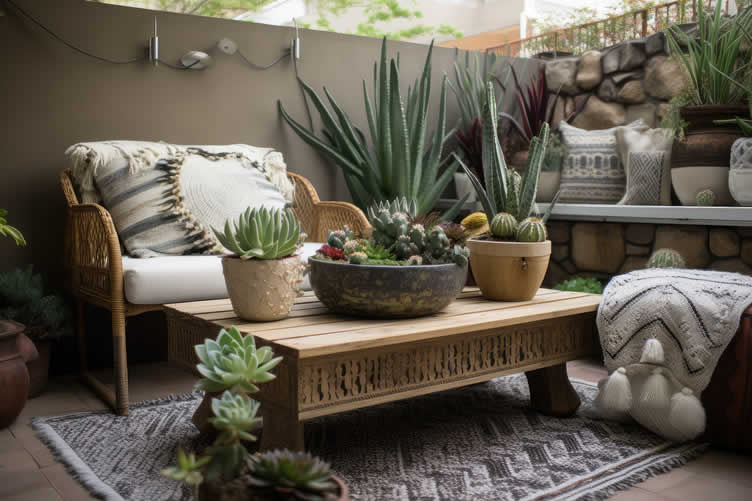
copyright image by 123rf.com
-
-
3rd: Enlist Expert Help
Sometimes, the vision we have for our patio space requires more than a DIY approach – it needs a professional touch. Whether you’re looking at a complex garden feature, a built-in outdoor kitchen, or a custom-designed fire pit, enlisting the help of a landscape architect or a contractor can turn your ideas into reality with precision and expertise.
These professionals can also offer valuable advice on the best materials and design approaches that are both functional and aesthetically pleasing, ensuring your patio is not only beautiful but also sustainable and safe.
LetsRenovate has partnered with HomeAdvisor™, a renowned provider of highly-rated, carefully-vetted local contractors. Start your search here by entering your zip code to find local deck and patio professionals.
But Wait!
Before starting the search and evaluation process for patio help, it is highly recommended to download and utilize this evaluation worksheet. This resource will assist in impartially ranking and evaluating potential contractors, taking into consideration essential factors such as pricing,

Evaluation Sheet
File Type:
copyright image by 123rf.com
-
Embrace the DIY Spirit
Once the foundation of your patio is established with the help of professionals, the real personalization begins. Tackling decorating and furniture as DIY projects can add a unique vibrancy to your outdoor space.
Up-cycling old indoor furniture for outdoor use with weather-resistant paint, hand-sewing colorful pillow covers, or crafting a side table from reclaimed wood can lend a sense of accomplishment and distinctiveness to your patio décor.
By embracing the DIY spirit, you can ensure that every corner of your outdoor sanctuary reflects your creativity and personality, while also being kind to your budget.
-
-
-
Keep Brainstorming
As you mull over these ideas for potential patio changes this spring, explore more than the six suggestions listed here. If you spend time and energy improving your patio, ensure you handle any necessary maintenance tasks or repairs.
That should include looking out for warning signs that you should have your patio repaved so it remains safe and highly functional. Or, as the grass starts growing again, think about potential edging ideas that look professional.
By: Katherine Robinson, a writer for Belgard
-
ideas to view and compare from the information discussed above
- What comments can you share about
changes to make to your patio?
Scroll up to directory … or scroll to more yard n’ garden-related topics …
view illustration “becoming a bank”
remodeling decisions


Cover image credit: changes to make to your patio by 123rf.com
end of post … please share it!
 |
did you find changes to make to your patio analysis helpful? If so, please share the article with your friends and family! |
Nice pic idea? Leave us a quick comment below.
And please share this pic idea within your social networks.