Summary Outline –
A child’s bedroom is more than just a place to sleep; it’s a space where they play, imagine, learn, and unwind. As kids grow, their needs, interests, and personal styles evolve, making it essential for their living space to evolve along with them.
A well-designed bedroom can not only nurture their creativity but also ensure comfort and functionality at every stage of life.
From sprightly 5-year-olds to independent teens, a thoughtful bedroom design adjusts with your child’s development.
This analysis dives into practical ideas for creating a timeless kids’ room that grows alongside them, providing styling tips for active boys, dreamy ideas for girls, adaptable spaces for multiple children, and a sophisticated upgrade for older teens.
- post content
- Kids Room Tip 1: Styling a Bedroom as They Grow
- Kids Room Tip 2: Designing a Shared Bedroom for Multiple Children
- Kids Room Tip 3: Styling a Bedroom for the Older Teen
- Kids Room Tip 4: Organization and Storage Ideas for Child/Teen Bedrooms
- Kids Room Tip 5: Child/Teen Bedroom Personalization and Safety

-
Quick scroll to first topic about child bedroom ideas …

first “child bedroom ideas” idea
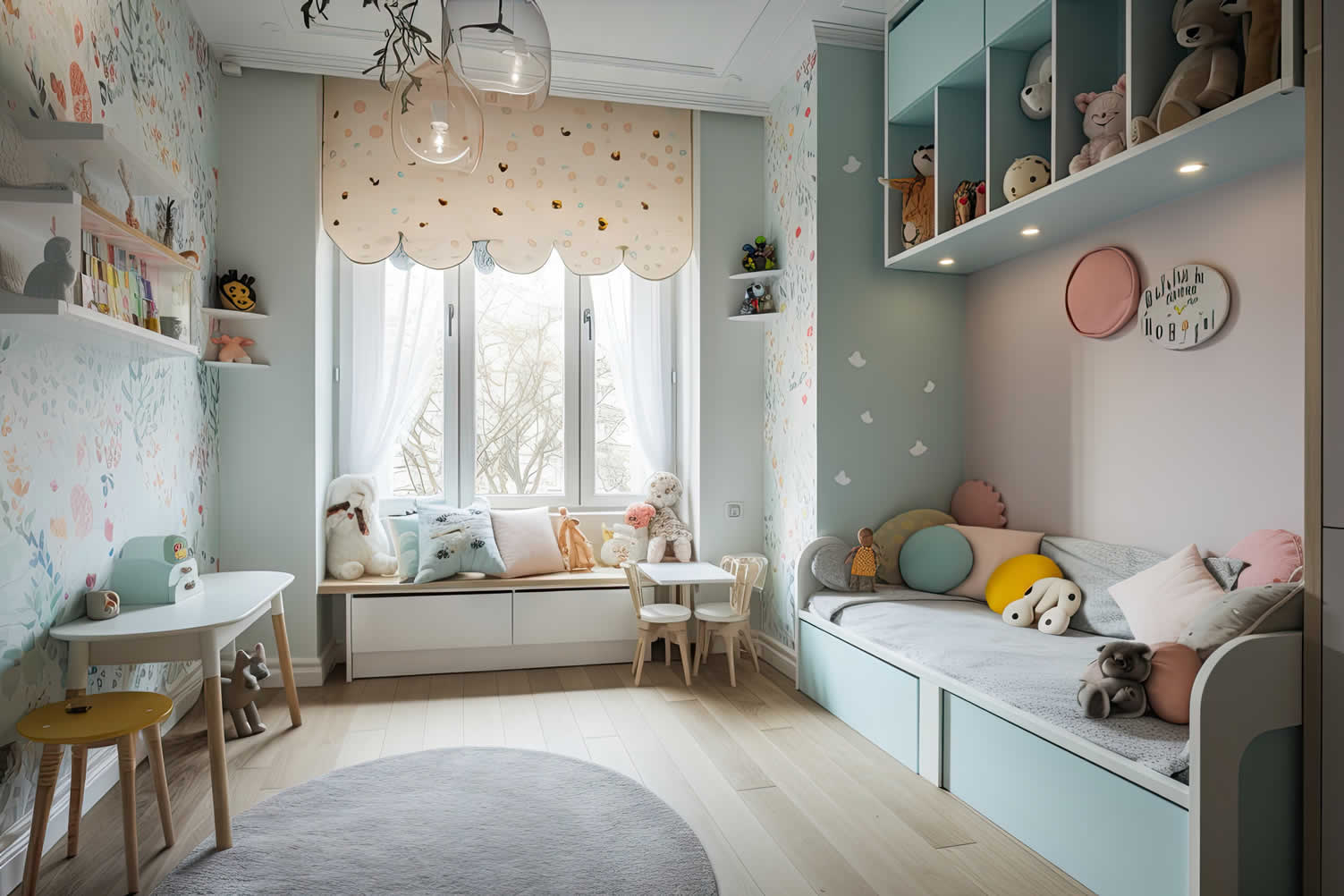

copyright image by 123rf.com
Kids Room Tip 1: Styling a Bedroom as They Grow
Notes:
-
Children’s needs change drastically as they go from early childhood to adolescence. A bedroom that feels magical to a 4-year-old may seem out of place for a 12-year-old. The key to creating a room that grows with your child lies in incorporating versatile pieces and flexible design choices.
Start with neutral furniture that can adapt to different stages of life. A classic bed frame, a sturdy dresser, and adjustable shelving can form the foundation of the space.
Add playful, age-appropriate decor to keep the room exciting for a younger child, like fun wall decals or removable wallpaper. These elements can easily be swapped out as they mature and prefer a more understated or trendy aesthetic.
Balance functionality with style by organizing the room into zones. A play area can evolve into a study nook with the addition of a sleek desk and a comfortable chair. Similarly, soft storage bins for toys can transition into organization for school supplies, books, or hobby-related items.
The key is to keep an open-ended approach to decor and furniture choices, allowing updates without a full-scale redesign every few years.
-
Quick scroll to “styling child bedroom” side notes …
-
-
1st: Styling Ideas for an Active Boy’s Bedroom
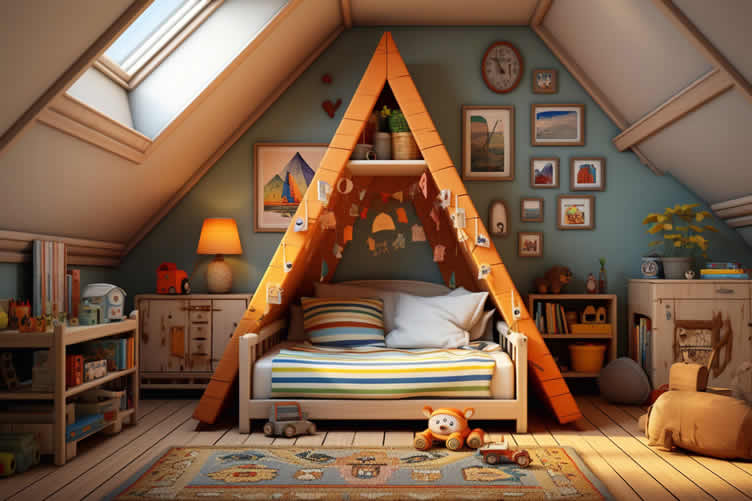
Creating a bedroom that grows alongside an active boy requires a thoughtful approach that combines functionality, adaptability, and personality. Boys who love to explore, play, and express their energy need spaces that cater to their interests while providing room to grow as hobbies and preferences change.
By choosing flexible furniture, durable materials, and a design that evolves with age, you can craft a space that remains comfortable and inspiring from toddler-hood to the per-teen years.
[ view sample images: styling ideas boy’s bedroom ]
-
Toddler Years: Playful and Safe
During the toddler stage, the focus should be on creating a safe, stimulating environment that nurtures exploration and play. Use furniture with rounded edges, low shelves, and multi-functional pieces to prioritize safety and accessibility.
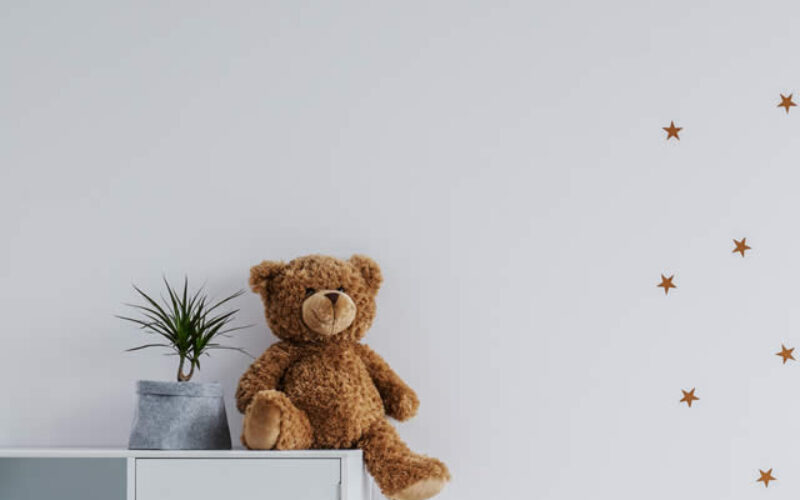
A soft playmat or a shag rug adds comfort for activities like crawling or playing with toys. Incorporate bold, primary colors and fun wall decals featuring animals, vehicles, or favorite cartoon characters to spark imagination.
For storage, consider using large toy bins or fabric storage cubes that are easy for little hands to reach. Opt for sturdy, child-friendly materials like washable paints on the walls and durable finishes for furniture. This ensures the space can withstand spills, scratches, and the boundless energy of a toddler.
-
Early Childhood Years (Ages 5-8): Creative and Functional
As your child enters their early school years, their bedroom becomes both a place for creativity and initial learning.
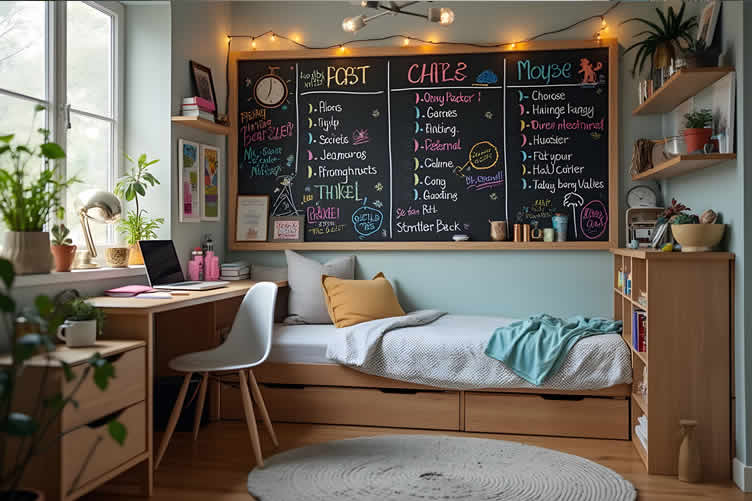
At this stage, transition the space to include a simple desk or activity table paired with child-sized seating for arts and crafts or beginning homework. Paint one wall in chalkboard or wipeable whiteboard paint to encourage creative expression.
The room’s color palette can shift slightly to include softer, more refined shades featured in patterns or textures that are interesting yet age-appropriate. Wall shelves can serve as a space to display books, trophies, or projects, fostering a sense of accomplishment.
Additionally, modular storage units help tackle the growing collection of toys, books, and sports gear while keeping the space tidy and organized.
-
Pre-Teen Years (Ages 9-12): Stylish and Personalized
By the time your child reaches their per-teen years, their room becomes a haven for hobbies and individuality. Transition to more sophisticated, neutral tones on the walls, such as grays, blues, or earthy greens, which can act as a foundation for personal touches like posters, framed art, or LED lighting strips.
Upgrade the furniture to more grown-up options, such as a twin or full-sized bed with ample under-bed storage to house seasonal clothes or sports equipment.
A functional study area is essential at this stage. Pair a sleek, adjustable chair with a desk featuring built-in storage or charging ports to accommodate the increasing homework load and tech gadgets.
Use cork boards or magnetic boards above the desk to display schedules, photos, or memorabilia. Adding bean bags or a small sectional can also create a cozy yet cool lounge space for relaxing or spending time with friends.
By integrating adaptable furniture, durable decor, and personal flair throughout these stages, you can ensure the bedroom grows alongside your child seamlessly, meeting both their current needs and future aspirations.
Aim to involve your child in the decision-making process where possible, allowing them to feel ownership and pride in their evolving space.
Trusted resources like the American Academy of Pediatrics (healthychildren.org) highlight the importance of creating child-friendly environments that foster growth, learning, and emotional well-being.
copyright image by 123rf.com
[ pinterest: styling child boy bedroom ]
[ youtube: Luxury Boy’s Bedroom Decorating Ideas ]

-
-
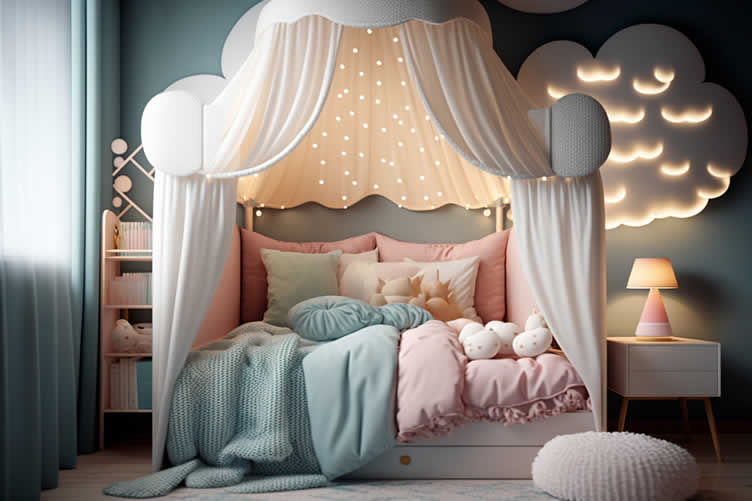
2nd: Styling Ideas for a Girl’s Bedroom
Designing a girl’s bedroom that evolves as she transitions from a toddler into a per-teen can be both an exciting and practical challenge. It’s essential to create a space that is versatile and grows along with her changing personality, interests, and needs.
By choosing adaptable elements and focusing on timeless yet youthful styles, you can design a bedroom that feels fresh and functional at every stage of her childhood.
Below are segmented ideas to help you craft the perfect space, with valuable insights supported by expert recommendations.
[ view sample images: styling ideas girl’s bedroom ]
-
Toddler Years: Playful and Safe Foundations
During the toddler years, safety and creativity take center stage. Invest in furniture and decor that cater to active play and early learning.
Low-height beds or cribs with guardrails are ideal for this stage, ensuring accessibility and safety. Soft, rounded furniture edges and playful area rugs not only prevent injuries but also add warmth.
Introduce an animal or nature-inspired theme with whimsical wall decals, peel-and-stick wallpapers, or pastel tones to create a cheerful environment. Storage should be easy-to-use and adequately sized, such as colorful bins or baskets that store toys and books.
According to the American Academy of Pediatrics, providing accessible options for toy organization helps foster independent play and tidy habits from an early age.
-
Preschool to Early Elementary Years: Imagination Meets Practicality
At this stage, your child’s imagination will begin to blossom, so it’s important to strike a balance between fantasy-inspired details and practical learning spaces.
Transition the toddler bed to a twin-sized bed with soft, colorful bedding that complements the room’s tone yet offers flexibility for updates. Add a desk or small table for art projects, coloring, or eventually writing.
Feature elements that inspire storytelling and daydreaming, such as a tee-pee tent, a canopy over the bed, or a reading nook lined with comfy pillows and shelves stocked with age-appropriate books.
Colors and decorations should remain light and cheerful, such as blush pink, lavender, or yellow accents.
Experts at ParentMap (parentmap.com) note that creating cozy “zones” in bedrooms where kids can relax or focus on tasks aids in cognitive and emotional development.
-
Tween and Pre-Teen Years: Stylish and Self-Expressive
By the per-teen years, your child’s tastes will have evolved significantly, making adaptability key. This is the ideal time to incorporate more sophisticated design elements while still allowing room for self-expression.
Neutral or muted paint colors like off-white, gray, or pale pastels form an excellent backdrop for changes in decor preferences.
Replace any themed decor with more versatile accessories, such as a cork board or pinboard for photos, artwork, and memories your child selects herself.
Flexible furnishings like a daybed with pull-out storage or a larger workstation for studying can support growing needs. Tapered lighting options, from pendant lights to adjustable desk lamps, enhance both ambiance and functionality.
The key here is creating a collaborative effort—encourage your child to choose bedding, artwork, or accent pieces that reflect her current style.
Studies from home design experts at Houzz (houzz.com) emphasize that involving children in decorating decisions fosters a sense of identity and ownership over their space.
By approaching your daughter’s bedroom design as a long-term project and opting for modular, adaptable pieces, you can create a beautiful, functional room that evolves gracefully alongside her.
This strategy not only ensures financial practicality but also cultivates a nurturing environment that supports her growth and individuality.
copyright image by 123rf.com
[ pinterest: styling child girl bedroom ]
[ youtube: 25 Cute Girls Bedroom Ideas ]
-
-
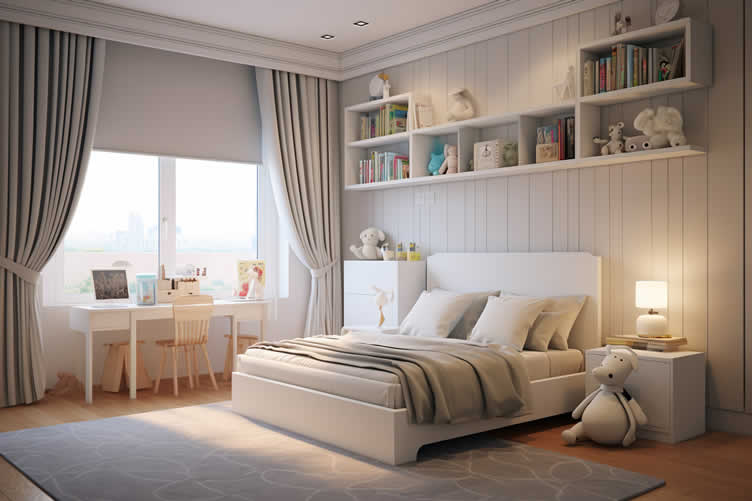
3rd: Styling Ideas for Gender-Neutral Bedrooms
Designing a gender-neutral bedroom that evolves with your child’s changing needs and interests is a practical and thoughtful approach. A neutral foundation allows you to easily adjust decor elements as your child grows, without requiring a complete overhaul.
Whether intended for a boy or girl, the key to this styling approach is versatility, functionality, and timeless appeal. Below, we explore adaptable styling ideas tailored for each stage, from toddler-hood to the per-teen years.
[ view sample images: gender-neutral bedroom ideas ]
-
Toddler Years: Soft, Playful, and Secure
For toddlers, the focus should be on creating a space that is both inviting and secure. Start with a gender-neutral color palette such as soft grays, whites, or muted pastels, which act as a calming backdrop.
Furniture should be low to the ground for safety, such as a Montessori-style bed that supports independence and self-reliance. Incorporate playful yet functional elements like removable wall decals, plush rugs for crawling, and toy storage solutions that are easy for small hands to access.
Add personalized touches such as alphabet prints or whimsical animal designs to foster early learning and imagination.
Studies in early childhood development indicate that tidy, well-organized play environments support cognitive growth and stress reduction (Source: Journal of Early Childhood Research).
-
Early Childhood/Kindergarten Age: Encouraging Exploration and Creativity
During the early childhood years, your child’s curiosity and interests begin to take shape. Neutral walls can serve as a canvas for brighter accent hues, such as mustard yellow or teal, introduced through throw pillows, curtains, or a statement area rug.
A convertible bed or furniture with dual purposes—like a storage bench or a table-and-chair set for crafting—is ideal for this stage. Include an interactive corner with space for books, art supplies, and sensory play items.
Wall-mounted shelving or neutral-toned bins are practical for keeping the space tidy. At this stage, adding a cork board or magnetic board for displaying their artwork can provide encouragement and give a boost to self-esteem (Source: Parenting Science).
-
School-Aged Children (Ages 6–9): Focused and Fun
Once your child is in elementary school, their room should balance functionality with fun to support both learning and play. Opt for a versatile desk paired with an adjustable chair to accommodate homework and creative activities.
Neutral bedding with geometric patterns or soft textures keeps the room appealing while maintaining visual consistency. By this age, you can also introduce small design updates tailored to their growing personalities—such as framed photos of favorite hobbies or displays of collectibles.
Modular furniture such as bookshelves and under-bed storage options will help manage any increasing clutter as their belongings multiply during these years.
-
Pre-Teen Years (Ages 10 and Up): Stylish and Sophisticated
For pre-teens, design should reflect their emerging independence and individuality while maintaining a timeless aesthetic. Elegant neutrals such as taupe, charcoal gray, or off-white lay the foundation for a more modern, “grown-up” feel.
Invest in classic staples, such as an upholstered bed frame or a larger desk that accommodates a computer. Functional decor like bulletin boards and LED light strips can enable them to express their personality without permanent changes.
Encourage them to experiment with textures and materials—introduce cozy throws, layered bedding, or sleek metal accents to elevate the space.
Make sure to provide ample storage solutions, as organizational habits established in this stage can benefit them well into adulthood (Source: American Academy of Pediatrics, 2022).
-
The Value of Flexibility
By sticking to a neutral foundation and focusing on adaptable furniture and decor, a child’s bedroom can seamlessly transition through each phase of their growth.
The goal is to create a space that evolves alongside your child’s changing needs and interests, offering not only comfort but also a reflection of their unique personality at every stage.
copyright image by 123rf.com
-
-
-
ideas to view and compare from the information discussed above
book: child bedroom decoratingbedroom muralsbedroom bed frame
Scroll up to directory … or scroll to next section about child bedroom ideas …


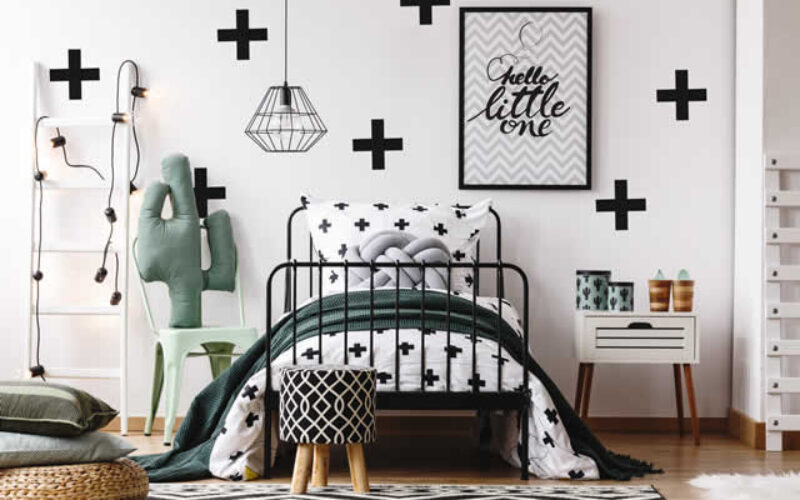
… both child and teen bedrooms



second “photo remodeling” idea
copyright image by 123rf.com
Kids Room Tip 2: Designing a Shared Bedroom for Multiple Children
Notes:
-
When several children share a bedroom, creating a functional, harmonious space can seem like a challenging task. However, with thoughtful planning and creative design solutions, you can craft an environment that meets each child’s needs while fostering a sense of personal space and individuality.
Shared bedrooms not only teach valuable lessons in cooperation and compromise but can also become a place for siblings to bond and create cherished memories.
This section will guide you through practical strategies and inspirational ideas for styling a shared bedroom that balances functionality, aesthetics, and each child’s unique personality.
From clever storage solutions to space-maximizing layouts, you’ll discover how to transform the shared room into a versatile and welcoming haven for children of any age.
-
Quick scroll to “designing shared bedroom” side notes …
-
-
1st: Furniture and Styling Ideas for a Boys’ Shared Bedroom
Designing a shared bedroom for boys requires a thoughtful approach to accommodate their varying needs as they grow. From lively toddlers to independent pre-teens, the space should be adaptable, functional, and reflective of their evolving personalities.
Employing versatile furniture, cohesive themes, and practical storage solutions can create a seamless transition through the years while fostering a sense of individuality within a shared space.
The following sections provide detailed guidance tailored to each age group, ensuring an organized, inspiring environment that grows with your boys.
[ view sample images: shared boys’ bedroom ideas ]
-
Toddler Years: Playful and Safe Designs
During the toddler years, safety and functionality are key priorities. Opt for low-profile bunk beds or twin beds with guardrails to prevent any accidents. Incorporate soft textiles such as padded carpets or rugs to create a comfy area for playtime.
To reduce clutter, include open shelving or storage bins for toys, explicitly labeled to teach organizational habits from an early age.
Choose a consistent color scheme, like shades of blue or green, complemented by whimsical wall decals or wallpapers showcasing nature, vehicles, or animals to keep the space fun and engaging.
-
Early School Years: Functional and Creative Spaces
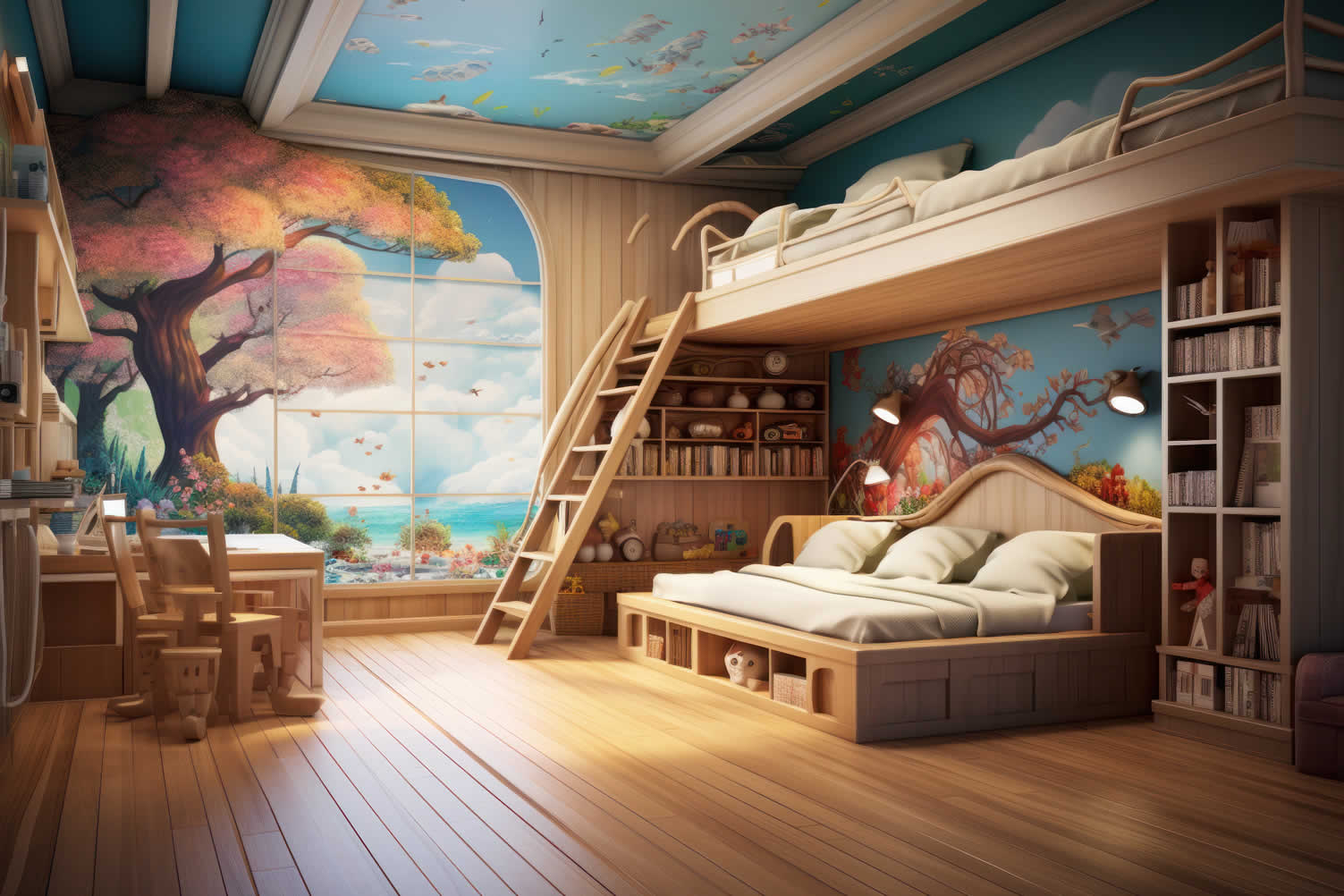
Once your boys reach the early school years, their bedroom can begin to take on a dual role as a place to study and play. Consider loft-style beds that free up floor space for a desk or reading nook underneath.
Modular furniture, such as stackable storage cubes or wall-mounted shelves, provides flexible solutions for storing books, games, and school supplies. Choose neutral or bold accent colors to convey energy and individuality while ensuring the design remains cohesive.
Chalkboard paint or a cork board on one wall can encourage creativity and allow them to display their artwork or accomplishments.
-
Pre-Teen Years: Personalized and Stylish Rooms
As boys enter their per-teen years, their bedroom becomes more of a personal retreat. Focus on creating a design that reflects their growing interests and need for independence.
Opt for beds with built-in storage drawers or sleek shelving units to keep the room tidy despite their increasing belongings. Introduce study desks with ergonomic chairs to support their academic needs, along with sufficient lighting for the workspace.
Consider muted or sophisticated color palettes and allow them to personalize the space with posters, framed artwork, or sports memorabilia. Durable furniture and timeless pieces are ideal, ensuring longevity as their tastes mature.
-
Tips for Success
- Invest in Quality Furniture:
Durable, versatile furniture pieces that grow with your children are essential for a shared boys’ bedroom. - Encourage Input:
Allow your children to share their preferences when selecting themes and decorations to make the space their own. - Focus on Storage:
Adequate storage keeps shared spaces organized, whether through under-bed compartments, wall-mounted hooks, or shared closet solutions. - Maximize Space:
Layouts that maximize shared areas while providing personal space for each child foster harmony and reduce conflicts.
By adapting the design approach to fit each stage of childhood, you can ensure the shared boys’ bedroom remains a welcoming, functional, and personal space that meets their needs as they grow.
- Invest in Quality Furniture:

copyright image by 123rf.com
[ pinterest: styling ideas for shared boys bedroom ]
[ youtube: Boys Shared Bedroom Tour ]
-
-
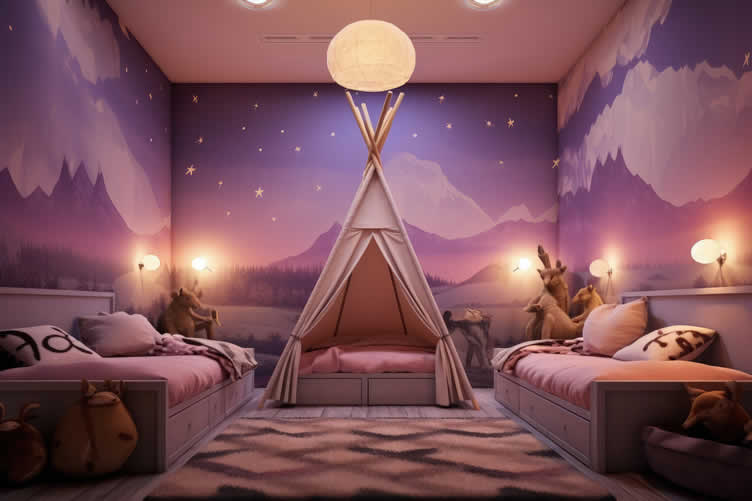
2nd: Furniture and Styling Ideas for a Shared Girls’ Bedroom
Designing a shared bedroom for girls presents an opportunity to create a harmonious space that combines functionality, style, and individuality for each child.
Whether they are toddlers just beginning to explore their personalities or pre-teens with distinct tastes, the key lies in striking a balance between practicality and creative design. Choosing the right furniture and styling elements ensures the room remains adaptable and delightful as they grow.
Below, we explore versatile ideas tailored to each age group, focusing on thoughtful layouts and stylish solutions for shared girls’ bedrooms.
[ view sample images: shared girls’ bedroom ideas ]
-
Toddler Years: Playful and Safe
For toddlers sharing a room, safety is paramount, and the décor should inspire creativity and exploration. Opt for child-friendly, durable furniture with rounded edges to avoid accidents.
Low-profile bunk beds or individual toddler beds are excellent choices, providing comfort while maximizing floor space for play areas. Use colorful storage bins and soft fabric organizers to store toys and clothes within easy reach.
Decorating with cheerful wall decals or murals featuring favorite animals, flowers, or storybook themes adds a playful and imaginative touch. Include a soft area rug in the center of the room to create a comfortable zone for play, encouraging interaction and bonding.
Focus on simplicity and organization to maintain a clutter-free environment.
-
Early Childhood (Ages 5-8): Growing Personalities
At this stage, children begin to develop distinct interests and preferences, so aim to incorporate personal accents that reflect their emerging personalities. Consider using shared loft beds with customizable lower spaces — one side can feature a small desk for crafts, while the other might include cozy seating or extra storage for toys or books.
To give each girl a sense of ownership, designate separate areas on walls, such as cork boards or magnetic boards, where they can display their artwork, photos, or favorite posters.
Color schemes can still be cohesive but don’t be afraid to mix patterns or textures for added personality. Practical storage solutions, like under-bed drawers or stackable bins, keep the room organized while ensuring everything has its place.
-
Pre-Teen Years (Ages 9-12): Style and Independence
Pre-teens often crave independence and self-expression, so the bedroom design should allow individuality to shine while maintaining a cohesive overall aesthetic. Twin beds with defined zones — separated by a shared nightstand or a decorative screen — can help mark personal territory while fostering a sense of togetherness.
Upgrade to multi-functional furniture, such as desks with storage compartments or beds with built-in shelving, to accommodate evolving needs like homework and hobbies.
Swap playful decor for more sophisticated elements, such as accent pillows, layered bedding, or string lights, which can be customized to each girl’s style.
Consider a neutral base color for walls and furniture, then use accessories like throws, artwork, and rugs to inject each child’s favorite hues or themes.
Finally, provide ample storage and organization solutions to prevent clutter as their belongings grow. Incorporate labeled bins, built-in wardrobes, or hanging organizers for an efficient yet stylish setup.
A designated communal area, such as a reading nook with beanbags or a shared vanity, fosters bonding moments while promoting a sense of belonging.
By choosing flexible furniture, celebrating individuality, and keeping the space inviting and organized, you can create a shared girls’ bedroom that evolves seamlessly alongside your children.
copyright image by 123rf.com
[ pinterest: styling ideas for shared sisters bedroom ]
[ youtube: Decorating Girls Shared Room on a Budget ]
-
-
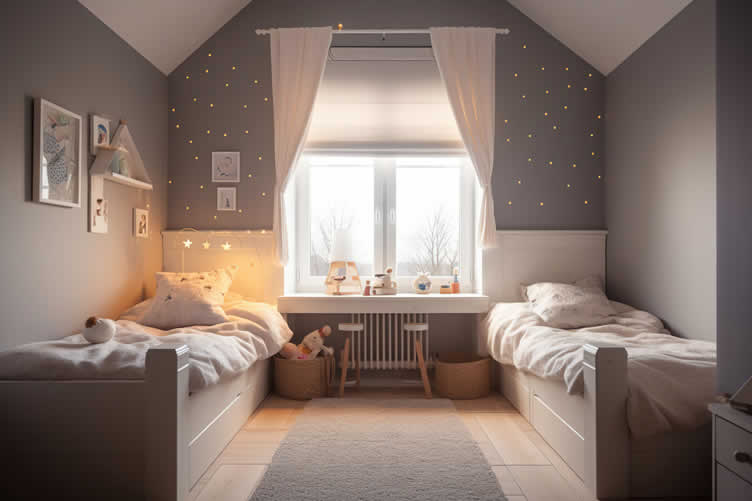
3rd: Styling Ideas for a Shared Bedroom for Brother and Sister
Designing a shared bedroom for a brother and sister can be a rewarding endeavor. The key is to create a versatile space that accommodates their individual personalities, preferences, and needs while ensuring harmony in the overall design.
Whether your children are toddlers, young children, or pre-teens, it is essential to consider furniture and styling solutions that promote functionality, comfort, and individuality.
[ view sample images: shared boy/girl bedroom ideas ]
-
Neutral Foundation with Personal Flair
Start with a neutral base that acts as a blank canvas for both siblings. Choose calming wall colors such as white, beige, light gray, or pale blue to create a cohesive and unifying backdrop.
Each child’s individuality can then be incorporated through personalized bedding, artwork, and decorative accents in their favorite colors or themes.
For example, one side of the room could feature a space theme with dark blue and silver accents, while the other might display soft pastels and floral patterns for a complementary contrast.
-
Practical and Flexible Furniture
Opt for versatile furniture pieces that can adapt to the needs of growing kids while also saving space. Bunk beds or trundle beds are excellent options for maximizing floor space, leaving more room for play or storage.
Look for furniture with built-in storage solutions, such as captain’s beds with drawers underneath or desks with shelving units. If space allows, consider dividing the room with a low bookcase or curtains to subtly delineate each child’s personal area while maintaining openness.
-
Gender-Neutral Storage Solutions
Shared bedrooms require effective organization to manage dual belongings. Invest in shared yet structured storage solutions, such as labeled bins, separate dresser drawers, or a closet system with hanging sections designated for each child.
Open shelving with individual baskets or crates can also help younger children easily identify and access their possessions. Remember to factor in vertical storage options to maximize efficiency in smaller rooms.
-
Shared and Individual Zones
While it is important to give siblings their own space, incorporating shared areas fosters cooperation and bonding. A shared reading nook with cozy chairs or beanbags, a play area with a durable rug and toy storage, or a joint study zone with side-by-side desks are great ideas for encouraging positive interactions.
To promote individuality, add details like unique desk chairs or personal cork boards above each workspace for displaying their creations or schedules.
-
Long-Term Design Considerations
To future-proof the room for pre-teens, aim for a timeless design that can evolve as their tastes and needs change. Select furniture and decor that won’t quickly become outdated, such as minimalist shelves, neutral-toned curtains, or classic wood finishes.
This approach ensures that the room remains functional and appealing as the children transition into their teenage years. Adding modular furniture, such as adjustable-height desks or chairs, extends usability over time.
copyright image by 123rf.com
[ pinterest: styling ideas for boy/girl bedroom ]
[ youtube: SHARED BEDROOM IDEAS FOR BOY AND GIRL ]
-
-
-
ideas to view and compare from the information discussed above
Scroll up to directory … or scroll to next section about child bedroom ideas …

addressing child bedroom ides that grow with them and other home improvement needs …

… grab this directory of ideas for future use

… remodeling decisions


May We Suggest Other Photo Remodeling Ideas About
“Enhancing Your Landscape …” (new win)


third “photo remodeling” idea
copyright image by 123rf.com
Kids Room Tip 3: Styling a Bedroom for the Older Teen
Notes:
-
By the time your child hits their teenage years, a bedroom becomes more than just a place to sleep or study. It often acts as their personal retreat, one where comfort, personal style, and privacy are key considerations.
Designing a teen’s space should involve understanding their interests and allowing them to express individuality through decor.
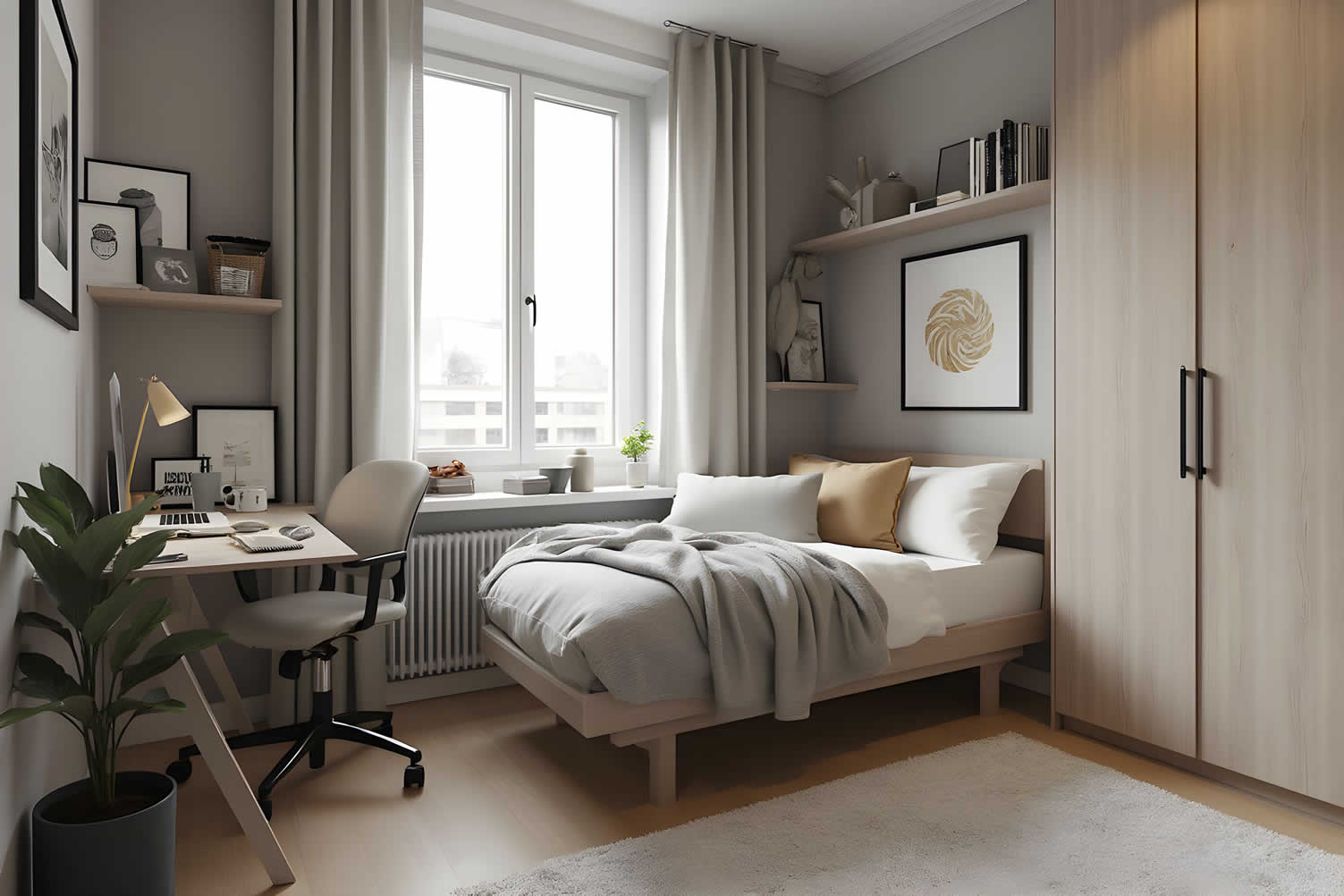
Start by carving out distinct zones for specific activities, whether it’s studying, relaxing, or spending time with friends. A sturdy desk, complete with storage space and a comfortable ergonomic chair, creates a productive study area. Meanwhile, a lounge space with bean bags or a small loveseat offers a cozy spot for relaxation.
Encourage them to personalize their room by selecting their own wall art, bedding, or DIY decor projects. String lights, polaroid photo walls, or murals can add an edgy, stylish flair.
Basic functionality cannot be overlooked. Ample storage, under-bed bins, and floating shelves can keep their space tidy and accommodate their growing collection of clothes, gadgets, books, and sports gear. A larger wardrobe or a full-length mirror might also be needed as they enter their late teens.
Remember to make it collaborative. Including your teen in the decision-making process not only ensures the room reflects their style but also gives them a sense of ownership.
-
Quick scroll to “styling teen bedroom” side notes …
-
-
1st: Furniture and Styling Ideas for a Teenage Boy’s Bedroom
Designing a teenage boy’s bedroom requires balancing functionality, comfort, and a style that reflects their unique personality. This space should evolve with their changing needs as they grow from middle school through high school and, eventually, prepare to leave for college.
A well-thought-out approach ensures the room adapts over the years, creating an environment that supports their personal and academic growth.
[ view sample images: teen boy bedroom ideas ]
-
Essential Furniture for Functionality
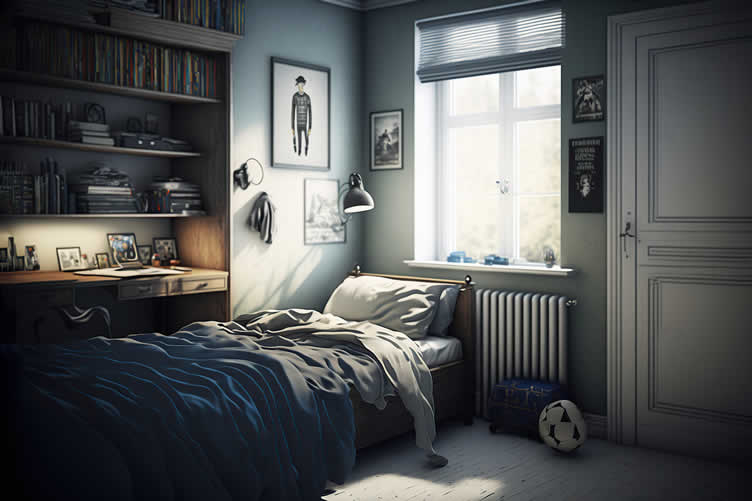
When designing a teenage boy’s room, focus on versatile and durable furniture that suits their daily needs. A sturdy desk with ample surface area and built-in storage is critical for homework, hobbies, and creative projects. Pair it with an ergonomic chair to promote healthy posture during long study sessions.
A bed with built-in storage drawers or space underneath offers a practical solution for keeping seasonal clothing, sports equipment, or extra bedding organized.
Choose a bed that transitions effortlessly, such as a twin XL or even a double bed, to accommodate their growth and future use. Add a comfortable mattress that supports proper sleep hygiene, a critical factor for teenagers’ development.
Finally, consider multipurpose pieces like storage ottomans or a dresser with a built-in mirror, which help maximize space while maintaining a clutter-free environment.
-
Styling Tips for a Personalized Look
A teenage boy’s bedroom should reflect his personality and interests, making the styling process essential. Begin with a versatile color palette—neutral tones like grays, blues, and whites work well as a foundation while allowing for accents that can be easily swapped out over time.
Encourage your teen to pick artwork, posters, or framed images that showcase their hobbies or favorite sports teams.
Add texture and warmth with layered bedding, such as quilts, throws, and patterned pillows, which can be updated as tastes change. Incorporating string lights or LED strips offers budget-friendly and mood-enhancing lighting options.
For wall décor, magnetic boards or pegboards are both practical and stylish, providing a home for reminders, notes, or collectibles.
-
Upgrading as They Transition to College
As your teen prepares to leave for college or pursue independence, their room should function as a launch pad for this new life phase.
Consider investing in modular furniture pieces that can be re-purposed or packed up for dorm life, such as collapsible desks or lightweight storage bins. A compact bookshelf can serve not only for school supplies but also for personal memorabilia they may take with them.
Additionally, create a "college-ready" nook with a laptop or tablet station, practical organizers, and a comfortable reading chair. These additions help prepare them both mentally and logistically for life beyond their bedroom.
copyright image by 123rf.com
[ pinterest: teen boy bedroom ideas ]
[ youtube: Awesome Teenage Boy Room Decor Ideas ]
-
-
2nd: Furniture and Styling Ideas for a Teenage Girl’s Bedroom
Designing a teenage girl’s bedroom is an opportunity to blend functionality, personal expression, and future-focused ideas. This space should reflect her unique personality while being adaptable as her needs evolve into her later teenage years and eventually prepare her for the transition to college or living independently.
By choosing the right furniture and incorporating thoughtful styling, the bedroom can grow with her over time while maintaining comfort and functionality.
[ view sample images: teen girl bedroom ideas ]
-
Multi-functional Furniture for Flexibility
Teenage years are marked by rapid changes, and multi-functional furniture provides the flexibility to keep up. Consider investing in a daybed with built-in storage or a trundle bed for overnight guests. This type of furniture saves space while offering versatility in a compact bedroom.
For workspace needs, a desk with adjustable height or modular elements can transition from a casual study table to a professional workstation as her responsibilities progress.
Pair it with an ergonomic chair to ensure comfort during long study sessions. According to ergonomics experts, proper seating can improve focus and posture (Ergonomics Society, 2022).
-
Customized Storage Solutions
Storage is a critical component of a teenage girl’s bedroom, especially as her belongings accumulate over the years. Personalize her storage options with items such as stackable bins, rolling carts, and wall-mounted shelves to maximize every square inch of the room.
Closet organizers with customizable sections help her manage clothing, accessories, and seasonal items more efficiently. Adding decorative storage boxes can combine practicality and style, keeping her room tidy without sacrificing aesthetic appeal.
Studies show that an organized environment promotes mental clarity and reduces stress (Journal of Environmental Psychology, 2021).
-
Styling with Personality and Sophistication
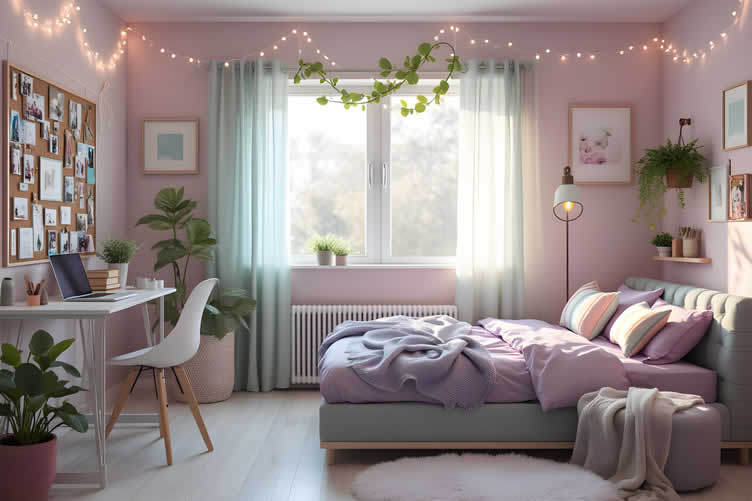
Infuse personality into the bedroom design by incorporating elements that reflect her interests and hobbies. Create a feature wall with removable wallpaper or peel-and-stick decals, so it can be updated easily over the years. Add vibrant throw pillows, layered rugs, and fairy lights to give the space a youthful yet cozy vibe.
As she approaches the later stages of her teenage years, replace more playful decor with sophisticated accessories, such as framed artwork, a stylish area rug, or neutral-toned bedding. These transitional styling choices ensure the room remains age-appropriate and timeless.
-
Preparing for College and Beyond
When designing a teenage girl’s bedroom, it’s important to think about its functionality for the years ahead. Invest in portable furniture pieces, such as collapsible tables, lightweight ottomans, or sleek shelves that can be moved easily to a dorm room or first apartment.
Create a “packing zone” in the room dedicated to preparing for future moves. Compact suitcases or travel crates can double as seating or storage until they are needed. A designated tech charging station ensures she stays organized and prepared for academic or professional challenges beyond high school.
When selecting furniture and decor, focus on quality and durability. Opt for brands with reputations for producing well-crafted, sustainable products.
AI generated image by 123rf.com
[ pinterest: teen girl bedroom ideas ]
[ youtube: trendy and Cool Teen Girl Bedroom Ideas ]
-
-
-
ideas to view and compare from the information discussed above
Scroll up to directory … or scroll to next section about child bedroom ideas …
SHARE IT ..! You might have someone in your social network who could find this informative post addressing child bedroom ideas valuable. Feel free to share it on Facebook, X (formally Twitter), LinkedIn, or Pinterest!




fourth “photo remodeling” idea
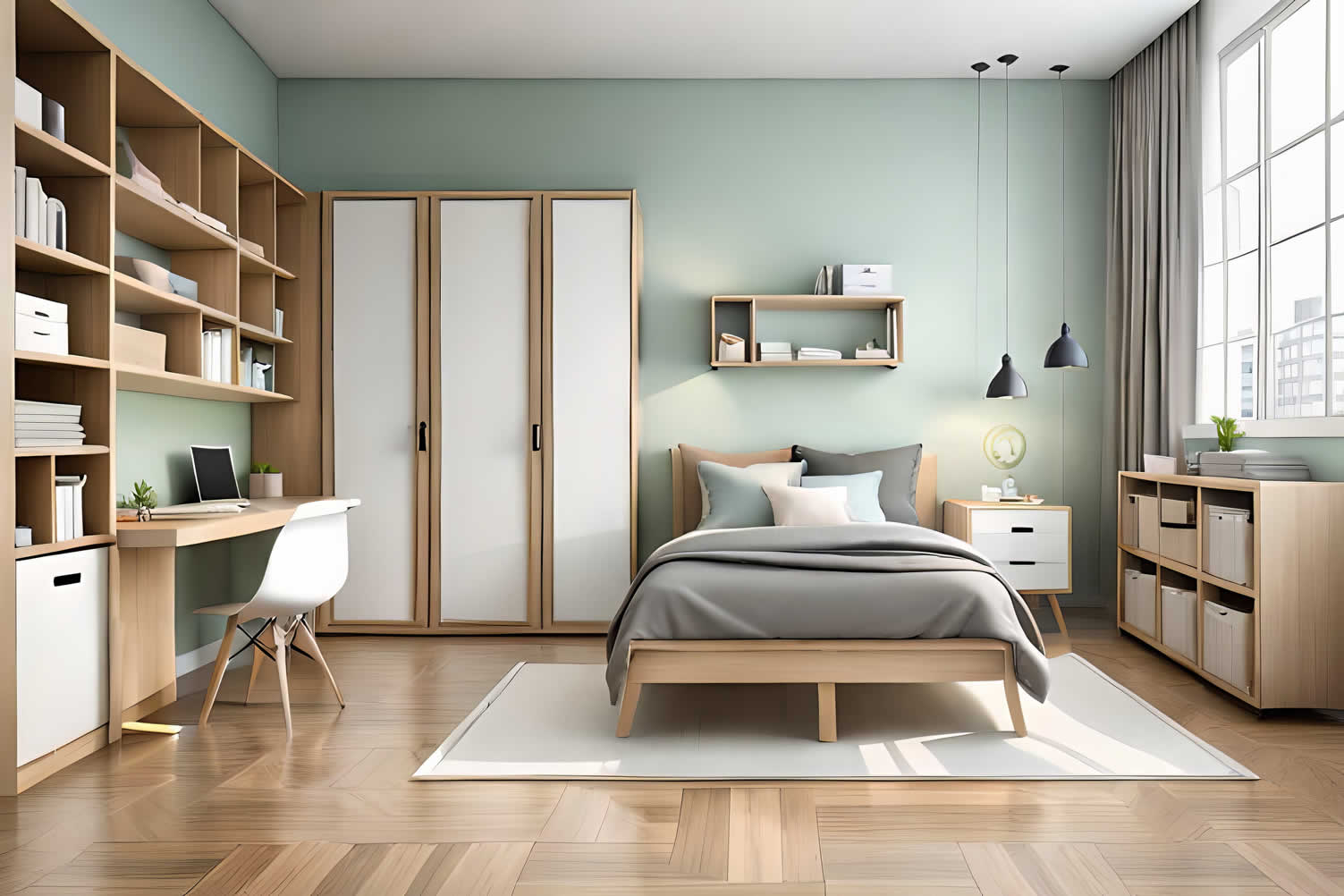
copyright image by 123rf.com
Kids Room Tip 4: Organization and Storage Ideas for Child/Teen Bedrooms
Notes:
-
A child’s or teen’s bedroom is a personal space where they play, study, dream, and express themselves. Yet, as parents everywhere can attest, these rooms are often the most chaotic in the house. From overflowing toys to scattered clothes, it’s easy for these spaces to become unmanageable.
But organization and thoughtful design can make all the difference—not only for the room’s functionality but also for the child’s sense of comfort and well-being.
When a child’s or teen’s room is well-organized, it fosters independence, reduces stress, and creates a happier environment.
The following section offers practical solutions, expert organization strategies, and tips for a clutter-free, personalized, and safe space.
-
Quick scroll to “organization/storage” side notes …
-
-
1st: Organization and Storage Ideas
Creating an organized and functional living space for children and teens can be challenging but immensely rewarding. Proper organization contributes to a room that balances utility with style, encouraging productivity while maintaining a sense of individuality.
Addressing storage needs effectively can help combat clutter, making the room easier to clean and more enjoyable to use. This section aims to provide actionable ideas and inspiring strategies to transform any room into a tidy, well-utilized space.
From smart storage solutions to creative ways to showcase personality, these tips will help you design a room that grows with your child while keeping it practical and organized.
[ view sample images: bedroom organization/storage ]
-
Maximize Vertical Space
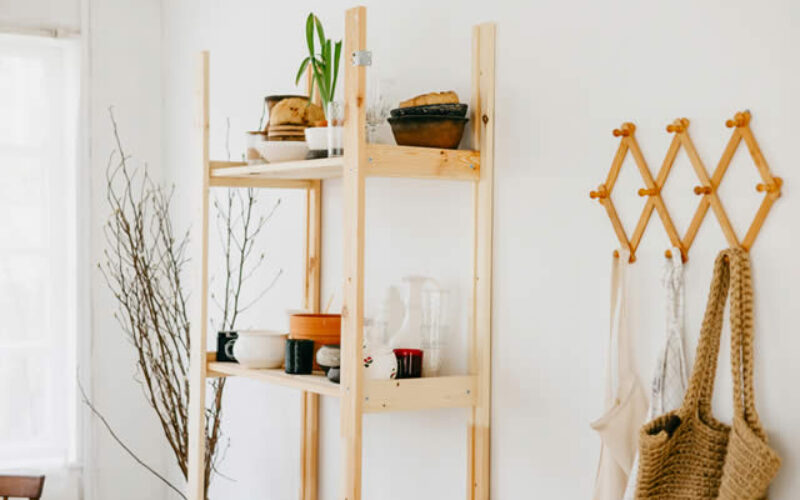
When square footage is at a premium, look up. Vertical storage is one of the simplest ways to create usable space in a child’s or teen’s bedroom. Wall-mounted shelves can hold books, trophies, or décor items, keeping surfaces clutter-free and allowing kids to see their favorite items displayed neatly.
Installing pegboards can add versatility, providing a place to hang accessories, bags, or art supplies. Tall storage units with multiple shelves work well for older teens, offering room for textbooks, memorabilia, and more.
-
Under-Bed Storage Solutions
The space under the bed is often overlooked, but it offers significant storage potential. Rolling bins, storage bags, or built-in drawers can house seasonal clothing, toys, or keepsakes.
Opt for clear containers to easily identify what’s inside or label each bin for ultimate organization. For younger children, use this space to store toys that aren’t in frequent rotation, reducing clutter while still keeping the items accessible.
-
Multi-Functional Furniture
Furniture that serves more than one purpose is a game changer, especially in smaller bedrooms. Loft beds with desks underneath provide both sleep and study solutions in one piece.
Storage ottomans double as seating and hidden storage, while beds with built-in drawers eliminate the need for a separate dresser. Consider investing in a convertible desk that can grow with a child, offering flexible functionality through the years.
-
Closet Organization Systems
Kid’s closets tend to descend into chaos without proper systems in place. Use adjustable shelving, hanging organizers, and bins to customize the space to your child’s needs.
For younger kids, install lower rods so they can easily reach and select their clothes, fostering independence. Teens may benefit from additional features like shoe racks, jewelry trays, or cubbies for sports gear.
A well-organized closet not only declutters a room but also makes mornings run smoother.
-
Innovative Storage Baskets and Bins
Storage baskets and bins bring style and function to any room. Choose colorful bins for younger kids or sleek, neutral designs for a teen-friendly look.
Stackable bins save floor space, while open-top baskets keep toys or books accessible. Alternatively, categorizing items into labeled bins can help kids stay organized.
Use baskets to contain extra blankets, stuffed toys, or even magazines to avoid clutter spilling onto the floor.
Bedroom Organization/Storage
google imagesvertical storage child bedroom teen bedroom under bed storage child bedroom teen bedroom multi-functional storage child bedroom teen bedroom closet organization systems child bedroom teen bedroom storage baskets and bins child bedroom teen bedroom 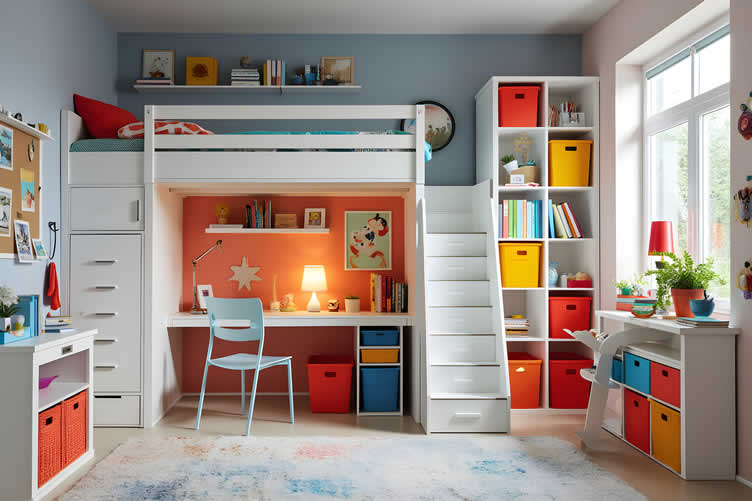
AI generated image by 123rf.com
-
-
2nd: Creating Flexible Zones
Creating flexible zones within your home allows for better organization and adaptability as your needs evolve. By defining distinct areas for specific activities, such as play, study, or relaxation, you can help streamline daily routines and keep spaces tidy.
Flexibility is key—these zones should be easy to reconfigure as children grow, interests change, or space requirements shift.
Whether you’re working with a shared bedroom, a multi-purpose living area, or a cozy corner in the house, careful planning and thoughtful design can maximize functionality while maintaining a sense of order.
[ view sample images: creative flexible zones ]
-
Dedicated Study Area
Whether it’s homework or creative projects, every child and teen needs a space where they can focus and concentrate. A study area doesn’t have to be elaborate but should include essential elements such as a desk with adequate surface space, good lighting, and a comfortable chair.
Organize the area with desk trays, pen holders, and storage drawers for school supplies. Minimizing distractions here is key, so keep the space relatively simple and functional.
-
Relaxation Nook
A relaxation nook is a space for your child or teen to unwind. Create a cozy corner with bean bags, a small sofa, or a floor cushion paired with soft lighting and a bookshelf.
String lights or fairy lights can add a warm ambiance, making it a perfect spot to de-stress or read. The nook doesn’t have to take up much space but should feel special and personal.
-
Play and Creative Zone
For younger children, having a designated play area is crucial. Use rugs to define the space and ensure toys are contained within easy-to-access bins or shelves.
For teens, the creative zone might look different; perhaps it’s a corner dedicated to music, art, or other hobbies. Incorporating a foldable table or an art station can help organize supplies while fostering their passions.
-
Zoning with Furniture Arrangement
Arranging furniture thoughtfully can create natural zones within a room. Position the bed away from the study area to maintain focus and use rugs or shelving units to divide spaces subtly.
Add a small bench at the end of the bed to define the sleeping zone while doubling as seating or storage. This organization technique ensures every square foot serves a purpose.
Creative Flexible Zones
google imagesdedicated study area child bedroom teen bedroom reading/relaxation nook child bedroom teen bedroom play and creative zone child play zone teen hangout zoning with furniture child bedroom teen bedroom 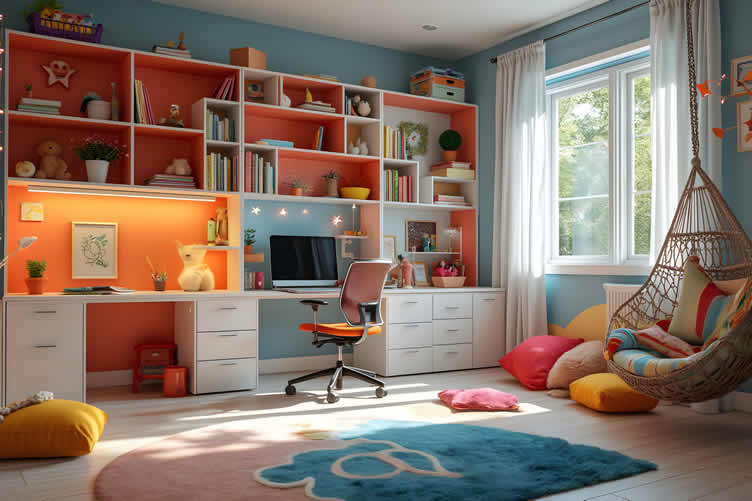
copyright image by 123rf.com
-
-
3rd: Encouraging Your Child/Teen to Keep It Organized
A clean and organized bedroom can greatly contribute to a child or teenager’s mental clarity, productivity, and overall well-being. Teaching good habits early helps build lifelong skills in responsibility and self-discipline.
However, keeping a room tidy is not always easy for children and teens who may struggle with busy schedules, distractions, or a lack of motivation. By using practical strategies, consistent encouragement, and clear boundaries, parents can help their child take ownership of their space.
Below are some actionable steps divided into key focus areas.
-
Start with Clear Expectations
Establishing clear and realistic expectations is crucial when teaching your child about cleanliness and organization. Sit down with your child and explain why keeping their room clean is important—not just from a household perspective but for their own benefit, such as saving time, promoting focus, or reducing stress.
Be specific about what "clean" and "organized" looks like. Create a short list of tasks like making the bed, putting clothing in the hamper, and organizing items on their desk.
Having a visual checklist can provide clarity and reduce misunderstandings. Studies suggest that clear communication between parents and children can foster better habits and reduce conflict (American Psychological Association, 2014).
-
Model the Behavior You Want to See
Children often learn by example, so modeling good organizational habits yourself is a powerful teaching tool. Demonstrate tidying practices such as folding laundry, sorting papers, or decluttering small items and explain your thought process as you do so.
For instance, you might say, “I’m putting these books back on the shelf so I can find them easily next time I need them.” Research shows that parents who encourage organizational routines at home often raise children who internalize similar habits (Evans et al., 2017).
-
Use Positive Reinforcement
Positive reinforcement is a proven method to encourage consistent behavior. Instead of focusing solely on the mess, acknowledge and praise your child when they make an effort to tidy up or maintain their space.
This could be as simple as saying, “Great job putting your clothes away today!” or offering a small reward when they complete their checklist for the week.
Rewards don’t always have to be material; privileges like extra screen time or choosing a family activity can work just as well. Behavioral studies highlight that recognition and rewards are key motivators, especially for younger children (Skinner, 1953).
-
Break Tasks Into Manageable Steps
Large cleaning tasks can feel overwhelming, especially for teenagers balancing schoolwork, extracurriculars, and social commitments. Teach your child to break down these jobs into smaller, manageable steps.
For example, instead of cleaning the entire room in one go, start with one area like the bed, then move to the desk and finally to the floor. This segmented approach reduces stress and helps develop time management skills.
According to child development experts, teaching task segmentation is particularly helpful in fostering independence (Levine & Weintraub, 2009).
-
Encourage a Routine
Routine is one of the strongest tools in developing good habits. Encourage your child to dedicate specific times—such as 10 minutes before bed—for tidying up their space.
Tying the routine to daily anchors, like their morning or bedtime schedule, helps ensure consistency. Over time, the habit becomes second nature, reducing the need for parental involvement.
A regular cleaning schedule reinforces both accountability and discipline, based on findings by the National Center for Learning Disabilities (2018).
-
Set Boundaries and Consequences
While encouragement is important, setting clear boundaries is equally critical. Teach your child that their room is their responsibility, but there are limits to what is acceptable.
For instance, food or trash left lying around may result in restricted privileges until the room is clean. Use consequences sparingly and consistently, ensuring they are reasonable and proportional. This balance builds both accountability and respect for shared family rules.
Research by the Child Mind Institute (2020) underscores the importance of calmly but firmly enforcing consequences to guide behavior effectively.
By combining clear communication, positive reinforcement, practical strategies, and boundaries, parents can help their child or teen develop effective organizational habits.
Over time, these skills not only lead to a tidier bedroom but also teach important life skills like responsibility, time management, and self-discipline.
AI generated image by 123rf.com
[ view diagram: assigning child chores ]
[ youtube: How to Organize: The Kid’s Room ]
-
-
-
ideas to view and compare from the information discussed above
Scroll up to directory … or scroll to next section about child bedroom ideas …

get the size dimensions for your child and teen bedroom design …

… and for functionality, aesthetics, and adhering to building codes if needed


… remodeling decisions
Find Interior Design Services Decorators Interior Designers Furniture Painting & Staining top-rated, pre-screened local contractors FREE: download contractor selection enter zip code – powered by HomeAdvisor ™
Quick Contractor Guides selecting negotiating working with inspecting

fifth and last “photo remodeling” idea

AI generated image by 123rf.com
Kids Room Tip 5: Child/Teen Bedroom Personalization and Safety
Notes:
-
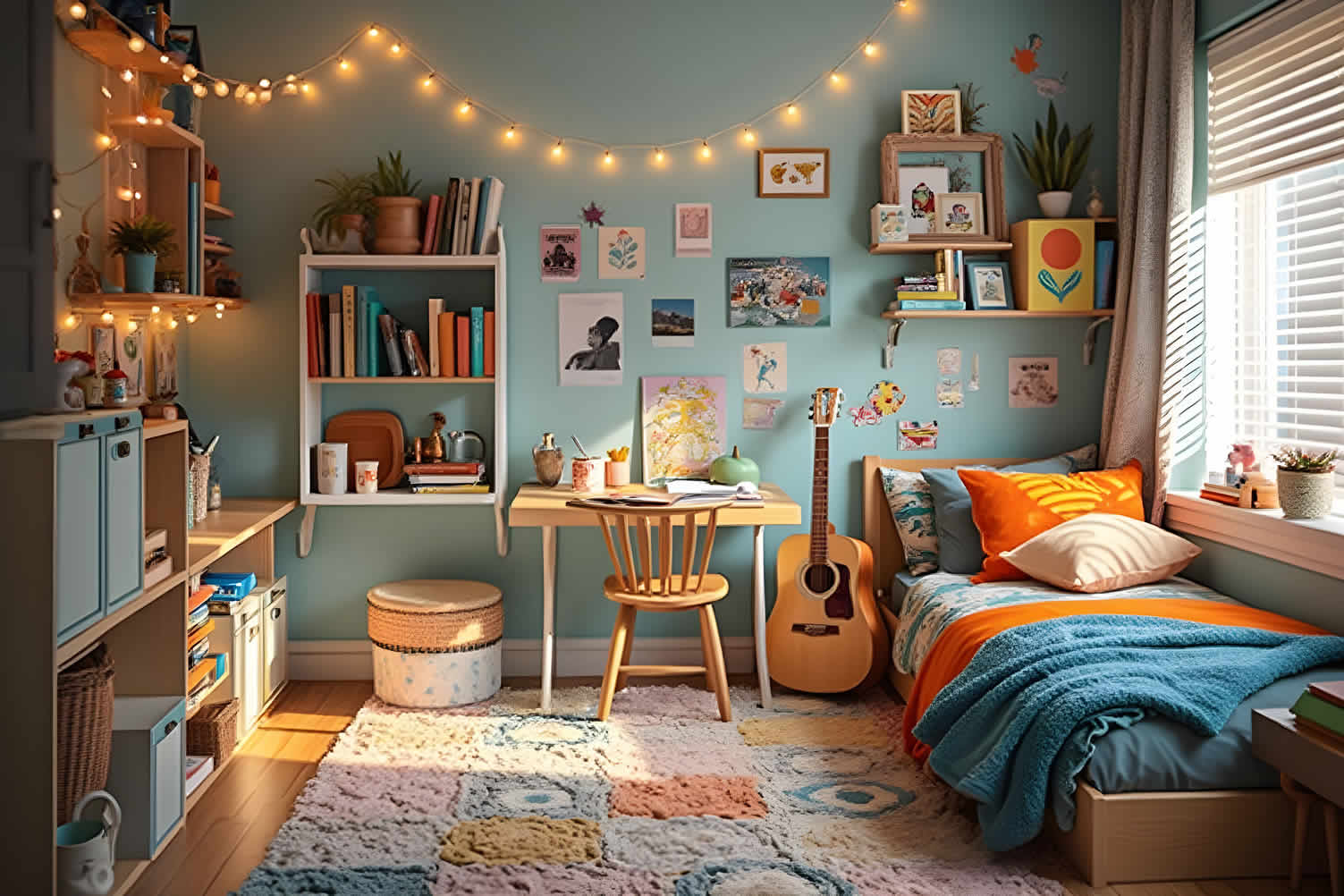
Creating a personalized and safe bedroom space for children and teens is essential for their comfort, creativity, and well-being.
Personalization allows them to express their identity and feel a sense of ownership over their environment. This might include selecting decor, colors, furniture, or artwork that reflects their interests and personality.
At the same time, safety should remain a top priority—ensuring furniture is secured to prevent tipping, avoiding choking hazards for younger children, and providing proper lighting for study areas.
By balancing individuality with safety measures, parents can foster a space where their child or teen feels secure, inspired, and supported.
-
Quick scroll to topic "personalization and safety" side notes …
-
-
1st: Adding Personalization and Expression
Personalization and expression are key to transforming any space into a true reflection of its occupant’s personality and preferences. When designing a room, incorporating unique touches not only enhances comfort but also creates a sense of ownership and individuality.
From bold color choices to cherished mementos, personalizing a space allows creativity to shine through while ensuring it feels warm and inviting.
By thoughtfully blending design elements with personal tastes, a room can become much more than just a living area—it becomes a sanctuary perfectly tailored to the individual.
-
Decorating with Themes
Themes are a fun way to bring personality into a room. For younger children, characters, animals, or outer space may inspire their décor.
Teens, on the other hand, may gravitate toward boho chic, minimalist, or edgy styles. Use peel-and-stick wallpaper, themed bedding, and wall art to bring the theme to life—but keep it adaptable as tastes evolve.
-
Displaying Achievements and Hobbies
Celebrate what makes your child unique by highlighting their achievements and hobbies. Create a dedicated wall or shelf to display medals, trophies, or artwork.
Noticeboards or photo collages can be used to pin up memories, schedules, or creative milestones. This not only adds a personal touch but also boosts their confidence and self-expression.
-
DIY Décor Projects
Adding personalized DIY décor can be a bonding experience and a budget-friendly option. Invite your child to help create their own room accessories, such as painting picture frames, crafting pillowcases, or constructing a pinboard.
Teens may enjoy customizing their space by up-cycling old furniture into something trendy and unique.
-
Choosing Colors and Patterns
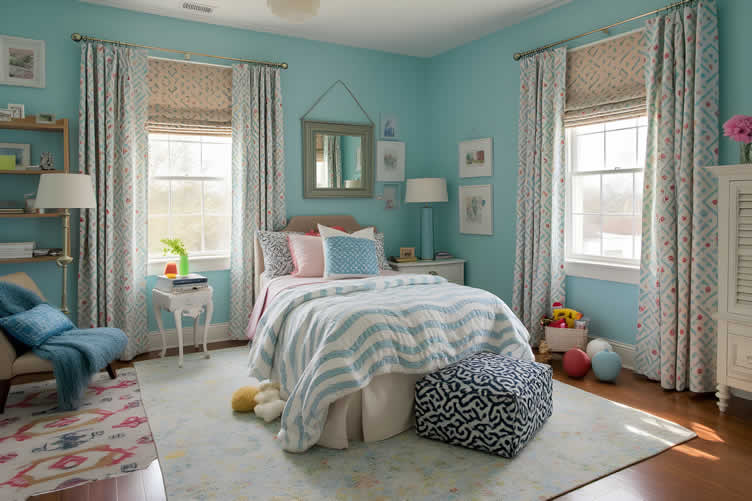
Wall colors and patterns play a vital role in personalizing a room. Softer tones work well for relaxation zones, while brighter shades can energize study areas.
Introduce patterns through rugs, curtains, or even removable decals to add texture and depth. Allowing your child or teen to contribute to the color scheme gives them ownership of their space.
AI generated image by 123rf.com
Abstract Wall Paper
viewing amazonAnimal Wallpaper
viewing amazonBotanical Wallpaper
viewing amazonChildren Wallpaper
viewing amazonGeometric Wallpaper
viewing amazonIllustration Wallpaper
viewing amazon -
-
2nd: Safety and Well-Being
Creating a safe and nurturing environment for your child or teen is essential for their overall development and well-being.
Beyond aesthetics, prioritizing safety and comfort in a room’s design ensures that it becomes a space where they can thrive emotionally, mentally, and physically. Thoughtful choices in furniture, lighting, and layout can reduce risks and create a relaxing atmosphere.
Additionally, incorporating elements that promote mental wellness, such as clear organization systems and calming decor, can help foster a sense of security and balance.
The following section will outline practical tips and strategies to ensure your child’s room is both safe and conducive to their health and happiness.
-
Secure Furniture and Fixtures
Furniture can pose significant risks if not properly secured. Use brackets or safety straps to anchor heavy items like bookshelves, dressers, and TV stands to the wall to prevent tipping hazards.
This is particularly important if young children or curious teens might climb or lean on furniture. Choose furniture with rounded edges to minimize injury risks, or invest in corner protectors for existing pieces. Similarly, ensure curtain rods and blinds are installed securely.
Always opt for cordless blinds or cord winders to eliminate strangulation hazards—standards recommended by the Consumer Product Safety Commission (CPSC).
-
Fire Safety Measures
Equip the bedroom with smoke alarms and a fire extinguisher nearby to mitigate potential fire hazards. Regularly test smoke alarms to ensure they are functional and replace batteries promptly as needed.
Avoid overloading electrical outlets and make use of surge protectors instead of daisy-chaining power strips, which can increase fire risks.
Additionally, educate your child or teen about fire safety, including the importance of unplugging electronics when not in use, especially items like curling irons, space heaters, or game consoles [National Fire Protection Association (NFPA), 2023].
-
Promoting Air Quality
Clean air is fundamental to health, especially for children and teenagers who may spend extended periods in their rooms studying, sleeping, or socializing. Use air purifiers with HEPA filters to reduce dust, allergens, and airborne toxins.
Avoid using paints or finishes with volatile organic compounds (VOCs) during room renovation, as they can linger and harm respiratory health. Adding houseplants like peace lilies or spider plants can also improve air quality, but make sure to choose non-toxic varieties if younger children or pets are in the household.
-
Lighting and Sleep Hygiene
Proper lighting is essential for a child or teen’s well-being. Install a mix of task lighting for homework and hobbies, as well as softer ambient lighting to create a calming environment.
Blue-light exposure from electronic devices can disrupt sleep, so consider using warm-colored bulbs in bedside lamps and ensuring access to blackout curtains to support sound sleep.
According to the American Academy of Sleep Medicine, teenagers typically need 8–10 hours of sleep a night, so setting up a room that prioritizes rest is vital for their cognitive and emotional health.
-
Noise Control and Privacy
To promote mental well-being, address noise and privacy concerns within the bedroom. Noise-canceling curtains, rugs, and upholstered furniture can help absorb sound, ensuring the room stays quiet even in a busy household.
If the home layout permits, position the bed and study area away from noisy or high-traffic zones. Additionally, providing teens with a lockable cabinet or drawer can give them privacy and a sense of ownership over their personal belongings, fostering trust and independence.
-
Emergency Preparedness
Equip the room with basic emergency supplies, such as a flashlight, a whistle, and a first-aid kit. Make sure they are stored in a clearly visible and easily accessible location.
Teach your child or teen how to use the supplies in case of an emergency, whether it’s during a power outage or a minor injury. Label these items clearly, and keep them updated regularly to ensure everything functions as intended when needed.
By incorporating these safety and well-being measures, parents can create a secure yet inviting space that nurtures their child or teen’s physical, emotional, and mental health.
Thoughtful additions not only shield young individuals from harm but also provide reassurance to the entire family, ensuring peace of mind.
For further reading on child-proofing and personalizing bedrooms, visit resources provided by Safe Kids Worldwide or consult guidelines from the Centers for Disease Control and Prevention (CDC).
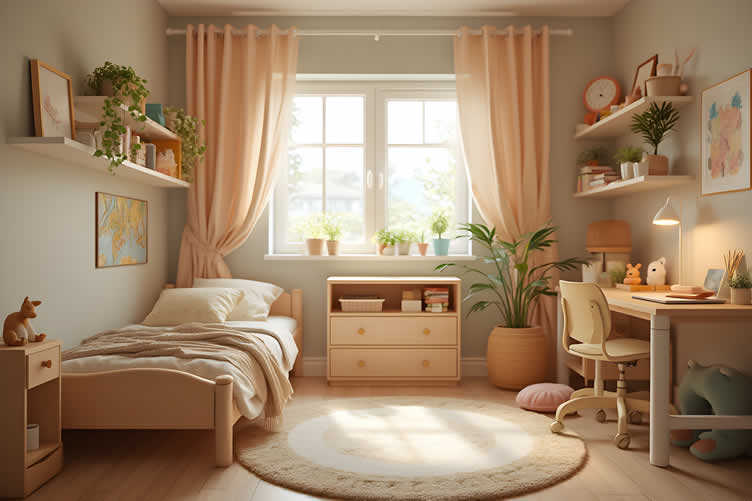
AI generated image by 123rf.com
-
-
3rd: Managing and Controlling Your Child’s Online Activity
The digital age has brought immense opportunities for education, connection, and entertainment, but it also introduces risks, especially when it comes to children navigating the vast online world.
Bedrooms often serve as private spaces where children and teens frequently access the internet, making it all the more essential for parents to monitor and guide their online behavior effectively. Unregulated access can expose young individuals to harmful influences, cyberbullying, inappropriate content, or even online predators.
By implementing structured rules and effective control methods, parents can create a safe environment that balances the benefits of technology with the need for safety and accountability.
Below are segmented approaches to managing your child’s online activity with practical advice and evidence-based techniques.
-
Set Clear Boundaries and Rules for Internet Use
Establishing clear rules from the start helps children understand the limits and expectations surrounding their online activities. Create a family technology agreement that outlines permissible and prohibited behavior online.
For example, designate specific times for screen use, especially in the bedroom, and ensure it does not interfere with sleep, schoolwork, or family bonding. Clearly communicate the types of websites, apps, and platforms that are appropriate for their age and maturity level.
Additionally, encourage transparency by asking your child to share their social media accounts and online activity. The American Academy of Pediatrics suggests creating a Family Media Plan to align technology use with your family’s values and routines.
-
Utilize Parental Controls and Monitoring Tools
Technology can assist in keeping your child safe online. Parental control features are available on many devices, apps, and internet providers, allowing you to restrict age-inappropriate content, limit screen time, and monitor online activity.
For younger children, consider using kid-friendly platforms designed with built-in restrictions. Tools like Google Family Link and Apple Screen Time empower you to set device usage time limits, approve app downloads, and monitor digital habits remotely.
For older children and teens, employ software solutions like Bark or Qustodio, which monitor activity and notify you if concerning trends, bullying behavior, or explicit content are detected. Always discuss with your child why these controls are in place to build transparency and understanding.
-
Encourage Open Communication and Digital Literacy
Talking openly with your child about their internet usage helps establish mutual trust and equips them with the tools needed to recognize online dangers. Teach them to identify red flags, such as unsolicited messages, requests for personal information, or interactions that make them uncomfortable.
Foster an environment where your child feels safe coming to you with online concerns without fear of punishment. Additionally, emphasize digital literacy by teaching critical thinking skills, such as how to differentiate credible sources from misinformation and the impact of their online actions on privacy and reputation.
Common Sense Media provides excellent resources for parents and children to learn about safe and responsible internet use.
-
Maintain Bedroom Tech-Free Zones or Screen-Free Times
To reduce unsupervised and excessive internet use, consider creating tech-free zones or limiting device usage during specific times, such as overnight or during family interactions.
Many experts, including the Sleep Foundation, highlight the negative effects of tech use in bedrooms, which can disrupt sleep and increase the risk of exposure to harmful content.
Encourage alternative activities in the bedroom, such as reading, hobbies, or creative play, to shift focus away from constant screen interaction. Charging devices overnight in a central location outside the bedroom is an easy and effective control method.
-
Stay Updated and Involved
The online world evolves rapidly, and staying informed about the latest platforms and risks is critical for protecting your child from emerging threats. Familiarize yourself with apps, games, and online trends your child might use, such as TikTok, Instagram, or gaming platforms like Roblox.
Join parenting communities or forums to share tips and learn how others are managing similar concerns. Additionally, consider revisiting family rules and parental controls regularly to ensure they remain effective and relevant.
By implementing these techniques and fostering a secure, open environment, you can mitigate the risks associated with online activity while empowering your child to use technology responsibly.
Trust in your vigilance and proactive measures to ensure your child benefits from the digital age without unnecessary exposure to its dangers.
The Federal Trade Commission (FTC) offers guides and legal insights into internet safety, helping parents stay compliant with protecting their child’s data and privacy.
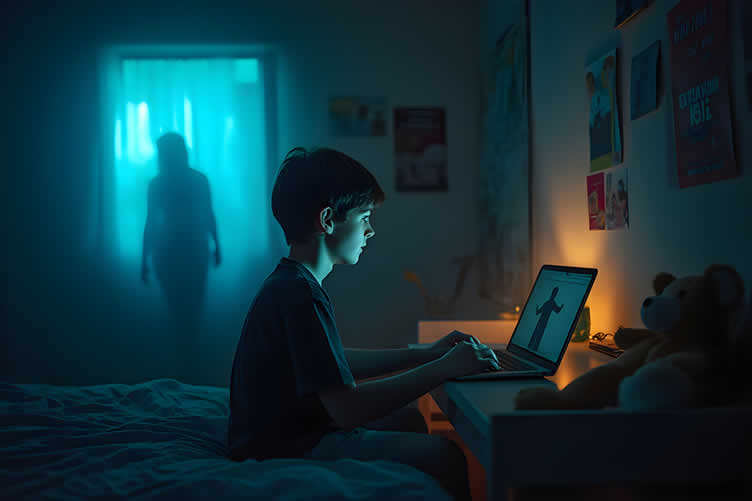
AI generated image by 123rf.com
-
-
4th: For the Growing Years: Working with a Professional
Creating the perfect bedroom for your child or teen as they transition through different stages of growth can be a challenging yet rewarding task. Enlisting the help of an interior designer or advisor can make this process much smoother and more effective.
Professionals come equipped with the expertise to balance functionality, style, and your child’s unique preferences, ensuring that the space grows with their needs. From selecting adaptable furniture to optimizing layouts for studying, relaxing, and socializing, the insight of a professional can result in a cohesive and future-proof design.
Additionally, working with a professional helps you avoid costly mistakes, such as buying furniture that doesn’t last or choosing color schemes that don’t age well. They are also knowledgeable about sourcing quality products within your budget, bringing a refined touch to the space while prioritizing safety and durability for younger occupants.
If you’re unsure where to start, consider looking for interior designers through local recommendations, online platforms like Houzz, or even social media, where many experts showcase their previous projects.
Finding a professional with experience in designing for children and teens can provide peace of mind and ensure your child’s bedroom becomes a versatile, inspiring sanctuary.
LetsRenovate has partnered with HomeAdvisor™, a renowned provider of highly-rated, carefully-vetted local interior decorators. Start your search here by entering your zip code to find local professionals.
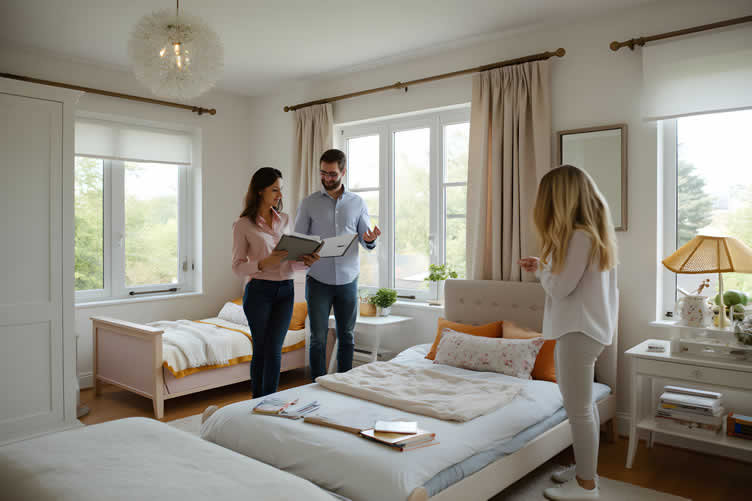
AI generated image by 123rf.com
But Wait!
Before beginning your search for an interior decorator to design your child or teen’s bedroom, consider downloading this comprehensive evaluation worksheet.
This valuable resource enables you to objectively assess and rank potential decorators by focusing on key factors like pricing, licensing, and referrals, ensuring you make an informed decision.

Evaluation Sheet
File Type:
-
-
Growing a Room, Growing Together
A well-designed kids’ room evolves alongside them, adapting to their changing personalities, hobbies, and needs. Whether you’re creating a sports haven for your active boy, a whimsical retreat for your daughter, or a sleek, gender-neutral design, remember that flexibility and functionality are your best allies.
For parents of teens, crafting a room that strikes the perfect balance between privacy, comfort, and practicality can create a space they’ll love spending time in.
Every step of the process can also be an opportunity to bond. Including your child in the design decisions ensures they feel at home in their space and nurtures their sense of individuality.
The best kids’ rooms aren’t built to stay the same forever—they’re built to grow up with your child, creating a secure and joyful place for years to come.
-
ideas to view and compare from the information discussed above
- What comments can you share about
child bedroom ideas?

Scroll up to directory … or scroll to more home remodeling-related topics …
view illustration “becoming a bank”



Budgeting Worksheet For Costing Home Remodeling and Home Improvement Decisions
 File Type (excel)

… home remodeling – improvement – repair

Calendar For:
Home Maintenance
File Type:
… view our sharing links below for a quick "share the knowledge"
Cover image credit: child bedroom ideas by 123rf.com
end of post … please share it!
 |
did you find this review of child bedroom ideas helpful? If so, please share the article with your friends and family! |
Nice pic idea? Leave us a quick comment below.
And please share this pic idea within your social networks.