
Summary Outline –
Understanding which trees cause the most maintenance headaches can help you make informed decisions about your landscape. Whether you’re planning new plantings, managing existing trees, or simply trying to survive another leaf removal season, knowing what you’re up against makes all the difference.
Some species produce such enormous quantities of debris that they can bury entire yards under thick layers of leaves, seed pods, and other organic matter.
The challenge goes beyond simple volume. These problematic trees often combine heavy leaf drop with additional complications like toxic compounds, persistent seed pods, or leaves that resist decomposition. What starts as a weekend cleanup project can quickly become a months-long battle against nature’s most persistent debris producers.
For homeowners seeking efficient solutions, professional insight into both the problem trees and effective management strategies can transform an overwhelming chore into a manageable seasonal routine.
The key lies in understanding not just what makes these trees so messy, but how to handle their unique challenges with the right tools and techniques.
- post content … analysis/ fall cleanup challenges

-
- —— begin first topic ——
-
1st TERM: Maple Trees: Beautiful but Overwhelming
Maple trees, particularly Silver and Sugar Maples, represent the classic autumn dilemma. These magnificent specimens produce some of fall’s most spectacular color displays, but their beauty comes at a steep maintenance cost.
Silver Maples drop their large, broad leaves in massive waves that can completely blanket lawns and walkways within days.
The timing of maple leaf drop creates additional challenges for homeowners. These trees often release their entire canopy over a concentrated period, creating an avalanche effect that can overwhelm standard cleanup routines.
Sugar Maples compound the problem with their dense foliage, which creates thick mats when wet that can suffocate grass underneath if not promptly removed.
Silver Maples present unique complications beyond their heavy leaf drop. Their shallow root systems frequently lift sidewalks and driveways, creating additional maintenance issues that extend far beyond seasonal cleanup.
The combination of infrastructure damage and overwhelming debris makes Silver Maples particularly challenging for residential properties.

copyright image by 123rf.com
[ view diagram: maple tree leaves ]
[ images: fallen maple tree leaves ]
-
Scroll up to directory … or scroll to next section of the AAATERM …


-
-
2nd TERM: Oak Trees: The Persistent Problem
Oak trees earn their reputation as cleanup nightmares through sheer persistence rather than volume alone.
Red, White, and Pin Oaks produce thick, waxy leaves that resist decomposition and often exhibit marcescence—the tendency to cling to branches through winter before dropping in spring. This characteristic effectively doubles the cleanup season for oak tree owners.
The waxy coating on oak leaves creates matting issues when they accumulate. Unlike softer deciduous leaves that break down relatively quickly, oak leaves can form impermeable layers that block sunlight and air circulation to grass below.
These persistent leaf mats require more aggressive removal techniques and resist standard composting methods.
Late-season oak leaf drop compounds the cleanup challenge. While most trees complete their leaf shed by early winter, many oak species continue releasing leaves well into spring.
This extended timeline means oak tree owners face cleanup responsibilities when other homeowners have moved on to spring gardening tasks.

AI generated image by 123rf.com
[ view diagram: oak tree leaves ]
[ images: fallen oak tree leaves ]
-
Scroll up to directory … or scroll to next section of the AAATERM …
-
-
3rd TERM:Sweetgum Trees: Double the Trouble
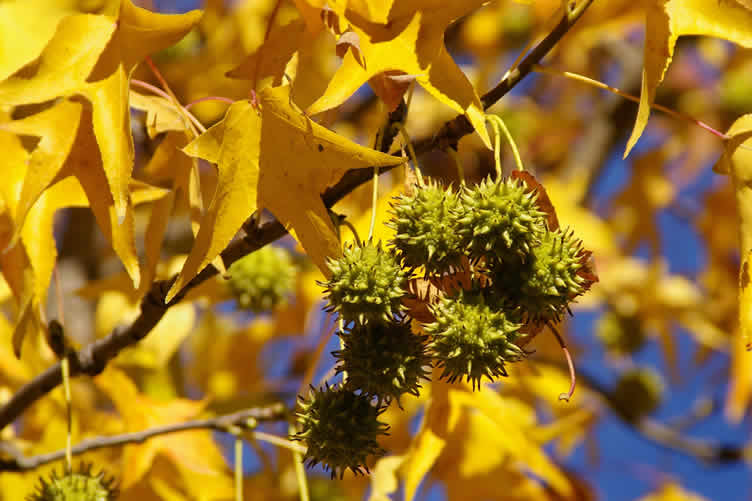
Sweetgum trees present one of the most complex cleanup scenarios in suburban landscapes. These trees produce both star-shaped leaves and spiky seed pods called "gumballs," creating a dual-debris situation that requires different removal strategies.
The seed pods pose particular challenges, as their hard, spiky exterior can damage lawn mowers and create painful walking hazards.
The timing of sweetgum debris drop extends the cleanup season significantly. While leaves fall during typical autumn schedules, the seed pods continue dropping throughout fall and winter.
This staggered release pattern means sweetgum tree owners face ongoing maintenance responsibilities that can stretch across multiple seasons.
Gumball seed pods present unique disposal challenges. Their hard exterior resists standard composting methods, and their spiky surface makes them unsuitable for mulching.
Many homeowners find themselves manually collecting thousands of these seed pods throughout the extended dropping season.
copyright image by 123rf.com
[ view diagram: sweet gum tree leaves ]
[ images: fallen sweet gum tree leaves ]
-
Scroll up to directory … or scroll to next section of the AAATERM …
-
-
4th TERM: Cottonwood Trees: Fluffy Chaos
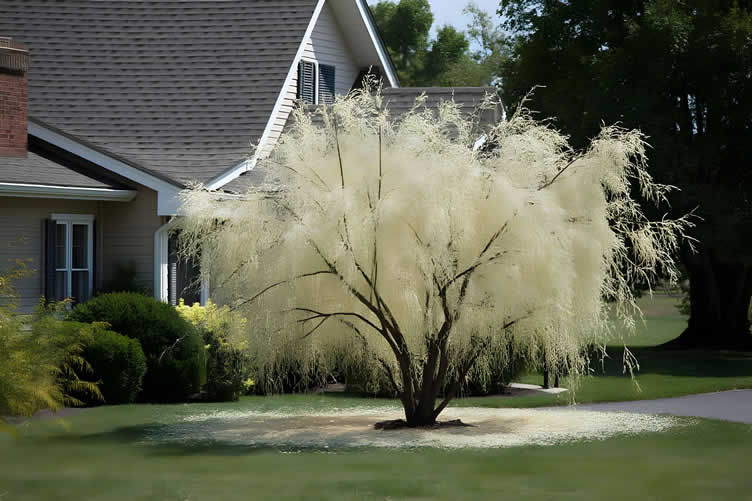
Cottonwood trees create some of the most visually dramatic cleanup challenges in residential landscapes. These fast-growing giants release enormous quantities of fluffy seed tufts that can blanket entire properties in what appears to be summer snow.
The lightweight nature of these seeds allows them to travel considerable distances, affecting neighboring properties and clogging gutters throughout entire neighborhoods.
The allergenic nature of cottonwood debris adds health considerations to the cleanup equation. Many individuals experience respiratory irritation when exposed to the abundant seed tufts, making cleanup a medical necessity rather than just aesthetic preference.
The fine, fluffy material easily becomes airborne during removal efforts, requiring protective equipment for sensitive individuals.
Cottonwood trees compound their seed mess with substantial leaf drop later in the season. The combination of early summer seed release followed by heavy autumn leaf drop creates an extended maintenance schedule that can overwhelm unprepared homeowners.
AI generated image by 123rf.com
[ view diagram: cottonwood tree leaves ]
[ images: fallen cottonwood tree leaves ]
-
Scroll up to directory … or scroll to next section of the AAATERM …
-
-
5th TERM: Sycamore Trees: Large Leaves, Larger Problems
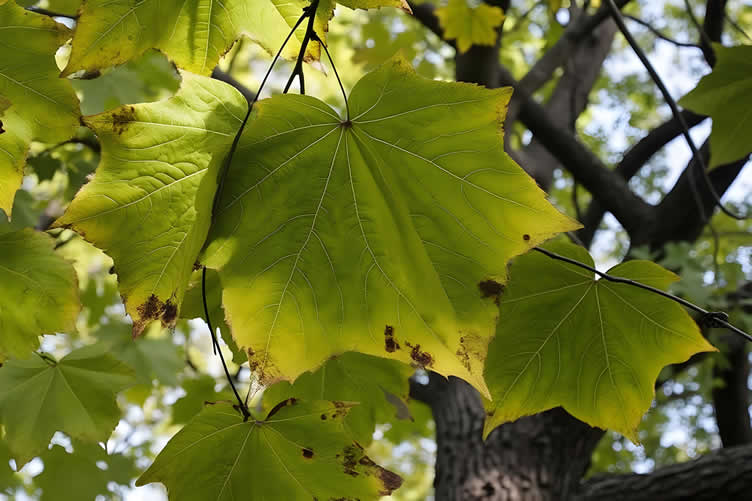
American Sycamore trees challenge homeowners with unusually large, leathery leaves that create unique handling difficulties. Individual sycamore leaves can measure over a foot across, making standard leaf removal tools less effective.
The size and tough texture of these leaves require specialized approaches that differ from typical leaf cleanup methods.
Beyond their oversized foliage, sycamore trees shed bark flakes and round seed balls throughout the growing season. This multi-type debris creates year-round maintenance requirements that extend far beyond traditional fall cleanup periods.
The seed balls, in particular, can create slippery walking surfaces and require frequent removal from walkways and patios.
The leathery texture of sycamore leaves presents composting challenges. These tough leaves decompose slowly and often require shredding before addition to compost systems. Their size makes them prone to matting, which can interfere with proper air circulation in compost piles.
AI generated image by 123rf.com
[ view diagram: sycamore tree leaves ]
[ images: fallen sycamore tree leaves ]
-
Scroll up to directory … or scroll to next section of the AAATERM …
-
-
6th TERM: Catalpa Trees: Massive Leaves and More
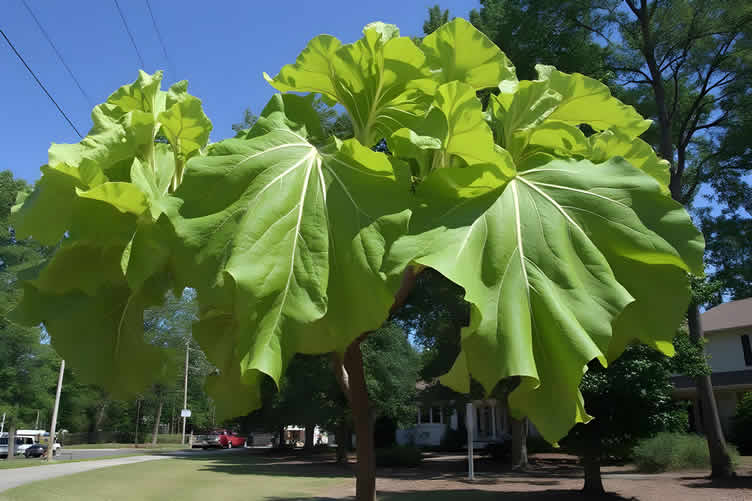
Catalpa trees produce some of the largest leaves in temperate landscapes, with individual specimens often exceeding eighteen inches in length. These enormous leaves create unique collection and disposal challenges that standard leaf removal equipment cannot efficiently handle.
The sheer size means fewer leaves per cubic foot of collection space, requiring more frequent disposal trips.
The bean-like seed pods that give Catalpa trees their common name "cigar tree" add complexity to the cleanup equation. These long pods drop throughout late summer and fall, creating an additional debris stream that requires separate collection efforts.
The pods can measure over a foot in length and create walking hazards when they accumulate on walkways.
Catalpa leaves become particularly problematic during rainy periods. Their large surface area and relatively thin composition cause them to form slick, matted layers that can create hazardous walking conditions.
The combination of size and tendency to mat makes Catalpa leaf cleanup both labor-intensive and safety-conscious.
AI generated image by 123rf.com
[ view diagram: catalpa tree leaves ]
[ images: fallen catalpa tree leaves ]
-
Scroll up to directory … or scroll to next section of the AAATERM …
-
-
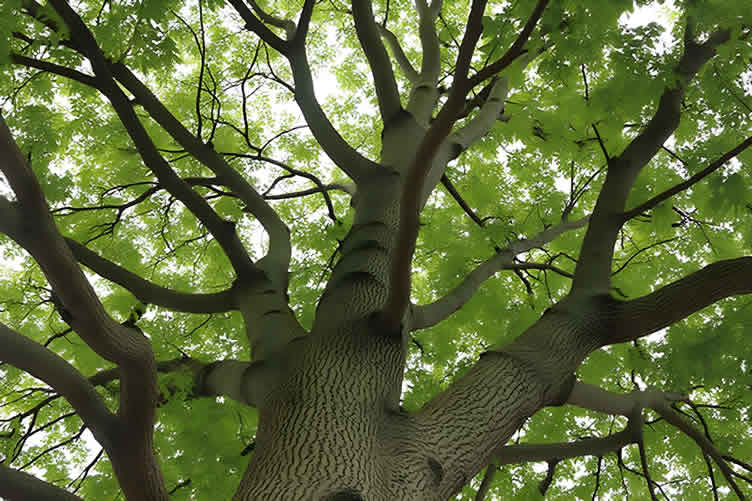
7th TERM: Black Walnut Trees: Toxic Complications
Black Walnut trees present unique challenges that extend beyond simple debris removal. These trees produce large, heavy husked fruits alongside their substantial leaf drop, but their most significant impact comes from juglone production.
This natural compound, toxic to many plants, leaches from decomposing walnut leaves and husks, creating soil conditions that can damage nearby vegetation.
The toxic nature of black walnut debris requires specialized disposal methods. Standard composting becomes problematic when juglone-containing materials can harm other plants.
Many homeowners must bag and dispose of black walnut debris through municipal waste systems rather than utilizing it for soil improvement.
The physical weight of black walnut fruits adds labor intensity to cleanup efforts. These large, green-husked nuts can weigh several ounces each, and a mature tree can produce hundreds of pounds of fruit annually.
The combination of toxic leaves and heavy fruit creates one of the most challenging cleanup scenarios in residential landscaping.
AI generated image by 123rf.com
[ view diagram: black walnut tree leaves ]
[ images: fallen black walnut tree leaves ]
-
Scroll up to directory … or scroll to next section of the AAATERM …
-
-
8th TERM: Birch Trees: Small Leaves, Big Coverage
Birch trees create deceptive cleanup challenges through sheer volume rather than individual leaf size. These graceful specimens shed enormous quantities of small, delicate leaves that scatter widely across properties.
The lightweight nature of birch leaves allows them to drift considerable distances from the source tree, spreading the cleanup area far beyond the canopy footprint.
Wind dispersal significantly complicates birch leaf cleanup. The small, papery leaves catch air currents easily, meaning cleanup efforts can be undone by the next breeze.
Many homeowners find themselves repeatedly clearing the same areas as scattered birch leaves continue arriving from neighboring trees or distant areas of their property.
The fine texture of birch leaves creates unique collection challenges. Standard raking techniques often pass through the delicate foliage, requiring multiple passes or specialized tools for effective removal.
The leaves also tend to work their way into ground cover and shrub plantings, making complete removal particularly difficult.

AI generated image by 123rf.com
[ view diagram: birch tree leaves ]
[ images: fallen birch tree leaves ]
-
Scroll up to directory … or scroll to next section of the AAATERM …
-
-
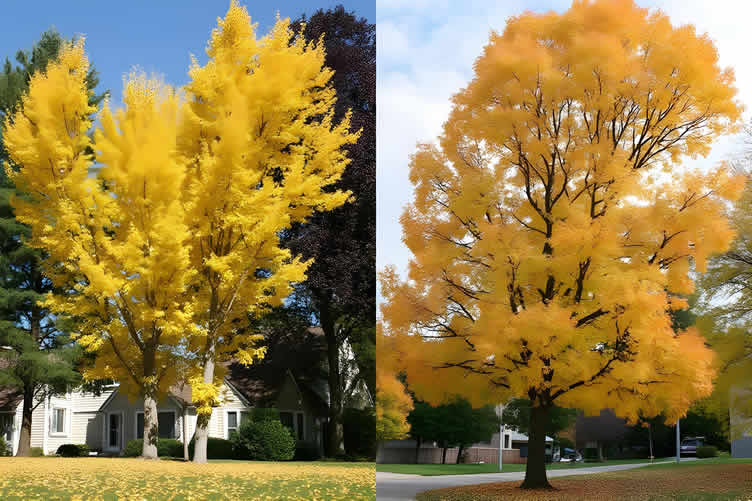
9th TERM: Poplar and Aspen Trees: Widespread Distribution
Poplar and Aspen trees share similar characteristics that make them particularly challenging for property maintenance. These fast-growing species produce thin, papery leaves that release in massive quantities during relatively short time periods.
The lightweight nature of these leaves allows them to travel substantial distances from their source, affecting entire neighborhoods when mature specimens shed their foliage.
The rapid growth rate of these species often means larger trees with more extensive canopies, amplifying the volume of leaf drop. A single mature poplar can shed enough leaves to cover multiple properties, particularly when autumn winds redistribute the lightweight foliage across surrounding areas.
Aspen trees add the complication of early leaf drop to the poplar problem. These trees often begin shedding leaves while temperatures remain warm, meaning their debris may begin accumulating before homeowners have prepared their fall cleanup routines.
AI generated image by 123rf.com
[ view diagram: popular tree leaves ]
[ view diagram: aspen tree leaves ]
-
Scroll up to directory … or scroll to next section of the AAATERM …
-
-
10th TERM: Mulberry Trees: Staining Complications
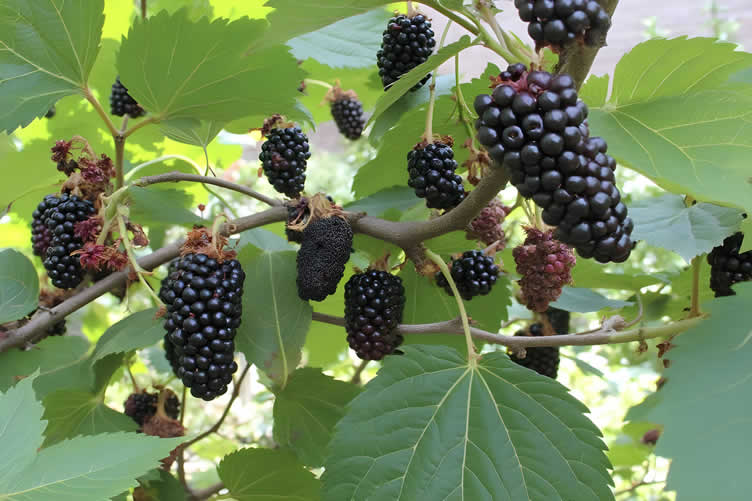
Mulberry trees combine substantial leaf drop with fruit production that creates staining problems on hardscapes and outdoor furniture.
The small, dark berries produced by these trees can create permanent discoloration on concrete, stone, and other porous surfaces. This adds aesthetic damage to the already challenging cleanup requirements.
The fruit production attracts birds and insects, creating secondary mess issues as wildlife congregates around mulberry trees.
Bird droppings and insect activity can compound the cleanup challenges, particularly around patios, walkways, and outdoor entertaining areas.
The timing of mulberry fruit drop often coincides with peak outdoor activity seasons, making the staining problem particularly problematic for homeowners who utilize their outdoor spaces for entertaining and recreation.
AI generated image by 123rf.com
[ view diagram: mulbery tree leaves ]
[ images: fallen mulbery tree leaves ]
-
Scroll up to directory … or scroll to next section of the AAATERM …
-
-
11th TERM: Content Summary Table
… Navigating Leafy Challenges
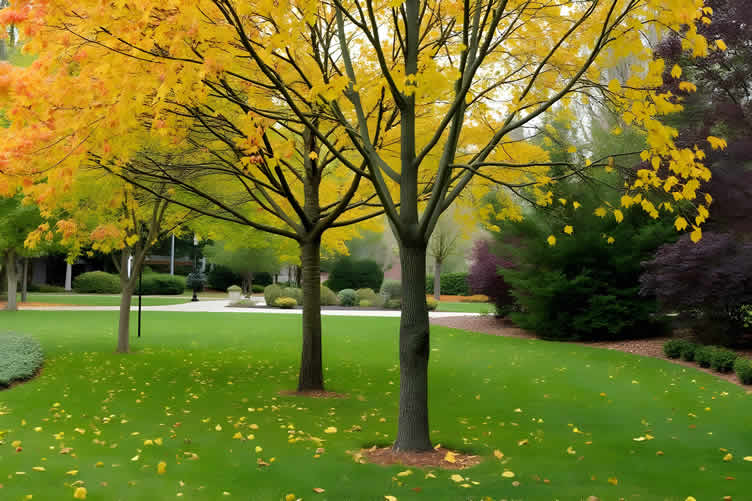
When it comes to maintaining your yard, not all trees are created equal. Some species require significantly more upkeep than others, especially during the fall season.
The table below highlights key information about trees that tend to generate the most maintenance challenges, helping you plan smarter for your landscaping needs.
Tree Species Debris Challenges Unique Considerations Cleanup Complexity Maple Trees Heavy leaf drop, dense wet mats Shallow roots can cause property damage High – Requires frequent and intensive raking Oak Trees Waxy, persistent leaves Marcescence leads to extended cleanup season Medium – Needs aggressive removal techniques Sweetgum Trees Spiky seed pods and star-shaped leaves Pods create hazards and resist composting High – Extended maintenance across seasons Cottonwood Trees Fluffy seed tufts, heavy leaf drop Allergenic debris; clogs gutters High – Requires protective gear during cleanup Sycamore Trees Large leathery leaves, bark flakes Seed balls create slippery conditions High – Needs specialized tools for removal Catalpa Trees Massive leaves, long seed pods Leaves create slick mats during rain Moderate – Labor-intensive collection Black Walnut Trees Heavy husked fruit, toxic leaves Juglone production harms soil and plants High – Specialized disposal required Birch Trees Small, lightweight leaves Wind dispersal spreads debris widely Medium – Needs repeated clearing efforts Poplar and Aspen Trees Thin, papery leaves High volume due to rapid growth rate Medium – Affects surrounding properties as well Mulberry Trees Leaf drop, staining fruit Attracts wildlife, creating secondary messes High – Staining issues require prompt attention 
AI generated image by 123rf.com
-
Scroll up to directory … or scroll to next section of the AAATERM …
-
-
12th TERM: Effective Strategies for Managing Heavy Leaf Drop
Managing properties with high-maintenance trees requires strategic approaches that match tools and techniques to specific debris types and volumes.
Successful leaf removal depends on understanding not just how much material needs clearing, but what type of debris you’re handling and how it behaves during collection and disposal. The most efficient cleanup strategies combine multiple approaches tailored to each situation’s unique challenges.
Professional landscaping services have developed proven methodologies for handling even the most overwhelming leaf drop scenarios. These approaches focus on efficiency, thoroughness, and long-term property health rather than simply moving debris from one location to another.
Understanding these professional strategies helps homeowners make informed decisions about managing their own properties.
-
Traditional Raking: Foundation of Leaf Removal
Raking remains the most versatile and widely accessible method for leaf removal, particularly effective for managing moderate volumes of standard deciduous debris.
Modern rake designs have evolved to handle different leaf types more efficiently, with specialized tines and head shapes optimized for various debris characteristics.
For properties with mixed tree species, raking provides the control necessary to handle different debris types appropriately.
Large leaves from species like Catalpa or Sycamore require different raking techniques than small, numerous leaves from Birch trees. The ability to adjust pressure, angle, and stroke length makes raking adaptable to diverse cleanup scenarios.
Ergonomic considerations become crucial when raking is used for extensive cleanup projects. Properties dominated by heavy leaf-dropping species can require many hours of raking, making proper tool selection and technique essential for preventing injury.
Professional-grade rakes with adjustable handles and lightweight construction can significantly reduce physical strain during extended cleanup sessions.
-
Leaf Blowers: Speed and Efficiency
Leaf blowers excel at moving large volumes of lightweight debris quickly across substantial distances. These tools prove particularly effective for managing fine debris from species like Birch or Cottonwood, where individual pieces are too small or numerous for efficient raking.
The directed air flow can clear intricate areas around shrubs and landscape features that manual tools struggle to reach effectively.
Different blower types serve different cleanup scenarios. Handheld units provide maneuverability for detailed work around delicate plantings, while backpack models offer the power and endurance necessary for clearing extensive areas.
Walk-behind blowers can handle the massive volumes produced by mature Maple or Oak trees, moving debris at rates that would require multiple people with manual tools.
Strategic blowing techniques maximize efficiency while minimizing redistribution problems. Professional landscapers develop systematic approaches that move debris toward collection points rather than simply pushing it to neighboring areas.
Wind direction, terrain features, and final disposal methods all influence optimal blowing strategies.
-
Leaf Vacuums: Collection and Volume Reduction
Leaf vacuum systems provide simultaneous collection and volume reduction, addressing both removal and disposal challenges in a single operation.
These systems prove particularly valuable for managing dense, matting debris from species like Oak or Sweetgum, where simple relocation doesn’t solve the underlying disposal problem.
Mulching capabilities built into many vacuum systems can reduce debris volume by substantial ratios, making disposal more manageable and cost-effective.
This feature becomes particularly valuable when dealing with large properties or municipal disposal restrictions that limit yard waste volumes.
Self-propelled vacuum systems can handle the demanding workloads created by multiple high-maintenance trees. These units provide the power and capacity necessary to clear extensive areas without the physical demands that make manual collection prohibitive for many homeowners.
-
Mulching Mowers: Integrated Management
Mulching mowers offer an integrated approach to leaf management that can eliminate disposal requirements for moderate leaf volumes. These specialized machines chop leaf debris into small pieces that decompose naturally, returning nutrients to the soil while eliminating collection and disposal tasks.
The effectiveness of mulching mowers varies significantly based on leaf type and volume. Thin, dry leaves from species like Birch or Aspen mulch effectively, while thick, waxy leaves from Oak trees may require multiple passes or supplemental collection methods.
Understanding these limitations helps determine when mulching provides a complete solution versus when it serves as part of a broader strategy.
Proper mulching technique requires multiple passes and appropriate timing. Attempting to mulch excessive leaf volumes in a single pass often results in uneven distribution and poor decomposition.
Professional landscapers typically combine mulching with strategic timing to process manageable volumes throughout the dropping season.
-
Professional Services: Comprehensive Solutions
Professional landscaping services provide access to commercial-grade equipment and systematic approaches that can transform overwhelming cleanup projects into manageable seasonal maintenance.
These services often prove cost-effective for properties with multiple high-maintenance trees or homeowners who lack the time, equipment, or physical capability to manage extensive cleanup requirements.
Professional teams bring efficiency that comes from experience with diverse debris types and challenging scenarios.
They understand which tools and techniques work best for specific tree species and can complete in hours what might take homeowners entire weekends. This efficiency often justifies the service cost through time savings and superior results.
Many professional services offer seasonal contracts that provide regular maintenance throughout the dropping season rather than single cleanup events.
This approach prevents debris accumulation that can damage lawns and create overwhelming cleanup scenarios, maintaining property appearance and health through proactive management.
Method Best Use Advantages Considerations Traditional Raking Managing moderate volumes of deciduous debris Versatile, controls different leaf types Ergonomics are key for long sessions; use lightweight, adjustable tools Leaf Blowers Large volumes of lightweight debris or fine, intricate areas Fast and efficient; precision around small spaces Use strategic techniques to manage redistribution Leaf Vacuums Dense, matting debris from species like Oak or Sweetgum Simultaneous collection and volume reduction Ideal for large spaces, valuable for municipal disposal restrictions Mulching Mowers Moderate leaf volumes; soil nutrient return Eliminates disposal tasks; supports soil health May require multiple passes for heavy or thick leaves Professional Services Large properties or extensive cleanup Commercial-grade efficiency; expertise with tools and techniques Cost may be offset by time savings and superior results 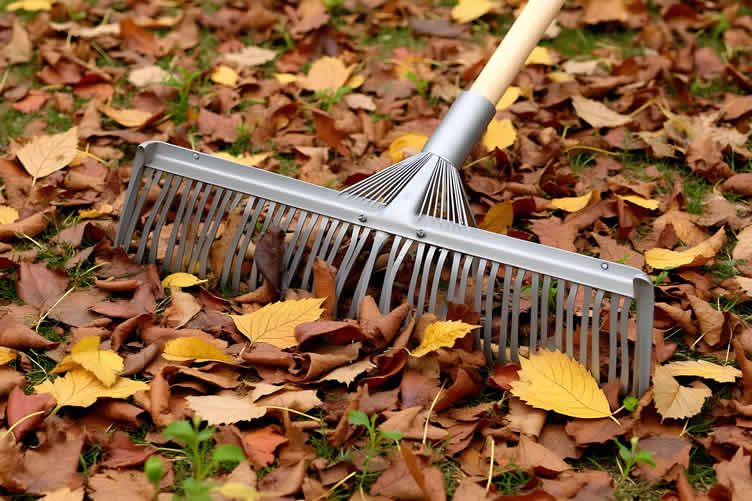
AI generated image by 123rf.com
-
Scroll up to directory … or scroll to next section of the AAATERM …
-
-
13th TERM: Preventing Future Problems
… Through Smart Planning
The most effective long-term strategy for managing leaf removal challenges involves thoughtful tree selection and placement during initial landscaping phases. Understanding the maintenance implications of different species allows homeowners to create beautiful landscapes that align with their cleanup capabilities and preferences.
This proactive approach prevents future maintenance headaches while still achieving desired aesthetic and functional goals.
Strategic planning considers not just individual tree characteristics, but how different species interact within the overall landscape design. Placement decisions that account for prevailing winds, proximity to structures, and relationship to outdoor living areas can minimize maintenance impacts while maximizing landscape benefits.
Professional landscape designers integrate maintenance considerations into their planning process, balancing visual appeal with practical management requirements.
This expertise helps create landscapes that remain beautiful and manageable throughout their maturity, preventing situations where homeowners feel overwhelmed by their own property’s maintenance demands.
Tree selection alternatives focus on species that provide similar aesthetic benefits with significantly reduced maintenance requirements.
Small-leaved varieties like Dogwood, Cherry, or Serviceberry offer seasonal color and structural beauty without the overwhelming debris production that characterizes high-maintenance species. Understanding these alternatives allows informed decision-making that prevents future problems.
Proper placement of any trees, regardless of species, can minimize maintenance impacts on high-use areas. Strategic positioning that accounts for prevailing wind patterns can direct natural leaf distribution away from patios, walkways, and outdoor entertaining areas.
This approach reduces the priority level of cleanup activities while still allowing homeowners to enjoy the benefits of mature trees.
LetsRenovate has partnered with HomeAdvisor™, a renowned provider of highly-rated, carefully-vetted local landscape and tree design contractors. Start your search here by entering your zip code to find local professionals.
Planning Strategy Key Benefits Examples Thoughtful Tree Selection Reduces long-term maintenance and aligns with cleanup capabilities Dogwood, Cherry, Serviceberry Strategic Tree Placement Minimizes cleanup in high-use areas and prevents overwhelming debris Position trees to account for wind patterns and proximity to structures Professional Landscape Design Balances aesthetics with practical maintenance requirements Integrated planning for visual appeal and reduced maintenance Species Alternatives Provides similar beauty with less debris Small-leaved varieties like Dogwood or Cherry 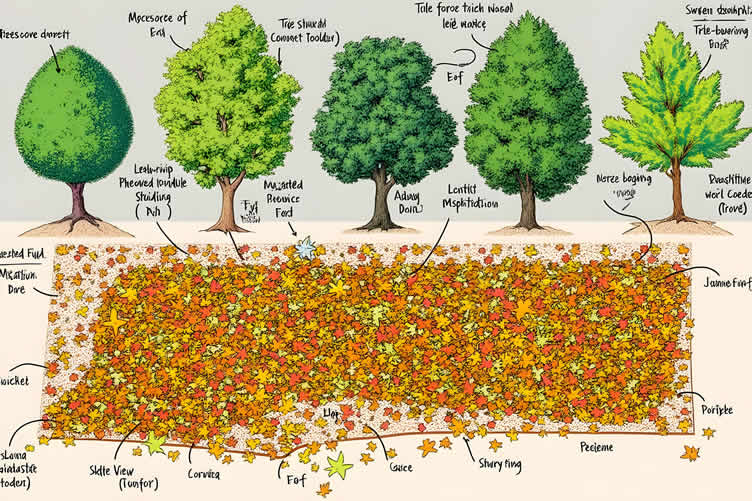
AI generated image by 123rf.com
-
Scroll up to directory … or scroll to more yard n’ garden-related topics …
-
-
Conclusion
Fall cleanup doesn’t have to be an overwhelming chore. Understanding which trees create the biggest challenges helps homeowners develop effective strategies for seasonal maintenance and make informed decisions about current and future landscaping.
The key to successful leaf removal lies in matching the approach to your specific situation, whether using professional equipment for high-maintenance species or combination strategies for mixed landscapes.
Even messy trees provide valuable benefits like shade and property value that often justify their maintenance requirements. For overwhelmed homeowners, professional consultation or investment in proper tools and services can transform chores into manageable routines, preserving enjoyment of autumn.
-
Quick scroll to more interior yard n’ garden ideas …
-
ideas to view and compare from the photo above
- What comments can you share about
fall cleanup challenges recommendations?

addressing fall cleanup challenges and other yard n’ home needs …
… grab this directory of ideas for future use




Download this PDF for a concise summary of all you need to know about …?

SHARE IT ..! Someone in your network might benefit from this insightful post fall cleanup challenges. Feel free to share it on Facebook, X (formally Twitter), LinkedIn, or Pinterest!





Easily determine the dimensions you need for any home remodeling project …
… ensuring functionality, visual appeal, and compliance with building codes.



Calendar For:
Home Maintenance
File Type:
Find Yard Maintenance Services Lawn Maintenance Sprinkler Systems Pest Control Tree & Shrubs top-rated, pre-screened local contractors FREE: download contractor selection enter zip code – powered by HomeAdvisor ™
Quick Contractor Guides selecting negotiating working with inspecting

Cover image credit: fall cleanup challenges by 123rf.com
end of post … please share it!
 |
did you find fall cleanup challenges analysis helpful? If so, please share the article with your friends and family! |
Nice pic idea? Leave us a quick comment below.
And please share this pic idea within your social networks.