Summary Outline –
If you want to keep your home looking sparkling and fresh, a pressure washer may be your new best friend. Not only does it make cleaning tasks faster and more efficient, but it can also tackle tough dirt and grime that traditional cleaning methods just can’t handle.
In this guide, we’ll walk you through five common pressure washer applications and how to do them right, so you can become a pro at keeping your home looking spotless. So put on your cleaning gloves and let’s get started!
First, let’s review the various types of pressure washers and nozzles available, and how to select the best options for your cleaning needs.
- post content … analysis/ weekend bathroom upgrades
- 1st: Introduction to Pressure Washers
- 2nd: Types of Pressure Washers
- 3rd: Cleaning Your Driveway and Sidewalks
- 4th: Reviving Your Deck or Patio
- 5th: Getting Rid of Mold and Mildew
- 6th: Washing Your Car or Outdoor Furniture
- 7th: Giving Your Home’s Exterior a Refresh
- 8th: Finding Professional Help for Difficult Power Washing
- conclusion
- other exterior home topics

-
- —— begin first topic ——
-
1st Washer Tip: Introduction to Pressure Washers
Pressure washers are the unsung heroes of outdoor cleaning. They transform labor-intensive chores into quick and satisfying tasks. If you’ve been wondering how these powerful machines work, and how to choose and operate one, you’re in the right place.
These introductory sections will walk you through everything you need to know about pressure washers, making your cleaning projects more efficient and enjoyable.
-
A Brief History of Pressure Washers
Pressure washers have come a long way since their inception. The concept of high-pressure cleaning dates back to the late 1920s when Frank W. Ofeldt II invented the first steam pressure washer.
Since then, advancements in technology and engineering have led to more efficient and user-friendly models. Today, pressure washers are a staple in both residential and commercial cleaning applications.
-
Modern-Day Applications
Modern pressure washers are versatile tools used for a variety of cleaning tasks. From washing cars and cleaning driveways to removing grime from patios and prepping surfaces for painting, these machines can handle almost any tough cleaning job.
Their efficiency makes them an invaluable tool for homeowners and DIY enthusiasts alike.

AI generated image by 123rf.com
How Pressure Washers Work
At its core, a pressure washer is a simple machine that uses a pump to amplify water pressure from a regular garden hose. This increased pressure, combined with the high speed of the water, makes it possible to remove dirt, grime, and other contaminants effectively.
-
Key Components
- Motor:
Powers the pump. It can be electric or gas-powered. - Pump:
Increases the water pressure. - High-Pressure Hose:
Transports the pressurized water to the spray gun. - Nozzles:
Control the spray pattern and pressure of the water.
- Motor:
-
The Science Behind It
The science of pressure washing involves converting energy from the motor into kinetic energy in the water. When water is forced through a narrow nozzle at high speed, it creates a powerful jet capable of breaking the bonds between dirt and the surface being cleaned.
-
Power and Water Flow
- PSI (Pounds per Square Inch):
Indicates the pressure output. Higher PSI means more cleaning power. - GPM (Gallons per Minute):
Measures water flow. Higher GPM can clean larger areas faster.
- PSI (Pounds per Square Inch):
-
Nozzle Types
Different nozzles provide different spray patterns, ranging from a narrow, concentrated stream to a wide fan spray. Choose a pressure washer with interchangeable nozzles to tackle various cleaning tasks effectively.
Selecting the appropriate nozzle for your pressure washer is crucial to achieving optimal cleaning results. Here are the common types of nozzles:
- 0-Degree (Red):
Delivers a concentrated, high-pressure stream of water. Ideal for tough cleaning tasks, but should be used with caution to avoid damaging surfaces. - 15-Degree (Yellow):
Generates a powerful, narrow spray suitable for removing stubborn grime and paint from surfaces. - 25-Degree (Green):
Offers a versatile, medium-pressure spray that’s perfect for general cleaning tasks. - 40-Degree (White):
Provides a wide, gentle spray, making it ideal for washing cars and delicate surfaces. - Soap Nozzle (Black):
Used for applying detergent or soap. This nozzle delivers a low-pressure spray, allowing cleaning agents to work effectively.
- 0-Degree (Red):
[ youtube: how pressure washers work ]
[ youtube: 6 pressure washer nozzles explained ]

-
-
2nd Washer Tip: Types of Pressure Washers
Before purchasing a pressure washer, consider the types of tasks you plan to tackle. Light-duty tasks like washing cars and outdoor furniture may only require an electric pressure washer, while heavy-duty tasks like stripping paint or cleaning large areas may necessitate a gas or commercial-grade model.
-
Electric Pressure Washers
Electric pressure washers are popular for their ease of use and low maintenance. They are ideal for light to medium-duty tasks such as cleaning cars, decks, and outdoor furniture.
Their quieter operation makes them suitable for residential areas, but they are limited by the length of the power cord.
-
Gas Pressure Washers
Gas-powered pressure washers offer more power and mobility compared to electric models. They are suitable for heavy-duty tasks like cleaning large driveways, sidewalks, and preparing surfaces for painting.
However, they require more maintenance and are noisier, making them less ideal for close-proximity residential use.
-
Commercial-Grade Pressure Washers
For industrial and commercial applications, commercial-grade pressure washers are the go-to choice. These machines are built to withstand continuous use and deliver high pressure and water flow for large-scale cleaning projects.
They come with advanced features and are designed for professionals who need reliability and performance.

copyright image by 123rf.com
Safety Precautions and Operating Tips
Using a pressure washer involves dealing with high-pressure water that can cause serious injury if not handled properly. Therefore, it is crucial to follow safety precautions and best practices to ensure safe and efficient operation.
-
Protective Gear
Always wear protective gear such as gloves, goggles, and closed-toe shoes when operating a pressure washer. High-pressure water can cause serious injuries if not handled properly.
-
Operating Guidelines
- Read the Manual:
Familiarize yourself with the manufacturer’s instructions and safety guidelines. - Start Low, Go Slow:
Begin with a lower pressure setting and gradually increase as needed. - Keep a Safe Distance:
Maintain a safe distance between the nozzle and the surface to avoid damage.
- Read the Manual:
-
Maintenance Tips
Regular maintenance will extend the life of your pressure washer. After each use, clean the nozzles and check for any leaks. Store the machine in a dry place to prevent rust and corrosion.
[ youtube: types of pressure washers ]
[ amazon: price pressure washers ]
-
-
3rd Washer Tip: Cleaning Your Driveway and Sidewalks
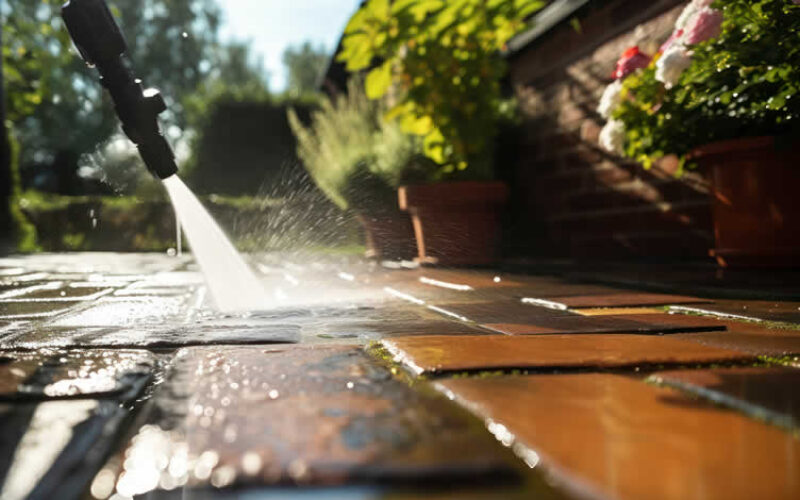
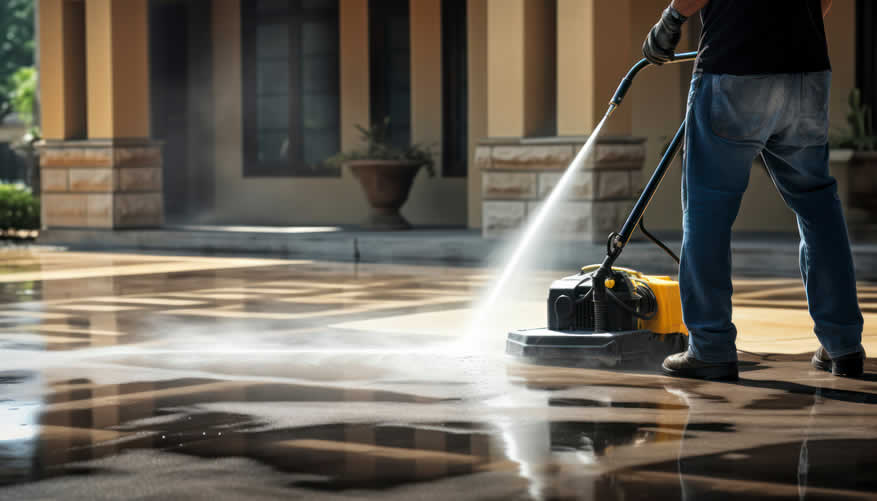
Over time, your driveway and sidewalks can accumulate dirt, oil stains, and other hard-to-remove marks. A pressure washer is the perfect tool for this job, as it uses a high-pressure stream of water to blast away built-up grime.
Start by using detergent specifically designed for pressure washers and apply it evenly to the surface. Then, using a wider spray nozzle, wash away the detergent and dirt in sweeping motions. For tougher stains, you may need to use a more concentrated stream and do multiple passes until the surface is clean.
As fun as a new pressure washer can be, try not to overdo it. Depending on the level of dirt and grime, you may only need to pressure wash once or twice a year.
However, if you live in an area with heavy rainfall or have a lot of foot traffic on these surfaces, you may need to do it more frequently. Be sure to also keep an eye out for any cracks or damage to the surface and adjust your pressure washing frequency accordingly.
copyright image by 123rf.com
Steps to Clean Driveways and Walkways
- Prepare the Area:
Remove any obstacles such as vehicles, plants, and outdoor furniture from the area you plan to clean. - Sweep the Surface:
Use a broom to sweep away loose dirt, leaves, and debris. - Attach the Nozzle:
Start with a 25-degree nozzle for a balance of power and coverage. Attach it securely to the pressure washer wand. - Connect the Pressure Washer:
Connect your pressure washer to a water source, ensuring all connections are tight to prevent leaks. Plug in the pressure washer if it is electric, or fill it with fuel if it is gas-powered. - Apply Detergent (If Needed):
If using detergent, switch to the soap nozzle and apply the cleaning solution evenly across the surface. Let it sit for a few minutes to break down stains. - Start Cleaning:
Switch back to the 25-degree nozzle. Hold the wand at a consistent angle and distance from the surface, typically 12-18 inches away. Begin by cleaning a small test area to ensure you won’t damage the surface. - Work in Sections:
Clean the driveway or walkway in manageable sections, using a sweeping motion to ensure even coverage. Overlap each stroke slightly to avoid streaks. - Rinse Thoroughly:
Once the entire area is cleaned, switch to a 40-degree nozzle and rinse away any detergent residue and loosened dirt. Ensure the surface is completely clean. - Allow to Dry:
Allow the driveway or walkway to dry completely before using it again. This ensures any detergents have fully evaporated and the surface is safe to walk or drive on.
[ youtube: pressure washer safety tips & Advice ]
[ youtube: how to pressure wash a concrete driveway ]
- Prepare the Area:
-
4th Washer Tip: Reviving Your Deck or Patio
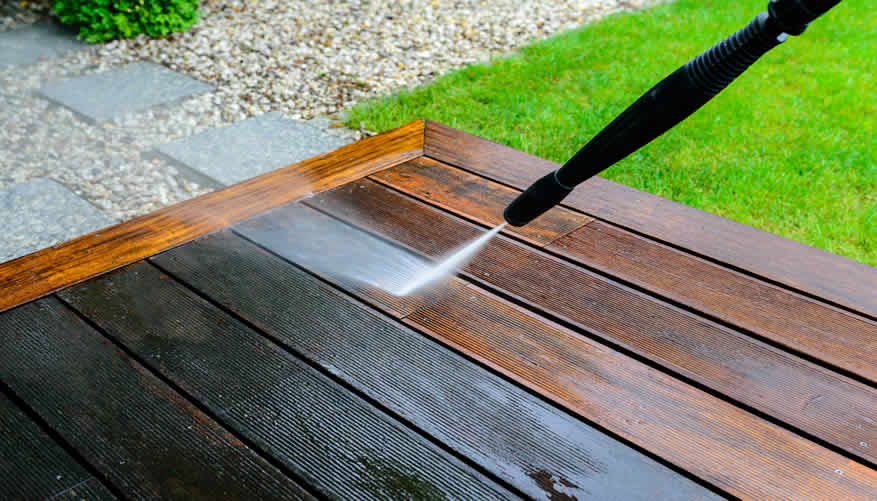
If your deck or patio has seen better days, don’t worry—a pressure washer can bring it back to life. Use a wide spray nozzle and work in small sections, keeping the nozzle at least a foot away from the surface to avoid any damage.
Move the wand in an even back-and-forth motion, making sure to cover every inch of the surface. And for wooden surfaces, be careful not to use too much pressure as it can cause splintering and damage.
copyright image by 123rf.com
Steps to Clean a Wood or Composite Deck
- Inspect the Deck:
Before you begin, inspect your deck for any loose boards, protruding nails, or splintered wood. Address these issues to ensure a safe and thorough cleaning process. - Clear the Area:
Remove all furniture, plants, and other items from the deck. Sweep away any loose dirt, leaves, and debris to prepare the surface for pressure washing. - Protect Surrounding Plants:
Use plastic sheeting or tarps to cover nearby plants and foliage that could be damaged by the pressure washer or cleaning detergents. - Attach the Nozzle:
Use a 40-degree nozzle to avoid damaging the wood or composite material. Ensure it is securely attached to the pressure washer wand. - Connect the Pressure Washer:
Connect the pressure washer to a water source. Check all connections are snug to prevent leaks. If it’s an electric model, plug it in. If it’s gas-powered, fill it with the appropriate fuel. - Apply Detergent (If Needed):
If your deck is particularly dirty or stained, apply a wood-safe detergent. Use the soap nozzle to evenly distribute the detergent over the deck and let it sit for the recommended time. - Test Wash a Small Area:
Before cleaning the entire deck, test wash a small, inconspicuous area. This helps you to gauge the pressure and adjust the distance to prevent any damage. - Begin Washing:
Start cleaning the deck by holding the wand at a consistent distance of 12-18 inches from the surface. Use a sweeping motion, following the grain of the wood or the pattern of the composite material. - Work in Sections:
Clean the deck in small, manageable sections. Overlap each pass slightly to ensure thorough coverage without streaking. - Rinse Thoroughly:
After cleaning, switch back to the 40-degree nozzle and rinse the entire deck to remove any detergent and loosened dirt. Make sure to rinse from the highest point to the lowest, pushing the dirt off the deck. - Let Dry Completely:
Allow the deck to dry completely before returning furniture or using it again. Drying times may vary based on weather conditions and the type of decking material.
[ youtube: pressure washing wood decks ]
[ amazon: pressure washer deck cleaning solution ]
- Inspect the Deck:
-
5th Washer Tip: Getting Rid of Mold and Mildew
Mold and mildew can be unsightly and even harmful to your health. Luckily, a pressure washer can help you get rid of it quickly and easily. Use a cleaning solution specifically designed for mold and mildew, or make your own with equal parts water and vinegar.
Apply the solution to the affected area and let it sit for a few minutes before using the pressure washer. Use a concentrated stream and work in small sections, being careful not to damage any surfaces.
While pressure washing can make cleaning tasks a breeze, try to remember that it can also be dangerous if not done correctly. Always wear protective gear such as safety glasses and closed-toe shoes to protect yourself from flying debris and slippery surfaces.
Also, be sure to read the instructions for your specific model before use and follow all safety precautions. If you’re not comfortable usinghigh pressure pumps, it’s always best to hire a professional to ensure the job is done safely and effectively. Safety should always be a top priority when using any type of equipment.

copyright image by 123rf.com
Steps to Remove Mold and Mildew from Surfaces
- Prepare the Area:
Clear the surface of any objects, debris, or loose dirt. This ensures an even and thorough cleaning. - Wear Protective Gear:
Mold and mildew can be harmful, so wear protective clothing, gloves, and safety goggles to protect yourself from spores and cleaning agents. - Mix a Cleaning Solution:
Prepare a mold and mildew cleaning solution by mixing water with a suitable cleaner or bleach. Follow the manufacturer’s instructions for the correct ratio. - Apply the Cleaning Solution:
Using a garden sprayer or the low-pressure soap nozzle on your pressure washer, apply the cleaning solution to the affected areas. Let it sit for 10-15 minutes to penetrate and break down the mold and mildew. - Select the Appropriate Nozzle:
Attach a 25-degree or 40-degree nozzle to the pressure washer. These nozzles provide a wide spray pattern suitable for removing mold and mildew without damaging the surface. - Test a Small Area:
Test the pressure washer on a small, inconspicuous area to ensure the pressure is adequate and not causing any damage to the surface. - Start Washing:
Holding the pressure washer wand at a consistent distance of 12-18 inches from the surface, use sweeping motions to clean the affected areas. Work in small sections to ensure thorough cleaning. - Rinse Thoroughly:
After removing the mold and mildew, switch to a 40-degree nozzle and rinse the surface thoroughly with clean water to remove any remaining cleaning solution and debris. - Inspect the Surface:
Examine the cleaned areas to ensure all mold and mildew have been removed. Repeat the process if necessary. - Allow to Dry:
Let the surface dry completely before using or restoring items to the cleaned area. This helps prevent the regrowth of mold and mildew.
[ youtube: basic pressure washing tips for beginners ]
[ amazon: mold and mildew remover ]
- Prepare the Area:
-
6th Washer Tip: Washing Your Car or Outdoor Furniture
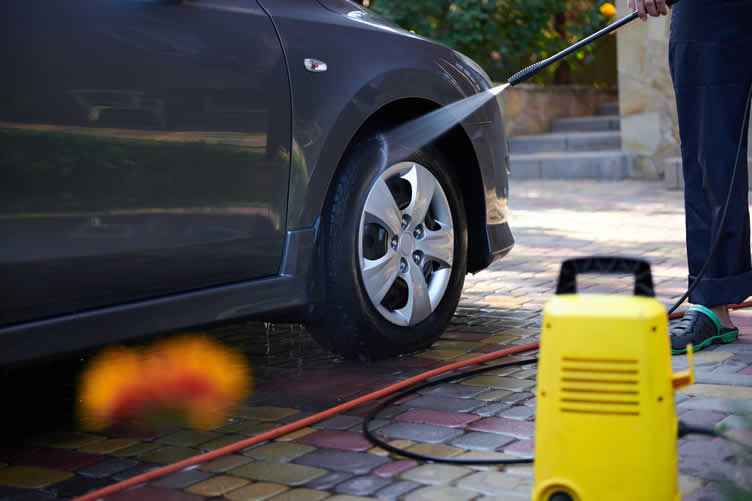
With a pressure washer, washing your car or outdoor furniture becomes a breeze. Start by using a wide spray nozzle and keeping the wand about 2 feet away from the surface. Move in a back-and-forth motion, making sure to cover all areas evenly. For tougher dirt and grime, you can use a more concentrated stream or even a brush attachment for extra scrubbing power.
When using a pressure washer to wash your car, it’s important to avoid spraying directly at the windows. The high pressure of the water can cause cracks or chips in the glass, resulting in costly repairs. Instead, use a gentle stream and aim at the body of the car while avoiding the windows.
You can also use a separate cleaning solution specifically designed for windows and gently wipe them down with a sponge or cloth. This will ensure that your car stays clean and damage-free.
copyright image by 123rf.com
Steps to Wash Your Automobile
- Gather Supplies:
Before starting, ensure you have all necessary supplies including a pressure washer, car soap, a foam cannon (optional), soft microfiber cloths or sponges, and drying towels. - Pre-Rinse the Car:
Use a 40-degree nozzle to give the car a gentle pre-rinse. This removes loose dirt and debris from the surface, minimizing the risk of scratching the paint during the washing process. - Prepare the Soap Solution:
Mix the car soap with water according to the manufacturer’s instructions. If you are using a foam cannon, fill it with the soap solution. - Apply the Soap:
Attach the foam cannon to the pressure washer and spray the car with the soap solution, ensuring thorough coverage. Allow the soap to sit for a few minutes to break down dirt and grime without letting it dry on the surface. - Wash the Car:
Using a soft microfiber cloth or sponge, gently scrub the car’s surface starting from the top and working your way down. Focus on one section at a time to ensure thorough cleaning. - Rinse the Car:
Remove the foam cannon and attach a 25-degree nozzle to the pressure washer. Rinse the car thoroughly, ensuring all soap is removed to prevent water spots and soap residue. - Dry the Car:
Use soft, clean drying towels to dry the car completely. Drying helps prevent water spots and streaking, ensuring a smooth, spotless finish. - Inspect and Touch-Up:
Inspect the car once it’s dry to ensure no spots were missed. Touch-up any areas that might need additional cleaning or drying.
[ youtube: how to pressure wash a car the right way ]
[ amazon: pressure washer concentrate cleaner ]
- Gather Supplies:
-
7th Washer Tip: Giving Your Home’s Exterior a Refresh
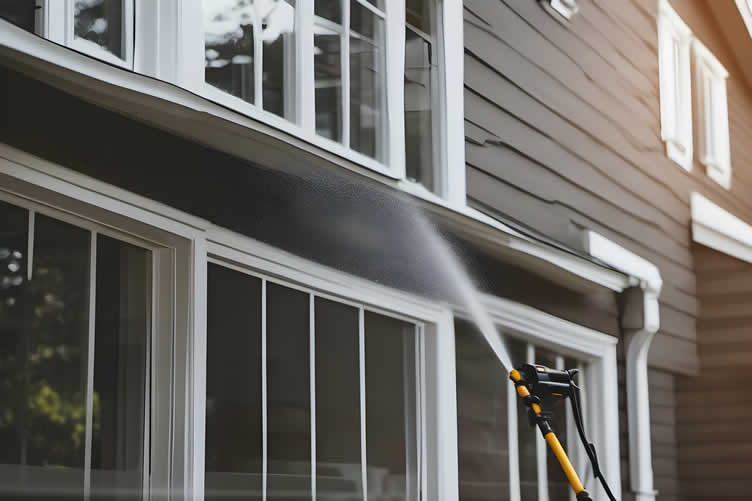
Last but not least, pressure washers are great for giving your home’s exterior a refresh. Use a wider spray nozzle and work in sections, making sure to cover all surfaces evenly.
Be careful not to use too much pressure on delicate areas like windows or doors, as it can cause damage. And don’t forget to clean your gutters while you’re at it—using a pressure washer can make this task quick and easy.
AI generated image by 123rf.com
Steps to Powerwash Your Exterior Home
- Prepare the Area:
Begin by removing any obstacles, such as outdoor furniture, potted plants, and décor, from the vicinity. Cover electrical outlets, light fixtures, and any plants you wish to protect with plastic sheeting or tarps. - Choose the Appropriate Nozzle:
Select the correct nozzle for your pressure washer. A 25-degree nozzle is generally suitable for most exterior surfaces. For areas needing a more intense clean, you can use a 15-degree nozzle, but use it with caution to avoid surface damage. - Connect the Pressure Washer:
Attach the garden hose to your pressure washer and ensure all connections are secure. Turn on the water supply and start the pressure washer according to the manufacturer’s instructions. - Apply Detergent:
If your pressure washer has a detergent tank, fill it with a suitable cleaning solution designed for house exteriors. Apply the detergent from bottom to top to avoid streaks, and allow it to sit for 5-10 minutes, without letting it dry. - Start Washing:
Begin power washing at the top of the house and work your way down. Hold the spray wand at a 45-degree angle to the surface and maintain a consistent distance, typically about 2-3 feet away. - Clean Sections Methodically:
Work in small sections to ensure thorough cleaning and to prevent the detergent from drying on the surface. Overlap each pass slightly to avoid streaks and missed spots. - Rinse the Area:
After scrubbing each section, switch to a 40-degree nozzle or a nozzle recommended for rinsing and thoroughly rinse the area from top to bottom to remove all detergent and dirt. - Inspect and Tackle Tough Spots:
Once the entire house is washed and rinsed, inspect for areas that may need additional attention. Use a brush and the remaining detergent to tackle stubborn spots if necessary. - Final Rinse:
Give the exterior a final rinse to ensure all cleaning solution and debris are cleared away. This helps in preventing any residue buildup on your home’s surface. - Clean Up:
Turn off the pressure washer, disconnect the hoses, and drain any remaining water. Clean and store the nozzles and other attachments properly. Remove any protective coverings from plants and fixtures.
[ youtube: how to pressure wash a house ]
[amazon: pressure washer gutter cleaner attachment ]
- Prepare the Area:
-
8th Washer Tip: Finding Professional Help …
… for Difficult Powerwashing Applications
While many homeowners can handle routine powerwashing tasks, certain applications can be particularly challenging and may require professional assistance. Washing the exterior of a home, cleaning gutters, and tackling other hard-to-reach areas can be time-consuming and physically demanding without the right equipment and expertise.
-
Exterior Home Washing
If your home has multiple stories or hard-to-reach areas, hiring a professional powerwashing service can save you considerable time and effort.
Professionals come equipped with heavy-duty washers and specialized nozzles that can efficiently clean every nook and cranny, ensuring a thorough job without causing damage to your home’s exterior.
-
Gutter Cleaning
Cleaning gutters is a task that not only requires a powerwasher but also calls for safe access to elevated and often confined spaces. Professionals have the training, tools, and safety gear needed to clean gutters efficiently while minimizing the risk of accidents.
They can also identify and address issues like clogs or damage that homeowners might overlook.
-
Other Hard-to-Reach Applications
Areas such as rooftops, upper-level windows, and complicated architectural features benefit greatly from professional powerwashing. Experts have the experience to navigate these tricky areas without causing harm to the structure or themselves.
They also use techniques and equipment that can effectively remove stubborn stains and buildup, enhancing the overall appearance and longevity of your property.
Hiring a professional powerwashing service not only ensures that the job is done right but also frees you from the potential hazards associated with these difficult tasks.
Investing in professional help can ultimately extend the life of your exterior surfaces, maintain the functionality of your gutters, and improve the overall curb appeal of your home.
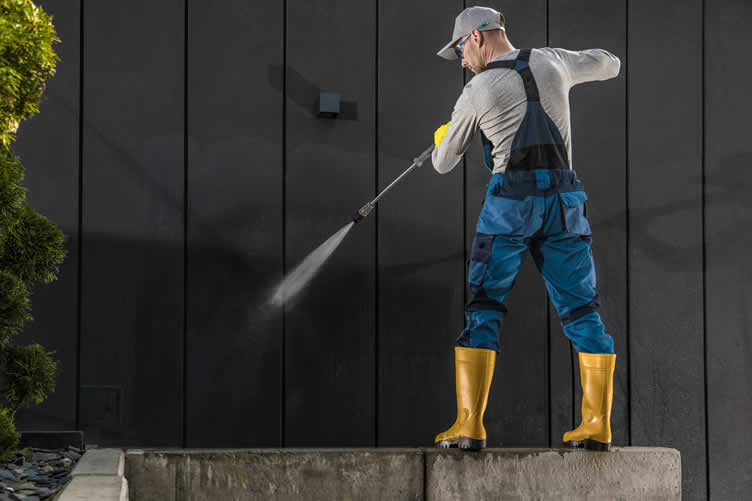
LetsRenovate has partnered with HomeAdvisor™, a renowned provider of highly-rated, carefully-vetted local contractors. Start your search here by entering your zip code to find local pressure washer professionals.
copyright image by 123rf.com
But Wait!
Before beginning the search and evaluation process for contractors, it is highly recommended to download and use this comprehensive worksheet. This tool will equip you with all the necessary information and resources to make informed decisions and streamline the entire process.
This resource will help objectively rank and evaluate potential contractors, considering crucial factors such as pricing.

Evaluation Sheet
File Type:
-
-
Conclusion
While a pressure washer can be a powerful cleaning tool, be sure to know which materials are safe to use it on. Avoid power washing delicate surfaces such as stucco, brick, and older painted surfaces as the high-pressure stream can cause damage.
It’s also not recommended to use a pressure washer on windows, as the intense water pressure can crack or shatter glass. When in doubt, always test a small inconspicuous area before tackling larger surfaces with your pressure washer.
Now that you know the top five pressure washer applications, you can confidently tackle any cleaning task around your home. Just remember to always read and follow the manufacturer’s instructions and safety precautions before using your pressure washer.
Happy cleaning!
-
Quick scroll to more exterior home ideas …

-
ideas to view and compare from the photo above
electric pressure washerpressure washer accessorieswasher extension wand
- What comments can you share about your use of these
pressure washer applications to spruce up your home?
… yard n’ garden maintenance tools


addressing transforming pressure washing uses and other home improvement needs …
… grab this directory of ideas for future use


SHARE IT ..! You might have someone in your social network who could find this informative post about pressure washer applications valuable. Feel free to share it on Facebook, Twitter, LinkedIn, or Pinterest!


Calendar For:
Home Maintenance
File Type:


… view illustration “becoming a bank”
Find Exterior Home Services Garage Doors Roofing Siding Waterproofing Driveways Walkways top-rated, pre-screened local contractors FREE: download contractor selection Steps Concrete Chimney Landscape Design Foundations Water Features enter zip code – powered by HomeAdvisor ™
Quick Contractor Guides selecting negotiating working with inspecting

Cover image credit: pressure washer applications by 123rf.com
end of post … please share it!
 |
did you find these pressure washer applications analysis helpful? If so, please share the article with your friends and family! |
Nice pic idea? Leave us a quick comment below.
And please share this pic idea within your social networks.