Summary Outline –
Ornamental grasses have become an integral element in modern landscape design, capturing the imagination of professionals and homeowners alike with their graceful forms, unrivaled movement, and resilient beauty.
Whether you’re working with sprawling acreage or a compact urban yard, these versatile plants offer both practical benefits and artistic possibilities.
This guide will help you discover the value of using ornamental grasses in your landscape projects, explore how to select appropriate varieties, and understand the best ways to integrate them for maximum visual impact.
-
Unveiling the Allure of Ornamental Grasses
Landscapes are living tapestries, and ornamental grasses provide texture, movement, and structure like few other plants can. Their filigree leaves sway with every breeze, adding a kinetic quality that turns even the simplest garden into an immersive experience.
Designers prize these plants for their year-round interest, adaptability, and ability to fill challenging spaces where other plants struggle.
Beyond aesthetics, ornamental grasses perform vital ecological functions. Their root systems stabilize soil and prevent erosion, while their foliage provides habitat for pollinators and beneficial insects.
- post content … analysis/ ornamental grasses in landscape design
- 1st: Ornamental Grasses in garden planning
- 2nd: Choosing the Right Grasses for Your Landscape
- 3rd: Selecting Tall Ornamental Grasses
- 4th: Choosing Medium-Sized Ornamental Grasses
- 5th: Low Ornamental and Ground Cover Grasses
- 6th: Colorful Blooming Ornamental Grasses
- 7th: Design Strategies for Integrating Ornamental Grasses
- 8th: Best Practices for Care and Long-Term Success
- 9th: Consulting a Landscape Contractor
- conclusion
- other yard n’ garden topics

-
- —— begin first topic ——
-
1st Element: Ornamental Grasses
… and their role in garden planning
Ornamental grasses bring a distinctive elegance and versatility to gardens. These plants are cherished not only for their aesthetic appeal but also for their low-maintenance nature and adaptability.
From creating movement to adding structure, ornamental grasses have become a staple in modern landscape design due to their ability to seamlessly blend with other plants while fostering a cohesive and dynamic garden environment.
[ view summary table: role of ornamental grasses ]
-
What Are Ornamental Grasses?
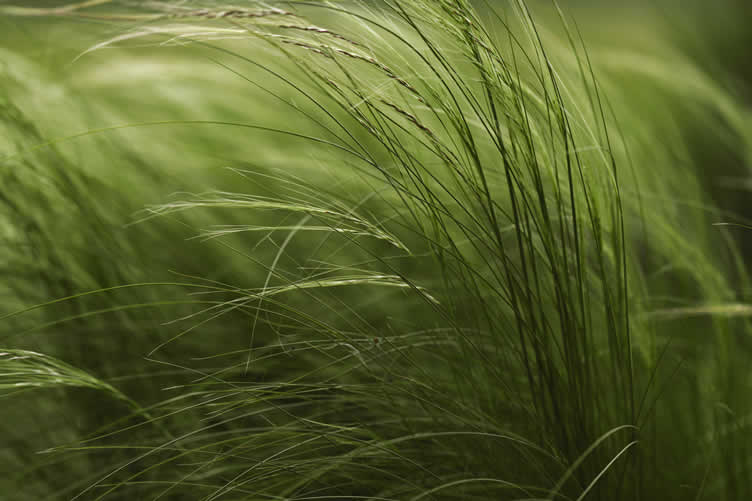
Ornamental grasses are a group of plants cultivated for their aesthetic characteristics, including their graceful foliage, unique textures, and often decorative seed heads. Unlike turf grasses, which are designed for practical lawn covers, ornamental grasses are valued primarily for their visual allure.
They come in an impressive variety of heights, colors, and growth habits, ranging from compact, ground-hugging species to towering varieties that create bold vertical elements in a landscape.
Some popular ornamental grasses include Miscanthus, Pampas Grass, and Fountain Grass.
These plants usually thrive in diverse climates while requiring minimal care once established. Their hardy nature allows them to adapt to a range of soil types, light conditions, and water availability, making them a reliable option for both novice and experienced gardeners.
-
The Role of Ornamental Grasses in Garden Design
Ornamental grasses play a crucial role in garden planning, offering a unique way to enhance both visual aesthetics and functionality. Their ability to sway gracefully in the wind adds a sense of movement and dynamism to any garden.
For those looking to create layered landscapes, these grasses serve as effective middle-ground elements, bridging the gap between taller shrubs or trees and smaller ground-cover plants.
Beyond their structural contributions, ornamental grasses can also serve as natural borders or screens to provide privacy. With their varying heights and densities, they can create defined zones within a garden, ensuring both visual flow and practical enclosure where necessary.
-
How to Use Ornamental Grasses in Garden Planning
When incorporating ornamental grasses into a garden design, it is essential to consider their specific characteristics and how they complement other elements in the space.
Start by assessing the garden’s layout and identify areas where you want to enhance texture, height, or seasonal interest. Ornamental grasses excel as companion plants and can soften the edges of hard landscaping elements like patios, paths, or rock gardens.
An important consideration is the seasonal appeal of ornamental grasses. Many varieties offer year-round interest, with some boasting vibrant green foliage in the spring and summer and golden hues in the fall. Even in winter, their dried stems and seed heads add character to otherwise dormant gardens.
Spacing is another critical factor in garden planning. While some grass species remain compact, others spread quickly and require plenty of room to flourish. Take into account the mature size of the plants to ensure they do not overcrowd neighboring flora.
Pairing ornamental grasses with complementary flowering plants, like coneflowers or hydrangeas, can amplify their charm and further diversify the garden’s color palette.
Lastly, maintenance needs should guide your plant selection. Most ornamental grasses are low-maintenance but still benefit from occasional pruning or dividing to maintain their vigor and prevent overgrowth.
Implementing these practices into your garden routine will keep the grasses thriving and visually appealing year after year.
Feature Details Definition Plants grown for their aesthetic value, offering unique textures, colors, and forms. Key Varieties Miscanthus, Fountain Grass, Pampas Grass, Switchgrass, and Feather Reed Grass. Applications in Gardens Great for texture, layering, privacy screens, and enhancing seasonal appeal. Maintenance Requirements Mostly low-maintenance; require occasional pruning or dividing for optimal growth and structure. Garden Planning Tips Assess layout, enhance with complementary plants, provide appropriate spacing, and plan for seasons. 
copyright image by 123rf.com
[ view images: using ornamental grass in landscaping ]
[ youtube: about ornamental grasses ]
-
Scroll up to directory … or scroll to next section about using ornamental grasses …


-
-
2nd Element: Choosing the Right Grasses for Your Landscape
Selecting the appropriate ornamental grasses for your landscape can transform your outdoor space into a visually stunning and functional environment. With the vast variety of grasses available, each with unique characteristics, it is essential to make informed decisions tailored to your specific garden needs and regional conditions.
This process involves understanding your climate, landscape requirements, and the maintenance you are willing to commit to. Below, we outline the critical factors to consider when choosing the right grasses for your outdoor space.
[ view summary table: choosing the right grasses ]
-
Climate Suitability and Hardiness
The first step in selecting ornamental grasses is identifying those that thrive in your regional climate and hardiness zone. Understanding your area’s temperature ranges, rainfall patterns, and soil conditions will help ensure that the grasses you choose can withstand local environmental stresses.
For instance, warmer climates may favor drought-tolerant grasses like blue fescue or Mexican feather grass, while cooler regions may benefit from cold-hardy varieties such as switchgrass or feather reed grass.
It is essential to consult the USDA Plant Hardiness Zone Map or local garden experts to select species that are most likely to thrive in your location.
-
Height and Seasonal Form
Ornamental grasses come in a wide range of heights and display diverse seasonal characteristics, making it important to match these factors to the design and function of your landscape.
For foundational plantings or privacy screens, taller grasses such as miscanthus or pampas grass may be ideal. Conversely, low-growing varieties like blue oat grass work well for borders or accenting plant beds.
Additionally, consider the seasonal rhythm of your grasses—some maintain their structure and color year-round, while others provide dramatic changes such as vibrant fall colors or airy seed plumes. Selecting grasses based on seasonal interest ensures continuity and dynamism in your garden throughout the year.
-
Maintenance and Growth Habits
Evaluating how much time and effort you can dedicate to maintaining your landscape is critical when choosing grasses. Some ornamental grasses are virtually carefree, requiring only occasional pruning or dividing, such as maiden grass or fountain grass.
Others may spread aggressively through runners or reseeding, demanding regular monitoring and upkeep to prevent them from invading other parts of your garden.
Identifying the growth habits early on allows you to balance aesthetic appeal with practicality. Always look for non-invasive or clumping varieties if you prefer a more hands-off approach.
-
Additional Considerations
Beyond the fundamentals, there are other factors to consider for a well-rounded landscape. Take note of the overall theme and design of your garden—modern minimalist spaces may benefit from sleek, linear grasses like Elijah blue fescue, whereas rustic or cottage gardens often pair beautifully with lusher, more feathery varieties.
Additionally, explore how ornamental grasses can fulfill specific functional roles, such as erosion control on slopes or attracting beneficial pollinators. Including native species is another excellent way to support the local ecosystem and reduce the need for fertilizers or pest control.
Factor Key Considerations Climate Suitability Match the grass species to your hardiness zone, temperature tolerance, and soil conditions. Height and Seasonal Form Consider grass heights for landscape functions (e.g., screens, borders) and seasonal interest for dynamic garden appeal. Maintenance and Growth Habits Choose grasses appropriate to your willingness to prune, divide, or control invasive growth to ensure ease of upkeep. Additional Considerations Align grass types with garden themes, explore functional roles like erosion control, and prioritize native or pollinator-friendly varieties for added ecological benefits. 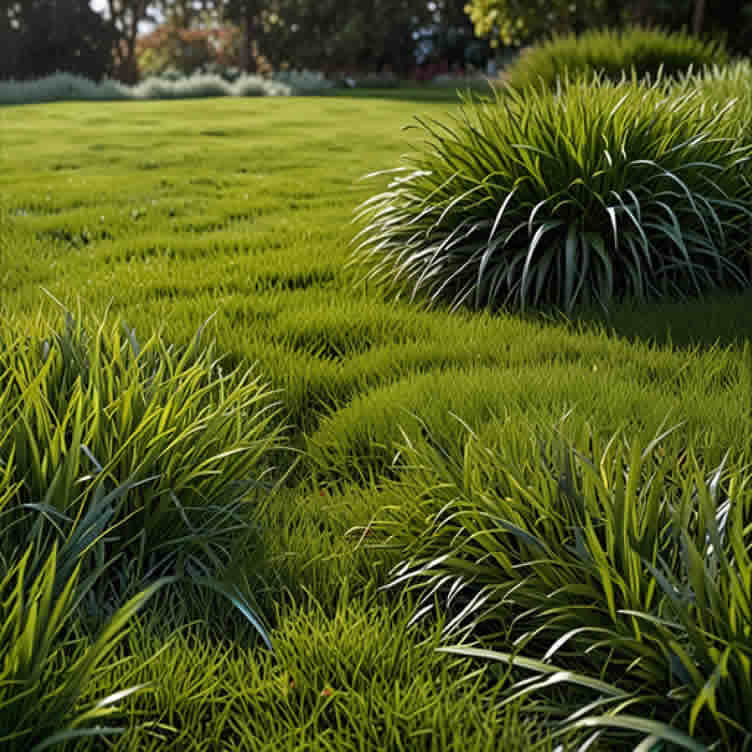
copyright image by 123rf.com
[ view diagram: about USDA growing zones ]
[ youtube: Types of Ornamental Grass and Which to Plant ]
-
Scroll up to directory … or scroll to next section about using ornamental grasses …
-
-
3rd Element: Selecting Tall Ornamental Grasses
… for screening and vertical presence
Tall ornamental grasses serve as essential components in landscape design by adding vertical structure, creating privacy screens, and providing dynamic movement in the garden.
These grasses are not only visually impactful but also versatile, as they can effectively block unwanted views, delineate sections of a garden, or serve as a backdrop for smaller plants.
When choosing tall grasses, it’s crucial to consider their growth habits, maintenance requirements, and compatibility with your climate.
Below, we’ll explore several types of tall ornamental grasses ideal for screening or adding height to your garden, giving you the guidance necessary to make informed decisions tailored to your landscape vision.
[ view summary table: tall ornamental grasses ]
-
Miscanthus Sinensis (Maiden Grass)
Miscanthus sinensis is a popular choice for creating vertical interest in gardens. Known for its elegant arching leaves and airy plumes of flowers, this grass can reach heights of 4 to 8 feet, depending on the cultivar.
Maiden grass grows best in full sunlight and well-draining soil, though it can tolerate a range of soil types once established. Ideal for USDA hardiness zones 5 through 9, it makes an excellent screen that sways gracefully in the wind while remaining low maintenance.
Some cultivars, such as ‘Gracillimus’ or ‘Morning Light,’ provide unique aesthetic benefits with their fine-textured foliage or variegated patterns, further enhancing the beauty of your garden.
[ view ideas: maiden grass ]
-
Panicum Virgatum (Switchgrass)
Switchgrass is a native North American species prized for its versatility, durability, and ecological advantages. This warm-season grass grows 3 to 7 feet tall and remains upright throughout the growing season, making it a reliable option for screening or anchoring garden beds.
Switchgrass provides year-round interest with airy panicles of flowers in the summer and golden hues in the fall. It thrives in USDA hardiness zones 3 to 9 and is drought-tolerant once established, allowing it to adapt to a variety of growing conditions.
Varieties such as ‘Heavy Metal’ and ‘Northwind’ are cherished for their upright form and striking blue-green or chartreuse foliage.
[ view ideas: switchgrass ]
-
Calamagrostis x Acutiflora (Feather Reed Grass)
Feather reed grass is celebrated for its tidy, vertical growth habit, which can reach heights of 5 to 6 feet. This cool-season grass is an excellent choice for adding vertical structure in smaller spaces or narrow borders.
‘Karl Foerster,’ one of the most recognized cultivars, features dense, upright flower plumes that persist through winter, offering structural interest year-round. Feather reed grass is well-suited for USDA hardiness zones 4 to 9 and performs admirably in moist, well-drained soils when planted in full sun to light shade.
Its ability to thrive in urban and suburban environments, as well as its minimal maintenance needs, make it a versatile and dependable addition to any landscape.
[ view ideas: feather reed grass ]
-
Pampas Grass
Pampas grass (Cortaderia selloana) is a striking ornamental grass known for its tall stature and feathery plumes that create a dramatic focal point in the landscape. Native to South America, this grass thrives in USDA hardiness zones 7 to 11, favoring full sun and well-drained soils.
With its ability to grow up to 10 feet tall, pampas grass is an excellent choice for privacy screens or as a bold statement in large gardens. Its showy white or pink plumes bloom in late summer and persist into autumn, adding texture and interest to outdoor spaces.
Despite its beauty, it is important to manage its growth responsibly, as it can become invasive in some regions. Regular pruning and careful placement ensure that pampas grass remains a magnificent yet controlled element in the garden.
[ view ideas: pampas grass ]
-
Andropogon Gerardii (Big Bluestem)
As another native species, big bluestem is highly valued for its robust growth, adaptability, and ornamental qualities. Reaching heights of 6 to 8 feet, it forms clumps with tall stems that turn beautiful shades of bronze, purple, or red in the fall.
Big bluestem is tolerant of both drought and poor soils, thriving in USDA hardiness zones 4 to 9. Its upright stature and seasonal coloration make it ideal for adding height and texture to large, open gardens where it can function as a windbreak or visual screen.
Additionally, this grass significantly benefits pollinators and wildlife, contributing to biodiversity in the landscape.
[ view ideas: big bluestem ]
-
Additional Notes
Below is a list of popular tall ornamental grasses that typically grow between 4 to 8 feet tall, drawn from multiple expert and nursery sources:
- Many of these tall grasses are warm-season growers, blooming in late summer to fall.
- They provide privacy screens, accent plants, or dramatic vertical interest in the garden.
- Most prefer full sun and well-drained soil.
- Zones indicate cold hardiness; some like Purple Fountain Grass are less cold-tolerant and suited for warmer climates.
- This selection offers a variety of textures, colors, and bloom times within the 4 to 8 feet height range, suitable for diverse landscape uses
Grass Name Height Range Notable Features USDA Zones Feather Reed Grass (‘Karl Foerster’) 4–6 ft Narrow, upright form; feathery reddish-brown to golden plumes; tolerates wet and dry soils 4–9
view images Porcupine Grass Up to 8 ft Upright with dark green leaves and striking horizontal gold bands; reddish-bronze summer plumes 4–9
view images Pampas Grass 6–10 ft Large fluffy plumes, dense fountain-like clumps, drought tolerant, ideal for ornamental use 7-11 view images Switch Grass (‘Northwind’) 4–6 ft Tall, vertical form with airy flower panicles; warm-season grass 4–9
view images Lord Snowden 4–8 ft Clump-forming with large powder blue foliage and orange-red-tan summer blooms 4–10
view images Red October 5–6 ft Narrow green leaves with red streaks turning burgundy and candy-apple red after frost 3–9
view images Big Bluestem 5–8 ft Tall prairie grass with blue-green foliage turning red-orange in fall 3–9
view images Indian Grass 5–8 ft Tall, warm-season grass with golden seed heads in late summer 3–9
view images Maiden Grass 4–7 ft Tall, arching blades with showy silver-white plumes in late summer 5–9
view images Fountain Grass (‘Hameln’) 3–4 ft Compact but can reach near 4 ft; arching flower spikes, long bloom season 5–9
view images Purple Fountain Grass 4–6 ft Purplish-maroon foliage with rose-red plumes; drought tolerant but less cold hardy 8–11
view images Zebra Grass (‘Strictus’) Up to 8 ft Dark green leaves with horizontal gold stripes; upright habit 4–9
view images Morning Light Maiden Grass 6–7 ft Variegated leaves with white margins; graceful arching habit 5–9
view images Silver Feather Grass 7 ft Tall with silvery plumes and fine-textured foliage 4–9
view images - https://www.lawnstarter.com/blog/landscaping/best-tall-ornamental-grass-privacy/
- https://naturehills.com/collections/tall-ornamental-grasses
- https://hgic.clemson.edu/factsheet/ornamental-grasses-and-grass-like-plants/
- https://www.monrovia.com/be-inspired/types-of-ornamental-grass.html
- https://www.k-state.edu/turf/resources/ornamental-grasses/height/index.html
- https://extension.colostate.edu/topic-areas/yard-garden/ornamental-grasses-7-232/
- https://www.wilsonbrosgardens.com/tall-growing-grass-plants.html
- https://lawnlove.com/blog/best-drought-tolerant-ornamental-grasses/

copyright image by 123rf.com
-
Scroll up to directory … or scroll to next section about using ornamental grasses …
-
-
4th Element: Choosing Medium-Sized Ornamental Grasses
… for garden accents
Medium-sized ornamental grasses are an excellent choice for adding texture, movement, and visual interest to your garden. Typically growing between 2 to 4 feet tall, these grasses serve as striking accents that complement other plantings without overwhelming the overall design.
Their versatile height makes them ideal for creating layers, defining spaces, or enhancing architectural elements in your landscape.
When thoughtfully selected, medium-sized grasses can integrate seamlessly into any garden style, from modern and minimalist to naturalistic and lush.
[ view summary table: medium ornamental grasses ]
-
Miscanthus Sinensis ‘Adagio’
Miscanthus sinensis ‘Adagio,’ also known as dwarf maiden grass, is a compact variety of the popular Miscanthus species, reaching a height of about 3 to 4 feet. This grass is particularly valued for its fine-textured, silver-green blades and delicate plumes of silvery-white flowers that emerge in early fall.
The plumes gradually turn a golden hue as they age, adding seasonal appeal well into winter. Tolerant of various soil types and full sun, ‘Adagio’ is highly regarded for its low maintenance requirements and graceful presence.
It works beautifully as a border accent or when grouped to create a soft, flowing effect.
[ view ideas: adagio ]
-
Panicum Virgatum ‘Rotstrahlbusch’
Panicum virgatum ‘Rotstrahlbusch,’ a variety of switchgrass, is celebrated for its bold ornamental value and easy adaptability. Growing to an average height of 3 feet, this grass stands out with its upright stature and intriguing red-tinted blades that intensify in color during the autumn months.
Its airy seed heads, which appear in midsummer, add vertical interest and attract birds. ‘Rotstrahlbusch’ thrives in full sun and is drought-tolerant once established, making it an environmentally friendly choice for low-water landscapes.
This grass makes an excellent accent in mixed borders and is also suitable for prairie-style gardens.
[ view ideas: rotstrahlbusch ]
-
Pennisetum Alopecuroides ‘Hameln’
Pennisetum alopecuroides ‘Hameln,’ commonly known as dwarf fountain grass, is a favorite among garden designers for its compact form and showy bottlebrush-like flower spikes. Reaching around 2 to 3 feet tall, this grass provides soft, arching foliage that creates a dynamic sense of movement in the garden.
Its creamy tan plumes emerge in summer, transitioning to a warm golden tone as fall approaches. Best grown in full sun and well-drained soil, ‘Hameln’ is perfect for smaller garden spaces or when used as a seasonal focal point within perennial beds.
[ view ideas: hameln ]
-
Sesleria Autumnalis
Sesleria autumnalis, also called autumn moor grass, is a clump-forming perennial grass that grows to about 2 to 3 feet tall. Renowned for its bright green foliage, it provides a luminous accent during the growing season and takes on a yellowish-green color in fall.
This low-maintenance species thrives in a variety of conditions, including part shade and poor soils, and produces airy panicles of flowers in late summer, which persist well into the cooler months.
Its versatility makes it a striking addition as an accent in rock gardens, urban spaces, or naturalized settings.
[ view ideas: autumn moor ]
-
Molinia Caerulea subsp. Arundinacea ‘Skyracer’
Molinia caerulea subsp. arundinacea ‘Skyracer,’ often referred to simply as ‘Skyracer,’ is a unique medium-sized grass that features a stunning contrast between its basal foliage and tall, airy flower spikes.
Although the foliage typically remains around 3 feet, its vertical blooms can reach heights up to 6 feet, creating a dramatic, layered effect. The flower stalks start with a greenish tint in midsummer, turning warm brown as the season progresses.
It performs well in moist, well-drained soil and full sun to part shade. ‘Skyracer’ excels as an accent grass in contemporary gardens or when planted near water features.
[ view ideas: skyracer ]
-
Summary of Uses and Characteristics
Review below a list of popular medium-sized ornamental grasses that typically grow between 2 to 4 feet tall, compiled from multiple reliable sources:
- These grasses provide mid-height structure suitable for borders, mass plantings, or mixed perennial beds.
- Many have showy seed heads or plumes that add texture and seasonal interest from summer through fall and winter.
- They thrive in full sun to part shade, with some like Japanese Forest Grass preferring shadier spots.
- Most are low maintenance and drought tolerant once established.
- This list offers a variety of textures, colors, and bloom times within the 2 to 4 feet height range, ideal for diverse garden settings
Grass Name Height Bloom Time Notable Features USDA Zones Pink Flamingo Muhly Grass 3–4 ft Late summer to fall Upright habit with bright pink, cotton-candy-like plumes 6–10
view images Blue Oat Grass 2–4 ft Summer Pale blue foliage, fine texture, graceful seed panicles 4–8
view images Fountain Grass (‘Hameln’) 3–4 ft Summer to fall Compact, arching flower spikes, long bloom season 5–9
view images Side Oats Gramma 2–3 ft Summer Mounding habit, green foliage with purple to red spikelets 4–9
view images Prairie Dropseed 2–3 ft Late summer to fall Fine-textured, fragrant seed heads, drought tolerant 4–9
view images Little Bluestem (‘Jazz’ or ‘Standing Ovation’) 2–4 ft Late summer to winter Blue-green foliage turning red-orange in fall, upright habit 3–9
view images Japanese Forest Grass 1–3 ft Summer Mounding, arching habit, golden variegated leaves; shade tolerant 5–9
view images ‘Karl Foerster’ Feather Reed Grass 3–4 ft Early summer Upright, feathery plumes, multi-season interest 4–9
view images Blue Grama 1.5–2.5 ft Summer Low-growing, distinctive seed heads, drought tolerant 3–9
view images Mexican Feather Grass 2–3 ft Summer Fine, wispy texture, drought tolerant 6–10
view images - https://www.wilsonbrosgardens.com/grass-plants-that-grow-2-to-4-feettall.html
- https://www.plantingtree.com/collections/ornamental-grasses
- https://www.finegardening.com/article/great-medium-size-grasses
- https://hgic.clemson.edu/factsheet/ornamental-grasses-and-grass-like-plants/
- https://www.missouribotanicalgarden.org/
- https://www.gardendesign.com/ornamental-grasses/types.html
- https://harlequinsgardens.com/plants/ornamental-grasses/
- https://www.lawnstarter.com/blog/landscaping/best-tall-ornamental-grass-privacy/
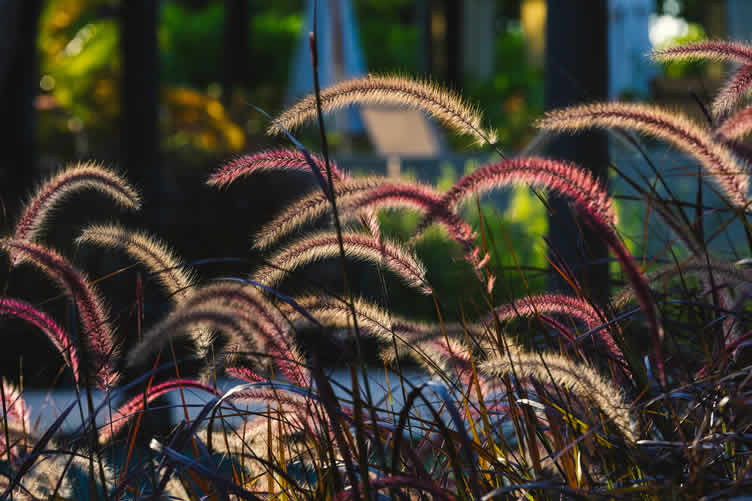
copyright image by 123rf.com
-
Scroll up to directory … or scroll to next section about using ornamental grasses …
-
-
5th Element: Low Ornamental and Ground Cover Grasses
… for borders and garden planning
Ornamental grasses provide texture, movement, and visual interest to your garden space, making them an essential element in creating stunning borders and well-planned garden layouts.
Specifically, grasses that are both medium-height but compact—ranging from 1 to 2 feet in height—and low-growing ground covers can help complement a variety of landscapes. They define edges, soften hard landscaping elements, and create natural transitions between garden beds and other structures.
To select the right grasses for your garden, it’s important to consider their heights, growth habits, visual appeal, and adaptability to local climates.
[ view summary table: low ornamental grasses ]
-
Low-Height Ornamental Grasses for Borders
When choosing low-height ornamental grasses for borders, look for species with an airy habit or those with defined clumps, as they bring depth and structure to your garden.
Grasses within the 1 to 2 feet range provide a balanced height that works effectively beside garden paths, flower beds, and fencing without overwhelming the surrounding elements.
One excellent option is the Blue Fescue (Festuca glauca), a clump-forming grass known for its silvery-blue color and fine-textured blades. Its compact growth habit and drought tolerance make it an excellent choice for sunny, low-maintenance borders. This grass thrives in USDA zones 4 to 8 and requires well-drained soil to prevent root rot.
Another reliable medium-height grass is Little Bluestem (Schizachyrium scoparium), distinguished by its upright growth and beautiful transition from bluish-green in summer to reddish-bronze in the fall. This native grass is versatile and performs well in poor to average soils, making it ideal for gardeners looking for seasonal interest and structural elegance.
[ view ideas: blue fescue | little bluestem ]
-
Monkey Grass for Garden Filler and Erosion Control
Monkey grass, also known as Liriope muscari, is a versatile ornamental grass that serves both aesthetic and functional purposes in gardens. Its dense, clumping growth habit makes it an excellent garden filler, providing lush greenery in borders, pathways, or hard-to-grow areas.
Additionally, monkey grass is highly effective for erosion control due to its fibrous root system, which stabilizes soil and prevents runoff on slopes or uneven terrain.
Monkey grass is not only practical but also offers aesthetic variety, as it comes in several colors and variegated types. While the deep green leaves are classic, there are cultivars with striking variegation featuring green leaves edged with creamy white or yellow.
Additionally, the plant produces small flower spikes in shades of lavender, purple, or even white, adding an extra layer of visual interest to any garden space.
These variations make Liriope muscari a versatile choice for gardeners looking to incorporate both functionality and a pop of color into their landscaping. Moreover, monkey grass requires minimal maintenance, making it an ideal choice for busy gardeners or low-maintenance landscapes.
This hardy grass is drought-tolerant and can thrive in various soil conditions, including clay and sandy soils. It has excellent heat tolerance and can withs
[ view ideas: monkey grass | variegated liriope ]
-
Ground Cover Grasses for Garden Edging
Ground cover grasses are a sustainable and attractive alternative to traditional mulch or rock edging. These versatile grasses grow low to the ground, creating a lush carpet effect that suppresses weeds and retains soil moisture. Choosing the right ground covers can enhance your garden’s health and aesthetic appeal.
For a vibrant and evergreen option, consider Mondo Grass (Ophiopogon japonicus), which forms dense mats of dark green, strap-like leaves. Its low-growing nature (typically under 12 inches) makes it highly suitable for outlining garden beds and borders.
This grass thrives in USDA zones 6 to 11 and does well in partial to full shade, offering flexibility based on planting conditions.
Another dependable ground cover is Pennisetum alopecuroides ‘Little Bunny’, a dwarf fountain grass variety. It grows well in compact spaces, with fine blades and soft, buff-colored flower spikes that add texture.
It is highly ornamental but requires full sun and well-drained soil for optimum health, performing best in zones 5 to 9.
[ view ideas: mondo grass | little bunnie ]
-
Varietal Planning for Practical and Visual Balance
When incorporating low-height ornamental grasses and ground covers into your garden plan, it’s essential to consider spacing, seasonal interest, and compatibility among species. Mixing grasses with distinct textures and colors can create a dynamic and cohesive look.
For borders, position taller clumping grasses such as Little Bluestem in back rows, allowing compact ground covers like Mondo Grass to edge pathways or the front section of the garden bed. This strategy not only enhances visual flow but also sets up micro-habitats that support pollinators and wildlife.
Proper planning ensures that ornamental grasses are not only aesthetically pleasing but also contribute to soil stabilization, erosion control, and biodiversity. By combining species suited to your local climate and soil conditions, you can design a sustainable and thriving outdoor space.
-
Summary of Low (and Ground Cover) Ornamental Grasses
Here is a detailed list of low ornamental grasses (1–2 ft tall) and ground cover grasses, based on recent nursery and gardening sources:
- These low grasses are ideal for rock gardens, borders, edging, small spaces, and containers.
- Many are drought tolerant and low maintenance.
- Ground cover grasses like dwarf mondo grass and sedges provide dense, spreading mats that suppress weeds and control erosion.
- Ornamental grasses in this height range add texture, color contrast, and movement without overwhelming small garden spaces.
- Low ornamental grasses and ground cover grasses typically range from a few inches up to 2 feet tall and are perfect for adding fine texture and color in smaller or foreground garden areas.
Grass Name Height Notable Features USDA Zones Blue Fescue 6–12 inches Compact, neat blue-gray foliage; excellent for borders and rock gardens 4–8
view images Dwarf Mondo Grass 4–6 inches Dense, dark green clumps, great for ground cover or edging 6–10
view images Everest Sedge ~10 inches Fine-textured, mounding grass-like plant, shade tolerant Varies view images Chinese Fountain Grass ~18 inches Blue-green foliage with soft pink or white flower spikes 5–9
view images Blonde Ambition Blue Grama ~1 foot Blue-green foliage with horizontal seed heads that age to blonde 4–9
view images Little Bunny Feather Reed Grass 1 foot Upright, narrow, compact form with early-season bloom 5–9
view images Hameln Dwarf Fountain Grass 2 feet Compact, arching flower spikes, long bloom season 5–9
view images Blue Grama 1–2 feet Warm-season native with decorative flag-like inflorescences 3–9
view images Ground Filler Height Notable Features USDA Zones Dwarf Mondo Grass 4–6 inches Dense, dark green clumps, spreads slowly, excellent ground cover 6–10
view images Liriope Muscari (monkey grass) 12–18 inches Dense, grass-like foliage, purple flower spikes, shade tolerant, versatile ground cover 5-10 view images Everest Sedge ~10 inches Fine-textured, mounding, shade tolerant, evergreen Varies view images Blue Grama 1–2 feet Low-growing warm-season grass, good for erosion control 3–9
view images Mexican Feather Grass 1–2 feet Fine, wispy texture, drought tolerant, often used as ground cover 6–10
view images - https://www.wilsonbrosgardens.com/grass-plants-that-grow-under-2-feet.html
- https://naturehills.com/collections/short-ornamental-grasses
- https://costafarms.com/blogs/get-growing/small-ornamental-grasses
- https://www.plantingtree.com/collections/ornamental-grasses
- https://www.hortmag.com/plants/ornamental-grasses-for-a-small-garden-space
- https://hgic.clemson.edu/factsheet/ornamental-grasses-and-grass-like-plants/
- https://www.monrovia.com/be-inspired/best-ornamental-grasses.html
- https://pbndesign.com/plant-type/short-grasses/
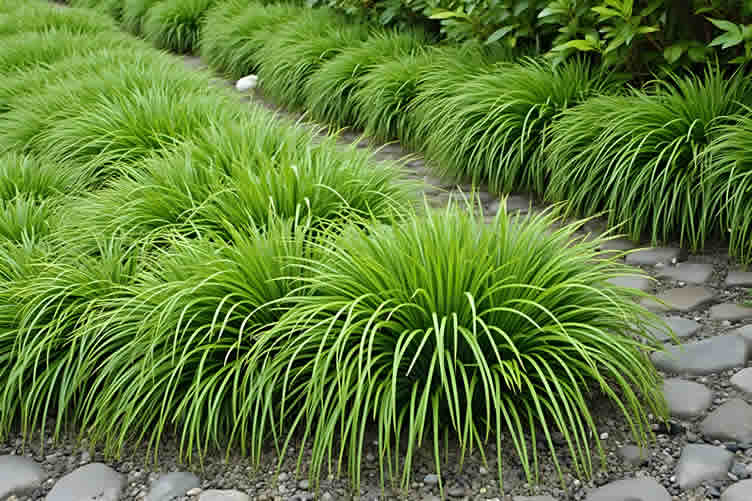
Ai generated image by 123rf.com
-
Scroll up to directory … or scroll to next section about using ornamental grasses …
-
-
6th Element: Colorful Blooming Ornamental Grasses
Ornamental grasses that showcase colorful blooms bring vitality and movement to any garden. These grasses not only serve as structural elements in your landscape but also offer a dynamic layer of seasonal beauty with their vibrant flowers and plumes.
Whether swaying in the wind or catching the light of the early morning sun, these plants provide year-round appeal with their hues and textures. They pair beautifully with perennials, shrubs, and ground covers, creating diverse and visually captivating gardens.
[ view summary table: colorful blooms ]
-
Mexican Feather Grass (Nassella tenuissima)
Mexican Feather Grass is prized for its soft, delicate texture and golden flower spikes that appear in late spring to summer.
This adaptable grass thrives in USDA hardiness zones 6 to 10 and prefers full sun and well-drained soil.
[ view images ]
The feathery plumes develop a golden hue as the season progresses, adding a warm, glowing effect to any landscape. While gorgeous, this grass can self-seed prolifically, so it may require monitoring in some climates.
-
Purple Fountain Grass (Pennisetum Setaceum ‘Rubrum’)
A true show stopper, Purple Fountain Grass dazzles with its burgundy foliage and arching, feather-like plumes that appear in late summer and persist through fall.
Hardy in zones 9 to 11, it prefers full sun and moist, well-drained soils, making it an excellent choice for warm climates.
[ view images ]
Its dramatic appearance works wonderfully in borders or as a specimen plant. For colder regions, this grass can also be grown as an annual, ensuring its beauty still graces your garden.
-
Indian Grass (Sorghastrum Nutans)
Indian Grass is a native species known for its golden-bronze flower panicles that shimmer in the sunlight from late summer through fall.
Hardy in zones 4 to 9, it is highly adaptable to various soil types and light conditions but performs best in full sun.
[ view images ]
The blooms feed pollinators and its seed heads attract birds, making it a wonderful addition to a wildlife-friendly garden. Alongside its elegant flowers, its foliage often takes on reddish-bronze hues in the fall, adding another layer of seasonal interest.
-
Pink Muhly Grass (Muhlenbergia Capillaris)
With its iconic clouds of cotton-candy pink blooms, Pink Muhly Grass is an ideal choice for gardeners seeking a bold pop of color.
Flowering in late summer to fall, this grass thrives in zones 6 to 10 and is drought-tolerant once established.
[ view images ]
Its airy plumes shine in mass plantings or as borders, especially when paired with contrasting evergreen foliage. Requiring minimal maintenance and boasting high resilience, this species is both showy and durable.
-
Miscanthus ‘Morning Light’ (Miscanthus Sinensis ‘Morning Light’)
The cultivars of Miscanthus are widely admired, and ‘Morning Light’ stands out for its silver-edged, variegated foliage and coppery-pink flower plumes that emerge in late summer and fade to creamy white tones in fall.
Hardy in zones 4 to 9, this grass prefers full sun to partial shade and well-drained soil.
[ view images ]
Its graceful form makes it an excellent choice for backdrops or mixed borders, adding elegance to any garden.
Grass Name Bloom Characteristics Hardiness Zones Height Special Features Mexican Feather Grass Golden flower spikes 6 to 10 1-2 feet Soft texture, adaptable, golden hues Purple Fountain Grass Burgundy foliage, feather plumes 9 to 11 3-4 feet Dramatic, annual in colder climates Indian Grass Golden-bronze panicles 4 to 9 3-5 feet Native species, pollinator-friendly Pink Muhly Grass Cotton-candy pink plumes 6 to 10 3-4 feet Drought-tolerant, striking in masses Miscanthus ‘Morning Light’ Coppery-pink to creamy white plumes 4 to 9 4-5 feet Variegated foliage, elegant backdrop 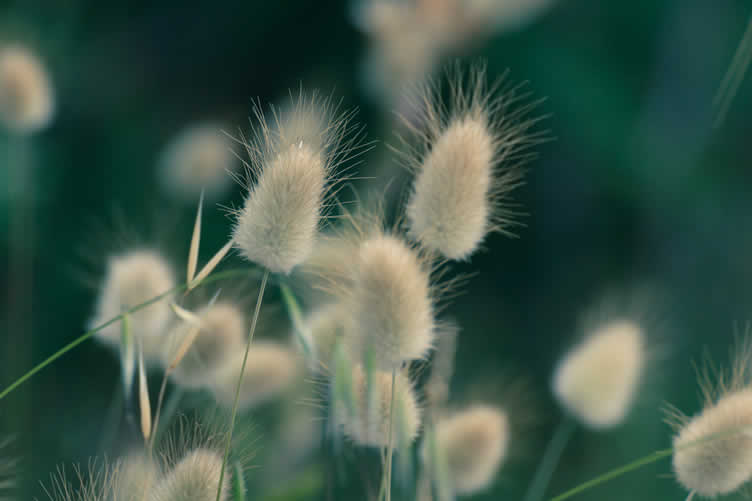
copyright image by 123rf.com
-
Scroll up to directory … or scroll to next section about using ornamental grasses …
-
-
7th Element: Design Strategies
… for integrating ornamental grasses
Effectively incorporating ornamental grasses into your landscape design calls for thoughtful planning, a keen eye for composition, and an understanding of how these plants can enhance your outdoor space.
Ornamental grasses bring texture, movement, and visual interest to gardens, whether used as standalone features, ground cover, or as part of a larger plant mix.
This section explores foundational strategies, such as selecting the right grasses for your climate and soil type, as well as creative design concepts like layering heights, combining colors, and using grasses as natural borders or focal points.
With these tips, you can unlock the full potential of ornamental grasses to create a stunning and cohesive landscape.
[ view summary table: design strategies ]
-
Establishing Structure and Rhythm
Grasses excel at bringing order and flow to a garden. By repeating similar varieties at intervals, you can establish a rhythm that guides the viewer’s eye through the landscape.
Mass plantings of a single species create bold, unified sweeps, while interspersing different types produces contrast and dynamic movement.
Consider using taller grasses as structural anchors at the back of borders or as privacy screens, with mid-sized and dwarf varieties defining pathways or softening hardscape edges.
The repetition and layering of grasses can break up large expanses and create a sense of movement even in static spaces.
-
Enhancing Texture and Contrast
The unique textures of ornamental grasses make them ideal for adding depth and interest to garden compositions. Fine, wispy grass textures contrast beautifully with large-leaved shrubs and perennials, creating visual intrigue.
Coarser grasses, on the other hand, can be strategically paired with softer plants to provide balance. Incorporating a mix of textures ensures a dynamic interplay throughout the seasons and encourages biodiversity by supporting a variety of insect and bird species.
Designers often look to examples highlighted by the American Society of Landscape Architects for inspiration on balancing texture within sustainable projects.
-
Designing for Color and Seasonal Appeal
Ornamental grasses contribute to all-season color and appeal, with many species showcasing striking seed heads, rich autumn hues, or frosted winter forms.
For summer vibrancy, select grasses like Calamagrostis x acutiflora (feather reed grass) or Miscanthus sinensis, which pair well with blooming perennials.
During fall, the warm golds and reds of Panicum virgatum (switchgrass) bring the landscape to life, while winter landscapes are rejuvenated by the snow-dusted structures of Schizachyrium scoparium (little bluestem).
Blend grasses with perennials, bulbs, and woody plants to maximize color progression in your garden.
Allow for overlapping bloom times and continuous foliage interest, ensuring that the landscape retains vitality from spring’s first shoots to winter’s frosted skeletons.
-
Sustainable and Functional Design Solutions
Beyond aesthetics, ornamental grasses excel in functional and sustainable applications. Their extensive root systems improve soil health, reduce erosion, and enhance water infiltration, making them excellent candidates for bioswales, rain gardens, and erosion-prone areas.
Drought tolerance is another hallmark of many grasses, helping reduce water-use demands in xeriscaping applications.
Grasses such as Bouteloua gracilis (blue grama) and Festuca ovina glauca (blue fescue) are particularly suitable for water-wise designs.
Utilize grasses in buffer strips, bioswales, or meadow plantings to filter runoff, sequester carbon, and support pollinators.
Rigorous scientific studies, such as those published in the American Society of Landscape Architects’ resources, underscore their value in ecological landscape design.
-
Other Considerations
When designing with ornamental grasses, other considerations include their ability to support local pollinators and wildlife. Tall grasses provide shelter and nesting for birds, while flowers and seed heads attract pollinators like bees and butterflies.
Maintenance needs should also be accounted for, balancing the frequency of mowing or pruning with the desired level of formality in the landscape. Native grasses often offer the best ecological returns, requiring less input while seamlessly blending into regional biodiversity.
Advice from governmental conservation initiatives, such as the USDA Plant Hardiness Zone recommendations, can further aid in appropriate plant selection.
Design Focus Key Ideas Example Applications Supporting Sources Structure and Rhythm Create frameworks, guide visual pathways, alternate heights for rhythm Pathway borders, privacy screens University of Minnesota landscape research Texture and Contrast Combine fine and coarse textures for visual balance and biodiversity Pair grasses with shrubs and perennials American Society of Landscape Architects Color and Seasonal Appeal Year-round interest through seasonal changes in foliage and seed heads Feather reed grass or switchgrass for fall color Examples from botanical institutions Sustainable and Functional Use Improve soil health, infiltration, and carbon sequestration; adapt to low-water environments Bioswales, rain gardens, erosion control Sustainable Sites Initiative (SITES) Ecological and Wildlife Value Support pollinators, shelter birds, and reduce maintenance needs Use native grass species to boost local biodiversity USDA conservation and Plant Hardiness Zone recommendations 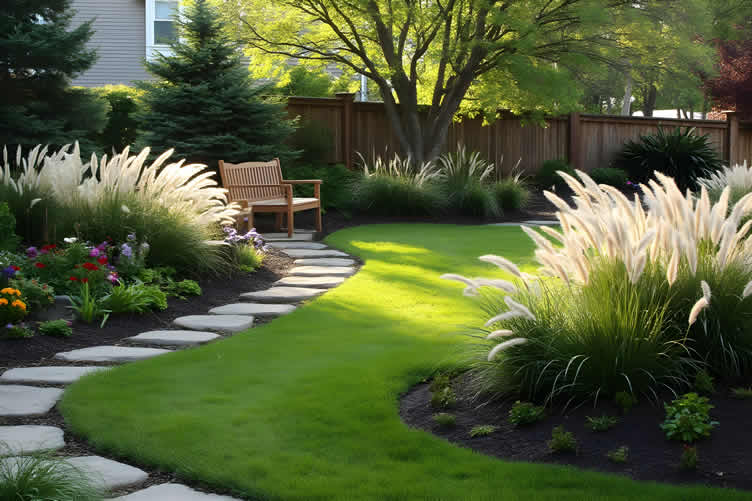
AI generated image by 123rf.com
-
Scroll up to directory … or scroll to next section about using ornamental grasses …
-
-
8th Element: Best Practices for Care and Long-Term Success
Ornamental grasses are versatile and low-maintenance additions to any landscape. However, to ensure their long-term success and aesthetic appeal, proper care and maintenance are essential.
Implementing thoughtful practices from planting through the seasonal growth cycle not only enhances their beauty but also promotes their health, vitality, and resilience.
Below, we outline key aspects of optimal care to help you cultivate thriving ornamental grasses.
[ view summary table: best practices and care ]
-
Planting and Establishment
The foundation for success with ornamental grasses begins with proper planting and establishment. Select a site that offers appropriate sunlight conditions based on the specific species—most ornamental grasses flourish in full sun, though some varieties tolerate partial shade.
Ensure the soil is well-draining, as soggy soil can lead to root rot. Preparing the planting area with organic matter or a slow-release fertilizer can bolster the establishment process, supplying nutrients to young plants.
When planting, space each grass according to its mature size to prevent overcrowding, which can hinder air circulation and growth. Water newly planted grasses consistently during the first growing season to help the roots establish firmly, but taper off once the plants are established, aligning with their drought-tolerant nature.
-
Seasonal Maintenance
Seasonal maintenance is critical for keeping ornamental grasses healthy and vibrant throughout the year.
During late winter or early spring, cut back dead foliage to just a few inches above the ground to make room for fresh growth. This practice encourages new shoots and maintains a tidy appearance.
Be mindful of the specific growth cycles of warm-season and cool-season grasses to time pruning appropriately. Applying a light layer of mulch during the spring can help retain moisture and suppress weeds, though the mulch should not smother the plant’s crown.
For grasses that may show invasive tendencies, frequent trimming of seed heads before they mature can reduce unwanted spread.
-
Managing Pests and Diseases
While ornamental grasses are inherently more resistant to pests and diseases than many other plants, vigilance is still important to maintain their health. Check plants periodically for signs of pests such as aphids or spider mites, which can attack under certain conditions.
If detected, first try environmentally friendly remedies like spraying with water or using insecticidal soap before resorting to harsher chemicals. Fungal diseases, such as rust or leaf spots, typically arise from poor air circulation or excessive moisture.
To mitigate these issues, ensure proper spacing, avoid overhead watering, and remove any diseased foliage promptly.
Trusted sources, such as the Royal Horticultural Society and local extension offices, offer region-specific guidance on managing pests and diseases effectively.
-
Other Considerations for Optimal Care
To support the long-term health of your ornamental grasses, it is essential to address additional considerations like dividing mature plants and preparing them for varying climate conditions. Over time, many grasses can become overcrowded, which may reduce their vigor and flowering.
Divide clumps every three to five years—ideally in spring or early autumn—and replant the divisions elsewhere or share them with fellow gardeners.
For climates with harsh winters, certain grass varieties benefit from leaving their foliage intact over winter to protect the crown from frost damage, with pruning reserved for early spring.
Researching your specific grass types allows you to adapt your care routine to meet their unique needs, ensuring they remain thriving centerpieces of your landscape.
Aspect Best Practices Planting and Establishment Plant in well-draining soil, provide appropriate sunlight, space plants to avoid overcrowding, and ensure sufficient watering initially. Seasonal Maintenance Cut back old growth in late winter or early spring, apply mulch sparingly, and trim seed heads to control spread. Managing Pests and Diseases Inspect plants regularly, ensure proper air circulation, avoid over-watering, and remove diseased foliage swiftly. Other Considerations Divide clumps every 3-5 years to maintain plant health, protect crowns in winter climates, and adapt care to specific grass types. 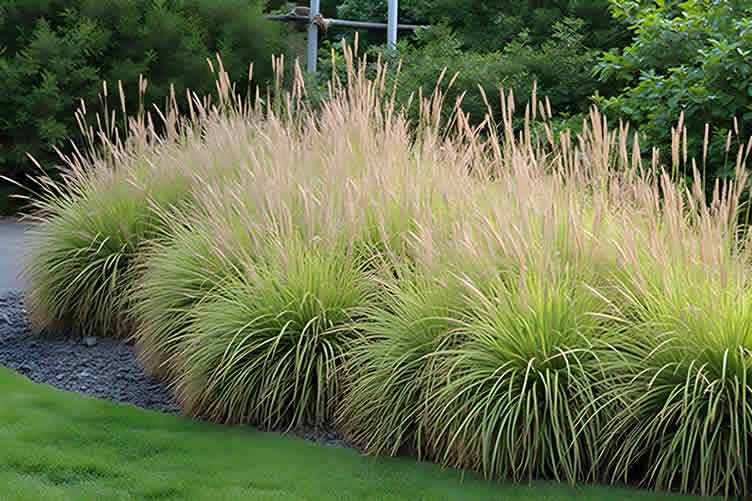
AI generated image by 123rf.com
-
Scroll up to directory … or scroll to next section about using ornamental grasses …
-
-
9th Element: Consulting a Landscape Contractor
For those seeking professional guidance in the design and maintenance of their outdoor spaces, consulting a landscape contractor can be incredibly beneficial.
A skilled contractor can assess your current landscape and provide expert recommendations on the selection and placement of ornamental grasses to enhance aesthetic appeal and meet specific maintenance needs.
They have the experience to choose grass varieties that thrive in your local climate and soil conditions, ensuring long-term success. Additionally, they can craft thoughtful designs that harmonize ornamental grasses with existing plants, structures, and hardscape elements.
Enlisting the help of a professional also streamlines the installation process, saving you time and effort while bringing your vision to life. By working with a landscape contractor, you can optimize the beauty and functionality of your garden with confidence and ease.
LetsRenovate has partnered with HomeAdvisor™, a renowned provider of highly-rated, carefully-vetted local landscapers. Start your search here by entering your zip code to find local professionals.
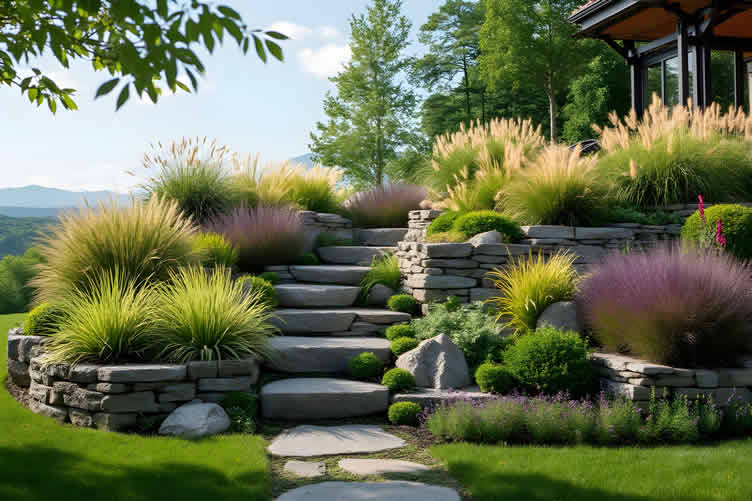
AI generated image by 123rf.com
But Wait!
Before beginning your search for landscape contractors, be sure to download this evaluation worksheet.
Designed to help you objectively assess and rank potential contractors, this valuable tool considers key factors like pricing, licensing, and referrals, ensuring you make an informed decision.

Evaluation Sheet
File Type:
Key Questions to Ask
Key questions to consider when selecting a landscape contractor for your ornamental grass project:
[ view summary table: question to ask ]
- Which ornamental grass varieties would work best for my local climate and soil conditions?
- How can ornamental grasses be incorporated to enhance the overall aesthetic of my garden design?
- What are the maintenance requirements for the recommended ornamental grasses?
- Are there specific grasses that provide seasonal interest or year-round appeal?
- How do ornamental grasses interact with existing plants and structures in my landscape?
- What is the expected growth rate and mature size of the selected grass species?
- Can ornamental grasses help with erosion control or other functional purposes?
- Are there any invasive grass species I should avoid using in my area?
- What irrigation or watering needs do these grasses typically require?
- How can ornamental grasses be used to create privacy or define garden spaces?
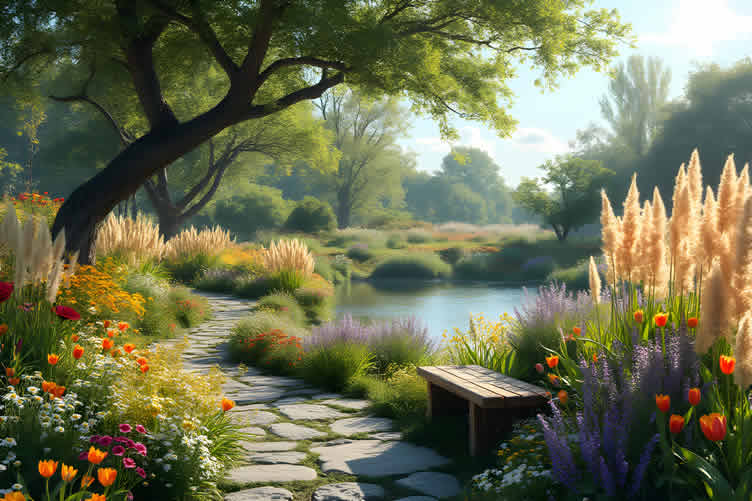
AI generated image by 123rf.com
Key Question Optional Grasses to Discuss Which ornamental grass varieties would work best for my local climate and soil conditions? Native grass species or drought-tolerant varieties such as Fountain Grass, Switchgrass, or Little Bluestem. How can ornamental grasses be incorporated to enhance the overall aesthetic of my garden design? Grasses with unique textures or colors like Purple Moor Grass, Zebra Grass, or Feather Reed Grass can provide contrast and visual interest. What are the maintenance requirements for the recommended ornamental grasses? Low-maintenance grasses like Blue Oat Grass or Muhly Grass may be suitable, requiring minimal pruning or fertilization. Are there specific grasses that provide seasonal interest or year-round appeal? Consider Miscanthus or Carex for year-round structure and Panicum species for fall color and seed heads. How do ornamental grasses interact with existing plants and structures in my landscape? Grasses such as Maiden Grass or Giant Miscanthus can complement shrubs and trees while defining spaces. What is the expected growth rate and mature size of the selected grass species? Smaller varieties like Elijah Blue Fescue are ideal for compact spaces, while Miscanthus giganteus suits larger areas. Can ornamental grasses help with erosion control or other functional purposes? Erosion control can be achieved with species like Switchgrass or Prairie Dropseed, which have deep root systems. Are there any invasive grass species I should avoid using in my area? Always research local regulations to avoid invasive types like Common Reed (Phragmites) or Pampas Grass in certain areas. What irrigation or watering needs do these grasses typically require? Drought-resistant grasses like Blue Grama may need less water, while others like Japanese Forest Grass require more frequent watering. How can ornamental grasses be used to create privacy or define garden spaces? Tall grasses like Pampas Grass or Giant Sacaton are excellent for creating live screens and natural privacy barriers. -
Scroll up to directory … or scroll to conclusion …
-
Bringing It All Together for Timeless Landscapes
The thoughtful use of ornamental grasses can elevate any landscape design, providing structure, contrast, and sustainable beauty year-round.
By understanding their unique qualities and integrating them with intention, you’ll cultivate outdoor spaces that are both functional and inspiring. Start by observing local plantings, experimenting with combinations, and seeking out professional resources for guidance.
Consider consulting a certified landscape designer or horticulturist for tailored advice, or explore authoritative references such as the American Society of Landscape Architects, the Royal Horticultural Society, and university extension publications.
When selected and cared for wisely, ornamental grasses offer a return on investment that far exceeds their initial cost, enhancing property value and ecological health for years to come.
-
Quick scroll to more interior yard n’ garden ideas …
-
ideas to view and compare from the photo above
- What comments can you share about
ornamental grasses that you have used in your landscape?



addressing ornamental grasses in landscape design and other home improvement needs …

… grab this directory of ideas for future use


… remodeling decisions


looking for other interesting topics that may be helpful …?


SHARE IT ..! You might have someone in your social network who could find this informative post about using ornamental grasses in garden design valuable. Feel free to share it on Facebook, X (formally Twitter), LinkedIn, or Pinterest!



below for …
… design tactics using ornamental grasses

Budgeting Worksheet For Costing Home Remodeling and Home Improvement Decisions
 File Type (excel)



get the size dimensions for any home remodeling project …

… for functionality, aesthetics, and adhering to building codes



… home remodeling – improvement

Calendar For:
Home Maintenance
File Type:
… view illustration “becoming a bank”
… and how about entering your "comments" regarding this analysis
Find Landscaping/Maintenance Landscape Design Landscape Maintenance Pest Control Sprinkler Systems Tree & Shrubs Water Features top-rated, pre-screened local contractors FREE: download contractor selection enter zip code – powered by HomeAdvisor ™
Quick Contractor Guides selecting negotiating working with inspecting

Cover image credit: ornamental grasses in landscape design by 123rf.com
end of post … please share it!
 |
did you find this ornamental grass analysis helpful? If so, please share the article with your friends and family! |
Nice pic idea? Leave us a quick comment below.
And please share this pic idea within your social networks.