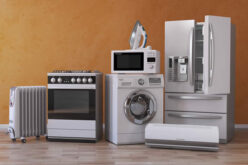
Summary Outline –
A home utility room serves as your household’s central command center, seamlessly managing everything from cleaning supplies and pet care to home network systems and laundry solutions. This dedicated space keeps essential items organized and accessible while maintaining the aesthetic appeal of your main living areas.
Whether you’re planning a home renovation or build, struggling with organization in a smaller space, or simply seeking ways to streamline your daily routines, understanding how to create and optimize a utility room can dramatically enhance your home’s functionality and your quality of life.
This comprehensive review explores everything you need to know about home utility rooms, from their core functions and design principles to installation considerations and creative alternatives.

-
Quick scroll to first topic about home utility management … or review summary content

Content Summary
section directory1st Utility Review: [view section]
… this review explores the purpose and importance of a home utility room in managing family life. Far beyond a simple laundry area, a utility room serves as a multi-functional space designed for storage, pet care, family organization, and more. Join us as we delve into its key functions and essential features.
2nd Utility Review: [view section]
… the second section highlights five key uses for a home utility room, showcasing its versatility: 1) efficient laundry management with space for washing, drying, and folding; 2) organized storage for cleaning supplies, keeping them accessible but out of sight; 3) bulk storage for essentials like paper towels and toilet paper; 4) a spot for miscellaneous household items like office supplies to reduce clutter; 5) a functional mudroom for shoes, coats, and outdoor gear.
3rd Utility Review: [view section]
… in addition to the five key functions mentioned earlier, a home utility room can serve four other versatile purposes, making it a smart and practical investment. These include: 1) pet care station equipped for bathing, grooming, and feeding your furry friends; 2) dedicated hub for home networks, charging stations, and electronic storage; 3) family command center, perfect for organizing schedules, appointments, and household chores; and 4) multi-functional space that can adapt to seasonal needs, such as gift wrapping, crafting, or other activities.
4th Utility Review: [view section]
… before deciding on a dedicated utility room for your home, take the time to weigh its benefits and value against any potential drawbacks. If space constraints make a full utility room impractical, explore alternative solutions that can still meet your needs efficiently.
5th Utility Review: [view section]
… the fifth step gets into the planning design for a home utility room and the installation steps required. This may be a DIY project with some help from professionals where need, or it may be a room addition or remodel. Review some real-life case studies of other who make the leap to setting aside a home utility room and how it was use.
first “home utility management” idea


copyright image by 123rf.com
Utility Tip 1: Defining the Home Utility Room
Notes:
-
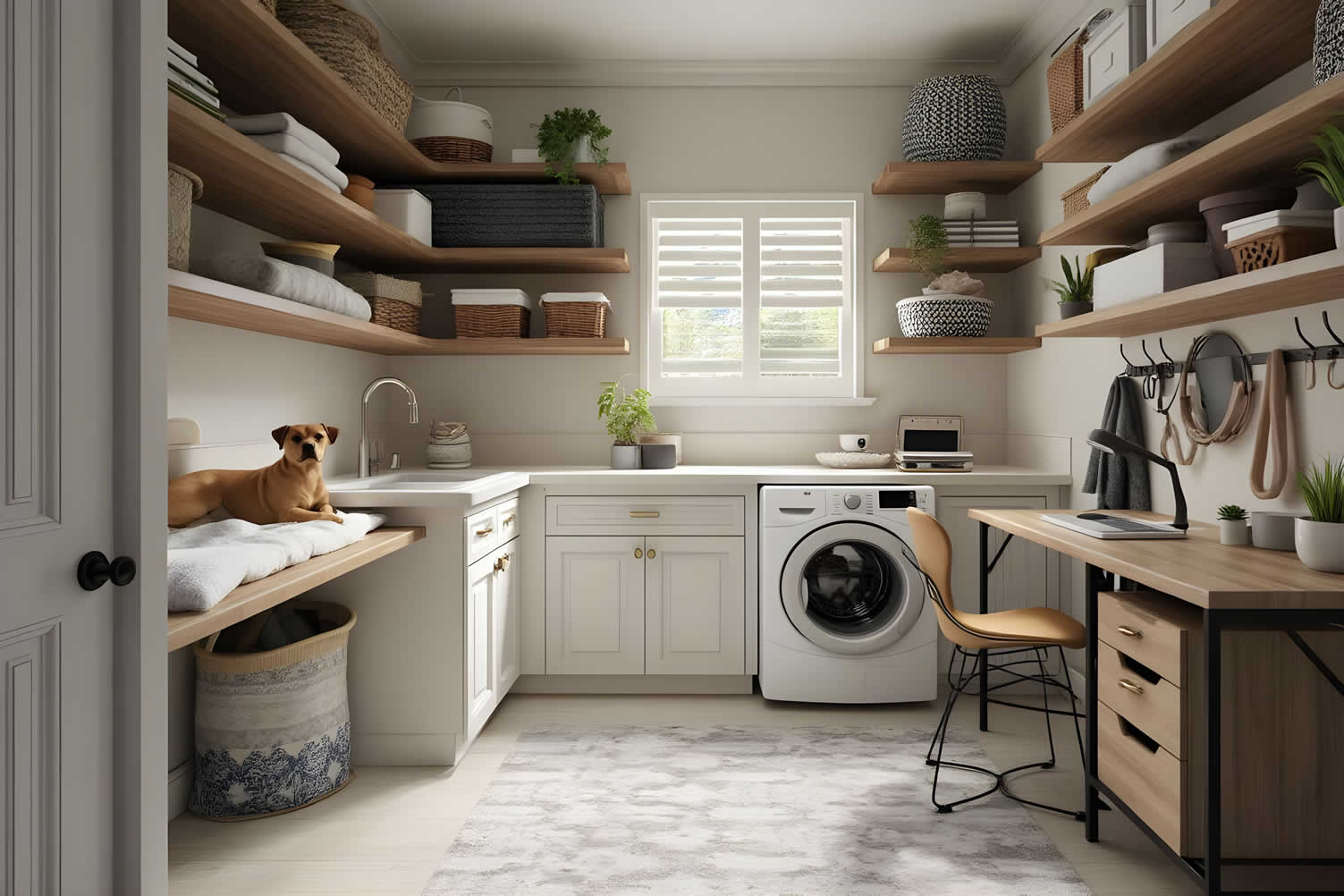
The concept of a home utility room extends far beyond a simple storage closet or basic laundry area. It is a multi-functional space designed to enhance the efficiency and organization of a home.
While its primary purpose often revolves around tasks such as laundry, ironing, or cleaning supply storage, a well-designed utility room can also serve as a hub for various household activities.
From providing an area for pet care or gardening prep to housing essential appliances like washing machines, dryers, or even extra refrigerators, its versatility makes it an invaluable addition to modern homes.
By optimizing its layout and functionality, homeowners can reduce clutter in main living areas and streamline daily chores with ease.
-
Quick scroll to “utility room” side notes …
-
-
1st: Key Purpose Elements of a Home Utility Room
A home utility room is much more than a mere convenience; it is a thoughtfully designed space that enhances the functionality and organization of your home.
Acting as a dedicated hub for a variety of household needs, utility rooms are tailored to streamline daily tasks, eliminate clutter, and create an environment that supports order and efficiency.
Their unique ability to adapt to your household’s specific requirements makes them a versatile addition to any home, significantly improving both practicality and overall living quality.
[ view summary table: key purpose for utility room ]
-
A Multi-Functional Space for Household Necessities
At its core, a home utility room functions as a multi-functional space dedicated to housing and organizing household essentials.
Whether it serves as a laundry area, a storage solution, or a cleaning supplies hub, the utility room is key to managing items that might otherwise create clutter in your main living areas.
This dedicated space centralizes everyday necessities, ensuring you can keep your home tidy and elevate its aesthetic appeal while maintaining convenience.
-
Designed for Versatility and Individual Needs
Unlike single-purpose rooms such as pantries or linen closets, a utility room embraces versatility, adapting seamlessly to the unique needs of your household. It can incorporate spaces for ironing, pet care, seasonal clothing storage, or even DIY projects, depending on your specific lifestyle.
Thoughtful organization systems are critical here, as they ensure efficiency regardless of the room’s exact configuration or purpose. Open shelving, storage bins, and clearly labeled zones are often combined to create a space that works flawlessly for its intended tasks.
-
Location and Layout Considerations
Utility rooms are incredibly flexible in terms of location. Whether tucked away in a converted closet, occupying a corner in the basement, integrated into a garage section, or featured as a purpose-built room adjacent to the kitchen or entryway, they can be tailored to fit within your home’s available space.
The primary factor that determines a utility room’s success is not its location but its design. Accessibility, storage efficiency, and multi-functional potential are paramount in developing a utility room that meets your needs.
Incorporating elements such as proper lighting, durable work surfaces, and ergonomic layouts ensures a space that supports productivity with ease.
-
The Backbone of Household Operations
A well-designed utility room serves as the backbone of a smooth-running home. By centralizing tasks and storage, it minimizes the frustration of searching through multiple locations for essential items.
A designated space for activities like folding laundry, cleaning, or storing bulk goods also keeps these potentially disruptive tasks from encroaching on your living areas, preserving the peaceful ambiance of your home.
With a utility room, you can efficiently compartmentalize household chores and regain control over the clutter, making day-to-day living more enjoyable and less stressful.
-
Modern-Day Importance and Practical Value
Modern utility rooms have evolved to reflect the demands of contemporary households. Beyond mere functional spaces, they have become an integral part of home design, adding value in both aesthetic and operational terms.
A thoughtfully planned utility room does more than optimize your home; it also improves your home’s marketability. Buyers are increasingly drawn to properties with practical storage and task-specific spaces, making utility rooms a discreet but powerful way to boost your home’s value.
References:
- My Home My Style. "How to Design the Perfect Utility Room – Ideas & Inspiration." Accessed October 2023. https://www.myhomemystyle.com/
- Better Homes & Gardens. "What Every Modern Utility Room Should Include." Accessed October 2023. https://www.bhg.com/
- Homebuilding & Renovating. "Utility Rooms – Designing and Planning Tips for Homeowners." Accessed October 2023. https://www.homebuilding.co.uk/
Feature Description Purpose Utility rooms enhance functionality and organization by serving as a dedicated space for household tasks and storage. Multi-Functionality Designed to handle a variety of tasks such as laundry, cleaning supplies storage, or even DIY projects, ensuring a clutter-free home. Versatility Utility rooms adapt to individual needs, with the option to include ironing areas, pet care zones, or seasonal storage. Organization Features like open shelving, labeled zones, and storage bins maximize efficiency and maintain order. Location These rooms can be placed in various home areas such as basements, garages, or near kitchens, depending on space availability. Layout Considerations Ergonomic designs, proper lighting, and durable work surfaces improve both productivity and usability. Household Benefits Utility rooms centralize tasks, reduce clutter in living spaces, and contribute to a peaceful home environment. Modern Value Modern utility rooms boost home marketability by providing practical storage and task-specific spaces. 


AI generated image by 123rf.com
[ view images: home utility room ideas ]
[ pinterest: home utility room ]

-
-
2nd: Key Components and Features
A well-designed utility room can significantly enhance the functionality of your home, acting as a hub for organization, chores, and storage. It creates a designated space where household tasks can be managed efficiently without encroaching on the aesthetic or comfort of your main living areas.
Below are the essential components and features that make up an effective utility room, focusing on practical solutions and user-centric design.
[ view summary table: components and features ]
-
Combination of Storage Solutions
The hallmark of a utility room is its ample storage, designed to cater to diverse organizational needs. Shelving, cabinetry, and built-in compartments keep essentials neatly organized, whether it’s cleaning supplies, seasonal décor, or household tools.
Adjustable shelving systems allow customization based on the size and type of items stored, while pull-out drawers ensure easy access. An emphasis on vertical storage solutions maximizes space in smaller utility rooms, making the most of every inch available.
-
Workspace Areas for Managing Household Administrative Tasks
Modern utility rooms often double as command centers for managing household tasks, such as bill payments, calendars, and correspondence. Including a dedicated workspace with a small desk or countertop provides room to handle paperwork, sort mail, or even manage schedules efficiently.
When paired with smart organization tools such as file holders or cork boards, this feature transforms the utility room into a functional multi-use area, helping to keep the household running smoothly.
-
Proper Ambient and Task Lighting for Household Needs
Lighting plays a pivotal role in creating an efficient workspace in a utility room. Adequate ambient lighting ensures the entire space is well-lit and welcoming, while task lighting focuses on specific areas where precision is required, such as the laundry station or workspace.
LED lighting is a popular choice for its longevity and energy efficiency, and under-cabinet lighting provides additional illumination for darker corners. Proper lighting design not only improves functionality but also enhances the overall aesthetic of the room.
-
Ample Electrical Outlets for Various Appliances and Charging Stations
An effective utility room supports multiple appliances, from washing machines and dryers to irons and hand-held vacuums. To accommodate these needs, ample electrical outlets must be strategically placed throughout the space.
Installing outlets at convenient locations prevents clutter caused by extension cords and ensures that appliances can be run simultaneously without any struggle. Including USB-compatible outlets provides extra convenience for charging smaller devices such as phones or tablets.
-
Cleaning Station for Various Household and Garden Needs
A designated cleaning station simplifies the process of tackling everyday messes and garden-related chores.
Sinks with deep basins, combined with sturdy countertops, create an ideal spot for rinsing tools, prepping flower arrangements, or cleaning up accidental spills. Including hooks or wall-mounted organizers for brooms, mops, and other cleaning tools ensures easy accessibility, further contributing to a streamlined experience.
-
Proper Ventilation to Address Home Air Quality
Ventilation is a critical yet often overlooked component of a utility room. Wet laundry, cleaning chemicals, and confined spaces can contribute to poor air quality without adequate ventilation.
Installing a high-quality exhaust fan or an air purification system ensures that musty odors and excess moisture are eliminated, reducing the risk of mold and other health hazards. This attention to air quality fosters a fresher and more pleasant atmosphere within the space.
-
Other Considerations for an Outstanding Utility Room
Lastly, it’s important to consider additional features that can further elevate the utility room experience. Installing a durable, water-resistant floor covering protects against moisture damage while maintaining easy cleanup.
Implementing soundproofing measures ensures that the noise from laundry machines or other appliances doesn’t disrupt the tranquility of adjacent areas. Custom touches such as a folding station, pet-care area, or indoor drying racks add versatility, catering to the unique needs of each household.
References:
- Smith, J. (2021). The Modern Home Utility Room. Home & Living Magazine. Retrieved from https://www.homeandlivingmagazine.com/utility-room-design
- Brown, K. (2020). “Efficient Storage Solutions for Small Spaces.” Interior Design Weekly. Retrieved from https://www.interiordesignweekly.com/articles/storage-solutions
- U.S. Environmental Protection Agency (EPA). (2022). “Indoor Air Quality Basics.” Retrieved from https://www.epa.gov/indoor-air-quality-iaq
- Greenfield, L. (2019). Lighting for Multi-Use Spaces. Design Master Press. Retrieved from https://www.designmasterpress.com/lighting-guide
Component Description Storage Solutions Includes shelving, cabinetry, and compartments for organizing cleaning supplies, seasonal decor, and household tools. Features adjustable shelving and vertical storage for space efficiency. Workspace Areas A small desk or countertop for handling paperwork, sorting mail, and managing household schedules. Paired with file holders or cork boards for enhanced functionality. Lighting Combines ambient lighting for overall brightness with task lighting for precision work areas. Popular options include LED and under-cabinet lights for energy efficiency and better visibility. Electrical Outlets Strategically placed outlets to support appliances like washers, dryers, irons, and charging stations. Includes USB-compatible options for small devices. Cleaning Station Features deep-basin sinks and durable countertops for managing messes and garden tasks. Includes hooks and wall mounts for organizing cleaning tools. Ventilation Ensures proper air quality with exhaust fans or air purification systems to eliminate moisture, odors, and potential mold risks. Additional Features Durable, water-resistant flooring for moisture protection and easy cleanup. Noise reduction measures and custom areas such as folding stations or pet-care spaces for added versatility. 
AI generated image by 123rf.com
-
-
-
ideas to view and compare from the information discussed above
Scroll up to directory … or scroll to next section about home utility management …

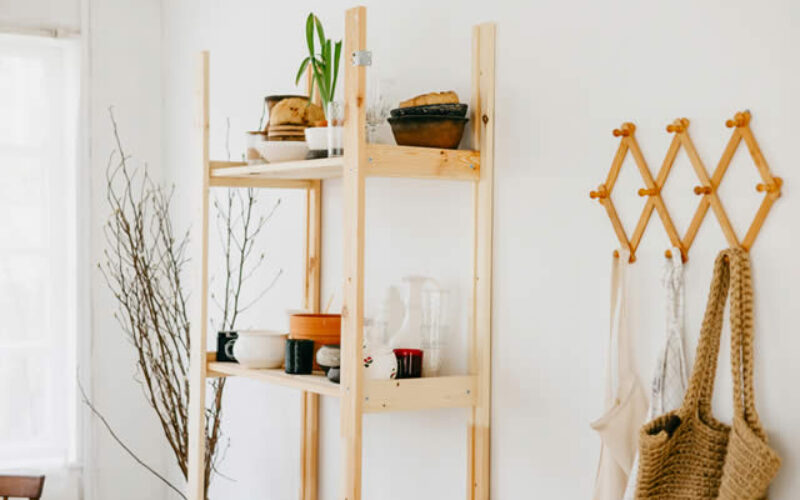

… home utility room can benefit you and your household

second “photo remodeling” idea
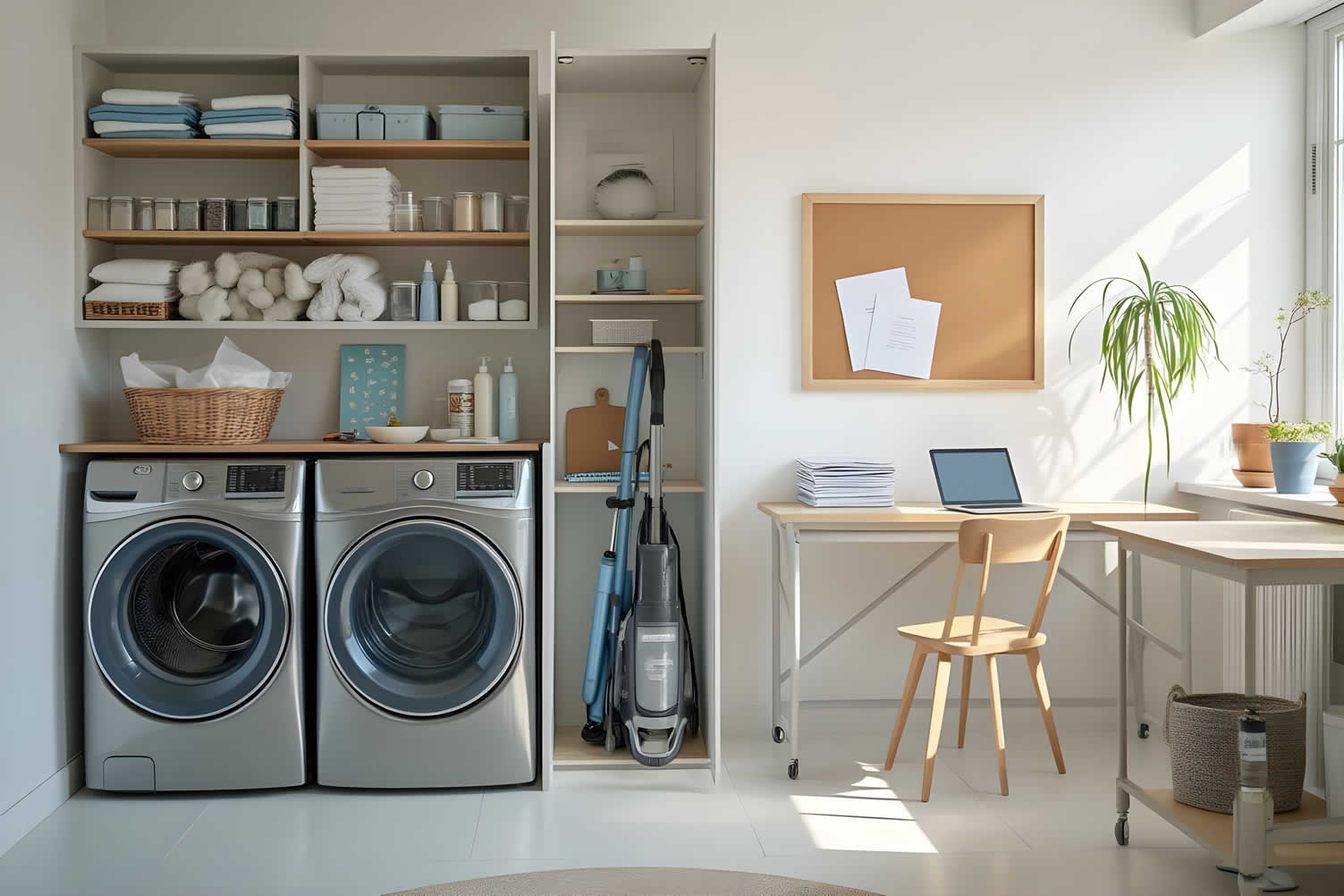
AI generated image by 123rf.com
Utility Tip 2: How a Home Utility Room Can Be Used
… utilization ideas 1-5
Notes:
-
The versatility of a well-planned utility room becomes apparent when examining its diverse potential applications. Each function addresses specific household needs while contributing to overall home organization and efficiency.
In this first section, we will delve into the essential functions of a home utility room, examining its role as the backbone of a well-organized household. We will also explore practical ways to optimize this space for easy access, better organization, and efficient handling of daily tasks, ensuring it works seamlessly to support your lifestyle.
-
Quick scroll to “how-to be used” side notes …
-
-
1st: Laundry Management and Drying Solutions
A well-designed utility room can transform the way households approach laundry and related tasks. These spaces are not merely storage areas but can serve as highly functional hubs for washing, drying, folding, and organizing.
Unlike traditional laundry rooms, which often lack the proper layout or equipment for efficient work-flow, utility rooms are versatile spaces that can integrate modern solutions, making laundry management more effective and less stressful.
[ view summary table: laundry management ]
-
Functional Room for Laundry
Creating a dedicated utility room that accommodates both laundry washing and drying can significantly enhance the efficiency and convenience of your household chores. Whether you are expanding your current laundry area or designing a new space entirely, careful planning is essential.
Start by ensuring that the room is equipped with proper plumbing and electrical connections to support your washer and dryer. Installing a utility sink can add versatility, providing a space for tasks like pre-treating stains or hand-washing delicate items.
When planning the layout, consider placing the washer and dryer side by side for ease of use, or stackable units if you want to save space. Adding shelves or cabinets above the appliances offers convenient storage for detergents, fabric softeners, and other laundry essentials.
To maintain a cohesive and tidy look, opt for cabinetry that matches your home’s decor while offering practical functionality. Lighting is another crucial factor—ensure the utility room is brightly lit, either with natural light or well-placed fixtures, to create an inviting atmosphere.
-
Space-Saving Drying Solutions
Utility rooms offer an excellent opportunity to incorporate innovative drying methods, even in smaller homes. Rack dryers are a prime example of an energy-efficient option, particularly useful for delicate fabrics that require gentle handling.
These systems avoid excessive heat exposure, which can extend the lifespan of garments. Additionally, retractable clotheslines provide the flexibility of expanded drying space when necessary, while conveniently retracting to preserve floor space when not in use.
This dual-purpose functionality allows homeowners to maximize efficiency without compromising on aesthetics.
-
Organized and Practical Storage
A utility room facilitates the organization of essential laundry supplies, ensuring everything stays accessible and tidy. Shelving and cupboards can be dedicated to housing detergents, fabric softeners, stain removers, and other cleaning products.
This level of order not only speeds up the laundry process but also prevents clutter from accumulating in other areas of the home. By tailoring the storage solutions to the household’s specific needs, homeowners can create a seamless work-flow that promotes clarity and efficiency.
-
Integrated Folding and Workspace Solutions
Traditional laundry rooms often fail to provide an efficient setup for folding clothes. Utility rooms, however, can integrate multi-functional spaces such as wall-mounted folding tables.
These tables can be deployed only when needed and secured back against the wall to declutter the area once tasks are completed.
This ensures that available space is used wisely while maintaining functionality. Temporary workspaces like these add to the versatility of utility rooms by demonstrating how thoughtful design can optimize both time and effort.
-
Ironing and Hanging Systems
Ironing can often feel like a cumbersome task, particularly when items such as the iron and ironing board don’t have a designated space. Utility rooms are perfect for incorporating hidden storage solutions for these items, keeping them accessible but out of sight when not in use.
Hanging systems for freshly ironed clothes further reduce the risk of wrinkles and streamline the process of transitioning garments back to closets. This emphasizes the potential of utility rooms to not only handle immediate laundry needs but also to complement everyday routines.
The practicality and efficiency of utility rooms can enhance any home by supporting laundry and drying processes in an organized, multi-functional space. They are a testament to how modern living requires adaptable and thoughtful design, ensuring that necessities like laundry can be seamlessly incorporated into the home.
References
- "Laundry Room Layouts," National Association of Home Builders, accessed October 2023.
- Smith, L. "Optimizing Small Spaces for Daily Chores," Interior Design Journal, Vol. 22, Issue 3, 2023.
- Johnson, R. "Energy-Efficient Drying Solutions for Homes," Home Efficiency Today, April 2023.
Category Details Laundry and Drying Solutions A well-designed utility room transforms household laundry tasks into streamlined processes by integrating proper plumbing, stackable or side-by-side washer and dryer layouts, utility sinks, and matching cabinetry. Space-Saving Drying Solutions Innovative options like rack dryers and retractable clotheslines maximize drying space while preserving floor area. These energy-efficient methods extend garment lifespan and maintain aesthetics. Organized Storage Custom shelving and cupboards keep detergents, fabric softeners, and other supplies accessible and clutter-free, creating a seamless and efficient work-flow tailored to household needs. Folding and Workspace Solutions Wall-mounted folding tables and other multi-functional workspaces enhance usability. These temporary setups save space while providing practicality during laundry tasks. Ironing and Hanging Systems Hidden storage for irons and boards, along with hanging systems for freshly ironed clothes, streamline ironing tasks and ensure garments transition back to closets wrinkle-free. Overall Benefits Utility rooms support laundry and drying processes in organized, multi-functional spaces. They exemplify modern, thoughtful design that integrates seamlessly into daily life and home functionality. 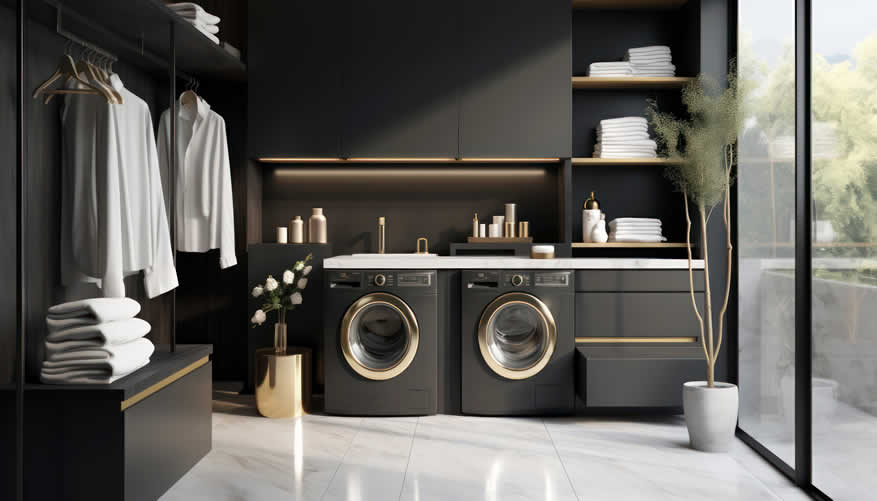
copyright image by 123rf.com
-
-
2nd: Managing Cleaning Supplies
A utility room is an ideal space for managing and organizing cleaning supplies, ensuring they remain accessible, neat, and effectively stored.
By dedicating sections of the utility room to specific types of cleaning products and tools, homeowners can enhance convenience, maximize storage efficiency, and maintain a cleaner, safer home environment.
Here are optimal ways to organize and utilize your utility room for cleaning supply management.
[ view summary table: cleaning supplies storage ]
-
Storage for Cleaning Liquids, Tools, and Accessories
To efficiently store cleaning liquids, such as detergents, cleansers, and sprays, alongside tools like rags, brooms, mops, dust pans, and dusters, adjustable shelving or wall-mounted storage systems work best.
These systems provide flexibility to accommodate containers of various sizes and tools of varying dimensions, while also keeping items within easy reach.
Transparent containers or labeled baskets can be used to keep smaller items like brushes or microfiber cloths organized and visible. Wall hooks or pegboards allow vertical storage of brooms, mops, and dust pans, preserving valuable floor space.
Implementing a systematic arrangement—such as grouping by usage (e.g., kitchen cleaners vs. bathroom supplies)—ensures items are easy to locate when needed.
-
Storing Electrical Cleaning Appliances
For larger cleaning appliances, including vacuums, carpet cleaners, and robotic vacuum charging stations, a dedicated zone within the utility room is essential. Tall cabinets or spacious shelving units with adjustable dividers can accommodate devices of varying sizes.
To ensure optimal functionality, a nearby electrical outlet is ideal for charging appliances like hand-held vacuums or robotic cleaners.
When not in use, these appliances should be stored in storage spaces with sufficient ventilation to prevent overheating. Designating a specific area for appliances eliminates clutter and ensures they are protected and ready for use at all times.
-
Managing Hazardous Chemicals for Home and Garden
Hazardous chemicals, such as pest repellents, weed killers, or powerful cleaning agents, require secure and responsible storage. A locked cabinet or a dedicated shelf positioned out of reach of children and pets offers a safe solution.
Metal cabinets are particularly effective as they resist corrosion and support heavier containers. Clearly label the storage area for hazardous chemicals to avoid accidental misuse.
Keep these products separate from everyday cleaners to reduce the risk of cross-contamination and ensure safe handling.
-
Creating Zones for Cleaning Categories
To optimize functionality, organize your utility room into dedicated zones for distinct cleaning categories. For example, designate specific areas for bathroom cleaning supplies, kitchen cleaners, floor care products, and multipurpose cleaning tools.
Each zone can be equipped with labeled bins, shelves, or compartments tailored to the size and type of items stored. This categorization not only promotes better organization but also enhances efficiency by allowing users to quickly find all necessary products for specific cleaning tasks without mixing or misplacing items.
Referencing and Citations
Category Details Storage for Cleaning Liquids, Tools, and Accessories – Adjustable shelving or wall-mounted systems for flexibility and accessibility.
– Transparent containers or labeled baskets for organizing smaller items.
– Wall hooks or pegboards for vertical storage of brooms, mops, and dust pans.
– Group items by usage (e.g., kitchen cleaners, bathroom supplies) for easy access.Storing Electrical Cleaning Appliances – Dedicated zone with tall cabinets or spacious shelving for large appliances.
– Include nearby electrical outlets for charging devices.
– Ensure storage has proper ventilation to prevent overheating.
– Designated spaces keep appliances clutter-free and ready for use.Managing Hazardous Chemicals for Home and Garden – Use locked cabinets or shelves out of reach of children and pets.
– Opt for metal cabinets for durability and corrosion resistance.
– Clearly label hazardous chemical storage areas.
– Keep hazardous products separate from everyday cleaners.Creating Zones for Cleaning Categories – Establish zones for bathroom cleaning supplies, kitchen cleaners, floor care, etc.
– Use labeled bins, shelves, or compartments for each category.
– Promotes better organization and task-specific efficiency.
– Minimizes the risk of cross-contamination or misplaced items.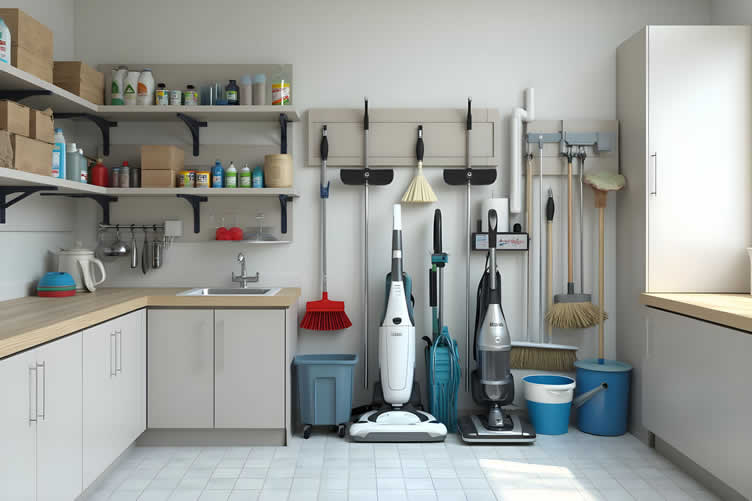
AI generated image by 123rf.com
-
-
3rd: Bulk Paper Product Storage
The home utility room can serve as an ideal space for the storage of bulky paper products and food storage items. By designating specific areas for these essentials, homeowners can ensure a well-organized, easily accessible supply system that saves time and reduces clutter in other areas of the home.
Additionally, buying paper products and food storage items in bulk can help lower your overall household management expenses.
A thoughtfully arranged utility room leverages both functionality and practicality, creating a storage haven that meets the dynamic needs of a busy household.
[ view summary table: bulk paper storage ]
-
Paper Towels and Napkins
The utility room is a practical choice for keeping your family stocked with paper towels and napkins, which are frequently used for daily cleaning tasks and meals. Storing paper towels upright on adjustable shelving ensures easy access, while napkins can be housed neatly in labeled, stackable bins.
To maximize storage efficiency, consider reserving a specific shelf for paper products, allowing immediate replenishment when supplies run low. Modular shelving solutions are especially useful for stacking multiple sizes of packaging, maintaining order in the space.
-
Toilet Paper
Toilet paper is often purchased in bulk for cost savings, and the utility room offers a convenient spot to store these bulky packages without overcrowding bathrooms.
Store toilet paper on a raised shelf or in a dedicated cabinet to keep it dry and easily reachable. By organizing packages in rows, you can visually track your inventory and avoid running out of this essential item.
For added protection, use airtight storage containers, particularly in areas with fluctuating humidity levels.
-
Sealable Food Storage Bags and Bulk Food Storage
Sealable food storage bags are indispensable for meal prep, leftovers, and organization in the kitchen. Keep these items in your utility room by assigning them to a drawer or see-through storage bin.
Organize bags by size (e.g., snack-sized, quart-sized, gallon-sized) and ensure the containers are labeled for quick identification. Using compact, vertical organizers can minimize space usage while maintaining order.
Bulk food items like tomato sauce, beans, canned vegetables, fruits, and other pantry staples can be efficiently organized using a FIFO (First In, First Out) storage system. This approach ensures that older items are placed at the front for easy access, while newer purchases are stored behind them, promoting freshness and minimizing waste.
Follow these simple steps to create your own FIFO system:
- Sort and Label Your Cans
Begin by grouping your canned goods by type—such as soups, beans, vegetables, and fruits. Then, carefully check the expiration dates on each can and use a marker or label to clearly write the date on the front of the can for easy visibility. - Designate Shelving or Storage Areas
Assign dedicated shelves or bins for each category of canned goods. Consider using slanted tiered racks or stackable organizers that allow cans to naturally rotate forward as they are used. This setup streamlines restocking and retrieval. - Arrange by Expiration Date
Place the cans with the earliest expiration dates at the front of each section, while newer cans with later expiration dates are stored behind them. This ensures your older items are consumed first. - Create a Rotation Habit
When restocking your pantry, always place newly purchased cans at the back of the designated section. Make it a routine to rotate the older cans to the front during this process. - Label Storage Sections
To simplify management, label the shelves or bins based on their contents (e.g., "Tomato Products," "Soups"). This not only helps you quickly locate items but also promotes consistent organization practices.
- Sort and Label Your Cans
-
Paper Plates, Cups, Bowls, and Utensils
Hosting a dinner party or planning a picnic is easier with a ready stockpile of disposable paper tableware. Paper plates, cups, bowls, and utensils can be stored in the utility room in their original packaging or separated into clear bins for better visibility.
To maintain an orderly collection, place heavier items like plates on a lower shelf and lighter items like utensils or cups higher up. Grouping these items together ensures you’ll always have what you need for gatherings or large meals.
-
Other Paper Storage Items
Additional paper products, such as printer paper, tissue boxes, or craft supplies, can also find a home in your utility room. Designate specific storage areas to avoid intermingling with other products.
Utilize stackable file organizers or small containers for these items to maintain organization and efficiency. For long-term storage, moisture-resistant bins help preserve these supplies and protect them from environmental damage.
Proper organization in the utility room revolves around maintaining visibility, accessibility, and preservation of bulk paper products. Incorporating labeled storage bins, modular shelving, and airtight containers contributes to a system that is both aesthetically pleasing and functional.
Additionally, ensuring that products are stored at optimal humidity and temperature levels will help extend their lifespan and maintain quality.
References and Sources:
Item Storage Recommendations Additional Tips Paper Towels and Napkins Store paper towels upright on adjustable shelving and napkins in labeled, stackable bins. Use a dedicated shelf for paper products. Modular shelving solutions can help organize multiple packaging sizes efficiently. Toilet Paper Keep toilet paper on a raised shelf or in a dedicated cabinet to stay dry and easily accessible. Organize in rows for inventory tracking. Use airtight storage containers in areas with fluctuating humidity. Sealable Food Storage Bags Assign these to a drawer or see-through storage bin, organized by size (e.g., snack, quart, gallon). Vertical organizers maximize space efficiency while maintaining order. Bulk Food Items (e.g., Cans) Implement a FIFO system with slanted racks or tiered organizers for efficient rotation by expiration date. Label shelves or bins by category (e.g., "Tomato Products") and maintain a rotation habit for freshness. Paper Plates, Cups, Bowls, and Utensils Store in their original packaging or clear bins. Place heavier items like plates on lower shelves and lighter items higher up. Group items together for easy access during gatherings or meals. Other Paper Storage Items Items like printer paper, tissue boxes, or craft supplies should be stored in specific areas to avoid intermingling. Use stackable file organizers or moisture-resistant bins for long-term storage and protection. 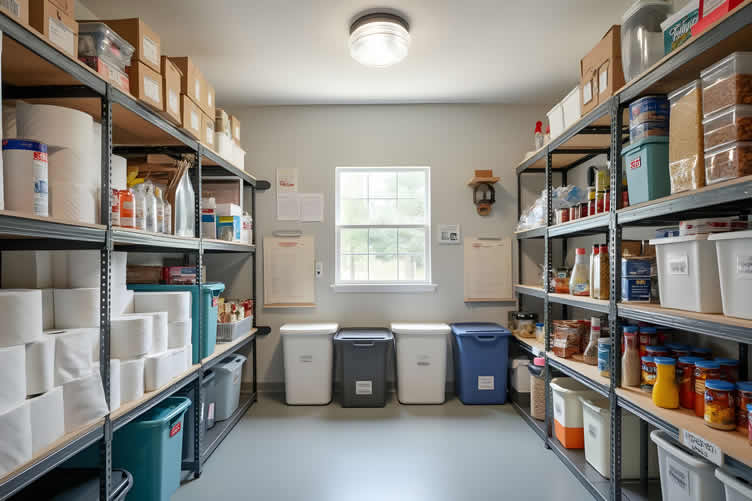
AI generated image by 123rf.com
-
-
4th: Miscellaneous Household Stuff
A utility room is perfectly suited to housing various everyday items such as tape, staplers, rubber bands, paper clips, rulers, pencils, pens, drawing materials, and other small tools or stationery can be neatly stored in this space.
By dedicating an area specifically for these items, you can establish an organized system where each household member can quickly find what they need when they need it. This setup eliminates the frustration of misplaced items and promotes a clutter-free home.
Additionally, by centralizing such supplies in a single location, you increase the overall efficiency of your daily tasks and minimize time spent searching for these essentials.
[ view summary table: miscellaneous household stuff ]
-
Storing and Organizing for Easy Access
Proper storage is the key to maintaining a functional utility room. Begin by designating smaller containers or compartments for categorizing and separating similar items.
Clear bins or labeled drawers work excellently for this purpose, allowing visibility and easy identification of contents at a glance. For example, dedicate one drawer to crafting supplies, another to office materials like pens and rulers, and another for miscellaneous items such as tape or scissors.
Shelving is another great way to utilize vertical space effectively. Place less frequently used supplies on higher shelves and keep the most commonly accessed items within reach.
Dividers can be incorporated within drawers or boxes to further segment small items, ensuring they don’t become tangled or misplaced.
Make use of moisture-resistant boxes if your utility room is located in a basement or other humid environment. This added protection will ensure your supplies remain in pristine condition over time.
Keep an inventory when necessary, particularly for items that get used up quickly, such as tape or batteries, to ensure restocking is seamless.
-
Establishing Rules for Returning Items
Maintaining the organization of your utility room requires a consistent effort from all household members. A simple yet critical rule is to return every item to its designated space after use.
Consider creating a labeling system to clearly identify where certain supplies belong and ensure everyone in the household is aware of it. Labels act as visual reminders and make the process of putting things away straightforward for everyone.
Encourage family members to handle items with care and to report when an item is running low or damaged. By fostering a sense of accountability and respect for shared supplies, you can ensure your utility room remains a well-maintained and practical resource for years to come.
-
Why It Matters
An organized utility room may seem like a small detail, but it plays a significant role in the efficiency of your household. When everything has its place, the time saved searching for tools and materials can be redirected to more productive or enjoyable activities.
A well-maintained utility room contributes to a more organized lifestyle and helps prevent unnecessary purchases of items you already own but cannot locate.
References:
- Smith, L. (2018). The Organized Home. Cambridge Publishing.
- Andrews, J. (2021). Storage Solutions for Modern Homes. Harper & Co.
- Home Organization Guide. (2023). Retrieved from www.homeorganizationguide.com.
- "Tips for Organizing a Utility Room." Better Living Magazine, April 2022.
Category Key Points Miscellaneous Household Needs Utility rooms can store everyday items like tape, staplers, rubber bands, paper clips, rulers, and pens.
Establishing a dedicated space for such items promotes organization and prevents misplacement.
Centralizing supplies enhances efficiency and minimizes frustration over lost items.Storing and Organizing for Easy Access Use smaller containers, clear bins, or labeled drawers to categorize items.
Utilize shelving to maximize vertical space, keeping commonly used supplies within reach.
Employ moisture-resistant boxes in humid environments and maintain an inventory for frequently used items.Establishing Rules for Returning Items Ensure household members return items to their designated spaces after use.
Use labeling systems to specify where supplies belong, making organization easy for everyone.
Foster accountability by encouraging care for shared items and prompt reporting of low supplies or damages.Importance of an Organized Utility Room Saves time by reducing the need to search for tools or materials.
Contributes to a clutter-free and efficient home environment.
Prevents unnecessary purchases of items already owned but misplaced.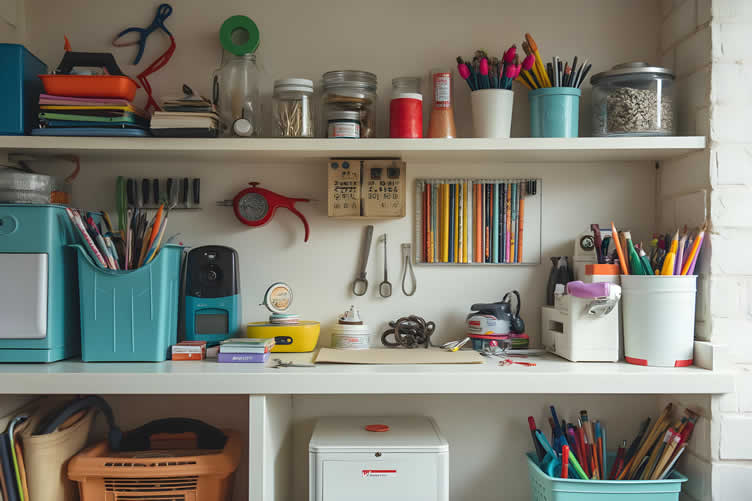
AI generated image by 123rf.com
[ amazon: paper clip storage ]
[ amazon: secretary desk with storage ]
-
-
5th: Function as a Mudroom
A utility room can effortlessly double as an efficient mudroom, making it an ideal solution for households looking to maximize functionality and save space. Merging these areas not only conserves square footage but also streamlines busy routines by providing a centralized hub for organization, cleaning, and entryway essentials.
With thoughtful design and a focus on dual-purpose functionality, homeowners can create a practical, stylish, and organized space that seamlessly caters to their everyday needs.
[ view summary table: function as mudroom ]
-
Designing the Entryway for Cleanliness and Organization
To transition a utility room into a mudroom, thoughtful entryway design is essential. Start by designating an area near the door as a drop zone for shoes, umbrellas, and outdoor gear.
Durable and easy-to-clean flooring, such as ceramic tile or sealed concrete, ensures dirt and moisture brought in from outside can be quickly addressed. Including built-in storage or open shelving for baskets and bins promotes organization while maintaining a welcoming visual aesthetic.
By integrating hooks for coats or backpacks, you also create a functional space that keeps everyday essentials in easy reach.
-
Merging Laundry and Mudroom Needs
A combined utility and mudroom space should align laundry and cleaning tasks with entryway functions. For example, a utility sink positioned strategically within the room can serve as both a laundry station and a place to rinse muddy boots, pet paws, or garden tools.
Countertops installed above front-loading washers and dryers can double as folding surfaces and storage for mudroom items. Ensure cleaning supplies, such as brooms and vacuums, are accessible and easy to store discreetly—this enhances tidiness while accommodating utility functions in the blended area.
-
Storage Solutions for Multi-Purpose Functionality
Efficient storage is the foundation of a well-designed utility room that doubles as a mudroom. Custom cabinetry or modular storage options allow you to tailor the space to fit family needs, from housing sports equipment to organizing seasonal wardrobes.
Adjustable shelving provides flexibility for future needs, while incorporating labeled bins enables all household members to easily locate items. Adding a bench with hidden storage underneath enhances convenience, offering a seating area for removing shoes while maintaining a clutter-free environment.
-
Elevating the Aesthetic Appeal
Although utility rooms and mudrooms are highly functional spaces, their design does not need to sacrifice style. Choose finishes and colors that not only align with your tastes but also create a seamless connection with other areas of the home.
For instance, bold patterned tiles can add visual interest, while durable materials such as quartz countertops reinforce the space’s practicality. Incorporating natural light through windows or glass-paneled doors enhances the overall ambiance, making the space feel more inviting and comfortable.
-
Recommendations and Considerations
When planning a utility room that serves as a mudroom, professionals recommend consulting with designers or contractors if structural or plumbing modifications are required. Ensure ventilation systems are functioning efficiently, particularly if the laundry appliances generate excess heat or moisture.
Invest in quality hardware for door handles, drawer pulls, and hooks to maintain durability against high traffic and regular use. For optimal functionality, the space should be customizable to meet the evolving needs of your household over time.
Citations and References
- "10 Mudroom Ideas to Enhance Everyday Functionality," House Beautiful, accessed October 2023, https://www.housebeautiful.com.
- "Creating Multipurpose Laundry Rooms That Blend Style and Utility," Better Homes & Gardens, accessed October 2023, https://www.bhg.com.
- Johnson, Sarah. "Maximizing Small Spaces in Utility Rooms," Architectural Digest, 2023.
- "Optimizing Storage in Multi-Use Spaces," National Association of Home Builders (NAHB), accessed October 2023, https://www.nahb.org.
Key Aspect Details Maximizing Space A utility room can double as a mudroom, conserving space while creating a centralized hub for organization and cleaning tasks. Entryway Design Designate a drop zone with hooks, shelves, and bins to keep shoes, outdoor gear, and backpacks organized. Use durable, easy-to-clean flooring like ceramic tile. Merging Functions Align laundry tasks with mudroom needs by integrating a utility sink, countertops over appliances for folding, and discreet storage for cleaning supplies. Storage Solutions Custom cabinetry, modular storage, and adjustable shelving provide flexibility. Benches with hidden storage offer both practicality and seating. Style and Aesthetic Combine functionality with style using bold tiles, durable countertops, and natural light to create an inviting and cohesive space. Expert Tips Consult designers for structural needs, ensure proper ventilation, and use durable hardware to maintain longevity in high-traffic areas. 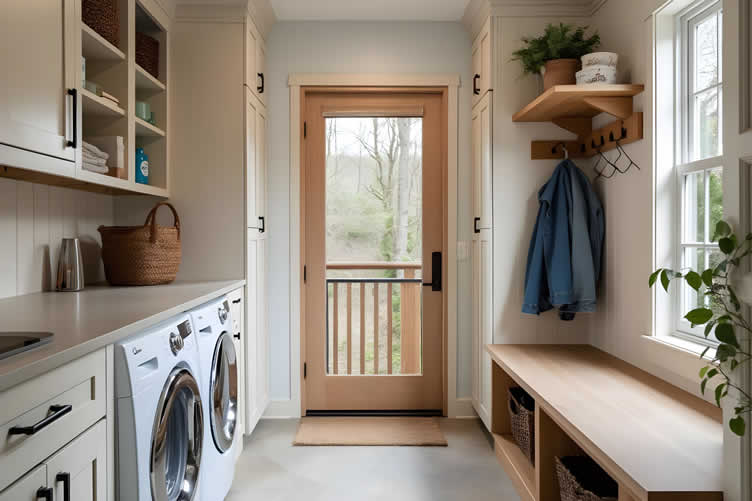
AI generated image by 123rf.com
-
-
-
ideas to view and compare from the information discussed above
vacuum storage cabinethyacinth basketslabels for storage bins
Scroll up to directory … or scroll to next section about home utility management …

addressing transforming install a home utility room and other home improvement needs …

… grab this directory of ideas for future use





Download this PDF for a concise summary of all you need to know about …?



… remodeling decisions




looking for other interesting topics that may have been missed but could be helpful …?



May We Suggest Other Photo Remodeling Ideas About
“Managing and Protecting Your Home …” (new win)



third “photo remodeling” idea
AI generated image by 123rf.com
Utility Tip 3: Other Valuable Uses for a Home Utility Room
… utilization ideas 6-9
Notes:
-
A utility room can be so much more than just a space for storage and laundry management. With a little creativity, this often-overlooked area can become a multipurpose hub that suits your household’s unique needs.
Whether you’re envisioning a dedicated pet care station, a central area to manage your home’s networks, or other innovative uses, this space has the potential to transform into a practical and efficient part of your home.
Let’s explore some other inspiring ideas to maximize your utility room’s functionality!
-
Quick scroll to “other potential uses” side notes …
-
-
1st: Pet Care Station
For pet owners, a home utility room holds immense potential as a dedicated pet care station, offering convenience, organization, and hygiene management.
By customizing the utility room to serve your furry friends, you can streamline daily pet care tasks while keeping your home tidy and your pets comfortable.
[ view summary table: pet care station ]
-
Why a Utility Room is Ideal for Pet Care
The utility room’s multi-functional design makes it the perfect spot to centralize pet care activities. Its typically compact layout, easy-to-clean surfaces, and proximity to water and storage make it practical for managing everything from grooming to providing a cozy resting area.
By allocating a specific zone for pet care, you can establish routines that are easier to maintain while minimizing mess across your home. Specialized setups also ensure that your pets’ needs are met efficiently, reinforcing a clean and organized living environment.
-
Setting Up a Pet Care Station
To convert your utility room into a practical pet care zone, it’s essential to consider the specific functions it will serve and the necessary equipment. Each part of the setup can enhance the experience for both you and your pet, ensuring better usability and comfort.
- Bathing or Showering Necessities
Installing a small pet-friendly shower or deep sink in the utility room provides a convenient space for washing your pets. Opt for a hand-held spray attachment and a slip-resistant mat to make bath time safe and efficient. Waterproof materials on the walls and floors are essential for managing spills and splashes, while proper ventilation prevents moisture buildup. - Grooming Essentials
Designate a countertop or grooming table where you can comfortably brush, trim, or clip your pet. Ensure adequate lighting for visibility, and include hooks or small bins to organize grooming tools such as brushes, nail clippers, and combs. Adding a mirror could also help ensure precise grooming for pets with intricate coat care needs. - Food and Water Station
A utility room can double as a clean, central feeding area for your pet. Place their food and water bowls on a washable mat to prevent spills from damaging the floor. For larger pets, consider an elevated feeding station designed for their height for easier access. Install nearby cabinets or a pull-out drawer to store dry food supplies, ensuring they remain fresh and free from pests. - Bedding Area for Rest
Reserve a quiet corner of the utility room for your pet’s rest and relaxation. A cozy bed or soft blanket provides them with a sense of security in a space dedicated to their comfort. Ensure the bedding is machine washable for easy maintenance. Separate this area from high-traffic grooming or bathing spots to create a peaceful zone. - Storage for Pet Supplies
Pet owners often accumulate numerous supplies, ranging from leashes and collars to toys and seasonal apparel. The utility room’s storage potential allows you to organize these items efficiently. Use labeled bins, wall hooks, or shelves to ensure every item has its designated place. Moisture-resistant containers are ideal for storing items like treats, medications, or grooming products that could be damaged over time.
- Bathing or Showering Necessities
-
Organizing and Maintaining the Space
Good organization is the key to making your pet care station easy to use. Group items by function and store them in clearly marked spaces for quick access.
Keep frequently used items, such as grooming supplies or food, within arm’s reach, while seasonal accessories or backup supplies can go in higher or less accessible storage areas. Regularly clean and declutter the space to maintain hygiene and avoid overcrowding, ensuring the area remains functional and welcoming for both you and your pet.
By investing thoughtful planning into your utility room, you create a dedicated pet care station that simplifies your daily routines, showcases your love for your pet, and ensures a tidy home environment.
References:
- American Society for the Prevention of Cruelty to Animals (ASPCA). Tips for Safe Pet Grooming. Retrieved from aspca.org.
- The Spruce Pets. How to Set Up a Pet Washing and Grooming Station at Home. Retrieved from thesprucepets.com.
- PetMD. Organizing Your Pet Supplies. Retrieved from petmd.com.
Feature Description Key Tips Bathing or Showering Necessities Install a small pet-friendly shower or deep sink to simplify pet washing. Use a hand-held spray attachment, slip-resistant mat, and waterproof materials for safety and efficiency. Ensure proper ventilation to avoid moisture buildup. Grooming Essentials Set up a grooming station with a countertop or table for brushing, trimming, or clipping pets. Provide adequate lighting, add hooks or bins for tools, and consider a mirror for precision. Food and Water Station Create a central feeding area in the utility room. Place bowls on a washable mat, use an elevated station for larger pets, and store supplies in nearby cabinets or drawers. Bedding Area for Rest Designate a quiet area for your pet’s relaxation. Use a cozy, machine-washable bed or blanket and separate this space from high-traffic areas. Storage for Pet Supplies Utilize the utility room’s storage space to organize pet items. Use labeled bins, wall hooks, or shelves with moisture-resistant containers for longevity. Organizing and Maintaining the Space Keep the pet care station practical and welcoming. Group items by function, store frequently used supplies within reach, and clean regularly to maintain hygiene. 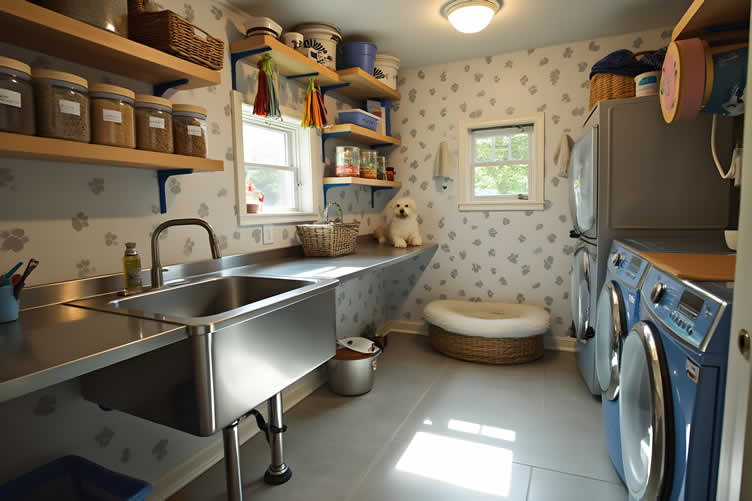
AI generated image by 123rf.com
[ images: home petcare washing station ideas ]
[ amazon: pet care washing station ]
-
-
2nd: Managing Home Networks and Charging Stations
A home utility room is not only a versatile space for managing household chores but also an ideal hub for centralizing modern home technology. With the increasing number of electronic devices, smart home systems, and connected technologies, having a dedicated area to organize and maintain these essentials is more important than ever.
Transforming your utility room into a streamlined tech management center can simplify your life and improve functionality throughout your home.
[ view summary table: home networks/charging stations ]
-
Managing Home Networks
The utility room offers a discreet yet accessible location for organizing your home network equipment. Routers, modems, and network switches can be securely installed and neatly placed in this space to keep your internet connectivity efficient and clutter-free.
A central location within your utility room helps minimize wireless interference and ensures a more consistent Wi-Fi signal throughout the home. Additionally, housing these devices in the utility room allows you to easily troubleshoot network issues without disturbing the main living areas.
Proper ventilation and surge protection should be considered in your setup to maintain the longevity and performance of your equipment.
-
Establishing Charging Stations
With the rise of smartphones, tablets, laptops, and other rechargeable devices, a centralized charging station is a practical addition to any household. The utility room provides the perfect environment to create a dedicated charging area out of sight from high-traffic zones.
Incorporate charging docks, multi-port USB chargers, and labeled storage compartments to keep cables organized and accessible. This setup not only reduces clutter in other areas of the home but also ensures that your devices are always charged and ready.
To enhance convenience, consider integrating wireless charging pads or a power strip with surge protection to accommodate multiple devices safely.
-
Home Automation and Smart Hubs
The utility room serves as an excellent location for managing home automation hubs, including smart home assistants, security systems, and sensor controls. Placing these systems in a secluded area reduces the risk of accidental damage while maintaining their effectiveness.
For example, smart home hubs that control lighting, climate, and appliances can seamlessly operate from this centralized location, effectively connecting the entire house. Proper cable management, ventilation, and labeling are essential when organizing these devices to ensure easy access and maintenance.
-
Future-Proofing Your Home Technology
Investing in a utility room setup for your home network and charging needs is not only about managing current devices but also about preparing for future technological advancements.
With smart home adoption growing and new devices emerging regularly, designing a flexible and scalable utility space ensures that your home remains equipped to handle evolving needs.
Including modular furniture or adjustable shelving can provide the adaptability needed to accommodate additional equipment as your household’s technological demands increase.
-
Maintaining Safety and Efficiency
Safety and efficiency should be top priorities when configuring your utility room as a tech hub. Ensure that electrical outlets and power strips are properly grounded and capable of handling the energy requirements of your devices.
Overloading circuits or neglecting ventilation can lead to performance issues or safety hazards over time. It is also vital to keep cables and wires tidy and secured to prevent tripping hazards or accidental disconnections. Regular cleaning and periodic checks will help maintain the functionality and security of the space.
References:
- Smith, R., & Thompson, J. (2023). Home Networking Simplified. Modern Living Publications.
- Parker, S. (2022). "The Essential Guide to Multi-Device Charging Stations." Connected Home Review.
- Jones, L., & Carver, M. (2023). "Optimizing Utility Rooms for Smart Home Integration." Residential Tech Magazine.
- Energy Safety Department. (2023). "Electrical Safety Guidelines for Modern Homes." www.energysafety.org.
Topic Summary Managing Home Networks The utility room provides a discreet, accessible space for routers, modems, and network switches, ensuring better Wi-Fi signals and simplified troubleshooting. Proper ventilation and surge protection are necessary for optimal performance and longevity. Establishing Charging Stations Creating a centralized charging area in the utility room reduces clutter and keeps devices charged. Use charging docks, labeled compartments, and surge-protected power strips. Consider wireless charging pads for added convenience. Home Automation and Smart Hubs The utility room is ideal for housing smart home hubs and automation systems. This location protects devices and ensures efficient operations. Cable management, ventilation, and organized labeling are crucial for accessibility. Future-Proofing Your Home Technology Designing a flexible utility space with modular furniture and adjustable shelving supports future technological advancements, ensuring scalability to meet evolving household needs. Maintaining Safety and Efficiency Safety is essential—ensure electrical outlets are grounded, circuits aren’t overloaded, and ventilation is adequate. Securing cables and conducting regular checks promote functionality and minimize hazards. 
AI generated image by 123rf.com
-
-
3rd: Function as a Family Command Center
A well-designed utility room can serve as the central hub for managing family life. Often referred to as a "home command center," this multi-functional space can help streamline daily tasks, improve family organization, and promote collaboration.
By creating a dedicated area for tools like calendars, chore lists, and scheduling systems, your utility room becomes the go-to space for keeping everything on track, whether digitally or on paper.
[ view summary table: family command center ]
-
Organizing Appointments and Schedules
A utility room set up as a family command center can efficiently manage hectic schedules. By incorporating a wall-mounted calendar or a digital scheduling tool, everyone in the household can stay informed about upcoming events, appointments, or school activities.
Some families find that combining a traditional paper calendar (or chalk or white board calendar) with online apps provides the perfect balance for managing schedules in real-time while allowing for a visual and tactile element in the room.
Positioning the calendar at eye level ensures it becomes a natural focal point in the space, encouraging family members to check and update it regularly.
-
Centralizing Chore Lists and Responsibilities
Families can also use the utility room to maintain and organize daily chores. A clearly labeled chore list—whether handwritten on a chalkboard, printed on a dry-erase board, or managed through a mobile app—ensures that everyone knows their responsibilities.
Dividing responsibilities in this centralized area can improve accountability and reduce misunderstandings, fostering teamwork and independence among family members. By keeping a chore roster in a shared space, it becomes easier to reward completed tasks or make updates as necessary.
-
Providing a Space for Household Management Tools
Beyond scheduling and chores, the utility room as a home command center can serve as the storage and workspace for managing the household. This area could include a desk, filing cabinet, or shelving for essential documents like bills, warranties, and school forms.
It can also act as the digital hub for the home, housing laptops or tablets that are designated for family use. For households using advanced technology, installing charging stations or organizing cables in this area prevents clutter in living spaces while keeping devices ready for use.
-
Integrating Digital and Paper Systems
One of the key advantages of dedicating a utility room to family management is the flexibility to tailor the space to individual preferences. Those who prefer digital tools can include smart home systems, digital assistants, or shared family apps to keep everyone in sync.
Others may appreciate a more analog approach, such as pinboards, organizers, and list templates. Combining both systems ensures every family member—regardless of tech-savviness—feels included and supported in maintaining household order.
-
Promoting Order and Reducing Overwhelm
At its core, a utility room that functions as a home command center provides a sense of order, alleviating the stress associated with managing a busy home. When every family member has access to the same resources in one shared space, communication is more effective, and the burden of remembering tasks and commitments becomes lighter.
The physical act of entering a space built for organization can also encourage a mindset of calm and productivity, making this setup a valuable asset for any household dealing with the demands of modern family life.
References:
Function Description Key Features Family Command Center A utility room serves as the central hub for family organization by streamlining tasks and promoting collaboration. Includes calendars, chore lists, and scheduling systems, accessible to all family members. Organizing Appointments and Schedules Manages family schedules efficiently using wall-mounted calendars or digital tools. Combines paper calendars with apps, ensuring balance and visual accessibility. Centralizing Chore Lists Keeps track of daily chores and responsibilities in a clear and centralized way. Chalkboards, dry-erase boards, or apps for tracking and rewarding tasks. Household Management Tools Provides a dedicated space for organizing essential documents and digital devices. Includes desks, filing cabinets, charging stations, and cable organization systems. Digital and Paper Systems Integration Allows personalization by combining digital and analog tools for household management. Options like smart home systems, shared apps, pinboards, and list templates. Promoting Order and Reducing Overwhelm Encourages calm and productivity through shared organization resources. Creates a unified space for communication, reducing stress and improving efficiency. 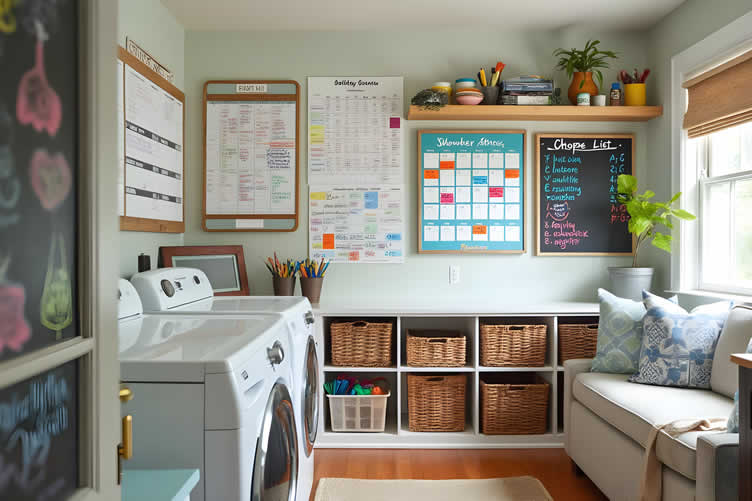
AI generated image by 123rf.com
[ amazon: chalkboard paint for wall ]
[ amazon: wall whiteboard calendar ]
-
-
4th: Multi-Functional Space
A home utility room is one of the most versatile and functional areas within any living space. It carries enormous potential to enhance organization, streamline household tasks, and support a variety of needs.
The true beauty of utility rooms lies in their adaptability to changing household requirements, making them a valuable asset for modern living.
[ view summary table: multi-functional space ]
-
Flexible Storage for Evolving Needs
The adaptability of a utility room begins with its storage solutions. Flexible shelving, modular cabinets, and reconfigurable systems ensure that the space can be customized as the household’s demands grow and shift.
For example, homeowners may initially use the room for laundry or storage tasks, but as the needs of the family change—such as welcoming a new baby or rearranging for a home office—it can be restructured to accommodate new functions.
This dynamic ability to transform gives the utility room an enduring value that supports families throughout different stages of life.
-
Multi-Use Workspace Surfaces
The utility room’s surfaces offer immense versatility beyond basic chores. Countertops or worktables can effortlessly transition between tasks.
During the holiday season, the space can transform into a gift-wrapping station, complete with dedicated areas for scissors, tape, and wrapping paper to prevent clutter in main living areas.
Similarly, during the school year, the utility room can double as a quiet and organized space for children to complete homework or craft projects. These multipurpose uses demonstrate how the utility room contributes to a more efficient and harmonious household.
-
Seasonal Storage Rotation
One of the hidden gems of utility rooms is their role in seasonal storage. With purpose-designed storage areas, items such as holiday decorations, winter clothing, and summer sports gear can be easily managed.
Proper shelving and labeled bins ensure these items remain well-protected yet accessible. This strategic organization saves homeowners from digging through overcrowded closets or basements, promoting a smooth and clutter-free transition between seasons.
-
Emergency Supply Storage
For families who prioritize preparedness, the utility room can serve as a dedicated area for emergency supplies. Stocked with essentials such as flashlights, batteries, bottled water, and non-perishable food items, the utility room provides peace of mind during unpredictable events like power outages or natural disasters.
With organized inventories and clearly designated spaces, it becomes simpler for households to stay ready and resilient when emergencies strike.
-
Inspiring Creativity with Hobby and Craft Supply Storage
A well-organized utility room can transform into a haven for creative pursuits. For hobbyists and crafters, this space ensures materials such as fabric, paints, and tools are neatly sorted and easily accessible.
Visible containers and smart organization systems inspire creativity while preventing the overflow of supplies into primary living spaces. This dedicated storage ensures that hobbies remain an enriching experience, free from the frustration of misplaced materials.
References:
Feature Description Multi-Functional Space A utility room enhances organization, streamlines tasks, and adapts to changing household requirements, offering versatility for modern living. Flexible Storage Includes shelving, modular cabinets, and reconfigurable systems to meet evolving needs, such as laundry tasks, home offices, or new family additions. Multi-Use Workspace Surfaces Countertops and worktables can transition for various tasks, from gift-wrapping stations during holidays to homework or craft zones year-round. Seasonal Storage Purpose-designed areas for holiday decorations, clothing, or sports gear ensure items are accessible yet protected, promoting seamless seasonal transitions. Emergency Supply Storage Serves as a dedicated space for essentials like flashlights, water, and non-perishable food, supporting households during emergencies. Hobby and Craft Storage Organized areas for supplies such as fabric or paints keep hobbies clutter-free, enhancing creativity and preventing material overflow into main spaces. 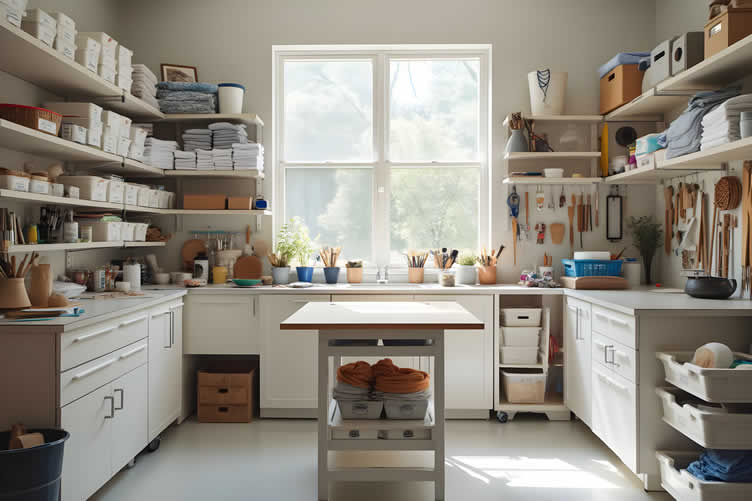
AI generated image by 123rf.com
[ amazon: multi-functional storage cabinet ]
[ amazon: wall mounted desk ]
-
-
-
ideas to view and compare from the information discussed above
wall charging stationautomatic pet feedersemergency supply kit
Scroll up to directory … or scroll to next section about home utility management …
SHARE IT ..! You might have someone in your social network who could find this informative post about why have a home utility room valuable. Feel free to share it on Facebook, X (formally Twitter), LinkedIn, or Pinterest!




… installing a home utility room
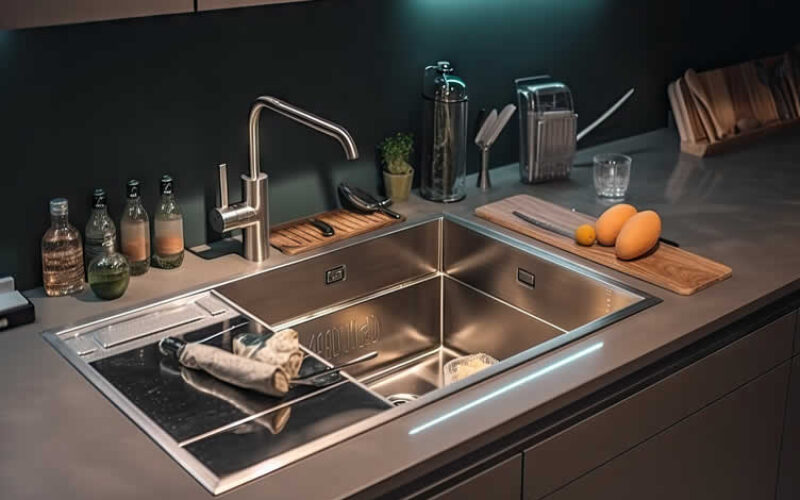



plan the specifications you need for a home utility room …
… and planning other key home improvement and remodeling decisions
fourth “photo remodeling” idea
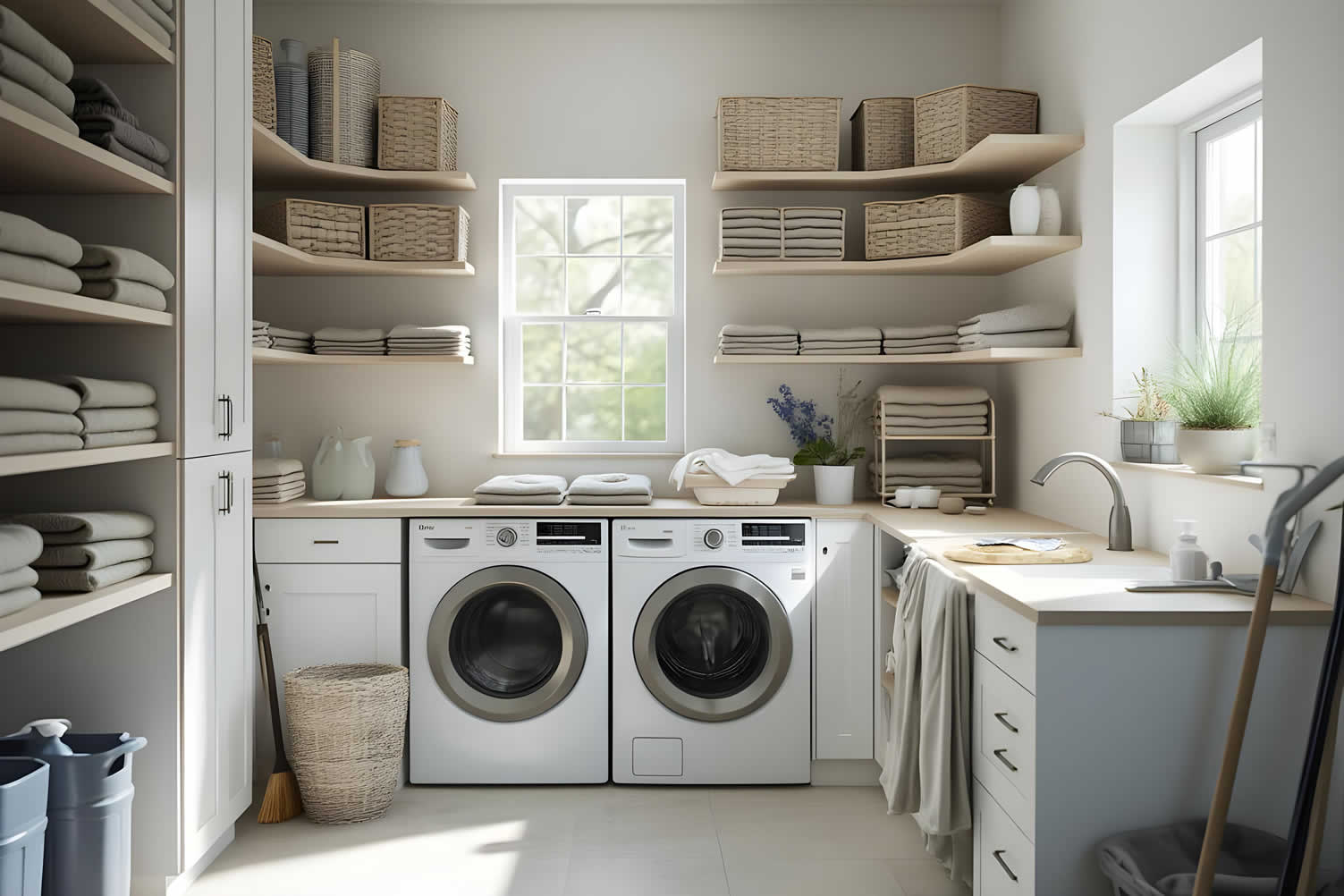
AI generated image by 123rf.com
Utility Tip 4: Understanding the Benefits and Drawbacks
Notes:
-
Before committing to designing or remodeling a home utility room, it’s important to weigh the pros and cons of having this dedicated space. By understanding its benefits and potential limitations, you can make informed decisions that align with your household’s needs and lifestyle.
This section explores essential factors to consider for designing a utility room that elevates your home experience, along with alternative options worth exploring.
-
Quick scroll to “pros and cons” side notes …
-
-
1st: Benefits of a Home Utility Room
The advantages of incorporating a dedicated utility room extend far beyond simple organization, offering a range of benefits that enhance both daily living and long-term home ownership satisfaction.
Not only does it provide a designated space for laundry, cleaning supplies, and household chores, but it also helps declutter other areas of the home, creating a more functional and stress-free environment.
A well-designed utility room can increase efficiency, protect your living spaces from mess, and even add value to your property by showcasing a thoughtful layout that caters to modern lifestyles.
[ view summary table: utility room benefits ]
-
Enhanced Organization and Efficiency
Centralized storage eliminates the frustration of hunting through multiple locations for essential items. When everything has a designated place, family members can quickly locate needed supplies without disrupting ongoing activities or creating mess in living areas.
Streamlined routines develop naturally when tools and supplies are logically organized and easily accessible. Morning preparations become smoother, cleaning tasks require less time, and household maintenance feels less overwhelming when proper organization systems support these activities.
Inventory management becomes effortless with visible, organized storage systems. You can quickly assess supply levels, reducing both waste from overbuying and inconvenience from running out of essentials at critical moments.
-
Increased Home Value
Well-designed utility rooms appeal strongly to potential homebuyers who recognize the value of organized, functional spaces. Real estate professionals consistently note that homes with thoughtful storage solutions command higher prices and sell more quickly than comparable properties lacking these features.
The investment in utility room improvements typically provides excellent returns, especially when professional design and quality materials create lasting appeal. Buyers increasingly prioritize homes that simplify daily life and reduce ongoing maintenance stress.
Modern homebuyers, particularly those with busy lifestyles or families, view organized utility spaces as essential rather than luxurious. This shift in perception makes utility room investments increasingly valuable for long-term property appreciation.
-
Improved Lifestyle
Daily stress diminishes significantly when household systems operate smoothly. Organized utility rooms eliminate common frustrations like missing supplies, cluttered living spaces, and inefficient routines. This reduction in daily friction contributes meaningfully to overall life satisfaction.
Family harmony improves when clear organization systems make it easy for everyone to contribute to household maintenance. Children can learn responsibility by helping with age-appropriate tasks in well-organized spaces designed for safety and accessibility.
Personal time increases when household tasks become more efficient. The time saved through better organization can be redirected toward family activities, hobbies, or relaxation, improving overall quality of life.
Benefit Description Enhanced Organization and Efficiency Centralized storage streamlines routines, reduces clutter, and makes inventory management effortless, saving time and reducing frustration in daily tasks. Increased Home Value Thoughtfully designed utility rooms attract homebuyers, improve property appeal, and provide excellent returns on investment with higher resale prices. Improved Lifestyle Organized utility rooms reduce stress, foster family harmony, and save personal time, enhancing overall quality of life through efficient household systems. 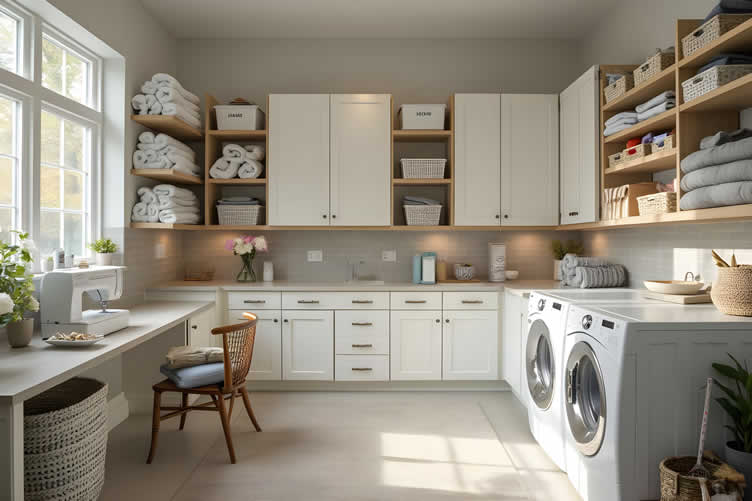
AI generated image by 123rf.com
-
-
2nd: Drawbacks and Challenges
While utility rooms offer numerous benefits, such as providing additional storage, keeping the main living areas clutter-free, and serving as a dedicated space for laundry or home maintenance tasks, an honest evaluation requires acknowledging potential challenges and limitations.
Homeowners might encounter issues such as limited square footage, higher renovation costs, or difficulty integrating the space seamlessly into their home’s existing layout during the planning and implementation process.
[ view summary table: drawbacks and challenges ]
-
Cost Considerations
Professional utility room installation can represent a significant financial investment, particularly when extensive electrical, plumbing, or structural modifications are required. Custom storage solutions, quality materials, and professional labor costs can quickly accumulate beyond initial budgets.
However, DIY approaches can substantially reduce costs for homeowners with appropriate skills and time availability. Modular storage systems, carefully planned layouts, and phased implementation can make utility room creation more financially accessible.
Budget-conscious alternatives include re-purposing existing furniture, utilizing vertical space with simple shelving systems, and focusing on organization rather than complete renovation. These approaches provide many utility room benefits without substantial financial investment.
-
Space Requirements
Not all homes have suitable spaces for traditional utility room creation. Apartments, condominiums, and smaller homes may lack adequate square footage for dedicated utility areas. Creative solutions become necessary to achieve utility room benefits within space constraints.
Existing room conversions may require sacrificing other functionality, creating difficult decisions about space allocation priorities. Careful evaluation of current space usage patterns helps identify optimization opportunities without creating new problems.
Alternative approaches such as utility closets, multi-purpose areas, or outdoor storage solutions may provide comparable benefits while working within space limitations. The key lies in adapting utility room concepts to available space rather than abandoning the idea entirely.
-
Maintenance and Upkeep
Organized spaces require ongoing maintenance to remain functional and appealing. Without consistent effort, utility rooms can quickly become cluttered dumping grounds that create more problems than they solve.
Establishing realistic maintenance routines and involving all family members in upkeep responsibilities helps prevent deterioration. Simple daily habits and periodic reorganization sessions maintain system effectiveness over time.
Seasonal reviews allow for system adjustments as needs change and help identify areas requiring attention before problems become overwhelming. This proactive approach maintains utility room functionality and prevents costly reorganization projects.
Challenge Description Potential Solutions Cost Considerations Professional utility room installations often require significant investments due to labor, materials, and structural modifications, which can exceed initial budgets. DIY approaches, modular storage systems, phased implementation, and budget-conscious alternatives such as re-purposing furniture or using vertical shelving can help reduce costs. Space Requirements Smaller homes or apartments may lack the square footage for traditional utility rooms, making space allocation challenging. Consider alternatives like utility closets, multi-purpose areas, or outdoor storage. Optimize current space usage to implement utility room concepts creatively. Maintenance and Upkeep Without regular maintenance, utility rooms can become cluttered and dysfunctional over time. Establish realistic maintenance routines, involve family members in upkeep, and conduct seasonal reviews. Focus on daily habits and periodic reorganization to maintain functionality. 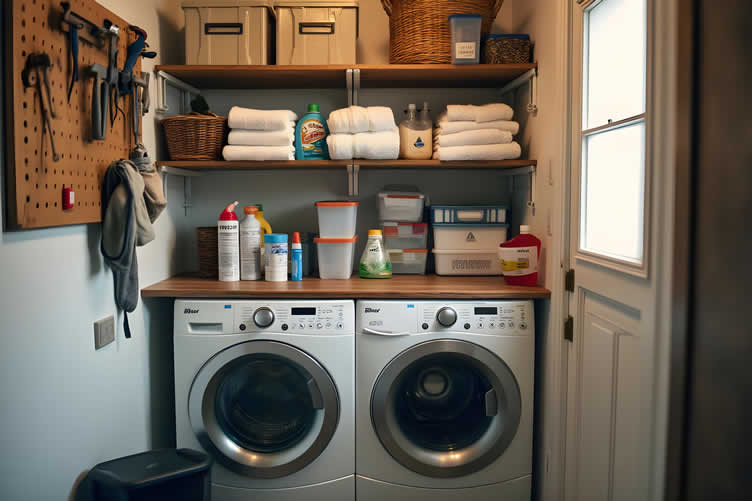
AI generated image by 123rf.com
-
-
3rd: Alternatives to a Traditional Utility Room
When dedicated utility room space isn’t available, creative alternatives can still offer many of the same organizational and functional benefits.
By rethinking existing home layouts, you can make use of underutilized areas like closets, corners, or even hallways to create efficient storage and workspace solutions. With the right approach, these small adjustments can help keep your home tidy and functional without the need for a full utility room.
[ view summary table: alternative spaces ]
-
Multi-Purpose Closets
Large closets can be transformed into efficient utility spaces through strategic organization and storage system upgrades. Custom shelving, hanging systems, and storage containers maximize vertical space while maintaining accessibility.
Bifold or sliding doors provide better access to closet depths than traditional hinged doors, making organization and retrieval easier. Interior lighting improves visibility and safety when working with stored items.
Climate-controlled interior closets protect sensitive items better than garage or basement locations while keeping utility items accessible from main living areas.
-
Storage Sheds and Outdoor Solutions
Outdoor storage buildings can house many utility room functions while freeing interior space for other uses. Climate-controlled sheds protect stored items while providing substantial storage capacity for seasonal items, tools, and equipment.
Proper organization systems remain important in outdoor spaces, with additional considerations for moisture protection and pest prevention. Sealed containers and elevated storage help protect stored items from environmental challenges.
Security considerations become important for valuable items stored in outdoor structures. Proper locks, lighting, and possibly security systems protect stored belongings from theft.
-
Modular Storage Systems
Flexible storage solutions adapt to changing needs while providing immediate organization improvements. Wire shelving systems, modular cubes, and adjustable components can be reconfigured as requirements evolve.
These systems work particularly well in basement areas, garages, or other spaces where permanent installation isn’t desired. The ability to modify and expand systems over time provides long-term flexibility.
Quality modular systems provide professional appearance while maintaining DIY installation feasibility. Investment in better systems pays dividends through improved durability and aesthetic appeal.
Alternative Description Key Features Multi-Purpose Closets Large closets transformed into utility spaces with strategic storage upgrades. - Custom shelving and storage containers
- Bifold or sliding doors for better access
- Interior lighting for visibility
- Climate-controlled for sensitive items
Storage Sheds and Outdoor Solutions Outdoor structures re-purposed for utility functions, freeing interior space. - Climate-controlled for item protection
- Sealed containers and elevated storage
- Moisture and pest prevention
- Security measures, such as locks and lighting
Modular Storage Systems Flexible systems providing adaptable and durable organizational solutions. - Wire shelving, modular cubes, adjustable components
- DIY installation feasible
- Expandable and reconfigurable
- Improved durability and professional appearance
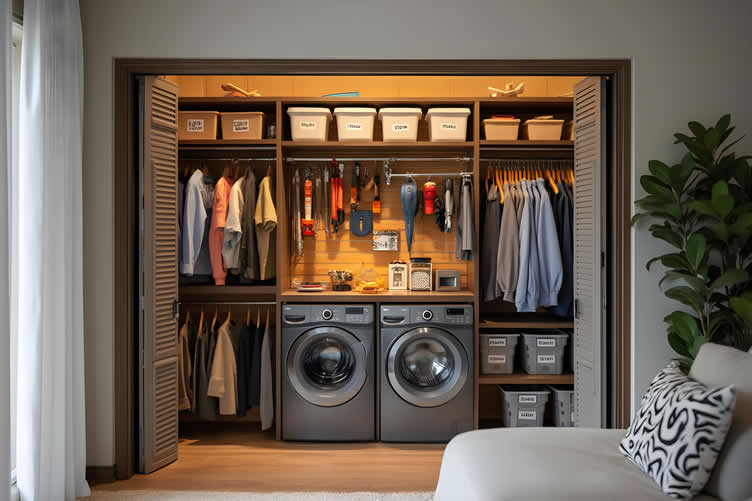
AI generated image by 123rf.com
-
-
-
ideas to view and compare from the information discussed above
Scroll up to directory … or scroll to next section about home utility management …

Budgeting Worksheet For Costing Home Remodeling and Home Improvement Decisions
 File Type (excel)


Download this PDF for a concise summary of all you need to know about …?
Find Plumbing Services Plumbing Issues Drain Clearing Septic/Sewers Water Heaters Pumps Water Softening top-rated, pre-screened local contractors FREE: download contractor selection enter zip code – powered by HomeAdvisor ™
Quick Contractor Guides selecting negotiating working with inspecting

fifth and last “photo remodeling” idea
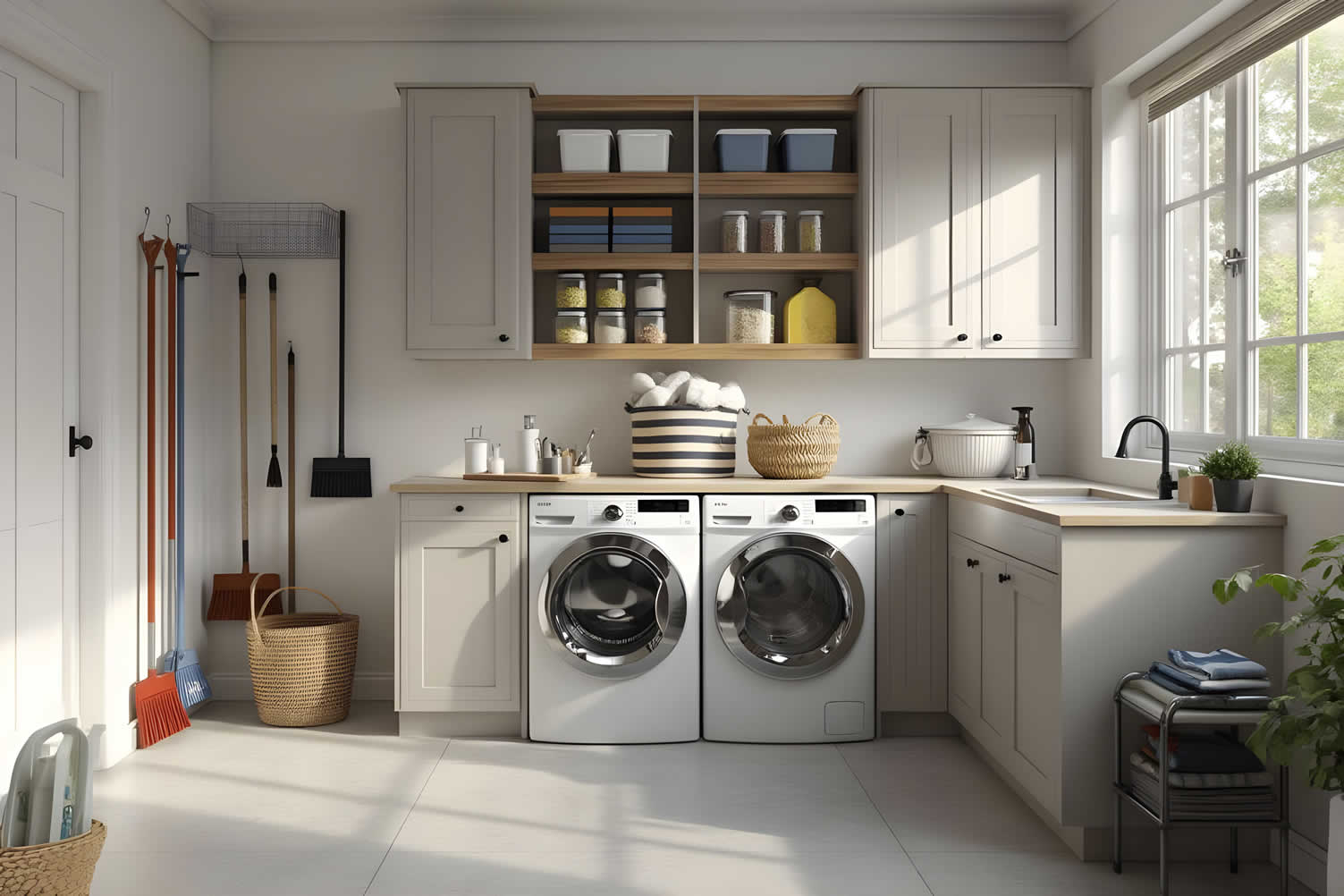

AI generated image by 123rf.com
Utility Tip 5: Designing and Installing a Home Utility Room
Notes:
-
A well-planned utility room can transform the way you manage household tasks, offering a dedicated space for laundry, cleaning supplies, and extra storage. Whether you’re starting from scratch or updating an existing space, thoughtful design and proper installation ensure functionality meets style.
By focusing on layout, storage solutions, and practical features, you can create a utility room that is both efficient and visually appealing.
-
Quick scroll to topic "setting it up" side notes …
-
-
1st: Designing Your Home Utility Room
Creating an effective utility room requires careful planning that balances functionality, efficiency, and aesthetic appeal. From selecting practical storage solutions to choosing durable materials, every element should serve a purpose while contributing to the overall look of the space.
Thoughtful design can transform even modest utility rooms into highly productive areas, making laundry, cleaning, and organization tasks easier and more enjoyable.
[ view summary table: designing utility room ]
-
Space Optimization Strategies
Successful utility room design maximizes every square inch through strategic space utilization. Vertical storage solutions draw the eye upward while dramatically increasing storage capacity. Floor-to-ceiling cabinets, wall-mounted shelving systems, and overhead storage racks utilize often-overlooked vertical space.
Corner areas frequently become dead zones in poorly planned rooms. Corner shelving units, rotating lazy Susans, and custom-fitted storage solutions transform these awkward spaces into valuable storage real estate. Pull-out drawers and sliding systems ensure items stored in deep areas remain accessible.
Ceiling-mounted storage racks accommodate seasonal items or bulky equipment that doesn’t require frequent access. Pulley systems can make heavy items stored overhead manageable for retrieval and replacement. Magnetic strips and hooks utilize cabinet doors and walls for lightweight tools and supplies.
-
Layout and Ergonomics
Efficient work-flow design minimizes unnecessary movement and reduces physical strain during routine tasks. The most frequently used items should be stored at comfortable heights, typically between waist and shoulder level. Heavy items belong in lower storage areas to prevent lifting injuries.
Task-specific zones create logical organization patterns. Cleaning supplies cluster near a utility sink, pet care items group near bathing areas, and electronic equipment organizes near power sources. This zoning approach reduces time spent searching for items while creating intuitive storage patterns.
Adequate floor space allows for comfortable movement and temporary staging of items during organization or cleaning projects. Avoid overcrowding that forces awkward movements or creates safety hazards.
-
Material and Finishes
Utility room materials must withstand moisture, chemical exposure, and heavy use while remaining easy to clean and maintain. Non-porous surfaces resist staining and bacterial growth. Laminate countertops, ceramic tile backsplashes, and sealed concrete floors provide durability and easy maintenance.
Cabinet materials should resist moisture and chemical damage. Marine-grade plywood, melamine-finished particleboard, or solid wood with appropriate protective finishes perform well in utility environments. Hardware should be corrosion-resistant to maintain functionality and appearance over time.
Flooring choices significantly impact room functionality and maintenance requirements. Ceramic tile, luxury vinyl plank, or sealed concrete provide water resistance and easy cleaning. Area rugs can add comfort in work zones while remaining removable for cleaning.
Design Aspect Key Strategies Space Optimization – Use vertical storage like floor-to-ceiling cabinets and overhead racks.
– Maximize corner areas with shelving units, lazy Susans, or custom storage.
– Incorporate pull-out drawers, sliding systems, and ceiling-mounted racks for accessibility.
– Use magnetic strips and hooks for lightweight tools.Layout and Ergonomics – Store frequently used items at waist-to-shoulder height.
– Place heavy items in lower storage to reduce lifting injuries.
– Create task-specific zones for efficient organization.
– Maintain adequate floor space to avoid overcrowding and ensure safe movements.Materials and Finishes – Opt for non-porous surfaces like laminate countertops and ceramic tile backsplashes.
– Use durable cabinet materials such as marine-grade plywood or melamine-finished particleboard.
– Select corrosion-resistant hardware for longevity.
– Choose water-resistant flooring like ceramic tile, luxury vinyl plank, or sealed concrete.
– Add removable area rugs for comfort in work zones.
AI generated image by 123rf.com
[ youtube: 10 Utility room ideas ]
[ youtube: Utility Room Renovation Day 1 & 2 ]
-
-
2nd: Installation and Setup
Successfully creating a functional utility room requires careful planning, appropriate tool selection, and a realistic assessment of your DIY capabilities versus when it’s best to hire a professional.
Assess your skills honestly; while simple tasks like painting or assembling furniture may be manageable, plumbing or electrical work might require expert help to ensure safety and quality.
Taking these steps will help you create a space that is both practical and well-executed.
[ view summary table: installation and setup ]
-
DIY vs. Professional Installation
Simple utility room setups involving basic shelving, organization systems, and storage solutions typically fall within DIY capabilities for homeowners with basic tool skills. Modular systems, free-standing storage units, and simple modifications require minimal specialized knowledge.
However, projects involving electrical work, plumbing modifications, or structural changes require professional expertise to ensure safety and code compliance. Permits may be necessary for extensive modifications, and professional installation often provides warranty protection for complex systems.
The decision between DIY and professional installation should consider skill level, available time, project complexity, and long-term quality expectations. Hybrid approaches combining professional infrastructure work with DIY finishing and organization can balance cost and quality effectively.
LetsRenovate has partnered with HomeAdvisor™, a renowned provider of highly-rated, carefully-vetted local contractors. Start your search here by choosing the type of contractor you need and entering your zip code to find local professionals.
-
Step-by-Step Guide to Setting Up Your Utility Room
Planning forms the foundation of successful utility room creation. Begin by carefully measuring available space and creating detailed drawings that show existing utilities, structural elements, and proposed storage locations. Consider traffic patterns, door swings, and accessibility requirements during the planning phase.
Preparation involves clearing the designated space, assessing existing conditions, and addressing any necessary repairs or improvements. Proper preparation prevents delays and ensures quality results throughout the installation process.
Installation typically begins with major infrastructure elements such as electrical outlets, lighting, or plumbing rough-in, followed by flooring, wall treatments, and finally storage systems and organization elements. This sequence prevents damage to finished elements while ensuring proper integration of all components.
Summary Steps
- Planning
- Measure the available space carefully, including dimensions for walls, ceilings, and accessible areas.
- Create detailed drawings that outline existing utilities, structural elements, and proposed storage locations.
- Factor in traffic patterns, door swings, and accessibility to ensure functionality.
- Preparation
- Clear the designated area and remove any existing clutter or obstacles.
- Assess the space for structural integrity, leaks, or damage, and address any necessary repairs.
- Ensure all materials, tools, and equipment are ready to avoid delays.
- Major Infrastructure Installation
- Begin with electrical outlets, wiring, and lighting placement to ensure a safe and efficient setup.
- If applicable, handle plumbing rough-in for sinks or other water-related needs.
- Flooring Installation
- Install durable and moisture-resistant flooring appropriate for utility room use.
- Ensure the flooring material is level, secure, and properly aligned.
- Wall Treatments
- Apply wall finishes, including painting, tiling, or paneling, to protect and enhance the space.
- Install any necessary backsplashes or moisture-resistant coverings.
- Storage Systems and Organization
- Add cabinets, shelves, and hooks to maximize storage and keep the room orderly.
- Incorporate storage solutions tailored to your specific needs, such as open shelving for ease of access or enclosed cabinets for a polished look.
- Final Adjustments and Cleanup
- Check all components for functionality and secure them in place.
- Clean the area thoroughly, ensuring everything is ready for use.
- Planning
-
Essential Tools and Equipment
Basic tool requirements include measuring tools, levels, drill/driver sets, and appropriate safety equipment. Storage system assembly may require specific hardware or specialty tools included with purchased systems.
More complex projects involving electrical or plumbing work require specialized tools and expertise. Professional consultation helps identify tool requirements and ensures proper equipment selection for specific project needs.
Quality tools make installation easier, safer, and more professional-looking. Investing in appropriate tools pays dividends through better results and reduced frustration during installation processes.
Summary Tools
- Measuring Tools:
Essential for accurate dimensions and layout planning. - Levels:
Ensures proper alignment and balance during installation. - Drill/Driver Sets:
Necessary for assembling components and securing hardware. - Safety Equipment:
includes gloves, safety glasses, and masks to ensure safe handling of tools and materials. - Specialty Tools:
Specific hardware or tools may be required for storage systems, often included with purchased kits. - Expert Equipment for Complex Projects:
Advanced tools for electrical or plumbing work, which may require professional consultation.
- Measuring Tools:
Step Description Planning Measure the available space carefully, accounting for walls, ceilings, and accessible areas. Create detailed drawings that highlight existing utilities and proposed storage locations, while considering traffic patterns, door swings, and accessibility for functionality. Preparation Clear the designated space, removing clutter or obstacles. Check for structural integrity, leaks, or damage, and address necessary repairs. Have all required materials, tools, and equipment ready to avoid delays. Major Infrastructure Installation Install electrical outlets, wiring, and lighting for a safe and efficient setup. Handle plumbing rough-ins for water-related features if needed. Flooring Installation Install moisture-resistant and durable flooring suitable for a utility room. Ensure the flooring is level, secure, and properly aligned. Wall Treatments Apply wall finishes such as paint, tiles, or panels to protect the space and enhance its appearance. Add backsplashes or moisture-resistant coverings where necessary. Storage Systems and Organization Install cabinets, shelves, and hooks to maximize storage. Use solutions tailored to your needs, such as open shelving for accessibility or enclosed cabinets for a polished look. Final Adjustments and Cleanup Test the functionality of all components and secure them in place. Thoroughly clean the area and ensure readiness for use. Essential Tools Include basic tools like measuring tools, levels, drill/driver sets, and safety equipment. Specialty tools may be necessary for certain storage systems, while advanced tools and professional consultation are recommended for electrical or plumbing projects. 
copyright image by 123rf.com
But Wait!
Before beginning your search for subcontractors or other contractors, we highly recommend downloading and using this evaluation worksheet.
This valuable tool is designed to help you objectively assess and rank potential contractors by taking into account key factors such as pricing, licensing, and references.

Evaluation Sheet
File Type: -
-
3rd: Real-Life Examples and Case Studies
Well-designed utility spaces are more than just functional; they reflect a blend of creativity and practicality tailored to the needs of homeowners. Below, we’ll explore real-life examples and case studies that showcase how homeowners have adapted these spaces to maximize efficiency, organization, and comfort.
These examples demonstrate a variety of setups for diverse living conditions and lifestyles, providing inspiration and actionable ideas for readers considering their own utility room projects.
[ view summary table: real-life examples ]
-
Organized Utility Space for a Growing Family
One family of four in suburban Illinois transformed a corner of their basement into a fully equipped utility room that serves their evolving needs. With young children added to the household, they needed a versatile space that could handle laundry tasks, school project storage, and even a small crafting station for creative projects.
The room features durable countertops for folding clothes, wall hooks for backpacks and jackets, and labeled storage bins for each family member. By installing energy-efficient appliances and motion-sensor lighting, the family minimized energy costs while maintaining a room that adapts to their everyday tasks.
The setup encourages teamwork as family members tackle chores together, fostering functionality alongside family bonding.
-
Pet-Friendly Utility Zone in a Small Home
A pet-loving couple in Portland, Oregon, utilized closet space adjoined to their laundry area to create a pet care station in their compact home. With a focus on their two rescue dogs, they incorporated a specialized pet-washing sink with a pull-down nozzle, open shelving for food and grooming supplies, and a wall-mounted dryer.
Thoughtful additions like non-slip vinyl flooring and odor-resistant materials ensured the space met their pet care needs while staying easy to clean. This modest yet smartly designed layout proves that even smaller homes can integrate thoughtful design features to accommodate multifaceted uses, saving the couple both time and hassle.
-
Rustic Utility Space for Seasonal Needs
A retired couple in Vermont embraced a rustic aesthetic for their utility space, making full use of their farmhouse mudroom. The space doubles as a utility zone, complete with custom-built wooden shelving to house their canning jars, gardening tools, and seasonal outdoor gear.
They added a deep utility sink for muddy boots and a washer and dryer hidden behind sliding barn doors for a cohesive look. This setup ensures smooth transitions between seasons and maintains the home’s farmhouse charm while providing a highly practical, multipurpose space.
-
Urban Utility Space with Sustainable Features
Living in the heart of Dallas, Texas, a sustainability-conscious homeowner designed a utility space with eco-friendly elements to reduce their carbon footprint. The room is equipped with a high-efficiency washer and dryer, a graywater recycling system for watering plants, and countertops made from recycled materials.
Re-purposed cabinetry from a local salvage store provided ample storage for cleaning supplies, tools, and linens. The urban setting made space a premium, but utilizing vertical storage solutions and dual-purpose furniture allowed for an efficient use of square footage. This case exemplifies how intentional design decisions can combine sustainability with utility.
-
Closing Thoughts
These real-life examples highlight the creative possibilities when designing a utility space. Whether you’re aiming for a family-friendly hub, a compact pet-care zone, or an eco-conscious workspace, the key is to prioritize functionality while ensuring the space aligns with your daily lifestyle and values.
Well-planned setups enhance the overall efficiency of your home, adding both convenience and long-term value.
References & Citations
- "Home Utility Spaces That Protect Your Budget and Enhance Lifestyle," Home Design Times, September 2023.
- “Eco-Friendly Living Solutions for Modern Families,” Sustainable Homes Magazine, June 2023.
- Case studies provided by home improvement experts at Modern Living Insights, accessed October 2023.
- Verified user testimonials and projects featured on DIY Home Solutions Blog, archived September 2023.
Example Key Features Outcome Organized Utility Space for a Growing Family – Corner basement transformation
– Durable countertops and labeled storage bins
– Energy-efficient appliances and motion-sensor lighting
– Wall hooks for bags and jackets
– Small crafting station– Supports family teamwork
– Minimizes energy costs
– Adapts to household tasksPet-Friendly Utility Zone in a Small Home – Closet converted into pet care station
– Pet-washing sink with pull-down nozzle
– Open shelving for supplies
– Non-slip vinyl flooring and odor-resistant materials– Accommodates pet care needs
– Saves space
– Easy to clean and maintainRustic Utility Space for Seasonal Needs – Farmhouse mudroom transformed
– Custom wooden shelving
– Deep sink for outdoor gear
– Sliding barn doors for washer/dryer– Smooth seasonal transitions
– Maintains rustic charm
– Multipurpose functionalityUrban Utility Space with Sustainable Features – Eco-friendly materials and appliances
– Graywater recycling system
– Recycled countertops and re-purposed cabinetry
– Vertical storage solutions– Reduces carbon footprint
– Maximized use of small space
– Promotes sustainable living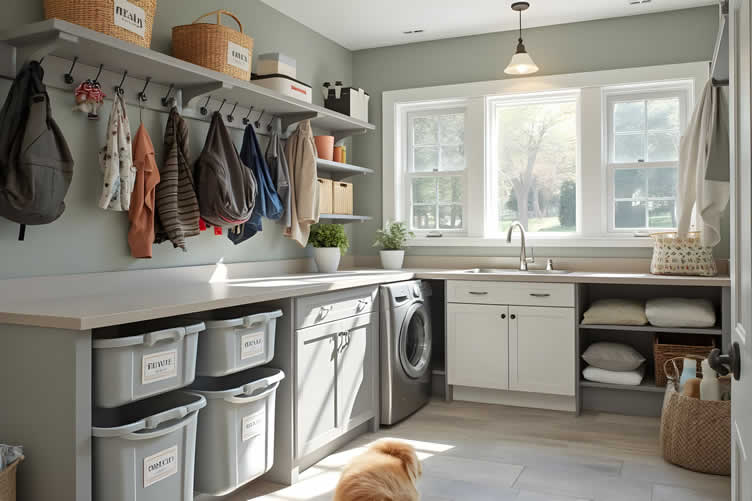
copyright image by 123rf.com
-
-
-
FINAL REMARKS
Creating an effective home utility room represents more than just adding storage space—it’s about crafting a central hub that streamlines your household operations and enhances daily life quality. Whether you’re working with a spacious dedicated room or creatively optimizing a compact closet, the principles of thoughtful organization, multi-functional design, and strategic storage remain constant.
The investment in utility room planning and implementation pays dividends through reduced daily stress, improved home organization, and enhanced property value. As your family’s needs evolve, a well-designed utility room adapts alongside you, providing lasting benefits that justify the initial effort and expense.
Consider starting small with basic organization improvements and gradually expanding your utility room functionality as budget and time allow. The journey toward better home organization begins with a single step, and every improvement brings you closer to the streamlined, efficient household management that makes daily life more enjoyable and less stressful.
-
ideas to view and compare from the information discussed above
book: building codes illustratedsoftware: 3d home designmeasuring tools
- What comments can you share about
home utility management?
Scroll up to directory … or scroll to more home remodeling-related topics …
view illustration “becoming a bank”

Calendar For:
Home Maintenance
File Type:



… view our home remodeling guides and steps

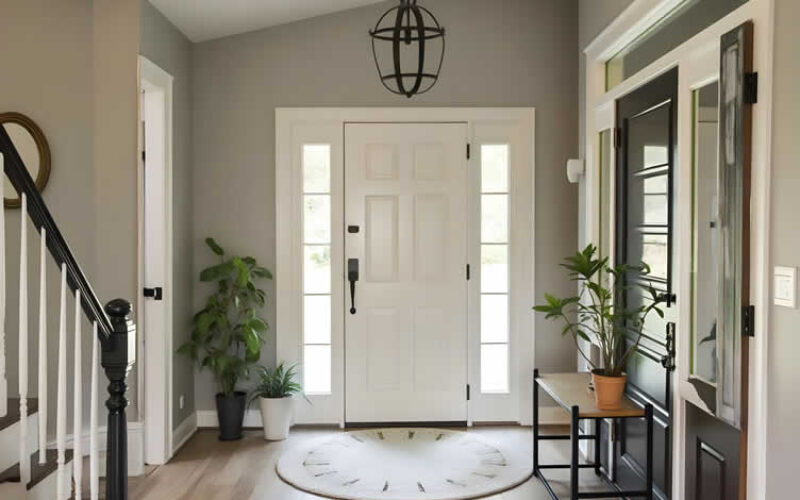

… view our sharing links below for a quick "share the knowledge"
Cover image credit: home utility room by 123rf.com
end of post … please share it!
 |
did you find this home utility room analysis helpful? If so, please share the article with your friends and family! |
Nice pic idea? Leave us a quick comment below.
And please share this pic idea within your social networks.