first “home renovations with accessibility” idea


copyright image by 123rf.com
Making Your Home Accessible
Summary Outline:
As a homeowner, making updates and upgrades around your property can be fun and exciting, and may boost the value of your home. But, if you’re planning on diving into home renovations, there’s another factor you might want to consider — accessibility.
Whether someone in your family would benefit from more accessible features or you want to make sure your home is inclusive to everyone, making certain modifications will make a big difference.
With that in mind, let’s take a look at how you can put together a successful home renovation with accessibility in mind, and why you might want to tackle such a project in the first place:
-
- —— begin first topic ——
-
1st:Planning a Renovation:
You don’t necessarily need to be a handyperson to renovate your home. But, you do need to prepare yourself for your projects, especially depending on the season.
- Chances are, you’re not going to want to tackle any exterior projects in the winter. But, it can be a good time to take on interior work, and if you hire a contractor they might be less expensive in the winter since there is often less work available.
- However, it’s often easier to plan things in the spring and summer. Some of the benefits of doing so include:
-
- It’s easier for your family to be out of the house
- There’s more daylight for workers to get things done
- More opportunities to take on exterior projects
-

copyright image by 123rf.com
- No matter the season, the most important part of planning is preparing yourself and your family for what to expect. Before you hire anyone or try to tackle projects yourself, consider things like:
-
- The timeline of the work
- Whether you’ll need to take time away from your job
- How it will impact your family
- Your budget
- Once you have the answers to those questions, you can start focusing on which types of projects will make your home more accessible.
-
Quik scroll to topic side notes …
-
1st:Step-by-Step Home Renovation Planning:
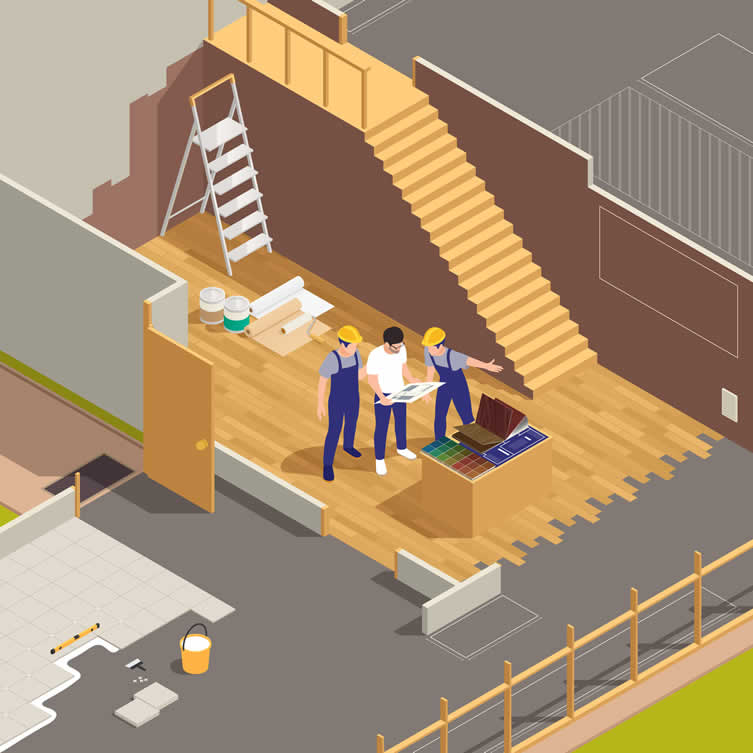
Why is detail planning for a home renovation so important? For one, you want to make sure the renovation stays within budget and within specifications.
The renovation can easily get out of control; and before the project is done, you may find that you spent more than what was budgeted and/or end result just isn’t satisfactory.
That is why you need to analyze and budget the numbers – collect ideas – plan the needed specs – arrange financing, etc. This step-by-step plan defines exactly what you want to do before bidding this out to a contractor and/or purchasing equipment and supplies.
copyright image by 123rf.com
Step 1: Analyze the NumbersBefore you start any home remodeling – such as a kitchen or bathroom remodeling, adding an addition, building a new section onto the home, and other major renovation project, run some financial numbers to determine whether the renovation is a smart investment.
The numbers include the estimated costs, home value assessment, financing costs, and other related calculations.
Review these cost-related issues to remodeling vs. buying a new home.
links to internal page (opens new win)
analyze the numbers estimate the cost of your project get your home value Step 2: Collect IdeasThe 2nd step for planning your home remodeling is deciding what you would like to do.
Will it be a –
- remodeling your kitchen or bathroom,
- converting the attic or basement,
- adding an addition or extension to the home,
- changing out your deck or patio into an all-season room,
- upgrading the home with new windows, doors and flooring,
- redesigning your landscape with new features,
- or something else.
Start collecting ideas by referencing our collection of remodeling analysis: view directory
Step 3: Plan the Needed SpecsStep 3 is sketching your ideas on paper (or digitally) and developing the spec plan.
The spec plan determines what type of home remodeling materials, items, and design considerations that will be needed. It will also contain the product specifications for each renovation element.
You will use the spec plan and architectural design to bid the project out to a contractor.
links to internal page (opens new win)
developing the spec plan sketch remodeling plan design considerations Step 4: Find a ContractorStep 4 is finding and negotiating the contract with a remodeling contractor.
Give your home remodeling ideas and specs to a contractor for review and bid analysis. Use the local network (aligned with HomeAdvisor) to find the right contractor for your project.
Review guides for contractor selection and negotiation.
links to internal page (opens new win)
search remodeling contractors selecting your contractor checklist contractor negotiations contractor evaluation form Step 5: Financing Your ProjectStep 5 is arranging financing once you selected the contractor and finalized the contract for your project.
Using the equity value in your home is one of the best financing option for home remodeling. Start with a home equity line of credit or use the bank equity program.
Other options may include cash-out refinancing, personal savings, and/or financing from home improvement contractors.
links to internal page (opens new win)
financing options getting qualified for financing negotiate rates Step 6: Manage the ProjectStep 6 is where the project begins.
It starts with setting up the work area, removing everything that needs to be replaced, installing electrical and network connections, putting in the final touches, etc.
It also means working with the contractor, managing the project, and getting the home remodeling project inspected before releasing any funds.
links to internal page (opens new win)
working with the contractor managing remodeling project about a home project inspections find home inspector - —— next topic ——
-
2nd:The Best Accessibility Projects for Your Home:
You might not be able to completely renovate your home all at once. So, what should you be taking on first if you want to improve accessibility right away?
- Start with small changes, like removing obstructions and creating more space within your home. When you’re finally ready to tackle some of those challenges, keep mobility and comfort in mind. Some of the best home modifications that help to improve accessibility right away include:
-
-
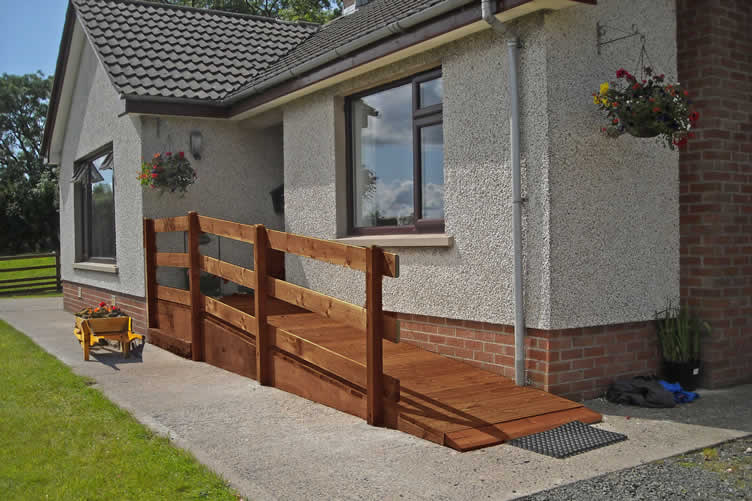
copyright image by 123rf.com
- If you’re feeling a bit overwhelmed by a whole-house renovation, consider going room by room and deciding what you can do to make each area more accessible. In the bathroom, for example, things like grab bars and shower benches can make a big difference. In the kitchen, try lowering the countertops or installing lever-style handles on the cabinets so they’re easier to grip.
-
Quik scroll to topic side notes …
-
Don’t Forget Walk-In Tubs:
Walk-In tubs are imperative for home occupants that are wheel-chair bound, elderly, and for those with limited mobility. The tubs are designed for easy access through a door entrance that shuts tightly after the person has been sited properly before filling up the tub. The occupant has all of the controls easily accessible to fill/drain the tub, turn on therapeutic jets, and use the hand-held shower unit for cleaning.
The key renovation for walk-in tubs are large plumbing pipes for quick tub filling and draining so that the person doesn’t have to wait long for the tub to fill and drain before exiting.

copyright image by flickr.com
- —— next topic ——
-
3rd:Why Is Accessibility Important?:
According to the CDC, 1 in 4 adults in the U.S. has some type of disability. If you’re considering making changes to your home to make it more accessible, you might have a family member who falls into that statistic.
- A home should always be a place of comfort and security. Making small changes to improve accessibility will provide that for any member of your family who might otherwise struggle with daily tasks — especially mobility.
-
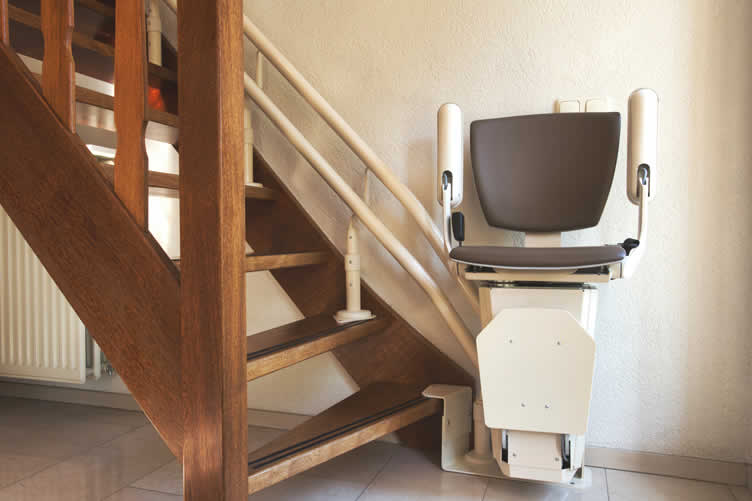
copyright image by 123rf.com
- We’re living in a tech-forward world, and more people are working from home than ever before. As a result, the need for people with mobility issues or disabilities to feel comfortable at home is essential. More people are looking for homes with built-in accessibility features so they don’t have to spend the money (or the time) to make those changes themselves.
-
Quik scroll to topic side notes …
-
Making Your Home Smart:
If you want to go the extra mile with your renovations, consider including “smart” features. Smart home technology is becoming increasingly popular. Everything from lighting to thermostats can be controlled either via a mobile device or by voice.
That can make a huge difference in the life of someone with a disability, so any smart home technology you put in will improve the appeal of your property.

copyright image by 123rf.com
-
Key Takeaway
Home renovations can make your living space more enjoyable while adding touches of your personal style. If you, a family member, or a friend deals with a disability, including renovations that make your home more accessible will improve the space for everyone.
- Consider some of these ideas, don’t be afraid to tackle one project at a time, and you might be surprised by how easy it is to improve accessibility and make your loved ones feel more at home than ever.
-
Quik scroll to more home utility management ideas …

-
ideas to view and compare from the photo above
mobility scooters for seniorselderly monitoringhome mobility aids
- What comments can you share about
making home renovations with accessibility?
 … grab this directory of ideas
home accessibility and safety

below for …
remodeling home

Find Home Remodeling Services Additions Major Remodels Minor Remodels Disability Needs top-rated, pre-screened local contractors FREE: download contractor selection enter zip code – powered by HomeAdvisor ™
Quick Contractor Guides selecting negotiating working with inspecting

Cover image credit: home renovations with accessibility by 123rf.com
end of post … please share it!
 links open new win

Nice pic idea? Leave us a quick comment below.
And please share this pic idea within your social networks.