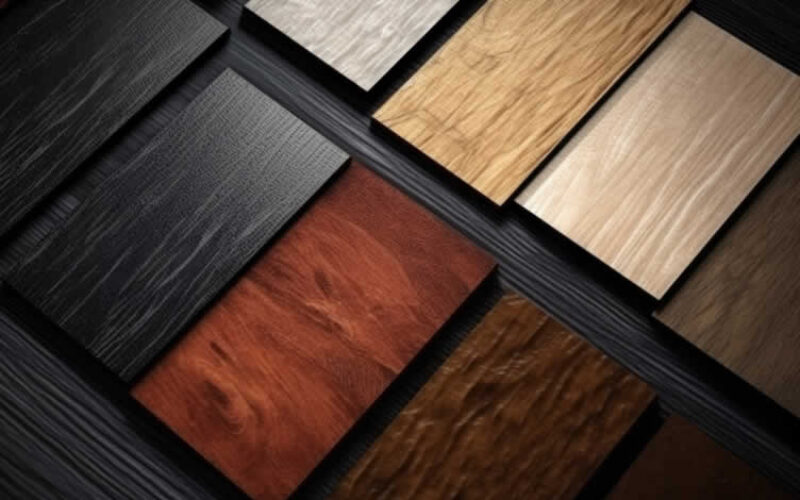
Summary Outline –
Flooring plays an integral role in setting the tone for your home’s design, comfort, and functionality. Among the many options available, Luxury Vinyl Plank (LVP) has steadily gained popularity with homeowners, thanks to its blend of aesthetics, durability, and practicality.
Mimicking the elegance of natural hardwood or stone, LVP brings modern technology into the world of flooring to provide a high-quality, yet budget-friendly solution.
This guide will walk you through everything you need to know about luxury vinyl plank flooring, including its realistic appearance, waterproof properties, durability, ease of maintenance, comfort, affordability, and installation methods.
By the end of this review, you’ll understand why LVP flooring is such a smart choice for your home.
- post content … analysis/ 3-4 min read or less per section neatly indexed
- 1st: Realistic Appearance
- 2nd: Waterproof Properties
- 3rd: Durability
- 4th: Comfort and Noise Reduction
- 5th: Affordability
- 6th: Ease of Maintenance
- 7th: Choosing the Best Installation Method
- 8th: Comparing Luxury Vinyl vs. Laminate Plank
- 9th: Finding Professional Help
- conclusion
- other home structural topics

-
- —— begin first topic ——
-
1st TERM: Realistic Appearance
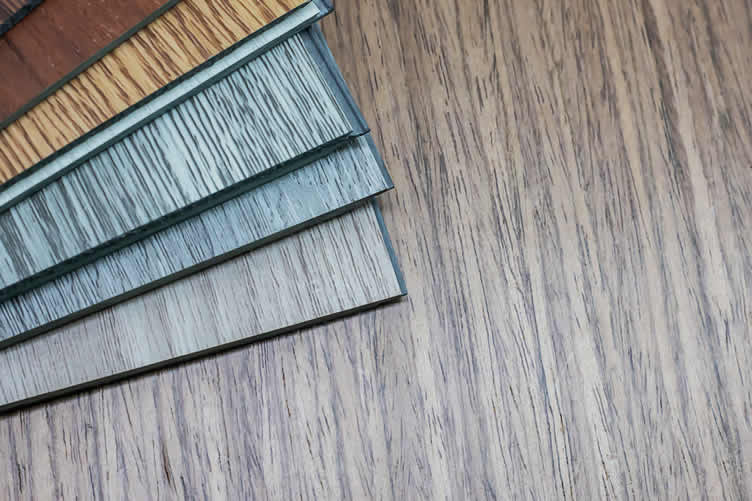
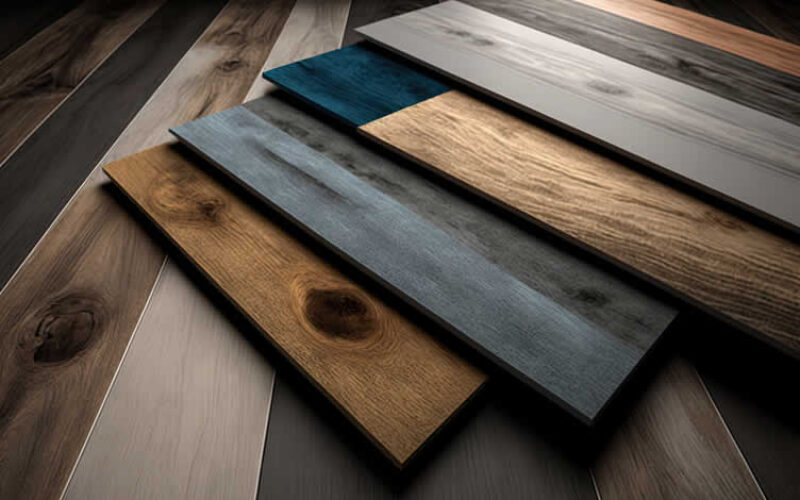
One of the standout features of luxury vinyl plank flooring is its stunning ability to replicate the look of natural materials like hardwood, stone, and tile.
Thanks to advancements in printing and embossing technology, LVP manufacturers have achieved an impressive level of realism, capturing the intricate details, textures, and grain patterns of natural materials.
With LVP, you can achieve the high-end look of oak wood, marble, or slate without the associated cost or upkeep. Some premium LVP products even feature hand-scraped or distressed finishes, mimicking the artisanal look of high-quality hardwood.
These finishes add an extra layer of authenticity, making it tough to distinguish between LVP and its natural counterparts.
copyright image by 123rf.com
–––––– about vinyl styles ––––––
The Realistic Styles of Luxury Vinyl Planks
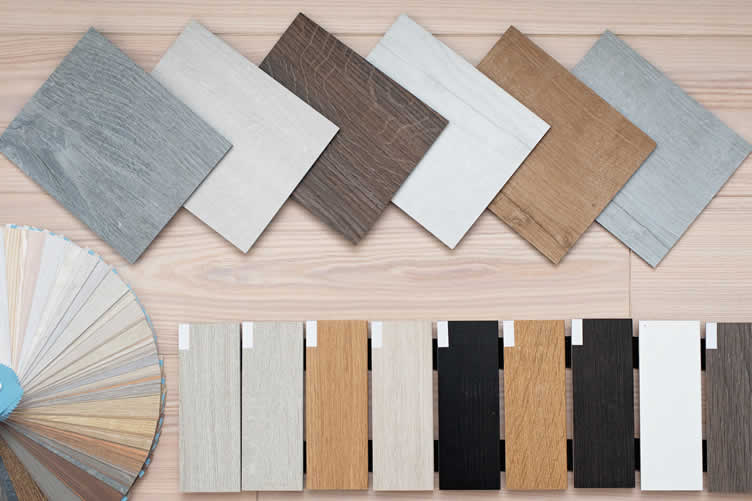
Luxury Vinyl Plank (LVP) flooring has emerged as one of the most versatile and visually compelling flooring options available today. Its ability to replicate natural materials with remarkable accuracy has made it a favored choice for homeowners and professionals alike.
With advanced manufacturing techniques and intricate detailing, LVP offers a wide range of styles that cater to personal tastes and practical needs. From imitating aged hardwood to polished stone, these options allow you to design spaces that reflect elegance, warmth, or modernity, while ensuring durability and cost efficiency.
Below, we explore the primary styles of LVP that bring the perfect balance of beauty and functionality to any room.
[ view sample images: LVP styles ]
-
Hardwood-Inspired LVP Styles
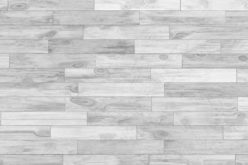
One of the most popular categories of LVP designs is the hardwood-inspired collection. These planks authentically mimic the unique characteristics of various wood species, offering options like weathered oak, maple, hickory, or walnut.
For those seeking a more rustic ambiance, distressed and reclaimed wood designs are available, emulating years of wear and rich texture without the extensive maintenance typical of real wood floors.
The craftsmanship of these products extends to the smallest details, including tonal variations, knots, and graining patterns, providing a luxurious and natural appearance.
Whether you prefer the lighter tones of Scandinavian-inspired birch or the deep, rich hues of Brazilian cherry, hardwood-style LVP delivers both aesthetic appeal and resilience underfoot.
-
Stone-Inspired LVP Styles
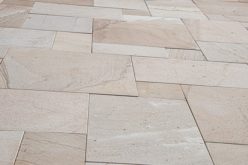
Stone-look LVP styles cater to those who crave the timeless beauty of natural stone surfaces such as marble, travertine, slate, or granite. These designs replicate the intricate veining and textured surfaces of authentic stone flooring, creating a polished yet approachable look.
Marble-inspired LVP, for instance, fosters an air of sophistication perfect for bathrooms or entryways, while slate designs are more rugged and ideal for spaces like kitchens or laundry rooms.
Additionally, these stone-look planks often offer slip-resistant finishes and excellent water resistance, making them not only visually stunning but also practical for high-traffic or moisture-prone areas.
-
Tile-Inspired LVP Styles
For those who love the look of traditional ceramic or porcelain tile but want a more comfortable and warmer option, tile-inspired LVP is an ideal choice. These planks can replicate everything from classic subway tile to modern geometric patterns, catering to a wide range of interior design preferences.
Some of the most sought-after styles include Moroccan-inspired encaustic tiles, which add a bold statement to any room, and timeless neutral-hued tiles for a minimalist or transitional aesthetic.
Unlike standard tile, these LVP versions are softer underfoot and easier to install, offering a seamless way to re-imagine spaces while avoiding the drawbacks of grout upkeep or heavy material costs.
-
Unique and Other LVP Styles
While hardwood, stone, and tile looks dominate the LVP spectrum, some designs push creative boundaries to deliver truly unique flooring solutions.
- Metallic-inspired LVP integrates shimmering finishes that reflect light beautifully, offering an ultra-modern vibe.
- Concrete-look LVP is another trend gaining traction, ideal for industrial or contemporary spaces, as it provides the sleek aesthetics of polished concrete with enhanced warmth and sound absorption.
- Some brands even offer styles that combine textures and materials, merging wood and stone visuals into hybrid designs, allowing homeowners to craft individualized interiors that break traditional design molds.
Luxury Vinyl Plank flooring delivers unmatched versatility in style and performance, enabling users to create visually stunning designs that stand the test of time.
Its expansive range, covering everything from the warmth of hardwood to the sophistication of stone and tile, ensures that there is a perfect option for every taste and lifestyle.
copyright image by 123rf.com
[ pinterest: types luxury vinyl floor styles ]
[ youtube: Luxury Vinyl Plank Flooring Types and Differences ]
-
Scroll up to directory … or scroll to next section of the reviewing luxury vinyl plank flooring …


-
-
2nd TERM: Waterproof Properties
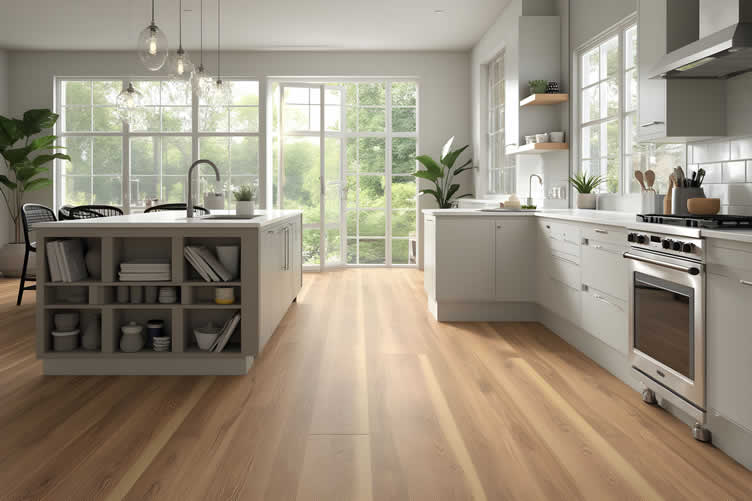
For moisture-prone areas like kitchens, bathrooms, and basements, luxury vinyl plank flooring is a game-changer. Unlike hardwood or laminate, LVP is completely waterproof, making it uniquely suited to withstand spills, humidity, and even standing water without warping or deteriorating.
This waterproof nature ensures peace of mind in busy households with kids or pets, where accidental spills are almost a daily occurrence. Compared to other flooring options such as laminate—which is only water-resistant rather than waterproof—LVP offers a level of durability and protection that is hard to beat.
Whether you’re dealing with a leaky dishwasher or a damp basement, LVP provides a worry-free flooring solution.
AI generated image by 123rf.com
–––––– where to use vinyl ––––––
Using LVPs in Different Rooms of Your Home
Luxury vinyl planks (LVP) have become a popular flooring option for modern homes due to their remarkable combination of durability, waterproof properties, and aesthetic appeal. However, when choosing flooring for specific rooms, it’s essential to weigh the pros and cons of LVP based on the unique demands of each space.
Below, we explore how LVP performs in different areas of your home, providing helpful insights to guide your decision-making.
[ view sample images: LTV room placement ]
-
Kitchen
The kitchen is one of the most heavily trafficked areas in any home. With frequent exposure to spills, drops, and high foot traffic, this space requires durable, water-resistant, and easy-to-clean flooring.
LVP excels in the kitchen, offering superior resistance to moisture and stains. Its waterproof nature ensures that minor or major spills won’t lead to long-term damage, making it an ideal choice for households with active lifestyles.
Another notable advantage is its cushioning underfoot, which can reduce strain during long hours of standing and cooking.
However, a potential drawback is that heavy, sharp objects, such as dropped pots or knives, could potentially scratch or dent the planks.
Protective pads on furniture and careful handling of sharp items can mitigate these issues. Overall, LVP’s durability and low-maintenance care make it a top contender for the kitchen.
-
Bathroom
Bathrooms present unique challenges for flooring due to constant exposure to water, humidity, and temperature fluctuations. Many homeowners opt for tiles in this space, but LVP offers a compelling alternative.
Being 100% waterproof, LVP can stand up to puddles, steam, and even the occasional overflowed sink or bath without warping or deteriorating.
The main concern with LVP in bathrooms is ensuring proper installation. Like any flooring, if seams are not tightly sealed, moisture could seep underneath the planks and create issues over time.
Choosing professional installation is key to reaping the full benefits of this flooring in a bathroom. Its slip-resistant options further enhance safety in this high-moisture zone, making it a reliable choice.
-
Laundry Room
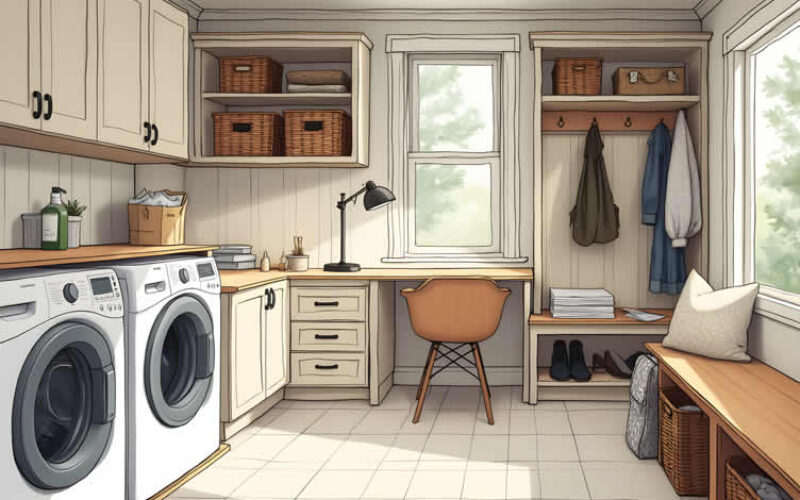
Laundry rooms are no strangers to water exposure and occasional leaks from washers or utility sinks. LVP’s waterproof nature provides excellent protection for this space, ensuring the flooring remains intact even in the event of a surprise water event.
Additionally, its resilience to heavy loads is an asset, as many laundry rooms house bulky washing machines or dryers.
On the downside, laundry rooms often deal with significant weight distribution, and while LVP can withstand most wear and tear, consistently heavy loads over time might lead to slight indentations.
Selecting high-quality, thick planks and ensuring a properly prepared sub-floor can minimize this risk. With its ability to combine practicality and style, LVP is a suitable flooring choice for laundry rooms.
-
Living Room
The living room is a high-traffic area where aesthetics often take center stage. LVP shines here with its ability to mimic authentic hardwood or stone, offering luxury visuals at a fraction of the cost. It’s perfect for families, as its scratch-resistant surface can endure pets, kids, and frequent gatherings without showing signs of wear.
While LVP is durable, some homeowners may prefer the warmth and softness of carpet underfoot in this room. However, those who prioritize easy cleaning and a polished look will find LVP to be an excellent fit. Its sound-insulating properties are another plus, helping to create a quieter, more comfortable space for relaxation.
-
Dining Room
Dining rooms are another area where LVP proves highly advantageous. Spilled drinks, food mishaps, and the dragging of heavy chairs are no match for the durability and waterproof properties of LVP. Its ability to mimic refined wood tones adds an elegant touch to the space, ensuring the room feels chic yet practical.
That said, some high-end dining rooms may benefit from actual wood flooring for its timeless appeal, especially in homes where resale value is a priority. Still, for families and budget-conscious homeowners, LVP strikes the perfect balance of sophistication and convenience.
-
Bedroom
Bedrooms are personal sanctuaries where comfort and style take precedence. LVP offers a quiet, smooth surface that imitates the luxurious look of hardwood, creating a cozy yet sophisticated vibe. Unlike carpet, it is hypoallergenic and easy to clean, making it an excellent choice for those with allergies or sensitivity to dust and allergens.
However, LVP may feel cooler underfoot compared to carpet, especially during colder months. Pairing it with an area rug can address this issue while allowing you to enjoy its durability and elegance. LVP’s longevity and low-maintenance features make it a practical yet classy option for bedrooms.
-
Home Office
A home office demands a flooring solution that combines functionality with professional style. LVP checks these boxes, providing a durable surface capable of withstanding rolling office chairs and furniture.
Its wide range of designs allows homeowners to tailor their workspace aesthetics to suit their style preferences—whether they lean toward a modern or traditional look.
The only downside is that heavy furniture left in one position for extended periods may cause slight indentations over time. Using furniture protectors and occasionally rearranging the layout can mitigate this problem.
With its stain resistance and easy maintenance, LVP ensures that your workspace remains neat and presentable.
-
Other Areas
For other spaces like basements, mudrooms, or playrooms, LVP offers unparalleled versatility. Its water- and scratch-resistant properties make it ideal for environments prone to dampness or heavy use.
For example, in basements, its resistance to mold and mildew is a significant advantage, while in mudrooms, its easy-to-clean surface helps maintain a tidy appearance despite muddy footprints.
One limitation to consider is that extremely uneven sub-floors often found in basements may require additional prep work during installation.
Proper installation and choosing high-quality LVP can eliminate this challenge. For homeowners looking for a durable, multi-functional flooring solution, LVP adapts effortlessly across diverse spaces.
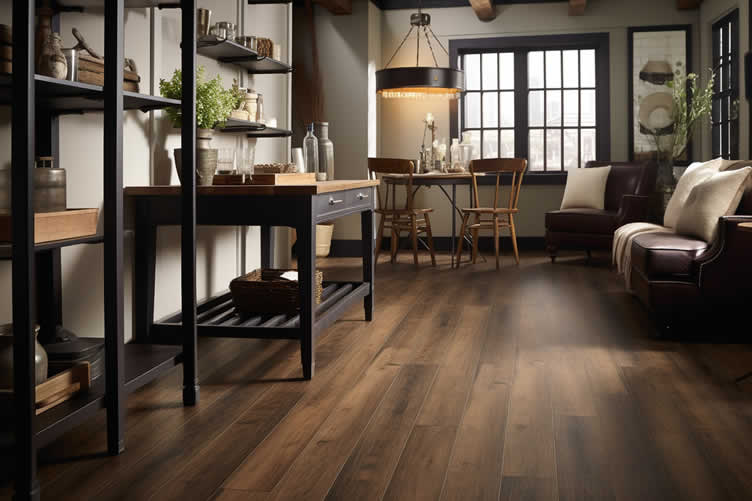
copyright image by 123rf.com
[ pinterest: luxury vinyl plank flooring living room ]
[ youtube: luxury vinyl plank flooring kitchen ]
-
Scroll up to directory … or scroll to next section of the reviewing luxury vinyl plank flooring …
-
-
3rd TERM: Durability
Durability is another key selling point of luxury vinyl plank flooring, making it ideal for high-traffic areas in the home. LVP is designed to withstand the demands of everyday life, from the pitter-patter of pets to the heavy foot traffic of a bustling household.
This durability comes from the wear layer on the surface of each plank. The wear layer acts as a protective shield, guarding against scratches, dents, and general wear and tear.
Thicker wear layers offer even greater longevity, ensuring that your floors retain their appearance for years to come. With its durable composition, LVP maintains its integrity in busy households without sacrificing its aesthetic appeal.
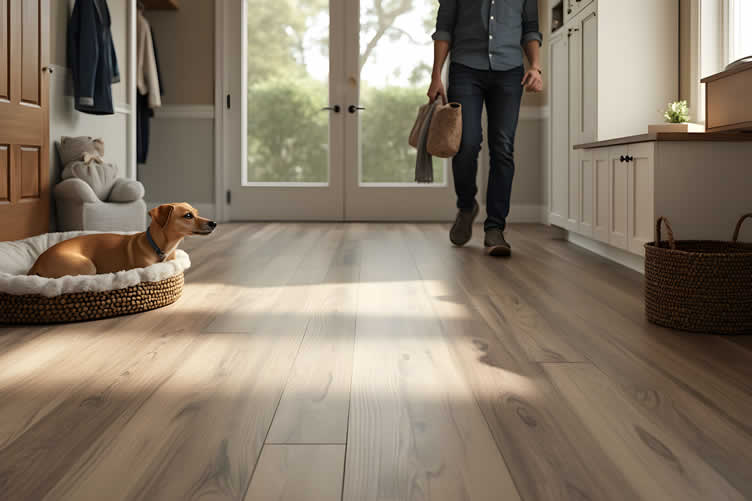
AI generated image by 123rf.com
–––––– keep it pristine ––––––
Keeping Luxury Vinyl Planks in Perfect Condition
Luxury vinyl planks (LVP) are known for their durability and style, but even the toughest floors require proper care to maintain their beauty and functionality over time. Whether your household experiences heavy foot traffic, pet activity, or general day-to-day use, taking the right steps to care for and clean your LVP ensures that it remains in pristine condition.
The following guide provides an in-depth, practical framework for both cleaning and maintaining your LVP flooring, helping you to enjoy its benefits for years to come.
-
Regular Cleaning Practices for Everyday Care
Routine cleaning is the foundation of keeping LVP looking its best. Start by sweeping or vacuuming regularly to remove loose dirt, dust, and debris that can accumulate on the surface.
Fine particles can act like sandpaper, dulling the protective wear layer over time. Use a soft-bristle broom or a vacuum without a beater bar to prevent scratches.
Damp mopping with a gentle, pH-balanced cleanser designed for vinyl floors is ideal for lifting stubborn grime while protecting the integrity of the surface. Avoid harsh chemicals or overly wet mops, as excessive moisture can seep between planks and weaken adhesive bonds.
-
Tackling Stains and Spills Efficiently
Accidents are inevitable, but with LVP, cleanup is usually quick and simple. For spills, wipe them up immediately using a soft microfiber cloth to prevent liquids from penetrating the seams.
For tougher stains such as ink, grease, or food residue, gently clean the area with a solution of warm water and a mild detergent.
For particularly persistent marks, it can be safe in most cases to use isopropyl alcohol or a diluted vinegar solution; however, always refer to your LVP manufacturer’s guidelines to avoid voiding warranties or compromising the material.
-
Protecting Against Heavy Traffic and Wear
Prevention is a key aspect of maintaining your LVP in high-traffic households. Use area rugs or door mats at entryways to trap dirt and moisture before it gets tracked across your floors.
Felt pads under furniture legs help reduce the risk of scratches or indentations, especially for heavier items that may shift over time. Additionally, rotating furniture periodically ensures even distribution of wear on your flooring.
For pet owners, keeping claws trimmed minimizes the chances of surface scratches and helps preserve the floor’s polished appearance.
-
Maintaining Long-Term Luster
Over time, LVP can lose some of its original luster due to natural wear. To keep it looking fresh, periodically use a no-wax, vinyl floor polish compatible with your flooring type. This can restore shine and reinforce the wear layer, providing extra protection against the daily challenges of heavy usage.
Be sure to clean thoroughly before applying any polish to avoid sealing dirt or debris into the surface. Always test products in an inconspicuous area first to ensure compatibility with your flooring.
-
Knowing When to Seek Professional Help
For deeper cleaning or repair needs, professional assistance may sometimes be necessary to preserve your LVP’s condition.
Re-stretching sections of flooring, replacing damaged planks, or handling specific maintenance situations like water damage may require expert intervention. Consult your manufacturer’s recommendations and work with certified professionals who have experience handling LVP flooring to ensure quality results.
-
Additional Resources and Best Practices
To maximize the lifespan of your LVP floors, it’s essential to stay informed. Many LVP manufacturers and retailers provide detailed care instructions tailored to their specific products.
Reviewing user manuals or care guides can help you identify approved cleaners, tools, and treatments for your flooring. Additionally, maintaining consistent communication with your installer or retailer can provide clarity on warranties, proper maintenance schedules, and long-term care plans.
By incorporating these cleaning and maintenance practices into your routine, you can help your LVP withstand the rigors of heavy use while preserving its style and durability. With time, attention, and the right approach, luxury vinyl planks can continue to serve as a refined, resilient flooring solution for your home.
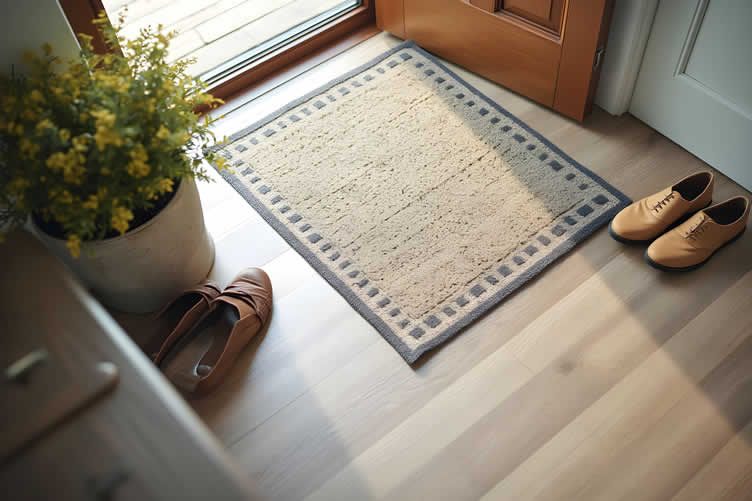
AI generated image by 123rf.com
-
Scroll up to directory … or scroll to next section of the reviewing luxury vinyl plank flooring …
-
-
4th TERM: Comfort and Noise Reduction
LVP flooring is designed with more than just aesthetics and durability in mind—it also prioritizes comfort and functionality. The cushioned backing of many LVP products adds a layer of softness underfoot, making it noticeably more comfortable to stand on for extended periods compared to harder surfaces like tile or traditional vinyl.
Additionally, the structure of LVP helps reduce noise transmission, making it a great option for multi-level homes or apartments where soundproofing is a concern. With its ability to offer both comfort and quiet, LVP creates a welcoming living environment for you and your family.
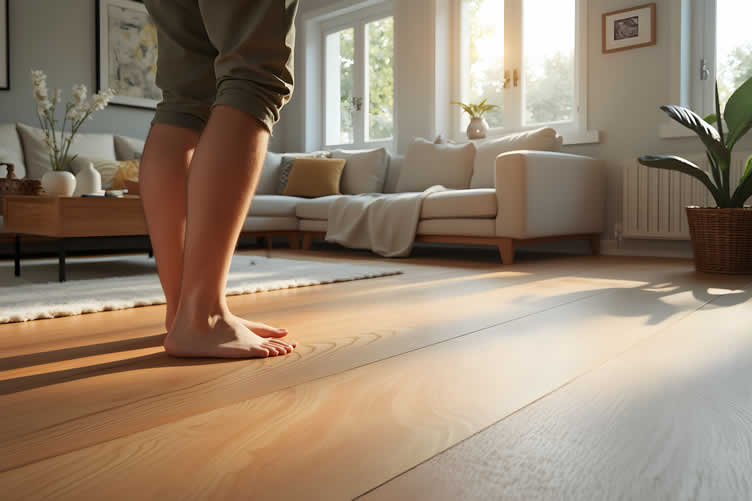
AI generated image by 123rf.com
–––––– how-to comfort and noise reduction ––––––
Enhancing Comfort and Noise Reduction During LVP Installation
Maximizing the comfort and soundproofing of your luxury vinyl plank (LVP) flooring requires more than just choosing high-quality materials. Proper installation techniques and the right additional components can make a significant difference in the overall feel and acoustics of your floors.
By focusing on specific steps and tools, you can create an environment that is not only visually stunning but also a pleasure to walk on. Below are key recommendations for getting the most out of your LVP flooring in terms of comfort and noise reduction.
[ view sample images: enhancing comfort and noise reduction ]
-
Choose a High-Quality Underlayment
The type of underlayment you choose is one of the most critical components for enhancing both comfort and sound control. A premium-quality foam or cork underlayment can provide superior cushioning underfoot, reducing the stiffness that is occasionally felt with some hard floors.
Additionally, these materials are excellent at dampening vibrations and absorbing sound, making them ideal for homes with children or multi-level properties. Ensure the underlayment is compatible with the LVP product you select, as not all underlayments pair well with every type of luxury vinyl and some may void manufacturer warranties.
-
Proper Sub-floor Preparation
Before laying down the LVP or underlayment, preparing a stable, level, and clean sub-floor is a non-negotiable step. An uneven sub-floor can lead to hollow spots, affecting both the comfort and acoustics of the flooring.
Thoroughly clean the sub-floor to eliminate any dirt, moisture, or debris that could cause the vinyl planks to shift or crack over time. Additionally, consider using a moisture barrier if you’re installing the LVP over concrete or in areas prone to high humidity, as this will help protect the longevity of both the underlayment and the flooring itself.
-
Select LVP with Attached Padding
For those looking for an all-in-one solution, many LVP products come with pre-attached padding designed for extra comfort and reduced noise. While these options may seem more expensive initially, they can save labor and material costs while simultaneously eliminating the need for a separate underlayment.
Attached padding is engineered to provide balanced cushioning while improving thermal insulation, making your floors warmer and friendlier for bare feet in colder seasons.
-
Focus on Seamless Installation Techniques
The way the planks are installed also impacts the overall performance of the flooring. Using a floating floor installation method can enhance soundproofing by allowing the planks to "float" over the sub-floor and underlayment.
This setup creates a buffer that absorbs sound and distributes weight evenly. However, ensure that every plank is locked tightly into place to prevent shifting, as this can compromise both comfort and noise insulation.
Taking time to align and cut planks properly around wall edges and corners further ensures a polished, solid installation.
-
Use Sound-Absorbing Accessories
To take soundproofing to the next level, consider adding perimeter isolation strips during installation. These strips, typically made of rubber or foam, are placed along the edges where the flooring meets the walls.
They minimize the transfer of sound vibrations through the room’s perimeter, creating an overall quieter environment. Additionally, sound-absorbing door sweeps and area rugs can complement these measures, particularly in high-traffic rooms.
-
Seal Gaps and Joints
While many modern LVP products come with advanced locking systems, sealing the joints with an appropriate adhesive or sealant can enhance durability and dampen vibrations.
This is especially important in spaces with heavy furniture or frequent activity, where movement over time could create minor gaps that impact both comfort and noise control. Using a professional-grade sealant ensures long-lasting results and protects against wear and tear.
Investing in thoughtful installation practices and complementary materials not only maximizes comfort but also provides an acoustic advantage that will benefit your living spaces for years to come.
By following these expert tips and ensuring each step of the process is completed with care, you’ll enjoy a luxurious, quiet, and inviting floor, perfectly suited for your daily needs.
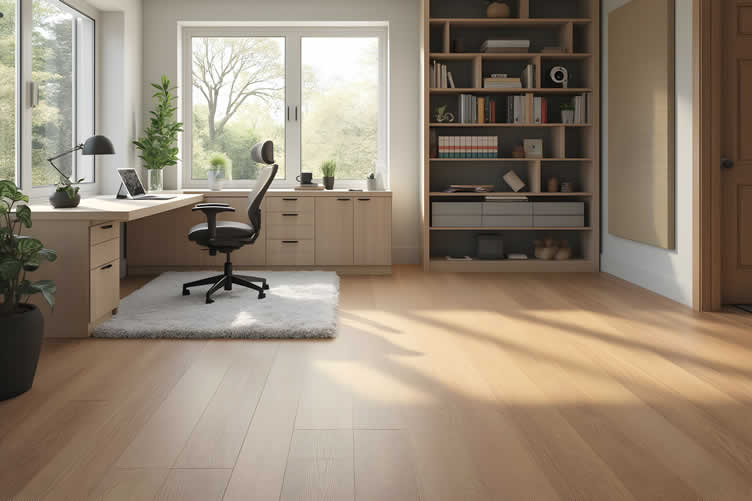
AI generated image by 123rf.com
[ youtube: why you need underlayment for floors ]
[ youtube: How to Soundproof Your Flooring ]
-
Scroll up to directory … or scroll to next section of the reviewing luxury vinyl plank flooring …
-
-
5th TERM: Affordability
When compared to traditional flooring options like hardwood and stone tiles, luxury vinyl plank stands out as an affordable alternative that doesn’t compromise on style or quality.
Hardwood flooring, for example, can cost upwards of $10–$20 per square foot, not including installation fees. LVP, on the other hand, typically ranges from $2–$7 per square foot, making it a cost-effective solution for budget-conscious homeowners.
But the savings don’t stop there. The durability and low-maintenance nature of LVP reduce long-term costs associated with repairs and frequent upkeep. This combination of upfront affordability and long-term value makes luxury vinyl plank one of the most economical flooring choices on the market.
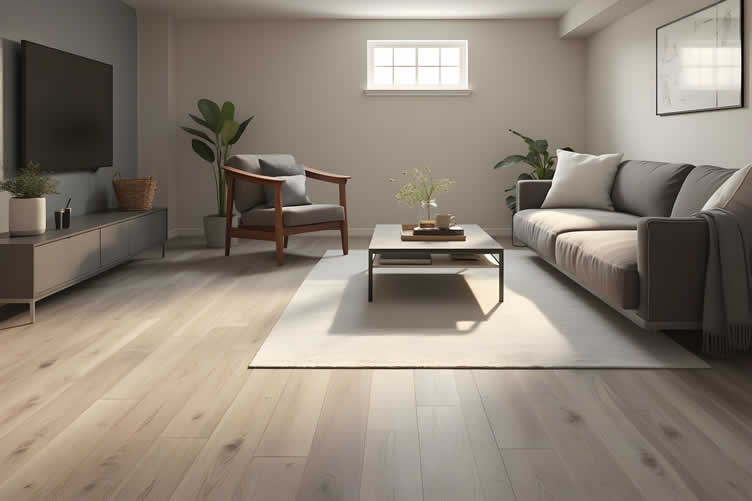
AI generated image by 123rf.com
–––––– comparing flooring costs ––––––
Comparing Estimated Costs
When considering new flooring for your home, understanding the costs associated with different materials is crucial to making an informed decision.
While luxury vinyl plank (LVP) flooring offers an exceptional balance of durability, design, and affordability, it’s helpful to compare it with other popular choices like hardwood, laminate, and tile.
Below, you’ll find a breakdown of the average cost of each flooring option, including materials and installation. This comparison will help you evaluate which option best suits your budget and your specific home improvement needs.
Flooring Type Average Material Cost
(per sq. ft.)Average Installation Cost
(per sq. ft.)Luxury Vinyl $2–$3 $2–$3 Laminate $1–$4 $2–$8 Hardwood $5–$28 (solid hardwood) Included in $6–$18 total Engineered Wood $4–$12 $3–$10 Ceramic Tile $1–$20 $4–$14 Natural Stone $6–$40 (varies by stone type) $6–$20 (included in $12–$30 total) Concrete $2–$8 $2–$8 Carpeting $2–$7 $2–$9 (materials + labor: $2–$9 total) 
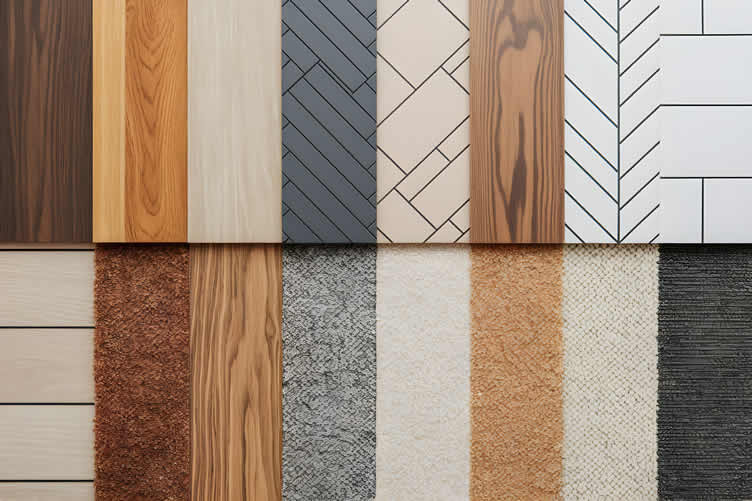
AI generated image by 123rf.com
-
Scroll up to directory … or scroll to next section of the reviewing luxury vinyl plank flooring …
-
-
6th TERM: Ease of Maintenance
One of the most attractive features of LVP flooring is how easy it is to clean and maintain. Unlike hardwood or carpet, which require substantial upkeep, LVP is virtually hassle-free. A simple routine of sweeping and occasional mopping with a damp microfiber cloth is typically all that’s needed to keep the floor looking spotless.
Stain removal is equally uncomplicated thanks to the non-porous surface of LVP, which prevents spills and dirt from seeping in. For tougher stains, a mild detergent is usually sufficient.
Additionally, LVP doesn’t require frequent refinishing or sealing, unlike traditional hardwood. This ease of maintenance makes it a practical choice for homeowners seeking a stylish yet low-maintenance flooring option.
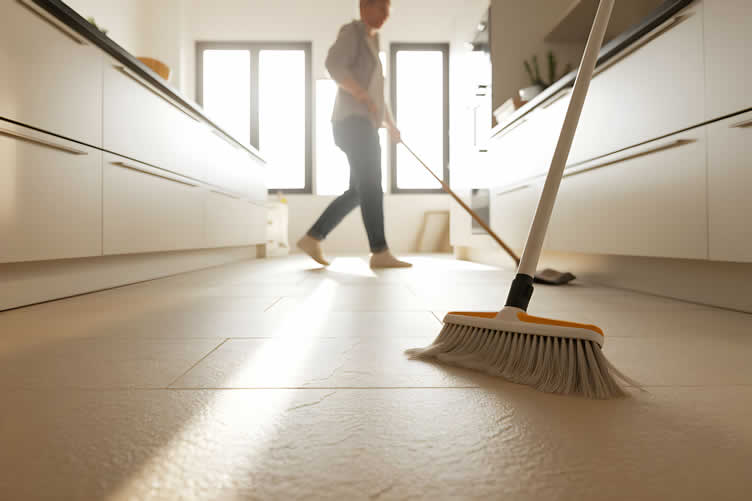
AI generated image by 123rf.com
–––––– reviewing maintenance ––––––
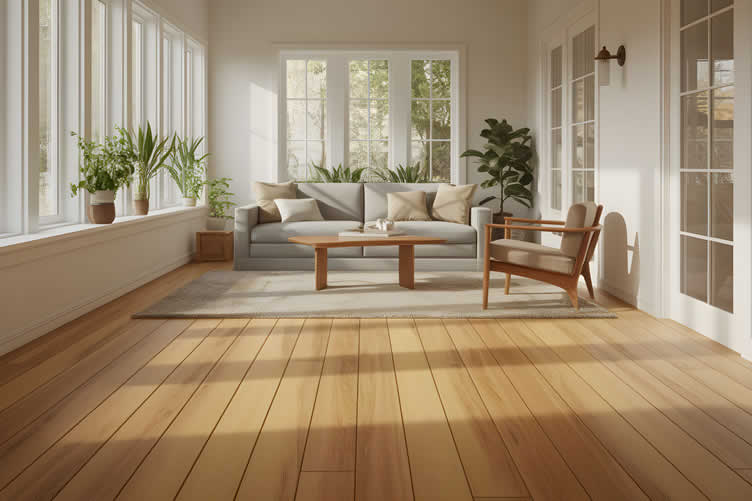
Maintenance Tips for Longevity
Luxury Vinyl Plank (LVP) flooring is renowned for its durability, style, and ease of maintenance. However, like any flooring material, proper care is essential to ensure that it retains its beauty and extends its lifespan.
With the right maintenance practices, LVP can remain in excellent condition for years, making it a cost-effective and visually appealing choice for any space. Below are expert tips on maintaining LVP flooring, divided into key areas of focus for optimal care and longevity.
-
Routine Cleaning Practices
Regular cleaning is the foundation of maintaining the integrity and appearance of your LVP flooring. Daily or weekly cleaning with a damp microfiber mop is recommended to remove dirt, dust, and debris that may scratch the surface over time.
Avoid using abrasive pads or brushes, which can damage the protective wear layer of the planks. For quick touch-ups, a vacuum with a soft brush attachment or a broom with soft bristles is ideal.
It’s important to clean up spills and tracked-in dirt promptly, as leaving these on the surface for too long could lead to staining or reduced shine, especially in high-traffic areas.
-
Avoid Harsh Chemicals
While LVP is remarkably resistant to stains and scratches, using the right cleaning products is critical. Harsh chemicals, including those with high concentrations of bleach, ammonia, or acidic formulations, can degrade the finish of LVP over time.
Instead, opt for a mild, pH-balanced cleaner specifically designed for vinyl flooring. Always dilute cleaning solutions as instructed on the product’s label and test them in an inconspicuous area before applying them to the entire floor. To maintain the floor’s luster, occasional polishing with an approved vinyl floor restorer is a safe solution.
-
Preventive Measures for Damage
Preventing damage to LVP flooring is easier than many might think. Protective pads under furniture legs can help reduce the risk of dents or scratches caused by heavy items being dragged or moved across the floor.
For areas subject to frequent movement, such as beneath rolling chairs or tables, use floor mats or rugs to minimize wear. Additionally, placing mats at entryways is a simple yet effective method of preventing dirt, sand, and gravel from being tracked onto the LVP surface, which could lead to scratches.
-
Temperature and Humidity Control
Luxury Vinyl Plank flooring performs best in a stable indoor environment with controlled temperature and humidity. Extreme fluctuations in either can affect the material’s adhesive properties or cause the planks to expand or contract.
To avoid these issues, ensure that the indoor climate stays within the manufacturer’s recommended range. Using a dehumidifier in particularly damp environments and air conditioning in extremely hot seasons can help preserve the flooring’s structural integrity.
-
Professional Maintenance and Repairs
While routine cleaning and preventive care handle most maintenance needs, there may be instances where professional services are required. For deep cleaning or restoring heavily trafficked areas showing signs of wear, hiring a flooring professional can rejuvenate the LVP surface effectively.
Likewise, if planks become damaged, cracked, or lifted, it’s advisable to have them replaced by experts to maintain both safety and appearance. Consult your LVP manufacturer’s warranty for specific guidelines and refer to certified professionals to ensure proper handling.
By following these simple yet effective maintenance guidelines, homeowners can preserve the long-term performance and aesthetic appeal of their Luxury Vinyl Plank flooring.
Proper care not only enhances the value of your investment but also ensures a clean, inviting space that’s as dependable as it is beautiful. Always check your product’s specific care instructions and adhere to professional advice for the best results.
AI generated image by 123rf.com
[ pinterest: taking care of LVP flooring ]
[ youtube: Clean Vinyl Plank Floors (LVP) Like a Pro ]
-
Scroll up to directory … or scroll to next section of the reviewing luxury vinyl plank flooring …
-
-
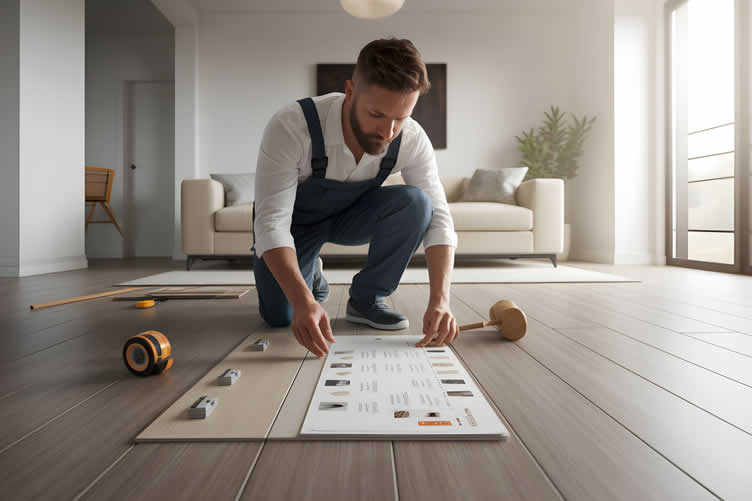
7th TERM: Choosing the Best Installation Method
Luxury Vinyl Plank (LVP) flooring has quickly become a popular choice for homeowners and commercial property owners alike due to its durability, aesthetic variety, and affordability. However, selecting the right installation method is crucial to ensure the flooring meets your specific needs and provides long-term performance.
Whether you opt for a floating floor installation or a glue-down method, each approach has distinct advantages and considerations. This guide outlines the critical differences between these options to help you determine the best solution for your space.
-
Floating Floor Installation
The floating floor installation method is regarded as one of the most user-friendly and accessible options for LVP flooring. This approach involves clicking the planks together like puzzle pieces, allowing them to lay securely over the sub-floor without the need for adhesives.
One significant advantage of floating floors is their straightforward installation process. This makes them highly appealing to DIY enthusiasts who want to avoid the costs and scheduling challenges of professional installation.
The flexibility of this method also makes it ideal for spaces where the flooring might need to be removed or replaced in the future, such as rental properties or areas subject to changing design preferences.
However, floating floors may not be the best choice for spaces subjected to heavy furniture or frequent foot traffic. Due to their unattached nature, these floors can shift or create slight movement under pressure if not installed correctly, potentially affecting stability and longevity.
They also rely on a relatively even sub-floor for proper performance, as uneven surfaces can compromise the interlocking mechanism.
-
Glue-Down Installation
For those seeking a more permanent and robust solution, glue-down installation offers unparalleled stability and durability. This method involves applying adhesive to the sub-floor and firmly affixing the planks, resulting in a seamless and highly secure finish.
The primary advantage of glue-down installation is its ability to withstand heavy use, making it ideal for commercial spaces, high-traffic areas, or environments where long-term reliability is essential.
The adhesive ensures the planks do not shift or lift under the weight of furniture or frequent movement, providing a smooth and professional-looking surface.
On the downside, glue-down installation can be more labor-intensive and time-consuming compared to floating floors. It often requires the expertise of a professional, which adds to the upfront cost.
Additionally, removing glued-down planks can be challenging, making this option less suitable for spaces that may undergo future renovations or changes.
-
Making the Right Choice
The decision between floating floor and glue-down installation ultimately depends on your specific needs, preferences, and the environment of your space. If ease of installation and future flexibility are your priorities, a floating floor provides a practical and cost-effective solution.
On the other hand, for high-traffic or commercial spaces where long-term durability is paramount, glue-down installation is the superior choice.
To ensure you make an informed decision, consult with a flooring professional or installer who can assess your sub-floor conditions and help you select the method that aligns with your goals. Proper installation not only enhances the beauty of your LVP flooring but also ensures its performance and longevity for years to come.
AI generated image by 123rf.com
[ pinterest: how to install LVP flooring ]
[ youtube: How to Install Vinyl Plank Flooring as a Beginner ]
-
Scroll up to directory … or scroll to next section of the reviewing luxury vinyl plank flooring …
-
-
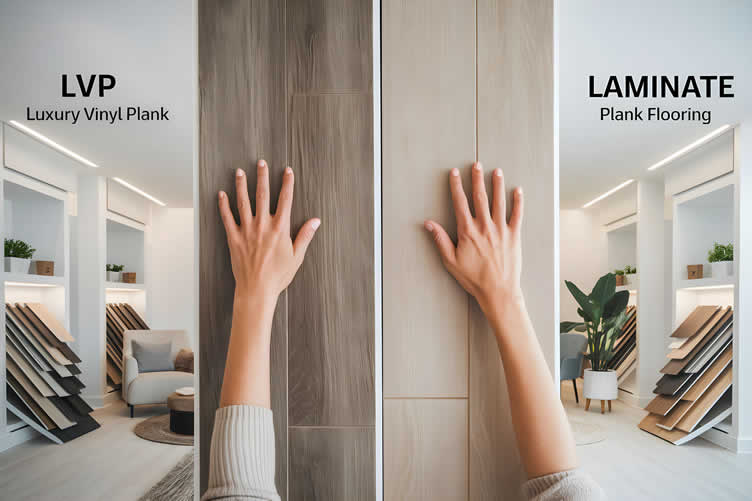
8th TERM: Comparing Luxury Vinyl vs. Laminate Plank
When choosing between luxury vinyl plank (LVP) flooring and laminate plank flooring, one of the most critical factors to consider is longevity. Both options have made significant advancements in durability, appealing to modern homeowners seeking long-lasting flooring solutions.
However, the materials and construction of these two flooring types lead to differences in how they perform over time. By breaking down their longevity, alongside the respective pros and cons, homeowners can make informed decisions based on their specific needs, environments, and lifestyles.
-
Luxury Vinyl Plank Longevity
Luxury vinyl plank flooring is highly regarded for its exceptional durability and resilience. Manufactured mostly from synthetic materials like PVC, LVP is inherently moisture-resistant, which plays a significant role in its lifespan.
It can withstand high humidity, spills, and even occasional flooding, making it an ideal choice for areas like kitchens, bathrooms, and basements. This robust resistance to water prevents warping, buckling, and damage over time, giving LVP a potential lifespan of 20 to 30 years when properly cared for.
Another key to LVP’s longevity is its wear layer, a transparent protective coating that shields the design surface from scratches, scuffs, and general wear. Thicker wear layers translate to increased durability, which is especially beneficial in high-traffic areas or homes with pets and children.
Additionally, advancements in technology have enabled LVP to mimic the look and texture of natural wood or stone, allowing homeowners to achieve a high-end aesthetic without the drawbacks of organic materials.
The pros of luxury vinyl plank flooring include its superior water resistance, long lifespan, and ease of maintenance. However, it is worth noting that lower-quality products may be more prone to dents or scratches, and professional installation may be required to ensure optimum performance.
Proper cleaning routines and avoiding direct exposure to sharp objects are essential to maintaining its longevity.
-
Laminate Plank Flooring Longevity
Laminate plank flooring, while also durable, relies on different construction materials and mechanisms that influence its longevity. Made primarily from high-density fiberboard (HDF) and a photographic layer overlay, laminate flooring is capable of withstanding moderate daily wear and tear.
It offers a lifespan of around 10 to 20 years on average, though this can vary depending on the product’s quality and the level of care it receives.
However, unlike LVP, laminate is not inherently water-resistant. Prolonged exposure to moisture or standing water can result in swelling, warping, or separation at the seams due to its fiberboard core.
For this reason, laminate is better suited for drier environments or areas of the home that are less prone to spills, such as bedrooms, living rooms, or hallways.
To enhance its longevity, manufacturers often incorporate wear-resistant coatings, but these are typically less durable than the wear layers found in LVP. While laminate can be scratched or dented by heavy furniture or sharp objects, selecting higher-quality options can improve its overall resilience.
Homeowners should be mindful of proper cleaning methods and avoid excessive use of water during maintenance.
The pros of laminate flooring include its affordability, ease of DIY installation, and the authentic wood-like appearance it provides at a budget-friendly price point.
On the downside, its vulnerability to water and moisture limits its application, and its lifespan may not match that of LVP in high-traffic or moisture-prone areas.
-
Final Comparison
Luxury vinyl plank and laminate plank flooring each have distinct strengths and weaknesses when it comes to longevity.
LVP tends to excel in environments where moisture and durability are critical factors, while laminate provides an affordable and visually appealing alternative for drier spaces.
By evaluating the specific needs of your home, such as foot traffic levels, moisture exposure, and maintenance preferences, you can select a flooring option that aligns with your requirements and ensures long-term satisfaction.
AI generated image by 123rf.com
-
Scroll up to directory … or scroll to next section of the reviewing luxury vinyl plank flooring …
-
-
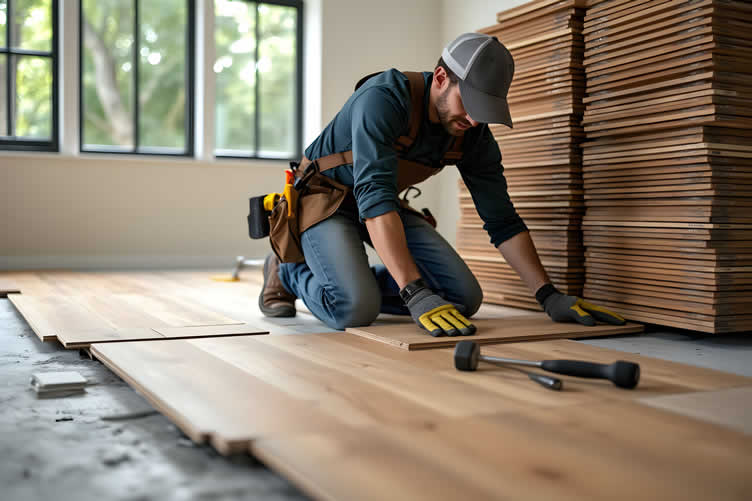
9th TERM: DIY Installation vs. Professional Installation
Installing luxury vinyl plank (LVP) flooring is a project that many DIY enthusiasts can tackle on their own. With its click-and-lock installation system and minimal tool requirements, LVP offers a straightforward process that’s perfect for those looking to save money on labor and enjoy the satisfaction of a hands-on project.
Detailed guides and instructional videos can provide all the information needed to achieve a clean, polished look.
However, for those seeking a more permanent solution that will stand the test of time, hiring a professional may be worth the investment. Professionals bring years of experience, ensuring the flooring is installed perfectly level with no gaps, warping, or uneven edges.
They can also address challenges such as sub-floor preparation, complex room layouts, or intricate designs. While it’s possible to achieve great results on your own, a professional installation offers the peace of mind that your flooring will maintain its beauty and durability for years to come.
LetsRenovate has partnered with HomeAdvisor™, a renowned provider of highly-rated, carefully-vetted local laminate and vinyl install contractors. Start your search here by entering your zip code to find local professionals.
AI generated image by 123rf.com
But Wait!
Before you begin searching for flooring contractors, we highly recommend downloading this evaluation worksheet.
Designed to streamline your decision-making process, this tool allows you to objectively assess and rank contractors based on key criteria like pricing, licensing, and referrals.

Evaluation Sheet
File Type:
-
Scroll up to directory … or scroll to conclusion …
-
-
Conclusion
When it comes to the perfect balance of style, functionality, and affordability, luxury vinyl plank flooring checks all the boxes. Its ability to seamlessly replicate the look of natural materials, paired with exceptional waterproof and durable properties, makes it a practical choice for any room in the house.
Add in the benefits of easy maintenance, comfortable underfoot feel, and simple installation, and it’s clear why LVP has become a favorite among homeowners.
Whether you’re renovating a single room or outfitting an entire home, LVP flooring offers unmatched versatility and value. If you’re ready to explore what luxury vinyl plank flooring can do for your space, there’s no better time to make the switch.
-
Quick scroll to more home structural related ideas …
-
ideas to view and compare from the photo above
- What comments can you share about
what luxury vinyl that you have installed?
… installation methods for LVP


addressing luxury vinyl plank flooring and other home improvement needs …
… grab this directory of ideas for future use





SHARE IT ..! You might have someone in your social network who could find this informative post about luxury vinyl plank flooring valuable. Feel free to share it on Facebook, X (formally Twitter), LinkedIn, or Pinterest!



Budgeting Worksheet For Costing Home Remodeling and Home Improvement Decisions
 File Type (excel)

… view our home remodeling guides and steps

what might be of interest is reflecting on some …




get the size dimensions for any home remodeling project …

… for functionality, aesthetics, and adhering to building codes


Calendar For:
Home Maintenance
File Type:
… view illustration “becoming a bank”
… view our sharing links below for a quick "share the knowledge"
Find Flooring Services Brick & Stone Concrete Carpet Hardwood Laminates & Vinyl Tile top-rated, pre-screened local contractors FREE: download contractor selection enter zip code – powered by HomeAdvisor ™
Quick Contractor Guides selecting negotiating working with inspecting

Cover image credit: luxury vinyl plank flooring by 123rf.com
end of post … please share it!
 |
did you find this luxury vinyl plank flooring analysis helpful? If so, please share the article with your friends and family! |
Nice pic idea? Leave us a quick comment below.
And please share this pic idea within your social networks.