Summary Outline –
A home’s value extends beyond its visual design and layout. One critical component often overlooked in renovations is the auditory environment. By integrating acoustics and audio systems, homeowners can significantly enhance the overall experience of their living spaces.
Proper acoustics can improve the clarity of conversations, the quality of music playback, and the immersion of home theater experiences.
This article provides a comprehensive guide on the importance of sound in home renovations, offering insights into the various methods and technologies available. It is not just about aesthetics; it’s about creating an environment that appeals to all senses.
Understanding and implementing sound solutions can make all the difference.

-
Quik scroll to first topic about home acoustics and audio systems …

first “home acoustics and audio systems” idea


copyright image by 123rf.com
Section 1: Understanding Room Acoustics
Notes:
-
Room acoustics are key in determining how sound behaves within a space. At its core, acoustics examines how sound waves interact with a room’s surfaces, objects, and air. Various factors, such as room size, shape, and the materials used in its construction, can influence these interactions.
For instance, hard surfaces might reflect sound, causing echoes, while soft materials can absorb it, reducing reverberations. The placement of furniture and other objects can also impact how sound travels. A well-considered acoustic design ensures that sound is neither muted nor overly amplified.
Understanding room acoustics is essential for optimizing the sound quality and overall auditory experience in any living space, whether for music, conversation, or media consumption.
-
Quik scroll to topic side notes …
-
-
1st: More Detail Review of Room Acoustics
Room acoustics is the study of how sound behaves in enclosed or partially enclosed spaces. The architectural details of a room, such as its size, shape, and materials, can all have a significant impact on the way sound waves propagate within it.
Understanding the basic principles of room acoustics can help you avoid common problems that may arise during a home renovation project. For example, if you are planning to install a home theater system in your living room, knowing about room acoustics can help you choose the right furniture and materials to minimize sound reflections and echoes.
Similarly, if you are setting up a recording studio in your home, understanding how sound waves interact with different surfaces can help you create an optimal recording environment.
The first step in understanding room acoustics is knowing the three main factors that affect sound propagation: absorption, reflection, and diffusion:
-
Absorption
is the process where sound energy is soaked up by materials in the room, such as the walls, floors, and furniture, converting it into heat. The absorptive properties of a material can vary based on frequency; some materials absorb high-frequency sounds better than low-frequency sounds, and vice versa.
High levels of absorption can prevent echoes and reverberation, creating a clearer sound, but excessive absorption can make a room sound too dead or dull.
-
Reflection
is when sound waves bounce off surfaces, creating echoes or reverberation. Hard, flat surfaces, like concrete or glass, reflect sound waves more than porous or irregular surfaces.
Reflective surfaces can cause problems like flutter echoes, standing waves, or comb filtering, all of which can degrade sound quality. However, some amount of reflection is necessary for a room to feel live and vibrant.
-
Diffusion
is the scattering of sound waves in various directions. A diffusive room has a more even distribution of sound, with fewer hot spots (areas where the sound is louder) and dead spots (areas where the sound is weaker).
Diffusion can be enhanced by using furniture or acoustic treatments with irregular surfaces, which scatter sound waves more effectively than flat surfaces. Diffusers can help make a room sound bigger than it actually is, by spreading the sound energy around the room, creating a more immersive listening environment.
To optimize room acoustics, it is essential to strike a balance between these three factors. Too much absorption can make a room sound dull and lifeless, while too much reflection can result in an overly reverberant or echoey space.
Diffusion is also crucial as it helps to break up any strong reflections and create a more natural and immersive listening experience.

copyright image by 123rf.com
About Room Modes
Another crucial aspect of understanding room acoustics is the concept of room modes. Room modes are the natural resonances that occur within a room, caused by sound waves bouncing back and forth between parallel surfaces. These resonances can result in uneven frequency response and create "boomy" or "dead" spots in a room.
To mitigate the effects of room modes, it is essential to properly place speakers and furniture within the room. A common technique is to position speakers away from corners and walls, as well as using bass traps (acoustic panels specifically designed to absorb low-frequency sound) to help control standing waves.
Furniture and decor can also play a significant role in breaking up room modes, as they introduce irregular surfaces that help scatter sound waves. By understanding the principles of absorption, reflection, diffusion, and room modes, you can optimize your listening environment and achieve better sound quality.
[ view diagram: understanding acoustics]
[ youtube: introduction to room acoustics]

-
-
2nd: Mitigating Factors in Room Acoustics
Several key factors have a significant impact on room acoustics, influencing the overall sound quality and ambiance. These factors encompass various elements, such as the room’s size, shape, and volume, as well as the type of materials used for surfaces and furnishings.
Additionally, the presence of architectural features, like windows, doors, and partitions, can also contribute to the acoustic characteristics of a space. Understanding and optimizing these factors can greatly enhance the auditory experience within a room.
-
Room Size and Shape:
Larger rooms, due to their spaciousness, often exhibit a higher level of reverberation, where sound waves bounce off surfaces for a longer duration. On the other hand, smaller rooms tend to have less reverberation as sound gets absorbed more quickly.
Additionally, the shape of a room plays a role in sound distribution. Rectangular rooms, for instance, are more prone to the formation of standing waves and other acoustic challenges due to the parallel walls.
-
Materials:
Hard, reflective surfaces like concrete and glass have the tendency to bounce sound waves, creating a reverberating effect within a room.
On the other hand, soft, absorbent surfaces like carpets and curtains are capable of absorbing sound waves, reducing echo and enhancing speech clarity.
This interplay between different surfaces can significantly impact the overall sound quality and intelligibility in a given space.
-
Furnishings:
When it comes to room acoustics, furniture can play an interesting role. Soft, upholstered furniture has the advantage of being more absorbent, effectively reducing sound reflections and echoes.
In contrast, hard, wooden furniture tends to reflect sound waves, potentially impacting the overall acoustic experience of the space. So, choosing the right furniture can not only add style and comfort to a room but also contribute to its optimal sound environment.

copyright image by 123rf.com
There are several effective techniques that can be implemented to improve the acoustics of a room. These include the following:
-
Adding Acoustic Panels:
Acoustic panels, also known as sound-absorbing panels, are specially designed panels made of materials that effectively absorb sound waves. These panels can be strategically placed on the walls, ceiling, and even the floor of a room to significantly reduce reverberation and enhance sound clarity.
By absorbing excessive echoes and reflections, acoustic panels create a more balanced and pleasant auditory environment. This not only improves the overall sound quality but also enhances the acoustic experience for individuals in the space.
-
Using Soft Furnishings:
Soft furnishings, such as carpets, curtains, and upholstered furniture, play a crucial role in enhancing the acoustics of a room. By absorbing sound waves and minimizing echo, these elements create a more pleasant and immersive environment.
Not only do they add a touch of elegance and comfort, but they also contribute to a well-balanced and acoustically pleasing space.
-
Changing The Room Layout:
Changing the layout of a room can greatly contribute to improving its acoustics. One effective strategy is strategically placing furniture in specific locations to strategically break up sound waves and prevent excessive reflection.
By carefully considering the placement of items such as bookshelves, curtains, or acoustic panels, you can optimize the distribution of sound and create a more balanced and immersive auditory experience within the space.
If you are concerned about the acoustics of a room, you may want to consult with an acoustic consultant. They can assess the acoustics of your room and recommend specific measures to improve them.
[ view diagram: best room acoustics]
[ youtube: room acoustics: strategies for different room shapes]
-
-
-
ideas to view and compare from the information discussed above
Scroll up to directory … or scroll to next section about home acoustics and audio systems …

second “photo remodeling” idea

copyright image by 123rf.com
Section 2: Planning Your Audio System: A Holistic Approach
Notes:
-
When undertaking a home renovation, an often overlooked opportunity is the integration of a well-planned audio system that enhances your living experience. Crafting the perfect audio environment requires attention to several key elements.
In this section, we will delve into the importance of Room Specifications, Acoustics Needs, and the selection of appropriate Audio Gear. This holistic approach to planning your audio system ensures you achieve the best possible sound quality, while creating a space that is both aesthetically pleasing and functional.
-
Quik scroll to topic side notes …
-
-
1st: Tailoring To Room Specifications
Integrating acoustics and audio systems requires a keen understanding of each room’s specific characteristics and needs. Every space in a home, from a compact bedroom to a sprawling living area, has unique acoustical challenges and potentials.
Factors such as room size, shape, ceiling height, and even the materials used in construction can influence how sound behaves within that space. Windows, doors, and other architectural elements further complicate this dynamic.
When tailoring audio setups, it’s essential to consider the room’s primary function. A bedroom might prioritize soothing soundscapes, while a living area might emphasize clear dialogues and immersive cinematic experiences.
Homeowners can ensure optimal sound quality and an enhanced auditory experience by understanding and adjusting to these specifications.
copyright image by 123rf.com
-
2nd: Acoustic Treatment Solutions
Integrating acoustics and audio systems effectively goes beyond just soundproofing. It also involves tailoring the sound within a specific space to ensure clarity and quality. Acoustic treatment solutions come into play here.
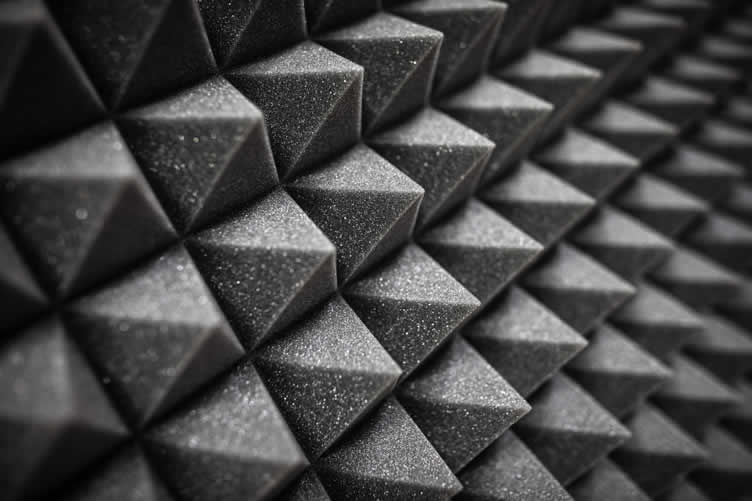
For instance, bass traps are designed to manage low-frequency sounds, preventing them from creating a ‘boomy’ effect. Diffusers scatter sound waves in multiple directions, ensuring a balanced and even sound distribution throughout the room.
Conversely, reflectors can direct sound in specific pathways for a more focused auditory experience. Absorbers, such as acoustic panels, mitigate excess reverberation by capturing and neutral
copyright image by 123rf.com
Types Of Acoustic Equipment
When considering the acoustics of a room during your home renovation, the equipment you choose plays a pivotal role. Here’s a list of key acoustic equipment to consider:
-
Acoustic Panels:
These sound-absorbing panels are specifically engineered to effectively absorb sound waves, resulting in a significant reduction of echo and an overall improvement in sound clarity.
Designed for optimal performance, they are commonly mounted on walls or ceilings, strategically placed to enhance the acoustics of your space.
-
Diffusers:
These acoustic panels help to evenly distribute sound throughout the room. They achieve this by effectively scattering the sound waves in various directions, which in turn creates a well-balanced and immersive sound field.
By strategically placing these panels on the walls, the reflections and echoes are minimized, resulting in a more pleasant and enjoyable auditory experience for everyone in the room.
-
Bass Traps:
These specially designed devices are built with the purpose of effectively absorbing low-frequency sound waves. By doing so, they successfully combat the issue of ‘bass build-up,’ which can often lead to a muddled or unclear audio experience.
With their unique capabilities, these devices ensure that the audio output remains crisp, clear, and free from any unwanted distortions caused by excessive bass frequencies.
-
Corner Absorbers:
These acoustic panels are specifically designed to be strategically placed in the corners of your room, targeting areas where low-frequency sound tends to accumulate. By effectively managing bass response, they contribute to creating a well-balanced sound environment, enhancing the overall acoustic quality of your space.
-
Reflectors:
Also known as diffusers, reflectors are another important part of room acoustics. These devices are used to scatter or disperse sound waves, effectively reducing echo and improving sound quality. Reflectors can be strategically placed around the room to manipulate the movement of sound waves, leading to a more evenly distributed sound.
This can greatly enhance the quality and clarity of audio, making your listening experience more immersive and enjoyable. Reflectors are particularly beneficial in spaces with high ceilings or bare walls, where sound waves are more likely to bounce around and create unwanted echoes.
-
Acoustic Clouds:
Acoustic clouds are highly effective sound absorbent devices that are suspended from ceilings. They are particularly useful in spaces with high ceilings where sound waves can bounce around and create a reverberation effect.
Acoustic clouds help to reduce ambient noise, control echo, and enhance the overall acoustics of a room. They’re also a flexible solution, available in various shapes, sizes, and materials, enabling them to blend seamlessly with your room’s aesthetics while improving the audio experience.
-
Sound Barriers:
Soundproof curtains are commonly used to block sound from leaving or entering a room. By effectively absorbing and dampening sound waves, these curtains provide an additional layer of insulation to maintain a peaceful environment.
-
-
3rd: Choosing the Right Gear
Selecting the appropriate audio equipment is crucial for any space, as it directly impacts the quality and clarity of sound. A vast range of options is available, from entry-level devices to high-end systems.
When choosing, it’s essential to consider the room’s size, acoustic properties, and the desired audio experience. For instance, a smaller room might not require a powerful amplifier, while a larger space might benefit from a more robust system.
Additionally, the type of audio content—whether music, movies, or podcasts—can dictate the need for specific features or technologies.
Beyond just the immediate requirements, it’s also wise to consider future upgrades and tech advancements. Investing in versatile and durable gear ensures a lasting and fulfilling auditory experience.
copyright image by 123rf.com
Types Audio Equipment
When it comes to enhancing your audio experience, the types of audio equipment installed in the interior rooms of your home play a critical role. Here are some key audio equipment types to consider:
-
Amplifier:
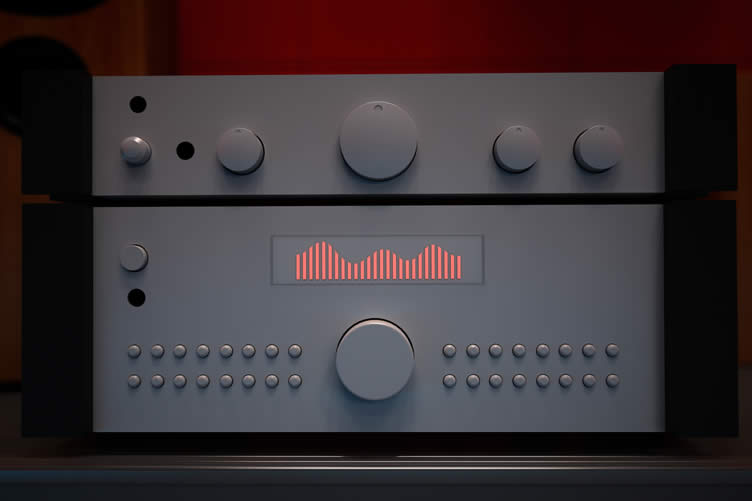
An amplifier plays a crucial role in providing the necessary power to drive speakers effectively. The type of amplifier required is determined by the specific characteristics of the speakers being used.
For instance, when utilizing high-impedance speakers, it becomes essential to opt for a high-power amplifier to ensure optimal performance. On the other hand, when employing low-impedance speakers, a low-power amplifier is more suitable to maintain efficiency and prevent any potential issues.
-
Equalizer:
An equalizer, a powerful and versatile tool, empowers you to finely adjust the frequency response of your audio system. By rectifying acoustic anomalies in your environment and tailoring the sound output to your individual preferences, it offers multiple benefits.
With an equalizer at your disposal, you have the ability to meticulously optimize and refine your audio experience, immersing yourself in a world of sonic perfection.
-
Source Device:
A source device, also known as an audio source, is the device that supplies the audio signal to the amplifier, allowing for the reproduction of sound. Common examples of source devices include CD players, DVD players, turntables, and streaming devices.
These devices serve as the initial point of audio input, transmitting the audio signal to the amplifier for further processing and amplification. By connecting a variety of source devices to the amplifier, users have the flexibility to enjoy their favorite music from different formats and sources with enhanced audio quality.
-
AV Receivers:
An AV receiver, also known as an audio-video receiver, serves as the central hub of your home audio system. It plays a crucial role in enhancing your audio experience by amplifying audio signals, ensuring a clear and high-quality sound that immerses you in every detail of your favorite music, movies, and games.
Moreover, AV receivers offer the convenience of connecting multiple audio sources. Whether you want to switch between your TV, gaming console, Blu-ray player, or streaming device, the AV receiver seamlessly handles the audio signals, allowing you to enjoy your content without the hassle of constantly swapping cables or adjusting settings.
-
In-Wall and In-Ceiling Speakers:
These speakers are specifically engineered to seamlessly integrate into your walls or ceilings, offering a premium and immersive audio experience without sacrificing valuable floor space.
With their sleek and discreet design, they effortlessly blend into any room decor, providing high-quality sound that envelops you from every angle.
-
Soundbars:
Soundbars are sleek and minimalist devices that effortlessly enhance your audio experience. With their compact design, they can be conveniently placed under your TV or elegantly mounted on the wall, seamlessly blending into your home decor.
Not only do they deliver high-quality sound, but they also provide a space-saving solution for homeowners seeking an immersive and clutter-free entertainment setup. Upgrade your audio game with a soundbar and transform your living room into a cinematic haven.
-
Subwoofers:
Subwoofers are designed to reproduce low-frequency audio and can greatly enhance the depth and richness of your sound experience. They can be placed in a corner or hidden behind furniture without compromising the audio quality.
-
DSP (Digital Signal Processing) Unit:
A Digital Signal Processing (DSP) unit is a powerful device that empowers you to apply a wide range of digital signal processing effects to your audio signal, elevating your sound to new heights.
With a DSP unit, you can effortlessly enhance your audio by implementing various techniques such as equalization for precise tonal shaping, compression for dynamic control, and reverb for adding immersive spatial effects.
-
Cables:
Cables are needed to connect the source device to the amplifier and the amplifier to the speakers. There are a variety of different types of audio cables available, so it is important to choose the ones that are right for your system.
Each piece of equipment plays a significant role in enhancing the audio experience in your interior rooms, making your home audio system more enjoyable and immersive.
-
Wireless Connections:
With the advent of advanced technology, we now have the ability to connect to speakers wirelessly, eliminating the need for cables. This can be particularly handy in a home setting, where having fewer wires can make for a cleaner and more aesthetically pleasing environment.
There are various types of wireless audio systems available, such as Bluetooth and Wi-Fi speakers. These systems are not only convenient but also offer high-quality sound.
-
-
-
ideas to view and compare from the information discussed above
recording microphonewired recording headphonesrecording camera
Scroll up to directory … or scroll to next section about home acoustics and audio systems …
 … grab this directory of ideas



electrical wiring

May We Suggest Other Photo Remodeling Ideas About
“Tips to save on home energy and improvement costs …” (new win)



third “photo remodeling” idea

copyright image by 123rf.com
Section 3: Advanced Audio System Integration
Notes:
- When looking for the right spot to carve out your home office, consider the unused corners in the living room. Working in the living room can help boost your productivity because it’s calmer than the kitchen. There isn’t much traffic, and it doesn’t feel laid back like the bedroom.
- However, separating your workstation from play spaces is crucial. To achieve the best outcomes, incorporate design features that separate your small office from the rest of the living room. You can use an open bookshelf, side tables, lamps, area rugs, folding screens, or add drapery.
-
Quik scroll to topic side notes …
-
-
1st: Multi-Room Audio Systems
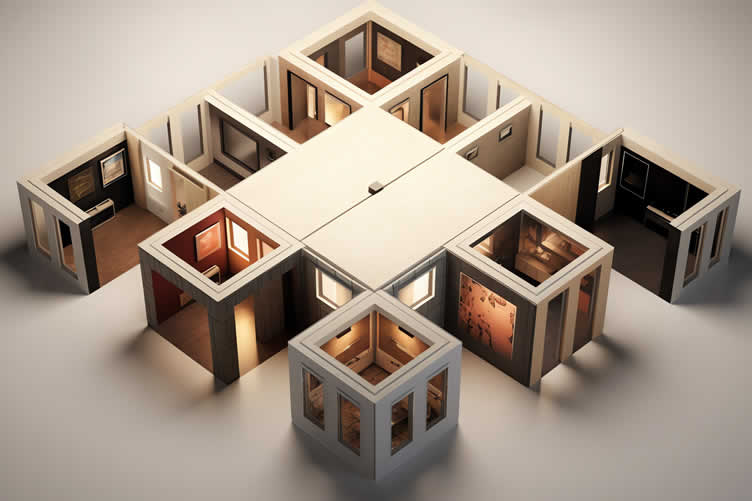
A multi-room audio system allows sound to flow seamlessly from one room to another, providing a consistent and immersive listening experience throughout the house. This advanced integration can make your home feel more luxurious, as it offers the convenience of controlling audio sources and playback from a central system or smart device.
Whether you’re hosting a party with consistent music vibes across all rooms or simply want different tunes playing in the living room and bedroom, multi-room systems cater to these needs. Wireless solutions, such as smart speakers or Wi-Fi-connected devices, are popular options, while hardwired setups provide more robust and stable connections.
copyright image by 123rf.com
Setting Up a Multi-Room Audio System
When planning your audio system, a multi-room audio system serves as a comprehensive option that delivers high-quality sound to every room in your house. Here’s a list of essential equipment required for setting up a multi-room audio system:
- Controllers:
These act as the brain of your multi-room audio system, allowing you to manage music selection, volume, and sound settings across different rooms from a central location. - Amplifiers:
Amplifiers are necessary to boost the audio signal before it’s delivered to the speakers. They ensure that the sound output is clear and of high quality. - Speakers:
The speakers determine the sound quality in each room. Choose from a variety of options such as in-wall or in-ceiling speakers for a stealthy setup, or bookshelf speakers for richer sound quality. - Source Equipment:
This could range from CD players, streaming devices, radio tuners to phono stages for vinyl. The more varied your source equipment, the more diverse your music choices.
The use of wireless speakers in a multi-room audio system offers several advantages:
- Flexibility:
Wireless speakers can be easily moved and rearranged, allowing you to experiment with the sound placement and acoustics in each room. - Convenience:
Without the need for complex wiring or professional installation, wireless speakers are relatively easy to set up and use. - Aesthetic Appeal:
Without the clutter of wires, wireless speakers offer a sleek, modern look that can seamlessly blend with your home décor. - Integration:
Many wireless speakers can easily integrate with smart home systems, enabling you to control your multi-room audio system using voice commands or through an app on your smartphone. - Expandability:
It’s easy to expand your audio system over time – simply buy another wireless speaker and pair it with your existing system.
[ view diagram: multi-room audio system setup diagram]
[ youtube: my whole house multi-room audio setup!]
- Controllers:
-
2nd: Home Theaters and Listening Rooms
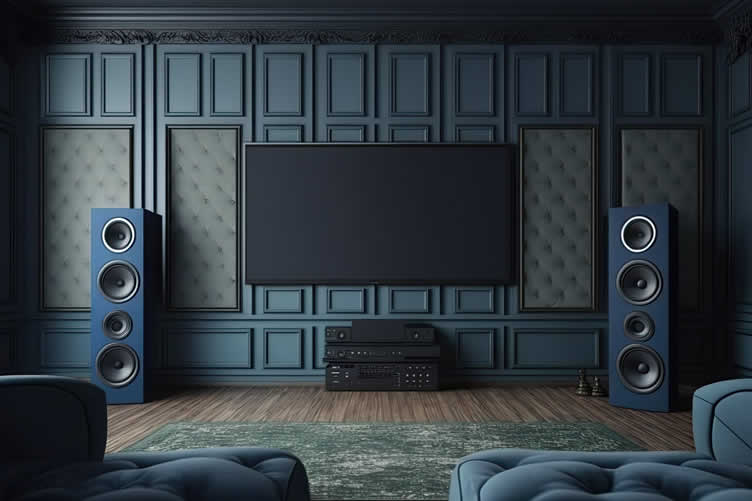
Home theaters and dedicated listening rooms are spaces for optimal audio and visual experiences. These rooms require meticulous planning in terms of acoustics to ensure sound clarity, depth, and immersion.
A home theater, for instance, focuses on delivering cinema-like sound quality, with multiple speakers placed strategically for surround sound effects. On the other hand, listening rooms prioritize music fidelity, ensuring every note and nuance is heard.
Interestingly, soundproofing and sound treatment principles can also be applied to tasks like building the perfect home office. A quiet environment is essential for concentration, and proper acoustics can eliminate distracting noises or echoes during virtual meetings.
Whether for leisure or work, acoustically well-designed rooms elevate the overall experience.
copyright image by 123rf.com
Acoustic Setup for Dedicated Rooms
When planning your audio system for various room, it is crucial to consider the different acoustic and audio needs. Here is a list of the key acoustic and audio elements for each of the following rooms:
-
Home Theater:
In home theaters, the acoustics should prioritize the clarity and quality of movie and TV show sound effects. High-quality surround sound speakers are critical in achieving this.
The room should be acoustically treated to enhance the sound quality and prevent echoes. This can be achieved through the use of bass traps, diffusers, and absorbers. Soundproofing is also a key element to minimize disturbance to others in the home and to prevent outside noise from interrupting your viewing experience.
The layout and positioning of speakers, screen, and seating also play a crucial role in the overall audio-visual experience. Sound bars may be added for a more immersive sound, and subwoofers can be incorporated to enhance low-frequency sounds.
-
Listening Rooms:
These rooms, designed for enjoying music, often require high-quality speakers that can accurately reproduce the full range of musical notes, along with wall-mounted acoustic treatments to prevent sound waves from bouncing around the room. When planning your audio system for a listening room, consider factors such as room size, shape, and furnishings, as these all impact the acoustics.
A common setup includes stereo speakers positioned for optimal listening from a central spot, but some enthusiasts may opt for a surround sound system for a more immersive experience. Sound-absorbing materials, like those used in home theaters, are also beneficial in reducing echoes and unwanted noise.
-
Home Studios:
Acoustics in home studios focus on both recording and playback quality. This typically needs soundproofing materials, bass traps, diffusers, and absorbers to create an accurate sound environment.
When planning your audio system for this room, it’s essential to consider acoustics and sound isolation. Soundproofing is critical to prevent outside noise from interfering with your recording and to minimize sound leakage to other parts of the home.
Consider integrating bass traps and diffusers to manage low-frequency sounds and distribute sound evenly across the room. The room’s size and shape can significantly impact the sound quality, so choose a layout that supports your recording needs. You may need specific equipment such as microphones, mixers, headphones, and monitors, depending on your audio production needs.
-
Podcasting Station:
When setting up a podcasting station, your goal is to achieve clear and professional audio quality. This requires the application of soundproofing materials to eliminate background noises, echo, and feedback.
High-quality microphones and headphones are essential, and bass traps and diffusers may be used to manage low-frequency sounds. You may also consider incorporating a sound mixer for better control over audio levels during live recordings.
-
Home Offices:
While home offices might not require the same level of acoustic treatment, soundproofing can help create a quiet atmosphere for focus and video calls. When planning your audio system, prioritize clear and crisp sound output for virtual meetings or conference calls.
The room acoustics should not create any echoes or sound distortions that could interfere with communication. Consider installing noise-dampening materials and soundproofing, especially if your workspace is close to high-traffic areas in your home.
For the best audio experience during video calls, a high-quality microphone and speakers are essential. Also, consider a pair of noise-cancelling headphones for those times when you really need to focus.
-
Nursery Room:
The focus in a nursery room is creating a comforting environment where sound levels are controlled to ensure a peaceful setting for the baby. Sound-absorbing materials can be used to minimize outdoor noise and echo within the room.
Soft, plush materials, rugs, and drapes can serve a dual purpose of enhancing the decor and dampening sound. A high-quality baby monitor with adjustable volume control is also important to keep an ear on the baby without disturbing their sleep.
Additionally, a sound machine producing white noise or soothing sounds can be beneficial for lulling baby to sleep.
[ view diagram: listening room audio setup diagram]
[ youtube: how to set up your home theater system]
-
-
3rd: Outdoor Sound Systems
Bringing sound to outdoor spaces presents its unique set of challenges and rewards. Integrating acoustics and audio systems into open areas, like patios, gardens, or poolsides, requires a different approach than indoor spaces.
Environmental noises, weather conditions, and the lack of walls to reflect sound all play a role. High-quality outdoor speakers designed to withstand elements like rain and sun are essential. Additionally, strategic placement ensures sound travels effectively without disturbing neighbors or getting lost in open space.
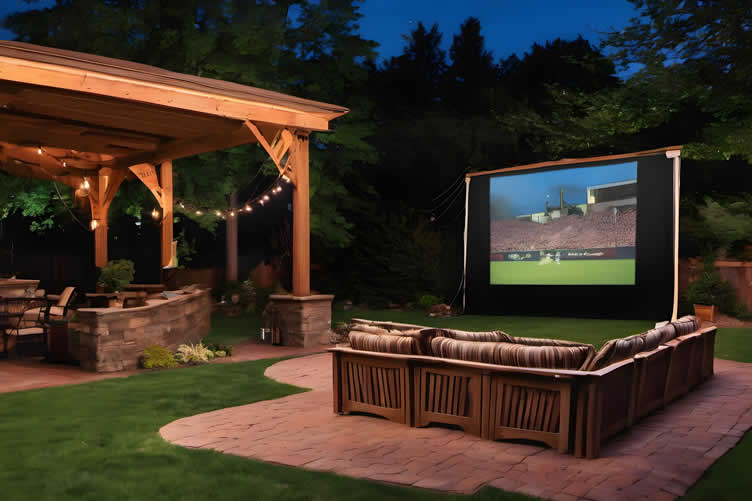
copyright image by created AI generator
Acoustic/Audio Setup For Outdoor Areas
When planning your audio system for your home renovation, don’t overlook the outdoor areas. Spaces such as patios and swimming pools come alive with the right acoustics and audio setup, creating an immersive outdoor experience.
Here are some essential elements for setting up outdoor sound systems:
- Outdoor Speakers:
Weatherproof speakers are expertly designed to provide exceptional sound quality, ensuring crystal-clear audio even in expansive open spaces. Whether you’re hosting an outdoor gathering, enjoying a backyard BBQ, or simply relaxing on your patio, our speakers will immerse you in a rich and immersive auditory experience. - Subwoofers:
To enhance the bass and infuse a greater sense of depth into your outdoor audio experience, consider incorporating advanced sound technologies that deliver rich, immersive soundscapes. - Acoustic Panels:
Discover effective ways to manage echoes and enhance sound quality in covered outdoor spaces. Whether it’s a patio, garden, or outdoor event venue, these expert tips and techniques will help you create an immersive and enjoyable audio experience. - Amplifiers:
To ensure that the sound reaches every corner of your outdoor space, it is important to strategically position speakers and consider the acoustic properties of the area. - Audio Receiver:
The central control unit serves as the hub of your sound system, enabling you to effortlessly control and coordinate all of your devices. With its intuitive interface and seamless integration capabilities, it provides a unified and immersive audio experience like never before. - Cabling:
When it comes to outdoor installations, it is crucial to use weather-resistant cables that are designed to withstand various environmental conditions such as rain, sunlight, and extreme temperatures. These cables are specially engineered to provide reliable and long-lasting performance, ensuring the smooth operation of outdoor systems and reducing the risk of damage or failure due to weather elements. - Sound Barriers:
Take proactive steps to prevent noise leakage and maintain a peaceful living environment for both you and your neighbors. By implementing soundproofing techniques, such as using acoustic panels or rugs, you can effectively reduce the transmission of sound and ensure a quieter and more enjoyable space for everyone. - Wireless Systems:
Wireless speakers can effortlessly integrate with your central control unit, enabling smooth synchronization and control. Just remember to opt for weather-resistant models for outdoor installations to ensure durability and optimal performance irrespective of the weather conditions.
[ view diagram: backyard audio setup diagram]
[ youtube: outdoor audio setup – how I set up my pool area]
- Outdoor Speakers:
-
-
ideas to view and compare from the information discussed above
home theater systemscomputer speakerswaterproof wireless speaker
Scroll up to directory … or scroll to next section about home acoustics and audio systems …

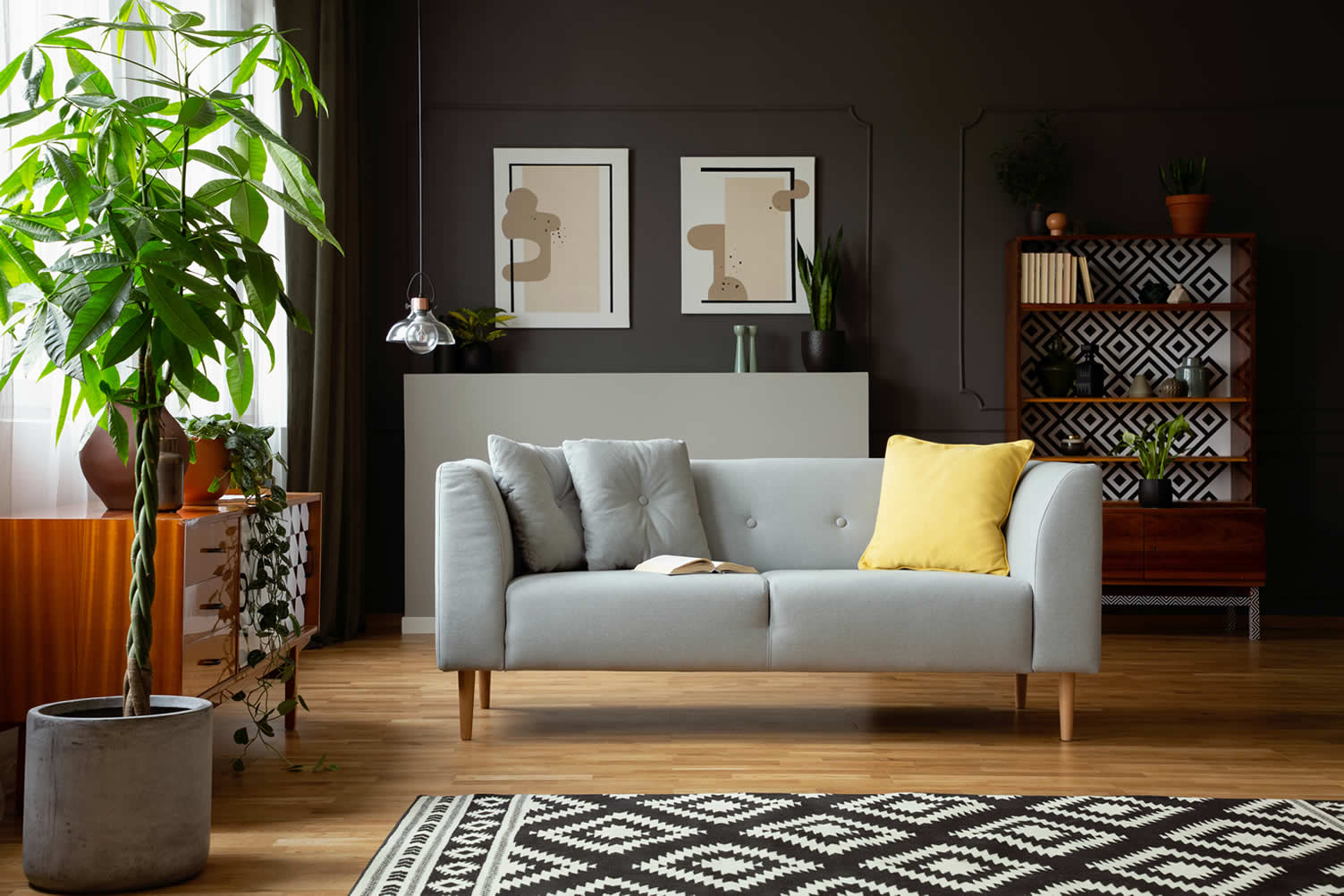
home theater and home audio


fourth “photo remodeling” idea

copyright image by 123rf.com
Section 4: Budgeting and Cost Considerations
Notes:
-
Setting up an amazing auditory environment at home is undoubtedly a refreshing project. However, ensuring a structured financial approach is very important. Costs for integrating acoustics and audio systems can oscillate significantly based on the chosen equipment’s quality, brand, and distinct features.
Initiate your endeavor by drafting a realistic budget and defining your financial ceilings. Make sure to account for every aspect of a home renovation project in this budget. For example, insights from royalmovingco.com shed light on the importance of considering the costs of renting a storage unit in your budget. Balancing quality with cost is vital.
Be diligent in your research, and don’t forget to accommodate potential installation and consultancy fees. A meticulous financial plan will pave the way for smooth acoustic integration.
-
Quik scroll to topic side notes …
-
-
1st: Setting Up a Remodeling Budget
Adding a home addition for a home office, guest bedroom, living space, or a home theater requires the right amount of square footage. Such additions are not always available for the primary levels of your home. Therefore, it may be more beneficial to work your way up instead of out.
To ensure a successful attic renovation, consider these essential requirements before you start measuring and moving in furniture.

copyright image by 123rf.com
Setting Up a Budget for Your Home Renovation
When embarking on a home renovation project that includes integrating acoustics and audio systems, it’s essential to create a comprehensive budget. Here are some key items to consider:
- Room Remodeling Costs:
Consider the costs of altering the layout of a room to optimize for acoustics. This could include adjusting walls, ceilings, and floors. - Acoustic Treatment:
Budget for acoustic panels, bass traps, diffusers, and other elements that can enhance the room’s acoustics. - Audio Equipment:
Allocate funds for high-quality audio systems. Consider speakers, amplifiers, soundbars, and possibly specialized items like turntables or home theater systems. - Professional Services:
Depending on the complexity of your project, you might need to hire professionals such as an acoustic consultant or a sound system installer.
Remember, it’s important to budget wisely and ensure that your home renovation incorporates both aesthetics and function, delivering an acoustic environment that perfectly suits your needs.
-
The Importance of Budgeting for Home Renovation
A well-structured budgeting setup is more than just a list of costs; it’s a roadmap that guides you through your home renovation process. It helps you allocate resources effectively, keeps you on track, and prevents oversights that could potentially inflate your expenses.
Firstly, Budgeting Setup involves a detailed breakdown of all costs associated with the renovation. Being thorough during this stage helps minimize the likelihood of unexpected expenses cropping up mid-project.
Estimates are an essential part of your budgeting setup. This involves researching and collecting quotes, not only for the obvious elements but also for acoustic treatment, audio systems, any necessary professional services, and even contingency funds for unexpected expenses.
Costs play a pivotal role in your budgeting setup. It’s important to consider both direct costs such as materials and labor, and indirect costs like potential living arrangements during the renovation period or the costs of any disruptions to your daily life.
Lastly, it’s prudent to consider Other aspects of your budgeting setup. This includes an assessment of financial options, potential cost-saving strategies, and the timeline for your project.
To effectively manage your budget and stay on track with your home remodeling project, it is beneficial to have a budget worksheet that works alongside your specification plan.
Below is a sample budget worksheet:
| Item
| Estimated Cost
| Actual Cost
| Difference
|| ——– | —————— | ————— | ————– |
| Materials | | | |
| Labor | | | |
| Permits and Inspections | | | |
| Contingency Fund | | | |
| Total
| | | |This worksheet will allow you to record the estimated cost of each component and then input the actual cost as you go along, therefore, making it easier to spot any discrepancies and adjust your plan accordingly.

Budgeting Worksheet
File Type:
- Room Remodeling Costs:
-
2nd: Exploring DIY Options for Home Acoustics
While hiring professionals can ensure top-notch results, it’s worth exploring the DIY route, especially if you’re trying to stick to a budget. Here are some tips for enhancing your home’s acoustics without breaking the bank:
- DIY Acoustic Panels:
You can create your own acoustic panels with a bit of creativity and elbow grease. Materials such as rockwool insulation, wood for framing, and fabric for covering can be combined to make effective and aesthetically pleasing acoustic panels. - Repositioning Furniture:
Simply rearranging furniture can significantly change a room’s acoustics. Plush furniture, like sofas and rugs, can absorb sound and reduce echo. - Smart Speaker Placement:
Properly positioning your audio equipment can enhance sound quality. Try placing your speakers away from walls and at ear-level when seated. - Use Bookshelves:
Filling a bookshelf with books of different sizes can act as a natural diffuser, breaking up sound waves and reducing echo.
Remember, while DIY options can save money, they also require time, effort, and a good understanding of acoustics. Be sure to thoroughly research and plan your project for the best results.

copyright image by 123rf.com
Potential Challenges and Solutions for DIY Acoustics
While DIY options can be enticing due to their cost-effectiveness, they come with their own set of challenges. One of the most significant is the lack of expert knowledge which can lead to less-than-ideal acoustics. A potential solution is educating yourself on acoustics basics, using online resources, books, or even online courses to strengthen your understanding.
Another challenge is time. DIY projects can be time-consuming, especially for beginners. To combat this, ensure you thoroughly plan your project, breaking it down into manageable tasks and setting realistic timelines.
Lastly, the quality of materials can also be a challenge. Unlike professional-grade products, DIY materials may not offer the same sound quality or longevity. However, this can be mitigated by doing thorough research about the best materials available within your budget and reading reviews before making any purchases.
Note that, while DIY can be a rewarding experience, don’t hesitate to call in a professional if the project becomes overwhelming. It’s crucial to balance budgeting for home remodeling with achieving satisfactory results.
- DIY Acoustic Panels:
-
3rd: Cost-Effective Professional Alternatives
While DIY methods can be budget-friendly, they can also be challenging for those unfamiliar with acoustics or short on time. Fortunately, there’s a middle ground available: cost-effective professional solutions.
One option is hiring an audio consultant. These experts can provide advice tailored to your specific needs and budget. They can recommend the best equipment and layout for your acoustic needs, helping you to avoid costly mistakes and save money in the long run.
Another alternative is considering second-hand professional-grade equipment. Online platforms like eBay, Craigslist or specialized audio equipment sites often have quality used systems for sale at a fraction of the original price. Be sure to check reviews and ratings of sellers to ensure the legitimacy of the product.
Finally, you could opt for professional installation of budget-friendly audio systems. Numerous brands offer high-quality sound at affordable prices. Combining this with professional installation ensures correct setup for optimal acoustics, while still keeping within budgeting constraints for your home remodeling.
Remember, the key to integrating acoustics and audio systems into your home renovation is balance. Balancing your budget, time commitment, and desired audio quality will ensure a result that enhances your home and satisfies your auditory experience.

copyright image by 123rf.com
Finding and Selecting an Audio Set-Up Professional
Selecting the right professional for your audio setup is crucial in maximizing your investment and achieving optimal sound quality in your renovated space. There are several sources where you can find these professionals.
Online platforms such as LinkedIn, Home Advisor, or Yelp offer a wide selection of professionals and allow you to review their profiles, previous projects, and client reviews. Just enter your location and the service you need (i.e., audio setup professional), and these sites will provide a list of potential candidates.
Another effective method is word-of-mouth recommendations. Friends, family, or colleagues who have recently renovated their homes and incorporated audio systems can provide reliable recommendations. They can share their experiences regarding service quality, cost, and overall satisfaction.
Once you identify potential professionals, reach out to them for quotes and consultations. Discuss your specific needs, and budget, and ask about their experiences with similar projects. Additionally, ask for references or samples of their work to ensure they align with your expectations and budgeting for home acoustics.
Remember, the goal is to find a professional who understands your needs, respects your budget, and can deliver a high-quality audio experience for your home renovation.
But Wait!
Download first this contractor search and evaluation worksheet to rank and evaluate patio paver contractors as it relates to price, experience, time commitment, insurance, references, and their affiliation with professional associations.
Use this evaluation and the patio to develop the style and designs noted below.

Evaluation Sheet
File Type:
Spec Plan
File Type:
-
-
ideas to view and compare from the information discussed above
Scroll up to directory … or scroll to next section about home acoustics and audio systems …
below for …
audio and network setup
view illustration “becoming a bank”


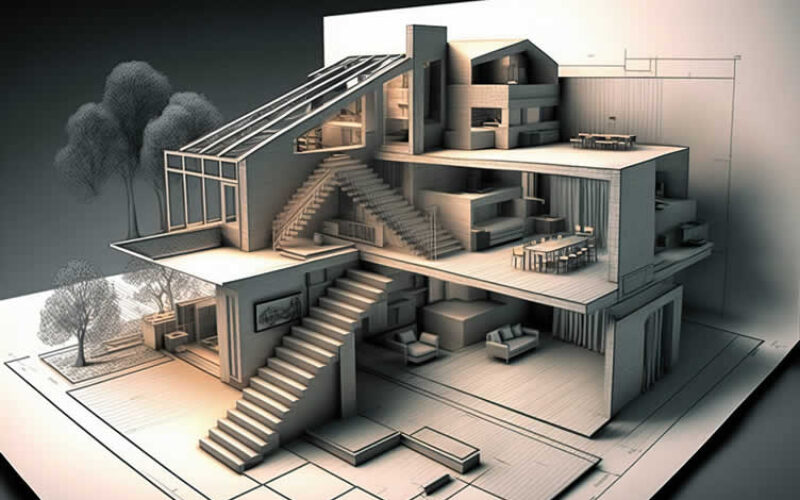
Find Home Network Services Networks/Phone Computers/ Media Home Automation Electrical Wiring Interior Designers Furniture top-rated, pre-screened local contractors FREE: download contractor selection enter zip code – powered by HomeAdvisor ™
Quick Contractor Guides selecting negotiating working with inspecting

fifth and last “photo remodeling” idea


copyright image by 123rf.com
Section 5: Valuing the Auditory Experience For Remodeling Areas
Notes:
-
The auditory experience in a home contributes significantly to its ambiance and overall comfort. Just as one might upgrade bedroom furniture to enhance visual and tactile comfort, investing in the home’s sound environment is equally important.
Sound affects our mood, concentration, and even our well-being. A beautifully curated playlist can transform an ordinary evening into a memorable one, while clear, undistorted sound can make movie nights truly cinematic.
However, the benefits aren’t just for entertainment. A serene acoustic environment can promote relaxation, improve sleep quality, and boost productivity.
-
Quik scroll to topic side notes …
-
-
Remodeling Areas for Acoustic Planning
The opportunity to transform your living spaces and create an environment that aligns with your unique tastes, lifestyle, and comfort can bring a fresh sense of fulfillment. However, effective planning is key to a successful remodeling project.
Whether you’re considering an entire home makeover or focusing on specific areas like the kitchen, bathroom, or living room, it’s crucial to understand the process involved, from conceptualization to execution.
Notably, aspects such as budgeting, choosing the right materials, considering the functionality of spaces and, as mentioned earlier, the acoustic environment should be given thought during the planning phase.
These guides below provide you with essential insights to aid in your home remodeling journey, ensuring that the result is both aesthetically pleasing and functionally sound.
copyright image by 123rf.com
Remodeling Areas
When planning for remodeling areas, it’s essential to consider the acoustics and audio environment. Proper acoustic planning ensures that the redesigned spaces are comfortable and functional.
-
-
Acoustics Are Important
When it comes to home renovation and design, integrating acoustics and audio systems stands as a testament to the evolution of modern living spaces. By emphasizing sound quality and the overall acoustic experience, homeowners are elevating their living spaces to new heights of luxury and functionality.
A well-designed sound environment enhances every moment spent within those walls, whether for entertainment, relaxation, or work. As technology advances, integrating sound systems becomes more accessible and innovative, promising even richer auditory landscapes in the future.
Embracing this trend boosts property value and enriches daily life in immeasurable ways.
-
ideas to view and compare from the information discussed above
- What comments can you share about
home acoustics and audio systems?



Scroll up to directory … or scroll to next section about home acoustics and audio systems …
Cover image credit: acoustics and audio systems by 123rf.com
end of post … please share it!
 |
did you find this home acoustics and audio systems setup analysis helpful? If so, please share the article with your friends and family! |
Nice pic idea? Leave us a quick comment below.
And please share this pic idea within your social networks.