Addressing these safety hazards isn’t just about creating a safer environment for you and your loved ones; it’s about peace of mind.
This article highlights the importance of home safety and explores key areas where hazards often arise, providing actionable insights and preventive measures.
Kitchen Safety
The kitchen is often referred to as the heart of the home, but it can also be one of the most hazardous places if care isn’t taken.
From sharp knives to hot surfaces, this space has unique risks that require attention and proactive measures to ensure the safety of all occupants.
-
Common Kitchen Hazards
Some of the most frequent dangers in the kitchen stem from everyday activities. Sharp objects like knives and scissors, hot surfaces such as stovetops and ovens, and chemicals like cleaning agents are all potential hazards.
These items, if mishandled or stored improperly, can lead to injuries and accidents. A simple spill on the floor can become a slipping hazard, and cooking without proper ventilation can lead to inhalation of smoke or harmful fumes.
-
Prevention Tips
To minimize risks, it’s essential to adopt effective prevention strategies. Safely storing sharp tools and keeping them out of reach of children can reduce cuts and injuries.
Regularly maintaining kitchen appliances and ensuring they are used according to the manufacturer’s instructions will decrease the chance of malfunctions. Additionally, always mop up spills immediately and consider skid-resistant floor mats for extra safety.
When working with chemicals or high temperatures, follow all recommended safety guidelines to mitigate potential dangers.


Bathroom Safety
Bathrooms, often wet and slippery, can pose several hidden dangers. Coupled with the presence of electrical appliances and various medications, they can be particularly risky if safety measures aren’t enforced.
-
Common Bathroom Hazards
Slips and falls are among the most common accidents in the bathroom, as water can create slick surfaces on tiles and tubs.
Electrical appliances like hair dryers and curling irons, when used near water sources, can become serious shock hazards. Additionally, unsecured medications can fall into the wrong hands, creating risks for both children and adults.
-
Prevention Tips
Non-slip mats in bathtubs and on bathroom floors are effective in reducing the likelihood of falls. Installing Ground Fault Circuit Interrupter (GFCI) outlets can protect against electrical hazards by preventing power surges.
Medications should always be stored securely in a locked or out-of-reach cabinet. Such proactive steps can transform your bathroom into a significantly safer zone for everyone.
Living Area Safety
The living area is where many families relax, yet even these cozy spaces can harbor potential hazards. With vigilant attention and organization, many of the hidden dangers here can be effectively prevented.
-
Common Living Area Hazards
Unsecured furniture, such as wobbly bookshelves or top-heavy cabinets, can pose tipping hazards, especially with young children at play.
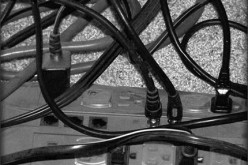
Electrical cords trailing across areas of foot traffic often result in tripping accidents. Fire hazards may arise from candles, fireplaces, or overloaded electrical outlets.
-
Prevention Tips
To enhance safety, secure furniture to walls using brackets or other stabilizing devices. Properly manage electrical cords by using cord covers or rerouting wires to prevent trips and falls.
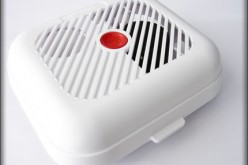
Smoke detectors, tested regularly, are essential in providing early warnings of fire hazards. These simple but vital measures will significantly lower the risks within your living area.
Bedroom Safety
Bedrooms are personal sanctuaries, but even within these intimate spaces, safety risks can emerge if not addressed. Ensuring bedroom safety promotes both physical health and restful sleep.
-
Common Bedroom Hazards
Carbon monoxide exposure is a silent threat that can occur if the home lacks proper ventilation or detector systems.
Cluttered spaces can lead to injuries from tripping, while unlocked windows or unsecured window screens can be dangerous, especially for homes with small children.
-
Prevention Tips
Install carbon monoxide detectors and routinely check their functionality to safeguard against this odorless, invisible gas. Keep pathways clear of clutter to allow for safe navigation at night or emergencies.
For households with children, install window guards or stoppers to prevent accidental falls. Implement these precautions to ensure your bedroom remains a calming and secure retreat.

Protect Your Family from a House Fire: Essential Safety Tips Every Homeowner Needs to Know
When it comes to the safety and well-being of our loved ones, protecting our family from potential hazards is of paramount importance. One such threat that requires careful consideration is the risk of a house fire.

Outdoor Safety
Your home’s exterior is an extension of your living space, but it too can present its own set of risks. From tools to recreational areas, maintaining outdoor safety is critical for comprehensive hazard prevention.
-
Common Outdoor Hazards
Lawn equipment like mowers and trimmers can cause injuries if mishandled or stored improperly. Pools, while enjoyable, can be dangerous for children or inexperienced swimmers without adequate precautions. Additionally, some plants in your yard may be toxic if touched or ingested.
-
Prevention Tips
Always adhere to the manufacturer’s instructions when using lawn equipment, and ensure it is stored in a locked shed or garage when not in use.
For pool safety, install appropriate fencing with self-locking gates and always supervise swimming activities. Familiarize yourself with the plants in your garden to identify and remove any that may pose a risk.
Such measures create a safer and more enjoyable outdoor environment for all.
other related analysis of interest: (new win)
Introduction to Fitness and Exercise Routines for Better Health
Proactive Safety for Peace of Mind
Safety is a continuous and collective effort when it comes to caring for a home. Regular checks and maintenance across every room and area allow potential dangers to be addressed before they become significant hazards.
By taking steps to secure your home environment and adopting preventative measures, you can protect the health and well-being of your loved ones while enjoying peace of mind.
Staying proactive and vigilant is key, and integrating these safety habits into your routine ensures a safer, more comfortable home for everyone.
For more tips or resources on home safety, you can explore expert recommendations and guides from trusted organizations that specialize in family and household well-being.
Find Handyman Services (opens new win) Handyman Carpentry Electrical Plumbing top-rated, pre-screened local contractors FREE: download contractor selection enter zip code – powered by HomeAdvisor ™


Image credit: home safety tips by envato.com
end of post … please share it!
| more photo remodeling |
Jump Over to Our Photo Analysis Center for Ideas on
"Renovating Home"
|__________________________________________________________|
home remodeling surprise
find out where it might go - new win


Helpful article? Leave us a quick comment below.
And please share this article within your social networks.