Summary Outline –
Proper household food storage plays a vital role in reducing waste, saving money, and maintaining the quality and safety of the food we consume.
By understanding the importance of food storage, individuals and families can optimize their use of resources while ensuring that meals are both nutritious and flavorful.
This guide will explore the reasons why effective food storage is essential, including its impact on household efficiency and food security.
Additionally, it will detail the various types of storage options available, ranging from refrigeration and freezing to pantry organization, as well as specialized methods for preserving fresh produce and longer-term staples.
Finally, it will provide practical tips on managing your food storage to minimize spoilage, prevent contamination, and create a sustainable system that supports a healthy lifestyle.
- post content
- Storage Tip 1: Why Storing Food for Later Use
- Storage Tip 2: Using Your Pantry Space for Storing Food
- Storage Tip 3: Freezing Food for Long-Term Storage
- Storage Tip 4: The Benefits of Vacuum-Sealing for Food Storage
- Storage Tip 5: Canning and Dehydration for Storing
- Storage Tip 6: Deciding How Much Storage and Smart Management

-
Quick scroll to first topic about home food storage … or review summary content

Content Summary
section directory1st Food Storage Review: [view section]
… the first step is to consider the question: "Why is food storage important?" A clear example is the COVID-19 pandemic, which disrupted supply chains and led to food shortages. Events like pandemics, economic instability, rising costs, and job loss highlight the value of having a reliable food supply. Food storage serves as a practical safeguard, offering security and peace of mind in uncertain times.
2nd Food Storage Review: [view section]
… second section focuses on the first line of defense in establishing an effective food storage system: the kitchen pantry. This essential space is perfect for storing key baking supplies, canned goods, and dry food items that can last for months. With proper organization and regular replenishment, your pantry becomes a reliable hub for long-term food storage.
3rd Food Storage Review: [view section]
… freezing food is an excellent option for long-term storage. Investing in a spacious upright or chest freezer allows you to preserve a variety of items, including meats, prepared soups and sauces, select fruits and vegetables, and other essentials. Properly stored, these items can be used and rotated throughout the year, ensuring convenience and reducing waste.
4th Attic Review: [view section]
… vacuum sealing is an excellent method for preserving and storing food, whether for the pantry, refrigerator, or freezer. This technique helps maintain the freshness of both dry and wet food while significantly extending their shelf life. By creating an airtight seal, vacuum sealing ensures optimal food quality and prolongs storage time.
5th Food Storage Review: [view section]
… the fifth method of food storage includes canning, dehydrating, and pickling. These techniques, especially canning, are ideal for preserving garden harvests, bulk food purchases, and other dry goods for long-term use. Dehydration and pickling also serve as effective ways to extend the shelf life of various foods, making them excellent options for long-term storage.
6th Food Storage Review: [view section]
… the sixth and final step in managing your food storage is determining the right quantity and ensuring proper maintenance. The key to success is rotation—storing food that can be regularly used and replenished as your family consumes it. By implementing an effective rotation system, you can build a storage plan that lasts a year or more, providing your family with security and preparedness in the face of economic challenges, disasters, or unforeseen hardships.
first “home food storage” idea

copyright image by 123rf.com
Storage Tip 1: Why Storing Food for Later Use
… and emergencies makes sense for every household
Notes:
-
Storing food isn’t only for survivalists or those with huge pantries. It’s a simple, forward-thinking strategy that helps families weather life’s ups and downs, cut grocery costs, and waste less.
With the rise in natural disasters, economic uncertainty, and sudden supply chain hiccups, understanding food storage has become not just practical—but essential.
This section explores the smart reasons to store food, reviews popular storage methods, and shares how long your pantry staples, refrigerator finds, and home-preserved goods can last when stored properly.
-
Quick scroll to “why store food” side notes …
-
-
1st: The Smart Reasons to Start Storing Food
Food storage isn’t just about stockpiling cans or prepping for hypothetical apocalypse scenarios. Everyday families use it for tangible, everyday benefits. Here’s a closer look at why storing food is a wise move.
Food storage gives you important backup in case of emergencies, supports your budget by letting you buy in bulk, and reduces everyday food waste. It also creates a more resilient household, one capable of providing safe, healthy meals no matter what comes your way.
-
Building Security Through Emergency Preparedness
Emergency preparedness is one of the leading reasons families build up food stores. Whether faced with a blizzard, unexpected job loss, or a supply chain disruption, a stocked pantry brings peace of mind.
Power outages, storms, and health crises have all shown how quickly grocery shelves can empty. Having enough food on hand for several days, or even a few weeks, means you won’t have to worry about feeding your family when venturing to the store isn’t possible or safe.
Real-life events show the value of preparedness. After Hurricane Sandy hit the U.S. East Coast, households with basic staples like rice, canned beans, and nut butters fared better while stores and delivery services remained inaccessible.
Food storage isn’t just for large disasters, either; even everyday setbacks like car trouble or minor illnesses can make quick trips to the store difficult.
-
Taking Advantage of Cost Savings
Bulk buying and thoughtful food storage can save significant amounts of money each month. Purchasing larger quantities during sales or when prices are lower often means lower cost per unit.
Storing staples like rice, pasta, and canned vegetables lets you stretch your grocery budget, reducing the need for last-minute purchases at full price.
By planning ahead, you can avoid costly takeout or convenience foods. Stocking up on essentials when prices dip, and having backup meals on hand, leads to long-term financial gains.
According to the USDA, households that plan and store food strategically can reduce food costs by as much as 20 percent.
-
Making a Difference with Food Waste Reduction
Food storage also tackles one of the leading sources of household food waste. Perishable foods often go bad before they are used, especially when bought in bulk without a plan. Properly stored grains, legumes, and canned goods last far longer, and thoughtful organization ensures perishable items are used before expiry.
Understanding optimal storage techniques for various food types extends the usable life of everything from apples to bread.
According to the Environmental Protection Agency, reducing food waste is one of the most impactful steps toward a more sustainable home.
-
Achieving Food Security for Peace of Mind
A well-designed food storage system is more than just a safety net; it offers genuine food security. If a family member loses their job, if local supply chains break down, or if you simply want to avoid grocery runs for a while, your food reserve keeps the kitchen running smoothly.
Having some basic nutrition set aside means regular, balanced meals are still within reach during tough times.
Reason Why Benefits Obtained Building Security Through Emergency Preparedness Ensures your family has access to food during emergencies, job loss, or supply chain disruptions. Taking Advantage of Cost Savings Allows purchasing in bulk or during sales, reducing grocery expenses over time. Making a Difference with Food Waste Reduction Helps minimize spoilage by properly storing and organizing food items. Achieving Food Security for Peace of Mind Provides stability and balanced meals during tough or uncertain times. 
AI generated image by 123rf.com

-
-
2nd: Exploring the Types of Food Storage
You don’t need a cellar full of preserves to start storing food effectively. There are several proven options, each with its own advantages. Knowing how and where to store each type of food helps preserve flavor, nutrition, and safety.
Here’s an overview of the primary food storage methods used by households today and how to make the most of them.
-
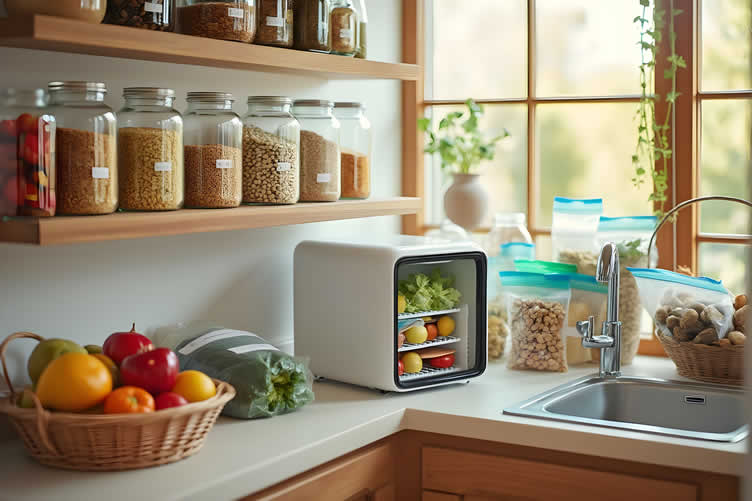
Pantry Storage
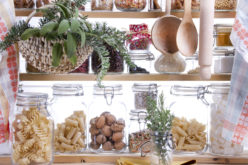
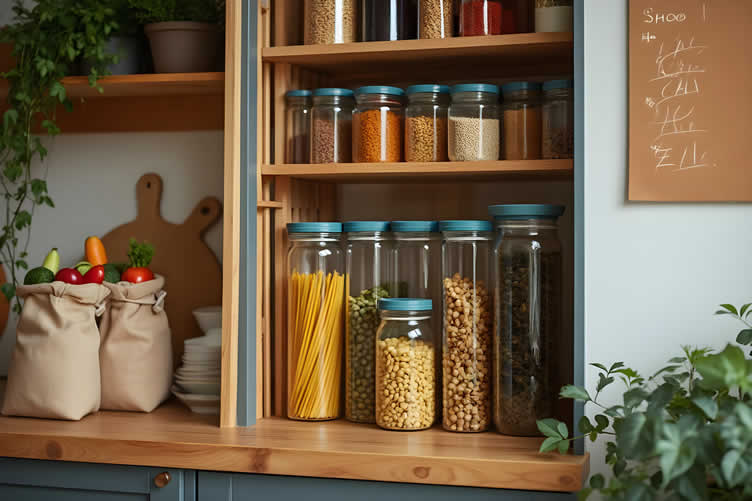
Your kitchen pantry is the best place for storing shelf-stable items like canned vegetables, boxed grains, pasta, nut butters, and spices. The key to maximizing pantry food storage is organization.
Arrange products so the oldest are used first (“first in, first out”), and maintain a cool, dark, and dry environment to prevent spoilage.
Ideal pantry conditions usually mean temperatures between 50°F and 70°F and humidity below 60 percent. Keeping foods off the floor in labeled containers can ward off both pests and moisture. Air-tight and opaque containers are particularly helpful for flours, grains, and sugars.
[ more information below: pantry storage ]
-
Extending Freshness Through Freezing
Freezers are the champions of long-term home food storage. Freezing preserves the nutrition, texture, and flavor of most fruits, vegetables, meats, and even bread for months at a time. The best freezing temperatures remain constantly below 0°F.
To freeze food safely and maintain quality, choose freezer-safe packaging. Remove as much air as possible to prevent freezer burn.
Date and label everything, and keep an inventory list to avoid buried and forgotten items. Flash-freezing items like berries or cut vegetables on a tray before bagging prevents clumping and allows you to thaw only what you need.
[ more information below: freezer storage ]
-
Vacuum-Packed Sealing for Storing
Vacuum-packed sealing is an efficient way to preserve food by removing air from the packaging entirely. This process reduces oxidation, which can degrade food quality, and helps prevent issues such as freezer burn.
This technique works well for a variety of foods, including meats, vegetables, and even leftovers, maintaining their freshness and flavor for extended periods. This method is versatile and can be used for a wide range of items, from raw meats and poultry to fruits, vegetables, and even dried goods like nuts or coffee.
When combined with proper refrigeration or freezing, vacuum sealing allows for optimized food storage and reduced waste.
[ more information below: vacuum-packed sealing ]
-
Preserving Foods with Canning, Dehydration, and Pickling
Some foods last longest when processed through canning or dehydration, both of which require specific equipment and techniques.
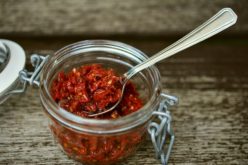
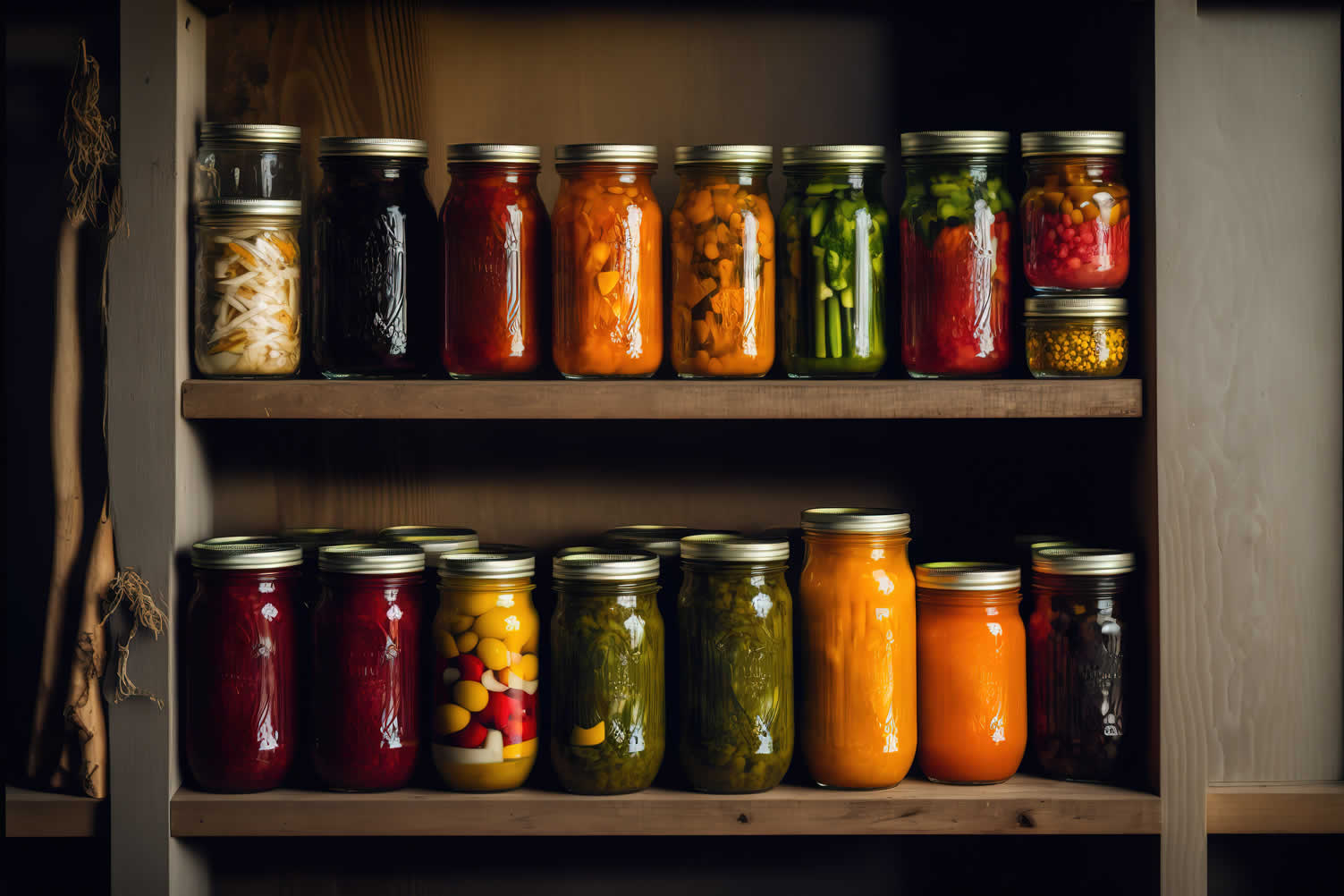
Canning involves sealing foods such as fruits, vegetables, jams, and even soups in sterilized jars under high heat, eliminating bacteria and ensuring long shelf life. Home canning requires careful attention to method and timing for safety, especially when canning low-acid foods like vegetables or meats.
Dehydration removes moisture, slowing spoilage and creating lightweight, portable snacks. You can dehydrate fruit, vegetables, herbs, and even lean meats at home with a dedicated dehydrator or in an oven set at low temperature.
Store dehydrated goods in airtight containers to protect against re-absorption of moisture.
Pickling is another form of short- and long-term storage. It is great method for preserving vegetables, especially in the form of pickles or relishes.
The process involves immersing food in a highly acidic solution, usually vinegar, to create an environment that is not suitable for bacteria growth. You can also add herbs and spices to enhance the flavor of pickled foods.
Fermentation is another popular method for preserving food. It involves using microorganisms, such as yeast and bacteria, to convert sugars into acids or alcohol.
This creates an acidic environment similar to pickling that inhibits bacterial growth. Fermented foods include yogurt, sauerkraut, and kimchi.
[ more information below: canning, hydration, and pickling ]
AI generated image by 123rf.com
-
-
3rd: Using Your Refrigerator Wisely
… for optimal food storage
Your refrigerator plays a vital role in keeping food fresh, safe, and flavorful for as long as possible. Proper storage practices, combined with an understanding of temperature control and food-specific guidelines, can help prevent food waste, maintain nutritional value, and ensure food safety.
By using your refrigerator effectively, you’re not only protecting your family’s health but also making the most out of your groceries. Below are key insights to help you store food wisely and extend its shelf life.
-
Maintaining the Ideal Temperature
The temperature range of your refrigerator is critical to food preservation and safety. The U.S. Food and Drug Administration (FDA) recommends setting your refrigerator temperature to 40°F or below, with the optimal range being between 34°F and 40°F.
This range helps slow bacterial growth in perishable items like dairy, meat, and prepared foods while preserving their quality. Regularly use an appliance thermometer to monitor the temperature, and avoid frequent door opening to maintain internal consistency.
-
Storing Meats, Poultry, and Seafood
Raw meats, poultry, and seafood are highly perishable and must be stored correctly to prevent spoilage and cross-contamination. The bottom shelf of the fridge is the coldest and the best spot for these items. Store them in leak-proof containers or sealed bags to prevent juices from dripping onto other foods.
Fresh meats and seafood generally last 1–2 days in the fridge, while poultry can be safely stored for up to 2 days. If you cannot use these items promptly, freezing is a safe alternative to extend their shelf life.
-
Keeping Fruits and Vegetables Fresh
Fruits and vegetables thrive in dedicated crisper drawers with adjustable humidity settings. For fresh greens, herbs, and vegetables that require more moisture, use the high-humidity drawer.
Conversely, fruits and vegetables prone to rot in wetter environments—such as apples, peppers, and avocados—should be stored in low-humidity conditions.
To preserve freshness, avoid washing produce before refrigerating, as added moisture can speed up spoilage. Most produce lasts between 3–7 days in the refrigerator but should be checked regularly for signs of deterioration.
-
Extending the Life of Dairy and Eggs
Dairy products, such as milk, cheese, and yogurt, need to be kept consistently cold to avoid spoilage. Place milk and cream in the main body of the fridge rather than on the door, where temperature fluctuations are more pronounced.
Eggs also benefit from stable chilling and should remain in their original carton on a middle or upper shelf. Unopened yogurt and hard cheeses can last several weeks under proper refrigeration, while milk is typically good for 1–2 weeks past its sell-by date.
-
Proper Storage of Cooked Foods and Leftovers
Cooked foods and leftovers should be stored in airtight containers to maintain freshness and prevent odor transfer. Place these containers on shelves rather than in drawers for easy visibility and access.
Consume most leftovers within 3–4 days to minimize the risk of food-borne illness. When reheating, ensure food reaches an internal temperature of 165°F to destroy any potential bacteria.
-
Frequently Check and Organize Your Refrigerator
Periodic cleaning and organization of your fridge ensure optimal functionality and cleanliness. Check expiration dates and remove items that show signs of spoilage or have exceeded their recommended storage duration.
Arrange food items so that newer groceries are placed behind older ones, encouraging the use of older products first. Labeling containers with dates can also help track freshness for prepared foods and leftovers.
-
Why Proper Refrigeration Matters
Improper storage can lead to harmful bacteria growth, food waste, and financial loss. With these best practices, you can create an efficient system for maintaining food quality and safety.
For more detailed guidelines and food-specific storage duration tips, consult trusted sources such as the FDA’s recommendations on refrigeration (FDA.gov) and USDA’s food safety tips (USDA.gov).
Type Best Storage Option Maintaining the Ideal Temperature Set your refrigerator to 37°F (3°C) and your freezer to 0°F (-18°C) to keep food fresh and minimize the risk of bacterial growth. Storing Meats, Poultry, and Seafood Store these items on the lowest shelf in sealed containers or original packaging to avoid leaks and prevent cross-contamination. Keeping Fruits and Vegetables Fresh Use designated crisper drawers to maintain optimal humidity levels. Store fruits and vegetables separately to prevent spoilage due to ethylene gas. Extending the Life of Dairy and Eggs Keep dairy products on middle or lower shelves where temperatures are more stable, and store eggs in their original carton instead of the door. Proper Storage of Cooked Foods and Leftovers Place leftovers in airtight containers on higher shelves and consume them within 3-4 days for safety. Frequently Check and Organize Your Refrigerator Regularly clean and organize your fridge, removing expired items and ensuring air circulation to maintain optimal cooling efficiency. Why Proper Refrigeration Matters Proper refrigeration prevents food-borne illnesses, reduces food waste, and ensures meals are both safe and flavorful. 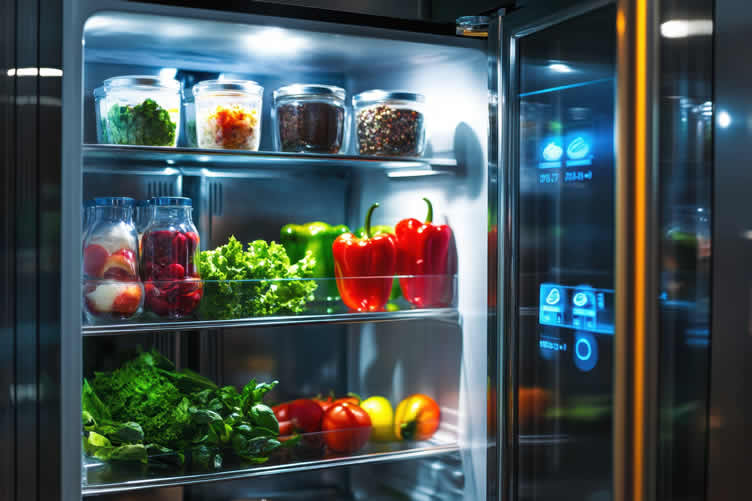
copyright image by 123rf.com
[ youtube: Your Refrigerator…Storing Food Safely ]
[ amazon: smart refrigerator ]
-
-
-
ideas to view and compare from the information discussed above
Scroll up to directory … or scroll to next section about home food storage …





second “photo remodeling” idea
AI generated image by 123rf.com
Storage Tip 2: Using Your Pantry Space for Storing Food
Notes:
-
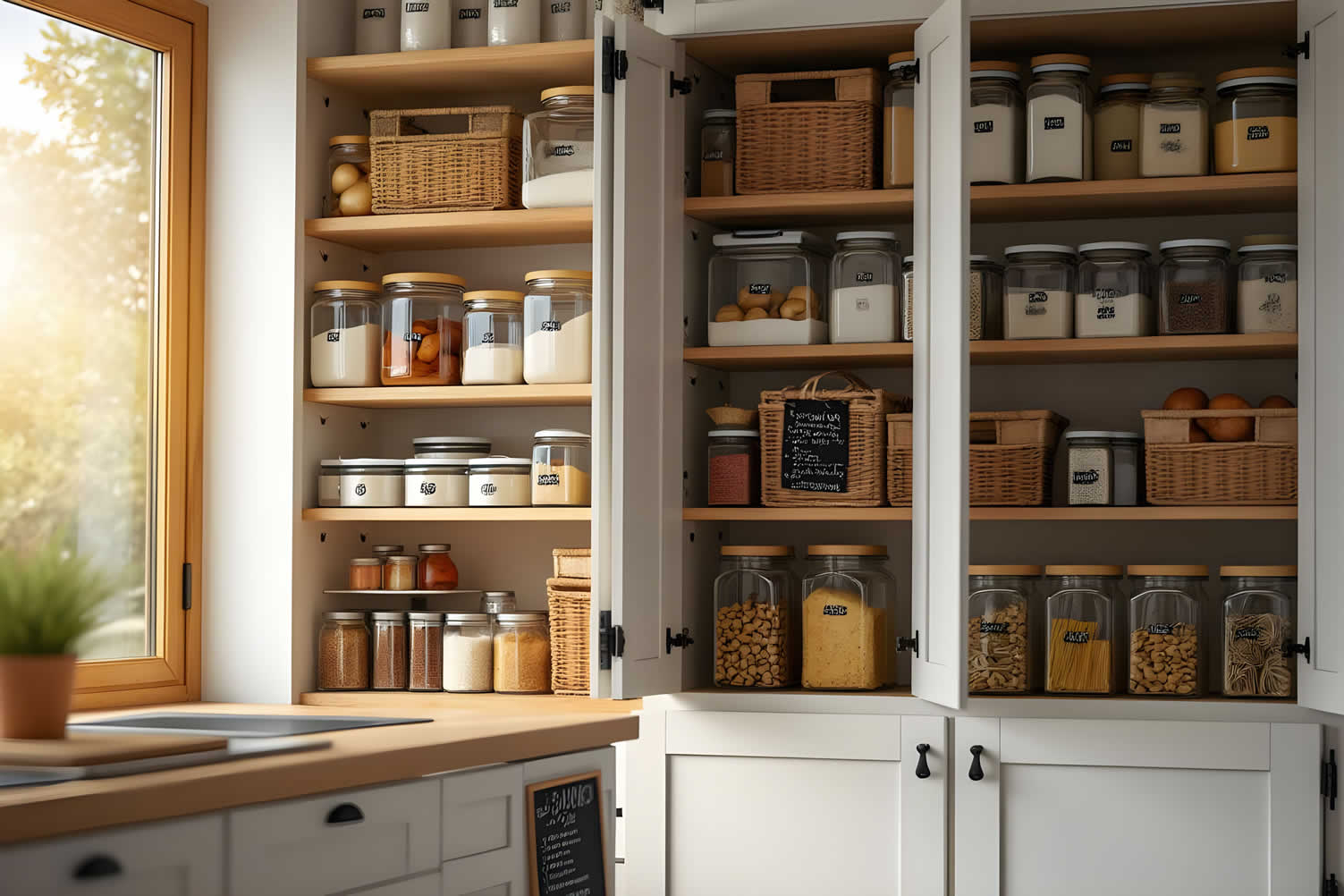
An organized pantry is the backbone of an efficient kitchen. By strategically utilizing cabinet space to store dry goods and other pantry items, you can make meal preparation more convenient, reduce food waste, and preserve the quality of your ingredients.
From grains and pasta to spices and canned goods, proper storage ensures everything is easy to find and stays fresh longer.
Whether you’re working with a large pantry or a few small shelves, thoughtful organization and storage techniques can transform your space into a functional and stress-free environment.
-
Quick scroll to “using the pantry” side notes …
-
-
1st: Storing Grains, Spices, and Herbs
… for longevity and quality
Proper storage of grains, spices, and herbs is essential to preserve their flavor, quality, and nutritional value. By using the right storage methods, you can not only ensure that your pantry staples remain fresh for longer but also take advantage of sales and discounts.
Stocking up on grains, spices, and herbs when they are on sale allows you to build a well-organized food reserve, ensuring you always have the ingredients you need at hand.
Below, we will explore the best practices for storing grains, spices, and herbs to maximize their shelf life.
-
Storing Grains
Grains such as rice, quinoa, oats, and flour are pantry staples that, when stored correctly, can last for months or even years. The key to grain storage is protecting them from moisture, light, pests, and temperature fluctuations.
Airtight containers made of glass, plastic, or Mylar bags with oxygen absorbers are ideal for keeping grains fresh. For long-term storage, consider vacuum-sealed bags stored in a cool, dark, and dry area.
Avoid storing grains in their original packaging, as these are often not airtight and can lead to spoilage or pest infestations. Additionally, freezing grains for a few days before storing them can help kill any insect eggs that may be present.
-
Storing Spices
Spices are an essential component of flavoring food, but improper storage can lead to a loss of potency and flavor over time. Spices should be stored in tightly sealed containers away from heat, light, and moisture.
Glass jars with airtight lids are a popular choice, as they keep spices well-protected from environmental factors. Store your spices in a cool, dark place, such as a cabinet or drawer, rather than near the stove or in direct sunlight.
For ground spices, it’s particularly important to avoid exposure to air, as they lose their potency more quickly. Whenever possible, purchase whole spices and grind them as needed to retain their full flavor.
-
Storing Herbs
Herbs, whether dried or fresh, require specific storage techniques to preserve their flavor and aroma. Dried herbs should be kept in airtight containers, similar to spices, and stored in a dark, cool environment to prevent degradation.
For fresh herbs, refrigeration is key. Wrap fresh herbs in a damp paper towel and place them in a resealable plastic bag or an herb keeper to maintain their freshness for up to a week.
Alternatively, woody herbs like rosemary and thyme can be stored standing in a glass of water, similar to flowers, and placed in the refrigerator. For long-term storage, consider freezing fresh herbs in ice cube trays with a small amount of water, oil, or butter.
Type Best Storage Method Benefits Grains Airtight containers or Mylar bags with oxygen absorbers Extends shelf life, protects against moisture and pests Spices Glass jars with airtight lids, stored in a cool, dark environment Maintains flavor and potency, protects from heat, light, and moisture Herbs (dried) Airtight containers stored in a cool, dark environment Preserves aroma and taste Herbs (fresh) Refrigeration with damp paper towel or frozen in ice cubes Keeps fresh herbs usable for longer periods 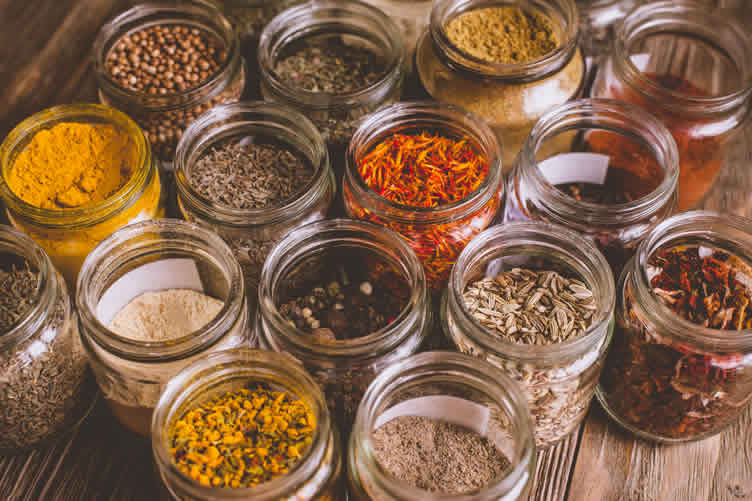
copyright image by 123rf.com
-
-
2nd: Storing and Organizing Bulk-Purchased
… canned and bottled goods
Stocking up on canned and bottled goods during sales is a practical and cost-effective way to manage your pantry. Buying in bulk often comes with significant savings, especially on items frequently used in cooking such as canned vegetables, sauces, broths, and bottled condiments.
However, proper storage and organization are essential to preserve quality and avoid waste. Implementing effective systems, like the First-In, First-Out (FIFO) method, ensures you make the most out of every purchase and keep your pantry running efficiently.
-
Proper Storage for Canned and Bottled Goods
Canned and bottled goods have a naturally long shelf life, making them ideal for bulk purchasing. To extend their usability and maintain freshness, store these items in a cool, dry location.
Pantries, basements, or designated kitchen shelves or standing cabinets are suitable options, as long as the temperature remains consistent and humidity is controlled. Avoid exposing items to direct sunlight or extreme heat, as these conditions can degrade the quality of food over time.
Cans should be inspected for dents and damage both at the time of purchase and during storage. Damaged cans may allow air and bacteria to compromise their contents.
Similarly, ensure bottled items, such as oils, vinegars, and dressings, are securely sealed to prevent spillage or contamination.
-
Organizing Your Stock with the FIFO System
Using the First-In, First-Out (FIFO) method is a highly effective way to manage bulk-purchased canned and bottled goods. This system involves arranging items in chronological order based on their expiration dates or purchase dates.
When organizing your pantry, place newer items toward the back and older items toward the front. This simple but strategic method ensures that stored goods are used in a timely manner, reducing the risk of forgetting or discarding expired products.
It is also helpful to categorize goods by type for faster access during meal preparation. Group all canned vegetables together, store sauces and broths in a separate section, and dedicate a shelf for bottled condiments.
Labeling shelves or sections can further enhance organization, allowing you to locate ingredients quickly.
-
Tips for Managing Bulk Inventory
Consistency and periodic checks are key to successfully managing a pantry stocked with bulk goods. Regularly inspect canned and bottled items, checking for expiration dates, leaks, or corrosion.
If you notice any goods nearing their expiration, prioritize them in meal planning. Additionally, keep a simple inventory log to track the quantities of frequently used items. This log can also help you identify trends in your cooking habits and guide future purchases during sales.
For bottled goods like oils or syrups, proper resealing after each use ensures freshness and prevents spoilage. Some items, such as cooking oils, may benefit from refrigeration once opened to extend their shelf life. Read the manufacturer’s storage recommendations for specific guidance.
Item Type Storage Method Benefits Canned goods Store in a cool, dry, dark location Preserves quality and extends shelf life Bottled condiments Keep sealed bottles on sturdy shelves Prevents spills and contamination, easy access Oils and vinegars Store in a dark place; refrigerate if necessary Extends freshness and prevents rancidity FIFO organization Arrange by expiration or purchase date Ensures timely use and reduces waste Inventory log Track stock levels and usage patterns Efficient organization and smarter purchasing 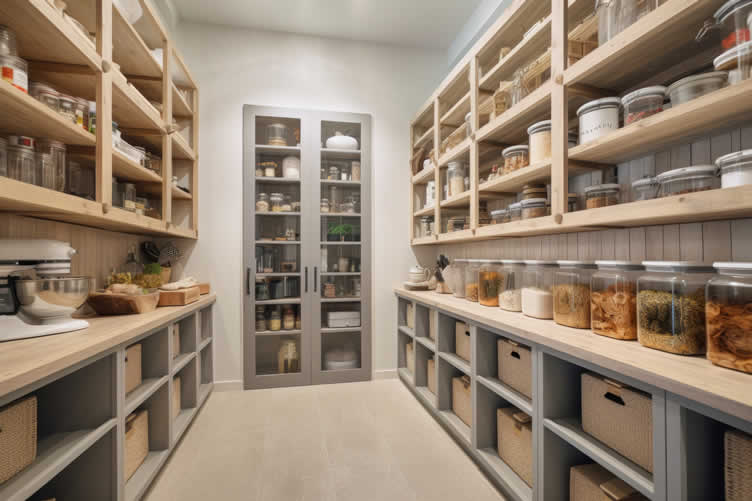
copyright image by 123rf.com
[ youtube: 10 Best Can Organizers ]
[ amazon: can organizer ]
-
-
3rd: Storing Sugars, Cereals, Dried Beans,
… and other packaged goods
Storing dried goods like sugars, cereals, beans, and other pantry staples correctly is essential for maintaining their freshness, nutritional value, and overall quality.
These foods, often purchased in bulk, serve as vital components of any well-stocked kitchen. Proper storage practices not only extend their shelf life but also reduce waste and prevent contamination by moisture, pests, or odors.
By implementing effective techniques and safeguards, you can ensure your investment in these bulk foods remains cost-effective and enjoyable for extended periods.
-
Sugar
Sugar is hygroscopic, meaning it absorbs moisture from the air, which can result in clumping or hardening. To prevent this, store sugar in airtight containers made of glass or food-grade plastic.
Mason jars with screw-top lids or sealable plastic canisters work well. Keep sugar away from direct sunlight and heat sources, as exposure can degrade its quality over time.
Granulated sugar can typically last indefinitely when stored under optimal conditions, while brown sugar may benefit from the addition of a small moisture-retaining object, such as a terra cotta disk, to maintain its softness.
-
Cereals
Cereals, whether whole grain or processed, are vulnerable to moisture, pests, and air exposure, which can lead to rancidity or staleness. Storing cereals in airtight containers is critical to preserving their freshness.
Opt for opaque containers to block out light, as exposure can degrade certain nutrients and flavors. For long-term storage, consider using vacuum-sealed bags or oxygen absorbers to create a low-oxygen environment.
Keeping cereals in a cool, dry space, such as a pantry or cupboard, further extends their usability. Rolled oats, for example, can remain fresh for up to 18-24 months when stored properly.
-
Dried Beans
Dried beans are among the most durable pantry staples, with a shelf life of 2-3 years when stored in ideal conditions. These legumes should be kept in airtight, moisture-proof containers, such as mylar bags or thick glass jars, to prevent spoilage or infestation by pantry pests.
Store beans in a cool, dark location to avoid heat or light exposure that can cause the beans to harden over time, making them more difficult to cook. For long-term storage, vacuum sealing combined with oxygen absorbers is an excellent technique to preserve their flavor and texture.
-
Packaged Goods
Packaged foods like flour, pasta, and other grains often come in thin paper or plastic bags, which are not optimal for long-term storage. Transfer these items into sturdy, airtight containers immediately after purchase to minimize the risk of pest infestations and moisture exposure.
For whole grains such as quinoa or rice, storing them in food-grade buckets with tight seals can effectively maintain their quality. Label each container with the contents and the purchase date to help you monitor their shelf life efficiently.
Flour generally has a shorter shelf life than whole grains, so consider refrigerating or freezing it in sealed containers to extend freshness.
Food Item Recommended Storage Method Shelf Life Estimate Additional Notes Sugar Airtight containers, cool and dry environment Indefinitely (granulated); shorter for brown sugar Avoid moisture, add moisture-retentive objects for brown sugar Cereals Airtight and opaque containers, cool and dry 18-24 months Use oxygen absorbers or vacuum-sealing if possible Dried Beans Airtight containers, avoid light and heat 2-3 years Vacuum-sealing and oxygen absorbers improve longevity Packaged Goods Transfer to airtight, sturdy containers Varies (check product type); flour may require refrigeration Label containers to track purchase dates and shelf life 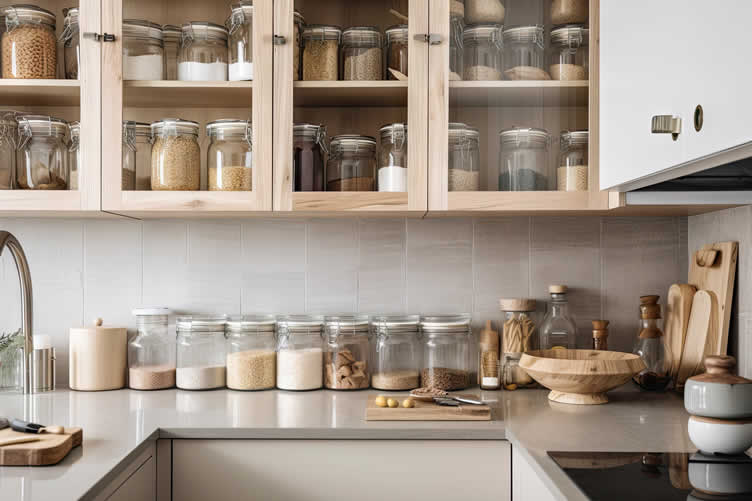
copyright image by 123rf.com
[ youtube: how store cereals long term ]
[ amazon: dry storage canisters ]
-
-
-
ideas to view and compare from the information discussed above
Scroll up to directory … or scroll to next section about home food storage …
… remodeling decisions


addressing home food storage needs and other home improvement needs …

… grab this directory of ideas for future use




May We Suggest Other Photo Remodeling Ideas About
“Preparing for …” (new win)



third “photo remodeling” idea
copyright image by 123rf.com
Storage Tip 3: Freezing Food for Long-Term Storage
Notes:
-
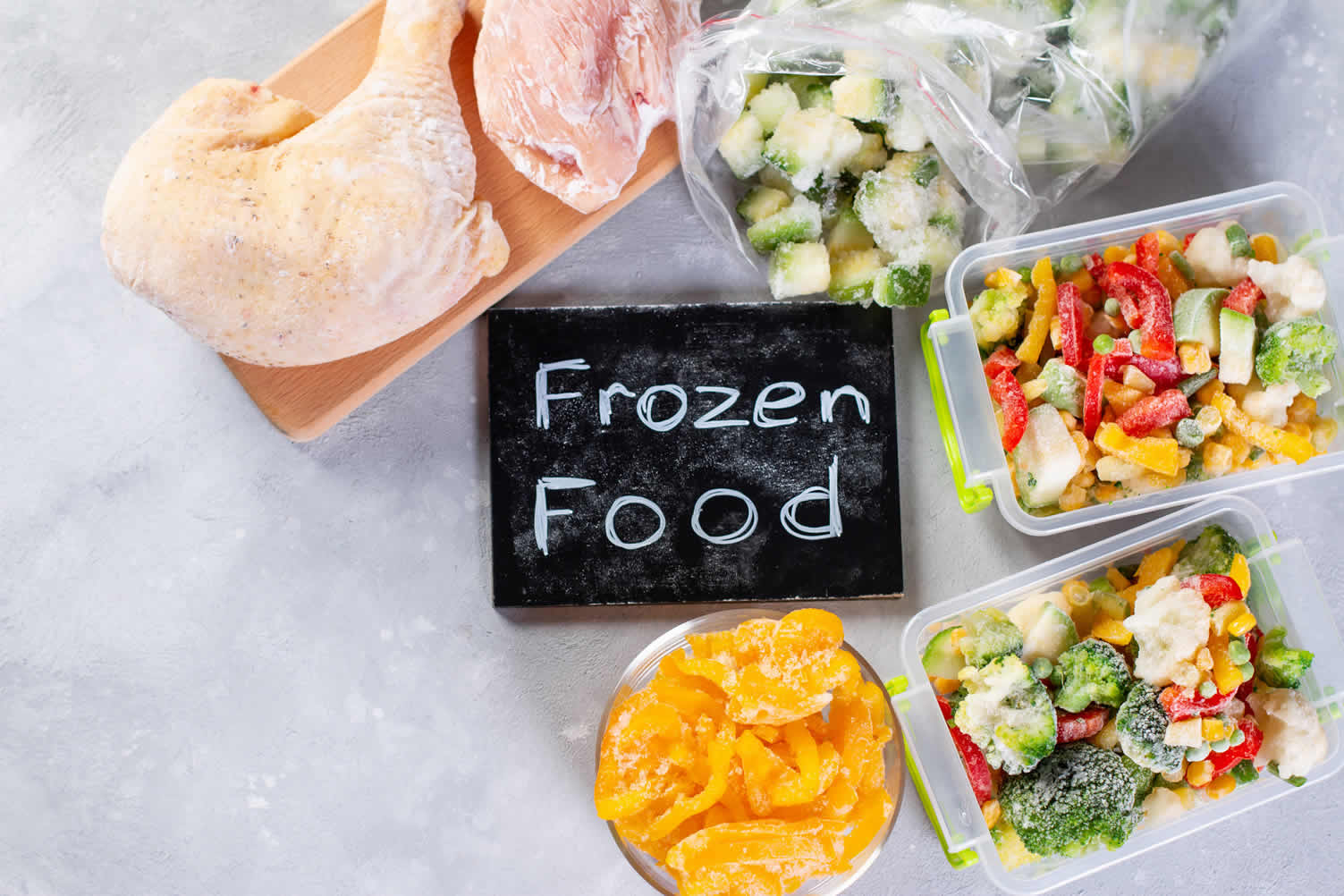
Freezing is one of the most effective methods for preserving bulk food purchases, allowing you to maintain freshness and extend shelf life significantly. By properly freezing food items, you can reduce waste, save money, and ensure a ready supply of ingredients for future use.
Whether you’re storing meats, vegetables, fruits, or even prepared meals, taking the right steps in packaging and organizing food in your freezer can make a world of difference.
Understanding best practices for freezing not only preserves flavor and texture but also helps maintain the nutritional value of your food items over time.
-
Quick scroll to “freezing food” side notes …
-
-
1st: The Ultimate Guide to Freezing Food
… for long-term storage
Freezing food is one of the best ways to preserve its freshness, taste, and nutritional value, especially when buying in bulk or preparing meals in advance. Proper freezing methods not only extend the shelf life of various food items but also help reduce food waste and save money.
By following best practices for freezing meats, vegetables, fruits, leftover meals, homemade sauces, soups, and other foods, you can ensure they remain safe and enjoyable to consume.
Below is a detailed guide on how to freeze different types of food effectively.
-
Freezing Meats
When freezing meats, maintaining freshness is crucial to prevent spoilage and freezer burn. Start by selecting high-quality meats and ensuring they are fresh before freezing.
If the meat is packaged in thin plastic wrap from the store, repackage it in airtight freezer bags or wrap it in heavy-duty aluminum foil followed by a freezer-safe plastic wrap.
Vacuum sealing is an excellent option for removing air completely, which helps preserve the meat’s flavor and texture. Divide large portions into smaller, meal-sized quantities before freezing to streamline thawing and reduce waste.
For cooked meats, allow them to cool completely before freezing, as this prevents condensation and ice crystal formation. Be sure to label packages with the type of meat, the date of freezing, and the expiration date.
Generally, raw poultry and ground meat can remain in the freezer for about 3 to 4 months, while steaks, roasts, and chops can last up to 6 to 12 months if stored properly.
Cooking and freezing extend some of these timelines, but always prioritize food safety by checking for freezer burn or off smells before use.
-
Freezing Vegetables
Freezing vegetables requires proper preparation to maintain their texture and nutritional integrity. Most vegetables need to be blanched before freezing, a process that involves briefly boiling them in water and quickly cooling them in an ice water bath.
Blanching helps stop enzyme activity that can cause loss of flavor, color, and texture over time. Once blanched and cooled, thoroughly dry the vegetables to prevent icy clumps during freezing.
Store the vegetables in airtight freezer bags or containers, spreading them out in a single layer before freezing to prevent clumping and allow for easier portioning later.
Vegetables like broccoli, carrots, spinach, and green beans typically hold up well when frozen and can last for 8 to 12 months. Starchy vegetables like potatoes may require special preparation, such as partially cooking them before freezing, to preserve their texture.
Avoid freezing vegetables with high water content (like cucumbers or lettuce), as they tend to become mushy when defrosted.
-
Freezing Fruits
Fruits are a versatile addition to the freezer, either as whole pieces or prepped for smoothies and baking. The key to freezing fruits is to thoroughly wash and dry them beforehand to remove dirt and prevent ice formation.
Some fruits, such as apples and peaches, benefit from being sliced and treated with an anti-browning solution—such as a mix of water and lemon juice—before freezing. This helps to retain their bright color.
Spread pieces of fruit on a parchment-lined tray to freeze individually before transferring them to airtight bags or containers. This method, known as flash freezing, prevents clumping and makes portions more manageable.
For fruits with a high sugar content, like berries or pineapples, consider freezing them in simple syrup or as purées for long-term use. Most fruits maintain peak quality for 6 to 9 months when properly frozen, though citrus fruits and bananas may have slightly shorter durations.
-
Freezing Leftover Meals
To freeze leftover meals effectively, start by allowing the food to cool to room temperature. This step is crucial as it prevents excess moisture and condensation from forming, which can lead to ice crystals and impact the texture of your food.
Once cooled, divide the leftovers into single-serving portions. This not only makes reheating easier but also helps reduce waste since you can thaw only what you need.
Choose the right storage method by using airtight rigid containers or heavy-duty freezer bags. When using bags, press out as much air as possible to prevent freezer burn, which can dry out the food and decrease its quality.
Label each container or bag with the contents and the date it was frozen to keep track of freshness and avoid confusion later.
Leftover meals such as casseroles, pasta dishes, soups, stews, or roasted meats typically stay fresh in the freezer for two to three months, depending on their ingredients.
Keep in mind that foods with high water content, like cooked vegetables or certain sauces, may undergo slight textural changes when thawed. For the best results, thaw frozen meals in the refrigerator overnight before reheating, which helps preserve flavor and texture.
Freezing your meals properly ensures you always have a convenient, home-cooked option ready when you need it.
-
Freezing Homemade Sauces and Soups
Homemade sauces and soups are excellent candidates for long-term freezer storage, helping you save time and reduce food waste. Once you’ve prepared them, allow the sauces or soups to cool completely to avoid condensation, which can lead to freezer burn.
Portion them into freezer-safe bags or containers, leaving a bit of space at the top for expansion as they freeze. For added convenience, liquid-based items like broths, soups, and sauces can also be frozen in ice cube trays, allowing you to thaw only the amount you need before transferring the cubes into larger, airtight containers or bags for easier storage.
When freezing creamy sauces or soups made with dairy or cream, keep in mind that freezing may cause some separation. To restore their original texture, reheat them gently over low heat, stirring regularly, and consider adding a splash of fresh cream or milk to bring them back to life.
Properly stored and labeled with dates, sauces and soups can last up to three to four months in the freezer, giving you ready-to-use options for quick and delicious meals.
-
Freezing Other Food Items
Beyond the basics, other foods like bread, baked goods, and cheese also freeze remarkably well and can help reduce food waste while saving time in the kitchen.
For bread, wrap it tightly in plastic wrap or aluminum foil and store it in a freezer bag to prevent staleness or freezer burn. Individual slices can also be separated with parchment paper for easier defrosting.
Baked goods like muffins, cookies, or even cakes should be cooled thoroughly to avoid sogginess and wrapped individually or packed in airtight containers before freezing. Adding a label with the date can help you keep track of freshness.
Hard cheeses, like cheddar or parmesan, can be frozen in small chunks or shredded, making them easy to grab for cooking or sprinkling. Soft cheeses, such as cream cheese or ricotta, may experience some texture changes once thawed, becoming slightly grainy, but they remain perfectly usable in recipes like sauces, casseroles, or baked goods.
For these items, the shelf life in the freezer generally ranges from one to three months, though proper storage can extend their usability. Taking a little extra time to prepare these foods for freezing ensures their quality and reduces the need for last-minute grocery trips.
Food Item Preparation Storage Method Shelf Life Meats Repackage or vacuum-seal; freeze raw or cooked Heavy-duty wrap, airtight containers 3–12 months Vegetables Blanch, dry thoroughly, freeze in single layers Airtight containers, freezer-safe bags 8–12 months Fruits Wash, dry, flash freeze, or use in purées/syrup Airtight bags, containers, trays 6–9 months Leftover Meals Cool, portion, pack airtight Heavy-duty bags, rigid containers 2–3 months Homemade Sauces/Soups Cool, portion, freeze in bags or trays Freezer-safe containers or cubes 3–4 months Baked Goods/Bread/Cheese Wrap tightly, portion as needed Airtight bags, individual wrapping 1–3 months 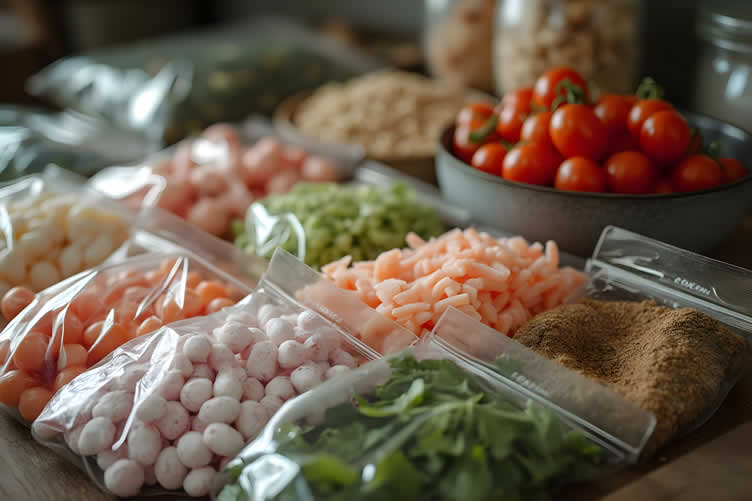
AI generated image by 123rf.com
[ youtube: best way to freeze food ]
[ amazon: stand up freezer ]
-
-
2nd: Best Practices for Managing Stored Freeze Goods
Properly managing stored freeze goods is essential for maintaining food safety, maximizing quality, and minimizing waste. A well-maintained freezer system not only preserves the nutritional value and flavor of your food but also streamlines meal prep and ensures efficient use of freezer space.
Below, we cover the best methodologies for managing freezer-stored goods, grounded in expertise and practical application.
-
Choosing the Best Type of Freezer
Selecting the right freezer for your needs is crucial for effective food storage. Upright freezers are ideal for households with limited space, as they offer vertical shelving and easier access to items.
Chest freezers, on the other hand, provide more storage capacity and are typically more energy-efficient, keeping food frozen longer during power outages.
Regardless of the type, ensure your freezer maintains a consistent temperature of 0°F (-18°C) or lower, as recommended by the U.S. Food and Drug Administration (FDA), to safely store perishable items. Investing in a freezer thermometer can help you monitor accuracy.
-
Organizing the Freezer for Efficiency
Proper organization is a key factor in maximizing freezer space and reducing food waste. Arrange similar food categories together, such as meats, vegetables, dairy, and baked goods, to make retrieval more efficient.
Utilize freezer-safe bins or containers to group items and prevent smaller packages from becoming misplaced. Place older frozen items at the front and newer ones at the back to ensure a "first in, first out" system, which helps reduce spoilage.
Label every container clearly with a description and date of freezing to avoid confusion. Avoid overcrowding the freezer as air circulation is critical for maintaining consistent freezing temperatures. Aim to fill the freezer to about three-quarters of its capacity for optimal performance and efficiency.
-
Creating and Maintaining a Freezer Inventory
Maintaining a detailed inventory list of your freezer’s contents helps avoid overbuying and ensures you use stored items before their quality declines. Develop a system, either digital or handwritten, to track what you have and the dates each item was added.
There are several apps designed for freezer inventory management, but even a basic spreadsheet can be sufficient. Regularly updating this inventory will save time and help plan meals with stored goods effectively.
-
Utilizing Frozen Goods in Cooking
To maximize the benefits of frozen goods, incorporate them into your meal planning on a weekly basis. Thaw foods safely by transferring them to the refrigerator overnight or using airtight bags submerged in cold water if quicker defrosting is required.
Avoid thawing food at room temperature, as this increases the risk of bacterial growth. For ready-to-use meals, remove portions in advance and follow recommended reheating guidelines to preserve texture and taste.
Experiment with versatile recipes that make use of frozen staples, such as soups, casseroles, and smoothies. Incorporating these items into your routine can reduce the temptation to rely on takeout, saving money and cutting back on food-related waste.
-
Restocking with Care
When it comes to restocking your freezer, rotate the stored items using the "first in, first out" principle. Before adding newly frozen goods, inspect the freezer to ensure everything is properly organized. Introduce new items only in batches to avoid overloading the freezer’s cooling system.
Make sure each item is frozen quickly by spreading them out in a single layer initially before consolidating them with their respective categories.
Restocking should also involve periodic cleaning and defrosting of the freezer to prevent ice build-up and maintain maximum efficiency. This helps ensure optimal performance and ensures you have clean and safe conditions for your stored food.
Aspect of Management Key Points Best Type of Freezer Upright freezers offer space efficiency; chest freezers provide more capacity and energy savings. Organization Categorize and label items, use freezer-safe bins, and maintain air circulation for optimal storage. Inventory Management Maintain a detailed list of freezer contents to reduce waste and streamline meal planning. Using Frozen Goods Thaw safely; incorporate frozen items into versatile recipes weekly to minimize waste. Restocking Rotate inventory, avoid overloading the freezer, and maintain cleanliness and temperature consistency. 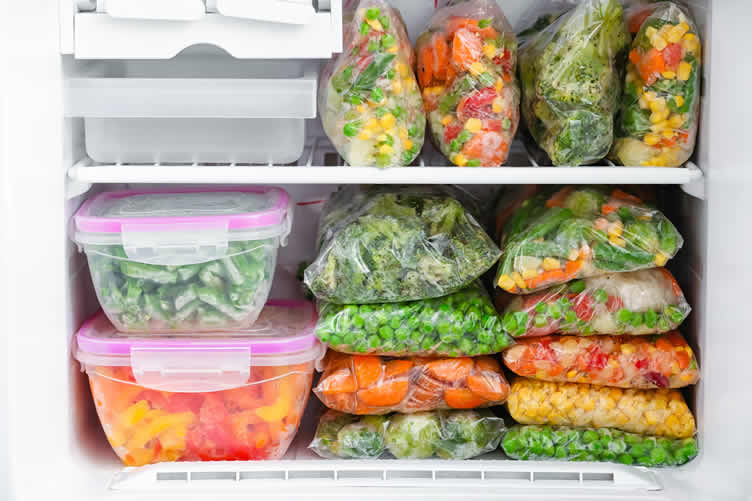
copyright image by 123rf.com
[ youtube: The Best Way to Freeze Food ]
[ amazon: freezer storage containers ]
-
-
3rd: Protecting Your Freezer Goods During Power Outages
… during power outages
Unpredictable events like power outages can pose a significant threat to the preservation of your freezer goods. The financial impact of spoiled food and the inconvenience of replacing groceries make it essential to have a clear plan to protect your frozen inventory.
By understanding key strategies and practical solutions, you can reduce food waste, extend the life of perishable items, and ensure you’re prepared for emergencies.
Below, we explore expert-recommended methods to safeguard your freezer goods, ensuring maximum efficiency and cost-effectiveness.
-
Optimize Freezer Efficiency Before an Outage
Preparation is critical in protecting your frozen goods, especially when a power outage is imminent. Ensure your freezer is functioning at peak performance by setting the temperature to 0°F (-18°C) or below, as this temperature is ideal for prolonging food quality.
Overcrowding the freezer can reduce airflow and insulation efficiency, so organize items carefully, grouping similar foods together. Freeze water bottles or ice packs in advance to fill empty spaces, as a full freezer retains cold longer than a half-empty one.
These preventative measures maximize the likelihood that frozen goods will stay safe during an outage.
-
Keep the Freezer Door Closed
Once the power goes out, the most critical action is to keep the freezer door closed. Every time you open the door, warm air enters and accelerates the thawing process.
A well-stocked and unopened freezer can typically keep its contents frozen for 48 hours, while a half-full freezer can maintain safe temperatures for approximately 24 hours. Resist the urge to check your items unnecessarily, as temperature fluctuations can cause faster degradation, leading to spoilage.
-
Use a Backup Power Source
During extended outages, investing in a backup power source like a generator can be a lifesaver for preserving freezer contents. Standby or portable generators can maintain the temperature of your freezer until power is restored.
For this option, ensure safety by using the generator in a well-ventilated area and following the manufacturer’s instructions. Portable power stations or UPS (uninterrupted power supply) devices are also an alternative for short-term energy needs.
-
Rely on Dry Ice or Ice Blocks
If a power outage is prolonged, one effective solution is to add dry ice or large ice blocks to your freezer. Dry ice can keep a freezer at freezing temperatures for an additional 24-48 hours, depending on the freezer size and amount of ice used.
Handle dry ice with caution, wearing protective gloves, and ensure proper ventilation, as it releases carbon dioxide as it sublimates. Ice blocks or store-bought freezer bags filled with ice water can also buy extra time to protect your foods until the electricity is restored.
-
Safeguard Foods with Insulated Containers
If the power failure extends beyond the length of cold retention in your freezer, consider transferring highly perishable items to insulated coolers.
Use frozen gel packs or ice packs to maintain cold temperatures and only open the cooler sparingly to hold in the cold. Prioritize transferring higher-value items, such as meats and seafood, to insulated storage first, as these are the most expensive to replace.
-
Determine Food Safety After a Power Outage
Once power is restored, it’s important to assess the condition of your foods. A freezer thermometer is an excellent tool to verify the internal temperature, which should ideally remain at 40°F (4°C) or below for safe refreezing.
Foods that still contain ice crystals or feel cold to the touch are generally safe for consumption or refreezing. Items that have thawed completely should be evaluated carefully; discard perishable foods, such as dairy, eggs, or seafood, that have been above 40°F (4°C) for more than two hours.
Having a plan in place for such decisions can save time and prevent consuming unsafe food.
Strategy Key Information Optimize Freezer Efficiency Set the freezer to 0°F (-18°C), organize items efficiently, and freeze ice blocks to retain cold temperatures. Keep the Freezer Door Closed Avoid opening the freezer to prevent cold air loss, maintaining frozen goods for up to 48 hours. Backup Power Source Use a generator, portable power station, or UPS to maintain freezing temperatures during an outage. Add Dry Ice or Ice Blocks Use dry ice or large ice blocks to extend freezing capacity for 24-48 hours during prolonged outages. Use Insulated Containers Transfer high-value or perishable foods to insulated coolers with ice packs if freezing conditions cannot be maintained. Evaluate Food Safety Verify freezer temperature and discard perishable items left above 40°F (4°C) for over two hours. 
AI generated image by 123rf.com
[ youtube: Protect Freezer During a Power Outage ]
[ amazon: backup generator ]
-
-
-
ideas to view and compare from the information discussed above
Scroll up to directory … or scroll to next section about home food storage …

Download this PDF for a concise summary of all you need to know about …?

SHARE IT ..! You might have someone in your social network who could find this informative post about home food storage valuable. Feel free to share it on Facebook, X (formally Twitter), LinkedIn, or Pinterest!






plan the specifications you need for making …
… key home improvement and remodeling decisions


fourth “photo remodeling” idea
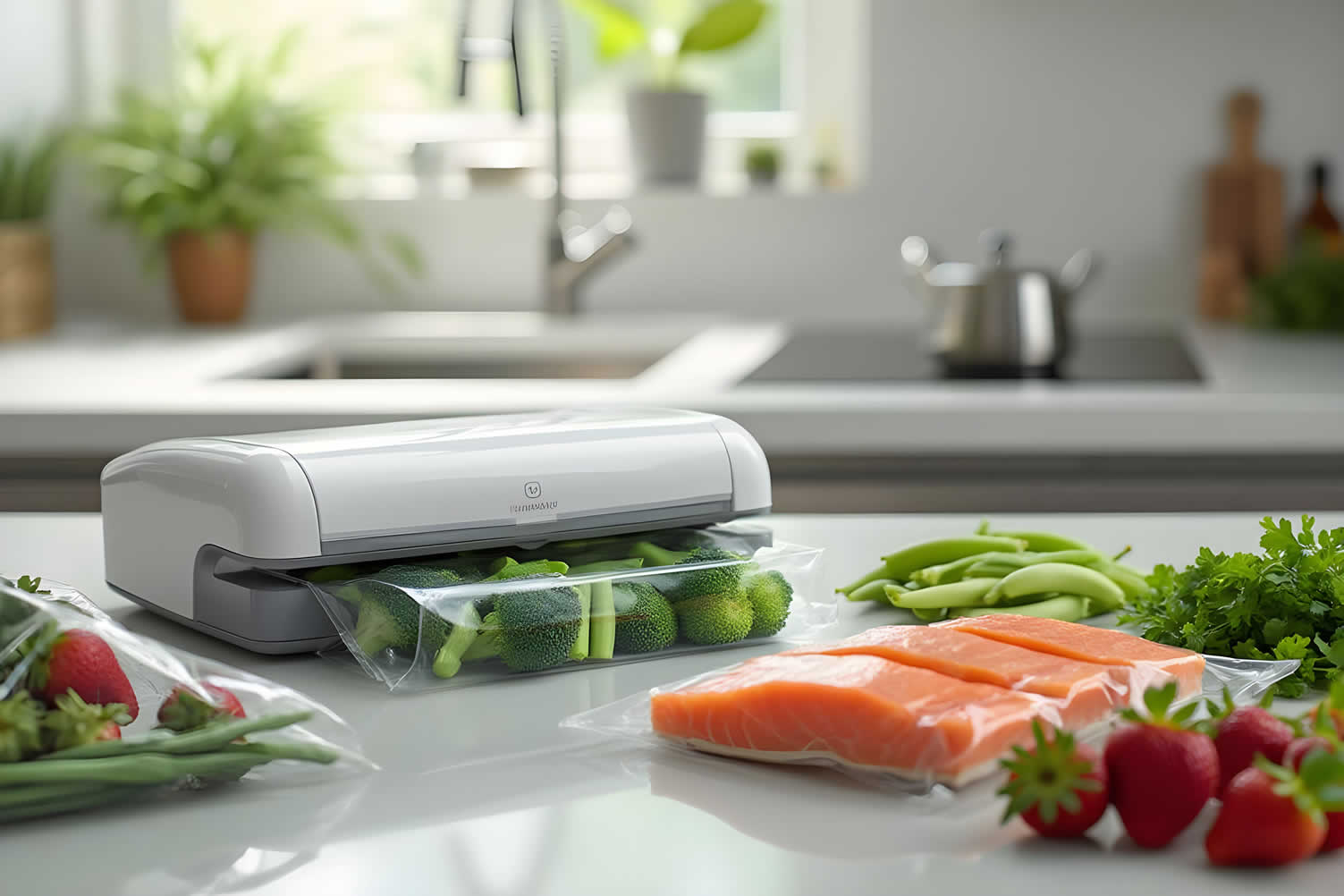
AI generated image by 123rf.com
Storage Tip 4: The Benefits of Vacuum-Sealing for Food Storage
Notes:
-
Vacuum-sealing has revolutionized the way we store food, providing an efficient and reliable method to extend the freshness and quality of our ingredients.
Whether you’re preserving pantry staples, refrigerating leftovers, or storing bulk items in the freezer, vacuum-sealing creates an airtight barrier that minimizes exposure to oxygen and moisture. This not only helps prevent spoilage and freezer burn but also locks in flavors and nutrients.
By reducing waste and improving organization, vacuum-sealing is an invaluable tool for home cooks and meal planners seeking to maintain a well-stocked and efficient kitchen.
-
Quick scroll to “vacuum sealing” side notes …
-
-
1st: How Vacuum Sealers Work
… and types of vacuum sealers for preserving food
Vacuum sealers are indispensable tools for food preservation, offering a reliable and efficient way to extend the shelf life of consumable goods. By removing air from packaging, they prevent oxidation, the growth of bacteria, and moisture loss, which are the main culprits behind food spoilage.
Vacuum sealing creates an airtight environment, significantly enhancing the freshness, flavor, and quality of perishable items.
This section explores the science behind how vacuum sealers work and provides an overview of the various types available to suit diverse user needs, ensuring informed decision-making when choosing the right equipment for food preservation.
[ view/shop images: types sealers ]
-
How Vacuum Sealers Work
Vacuum sealers operate on a simple yet highly effective principle—the removal of air. When food is placed inside a specially designed vacuum bag or pouch, the machine extracts air using a powerful vacuum pump.
Once the air is removed, the bag is tightly sealed, often using a heat mechanism that fuses the edges of the packaging together, creating a strong and secure barrier. This process eliminates the oxygen needed for bacteria and mold to thrive, helping to preserve the food’s integrity and nutritional content.
Some advanced vacuum-sealing systems also utilize different settings for soft or moist foods, ensuring the packaging process is gentle enough to avoid crushing delicate items like bread or sponges.
Modern vacuum sealers are equipped with technology that assesses the specific requirements of the product, such as vacuum intensity and sealing time, making them versatile and user-friendly.
-
Types of Vacuum Sealers
There are several types of vacuum sealers available on the market, each tailored to different consumer needs, budgets, and purposes.
Understanding the features and applications of these sealers can help users choose one that best meets their food preservation goals.
-
External Vacuum Sealers
External vacuum sealers, often referred to as home-use or countertop models, are a popular choice for everyday users. These machines work by clamping down on the open end of a plastic bag and suctioning out the air before sealing it.
They are best suited for sealing dry goods, snacks, and moderate quantities of food. Compact and portable, external sealers are ideal for light to medium use and are widely available at affordable prices.
However, they may not perform as effectively with liquids or foods with high moisture content, as the suction process can inadvertently remove some of the liquid.
-
Chamber Vacuum Sealers
Chamber vacuum sealers are typically found in commercial kitchens or among serious food enthusiasts who require a high-performance machine. Unlike external models, chamber vacuum sealers place the entire bag inside a vacuum chamber before extracting air.
This design allows for the efficient sealing of liquids, marinades, soups, and vacuum-packed sous-vide food. These machines deliver consistent results and typically include adjustable settings for full customization.
While their industrial-level power and capabilities make them more expensive than external models, their durability and versatility justify the investment for heavy-duty users.
-
Handheld Vacuum Sealers
Handheld vacuum sealers are compact and convenient devices designed for quick and portable sealing tasks. Suitable for occasional use, these sealers work by attaching to specially designed vacuum bags or containers and removing air using a small suction pump.
Affordable and easy to store, they are ideal for individuals who need a space-saving solution or those who want to vacuum-seal on the go. However, they may not provide the same level of suction strength as larger models and are better suited for limited applications.
-
Specialty Sealers for Specific Needs
Some vacuum sealers cater to niche purposes, such as vacuum-canister systems or models designed exclusively for fragile or moist food items.
Vacuum sealers with marinade infusion capabilities, for instance, allow users to season their food while sealing, minimizing preparation time for cooking.
-
Type of Vacuum Sealer Best For Advantages Drawbacks External Vacuum Sealers Dry goods, snacks, regular home use Affordable, portable, compact Less effective with liquids or high moisture foods Chamber Vacuum Sealers Liquids, sous-vide cooking, large-scale use Handles liquids, customizable settings Higher cost and bulkier size Handheld Vacuum Sealers On-the-go sealing, occasional use Portable, easy storage, budget-friendly Weaker suction, limited applications Specialty Sealers Marinades, fragile or unique food sealing Feature-specific, suitable for niche needs Higher cost for specialized models 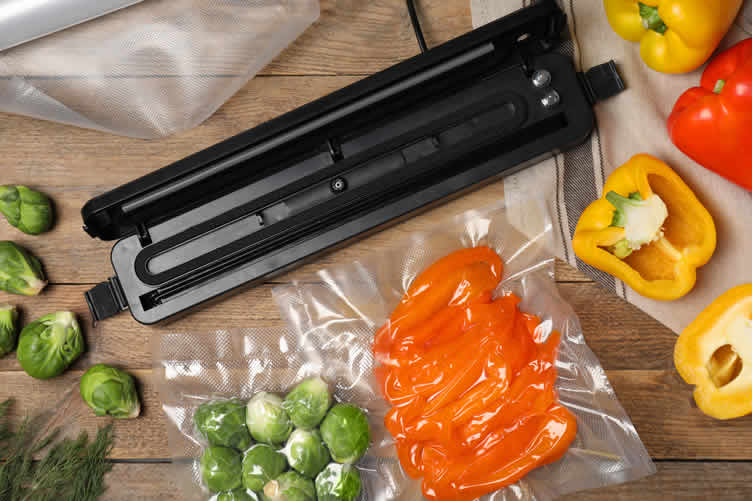
copyright image by 123rf.com
[ view diagram: how vacuum sealer ]
[ youtube: Expert’s Guide to Vacuum Sealers ]
-
-
2nd: Types of Food That Can Be Sealed
Vacuum sealing is a versatile solution for preserving both wet and dry foods, ensuring optimal freshness and longevity. By removing air from the packaging, vacuum sealers protect food from oxidation, freezer burn, and spoilage.
To maximize the benefits of vacuum sealing, it is essential to understand how both wet and dry foods can be effectively sealed and stored. This knowledge allows users to confidently preserve a wide variety of ingredients, extending their shelf life and maintaining quality.
Below is a detailed exploration of sealing wet and dry foods, supported with evidence-based practices.
-
Dry Foods
Dry foods are among the most common items preserved using vacuum sealing due to their long shelf lives and susceptibility to moisture and air exposure. Staples such as rice, beans, flour, cereals, nuts, coffee beans, and dehydrated fruits can all be effectively sealed and stored.
The removal of air slows down oxidation and prevents mold or pest infestation, ensuring that dry goods remain fresh for months or even years when stored in a cool, dark place.
It is important to note that dry foods with high fat content, such as nuts or whole-grain flours, benefit greatly from vacuum sealing as it prevents the fats from becoming rancid due to prolonged air exposure.
For maximum results, users should also ensure that these foods are completely dry before vacuum sealing to avoid introducing any moisture, which can compromise the storage environment.
-
Wet Foods
Wet foods, such as meats, fish, cooked meals, sauces, and soups, require a slightly different approach for safe and effective vacuum sealing.
These foods contain moisture, which can interfere with the sealing process if not correctly managed. Using specialized vacuum sealer bags that are designed to contain liquids is essential for preserving wet foods.
To prepare wet foods for sealing, users can pre-freeze items like marinated meats or soups into solid blocks before sealing. This minimizes the risk of liquids being drawn into the vacuum sealer, ensuring a secure and airtight seal.
Additionally, vacuum sealing wet foods helps retain their natural juices and flavors, making them ideal for sous vide cooking—an increasingly popular method among cooking enthusiasts for achieving consistent, high-quality results.
-
Foods to Handle with Caution
While vacuum sealing can extend the life of many foods, there are certain items that must be handled with care to prevent spoilage or safety risks.
For instance, soft cheese, mushrooms, and raw garlic have anaerobic bacteria that can thrive in vacuum-sealed environments, potentially causing unintentional food-borne illnesses if not handled properly.
These items may still be sealed for short-term storage, but users are encouraged to conduct thorough research and follow food safety guidelines.
Food Type Examples Key Considerations for Sealing Recommended Storage Practices Dry Foods Rice, beans, flour, nuts, coffee Ensure items are dry; avoid sealing fatty foods without preparation Store in a cool, dark place to extend shelf life Wet Foods Meats, soups, sauces Pre-freeze liquids for easier sealing; use liquid-safe bags Freeze immediately or use for sous vide cooking Caution Foods Soft cheese, mushrooms, garlic Potential bacteria risks; seal for short periods only Follow food safety guidelines closely 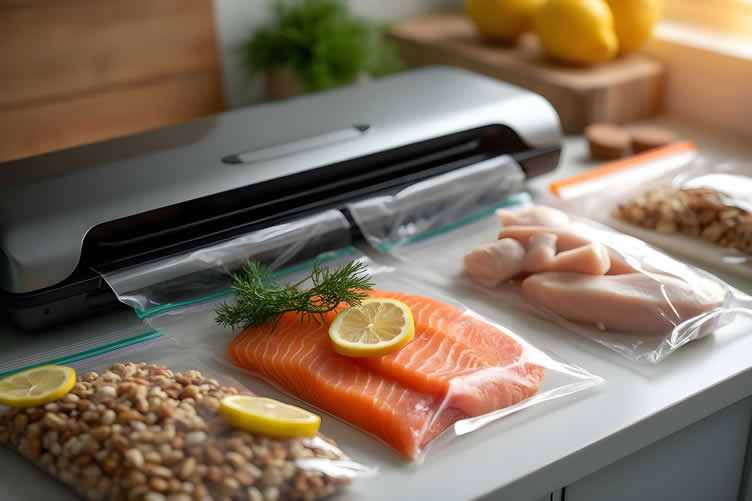
AI generated image by 123rf.com
[ youtube: How to Vacuum Seal Soup & Liquids ]
[ youtube: Vacuum Sealing Tips For Beginners ]
-
-
-
ideas to view and compare from the information discussed above
Scroll up to directory … or scroll to next section about home food storage …




Budgeting Worksheet For Costing Home Remodeling and Home Improvement Decisions
 File Type (excel)
fifth “photo remodeling” idea
AI generated image by 123rf.com
Storage Tip 5: Canning, Dehydration, and Pickling
… for storing bulk food purchases and garden harvesting
Notes:
-
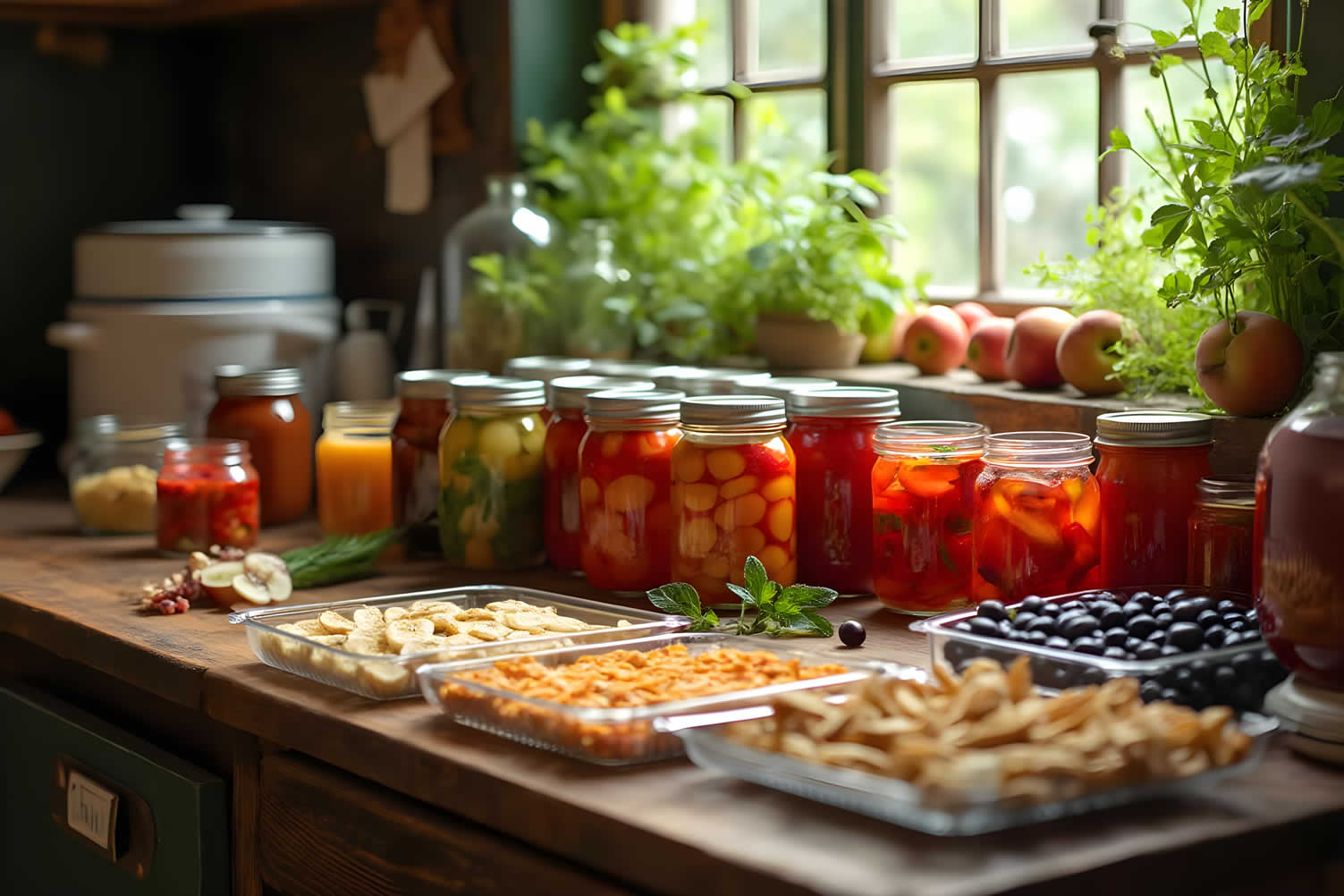
Canning and dehydration are time-tested methods for preserving the quality and extending the shelf life of bulk food purchases. These techniques allow households to manage large quantities of food efficiently, minimizing spoilage and reducing waste.
Whether sealing fruits and vegetables in jars through canning or removing moisture from foods to create lightweight, shelf-stable items through dehydration, these methods offer versatility and long-term storage solutions.
Additionally, they provide an excellent way to maintain nutritional value while making pantry essentials readily available in times of need.
-
Quick scroll to “canning and other” side notes …
-
-
1st: Canning Food for Food Storage
Canning is one of the most reliable and time-tested methods for preserving food for extended periods. This process involves sealing food in airtight containers after heating it to a specific temperature, effectively destroying bacteria, molds, and enzymes that could cause spoilage.
Canned food retains its flavor, texture, and nutritional value remarkably well, offering a practical solution to long-term food storage.
Whether you’re a home gardener looking to preserve seasonal harvests or a household interested in building an emergency food supply, understanding the canning process and its benefits is invaluable.
-
The Canning Process
The canning process is rooted in science and precision, requiring correct techniques to ensure food safety. Canning typically involves either the water bath method or pressure canning.
Water bath canning is suitable for high-acid foods like fruits, jams, and pickles, as the natural acidity allows bacteria to be killed at boiling point temperatures of 212°F (100°C).
On the other hand, pressure canning is essential for low-acid foods such as meats, vegetables, and soups, as these require a higher temperature—achieved through pressurized steam—to destroy harmful microorganisms like botulism spores.
Each method includes three fundamental steps.
- First, jars and lids are sterilized to prevent contamination.
- Next, food is packed into the jars and an appropriate amount of headspace (unfilled space) is left to allow for expansion during processing.
- Finally, jars are immersed in a specified environment (boiling water or pressure canner) for a determined time to seal them thoroughly and ensure safety.
- Once processed, jars are cooled before being inspected for an airtight seal.
Types of Food Best for Canning
Canning is highly versatile, allowing for the preservation of a wide variety of foods. High-acid foods are ideal for water bath canning and include fruits such as peaches, apples, tomatoes (with added acid), and citrus fruits, as well as homemade jams and jellies.
Pickled vegetables, as they contain added acid in the form of vinegar, are also well-suited for this method.
Low-acid foods require pressure canning due to their potential to harbor dangerous bacteria without the support of high acidity. These include vegetables like green beans, carrots, potatoes, and asparagus, which retain much of their flavor and nutritional content when canned correctly.
Proteins like chicken, beef, fish, and soups with combined ingredients are particularly well-suited for pressure canning, ensuring your pantry remains stocked with hearty, nutritious options.
-
Shelf Life of Canned Goods
Properly canned foods have an impressive shelf life, making them an excellent solution for long-term storage.
- High-acid canned foods, such as fruits and pickles, generally maintain optimum quality for up to 12 to 18 months.
- Low-acid foods, including meats and non-pickled vegetables, can last between 2 to 5 years, provided they are stored in a cool, dark place with temperatures ideally below 85°F (29°C).
However, the shelf life of canned goods largely depends on storage conditions and the integrity of the seal. It is recommended to periodically check canned items for any signs of spoilage, such as bulging lids, off smells, or leakage—indications that the food may no longer be safe to eat.
While canned goods remain edible beyond the recommended periods, their texture, flavor, and nutritional content may gradually decline after the initial window of peak quality.
Category Details Canning Methods Water bath for high-acid foods; pressure canning for low-acid foods. High-Acid Foods Fruits, jams, pickles, tomatoes with added acid. Low-Acid Foods Meats, soups, vegetables such as green beans, carrots, and potatoes. Shelf Life (High-Acid) 12 to 18 months when stored properly. Shelf Life (Low-Acid) 2 to 5 years under optimal storage conditions. Storage Conditions Cool, dark places below 85°F (29°C); avoid direct sunlight and exposure to moisture. Food Safety Checks Inspect for bulging lids, off smells, and visible leakage to determine safety. 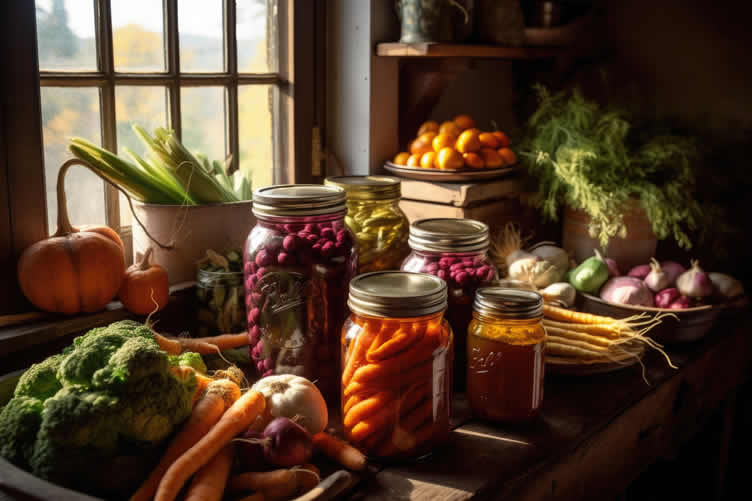
copyright image by 123rf.com
[ youtube search: canning food for beginners ]
[ amazon: canning kit ]
-
-
2nd: Dehydrating Food for Long-Term Storage
Dehydrating food is one of the oldest and most reliable methods of food preservation, offering a way to significantly extend shelf life while maintaining the nutritional value of your ingredients.
By removing moisture, the primary component necessary for microbial growth and food spoilage, dehydration ensures that your food remains safe to consume over extended periods.
This method is cost-effective, space-efficient, and versatile, allowing you to preserve a wide variety of foods easily. With the proper techniques and equipment, dehydrating is an excellent option for those interested in self-reliance, reducing food waste, or preparing for emergencies.
-
How Dehydration Works
The process of dehydration involves using controlled heat and airflow to remove the moisture content from food. Most foods contain high levels of water, which enables the growth of bacteria, mold, and yeast. By reducing moisture levels to below 20%, the dehydration process halts spoilage and stabilizes the food.
Traditional dehydration was often accomplished using sun drying, but modern methods incorporate food dehydrators, ovens, and even freeze-drying equipment for more precise control.
Food dehydrators are particularly popular as they maintain consistent, even temperatures while circulating air to ensure thorough drying without cooking the food.
Achieving effective dehydration requires attention to the type of food, its thickness, and uniformity of slices, as well as maintaining the proper temperature for the specific item.
Common dehydration temperatures range between 125°F to 160°F (52°C to 71°C), depending on the food. It is crucial to follow recommended guidelines for time and temperature to ensure food safety and optimal preservation.
-
Best Types of Food for Dehydration
Dehydration works for a wide range of foods but is especially effective for fruits, vegetables, herbs, and even some protein sources.
- Fruits such as apples, bananas, and berries retain their sweetness and flavor, making them ideal for snacks or baking.
- Vegetables like tomatoes, carrots, and mushrooms work beautifully in soups, stews, or casseroles and rehydrate quickly with high flavor retention.
- Herbs dehydrate exceptionally well due to their low moisture content, making them ideal for long-term storage of seasonings like basil, oregano, and mint.
- Proteins like jerky from beef, turkey, or fish can also be dried successfully; however, caution regarding food safety is critical here. Lean cuts of meat are preferable, and pre-treatment such as marinating or blanching may be necessary for preserving texture, flavor, and microbial safety.
It’s also worth noting that not all foods dehydrate well—items high in fat, such as avocados, or with high water content, like lettuce, may not yield satisfactory results.
-
Storing Dehydrated Foods
Proper storage is essential for ensuring the longevity and quality of dehydrated foods. After dehydration, foods should be allowed to cool to room temperature, as packaging warm foods can lead to condensation and spoilage.
Place foods in airtight containers such as mason jars, vacuum-sealed bags, or Mylar bags with oxygen absorbers for optimal preservation. Store in a cool, dark, and dry location to protect the food from light, heat, and humidity, which can degrade their quality over time.
When stored appropriately, many dehydrated foods can last anywhere from six months to several years, depending on the type.
Aspect Details Process Removing moisture from food using controlled heat and airflow Ideal Foods Fruits (apples, bananas, berries), vegetables (carrots, mushrooms), herbs, proteins (jerky) Temperature Range 125°F – 160°F (52°C – 71°C) depending on the food Storage Recommendations Airtight containers in cool, dark, and dry locations Shelf Life 6 months to several years depending on food type and storage methods 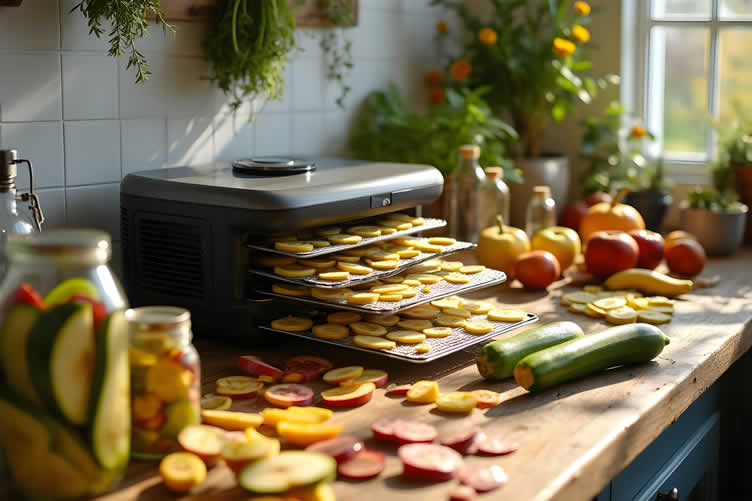
AI generated image by 123rf.com
[ youtube: Food Dehydrating Tips ]
[ amazon: dehydrator ]
-
-
3rd: Pickling for Food Storage
Pickling is a time-honored method of food preservation that combines science with culinary art. By immersing foods in a solution of vinegar, salt, water, and occasionally sugar, pickling not only extends shelf life but also enhances flavors with distinctive tangy and complex profiles.
This preservation method is ideal for fruits, vegetables, and certain proteins, locking in nutrients while preventing spoilage and bacterial growth.
For anyone interested in food sustainability or creating versatile ingredients for meals and snacks, pickling offers a practical and delicious solution.
-
The Pickling Process
The process of pickling involves acidifying foods to create an environment unsuitable for harmful microorganisms. Typically, a brine is made using a combination of water, vinegar, salt, and optional seasonings, such as garlic, dill, or mustard seeds, to enhance flavor.
Foods such as cucumbers, carrots, beets, onions, and even eggs are prepared by washing and cutting them to desired sizes before being submerged in the brine.
The jars used for pickling should be sterilized to ensure cleanliness and prevent contamination. Once tightly filled with the food and brine, the jars are sealed and either refrigerated for quick consumption ("refrigerator pickles") or subjected to a canning process involving heat for long-term storage.
It is essential to monitor the balance of ingredients in the brine, as the acidity level, generally 5% acetic acid or higher, is critical for safe preservation.
-
Best Foods for Pickling
Certain foods lend themselves exceptionally well to the pickling process due to their texture, flavor, and ability to absorb brine.
Vegetables like cucumbers, cauliflower, green beans, and radishes are among the most popular choices for pickling because they retain their crunch and develop bold, tangy flavors.
Fruits such as peaches, cherries, and watermelon rinds can also be pickled, offering a sweet-and-sour experience that complements a range of dishes.
Proteins such as hard-boiled eggs and even certain types of fish can be pickled too, though these require specific recipes and handling for safety.
Herbs and spices added to the pickling solution can further enhance the foods’ flavor profiles, allowing for endless customization based on personal preference.
-
Proper Storage and Shelf Life
Proper storage is crucial to maintain the safety and quality of pickled products. For quick refrigerator pickles, sealing in airtight containers and keeping them chilled will ensure they stay good for several weeks.
Alternatively, for long-term storage, pickled items subjected to a hot water bath can be stored in sterilized jars in a cool, dark, and dry place for up to a year or more.
Regardless of the method chosen, it is vital to inspect pickled items for signs of spoilage, such as off smells, discoloration, or bubbling, before consuming.
Following tested recipes and guidelines recommended by trusted authorities, such as the National Center for Home Food Preservation, will ensure food safety.
Aspect Details Pickling Process Submerging prepared foods in a brine of vinegar, water, salt, and seasonings with sterilized jars. Best Foods Vegetables (cucumbers, carrots, beets), fruits (cherries, peaches), proteins (eggs, fish). Storage Methods Refrigeration for quick pickles or water bath canning for long-term storage. Shelf Life Weeks in the refrigerator; up to 1 year or longer with proper canning techniques. 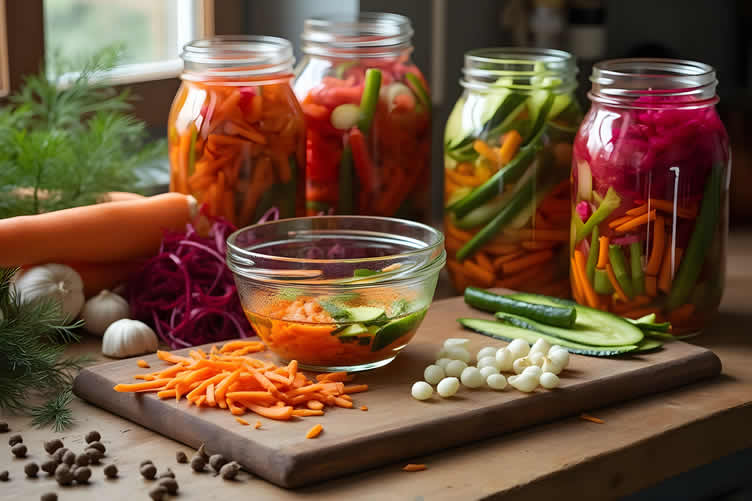
AI generated image by 123rf.com
[ youtube: 10 Quick and Easy Pickled Recipes ]
[ amazon: pickling jars ]
-
-
-
ideas to view and compare from the information discussed above
Scroll up to directory … or scroll to next section about home food storage …

get the size dimensions for any home remodeling project …
… for functionality, aesthetics, and adhering to building codes

looking for other interesting topics that may be helpful …?




… remodeling decisions
Find Home Remodeling Services Additions Major Remodels Minor Remodels Disability Needs Plumbing Drain Clearing Appliances Electrical top-rated, pre-screened local contractors FREE: download contractor selection enter zip code – powered by HomeAdvisor ™
Quick Contractor Guides selecting negotiating working with inspecting

sixth and last “photo remodeling” idea
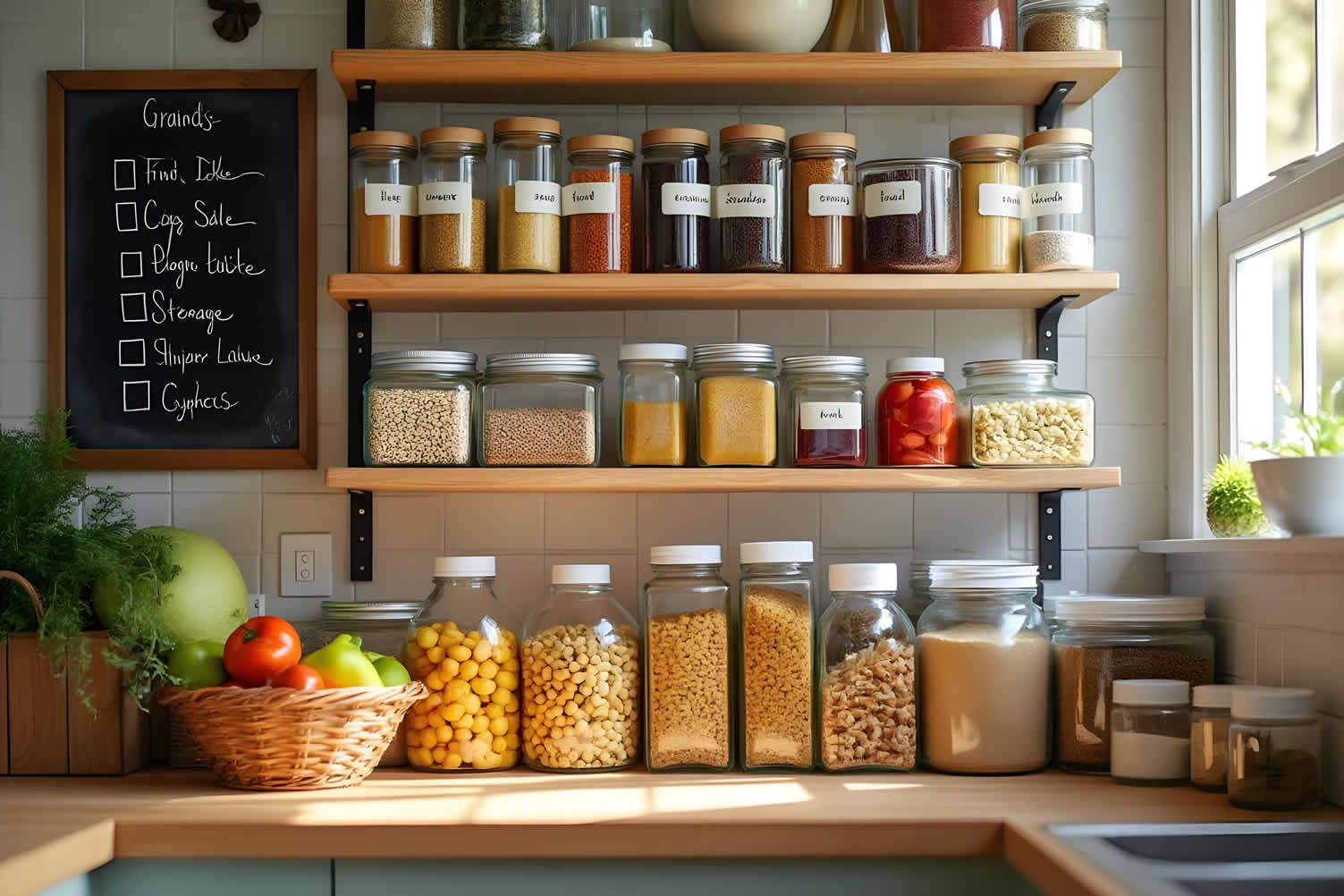

AI generated image by 123rf.com
Storage Tip 6: Deciding How Much Storage and Smart Management
Notes:
-
Effective food storage begins with careful planning and organization, ensuring that your supplies remain fresh and usable for as long as possible.
Deciding how much to store depends on several factors, including the size of your household, your dietary needs, the types of food you consume regularly, and the available storage space in your home.
Smart management of your food inventory is key to reducing waste, saving money, and maintaining optimal freshness. Regularly checking expiration dates, rotating items so older stock is used first, and properly sealing or freezing perishable goods can make a big difference.
By reviewing the key sections below, you can develop a thoughtful strategy to organize and maintain your food supplies effectively, ensuring your household is both efficient and sustainable in its approach to food storage.
-
Quirk scroll to topic "food storage management" side notes …
-
-
1st: How Much Food Storage?
Unforeseen circumstances such as unemployment, prolonged supply shortages, or emergencies can disrupt access to fresh food in grocery stores. Having a well-stocked food supply is crucial to ensuring that households can maintain nourishment and stability during such times.
The quantity and type of stored food depend on household size, dietary needs, and storage options available. Below, we explore how much food storage a household should consider maintaining, segmented by preservation method and informed by best practices.
-
Pantry Storage
Pantry storage allows for an immediate, accessible supply of shelf-stable items. For long-term preparedness, households are advised to store at least three months’ worth of non-perishable goods such as grains, pasta, canned vegetables, and legumes.
For larger events or disruptions lasting six months to a year, this timeframe can be extended to match the duration of uncertainty.
For example, a family of four might require approximately 30 to 45 pounds of grains, 20 to 35 pounds of protein-based canned goods, and additional servings of oil, spices, and multi-vitamins in pantry storage. Foods should be rotated regularly to minimize waste and maintain nutritional efficacy.
-
Freezer Storage
Freezing food is an excellent option for maintaining the freshness of perishables such as proteins, vegetables, and prepared meals. Depending on freezer capacity, households should aim to store a minimum of one to three months’ worth of frozen goods, keeping in mind any potential power outages that may affect long-term use.
For example, a family of four could benefit from storing around 50 pounds of frozen protein, 20 pounds of frozen vegetables, and several frozen pre-prepared meals.
Vacuum-sealing these items before freezing can extend their shelf life significantly. Freezer foods should be clearly labeled with dates and consumed in a first-in, first-out manner to reduce spoilage.
-
Vacuum-Sealed Storage
For long-term storage planning, vacuum-sealing dry goods and fresh foods is invaluable. This method removes air to inhibit bacterial and mold growth, allowing certain items to last months or even years. Staples suitable for vacuum-sealing include rice, beans, dehydrated produce, and jerky.
A small household could start with vacuum-sealing a six-month supply of dried goods, such as 50 pounds of rice, 25 pounds of legumes, and other nutritional supplements. This allows for compact storage that maximizes shelf life and sustains calorie and protein needs over extended time periods.
-
Canning Storage
Home canning provides a reliable alternative to keep fruit, vegetables, soups, and meats edible over months or years, depending on methods used.
A household looking to be prepared for longer-term scenarios (like a year or more) should strive for canning quantities that provide ample servings of critical food groups.
For instance, this could include 100 to 150 jars of vegetables, 50 jars of jams or fruit preserves, and 50 jars of protein-rich soup or stews.
Acidic foods require pressure-canning for safety, and labels indicating canning dates are essential. Thorough adherence to canning guidelines minimizes contamination risks.
-
Dehydration Storage
Dehydrated foods are lightweight, compact, and have extended shelf lives, making them critical to a robust storage plan. Households should integrate a balance of dehydrated fruits, vegetables, and proteins to build a versatile supply.
For long-term needs, around 30 pounds of mixed dehydrated foods per person can improve variety and nutrition in a crisis. Stored in airtight containers, these items can last years under proper conditions.
Additionally, they can easily complement other preserved foods during meal preparation.
Storage Type Suggested Duration Sample Quantities (Family of 4) Pantry 3–12 months 30–45 lbs grains, 20–35 lbs protein-based goods, oils, spices, and multi-vitamins Freezer 1–3 months 50 lbs protein, 20 lbs vegetables, frozen pre-prepared meals Vacuum-Sealed 6 months or longer 50 lbs rice, 25 lbs beans, other vacuum-sealed dried goods Canning 1 year or longer 100–150 jars vegetables, 50 jars fruit preserves, 50 jars protein-based soups/stews Dehydration Months to years 30 lbs of dehydrated food (mixed fruits, vegetables, proteins) 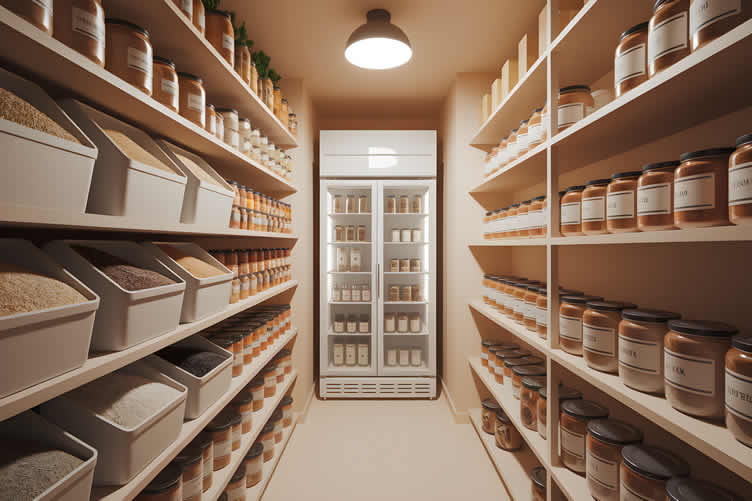
AI generated image by 123rf.com
[ youtube: How to Build 1 Year of Food Storage ]
[ amazon: emergency food supply ]
-
-
2nd: Food Storage Duration and Quality
Proper food storage is essential for maintaining quality, nutritional value, and safety over time, especially when planning for long-term scenarios. The duration and quality of stored food depend on factors such as the preservation method, storage environment, and the type of food being stored.
By understanding how different storage techniques influence shelf life, you can optimize your strategy and ensure that your food remains usable and appealing when needed.
-
Pantry Storage
Pantry storage is one of the most commonly used methods for preserving food. Foods that are shelf-stable, such as grains, canned goods, and dried ingredients, have variable storage durations depending on packaging and environmental conditions.
Storing these items in a cool, dark, and dry space significantly extends their shelf life. For example, commercially canned goods can last anywhere from 1 to 5 years when undisturbed, with the quality starting to decline after their stamped “best by” date.
Dry staples like rice and flour, when kept in airtight containers, can last 6 months to 2 years depending on humidity levels. Always check for signs of spoilage, such as unpleasant odors, discoloration, or compromised packaging, to ensure food safety.
-
Freezer Storage
Freezing is an excellent method for preserving food quality and extending storage duration. Properly frozen foods, including meats, vegetables, and cooked meals, can last several months to over a year depending on the type of food.
For instance, raw meats can generally be stored for up to 12 months, while fruits and vegetables can last around 8–12 months when adequately blanched beforehand to prevent enzymatic decay.
Freezing halts bacterial and enzymatic activity, preserving both nutrients and texture when done properly. Using vacuum-sealing or freezer-grade bags helps to prevent freezer burn, which compromises food quality over time.
-
Vacuum-Sealed Storage
Vacuum-sealing extends the shelf life of perishable and dry goods alike by removing oxygen from the packaging, which slows down spoilage caused by bacteria and oxidation. This method is especially effective for foods like nuts, coffee, grains, and proteins.
Vacuum-sealed meats can last 2–3 years in the freezer, compared to 6–12 months with standard wrapping. Dry goods stored at room temperature can maintain freshness for up to two years when vacuum-sealed.
To maintain optimal quality, ensure your equipment is functioning correctly and inspect seals regularly to prevent air leaks.
-
Canning
Canning is a time-tested preservation method relying on heat sterilization to create a vacuum-sealed environment, preventing the growth of harmful microorganisms. Home-canned goods, when prepared and stored properly, often last 1–2 years without major loss of quality.
High-acid foods such as tomatoes or pickles are more stable in the long term, while low-acid foods, including meats and vegetables, may require pressure canning techniques to ensure safety.
Commercially canned items, as previously mentioned, have extended shelf lives but should still be monitored for dents, rust, or bulging, which indicate contamination.
-
Dehydration
Dehydration removes moisture from foods, significantly inhibiting the growth of bacteria and mold and allowing for extended storage. Properly dehydrated fruits, vegetables, and lean meats like jerky can last from 6 months to years when stored in airtight containers or vacuum-sealed packaging.
The quality of dehydrated foods depends on proper processing and consistent storage conditions, such as low humidity and stable temperatures. Combining dehydration with vacuum-sealing further extends usability by preventing moisture absorption and oxidation.
-
Pickling
Pickling is another effective method for preserving food and maintaining its quality over time.
By immersing food items in vinegar or a brine solution, the acidic environment inhibits the growth of bacteria and other harmful microorganisms, extending the shelf life significantly.
Pickled foods, such as cucumbers, onions, and peppers, can last for months or even years when stored properly in sealed jars. The tangy flavor and texture of pickled items also remain stable, making this method ideal for both preservation and enjoyment of seasonal produce.
Storage Method Typical Duration Comments Pantry 6 months – 5 years Best for grains, canned goods, and dry staples stored in a cool, dry place. Freezer 8 months – 3 years Freezing halts bacterial activity; vacuum-sealing prevents freezer burn. Vacuum-Sealed 1 year – 3 years Extends shelf life by removing oxygen; effective for foods prone to spoilage. Canning 1 year – 5 years Home-canned goods last 1–2 years; commercially canned goods last longer with careful inspection. Dehydration 6 months – few years Low-moisture foods require consistent sealed storage to maintain quality. Pickling 1 year – several years Preserves foods in an acidic solution; proper sealing ensures long-term storage and flavor retention. 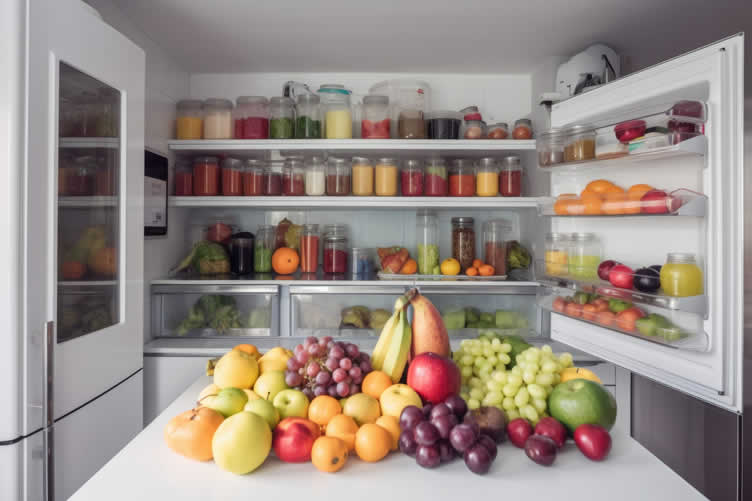
copyright image by 123rf.com
[ youtube: Amish Beginners Guide To Preserve Food At Home ]
[ youtube: Packaging Long Term Food Storage ]
-
-
3rd: Managing Your Food Storage
Proper management of your food storage is critical for maintaining safety, nutritional value, and minimizing waste. An effective strategy goes beyond simply storing food—it requires consistent monitoring, rotation, and knowledge of storage conditions to ensure longevity and usability.
By implementing smart food storage practices, you not only reduce the risk of spoilage but also maximize your investment in emergency preparedness or household stockpiling.
Below is a comprehensive guide to help you manage your food storage efficiently and responsibly.
-
Labeling Your Food Storage
Proper labeling is a crucial first step in maintaining an organized and efficient food storage system. Clearly mark each item with both the date of purchase and the expiration or best-by date to track its freshness.
Using waterproof markers or durable labels can ensure that the information remains legible over time, even in damp or fluctuating conditions.
Additionally, consider color-coded labels for different food categories, such as green for perishable items and blue for long-term storage. This simple practice not only prevents confusion but also reduces waste by ensuring that older items are identified and used before spoiling.
-
Organizing Your Food Inventory
A well-organized food inventory is the foundation of effective food management. Start by categorizing your items based on type (e.g., canned goods, grains, dehydrated foods, frozen items) and labeling them with the date of purchase or expiration.
Use a "first in, first out" (FIFO) system to ensure older items are used before newer ones, preventing overlooked expiration dates. Organize products so that frequently used items are easily accessible, while longer-term storage is kept in a cool, dry, and dark area to protect its quality over time.
-
Monitoring Expiration Dates
Regularly tracking expiration dates is essential for avoiding waste and ensuring your food remains safe to consume. Check labels for "use by," "best before," or "sell by" dates and incorporate inventory checks into your routine.
While many packaged foods remain safe beyond their printed expirations, loss of quality, taste, or nutritional value may occur.
Consider a digital inventory system or app that allows you to set reminders and alerts for upcoming expirations, making it easier to stay on top of your stockpile.
-
Ensuring Proper Storage Conditions
Environmental factors such as temperature, humidity, and light play significant roles in food longevity. Store canned goods and dry foods in a cool, stable environment, ideally between 50–70°F (10–21°C), to prevent deterioration. Avoid excessively humid areas, as moisture promotes mold growth and spoils dehydrated or packaged goods.
For frozen foods, maintain a freezer temperature of 0°F (-18°C) or lower and regularly defrost your freezer to ensure optimal functionality. Sealed, airtight containers are also critical for keeping pests, moisture, and air exposure at bay, especially for grains, flour, and other low-moisture items.
-
Rotating and Replenishing Stock
To ensure no food goes to waste and stays fresh for consumption, develop a consistent stock rotation system. Make it a habit to check your inventory monthly and replace consumed or expired items promptly.
Rotate your stock by placing older products at the front of your storage area and new additions at the back. This habit ensures you’re actively using stored food while keeping reserve supplies ready for emergencies.
Develop a replenishment strategy that aligns with your household’s consumption habits to maintain diverse and adequate supplies.
-
Tips for Prolonging Shelf Life
Certain foods, with the correct care and management, can last far beyond their typical shelf life. For example, vacuum sealing dried and non-perishable items can significantly extend their viability by removing oxygen.
Adding desiccant packets to containers helps absorb residual moisture and prevent spoilage. Foods like rice, beans, and pasta can be stored in Mylar bags with oxygen absorbers to maintain their quality for decades if conditions are optimal.
Periodically check sealed containers for signs of compromise, such as air leaks or discoloration.
-
Handling Food Waste Responsibly
Regardless of your efforts, certain items may expire or spoil. Dispose of spoiled food safely to prevent contamination, but also look for opportunities to reduce waste.
For example, excess food nearing expiration can be donated to local food banks if it remains safe to consume. Consider incorporating over-ripe fruits or vegetables into composting to benefit your garden and reduce trash impact.
Aspect Recommendation Labeling Clearly mark each item with both the date of purchase and the expiration Organization Implement a FIFO system to prioritize older items and track your inventory. Expiration Monitoring Regularly check dates and use apps or reminders for automated tracking. Storage Conditions Maintain cool (50–70°F), dry, and dark environments for optimal food quality. Rotation Conduct monthly checks and replace consumed or compromised items quickly. Shelf Life Prolongation Use vacuum sealing, desiccant packets, and oxygen absorbers for long-term storage. Waste Management Safely dispose of spoiled goods, donate when possible, and compost organic waste. 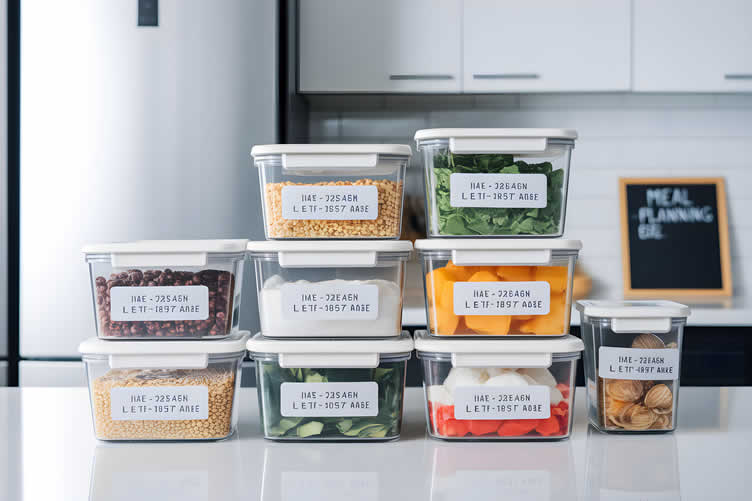
AI generated image by 123rf.com
[ youtube: vertical canned food storage FIFO ]
[ amazon: food storage cabinet ]
-
-
4th: Building or Adding Food Storage Space in the Home
Expanding or creating food storage space in your home is a key step to ensuring better organization, reducing food waste, and preparing for emergencies.
A well-thought-out food storage system not only helps you manage your inventory efficiently but also promotes healthier eating habits and saves you money by avoiding duplicate purchases.
Whether you live in a small apartment or a spacious house, there are smart solutions to suit your needs. Below, we explore various types of food storage spaces you can build or add, highlighting their advantages and considerations.
-
Pantry Space for Dry Storage
A pantry is one of the most versatile and widely used food storage options in many homes. Building a dedicated pantry or enhancing an existing one provides a centralized location for dry goods such as grains, canned foods, spices, and snacks.
For optimal functionality, choose adjustable shelving to maximize vertical space, and consider using clear containers with labels to keep items both visible and protected.
If space is limited, a slim pantry cabinet or over-the-door organizers can add significant storage potential, even in tight areas.
When designing or upgrading a pantry, ensure proper ventilation is maintained to prevent moisture buildup, which can compromise the quality of your stored items. Also, keep the pantry away from direct sunlight or heat sources to preserve the longevity of your food.
-
Standing Cabinets with Shelves
Standing cabinets with shelves are a versatile solution for enhancing storage space in your kitchen or other areas of your home. These cabinets can be positioned anywhere, offering easy access to frequently used items.
Available in a variety of sizes and designs, they can accommodate everything from canned goods and spices to larger kitchen appliances.
Look for models with adjustable shelves to maximize customization based on your storage needs. They are especially useful in open-concept kitchens or apartments where additional storage is crucial, providing both functionality and style.
-
Cold Storage Solutions (Refrigeration and Freezers)
Cold storage plays an essential role in storing perishable goods such as dairy, meats, frozen vegetables, and prepared meals.
If your current refrigeration space feels inadequate, consider upgrading to a larger model or adding a standalone freezer. Chest freezers, specifically, are highly efficient for long-term storage of bulk items and can fit neatly in basements or garages.
Keep in mind the importance of maintaining an organized cold storage space. Use clear bins or separators to group similar items together, and rotate older items toward the front to ensure they are consumed first.
If adding a freezer in a separate location, make sure the space is insulated and temperature-controlled, as extreme heat or cold can damage the appliance or affect its efficiency.
-
Root Cellars for Long-Term Storage
For those who have larger properties or homes with basements, building a root cellar can be an excellent option for long-term food storage. Root cellars are ideal for storing root vegetables, apples, and other produce that benefit from the cool, dark, and slightly humid environment this space provides.
To construct a root cellar, you’ll need to select a location (such as a basement or other dedicated space) that can maintain a stable temperature between 32–40°F and adequate ventilation to prevent spoilage.
Shelving and bins should be designed specifically for the types of produce you plan to store. This traditional storage technique is particularly advantageous for individuals seeking to store homegrown produce or minimize reliance on modern refrigeration.
-
Overhead and Under-Cabinet Storage
For small homes or apartments, creative storage solutions can help utilize every inch of available space.
Overhead storage, such as hanging shelves or racks mounted to kitchen walls, is ideal for lightweight items like spices, oils, or dry pasta. Under-cabinet storage, including pull-out shelves or drawer organizers, can offer discreet and easily accessible kitchen storage.
It’s crucial to ensure these spaces are well-secured and designed specifically for food-safe materials. Additionally, consider how easy it is to access these regions to ensure convenience for everyday use.
-
Modular and Portable Solutions
If permanent construction is not an option, modular and portable food storage systems provide flexibility and adaptability. Stackable storage bins, wheeled racks, storage cabinets, and portable shelves allow you to create food storage zones in closets, hallways, or even spare rooms. These solutions are ideal for renters or individuals seeking temporary or expandable storage methods.
When choosing modular systems, prioritize durability and food safety. Transparent containers or bins with airtight seals are particularly valuable for keeping food fresh and shielded from pests. Additionally, modular solutions can be easily rearranged over time to accommodate growing storage needs.
Storage Type Best Suited For Key Features Considerations Pantry Dry goods, canned foods, snacks Centralized, ventilated, adjustable shelving Avoid moisture buildup, keep away from heat sources Standing Cabinets Pantry staples, canned goods, packaged ingredients Adjustable shelves, enclosed storage, variety of designs Requires dedicated floor space, ensure stability Cold Storage (Fridge/Freezer) Perishables like dairy, meat, frozen goods Large capacity, clear bins, long-term preservation Maintain temperature control, rotate inventory Root Cellar Root vegetables, apples, homegrown produce Cool, dark, humid environment Requires stable underground or insulated location such as a basement or other dedicated space Overhead/Under-Cabinet Lightweight items, small kitchen supplies Accessible, space-saving, discreet Ensure secure installation Modular/Portable Temporary or renters’ needs Stackable, wheeled, durable May require frequent rearrangement 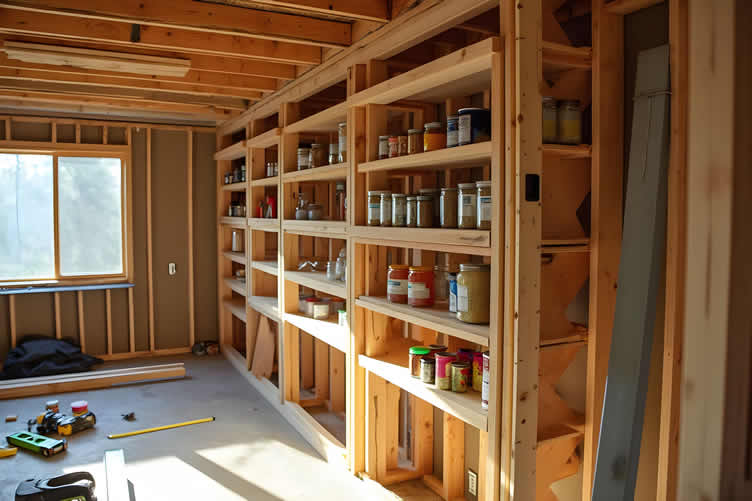
AI generated image by 123rf.com
Getting Some Help
Looking to expand your pantry, create custom shelving, or install storage solutions in a unit? A skilled carpenter or handyman can help turn your ideas into reality with precision and craftsmanship.
Professionals bring the expertise needed to design and build solutions that perfectly match your space and style.
Whether you’re aiming to maximize every inch of a small area with tailored designs or want sturdy, long-lasting builds for a busy family home, hiring a professional ensures your vision is executed with quality and care.
From selecting the right materials to ensuring seamless installation, they can handle every step of the process, leaving you with functional and beautiful results that enhance your home.
LetsRenovate has partnered with HomeAdvisor™, a renowned provider of highly-rated, carefully-vetted local contractors. Start your search here by entering your zip code to find local professionals.
But Wait!
Before starting your search and evaluation of outdoor kitchen contractors, it is highly recommended to download and use this evaluation worksheet.
This resource will help you objectively rank and assess potential contractors, considering essential factors such as pricing, licensing, and referral information.

Evaluation Sheet
File Type: -
-
-
Final Remarks
Effective food storage is an investment in your family’s well-being, your budget, and your peace of mind. By understanding the basics of emergency preparedness, making use of various storage methods, and tracking the longevity of your foods, you build a system that pays dividends every day and in every season.
Getting started is as easy as organizing your pantry and labeling your next batch of freezer meals. The sooner you take a proactive approach, the more security, savings, and comfort your household will enjoy.
-
ideas to view and compare from the information discussed above
food storage trackerfood storage labelsoxygen absorbers food storage
- What comments can you share about
home food storage?
Scroll up to directory … or scroll to more home utility management-related topics …
view illustration “becoming a bank”

Calendar For:
Home Maintenance
File Type:
… view our home remodeling guides and steps



Download this PDF for a concise summary of all you need to know about …?


… view our sharing links below for a quick "share the knowledge"
AI generated image credit: home food storage by 123rf.com
end of post … please share it!
 |
did you find smart home food storage analysis helpful? If so, please share the article with your friends and family! |
Nice pic idea? Leave us a quick comment below.
And please share this pic idea within your social networks.