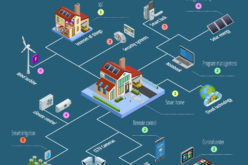
Summary Outline –
These technologies deliver three compelling benefits that resonate with modern homeowners: unmatched convenience through automated daily tasks, significant energy savings that reduce monthly utility bills, and enhanced aesthetics that seamlessly blend functionality with style.
The smart home market has matured considerably, offering reliable products that integrate effortlessly with existing home systems.
Whether you’re taking your first steps into home automation or expanding an established smart home ecosystem, understanding which gadgets provide the greatest impact helps you make informed decisions that truly enhance your daily life.
This comprehensive guide explores nine essential categories of home automation devices, examining how each simplifies daily routines while contributing to a more efficient, comfortable, and beautifully coordinated living space.
- post content … analysis/ smart home automation guide

-
- —— begin first topic ——
-
1st Category: Smart Window Shades and Blinds
Tech-enhanced window treatments represent one of the most transformative yet under-appreciated aspects of home automation.
These intelligent systems extend far beyond simple up-and-down movement, offering precise light control, energy efficiency improvements, and seamless integration with broader smart home ecosystems.
Modern smart window shades operate through multiple control methods, including smartphone apps, voice commands, and automated scheduling based on time of day or sunlight intensity.
Premium models incorporate light sensors that automatically adjust throughout the day, maintaining optimal natural lighting while preventing harsh glare on computer screens or television displays.
This automation eliminates the constant manual adjustments that many homeowners make dozens of times daily.
Energy efficiency benefits prove particularly compelling for households focused on reducing utility costs.
- Smart shades can block intense summer sun during peak heat hours, reducing air conditioning demands by up to 15 percent according to Department of Energy studies.
- During winter months, these same systems can open automatically to capture warming sunlight, then close as temperatures drop to provide additional insulation against heat loss.
Installation typically requires professional mounting for motorized tracks, though battery-powered retrofit options work well for renters or those preferring DIY approaches.
Most systems integrate with popular smart home platforms like Google Home, Amazon Alexa, and Apple HomeKit, allowing coordination with lighting systems and thermostats for comprehensive environmental control. With customizable programming options, you can schedule your blinds to open at sunrise.
Smart solar blinds are another innovative option worth considering. Designed to block harmful UV rays and minimize heat gain, these blinds help keep indoor spaces cooler on sunny days, reducing the reliance on air conditioning.
Equipped with advanced sensors, they automatically adjust their position based on sunlight intensity, temperature, or time of day, ensuring optimal comfort and energy efficiency around the clock
Setup begins with measuring existing window dimensions and selecting appropriate mounting hardware. Motorized options require nearby electrical outlets or hardwired connections, while battery-powered versions offer more flexible placement but require periodic recharging.
Programming involves setting preferred schedules through manufacturer apps, establishing sunrise and sunset automations, and creating scenes that coordinate with other smart devices.
Feature Description Light Control Precise adjustment of natural lighting, reducing harsh glare on screens and enhancing room ambiance. Energy Efficiency Reduces air conditioning demands by up to 15% in summer and improves insulation in winter by automated shading. Control Methods Operated via smartphone apps, voice commands, schedules, or integrated light sensors for autonomous adjustments. Integration Works with platforms like Google Home, Amazon Alexa, and Apple HomeKit for seamless smart home coordination. Smart Solar Smart solar blinds offer a sustainable and efficient solution for optimizing indoor comfort while reducing energy consumption. Installation Options include professional mounting for motorized tracks or DIY-friendly, battery-powered retrofits. Setup Includes measuring, selecting hardware, connecting to power sources, and programming schedules via apps. 

copyright image by 123rf.com
[ view diagram: how smart window blinds work ]
[ amazon: smart windows blinds ]
… or scroll to next topic
What’s New in Smart Window Technology?
Smart window technology is advancing rapidly, offering homeowners innovative ways to enhance comfort, energy efficiency, and connectivity in their living spaces.
Emerging features include dynamic tinting that adjusts to changing sunlight conditions, AI-driven light optimization, and fully integrated smart home compatibility.
These advancements aim to create more intuitive, energy-conscious, and user-friendly solutions for modern households.
Benefits of Smart Windows:
-
Energy Efficiency:
Smart windows reduce heating and cooling costs by regulating indoor temperatures. For example, electrochromic windows can block heat during summer and retain it during winter, improving energy savings by up to 20% (U.S. Department of Energy).
-
Improved Comfort:
By adjusting tint levels throughout the day, smart windows eliminate glare and provide optimal natural lighting, creating a more comfortable indoor environment for work, relaxation, or sleep.
-
UV Protection:
Advanced smart windows filter out harmful ultraviolet rays, protecting furniture, fabrics, and flooring from fading while also safeguarding the health of residents.
-
Privacy on Demand:
Some smart windows feature instantly adjustable opacity for enhanced privacy, eliminating the need for physical blinds or curtains.
-
Seamless Smart Home Integration:
Modern smart windows connect easily with voice assistants and home automation systems, allowing homeowners to manage lighting and energy settings remotely via apps or voice commands.
-
Environmental Impact:
By reducing energy consumption, smart windows contribute to a lower carbon footprint, aligning with sustainability goals for eco-conscious homeowners.
-
Noise Reduction:
Certain types of smart windows incorporate soundproofing materials to reduce outdoor noise, creating a peaceful indoor atmosphere.
Smart windows provide a forward-thinking solution for homeowners seeking enhanced comfort, efficiency, and control in their living spaces. With continuous innovations, they remain a key component in the vision for sustainable, tech-driven homes.
For further insights, consult resources like the U.S. Department of Energy’s guide on energy-efficient windows.

copyright image by 123rf.com
-
Scroll up to directory … or scroll to next section of this smart home automation guide …


-
2nd Category: Smart Lighting Systems
Advanced lighting control has become the cornerstone of most home automation setups, offering unprecedented customization options that transform how we experience indoor spaces throughout different times of day and various activities.
Smart lighting systems encompass everything from individual bulb replacements to comprehensive whole-home installations with dedicated switches, dimmers, and control panels.
The most versatile options provide full spectrum color control, allowing users to create warm, cozy environments for evening relaxation or bright, energizing light for productive work sessions.
Circadian rhythm lighting automatically adjusts color temperature throughout the day, supporting natural sleep cycles and improving overall wellbeing.
Energy efficiency advantages extend beyond simple LED technology.
- Smart bulbs can dim automatically based on available natural light, turn off when rooms are unoccupied, and operate on schedules that prevent accidentally leaving lights on overnight.
- Motion sensors integrated with smart lighting systems illuminate pathways safely during nighttime hours without requiring manual switches.
Scene programming allows multiple lights to activate simultaneously with predetermined brightness and color settings.
A "movie night" scene might dim living room lights to 20 percent while activating subtle accent lighting, while a "dinner party" setting could create warm, inviting ambiance throughout entertaining areas.
Installation varies depending on chosen components. Smart bulbs simply replace existing bulbs in standard fixtures, while smart switches require basic electrical work to replace traditional wall switches.
Comprehensive systems with centralized controls benefit from professional installation to ensure proper wiring and integration with home electrical systems.
Configuration involves downloading manufacturer apps, connecting devices to home WiFi networks, and organizing lights into logical groups and rooms.
Advanced users often integrate with hub systems like Samsung SmartThings or Hubitat for more sophisticated automation rules and cross-device coordination.
Feature Details Customization Smart lighting offers full spectrum color control for tailored environments, and scene programming enables multiple lights to adjust simultaneously with preset brightness and color settings. Health Benefits Circadian rhythm lighting adjusts color temperature throughout the day to support natural sleep cycles and overall wellbeing. Energy Efficiency Smart bulbs dim based on natural light, turn off when unused, and operate on scheduled routines for reduced power consumption. Nighttime Safety Motion sensors illuminate paths during nighttime hours without requiring manual switches. Installation Basic systems involve smart bulbs replacing standard ones, while advanced systems with smart switches or centralized controls may require professional installation. Configuration Users download apps, connect devices to WiFi, group lights logically, and can integrate advanced systems with hubs like Samsung SmartThings or Hubitat for enhanced automation. 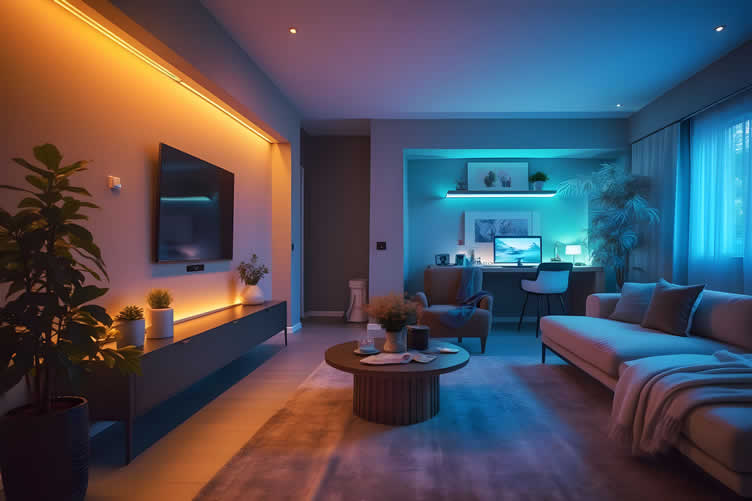
AI generated image by 123rf.com
[ view diagram: how smart home wiring works ]
[ youtube: Smart Light Switches: rethinking EVERYTHING ]
… or scroll to next topic
Smart Home Wiring and Centralized Control
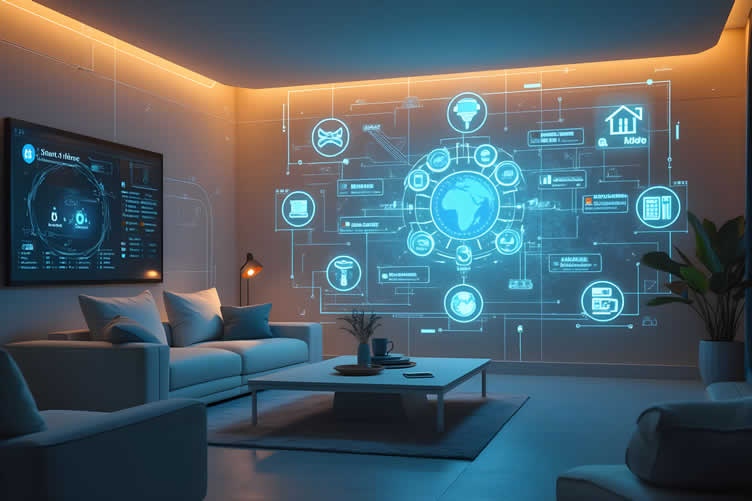
Smart home wiring integrates all electrical systems in a home into a centralized hub, leveraging the power of Artificial Intelligence (AI) and the Internet of Things (IoT).
This advanced wiring framework connects devices such as lighting, security cameras, HVAC systems, and appliances into one seamless network managed through a smart interface.
AI and IoT work collaboratively to analyze data, automate tasks, and deliver personalized experiences that enhance convenience and efficiency for homeowners.
Benefits of Smart Home Wiring
-
Improved Energy Efficiency:
With centralized smart wiring, energy consumption can be monitored and adjusted automatically. AI-driven algorithms optimize the use of lighting, heating, and cooling systems based on occupancy and time of day, reducing energy waste and lowering utility costs.
-
Enhanced Security:
Integrating security systems with a central hub ensures real-time monitoring and alerts. Smart locks, motion sensors, and cameras can be controlled remotely, providing peace of mind and immediate response to potential threats.
-
Unmatched Convenience:
A centralized system allows homeowners to control all connected devices through a single app or voice command, streamlining daily interactions with household technology. This hands-free operation is particularly beneficial for busy lifestyles or accessibility needs.
-
Scalability and Future-Proofing:
Smart home wiring is designed to accommodate evolving technologies, allowing easy addition of new devices or upgrades without significant overhauls, ensuring your home stays up-to-date with the latest innovations.
-
Proactive Maintenance:
AI-enabled systems detect anomalies, such as irregular appliance performance or leakages, and notify homeowners promptly. This proactive approach reduces the risk of costly repairs and extends the life of devices.
-
Customized Living Experience:
With integrated data from IoT devices, the system learns homeowner preferences to create a personalized environment, adjusting temperature, lighting, and other settings to match individual needs and routines.
Investing in smart home wiring not only simplifies modern living but also adds long-term value to your property.
Backed by cutting-edge technology and tailored to user needs, this centralized approach is redefining home automation standards.
AI generated image by 123rf.com
-
Scroll up to directory … or scroll to next section of this smart home automation guide …
-
3rd Category: Automated Thermostats
Smart thermostats have revolutionized home climate control by learning household patterns and preferences while delivering substantial energy savings through intelligent temperature management.
These devices go far beyond programmable scheduling, incorporating occupancy sensors, weather forecasting integration, and machine learning algorithms that adapt to family routines automatically.
Advanced models recognize when homes are unoccupied and adjust temperatures accordingly, then pre-condition spaces before residents return. This intelligent management can reduce heating and cooling costs by 10 to 15 percent annually.
Remote control capabilities prove invaluable for households with irregular schedules.
- Parents can ensure comfortable temperatures when children arrive home from school, while business travelers can adjust settings from anywhere in the world.
- Geofencing features automatically modify temperatures based on smartphone locations, creating optimal comfort without manual intervention.
- Energy monitoring provides detailed insights into heating and cooling patterns, identifying opportunities for additional savings.
- Many utilities offer rebates for smart thermostat installations, recognizing their contribution to reduced peak demand periods.
Setup requires replacing existing thermostat units, which typically involves connecting four to eight wires carrying low-voltage signals from HVAC systems. Most installations take 30 to 60 minutes and include detailed step-by-step instructions.
However, homes with complex multi-zone systems or uncommon wiring configurations may benefit from professional installation.
Initial configuration involves connecting to home WiFi networks, setting basic preferences for temperature ranges and scheduling, and allowing learning algorithms several weeks to optimize performance based on observed usage patterns.
Mobile apps provide ongoing control and monitoring capabilities.
Feature Description Learning Capabilities Adapts to household patterns and preferences through machine learning algorithms. Energy Savings Reduces heating and cooling costs by 10-15% annually with intelligent temperature management. Advanced Functions Includes occupancy sensors, weather forecasting integration, and geofencing features for automatic adjustments. Remote Control Allows users to control settings from anywhere using mobile apps, ensuring flexibility for irregular schedules. Energy Monitoring Provides insights into heating and cooling patterns, highlighting additional savings opportunities. Utility Rebates Many utilities offer rebates as incentives for smart thermostat installations. Installation Typically requires 30-60 minutes to replace existing thermostats, but professional help may be needed for complex systems. Configuration Includes connecting to WiFi, setting preferences for temperature ranges, and allowing algorithms time to optimize. 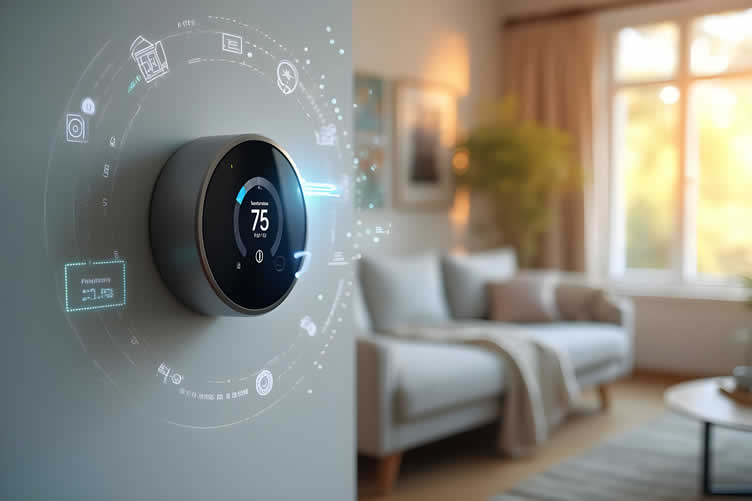
AI generated image by 123rf.com
[ view diagram: how smart thermostat works ]
[ youtube: Smart vs. WiFi thermostats ]
… or scroll to next topic
Innovations in Home HVAC Systems
Home HVAC (Heating, Ventilation, and Air Conditioning) systems have made incredible strides in recent years, particularly in the integration of smart technologies like self-diagnostic analysis and energy consumption tracking.
These advancements are designed to make systems more efficient, reliable, and user-friendly, addressing the modern homeowner’s needs for convenience and cost savings.
Self-diagnostic analysis equips HVAC systems with sensors and intelligent algorithms capable of monitoring system performance in real-time. These systems can identify potential issues, such as clogged filters, refrigerant leaks, or inefficiencies, and notify the homeowner or HVAC service provider through alerts.
This preemptive functionality can prevent costly repairs by catching problems early, ensuring the system operates at peak performance.
Energy consumption monitoring is another groundbreaking feature, empowering homeowners with precise data about how much energy their HVAC systems use.
Many smart HVAC systems now provide insights into energy usage patterns, allowing users to make informed decisions regarding thermostat settings, system runtime, and scheduling. This transparency not only enhances energy efficiency but also supports sustainability by reducing unnecessary energy waste.
Benefits of Smart HVAC Systems:
-
Increased Energy Efficiency:
Smart systems optimize energy usage, leading to lower utility bills and a reduced carbon footprint.
-
Proactive Maintenance:
Self-diagnostic capabilities identify problems before they escalate, minimizing service interruptions and costly repairs.
-
Remote Accessibility:
Many systems are accessible via smartphone apps, enabling homeowners to control and monitor heating and cooling from anywhere.
-
Enhanced Comfort:
Smart thermostats and zoning options provide precise temperature control tailored to individual preferences.
-
Long-Term Cost Savings:
While initial costs may be higher, the long-term savings on energy and maintenance often outweigh the upfront investment.
The integration of self-diagnostic and energy-monitoring features into modern HVAC systems highlights a future where comfort, efficiency, and technology seamlessly coexist.
Homeowners can trust in these innovative solutions to make their lives easier while supporting a more sustainable world.
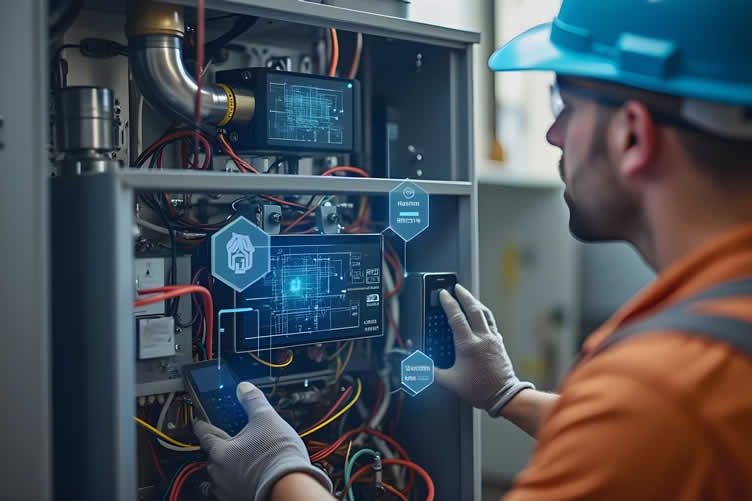
AI generated image by 123rf.com
-
Scroll up to directory … or scroll to next section of this smart home automation guide …
-
4th Category: Robot Vacuums and Mop Devices
Robotic cleaning devices have evolved into sophisticated home maintenance systems that handle routine floor care with minimal human intervention, freeing households from one of the most time-consuming regular chores.
Current generation robot vacuums incorporate advanced navigation systems using cameras, lasers, and sensors to map home layouts accurately.
These detailed floor plans enable efficient cleaning patterns that avoid random wandering while ensuring comprehensive coverage of all accessible areas.
- Premium models remember multiple floor layouts for multi-story homes and can resume cleaning automatically after recharging.
- Suction technology has improved dramatically, with many models matching or exceeding traditional upright vacuum performance on both carpets and hard floors.
- Specialized brushes handle pet hair effectively, while advanced filtration systems capture allergens and fine particles.
- Self-emptying bases extend autonomous operation for weeks between manual maintenance.
- Mopping capabilities have expanded beyond basic damp wiping to include targeted spot cleaning, multiple cleaning passes for stubborn stains, and automatic mop washing and drying.
- Combination units can vacuum and mop in single cleaning cycles, switching between functions automatically based on floor surface detection.
Setup involves placing charging bases in accessible locations with adequate clearance, downloading companion apps, and conducting initial mapping runs. Most devices require WiFi connections for remote monitoring and scheduling capabilities.
Physical preparation includes removing potential obstacles like loose cords and ensuring adequate clearance under furniture.
Programming options include daily scheduling, room-specific cleaning requests, and integration with smart home systems for voice-activated operation.
Advanced users can create cleaning zones, set virtual boundaries, and coordinate operation with other automated systems to avoid conflicts.
Feature Description Advanced Navigation Uses cameras, lasers, and sensors to map home layouts and create efficient cleaning patterns. Multi-Floor Support Remembers multiple floor layouts for multi-story homes and resumes cleaning automatically after recharging. Enhanced Suction Offers suction performance comparable to traditional upright vacuums, effective on both carpets and hard floors. Pet Hair & Allergen Handling Specialized brushes remove pet hair efficiently, while advanced filtration systems capture fine particles and allergens. Self-Emptying Bases Allow for weeks of autonomous operation without the need for manual maintenance. Mopping Capabilities Includes targeted spot cleaning, multiple cleaning passes, and automatic mop washing and drying. Combination units detect floor surfaces and switch functions automatically. Setup & Connectivity Requires placing charging stations, clearing obstacles, initial mapping, and WiFi connections for app integration. Smart Programming Supports daily scheduling, room-specific cleaning, integration with smart home systems, cleaning zones, and virtual boundaries. 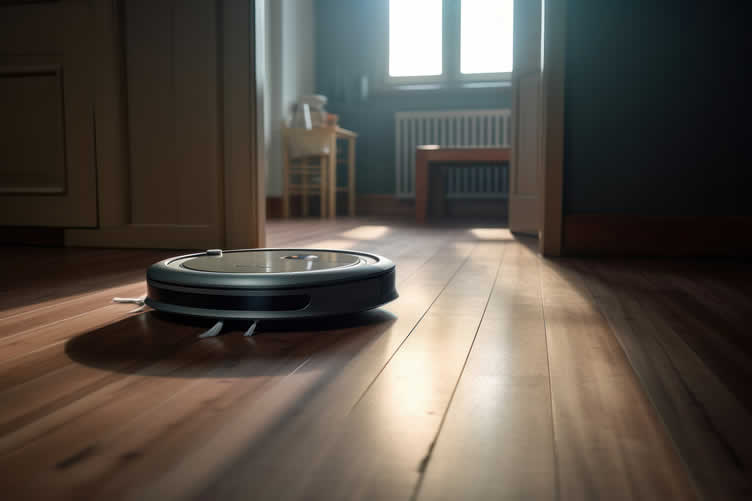
copyright image by 123rf.com
[ youtube: Best Robot Vacuum ]
[ amazon: robot vacuum and mop ]
… or scroll to next topic
Emerging and Existing Home Robotics for Everyday Use
Home robotics has seen remarkable advancements in recent years, delivering tools to simplify household management, improve efficiency, and cater to specific homeowner needs.
Beyond the widely popular robot vacuums and mopping devices, a variety of other innovative robotic solutions are available or emerging in the market. These include:
-
Robotic Lawn Mowers:
Devices such as the Husqvarna Automower and Robomow offer autonomous lawn care, providing consistent grass maintenance with minimal user intervention.
These robots are equipped with sensors to avoid obstacles and maintain precision trimming, saving time for homeowners.
-
Personal Assistants:
Robotics like Temi and Amazon Astro integrate smart home management with mobile platforms, offering facial recognition, video communication, and assistance with everyday tasks such as reminders and home monitoring.
These devices enhance connectivity while managing household routines.
-
Kitchen Robots:
Machines such as Moley Kitchen Robotics are designed to revolutionize food preparation. These advanced systems feature robotic arms capable of cooking pre-programmed recipes, reducing time spent in the kitchen and ensuring precision cooking.
-
Window Cleaning Robots:
Devices like the Ecovacs Winbot and Hobot series autonomously clean windows using suction technology and intelligent path navigation, making them ideal for hard-to-reach surfaces, ensuring sparkling windows with ease.
-
Companion Robots:
Robotics such as Sony’s Aibo or the upcoming ElliQ by Intuition Robotics focus on companionship, especially for the elderly or people living alone. These robots can engage in simple conversation, provide reminders, and even detect distress, prioritizing emotional wellbeing and safety.
-
Home Security Robots:
Robots like KnightScope and iPatrol Riley patrol homes autonomously, providing real-time video surveillance, motion detection, and alerts, enhancing homeowner peace of mind.
The continued evolution of home robotics promises increased convenience and specialized solutions tailored to meet various aspects of daily living.
These technologies align with global trends toward automation and connectivity, providing both functionality and comfort for modern homeowners.

copyright image by 123rf.com
-
Scroll up to directory … or scroll to next section of this smart home automation guide …
-
5th Category: Energy Monitoring and Smart Plugs
Understanding and controlling energy consumption has become increasingly important for environmentally conscious households seeking to reduce utility costs while maintaining comfortable living standards.
Smart plugs provide granular control over individual devices and appliances, allowing remote operation and detailed energy monitoring for connected equipment.
These compact devices transform any standard electrical outlet into a controllable smart home component.
- Real-time energy consumption data helps identify power-hungry appliances and optimize usage patterns for maximum efficiency.
- Advanced smart plugs include scheduling capabilities that automatically turn devices on and off based on predetermined times or external triggers.
- Vacation modes can simulate occupancy by operating lights and electronics on randomized schedules, enhancing home security during extended absences.
- Whole-home energy monitoring systems provide comprehensive insights into electrical usage patterns, identifying opportunities for improvements and detecting unusual consumption that might indicate equipment problems.
- Some systems integrate with solar panel installations and battery storage to optimize renewable energy utilization.
Load management features can automatically reduce power consumption during peak rate periods or when approaching utility demand limits. This intelligent control helps minimize electricity costs while maintaining essential home functions.
Installation of smart plugs requires simply plugging devices into existing outlets and connecting controlled equipment. Whole-home monitors may require professional installation involving electrical panel modifications.
Setup involves connecting devices to home networks and configuring monitoring preferences through manufacturer applications.
Energy tracking typically includes historical usage graphs, cost projections, and comparative analysis to identify trends and optimization opportunities. Many systems provide alerts for unusual consumption patterns or equipment malfunctions.
Feature Description Granular Device Control Smart plugs allow remote operation and detailed energy monitoring for individual devices. Real-Time Energy Data Provides insights into power-hungry appliances, helping to optimize usage patterns. Scheduling Capabilities Enables automatic device operation based on preset times or triggers for efficiency. Vacation Mode Simulates occupancy with randomized schedules for lights and electronics, enhancing security. Whole-Home Monitoring Comprehensive data on electrical usage, with insights for improvement and problem detection. Integration with Solar and Battery Systems Optimizes utilization of renewable energy sources to reduce reliance on the grid. Load Management Automates power reduction during peak rate periods to lower electricity costs. Installation Requirements Smart plugs require simple setup; whole-home systems may need professional panel modifications. Energy Tracking Features Includes usage graphs, cost projections, trends, and alerts for anomalies or malfunctions. 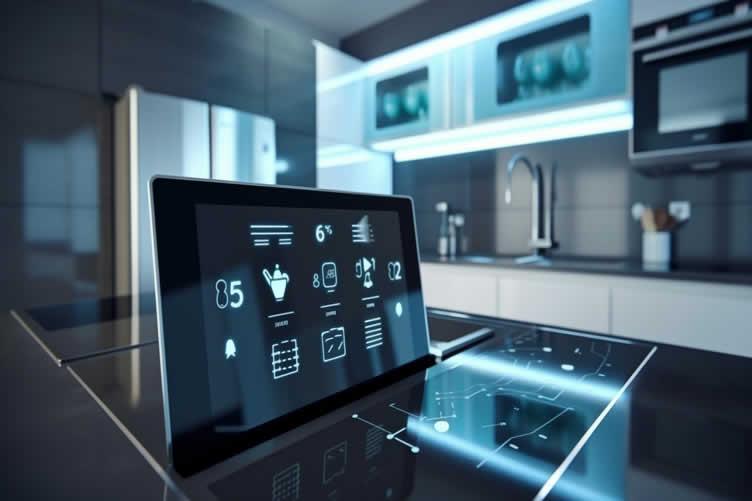
copyright image by 123rf.com
[ view diagram: residential energy management diagram ]
[ youtube: DIY Power Monitoring with Home Assistant ]
… or scroll to next topic
Installing a Solar System with Battery Backup
Investing in a roof or ground-mounted solar system with battery backup can significantly transform the way your home consumes and stores energy. This combination not only reduces reliance on grid electricity but also ensures a consistent power supply for your household, even during outages or peak demand periods.
Roof-mounted systems are ideal for homes with ample, unobstructed roof space, while ground-mounted systems offer flexibility for properties with open land.
A solar system paired with battery storage ensures that the solar energy generated during the day is not wasted, as the battery stores excess power for use at night or during low-sunlight periods.
Benefits of Solar with Battery Backup:
-
Energy Independence:
Reduce or eliminate your reliance on the grid by producing and storing your own energy, ensuring a steady power supply even during outages.
-
Lower Utility Bills:
Save on electricity costs by utilizing renewable solar energy and avoiding high rates during peak hours.
-
Environmentally Friendly:
Solar energy is clean and renewable, helping homeowners reduce their carbon footprint and contribute to a sustainable future.
-
Resilience During Power Outages:
Battery backups provide a reliable source of energy during blackouts, keeping critical appliances and systems operational.
-
Peak Efficiency:
Battery storage allows you to maximize the efficiency of your solar system by ensuring that all excess power is utilized rather than sent back to the grid at lower compensation rates.
-
Customizable Solutions:
Systems can be tailored to the specific energy needs and budgets of each homeowner, offering flexibility in size and configuration.
-
Increase in Property Value:
Homes with solar and battery systems are often more attractive to buyers, as they promise lower utility costs and energy resilience.
By choosing a reputable installer and thoroughly evaluating your energy needs, you can ensure a seamless transition to solar energy.
Professional installation will maximize system performance while adhering to local regulations and safety standards. For additional guidance, consult certified solar professionals who can design a system tailored to your property and lifestyle needs.
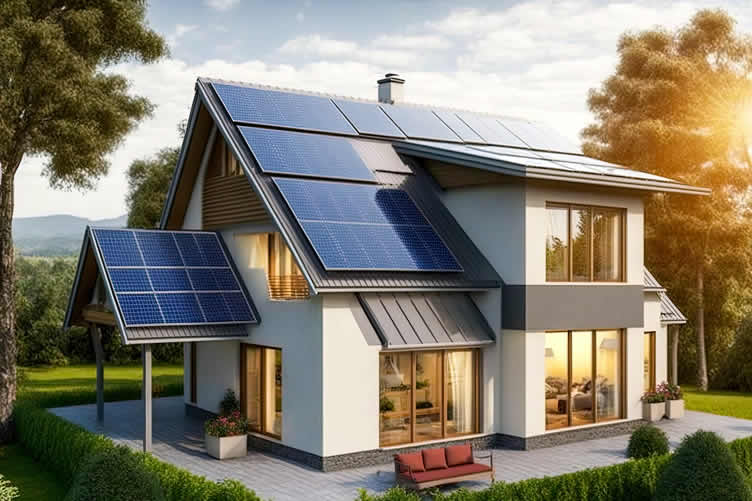
copyright image by 123rf.com
-
Scroll up to directory … or scroll to next section of this smart home automation guide …
-
6th Category: Smart Air Purifiers and Fans
Indoor air quality significantly impacts health and comfort, making intelligent air management systems valuable additions to comprehensive home automation setups.
- Smart air purifiers continuously monitor air quality using integrated sensors that detect particles, volatile organic compounds, allergens, and other pollutants.
- These devices automatically adjust filtration intensity based on real-time conditions, ensuring optimal air quality without unnecessary energy consumption.
- Advanced models provide detailed air quality reports and predictions based on local weather and pollution forecasts.
- Integration with home automation systems enables coordinated operation with HVAC systems, windows, and ventilation fans for comprehensive air management strategies.
- During high outdoor pollution periods, these systems can increase filtration while ensuring windows remain closed and mechanical ventilation operates at appropriate levels.
Smart fans offer precise climate control through variable speed settings, oscillation patterns, and timer functions. Advanced models incorporate temperature and humidity sensors to maintain optimal comfort conditions automatically.
DC motor technology provides whisper-quiet operation while consuming significantly less energy than traditional AC motor fans.
Air circulation optimization works in conjunction with heating and cooling systems to distribute conditioned air more effectively throughout living spaces. This improved distribution can reduce temperature variations between rooms while lowering overall energy demands on primary HVAC equipment.
Setup involves placing devices in optimal locations for air circulation and sensor accuracy, connecting to home WiFi networks, and calibrating sensors for local conditions. Initial air quality assessments help establish baseline conditions and appropriate automation thresholds.
Configuration includes setting air quality targets, scheduling operation modes for different times of day, and establishing integration with other smart home systems for coordinated environmental control.
Feature Description Health & Comfort Impact Indoor air quality affects health and comfort, making intelligent air management systems essential. Smart Air Purifiers Monitor air quality, detect pollutants, and adjust filtration intensity based on real-time conditions. Detailed Reporting Provide air quality reports and predictions based on weather and pollution forecasts. System Integration Coordinate with HVAC systems, windows, and ventilation fans for comprehensive air management. High Pollution Management Increase filtration during high outdoor pollution and ensure windows stay closed. Smart Fans Offer precise climate control with variable speed, oscillation patterns, and timers; integrate temperature and humidity sensors. Energy Efficiency Utilize DC motor technology for quiet and low-energy operation. Air Circulation Optimization Improve air distribution, reduce temperature variations, and lower energy demands on HVAC systems. Setup Process Place devices for optimal airflow and accuracy, connect to WiFi, calibrate sensors, and perform initial air quality assessments. Configuration Set air quality targets, schedule operation modes, and integrate with smart home systems. 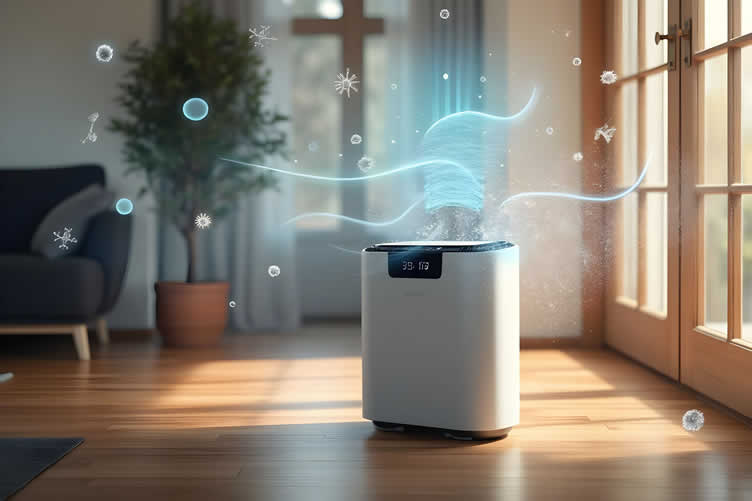
AI generated image by 123rf.com
[ view diagram: benefits of smart air purifiers work ]
[ youtube: Best Air Purifiers ]
… or scroll to next topic
How Best to Maintain Healthy Indoor Levels
Maintaining a healthy indoor environment is essential for homeowners, and smart centralized home ventilation systems help achieve this by consistently improving air quality and managing humidity levels.
These systems are designed with advanced technology to respond to real-time conditions within the home, ensuring that the air you breathe remains fresh and free of harmful pollutants.
By integrating automation and smart controls, they provide an innovative way to create a healthier and more comfortable living space.
Let’s examine some benefits of smart centralized ventilation systems:
-
Improved Indoor Air Quality (IAQ):
These systems reduce indoor pollutants such as allergens, dust, and volatile organic compounds (VOCs) by bringing in fresh outdoor air and filtering contaminants.
-
Humidity Regulation:
Proper ventilation helps maintain optimal humidity levels, preventing issues like mold growth, which can harm both the structure of your home and the health of its occupants.
-
Energy Efficiency:
Smart ventilation systems use sensors to adjust airflow based on the needs of the home, reducing energy consumption and lowering utility bills.
-
Enhanced Comfort:
The system ensures a steady flow of fresh air while eliminating stale air, providing a more pleasant and consistent indoor climate for all family members.
-
Customizable Control:
Through smart technology and mobile apps, homeowners can monitor and control ventilation remotely, tailoring the system to their specific preferences and schedules.
-
Odor Removal:
Effective air exchange helps eliminate lingering odors from cooking, cleaning, or pets, keeping the home smelling fresh and inviting.
-
Healthier Living Environment:
By mitigating allergens and pollutants, these systems contribute to better respiratory health, particularly for individuals with asthma or allergies.
By investing in a smart centralized home ventilation system, homeowners can create a cleaner, safer, and more energy-efficient environment for their families.

AI generated image by 123rf.com
-
Scroll up to directory … or scroll to next section of this smart home automation guide …
-
7th Category: Smart Speakers and Displays
Voice-controlled devices have become central command centers for modern smart homes, providing hands-free control over connected systems while delivering entertainment, information, and communication capabilities.
- Smart speakers offer natural language control over lighting, thermostats, security systems, and entertainment devices through simple voice commands.
- Advanced models can distinguish between different household members’ voices, providing personalized responses and access to individual preferences and accounts.
- Smart displays combine voice control with visual interfaces, showing weather forecasts, calendar appointments, security camera feeds, and step-by-step cooking instructions.
- Video calling capabilities keep families connected with relatives and friends while hands-free operation proves particularly valuable during cooking or other activities.
Multi-room audio systems create whole-home entertainment experiences, allowing music to follow users between spaces or playing different content in various rooms simultaneously. Integration with streaming services provides access to millions of songs, podcasts, and audio content without additional hardware requirements.
Home automation control extends to complex scene activation, routine scheduling, and status monitoring for connected devices. Users can create custom voice commands that trigger multiple actions simultaneously, such as "goodnight" routines that lock doors, adjust thermostats, and turn off lights throughout the home.
Setup requires connecting devices to home networks and linking with preferred streaming services and smart home platforms. Voice training helps devices recognize individual users and household member preferences.
Configuration involves organizing connected devices into logical groups, creating custom voice commands and routines, and establishing communication preferences for notifications and announcements.
Feature Description Hands-Free Control Voice-controlled devices enable hands-free operation of connected systems, including lighting, thermostats, and security systems. Personalized Responses Advanced models recognize individual voices, offering tailored responses and account access for household members. Smart Displays Combine voice control with visual interfaces to show information such as forecasts, calendars, security feeds, and more. Entertainment Options Multi-room audio systems and integration with streaming services allow access to music, podcasts, and other content without extra hardware. Video Calling Facilitate connections with family and friends; hands-free use is convenient during multitasking like cooking. Home Automation Supports routines like “goodnight” commands to adjust settings (e.g., locking doors and turning off lights) through custom commands. Setup and Configuration Includes connecting devices, linking networks, voice training, organizing into groups, and creating communication preferences. 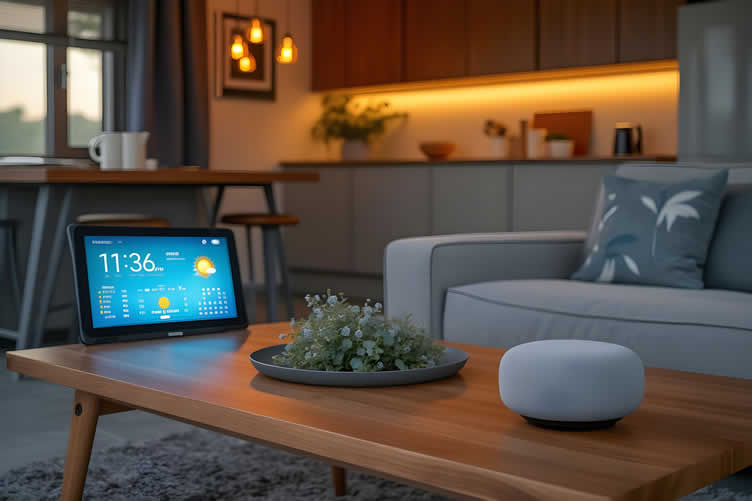
AI generated image by 123rf.com
[ view diagram: how home IoT works ]
[ youtube search: setup smart displays as a central hub ]
… or scroll to next topic
Setting Up Voice-Controlled as a Smart Home Hub
Voice-controlled devices, such as Amazon Echo, Google Nest Hub, and Apple HomePod, have become increasingly popular as central hubs to manage smart home ecosystems. These devices allow homeowners to control lighting, thermostats, security systems, and more using simple voice commands.
Here’s a step-by-step guide to successfully setting up your voice-controlled device as the core of your smart home:
-
Types of Voice-Controlled Devices
-
Amazon Echo (powered by Alexa)
Compatible with a wide range of smart devices, including lights, plugs, and cameras.
-
Google Nest Hub (powered by Google Assistant)
Ideal for integration with Google Home and Google-compatible devices.
-
Apple HomePod (powered by Siri)
A seamless choice for those within the Apple ecosystem, working with HomeKit-certified devices.
-
-
Setup Steps
-
Unbox and Place Your Device
Choose a central and accessible location in your home for the voice-controlled device, such as a kitchen or living room.
-
Connect to Power and Wi-Fi
Plug in the device and follow the manufacturer’s instructions to connect it to your home Wi-Fi network using the dedicated app (e.g., Alexa app, Google Home app, or Apple Home app).
-
Download and Set Up the App
Install the corresponding app on your smartphone or tablet. Create an account if necessary, and complete any initial setup prompts.
-
Link Your Smart Devices
Use the app to connect compatible smart devices. This might include lights, thermostats, door locks, or cameras. Look for the “Add Device” or “Set Up Device” option in the app.
-
Create Routines or Groups
Simplify control by grouping devices (e.g., “Living Room Lights”) or setting up routines like “Good Night” to automate multiple actions with a single command.
-
Enable Voice Commands
Test basic voice commands such as turning lights on/off or adjusting the thermostat. Ensure your voice-controlled device recognizes all linked devices.
Setting up a voice-controlled device as a smart home hub provides convenience, energy efficiency, and enhanced security.
By following these steps, you can create a more comfortable and connected living space. For additional guidance, refer to manufacturer support resources.
-

copyright image by 123rf.com
-
Scroll up to directory … or scroll to next section of this smart home automation guide …
-
8th Category: Security Devices
Comprehensive security systems have evolved into intelligent networks that provide real-time monitoring, automated responses, and seamless integration with other home automation components.
- Smart security cameras offer high-definition video recording with night vision capabilities, motion detection, and cloud storage for recorded footage.
- Advanced models incorporate artificial intelligence to distinguish between people, pets, and vehicles, reducing false alarms while ensuring important events receive appropriate attention.
- Two-way audio communication allows homeowners to interact with visitors or delivery personnel remotely.
- Intrusion detection systems include door and window sensors, motion detectors, and glass break sensors that provide comprehensive coverage of entry points and interior spaces.
These systems can differentiate between authorized household members and potential intruders using various identification methods.
Smart locks provide keyless entry through smartphone apps, numerical keypads, or biometric scanners while maintaining traditional key backup options. Temporary access codes enable secure entry for guests, service providers, or delivery personnel without compromising long-term security.
Integration with lighting and audio systems creates convincing occupancy simulation during travel periods. Automated responses can activate lights, sirens, or communication systems when security breaches are detected, while smartphone notifications keep homeowners informed of all security events.
Professional monitoring services provide 24-hour surveillance with emergency response coordination, while self-monitoring options offer cost-effective security management for tech-savvy households.
Installation complexity varies from simple wireless sensor placement to comprehensive wired systems requiring professional installation. Setup involves configuring monitoring zones, establishing user access levels, and testing all components for proper operation.
Feature Description Real-Time Monitoring Intelligent networks provide real-time surveillance and automated responses with seamless home automation integration. Smart Security Cameras Offer high-definition video, night vision, motion detection, cloud storage, and AI to reduce false alarms. Two-Way Audio Allows remote communication with visitors or delivery personnel. Intrusion Detection Includes sensors for doors, windows, motion, and glass breakage; differentiates between household members and intruders. Smart Locks Keyless entry via apps, keypads, or biometric scanners with temporary codes for guests; includes traditional key backups. Occupancy Simulation Integrates with lighting and audio to simulate occupancy during travel. Automated Responses Triggers lights, sirens, or communication systems during security breaches; sends smartphone notifications. Monitoring Services Offers 24/7 professional surveillance or cost-effective self-monitoring options for tech-savvy users. Installation Ranges from simple sensor setups to complex wired systems requiring professional installation. 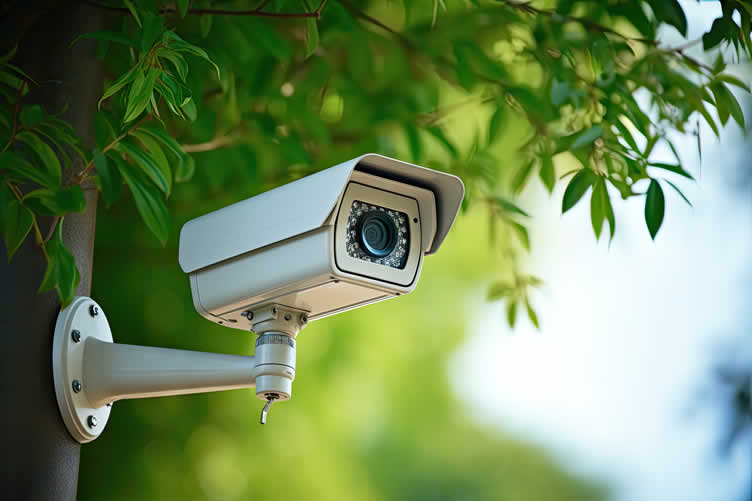
copyright image by 123rf.com
[ view diagram: DIY home security diagram ]
[ youtube: Choosing the Best Security System ]
… or scroll to next topic
Setting Up a Home Security System in Phases
Creating a reliable home security system doesn’t need to happen all at once. By breaking the process into manageable phases, homeowners can achieve a robust system tailored to their budget and technical expertise.
Below are the key phases to consider:
-
Phase 1: Assessment and Planning
Start by evaluating your home’s vulnerabilities. Walk around your property and identify potential entry points, dark areas, or spots hidden from public view.
Determine your security needs based on factors such as home size, family routines, and neighborhood safety concerns.
Create a list of must-have features (e.g., entry sensors, cameras) versus nice-to-have enhancements. Additionally, set a realistic budget to guide your plans.
-
Phase 2: Baseline Security Installation
Begin with affordable and simple-to-install measures that provide immediate protection. These include door and window sensors, deadbolt locks, and motion-activated lights.
Invest in a basic home security package, many of which offer Wi-Fi-enabled control panels, keypads, and a limited number of entry point sensors. This phase ensures you establish foundational security without over-stretching your budget.
-
Phase 3: Enhanced Surveillance and Monitoring
Once your baseline system is in place, expand its capabilities with high-resolution cameras for key areas such as the front door, backyard, or garage. Look for cameras with night vision, motion detection, and app integration for real-time updates.
If possible, consider professional monitoring services to ensure rapid responses in emergencies. Many services also offer mobile apps for remote management, keeping you connected to your system regardless of location.
-
Phase 4: Advanced Integration
Finally, enhance your system with smart technology integration for a comprehensive, networked approach. This includes smart doorbells, window-break sensors, and automated lights that deter potential intruders.
These tools can also be synced with smart home assistants, making your security system intuitive and user-friendly.
By phasing your home security setup, you can balance cost, time, and expertise, all while creating a system that grows with your needs. Always consult with security professionals to ensure proper installation and functionality for maximum protection.
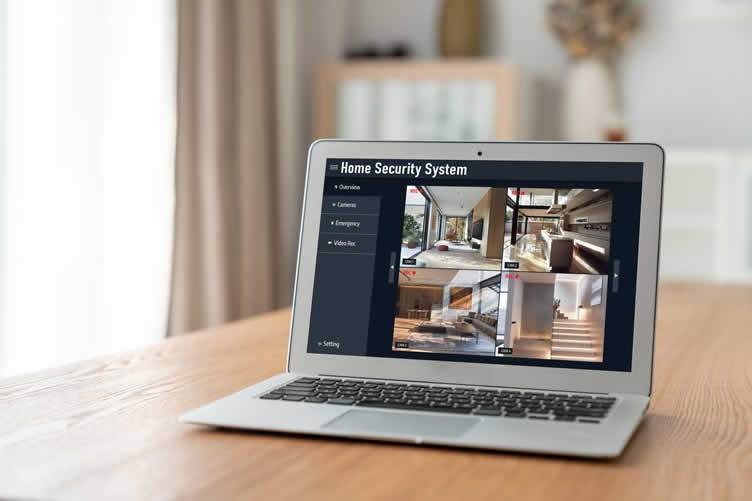
copyright image by 123rf.com
-
Scroll up to directory … or scroll to next section of this smart home automation guide …
-
9th Category: Kitchen and Bath Automation
Culinary and bathroom spaces benefit significantly from automation technologies that enhance convenience, hygiene, and efficiency while supporting busy household routines.
- Smart kitchen appliances include refrigerators with inventory tracking, ovens with remote preheating capabilities, and dishwashers with optimized cleaning cycles.
- These devices can coordinate meal preparation timing, suggest recipes based on available ingredients, and provide cooking guidance through integrated displays or connected applications.
- Automated faucets in kitchens and bathrooms provide touchless operation that improves hygiene while conserving water through precise flow control.
- Temperature presets ensure comfortable water temperatures without adjustment delays, while leak detection sensors provide early warning of plumbing problems.
Smart lighting in food preparation areas automatically adjusts color temperature and brightness for optimal visibility during different cooking tasks. Under-cabinet lighting activates when cabinets are opened, while general lighting responds to occupancy and time of day.
Bathroom automation includes heated floors with programmable schedules, smart mirrors with integrated displays showing weather and news updates, and exhaust fans that operate automatically based on humidity levels.
These features create spa-like experiences while maintaining optimal air quality and comfort.
- Water temperature control for showers and baths can be preset to individual preferences, with digital controls maintaining precise temperatures throughout use.
- Smart water heaters learn usage patterns and heat water efficiently to meet demand while minimizing energy consumption.
Installation requirements vary significantly between different automation components. Simple upgrades like smart switches and sensors can be installed by homeowners, while plumbing and electrical modifications typically require professional service.
Configuration involves establishing user preferences, creating scheduling routines, and integrating kitchen and bathroom systems with broader home automation networks for coordinated operation.
Category Features Benefits Requirements Smart Kitchen Appliances - Inventory-tracking refrigerators
- Remote preheating ovens
- Dishwashers with optimized cleaning cycles
- Recipe suggestions and cooking guidance
Convenience, meal preparation coordination, and cooking efficiency Configuration via apps and network integration Automated Faucets - Touchless operation
- Precise flow control
- Temperature presets
- Leak detection sensors
Improved hygiene, water conservation, and early plumbing issue detection Professional installation for plumbing modifications Smart Lighting - Color temperature/brightness adjustments
- Under-cabinet lighting activation
- Occupancy and time-based adjustments
Optimal visibility and energy efficiency Simple installation for smart switches and sensors Bathroom Automation - Heated, programmable floors
- Smart mirrors with integrated displays
- Humidity-based exhaust fans
- Water temperature control and digital presets
Spa-like comfort, air quality control, and precision Professional service for plumbing and network integration Smart Water Heaters - Usage-pattern-based heating
- Efficient energy consumption
Energy savings and on-demand hot water Professional installation 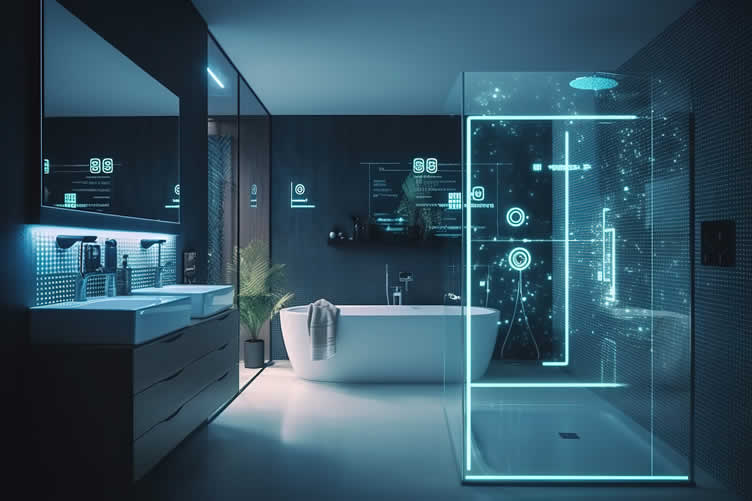
copyright image by 123rf.com
[ view diagram: why smart refrigerator ]
[ youtube: Best Touchless Bathroom Faucet ]
… or scroll to next topic
What a Future Home May Look Like
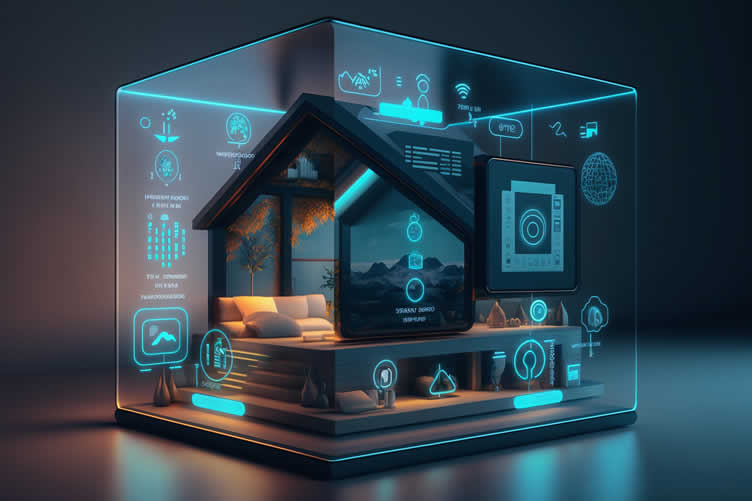
The homes of the future are set to transform dramatically, blending advanced technology with sustainable living to enhance comfort, efficiency, and convenience.
Here are some key features that may define the look and functionality of tomorrow’s homes:
-
Smart Technology Integration
Future homes will likely be fully equipped with AI-driven smart systems that manage lighting, climate, security, and appliances. These systems will adapt to homeowner preferences, creating a personalized living experience.
For instance, voice-controlled devices and centralized hubs can seamlessly adjust room temperatures or turn off lights when unneeded.
-
Eco-Friendly Design
Sustainability will take center stage with the widespread use of renewable energy and eco-conscious materials.
Solar panels, green roofs, and energy-efficient insulation will reduce carbon footprints while lowering utility costs for homeowners. Water conservation systems, such as greywater recycling, will also become standard.
-
Health and Wellness Features
A focus on health will drive innovations like built-in air filtration systems for better indoor air quality, UV-light sanitation for surfaces, and circadian rhythm lighting to improve sleep patterns.
Homes may also feature dedicated spaces for mental and physical wellness, such as yoga studios or gym areas.
-
Flexible Living Spaces
Adaptable room designs will cater to various lifestyles and needs, allowing homeowners to optimize space for work, play, or relaxation.
For instance, collapsible walls or modular furniture can reconfigure rooms to serve as home offices, guest quarters, or entertainment areas.
-
Connected Neighborhoods
By integrating with smart city infrastructure, future homes will communicate with surrounding systems, enhancing safety, traffic flow, and resource management.
Homeowners may benefit from shared energy grids and automated supply deliveries.
As technology and sustainability continue to evolve, future homes will not only meet practical homeowner needs but also foster healthier, more connected, and environmentally friendly lifestyles.
copyright image by 123rf.com
[ youtube: The Future of Smart Homes: What’s Next? ]
[ youtube: TOP 15 Futuristic Houses ]
-
Scroll up to directory … or scroll to next section of this smart home automation guide …
-
10th Category: Getting Professional Help
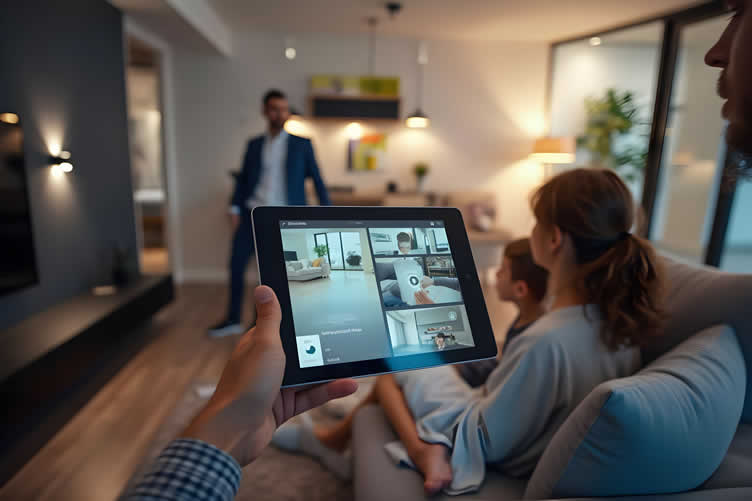
When planning to set up a home automation system, partnering with a skilled professional can make all the difference in achieving a seamless, efficient, and future-proof solution.
Home automation involves integrating various systems like lighting, security, heating, entertainment, and more, all of which need to work harmoniously to provide the convenience and control you desire. A professional has the expertise to assess your current setup and recommend the most suitable technologies and configurations to meet both your immediate needs and long-term goals.
Professionals bring valuable experience in designing systems that are scalable and compatible with emerging technologies. They also ensure proper installation, which minimizes the risk of technical glitches or connectivity issues.
Beyond the technical advantages, a professional acts as a guide, ensuring you fully understand how to use your system to its full potential.
By enlisting their help, you save time, avoid frustration, and gain peace of mind knowing that your investment is structured to grow and adapt as your lifestyle and technology preferences evolve.
LetsRenovate has partnered with HomeAdvisor™, a renowned provider of highly-rated, carefully-vetted local home automation/network contractors. Start your search here by entering your zip code to find local professionals.
AI generated image by 123rf.com
But Wait!
Before beginning your search for home automation services, be sure to download and use this evaluation worksheet.
This valuable tool will help you objectively assess and rank potential contractors by considering key factors like pricing, licensing, and referrals.

Evaluation Sheet
File Type:
-
Scroll up to directory … or scroll to conclusion …
-
-
Creating Your Connected Home Ecosystem
Home automation represents more than individual gadget upgrades; these technologies work together to create living environments that adapt intelligently to household needs while reducing energy consumption and enhancing daily comfort.
The transformation extends beyond convenience to encompass environmental responsibility through reduced energy waste, improved resource management, and longer-lasting, more efficient appliances and systems. Smart homes contribute to broader sustainability goals while delivering immediate benefits to homeowners through lower utility bills and reduced maintenance requirements.
As these technologies continue advancing, integration between different systems will become even more seamless, creating homes that anticipate needs and respond proactively to changing conditions. The foundation you build today with thoughtfully selected automation components will support increasingly sophisticated capabilities as new innovations emerge.
Start with one or two systems that address your most pressing daily challenges, then gradually expand your smart home ecosystem as you experience the benefits firsthand. Each addition builds upon existing infrastructure, creating increasingly powerful automation that simplifies life while supporting your values for efficiency, comfort, and environmental stewardship.
-
Quick scroll to more home utility management ideas …
-
ideas to view and compare from the topic above
- What comments can you share about
any smart home automation that you have installed?



addressing this smart home automation guide and other home improvement needs …

… grab this directory of ideas for future use




Download this PDF for a concise summary of all you need to know about …?




SHARE IT ..! You might have someone in your social network who could find this smart home automation guide valuable. Feel free to share it on Facebook, X (formally Twitter), LinkedIn, or Pinterest!



Budgeting Worksheet For Costing Home Remodeling and Home Improvement Decisions
 File Type (excel)



get the size dimensions for any home robotic and remodeling need …
… for functionality, aesthetics, and adhering to building codes


Download this PDF for a concise summary of all you need to know about …?




looking for other interesting topics that may be helpful …?



Calendar For:
Home Maintenance
File Type:
… view illustration “becoming a bank”




… view our sharing links below for a quick "share the knowledge"
Find Home Network Services Networks/Phone Computers/ Media Home Automation Electrical Wiring Interior Designers Furniture top-rated, pre-screened local contractors FREE: download contractor selection enter zip code – powered by HomeAdvisor ™
Quick Contractor Guides selecting negotiating working with inspecting

Cover image credit: smart home automation guide by 123rf.com
end of post … please share it!
 |
did you find smart home automation guide helpful? If so, please share the article with your friends and family! |
Nice pic idea? Leave us a quick comment below.
And please share this pic idea within your social networks.