The difference between a successful remodeling project and a costly nightmare often comes down to two essential tools: a comprehensive remodeling task list and a well-planned budget. These aren’t just helpful suggestions—they’re your lifeline to maintaining sanity, staying within financial limits, and actually completing your project on time.
Without proper planning, even the most straightforward renovations can balloon into expensive disasters. Hidden costs emerge, timelines stretch beyond recognition, and what started as a three-week kitchen refresh becomes a three-month ordeal.
But here’s the encouraging news: with the right organizational approach, you can take control of your remodeling project from day one and navigate every challenge with confidence.
Creating a Detailed Remodeling Task List
Your remodeling task list serves as the roadmap for your entire project, transforming an overwhelming renovation into manageable, sequential steps. This isn’t simply jotting down "paint walls" or "install flooring"—it’s about creating a comprehensive blueprint that accounts for every detail.
-
Breaking Down Your Project Into Manageable Tasks
Start by walking through your space and documenting everything that needs attention. Consider the logical order of operations: electrical work must happen before drywall installation, and flooring typically comes after painting walls but before installing baseboards. Each major category should be broken down further. For instance, "kitchen renovation" becomes "demolition," "electrical updates," "plumbing modifications," "drywall repair," "cabinet installation," "countertop installation," and "final cleanup."
Document not just what needs doing, but also who will do it. Some tasks require licensed professionals, while others might be perfect DIY opportunities. This distinction affects both your timeline and budget significantly.
-
Setting Realistic Timelines
Accurate time estimates prevent the domino effect of delays that plague many home remodeling projects. Research how long each task typically takes, then add buffer time for unexpected complications. Professional contractors often multiply their initial time estimates by 1.5 to account for unforeseen challenges—a wisdom worth adopting for your planning.
Consider external factors that might impact timing. Permit approvals can take weeks, special-order materials might have extended lead times, and contractor availability varies by season. Weather can also affect projects involving exterior work or deliveries.
-
Identifying Task Dependencies
Understanding how tasks connect prevents costly delays and rework. You can’t install cabinets before the electrical rough-in is complete, and you shouldn’t schedule flooring installation before painting is finished. Map out these relationships clearly so you can adjust your schedule intelligently when changes arise.
Creating a visual timeline or using project management software helps you spot potential scheduling conflicts before they become expensive problems. When one task gets delayed, you’ll immediately see which subsequent tasks need rescheduling.

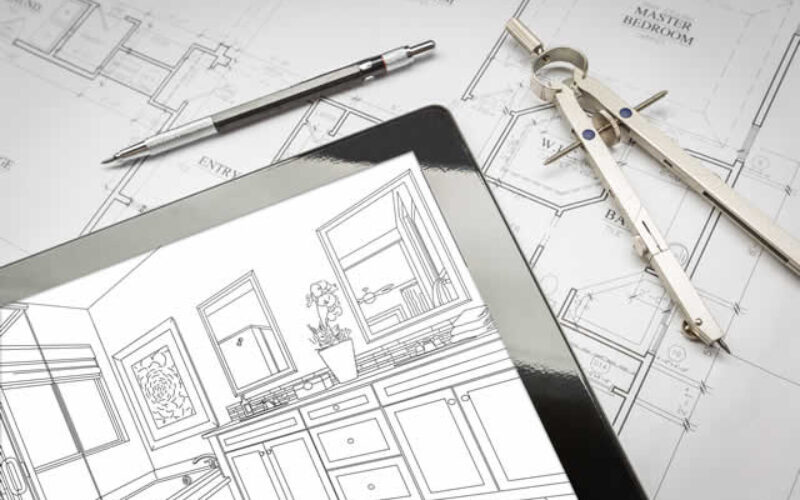
plan the specifications you need for making …

… key home improvement and remodeling decisions


Budgeting for Your Remodeling Project
A realistic remodeling budget acts as your financial guardrails, keeping your project from veering into dangerous territory. The key lies in thorough research and honest assessment of both your needs and financial limits.
-
Accurate Cost Estimation Strategies
Begin by researching current prices for materials, labor, and permits in your area. Home improvement costs vary significantly by location, so national averages might not reflect your reality. Visit local suppliers to get actual quotes rather than relying on online estimates.
Don’t forget the less obvious expenses that can derail your budget. Permits, inspections, temporary accommodations during major renovations, storage for displaced belongings, and utility modifications all add up quickly. Factor in costs for protecting existing areas of your home during construction and cleanup expenses.
Labor costs deserve special attention since they often represent 35-50% of total project expenses. Get detailed quotes from multiple contractors, ensuring each includes the same scope of work. Be wary of estimates that seem too good to be true—they usually are.
-
Building Your Financial Safety Net
Smart remodelers always include a contingency fund for unexpected discoveries and changes. Industry experts recommend setting aside 15-20% of your total budget for surprises. This isn’t pessimism—it’s practical planning that acknowledges the reality of renovation work.
Hidden problems like outdated wiring, plumbing issues, or structural concerns frequently emerge once walls are opened. Rather than forcing you to compromise on quality or go into debt, your contingency fund allows you to address these issues properly.
-
Expense Tracking and Budget Monitoring
Implement a system for tracking every expense from day one. Whether you use a simple spreadsheet, budgeting app, or project management software, consistent record-keeping prevents budget creep and helps you make informed decisions about changes.
Review your budget weekly during active construction phases. This frequent check-in allows you to spot concerning trends early and make adjustments before small overruns become major problems.

Budgeting Worksheet For Costing Home Remodeling and Home Improvement Decisions
 File Type (excel)
Monitoring and Adjusting Your Plan
Even the most carefully crafted plans need adjustments as projects unfold. The secret to successful remodeling lies not in creating a perfect initial plan, but in monitoring progress closely and adapting intelligently to changing circumstances.
-
Regular Progress Reviews
Schedule weekly check-ins to assess both task completion and budget status. Compare actual progress against your planned timeline, noting any gaps or accelerations. Understanding why tasks are taking longer or shorter than expected helps improve future estimates and reveals potential issues before they become critical.
Document changes as they occur, including the reasons behind modifications. This creates valuable learning material for future projects and helps maintain clear communication with everyone involved in the renovation.
-
Making Strategic Adjustments
When changes become necessary—and they will—evaluate their impact on both timeline and budget before committing. A seemingly small modification might have cascading effects throughout your project. For example, deciding to move a light fixture might require additional electrical work, drywall patching, and paint touch-ups.
Prioritize changes that add genuine value or solve functional problems over purely aesthetic modifications. If budget constraints force difficult choices, focus on elements that affect safety, structural integrity, or major functionality first.
-
Communication and Coordination
Keep all stakeholders informed when plans change. This includes family members, contractors, and suppliers. Clear communication prevents misunderstandings that can lead to costly mistakes or delays.
Establish regular communication schedules with contractors, and insist on advance notice for any proposed changes to scope or timing. This gives you time to evaluate implications and make thoughtful decisions rather than reactive ones.
Should You Remodel Your Home? Take the Leap with Confidence
Deciding whether to remodel your home involves weighing various factors, including costs, potential disruptions, and the ultimate goals you envision for your living space. Before making a decision, it’s important to thoroughly assess the current condition of your home, identify areas in need of improvement, and establish a realistic budget.
Before you start any home remodeling – such as a kitchen or bathroom remodeling, adding an addition, building a new section onto the home, and other major renovation project, run some financial numbers to determine whether the renovation is a smart investment.
The numbers include the estimated costs, home value assessment, financing costs, and other related calculations.
Review these cost-related issues to remodeling vs. buying a new home.
links to internal page (opens new win)
| analyze the numbers | |
| estimate the cost of your project | |
| start assembling a budget | |
| get your home value |
The 2nd step for planning your home remodeling is deciding what you would like to do.
Will it be a –
- remodeling your kitchen or bathroom,
- converting the attic or basement,
- adding an addition or extension to the home,
- changing out your deck or patio into an all-season room,
- upgrading the home with new windows, doors and flooring,
- redesigning your landscape with new features,
- or something else.
You can find other home remodeling ideas by referencing our home renovation analysis and topic directories (opens new win)
| view remodeling design "ideas" directory | |
| view latest "topics" for home renovation | |
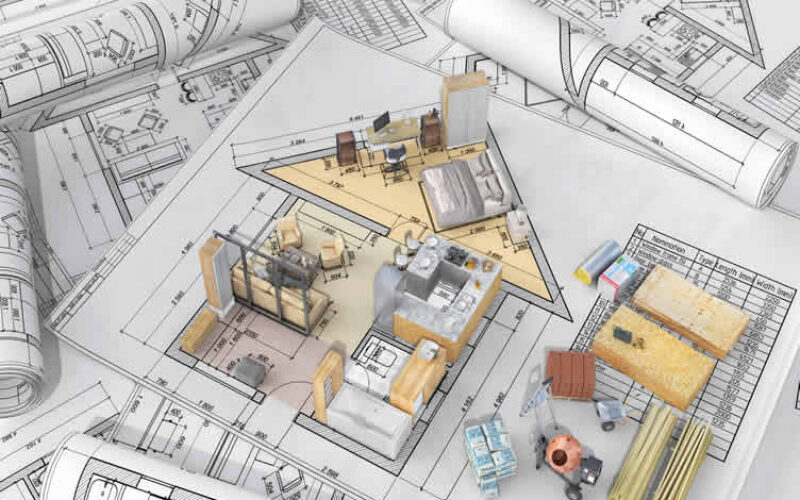
Step 3 is sketching your ideas on paper (or digitally) and developing the spec plan.
The spec plan determines what type of home remodeling materials, items, and design considerations that will be needed. It will also contain the product specifications for each renovation element.
You will use the spec plan and architectural design to bid the project out to a contractor.
links to internal page (opens new win)
| developing the spec plan | |
| sketch remodeling plan | |
| design considerations |
Step 4 is finding and negotiating the contract with a remodeling contractor.
Give your home remodeling ideas and specs to a contractor for review and bid analysis. Use the local network (aligned with HomeAdvisor) to find the right contractor for your project.
Review guides for contractor selection and negotiation.
links to internal page (opens new win)
| search remodeling contractors | |
| selecting your contractor checklist |
| contractor negotiations | |
| contractor evaluation form |
Step 5 is arranging financing once you selected the contractor and finalized the contract for your project.
Using the equity value in your home is one of the best financing option for home remodeling. Start with a home equity line of credit or use the bank equity program.
Other options may include cash-out refinancing, personal savings, and/or financing from home improvement contractors.
links to internal page (opens new win)
| financing options | |
| getting qualified for financing | |
| negotiate rates |
Step 6 is where the project begins.
It starts with setting up the work area, removing everything that needs to be replaced, installing electrical and network connections, putting in the final touches, etc.
It also means working with the contractor, managing the project, and getting the home remodeling project inspected before releasing any funds.
links to internal page (opens new win)
| working with the contractor | |
| managing remodeling project |
| about a home project inspections | |
| find home inspector |
Avoiding Common Remodeling Pitfalls
Learning from others’ mistakes can save you thousands of dollars and weeks of frustration. Understanding common pitfalls helps you recognize warning signs and implement preventive measures from the project’s beginning.
-
Hidden Costs and Surprise Expenses
Many homeowners underestimate the scope of work required once renovation begins. Opening walls reveals outdated systems that don’t meet current codes, requiring updates that weren’t in the original plan. Protect yourself by having a qualified contractor perform a thorough assessment before finalizing your budget.
Be particularly cautious with older homes, where surprises lurk behind every wall. Consider hiring specialists for pre-renovation inspections of electrical, plumbing, and structural systems. The cost of these inspections pales compared to emergency repairs during active construction.
-
Contractor Selection and Management
Failing to properly vet contractors leads to countless remodeling disasters. Always check licenses, insurance, and references from recent projects. Visit completed work in person when possible, and talk directly with previous clients about their experience.
Getting multiple bids isn’t just about finding the lowest price—it’s about understanding different approaches to your project. Significant variations in quotes often indicate different interpretations of the scope of work, so ensure all bidders are addressing the same requirements.
-
Scope Creep and Change Management
The temptation to make "just one more change" destroys more remodeling budgets than any other factor. While some modifications make sense, each change has consequences for timeline, budget, and project complexity.
Establish a formal change order process, even for DIY projects. This forces you to evaluate the true cost and impact of modifications rather than making emotional decisions in the moment. Set a maximum limit for changes—perhaps 10% of your original budget—and stick to it.
other related analysis of interest: (new win)
Home Dimensions: Design Your Renovation Like a Pro with These Essential Measurements
Ensuring Excellence: The Ultimate Guide to Home Remodeling Inspections
Taking Control of Your Remodeling Success
Successfully managing a remodeling task list and budget isn’t about creating the perfect plan—it’s about creating a flexible framework that guides decision-making and keeps your project on track. The time you invest in detailed planning, realistic budgeting, and systematic monitoring pays dividends throughout the entire renovation process.
Remember that every successful remodel starts with small, deliberate steps. Begin by creating your detailed task list and realistic budget, then commit to regular monitoring and thoughtful adjustment as your project unfolds. With these tools and approaches, you’re not just hoping for a successful renovation—you’re actively creating the conditions that make success inevitable.
Your dream space is within reach when you approach remodeling as a manageable, organized process rather than an overwhelming challenge. Take control of your project from day one, and enjoy the confidence that comes from knowing exactly where you stand every step of the way.
| Planning Component | Key Elements | Recommended Timeline | Budget Allocation |
|---|---|---|---|
| Task List Creation | Detailed breakdown, dependencies, contractor assignments | 1-2 weeks before project start | Planning costs (0-2% of budget) |
| Budget Planning | Material costs, labor estimates, permit fees, contingency fund | 2-3 weeks before project start | 15-20% contingency recommended |
| Progress Monitoring | Weekly reviews, expense tracking, timeline adjustments | Throughout project duration | Administrative time investment |
| Change Management | Formal change orders, impact assessment, budget limits | As needed during project | Maximum 10% of original budget |
| Risk Mitigation | Pre-renovation inspections, contractor vetting, multiple bids | During planning phase | 1-3% of budget for inspections |

Find Home Remodeling Services Additions Major Remodels Minor Remodels Disability Needs Plumbing Drain Clearing Appliances Electrical top-rated, pre-screened local contractors FREE: download contractor selection enter zip code – powered by HomeAdvisor ™


Image credit: master your remodel by envato.com
end of post … please share it!
|__________________________________________________________|
home remodeling surprise
find out where it might go - new win


Helpful article? Leave us a quick comment below.
And please share this article within your social networks.