Summary Outline –
When a family member loves to cook, having the right kitchenware transforms meal preparation from a chore into a joyful experience. The right tools not only make cooking more efficient but also inspire creativity and confidence in the kitchen.
From perfectly plated dinners to beautifully baked desserts, quality kitchenware serves as the foundation for memorable family meals and gatherings.
This comprehensive kitchenware guide explores the essential wares every cooking enthusiast needs, covering everything from elegant tableware for special occasions to reliable cookware for everyday meals.
Whether you’re setting up a new kitchen or upgrading your current collection, understanding these fundamentals will help you create a space that supports both culinary success and family connection.
- post content
- Kitchenware Tip 1: Understanding Tableware Needs
- Kitchenware Tip 2: Cookware Essentials and Types Explained
- Kitchenware Tip 3: The Different Types of Bakeware
- Kitchenware Tip 4: Types of Essential Kitchen Tools
- Kitchenware Tip 5: Kitchen Utensil Needs
- Kitchenware Tip 6: Kitchenware Materials: Benefits and Drawbacks

-
Quick scroll to first topic about kitchenware guide … or review summary content

Content Summary
section directory1st Kitchenware Guide: [view section]
… our review of kitchenware begins with tableware, the foundation of any dining experience. This category includes dinnerware such as plates and bowls, serveware like platters and serving bowls, flatware (forks, knives, and spoons), glassware (including drinkware, stemware, and flutes), and other decorative or functional pieces that enhance your dining table.
2nd Kitchenware Guide: [view section]
… the second kitchenware review focuses on all your cookware essentials, including pots, pans, and other related items designed to meet your cooking needs.
3rd Kitchenware Guide: [view section]
… now, we move on to our third kitchenware review, focusing on the various types of bakeware. From baking sheets to pans, we’ll explore options tailored to meet all your baking needs.
4th Kitchenware Guide: [view section]
… the fourth review focuses on essential kitchen tools, including cutlery such as knives, as well as the key utensils and accessories that support their use, like cutting boards, kitchen shears, and more.
5th Kitchenware Guide: [view section]
… the final aspect of reviewing kitchenware essentials focuses on the diverse utensils every cook requires. These include food preparation tools, such as a meat grinder and meat thermometer, as well as serving utensils like ladles, serving spoons, and tongs.
6th Kitchenware Guide: [view section]
… the final section of this post serves as a comprehensive guide to kitchenware materials. It highlights the advantages and disadvantages of various materials used in cookware, bakeware, knives, and dinnerware, offering clear insights to help you make informed choices.
first “kitchenware guide” idea
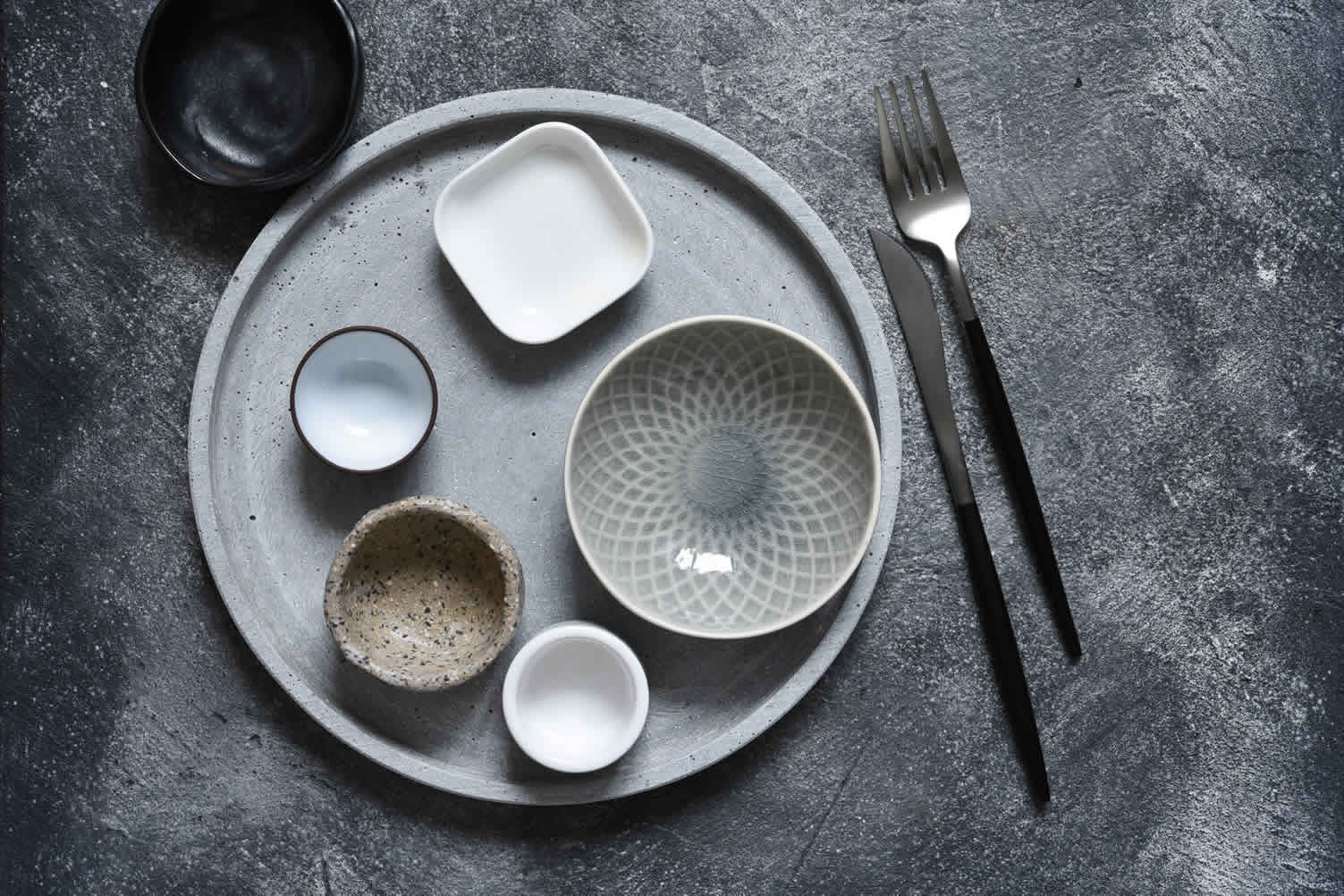

copyright image by 123rf.com
Kitchenware 1: Understanding Tableware Needs
Notes:
-
Tableware refers to the assortment of utensils, dishware, accessories, and glassware used for setting a table, serving food, and dining. It encompasses every item essential for elevating the dining experience, from casual meals at home to formal banquets.
Tableware reflects cultural practices, personal style, and function, playing a significant role in hospitality and food presentation. This category is vast and includes several types, each serving specialized purposes.
Below, we break down the main types of tableware and explore their components.
-
Quick scroll to “tableware needs” side notes …
-
-
1st: Dinnerware
Dinnerware, also known as crockery, is the centerpiece of any dining setup. It consists of the plates and bowls used for individual servings of food. Each component of dinnerware serves a specific purpose and is available in various materials such as porcelain, bone china, stoneware, or earthenware.
Dinnerware can be categorized into several types, each designed for specific uses and occasions. Common types include:
[ view sample images: dinner types ]
- Charger Plates:
Large decorative plates placed beneath the main dinnerware to enhance the table’s aesthetic and catch spills during courses. Typically not used for direct food serving. - Dinner Plates:
The main plate used for serving the primary course. These are generally the largest plates in a set, often around 10–12 inches in diameter. - Salad Plates:
Smaller plates designed for appetizers, salads, or side dishes. They are typically about 7–8 inches in diameter. - Dessert Plates:
Used for serving desserts or smaller portions of food. These plates are usually slightly smaller than salad plates, around 6–7 inches. - Soup Bowls:
Deep bowls specifically designed to hold soups, stews, and other liquid-based dishes, available in a variety of shapes and sizes. - Bread and Butter Plates:
Small plates, about 5–7 inches in diameter, used for serving bread, rolls, or individual accompaniments like butter or condiments. - Cups and Saucers:
Primarily used for serving tea or coffee. The saucer serves as a supportive base for the cup and often catches drips or spills. - Other:
This category includes specialty dinnerware such as ramekins for soufflés, pasta bowls for Italian dishes, or serving platters for communal meals.
Dinnerware Type Purpose Charger Plates Large decorative plates placed under dinnerware to enhance the table’s look and catch spills. Not typically used for serving food. Dinner Plates The main plate for serving the primary course, usually the largest in a set, typically 10–12 inches in diameter. Salad Plates Smaller plates for appetizers, salads, or sides, typically 7–8 inches in diameter. Dessert Plates Used for desserts or small portions, these plates are typically 6–7 inches, slightly smaller than salad plates. Soup Bowls Deep bowls designed for soups, stews, and other liquid dishes, available in various shapes and sizes. Bread and Butter Plates Small plates, 5–7 inches in diameter, used for serving bread, rolls, or accompaniments like butter or condiments. Cups and Saucers Used for serving tea or coffee, the saucer supports the cup and catches drips or spills. Other This category includes specialty dinnerware like ramekins for soufflés, pasta bowls, or serving platters for shared meals. 
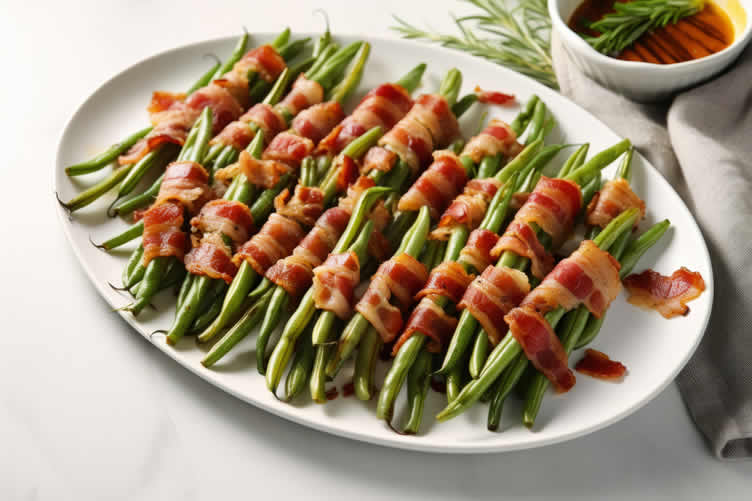
copyright image by 123rf.com
[ pinterest: about dinnerware ]
[ youtube: Guide to Buying Restaurant Dinnerware ]
—— dinnerware material types ——
The materials used in crafting dinnerware play a vital role in its durability, appearance, and suitability for different settings. Each material lends its unique characteristics to the table, allowing diners to select pieces that best suit their preferences and needs.
- Porcelain:
A highly durable and non-porous material, porcelain is crafted from fine-particle clay and fired at high temperatures. It boasts a smooth, glossy finish and is often used for formal and elegant dinnerware. - Bone China:
Known for its exceptional whiteness and translucence, bone china is made with a combination of bone ash, feldspar, and kaolin. It is lightweight yet strong, making it a luxurious option for fine dining. - Stoneware:
Made from a denser clay and fired at higher temperatures, stoneware is durable and chip-resistant. It features a slightly heavier feel and is commonly used for casual or everyday dining. - Earthenware:
One of the earliest types of pottery, earthenware is made from coarse clay and fired at lower temperatures. It is thicker and more affordable but less durable compared to other materials, often requiring a protective glaze. - Other:
This category includes innovative or alternative materials such as melamine, glass, or wood. These options serve specialized purposes, such as outdoor dining or decorative table settings.[ more information below: ware materials: benefits and drawbacks ]

- Charger Plates:
-
2nd: Serveware
Serveware encompasses all the items used to present food to diners. These are essential for family-style dining, buffets, and formal meals where food is shared.
Serveware bridges the gap between the kitchen and the dining table, ensuring the seamless transition of food while enhancing aesthetics. Types of serveware to consider:
[ view sample images: serveware types ]
- Serving Platters:
Large, flat dishes used to present and serve main courses, appetizers, or desserts, ideal for sharing at gatherings or formal meals. - Serving Bowls:
Deep bowls designed for serving side dishes, salads, or soups, providing both functionality and an attractive presentation. - Gravy Boats:
Specialized vessels with a spout used for serving sauces, gravies, or dressings, ensuring clean and easy pouring. - Butter Dishes:
Covered containers designed to hold and serve butter, keeping it fresh and presentable on the dining table. - Sugar Bowls:
Small bowls, often with lids, that are used to serve sugar, typically paired with tea or coffee service. - Creamers:
Small pitchers intended for serving cream or milk, commonly used alongside sugar bowls for coffee or tea. - Cake Stands:
Elevated platforms used to display and serve cakes or other baked goods, adding a decorative touch to presentations. - Other:
Miscellaneous serveware items that may include cheese boards, tiered trays, or appetizer plates, designed to meet specialized serving and presentation needs.
Serveware Type Purpose Serving Platters Large, flat dishes for serving main courses, appetizers, or desserts, perfect for sharing at gatherings or formal meals. Serving Bowls Deep bowls perfect for serving sides, salads, or soups with style and function. Gravy Boats Vessels with a spout for serving sauces, gravies, or dressings, ensuring easy pouring. Butter Dishes Containers designed to hold and serve butter, keeping it fresh and presentable on the table. Sugar Bowls Small lidded bowls used to serve sugar, often paired with tea or coffee. Creamers Small pitchers for serving cream or milk, typically used with sugar bowls for coffee or tea. Cake Stands Platforms designed to display and serve cakes or baked goods, adding a decorative touch. Other Serveware items like cheese boards, tiered trays, and appetizer plates, designed for specialized serving and presentation needs. 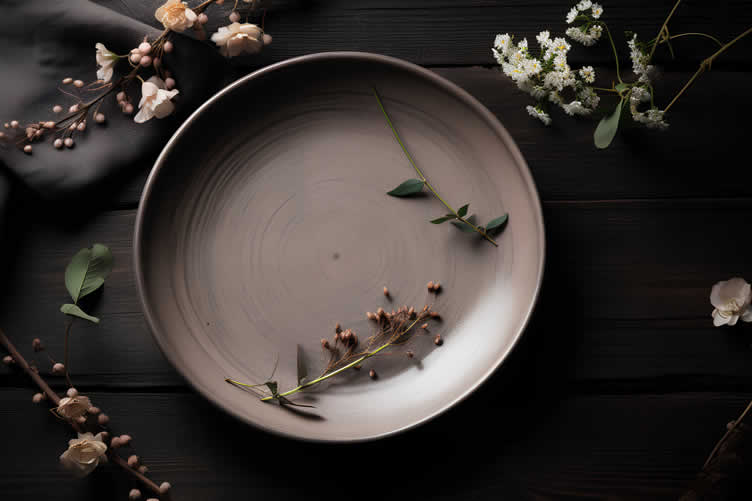
copyright image by 123rf.com
[ pinterest: about serveware ]
[ youtube: The Serveware Collection ]
—— serveware material types ——
Serveware is crafted from a variety of materials, each chosen for its unique properties, aesthetic appeal, and suitability for specific uses. Each material offers unique features, allowing for a wide array of styles and functionalities in serveware collections.
Below is a list of common materials used for serveware, along with a brief description of their characteristics:
- Ceramic:
Known for its durability and versatility, ceramic serveware is available in a wide range of colors and designs, making it a popular choice for both casual and formal settings. - Porcelain:
A type of ceramic, porcelain is valued for its delicate appearance and high resistance to heat, stains, and scratches, ideal for elegant presentations. - Glass:
Offering a sleek and transparent appearance, glass serveware is perfect for showcasing the food itself and works well in both modern and classic decor. - Stainless Steel:
Durable and resistant to rust, stainless steel serveware is frequently used for its practicality and polished, timeless look. - Wood:
Warm and rustic, wood serveware lends a natural charm to presentations and is often used for items like cheese boards and salad bowls. - Melamine:
Lightweight and shatterproof, melamine serveware is ideal for outdoor dining and casual gatherings, available in vibrant patterns and colors. - Plastic:
Affordable and versatile, plastic serveware is easy to handle and often used for its convenience in informal or outdoor settings.[ more information below: ware materials: benefits and drawbacks ]
- Serving Platters:
-
3rd: Flatware
Flatware, often referred to as silverware or cutlery, includes utensils that aid in eating and serving food. Essential flatware pieces include dinner forks, salad forks, dessert forks, dinner knives, butter knives, soup spoons, teaspoons, and serving utensils.
These items are crafted from a variety of materials, from stainless steel to silver, and are available in designs ranging from casual to sophisticated. Flatware provides functionality while enhancing the overall dining atmosphere.
[ view sample images: flatware types ]
- Dinner Forks:
The largest forks in a place setting, used primarily for main courses, such as meats, pasta, or hearty dishes. - Salad Forks:
Slightly smaller than dinner forks, these are designed for eating salads, appetizers, and lighter meals. - Dessert Forks:
Used for enjoying sweet treats like cakes, pies, and tarts, often featuring a design that complements dessert-specific utensils. - Dinner Knives:
Sharp-edged knives designed to cut through cooked meats and other main course items with ease. - Butter Knives:
Smaller, rounded knives often with blunt edges, perfect for spreading butter, jams, or soft spreads on bread or pastries. - Soup Spoons:
Featuring a round, deep bowl for conveniently sipping soups and broths. - Teaspoons:
Small spoons suitable for stirring beverages, as well as eating soft or liquid-based desserts like pudding or yogurt. - Serving Utensils:
A variety of utensils such as serving spoons, forks, and tongs used for dishing out portions of food for communal dining. - Other:
This category includes specialized flatware like seafood forks, grapefruit spoons, or cake servers, tailored for specific dishes or occasions.
Flatware Type Purpose Dinner Forks The largest forks in a place setting, used for main courses like meats, pasta, or hearty dishes. Salad Forks Smaller than dinner forks, designed for salads, appetizers, and lighter meals. Dessert Forks Perfect for enjoying desserts like cakes, pies, and tarts, often matching other dessert utensils. Dinner Knives Sharp knives made for cutting cooked meats and main course items. Butter Knives Small, rounded knives with blunt edges, ideal for spreading butter, jams, or soft spreads. Soup Spoons Round, deep spoons for sipping soups and broths. Teaspoons Small spoons for stirring drinks or eating soft desserts like pudding or yogurt. Serving Utensils Includes serving spoons, forks, and tongs for portioning food during communal dining. Other Specialized utensils like seafood forks, grapefruit spoons, or cake servers for specific dishes. 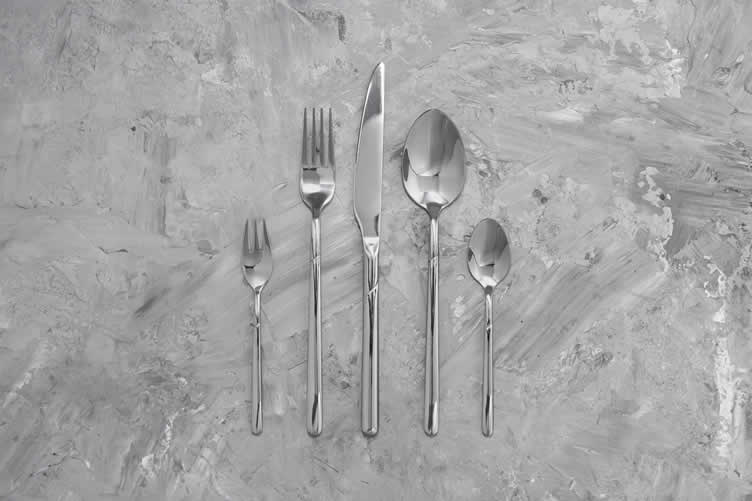
copyright image by 123rf.com
[ pinterest: about flatware ]
[ youtube: How to Make an Adjustable Silverware Tray ]
—— flatware material types ——
Flatware comes in a variety of materials, each offering unique qualities in terms of durability, aesthetics, and practicality. Understanding the characteristics of these materials can help in selecting the most suitable option for different dining needs and preferences.
- Stainless Steel:
The most common choice for flatware, known for its durability, resistance to rust and stains, and ability to maintain its shine over time. It is available in different grades, providing options for both everyday use and formal settings. - Silver-Plated:
Features a base metal coated with a layer of silver, offering an elegant and polished appearance at a more affordable cost than solid silver. Regular maintenance is needed to prevent tarnishing. - Sterling Silver:
Made of 92.5% pure silver, this material is traditionally favored for its luxurious look and high value. It requires careful handling and regular polishing to maintain its quality. - Plastic:
Lightweight and often disposable, plastic flatware is popular for casual, outdoor, or single-use settings. It is available in various colors and designs but lacks the durability of other materials. - Wood:
An eco-friendly and biodegradable option, often used for rustic or artisanal table settings. Wood flatware may require special care to prevent cracking or absorption of food odors. - Bamboo:
Similar to wood, bamboo offers a sustainable choice with a sleek finish. It is lightweight, durable, and adds an earthy touch to dining experiences. - Gold-Plated:
Flatware adorned with a layer of gold, exuding opulence and often reserved for special occasions. Like silver-plated options, it needs careful maintenance to prevent wear.[ more information below: ware materials: benefits and drawbacks ]
- Dinner Forks:
-
4th: Glassware
Glassware refers to containers made from glass or similar materials used to serve beverages. It is a crucial aspect of tableware, as the appropriate glass can elevate the presentation and enjoyment of a drink.
Items under this category include water goblets, wine glasses, champagne flutes, cocktail glasses, stemware, beer glasses, stemless glasses, and coffee mugs.
Glassware is often designed with specific shapes and sizes to complement the type of drink it holds, allowing for an enhanced sensory experience.
[ view sample images: glassware types ]
- Drinkware:
Dinner drinkware includes items like tumblers and specialty glasses, thoughtfully designed to complement the beverages served during meals. - Water Goblets:
These are sturdy, versatile glasses used for serving water. Their wider rim and bowl design make them suitable for everyday use or formal dining settings. - Wine Glasses:
Specifically designed to enhance the flavors and aromas of wine, these glasses feature a tapered bowl and a thin rim, with variations for red and white wines. - Champagne Flutes:
Tall and narrow glasses ideal for serving sparkling wines and champagne, their shape helps preserve carbonation and concentrates the bubbles. - Cocktail Glasses:
Available in various shapes such as martini or margarita glasses, these are tailored for serving mixed drinks, showcasing presentation and flavor. - Stemware:
A general term for glasses with a stem, commonly used for formal occasions, providing an elegant way to hold beverages like wine or champagne. - Beer Glasses:
Offered in different designs like pint glasses, steins, or pilsner glasses, these are crafted to highlight the flavors and head retention of various beers. - Stemless Glasses:
Modern and practical, these glasses lack a stem and are perfect for casual settings, often used for serving wine, cocktails, or water. - Coffee Mugs:
Sturdily built for hot beverages, these mugs often have a handle for easy handling and are ideal for serving coffee, tea, or hot chocolate. - Other:
This category includes specialty glassware tailored for unique beverages, such as whiskey tumblers, cordial glasses, or punch cups, each designed for specific drinking experiences.
Glassware Type Purpose Drinkware
Includes items like tumblers and specialty glasses, thoughtfully designed to complement the beverages served during meals. Water Goblets Sturdy and versatile, these glasses are perfect for serving water at both casual meals and formal dining. Wine Glasses Designed to enhance wine’s flavors and aromas, these glasses have a tapered bowl and thin rim, with variations for red and white wines. Champagne Flutes Tall and narrow, these glasses are ideal for sparkling wines and champagne, preserving carbonation and bubbles. Cocktail Glasses From martini to margarita glasses, these are designed for mixed drinks, emphasizing presentation and flavor. Stemware Glasses with stems, often used for formal occasions, offering an elegant way to serve wine or champagne. Beer Glasses Available in styles like pint glasses, steins, and pilsners, these are made to highlight beer flavors and retain head. Stemless Glasses Modern and practical, these stem-free glasses are great for casual settings and can be used for wine, cocktails, or water. Coffee Mugs Durable mugs with handles, perfect for coffee, tea, or hot chocolate. Other Includes specialty glassware like whiskey tumblers, cordial glasses, or punch cups, each designed for specific drinks. 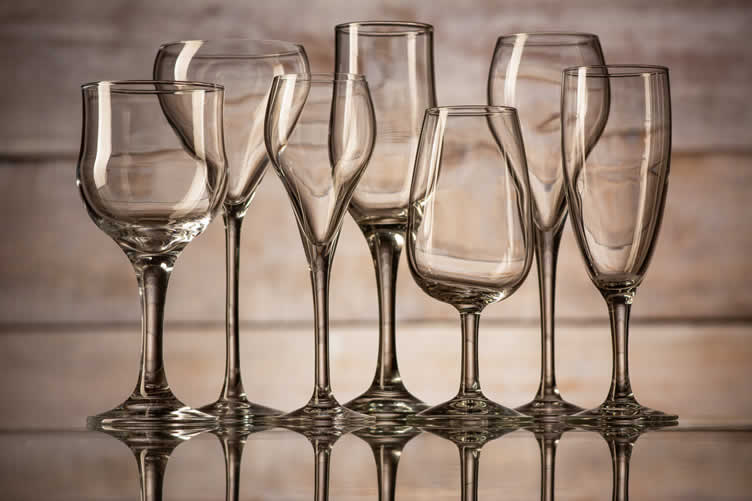
copyright image by 123rf.com
[ pinterest: about glassware ]
[ youtube: Guide to Understanding Glassware ]
—— glassware material types ——
Glassware can be made from a variety of materials, each offering unique qualities that cater to specific needs and preferences.
The choice of material impacts the durability, appearance, and functionality of the glassware, making it essential to consider the characteristics of each type.
- Glass:
The most common material for glassware, it is versatile, affordable, and available in clear or colored varieties. Glass is suitable for everyday use, though it tends to be more fragile. - Crystal:
Known for its brilliance and clarity, crystal is often used for high-end glassware and decorative pieces. It is more durable and can produce a pleasing sound when tapped. - Tempered Glass:
This material is treated to enhance strength and resistance to breakage, making it ideal for heavy-duty use, such as in restaurants or families with children. - Borosilicate Glass:
Highly durable and resistant to thermal shock, borosilicate is perfect for both hot and cold beverages, commonly used in laboratory glassware and premium drinkware. - Acrylic:
A lightweight and shatter-resistant alternative, acrylic is ideal for outdoor use or casual settings where safety and convenience matter. - Stainless Steel:
Durable, non-breakable, and versatile, stainless steel is a modern option for glassware, suitable for camping or on-the-go lifestyles.[ more information below: ware materials: benefits and drawbacks ]
- Drinkware:
-
5th: Other Tablewares
Beyond the primary categories, there are additional items that may fall under tableware. These supplementary pieces add personality and functionality, ensuring a complete dining setup. Some examples include:
[ view sample images: other tableware ]
- Napkin Rings:
Decorative holders used to keep napkins neatly rolled or folded, adding a touch of elegance to the table setting. - Condiment Containers:
Small containers or jars used for serving sauces, dressings, or seasonings, ensuring an organized and convenient dining experience. - Centerpieces:
Eye-catching decorative items placed at the center of the table to enhance its aesthetic appeal, often used during special occasions or formal dinners. - Chopsticks:
Traditional utensils primarily used in Asian cuisines, offering both functionality and cultural significance to the dining experience. - Ramekins:
Small, heat-resistant dishes typically used for serving individual portions of desserts, soufflés, or side dishes. - Trivets:
Heat-resistant platforms placed on the table to protect surfaces from hot cookware or serving dishes. - Other:
This category includes any additional flatware that complements the dining setup, such as butter knives, cheese spreaders, or specialty utensils.
Other Dinnerware Purpose Napkin Rings Hold napkins neatly rolled or folded, adding elegance to the table. Condiment Containers Small jars for sauces, dressings, or seasonings, keeping the dining experience organized. Centerpieces Decorative items placed at the table’s center to enhance its look, often used for special occasions. Chopsticks Traditional utensils for Asian cuisines, blending function with cultural significance. Ramekins Small, heat-resistant dishes for individual servings of desserts, soufflés, or sides. Trivets Heat-resistant platforms that protect the table from hot cookware or dishes. Other Includes extra flatware like butter knives, cheese spreaders, or specialty utensils. 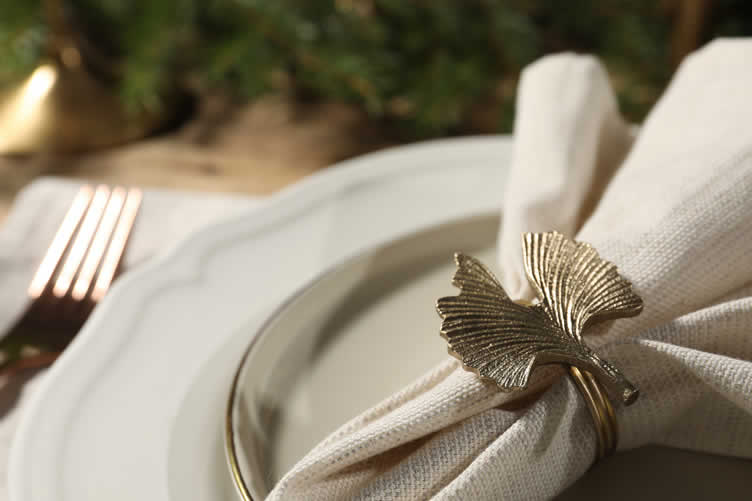
copyright image by 123rf.com
- Napkin Rings:
-
6th: Tableware Summary
Here’s a concise yet detailed overview of tableware essentials, designed to provide quick and easy reference for anyone looking to set the perfect table.
Whether you’re hosting a formal dinner, a casual brunch, or a festive celebration, understanding the key pieces of tableware can make all the difference. This summary table will ensure you have everything you need to create a beautiful and functional table setting for any occasion.
Category Examples Dinnerware Charger plates, dinner plates, salad plates, dessert plates, soup bowls, bread and butter plates, cups and saucers Serveware Serving platters, serving bowls, gravy boats, butter dishes, sugar bowls, creamers, cake stands Flatware Dinner forks, salad forks, dessert forks, dinner knives, butter knives, soup spoons, teaspoons, serving utensils Glassware Drinkware, water goblets, wine glasses, champagne flutes, cocktail glasses, stemware, beer glasses, stemless glasses, coffee mugs Other Tablewares Napkin rings, condiment containers, centerpieces, chopsticks, ramekins, trivets
-
-
ideas to view and compare from the information discussed above
Scroll up to directory … or scroll to next section to review more about this kitchenware guide …


… for a culinary kitchen




Download this PDF for a concise summary of all you need to know about …?




… remodeling decisions
second “photo remodeling” idea
copyright image by 123rf.com
Kitchenware 2: Cookware Essentials and Types Explained
Notes:
-
Cookware refers to the tools and vessels used in the preparation of food on a stove, in an oven, or through specialized devices.
These kitchen essentials are designed for a variety of cooking methods such as boiling, frying, steaming, roasting, and baking. The category of cookware encompasses a diverse range of items, each tailored to specific culinary techniques.
High-quality cookware is an integral part of any kitchen, whether for professional chefs or home cooks, as they profoundly influence the performance, durability, and results of cooking.
This section explores the types of cookware commonly available, their uses, and their significance in fostering efficiency and versatility in food preparation.
-
Quick scroll to “cookware essential” side notes …
-
-
1st: Cooking Pots
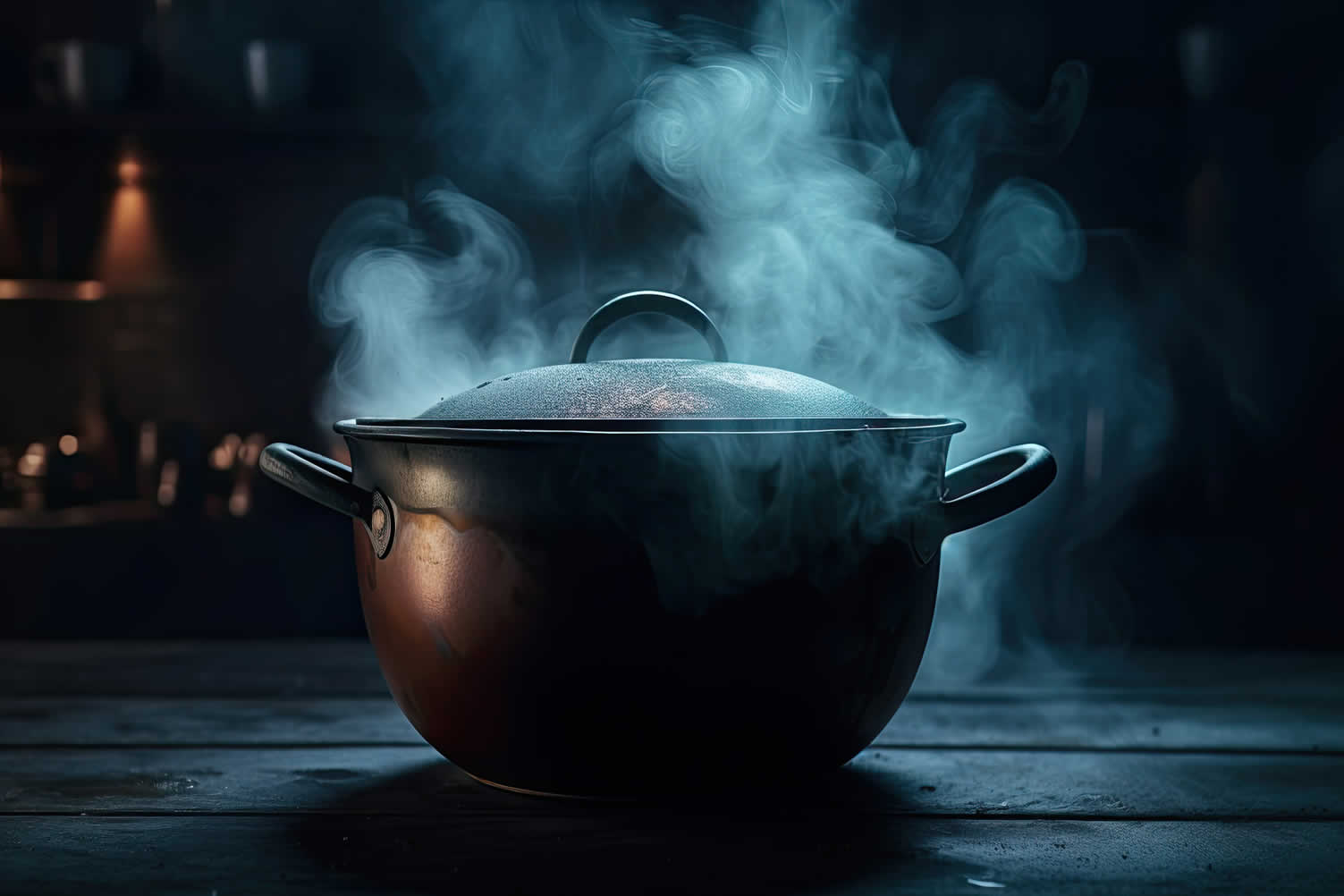
Pots are deep, cylindrical cooking vessels specifically designed for liquid-heavy preparations such as soups, stews, sauces, and even stocks. Their tall sides and spacious interiors make them ideal for slow cooking and simmering, allowing flavors to meld beautifully over time.
Pots are typically made from durable materials like stainless steel, aluminum, or cast iron, ensuring even heat distribution. They often come with lids to retain heat and moisture, improving cooking efficiency and preserving the dish’s flavors.
Additionally, most pots feature two sturdy handles on either side, making them easy to lift and transport, even when full. Common examples include:
[ view sample images: cooking pots ]
- Saucepot:
A medium-sized pot with a wider base and tall sides, ideal for making sauces, soups, and stews. It provides consistent heat distribution for slow cooking and simmering. - Saucepan:
A smaller, versatile pot with a long handle and a lid, commonly used for heating liquids, making sauces, or cooking small portions of food. - Stockpot:
A large pot with a tall, straight design, perfect for preparing stocks, broths, or large quantities of soups and stews. Its size makes it advantageous for boiling pasta or steaming shellfish. - Dutch Oven:
A heavy-duty pot made of cast iron or ceramic, featuring thick walls and a tight-fitting lid. It retains heat exceptionally well, making it suitable for braising, baking, and slow cooking. - Other:
Specialty items like jam pots, pasta pots, or tamale pots cater to more specific cooking needs.
Cooking Pot Type Purpose Saucepot A medium pot with a wide base and tall sides, perfect for sauces, soups, and stews. It ensures even heat for slow cooking and simmering. Saucepan A small pot with a long handle and lid, ideal for heating liquids, making sauces, or cooking small portions. Stockpot A tall, straight pot ideal for stocks, broths, soups, and stews. Its size is perfect for boiling pasta or steaming shellfish. Dutch Oven A heavy-duty cast iron or ceramic pot with thick walls and a tight lid. It retains heat well, ideal for braising, baking, and slow cooking. Other Specialty items like jam, pasta, or tamale pots cater to specific cooking needs. 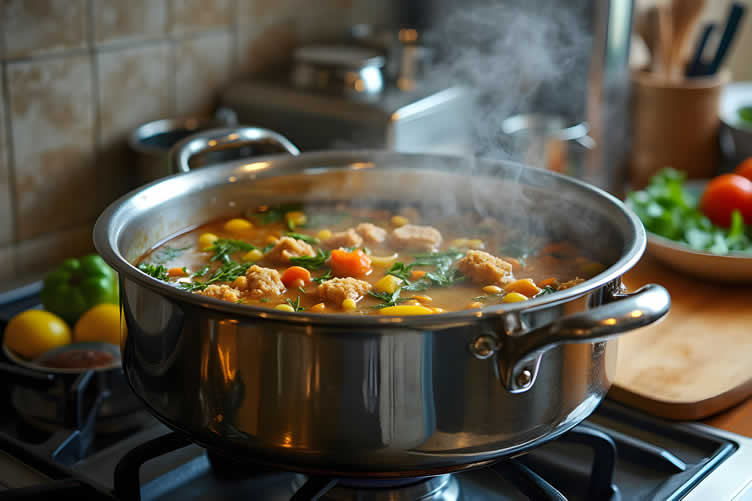
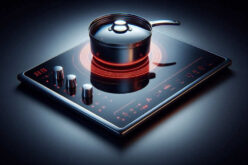
AI generated image by 123rf.com
[ pinterest: about cooking pots ]
[ youtube: 9 Pots & Pans You Need ]
—— cooking pot material types ——
Cooking pots are made from a variety of materials, each offering unique properties that influence cooking performance, durability, and maintenance. Choosing the right material can greatly enhance your culinary experience and outcomes.
- Stainless Steel:
Durable and non-reactive, stainless steel is ideal for everyday cooking. It resists corrosion and works well for tasks requiring even heating when paired with an aluminum or copper core. - Cast Iron:
Known for its excellent heat retention, cast iron is perfect for slow cooking or searing. When seasoned properly, it offers a naturally non-stick surface. - Aluminum:
Lightweight and an excellent heat conductor, aluminum pots are commonly used but may require anodization to prevent reactivity with acidic foods. - Copper:
Renowned for its superior heat conductivity, copper heats quickly and evenly. Pots made of copper are often lined with another material, such as stainless steel, to prevent reactions with food. - Stoneware:
Durable and versatile, stoneware pots retain heat exceptionally well and distribute it evenly. Stoneware typically has a glazed surface, making it easy to clean and resistant to sticking. - Ceramic:
Non-toxic and aesthetically appealing, ceramic pots are good for slow cooking and gentle heat distribution. They are often used for stovetop or oven cooking. - Non-Stick Coatings:
Ideal for low-fat cooking, non-stick pots prevent food from adhering to the surface, making cleanup easier. However, they require careful handling to avoid scratching the coating.
- Saucepot:
-
2nd: Cooking Pans
Pans are essential kitchen tools used for frying, sautéing, searing, or roasting food. Unlike pots, they are typically shallower with a flat bottom and flared sides, making them ideal for cooking techniques that require quick heat distribution and easy access to the ingredients.
Pans come in a variety of shapes, sizes, and materials to suit different cooking styles and preferences. From non-stick pans for effortless clean-up to cast iron skillets for high-heat searing or stainless steel pans for even heat distribution, there’s a pan for every need.
Common types include frying pans, sauté pans, and griddles, each designed to handle specific tasks in the kitchen with ease.
[ view sample images: cooking pans ]
- Frying Pan:
A versatile and commonly used pan with a flat bottom and flared sides, perfect for frying, searing, and browning food. - Skillet:
Similar to a frying pan but often heavier and with straighter sides, making it suitable for both stovetop and oven use. - Grill Pan:
Features raised ridges on the cooking surface that mimic a grill, ideal for cooking meats, vegetables, or sandwiches with grill marks. - Sauté Pan:
Designed with straight sides and a larger surface area, perfect for sautéing, searing, and cooking sauces or liquids. - Roasting Pan:
A large, deep pan with handles, specifically used for roasting meats and vegetables in the oven. Often comes with a rack for even cooking. - Wok:
A deep, round-bottomed pan with steep sides, excellent for stir-frying, steaming, and deep-frying due to its high heat distribution. - Braiser:
A wide, shallow pan with a tight-fitting lid, ideal for slow-cooking, braising, and simmering. Often used for meats and stews. - Other:
Specialty pans, such as crepe pans or paella pans, are designed for specific cooking tasks, offering unique shapes and characteristics for their intended purpose.
Cooking Pan Type Purpose Frying Pan A versatile and commonly used pan with a flat bottom and flared sides, perfect for frying, searing, and browning food. Skillet Similar to a frying pan but often heavier and with straighter sides, making it suitable for both stovetop and oven use. Grill Pan Features raised ridges on the cooking surface that mimic a grill, ideal for cooking meats, vegetables, or sandwiches with grill marks. Sauté Pan Designed with straight sides and a larger surface area, perfect for sautéing, searing, and cooking sauces or liquids. Roasting Pan A large, deep pan with handles, specifically used for roasting meats and vegetables in the oven. Often comes with a rack for even cooking. Wok A deep, round-bottomed pan with steep sides, excellent for stir-frying, steaming, and deep-frying due to its high heat distribution. Braiser A wide, shallow pan with a tight-fitting lid, ideal for slow-cooking, braising, and simmering. Often used for meats and stews. Other Specialty pans, such as crepe pans or paella pans, are designed for specific cooking tasks, offering unique shapes and characteristics for their intended purpose. 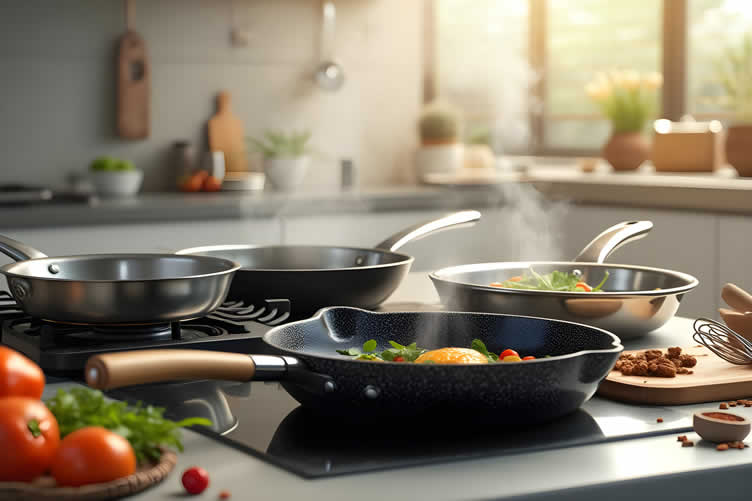
AI generated image by 123rf.com
[ pinterest: about cooking pans ]
[ youtube: Don’t WASTE Money on Trendy Pans ]
—— cooking pan material types ——
When choosing cookware, the material plays a crucial role in performance, durability, and the types of dishes you can prepare. Each material has its unique characteristics, making it suitable for specific uses in the kitchen.
Below is a list of common materials used for cooking pans and their key qualities:
- Stainless Steel:
Durable, non-reactive, and resistant to rust, making it ideal for searing, sautéing, and deglazing. It distributes heat evenly when combined with an aluminum or copper core. - Cast Iron:
Exceptional at retaining heat, making it perfect for frying, baking, and slow-cooking. Often comes pre-seasoned for a natural non-stick surface. - Non-Stick Coated:
Utilizes a slick coating that allows for minimal use of oil and easy food release, suitable for tasks like frying eggs or pancakes but less ideal for high-heat cooking. - Copper:
Offers excellent heat conductivity and precise temperature control, ideal for delicate dishes, but often requires a lining due to its reactive nature. - Carbon Steel:
A versatile material similar to cast iron, it heats quickly and becomes naturally non-stick with proper seasoning, commonly used for woks and omelette pans. - Aluminum:
Lightweight and highly conductive, this material is often anodized for durability and resistance to scratches, typically used in everyday cookware. - Ceramic:
Known for its smooth, chemical-free non-stick surface, ceramic pans are ideal for low-to-medium heat cooking and easy cleanup.
- Frying Pan:
-
3rd: Other Cookwares
Apart from conventional pots and pans, the cookware category includes a wide variety of specialized tools carefully designed for specific cooking techniques.
These auxiliary items not only enhance the overall functionality of your kitchen but also make complex cooking tasks much easier and more efficient.
From steamers and woks to roasting racks and griddles, each tool serves a unique purpose, allowing home cooks and professionals alike to experiment with different cuisines and elevate their cooking experience. Examples of such tools include:
[ view sample images: other cookwares ]
- Pressure Cooker:
A versatile kitchen tool that uses steam pressure to cook food quickly, making it ideal for tenderizing meats, cooking beans, or preparing stews in a fraction of the time. - Slow Cooker:
Designed for low, slow cooking over several hours, this appliance is perfect for soups, stews, and other dishes that benefit from a gradual melding of flavors. - Steamers:
Used to gently cook food with steam, maintaining nutrients and natural flavors, steamers are particularly popular for vegetables, seafood, and dumplings. - Rice Cooker:
A convenient device specifically for cooking rice with precision, often featuring automatic settings for various types of rice and keeping it warm for hours. - Steamer Insert/Basket:
A removable accessory that fits inside a pot, allowing food to steam above boiling water without submerging it, commonly used for vegetables or seafood. - Sous Vide:
A precision cooking method involving vacuum-sealed food cooked to exact temperatures in a water bath, ensuring evenly cooked, tender, and flavorful results. - Other:
This category includes specialty cookware like fondue pots, tagines, griddles, dutch ovens, or air fryers, each offering unique cooking capabilities for diverse kitchen needs.
Other Cookwares purpose Pressure Cooker A versatile kitchen tool that uses steam pressure to cook food quickly, making it ideal for tenderizing meats, cooking beans, or preparing stews in a fraction of the time. Slow Cooker Designed for low, slow cooking over several hours, this appliance is perfect for soups, stews, and other dishes that benefit from a gradual melding of flavors. Steamers Used to gently cook food with steam, maintaining nutrients and natural flavors, steamers are particularly popular for vegetables, seafood, and dumplings. Rice Cooker A convenient device specifically for cooking rice with precision, often featuring automatic settings for various types of rice and keeping it warm for hours. Steamer Insert/Basket A removable accessory that fits inside a pot, allowing food to steam above boiling water without submerging it, commonly used for vegetables or seafood. Sous Vide A precision cooking method involving vacuum-sealed food cooked to exact temperatures in a water bath, ensuring evenly cooked, tender, and flavorful results. Other This category includes specialty cookware like fondue pots, tagines, griddles, dutch ovens, or air fryers, each offering unique cooking capabilities for diverse kitchen needs. 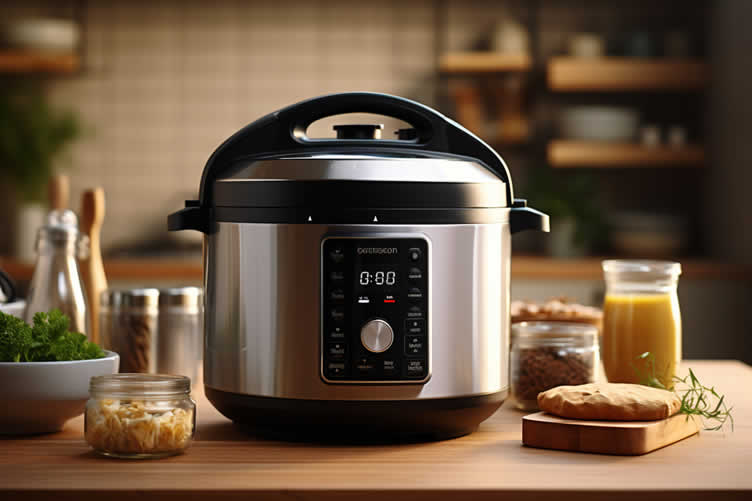
copyright image by 123rf.com
- Pressure Cooker:
-
4th: Cookware Summary
The wide range of cookware available mirrors the diversity of cooking techniques and culinary needs. Each type is uniquely designed with specific features that make it ideal for certain types of food preparation.
By understanding the characteristics and functions of different cookware, you can make more informed choices that elevate your cooking experience, delivering better performance and achieving the flavors and textures you desire.
Choosing the right cookware requires careful consideration of factors like material, heat conductivity, durability, and ease of maintenance, ensuring both convenience and exceptional results in the kitchen.
Category Examples Description Pots Saucepot, Saucepan, Stockpot, Dutch Oven, Other Larger vessels designed for liquid-based cooking like soups, sauces, and stews. Pans Frying Pan, Skillet, Grill Pan, Saute Pan, Roasting Pan, Wok, Braiser, Other Shallow tools for high-heat cooking methods such as frying, sautéing, and roasting. Other Cookwares Pressure Cooker, Slow Cooker, Steamers, Rice Cooker, Steamer Inserts/Basket, Sous Vide, Other Specialized equipment designed to perform specific tasks like pressure cooking, steaming, or sous vide.
-
-
ideas to view and compare from the information discussed above
Scroll up to directory … or scroll to next section to review more about this kitchenware guide …



addressing kitchenware guide and needs and other home improvement …

… grab this directory of ideas for future use
… for a culinary kitchen

looking for other interesting topics that may be helpful …?


May We Suggest Other Photo Remodeling Ideas About
“Cooking Tips for Your Favorite Dish …” (new win)

third “photo remodeling” idea
AI generated image by 123rf.com
Kitchenware 3: The Different Types of Bakeware
Notes:
-
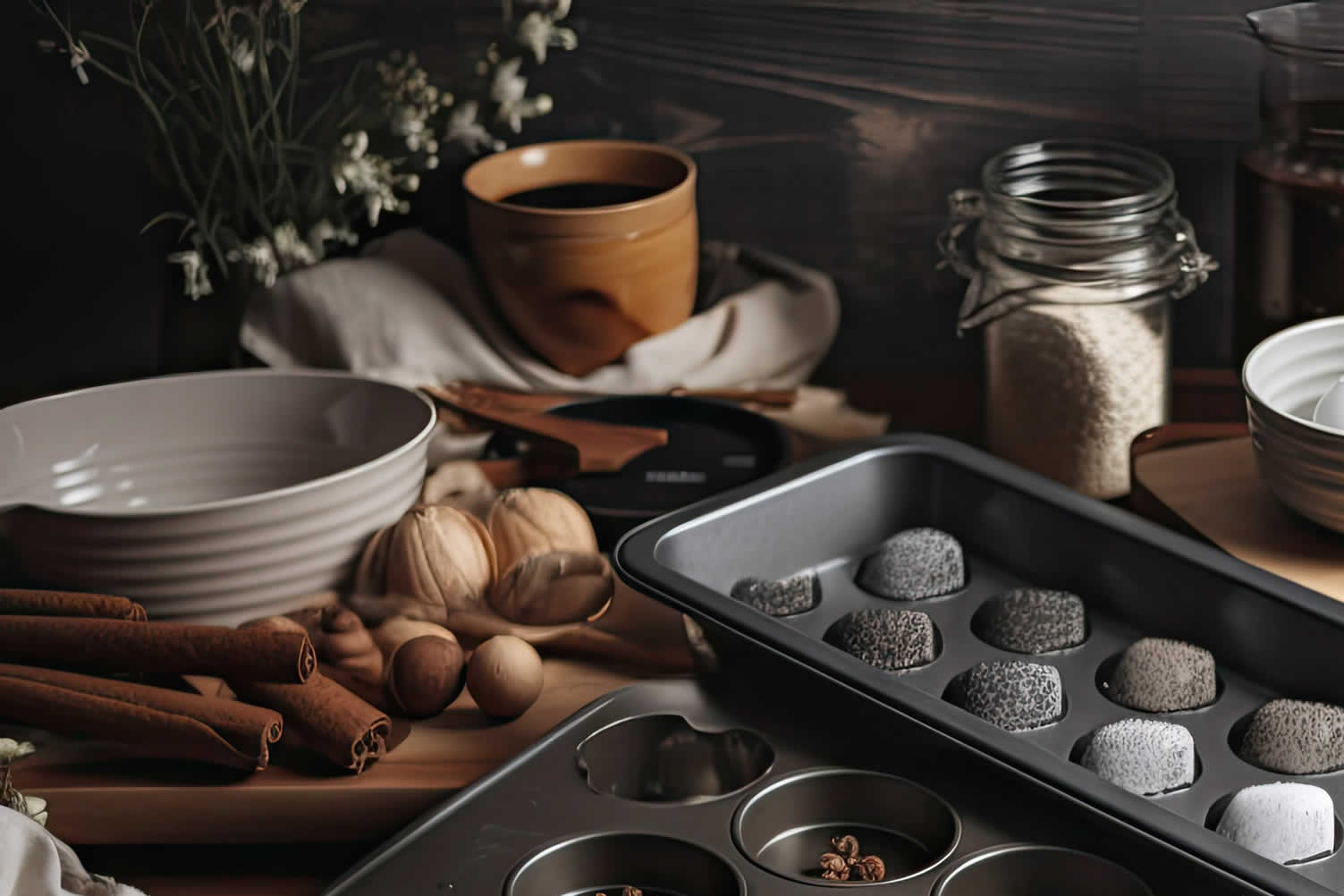
Bakeware is a foundational category within culinary equipment, encompassing any heat-resistant item specifically designed to be used in an oven for baking.
Bakeware is integral to achieving quality results in tasks such as baking bread, pastries, cakes, and savory dishes. The right bakeware not only ensures precision but also enhances the overall texture, rise, and visual appeal of baked goods.
Typically made from materials such as metal, glass, silicone, or ceramic, bakeware items are tailored with specific purposes to meet the diverse demands of baking enthusiasts and professionals alike.
Below, we explore the major types of bakeware, their unique roles, and the spectrum of tools included in each category.
-
Quick scroll to “types of bakeware” side notes …
-
-
1st: Baking Sheets
Bakeware sheets are indispensable for baking cookies, roasting vegetables, or cooling baked goods. Baking sheets, for instance, offer a smooth, flat surface for uniform heat distribution, ensuring even cooking or browning of cookies, pastries, and smaller baked goods.
Baking trays are slightly different, with raised edges that prevent spills and make them suitable for roasting or containing ingredients with more moisture. To aid optimal cooling, cooling racks are critical as they elevate baked goods, ensuring air circulation to prevent soggy bases.
Other variations of sheets cater to more niche baking requirements, each designed with adaptability in mind.
[ view sample images: baking sheets ]
- Baking Sheets:
Flat, rectangular metal sheets designed for baking cookies, biscuits, or roasting vegetables. They ensure even heat distribution and often have a rimless edge for easy sliding of baked items. - Baking Trays:
Similar to baking sheets but with raised edges, these are ideal for containing liquids or preparing dishes like lasagna and sheet cakes. They come in various sizes and depths to suit different recipes. - Cooling Racks:
Wire racks used to cool freshly baked goods by allowing air to circulate underneath, preventing sogginess and ensuring proper texture. They can also double as trays for glazing or decorating.
Type Purpose Baking Sheets Flat, rectangular metal sheets designed for baking cookies, biscuits, or roasting vegetables. They ensure even heat distribution and often have a rimless edge for easy sliding of baked items. Baking Trays Similar to baking sheets but with raised edges, these are ideal for containing liquids or preparing dishes like lasagna and sheet cakes. They come in various sizes and depths to suit different recipes. Cooling Racks Wire racks used to cool freshly baked goods by allowing air to circulate underneath, preventing sogginess and ensuring proper texture. They can also double as trays for glazing or decorating. 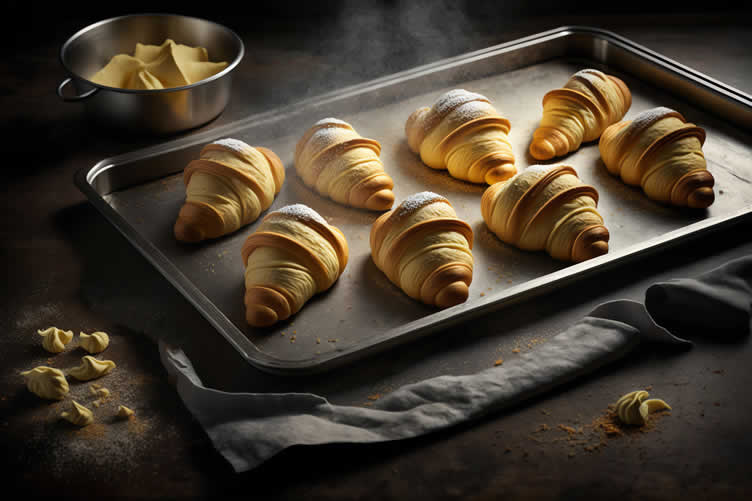
copyright image by 123rf.com
[ pinterest: about bakeware ]
[ youtube: Everything You Need to Know About Bakeware ]
- Baking Sheets:
-
2nd: Baking Pans
When it comes to baking, choosing the right pan can make all the difference in achieving perfect results.
Baking pans come in a wide variety of types and designs, each tailored to specific recipes and techniques. From springform pans for delicate creations to pie dishes for flaky crusts, every option serves a unique purpose in the kitchen.
By understanding the range of baking pans available, you can elevate your baking and ensure your treats turn out just right.
[ view sample images: baking pans ]
- Bread Loaf Pans (in varying shapes):
These pans come in various sizes and shapes, from standard rectangular ones to elongated or decorative designs, accommodating different types of bread like sandwich loaves or artisan styles. - Cake Pans (in varying shapes):
Available in a wide range of shapes such as round, square, or heart-shaped, these pans are essential for making layered cakes, sheet cakes, and other creative designs. - Square and Rectangular Baking Pans:
Versatile pans used for brownies, bars, casseroles, and other baked dishes. Their straight edges ensure evenly baked goods. - Muffin Pans / Cupcake Pans:
These pans feature multiple cup-shaped cavities for baking muffins and cupcakes uniformly. Sizes range from mini to jumbo for versatility. - Springform Pans:
Ideal for cheesecakes and other delicate desserts, these pans have removable sides and bases for easy release without damaging the baked item’s shape. - Bundt Pans and Tube Pans:
Characterized by their center tube and decorative shapes, these pans are perfect for bundt cakes, angel food cakes, or other ring-shaped creations. - Pie Dishes/Pie Tins:
Shallow, round pans with sloped sides designed for pies. They often come in ceramic, glass, or metal for different baking needs and presentation preferences. - Baking Dishes:
Generally made of glass or ceramic, they are used for baked casseroles, gratins, and savory or sweet dishes. Their heat retention and attractive designs make them suitable for serving as well. - Jelly Roll Pans:
Flat, rectangular pans with low edges, commonly used for baking thin sponge cakes, cookies, or roasting smaller cuts of vegetables and meat. - Pizza Pan/Pizza Stone:
Pizza pans have raised edges for holding dough in place, while pizza stones mimic a brick oven, creating crispy crusts. Both are essential tools for pizza enthusiasts. - Ramekins:
Small, round ceramic dishes perfect for individual portions of soufflés, custards, or molten lava cakes. They are also used for serving appetizers or desserts. - Tart Pans:
Typically circular with fluted edges and a removable bottom, these pans help create beautifully shaped tarts and quiches with crispy crusts. - Brioche Pans:
Specially crafted pans with a fluted design to make traditional brioche bread. Their unique shape creates the classic, domed appearance of this buttery bread. - Specialty Pans:
This broad category includes uniquely shaped pans such as madeleine pans, donut pans, or novelty molds for themed cakes or pastries, offering endless creative possibilities. - Other Bakewares:
Includes items like silicone baking mats, adjustable molds, or casserole dishes for niche baking needs. These tools enhance functionality and creativity in the kitchen.
Type Purpose Bread Loaf Pans These pans come in various sizes and shapes, from standard rectangular ones to elongated or decorative designs, accommodating different types of bread like sandwich loaves or artisan styles. Cake Pans Available in a wide range of shapes such as round, square, or heart-shaped, these pans are essential for making layered cakes, sheet cakes, and other creative designs. Square and Rectangular Baking Pans Versatile pans used for brownies, bars, casseroles, and other baked dishes. Their straight edges ensure evenly baked goods. Muffin Pans / Cupcake Pans These pans feature multiple cup-shaped cavities for baking muffins and cupcakes uniformly. Sizes range from mini to jumbo for versatility. Springform Pans Ideal for cheesecakes and other delicate desserts, these pans have removable sides and bases for easy release without damaging the baked item’s shape. Bundt Pans and Tube Pans Characterized by their center tube and decorative shapes, these pans are perfect for bundt cakes, angel food cakes, or other ring-shaped creations. Pie Dishes/Pie Tins Shallow, round pans with sloped sides designed for pies. They often come in ceramic, glass, or metal for different baking needs and presentation preferences. Baking Dishes Generally made of glass or ceramic, they are used for baked casseroles, gratins, and savory or sweet dishes. Their heat retention and attractive designs make them suitable for serving as well. Jelly Roll Pans Flat, rectangular pans with low edges, commonly used for baking thin sponge cakes, cookies, or roasting smaller cuts of vegetables and meat. Pizza Pan/Pizza Stone Pizza pans have raised edges for holding dough in place, while pizza stones mimic a brick oven, creating crispy crusts. Both are essential tools for pizza enthusiasts. Ramekins Small, round ceramic dishes perfect for individual portions of soufflés, custards, or molten lava cakes. They are also used for serving appetizers or desserts. Tart Pans Typically circular with fluted edges and a removable bottom, these pans help create beautifully shaped tarts and quiches with crispy crusts. Brioche Pans Specially crafted pans with a fluted design to make traditional brioche bread. Their unique shape creates the classic, domed appearance of this buttery bread. Specialty Pans This broad category includes uniquely shaped pans such as madeleine pans, donut pans, or novelty molds for themed cakes or pastries, offering endless creative possibilities. Other Bakewares Includes items like silicone baking mats, adjustable molds, or casserole dishes for niche baking needs. These tools enhance functionality and creativity in the kitchen. 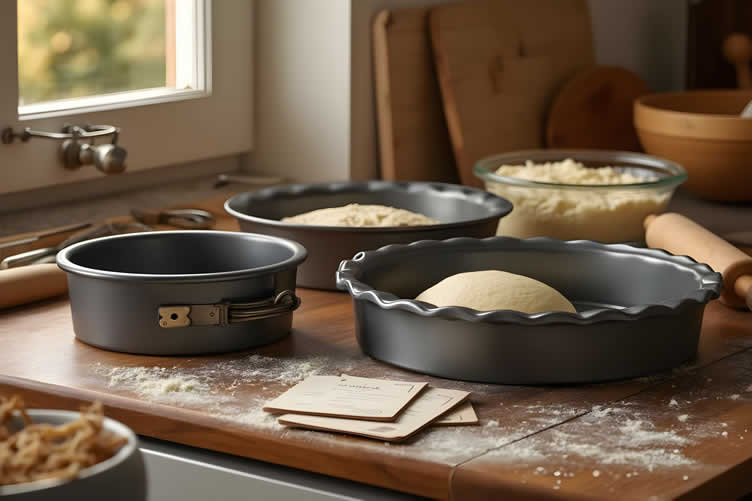
AI generated image by 123rf.com
—— baking sheet and pan material types ——
Bakeware (for both baking sheets and pans) comes in a variety of materials, each tailored to specific baking needs and preferences.
The material chosen can significantly affect heat distribution, durability, and the overall outcome of baked goods. Below is a list detailing the most commonly used bakeware materials:
- Aluminum:
Lightweight and excellent at conducting heat, aluminum is a popular choice for bakeware. It ensures even baking but can react with acidic ingredients unless treated or anodized. - Aluminized Steel:
Combining the heat conductivity of aluminum with the durability of steel, aluminized steel is resistant to corrosion and warping, making it ideal for heavy-duty baking. - Stainless Steel:
Known for its durability and resistance to rust, stainless steel bakeware often provides a more uniform bake. However, it is less efficient at conducting heat compared to other materials. - Glass:
Glass bakeware offers excellent heat retention and is perfect for consistent cooking. It is non-reactive but can heat unevenly, requiring care with delicate recipes. - Ceramic Stoneware:
Favored for its aesthetic appeal and even heat distribution, ceramic stoneware is ideal for slow, steady baking. It’s non-reactive and often used for casseroles and pies. - Silicone:
Flexible, lightweight, and non-stick, silicone bakeware allows for easy release of baked goods. However, it lacks the rigidity of traditional materials and may not brown ingredients as easily. - Cast Iron:
Extremely durable and exceptional at retaining heat, cast iron bakeware is perfect for recipes requiring a crisp crust or extended baking times. It requires seasoning to maintain its non-stick surface. - Non-Stick Coated Bakeware" Coated with a non-stick material, this bakeware is perfect for easy cleanup and low-fat baking. The coating, however, can wear off over time and requires careful maintenance.
- Other Materials:
Specialty materials, such as copper or carbon steel, are utilized for specific culinary techniques but may require special care or maintenance.
- Bread Loaf Pans (in varying shapes):
-
3rd: Bakeware Summary
Bakeware as a category forms the core toolkit for home bakers and professionals alike.
Understanding the variety in types and purposes ensures a more tailored and effective approach to baking, leading to consistently excellent outcomes in any culinary endeavor.
Each type has its own significance, supporting everything from everyday recipes to the most intricate creations.
Category Examples Included Details Sheets Baking Sheets, Baking Trays, Cooling Racks, Other Thin, resistant surfaces or racks for even baking, roasting, and cooling. Pans Loaf Pans, Bread Loaf Pans, Cake Pans, Square or Rectangular Pans, Muffin or Cupcake Pans, Springform Pans, Bundt Pans, Tube Pans, Pie Dishes, Baking Dishes, Jelly Roll Pans, Pizza Pans/Stones, Ramekins, Tart Pans, Brioche Pans, Specialty Pans, Other Diverse shapes and sizes for specific baked goods like bread, cakes, muffins, tarts, pizzas, and savory casseroles. Other Bakewares Soufflé Dishes, Pudding Basins, Flan Molds, Other Specialized dishes for distinct recipes, used to expand creativity in baking.
-
-
ideas to view and compare from the information discussed above
Scroll up to directory … or scroll to next section to review more about this kitchenware guide …
SHARE IT ..! You might have someone in your social network who could find this informative kitchenware guide valuable. Feel free to share it on Facebook, X (formally Twitter), LinkedIn, or Pinterest!




… for a culinary kitchen
Download this PDF for a concise summary of all you need to know about …?
fourth “photo remodeling” idea
copyright image by 123rf.com
Kitchenware 4: Types of Essential Kitchen Tools
Notes:
-
A well-equipped kitchen goes beyond just appliances; it relies heavily on the right tools and utensils to make cooking and dining seamless.
Cutlery is an essential component of every kitchen, including items like knives and specialized forks that play a crucial role in both food preparation and serving.
Beyond the basics, specialized utensils such as peelers, cutting boards, and kitchen shears contribute to the efficiency and precision of everyday cooking tasks.
Having the proper kitchen tools ensures that every stage of the culinary process—whether it’s chopping, stirring, or plating—can be handled with ease and finesse.
-
Quick scroll to “kitchen tools” side notes …
-
-
1st: Understanding Kitchen Cutlery
Knives are indispensable tools in any kitchen, forming the foundation of food preparation and culinary artistry. Their utility spans an immense range of tasks, from chopping vegetables to carving intricate cuts of meat, and their design reflects this diversity.
Each knife is meticulously crafted, with unique blade shapes, sizes, and edges tailored for specific purposes. A high-quality set of knives enhances efficiency, precision, and safety in the kitchen.
Below is a detailed exploration of various types of kitchen knives, their primary uses, and their typical blade sizes—a guide designed to help you make informed decisions about which knives to include in your culinary toolkit.
[ view sample images: kitchen cutlery ]
- Chef’s Knife:
Arguably the most versatile and essential knife in the kitchen, the chef’s knife features a broad, tapered blade that usually measures between 6 and 12 inches in length. - Designed for slicing, dicing, chopping, and mincing, this all-purpose knife can handle everything from meat to vegetables with remarkable precision. Its ergonomic handle and balanced weight distribution make prolonged use comfortable, cementing its role as the centerpiece of any cutlery set.
- Paring Knife:
Small but mighty, the paring knife measures around 2 to 4 inches in blade length and is ideal for delicate and intricate tasks. Its sharp, pointed blade is perfect for peeling, trimming, and garnishing fruits and vegetables with precision. - Despite its size, the paring knife is incredibly durable and provides excellent control for fine details in food preparation.
- Utility Knife:
Bridging the gap between the chef’s knife and the paring knife, the utility knife typically features a 4 to 7-inch blade. This medium-sized knife excels at slicing fruits, sandwich ingredients, and smaller cuts of meat. - Its narrower blade offers greater maneuverability, making it a reliable choice for tasks that require precision without excessive size.
- Bread Knife:
With a long blade that spans 7 to 10 inches and a distinctive serrated edge, the bread knife is specifically designed for cutting through hard crusts and soft interiors without crushing them. Its sawing motion ensures clean, even slices, making it indispensable for bread, pastries, and even tomatoes. - Santoku Knife:
Hailing from Japan, the santoku knife features a shorter, wider blade ranging from 5 to 7 inches. It is best known for its straight edge and slightly rounded tip, which allow for exceptional precision in slicing, dicing, and chopping. - The scalloped indentations along the blade reduce friction, preventing food from sticking and enabling clean, efficient cuts.
- Boning Knife:
The boning knife is a specialized tool with a thin, flexible blade measuring 5 to 7 inches. Its primary purpose is to separate meat from bones with precision, making it an essential tool for butchering tasks and preparing poultry, fish, or cuts of beef. - Some boning knives have more rigid blades for tougher cuts, while others are highly flexible for more delicate work.
- Carving Knife:
Designed for slicing thin cuts of meat, poultry, and fish, the carving knife features a long, narrow blade between 8 and 14 inches. Its length enables smooth, single strokes for clean slices, while its pointed tip aids in intricate carving work. - Fillet Knife:
Similar to the boning knife, the fillet knife is specialized for fish preparation. Its blade, which typically measures between 6 and 11 inches, is incredibly flexible, enabling it to glide along the contours of fish bones to create fillets with ease and precision. - Cleaver:
The cleaver is a hefty knife with a wide rectangular blade that ranges from 6 to 12 inches in length. Its primary function is to cut through bones and tough meat with force. Additionally, the broad blade doubles as a tool for crushing garlic or transporting chopped ingredients. - Steak Knife:
With a blade length of 4 to 6 inches, the steak knife is designed for cutting cooked meat at the dining table. Its sharp serrated or straight edge effortlessly cuts through steaks, chops, and other portions of meat without tearing or shredding. - Tomato/Bagel Knife:
Featuring a serrated edge and a 4 to 6-inch blade, this knife is perfect for slicing through delicate foods like tomatoes or bagels. The serrations enable clean cuts without crushing, preserving the food’s structure and texture. - Nakiri Knife:
Specially crafted for vegetable preparation, the nakiri knife has a straight blade typically measuring between 5 and 7 inches. This Japanese-style knife excels at chopping, slicing, and dicing vegetables with precision, thanks to its flat edge and thin blade. - Peeling Knife:
Also known as a bird’s beak knife due to its curved blade, the peeling knife is ideal for intricate work. Its 2 to 3-inch blade provides exceptional control for peeling, trimming, and creating decorative garnishes. - Other Specialty Knives:
Beyond the common knives listed above, there are specialty knives designed for specific culinary needs, such as oyster knives, butter knives, and cheese knives. Each serves a unique purpose, enhancing the functionality and versatility of your kitchen cutlery.
Knife Type Blade Length Primary Use Chef’s Knife 6–12 inches Versatile tasks like slicing, dicing, and chopping Paring Knife 2–4 inches Peeling, trimming, and garnishing Utility Knife 4–7 inches Slicing fruits, vegetables, and small cuts of meat Bread Knife 7–10 inches Cutting bread, pastries, and soft foods with crusts Santoku Knife 5–7 inches Precision slicing, dicing, and chopping Boning Knife 5–7 inches Separating meat from bones Carving Knife 8–14 inches Slicing thin cuts of meat Fillet Knife 6–11 inches Preparing fish fillets Cleaver 6–12 inches Cutting through bones and tough meat Steak Knife 4–6 inches Cutting cooked meat at the dining table Tomato/Bagel Knife 4–6 inches Slicing soft, delicate foods without crushing Nakiri Knife 5–7 inches Precise vegetable slicing and chopping Peeling Knife 2–3 inches Peeling and intricate decorative work 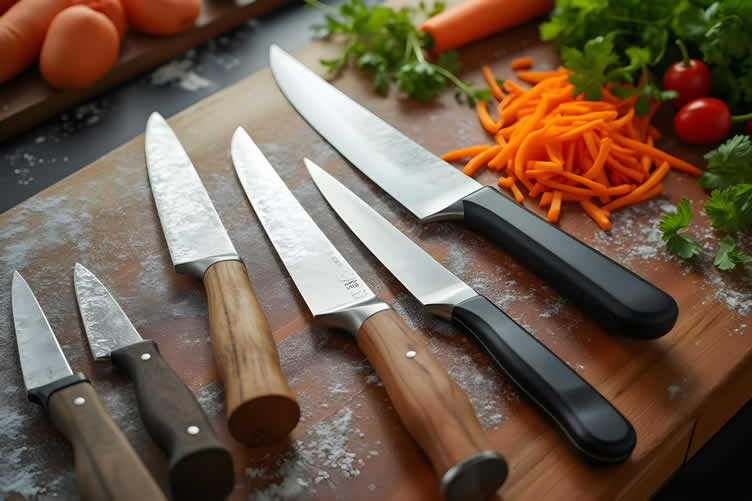
AI generated image by 123rf.com
[ pinterest: about kitchen knives ]
[ youtube: WHY I DON’T USE EXPENSIVE KNIVES ]
- Chef’s Knife:
-
2nd: Essential Tools and Utensils in Kitchen Cutlery Sets
When building a complete and functional kitchen, knives are indispensable; however, a well-rounded kitchen cutlery set goes far beyond knives. These sets often include a wide range of additional tools and utensils that are essential for preparing, measuring, and serving food with precision and ease.
By understanding the purpose and functions of these complementary items, cooks can enhance efficiency, achieve better results, and enjoy a more seamless culinary experience.
Below is an exploration of the other key components commonly included in or considered part of kitchen cutlery sets.
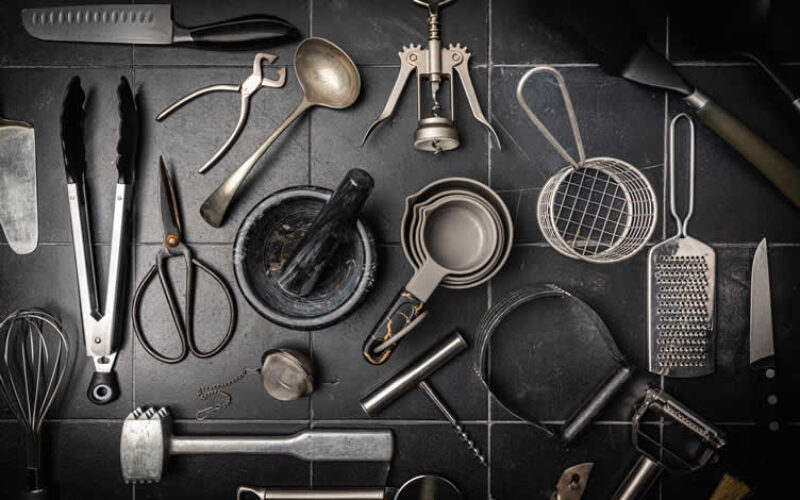
[ view sample images: kitchen tools ]
- Kitchen Shears and Scissors:
Kitchen shears and scissors are versatile tools that complement knives by offering precise cutting control for tasks such as trimming meat, snipping herbs, or opening food packaging. Their robust, ergonomic designs allow them to handle everything from stubborn poultry bones to delicate garnishes. - Measuring Cups and Spoons:
Accurate measurement is the foundation of successful cooking and baking. Measuring cups and spoons ensure precise quantities of ingredients, letting cooks follow recipes with confidence. - Available in a variety of materials including stainless steel, plastic, and glass, they are designed for easy readability and durability, making them essential tools for repeatable results in both sweet and savory preparations.
- Cutting Boards:
Cutting boards provide a safe and hygienic surface for slicing, chopping, and dicing ingredients. They come in materials such as wood, plastic, and bamboo, each suited to different needs and preferences. - Wooden boards are gentle on knife edges and ideal for dry items, while plastic options are lightweight, affordable, and dishwasher-safe, making them suitable for raw meat or fish.
- Peelers:
Peelers streamline the process of removing skins from fruits and vegetables, offering efficiency and precision. Basic swivel peelers are ideal for everyday peeling tasks, while more specialized options, such as julienne peelers, allow for the creation of uniform strips for salads and garnishes. - Graters:
A grater is an indispensable tool for tasks like shredding cheese, zesting citrus, or grating spices such as nutmeg. Box graters are particularly versatile, offering multiple blade styles for handling coarse or fine gratings, while flat graters or microplanes provide excellent control for smaller, delicate tasks. - Garlic Presses:
For anyone who regularly cooks with garlic, a garlic press is a game-changer. This tool allows users to extract flavorful garlic paste with minimal effort, eliminating the need to finely chop cloves manually. High-quality garlic presses are typically made of stainless steel for durability and ease of cleaning. - Specialty Knives for Specific Needs:
Specialty knives enhance the versatility of any kitchen cutlery set. Cheese knives are crafted to handle both soft and hard varieties, featuring pronged tips or perforated blades to prevent sticking. - Fish and oyster knives are tailored to cleaning, descaling, or opening shellfish. Butter knives, with their dull edges, are convenient for spreading butter and other soft spreads effortlessly.
- Sharpening Steel and Honing Tools:
Knife maintenance is critical to ensuring their longevity and performance. Sharpening steel and honing tools are used to restore a blade’s edge, keeping it sharp and efficient. - A honing rod is used to realign the blade’s edge after regular use, while sharpening steel removes small amounts of material to create a fresh cutting edge.
- Knife Block and Storage Solutions:
Proper storage not only extends the life of your knives and tools but also keeps them organized and safely accessible. Knife blocks are a common choice for easy and hygienic storage. - Some cutlery sets include magnetic strips, which are mounted to walls for a space-saving alternative, or knife guards designed to protect the blades during drawer storage.
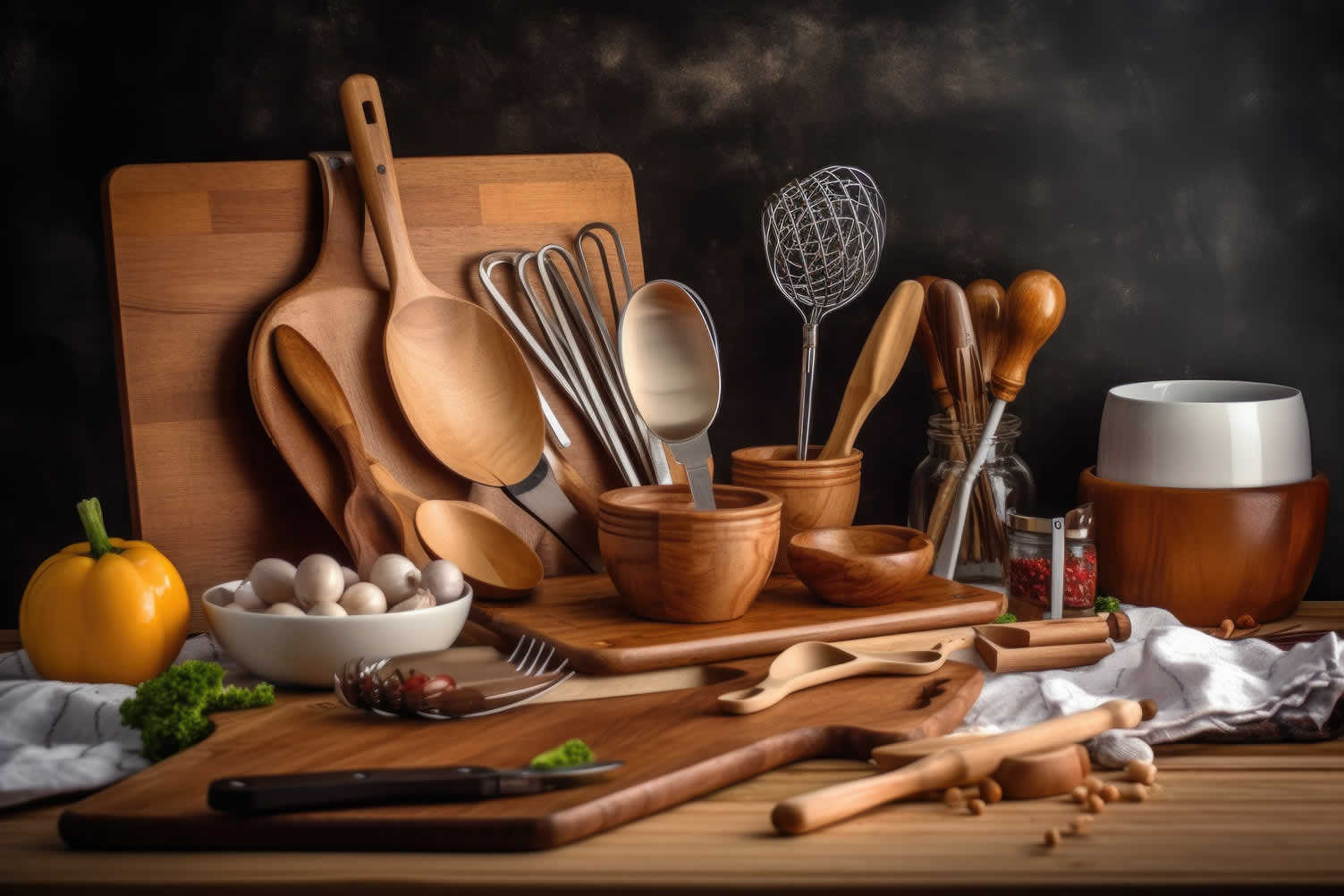
Tool/Utensil Function Common Materials Kitchen Shears/Scissors Cutting herbs, trimming meats, opening packages, and multi-functional use Stainless steel, heavy-duty plastic Measuring Cups/Spoons Precise measurement of ingredients for cooking and baking Stainless steel, plastic, glass Cutting Boards Providing safe and hygienic surfaces for cutting and chopping Wood, plastic, bamboo Peelers Removing skins from fruits and vegetables, creating decorative strips Stainless steel, plastic Graters Shredding cheese, zesting citrus, grating spices Stainless steel Garlic Press Crushing garlic cloves with ease and extracting flavorful paste Stainless steel Specialty Knives Refining tasks like cutting cheese, shellfish preparation, or butter spreading Stainless steel Sharpening Steel/Honing Maintaining knife blade sharpness and edge alignment Carbon steel, stainless steel Knife Block/Storage Storing knives and tools in an organized, hygienic, and safe manner Wood, plastic, magnetic strips 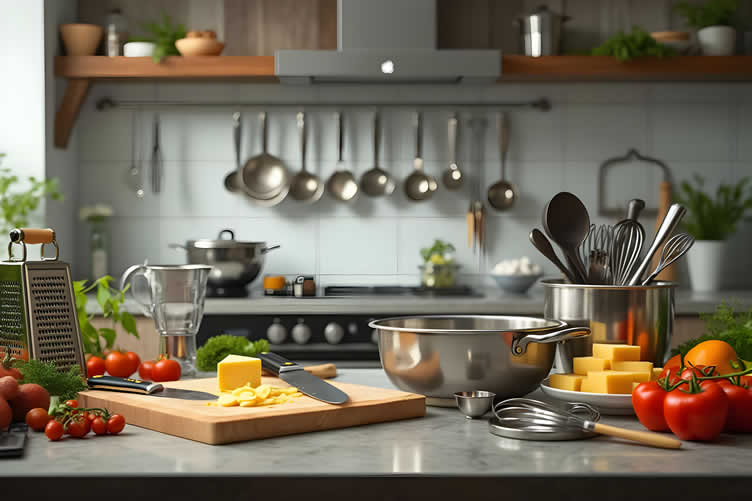
AI generated image by 123rf.com
- Kitchen Shears and Scissors:
-
-
ideas to view and compare from the information discussed above
Scroll up to directory … or scroll to next section to review more about this kitchenware guide …

plan the specifications you need for making …
… key home improvement and remodeling decisions



fifth “photo remodeling” idea
copyright image by 123rf.com
Kitchenware 5: Kitchen Utensil Needs
Notes:
-
For the master cook of the home, having the right kitchen utensils is essential to achieving culinary excellence. Key utensils, such as spatulas, ladles, tongs, and whisks, provide the precision and functionality needed for various cooking techniques.
High-quality utensils not only enhance efficiency but also contribute to the consistency of dishes, as they are designed to handle specific tasks effectively. For example, a heat-resistant spatula ensures smooth stirring without melting, while a sturdy pair of tongs makes sautéing or grilling safer and more controlled.
Beyond functionality, these key utensils make the cooking process more enjoyable. They are often ergonomically designed, reducing strain during prolonged use, and their durability ensures that they serve the kitchen for years.
By investing in essential tools, the master cook can approach recipes with confidence
-
Quick scroll to “kitchen utensil” side notes …
-
-
1st: Essential Kitchen Food Preparation Utensils
A well-equipped kitchen requires more than just high-quality knives. Food preparation utensils play a critical role in ensuring efficiency, precision, and ease of use when working with various ingredients.
Whether you are slicing, mixing, tenderizing, or grating, the right tools can significantly enhance your culinary experience.
Below, we explore some of the most commonly used food preparation utensils, their purposes, and why they are indispensable to any kitchen.
[ view sample images: food prep utensils ]
- Meat Grinder:
A meat grinder is a must-have tool for making custom-ground meats, giving you control over fat content and flavor. Perfect for ground beef, pork, or poultry, it ensures the ideal texture for burgers, meatballs, sausages, and more. Manual and electric models suit different preparation needs. - Meat Tenderizer:
A meat tenderizer breaks down tough tissues, improving the texture and flavor of meat. It’s perfect for steaks, pork chops, or chicken breasts, making them more tender and easier to cook evenly. From mallets to blades, these tools are highly effective. - Meat Thermometer:
A meat thermometer ensures meat is cooked to the ideal temperature, preventing overcooking or undercooking. It’s essential for food safety and making dishes like poultry and roasts juicy and flavorful. - Mezzaluna (Herb Chopper):
The mezzaluna, with its curved blade and dual handles, is ideal for chopping herbs, vegetables, or garlic quickly and evenly. Its rocking motion ensures controlled cuts, saving time and improving ingredient consistency. - Microplane:
Perfect for zesting citrus, grating hard cheeses, or shredding spices like nutmeg, a microplane is essential for precise results. It adds a professional touch to baking and garnishing. - Milk Frother:
Used to froth milk for cappuccinos, lattes, or hot chocolates, a milk frother brings café-quality to homemade drinks. Options range from handheld to advanced electric models for customizable results. - Mortar and Pestle:
The mortar and pestle is one of the oldest kitchen tools, used to grind and blend spices, herbs, and ingredients into pastes or powders. Its versatility is key to authentic flavors in cuisines worldwide, from curry pastes to pesto. - Nutcracker:
The nutcracker is indispensable for breaking open hard-shelled nuts like walnuts, hazelnuts, or pecans. Beyond its primary function, it can also crack seafood shells, doubling its utility in preparing delicate dishes. - Whisk:
The whisk is critical for combining ingredients, aerating batters, or emulsifying dressings. It offers versatility for tasks ranging from whipping cream to blending eggs, enhancing texture and structure in recipes with ease. - Spatula:
Spatulas are multi-functional utensils that allow for spreading, flipping, folding, or smoothing ingredients. Available in silicone, metal, or plastic, they suit various applications, including baking, sautéing, and stir-frying. - Tongs:
Tongs are indispensable for gripping and handling food safely and hygienically during preparation and cooking. They are perfect for flipping meats on the grill, serving salads, or turning roasted vegetables. - Colander or Strainer:
A colander or strainer is essential for draining liquids from food, such as rinsing produce or straining pasta. Fine mesh strainers are ideal for tasks requiring precision, like sifting flour or separating seeds. - Potato Ricer:
For silky-smooth mashed potatoes or purées, a potato ricer is unmatched. This tool extrudes cooked potatoes through small holes, creating an airy, lump-free consistency. - Mandoline Slicer:
The mandoline slicer is a time-saving tool designed for precise, uniform cuts. Whether julienning vegetables, creating paper-thin slices of fruits, or achieving restaurant-quality presentation, it is a staple for chefs looking to elevate plating and preparation. - Other Noteworthy Tools:
Additional utensils like dough scrapers, pastry brushes, or food scales also contribute to a well-rounded kitchen. Each of these specialized tools has a specific purpose aimed at improving technique or enhancing results.
Utensil Type Function Key Use Meat Grinder Grinds meat to desired texture Custom blends for burgers, sausages, or meatloaves Meat Tenderizer Breaks down fibers for tender meat Improves texture in tougher cuts of meat Meat Thermometer Measures internal temperature of proteins Ensures safe, precise cooking Melon Baller Scoops spherical pieces of fruit Enhances presentation for desserts and salads Mezzaluna Mincing and chopping herbs Prepares finely chopped herbs and vegetables Microplane Zests or grates in fine textures Ideal for citrus, cheese, or spices Milk Frother Creates foam in beverages Perfect for cappuccinos or latte art Mortar and Pestle Crushes and blends ingredients Releases essential oils and aromas in spices Nutcracker Splits hard shells Great for walnuts, pecans, and other hard-shelled nuts Whisk Blends or aerates mixtures Preparation of batter, sauces, or whipped cream Spatula Flips, spreads, and mixes food Versatile for various kitchen tasks Tongs Safely handles food during cooking Useful for grilling, frying, or serving Colander/Strainer Separates liquids from solids Drains pasta, washes produce, or sifts grains Potato Ricer Presses and smooths potatoes Perfect for fluffy mashed potatoes Mandoline Slicer Cuts uniform slices of vegetables or fruits Speeds up meal prep and ensures consistent thickness 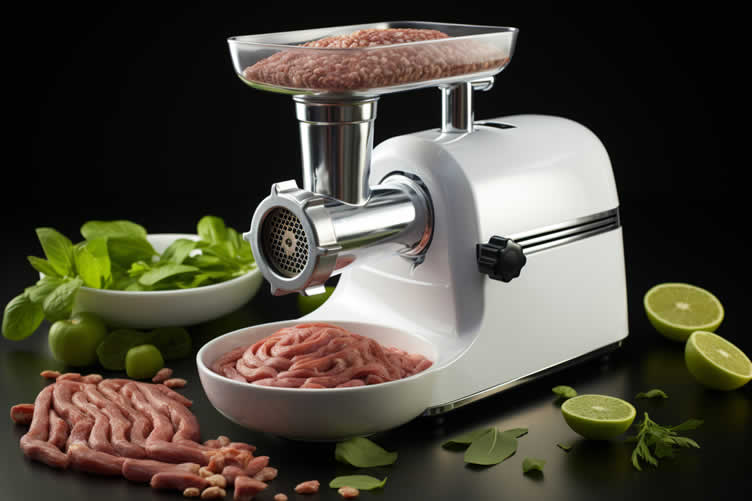
copyright image by 123rf.com
[ pinterest: about kitchen essential utensils ]
[ youtube: 19 Tools To Make Cooking Easier ]
- Meat Grinder:
-
2nd: Essential Food Serving Utensils
When it comes to serving food, the right utensils not only make the process more efficient but also add a touch of refinement to your dining experience.
Food serving utensils are specially designed to facilitate the transfer, portioning, and presentation of meals, ensuring every dish is served with precision and care.
Below, we explore an array of essential serving utensils, detailing their uses and benefits to equip any home chef or professional with the knowledge needed for an optimal serving experience.
[ view sample images: food serving utensils ]
- Serving Spoons:
Serving spoons are versatile tools for transferring and portioning a variety of dishes, from casseroles to desserts. Constructed from durable materials such as stainless steel, wood, or silicone, they are designed to handle both hot and cold foods while maintaining a comfortable grip. - Slotted Spoons:
Slotted spoons are crucial for dishes that require liquid to be drained while serving. With perforations or elongated slots in their bowl, these utensils are perfect for separating solids from broths, sauces, or oils. - Serving Forks:
Serving forks are tailored for serving larger cuts of meat, such as roasts, or delicate foods like sliced fruits. Their long, pronged design helps securely grasp and transfer food pieces without damaging their structure. - Ladles:
Ladles are indispensable when serving liquid-based foods such as soups, stews, and sauces. With their deep, bowl-like base and long handle, they allow for precise portioning without spillage. - Cake and Pie Servers:
These triangular-shaped utensils are designed specifically for slicing and serving desserts like cakes and pies. The sharp edge effortlessly cuts through layers, while the flat, wide base supports the slice during transfer, preserving its shape. - Salad Tongs:
Salad tongs are two-pronged utensils that make tossing and serving salads effortless. Their ergonomic design ensures a secure grip on leafy greens, croûtons, and other ingredients without causing bruising or mess. - Sugar Tongs:
Sugar tongs are small, delicate tools used to serve sugar cubes, typically during tea or coffee service. Their compact design allows for easy and hygienic transfer of sugar without using fingers, maintaining a refined and sanitary experience. - Cheese Knives:
Cheese knives come in various designs tailored to specific types of cheese, whether soft, semi-soft, or hard. They ensure clean cuts and prevent the cheese’s texture and flavor from being compromised. - Bread Knives:
Featuring long, serrated blades, bread knives are the go-to utensil for serving loaves or baguettes without crushing their texture. They create clean, even slices while protecting the bread’s crust and crumb structure. - Spaghetti Forks:
Also known as pasta servers, spaghetti forks are uniquely designed with prongs and often a small slit to grip and serve long pasta strands effectively. These utensils prevent tangling and allow for effortless portioning of spaghetti, linguine, or fettuccine with elegant precision. - Gravy Boat:
A gravy boat is both functional and decorative, providing a vessel for serving liquid condiments such as gravy, sauces, or dressings. Designed with a spout for easy pouring, it avoids mess and enhances the presentation of accompanying dishes. - Butter Dish:
A butter dish ensures butter remains fresh and easily accessible during meals. Featuring a covered lid and base, it keeps butter hygienic and presentable. Some models include ridges within the dish to stabilize sticks of butter during serving. - Additional Serving Utensils:
Beyond these essentials, other specialized utensils like carving sets, oyster forks, and egg slicers cater to unique serving needs. Investing in the appropriate tools enhances the versatility of your kitchen and ensures a seamless dining experience.
Utensil Primary Use Key Features Serving Spoons Portioning and transferring foods Large bowl, durable materials Slotted Spoons Separating solids from liquids Perforated or slotted designs Serving Forks Serving meats and delicate food items Long prongs, sturdy grip Ladles Serving soups, stews, and sauces Deep bowl, long handle Cake/Pie Servers Slicing and transferring desserts Sharp edge, flat triangular base Salad Tongs Tossing and serving salads Ergonomic, secure grip design Sugar Tongs Serving sugar cubes Compact, hygienic design Cheese Knives Cutting and serving cheese Designed for specific cheese textures Bread Knives Slicing breads without crushing Serrated blade, long handle Spaghetti Forks Serving long pasta strands Pronged design with grip slit Gravy Boat Pouring liquid condiments like sauces Spout for clean pouring Butter Dish Preserving and serving butter Covered lid, stable base Other For unique serving needs Oyster forks, egg slicers 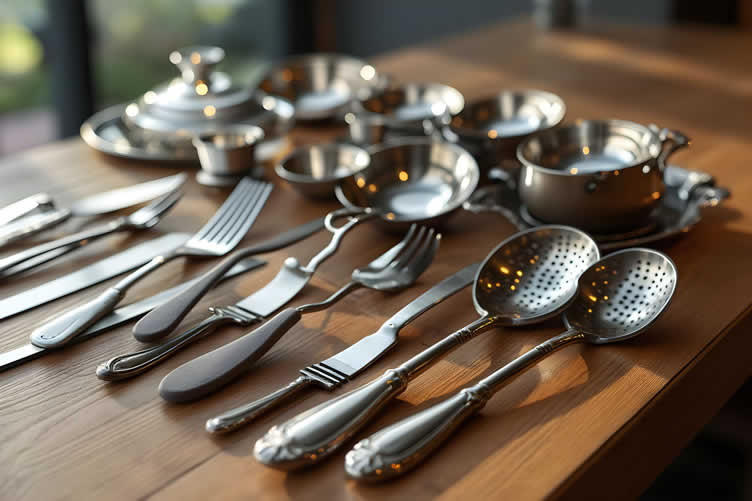
AI generated image by 123rf.com
- Serving Spoons:
-
-
ideas to view and compare from the information discussed above
Scroll up to directory … or scroll to next section to review more about this kitchenware guide …

Budgeting Worksheet For Costing Home Remodeling and Home Improvement Decisions
 File Type (excel)
get the size dimensions for any home remodeling project …
… for functionality, aesthetics, and adhering to building codes


Find Kitchen Remodeling Services Kitchen Remodeling and Design Cabinets & Countertops Flooring Lighting Design Painting & Staining top-rated, pre-screened local contractors FREE: download contractor selection enter zip code – powered by HomeAdvisor ™
Quick Contractor Guides selecting negotiating working with inspecting

sixth and last “photo remodeling” idea
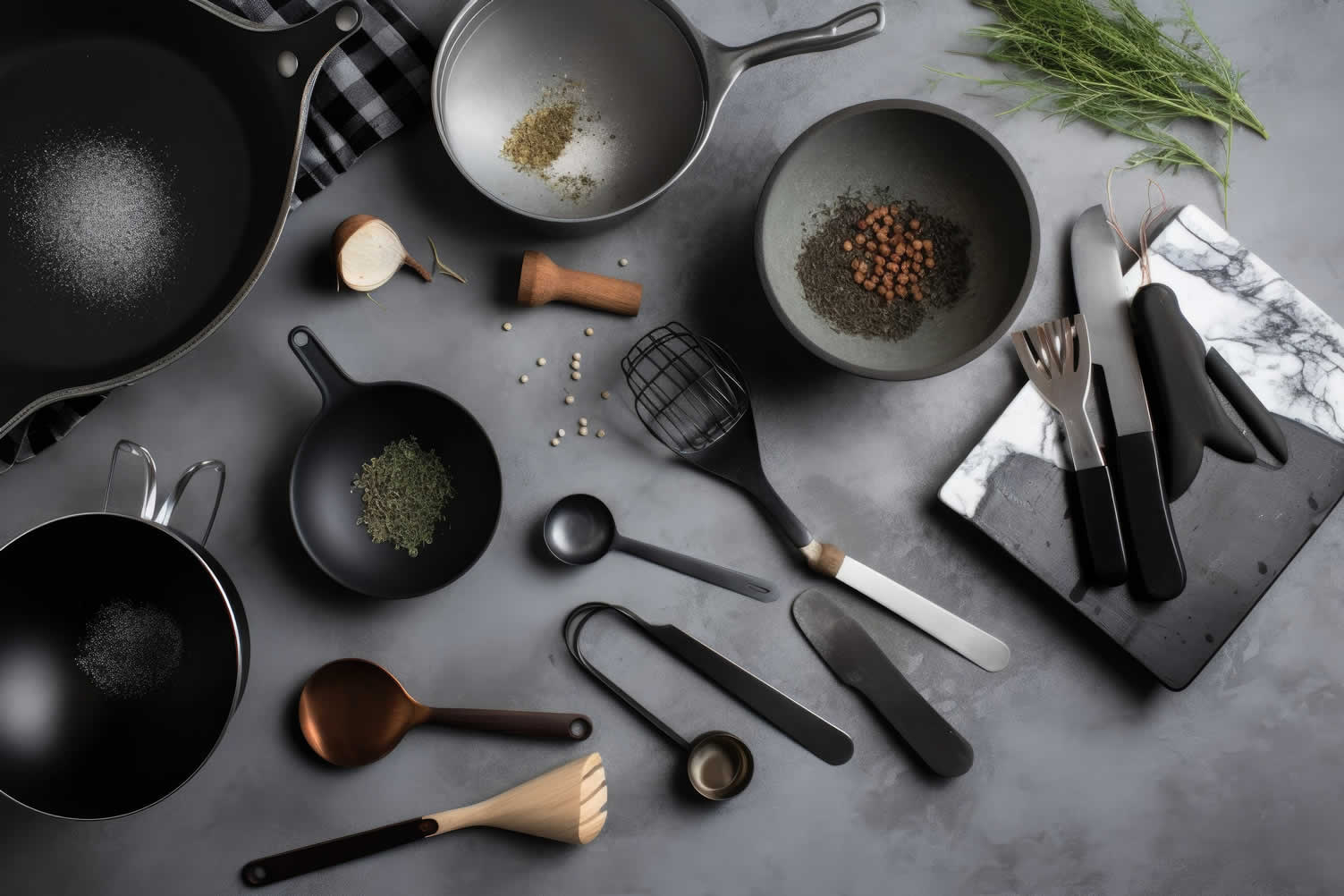

copyright image by 123rf.com
Kitchenware 6: Kitchenware Materials: Benefits and Drawbacks
Notes:
-
Choosing the right material for your cooking pots and pans can significantly impact your cooking experience. Each material has unique attributes that influence heat distribution, durability, maintenance, and suitability for certain types of cooking.
Below is a breakdown of various materials commonly used for cooking and prep wares, along with their pros and cons.
-
Quirk scroll to topic "kitchen material" side notes …
-
-
1st: Materials Used in Cookware
When selecting cookware, understanding the properties of different materials is essential to make informed choices. Each material offers distinct advantages and potential drawbacks that can affect your cooking results and overall kitchen experience.
The following section highlights the pros and cons of popular cookware materials to help you determine which option best suits your needs.
[ view summary table: cookware materials ]
-
Stainless Steel
Stainless steel is a durable and non-reactive material commonly used for pots and pans. It is valued for its versatility and sleek appearance.
- Pros:
- Durable and resistant to rust and corrosion.
- Non-reactive with acidic or alkaline foods.
- Easy to clean and dishwasher-safe.
- Cons:
- Poor heat conduction; often requires an aluminum or copper core for even heating.
- Can cause food to stick if not used properly.
- Pros:
-
Cast Iron
Known for its excellent heat retention, cast iron is a popular material for cookware, especially for slow-cooking and frying tasks.
- Pros:
- Superior heat retention and even heat distribution.
- Long-lasting and virtually indestructible.
- Can develop a natural non-stick surface with repeated seasoning.
- Cons:
- Heavy and potentially cumbersome to handle.
- Requires regular seasoning to maintain non-stick properties.
- Prone to rust if not properly cared for.
- Pros:
-
Aluminum
Lightweight and cost-effective, aluminum is a widely-used material in all types of cookware.
- Pros:
- Lightweight and easy to handle.
- Excellent heat conductivity.
- Affordable and widely available.
- Cons:
- Prone to warping and scratching if not anodized.
- Reactive with acidic foods unless coated or anodized.
- Pros:
-
Copper
Copper cookware is renowned for its exceptional heat conduction and precision cooking capabilities.
- Pros:
- Superior heat conductive properties for precise temperature control.
- Aesthetic and often used as decorative cookware.
- Cons:
- Requires regular polishing to maintain appearance.
- Reacts with acidic foods, often requiring a lining.
- Pros:
-
Carbon Steel
Carbon steel is similar to cast iron but lighter and quicker to heat up, making it a favorite for professional chefs.
- Pros:
- Lighter than cast iron while retaining durability.
- Develops a natural non-stick surface with seasoning.
- Versatile for high-heat cooking.
- Cons:
- Susceptible to rust without proper care.
- Requires seasoning and maintenance like cast iron.
- Pros:
-
Stoneware
Stoneware is often used for oven-safe cooking and excels in heat retention and even baking.
- Pros:
- Even heat distribution, especially for baking.
- Naturally non-stick when glazed.
- Cons:
- Fragile and prone to cracking under sudden temperature changes.
- Limited to oven use and not suitable for stovetops.
- Pros:
-
Ceramic
Ceramic cookware is prized for its natural non-stick qualities and chemical-free cooking surface.
- Pros:
- Smooth, naturally non-stick surface.
- Chemical-free and eco-friendly.
- Ideal for low-to-medium heat cooking.
- Cons:
- Prone to chipping and cracking with frequent use.
- Less durable than other materials.
- Pros:
-
Non-Stick Coatings
Non-stick coatings, such as Teflon, offer unparalleled convenience in cooking and cleaning.
- Pros:
- Effortless food release and easy cleanup.
- Ideal for low-fat cooking.
- Cons:
- Surface can deteriorate if scratched or overheated.
- Not suitable for high-heat cooking.
- Pros:
-
Other Materials (e.g., Glass, Silicone)
Glass and silicone are specialty materials used for niche cooking applications, such as baking.
- Pros:
- Glass is non-reactive and excellent for oven use.
- Silicone provides flexibility and non-stick properties for baking molds.
- Cons:
- Glass is fragile and can break under extreme heat changes.
- Silicone is limited to specific applications and not stovetop-friendly.
- Pros:
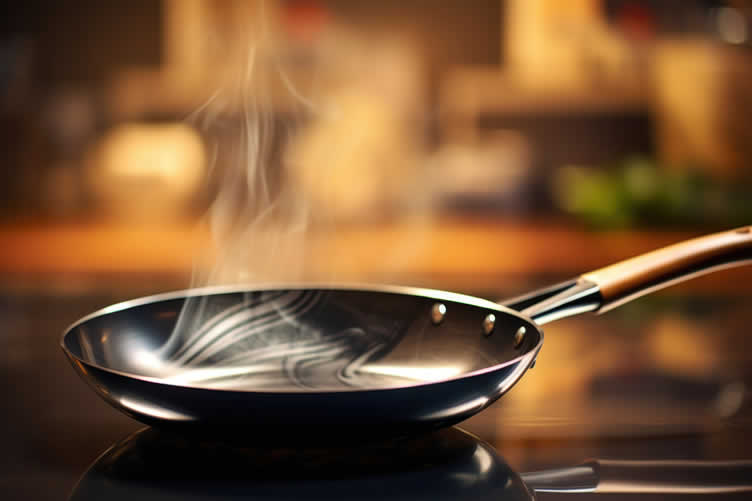
copyright image by 123rf.com
Material Pros Cons Stainless Steel Durable, non-reactive, easy to clean Poor heat conduction, food can stick Cast Iron Excellent heat retention, long-lasting, develops non-stick with seasoning Heavy, requires maintenance, prone to rust Aluminum Lightweight, excellent heat conductivity, affordable Warps easily if not anodized, reacts with acidic foods Copper Superior heat conduction, aesthetic Requires polishing, reacts with acidic foods Carbon Steel Durable, lighter than cast iron, develops natural non-stick surface Requires maintenance, susceptible to rust Stoneware Even heat distribution, naturally non-stick Fragile, limited to oven use Ceramic Smooth non-stick surface, eco-friendly Prone to chipping, less durable Non-Stick Coatings Easy food release, ideal for low-fat cooking Surface deteriorates if scratched or overheated Other Glass is non-reactive and silicone is flexible Glass is fragile, silicone limited to specific applications -
-
2nd: Bakeware Materials
Bakeware materials play a critical role in determining the performance, durability, and results of your baking experience.
Each material offers unique benefits and potential drawbacks, making it essential to choose one that aligns with your baking needs and preferences.
Below is a list of common bakeware materials, their descriptions, and their respective pros and cons.
[ view summary table: bakeware materials ]
-
Aluminum
Lightweight and an excellent conductor of heat, aluminum is a popular material for bakeware. It distributes heat evenly, ensuring consistent baking results.
- Pros:
- Lightweight
- Excellent heat conduction
- Budget-friendly
- Cons:
- Prone to scratching and denting
- Reacts with acidic foods without special coating
- Pros:
-
Aluminized Steel
A blend of aluminum and steel provides enhanced durability while maintaining good heat conduction. This material is often treated for rust resistance.
- Pros:
- Strong and long-lasting
- Even heat distribution
- Resistant to warping
- Cons:
- Can be heavy
- May require gentle care to avoid scratching protective coatings
- Pros:
-
Stainless Steel
Known for its durability and non-reactive surface, stainless steel is less conductive but great for roasting and certain types of baking.
- Pros:
- Extremely durable and non-reactive
- Rust-resistant
- Ideal for everyday cooking
- Cons:
- Poor heat conductor without added aluminum core
- Can cook unevenly in pure form
- Pros:
-
Glass
Glass bakeware retains heat well, making it ideal for casseroles and desserts. It’s non-reactive and easy to clean.
- Pros:
- Non-reactive and dishwasher-safe
- Retains heat for even cooking
- Allows for monitoring food visually
- Cons:
- Fragile and prone to breaking
- Not ideal for quick temperature changes
- Pros:
-
Ceramic Stoneware
Ceramic stoneware offers a beautiful appearance and dependable non-stick properties for low-fat baking.
- Pros:
- Smooth, naturally non-stick surface
- Retains heat for even baking
- Available in attractive designs
- Cons:
- Prone to chipping or cracking
- Not as durable as metal bakeware
- Pros:
-
Silicone
Silicone bakeware is flexible and non-stick, making it great for easier releasing of baked goods.
- Pros:
- Non-stick surface, easy to release food
- Dishwasher safe and flexible
- Suitable for various uses
- Cons:
- Limited heat conduction
- Not ideal for browning or crisping
- Pros:
-
Cast Iron
Cast iron bakeware is renowned for its incredible durability and ability to retain heat over extended periods.
- Pros:
- Extremely durable
- Excellent heat retention
- Versatile use for baking and stovetop cooking
- Cons:
- Heavy and requires maintenance (seasoning)
- Can rust if not cared for properly
- Pros:
-
Non-Stick Coated Bakeware
Bakeware with a non-stick coating is designed for easy food release and ideal for low-fat cooking.
- Pros:
- Effortless food release
- Ideal for baking delicate items such as cookies
- Requires less oil or butter
- Cons:
- Coating can deteriorate with scratches or overheating
- Limited lifespan compared to non-coated materials
- Pros:
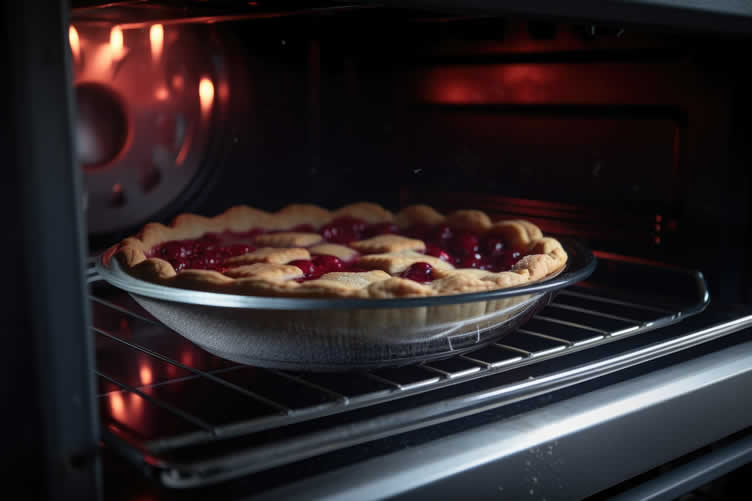
copyright image by 123rf.com
Material Pros Cons Aluminum Lightweight, excellent heat conduction, budget-friendly Prone to scratching and denting, reacts with acidic foods Aluminized Steel Strong and long-lasting, even heat distribution, resistant to warping Can be heavy, may need careful handling Stainless Steel Extremely durable, rust-resistant, non-reactive Poor heat conductor, potential for uneven cooking Glass Non-reactive, retains heat, easy to clean Fragile, not suited for rapid temperature changes Ceramic Stoneware Non-stick surface, holds heat well, attractive appearance Prone to chipping or cracking, less durable Silicone Highly flexible, non-stick, dishwasher safe Limited heat conduction, not suitable for browning Cast Iron Durable, excellent heat retention, versatile Heavy, requires maintenance, prone to rust Non-Stick Coated Bakeware Easy food release, great for delicate baking Coating can wear off, shorter lifespan -
-
3rd: Materials Used for Cooking Knives
Knives are one of the most essential tools in any kitchen, and their material plays a crucial role in determining their performance, durability, and maintenance.
Different materials are used in crafting cooking knives, each with unique characteristics suitable for various purposes. Below is a description of the common materials, their advantages, and their drawbacks.
[ view summary table: cooking knives materials ]
-
Stainless Steel
Stainless steel is one of the most popular materials for kitchen knives due to its durability and resistance to rust and corrosion.
- Pros:
- Rust and corrosion resistant
- Low maintenance
- Affordable and widely available
- Cons:
- Can dull faster than other materials
- Requires regular sharpening
- Pros:
-
High-Carbon Steel
High-carbon steel knives are known for their exceptional sharpness and edge retention, often preferred by professional chefs.
- Pros:
- Extremely sharp
- Excellent edge retention
- Ideal for precision cutting
- Cons:
- Prone to rust and staining if not maintained properly
- More expensive than stainless steel
- Pros:
-
Ceramic
Ceramic knives are lightweight and known for their sharpness while being resistant to rust and corrosion.
- Pros:
- Lightweight and easy to handle
- Resistant to rust and corrosion
- Retains sharpness for a long time
- Cons:
- Fragile and prone to chipping or breaking
- Difficult to sharpen without specialized tools
- Pros:
-
Damascus Steel
Damascus steel knives are known for their unique patterns and a combination of durability and sharpness.
- Pros:
- Aesthetic appearance with unique patterns
- Combines durability and sharpness
- Strong and long-lasting
- Cons:
- Expensive
- Requires careful maintenance to prevent rust
- Pros:
-
Titanium
Titanium knives are a modern option, favored for their lightweight nature and corrosion resistance.
- Pros:
- Extremely lightweight
- Resistant to rust and corrosion
- Low maintenance
- Cons:
- Less sharp compared to other materials
- Not ideal for heavy-duty cutting tasks
- Pros:
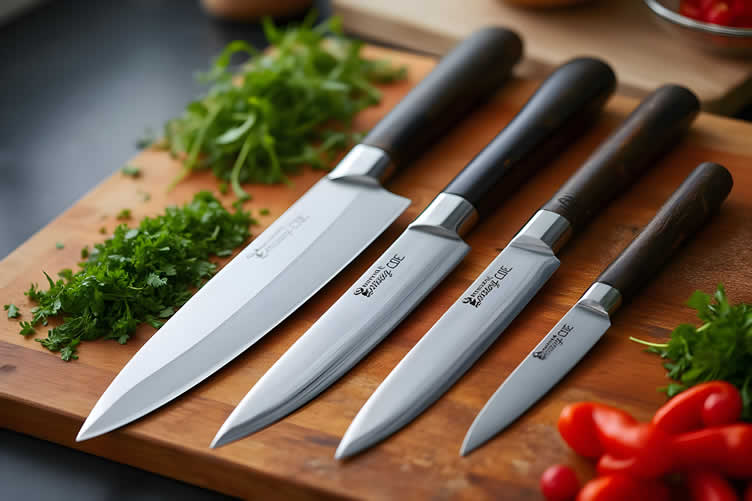
AI generated image by 123rf.com
Material Pros Cons Stainless Steel Rust-resistant, low maintenance, affordable Dulls faster, requires regular sharpening High-Carbon Steel Extremely sharp, excellent edge retention Prone to rust, requires careful maintenance Ceramic Lightweight, rust-resistant, long-lasting sharpness Fragile, difficult to sharpen Damascus Steel Unique patterns, combines durability and sharpness Expensive, rust-prone without maintenance Titanium Lightweight, rust-resistant, low maintenance Less sharp, not suitable for heavy tasks -
-
4th: Dinnerware Materials Overview
When selecting dinnerware, understanding the materials available can help you make an informed decision that suits your lifestyle, aesthetic preferences, and durability needs.
Each material offers unique characteristics, influencing factors like appearance, weight, longevity, and care requirements. Below is a detailed overview of the most common dinnerware materials, with their advantages and disadvantages.
[ view summary table: dinnerware materials ]
-
Porcelain:
Porcelain is a durable, non-porous material typically used for fine dishware. It is fired at high temperatures, which gives it strength and a smooth, glossy finish.
- Pros:
- elegant appearance
- durable
- chip-resistant
- microwave-safe
- dishwasher-safe
- Cons:
- can be expensive
- prone to cracking under extreme temperature changes
- Pros:
-
Bone China:
Bone china is similar to porcelain but made with bone ash, resulting in a lightweight and translucent appearance.
- Pros:
- lightweight
- durable
- refined look
- microwave-safe
- dishwasher-safe
- Cons:
- expensive
- brittle
- may not be suitable for daily use
- Pros:
-
Stoneware:
Stoneware is heavier and more rustic owing to its lower firing temperatures and unglazed textured finish.
- Pros:
- sturdy
- versatile
- affordable
- more resistant to chipping
- Cons:
- heavy
- less refined
- can be prone to scratching
- Pros:
-
Ceramic:
Ceramic dinnerware is made of clay and comes in various styles and finishes often featuring colorful glaze coatings.
- Pros:
- affordable
- available in versatile designs
- microwave-safe
- dishwasher-safe
- Cons:
- fragile
- can chip or crack over time
- Pros:
-
Earthenware:
Earthenware is a porous low-fired material that has a rustic appeal but is less durable than other options.
- Pros:
- affordable
- colorful
- ideal for decorative uses
- Cons:
- prone to chipping
- not microwave- or dishwasher-safe
- absorbs liquids
- Pros:
-
Glass:
Glass dinnerware is often transparent or colored perfect for casual and minimalist settings.
- Pros:
- non-porous
- lightweight
- easy to clean
- dishwasher-safe
- Cons:
- breaks easily
- can be slippery to handle
- Pros:
-
Wood:
Wooden plates and bowls are a classic ego-friendly option for rustic dining styles.
- Pros:
- biodegradable
- unique aesthetics
- durable
- Cons:
- requires special care
- not dishwasher-safe
- absorbs moisture
- Pros:
-
Crystal:
Crystal is a luxurious choice for specialized drinkware and some decorative dinnerware.
- Pros:
- beautiful and elegant
- enhances table presentation
- Cons:
- expensive
- fragile
- requires hand washing
- Pros:
-
Tempered Glass:
Tempered glass dinnerware combines durability with sleek designs often used for practical tableware.
- Pros:
- durable
- scratch-resistant
- heat-resistant
- dishwasher-safe
- Cons:
- can be heavy
- limited variety in aesthetics
- Pros:
-
Other Materials (e.g.plastic, melamine):
Other materials like plastic and melamine are popular for casual or outdoor settings.
- Pros:
- lightweight
- inexpensive,
- impact-resistant
- Cons:
- not heatproof
- can degrade over time with frequent use
- Pros:
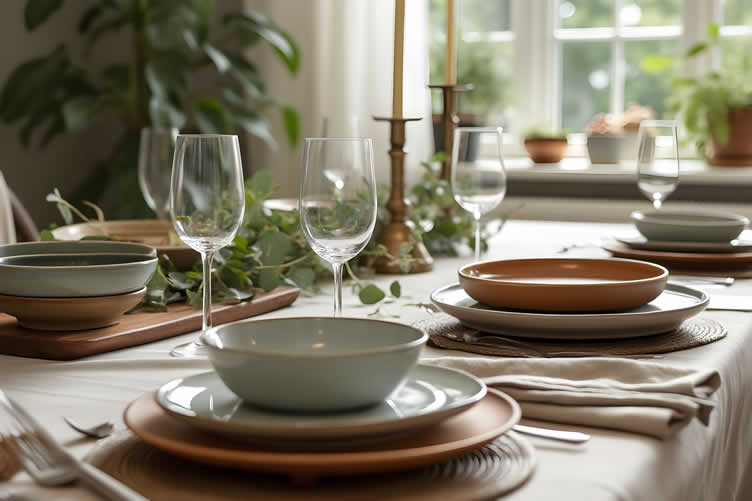
AI generated image by 123rf.com
Material Pros Cons Porcelain Elegant, durable, microwave-safe Expensive, cracks under extreme changes Bone China Lightweight, durable, refined Expensive, brittle Stoneware Sturdy, versatile, affordable Heavy, less refined Ceramic Affordable, versatile, safe for microwaves Fragile, chips easily Earthenware Affordable, decorative appeal Prone to chipping, absorbs liquids Glass Non-porous, easy to clean Breaks easily, slippery Wood Eco-friendly, aesthetic, durable Requires care, absorbs moisture Crystal Elegant, enhances presentation Expensive, fragile Tempered Glass Durable, heat- and scratch-resistant Heavy, limited designs Other Lightweight, inexpensive Not heatproof, degrades over time -
-
-
FINAL REMARKS
Creating a well-equipped kitchen is an investment in your family’s enjoyment and health. Focus on quality pieces that will serve you well for years rather than accumulating gadgets that may only be used occasionally.
Start with the essentials and gradually add specialized tools as your cooking skills and interests develop. Remember that the best kitchen tools are the ones you’ll actually use, so choose items that fit your cooking style and family’s needs.
-
ideas to view and compare from the information discussed above
- What comments can you share about
kitchenware guide?
Scroll up to directory … or scroll to more interior home-related topics …
Download this PDF for a concise summary of all you need to know about …?




Calendar For:
Home Maintenance
File Type:
view illustration “becoming a bank”



Download this PDF for a concise summary to celebrate the July 4th holiday …?
… home remodeling – improvement – repair


Download this PDF for a concise summary of all you need to know about …?



… view our sharing links below for a quick "share the knowledge"
Cover image credit: kitchenware guide by 123rf.com
end of post … please share it!
 |
did you find this kitchenware guide and needs analysis helpful? If so, please share the article with your friends and family! |
Nice pic idea? Leave us a quick comment below.
And please share this pic idea within your social networks.