Summary Outline –
Whether you’re envisioning winding walkways, a charming patio, or striking stone features, the right hardscape elements can elevate your home’s exterior and perfectly encapsulate your style.
This guide explores practical and inspiring ways to use hardscaping to design your dream outdoor retreat. From harmonious walkways to personalized retreats, you’ll uncover strategies to craft an irresistible space that’s not only elegant but also functional.

-
Quick scroll to first topic about beautiful hardscaping …

first “beautiful hardscaping” idea

copyright image by 123rf.com
Hardscape Tip 1: Design With Walkways
Notes:
-
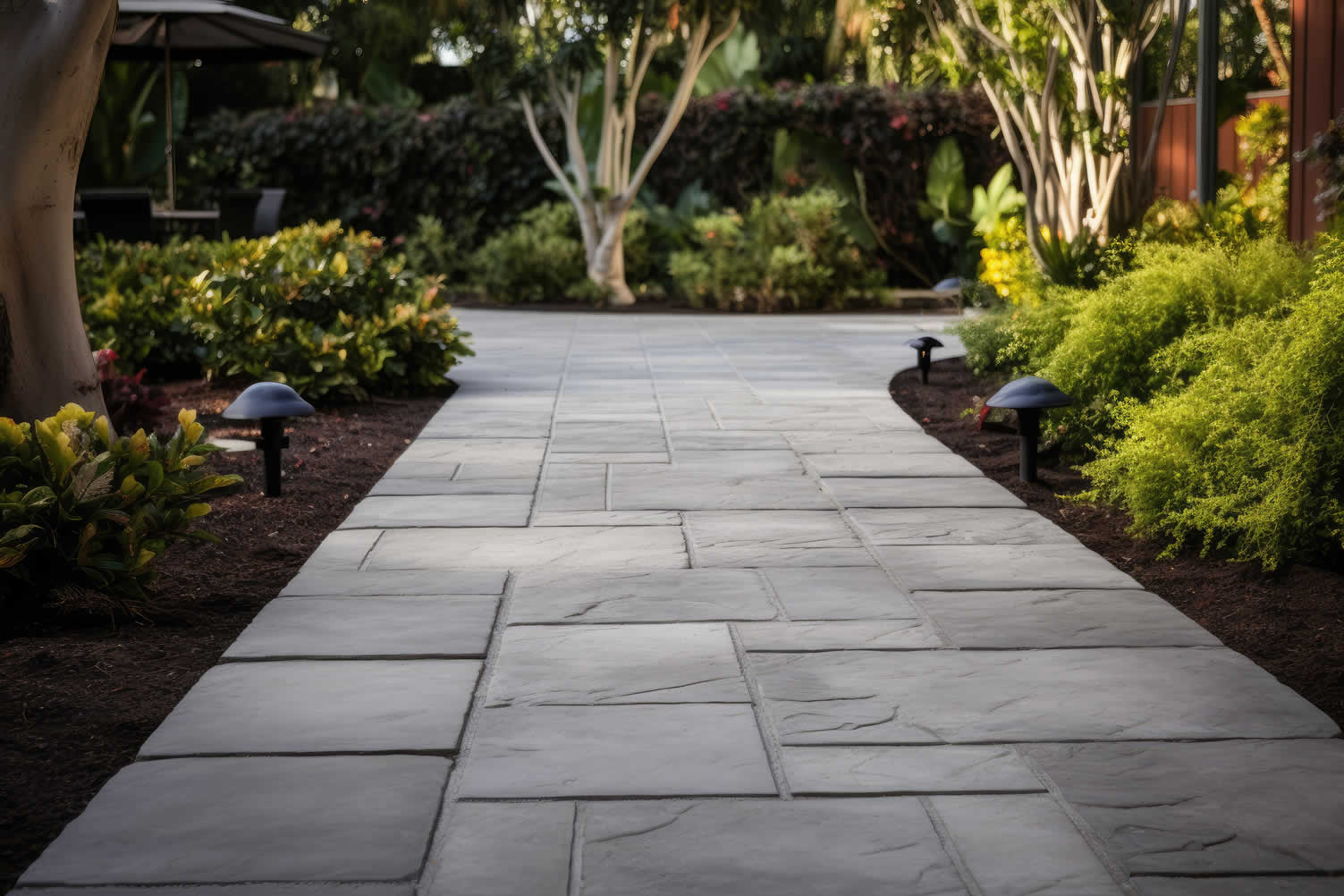
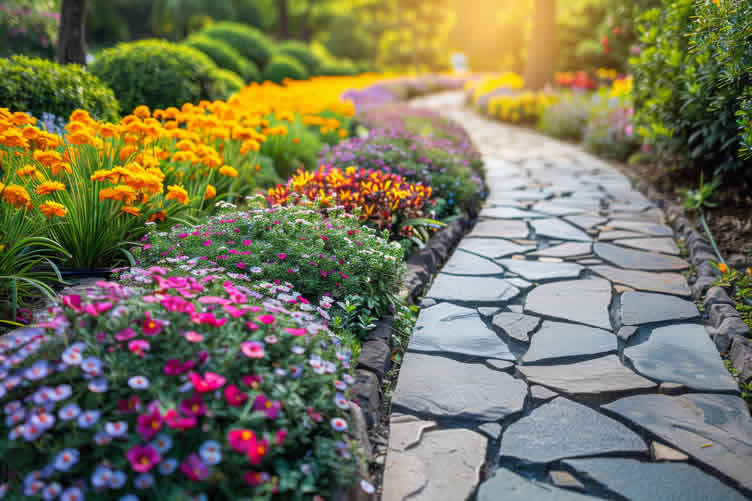
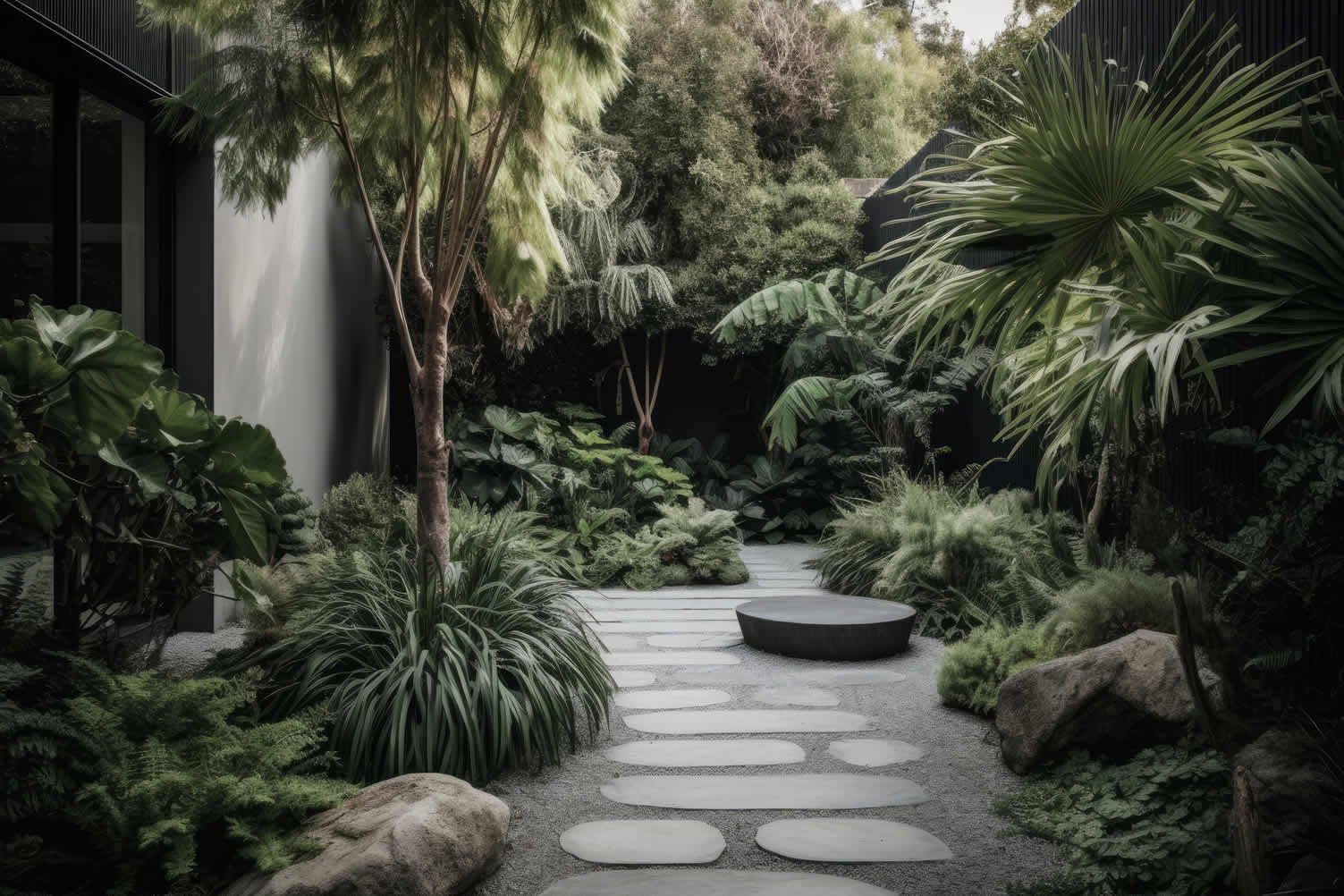
Walkways set the tone for an outdoor retreat by seamlessly connecting different spaces while providing aesthetic appeal. Acting as both visual guides and functional pathways, they encourage exploration and harmony throughout your property.
Choosing the right materials can make all the difference. Flagstone offers a rustic, weathered charm, while gravel provides a casual and budget-friendly option.
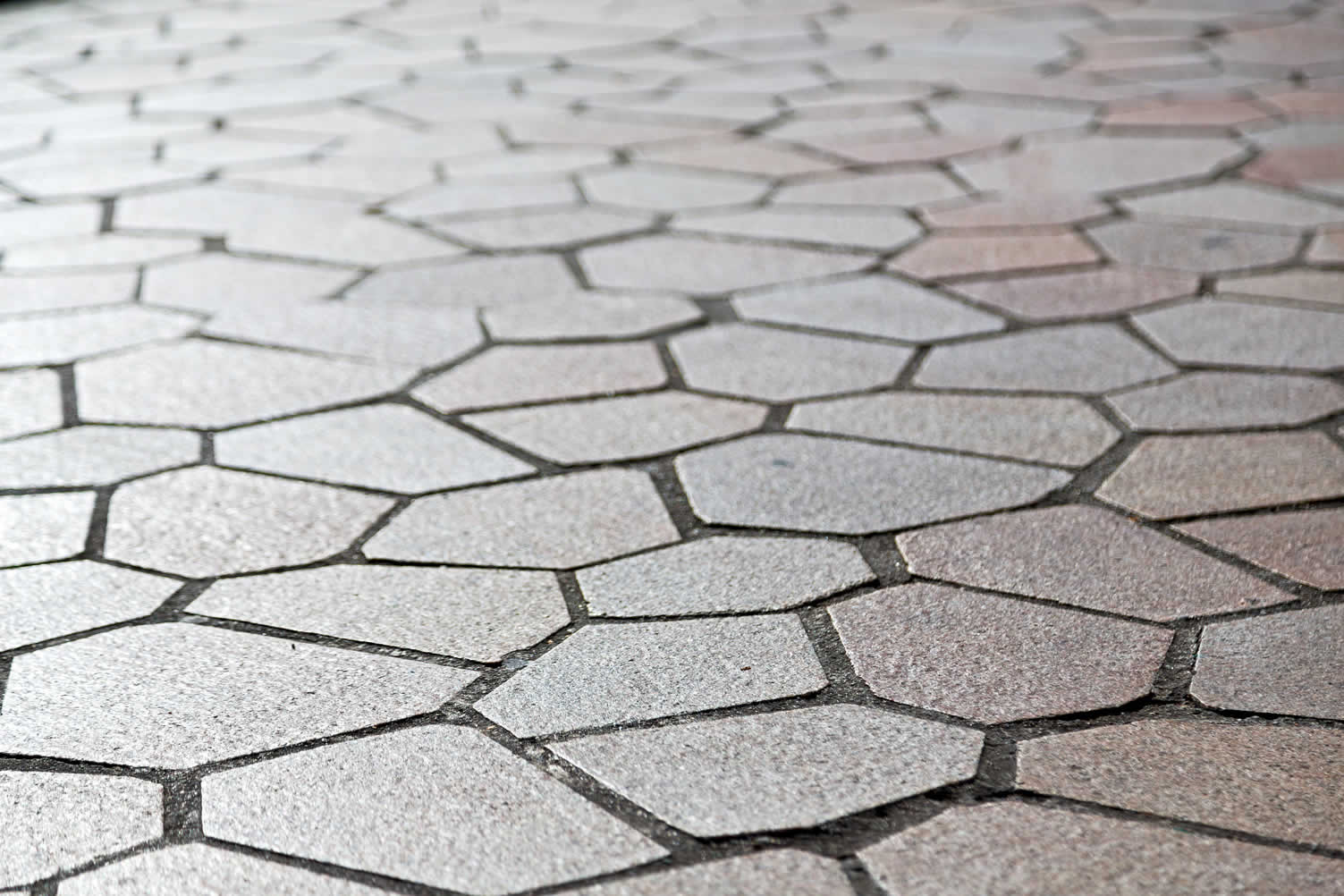
Concrete pavers, available in various shapes and patterns, deliver a modern and clean finish. To create a sense of unity, consider aligning the materials of your walkway with the overall theme of your outdoor design.
Curving paths naturally integrate with the landscape, blending gardening elements with your hardscaping features. Lining walkways with low-maintenance greenery or lighting enhances their appeal and visibility.
If you’re looking for a touch of creativity, incorporate unique patterns, colors, or inlays for artistic flair.
-
Quick scroll to “walkway hardscape” side notes …
-
-
1st: Hardscape Designs for Walkways
Designing walkways with hardscape materials is an excellent way to enhance the functionality and aesthetic appeal of outdoor spaces. Hardscape designs combine durability with visual charm, creating seamless pathways that are both practical and inviting.
By using a variety of materials, shapes, and patterns, walkways can complement the surrounding landscape while serving as a focal element in gardens, yards, or public areas. Below are some popular hardscape design options to consider for walkways.
[ see below ideas: walkways]
-
Paver Walkways
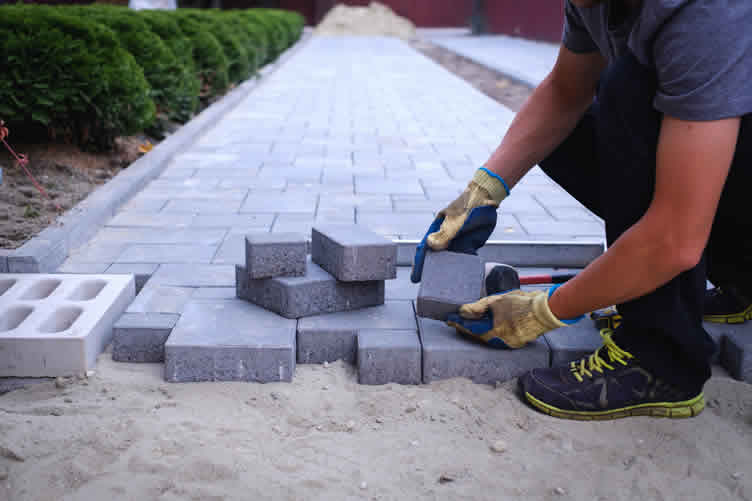
Pavers are a versatile and durable choice when constructing walkways. They come in a variety of materials, including concrete, brick, and natural stone, allowing homeowners to match their walkway’s design with the overall style of their landscape.
Paver walkways can be arranged in patterns such as herringbone or basket weave to add visual interest, and their modular nature makes them easy to replace or repair when necessary.
-
Curved Stone Paths
Curved stone walkways introduce a sense of flow and natural elegance to outdoor spaces. Utilizing materials like slate, flagstone, or cobblestone, these paths create a meandering effect that feels organic, blending harmoniously with garden settings.
The gentle curves soften the structure of hardscapes and guide visitors effortlessly through the landscape.
-
Minimalist Concrete Pathways
For contemporary spaces, minimalist concrete pathways offer a clean and modern aesthetic. Concrete can be poured into geometric shapes or broken into large individual slabs, providing a sleek and functional walkway design.
Concrete is also highly customizable, allowing for textured finishes or added color to suit the aesthetic of any outdoor space.
copyright image by 123rf.com
[ pinterest: hardscape walkways ]
[ youtube: 70 walkway ideas ]

-
-
-
ideas to view and compare from the information discussed above
Scroll up to directory … or scroll to next section about beautiful hardscaping …

second “photo remodeling” idea
copyright image by 123rf.com
Hardscape Tip 2: Enhance Comfort With Patios
Notes:
-
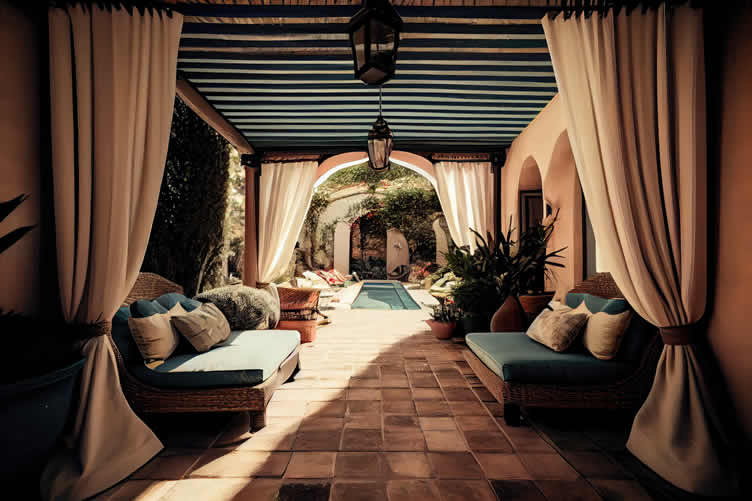
The patio is the heart of outdoor living. These versatile spaces act as hubs for relaxation, dining, and socializing, making them essential for any inviting retreat.
Material selection is pivotal here, as it sets the tone for the patio’s ambiance. Stamped concrete is both cost-effective and customizable, offering a variety of textures and patterns that mimic stone or wood. Brick delivers timeless charm, while natural stone oozes sophistication and durability, creating a high-end appearance.
Design distinct zones within your patio to enhance its usability. Separate a cozy lounging nook from the dining area by arranging furniture intentionally or with subtle border elements like outdoor rugs. Boost charm and comfort by adding pergolas for shade, fire pits for warmth, or string lights for ambiance.
-
Quick scroll to “patio landscapes” side notes …
-
-
1st: Hardscape Designs for Patios
A well-designed patio serves as the centerpiece of any outdoor space, creating an inviting area for relaxation, entertaining, or enjoying nature. Hardscape designs for patios blend functionality with style, offering a wide variety of options to suit different preferences and architectural themes.
From rustic to modern, the choice of materials and layout shapes the character of the patio and enhances the overall landscape design.
[ see below ideas: patios ]
-
Flagstone Patios
Flagstone patios are ideal for creating a natural and earthy aesthetic. The irregular shapes of flagstone pieces make it possible to form organic and visually intriguing patterns.
This type of hardscape is durable, low-maintenance, and available in a variety of colors, including blues, grays, and warm earth tones, making it versatile for different garden themes. Flagstone can be set in sand or grout, offering flexibility depending on the desired finish and structure.
-
Brick Patios
Classic and timeless, brick patios bring a warm and structured appearance to outdoor spaces. The uniform shapes of bricks allow for a variety of patterns, such as herringbone, basket weave, or running bond, adding texture and visual interest.
Bricks are highly durable and develop character over time as they weather, making them an excellent long-term investment for traditional or cottage-style landscapes.
-
Stamped Concrete Patios
For a more contemporary feel, stamped concrete patios deliver a sleek and modern solution. This approach involves pouring concrete and imprinting patterns or textures onto its surface, mimicking the look of high-end materials like stone, slate, or even wood.
With the ability to add custom colors and seals, stamped concrete provides exceptional versatility while remaining cost-effective and low maintenance.
-
Gravel Patios
Gravel patios are a simple yet versatile option that fits a variety of outdoor spaces. The loose material provides excellent drainage, making it ideal for areas prone to heavy rainfall.
Available in numerous color and size options, gravel allows for creativity in shaping patio layouts. This style is particularly popular in Mediterranean or casual garden settings where a more relaxed atmosphere is desired.
-
Paver Patios
Paver patios are one of the most customizable hardscape designs, thanks to the wide range of materials, sizes, and patterns available. Pavers can be made of concrete, stone, or brick, allowing for unique configurations such as zigzag or circular designs.
The interlocking system also makes pavers highly durable, able to withstand heavy traffic while ensuring easy replacement if damaged. This style is perfect for both formal and informal outdoor spaces.
By carefully selecting the right materials and layout style, patios can become dynamic and visually stunning features that elevate the outdoor living experience.
Whether focusing on natural textures or sleek modernity, hardscape designs offer limitless possibilities to suit any design inspiration.
copyright image by 123rf.com
[ pinterest: patio pavers design ]
[ youtube: Paver Patio Design Ideas ]
-
-
-
ideas to view and compare from the information discussed above
Scroll up to directory … or scroll to next section about beautiful hardscaping …

addressing beautiful hardscaping and other home improvement needs …

… grab this directory of ideas for future use

May We Suggest Other Photo Remodeling Ideas About
“Looking Inside the Interior Home …” (new win)


third “photo remodeling” idea
copyright image by 123rf.com
Hardscape Tip 3: Adding Elegance With Stone Features
Notes:
-
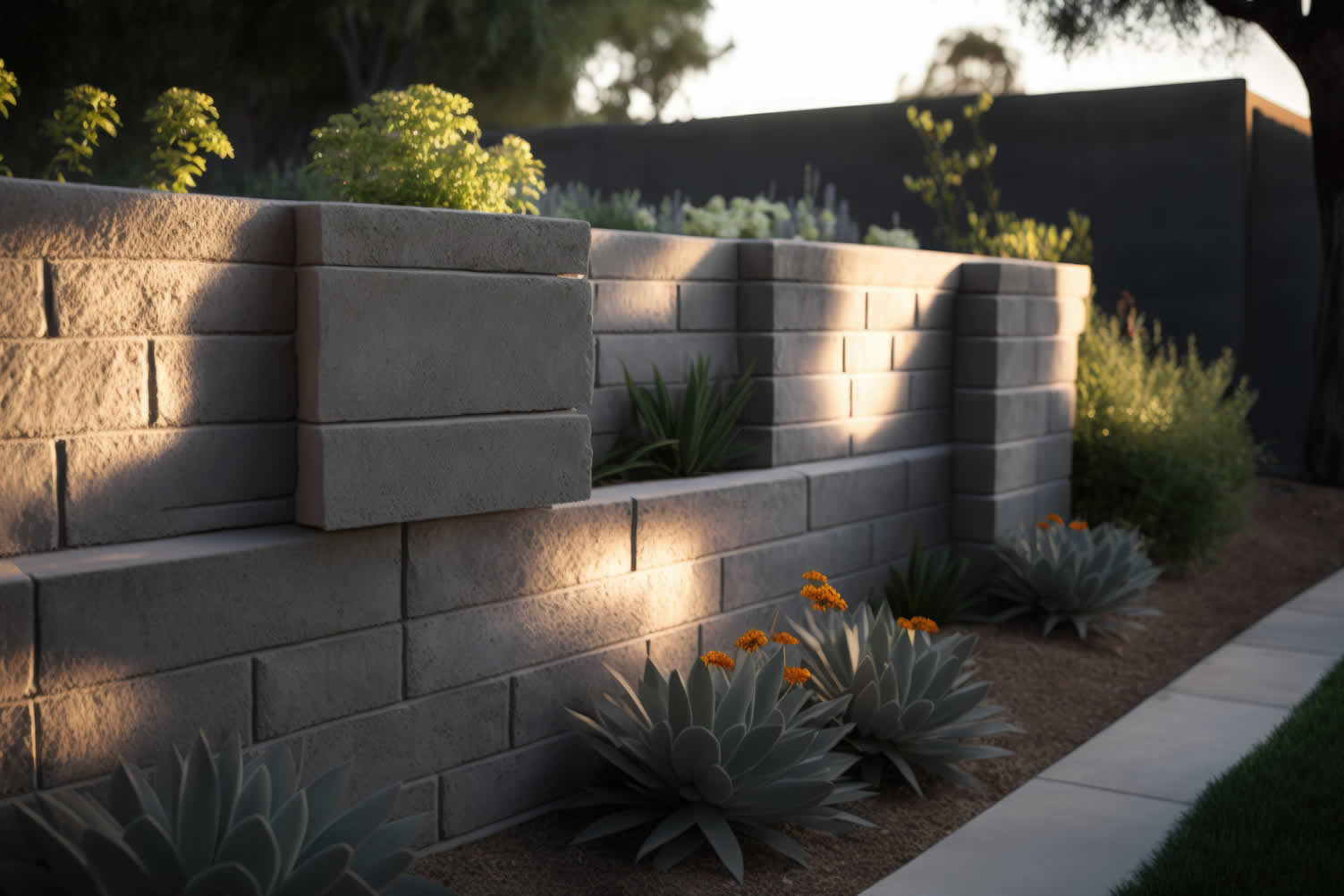
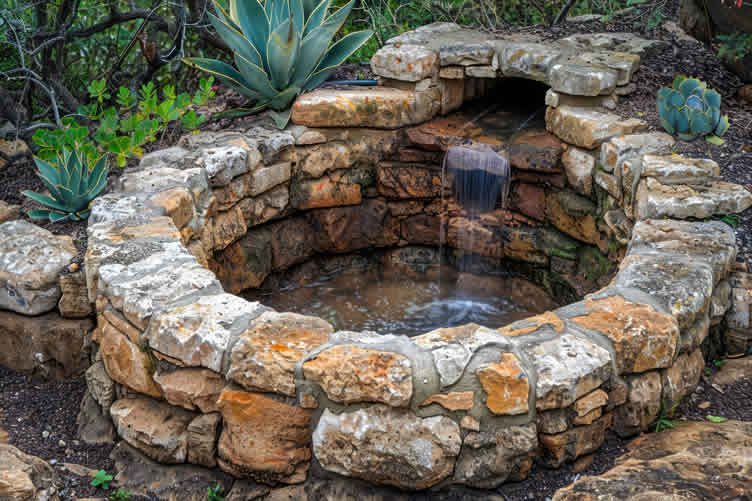
Stone features add dimension, texture, and refinement to outdoor retreats while serving as functional focal points. Stone retaining walls, for instance, support landscaping while doubling as built-in seating options for hosting guests.
Decorative borders crafted from natural stone offer a polished look, framing garden beds or patio areas beautifully.
Water features like fountains or small ponds introduce an element of tranquility. Their soothing sounds enhance the sense of calm in your space while providing visual interest. Opt for natural stone in subdued hues to create a connection between built elements and the surrounding greenery.
By incorporating various stone textures, you can layer visual depth and ensure that your hardscaping harmonizes effortlessly with the natural environment.
-
Quick scroll to “landscaping with hardscapes” side notes …
-
-
1st: Landscape Design Features Using Hardscapes
Hardscapes are essential elements in landscape design, offering both functionality and aesthetic appeal. By incorporating these sturdy, man-made features, outdoor spaces can transform into well-structured, visually engaging environments.
Whether you are looking to define borders, introduce water elements, or create stunning architectural features, hardscapes provide a versatile solution to enhance your landscaping with durability and style.
Below, we explore some popular types of hardscape designs that elevate outdoor living areas.
[ see below ideas: landscape features ]
-
Retaining Walls
Retaining walls are a practical and visually pleasing solution for managing sloped terrains or adding depth to flat landscapes.
Constructed from materials like stone, brick, or concrete, these walls prevent soil erosion while acting as striking focal points in your yard. They can also double as seating areas for gardens or patios, blending utility with design.
-
Garden Bed Borders
Garden bed borders are an excellent way to create clean, defined lines in your landscaping. Using materials such as pavers, stones, or metal edges, these borders keep plants contained while adding texture and contrast to your garden.
They can be customized to match the overall theme of your outdoor space, from rustic to contemporary designs.
-
Fountains
Fountains serve as a timeless element in landscape design, introducing a sense of tranquility and sophistication.
Available in various materials, shapes, and sizes, fountains can be a grand centerpiece or an understated accent feature. Their flowing water adds soothing sounds that create a peaceful ambiance in any garden or patio area.
-
Waterfalls and Water Streams
Waterfalls and water streams bring a dynamic, natural touch to outdoor spaces. These features can simulate the beauty of a natural water flow and are often integrated seamlessly into garden settings or alongside retaining walls.
Constructed from stones, concrete, or other durable materials, they create movement and intrigue while enhancing the space’s overall atmosphere.
-
Ponds
Ponds provide a serene focal point for any landscape, adding depth and reflection to your outdoor design.
Whether lined naturally with stones or accompanied by aquatic plants and fish, ponds introduce biodiversity to your space. They offer a calming effect while showcasing the beauty of water in a controlled and artistic manner.
-
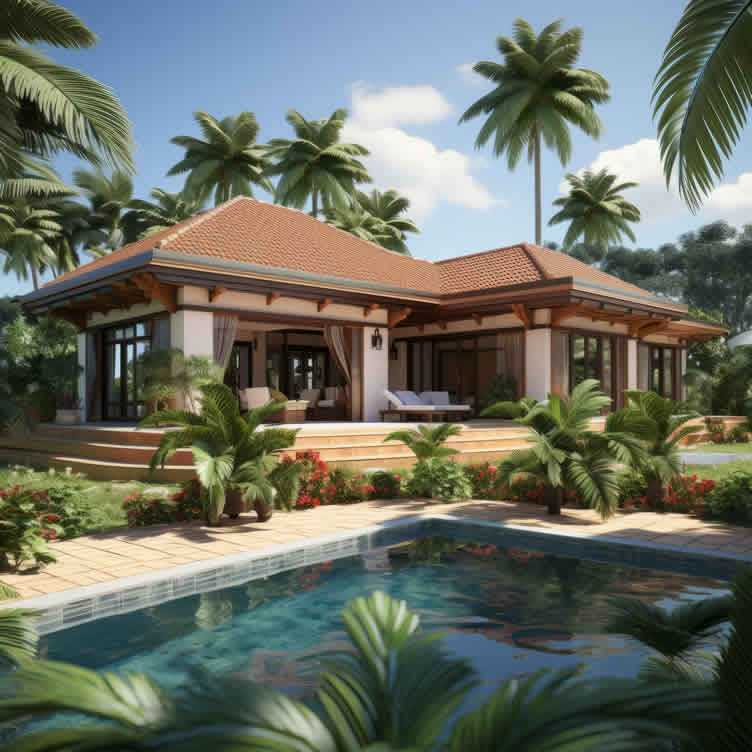
Swimming Pools
Swimming pools are a luxurious addition to outdoor living areas, combining functionality with stunning design possibilities.
Hardscapes play a critical role in the pool environment, with materials like travertine, concrete, or tile used for pool decks, edges, and surrounding spaces. These elements contribute to a sleek, polished appearance while ensuring durability and safety.
By incorporating these hardscape features into your landscaping, you can create an outdoor retreat tailored to your preferences.
Whether focusing on practicality or artistic expression, these designs offer limitless opportunities to re-imagine and optimize your space.
copyright image by 123rf.com
[ pinterest: hardscape retainer flower bed ]
[ youtube: Landscape Design 2025 ]
-
-
-
ideas to view and compare from the information discussed above
Scroll up to directory … or scroll to next section about beautiful hardscaping …
SHARE IT ..! You might have someone in your social network who could find this informative post beautiful hardscaping valuable. Feel free to share it on Facebook, X (formally Twitter), LinkedIn, or Pinterest!


fourth “photo remodeling” idea
copyright image by 123rf.com
Hardscape Tip 4: Maximize Functionality With Fire Features
Notes:
-
Fire features are becoming increasingly popular in outdoor retreats for their ability to provide warmth, ambiance, and even cooking capabilities. From fire pits to fireplaces, these hardscaping elements add a touch of sophistication while serving practical purposes.
When choosing a fire feature, consider its placement in relation to your patio or seating area. A central location encourages socialization and makes it a natural gathering spot. However, if you have limited space, opt for a smaller fire pit that can be tucked away in a corner.
Select materials that can withstand high temperatures and complement the overall design aesthetic of your outdoor space. Natural stone offers durability and a timeless look, while steel and concrete can bring a modern touch.
-
Quick scroll to “fire elements” side notes …
-
-
1st: Fire Features Using Hardscapes
Fire features bring warmth, ambiance, and a striking visual element to outdoor spaces. By integrating hardscape materials into fire features, you can create functional and artistic focal points that enhance both comfort and style.
These versatile designs range from traditional to modern and offer year-round enjoyment for gatherings, dining, or simply relaxing outdoors.
The following sections explore common fire features and how hardscapes can transform them into stunning landscape elements.
[ see below ideas: fire features ]
-
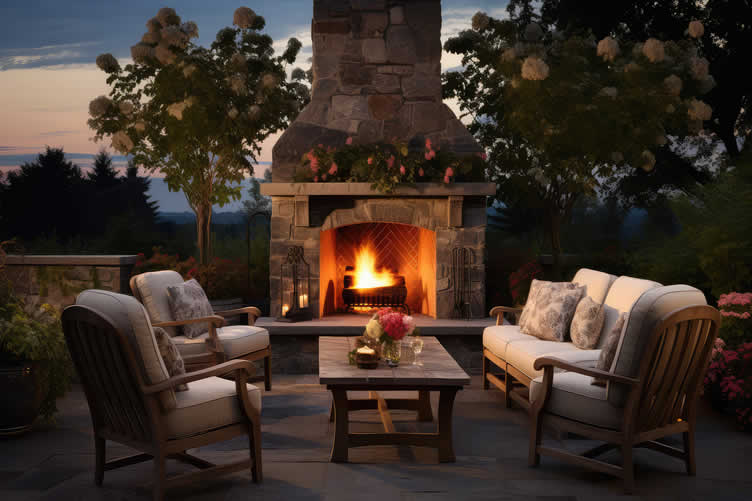
Fireplaces
Outdoor fireplaces serve as both a centerpiece and a practical heat source for your patio or backyard. Constructed using durable materials like brick, natural stone, or concrete, they deliver timeless elegance while withstanding outdoor elements.
Hardscaped fireplaces often include hearths, mantels, and surrounding seating areas made of coordinating materials, creating a cohesive and inviting space for relaxation or entertaining guests.
-
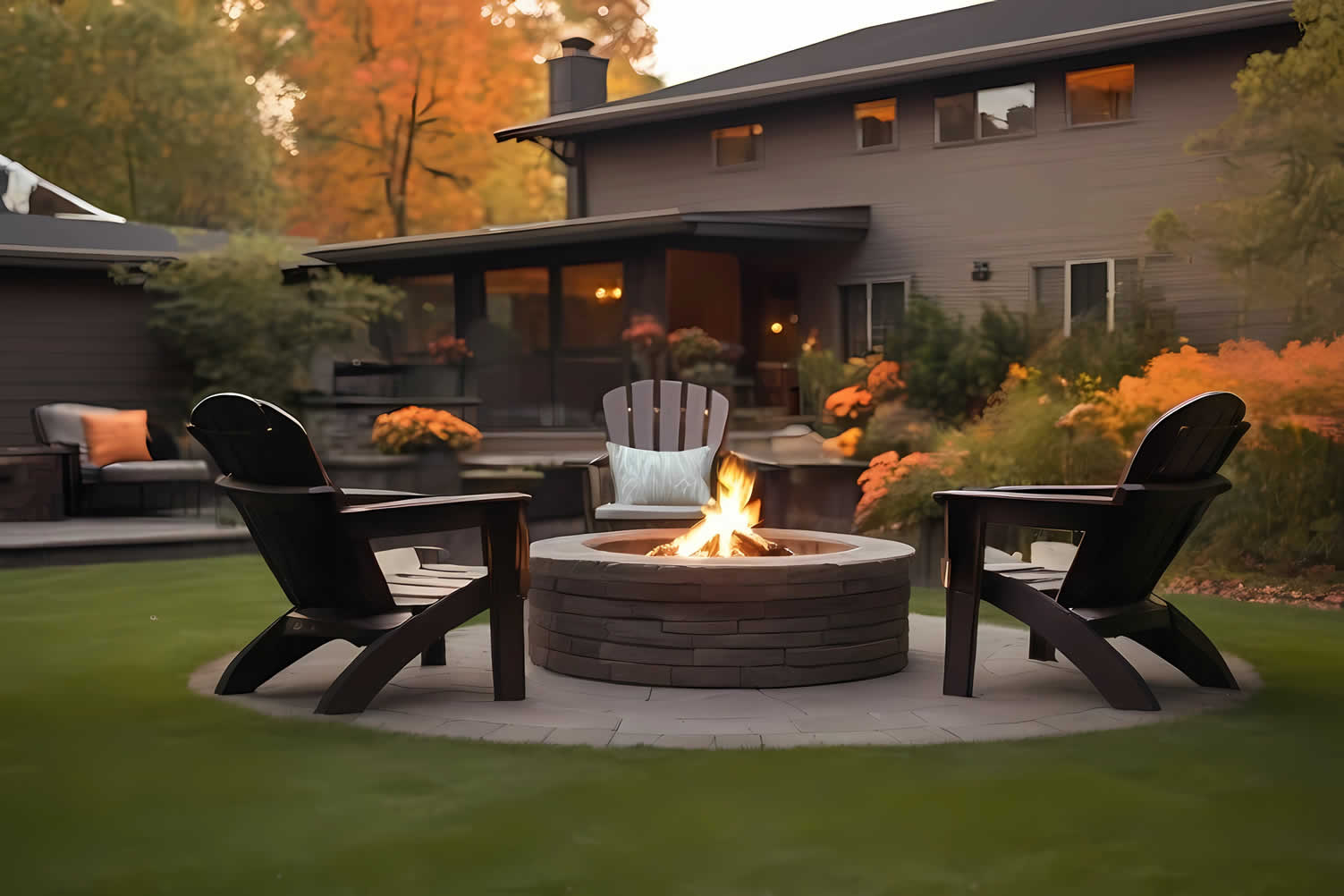
Fire Pits
Fire pits are a more casual fire feature, offering flexibility and charm to outdoor areas. They can be designed in various shapes—round, square, or custom—and constructed using hardscapes like pavers, flagstone, or reinforced concrete.
Surrounding the fire pit with seating walls or gravel pads not only enhances the functionality but also frames the area beautifully, making it a focal point for conversations and gatherings under the stars.
-
Outdoor Kitchens
Outdoor kitchens often incorporate fire features such as built-in grills, wood-fired ovens, or smaller fire pits. Using hardscaping materials like polished stone countertops, brick ovens, or stamped concrete flooring ensures both durability and aesthetic appeal.
These materials provide a seamless transition between cooking areas and the surrounding landscape, blending functionality with sophisticated design for outdoor dining experiences.
-
Other Fire Features
Custom fire features, such as tabletop fire bowls or linear fire troughs, offer opportunities for creative design using modern hardscape materials.
Options like tempered glass, sleek metal accents, and concrete slabs provide a contemporary look, while natural stone or reclaimed bricks lend a rustic vibe. These features work well in smaller spaces or as decorative accents, adding warmth and charm without requiring extensive installations.
By incorporating fire features with hardscaped designs, you can create a dynamic and versatile outdoor environment. These elements not only provide comfort and utility but also elevate the overall aesthetic, making your outdoor space as inviting as it is functional.
copyright image by 123rf.com
[ pinterest: hardscape outdoor kitchen ]
[ youtube: Landscape Design w Outdoor Fireplace ]
-
-
-
ideas to view and compare from the information discussed above
Scroll up to directory … or scroll to next section about beautiful hardscaping …


Find Outdoor Garden Services Landscape Design Sprinkler Systems Metal Work Water Features Gazebos Play Equipment Outbuildings Fences top-rated, pre-screened local contractors FREE: download contractor selection enter zip code – powered by HomeAdvisor ™
Quick Contractor Guides selecting negotiating working with inspecting

fifth and last “photo remodeling” idea

copyright image by 123rf.com
Hardscape Tip 5: Plan Your Perfect Outdoor Retreat Today
Notes:
-
Creating an inviting outdoor retreat takes a blend of creativity, planning, and attention to detail. By choosing the right hardscaping features, balancing them with lush landscaping, and incorporating personal touches, you can design a space that feels like an extension of your home.
Start planning your ideal space by evaluating your needs and exploring material options. Whether you’re designing a serene walkway, a cozy patio, or an elegant stone feature, every element plays a part in crafting your perfect retreat.
With thoughtful design choices, your outdoor space can become your favorite place to relax. Companies like 512 Landscaping can help you plan the perfect outdoor space with quality hardscaping.
-
Quirk scroll to topic "building your hardscape project" side notes …
-
-
1st: DIY Hardscape Landscaping
Transforming your outdoor area with hardscape landscaping can be a rewarding and creative endeavor. By taking on a do-it-yourself (DIY) approach, you have the freedom to design and implement features that perfectly match your vision and budget.
The process involves combining various materials, tools, and techniques to construct durable, visually appealing outdoor elements like patios, pathways, retaining walls, and decorative accents.
-
Tools and Materials Needed
Here is a list of essential tools and materials required for most DIY hardscape projects:
- Tools:
- Shovel and wheelbarrow for excavation and material transport.
- Level and measuring tape for accurate layout planning.
- Rubber mallets for setting pavers or stones.
- Masonry saw or angle grinder for cutting hard materials.
- Tamper or plate compactor for soil and base preparation.
- Trowel, chisel, and hammer for detailed work and finishing.
- Safety gear such as gloves, goggles, and dust masks.
- Materials:
- Pavers, bricks, or natural stone for patios and walkways.
- Gravel and sand for creating a stable, leveled base.
- Concrete mix for solidifying structures.
- Edging materials to secure installations.
- Landscape fabric to prevent weed growth.
- Tools:
-
Skills Required
Engaging in DIY hardscaping also requires a basic understanding of construction principles and landscaping techniques. Key skills include:
- Planning and Design:
Knowing how to measure and draft a layout that aligns with your outdoor area’s dimensions and style. - Excavation and Leveling:
Preparing the ground by removing existing turf, leveling the surface, and ensuring proper slope for drainage. - Material Cutting and Placement:
Learning to cut stones, bricks, or pavers to size and arranging them securely in the desired pattern. - Foundation Building:
Understanding how to layer gravel, sand, and other base materials to create a compact and stable foundation. - Finishing and Maintenance:
Applying finishing touches like sealing surfaces and maintaining the hardscaped areas over time to ensure their longevity.
By equipping yourself with the right tools and skills, DIY hardscape landscaping can become an enjoyable project that adds significant aesthetic and functional value to your outdoor space.
- Planning and Design:
copyright image by 123rf.com
[ youtube: DIY Hardscape Tips ]
[ youtube: How to Design and Install a Paver Walkway ]
-
-
2nd: Why Hiring a Contractor May Be Best Option
While DIY hardscaping can be a rewarding experience, hiring a professional hardscape contractor often ensures the best results, especially for larger or more complex projects.
Contractors bring expertise, specialized tools, and a wealth of experience to the table, which can help avoid costly mistakes and ensure that the final outcome is both structurally sound and visually appealing.
They are familiar with local regulations, drainage considerations, and material options, allowing for a streamlined and stress-free process. Additionally, a professional contractor can save you time and effort, handling everything from initial planning to the project’s finishing touches.
-
Steps to Find the Right Hardscape Contractor
Choosing the right hardscape contractor is a critical step in bringing your vision to life. With so many options available, it can be overwhelming to determine who is best suited for your project.
Taking the time to research and evaluate potential contractors ensures that you partner with a professional who understands your needs, works within your budget, and delivers high-quality results. Below are some essential steps to guide you in finding the perfect hardscape contractor for your project.
- Research and Referrals
Begin by researching local contractors with experience in hardscaping. Ask friends, family, or neighbors for recommendations and read online reviews to get a sense of their reputation. - Check Credentials
Verify that the contractor is licensed, insured, and certified, as these qualifications ensure they meet industry standards and can cover any potential liabilities. - Review Portfolios
Take the time to look at their previous work. Most reputable contractors will have portfolios showcasing their expertise and range of completed projects. - Interview Candidates
Schedule consultations with multiple contractors to discuss your project. This will give you an opportunity to ask questions, gauge their communication style, and see if their vision aligns with yours. - Request Estimates
Obtain detailed written estimates from several contractors, including costs for materials, labor, and timelines. Compare these estimates to choose the one that offers the best balance of cost and quality. - Sign a Contract
Once you’ve selected a contractor, ensure there is a clear and detailed contract in place. This should outline the scope of the work, payment schedule, timeline, and any warranties.
- Research and Referrals
LetsRenovate has partnered with HomeAdvisor™, a renowned provider of highly-rated, carefully-vetted local hardscape contractors. Start your search here by entering your zip code to find local professionals.
copyright image by 123rf.com
But Wait!
Before starting your search and evaluation of outdoor hardscape contractors, it is highly recommended to download and use this evaluation worksheet.
This resource will help you objectively rank and assess potential contractors, considering essential factors such as pricing, licensing, and referral information.

Evaluation Sheet
File Type: -
-
-
FINAL REMARKS
Integrating hardscapes into your landscaping plan is a practical and visually appealing way to enhance your outdoor spaces.
By carefully selecting durable materials and collaborating with a skilled contractor, you can create functional, low-maintenance features that add both style and value to your property.
Whether it’s a patio, walkway, or retaining wall, hardscapes provide the perfect balance between nature and structure, elevating your landscape to the next level.
-
ideas to view and compare from the information discussed above
- What comments can you share about
beautiful hardscaping?
Scroll up to directory … or scroll to more yard n’ garden-related topics …
view illustration “becoming a bank”


Calendar For:
Home Maintenance
File Type:
… view our sharing links below for a quick "share the knowledge"
Cover image credit: beautiful hardscaping by 123rf.com
end of post … please share it!
 |
did you find how simple renovations can beautiful hardscaping analysis helpful? If so, please share the article with your friends and family! |
Nice pic idea? Leave us a quick comment below.
And please share this pic idea within your social networks.