Summary Outline –
A garage workbench is an invaluable asset for managing home projects and goals, providing a dedicated space for repairs, crafting, and various tasks.
Whether you’re a seasoned DIY enthusiast or simply looking to organize your tools and materials, a well-installed workbench can enhance your productivity and efficiency.
This guide will walk you through the essential steps for selecting and installing a garage workbench, ensuring it meets your needs while maximizing your workspace.
Summary of Site Content
1st Workbench Tip: [view tip]
… we begin this analysis by exploring why adding a workbench is a valuable upgrade for your garage and the benefits that come with it.
2nd Workbench Tip: [view tip]
… the second part of our review explores the diverse applications of a garage workbench. From woodworking and handling household repairs to providing storage for tools and accommodating various garden needs, a workbench offers a wide range of functionalities, which we will detail further below.
3rd Workbench Tip: [view tip]
… moving forward, the third section examines the ideal materials for constructing a sturdy workbench, covering everything from the surface top to the supporting legs. Recommended options include hardwood, steel, MDF, and various other materials.
4th Workbench Tip: [view tip]
… the fourth section explores complementary items that enhance a workbench, including storage units, cabinets, drawers, pegboards for hanging tools, organization bins, pulley systems, and more. It also provides maintenance tips and emphasizes the importance of keeping the workbench clutter-free.
5th Workbench Tip: [view tip]
… the fifth and final section covers the construction and assembly of your workbench through a detailed step-by-step guide. It also discusses enhancements for the workbench, such as effective lighting, multiple electrical outlets for operating machinery and tools, and the impact of IoT on home management and workflow.
The process is straightforward, allowing you to transform your garage into an organized haven for all your projects.
Below, we will detail each step, from choosing the right design and materials to practical installation tips that will help you create a functional work area tailored to your objectives.

-
Quick scroll to first topic about garage workbench …

first “garage workbench” idea

copyright image by 123rf.com
Workbench Tip 1: What is a Workbench and Its Benefits
Notes:
-
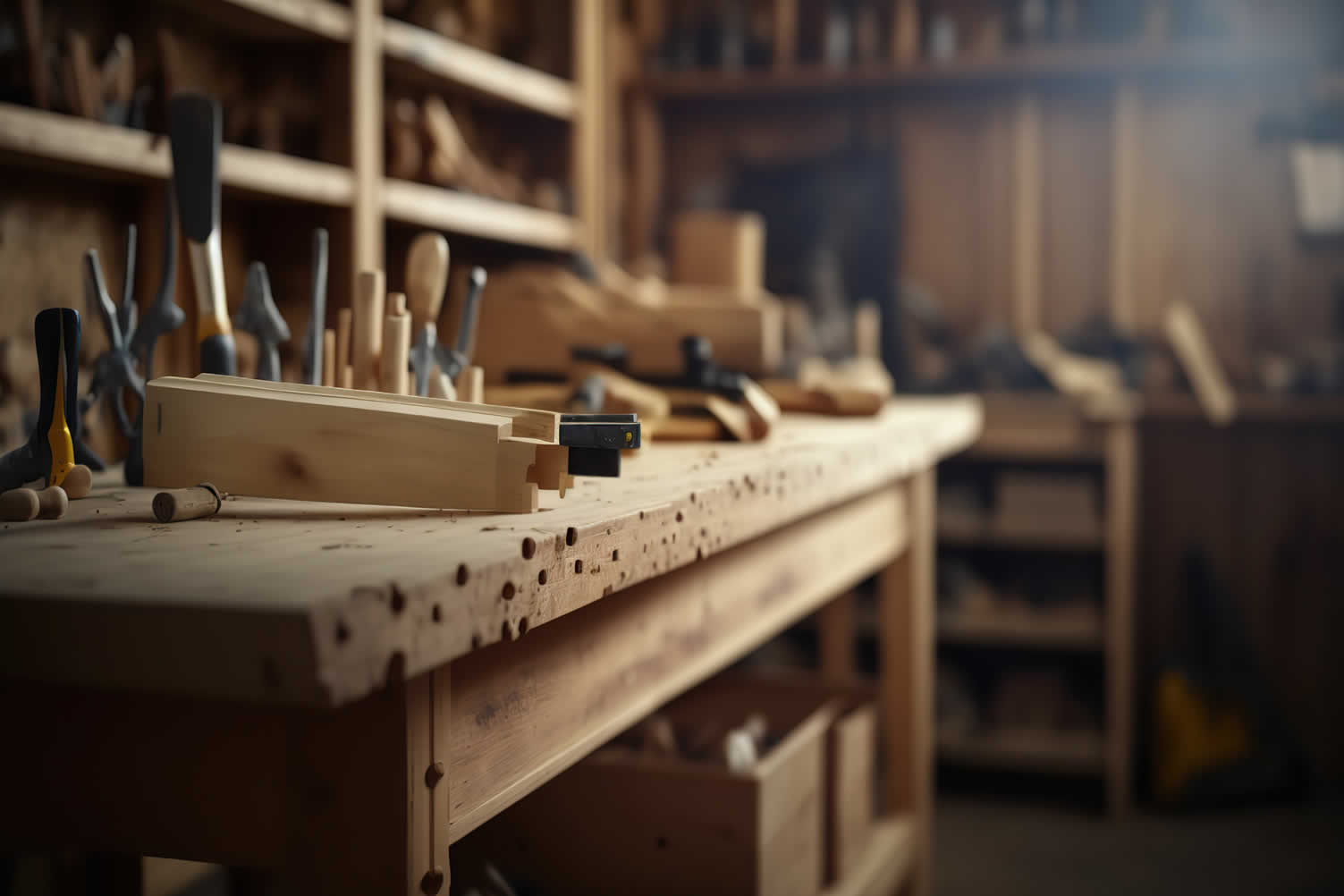
A workbench, simply put, is a sturdy table where manual work is carried out. Typically found in garages and workshops, it consists of a flat work surface, often accompanied by features like storage drawers, tool racks, and vises.
The benefits of having a dedicated workbench in your garage are numerous.
- Firstly, it provides a structured space for all your projects, keeping tools and materials organized and within reach. This not only boosts productivity but also minimizes the time spent searching for misplaced items.
- Secondly, a workbench offers a safe environment to work on tasks, ensuring that your projects are completed efficiently and effectively.
- Finally, it enhances the versatility of your garage, transforming it from a mere storage area into a functional workspace.
-
Quick scroll to “why have a workbench” side notes …
-
-
1st: Key Features of a Garage Workbench
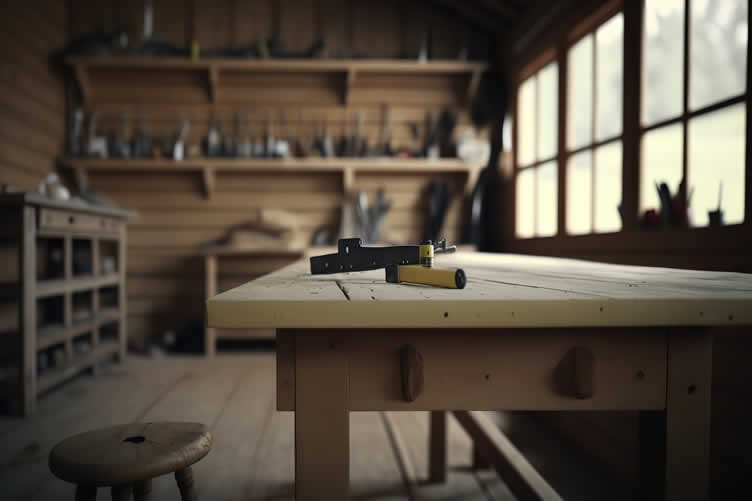
Choosing the right garage workbench involves considering various features that will make your space more functional and enjoyable. A well-designed workbench not only supports your projects but also enhances your workflow and organization.
Below are some essential features to look for when selecting or designing a garage workbench.
-
Sturdy Construction
A high-quality workbench is built to withstand the rigors of daily use. Look for models made from durable materials such as solid wood, metal, or high-density particle board.
A sturdy construction ensures that the workbench can handle heavy tools and materials without wobbling or collapsing, providing a reliable surface for any project.
-
Spacious Surface
The surface area of your workbench is crucial for accommodating various tasks. A spacious work surface allows you to lay out tools, materials, and projects without feeling cramped.
Consider a workbench with a surface that measures at least 60 inches wide for larger projects, giving you ample space to work comfortably.
-
Storage Options
Effective storage is one of the key elements of a functional workbench. Look for designs that incorporate built-in storage options such as drawers and shelves.
Additionally, using pegboards to hang tools provides easy access and keeps your workspace organized, reducing clutter and improving efficiency.
-
Ergonomic Design
An ergonomic workbench is essential for reducing strain during extended use. Features such as adjustable height settings can accommodate users of different sizes and help prevent back and neck discomfort.
A comfortable design encourages longer, more productive work sessions while ensuring that you maintain proper posture.
-
Mobility
Mobility is another feature to consider, especially if your garage space is limited or you need to reconfigure your workspace frequently. Look for workbenches with locking wheels or casters that allow you to easily move the bench in and out of place.
This flexibility makes it convenient to create more space while still having a functional work area available when needed.
-
Additional Features
Lastly, consider any additional features that might enhance your workbench experience, such as integrated power outlets or work lights.
These can significantly increase the functionality of your garage workbench, allowing you to work more efficiently on a variety of tasks, regardless of the time of day or available lighting.
copyright image by 123rf.com

-
-
-
ideas to view and compare from the information discussed above
Scroll up to directory … or scroll to next section about garage workbench …

second “photo remodeling” idea
copyright image by 123rf.com
Workbench Tip 2: The Varied Uses of a Workbench
Notes:
-
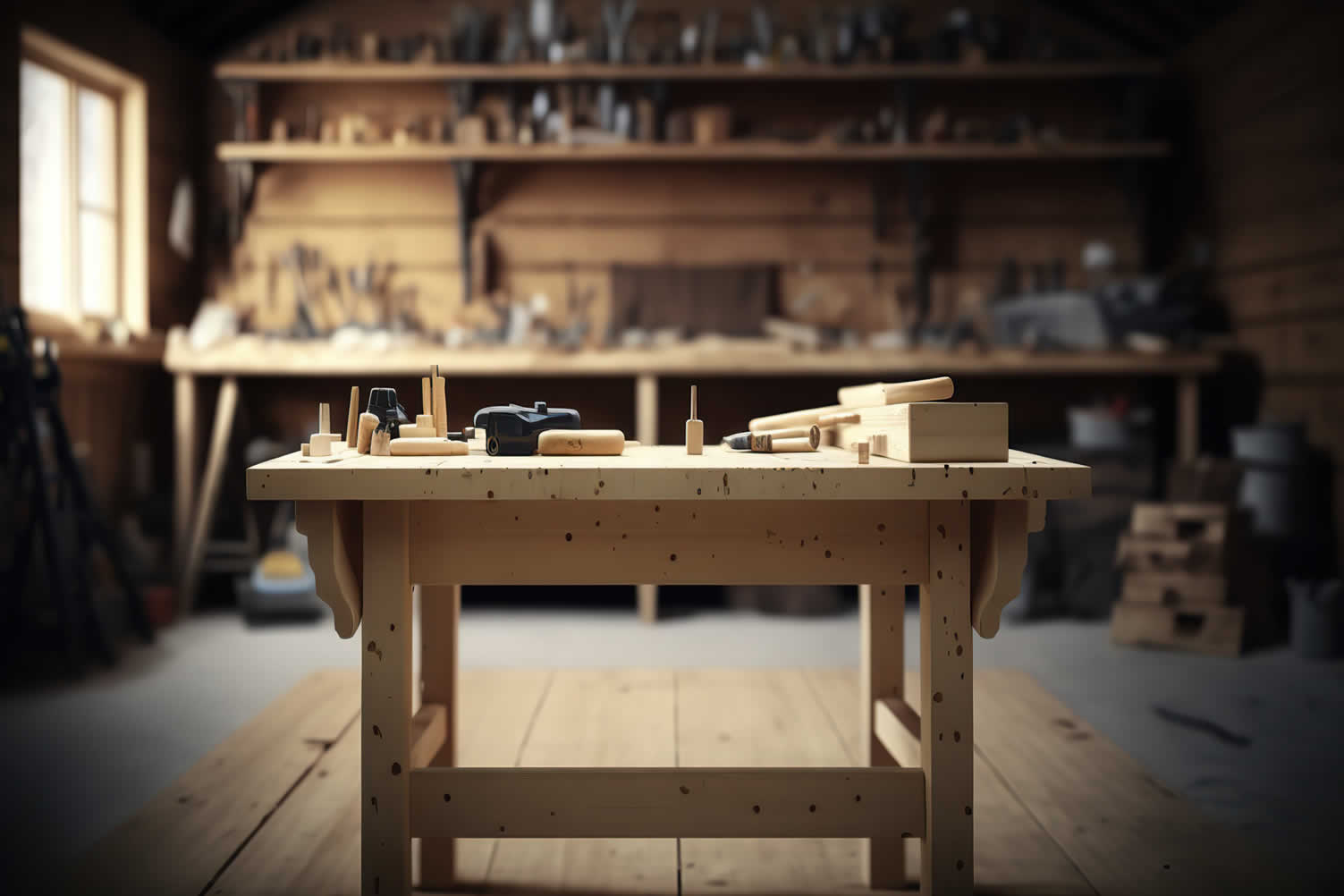
A garage workbench’s utility extends far beyond its surface. It serves as a versatile platform for an array of tasks. For woodworking beginners, it offers a stable surface for learning carpentry basics like cutting, sanding, and assembling.
Homeowners find it invaluable for small home repairs and maintenance tasks, from fixing a squeaky door to mending a leaky faucet.
DIY enthusiasts benefit greatly from a workbench’s adaptability. It becomes the go-to spot for crafting, painting, and even gardening tasks.
The bench’s sturdy surface withstands heavy-duty projects like metalwork or engine repairs, making it indispensable for hobbyists who enjoy tackling more complex undertakings.
In essence, a workbench transforms any garage into a multi-functional space, catering to various home needs seamlessly.
-
Quick scroll to “many uses of a garage workbench” side notes …
-
-
1st: Using Your Garage Workbench for Woodworking
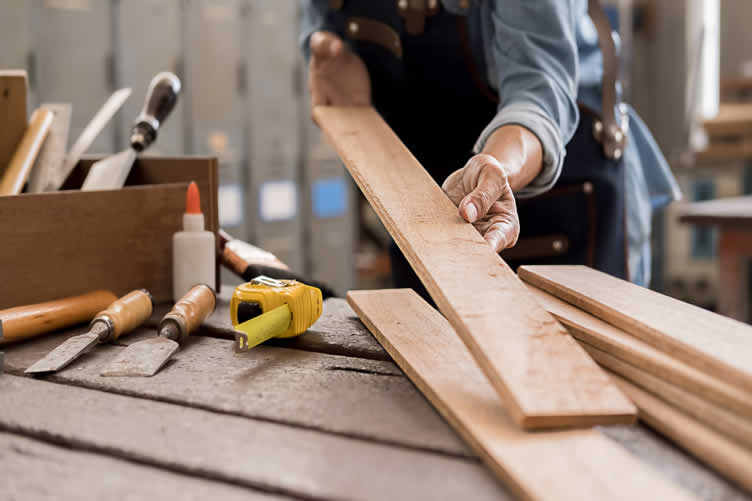
A garage workbench is an essential asset for anyone looking to dive into the world of woodworking. Its sturdy surface and ample space provide the perfect environment to hone your skills, allowing you to tackle a variety of projects.
Whether you’re a beginner excited to craft your first piece, or an experienced woodworker with advanced techniques up your sleeve, your workbench will become your trusted companion.
Below are some key tasks that a workbench is ideal for when it comes to woodworking.
-
Ideal for Cutting
The stable surface of a workbench offers a dedicated area for cutting wood accurately. Having a secure and flat space allows you to use saws safely, reducing the risk of accidents or uneven cuts.
With the right clamps and support tools, you can hold your pieces in place while ensuring clean, precise cuts that lay the foundation for your projects.
-
Assembling
Once you’ve cut your materials, the next step is assembly. Your workbench provides a spacious area where you can lay out all the components of your project. This space allows you to visualize how everything fits together, making it easier to assemble furniture pieces, frames, or any wooden constructs.
Additionally, the bench can be equipped with vices or clamps to secure your workpieces, making it simple to join them with screws or dowels.
-
Finishing Wood Projects
Finishing is a critical step in woodworking that enhances both the appearance and durability of your projects. A garage workbench provides ample room for sanding, staining, or varnishing wood pieces without worrying about spills or messes spreading to other areas.
You can set up appropriate lighting on your workbench to ensure an even finish and avoid missed spots, resulting in a professional look for the final product.
-
Other Woodworking Techniques
Beyond basic cutting, assembling, and finishing, your workbench can handle a vast range of techniques such as drilling, routing, or even wood carving. Its durability allows for the use of heavier tools and machinery, while the adaptability of the workspace means you can easily switch between different tasks.
By maximizing the potential of your garage workbench, you can explore various woodworking projects, turning your creative visions into tangible realities.
copyright image by 123rf.com
[ view images: woodworking workbench ]
[ pinterest: garage woodworking ]
-
-
2nd: Managing Household Needs
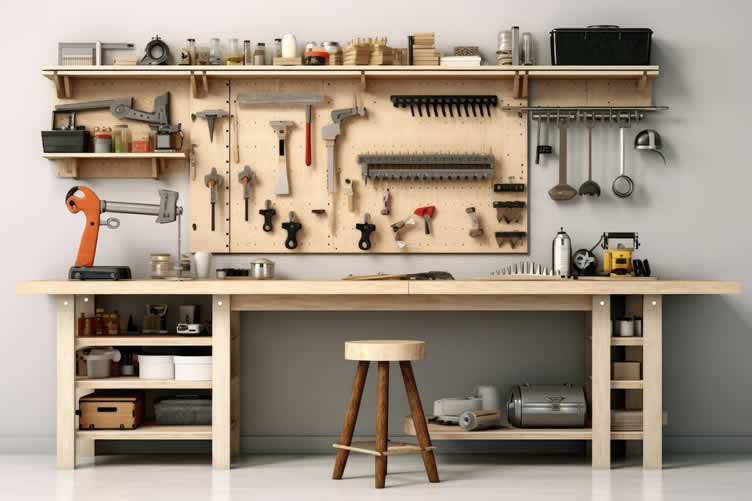
Your garage workbench is not only a hub for woodworking projects but also a valuable asset for managing various household tasks.
With its robust surface and ample storage for tools, it can be transformed into a multi-functional area that facilitates product assembly, repairs, and maintaining appliances without the clutter and chaos often associated with household projects.
By organizing your workbench effectively, you can streamline these tasks and improve your efficiency at home.
-
Product Assembly
Whether you’re putting together furniture from a flat-pack or assembling a new gadget, your garage workbench provides the ideal setup. The spacious surface allows you to easily spread out all components, making it easier to track parts and follow instructions.
Tools such as screwdrivers, hammers, and wrenches can be readily accessible, ensuring that the assembly process is as smooth as possible. Additionally, having adequate lighting on the bench can help you clearly see the instructions and ensure accurate component placement.
-
Fixing Household Appliances and Other Gadgets
When it comes to repairing small appliances or gadgets, your workbench serves as the perfect workstation. A sturdy surface keeps appliances steady while you troubleshoot and fix issues.
Additionally, with your tools conveniently stored nearby, you can efficiently switch between tasks, from removing screws to testing electrical components.
The workbench can also accommodate a vice for secure handling, enabling more precise repairs that may require both hands.
-
Making Household Repairs with Stored Workbench Tools
Every home requires occasional repairs, whether it’s fixing a leaky faucet, patching drywall, stirring up paint, or tightening cabinet hinges. Your garage workbench can be the go-to space for these jobs, as it keeps essential tools like pliers, wrenches, and drills neatly organized and easy to find.
By dedicating specific areas of your bench for different tools, you can quickly access what you need, reducing downtime during repairs and allowing you to tackle more tasks in less time.
-
Other Uses
Beyond just woodworking and repairs, your garage workbench can be adapted for a multitude of projects. This might include crafting gifts, creating seasonal decorations, or even small home improvement tasks such as installing shelves or painting.
The versatility of your workbench means it can become your central command for various DIY projects, encouraging creativity while keeping your home organized and functional.
Properly utilizing this space can help transform disarray into a well-coordinated approach to managing household needs effectively.
copyright image by 123rf.com
[ view images: garage workbench designs ]
[ pinterest: designing garage workbench ]
-
-
3rd: Using Workbench for Mechanical Repairs
Your garage workbench is not just a haven for DIY projects and home repairs; it also serves as an invaluable resource for mechanical repairs.
Whether you’re performing routine maintenance or tackling more complex issues with your vehicle, the workbench provides a designated area that facilitates efficiency and organization.
A well-equipped workbench can make a significant difference in both the effectiveness and enjoyment of your mechanical tasks.
-
Provides a Stable Surface for Working on Vehicles
Having a sturdy work surface is crucial when working on vehicles. The workbench accommodates various tasks, from changing oil to replacing brake pads, allowing you to perform repairs at a comfortable height.
This stability reduces the risk of tools slipping or components being dropped, ensuring a safer and more focused work environment. Additionally, a flat surface aids in keeping essential items within reach, enhancing productivity throughout your mechanical projects.
-
Has Necessary Tools
A well-stocked workbench is integral to effective automotive repairs. Essential tools such as wrenches, ratchets, and sockets should be neatly organized for quick access during repairs.
The ability to find the right tool without rummaging through a disarrayed toolbox saves time and prevents frustration. By putting together a dedicated set of mechanical tools and storage solutions, your workbench transforms into a full-service repair station, ready to tackle any vehicle issue that may arise.
-
Supports Machinery and Equipment
In addition to hand tools, having equipment like hydraulic jacks, torque wrenches, and battery chargers on or near your workbench is crucial for mechanical repairs. These tools often require a stable and secure platform for operation, which a workbench provides.
Moreover, you can create specific areas on the bench for each type of machinery or tool, allowing for easy access and efficient workflow. Properly dusting off and maintaining your tools and machinery on the workbench can also prolong their lifespan and reliability, ensuring they are always ready when needed.

copyright image by 123rf.com
[ view images: garage auto repair pit ]
[ pinterest: personal auto repair ]
-
-
4th: Crafting and DIY Projects
A garage workbench isn’t just for automotive repairs; it’s a versatile space perfect for pursuing various crafting and DIY projects.
Whether you’re delving into hobbies such as electronics and woodworking, indulging in arts and crafts, tackling home improvement tasks, or exploring other creative avenues, your workbench can enhance the process.
With its sturdy surface and organized setup, you can transform ideas into tangible creations, all while enjoying the benefits of a dedicated workspace.
-
Hobbies (Including Electronics)
For hobbyists, a garage workbench serves as an ideal base for projects involving electronics, model building, or other intricate crafts. Having a stable surface allows for precision work, enabling you to solder circuit boards, assemble models, or engage in programming tasks without distraction.
By equipping your bench with essential tools such as multimeters, soldering irons, and drawers for components, you can create a tailored workspace that fosters creativity and innovation.
-
Arts and Crafts
If arts and crafts are your passion, your garage workbench can become a creative haven. Here, you can spread out materials like paints, brushes, and fabrics, allowing you to work on projects such as painting, sewing, or scrapbooking with ease.
A designated area on your workbench for organizing supplies will help keep everything you need within reach and minimize clutter, making the crafting experience more enjoyable.
-
Home Improvement Tasks
Your workbench is also an invaluable asset for home improvement tasks. From minor repairs like fixing furniture to larger projects such as building shelves or cabinets, having a stable area to work increases efficiency and safety.
Stocking your workbench with essential tools like saws, drills, and adhesive materials will prepare you for any home improvement task, ensuring you can complete projects with confidence.
-
Other Creative Endeavors
Beyond the aforementioned uses, a workbench can accommodate a plethora of other creative endeavors.
Whether it’s creating handmade gifts, engaging in woodworking, or exploring gardening projects, having a well-organized and equipped bench makes it easier to experiment and bring your visions to life.
This multi-functional space cultivates a conducive environment for inspiration and productivity, allowing your creativity to thrive.

copyright image by 123rf.com
[ view images: garage crafts room ideas ]
[ pinterest: doing crafts ]
-
-
5th: Use Workbench for Storage and Organization
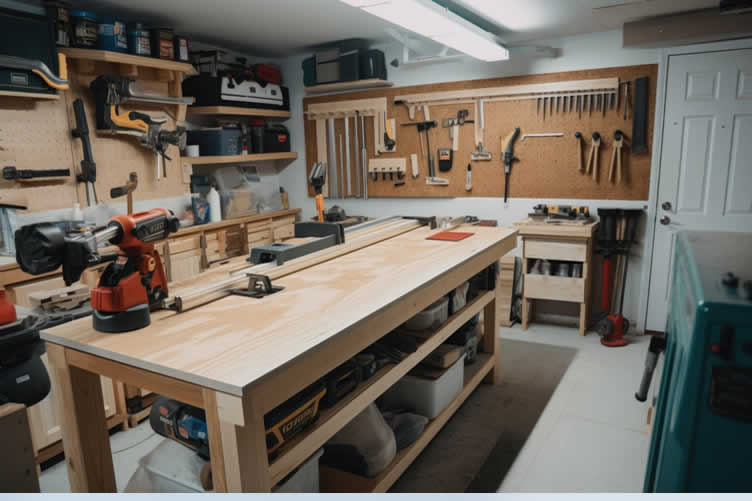
A well-organized workbench not only enhances your productivity but also maximizes the functionality of your garage. By transforming your workbench into a central hub for storage, you can streamline your projects and easily access your tools and materials.
This strategic organization allows for a smoother workflow, decreases downtime searching for supplies, and ultimately results in more satisfying creative endeavors.
-
Tools and Materials
A dedicated space on your workbench for tools and materials is essential for any DIY enthusiast. Consider utilizing pegboards and shelves to keep your equipment visible and within easy reach.
Group similar items together, such as pliers, wrenches, and screwdrivers, and label their storage locations for quick identification. This not only saves time but also helps to prevent misplacing essential tools during a project.
-
Hardware (Nails, Screws, Washers, Other)
Organizing hardware is crucial to maintaining a clutter-free workspace. Use small bins or drawer organizers to separate nails, screws, washers, and other fasteners.
Label each compartment so you can effortlessly locate what you need without rummaging through disorganized piles. Maintaining a tidy hardware collection will empower you to complete tasks smoothly and efficiently.
-
Painting Supplies (Paint Brushes, Rollers, Tape, Supplies)
If painting projects are among your activities, it’s vital to have a designated area for your painting supplies. Install a small shelf or use stackable bins to store brushes, rollers, painter’s tape, and other painting essentials.
Keeping these supplies close to your workbench allows you to transition seamlessly from preparation to execution, ensuring that your creative flow is uninterrupted.
-
Miscellaneous Other
Your workbench should also accommodate miscellaneous items that don’t fit neatly into other categories. From gardening tools to crafting supplies, consider utilizing transparent storage boxes or bins to identify contents at a glance.
Reserving a section of your workbench for these miscellaneous items not only promotes efficiency but also encourages you to explore new projects without the hassle of clutter impeding your creativity.
copyright image by 123rf.com
[ view images: creative garage organization ]
[ pinterest: garage storage ideas ]
-
-
-
ideas to view and compare from the information discussed above
Scroll up to directory … or scroll to next section about garage workbench …

addressing add a garage workbench and other home improvement needs …

… grab this directory of ideas for future use




… remodeling decisions

May We Suggest Other Photo Remodeling Ideas About
“Yard n’ Garden …” (new win)


third “photo remodeling” idea

copyright image by 123rf.com
Workbench Tip 3: Best Materials for Building a Sturdy Workbench
Notes:
-
When it comes to constructing a durable workbench, selecting the right materials is crucial. Wood, steel, and composite materials each offer unique advantages.
Wood, particularly hardwoods like oak or maple, is favored for its classic look and workability. It’s easy to cut, shape, and customize, making it a popular choice for DIYers. However, it may require more maintenance to prevent wear over time.
Steel, on the other hand, provides unmatched strength and durability, ideal for tasks involving heavy tools or machinery. Its resistance to warping and bending under pressure makes it a top choice for industrial-style workbenches.
Composite materials offer a balance between the two, providing the sturdiness of steel with the aesthetic appeal of wood. While they may carry a higher upfront cost, their low maintenance requirements and longevity often justify the investment.
[ see topic below: workbench building/assembly steps ]
When building a durable workbench, the choice of materials is crucial for ensuring longevity and functionality. Here are some of the best materials to consider:
-
Quick scroll to “workbench materials” side notes …
-
-
1st: Best Top Surface Materials
The choice of top surface materials for a garage workbench plays a vital role in determining both its usability and longevity. A good workbench surface should withstand heavy use, resist damage from tools and materials, and provide a practical space for a variety of tasks.
Here are some of the best top surface materials to consider for your garage workbench:
-
Steel
Steel surfaces are known for their exceptional durability and strength. They can handle heavy tools and equipment without warping or getting damaged, making them ideal for industrial-style workspaces.
Additionally, steel surfaces are easy to clean and maintain, resistant to spills and stains, which can be crucial when working on projects that involve liquids or chemicals.
-
Wood (Maple Butcher Block, Other)
Wood surfaces, particularly maple butcher blocks, are highly sought after for their aesthetic appeal and versatility. Maple offers a dense, durable surface that can absorb shock, making it less likely to damage tools or workpieces.
Other wood types can be used as well, but they may not offer the same level of durability. Regular sealing and maintenance can enhance the lifespan of wooden surfaces while providing a classic, warm look.
-
MDF (Medium Density Fiberboard)
MDF is an excellent choice for a workbench surface due to its smooth, flat surface and affordability. It’s less prone to splitting or cracking compared to solid wood, making it a practical option for various projects.
However, it can be susceptible to moisture damage, so it’s essential to seal the MDF properly and avoid exposure to excessive water or humidity.
-
Other Materials
Other materials such as laminate or epoxy coatings can also be considered for workbench surfaces. Laminate provides a durable and easy-to-clean surface, while epoxy coatings can be applied to existing surfaces to create a highly resistant, glossy finish.
These materials offer additional options for customizing the workbench to suit specific needs and preferences.

AI generated image by 123rf.com
[ view images: types of workbench tops ]
[ youtube: why use an MDF workbench Top? ]
-
-
2nd: Best Frame, Legs, and Structural Components
Creating a robust workbench requires careful consideration of its frame, legs, and other structural components. These foundational parts not only support the work surface but also contribute to the overall stability and longevity of the bench.
It’s essential to choose materials that can withstand the rigors of woodworking, metalworking, or any other tasks you plan to undertake. Below, we explore the best materials for these crucial components.
-
Solid Hardwood
Solid hardwood is an excellent choice for the frame and legs of a workbench due to its natural strength and stability. Species like oak, maple, and beech offer impressive load-bearing capacities while providing a classic look that many DIY enthusiasts prefer.
Hardwood frames can be easily joined using traditional woodworking techniques such as mortise and tenon, ensuring a robust and reliable structure. Additionally, with proper care and maintenance, hardwood can resist warping and retain its integrity over time.
-
Steel
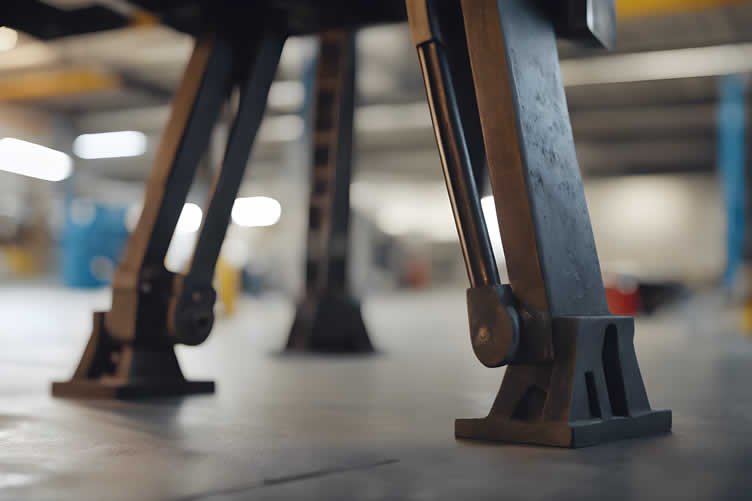
Steel is another formidable option for constructing workbench frames and legs. Known for its exceptional strength, steel can support heavy loads without bending or flexing, making it ideal for industrial settings or for those who work with heavy machinery.
Steel legs can be bolted or welded to the workbench surface, providing a stable foundation. While it may require additional effort to prevent rust, modern treatments and finishes like powder coating can enhance durability and resistance to wear.
-
Composite Materials
Composite materials are becoming increasingly popular due to their unique balance of strength and aesthetic appeal. These materials often consist of a combination of wood fibers and synthetic components that offer improved durability compared to traditional wood.
When used for frames and legs, composites can resist moisture and warping, making them perfect for garage environments.
Although they may come at a higher upfront cost, composites provide long-term performance and low maintenance requirements, making them a worthwhile investment for serious DIYers.
copyright image by 123rf.com
[ view images: workbench design diagram ]
[ pinterest: workbench designs ]
-
-
3rd: Other Considerations for a Garage Workbench
When building a garage workbench, it’s essential to consider various materials beyond the primary frame and legs. Additional components can enhance functionality, organization, and usability of the workspace, ensuring that the bench suits both your current needs and future projects.
-
Plywood
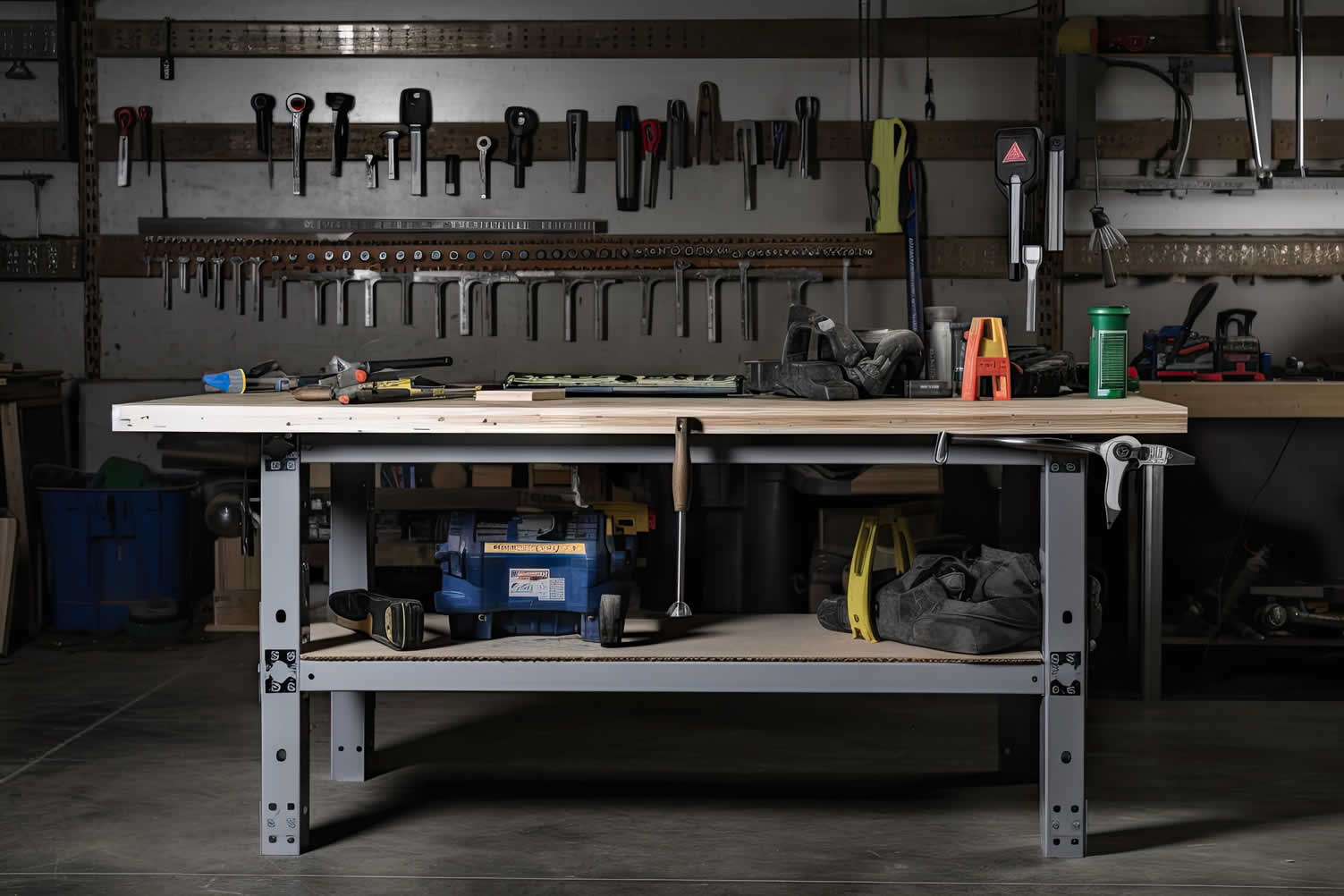
Plywood, particularly 15mm thick, is an excellent choice for certain components of the workbench, such as shelving or cabinet construction.
Its layered composition provides strength and resistance to warping, making it suitable for handling the storage of tools and materials. Plywood is also versatile, allowing for easy customization to fit various garage layouts while being cost-effective compared to solid wood options.
-
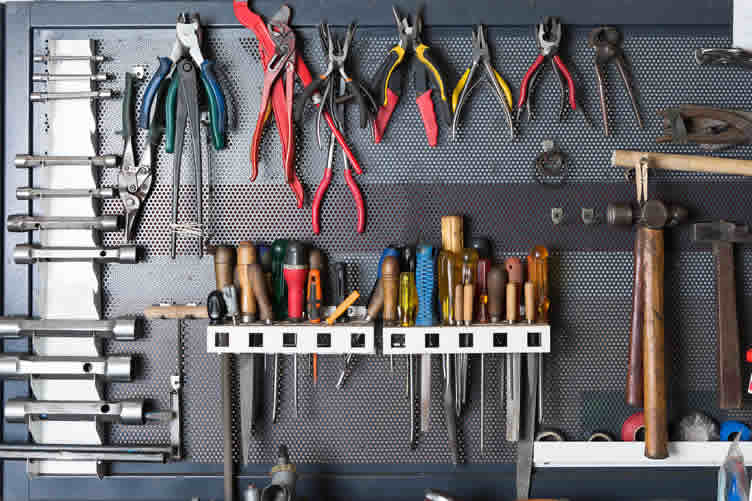
Pegboard
Incorporating a 3mm thick pegboard above the workbench can significantly improve tool organization. The pegboard allows for a customizable storage solution that keeps tools visible and easily accessible, maximizing workspace efficiency.
This feature is particularly advantageous for those who need to frequently switch between tools and tasks, as it eliminates clutter and enhances workflow.
-
Laminate
While not as robust as steel or hardwood, high-pressure laminate backed with a wood core can serve effectively in light to medium-duty applications on a workbench. This material is non-conductive and easy to clean, making it ideal for electrical work or lab installations.
Laminate can also provide a smooth, finished appearance, helping to create an organized and professional look in your garage while being friendly on the budget.
copyright image by 123rf.com
[ view images: pegboard above workbench ]
[ pinterest: best pegboard for workbench tools ]
-
-
-
ideas to view and compare from the information discussed above
Scroll up to directory … or scroll to next section about garage workbench …
SHARE IT ..! You might have someone in your social network who could find this informative post installing a garage workbench for home needs valuable. Feel free to share it on Facebook, X (formally Twitter), LinkedIn, or Pinterest!



fourth “photo remodeling” idea
copyright image by 123rf.com
Workbench Tip 4: Complementing Items for Your Workbench
Notes:
-
Enhancing your workbench with complementary items can significantly improve its functionality and user experience. From tool storage solutions to functional accessories, these additions not only optimize the workspace but also help in organizing tools and materials efficiently.
Below, we will explore various options that can be integrated into your workbench setup, ensuring it meets all your project needs while maintaining a tidy and inspiring environment.
-
Quick scroll to “complementing items” side notes …
-
-
1st: Adding Storage Units
Incorporating storage units into your workbench setup can greatly enhance its organization and efficiency. A clutter-free workspace not only improves productivity but also ensures that tools and materials are easily accessible when needed.
By carefully selecting and integrating appropriate storage solutions, you can maximize space and create an environment that promotes creativity and functionality. Below are some common types of storage units to consider adding to your workbench.
-
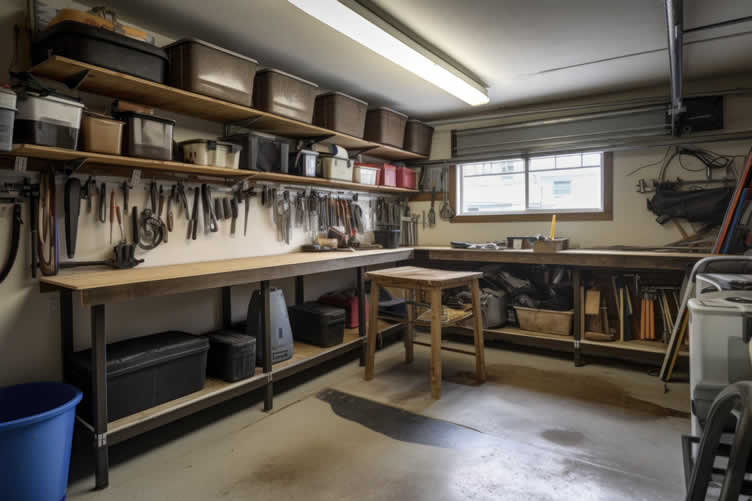
Wall-Mounted Shelves
Wall-mounted shelves are an excellent option for saving floor space while providing ample storage for tools, materials, and even decorative items. These shelves can be installed at various heights, allowing you to customize the layout to suit your needs.
They can be used to display tools for easy access, store containers of fasteners, or hold books and resources relevant to your projects.
-
Tool Cabinets
Tool cabinets come in various sizes and configurations, offering secure storage for both hand and power tools. Many cabinets feature drawers of different depths, allowing for organized storage of tools by type or frequency of use.
Select a cabinet with locking features to ensure safety for valuable equipment, especially in shared spaces.
-
Rolling Tool Carts
For flexibility and mobility, rolling tool carts are an ideal choice. These carts can easily be moved around the workspace, bringing tools and materials closer to wherever they are needed.
Many rolling carts come with a combination of drawers and shelving, providing versatile storage options. They can also serve as an additional work surface or staging area for larger projects.
-
Pegboards
Pegboards are a fantastic way to use vertical space for tool storage while keeping items visible and accessible. By hanging tools on pegs, you can customize the layout based on your preferences, maximizing the functionality of your workbench area.
Pegboards also allow for easy rearrangement as your collection of tools grows or changes.
-
Drawers and Bins
Incorporating drawers and bins into your workbench not only helps with organization but also aids in reducing clutter. Use labeled bins for storing screws, nails, and other small items, ensuring everything is easy to find.
Drawers, whether built into the workbench or added as a separate unit, are perfect for storing larger tools and materials out of sight, keeping your workspace neat and tidy.
By thoughtfully integrating these storage units into your workbench setup, you can create a workspace that is not only functional but also inspires and enhances your creativity.
copyright image by 123rf.com
-
-
2nd: Additional Items for a Fully Functional Workspace
To create an efficient and versatile workbench, it’s important to go beyond basic storage solutions.
Incorporating additional tools and accessories can significantly enhance your workspace, making it easier to manage projects and keep everything organized.
Below, we explore various items that can complement your workbench, each serving a unique purpose to facilitate your creative process.
-
Magnetic Tool Strip
A magnetic tool strip is an excellent addition for quick access to frequently used metal tools. By mounting it on the wall above your workbench, you can keep tools like screwdrivers, pliers, and wrenches within easy reach.
This not only frees up drawer space but also keeps your workspace tidy and allows you to visualize what you have at a glance.
-
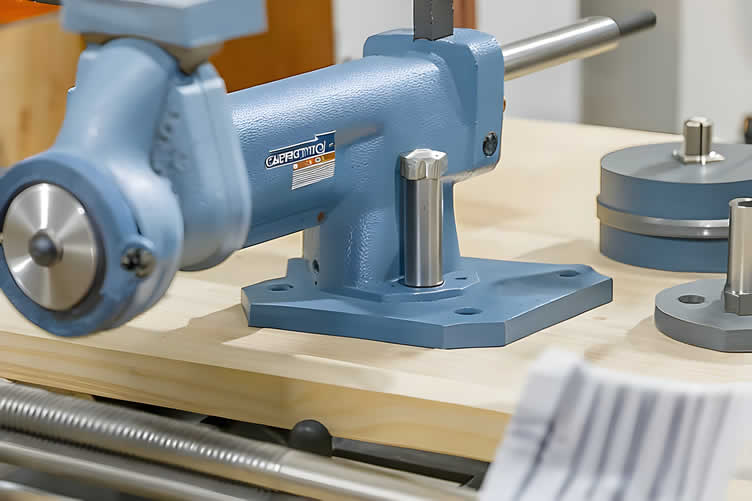
Bench Vice
A bench vice is an indispensable tool for holding materials securely while you work on them. Whether you’re cutting, sanding, or assembling, having a sturdy vice mounted to your workbench allows for greater precision and control.
Look for vices with swivel bases for enhanced versatility, accommodating a variety of angles and positions.
-
Power Strip
To ensure that your workbench remains an efficient space for your projects, a power strip is a must-have. Having multiple outlets readily available allows you to power your tools and devices without the hassle of searching for nearby sockets.
Consider a power strip with surge protection to safeguard your equipment from power surges.
-
Bench Cookies
Bench cookies are a simple yet incredibly handy accessory for any workbench. These small, rubber disc-like pads elevate your workpieces off the surface, providing easy access on all sides while preventing scratches and damage.
They also enhance stability when sanding or finishing, making them a great choice for woodworking projects.
-
Organization Bins
Adding various organization bins to your workbench can significantly declutter the space. These bins can be used for sorting tools, accessories, and small parts, helping you maintain a well-ordered environment.
Choose stackable or wall-mounted options to utilize vertical space effectively, keeping your workbench clear for larger projects.
-
Project Ceiling Pulley System
A project ceiling pulley system is a creative solution for lifting and storing heavier items away from your workbench, optimizing floor space.
By using a built-in pulley mechanism, you can easily raise and lower materials, tools, or even a work light, allowing for a more flexible and organized workspace.
-
Other Accessories
In addition to the aforementioned items, consider integrating other useful accessories like measuring tapes, clamps, or LED lighting to further enhance your workbench.
Each additional tool not only supports your specific projects but also contributes to a more productive and enjoyable working environment.
By equipping your workbench with carefully selected accessories, you empower yourself to tackle any project with confidence.
AI generated image by 123rf.com
-
-
3rd: Maintenance Needs for a Workbench
To ensure your garage workbench remains a reliable asset, regular maintenance is key. Begin by establishing a simple maintenance routine.
Wipe down the surface after each use to remove dust, debris, and spills that could damage the material over time. Inspect for any loose screws or joints regularly, tightening them as needed to maintain stability.
It’s also important to occasionally apply a protective finish, especially for wooden workbenches, to guard against moisture and scratches.
Check for signs of wear such as splinters or dents, and address them promptly to prevent further damage.
Keeping your workbench in top condition not only prolongs its lifespan but also ensures a safe and efficient workspace for all your projects.
-
Avoiding Clutter
While a workbench serves as a vital tool for various projects, it can easily transform into a catch-all for household items, leading to an overwhelming clutter that hinders productivity. To maintain an organized workspace, it’s essential to implement strategies that keep your workbench clutter-free.
Begin by assigning specific storage solutions for items that often migrate to the workbench, such as tools, craft supplies, or household goods. Use shelves, pegboards, or bins to provide dedicated spots for these items, ensuring they remain organized and easily accessible.
Establish a "one in, one out" rule: for every new item introduced to the workbench, another must be removed. This practice encourages mindfulness towards what is kept in the workspace.
Regularly assess the items on your bench; if something hasn’t been used in a while, consider relocating it to its designated storage or donating it.
Keeping the workbench clear not only boosts efficiency but also creates a more pleasant and inviting atmosphere, allowing your creative ideas to flow freely.

copyright image by 123rf.com
For Inside Garage
viewing amazon -
-
-
ideas to view and compare from the information discussed above
Scroll up to directory … or scroll to next section about garage workbench …

Budgeting Worksheet For Costing Home Remodeling and Home Improvement Decisions
 File Type (excel)
plan the specifications you need for making …

… key home improvement and remodeling decisions


Find Handyman Services (opens new win) Handyman Carpentry Electrical Plumbing top-rated, pre-screened local contractors FREE: download contractor selection enter zip code – powered by HomeAdvisor ™
Quick Contractor Guides selecting negotiating working with inspecting

fifth and last “photo remodeling” idea


copyright image by 123rf.com
Workbench Tip 5: Building Steps to Assemble a Workbench
(or purchase a pre-made kit)
Notes:
-
Creating your own workbench is a rewarding project that can be tailored to fit your garage’s unique needs. Start by selecting a location within your garage that offers ample space and accessibility. Consider factors like lighting and proximity to power outlets, which can enhance the functionality of your workbench.
Next, gather your materials and tools. For a basic workbench, you’ll need a solid work surface, sturdy legs, and fasteners to secure everything together.
Begin by constructing the frame, ensuring it’s level and stable. Attach the legs, and finally fasten the work surface securely. Customize your bench with additional features like storage shelves or a pegboard for tool organization.
Take your time during assembly, double-checking measurements and structural integrity. A well-built workbench not only serves your immediate needs but becomes a long-term investment in your garage’s utility.
-
Quirk scroll to topic "workbench assembling" side notes …
-
-
1st: DIY Garage Workbench: A Comprehensive Guide
Building your own garage workbench is not only a fulfilling project but also a practical investment that enhances your workspace.
With a custom-built workbench, you can tailor the design to suit your specific needs, whether it’s for woodworking, mechanics, or general repairs.
This guide will walk you through the essential steps to construct a sturdy and functional workbench that elevates your garage’s utility.
-
Step 1: Planning Your Workbench
- Determine the Size:
Consider the space available in your garage. Standard workbench heights range from 28 to 36 inches, with a depth of 24 to 30 inches. - Choose a Design:
Decide on a style—do you prefer a simple tabletop or one with integrated storage? - Identify Location:
Look for a spot in your garage that maximizes workspace while being conveniently located near electrical outlets and lighting.
- Determine the Size:
-
Step 2: Selecting Materials
- Work Surface:
Opt for materials like plywood or a solid hardwood countertop for durability. - Leg Framework:
Use 2×4 or 4×4 lumber for a solid and stable base. - Fasteners:
Ensure you have the right screws, brackets, and wood glue to securely attach components.
- Work Surface:
-
Step 3: Building the Frame
- Cut the Lumber:
Measure and cut your wood pieces to the required dimensions for the frame and legs. - Assemble the Frame:
Lay the frame on a flat surface. Use screws and brackets to secure the corners. - Check Level:
Use a level tool to make sure the frame is even, adjusting if necessary.
- Cut the Lumber:
-
Step 4: Attaching the Legs
- Position the Legs:
Attach each leg securely to the corners of the frame using heavy-duty screws. - Reinforce Stability:
Add diagonal bracing, if desired, to prevent wobbling. - Ensure Height Consistency:
Double-check that all legs are cut to the same height to prevent unevenness.
- Position the Legs:
-
Step 5: Affixing the Work Surface
- Attach Surface Material:
Lay your chosen work surface material over the top of the frame. - Secure with Screws:
Fasten the work surface to the frame using countersunk screws for a flush finish. - Finish Edges:
Sand any rough edges to ensure safety and a polished look.
- Attach Surface Material:
-
Step 6: Personalizing Your Workbench
- Add Storage Solutions:
Consider installing shelves, drawers, or cabinets underneath the workbench for tool organization. - Incorporate a Pegboard:
Mount a pegboard on the wall above your workbench for easy access to hand tools. - Customize for Your Projects:
Incorporate features like a built-in vice or a tool holder tailored to your specific projects.
[ view/print (pdf): the above build/assembling steps ]
- Add Storage Solutions:
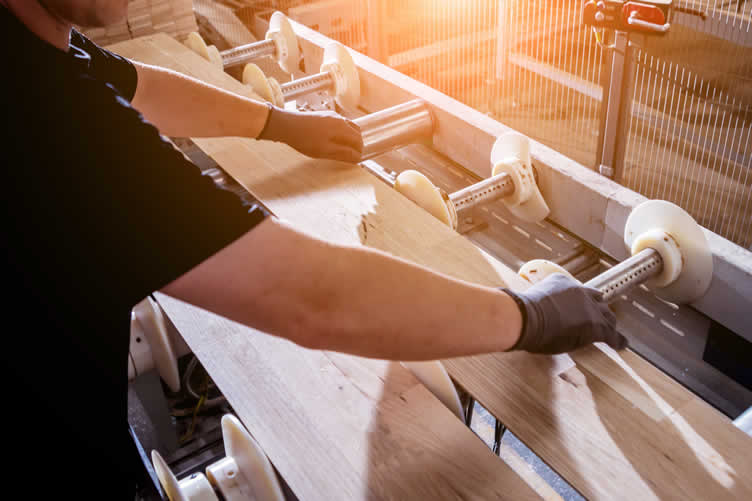
copyright image by 123rf.com
[ view diagram: DIY workbench build plans ]
[ youtube: DIY budget workbench (dowloadable plans) ]
-
-
2nd: Installing Good Task and Other Lighting
Proper lighting is essential in any workspace, especially in a home garage where precision and visibility can greatly influence the quality of your projects. The right lighting not only increases productivity but also enhances safety by reducing the risk of accidents and mistakes.
When it comes to installing task and other lighting, you’ll want to consider various options that cater to different needs and preferences. Below are some types of lighting to consider for your workbench area.
[ see below: workbench lighting ideas ]
-
LED Task Lighting
LED task lights are ideal for focused illumination, helping you see intricate details while working on projects. They are energy-efficient and long-lasting, making them a smart investment.
These lights come in various forms, such as strip lights, clamp-on lamps, and compact fixtures that can be mounted directly above your work area.
-
Overhead Lighting
Overhead lighting provides general illumination for the entire space, ensuring that all areas are well-lit. Consider flush-mount or pendant fixtures that offer a wide distribution of light.
If possible, opt for dimmable options so you can adjust the brightness according to your specific activities.
-
Portable Work Lights
Portable work lights are versatile tools for providing extra illumination wherever needed. They can be moved around to different locations and are particularly useful for outdoor projects or when working in hard-to-reach spots.
Look for models with adjustable brightness levels and swivel heads for maximum flexibility.
-
Accent Lighting
Accent lighting can add a touch of style to your workspace while enhancing functionality. Use wall-mounted sconces or decorative LED strips for indirect lighting around shelves or behind your workbench.
This type of lighting can help create a welcoming atmosphere while ensuring you have enough light for your tasks.
By thoughtfully selecting and installing these various types of lighting, you can greatly enhance the usability and comfort of your workbench area, making it an efficient space for all your DIY projects.

copyright image by 123rf.com
-
-
3rd: Installing Ample Electrical Outlets
When setting up a workspace for various projects, ensuring you have an adequate number of electrical outlets is crucial. This not only facilitates the use of multiple tools and machinery but also keeps your workspace organized and efficient.
Having enough outlets reduces the need to constantly switch cords or use power strips, which can lead to clutter and potential hazards.
Here, we’ll explore the different types of electrical outlets you may need to accommodate your machinery and other electrical requirements effectively.
-
Standard 120-Volt Outlets
Standard 120-volt outlets are the most common type found in residential and commercial spaces. These outlets are suitable for most small appliances and tools, making them essential in any workspace.
It’s ideal to install multiple 120-volt outlets throughout the area, ensuring easy access for frequently used devices like drills, saws, and chargers. Placing these outlets at workbench height can help streamline your workflow and keep your tools close at hand.
-
240-Volt Outlets
For heavier machinery that requires more power, such as table saws, welders, or air compressors, 240-volt outlets are necessary. These outlets provide the additional amperage needed to operate high-draw equipment safely.
When planning for 240-volt outlets, consider the specific machines you will be using, and position these outlets where you anticipate placing the equipment to minimize extension cord use and maintain a tidy environment.
-
GFCI Outlets
Ground Fault Circuit Interrupter (GFCI) outlets are essential in workspaces where water or moisture is present, such as near sinks or in garages. These outlets are designed to shut off the electrical circuit when they detect a ground fault, preventing electrical shocks.
Installing GFCI outlets in your workspace not only enhances safety but also ensures compliance with electrical codes, making them a vital component in any well-designed workshop.
-
USB Outlets
As technology evolves, so does the need for convenient charging options. Installing USB outlets can be a game-changer in your workspace, allowing you to charge devices like smartphones, tablets, and other gadgets without needing an additional adapter.
These outlets save space and keep your workspace more streamlined, enabling easy access to power for your modern tools and devices.
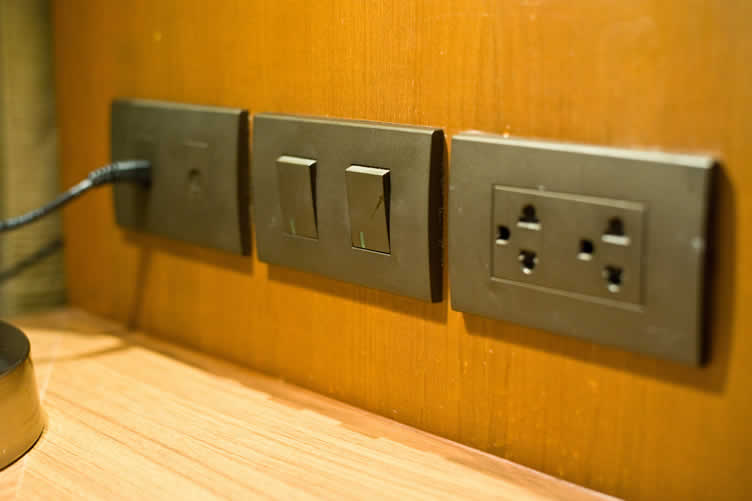
copyright image by 123rf.com
Electrical Outlets
viewing amazon -
-
4th: Considering Automation with IoT
As the world becomes increasingly interconnected, integrating automation into your workspace can elevate your projects to new heights. The Internet of Things (IoT) allows tools and devices to communicate over the internet, enabling remote monitoring and control.
Incorporating IoT solutions into your workbench area not only enhances productivity but also adds a layer of convenience and efficiency that traditional setups may lack. Here we explore how automation with IoT can transform your workshop.
-
Smart Tools and Equipment
Investing in smart tools equipped with IoT capabilities can significantly improve your workflow. These tools can provide real-time data on usage, maintenance needs, and performance metrics.
For instance, a smart table saw may alert you when blade adjustments are necessary or when it’s time for maintenance, helping to prevent costly downtime.
By enabling remote access, you can monitor the tools even when you’re away, ensuring that your equipment is always ready for use.
-
Automation for Task Management
Utilizing IoT for task management can streamline your projects. By integrating task management applications with IoT devices, you can track project timelines, delivery schedules, and resource allocation with ease.
Smart notifications can remind you of deadlines or alert you when supplies are running low. This ensures that you stay organized and on schedule, enabling you to focus more on craftsmanship and less on logistics.
-
Energy Efficiency Monitoring
IoT-enabled energy monitoring tools can help manage energy consumption in your workspace. Sensors can track the power usage of different tools and equipment, allowing you to identify which devices consume the most energy.
This data can empower you to alter usage patterns, turn off tools when not in use via smart plugs, and ultimately reduce your electricity costs. An efficient workspace not only benefits your wallet but also promotes a more sustainable workshop environment.
-
Enhanced Safety Features
Safety is paramount in any workshop. IoT solutions can provide enhanced safety features by integrating smart sensors and alarms.
For example, motion detectors can trigger alarms if someone enters the workspace without permission, while smoke detectors with IoT capabilities can alert you to potential hazards instantly.
These systems can provide peace of mind, ensuring that safety measures are always monitored and enforced.
-
Access to Online Resources for DIY Tasks
IoT technology can significantly enhance your DIY experience by providing instant access to a wealth of information online. With IoT-enabled devices, such as smart tablets or phones integrated into your workspace, you can easily reference tutorials, how-to videos, and expert guidance related to your workbench activities.
This connectivity allows for real-time learning and troubleshooting, enabling you to overcome challenges as they arise.
Whether you need to consult a step-by-step guide for a complex project or find tips for optimizing your techniques, the ability to access online information seamlessly can make your DIY tasks more efficient and enjoyable.
Embracing automation with IoT in your workbench area can lead to numerous benefits, from improved efficiency to enhanced safety.
As technology continues to advance, adopting these innovations will ensure that your workspace evolves alongside your skill set, paving the way for greater creativity and successful projects.

copyright image by 123rf.com
-
-
5th: Buying a Pre-Made Workbench
Not in the mood to build your custom workbench? Consider purchasing a pre-made workbench that fits your garage space and meets your needs.
When it comes to enhancing your DIY experience, investing in a pre-made workbench can provide both convenience and functionality. A quality workbench sets the foundation for any project, offering a stable surface and sufficient storage options to help keep your workspace organized
With a variety of types and styles available in the market, understanding the different options can assist you in making an informed decision tailored to your specific needs.
-
Portable Workbenches
Portable workbenches are ideal for those who require flexibility and mobility in their workspace. Lightweight and collapsible, these benches can easily be moved and stored when not in use.
They often come equipped with additional features such as clamps and storage racks, making them suitable for a variety of tasks, whether in a garage or at a job site.
-
Heavy-Duty Workbenches
For serious DIY enthusiasts and professionals, heavy-duty workbenches provide unmatched durability and stability. Typically made from robust materials like steel or hardwood, these benches can withstand significant weight and are perfect for heavy equipment or machinery.
Often they come with integrated storage solutions, such as cabinets and tool drawers, keeping all essential tools and materials within easy reach.
-
Adjustable Workbenches
Adjustable workbenches offer versatility by allowing users to change the height of the surface according to their preference or project needs. This feature is particularly beneficial for long or intricate tasks that may require different working positions.
Many adjustable options also come with built-in storage, ensuring efficiency while working on different projects.
-
Folding Workbenches
Folding workbenches combine the functionality of a traditional workbench with the space-saving features of a portable workbench. These benches can be easily collapsed for storage, making them perfect for those with limited space.
They provide a sturdy workspace when deployed and can often be adjusted to various heights, catering to different tasks while offering a practical solution for storage.
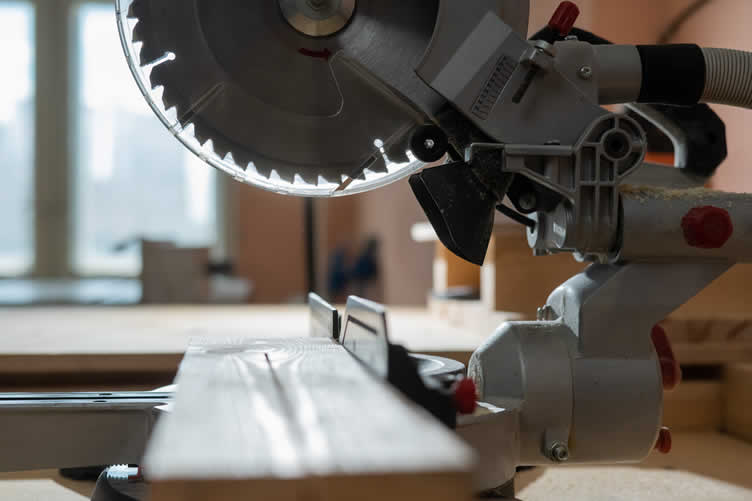
copyright image by 123rf.com
-
-
6th: Outsourcing Your Workbench Build and Setup
If you prefer to streamline the creation of your garage workbench or need specialized features such as lighting, electrical, or IoT automation, hiring a contractor can be an efficient solution.
When outsourcing, it’s vital to find the right contractor who not only understands your vision but also has the technical expertise to integrate these components effectively.
Finding the Right Contractor
- Research Local Professionals:
Start by researching local contractors with experience in custom cabinetry or garage workspaces. Websites like HomeAdvisor and Angie’s List can provide valuable listings and customer reviews. - Check Qualifications:
Ensure that any contractor you consider holds the necessary licenses and insurance. Verify their experience with electrical work and smart home technologies to ensure compliance with local codes. - Review Portfolios:
Examine their past projects to determine whether their style aligns with your vision. Look specifically for examples that include workbench setups, lighting installations, and integration of automation. - Get Multiple Quotes:
Reach out to a few different contractors to discuss your project. This not only helps you assess their approach but also gives you a range of cost estimates. - Communicate Your Needs:
When meeting with prospective contractors, clearly outline your requirements, including specific features like task lighting, power outlets for tools, and any IoT elements you wish to incorporate. - Check References:
Always ask for and follow up with references to get a sense of the contractor’s reliability and craftsmanship.
By carefully selecting a qualified contractor, you can ensure that your garage workbench meets your personal requirements and includes all desired features, allowing for a more efficient and enjoyable workspace.
LetsRenovate has partnered with HomeAdvisor™, a renowned provider of highly-rated, carefully-vetted local contractors. Start your search here by choosing the type of contractor you need and entering your zip code to find local professionals.

copyright image by 123rf.com
But Wait!
Before starting your search and evaluation of special help for your garage workbench, it is highly recommended to download and use this evaluation worksheet.
This resource will help you objectively rank and assess potential professional help, considering essential factors such as pricing, licensing, and referral information.

Evaluation Sheet
File Type: - Research Local Professionals:
-
-
FINAL REMARKS
In conclusion, a garage workbench is more than just a table—it’s a gateway to productivity and creativity. Whether you’re a woodworking novice, a homeowner tackling repairs, or a seasoned DIY enthusiast, a workbench transforms your garage into a functional hub for all your projects.
By understanding its benefits, selecting the right materials, maintaining its condition, and assembling it with precision, you enhance not only your workspace but also your overall home experience.
Consider the possibilities a workbench offers for your garage, and take the leap in creating a space that empowers your skills and hobbies. For further guidance and inspiration, explore resources and communities of fellow DIYers and woodworking enthusiasts.
Your garage’s transformation starts with a workbench, so get ready to enjoy a new level of organization, efficiency, and accomplishment.
-
ideas to view and compare from the information discussed above
usb charging stationelectrical charging stationworkbench protector mat
- What comments can you share about
garage workbench?
Scroll up to directory … or scroll to more exterior home-related topics …
view illustration “becoming a bank”



Calendar For:
Home Maintenance
File Type:


… type of pre-made workbenches for your garage needs
… view our sharing links below for a quick "share the knowledge"
Cover image credit: garage workbench by 123rf.com
end of post … please share it!
 |
did you find the need for a garage workbench analysis helpful? If so, please share the article with your friends and family! |
Nice pic idea? Leave us a quick comment below.
And please share this pic idea within your social networks.