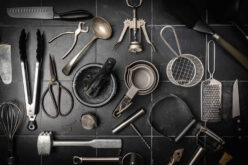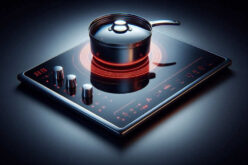
first “ways to make your kitchen safer and healthier” idea
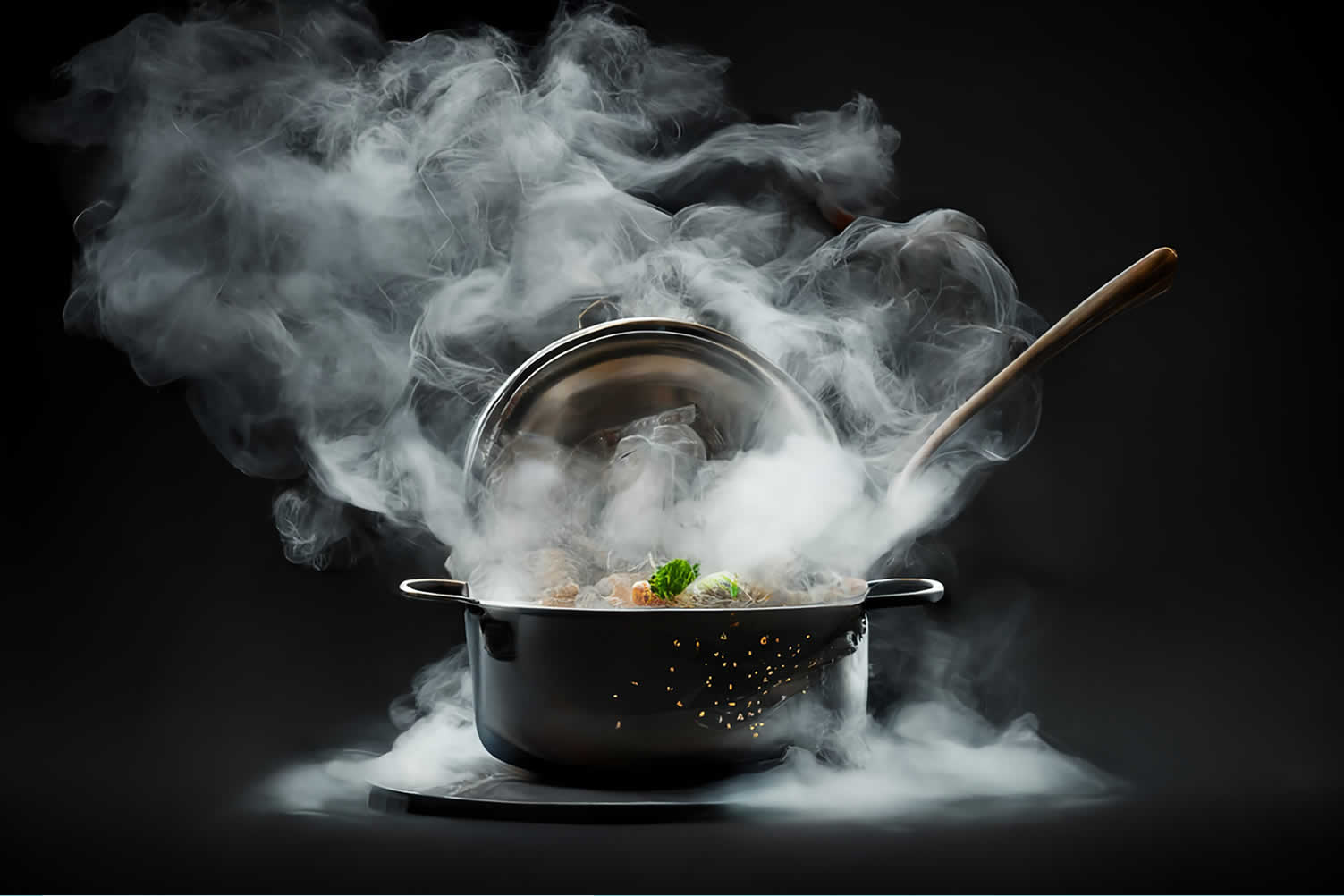

copyright image by 123rf.com
Following These Simple Rules For A Safe Kitchen
Summary Outline:
As a home cook, it’s essential to ensure that your kitchen is a safe and healthy environment. Not only does this protect you and your loved ones, but it also gives you the freedom to create delicious and nutritious meals.
Here are seven simple ways to make your kitchen safer and healthier:
-
- —— begin first topic ——
-
1st:Use Safe and Healthy Cookware:
Safe and healthy pots and pans are essential for creating delicious and nutritious meals. Opt for the best PFOA and PTFE-free cookware, as it is free from harmful chemicals and provides a non-stick surface that is easy to clean.
- Of course, you’ll need to consider your cooking needs and preferences when choosing the right type of cookware for your kitchen. Other options include stainless steel, cast iron, and ceramic cookware. These materials offer different benefits, such as durability, heat retention, and non-stick properties.
-

copyright image by 123rf.com
- There are, however, some potential dangers associated with non-stick cookware, including:
- Overheating:
Non-stick cookware is made with a coating of polytetrafluoroethylene (PTFE), which is a stable compound at low to moderate temperatures. However, if the pan is heated to very high temperatures (above 500 degrees Fahrenheit), the PTFE coating can break down and release toxic fumes into the air. - These fumes can cause polymer fume fever, a temporary flu-like illness with symptoms such as chills, fever, headache, and muscle aches.
- Scratching:
The PTFE coating on non-stick cookware can be scratched by metal utensils, which can expose the underlying metal to food. This can increase the risk of foodborne illness. - PFOA:
Some non-stick cookware was previously made with perfluorooctanoic acid (PFOA), a chemical that has been linked to a number of health problems, including cancer and thyroid disease. However, PFOA has been phased out of non-stick cookware production in the United States, so the risk of exposure is now much lower.
- Overheating:
- If you use non-stick cookware, it is important to take steps to minimize the risks. Here are some tips:
- Do not overheat the pan. Cook food at medium to low heat whenever possible.
- Use wooden or silicone utensils. Metal utensils can scratch the PTFE coating.
- Avoid using harsh cleaning chemicals. Harsh chemicals can damage the PTFE coating.
- Replace damaged cookware. If the PTFE coating is scratched or damaged, replace the cookware.
-
Quik scroll to topic side notes …
-
1st:Types Of Cookware Available:
You can find many different types of kitchen cookware, each with its own unique properties and uses. Some of the most common types of cookware include:
- Stainless steel cookware
is durable and versatile, making it a good choice for everyday cooking. It is also relatively non-reactive, so it can be used with a variety of foods. - Nonstick cookware
is easy to clean and makes it difficult for food to stick to the pan. It is a good choice for cooking delicate foods, such as eggs and fish. - Cast iron cookware
is durable and heat evenly, making it a good choice for searing and browning meats. It is also a good choice for cooking acidic foods, such as tomatoes, as it will not react with the food. - Copper cookware
is an excellent conductor of heat, making it a good choice for cooking delicate foods and sauces. It is also a good choice for cooking on induction cooktops. - Enameled cast iron cookware
is a durable and versatile type of cookware that is easy to clean. It is a good choice for everyday cooking and can be used on all types of stovetops.
When choosing cookware, it is important to consider the type of cooking you do most often and the materials you prefer. It is also important to consider the size and shape of the cookware, as well as the weight.
Likewise, keep in mind on how to arrange a cabinet for stacking or other to store and protect the cookware when not in use. A hanging pot rack might be an option. Another idea is the use of cookware pads to keep pans separated when storing in cabinets or drawers.

copyright image by 123rf.com
- Stainless steel cookware
- —— next topic ——
-
2nd:Store Food Properly:
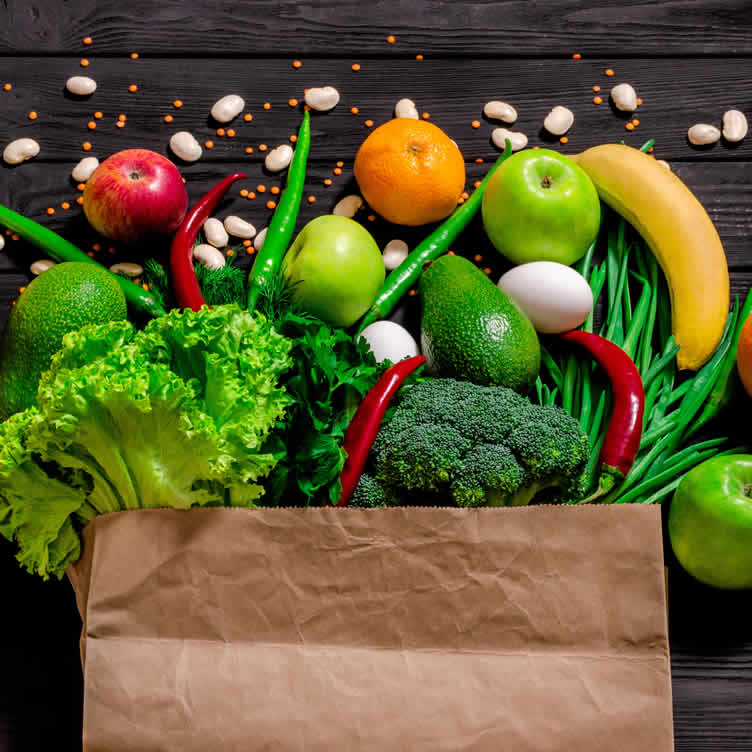
Keep perishable items, such as meat and dairy, in the refrigerator or freezer, and use air-tight containers to store dry goods. This will keep your meals fresh and delicious while preventing foodborne illness. It can also help you save money by reducing food waste and allowing you to plan your meals ahead of time.
- Foodborne illness is caused by eating food that has been contaminated with harmful bacteria, viruses, or parasites. These pathogens can cause a variety of symptoms, including nausea, vomiting, diarrhea, fever, and abdominal cramps. In some cases, foodborne illness can be life-threatening.
-
copyright image by 123rf.com
- There are a number of things you can do to properly store food and prevent foodborne illness, such as the following:
- Refrigerate or freeze perishable foods promptly:
Perishable foods include meat, poultry, seafood, eggs, dairy products, and leftovers. These foods should be refrigerated or frozen within two hours of cooking or purchase. - Keep your refrigerator and freezer at the proper temperatures:
Your refrigerator should be set to 40 degrees Fahrenheit or below, and your freezer should be set to 0 degrees Fahrenheit or below. - Store food in airtight containers:
This will help to prevent the growth of bacteria. - Refrigerate leftovers promptly:
Leftovers should be refrigerated within two hours of cooking. - Do not eat raw or undercooked meat, poultry, or seafood:
These foods can contain harmful bacteria that can cause foodborne illness. - Do not eat food that has been left out of the refrigerator for more than two hours:
Bacteria can grow rapidly in food that is left out at room temperature. - Avoid cross-contamination:
This is when bacteria from raw food are transferred to cooked food. To avoid cross-contamination, always wash your hands thoroughly before and after handling raw food. Also, use separate cutting boards and utensils for raw and cooked food. - Thaw frozen food properly:
Frozen food should be thawed in the refrigerator, in cold water, or in the microwave. Do not thaw frozen food on the counter or in the sink. - Dispose of food that is spoiled or expired:
Spoiled or expired food should be thrown away immediately. Do not eat it, even if it has been cooked.
- Refrigerate or freeze perishable foods promptly:
-
Quik scroll to topic side notes …
-
How To Properly Store Food:
The best method of food storage for a particular food will vary depending on the type of food, the desired shelf life, and other factors. It is important to follow the instructions on food labels carefully to ensure that food is stored properly.
Refrigeration:
refrigeration is the most common method of food storage. It slows down the growth of bacteria, which helps to prevent spoilage. Most perishable foods should be refrigerated within two hours of cooking or purchase.The best way to store perishable food in the refrigerator is by using air air-tight containers and/or sealed plastic bags or wrap.
Freezing:
freezing is another effective method of food storage. It stops the growth of bacteria altogether, which can extend the shelf life of food for months or even years. However, make sure to list and date the food that is being stored.Note the food not properly wrapped or sealed can get freezer burn after an extended period. Freezer burn can be detected by the formation of ice crystals on the outside of food, lessening the quality of food.
Dry storage:
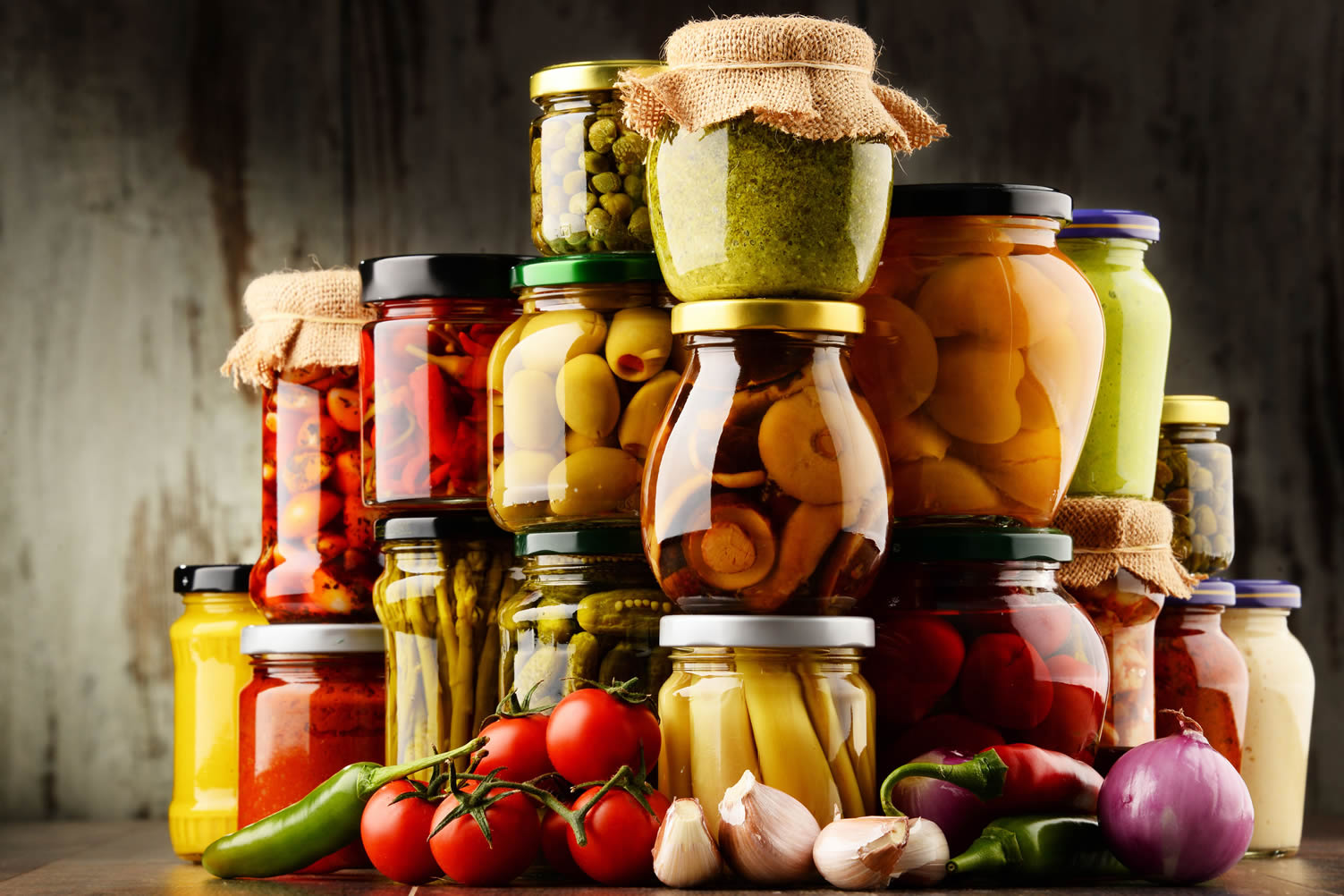
dry storage is a method of food preservation that involves storing food in a cool, dry place using sealed containers or canister. This prevents the growth of bacteria and mold. Some foods, such as grains and beans, can be stored for long periods of time using this method.Other Food Storage:
there are other methods of storing food for longer, extended periods the included the following. Make sure to follow the procedures properly to ensure the method used prevents any food spoilage:- canning
- pickling
- salting
- sugaring
copyright image by 123rf.com
About Storing Food
resourcesStoring Food In Refrigerator info – seal food w/o vacuum sealer info – freezing food info – proper storing dry goods info How to Can Food info – what foods can be canned info – how to pickle anything info – using salt to preserve food info Best Ways to Freeze Food youtube – guide to vacuum sealers youtube – about dehydrating food youtube - —— next topic ——
-
3rd:Keep It Clean:
Wipe down surfaces regularly, and don’t be lazy about taking the trash out. It’s also important to clean your appliances, including your stove, oven, microwave, and air fryer, to prevent the buildup of grease and bacteria.
- Though it’s no one’s favorite task, keeping the kitchen clean will ensure your food is safe to eat and will make cooking and meal preparation more enjoyable and efficient.
-
copyright image by 123rf.com
- Here are some tips for cleaning your kitchen:
- Clean as you go. This will help to prevent a big mess from building up.
- Use natural cleaners whenever possible. This will help to keep your kitchen clean and free of harmful chemicals.
- Clean the kitchen regularly. This will help to prevent dirt, grime, and grease from building up.
- Get the whole family involved in cleaning the kitchen. This will help to make the job go faster and easier.
-
Quik scroll to topic side notes …
-
4th:Use Natural Cleaning Products:
The great thing about natural cleaning products is that they’re free from harmful chemicals and are often more effective than traditional cleaning products.
Natural eco-friendly cleaning products are made with plant-based ingredients and are biodegradable. They are a great alternative to traditional cleaning products, which can be harsh on the environment and your health.
These products can be found at most grocery stores and health food stores. You can also make your own natural eco-friendly cleaning products at home. The key ingredients to look out for include vinegar, baking soda, and lemon juice.
These ingredients are effective at removing dirt, grime, and stains without the use of harsh chemicals, and they’re perfectly eco-friendly.

copyright image by envato.com
-
Cleaning Appliances:
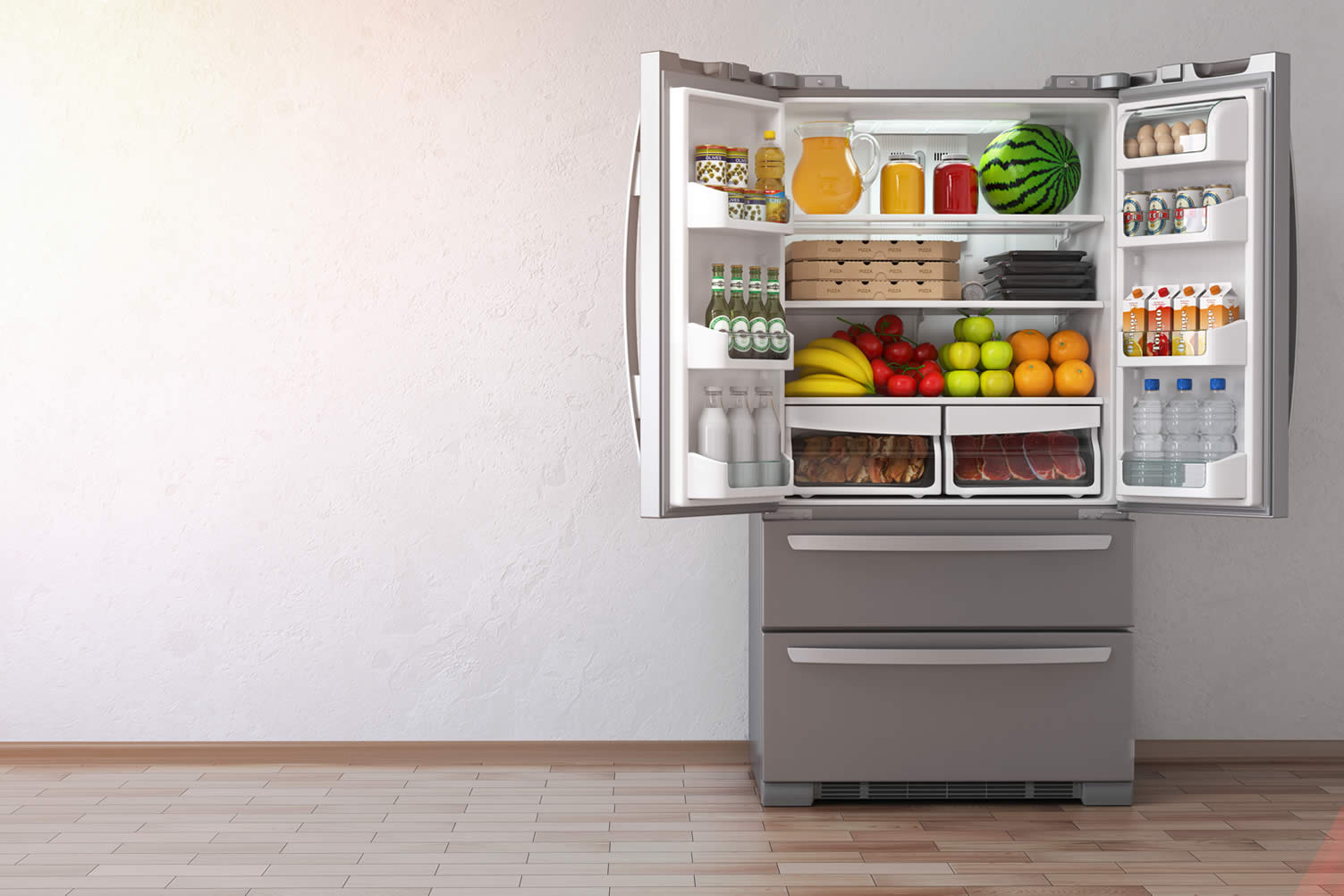
Refrigerators can get dirty quickly with food spills, spoiled leftovers, expired items, and the constant opening and closing the refrigerator door that tracks in dirt and other bacteria from handling and searching for fridge items.
Your refrigerator (and the freezer section of the appliance) should be wiped down weekly and cleaned thoroughly every 2-3 months to remove spoiled food items and bad odors.
Ovens and stovetops can get very dirty quickly as well, especially if they are not cleaned regularly. Food splatters, grease, and grime can build up over time, making them difficult to clean.
In fact, a study by the National Sanitation Foundation found that ovens and stovetops are two of the dirtiest surfaces in the kitchen. To keep ovens and stovetops clean, you must:
- First, it is important to clean them regularly. This can be done by wiping them down with a damp cloth after each use.
- Second, it is important to use a degreaser to clean them more thoroughly on a regular basis.
- Third, it is important to use a self-cleaning cycle on your oven if it has one.
- And fourth, it is important to have your oven and stovetop professionally cleaned on a regular basis.
copyright image by envato.com
- —— next topic ——
-
5th:Wash Your Hands Regularly:
Washing your hands regularly is one of the simplest and most effective ways to prevent the spread of germs and bacteria in your kitchen. You should wash your hands before and after handling food, using the bathroom, and after coming into contact with any potentially contaminated surfaces.
-

copyright image by 123rf.com
- Washing your hands removes dirt, germs, and bacteria that can make you and others sick when working with food. Germs can be found on surfaces all around us, including doorknobs, light switches, and food prep areas when handling meat products.
- When we touch these surfaces, we can pick up germs that can then be transferred to other food prep items. Washing our hands with soap and water helps to remove these germs.
-
Quik scroll to topic side notes …
-
More Your Own Soap:
Most people buy soap without knowing what it’s made from. According to the American Cleaning Institute, 80 per cent of consumers are either unsure or need to know what their bar of soap is made of before using it.
Ingredients lists get confusing quickly, and even veteran soap makers can only sometimes put a name to every ingredient.
So instead of using commercial soap with all kinds of ingredients that may or may not be helpful to your skin, how about making your own soap at home using natural ingredients.

copyright image by 123rf.com
- —— next topic ——
-
6th:Use a Meat Thermometer:
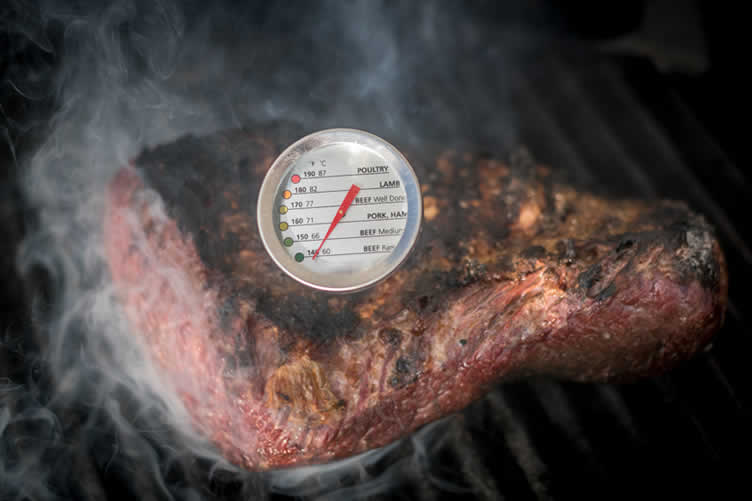
Before serving any meat-based meal, use a thermometer to check the internal temperature. This is essential for ensuring your meat is cooked at the proper temperature, which helps to prevent the spread of harmful bacteria.
- A meat thermometer can also come in handy when cooking large cuts of meat or when trying to achieve a specific level of doneness, such as medium-rare or well-done.
-
copyright image by envato.com
- There are two main types of meat thermometers: instant-read and leave-in. Instant-read thermometers are the most common type of meat thermometer. They are inserted into the thickest part of the meat and give a reading in seconds.
- Leave-in thermometers are inserted into the meat before cooking and remain in the meat until it is cooked through. They give a continuous reading of the meat’s internal temperature.
- Make sure the thermometer is inserted into the thickest part of the meat.
- Do not leave the thermometer in the meat for too long, as it can cause the meat to overcook.
- Clean the thermometer after each use.
-
Quik scroll to topic side notes …
-
Minimum Cooking Temperatures:
What are the safe minimum internal temperatures for cooking meat and poultry?
- Beef, lamb, and pork: 145°F (63°C)
- Ground beef: 160°F (71°C)
- Chicken, turkey, and other poultry: 165°F (74°C)
- Eggs: Cook until yolk and white are firm.
- Fish: 145°F (63°C) or until flesh is opaque.
- Shellfish: Until shells open during cooking.
It is important to note that these are just minimum temperatures. The actual temperature at which meat is cooked will vary depending on the thickness of the meat, the cooking method, and your personal preference.
For example, a thin steak will cook faster than a thick steak, and a grilled steak will cook faster than a baked steak.
It is also important to let meat rest for a few minutes after cooking. This allows the juices to redistribute throughout the meat, resulting in a more tender and flavorful product.
copyright image by pixabay.com | pixabay.com | pixabay.com | pixabay.com
- —— next topic ——
-
7th:Keep Knives and Other Sharp Objects Out Of Reach:
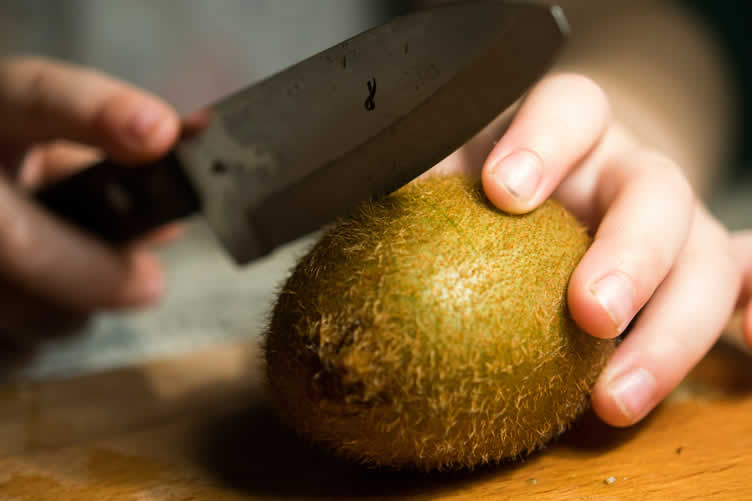
Sharp knives must be handled with care. However, keeping them sharp can actually help you avoid accidents in the kitchen, as you won’t have to fight them to get them to do the job. Store these items in a safe and secure location, such as a knife block or drawer.
- When cooking, keep sharp objects away from the edge of countertops and out of reach of children. Always use caution and proper technique when handling knives and other sharp tools.
-
copyright image by 123rf.com
- Some tips on how to keep knives safe:
- Store knives in a safe place. A knife block or magnetic knife strip is a good option. Make sure the knives are out of reach of children and pets.
- Always use a cutting board when cutting food. This will help to protect your countertops and your knives.
- Teach children about knife safety. Make sure they know how to use knives safely and that they understand the dangers of knives.
- Sharpen your knives regularly. A sharp knife is safer than a dull knife.
- Dispose of knives properly. If you have a knife that is no longer safe to use, dispose of it properly.
-
Quik scroll to topic side notes …
-
Types of Kitchen Knives:
There are many different types of kitchen knives, each designed for a specific task. Here are some of the most common types of kitchen knives:
- Chef’s knife:
used for a variety of tasks, including chopping, slicing, and mincing. - Paring knife:
ideal for smaller tasks, such as peeling fruit or deveining shrimp. - Serrated knife:
ideal for cutting bread, tomatoes, and other soft fruits and vegetables. - Boning knife:
thin, flexible blade that is ideal for removing bones from meat and poultry. - Cleaver:
heavy, broad-bladed knife that is ideal for chopping through bones and meat. - Utility knife:
used for a variety of tasks, such as slicing meat, vegetables, and cheese. - Steak knife:
small, sharp knife that is ideal for cutting steak.
These are just a few of the many different types of kitchen knives available. The best type of knife for you will depend on your individual needs and preferences.
If you are new to cooking, it is a good idea to start with a few basic knives, such as a chef’s knife, paring knife, and serrated knife. As you become more experienced, you can add more specialized knives to your collection.

copyright image by 123rf.com
- Chef’s knife:
-
Here’s to a Healthier and Safer Kitchen:
Your kitchen is the heart of your home, and taking care of it can have a positive impact on your entire household. With a little effort, you can turn your kitchen into a healthy haven that nourishes your body and your soul. Take the steps above to get started.
- Ensure you embrace modern designs to add comfort and beauty to your bathroom. These designs are not only exciting but also easy to achieve.
-
Quik scroll to more kitchen accessories ideas …

-
ideas to view and compare from the photo above
safety stove knobskitchen fire extinguishersafety gloves for cutting
- What comments can you share about
wall mounted faucets that you have installed?


 … grab this directory of ideas
 eed for …
kitchen planning
below for …
house and kitchen cleaning

remodeling decisions
kitchen organization
Find Home Cleaning Services Home Cleaning Carpet-Drapes Property Clean-Up Windows top-rated, pre-screened local contractors FREE: download contractor selection enter zip code – powered by HomeAdvisor ™
Quick Contractor Guides selecting negotiating working with inspecting

Cover image credit: ways to make your kitchen safer and healthier by 123rf.com
end of post … please share it!
 links open new win
or simply search by entering kitchen organization or other kitchen need

Nice pic idea? Leave us a quick comment below.
And please share this pic idea within your social networks.