These innovative solutions can enrich your planters and garden beds, ensuring a thriving outdoor space when the warmer days arrive.
For urban gardeners and garden enthusiasts alike, understanding these alternatives offers a chance to enhance plant health and sustainability.
This post will guide you through the benefits of soil alternatives, their various types, and how to integrate them into your gardening practices. By the end, you’ll be equipped with the knowledge to prepare your garden for a lush and vibrant spring season.
- post content
- Why Consider Soil Alternatives?
- Exploring the Types of Soil Alternatives
- Choosing the Right Soil Alternative for Your Plants
- How to Integrate Soil Alternatives into Your Garden
- Real-Life Success Stories
- Environmental and Sustainability Considerations
- Spring Garden Preparation Starts Now
- Explore Further
- side idea:Understanding Perennial and Annual Flowers
- view key:collective notes
Why Consider Soil Alternatives?
Many traditional gardeners rely on soil as the primary medium for plant growth. However, switching to soil alternatives can offer numerous advantages. Improved drainage is one such benefit, as these alternatives often allow water to seep more easily, preventing the dreaded waterlogging that can stunt plant growth.
Compaction is another issue that soil alternatives tackle effectively. Over time, soil in planters can become compacted, restricting root movement and aeration. By incorporating soil alternatives, your plants will enjoy better root development and overall health.
Finally, aeration is significantly enhanced with soil alternatives. This increased airflow within the plant medium ensures that roots receive the oxygen they need to flourish. It also aids in nutrient absorption, contributing to healthier, more robust plants.


Sunny Perennial Pics
Part-Sun Perennials
Exploring the Types of Soil Alternatives
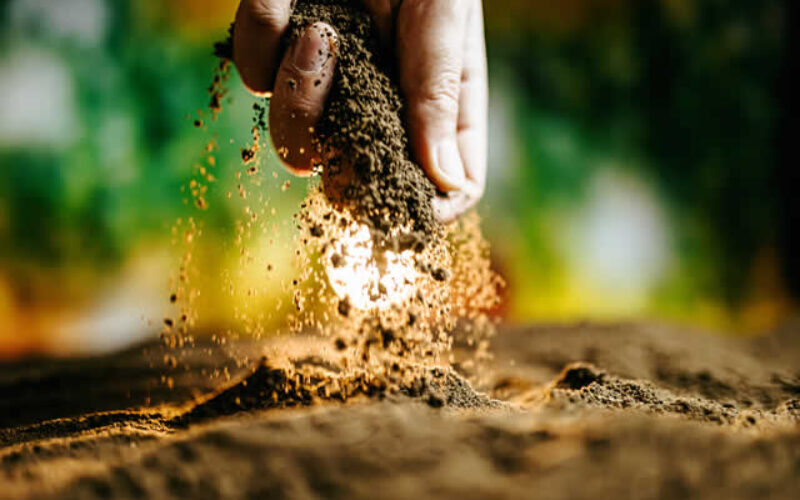
When venturing into the world of soil alternatives, it is essential to understand the variety of options available and how each can uniquely benefit your gardening efforts. From lightweight volcanic rocks to rich organic composts, each type of soil alternative offers distinct properties that cater to different gardening needs.
-
Peat-Free Compost
Peat-free compost is an eco-friendly choice that is gaining popularity. Unlike traditional compost, it doesn’t rely on peat, which is a non-renewable resource. Instead, it uses organic materials like bark, coir, and green waste to create a nutrient-rich environment for plants.
-
Coir
Derived from coconut husks, coir is a sustainable and biodegradable option. It excels in moisture retention while providing excellent aeration, making it ideal for both planters and garden beds.
-
Perlite
This volcanic glass is expanded to create a lightweight, porous material. Perlite enhances drainage and aeration, making it perfect for mixing with other mediums to improve their properties.
-
Vermiculite
Like perlite, vermiculite is a mineral that expands when heated. It’s known for its ability to retain moisture and nutrients, which can be particularly beneficial for retaining water in hot climates.
-
Sand
While often overlooked, sand can be mixed with other soil alternatives to improve drainage. It’s especially useful for plants that thrive in drier conditions, such as succulents and cacti.
-
Pine Bark
Pine bark decomposes slowly, making it an excellent choice for long-term soil structure improvement. It adds organic matter to the soil, enhancing nutrient retention and aeration.
Choosing the Right Soil Alternative for Your Plants
When selecting a soil alternative, consider the specific needs of your plants. For succulents and cacti, a mix of sand and coir provides the well-drained environment they prefer. For moisture-loving plants like ferns and begonias, peat-free compost combined with vermiculite can ensure they remain hydrated.
Think about the growth habits and root systems of your plants as well. Those with extensive roots, like tomatoes, may benefit from a combination of coir and perlite, offering both support and aeration. By understanding these preferences, you can create a tailored mix that supports healthy growth.
How to Integrate Soil Alternatives into Your Garden
Integrating soil alternatives into your garden can enhance plant health and ensure optimal growth conditions. Using a variety of these materials can create a balanced and well-structured growing environment tailored to your plants’ specific needs.
The following step-by-step guide will provide you with practical instructions on how to effectively incorporate these soil alternatives into your garden, leading to flourishing plants and vibrant results.
Step-by-Step Guide
- Assess Your Current Soil:
Begin by evaluating the soil in your planters or garden beds. Note any areas with poor drainage or compaction. - Select Your Soil Alternative:
Based on your plant’s needs, choose the appropriate alternative or combination. - Prepare the Area:
Remove any existing soil if needed, especially if it’s heavily compacted or depleted. Break up any clumps to ensure a smooth base. - Mix and Layer:
Combine your chosen soil alternatives to create the desired mix. Layer it evenly, ensuring the roots will have room to spread and access nutrients. - Plant and Water:
Once your new soil is in place, gently position your plants and water them. The soil alternatives will help retain moisture and provide the necessary nutrients.
Real-Life Success Stories
Gardeners across the globe have embraced soil alternatives with remarkable success. One urban gardener in New York City transformed her apartment balcony using coir and perlite. Her container plants thrived, showing lush foliage and vibrant blooms.
Meanwhile, a community garden in San Francisco switched to peat-free compost, finding their vegetables grew faster and with more flavor. These stories underscore the potential of soil alternatives to elevate your gardening experience.

Environmental and Sustainability Considerations
Choosing soil alternatives not only benefits your garden but also the planet. Peat-free compost and coir reduce reliance on non-renewable resources. Additionally, materials like perlite and vermiculite are mined responsibly, ensuring minimal environmental impact.
By adopting these alternatives, you’re supporting a more sustainable gardening practice, contributing to a healthier ecosystem. Your garden flourishes, and so does the world around you.
Spring Garden Preparation Starts Now
With winter here, now is the time to prepare for a flourishing spring. By integrating soil alternatives, you’re setting the stage for a vibrant and healthy garden. Each alternative offers unique benefits, ensuring your plants have the ideal conditions to thrive.
other related analysis of interest: (new win)
Explore Further
For more information on soil alternatives, visit our recommended resources and purchasing guides. Discover the best options for your needs and take the first step towards a more sustainable gardening future.
With the right soil alternatives, your spring garden will not only survive but thrive, offering a lush display of nature’s beauty. Begin your preparation today, and reap the rewards when the warmer days return.
Find Landscaping/Maintenance Landscape Design Landscape Maintenance Pest Control Sprinkler Systems Tree & Shrubs Water Features top-rated, pre-screened local contractors FREE: download contractor selection enter zip code – powered by HomeAdvisor ™


Image credit: by envato.com
end of post … please share it!
| more photo remodeling |
Jump Over to Our Photo Analysis Center for Ideas on
"Renovating Home"
|__________________________________________________________|
home remodeling surprise
find out where it might go - new win


Helpful article? Leave us a quick comment below.
And please share this article within your social networks.