Summary Outline –
By taking a few practical steps this spring, you can transform chaotic or neglected spaces into a streamlined, relaxing environment that works perfectly for your lifestyle.
This guide will walk you through six affordable, trend-forward upgrades that enhance both your home value and your personal satisfaction, ensuring your garden is ready to be fully enjoyed by the time summer arrives.
- post content … analysis/ flower garden container ideas
- 1st: Deck and Patio Containers
- 2nd: Welcoming Entryway Displays
- 3rd: Window and Rail Box Wonders
- 4th: Xeriscape Container Choices
- 5th: Poolside Plantings
- 6th: Simple Design Rule for Container Arrangements
- conclusion
- other yard n’ garden topics

-
- —— begin first topic ——
-
1st Review: Deck and Patio Containers
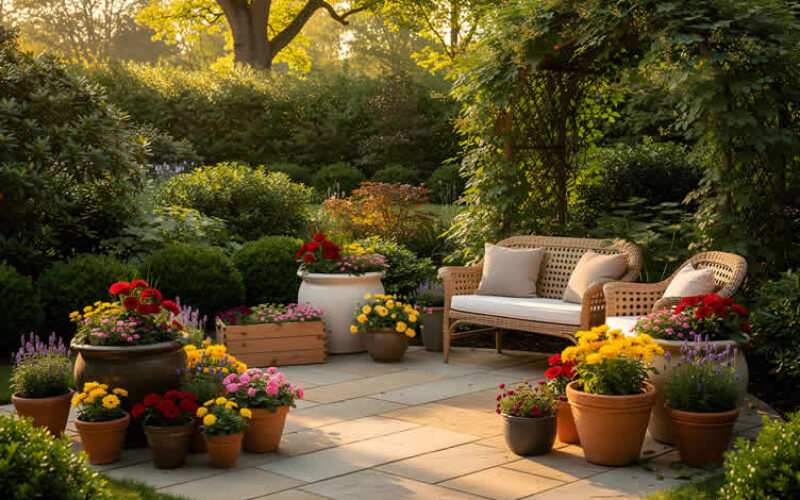
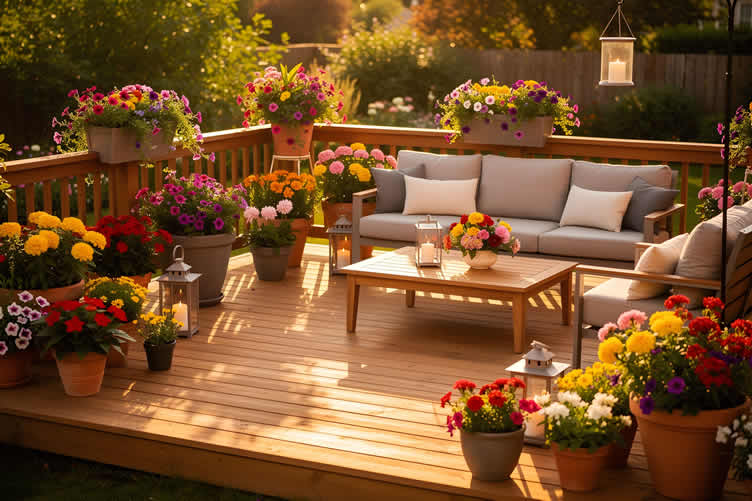
For spaces where you love to relax and entertain, utilizing showy, long-blooming flowers can completely transform your deck and patio areas.
While the focus here is often on continuous seasonal color, mixing resilient annuals that handle sun and container life well is the secret to a lush display.
You can achieve affordable elegance by combining heat-loving plants such as:
- geraniums
- petunias
- calibrachoa
- lantana
- angelonia
- and gomphrena
- see sample images
These selections work exceptionally well in large pots because they provide height, fullness, and trailing color that softens hardscape edges.
A wonderful tip for your patio planters is to use the reliable design formula of combining one upright thriller, one mounding filler, and one trailing spiller to keep the arrangement perfectly balanced.
For instance, combining a bright geranium with calibrachoa and sweet alyssum creates a visually stunning and expert-level display that will impress any guest.
Selecting the Right Planter Container
(includes referenced images and summary table – or scroll to next topic)
Selecting the Right Planter Container
Choosing the right planter is essential for the health of your plants in container gardening.
A good container supports healthy root growth, proper water retention, and temperature regulation. It also adds to the beauty of your indoor or outdoor space.
Understanding the different types of containers will help you select the best one for your plants’ needs and your personal style, ensuring they thrive with less maintenance.

-
Clay Pots[ view]
Clay pots, often referred to as terracotta pots, are a timeless favorite for gardeners. Made from porous material, these containers excel at allowing air and moisture to pass through, providing excellent airflow to root systems.
However, due to their porous nature, clay pots can dry out quickly and may require frequent watering, especially in hotter climates. They’re ideal for plants that prefer drier soil, such as succulents, cacti, or Mediterranean herbs like rosemary and thyme.
-
Plastic Pots[ view]
Plastic pots are lightweight, affordable, and available in a wide variety of colors and styles. Unlike clay pots, plastic containers are non-porous, meaning they retain moisture for longer periods, making them a great choice for plants that thrive in moist conditions, such as ferns or tropical varieties.
Additionally, these pots are durable and can withstand temperature fluctuations, making them suitable for both indoor and outdoor use. For those seeking versatility on a budget, plastic pots are an excellent option.
-
Wooden Containers[ view]
Wooden planters can bring natural beauty and warmth to your gardening setup. They’re sturdy and often larger, making them great for growing small trees, shrubs, or vegetable gardens. However, wood can degrade over time, especially when exposed to constant moisture.
To extend their lifespan, it’s recommended to line wooden containers with plastic or select weather-resistant options like cedar or redwood. Wooden planters add a rustic aesthetic and are a sustainable choice when sourced responsibly.
-
Metal Containers[ view]
Metal containers, such as galvanized steel or aluminum, lend a modern and sleek appearance to your outdoor or indoor garden. They’re particularly favored for urban or industrial-style decor.
However, metal can conduct heat, which might lead to overheating the soil and damaging the plant roots. It’s essential to monitor them in sunny locations and consider additional insulation. Metal pots are best suited for ornamental plants that don’t require overly moist soil.
-
Concrete and Stone Planters[ view]
For a striking visual impact, concrete and stone planters are unmatched in durability and style. They’re heavy, making them ideal for anchoring large plants or creating a permanent fixture in your garden design.
Their dense structure provides excellent insulation to protect roots from extreme temperatures, and they’re highly weather-resistant. While these containers tend to be more expensive and less portable, they’re an investment for gardeners seeking longevity and a premium look.
-
Fabric or Grow Bags[ view]
Fabric planters, or grow bags, are a newer and innovative container option. Made from breathable, durable fabric, these containers allow for excellent aeration and drainage, reducing the risk of root rot. They’re often lightweight and foldable, making them easy to store when not in use.
These are particularly popular with vegetable growers or gardeners working in limited spaces. While they may lack the decorative appeal of traditional containers, their practicality makes them a valuable addition to any setup.
-
Hanging Baskets[ view]
Perfect for adding vertical interest, hanging baskets are a favorite for trailing and cascading plants like ivy, fuchsia, or petunias.
These containers are available in materials such as wire, plastic, or woven fibers, and they work beautifully on patios, balconies, or in gardens with limited floor space. Proper watering is essential for these containers, as they tend to dry out quickly due to their exposed nature.
-
Upcycled or Re-purposed Containers[ view]
For gardeners seeking eco-friendly or personalized options, upcycled containers can be a creative and cost-effective choice. Commonly used items like old wooden crates, tin cans, or even vintage teapots can be transformed into decorative planters.
While these containers offer unique charm, it’s crucial to ensure proper drainage and sufficient room for plant growth.
- Quick scroll to section content …
Category Description Key Plants Tips & Techniques Deck and Patio Perennials Transform deck and patio areas with showy, long-blooming flowers. The focus is on continuous seasonal color and mixing resilient annuals suited for sun and container life. Geraniums, petunias, calibrachoa, lantana, angelonia, gomphrena. Use heat-loving plants for large pots, combining height, fullness, and trailing color. Apply the design formula of one upright thriller, one mounding filler, and one trailing spiller for balance. Affordable Elegance Achieve sophisticated displays affordably by selecting plants that thrive and create lush arrangements. Bright geraniums, calibrachoa, sweet alyssum. Combine plants like geraniums with calibrachoa and alyssum to create visually stunning arrangements that soften hardscape edges. 


AI generated image by 123rf.com
Transform Your Outdoor Space
As the season turns, there’s no better time to revamp your outdoor oasis, creating a space that echoes your personal style and beckons you outdoors.
Whether your patio is a sprawling haven for relaxation or a cozy nook for reflection, a thoughtful refresh can breathe new life into this cherished area.

From updating furniture and decor to incorporating lush greenery or ambient lighting, small changes can make a significant impact, inviting you to fully enjoy your outdoor retreat.
view ideas: changes to make to your patio(new win)

-
Scroll up to main directory … or scroll to next section: entryway displays …


-
-
2nd Review: Welcoming Entryway Displays
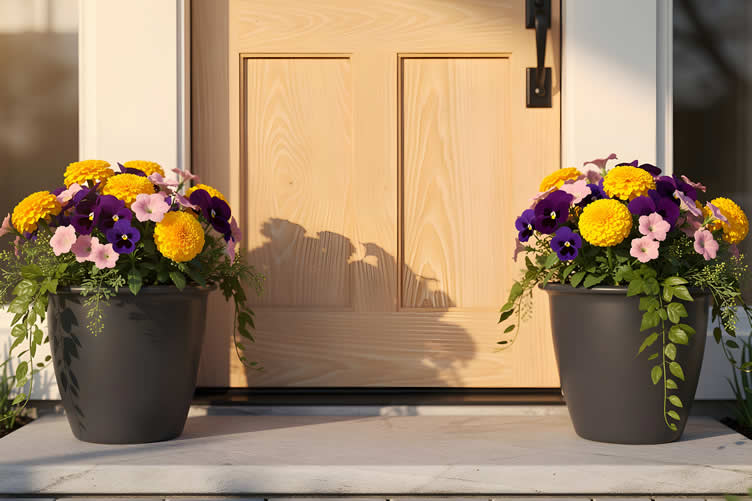
Your front door is the first impression your home makes, and an inviting container garden sets a nurturing and cheerful tone for anyone who visits.
Entryway containers should look welcoming and stay attractive despite daily foot traffic, so it is best to choose compact, tidy bloomers such as
- lobelia
- pansies
- nemesia
- dianthus
- and dwarf marigolds.
- see sample images
Lobelia is especially useful for a front door display because its delicate blossoms add undeniable charm and work wonderfully to soften the edges of standard planters.
To design with confidence, try pairing pansies with dusty miller and trailing alyssum, or blend dianthus with dwarf marigolds and a small spiller like bacopa.
These expert combinations remain neat and manageable, providing a personalized style that instantly boosts your home’s welcoming appeal without requiring constant maintenance.
Achieve an Inviting Entryway
(includes referenced images and summary table – or scroll to next topic)
How to Achieve a Pristine and Inviting Entryway
Your entryway is the first impression of your home, so keeping it pristine is essential for setting a welcoming tone.
Before adding decorative elements, it’s important to assess and maintain the structural components, such as the door, shutters, and walkway.
Focusing on both functionality and aesthetics—from repairs to a fresh coat of paint—can transform your entryway into a space that is not only beautiful but also durable and practical.
-
Step 1: Inspect and Repair Your Door
-
Refresh or Replace the Door
The door is the centerpiece of your entryway and often the first thing people notice. If your door looks aged, consider applying a fresh coat of paint in a bold, inviting color that complements your home’s exterior.
For doors with irreparable damage, such as deep cracks or warping, replacing it with a stylish yet sturdy option can bolster your home’s aesthetic appeal and energy efficiency.
Look for durable materials like fiberglass or solid wood for lasting performance.
-
Don’t Forget About Hardware
Door hardware plays a significant role in the overall look. Replace tarnished, outdated handles, knobs, or knockers with modern finishes like matte black or polished brass for an updated look.
Additionally, ensure hinges and locks are functioning smoothly, as these are not only stylistic but also critical for safety.
-
-
Step 2: Spruce Up the Shutters
-
Repainting and Maintenance
Shutters that are peeling or faded can instantly diminish your entryway’s charm. Sand them down, and apply high-quality exterior paint in a cohesive color scheme that ties together the door, shutters, and siding.
This not only enhances the overall visual appeal but also protects the shutters from harsh weather conditions.
-
Opt for New Fixtures
For homes without shutters or where existing shutters feel outdated, consider replacing them entirely.
Sleek new shutters in materials like composite wood or metal can dramatically modernize your home’s facade while providing durability.
-
-
Step 3: Evaluate the Walkway
-
Repair or Replace Cracks
Cracked or uneven walkways aren’t just unsightly—they’re also potential safety hazards. Examine your walkway for damage, and fill cracks using concrete or paver repair kits.
For more extensive wear, replacing sections with durable materials like stone or brick improves both safety and aesthetics.
-
Clean and Reseal
Use a power washer to remove dirt and grime, then reseal the walkway to protect against weather elements.
For extra appeal, consider adding a border of decorative pavers or natural stones to enhance the design.
-
-
Step 4: Finishing Touches
Once the structural elements are addressed, you can begin focusing on the fun part—decorating! From neatly arranged potted plants to a seasonal wreath, these elements will complement your pristine entryway, drawing admiration from everyone who visits.
By starting with structural improvements, you create a polished canvas for decorative elements to shine, ensuring your entryway is as practical and durable as it is beautiful.
- Quick scroll to section content …
Category Description Key Plants Tips & Techniques Welcoming Entryway Displays Your front door is the first impression your home makes, and an inviting container garden sets a nurturing and cheerful tone for visitors.
Entryway containers should look welcoming and remain attractive despite daily foot traffic.
Lobelia, pansies, nemesia, dianthus, dwarf marigolds Choose compact, tidy bloomers for a neat appearance.
Pair pansies with dusty miller and trailing alyssum, or blend dianthus with dwarf marigolds and a small spiller like bacopa.
Use lobelia for its delicate blossoms, which soften planter edges.
AI generated image by 123rf.com
Different Types of Flowers
When choosing flowers for your garden containers, it helps to understand the difference between perennials and annuals.
Perennials bloom year after year, offering low-maintenance beauty, while annuals provide a vibrant burst of color for a single season.
For bold, eye-catching displays, annuals like petunias and marigolds are ideal.

However, adding hardy perennials such as lavender or ornamental grasses can provide texture and year-round interest.
Combining both in your containers creates a versatile and layered look.
view ideas: understanding perennial/annual flowers(new win)
Part-Sun Annuals
viewing amazon-
Scroll up to main directory … or scroll to next section: window and rail box displays …
-

Tackling home upgrades and fulfilling all your home improvement needs …

… save this curated directory of ideas for future reference.

-
-
3rd Review: Window and Rail Box Wonders
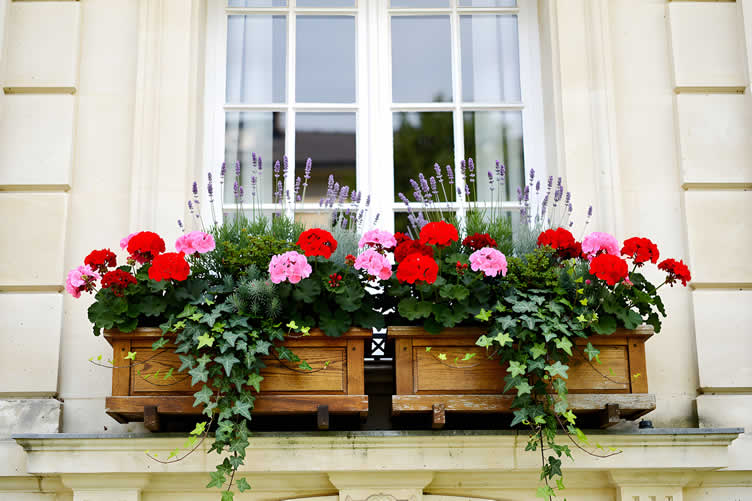
Window and rail boxes offer a fantastic opportunity to bring your garden right up to your living space, creating a beautiful transition between the indoors and outdoors.
These elevated planters need plants that stay relatively compact or trail neatly over the edge, making these plantings strong and reliable choices:
- petunias
- calibrachoa
- lobelia
- sweet alyssum
- pansies
- and nemesia
- see sample images
Trailing varieties are especially useful in these setups because they effortlessly soften the harsh right angles of wooden or metal boxes, giving the planter a much fuller, cascading look.
A highly recommended combination for a vibrant window display involves mixing petunias, calibrachoa, and sweet alyssum.
This blend not only offers a rich tapestry of textures but also ensures a continuous flush of blooms that will inspire you every time you look out the window.
The Importance of Window Replacement
(includes referenced images and summary table – or scroll to next topic)
The Importance of Window Replacement
Your window boxes might be full of beautiful flowers, but what about the windows behind them?
If they’re aging or letting in drafts, it might be time for an upgrade. Old, inefficient windows can spoil your home’s look and raise your energy bills.
Modern windows offer better insulation and improve your home’s appearance. Let’s explore the signs that indicate it’s time for a replacement and see if new windows are the right choice for your home.
-
Increased Energy Efficiency
Windows play a critical role in your home’s energy performance. According to the U.S. Department of Energy, heat gain and loss through windows account for 25%–30% of residential heating and cooling energy use.
If your windows are single-pane or lack proper insulation due to aging seals, they could be causing noticeable spikes in your utility bills.
New, energy-efficient windows with double or triple panes, low-emissivity (Low-E) coatings, and improved framing materials can significantly reduce heat transfer, keeping your home comfortable year-round.
-
Enhanced Comfort Levels
Drafts around old window frames not only increase heating and cooling costs but can make living spaces less comfortable.
Replacing worn-out windows with advanced thermal designs reduces cold drafts in winter and prevents heat infiltration in summer. This ensures a consistent indoor climate without overworking your HVAC system.
-
Boosted Home Value
Replacing outdated windows is an investment that can enhance your home’s resale value. Modern, energy-efficient windows remain a highly attractive selling point for potential buyers.
According to Remodeling Magazine’s 2023 Cost vs. Value Report, homeowners generally recoup over 60% of the cost of a midrange window replacement when selling their property.
Beyond financial benefits, updated windows improve curb appeal and leave a lasting impression.
-
Noise Reduction
If you notice external noise infiltrating your home, your windows may lack adequate soundproofing qualities.
Modern windows, especially those with laminated glass or soundproofing features, can dramatically decrease outdoor sound levels, creating a quieter and more peaceful environment indoors.
-
Reduced Maintenance
Older windows may require frequent upkeep, such as painting, caulking, or repairs to cracked glass or rotting sashes.
Many contemporary window designs are crafted from durable, low-maintenance materials like vinyl, fiberglass, or aluminum-clad wood. These options resist wear and tear, eliminating the need for constant maintenance.
-
Eco-Friendly Solutions
For environmentally conscious homeowners, replacing old windows with energy-efficient models supports sustainability by reducing your home’s overall carbon footprint.
Many modern windows are also made with recyclable materials, further contributing to eco-friendly home improvement practices.
-
Signs It’s Time to Replace
Some clues that it may be time for new windows include condensation between double panes, warping or rotting frames, difficulty opening or closing windows, or noticeable increases in noise and drafts.
If you observe any of these issues, it’s worth consulting a professional to evaluate your window’s condition and discuss replacement options.
Investing in window replacement is more than just a home improvement project—it’s an opportunity to enhance comfort, energy efficiency, and overall value.
By choosing high-quality materials and designs tailored to your home’s needs, you’re ensuring a long-lasting solution that pays dividends for years to come.
- Quick scroll to section content …
Category Description Key Plants Tip & Techniques Window and Rail Box Wonders Window and rail boxes bring your garden closer to your living space, creating a transition between indoors and outdoors.
These planters are elevated and suitable for compact or trailing plants to enhance their aesthetic.
Petunias, Calibrachoa, Lobelia, Sweet Alyssum, Pansies, Nemesia Use trailing plant varieties to soften box edges for a cascading effect.
Mix petunias, calibrachoa, and sweet alyssum for vibrant displays with continuous blooms.
AI generated image by 123rf.com
Keep Your Home Cool
While window boxes bask in the summer sun, the inside of your home might not enjoy the same luxury.
Intense sunrays can quickly heat up your interior, raising energy costs as your air conditioning works overtime to maintain comfort.

Automated blinds provide an innovative solution by adjusting themselves based on your preferences or the weather.
They block out harsh summer rays, helping to keep your home cool and energy-efficient while still allowing you to enjoy the beauty outside.
view ideas: selecting window shades and blinds(new win)
-
Scroll up to main directory … or scroll to next section: display for Xeriscape gardens …
-


-
-
4th Review: Xeriscape Container Choices
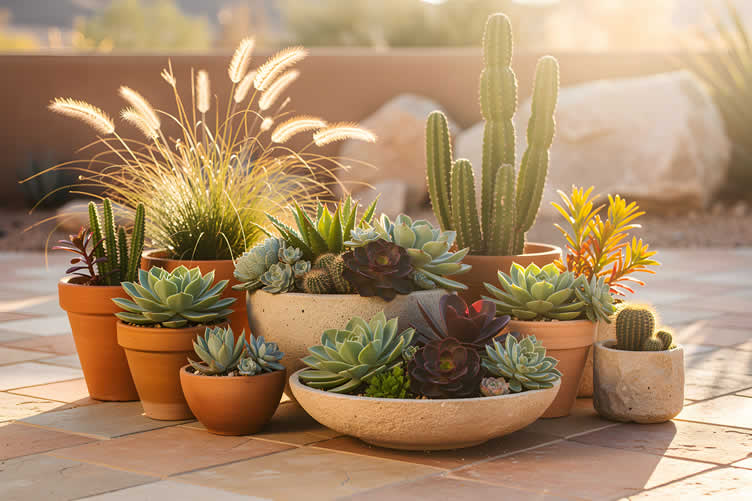
If you live in a hot climate or simply want to reduce your water usage without sacrificing beauty, creating a xeriscape container garden is an innovative and eco-friendly project.
For these drought-tolerant displays, you should choose plants that thrive in the heat and have much lower water requirements, such as
- lantana
- gomphrena
- angelonia
- snapdragons
- and the charming Mexican floss flower, also known as ageratum
- see sample images
Lantana and gomphrena are particularly exceptional choices when you want strong, trend-setting color combined with rugged drought tolerance.
A beautifully resilient and budget-conscious combination features lantana paired with gomphrena and a silvery foliage plant, which reflects the sun and conserves moisture.
For a slightly cooler-season xeric display, blending snapdragons with dusty miller and calibrachoa offers a unique, personalized aesthetic that respects nature’s resources.
Saving Water At Home
(includes referenced images and summary table – or scroll to next topic)
How to Save Water at Home
Water conservation is an essential practice that helps protect the environment and lower your utility bills.
While outdoor strategies like xeriscape gardening are effective, you can also make a big impact by saving water inside your home.
Adopting simple habits can make a significant difference. Let’s explore some practical ways to reduce your water usage without sacrificing comfort.
-
Fix Leaks Promptly
Even a small leak can waste a surprising amount of water over time. A dripping faucet can waste up to 3,000 gallons of water annually [EPA, 2023].
Inspect your home regularly for leaks in faucets, showerheads, and toilets. Replacing worn-out washers or upgrading to efficient fixtures can mitigate unnecessary water loss.
-
Install Water-Efficient Fixtures
Switch to water-saving fixtures such as low-flow showerheads and faucets, as well as dual-flush toilets. These devices are designed to use less water while maintaining effectiveness.
For example, low-flow showerheads can reduce water usage by up to 50% without sacrificing water pressure.
-
Adopt Smarter Dishwashing Practices
Dishwashers are often more water-efficient than traditional hand washing when used properly. Ensure the dishwasher is fully loaded before running it, and opt for eco-friendly or water-saving cycles.
If hand washing is necessary, fill the sink with water rather than keeping the tap running.
-
Use Water Wisely in Laundry
When laundering clothes, prioritize full loads rather than running half loads, and adjust the water level setting to match the load size.
High-efficiency washing machines are another excellent investment, as they use significantly less water compared to conventional models.
-
Reduce Water Waste While Waiting
Waiting for water to heat can waste several gallons. Collect this water in a bucket for other purposes such as watering plants or cleaning.
Alternatively, consider installing a hot water recirculation system to reduce waste while achieving instant hot water.
-
Educate Your Household
Conservation starts with awareness. Educate family members about the importance of turning off taps while brushing teeth or shaving, shortening shower times, and being mindful of water consumption habits.
Implementing these strategies can dramatically reduce water usage in your home, saving both resources and money.
For added impact, consider combining these methods with outdoor water-saving practices like xeriscaping, creating a comprehensive approach to conservation that benefits both your household and the environment.
- Quick scroll to section content …
Category Description Key Plants Tips & Techniques Xeriscape Container Choices If you live in a hot climate or want to reduce water usage without sacrificing aesthetics, xeriscape container gardens are eco-friendly and innovative.
These gardens feature drought-tolerant displays for heat-prone environments.
Lantana, gomphrena, angelonia, snapdragons, Mexican floss flower (ageratum) Create colorful combinations using lantana, gomphrena, and silvery foliage plants to reflect sunlight and conserve moisture.
For cooler seasons, blend snapdragons with dusty miller and calibrachoa for a unique look that respects natural resources.
AI generated image by 123rf.com
Why Consider Xeriscape Landscaping?
Xeriscape landscaping is an innovative approach that helps homeowners create stunning outdoor spaces while conserving water and reducing maintenance efforts.
This style focuses on planting drought-tolerant vegetation, incorporating efficient irrigation systems, and utilizing decorative hardscapes.
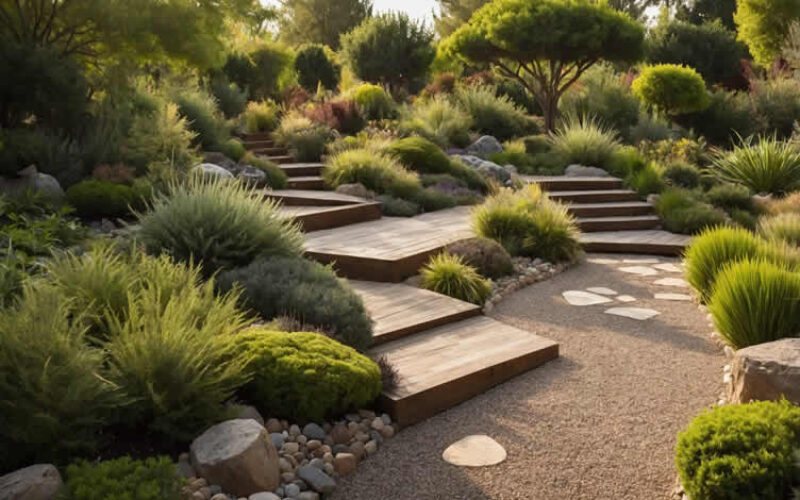
It’s not only eco-friendly but also cost-effective, making it an excellent choice for those looking to lower water bills without sacrificing aesthetic appeal.
With its ability to thrive in various climates, xeriscaping ensures your garden remains vibrant and resilient year-round.
view ideas: practical xeriscaping ideas (new win)
Drought-Tolerant Plantings
viewing amazonperennials cone flower lavender penestemon salvia sage yarrow Drought-Tolerant Scrubs
viewing amazon-
Scroll up to main directory … or scroll to next section: swimming poolside displays …
-
SHARE IT ..! Someone in your network might benefit from this insightful post about flower garden container ideas. Feel free to share it on Facebook, X (formally Twitter), LinkedIn, or Pinterest!


-
-
5th Review: Poolside Plantings
Decorating around a swimming pool requires a thoughtful approach, as the plants must endure a unique micro-climate filled with intense heat, reflected sunlight, and the occasional splash of chlorinated water.
Poolside containers do best with clean, durable plants that gracefully handle these elements while minimizing leaf drop into the water, making these plantings the ultimate selections
- geraniums
- lantana
- angelonia
- petunias
- and calibrachoa
- see sample images
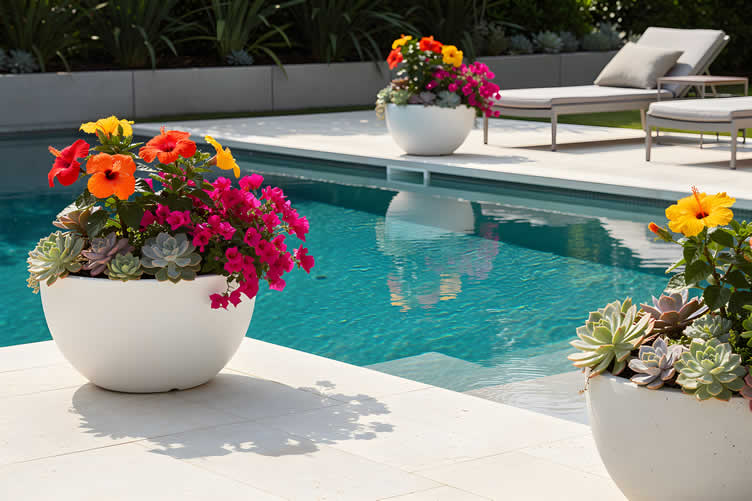
Using taller planters around your pool area is an excellent design tip, as they help frame the space and elevate the plants away from direct splashing.
You can unleash your home’s potential by pairing an upright plant like angelonia with mounding petunias and trailing sweet alyssum.
This combination stands up to the harsh poolside environment while creating a serene, resort-like oasis right in your own backyard.
Backyard Swimming Pool?
(includes referenced images and summary table – or scroll to next topic)
Considering a Backyard Swimming Pool?
Installing a swimming pool is more than just a backyard upgrade—it’s about creating your own slice of paradise.
A pool serves as a focal point for entertainment and relaxation and can significantly boost your home’s value. Whether you envision lazy summer days or lively gatherings, a pool can transform your outdoor space.
However, building a pool requires careful planning. From budgeting and design to permits and materials, thoughtful preparation ensures your dream pool meets your expectations.
Read on for an expert breakdown of the essential steps to turn your vision into reality.
-
1. Assess Your Space and Needs
Before getting started, assess the size and layout of your backyard. Determine how much space you’re working with and consider the pool’s potential shape, size, and position.
Think practically—account for existing landscaping, utilities, and any zoning requirements in your area. Additionally, consider how the pool will fit your lifestyle. Will it be used for recreation, fitness, or simply for enhancing your property’s aesthetic?
-
2. Research Local Regulations and Obtain Permits
A swimming pool is a significant project, and it’s vital to research local building codes and regulations. Contact your local municipal office to inquire about zoning laws, safety standards, and required permits for construction.
This ensures your project remains compliant with all legal requirements. Remember, skipping this step can lead to costly fines or project delays.
-
3. Establish a Budget
Set a clear, realistic budget for your pool project. Remember to account for not only the pool’s initial installation but also ongoing maintenance, accessories, and potential landscaping upgrades.
Factors such as materials (e.g., concrete, fiberglass, or vinyl), pool size, additional features (like waterfalls or lights), and labor costs can significantly impact your budget. Consult with professionals to get accurate estimates and ensure you leave room for unexpected expenses.
-
4. Choose the Right Pool Type
Selecting the right type of pool is a critical decision. The three most common pool constructions are concrete, fiberglass, and vinyl. Each material comes with its advantages, depending on your budget and design preferences.
Concrete pools are highly customizable and durable, while fiberglass options are low-maintenance and quick to install. Vinyl pools are often cost-effective but may require liner replacement over time.
Discussing your options with a trusted contractor can help determine which type works best for your needs.
-
5. Design the Pool and Plan Features
Collaborating with a professional designer or contractor helps bring your vision to life. Decide on key design elements including pool shape, depth, and additional features such as spas, slides, or a tanning ledge.
Don’t forget to consider surrounding amenities like decking, lighting, fences, or pool covers—all of which enhance usability and safety. Tools like 3D design software can assist in visualizing the final layout before construction begins.
-
6. Select the Right Contractor
A reputable pool contractor is critical to the success of your project. Research companies with excellent customer reviews, visit their completed projects if possible, and request multiple quotes to compare services and pricing.
Confirm they are licensed, insured, and experienced with the type of pool you desire. Contract transparency and open communication are key—ensure all details, from timelines to warranties, are clearly outlined in writing.
-
7. Prepare for Construction
Once your plans are finalized, prepare your backyard for construction. This may involve clearing the project site, rerouting utility lines, or addressing potential drainage concerns.
Your contractor will outline the construction process and timeline to help you manage expectations. While construction can temporarily disrupt your backyard, the reward of a beautiful pool is well worth the wait.
-
8. Plan Maintenance and Safety
Owning a pool comes with ongoing responsibilities, from regular cleaning and chemical balancing to addressing mechanical issues when they arise.
Consider investing in pool automation systems to simplify maintenance tasks. Additionally, prioritize safety by installing fences, pool alarms, and safety covers—especially if you have children or pets.
- Quick scroll to section content …
Pool-Side Container Design
(from the summary table below)
Category Description Key Plants Tip & Techniques Poolside Plantings Decorating around a swimming pool requires a thoughtful approach, as the plants must endure a unique micro-climate filled with intense heat, reflected sunlight, and the occasional splash of chlorinated water. Geraniums, lantana, angelonia, petunias, calibrachoa Use taller planters to frame spaces and elevate plants away from splashing.
Pair upright plants like angelonia with mounding petunias and trailing sweet alyssum for a resort-like oasis.
AI generated image by 123rf.com
Family-Friendly Oasis
If you’re updating your landscape, consider adding family play zones to your backyard.
Create a safe space for children with playsets or sandboxes, and an area for adults to relax or play games.
You can even add a fire pit for cozy gatherings.

For ultimate versatility, an entertainment zone with comfortable seating, string lights, and a grill will host unforgettable get-togethers.
With thoughtful planning, your backyard can become a multi-functional space that brings joy to everyone in the family.
view ideas: 7 rules to DIY landscaping(new win)
-
Scroll up to main directory … or scroll to next section: design rules …
-


-
-
6th Review: Simple Design Rule for Container Arrangements
When designing container gardens, following a simple formula can ensure your arrangements are both visually appealing and functional. This tried-and-true rule involves incorporating three key elements into your design:
- Thriller (Upright Statement Plant):
Choose a plant with height and drama, such as ornamental grasses, spiky dracaenas, or bold hibiscus. These plants act as the focal point, drawing the eye upward and creating structure. - Filler (Mounding Middle Layer):
Add medium-height plants that fill out the arrangement and provide texture. Options like colorful petunias, marigolds, or coleus work well to bridge the space between the thriller and spiller seamlessly. - Spiller (Trailing Accent):
Complete the look with trailing plants that cascade over the edges of your container, softening its boundaries. Trailing sweet alyssum, ivy, or creeping jenny are excellent choices for a lush, flowing effect. - see sample images | view diagram
This reliable formula keeps your arrangement balanced and versatile, making it suitable for patios, entryways, window boxes, xeriscapes, and even poolside planters.
By combining these elements, you can easily craft a stunning display that thrives in various environments while complementing your home’s aesthetic.
Stone Paths and Floral Containers
(includes referenced images and summary table – or scroll to conclusion)
Using Stone Paths and Floral Containers
Adding beauty and charm to your outdoor space doesn’t have to be a daunting task. A simple yet creative way to breathe life into your landscaping is by combining stone paths with decorative floral containers.
This timeless design choice offers a delightful solution to guide guests or elevate the ambiance of your yard. Whether you prefer a quaint cottage vibe or sleek modern aesthetics, this pairing can transform any space into a captivating garden retreat.
Below, we’ll explore how to create a stunning stone path and the best ways to arrange floral containers to complement your design.
-
Crafting a Stone Path
-
Planning Your Layout
Before laying a single stone, it’s crucial to plan your stone path layout. Begin by determining the path’s purpose and selecting an area that needs improvement—such as a walkway to a garden, a seating area, or a secondary pathway along the side yard.
Map out the path with chalk, string, or lawn-safe spray paint to visualize the pattern and curve preferences. Ensure the path connects natural focal points in your yard, enhancing the flow of movement.
-
Selecting Stone Materials
Choosing the right stone depends on your aesthetic goals and budget. Flagstone, slate, gravel, or cobblestones are popular options. Flagstone offers a rustic, natural appearance, while gravel is more cost-effective and adaptable for irregular shaping.
Consider durability and color coordination with your existing landscape; earthy tones often harmonize well with plants and containers.
-
Preparing the Ground and Laying Stones
- Excavation
Dig a shallow trench following the outlined path, approximately 2-3 inches deep for gravel or about 6 inches if you’re using heavy stones. Clear any grass, roots, and debris from the area for a clean start. - Install a Base Layer
Lay a weed barrier or landscape fabric to prevent invasive plant growth. For added stability, spread 2-3 inches of sand or gravel evenly, compacting it as you go. - Positioning Stones
Arrange stones along the path, ensuring consistent spacing. Avoid sharp edges and uneven placements to enhance the comfort of walking on the path. For larger stones, carefully tap them into the base layer to secure stability.
- Excavation
-
-
Displaying Floral Containers for Maximum Impact
-
Choose the Right Containers
Your containers will define the character of the path. For traditional themes, use terra-cotta pots, while contemporary designs thrive with sleek, ceramic, or metallic planters.
Ensure the pots complement the path’s material—wooden barrels may blend beautifully with gravel, whereas minimalist designs suit flagstones.
-
Arranging Decorative Containers
- Balanced Placement
Place containers at intervals that feel intentional yet natural, such as alternating sides of the path or clustering in visually appealing groups. Use varying heights and sizes of pots to add depth and interest. - Seasonal Variety
Opt for plants and flowers that align with seasonal changes. For spring, daffodils or tulips can brighten the path, while evergreen shrubs provide year-round appeal. Add flowering perennials like lavender or petunias for consistent vibrance.
- Balanced Placement
-
Maintaining the Design
Regular upkeep is essential to preserve the beauty of your pathway and plants. Clear debris from the stones, trim overgrown plants, and periodically refresh the soil in containers.
By merging the timeless elegance of stone pathways with vibrant floral containers, you can create a harmonious outdoor escape that’s as functional as it is breathtaking.
With proper planning and execution, this project will enhance your yard while providing a delightful experience for your family and guests.
-
- Quick scroll to section content …
Design Rules
(from the summary table below)
Design Element Description Plant Examples Placement Advice Thriller Upright statement plants that add height and drama, serving as the focal point of the arrangement. Ornamental grasses, spiky dracaenas, bold hibiscus Place these plants at the center or back of the container to create structure and draw the eye upward. Filler Medium-height plants that fill out the arrangement, adding texture and bridging the space between thriller and spiller plants. Colorful petunias, marigolds, coleus Position these plants around the thriller to form a cohesive middle layer in the design. Spiller Trailing plants that cascade over the edges of the container, softening boundaries and adding a flowing effect. Trailing sweet alyssum, ivy, creeping jenny Place these plants along the outer edges of the container to enhance the lush, cascading effect. 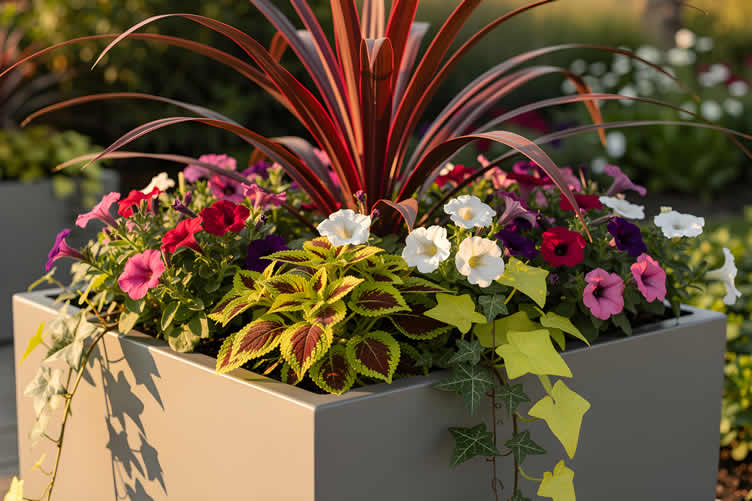
AI generated image by 123rf.com
Elevate Your Landscape
While containers and floral displays add charm, stepping back to envision your entire landscape can make a big impact.
Elevating your outdoor space doesn’t require a complete overhaul; simple updates can transform its look.
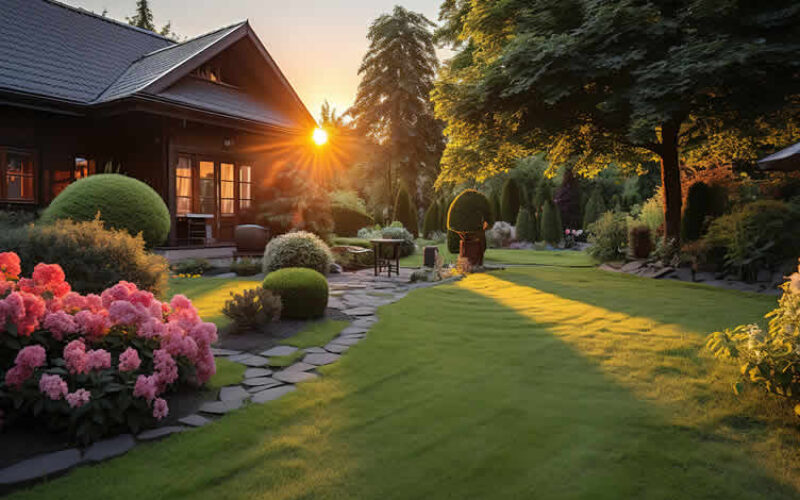
Try creating layered garden beds, mixing textures with shrubs and ornamental grasses, or adding stone pathways.
Thoughtful lighting, seasonal plants, and a focal point like a fountain or fire pit can bring everything together, creating a beautiful and harmonious sanctuary.
view ideas: elevating your landscape aesthetics(new win)
-
Scroll up to main directory … or scroll to conclusion and references …
- Thriller (Upright Statement Plant):
-
-
Conclusion
Transforming your outdoor living areas with carefully curated flower containers is a deeply rewarding project that brings immense personal satisfaction and lasting beauty to your home.
Whether you are arranging drought-tolerant xeriscape pots or designing a welcoming entryway, utilizing these expert recommendations will help you craft a space that perfectly reflects your style and budget.
We invite you to grab your gardening gloves, pick out your favorite plant combinations, and start creating your own outdoor masterpiece today.
-
Quick scroll to more interior yard n’ garden ideas …
-
ideas to view and compare from the photo above
book: container gardeningcontainer gardening kitcontainer watering system
- What comments can you share about
flower garden container ideas that you would recommend?

Calendar For:
Home Maintenance
File Type:
… view our sharing links below for a quick "share the knowledge"

Find Landscaping/Maintenance Landscape Design Landscape Maintenance Pest Control Sprinkler Systems Tree & Shrubs Water Features top-rated, pre-screened local contractors FREE: download contractor selection enter zip code – powered by HomeAdvisor ™
Quick Contractor Guides selecting negotiating working with inspecting

Cover image credit: flower garden container ideas by 123rf.com
end of post … please share it!
 |
did you find flower garden container ideas analysis helpful? If so, please share the article with your friends and family! |
Nice pic idea? Leave us a quick comment below.
And please share this pic idea within your social networks.