


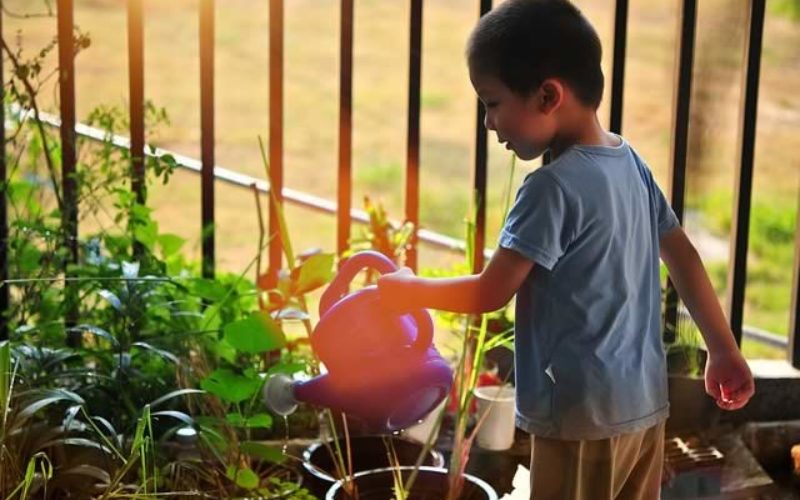
You can tell them that apples grow on trees, and veggies grow out of the ground. They can accept that, yet when you ask them where food comes from, most will say, “the grocery store.
In the grocery store they get mac-n-cheese, chicken nuggets, and gummy bears. So when you put carrots, peas, and broccoli on the table, they are not having any of it.
It is all about the investment
Marketing companies spend millions of dollars convincing your children that they want their brand of cereal, cookies, and ice cream. How can you compete with that? You compete by investing in their minds.
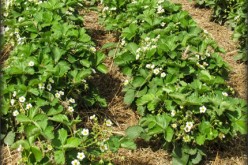
This can be done as a family, as a pre-school activity, after-school project, or as a community project. It can also be done any time of the year. There are gardens for plants that grow well in the fall and even in the winter.
Tip: If you have harsh late fall and winter months, consider making an herb garden as well. Herbs can be planted in various containers and they can be grown indoors, so if a messy day threatens to ruin your plans, you can still allow the children to work on their garden.
-
Tip # 1 – Make it fun
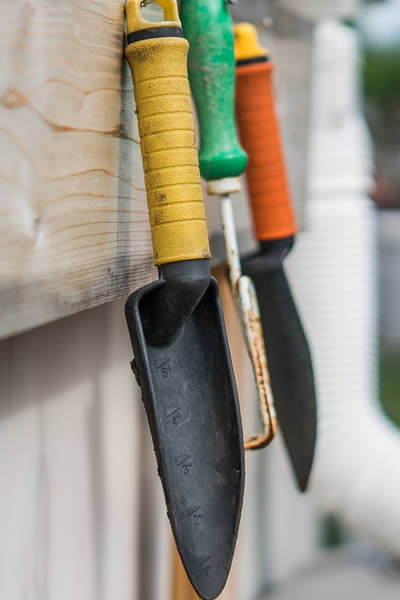
- Each child should have their own set of gardening tools. They are inexpensive and they come in child sizes.
- The children should be allowed to select what they want to grow from your seed collection.
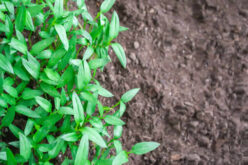
- Explain how each plant grows. Teach the children about insects, watering, weeding, and let them do the work. Explain how the sunlight affects the plants and how rain is different than tap water.
- Plan a celebration for the harvest. Invite parents, grandparents, or friends.
- Let each child stand and show a sample of the wonderful plants they grew.
-
Tip # 2 – When the harvest is ready
If the children need help picking the plants or pulling them up from the ground, have volunteer adults around to help them. Let the children clean the veggies and fruits, with the help of the volunteers.
-
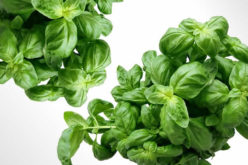
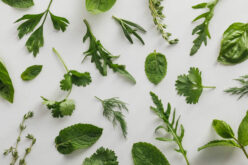
Tip # 3 – Don’t forget the herbs
Look up some recipes online to make simple dips to dip the produce in. Let them help clip their herbs and clean it. Make some simple dips using the herbs to place in small containers to place around the table.
Because each child will want the guests and other children to taste their bounty, they will be willing to take those grown by their teammates. Have each child circle the table taking one small sample of each plant and let them have a few varieties of dips. You will be surprised. Rarely will any child refuse to taste a bite of their friend’s harvest.
If you want, you can compare the taste of a fresh grown plant or two to a store bought plant so they can tell the difference.
-
Tip # 4 – At the end of the day
There will probably be well more food than is consumed. Let the kids make gift baskets for their guests, or for someone in need. Allow them to take their herb plants home.

Don’t forget to clean up
The children (with help from volunteers) need to know that their site must be clean and repeated for the next planting season.
Children will learn that nature has provided for them and it will continue to do so as we take care of our planet. They will learn to appreciate what it takes to grow food and will gain a respect for those who grow it, prepare it, and serve it to them.
Your child will probably develop a love for growing things They may never become a farmer, but maybe they will love to grow flowers or to plant trees to keep the Earth healthy. There is one certainty. Your child will know that someone put work into growing the foods they eat and you will plant the seed of appreciation for nature in their hearts.
Image Credit: Pixabay
nice post? … share it!
| google+ |
GALLERY: decorating the garden
No products found.
|__________________________________________________________|
home remodeling surprise
find out where it might go - new win


Helpful article? Leave us a quick comment below.
And please share this article within your social networks.




FREE: home improvement guide