first “photo remodeling” idea
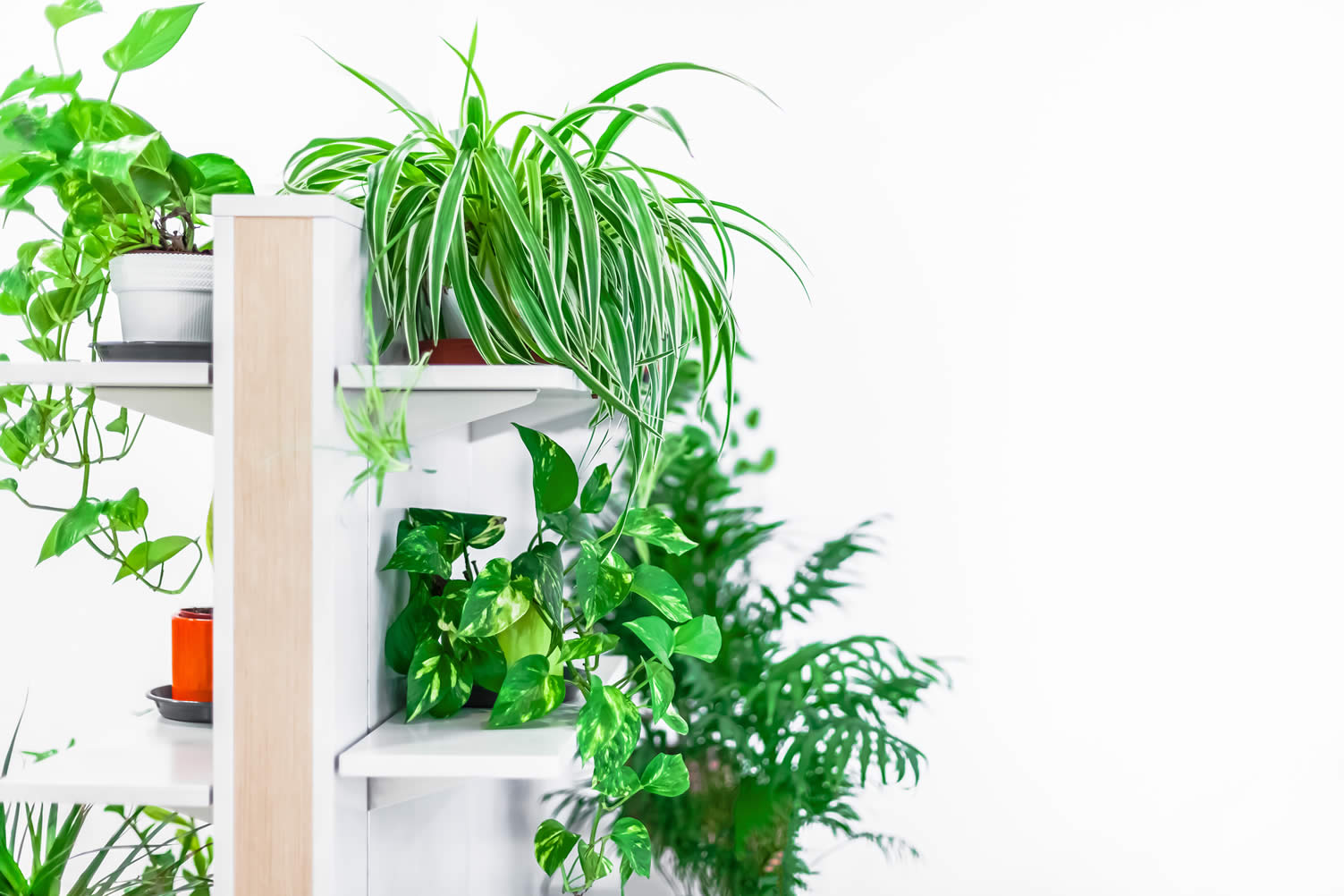

copyright image by envato.com
Types of vertical gardens
Notes:
- There are 2 broad categories of vertical gardens and they are interior or indoor and exterior or outdoor gardens. Then under these 2 categories, there are different types of gardens.
- Let us start first by discussing the 2 categories:
-
Interior Vertical Gardens:
You can have them inside and they make a great centerpiece for your space; additionally, they help to enhance the natural flow of air in the space.
- When used in an office it helps to mitigate the effects of all the toxic chemicals that employees are exposed to. This they do by cleansing the air and promoting a safer breathing atmosphere and healthier working environment.
-
Exterior Vertical Gardens:
Just as the name implies, these are placed outside a building. Since they are outside, they have direct access to sunlight which enables them to grow well.
- These gardens help to protect the buildings where they are from temperature fluctuation and insulate them from UV radiation and inclement weather. Additionally, in summer they employ a process known as evapotranspiration which helps to cool the surrounding air.
-
-
Quik scroll to next topic about cultivating a vertical garden …

-
ideas to view and compare from the photo above
vertical gardenstiered shelf for indoor plantswall garden planter
| Supporting Resources (opens new win) | |
| HOW TO: start a vertical garden | |
| PINTEREST: vertical garden ideas | |
| INFO: vertical gardens 101 | |
| YOUTUBE: affordable vertical garden | |
| SHOP: vegetable garden (scroll) | |
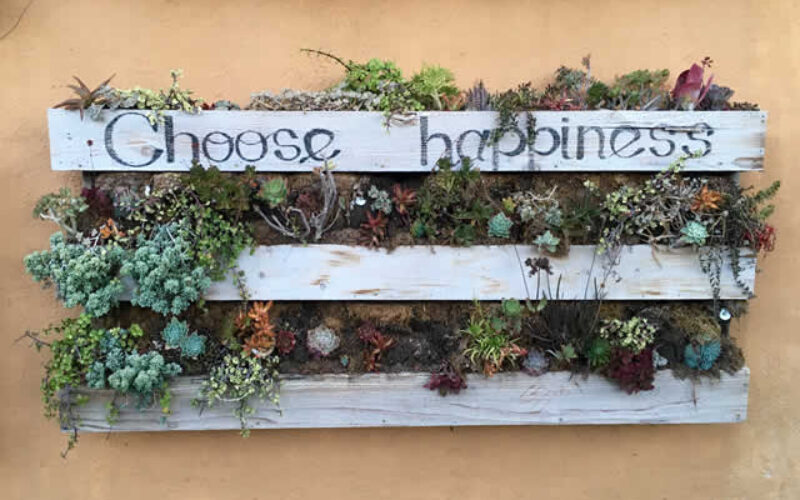
second “photo remodeling” idea

copyright image by envato.com
Types of vertical gardening systems
Notes:
- Under the 2 broad categories that we have discussed, there are many types of systems that can be employed. We would not go into full details, but we would just give you a list.
- They include but are not limited to the following:
- Tiered Garden [view sample]
- Pocket Planters [view sample]
- Gutter Garden [view sample]
- Arbor or Trellis Gardens [view sample]
- Arrangement of Garden Pots [view sample]
- Tepees [view sample]
- Pergolas [view sample]
- Arches [view sample]
- Stair Step Garden [view sample]
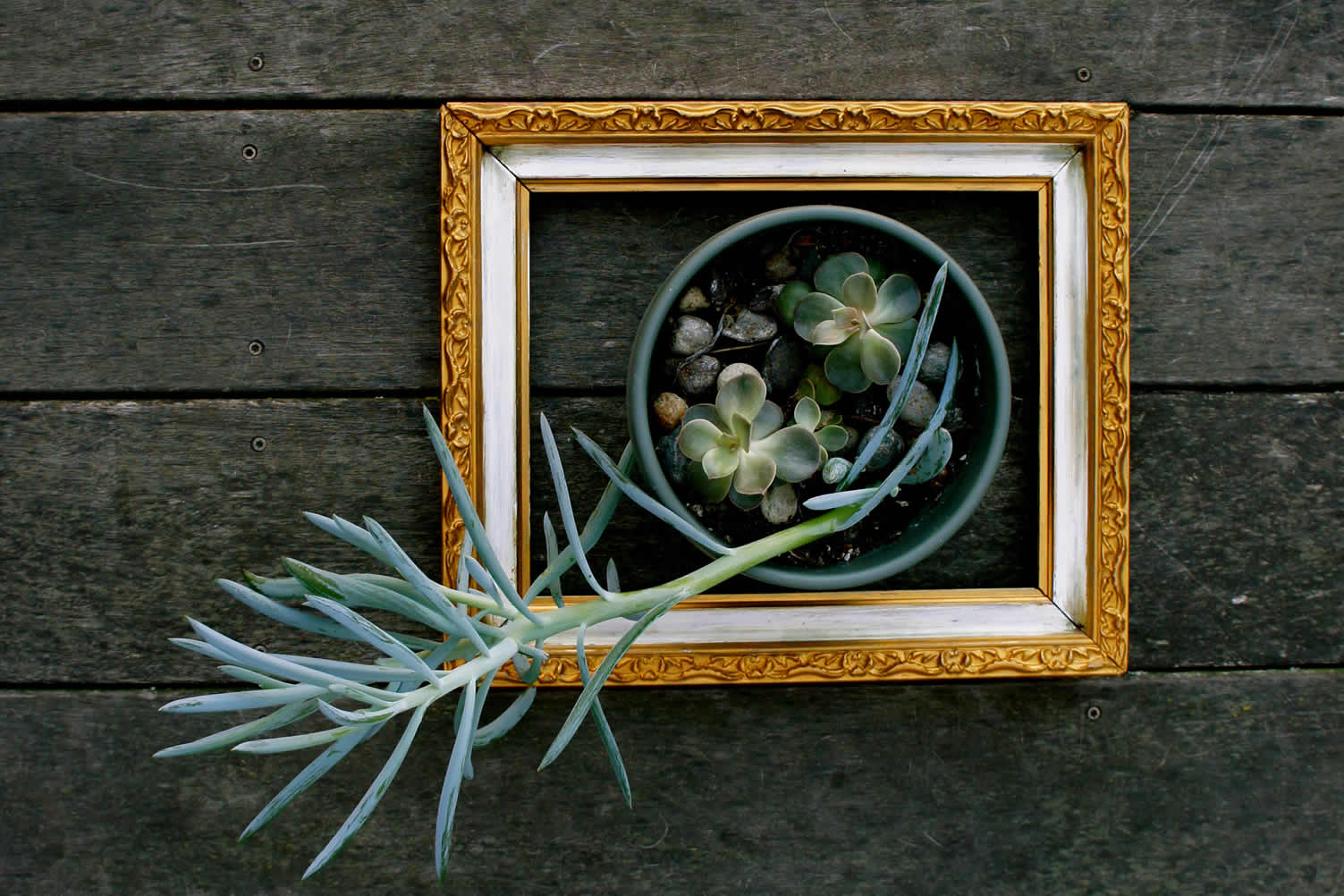
- Living Art Picture Frames [view sample]
- Living Wall Systems [view sample]
-
Quik scroll to next topic about cultivating a vertical garden …
-
ideas to view and compare from the photo above
| Supporting Resources (opens new win) | |
| HOW TO: gutter garden | |
| HOW TO: build living succulent frame | |
| HOW TO: build vertical wall garden | |
| YOUTUBE: how to make vertical planters | |
May We Suggest Other Photo Remodeling Ideas About
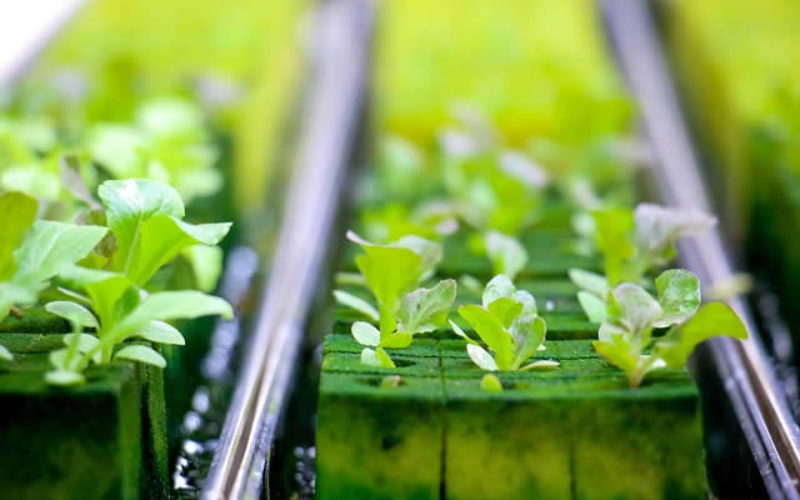
“Hydroponic and Patio Gardening”
third “photo remodeling” idea

copyright image by twenty20.com
Benefits of vertical gardening
Notes:
-
Urban Gardening:
The major benefit of this type of gardening is that it increases the growing environment and green space in the community especially urban centers. This, in turn, would help reduce the level of pollution in the city. Additionally, it lends an aesthetic appeal to the environment which ultimately has a positive calming effect on the inhabitants of the area.
-
Food Supply:
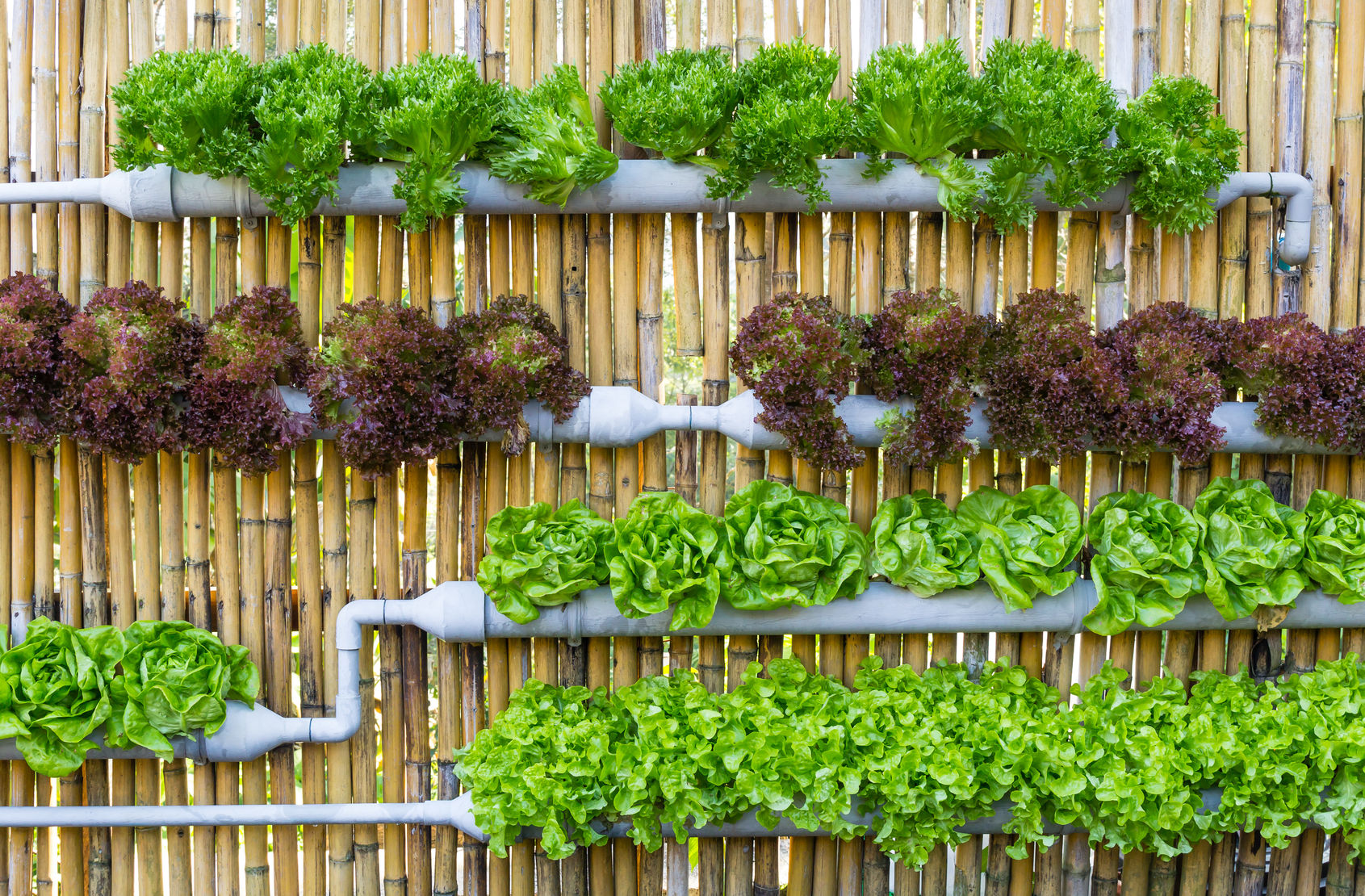
Another area of benefit from this sort of garden is it being a source of food supply. Owners of this kind of garden can grow local food that would enable them to eat healthy while saving some money. Sometimes, one’s garden might have more yield than they can consume, and they may have to sell or give out to their friends and family or even neighbors.
-
Develop Skills:
You will fast learn about gardening and what grows best in your regional area. These are valuable skills that can be expanded into hyroponic systems that yield an abundant harvest.
- Imagine that several people in a community had these gardens and they yield excess harvests? They will have a good quantity of local food (which they can vouch for as organic) to go round. So, in essence, this contributes both to the economy and the health of the community.
-
Quik scroll to next topic about cultivating a vertical garden …
-
ideas to view and compare from the photo above
| Supporting Resources (opens new win) | |
| HOW TO: grow vertical vegetables | |
| INFO: beginning hydroponics | |
| YOUTUBE: home hydroponic farm | |
————————- advertisement ————————-
—————- end —————-
fourth “photo remodeling” idea


copyright image by twenty20.com
Best types of plants for green walls
Notes:
- If you have decided to engage in this type of gardening, you may want to know how to run the garden to get the best yield from it. One of the most important factors that would affect the success of your garden is what you plant in it.
- So here are the best plants for vertical gardens that would ensure that you get a satisfying and rewarding outcome for your labor:
-
Best For Outdoors or Spaces That Would Get Natural Sunlight :
- 1: Sedums –
They come in a variety of colors, do not require too much water and they grow fast. - 2: Wave petunias –
These plants spread while growing. They are simple to cultivate and versatile; they are also very affordable and self-cleaning which means they require minimal maintenance. - 3: Begonias –
They bloom vibrant and colorful flowers and come in different shades of white, red, or pink. - 4: Lipstick plant –
They are so called because the blooming flowers look like a tube of lipstick (open red lipstick to be precise).
- 1: Sedums –
-
Best For Indoors or Shaded Spaces:
- 1: Ferns –
They have a nice texture but do not have seeds or flowers. They are also low maintenance plants. - 2: Fuchsias –
They look exotic and produce flowers all through summer in different shades of purple, white and pink. - 3: Pothos –
Also known as Devil’s Ivy, they create large leaves with different patterns and color streaks and require minimal maintenance. - 4: Bromeliads –
The odd color and an exotic look to home décor and are also easy to care for. - 5: Hosta Plants –
They are also known as Plantain Lilies; they are easy to cultivate, and they last for a very long time. They are best planted in springtime.
- 1: Ferns –
-
Best Edible Plants:
- 1: Thyme –
There are two types of thyme: lemon thyme and common thyme. It thrives best in semi-dry soil that is unfertilized. - 2: Snap peas –
They are best planted in spring and should be put in shallow vessels; they are quite easy to cultivate. - 3: Radishes –
They are root vegetables and are also easy to cultivate. They can be cultivated in spring or winter; it all depends on the type that it is. - 4: Patio tomatoes –
The plant is usually sturdy and dense, and it needs plenty of sunlight to thrive. Note that the soil must be fertile and properly drained. - 5: Kale –
The process of cultivating kale is quite fast; it takes about 2 months from when it is planted to harvest time. It does not need large space and it grows best in moist soil.
- 1: Thyme –
-
-
CONCLUSION
This article discussed many and informative things about vertical gardens/gardening. We believe that the information shared here has given you an insight into what it is all about and whether it is something you may want to explore.
-
Quik scroll to our other garden planning topics …
-
ideas to view and compare from the photo above
- What comments can you share about
cultivating a vertical garden in your backyard or patio
| References (opens new win except noted) | |
| SERVICES: building help (see below) | |
| WHAT: foods grow vertical gardens | |
| INFO: best edible plants | |
| PLANNING: garden care (same win) | |
Find Outdoor Garden Services Landscape Design Sprinkler Systems Metal Work Water Features Gazebos Play Equipment Outbuildings Fences top-rated, pre-screened local contractors FREE: download contractor selection enter zip code – powered by HomeAdvisor ™
Quick Contractor Guides selecting negotiating working with inspecting

Cover image credit: cultivating vertical garden by envato.com
end of post … please share it!

 links open new win
or simply search by entering vegetable name or other gardening need

Nice pic idea? Leave us a quick comment below.
And please share this pic idea within your social networks.