Summary Outline –
Ductless mini-split systems were designed with exactly these challenges in mind. Compact, efficient, and surprisingly versatile, they deliver targeted heating and cooling without the need for ductwork—making them an ideal solution for older homes, additions, converted spaces, and any room that your existing system simply can’t reach.
Understanding how they work, and whether one is right for your home, can save you years of seasonal frustration and a significant amount on your energy bills.
This guide covers everything you need to know: the mechanics behind ductless technology, installation requirements, air quality benefits, environmental impact, and how to choose the right system for your specific needs.
By the end, you’ll have a clear picture of whether a mini-split is the missing piece your home comfort puzzle has been waiting for.
- main directory: post content
- Section 1: Why Ductless HVAC Systems are Popular
- Section 2: Ductless Systems and Superior Indoor Air Quality
- Section 3: Environmental Impact And Long Term Cost Savings
- Section 4: Mini-Splits: Types, Installation, and Maintenance
- Section 5: Multi-Split HVAC Systems: Climate Controls

first “ductless mini-split systems” idea
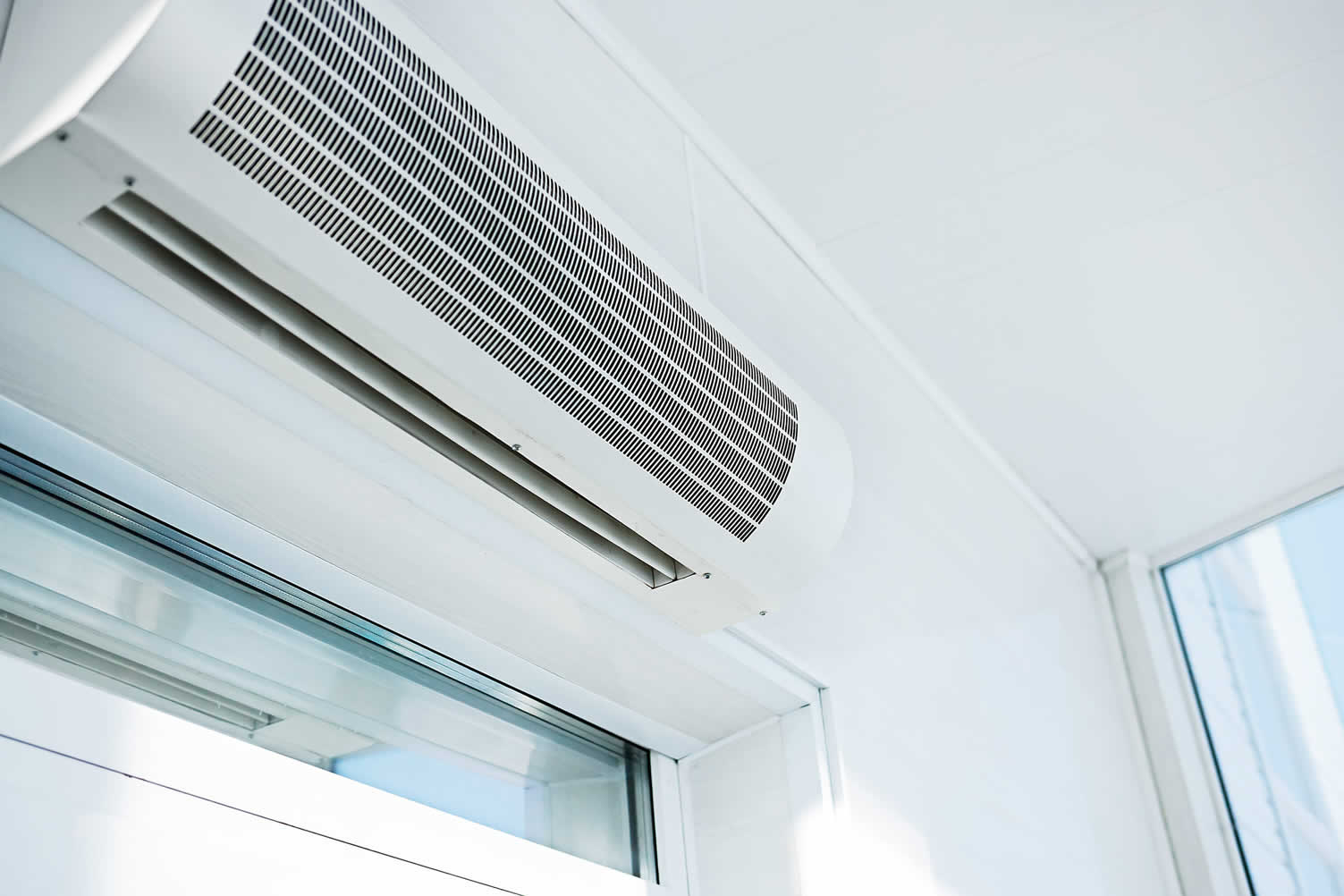

copyright image by 123rf.com
Section 1: Why Ductless HVAC Systems are Popular
Notes:
-
A ductless HVAC system, commonly known as a mini-split, operates by linking an indoor unit directly to an outdoor compressor, which cleverly bypasses the need for the extensive and often cumbersome ductwork associated with traditional systems.
The indoor unit’s job is to distribute temperature-controlled air throughout the room, creating a comfortable living space. Meanwhile, the outdoor compressor works diligently to release the heat it has absorbed from inside your home.
When people think of mini-splits, the familiar wall-mounted units usually come to mind. However, the world of ductless systems is surprisingly diverse, offering various designs to suit different needs and preferences.
Other common types you might encounter include:
- Portable Systems:
These compact, mobile units are great for temporary cooling or heating. Since they can be moved between rooms and vent through a window, they’re perfect for renters or situations where permanent installation isn’t an option. - Multi-Split Systems:
These systems connect one outdoor compressor to multiple indoor units, letting you control the temperature in different rooms individually. They’re an energy-efficient choice for larger homes with diverse climate needs. - Cassette Type Systems:
Mounted in the ceiling, cassette systems blend into your décor and distribute air evenly. Their discreet design makes them a wonderful choice for open-concept living spaces, homes, and offices. - Window Type Systems:
Installed in a window or wall, these units are a cost-effective and simple solution for cooling or heating a single room, making them a practical option for smaller spaces or those on a budget.
While many homeowners are first drawn to ductless systems for their minimalist design and modern, unobtrusive appearance, their appeal goes far beyond aesthetics.
The widespread popularity of these systems is built on a solid foundation of compelling practical advantages that make them a strong and worthy competitor to traditional central HVAC units.
- Portable Systems:
-
Quick scroll to supporting notes …
-
-
1st: Why, Where, and How to Best Use Mini-Splits
Ductless mini-split HVAC systems have revolutionized heating and cooling solutions, offering unparalleled efficiency and flexibility for modern homes.
These systems are particularly valuable for homeowners seeking targeted comfort without the complexity of extensive ductwork.
With their sleek design and advanced functionality, ductless mini-splits are emerging as a preferred alternative to traditional HVAC systems in an array of applications.
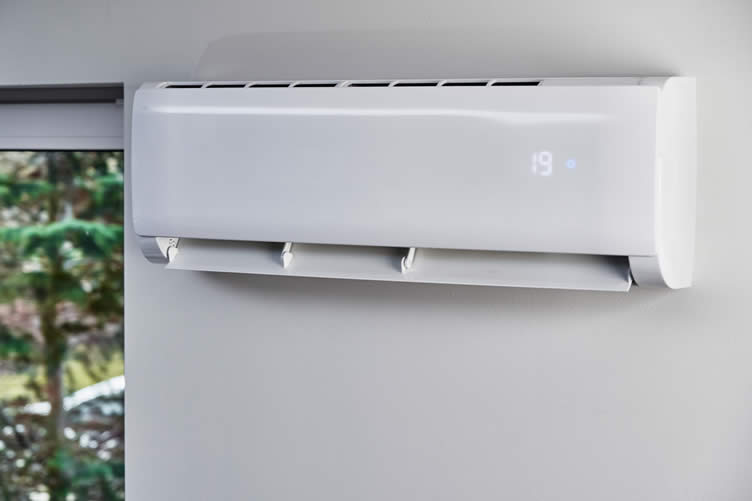
copyright image by 123rf.com

Their appeal lies not only in their compact, energy-efficient construction but also in their ability to customize climate control across various spaces.
Homeowners increasingly appreciate their ability to adapt to diverse layouts, whether cooling a single room, retrofitting older properties, or even managing temperature zones in larger homes.
Understanding the unique advantages, applications, and operational tips of ductless mini-split systems is key to maximizing their value for your home.
-
Why Choose Ductless Mini-Split HVAC Systems?
Ductless mini-splits are a top choice for their efficiency, versatility, and simple installation. Unlike central HVAC systems that lose energy through ductwork, mini-splits deliver heating and cooling directly to specific zones.
This efficient operation conserves energy and lowers utility bills. Their advanced inverter technology also maintains consistent indoor temperatures while using less power.
For homeowners concerned with design, ductless mini-splits offer a sleek, unobtrusive look that blends with any interior.
They also improve air quality because they don’t use traditional ductwork, which can collect dust and allergens. Their targeted performance and customization make them an excellent choice for modern climate control.
-
Where to Use Ductless Mini-Split HVAC Systems
Ductless mini-splits are an ideal choice in various scenarios, providing effective climate solutions for living spaces of all kinds.
They excel in older homes or properties without pre-existing ductwork, where retrofitting central air systems would be too invasive or costly.
For homeowners with multi-level houses, they can deliver precise comfort to rooms that are harder to cool or heat, such as upper floors and basements.
These systems are also a go-to solution for adding climate control to home additions, garages, or sunrooms where extending ductwork isn’t feasible.
Additionally, ductless mini-splits are a favorable option for rental properties, as they allow landlords to provide efficient heating and cooling while staying within their budget.
Their adaptability ensures they can meet the needs of virtually any space or layout.
-
The Challenges Of Maintaining Temperature Consistency In Older Homes
Many homes built before the 1980s weren’t designed for modern HVAC efficiency. They often have thinner walls, minimal insulation, and ductwork that runs through unconditioned spaces like attics, where energy is easily lost.
According to the U.S. Department of Energy, these duct losses can account for over 30% of energy use in a standard forced-air system. That means a large part of your heating and cooling bill vanishes before the conditioned air even reaches your living spaces.
Older homes often have rooms that were added or re-purposed over time, such as sunrooms or converted attics. These new spaces are rarely served well by the original ductwork, and adding new ducts can be expensive and disruptive.
For many homeowners, a ductless mini-split system is a much more practical solution.
-
How Ductless Technology Solves The Problem Of Traditionally Hard To Reach Spaces
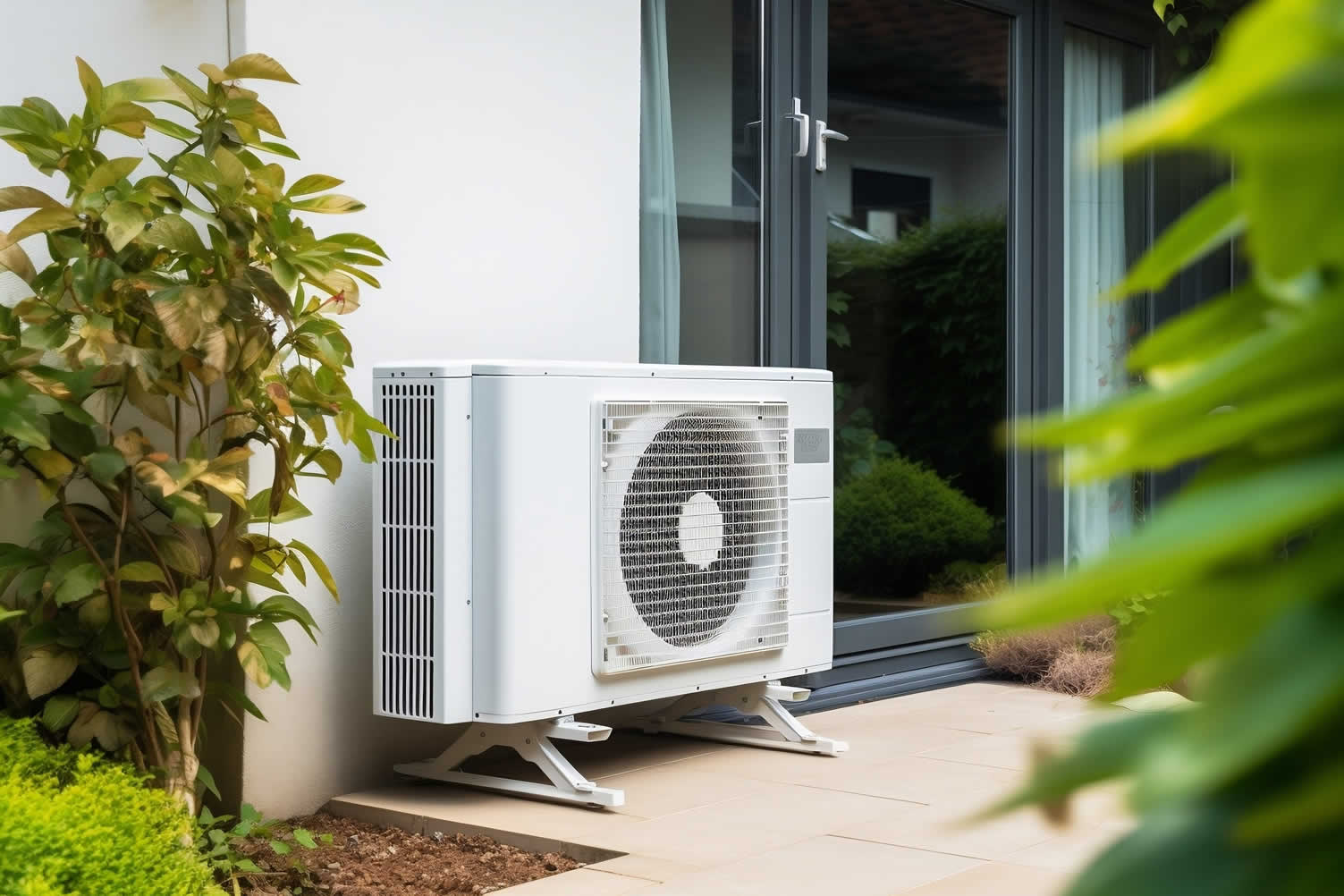
A ductless mini-split system consists of two primary components: an outdoor compressor unit and one or more indoor air-handling units, called "heads."
The two are connected by a narrow conduit that carries refrigerant lines, a power cable, and a condensate drain—requiring only a small hole (typically around three inches) through an exterior wall.
This slim connection point is what makes mini-splits so well-suited to retrofits. There’s no need to tear open walls or redesign your home’s structural layout.
The outdoor unit can be mounted on a ground pad or exterior wall bracket, while the indoor head is installed in the target room and controlled independently.
Mitsubishi Electric, one of the leading manufacturers in the industry, notes that mini-split systems can provide both heating and cooling, making them a year-round comfort solution rather than a seasonal fix (Mitsubishi Comfort).
This dual functionality is particularly valuable in climates with wide seasonal temperature swings, where a single system can replace both a space heater and a window air conditioner.
- Quick scroll to summary content …
Category Details Why Choose Ductless Mini-Split HVAC Systems? Ductless mini-splits are efficient, versatile, and easy to install. They eliminate energy loss through ductwork, operate with advanced inverter technology for consistent indoor temperatures, and have a sleek design suitable for any interior. Additionally, they improve air quality by avoiding traditional duct systems and provide customizable, targeted heating and cooling solutions. Where to Use Ductless Mini-Split HVAC Systems These systems are ideal for older homes without ductwork, multi-level houses, or rooms like basements and sunrooms that are harder to maintain at consistent temperatures. They are also effective for home additions, garages, and rental properties where extending ductwork is impractical. Their adaptability makes them suitable for nearly any space or layout. Challenges in Older Homes Older homes often lack modern HVAC efficiency due to inadequate insulation, thinner walls, and duct losses, which can waste over 30% of energy use. Adding new ducts to serve re-purposed spaces like sunrooms or attics is often costly and disruptive. Ductless mini-splits provide a more practical solution by delivering direct heating and cooling without invasive installations. How Ductless Technology Solves Issues A ductless system consists of an outdoor compressor unit and indoor air-handling units connected by a small conduit with refrigerant lines and power. This setup minimizes structural disruptions and is perfect for retrofits. It offers dual functionality for both heating and cooling, making it a versatile year-round solution, especially in climates with varying seasonal temperatures. 


copyright image by 123rf.com
What Does the Term HVAC Mean?
HVAC, which stands for Heating, Ventilation, and Air Conditioning, is the system responsible for maintaining a comfortable and healthy indoor environment.
It regulates temperature, airflow, and air quality in our homes and workplaces.
Homeowners have several options to choose from, including central air systems, ductless mini-splits, and heat pumps, each with unique benefits for different needs and budgets.
Understanding the pros and cons of these systems is the first step to selecting one that fits your home’s design, energy goals, and personal comfort.
view ideas: HVAC components(new win)
-
Scroll up to section directory … or scroll to next supporting note …

-
-
2nd: How Do Dustless Mini-Split HVAC Systems Work?
Dustless mini-split HVAC systems are innovative climate control solutions that offer greater efficiency and flexibility than traditional setups.
By eliminating ductwork, they reduce the energy loss common in central HVAC systems and prevent the spread of airborne particles, keeping your space clean and comfortable.
At their core, mini-split systems have two main parts: an outdoor compressor/condenser unit and one or more indoor air-handling units, or "heads."
These components work together to cool or heat specific zones in your home.
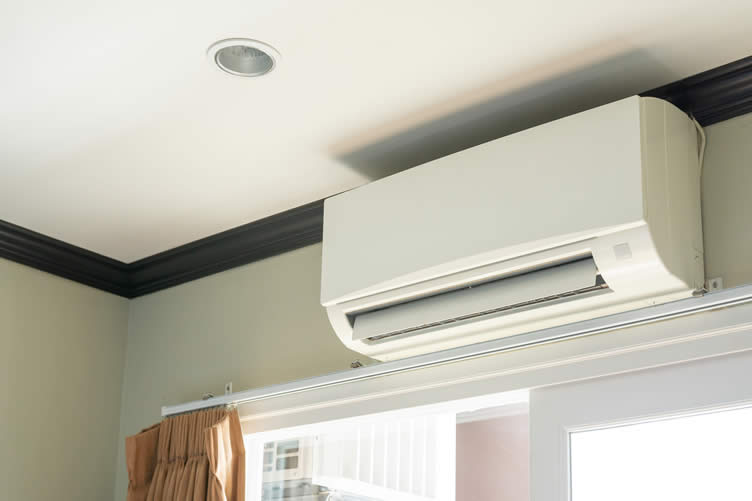
copyright image by 123rf.com
This unique design improves energy efficiency and allows for advanced air filtration, making them an excellent choice for anyone seeking cleaner indoor air.
Mini-split systems are especially useful for homeowners who want to upgrade their HVAC system without installing ductwork.
Whether you’re renovating, adding a room, or improving your home’s energy performance, understanding how these systems work can help you make an informed decision.
-
The Principle Behind Mini-Split Systems
Mini-split systems function through a process of heat transfer using refrigerant as the medium.
The outdoor compressor/condenser circulates refrigerant to and from the indoor heads via insulated copper lines. When cooling, the refrigerant absorbs heat from the indoor air and transmits it outdoors.
Conversely, when heating, the system can reverse this process, extracting heat from the outside air—even in cold climates—and distributing warmth indoors.
A standout feature of mini-split systems is their zoning capability. With individual air-handling units controlling specific rooms or zones, you can tailor your home’s temperature to suit your precise needs, reducing energy consumption and operational costs.
This flexibility eliminates the energy waste commonly associated with heating or cooling unused areas of the home.
-
Enhanced Filtration for Superior Indoor Quality
One of the biggest advantages of a ductless mini-split system is its ability to maintain cleaner indoor air. Without ducts to harbor dust, allergens, and other particles, these systems inherently encourage a healthier environment.
Many mini-split models come equipped with advanced filtration systems that capture fine particulates, neutralize odors, and even remove bacteria and viruses from the air.
For families conscious of indoor air quality, especially in homes with allergy sufferers or small children, this aspect of mini-splits is a key selling point.
-
Energy Efficiency and Environmental Impact
Due to their innovative design, mini-split systems boast impressive energy efficiency ratings. Traditional ducted systems often lose as much as 30% of energy due to leaks and inefficiencies in ductwork.
Mini-splits bypass this issue entirely, delivering conditioned air directly to the room where it’s needed.
Furthermore, many modern mini-split systems feature inverter technology, which adjusts compressor speed to match the exact heating or cooling demand, reducing energy consumption and prolonging the system’s lifespan.
-
The Mechanical Advantages Of Zoned Comfort And High Efficiency SEER Ratings
One of the standout features of ductless mini-splits is zoned comfort. Each indoor unit includes a thermostat, allowing you to set different temperatures for each room or turn off units in unoccupied spaces.
This precise control isn’t available with traditional central systems, which treat the entire home as a single zone.
Their efficiency is equally remarkable. An HVAC system’s cooling efficiency is measured by its SEER (Seasonal Energy Efficiency Ratio) rating.
While central air systems often have ratings between 13 and 20, top-tier mini-splits can achieve SEER ratings of 30 or more.
A higher SEER rating means the system uses less electricity for the same amount of cooling, leading to lower utility bills.
Mini-splits also feature inverter-driven compressor technology, which adjusts the motor speed in real time rather than cycling on and off. This helps maintain a consistent temperature while consuming less energy, a key mechanical advantage from older HVAC systems.
-
Advanced Control and User-Centric Design
Mini-split systems prioritize convenience and user satisfaction. With features like wireless remotes, programmable thermostats, and smart home compatibility, controlling your indoor environment has never been easier.
Advanced models also allow users to monitor energy usage, implement scheduling, and manage temperatures remotely.
These systems are designed with the homeowner’s comfort and convenience in mind, ensuring an unparalleled climate control experience.
- Quick scroll to summary content …
Topic Description Key Benefits Technology/Features How Do Dustless Mini-Split HVAC Systems Work? Dustless mini-split HVAC systems eliminate ductwork, enhancing energy efficiency and preventing the spread of airborne particles. They feature two main components: an outdoor compressor/condenser unit and one or more indoor air-handling units, working together to control specific zones. Energy efficiency, air quality improvement, flexibility in installation. Outdoor compressor, indoor air-handling units, insulated copper lines for refrigerant transfer. The Principle Behind Mini-Split Systems These systems use refrigerant for heat transfer. They can cool by removing heat from indoor air and expelling it outside or heat by reversing the process, even in cold climates. Zoned temperature control significantly cuts energy waste. Custom zoning, reduced energy consumption, cost savings. Refrigerant-based heat transfer, zoning control, energy efficiency optimization. Enhanced Filtration for Superior Indoor Quality Mini-splits maintain cleaner indoor air by avoiding ducts, which trap dust and allergens. Many models include advanced filtration systems for removing particles, odors, bacteria, and viruses. Cleaner air, allergy relief, healthier environment for families. Advanced filtration systems that neutralize contaminants. Energy Efficiency and Environmental Impact Mini-splits bypass duct energy loss, with some systems achieving SEER ratings of 30 or more. Advanced inverter technology adapts compressor speed to match demand, lowering electricity use and prolonging lifespan. Lower energy consumption, reduced utility bills, environmentally friendly operation. High SEER ratings, inverter-driven compressor technology. The Mechanical Advantages of Zoned Comfort Each indoor unit includes its own thermostat for precise temperature regulation by zone. This control allows for optimizing comfort only in used spaces, minimizing energy waste. Personalized comfort per zone, significant energy savings. Independent thermostats in multiple units, zoned comfort capabilities. Advanced Control and User-Centric Design Mini-split systems prioritize convenience through features like wireless remotes, programmable thermostats, smart home integration, and energy usage tracking for optimized user experience. Ease of control, smart compatibility, customizable climate settings. Wireless remotes, programmable thermostats, smart energy monitoring. 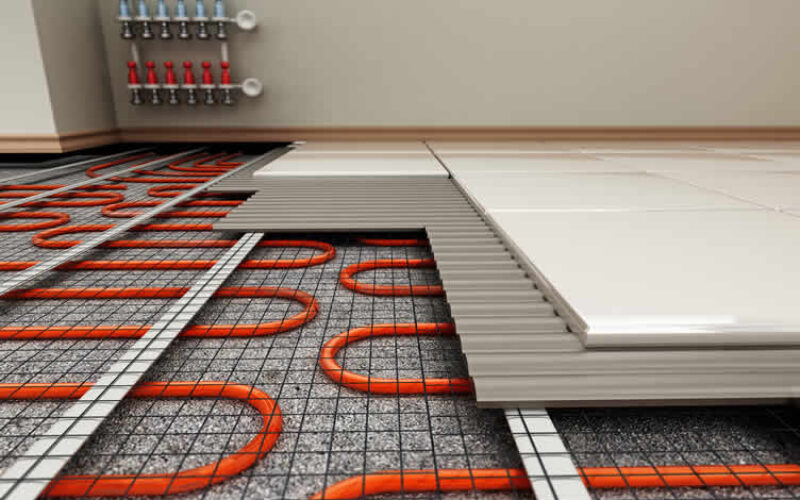
copyright image by 123rf.com
A Cozy and Efficient Solution
Another great way to heat your home is with underfloor heating, a system that offers both comfort and efficiency.
It works by evenly distributing warmth across your floors, creating a cozy atmosphere without the cold spots often left by traditional radiators.
Because it’s installed beneath the floor, it’s completely hidden, freeing up wall space for furniture and decor.
Underfloor heating is also energy-efficient, as it runs at lower temperatures to effectively warm your home, which can help lower your energy bills.
It’s a wonderful addition that enhances both the comfort and value of your living space.
view ideas: underfloor heating(new win)
-
Scroll up to section directory … or scroll to next supporting note …
-
-
3rd: Best Places to Use Dustless Mini-Split HVAC Systems
Dustless mini-split HVAC systems have revolutionized indoor climate control, offering an energy-efficient, flexible, and sleek solution for a wide range of spaces.
Unlike traditional systems, mini-splits eliminate the need for extensive ductwork, making them ideal for spaces where traditional setups would be impractical or impossible.
Their versatility allows homeowners and property managers to address specific heating and cooling needs, providing tailored comfort in almost any environment.

AI generated image by 123rf.com
These systems are not only cost-efficient but also environmentally friendly, making them a preferred choice for modern, energy-conscious users.
Whether you are looking to improve the comfort of a single room or extend climate control to multiple zones, a mini-split system offers a reliable and customizable option.
Below, we explore the best areas to consider using dustless mini-split HVAC systems, showcasing their unique advantages in diverse applications.
-
Historic Homes and Renovations
Mini-split HVAC systems are the perfect solution for historic homes and renovation projects. Older homes often lack the infrastructure for conventional ducted systems, and installing ductwork can compromise the structure or aesthetic of the property.
Mini-splits, with their compact and minimally invasive design, allow homeowners to maintain the architectural integrity of their spaces while enjoying modern heating and cooling technology.
Additionally, their energy-efficient operation can help reduce utility bills, a particularly valuable feature in older buildings that may lack proper insulation.
-
Room Additions and Extensions
When constructing room additions or extensions, such as sunrooms, garages, or home offices, incorporating an efficient HVAC solution can be a challenge.
Traditional systems might not have the capacity to support these added spaces without significant modifications.
Mini-split systems offer an excellent alternative, allowing homeowners to seamlessly heat or cool newly added rooms without overhauling their existing setup.
Their zoning capabilities enable precise temperature management, ensuring comfort in the additional space without impacting the rest of the home.
-
Small Apartments and Studios
Mini-split systems are highly recommended for small apartments and studio spaces where centralized systems may not be cost-effective or practical.
Their compact indoor units save space, while their low operational noise ensures a peaceful living environment. These systems are particularly suited for urban settings, where maximizing functionality within compact floor plans is essential.
With their sleek design and customizable options, mini-splits can enhance both the practicality and aesthetics of a small living space.
-
Commercial and Office Spaces
Small commercial units, office spaces, and retail stores can benefit significantly from dustless mini-split systems. These environments often have varying climate control needs based on occupancy and daily operations.
Mini-splits allow for independent zoning, so business owners can efficiently manage temperatures in different areas without wasting energy. This feature not only improves employee comfort but also contributes to customer satisfaction.
Furthermore, the minimal maintenance requirements make mini-splits an economical long-term investment for commercial use.
-
Basements, Attics, and Converted Spaces
Basements, attics, and other converted areas often struggle with temperature regulation, making them ideal candidates for mini-split systems.
Whether it’s transforming an unused attic into a guest room or re-purposing a basement into a home theater, mini-splits ensure precise and effective climate control.
Their ability to function in extreme temperatures makes them perfect for these often challenging spaces, offering year-round comfort without the need for extensive infrastructure changes.
- Quick scroll to summary content …
Application Area Advantages Special Features Historic Homes and Renovations Ideal for older homes lacking conventional ductwork infrastructure. Maintains the architectural integrity of the property while offering modern climate control. Energy-efficient operation helps reduce utility bills, particularly valuable in buildings with insufficient insulation. Room Additions and Extensions Perfect solution for added spaces like sunrooms, garages, or home offices, where traditional systems may require extensive adjustments. Zoning capabilities ensure precise temperature control in added spaces without affecting the rest of the home. Small Apartments and Studios Highly effective in compact living spaces where centralized systems are not practical or cost-efficient. Low operational noise and sleek design enhance living quality and functionality of small spaces. Commercial and Office Spaces Suitable for small commercial units, retail stores, and offices with varying climate control needs. Independent zoning improves energy efficiency and ensures comfort for employees and customers. Basements, Attics, and Converted Spaces Effective for challenging spaces prone to temperature regulation issues, such as basements and attics. Provides year-round comfort in extreme temperature conditions without requiring extensive infrastructure changes. 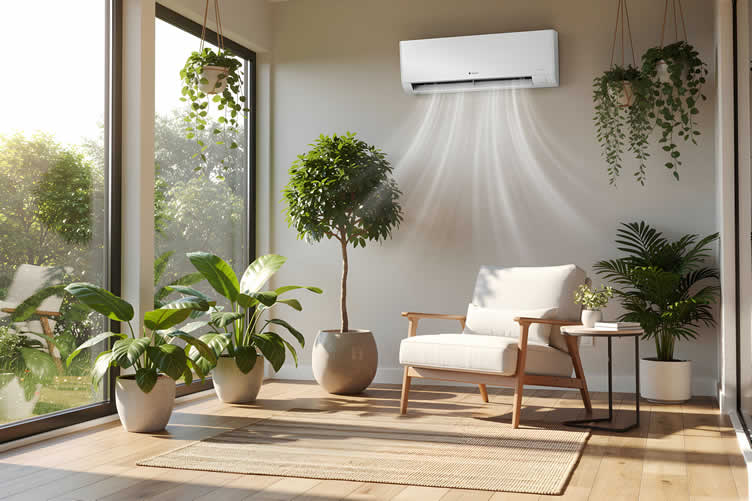
AI generated image by 123rf.com
Ideal for Your Sunroom
Sunrooms bring the beauty of the outdoors into your home, but their large windows and exposure to the elements can make temperature control difficult.
A mini-split HVAC system is a perfect solution for a sunroom addition, providing zoned heating and cooling tailored to the space’s specific needs.
Thanks to its compact design, energy efficiency, and precise climate control, your sunroom will remain comfortable year-round, whether you’re enjoying a summer breeze or a cozy winter afternoon.
view ideas: interior room into a sunroom(new win)
-
Scroll up to section directory …
-
-
-
ideas to view and compare from the information discussed above


Scroll up to main directory … or scroll to next section about air quality and energy savings …




Download this PDF for a concise summary of everything you need to know about …?




second “photo remodeling” idea
AI generated image by 123rf.com
Section 2: Ductless Systems and Superior Indoor Air Quality
Notes:
-
For homeowners prioritizing a clean and healthy living environment, ductless mini-split systems present an excellent solution for maintaining superior indoor air quality.
Unlike traditional HVAC systems, which can often accumulate and circulate dust, allergens, and other particulates through extensive ductwork, ductless systems streamline the air delivery process.
This modern technology is specifically engineered to reduce the harmful airborne particles that can negatively impact health, especially for individuals with allergies, asthma, or respiratory sensitivities.
The rise in awareness about the importance of healthy indoor air has made ductless systems a popular choice for households. Their advanced filtration processes help purify the air, creating a space that is not only comfortable but also healthier for every family member.
By effectively capturing pollutants, these systems contribute to a better quality of life while also addressing the varied needs of homeowners seeking cleaner air without major structural modifications.
-
Quick scroll to supporting notes …
-
-
1st: How Ductless Systems Improve Air Quality
The quality of the air inside your home plays a crucial role in maintaining a healthy and comfortable living environment, affecting everything from your well-being to your overall comfort.
Fortunately, ductless mini-split systems are expertly designed to help you achieve cleaner, fresher air.
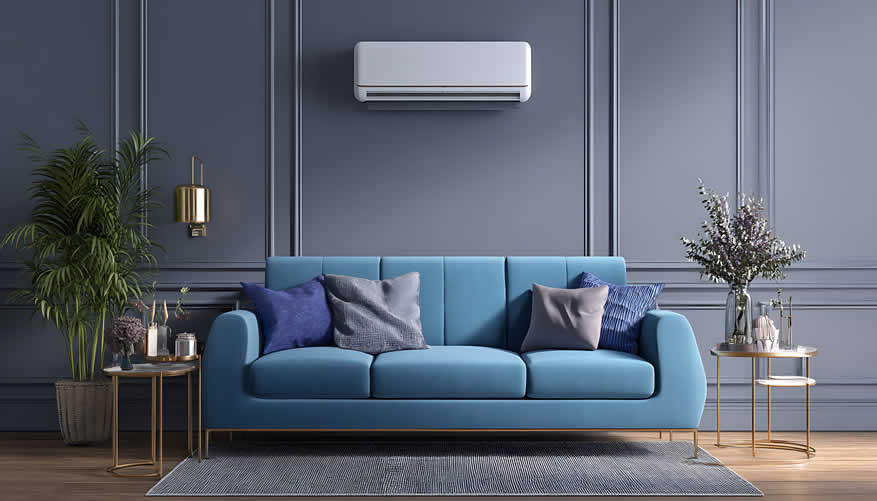
copyright image by 123rf.com
These versatile systems go beyond providing efficient heating and cooling; they are also engineered to actively reduce common airborne irritants like allergens, dust, and other pollutants that can accumulate in your home.
By filtering the air as it circulates, they contribute to a space that not only feels good but is also healthier to live in.
-
Advanced Multi-Stage Filtration Process
Ductless mini-split systems feature advanced multi-stage filtration technology that captures airborne contaminants like dust, pollen, and mold spores.
Many units use washable filters to remove fine particles, ensuring the air in your home is cleaner and fresher. Some models even include extra filtration layers designed to target bacteria and viruses, promoting a healthier environment for your family.
The Environmental Protection Agency (EPA) highlights the importance of reducing indoor air pollutants, as poor air quality can worsen health problems over time.
Ductless systems efficiently trap these harmful contaminants while operating quietly and using less energy, offering a proactive solution for homeowners.
-
Elimination of Dust-Laden Ductwork
A key advantage of ductless systems is that they don’t require the ductwork traditional HVAC systems use to distribute air. Over time, ducts can accumulate dust, debris, and allergens, which degrade air quality as they are recirculated.
While cleaning ductwork is essential for traditional systems, it can be expensive and time-consuming. Ductless units eliminate this issue by operating directly within individual rooms.
This design not only reduces the buildup of airborne contaminants but also minimizes maintenance for homeowners.
Ductless systems also maintain precise airflow and consistent temperatures, avoiding the uneven heating or cooling often found with ducted systems.
-
Humidity Control and Comfort
Proper humidity control is another key factor in maintaining good indoor air quality, and ductless mini-splits are excellent at balancing moisture levels.
High humidity can promote the growth of mold and mildew, which worsens air quality and can lead to structural damage. Ductless systems regulate humidity efficiently, creating a more comfortable and safer home environment.
The U.S. Department of Energy highlights the importance of humidity control in preventing indoor air problems.
Many ductless systems feature a built-in dehumidifier that removes excess moisture while operating energy-efficiently. This makes them a great choice for homeowners in areas with high or fluctuating humidity.
-
Cleaner Air, Greater Peace of Mind
With advanced filtration, no duct-related risks, and excellent moisture control, ductless mini-split systems offer a complete solution for better home air quality.
Leading brands like Mitsubishi Electric and Daikin are constantly improving their filtration technologies, giving homeowners access to the highest standards of comfort and health.
Choosing a ductless heating and cooling system is more than a comfort upgrade—it’s a commitment to a cleaner, healthier home.
For those looking to reduce airborne contaminants, ductless systems provide superior air quality and peace of mind. By embracing this technology, you create a sanctuary where every breath supports your family’s well-being.
-
Referencing Trusted Sources
The insights and recommendations provided here stem from trusted organizations and educational sources, including the Environmental Protection Agency (EPA) (epa.gov), the American Lung Association (lung.org), and leading manufacturers in indoor air solutions like Mitsubishi Electric and Daikin.
These resources emphasize the significance of IAQ to overall health and provide evidence-based strategies to improve it effectively. With these proven tools and expert-backed advice, you can confidently craft a living space that prioritizes the health and comfort of your family.
- Quick scroll to summary content …
Feature Description Benefits Advanced Multi-Stage Filtration Process Ductless mini-split systems include advanced multi-stage filtration technology that captures airborne contaminants such as dust, pollen, and mold spores. Many systems also feature washable filters and extra filtration layers that target bacteria and viruses. Cleaner and fresher air, reduced indoor air pollutants, and a healthier home environment for families. Elimination of Dust-Laden Ductwork Ductless systems do not rely on traditional ductwork, which can accumulate dust, debris, and allergens over time. These systems operate directly within individual rooms, reducing airborne contaminants without the need for extensive duct maintenance. Improved air quality, lower maintenance costs, and consistent temperature and airflow. Humidity Control and Comfort Ductless systems efficiently regulate humidity with built-in dehumidifiers, preventing excess moisture and inhibiting mold and mildew growth. Better indoor air quality, comfortable moisture levels, and protection from structural damage caused by high humidity. Cleaner Air, Greater Peace of Mind Leading brands like Mitsubishi Electric and Daikin continuously improve their filtration technologies, offering systems designed to reduce airborne contaminants and enhance indoor air quality. Improved comfort, health, and energy efficiency for homeowners committed to creating cleaner living spaces. 
AI generated image by 123rf.com
Maintaining "Dust-Free" Air Quality
Good indoor air quality starts with removing dust and allergens from your home. A quality duster is essential because it traps particles instead of just moving them around.
Dusters made from microfiber or electrostatic materials are best for capturing fine dust and other respiratory irritants.
Regularly dusting all your surfaces, including vents and other hard-to-reach spots, will help create a cleaner, healthier home with more breathable air.
view ideas: choosing the right duster for every surface(new win)
-
Scroll up to section directory … or scroll to next supporting note …
-
-
2nd: Enhancing Indoor Air Quality for a Healthier Home
Indoor air quality (IAQ) is a critical part of a safe and comfortable home. But is the air you breathe clean, or is it stale and full of irritants that can contribute to allergies and illness?
As we make our homes more energy efficient – through insulation, weatherstripping, sealed windows and doors, etc. – we make them more drum-tight, trapping old air inside.
From allergens like pet dander and pollen to volatile organic compounds (VOCs) emitted by household products, the air we breathe inside our homes can significantly impact our overall health and well-being.
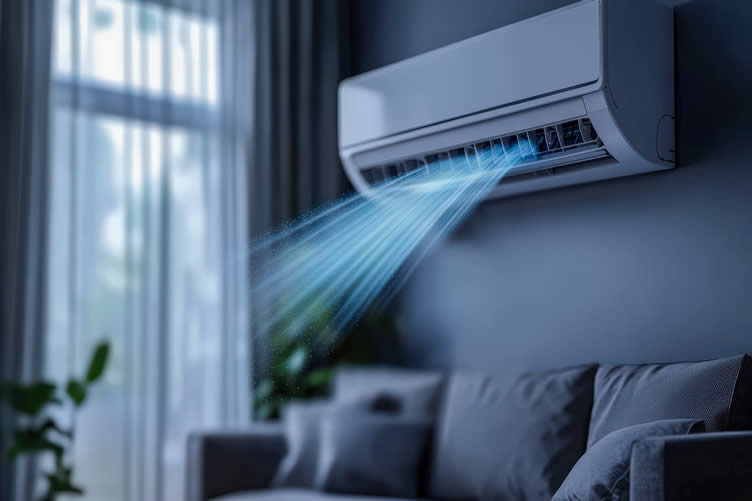
copyright image by 123rf.com
Poor air quality has been linked to a range of health issues, including allergies, respiratory conditions, and even long-term chronic illnesses.
Investing in solutions that elevate air quality is not just a step towards comfort, but also a commitment to long-term health and sustainability.
With the right guidance, tools, and technologies, homeowners can transform their homes into spaces that actively support health and vitality.
-
What Impacts Indoor Air Quality?
Understanding the factors that influence indoor air quality is essential to effectively addressing the problem. The most common contributors include indoor allergens such as dust mites and pet dander, as well as irritants like mold, mildew, and bacteria.
Chemicals from cleaning supplies, paints, and furniture also release VOCs, which can linger in the air and potentially harm your health over time. Poor ventilation intensifies these issues, trapping contaminants within the home and reducing the continuous flow of fresh air.
Improving IAQ often begins with identifying these sources and introducing measures to eliminate or reduce them.
Proper cleaning habits, selecting eco-friendly and low-emission products, and investing in ventilation systems are practical first steps.
By addressing these factors, you create an environment that not only reduces pollutants but also fosters a sense of well-being for everyone under your roof.
-
The Role of Filtration Technology
Modern filtration systems play an instrumental role in maintaining pristine indoor air. High-efficiency particulate air (HEPA) filters, for instance, are known to capture up to 99.97% of airborne particles as small as 0.3 microns, including dust, pollen, and certain bacteria.
Advanced ductless heating and cooling technologies, as offered by brands like Mitsubishi Electric and Daikin, incorporate multi-stage filters that target specific air contaminants such as odors, allergens, and fine particles.
Such systems are particularly crucial for households located in urban settings where outdoor air pollution frequently makes its way indoors.
By investing in high-quality filtration systems, homeowners can keep air circulation clean and reduce exposure to harmful particles, thereby creating a safer and more breathable indoor environment.
-
Health Benefits of Improved Air Quality
The positive impact of clean air on health cannot be overstated. Improved IAQ contributes to reduced allergy symptoms and less frequent asthma flare-ups, allowing individuals with preexisting respiratory conditions to enjoy greater comfort.
It’s also essential for promoting better sleep, as cleaner air minimizes irritants that may disrupt your sleep cycle.
Furthermore, homes with superior air quality foster stronger immunity by limiting exposure to airborne pathogens and toxins.
For families with children or elderly members, maintaining optimal IAQ can be particularly life-enhancing, providing less stress on vulnerable immune systems and safeguarding overall health.
-
Practical Tips for Enhancing Indoor Air Quality
For substantial improvements in IAQ, a holistic approach is key. Regularly cleaning and vacuuming surfaces not only removes dust and dirt but also prevents pollutant accumulation.
Utilizing indoor plants can naturally purify the air, as many species help filter harmful compounds. Additionally, maintaining humidity levels between 30% and 50% helps control mold growth and reduces the spread of allergens.
Most importantly, incorporating modern technology in the form of air purifiers, advanced HVAC systems, and ductless heating and cooling solutions offers a long-term strategy for maintaining excellent air quality year-round.
Prioritize systems with validated certifications and effectiveness ratings, as they reflect a proven track record in enhancing air quality.
- Quick scroll to summary content …
About Types Air Purifiers and Pollutants
(from the summary table below)
Section Description Understanding Indoor Air Quality Indoor air quality (IAQ) is crucial for maintaining a healthy home environment. Poor IAQ, resulting from allergens, VOCs, and trapped stale air, can lead to allergies, respiratory issues, and chronic illnesses. Factors Impacting IAQ Key contributors to poor IAQ include dust mites, pet dander, mold, and VOCs from cleaning products, paints, and furniture. Lack of ventilation exacerbates these problems by trapping contaminants indoors. Importance of Filtration Technology Modern filtration systems like HEPA filters and advanced HVAC solutions help eliminate up to 99.97% of airborne particles, improving air quality, especially in urban areas where pollution is high. Health Benefits of Better IAQ Enhanced IAQ reduces allergy and asthma symptoms, improves sleep, and bolsters immunity. It is particularly beneficial for vulnerable groups like children and the elderly, promoting overall health and well-being. Practical Tips for Improvement Effective strategies include regular cleaning, maintaining humidity levels, using air-purifying plants, and implementing certified air purifiers and advanced HVAC systems to ensure optimal IAQ year-round. 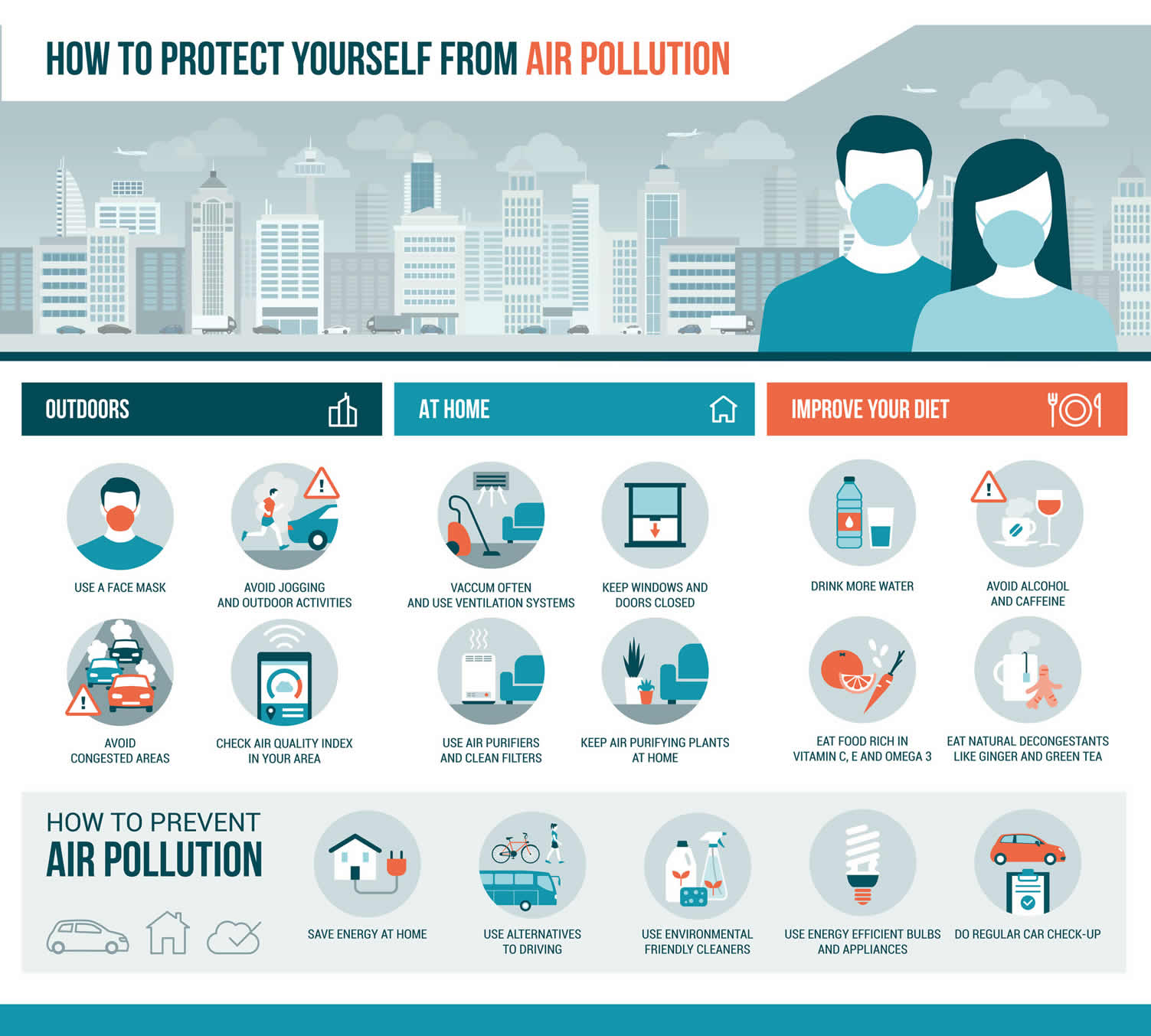
copyright image by 123rf.com
Hidden Dangers of Indoor Air Pollution
We often associate air pollution with outdoor sources like exhaust fumes or industrial emissions, but the air inside our homes can be just as polluted.
Common indoor contaminants include dust, pet dander, mold spores, and volatile organic compounds (VOCs) from cleaning products and furniture.
Poor ventilation can trap these harmful particles, creating an unhealthy environment.
To improve indoor air quality, it’s important to identify pollution sources, use air purifiers, and maintain proper airflow, ensuring your home remains a safe and healthy space.
view ideas: complete guide to air purifiers(new win)
-
Scroll up to section directory …
-
-
-
ideas to view and compare from the information discussed above
Scroll up to directory … or scroll to next section about the environmental impact …

Tackling home upgrades and fulfilling all your home improvement needs …

… save this curated directory of ideas for future reference.



May We Suggest Other Photo Remodeling Ideas About
“2026 trends for these areas …” (new win)



third “photo remodeling” idea

copyright image by envato.com
Section 3: Environmental Impact And Long Term Cost Savings
Notes:
-
The environmental case for ductless mini-splits is compelling. Because they run on electricity instead of combustion fuels, mini-splits produce no direct emissions. When paired with solar panels or a cleaner electrical grid, their carbon footprint becomes even smaller.
The nonprofit Rewiring America identifies heat pumps—the technology behind mini-splits—as a highly effective tool for reducing household carbon emissions.
In heating mode, mini-splits transfer heat from the outdoors rather than creating it through combustion. This makes them significantly more efficient than traditional gas furnaces or electric resistance heating in various temperatures.
Financially, the long-term savings are just as convincing. While the initial installation cost varies, the high efficiency, zoned operation, and lack of duct losses lead to noticeable reductions in monthly utility bills.
Many homeowners find that these energy savings cover the installation costs within just a few years.
-
Quick scroll to supporting notes …
-
-
1st: How Mini-Split Systems Save Energy Costs
Finding ways to reduce energy consumption while maintaining a comfortable home environment is a priority for many homeowners.
Mini-split HVAC systems offer an innovative and efficient solution to help reduce energy costs without compromising comfort.
These systems are known for their flexibility, efficiency, and ability to provide targeted heating and cooling, making them an excellent choice for modern households.

copyright image by 123rf.com
Unlike traditional HVAC systems, mini-split systems operate without ductwork, which not only minimizes energy losses but also opens up opportunities for zoned climate control.
By customizing the temperature in separate areas of your home, mini-splits enable you to prioritize energy usage where it’s needed most.
This guide explores how these systems can lead to significant energy savings, helping you lower utility bills while contributing to a more sustainable future. How Do Mini-Split Systems Save Energy?
-
1. Ductless Efficiency
Traditional HVAC systems lose up to 30% of energy through ductwork, especially if the ducts are poorly insulated or have leaks (Department of Energy).
Mini-split systems, which operate without ducts, eliminate this energy wastage entirely. By directly delivering heated or cooled air into specific spaces, mini-splits provide precise temperature control and an impressive boost in efficiency.
For example, imagine maintaining a comfortable temperature in occupied rooms such as the living room or master bedroom without the need to heat or cool rarely used spaces.
This efficient use of energy can lead to substantial savings on monthly utility bills.
-
2. Zoned Temperature Control
Mini-split systems empower homeowners to implement zoned heating and cooling.
Each indoor unit is independently controlled, allowing you to set different temperatures in various parts of your home based on usage and personal preferences.
For instance, if your upstairs bedrooms are unoccupied during the day, you can turn off or adjust their climate control to conserve electricity.
Studies show that zoned systems can reduce energy consumption by up to 30%, particularly in larger homes where temperature needs vary significantly by room (Energy Efficiency Council).
Over the course of the year, this targeted approach results in sizable cost reductions.
-
3. Higher SEER Ratings
Seasonal Energy Efficiency Ratio (SEER) ratings measure the efficiency of cooling systems, and many mini-split units boast SEER ratings of 20 or higher, significantly outperforming traditional central air systems.
This translates to more cooling for less energy and direct savings every month.
The high SEER ratings of mini-splits also qualify them for energy rebates and incentives in many regions.
Always check with your local energy provider or government programs to take advantage of cost-saving opportunities when installing a mini-split.
-
4. Reduced Standby Energy Use
Unlike traditional systems that may cycle on and off inefficiently throughout the day, mini-splits utilize inverter technology to maintain a consistent temperature.
This not only enhances comfort but also prevents unnecessary energy spikes. Continuous operation at lower energy levels ensures cost-effectiveness while still meeting your heating or cooling needs.
- Quick scroll to summary content …
Key Topic Description Energy Saving Factors Efficiency Measures Introduction to Mini-Split Systems Mini-split systems offer efficient heating and cooling solutions that prioritize comfort and energy savings. Minimizes energy losses without ductwork and enables precise temperature control in specific areas. Encourages modern households to adopt energy-efficient and sustainable practices. Ductless Efficiency Eliminates up to 30% of energy wastage seen in traditional systems by avoiding duct inefficiencies. Heated or cooled air is delivered directly into the target spaces. Improves energy efficiency by addressing energy loss issues from leaks or poorly insulated ducts. Zoned Temperature Control Allows for independent temperature settings in different home areas based on usage. Reduces unnecessary energy consumption by heating or cooling only occupied spaces. Can lower energy usage by as much as 30%, especially in larger homes. Higher SEER Ratings Mini-split systems consistently achieve SEER ratings of 20 or higher, indicating greater energy efficiency. Results in lower energy costs and qualifies for rebates or incentives in many areas. Provides savings on cooling costs monthly while offering long-term benefits. Reduced Standby Energy Use Uses inverter technology to maintain a consistent temperature without cycling inefficiencies. Enhances cost-effectiveness by operating at lower, continuous energy levels. Prevents energy spikes and ensures comfort alongside reduced utility bills. 
copyright image by 123rf.com
Save On Lighting Energy Costs
One of the most effective ways to lower your home’s energy expenses is by switching to LED lighting. LED bulbs use significantly less electricity compared to traditional incandescent or CFL bulbs, reducing energy consumption by up to 75%.
Not only do they last much longer—often up to 25,000 hours or more—but LEDs also require minimal replacement, saving you money over time.
Their energy efficiency and durability make them an environmentally friendly choice that brightens your home while keeping utility bills in check.
view ideas: saving energy with LED lighting(new win)
-
Scroll up to section directory … or scroll to next supporting note …
-
-
2nd: Unlock Greater Savings with Solar-Powered
… mini-split HVAC systems
Pairing your mini-split HVAC system with solar panels is an innovative way to maximize energy efficiency while significantly reducing utility costs.
By harnessing the power of renewable energy, you can achieve a more sustainable and eco-friendly home.
This solution not only reduces reliance on the grid but also allows you to contribute positively to the environment by lowering your carbon footprint.

copyright image by 123rf.com
Solar-integrated mini-split systems offer the perfect balance of cutting-edge technology and affordability.
Whether you’re a homeowner looking to reduce monthly expenses or someone passionate about sustainability, leveraging solar energy to power your HVAC system is a smart investment for long-term benefits.
Below, we’ll explore how solar energy can be used to manage your home’s heating and cooling needs effectively and efficiently.
-
1. Solar Panels Provide Clean, Renewable Power
Solar panels work by capturing sunlight and converting it into electricity through photovoltaic (PV) cells.
When connected to your mini-split HVAC system, the solar-generated electricity powers the system, reducing or even eliminating the need for electricity from the grid.
On sunny days, you can theoretically cool or heat your home entirely for free. Additionally, with advancements in solar panel efficiency, even smaller roof spaces can generate ample energy to support household power needs.
-
2. Battery Storage Enhances Flexibility
By integrating a battery storage system with your solar panels, you can store excess energy generated during the day for use at night or during overcast weather.
This ensures your mini-split HVAC system continues operating efficiently, even when sunlight is unavailable.
Battery systems also provide a backup energy source in case of power outages, offering convenience and uninterrupted comfort.
-
3. Net Metering Offsets Your Costs
If your local utility offers a net metering program, you can further lower energy costs by sending surplus energy generated by your solar panels back to the grid.
This provides credits that reduce your overall electricity bill. Combined with the energy efficiency of mini-split systems, net metering provides an excellent opportunity to achieve year-round savings.
-
4. Optimizing System Sizing
For optimal performance, your solar panel system should be sized appropriately to meet the energy demand of your mini-split.
This involves understanding your HVAC usage patterns and working with a certified solar contractor to ensure your panels meet requirements.
Proper sizing ensures that you maximize energy production while minimizing upfront investment.
-
Key Benefits of Combining Mini-Splits with Solar Energy
- Cost Efficiency:
Minimize monthly utility bills by leveraging free solar energy. - Eco-Friendly Design:
Reduce carbon emissions while maintaining a comfortable living environment. - Energy Independence:
Rely less on fluctuations in grid energy pricing and supply. - Long-Term Savings:
Take advantage of government tax incentives and rebates for solar installations to recoup costs faster.
- Cost Efficiency:
- Quick scroll to summary content …
Feature Details Benefits Solar Panels Provide Clean, Renewable Power Solar panels capture sunlight and convert it into electricity through photovoltaic (PV) cells. This electricity powers the mini-split HVAC system, reducing dependence on grid energy. Significantly reduces electricity costs, especially on sunny days, and promotes sustainability. Battery Storage Enhances Flexibility Battery systems store excess solar energy for later use during cloudy weather or nighttime, maintaining consistent HVAC operation. Enables uninterrupted comfort and serves as a convenient backup during power outages. Net Metering Offsets Your Costs Net metering allows surplus solar energy to be sent back to the grid, earning credits to lower overall electricity bills. Maximizes energy savings and enhances cost efficiency year-round. Optimizing System Sizing Properly sizing the solar panel system ensures it meets the energy demands of your mini-split HVAC system. Maximizes energy production and minimizes initial investment while achieving peak efficiency. Key Benefits Cost-efficient, eco-friendly design, energy independence, and long-term savings with incentives. Reduces monthly utility bills, lowers carbon emissions, minimizes reliance on grid energy, and achieves fast cost recovery through tax benefits and rebates. 
AI generated image by 123rf.com
Is It Time to Install Solar?
Deciding to install solar panels is a significant step toward sustainability and energy independence, but it requires careful consideration.
Begin by evaluating your home’s energy needs, roof condition, and sunlight exposure—key factors in determining solar efficiency.
Financially, research the upfront costs, available incentives, and long-term savings to ensure the investment aligns with your budget.
Additionally, consider local regulations, maintenance requirements, and the potential impact on your home’s value.
By answering these questions, you’ll be better equipped to determine if now is the right time to harness the power of the sun.
view ideas: homeowner’s guide to installing solar(new win)
-
Scroll up to section directory …
-
-
-
ideas to view and compare from the information discussed above
solar path lightingsolar spot lightingsolar security lighting
Scroll up to directory … or scroll to next section about mini-split types in installation …

Outline the specific requirements needed for making …
… key home improvement and remodeling decisions
SHARE IT ..! Someone in your network might benefit from this insightful post about ductless mini-split systems. Feel free to share it on Facebook, X (formally Twitter), LinkedIn, or Pinterest!




fourth “photo remodeling” idea
copyright image by 123rf.com
Section 4: Mini-Splits: Types, Installation, and Maintenance
Notes:
-
If you’re looking to upgrade your home’s heating and cooling, mini-split HVAC systems offer an efficient and flexible solution. Unlike conventional systems that heat or cool the entire house, mini-splits provide targeted comfort for individual rooms, eliminating energy waste.
To get the most from this technology, it’s helpful to understand the available types and what to expect from installation and maintenance.
Mini-split systems come in several configurations. Single-zone systems are ideal for controlling the temperature in one area, like a home office, while multi-zone systems connect several indoor units to a single outdoor unit, offering personalized comfort throughout your home.
With various designs, from wall-mounted units to ceiling cassettes, there’s an option to fit any home’s layout and style.
Proper installation and regular maintenance are key to your system’s performance and longevity. Professional installation ensures correct unit positioning and secure connections.
Once your system is running, simple upkeep like cleaning filters and having refrigerant levels checked will keep it operating efficiently. Investing in professional installation and consistent maintenance guarantees year-round comfort tailored to your needs.
-
Quick scroll to supporting notes …
-
-
1st: Types of Ductless Mini-Split HVAC Systems
When it comes to upgrading your home’s heating and cooling capabilities, ductless mini-split HVAC systems provide an energy-efficient and versatile solution.
Ideal for both retrofits and new constructions, these systems allow for individualized temperature control in different areas of your home, ensuring maximum comfort year-round.
Unlike traditional ducted HVAC systems, ductless options are easier to install and maintain, making them a popular choice for homeowners seeking efficiency without major structural modifications.
AI generated image by 123rf.com
There are various types of ductless mini-split units, each tailored to different spaces and design preferences within your home.
Choosing the right type of unit depends on factors such as room layout, aesthetic preferences, and specific climate control needs.
Below, we’ll break down several common types of ductless mini-split systems, outlining their unique features, advantages, and potential drawbacks to help you make an informed decision.
-
Wall-Mounted Units
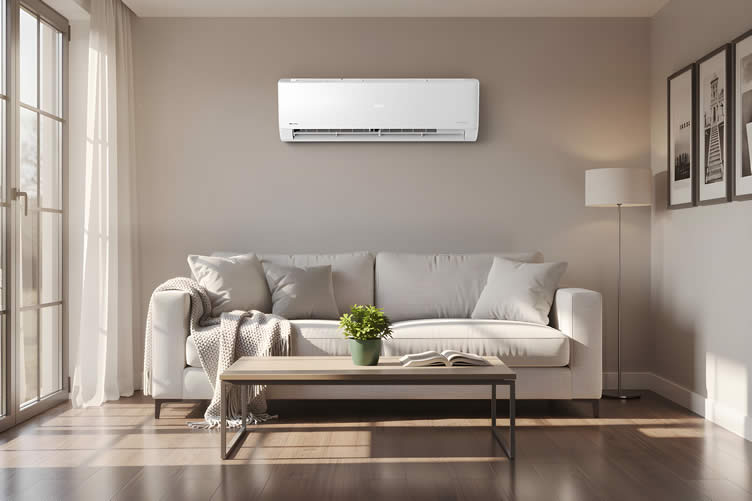
Wall-mounted mini-split units are among the most popular and widely used options for supplemental heating and cooling.
These systems are typically installed high on a wall to maximize air circulation while maintaining a discreet presence in your space.
Pros:
- Simple and cost-effective installation
- Excellent for both residential and small commercial spaces
- Easy access for cleaning and maintenance
- Wide availability of models with various capacities
Cons:
- Visible appliance may not blend with all interior designs
- May require professional assistance for optimal placement
-
Ceiling Recessed (Cassette) Units
Ceiling recessed, or cassette, mini-split systems are integrated directly into the ceiling for a sleek, unobtrusive appearance. They’re ideal for large open spaces or rooms where wall space is limited.
Pros:
- Minimal visual impact due to recessed installation
- Distributes air evenly across the room with multi-directional airflow
- Suitable for commercial or high-ceiling areas
Cons:
- Requires adequate ceiling space for installation
- Installation complexity may result in higher costs
-
Floor-Mounted Units
Floor-mounted mini-split systems are perfect for spaces with limited wall or ceiling space. These units are installed near the floor, making them well-suited for heating in colder climates, as heat naturally rises.
Pros:
- Ideal for rooms with sloped ceilings or limited wall space
- Easy accessibility for individuals with mobility concerns
- Great for spaces requiring enhanced heating efficiency
Cons:
- Can occupy valuable floor space, impacting furniture placement
- May be less effective for cooling in larger rooms
-
Concealed Duct Units
Concealed duct units are installed within a ceiling, wall, or floor cavity, offering a completely hidden heating and cooling solution. These systems are preferred by homeowners who prioritize aesthetics and seamless integration.
Pros:
- Discreet and invisible design for a clean, modern look
- Can handle multiple zones with centralized ductwork
- Adjustable airflow for enhanced comfort
Cons:
- Installation requires sufficient space behind walls or ceilings
- Typically more expensive than other options due to labor-intensive setup
-
Outside Condenser Units
The outdoor condenser is a critical component of all mini-split systems, working in conjunction with indoor units to regulate temperature.
These external systems vary in size and capacity, tailored to the specific square footage of your home. For multi-zone systems, one condenser often supports multiple indoor units.
Pros:
- Energy-efficient operation thanks to advanced inverter technology
- Suitable for both single-zone and multi-zone applications
- Durable models designed to withstand weather fluctuations
Cons:
- Outdoor placement may affect yard aesthetics
- Requires regular maintenance to ensure long-term performance
- Quick scroll to summary content …
Unit Type Features Pros Cons Wall-Mounted Units Installed high on a wall to maximize air circulation and maintain a discreet presence. Excellent for both residential and small commercial spaces. Simple and cost-effective installation. Provides wide availability of models with various capacities. Easy access for cleaning and maintenance. Visible appliance may not blend with all interiors. Professional assistance required for optimal placement. Ceiling Recessed (Cassette) Units Integrated directly into the ceiling, offering a sleek, unobtrusive appearance. Ideal for large open spaces or rooms with limited wall space. Minimal visual impact. Multi-directional airflow evenly distributes air across the room. Suited for commercial or high-ceiling spaces. Requires adequate ceiling space and complex installation, leading to higher costs. Floor-Mounted Units Installed near the floor, well-suited for spaces with limited wall or ceiling space and for enhanced heating in colder climates. Perfect for sloped ceilings or limited wall space. Accessible for individuals with mobility concerns. Offers great heating efficiency. Can occupy valuable floor space. May be less effective for cooling larger rooms. Concealed Duct Units Installed within a ceiling, wall, or floor cavity, providing a completely hidden heating and cooling solution with seamless integration. Discreet and invisible design for a modern look. Can handle multiple zones with centralized ductwork. Adjustable airflow enhances comfort. Installation requires sufficient space behind walls or ceilings. Higher costs due to labor-intensive setup. Outside Condenser Units Critical component of all mini-split systems, designed to work with indoor units for efficient temperature control. Supports single or multi-zone systems. Energy-efficient operation with advanced inverter technology. Durable models for various weather conditions. Outdoor placement may affect yard aesthetics. Requires regular maintenance for optimal performance. 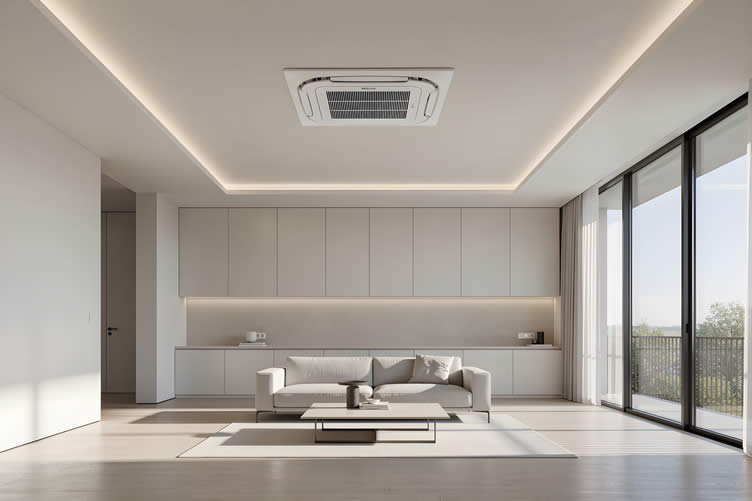
AI generated image by 123rf.com
Mini Splits in Open Floor Plans
Ductless mini splits are an excellent choice for open floor plans due to their ability to enhance comfort and energy efficiency.
Without walls obstructing air circulation, these systems allow conditioned air to flow evenly throughout the space, ensuring a consistent temperature.
Their zoned cooling and heating capabilities also provide flexibility, allowing homeowners to tailor climate control to specific areas.
This makes ductless mini splits a smart, stylish solution for modern home designs.
view ideas: renovating for open concept living(new win)
-
Scroll up to section directory … or scroll to next supporting note …
-
-
2nd: The Installation Process of a Mini-Split System
Installing a mini-split HVAC system is a practical solution for enhancing your home’s comfort.
These versatile units are ideal for homeowners seeking efficient heating and cooling without the need for extensive ductwork.
Mini-split systems offer zoned climate control, allowing you to customize the temperature in individual rooms, thereby optimizing energy usage and minimizing costs.
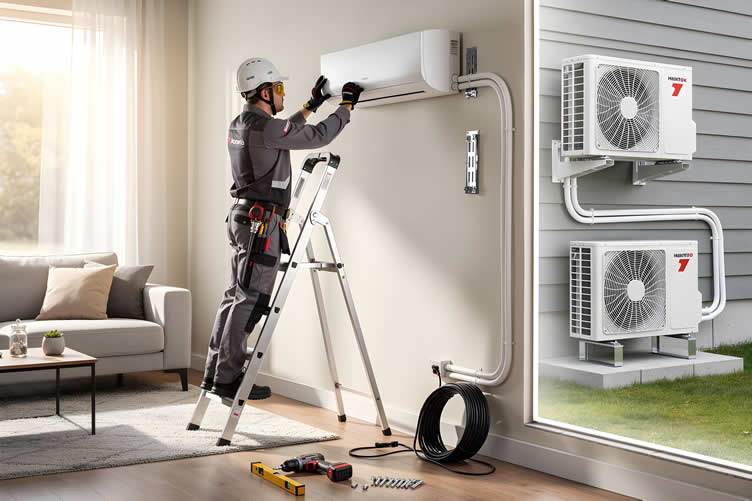
AI generated image by 123rf.com
This guide provides a step-by-step walk-through of the installation process, ensuring clarity and simplicity for users of all skill levels.
Whether you’re a seasoned DIYer or hiring a professional for the project, understanding the installation process helps ensure the system operates efficiently and meets your specific needs.
Following the outlined steps will guarantee a safe and successful setup, while addressing common concerns about the process.
-
Tools and Materials Needed
Before beginning the installation, gather the following tools and materials:
- Mini-split HVAC system (indoor and outdoor units)
- Mounting bracket or support for the indoor unit
- Hole saw and drill
- Screwdrivers and wrench set
- Torque wrench
- Refrigerant line set
- Vacuum pump
- PVC piping for drainage
- Electrical wiring
- Sealant or caulking material
- Stud finder
- Measuring tape
- Ladder
Ensure you have all tools and materials ready to avoid interruptions during the installation process.
-
Planning the System Placement
Proper placement of the mini-split components is crucial for optimal performance. The indoor unit should be installed in a central location within the room, ideally on an exterior wall, for even air distribution.
Use a stud finder to locate wall studs to securely mount the unit. Avoid placing the unit near sources of heat, direct sunlight, or areas prone to obstructions that may impede airflow.
The outdoor unit should be situated in a well-ventilated area, away from debris and direct sunlight. Ensure the unit is mounted on a stable surface, such as a concrete pad or metal brackets, to prevent vibrations and maintain functionality.
Keep in mind that there should be enough clearance around both units, per manufacturer’s recommendations, for servicing and proper airflow.
Illustration: Diagram of ideal indoor and outdoor unit placements, highlighting clearances and airflow paths.
[ view image: diagram]
[ view google diagrams: placement]
-
Installing the Indoor Unit
- Mount the Wall Bracket
Securely attach the mounting bracket to the wall at the predetermined location. Use a level to ensure correct alignment to avoid operational issues. The bracket must support the weight of the indoor unit. - Drill the Access Hole
Drill a 2-3 inch hole through the wall for connecting the refrigerant pipes, electrical wiring, and condensate drain line. Ensure the hole slopes slightly downward toward the outside to facilitate water drainage. - Connect Piping and Wiring
Carefully attach the refrigerant pipes and condensate drain line to the indoor unit. Protect the connections with insulating material to prevent energy loss. Route the electrical wiring through the access hole, ensuring it complies with local electrical codes.
Illustration: Step-by-step visuals of mounting the bracket, drilling the access hole, and connecting the indoor unit components.
[ view image: diagram]
[ view google diagrams: step-by-step]
- Mount the Wall Bracket
-
Installing the Outdoor Unit
- Prepare the Mounting Surface
Place a concrete pad or install mounting brackets on a stable surface. Verify that the unit is level to prevent operational problems and noise. - Connect Refrigerant Lines and Wiring
Attach the refrigerant lines and electrical wiring to the outdoor unit, following the system’s manual for specific instructions. Use a torque wrench to secure the connections to the specified tightness. - Vacuum and Charge the System
Use a vacuum pump to remove air and moisture from the refrigerant lines. After vacuuming, open the service valves to release the refrigerant into the system. This step is critical for achieving energy efficiency and preventing leaks.
Illustration: Visual guide of the outdoor unit setup, demonstrating line connections, vacuuming, and refrigerant charging.
[ view image: diagram]
[ view google diagrams: install outdoor unit]
- Prepare the Mounting Surface
-
Testing and Final Steps
- Inspect the Installation
Double-check all connections, ensuring they are secure and free of leaks. Confirm that the indoor and outdoor units are properly aligned and mounted. - Power On and Test the System
Turn on the power and test the system for functionality. Adjust settings on the remote or thermostat to verify the system heats and cools effectively. Listen for unusual noises that may indicate installation issues. - Seal the Access Hole
Seal the access hole with a suitable caulking material to prevent drafts and pest intrusion. This step also safeguards the system’s efficiency.
Illustration: Example of a properly sealed access point and the final testing phase.
[ view image: diagram]
[ view google diagrams: testing and final steps]
- Inspect the Installation
-
Professional Help and References
While DIY installation is possible for those with moderate technical skills, consulting a licensed HVAC technician is recommended to ensure compliance with local building codes and maximize system efficiency.
For further information, refer to resources like the U.S. Department of Energy (www.energy.gov) and Energy Star guidelines (www.energystar.gov) for best practices.
- Quick scroll to summary content …
Step Description Key Tools/Materials Additional Notes 1. Tools and Materials Needed Gather all necessary tools and materials before starting the installation. Mini-split HVAC system, mounting bracket, hole saw, drill, screwdrivers, torque wrench, refrigerant line set, vacuum pump, PVC piping, electrical wiring, sealant, stud finder, measuring tape, and ladder. Ensures uninterrupted workflow during installation. 2. Planning the System Placement Select optimal locations for the indoor and outdoor units, ensuring proper airflow and accessibility. Stud finder, measuring tape. Follow manufacturer’s clearance recommendations for best performance. 3. Installing the Indoor Unit Mount the wall bracket, drill an access hole, and connect piping, wiring, and the condensate drain line. Mounting bracket, drill, hole saw, refrigerant pipes, electrical wiring, insulating material. Ensure the wall bracket is level and securely attached. 4. Installing the Outdoor Unit Prepare the mounting surface, connect refrigerant lines and wiring, vacuum the system, and charge it with refrigerant. Concrete pad or mounting brackets, torque wrench, vacuum pump, service valves. Proper leveling of the unit prevents noise and operational issues. 5. Testing and Final Steps Inspect connections, power on the system, test functionality, and seal the access hole. Caulking material, thermostat or remote control. Listen for unusual noises and confirm proper heating/cooling performance. Professional Help While DIY installation is an option, consulting licensed HVAC technicians ensures compliance with regulations and optimal system performance. Resources such as U.S. Department of Energy and Energy Star provide additional guidance. 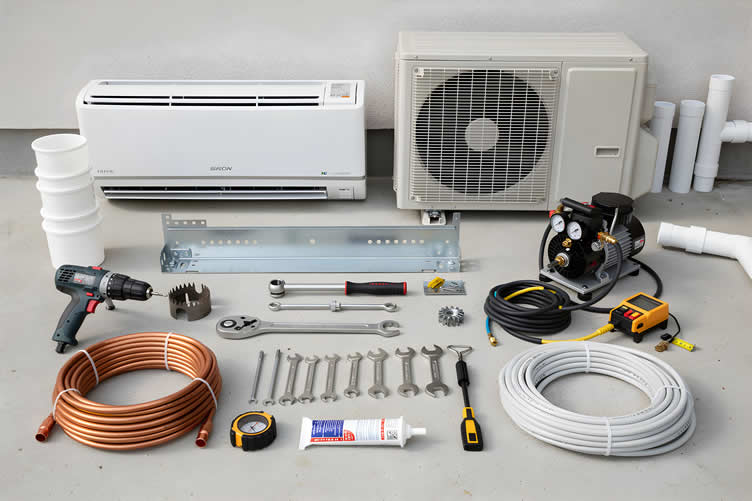
AI generated image by 123rf.com
Building Your DIY Toolkit
A successful DIY project starts with the right tools, and installing a ductless mini-split is no different. A good toolkit saves time and ensures your projects are safe and efficient.
For general home improvements, you’ll need a reliable drill, screwdrivers, a stud finder, and a level.
For specialized tasks like installing a mini-split, a vacuum pump, refrigerant gauges, and a torque wrench are essential.
Investing in quality tools prepares you to tackle various home projects with confidence.
view ideas: complete DIY tool guide(new win)
-
Scroll up to section directory … or scroll to next supporting note …
-
-
3rd: Understanding How Heat Pumps
Mini-split HVAC systems have become a popular choice for homeowners seeking energy-efficient and versatile solutions to regulate indoor climate.
At the heart of these systems lies the heat pump, a remarkable technology that efficiently transfers heat to maintain comfort in varying conditions.
By leveraging advanced methods of heat transfer, mini-split HVAC systems deliver both heating and cooling capabilities while operating quietly and reliably.
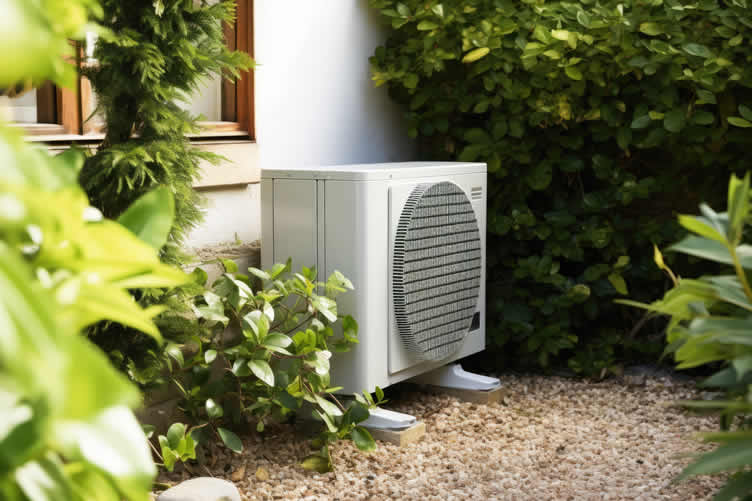
copyright image by 123rf.com
This guide provides an in-depth overview of how heat pumps function within mini-split systems, breaking down complex concepts into digestible information suited for both novices and experienced DIY enthusiasts.
Whether you’re considering a new installation or simply want to better understand the technology behind your current system, this resource will equip you with valuable insights and actionable guidance.
-
What is a Heat Pump?
A heat pump is a device that utilizes refrigerant and a compressor to transfer heat from one place to another.
Depending on the mode—cooling or heating—it can remove heat from your home during hot months or bring heat indoors during colder seasons.
Unlike traditional heating systems, heat pumps do not generate heat but rather relocate it, which is a much more energy-efficient process.
For mini-split HVAC systems, the heat pump works seamlessly to manage indoor temperature across multiple zones.
-
Benefits of Heat Pumps in Mini-Split Systems
Heat pumps in mini-split systems offer several benefits, including energy efficiency, precise temperature control, and the ability to heat and cool individual zones independently.
This makes them ideal for homes of all sizes and configurations, as they eliminate the need for ductwork and allow for greater control over energy use.
Additionally, the environmentally friendly nature of heat pumps aligns with modern sustainability goals, reducing carbon emissions while saving on utility costs.
-
How Heat Pumps Operate in Mini-Split Systems
Heat pumps operate using a cycle of heat exchange facilitated by refrigerant. Here’s a simplified breakdown of the process:
- Heating Mode:
- Outdoor air, even in cold temperatures, contains thermal energy.
- The refrigerant extracts this heat from the air and becomes a high-pressure vapor as it passes through the compressor.
- The vapor then transfers the heat to the indoor air handler, warming your living space.
- Cooling Mode:
- The process is reversed. The refrigerant absorbs heat from indoor spaces, carries it outside, and releases it into the outdoor air.
- This simultaneous removal of heat effectively cools your home.
- Heating Mode:
-
Key Components of a Heat Pump System
The effectiveness of a mini-split HVAC system relies on several core components working in unison:
- Outdoor Unit (Compressor and Condenser):
This is the powerhouse of the system, where the refrigerant is pressurized and heat exchange occurs. - Indoor Unit (Air Handlers):
These units distribute conditioned air into individual zones. Multiple indoor units can connect to one outdoor system for zonal control. - Refrigerant Lines:
These connect the outdoor and indoor units, facilitating the transfer of heat. - Thermostat or Remote Control:
Provides control over settings and scheduling, ensuring optimal comfort.
- Outdoor Unit (Compressor and Condenser):
- Quick scroll to summary content …
Section Description Details What is a Heat Pump? Heat transfer system A device that uses refrigerant and a compressor to relocate heat, either removing it from the home during hot months or bringing it indoors during cold seasons. Operates efficiently to manage temperature across multiple zones. Benefits of Heat Pumps Energy efficiency and control Heat pumps in mini-split systems are energy-efficient, provide precise temperature control, and enable independent zone heating/cooling. They eliminate ductwork, reduce energy use, and contribute to sustainability goals by lowering carbon emissions. Operation Heat exchange process Heating Mode: Outdoor air’s thermal energy is extracted using refrigerant, compressed, and transferred indoors to heat the space. Cooling Mode: Heat is absorbed from indoor air and released outside, cooling the home. Key Components System elements Components include an outdoor unit (compressor and condenser), indoor air handlers for zonal control, refrigerant lines for transferring heat, and a thermostat or remote control for system management. 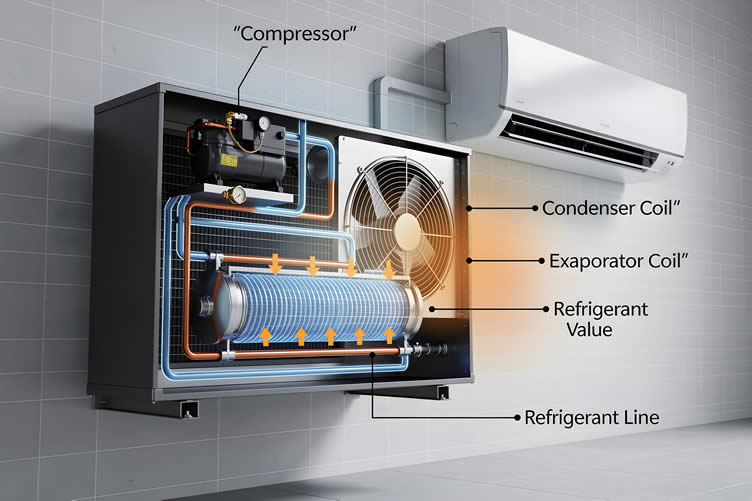
AI generated image by 123rf.com
Where Does Your Home Power Come From?
Your mini-split system runs on the electricity that powers your home, but have you ever wondered where that energy comes from?
Most homes receive power from local utility companies, which generate electricity from sources like natural gas, coal, and nuclear energy, as well as renewable options like solar and wind.
Knowing your energy source helps you understand its reliability and explore greener options, which can improve your home’s efficiency and reduce its environmental impact.
view ideas: mystery behind your home’s power(new win)
-
Scroll up to section directory … or scroll to next supporting note …
-
-
4th: Maintaining Your Mini-Split HVAC System
After installing a mini-split HVAC system, proper maintenance is essential to ensure its longevity, energy efficiency, and effective operation.
Mini-splits are highly efficient when well-maintained but can encounter performance issues if neglected. Regular upkeep ensures the system operates at peak capacity, providing consistent comfort while also reducing energy bills.
Additionally, routine maintenance can help you avoid costly repairs and extend the life of your investment.
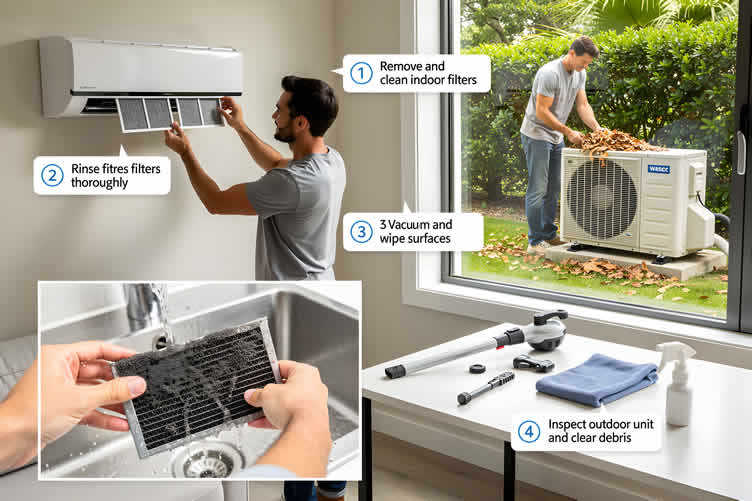
AI generated image by 123rf.com
This note outlines the key steps for maintaining a mini-split HVAC system. From cleaning filters to inspecting outdoor units, you’ll gain the knowledge needed to keep your system in top condition.
By understanding and following these best practices, you can maximize your mini-split’s performance and enjoy uninterrupted comfort throughout the year.
Key Maintenance Practices for Mini-Split HVAC Systems:
-
Cleaning the Air Filters
Clean air filters are critical for the efficient operation of your mini-split HVAC system. Dust and debris can accumulate in the system’s filters, restricting airflow and forcing the unit to work harder, thus increasing energy consumption.
- Frequency:
- Check and clean filters every two to four weeks, especially if your home has pets, high foot traffic, or is located in a dusty environment.
- Steps to Clean:
- Turn off the unit and safely remove the front panel.
- Gently take out the filters and rinse them with warm water.
- Allow the filters to air dry completely before reinstalling them.
- Why This Matters:
- Clean filters improve air quality, ensure consistent cooling/heating, and reduce strain on the unit. According to the U.S. Department of Energy (energy.gov), a clean HVAC system filter can improve energy efficiency by up to 15%.
[ view instructions: how to clean filter ]
- Frequency:
-
Inspecting and Cleaning the Outdoor Unit
The outdoor condenser unit is exposed to weather elements and can accumulate debris, which may hinder proper operation. Ensuring it is clean and free of obstructions will enhance overall system efficiency.
- Inspection Checklist:
- Examine the area around the unit for any leaves, dirt, or debris.
- Ensure at least two feet of clearance around the unit to allow proper airflow.
- Cleaning Steps:
- Turn off the power to the system for safety.
- Use a soft brush or hose with gentle pressure to remove dirt from the condenser fins. Avoid bending the fins.
- Check the drainage system to ensure there are no blockages.
- Expert Tip:
- Schedule a yearly professional inspection to verify the refrigerant levels and fin alignment. Trustworthy sources, like ENERGY STAR® (energystar.gov), recommend partnering with certified HVAC technicians for annual tune-ups.
[ view instructions: how to clean outdoor unit ]
- Inspection Checklist:
-
Checking and Cleaning the Coils
The indoor and outdoor coils of your mini-split system play a vital role in transferring heat. Dirty coils reduce efficiency and may lead to system malfunctions.
- How to Clean Coils:
- Use a coil cleaner spray recommended by your mini-split manufacturer.
- Gently wipe away residue using a soft cloth.
- Maintenance Frequency:
- Check and clean coils every six months or as needed, particularly before and after heavy usage seasons like summer and winter.
- Performance Benefits:
- Clean coils enhance heat exchange, ensuring that your mini-split maintains steady room temperatures effectively.
[ view instructions: how to clean coils ]
- How to Clean Coils:
-
Inspecting the Condensate Drain Line
A clogged condensate drain line can cause water leaks and even damage your mini-split system over time.
- Signs of Blockage:
- Water dripping from the indoor unit.
- Stale odors or mold growth near the system.
- Maintenance Steps:
- Use a wet/dry vacuum or a pipe cleaner tool to carefully remove any blockages.
- Flush the drain line with a mixture of warm water and mild detergent.
- When to Seek Help:
- If clogging persists or the leak is extensive, consult a certified HVAC technician to avoid further complications.
[ view instructions: how to maintain drain line ]
- Signs of Blockage:
-
Scheduling Professional Maintenance
While many maintenance tasks can be done by homeowners, a professional inspection is recommended at least once a year.
Certified technicians can identify hidden issues, check refrigerant levels, and optimize system components to maintain peak performance.
- Choosing a Trusted Professional:
- Look for technicians certified by reputable bodies.
- Why It’s Vital:
- Professional servicing ensures compliance with manufacturer requirements and may be necessary to maintain your system warranty.
- Choosing a Trusted Professional:
-
Final Thoughts
Maintaining your mini-split HVAC system is not only essential for efficient operation but also for ensuring a healthy indoor environment.
With regular cleaning, timely inspections, and occasional professional servicing, you can keep your system running smoothly for years to come. Trustworthy practice, accessible resources, and proactive care are the keys to maximizing the performance of your mini-split system.
Always refer to your system’s user manual for specific guidance, and don’t hesitate to consult professionals for complex maintenance tasks.
- Quick scroll to summary content …
Maintenance Practice Details Importance Cleaning the Air Filters Clean the filters every two to four weeks to remove dust and debris. Turn off the unit, remove and rinse the filters with warm water, allow them to dry completely before reinserting. Improves air quality, ensures consistent cooling/heating, and reduces strain. Clean filters can boost energy efficiency by up to 15%. Inspecting and Cleaning the Outdoor Unit Ensure the area around the outdoor condenser unit is clear of leaves, dirt, and debris. Use a soft brush or gentle water pressure to clean the fins and check the drainage system. Enhances system efficiency by maintaining proper airflow. Recommended to schedule a professional inspection annually for refrigerant levels and fin alignment. Checking and Cleaning the Coils Clean the indoor and outdoor coils using a manufacturer-recommended coil cleaner spray and a soft cloth. Check and clean every six months or before and after heavy usage seasons. Ensures effective heat exchange, maintaining consistent room temperatures and system efficiency. Inspecting the Condensate Drain Line Check for clogs indicated by water leaks or odors. Clear blockages using a wet/dry vacuum or pipe cleaner and flush with warm water and detergent. Prevents water damage and maintains system integrity. Seek professional help for persistent clogging or extensive leaks. Scheduling Professional Maintenance Have a professional inspect the system annually to identify hidden issues, check refrigerant levels, and optimize components. Ensures compliance with manufacturer requirements, maintains warranty, and guarantees peak performance. 
AI generated image by 123rf.com
Keeping Your Home in Top Shape
Maintaining your home involves more than just occasional repairs—regular upkeep ensures everything runs smoothly and helps avoid costly surprises.
For instance, your HVAC system should be serviced twice a year to ensure optimal performance, especially before the heating and cooling seasons.
Plumbing and electrical systems, along with your yard, roof, and other critical elements, require periodic inspections too, ranging from seasonal to annual checkups depending on their usage and wear.
That’s why having a comprehensive maintenance calendar and checklist is essential.
It keeps you on track, ensuring nothing is overlooked, and helps protect the comfort, functionality, and value of your home year-round.
view ideas: home maintenance calendar(new win)
[ view/print PDF: home maintenance calendar]
[ view/print PDF: home trim and molding to encase mini-split]
-
Scroll up to section directory …
-
-
-
ideas to view and compare from the information discussed above
Scroll up to directory … or scroll to next section about multi-split for multiple rooms …

Easily determine the dimensions you need for any home remodeling project …
… ensuring functionality, visual appeal, and compliance with building codes.



Download this PDF for a concise summary of everything you need to know about …?



… remodeling decisions


Budgeting Worksheet For Costing Home Remodeling and Home Improvement Decisions
 File Type (excel)





… home remodeling – improvement – repair
Find HVAC Services Air Conditioning Central Heating Ducts & Vents Insulation Thermostats Water Heaters top-rated, pre-screened local contractors FREE: download contractor selection enter zip code – powered by HomeAdvisor ™
Quick Contractor Guides selecting negotiating working with inspecting

fifth and last “photo remodeling” idea


AI generated image by 123rf.com
Section 5: Multi-Split HVAC Systems: Climate Controls
Notes:
-
When it comes to keeping your entire home or multiple rooms comfortable year-round, multi-split HVAC systems provide a state-of-the-art solution. These systems offer the flexibility to cool or heat individual rooms independently, making them perfect for households with varied climate preferences or unique architectural layouts.
Unlike traditional HVAC systems, multi-split systems operate more efficiently by allowing you to control temperatures in specific zones, ultimately reducing energy waste and lowering utility bills.
However, installing a multi-split HVAC system requires expertise to ensure proper functionality and efficiency. This is where a professional HVAC contractor becomes essential.
From determining the right system size and configuration for your home to managing complex electrical and refrigerant connections, an experienced contractor ensures a seamless installation process.
By working with a trusted expert, you can enjoy the full benefits of your multi-split system, including optimized performance, energy savings, and long-lasting reliability.
-
Quick scroll to supporting notes …
-
-
1st: Multi-Split HVAC Systems and Their Applications
Multi-split HVAC systems have gained significant popularity in modern home improvement and energy-efficient setups due to their flexibility and ability to maintain comfort in several rooms simultaneously.
Unlike single-split systems that cater to one room or zoned area, multi-split systems can connect multiple indoor units to a single outdoor unit, making them ideal for heating or cooling multiple spaces within a home or office.
Their design offers an excellent solution to those seeking a balance between efficiency, customization, and advanced temperature control.
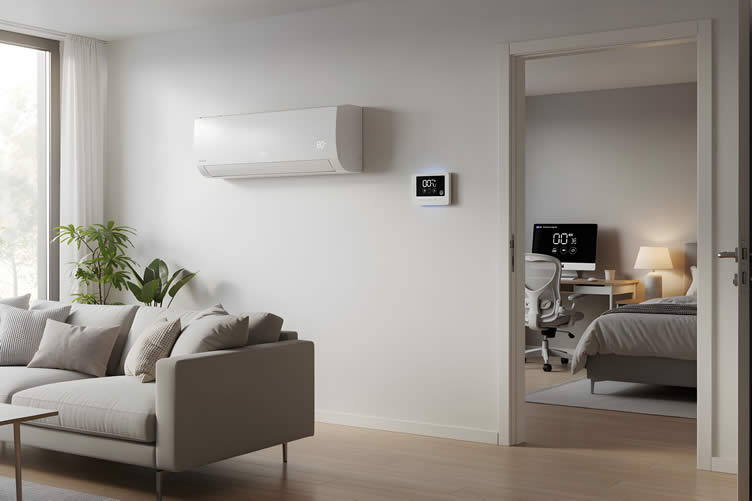
AI generated image by 123rf.com
These systems are particularly well-suited for households that seek individualized climate control for different rooms, as well as for properties where ductwork installation might be impractical or costly.
From retrofitting older homes to optimizing energy usage in newer constructions, multi-split HVAC systems cater to a variety of setups.
Below, we’ll explore how these systems work, their unique benefits, and key considerations for effective installation.
-
Efficient Heating and Cooling for Multiple Rooms
A multi-split system connects one outdoor compressor unit to several indoor air-handling units. By distributing refrigerant through small piping to each indoor unit, the system can effectively regulate the temperature in various rooms independently.
Each indoor unit typically features its own thermostat, allowing precise control over individual spaces without impacting other zones in the home, which ensures energy efficiency without sacrificing comfort.
For instance, you can set cooler temperatures in a kitchen while maintaining a warmer climate in a bedroom, tailoring each indoor environment to its specific function.
This zoning ability makes multi-split systems highly adaptable, meeting the needs of diverse occupants in the home or different operational environments in offices.
-
Key Advantages of Multi-Split Systems
- Space-Saving Design
Multi-split systems eliminate the need for bulky ductwork, making them an excellent choice for homes with limited space or architectural constraints. The sleek indoor units are mounted on walls or ceilings, blending seamlessly into most decor styles. - Cost and Energy Savings
With the ability to heat or cool specific rooms as needed, multi-split systems prevent energy wastage associated with traditional HVAC systems. Modern models come with advanced inverter technology that adjusts the compressor speed to match cooling or heating demand, resulting in lower energy bills. - Quiet Operation
Designed with sound-dampening technology, multi-split systems operate significantly quieter than conventional HVAC units, creating a more peaceful living or working environment.
- Space-Saving Design
-
Applications of Multi-Split Systems
Multi-split systems are ideal for a range of properties, including:
- Homes with multiple rooms where residents have varying temperature preferences.
- Retrofit projects in older properties where duct installation is challenging or ruins the aesthetic.
- Mixed-use buildings like offices with shared spaces and private rooms requiring different climate control settings.
- Energy-efficient renovations focused on reducing electricity usage without compromising comfort or functionality.
By understanding the functionality and practical advantages of multi-split HVAC systems, homeowners can make informed decisions about their heating and cooling needs.
Whether you’re embarking on a renovation project or upgrading your current system, keep these insights in mind to achieve a comfortable, energy-efficient, and stylish indoor experience.
- Quick scroll to summary content …
Content Section Description Key Points Introduction Multi-split HVAC systems are becoming popular for modern energy-efficient homes and offices. They offer the flexibility to heat or cool multiple rooms using one outdoor unit connected to multiple indoor units. Ideal for maintaining comfort across several spaces, suitable for retrofitting older homes, and efficient for energy usage in new constructions. How Multi-Split Systems Work One outdoor compressor unit is connected to multiple indoor units via small refrigerant pipes. Each indoor unit has an independent thermostat, providing individual control over room temperatures. Efficient temperature zoning for each room, independent temperature control, and better energy efficiency without compromising comfort. Key Advantages of Multi-Split Systems These systems are space-saving, energy-efficient, and provide quiet operation, blending seamlessly into different decor styles while reducing costs. No ductwork required, advanced inverter technology minimizes energy wastage, and sound-dampening features ensure low noise levels. Applications Useful for diverse properties, including residential homes, offices, and mixed-use spaces. Perfect for locations where duct installation is impractical. Suitable for retrofit projects, energy-efficient renovations, and properties with varying temperature preferences in different spaces. 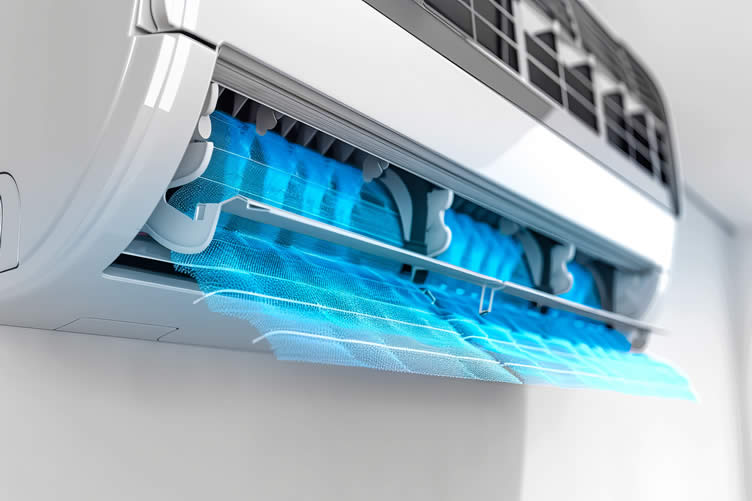
copyright image by 123rf.com
Sustainable Solutions for a Greener Future
When it comes to eco-living, making sustainable choices for your home can result in significant energy savings while fostering a healthier environment.
Multi-split systems, for example, provide an efficient way to heat and cool your home, reducing energy waste and lowering utility bills.
Coupled with other eco-friendly projects such as upgrading insulation or incorporating smart energy systems, these solutions not only enhance your comfort but also support an eco-conscious lifestyle.
By investing in green home improvements, you’re contributing to a more sustainable future for both your family and the planet.
view ideas: creating eco-friendly homes(new win)
-
Scroll up to section directory … or scroll to next supporting note …
-
-
2nd: Whole-Home Multi-Split HVAC Systems
Modern homeowners are increasingly turning to innovative and efficient solutions to meet their climate control needs.
A multi-split HVAC system, also known as a ductless mini-split system, offers a versatile alternative to traditional ducted HVAC systems. This technology allows you to heat and cool your entire home with individualized temperature control for each room or zone.
Whether you’re considering replacing an outdated ducted system or seeking a more energy-efficient option for a new build, a multi-split HVAC system presents numerous benefits worth exploring.
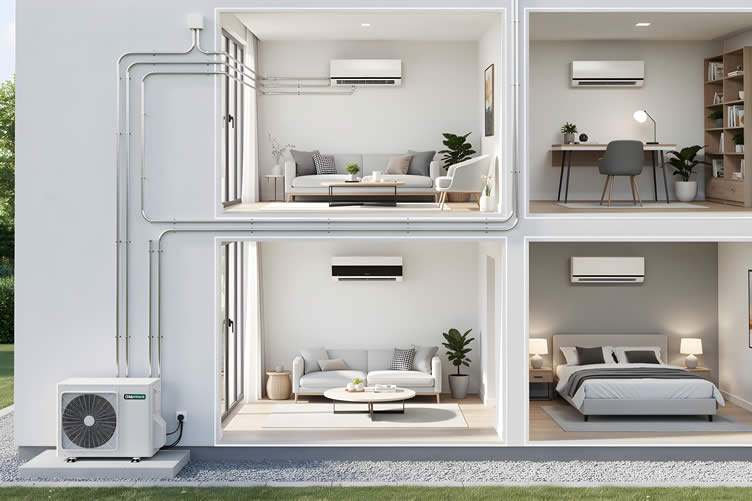
AI generated image by 123rf.com
By eliminating the need for extensive ductwork, these systems not only improve energy efficiency but also simplify the installation process, making them suitable for both large and small homes.
With advancements in design and functionality, multi-split systems have become more accessible for a wide range of users, from budget-conscious homeowners to those seeking luxury climate control.
The following section will examine how these systems work for whole-home applications, explore their advantages and disadvantages, and provide insights to help you determine if this option fits your specific needs.
-
How Multi-Split HVAC Systems Work for Whole-Home Applications
Multi-split HVAC systems use multiple indoor air-handling units connected to a single outdoor compressor unit. Each indoor unit is installed in a specific room or zone, allowing for tailored temperature control in different areas of the home.
These systems operate by transferring heat between the indoor and outdoor units using a refrigerant.
During cooling, heat is absorbed from indoor air and released outside. During heating, the process is reversed, pulling heat from the outdoor air—even in colder climates—and distributing it indoors.
This zoning capability is a significant advantage for whole-home use. You can set different temperatures for each zone based on individual comfort preferences or usage patterns, such as maintaining a cooler temperature in bedrooms while keeping living areas warm.
Unlike ducted systems, which often lose energy through leaks in the ductwork, multi-split systems deliver conditioned air directly to the desired space, boosting efficiency and reducing utility costs.
-
Pros of Using a Multi-Split HVAC System for the Entire Home
- Energy Efficiency
Multi-split systems utilize inverter technology to adjust compressor speed based on the required cooling or heating load, improving energy efficiency compared to traditional systems. According to the U.S. Department of Energy, ductless systems can save up to 30% on energy use due to the elimination of duct losses. - Customizable Comfort
Homeowners can create personalized comfort zones by setting different temperatures for each room. This feature is ideal for families with varying preferences or homes with areas that naturally heat or cool unevenly due to sun exposure or insulation quality. - Ease of Installation
The installation of a multi-split system is less invasive than ducted systems, as it only requires a small hole in the wall for the connection between indoor and outdoor units. This makes it a popular choice for retrofitting older houses or adding climate control to newly finished basements or attic spaces. - Improved Indoor Air Quality
Multi-split systems often include advanced air filtration technologies that reduce allergens, dust, and pollutants. Without ductwork to harbor debris, these systems can contribute to cleaner indoor air.
- Energy Efficiency
-
Cons of Using a Multi-Split HVAC System for the Entire Home
- Upfront Installation Costs
The initial cost of purchasing and installing a multi-split system can be higher than a traditional ducted system, especially for large homes requiring multiple indoor units. - Aesthetic Considerations
While modern designs have improved, some homeowners may find the indoor units less visually appealing compared to hidden ductwork. However, wall-mounted and ceiling-mounted options exist to blend the units into various decor styles. - Maintenance and Repairs
While they generally require less maintenance than ducted systems, multi-split systems may need regular servicing, such as cleaning filters and ensuring refrigerant levels are optimal. Repairing individual units can also add to overall costs over time. - Capacity Limitations
Each outdoor unit has a finite capacity, and adding too many indoor units can overburden the system. For very large homes with numerous rooms, multiple outdoor units may be necessary, increasing complexity and expense.
- Upfront Installation Costs
-
Is a Multi-Split HVAC System Right for Your Home?
Choosing a multi-split HVAC system depends on your specific needs, budget, and home layout.
For homeowners looking to improve energy efficiency, eliminate ductwork, and enjoy tailored room-by-room comfort, these systems offer an excellent solution.
When planning for your project, consider consulting with an HVAC professional who can assess your home’s heating and cooling requirements and recommend the right system size and configuration.
Additionally, look for systems with ENERGY STAR certification to maximize energy savings and qualify for potential rebates (EnergySage, n.d.).
By ensuring your HVAC solution aligns with your home’s unique needs, you can transform your living space into an energy-efficient, comfortable sanctuary while potentially increasing property value.
Whether you’re planning a full renovation or simply upgrading outdated equipment, a well-researched decision will pay dividends in performance and satisfaction.
- Quick scroll to summary content …
Feature Description Benefits Considerations Energy Efficiency Multi-split systems use inverter technology to adjust compressor speed based on cooling or heating needs, reducing energy consumption compared to traditional systems. Improves energy efficiency by up to 30%, reduces utility costs by eliminating duct losses. Initial costs may be higher, requiring careful budget consideration before installation. Customizable Comfort Systems allow individual temperature control in different zones or rooms, tailoring comfort to personal preferences and reducing uneven heating or cooling. Ideal for families with varying needs or homes with differing heating/cooling requirements due to environmental factors. Requires multiple indoor units for larger homes, which can increase overall cost. Ease of Installation Installation is less invasive, requiring only a small hole in the wall for the connection between indoor and outdoor units. Perfect for retrofitting older homes or adding climate control to finished spaces like basements or attics. May require consultation with professionals to ensure proper setup and system sizing. Improved Indoor Air Quality Includes advanced air filtration technologies to reduce allergens, dust, and pollutants, and avoids debris build-up in ductwork. Contributes to cleaner air and promotes a healthier home environment. Regular servicing, such as cleaning filters, is necessary to maintain optimal air quality and system efficiency. Capacity Limitations Outdoor units have finite capacity and can become overburdened if too many indoor units are connected. Efficiently serves small to medium-sized homes with appropriate capacity planning. Large homes may require multiple outdoor units, increasing complexity and costs. 
copyright image by 123rf.com
Smart Home Automation
If you’re considering a whole-house ductless multi-split HVAC system, elevate your home’s efficiency and convenience by integrating it with smart home automation.
Smart thermostats can seamlessly manage your home’s heating and cooling needs, adapting to your daily schedule and preferences to optimize energy usage.
Additionally, automating other elements such as lighting, appliances, and energy-saving systems creates a cohesive and eco-friendly living environment.
With these tools, you can enjoy both comfort and control at your fingertips, while reducing energy waste and enhancing your home’s overall functionality.
view ideas: how to set up your smart home(new win)
-
Scroll up to section directory … or scroll to next supporting note …
-
-
3rd: Why You Should Hire a Certified HVAC Contractor
… for your ductless system installation
Installing a ductless mini- or multi-split HVAC system is an excellent way to achieve energy-efficient, customizable climate control in your home.
However, proper planning and installation are critical to ensuring your system runs efficiently and meets your specific needs. This is where a certified HVAC contractor comes in.
Hiring a knowledgeable professional helps you avoid costly mistakes and ensures your system is designed and installed to match your home’s size, layout, and unique requirements.
-
What an Experienced HVAC Contractor Can Offer:
- Expert System Sizing:
Properly assesses your home’s cooling and heating needs to recommend the correct system capacity. - Customized Solutions:
Suggests layouts and configurations that work best for your home’s design and lifestyle. - Energy Efficiency Optimization:
Ensures the system is set up to achieve maximum efficiency, saving you money on energy bills. - Compliance with Regulations:
Handles the installation in alignment with local building codes and manufacturer guidelines. - Seamless Installation:
Provides a professional, clean, and timely setup, avoiding potential issues like refrigerant leaks or system inefficiencies. - Comprehensive Testing:
Verifies the system is functioning correctly and explains how to use it effectively. - Warranty Protection:
Ensures your installation complies with warranty requirements, protecting your investment. - Post-Installation Support:
Offers ongoing maintenance and troubleshooting services to keep your system running smoothly.
Finding an experienced HVAC contractor starts with thorough research and asking the right questions. Look for certified professionals with strong customer reviews, licensing, and relevant certifications, such as NATE (North American Technician Excellence).
Additionally, seek recommendations from trusted sources or directories like the ACCA (Air Conditioning Contractors of America).
A professional contractor not only ensures a smooth installation but also provides peace of mind, maximizing the long-term benefits of your ductless HVAC system.
- Expert System Sizing:
LetsRenovate has partnered with HomeAdvisor™, a renowned provider of highly-rated, carefully-vetted HVAC contractors. Start your search here by choosing the type of contractor you need and entering your zip code to find local professionals.
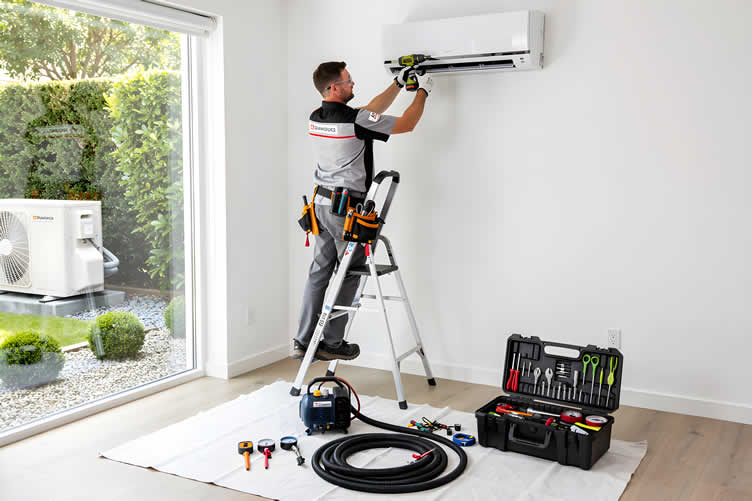
AI generated image by 123rf.com
But Wait!
Before you start searching for an HVAC contractor to install your mini-split system, we recommend downloading and using our evaluation worksheet.
This resource will help you objectively rank and assess potential contractors based on essential factors like pricing, licensing, and referrals.

Evaluation Sheet
File Type:-
Scroll up to section directory … or scroll to conclusion and references …
-
-
-
Conclusion:
… making the right choice for your home’s comfort future
Ductless mini-split systems are a reliable and versatile solution for homeowners, especially for older homes, converted spaces, or rooms that are always too hot or too cold.
With zoned control, high efficiency, better air quality, and flexible design, they offer long-term savings and a compelling solution for those problem rooms you’ve been tolerating. Installation is also much less disruptive than adding traditional ductwork, making it an easier and more accessible option than you might think.
If you’re ready to learn more, schedule a consultation with a licensed HVAC professional. They can evaluate your space, recommend the right-sized system, and guide you through local incentive programs. A properly installed system can provide comfortable and efficient climate control for years to come.
Resources & Citations:
- Mighty Ducts HVAC. "Ductless Mini-Splits Advantages."
https://www.mightyductshvac.com/… - Indoor Temp. "Benefits of a Ductless Mini-Split System."
https://indoortemp.com/… - Aire Serv. "Pros and Cons of Ductless Heating and Cooling."
https://www.aireserv.com/… - Rewiring America. "What Is a Mini-Split?"
https://homes.rewiringamerica.org/… - Premier Air Colorado. "The Advantages of Ductless Mini-Split Systems."
https://premieraircolorado.com/… - Iceberg Heat and Air. "Should I Purchase Ductless AC?"
https://www.icebergheatandair.com/… - Greenwood Heating. "Benefits of Ductless Mini-Split Systems."
https://greenwoodheating.com/… - Atlas Butler. "Benefits of a Ductless Mini-Split System."
https://atlasbutler.com/… - Mitsubishi Comfort. "Mini-Split Advantages."
https://www.mitsubishicomfort.com/…
- Mighty Ducts HVAC. "Ductless Mini-Splits Advantages."
-
ideas to view and compare from the information discussed above
- What comments can you share about
ductless mini-split systems?
Scroll up to directory … or scroll to more home utility-related topics …



Are there any other interesting topics that might have been overlooked but could offer valuable insights …?





… view our home remodeling guides and steps

Calendar For:
Home Maintenance
File Type:
… view our sharing links below for a quick "share the knowledge"
Cover image credit: ductless mini-split systems by 123rf.com
end of post … please share it!
 |
did you find the review of ductless mini-split systemshelpful? If so, please share the article with your friends and family! |
Nice pic idea? Leave us a quick comment below.
And please share this pic idea within your social networks.