But what happens when this vital system is neglected? Ignoring regular HVAC system maintenance can lead to big headaches. This means higher energy bills, unexpected breakdowns, and even poor indoor air quality.
Proactive HVAC care is key to avoiding these costly problems. It’s more than just a chore; it’s a smart investment in your home. Regular upkeep keeps your system running smoothly and efficiently. It ensures your home stays comfortable and your system lasts longer.
In this extensive guide, we will dive deep into HVAC system maintenance. We’ll explore its importance for your home’s comfort and efficiency.
We will cover what tasks you can do yourself and when to call a qualified professional. Get ready to learn how to save money, improve your indoor air, and extend the life of your HVAC system for years to come.
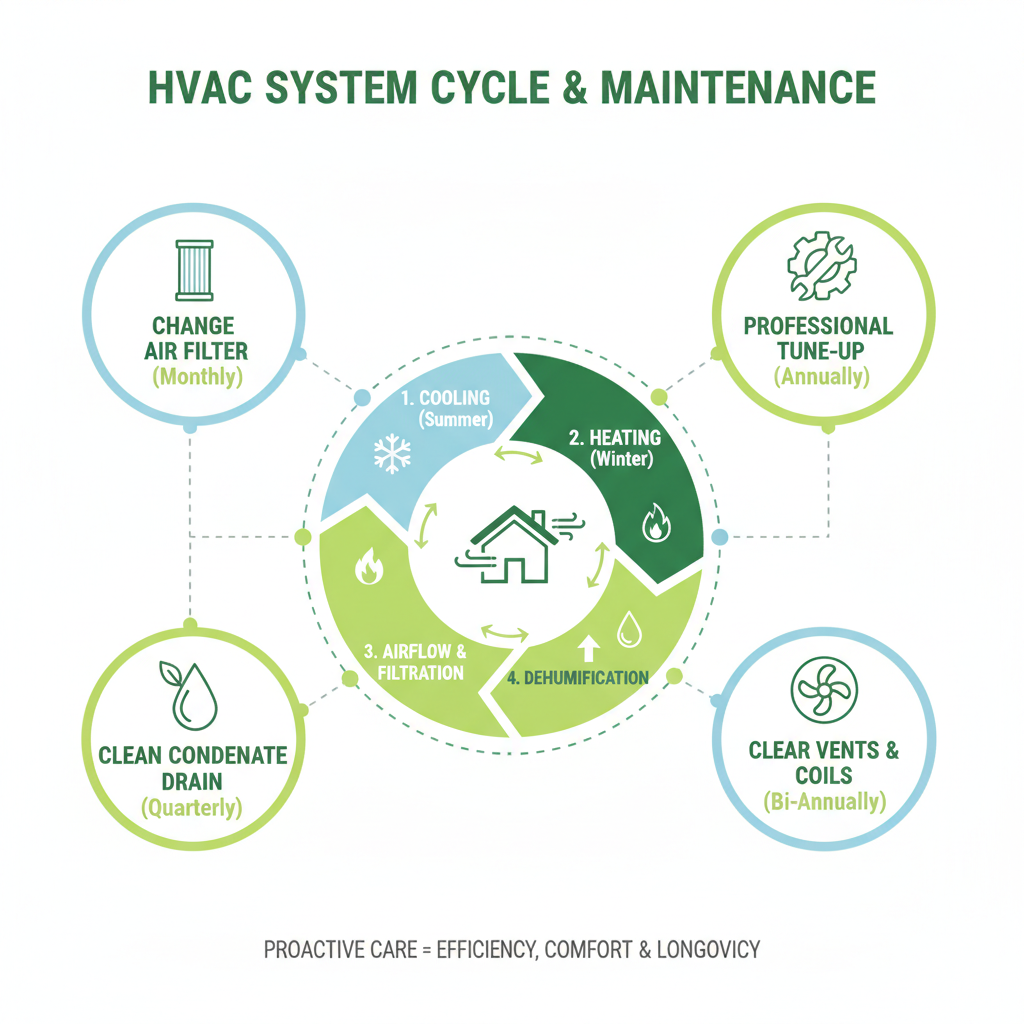
Investing time and effort into maintaining your HVAC system yields a multitude of advantages that extend far beyond simply keeping your home at a comfortable temperature. These benefits collectively contribute to a more efficient, healthier, and cost-effective living environment.
- post content
- Lower Energy Bills and Improved Efficiency
- Extended Equipment Lifespan and Fewer Breakdowns
- Improved Indoor Air Quality and Home Comfort
- Protecting Your Investment and Warranty Coverage
- A Practical Guide to HVAC Maintenance: DIY vs. Professional Tasks
- Seasonal Maintenance and System-Specific Needs
- The Role of the Thermostat in Efficiency and Maintenance
- Recognizing Trouble: Signs Your HVAC System Needs Attention
- Frequently Asked Questions about HVAC Maintenance
- conclusion
- view tables:content summaries
- view notes:collective tips
- view ideas:latest remodeling analysis
Lower Energy Bills and Improved Efficiency
One of the most immediate and impactful benefits of regular HVAC maintenance is the reduction in energy consumption and, consequently, lower utility bills. An HVAC system that isn’t properly maintained has to work harder to achieve the desired temperature, leading to increased energy usage.
For instance, organizations can save 5-20% annually on energy bills simply by following operations & maintenance (O&M) best practices.
Consider the impact of common issues:
- Dirty Condenser Coils:
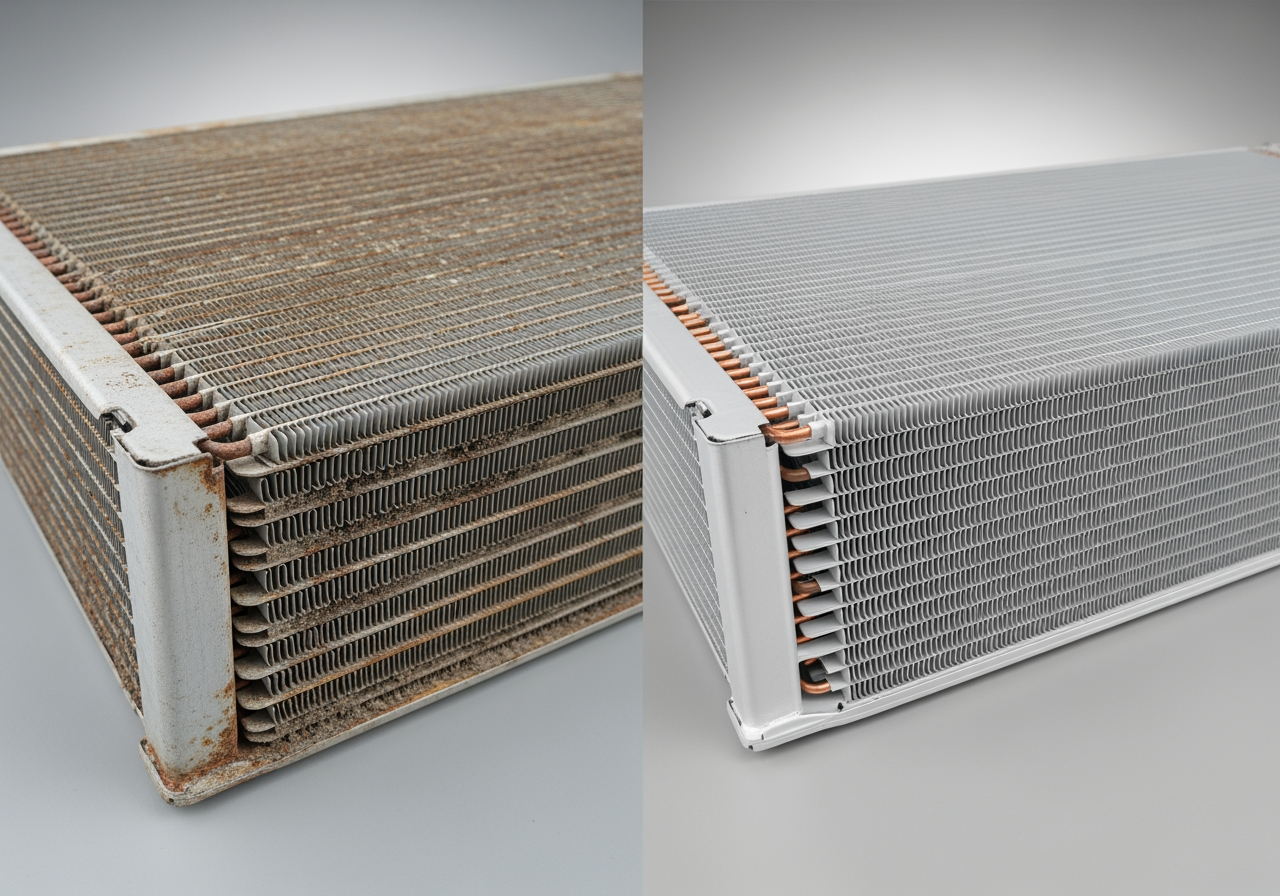
A dirty condenser causes air conditioning to use up to 10 to 20% more energy than usual. These coils, located in your outdoor unit, are crucial for releasing heat. When caked with dirt and debris, their ability to dissipate heat is severely hampered, forcing the compressor to run longer and consume more power. - Clogged Filters:
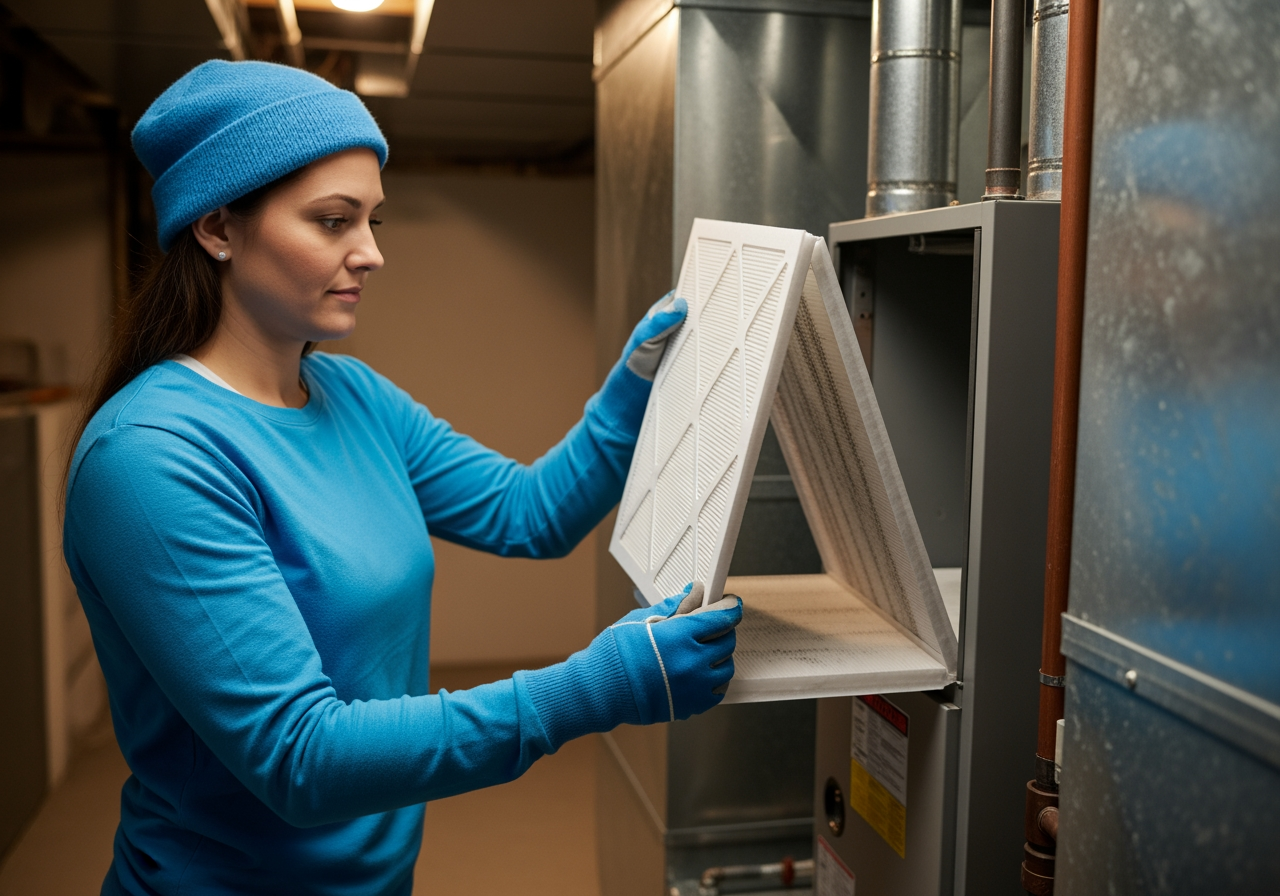
A dirty air filter restricts airflow, making your system strain to pull air through. Replacing your air filter every 1-3 months improves airflow and indoor air quality while reducing strain on your system. - Airflow Problems:
When filters are clogged, ducts are dirty, or parts are worn, the system must work harder, increasing energy consumption and utility bills. When cleaned, significant energy savings are seen, with reductions in fan/blower energy consumption ranging from 41% to 60%. In fact, airflow problems can reduce your system’s efficiency by up to 15 percent.
These inefficiencies are not just minor inconveniences; they represent significant energy waste. It’s estimated that 30% of all energy used in buildings is wasted, and the HVAC system accounts for a substantial 40% of energy consumption in an office building, a figure that often mirrors residential usage patterns.
By keeping your system clean and well-tuned, you ensure it operates at its peak efficiency, minimizing its environmental footprint and maximizing your savings.

Extended Equipment Lifespan and Fewer Breakdowns
Your HVAC system is a significant investment in your home, and like any complex machinery, its longevity depends heavily on consistent care. Regular maintenance acts as a preventive measure, addressing minor issues before they escalate into major, costly repairs.
Preventive maintenance can avoid up to 95% of breakdowns. This statistic highlights the power of proactive care in safeguarding your equipment.
Without routine check-ups, small component wear and tear can go unnoticed, leading to a domino effect of failures. A slightly misaligned part can cause excessive friction, leading to premature motor burnout. A refrigerant leak, if left unaddressed, can severely damage the compressor, often the most expensive component to replace.
By identifying and rectifying these issues early, we effectively extend the operational life of your entire system, delaying the need for a complete replacement and protecting your initial investment. Think of it as ensuring all the gears in a complex clock are turning smoothly, preventing any single gear from seizing and bringing the whole mechanism to a halt.
Improved Indoor Air Quality and Home Comfort
The air we breathe indoors can often be more polluted than the air outside. The number of pollutants in the air is 2 to 5 times higher in indoor air compared to outdoors. These pollutants include dust, pet dander, pollen, mold spores, and various airborne chemicals. Your HVAC system, particularly its filtration component, plays a crucial role in managing these contaminants.
However, a neglected system can become a breeding ground for these issues rather than a solution. Clogged and dirty air filters, for example, not only impede airflow but also become less effective at trapping pollutants, allowing them to recirculate throughout your home.
This can exacerbate allergies, trigger asthma symptoms, and generally diminish the healthiness of your indoor environment. Regular filter replacement and duct cleaning are vital for maintaining superior indoor air quality.
Beyond air quality, maintenance ensures consistent home comfort. A well-maintained system provides uniform heating and cooling across all rooms, eliminating hot and cold spots.
It also manages humidity levels more effectively, preventing the stuffy feeling of excessive moisture in summer or the dry discomfort of winter. This holistic approach to indoor climate control contributes significantly to the overall well-being and comfort of your household.

What Does HVAC Mean? Why HVAC is a Vital Component for Your Home
Understanding a home HVAC (Heating, Ventilation, and Air Conditioning) system is essential for ensuring comfort, energy efficiency, and proper indoor air quality in your living space.
Protecting Your Investment and Warranty Coverage
Your HVAC system comes with a manufacturer’s warranty, a crucial safeguard against unexpected component failures. However, these warranties almost universally stipulate that regular, professional maintenance is a condition for coverage.
Neglecting routine service can, in many cases, void your warranty, leaving you financially responsible for repairs that would otherwise be covered.
Maintaining a documented service history is therefore not just good practice; it’s a necessity. This record proves that you have adhered to the manufacturer’s specifications and taken proper care of the equipment.
When it comes time for a repair claim, or even when you’re selling your home, a comprehensive maintenance log provides peace of mind and demonstrates the system’s reliability. It’s an assurance that your significant investment is protected, and that you won’t be caught off guard by unexpected out-of-pocket expenses due to a technicality.
A Practical Guide to HVAC Maintenance: DIY vs. Professional Tasks
Effective HVAC maintenance involves a combination of tasks homeowners can comfortably handle themselves and more complex procedures that require the expertise of a qualified professional. Understanding this distinction is key to keeping your system running optimally and safely.
-
Essential DIY HVAC Maintenance Tasks for Homeowners
Empowering yourself with basic HVAC maintenance knowledge can save you money and keep your system running smoothly between professional visits. These tasks are generally straightforward and require minimal tools, but always prioritize safety by turning off the power to your unit before beginning any work.
- Air Filter Replacement:
This is arguably the most important DIY task. Replacing your air filter every 1-3 months improves airflow and indoor air quality while reducing strain on your system. The frequency depends on factors like pets, allergies, and household dust levels. A clean filter is crucial for both efficiency and air quality.
- Cleaning the Outdoor Unit:
Your outdoor condenser unit can accumulate leaves, grass clippings, dirt, and other debris. Regularly clear away any obstructions from the top and sides of the unit. Ensure vegetation is trimmed back at least two feet to allow for adequate airflow. - Clearing Debris from Coils:
Gently rinse the outdoor condenser coils with a garden hose to remove accumulated dirt. Be careful not to bend the delicate fins. - Checking the Condensate Drain:
In cooling mode, your system produces condensation. This water drains away through a condensate line. Periodically check this line for clogs (often caused by algae or mold) and clear them with a stiff wire brush or a mixture of vinegar and water. A clogged drain can lead to water leaks and system shutdowns. - Inspecting Vents:
Ensure that all supply and return vents inside your home are unobstructed by furniture, rugs, or drapes. Blocked vents restrict airflow, making your system work harder. - Thermostat Checks:
Regularly check your thermostat settings to ensure they align with your comfort preferences and energy-saving goals. For programmable or smart thermostats, verify that schedules are correctly set. Replace batteries annually in non-hardwired thermostats.
These simple, routine tasks can significantly impact your system’s efficiency and prevent common issues.
- Air Filter Replacement:
-
Professional HVAC Maintenance: Tasks Best Left to the Experts
While DIY efforts are valuable, certain aspects of HVAC maintenance demand the specialized tools, training, and knowledge of a certified professional. Attempting these tasks yourself can be dangerous, lead to further damage, or even violate regulations.
- Refrigerant Level Checks:
Refrigerant is the lifeblood of your cooling system. Too much or too little can severely impact performance and efficiency. Only a trained technician can accurately measure refrigerant levels and identify leaks, which are illegal to simply “top off” without repair. - Electrical Connection Tightening:
HVAC systems contain numerous electrical components and connections. Loose wiring can lead to inefficient operation, system failure, or even fire hazards. Professionals inspect and tighten all electrical connections, ensuring safe and reliable operation. - Motor Lubrication:
Many older HVAC systems have motors that require periodic lubrication. Technicians know which parts need oiling and how to apply it correctly to reduce friction and prevent premature wear. - Deep Coil Cleaning:
While you can rinse the outdoor coils, professional deep cleaning of both evaporator (indoor) and condenser (outdoor) coils removes stubborn grime that homeowners cannot reach. This ensures optimal heat transfer. - Ductwork Inspection and Sealing:
Professionals can inspect your entire ductwork system for leaks, disconnections, and obstructions. In a typical house, about 20 to 30 percent of the air that moves through the duct system is lost due to leaks, holes, and poorly connected ducts. Sealing these leaks is critical for efficiency. - Burner Assembly and Heat Exchanger Inspection (Furnaces):
For gas furnaces, technicians inspect the burner flames for proper color and shape and clean the burner assembly. Crucially, they inspect the heat exchanger for cracks, which can lead to dangerous carbon monoxide leaks into your home. - System Calibration and Performance Testing:
Professionals use specialized diagnostic tools to calibrate your system, ensuring all components are working in harmony. They perform performance tests to measure airflow, temperature differentials, and pressure, identifying any subtle inefficiencies.
For these complex jobs, find a qualified local professional. A thorough tune-up, like the kind provided through Courson HVAC maintenance services, covers these critical safety and performance checks, ensuring your system operates at its best.
- Refrigerant Level Checks:
Seasonal Maintenance and System-Specific Needs
Optimal HVAC performance isn’t a one-size-fits-all, year-round affair. It requires a strategic approach that adapts to the changing seasons and the unique demands of different system types.
-
Preparing Your System for Summer and Winter
The most effective way to ensure your HVAC system is ready for peak demand is through pre-season maintenance. Scheduling these check-ups before extreme temperatures hit can prevent inconvenient breakdowns and ensure maximum efficiency when you need it most.
- Spring AC Tune-Up:
Before the summer heat arrives, typically in late winter or early spring, schedule a professional tune-up for your air conditioning system. This allows technicians to clean coils, check refrigerant levels, inspect electrical connections, and ensure all components are ready for the cooling season. This proactive step helps your AC run efficiently and prevents issues when it’s working hardest. - Fall Furnace Check:
Similarly, in late summer or early fall, before the heating season kicks in, have your furnace or heating system inspected. This service includes checking the heat exchanger for cracks, cleaning burners, inspecting the ignition system, and verifying safety controls. A fall check ensures your heating system operates safely and effectively throughout the colder months.
Pre-season preparation not only optimizes performance but also helps you avoid the rush. HVAC contractors are busiest during the peak of summer and winter when systems are most likely to fail. By scheduling maintenance beforehand, you often get more flexible appointment times and ensure your system is robustly prepared for the challenges ahead.

Combating Indoor Air Pollution for Better Home Improvement
We tend to associate air pollution primarily with exhaust fumes or industrial emissions, but the truth is, that the air inside our homes can be just as tainted, if not more so. This post analysis aims to shed light on both outdoor and indoor air pollution, emphasizing the critical need for better air quality in our homes.
- Spring AC Tune-Up:
-
Maintenance for Different HVAC Systems
While many maintenance principles apply broadly, different HVAC system types have specific needs that require custom attention:
- Central Air Conditioners:
These systems primarily focus on cooling. Maintenance focuses on refrigerant levels, compressor health, condenser and evaporator coil cleanliness, and fan motor operation. - Furnaces (Gas, Oil, Electric):
Heating-specific maintenance is paramount here. For gas and oil furnaces, inspecting the heat exchanger for cracks (a potential source of carbon monoxide), cleaning burners, and checking gas connections are critical safety and efficiency tasks. Electric furnaces require inspection of heating elements and electrical connections. - Heat Pumps:
These versatile systems provide both heating and cooling by moving heat. Their unique component, the reversing valve, which switches between heating and cooling modes, needs regular checks. Since they run year-round, heat pumps often require more frequent professional check-ups (e.g., twice annually) to ensure optimal performance in both seasons. - Ductless Mini-Splits:
These systems, popular for zoned heating and cooling, have indoor and outdoor units. Their indoor units feature washable filters that homeowners can clean regularly. However, professional cleaning of the indoor evaporator coil (which can get moldy) and checking refrigerant lines are still essential.
Understanding your specific system type allows for targeted maintenance, addressing its unique vulnerabilities and ensuring its components are functioning correctly for its intended purpose.
- Central Air Conditioners:
The Role of the Thermostat in Efficiency and Maintenance
Often overlooked, the thermostat is the brain of your HVAC system, dictating when and how it operates. Its proper functioning is integral to both energy efficiency and system longevity.
- Thermostat Settings:
Simply setting your thermostat correctly can significantly impact energy consumption. For instance, setting it a few degrees higher in summer and lower in winter when you’re away or asleep can yield substantial savings. - Programmable and Smart Thermostats:
These devices take efficiency a step further. Programmable thermostats allow you to set schedules that align with your daily routine, automatically adjusting temperatures. Smart thermostats, with features like remote access, learning capabilities, and energy usage reports, can optimize your system’s performance even further. They can contribute to the 5-20% annual energy savings organizations see by following O&M best practices, by ensuring the system only runs when truly needed. - Calibration:
Over time, thermostats can lose their accuracy, leading to your system running more often than necessary or failing to reach desired temperatures. A professional can calibrate your thermostat to ensure it’s providing accurate readings and controlling your HVAC system precisely. - Battery Replacement:
For battery-powered thermostats, annual battery replacement is a simple DIY task that prevents unexpected system shutdowns. - Proper Placement:
The location of your thermostat is crucial. It should be on an interior wall, away from direct sunlight, drafts, and heat-generating appliances, which can cause inaccurate readings and inefficient operation.
Regularly checking, programming, and maintaining your thermostat is a small effort with a big payoff in terms of comfort and energy savings.
Recognizing Trouble: Signs Your HVAC System Needs Attention
Even with diligent maintenance, HVAC systems can develop issues. Being attuned to the subtle (and not-so-subtle) cues your system provides can help you identify problems early, preventing them from escalating into major breakdowns. Here are some common red flags:
- Strange Noises:
While some operational sounds are normal, grinding, squealing, banging, hissing, or rattling noises are indicators of a problem. These could signal a loose belt, a failing motor, a refrigerant leak, or an issue with the blower fan. - Unusual Odors:
A burning smell might indicate an electrical issue or dirty components. A musty smell often points to mold growth in the evaporator coil or ductwork. A strong gas smell, especially near a furnace, is a serious safety concern requiring immediate professional attention. - Rising Utility Bills:
If your energy bills suddenly spike without a corresponding increase in usage or changes in weather, it’s a strong sign that your HVAC system is losing efficiency and working harder than it should. - Inconsistent Heating or Cooling:
Hot and cold spots in your home, or a system that struggles to reach the set temperature, indicate an underlying issue. This could be due to duct leaks, a refrigerant problem, a faulty thermostat, or an undersized system. - Poor Airflow:
Weak airflow from your vents can be caused by a clogged filter, blocked ducts, a failing blower motor, or issues with the fan. Reduced airflow directly impacts your comfort and the system’s ability to condition your home effectively. - Frequent Cycling:
If your system turns on and off too frequently (short cycling) or runs continuously for extended periods, it’s a sign of inefficiency or a malfunction. This can be caused by an incorrectly sized unit, a faulty thermostat, or a refrigerant issue. - Water Leaks:
Puddles or drips around your indoor unit or near the outdoor unit (when not in defrost mode for heat pumps) often indicate a clogged condensate drain line, a frozen evaporator coil, or a damaged drip pan. These leaks can lead to water damage and mold growth.
When you notice these red flags, it’s time to schedule a diagnostic service. A comprehensive approach to Clean Air HVAC system maintenance can identify the root cause, from simple fixes to more complex repairs, preventing a small issue from becoming a major expense.
For local, professional service, see Clean Air HVAC system maintenance. Addressing these signs promptly can save you from costly emergency repairs and restore your home’s comfort and efficiency.

Overcoming Challenges in Implementing Fault Detection and Diagnostics: Best Practices for Success
Modern home HVAC systems are complex and tightly integrated machines. When they malfunction, it can be difficult to pinpoint the exact cause. However, with the implementation of Fault Detection and Diagnostics (FDD), it becomes easier to identify and address these issues promptly.
Frequently Asked Questions about HVAC Maintenance
We often encounter common questions from homeowners regarding the nuances of HVAC maintenance. Here, we address some of the most frequent inquiries to provide further clarity.
-
How often should I have my HVAC system serviced?
The general recommendation for professional HVAC maintenance is at least once a year. However, for optimal performance and efficiency, many experts suggest twice-a-year servicing:
- Spring for Cooling:
Schedule a tune-up for your air conditioning unit in late winter or early spring, before the cooling season begins. This ensures it’s ready to handle the summer heat efficiently. - Fall for Heating:
Have your furnace or heating system inspected in late summer or early fall, before the colder weather sets in. This prepares it for safe and effective operation during winter.
Factors such as the age of your system, high usage (e.g., if you run your system almost continuously), the presence of pets, or living in an area with significant dust or pollen can warrant more frequent checks.
Additionally, if you have a heat pump, which operates year-round for both heating and cooling, twice-a-year maintenance is particularly crucial. The climate you live in also plays a role; systems in extreme climates endure more stress and may benefit from more vigilant maintenance schedules.
- Spring for Cooling:
-
What is the average cost of an HVAC tune-up?
The cost of an HVAC tune-up can vary widely based on several factors, including your geographic location, the type of system you have (furnace, AC, heat pump, boiler), the age and condition of your equipment, and the specific services included in the tune-up. Some companies offer basic checks, while others provide comprehensive multi-point inspections and cleaning.
Many HVAC companies offer maintenance plans or service agreements, which often include annual or semi-annual tune-ups at a reduced rate, along with other benefits like priority service and discounts on repairs.
While there’s an upfront investment, these plans can lead to significant long-term savings by improving efficiency and preventing costly breakdowns. It’s always advisable to obtain quotes from a few reputable local contractors and compare their service offerings to find a plan that best fits your needs and budget.
-
Can I perform all HVAC maintenance myself?
While there are many essential DIY maintenance tasks you can and should perform, it’s crucial to understand the limitations of homeowner maintenance. Tasks like regularly replacing air filters, keeping outdoor units clear of debris, and checking condensate drains are perfectly suitable for homeowners and contribute significantly to system health.
However, complex procedures involving refrigerant, electrical components, or specialized diagnostics should always be left to qualified HVAC professionals. Attempting these tasks without proper training and tools can pose several risks:
- Safety Hazards:
HVAC systems contain high voltage electricity and, in the case of gas furnaces, combustible fuels. Improper handling can lead to electrical shock, fires, or carbon monoxide leaks. - System Damage:
Incorrect adjustments or repairs can cause further damage to expensive components, leading to more costly repairs down the line. - Warranty Voidance:
As mentioned, many manufacturer warranties require professional servicing. DIY attempts at complex repairs can void your warranty, leaving you responsible for future repair costs. - Environmental Regulations:
Handling refrigerants requires specific certifications due to environmental regulations. Improper release of refrigerants is illegal and harmful to the environment.
Professional expertise ensures that your system is not only running efficiently but also safely and in compliance with all relevant standards. They have the diagnostic tools to identify subtle issues that a homeowner might miss, ensuring comprehensive care.
- Safety Hazards:
other related analysis of interest: (new win)
Conclusion: A Small Investment for Long-Term Peace of Mind
Our HVAC system is more than just a collection of machinery; it’s the heart of our home’s comfort and a significant factor in our daily well-being. From keeping us warm in winter to cool in summer, and ensuring the air we breathe is clean, its role is indispensable.
As we’ve explored, neglecting this vital system can lead to a cascade of problems: soaring energy bills, uncomfortable living spaces, poor indoor air quality, and the dreaded specter of expensive, untimely breakdowns.
The statistics speak for themselves: up to 95% of breakdowns can be avoided with preventive maintenance, and significant energy savings are within reach simply by keeping our systems clean and well-tuned.
The choice is clear: a proactive approach to HVAC maintenance is not an expense, but a wise investment. By performing simple DIY tasks regularly and scheduling professional tune-ups annually, we safeguard our comfort, protect our financial investment, and contribute to a healthier environment.
This small, consistent effort ensures year-round comfort, extends the lifespan of our equipment, and ultimately provides the invaluable peace of mind that comes from a home running smoothly and efficiently. Prioritizing regular HVAC maintenance is simply smart homeownership.
| Summary Table | ||
|---|---|---|
| Topic | Description | Key Data |
| The Importance of HVAC Maintenance | A properly maintained HVAC system ensures home comfort, reduces energy consumption, and prevents unexpected breakdowns. Neglected maintenance often results in higher energy bills, poor air quality, and shorter system lifespan. | 95% of breakdowns can be avoided with preventive maintenance. |
| Energy Efficiency and Cost Savings | Regular maintenance reduces energy waste. Cleaning components like condenser coils and replacing air filters help maintain optimal performance, leading to lower utility bills and reduced operational strain. | 5-20% annual energy savings; dirty coils use 10-20% more energy. |
| Extending Equipment Lifespan | Preventive care addresses small issues before they escalate, helping extend the operational life of HVAC systems. This avoids major repairs or replacements, protecting your long-term investment. | Proper maintenance can delay system replacement, saving significant costs. |
| Indoor Air Quality | Maintenance ensures air filters and ducts stay clean, removing pollutants and allergens. This improves overall health by preventing mold, dust, and contaminants from circulating in the home. | Indoor air quality is 2-5 times worse without regular HVAC care. |
| Warranty Protection | HVAC warranties often require proof of regular service. Skipping routine maintenance risks voiding the warranty, leaving homeowners liable for repair expenses. | Documented service history ensures warranty compliance. |
| Professional vs. DIY Maintenance | Simple maintenance tasks like replacing filters are DIY-friendly, but professional expertise is needed for advanced procedures like refrigerant handling and electrical inspections. | Professionals diagnose deeper issues and ensure compliance with safety standards. |
| Seasonal Preparation | Scheduling pre-season check-ups for summer and winter ensures peak efficiency during extreme weather conditions. Systems are less likely to break down under high demand. | Spring for AC; Fall for heat; reduces peak-time repair delays. |

| Why Maintain HVAC System | ||
|---|---|---|
| Aspect | Description | Impact |
| Lower Energy Bills and Improved Efficiency | Regular maintenance reduces energy consumption by addressing inefficiencies such as dirty condenser coils, clogged filters, or airflow problems. An HVAC system in optimal condition operates with less energy, thereby lowering utility bills. | An efficiently maintained system can save 5-20% annually on energy costs. Dirty coils alone can increase energy usage by up to 20%, while cleaning ducts and filters can enhance airflow and reduce fan energy consumption by 41-60%. |
| Extended Equipment Lifespan and Fewer Breakdowns | Preventive maintenance addresses minor components’ issues before they escalate into significant failures, such as refrigerant leaks or motor burnout. This proactive care ensures smoother operation over time and reduces costly repairs. | Consistent upkeep prevents up to 95% of breakdowns, extending the system’s life span and delaying full replacement, safeguarding the initial investment made on the equipment. |
| Improved Indoor Air Quality and Home Comfort | Regular maintenance, including filter replacements and duct cleaning, minimizes indoor pollutants like dust, pollen, and mold spores, which can degrade air quality and aggravate allergies. It also ensures effective temperature and humidity control for consistent home comfort. | Maintained systems eliminate hot and cold spots, manage humidity better, and enhance indoor air quality by reducing contaminants that can be 2-5 times higher indoors compared to outdoor air. |
| Protecting Your Investment and Warranty Coverage | HVAC warranties typically require regular professional maintenance. Documenting service history ensures compliance with warranty terms and demonstrates proper care of the system. | Adhering to maintenance conditions keeps warranties intact, provides peace of mind, and saves significant repair costs, particularly when making warranty claims or selling the property. |
| HVAC Maintenance: DIY vs. Professional Tasks | ||
|---|---|---|
| Title | Description | Details |
| A Practical Guide to HVAC Maintenance | DIY vs. Professional Tasks | Effective HVAC maintenance requires a mixture of basic homeowner efforts and skilled professional services. Knowing the distinction between these tasks ensures optimal and safe system performance. |
| Essential DIY HVAC Tasks | Tasks Homeowners Can Manage | Homeowners can perform simple maintenance tasks to improve efficiency and longevity of their HVAC systems, such as replacing air filters regularly, cleaning the outdoor unit, and inspecting vents. These steps are cost-effective and help maintain smooth system operation. |
| Air Filter Replacement | Importance of Clean Filters | Replacing air filters every 1–3 months is one of the most critical DIY tasks. Clean filters improve airflow, enhance air quality, and reduce strain on the HVAC system. Frequency depends on environmental factors like pets, allergies, and dust levels. |
| Professional HVAC Maintenance | Tasks Requiring Expertise | Complex tasks such as refrigerant level checks, electrical connection tightening, and deep coil cleaning should be performed by certified technicians. These require specialized tools and knowledge, ensuring safe and efficient system maintenance. |
| Important Professional Services | Ensuring Safety and Efficiency | Tasks like ductwork inspection, heat exchanger checks for furnaces, and system calibration by professionals ensure safety, detect subtle issues, and improve the overall efficiency of the system. |
| Refrigerant Level Checks | Proper Cooling System Function | Technicians measure refrigerant levels to diagnose leaks and ensure proper performance. This process is critical to system maintenance and adheres to regulatory requirements, as leaks must be repaired rather than topped off. |
| Ductwork Inspection | Preventing Air Leakage | Professionals inspect and seal ductwork leaks which can cause 20–30 percent airflow loss. Proper sealing is vital for improving system efficiency and performance in the home’s air distribution. |
| Safety Checks | Carbon Monoxide Prevention | Inspecting the burner assembly and heat exchanger in gas furnaces ensures no cracks are present, preventing dangerous carbon monoxide leaks into the home. Professional oversight is essential for these safety measures. |
| Seasonal Maintenance and System-Specific Needs | ||
|---|---|---|
| Aspect | Details | Importance |
| Seasonal Maintenance and System-Specific Needs | Optimal HVAC performance depends on adapting to seasonal changes and the specific requirements of different system types. | Strategic adjustments ensure year-round efficiency and reliability. |
| Preparing Your System for Summer and Winter | Pre-season maintenance ensures HVAC systems are ready for peak demand during extreme temperatures. This includes inspections and tuning up before heavy use periods. | Prevents breakdowns, maximizes efficiency, and ensures comfort during high-demand seasons. |
| Spring AC Tune-Up | Before summer, schedule a professional air conditioning tune-up to clean coils, check refrigerant levels, inspect electrical connections, and ensure readiness for the cooling season. | Helps the AC system run efficiently and avoids issues during high use, ensuring performance stability. |
| Fall Furnace Check | Before the heating season, have the furnace inspected to check the heat exchanger, clean burners, inspect ignition systems, and verify safety controls. | Ensures safe and effective operation throughout colder months. |
| Pre-season Preparation | Scheduling maintenance before the peak of summer and winter helps secure flexible appointments and guarantees systems are ready for extreme temperatures. | Optimizes performance, avoids delays, and ensures reliability during peak demand. |
| Maintenance for Central Air Conditioners | Focuses on refrigerant levels, compressor health, cleanliness of condenser and evaporator coils, and fan motor operation. | Targets cooling efficiency and prevents operational issues. |
| Maintenance for Furnaces | Safety and efficiency tasks include inspecting the heat exchanger for cracks, cleaning burners, and ensuring proper gas connections. Electric furnaces require heating element and electrical connection checks. | Critical for both safety and effective heating performance. |
| Maintenance for Heat Pumps | These systems require checks for the reversing valve that switches between heating and cooling, as well as overall components. Owing to year-round operation, professional maintenance is recommended twice annually. | Ensures reliable performance for both heating and cooling functions. |
| Maintenance for Ductless Mini-Splits | The indoor units feature washable filters, while professional cleaning of the indoor evaporator coil and checks on refrigerant lines are essential tasks. | Maintains system efficiency and addresses potential mold or buildup issues in evaporator coils. |
| The Role of the Thermostat in Efficiency and Maintenance | ||
|---|---|---|
| Aspect | Description | Importance |
| The Role of the Thermostat | The thermostat is the control center of your HVAC system and plays a critical role in managing its operation, efficiency, and maintenance. | Proper functioning ensures energy savings and system longevity. |
| Thermostat Settings | Adjusting thermostat settings for different seasons and times (e.g., higher in summer, lower in winter when away or asleep) can significantly reduce energy consumption. | Simple adjustments yield substantial energy savings. |
| Programmable and Smart Thermostats | These advanced thermostats enable scheduling and remote management, offering features like learning capabilities and energy usage reports. | Upgrading can enhance efficiency and save 5-20% annually through optimal operation. |
| Calibration | Thermostats may lose accuracy over time, leading to inefficiency. Professional calibration ensures reliable temperature control. | Accurate readings prevent wasted energy and improper system operation. |
| Battery Replacement | For battery-powered models, replacing the battery annually is an easy DIY task to avoid unexpected shutdowns. | Maintains consistency in operation without disruptions. |
| Proper Placement | Thermostats should be installed on an interior wall, away from sunlight, drafts, and heat sources, to ensure precise temperature readings. | Incorrect placement can lead to inefficient system performance and errors. |
| Maintenance Efforts | Regular programming, checking, and upkeep of the thermostat are minimal but yield significant comfort and savings. | Minor efforts lead to big rewards in energy efficiency and comfort. |
| Recognizing Trouble: Signs Your HVAC System Needs Attention | ||
|---|---|---|
| Topic | Description | Details |
| Strange Noises | Noises indicating mechanical issues | Grinding, squealing, banging, hissing, or rattling noises suggest problems like a loose belt, failing motor, refrigerant leak, or blower fan issues. |
| Unusual Odors | Smells hinting at HVAC problems | Burning smells might signal electrical issues or dirty components, while musty odors often indicate mold in the evaporator coil or ductwork. A strong gas smell near the furnace is a serious safety concern needing immediate professional attention. |
| Rising Utility Bills | Unexplained increase in energy costs | A sudden spike in energy bills without increased usage or weather changes is a sign of reduced system efficiency, causing it to work harder than necessary. |
| Inconsistent Heating or Cooling | Uneven temperature regulation | Hot and cold spots or difficulty achieving the set temperature can indicate duct leaks, refrigerant issues, thermostat failure, or an improperly sized system. |
| Poor Airflow | Weak air circulation | Reduced airflow may result from clogged filters, blocked ducts, failing blower motors, or fan problems. This affects home comfort and system efficiency. |
| Frequent Cycling | Irregular system operation | Frequent on/off cycling (short cycling) or continuous operation suggests inefficiency or a malfunction, potentially caused by an incorrect unit size, faulty thermostat, or refrigerant issues. |
| Water Leaks | Moisture buildup around units | Puddles or drips near the indoor or outdoor unit (when not in defrost mode for heat pumps) could point to a clogged condensate drain line, frozen evaporator coil, or a damaged drip pan, leading to water damage or mold growth. |
| Action Steps | Responding to red flags | Noticing these signs requires scheduling a diagnostic service. Clean Air HVAC maintenance can identify root causes and perform repairs, preventing small issues from escalating into major expenses. Contact local professionals for assistance. |
| Frequently Asked Questions | ||
|---|---|---|
| Question | Answer | Additional Notes |
| How often should I have my HVAC system serviced? | The general recommendation is at least once a year. However, for optimal performance, twice-a-year servicing is advised — in spring for cooling systems and in fall for heating systems. This ensures your HVAC system is prepared to handle seasonal demands efficiently. | Factors such as system age, usage frequency, number of pets, and environmental conditions may necessitate more frequent checks. Heat pumps, which operate year-round, especially benefit from biannual maintenance. |
| What is the average cost of an HVAC tune-up? | The cost varies depending on factors like geographic location, system type, equipment condition, and the services included in the tune-up. Comprehensive inspections generally cost more than basic checks, but may offer added value. | Many companies offer maintenance plans that bundle annual or semi-annual tune-ups along with discounts and priority services. Shopping around for quotes from local contractors can help find options that fit your budget. |
| Can I perform all HVAC maintenance myself? | Homeowners can perform essential tasks such as replacing air filters, clearing debris around outdoor units, and checking condensate drains. These are critical for maintaining system health. | More complex tasks involving refrigerants, electrical components, or diagnostics should be handled by professionals to ensure safety, avoid system damage, and maintain warranty validity. Professionals also follow environmental regulations regarding refrigerant handling. |
Find HVAC Services Air Conditioning Central Heating Ducts & Vents Insulation Thermostats Water Heaters top-rated, pre-screened local contractors FREE: download contractor selection enter zip code – powered by HomeAdvisor ™


Image credit: by envato.com
end of post … please share it!
| more photo remodeling |
Jump Over to Our Photo Analysis Center for Ideas on
"Renovating Home"
|__________________________________________________________|
home remodeling surprise
find out where it might go - new win


Helpful article? Leave us a quick comment below.
And please share this article within your social networks.