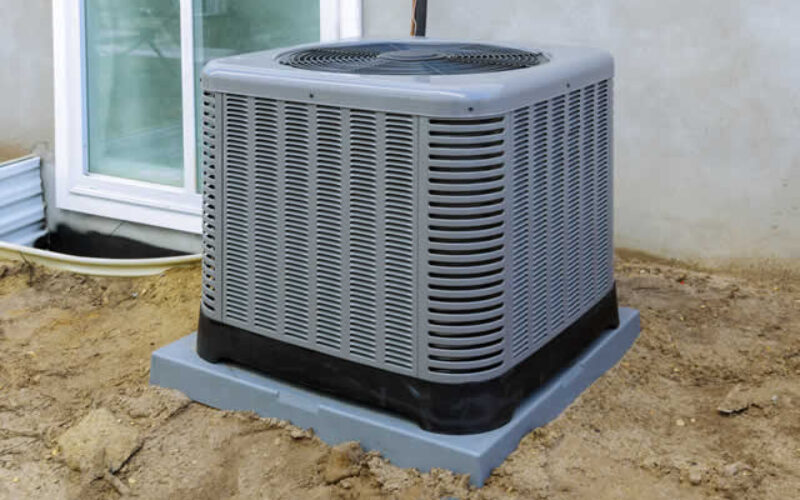
Failure to do that could lead to inefficiency, higher energy costs, and costly repairs. Fortunately, regular maintenance can extend the life of the system and get it to work efficiently.
Being aware of essential maintenance procedures can make a heat pump reliable and efficient years after it’s been installed.
- post content
- 1. Clean or Replace Air Filters Now and Then
- 2. Keep the Outdoor Unit Free of Debris
- 3. Schedule Expert Check-Ups Annually
- 4. Check the Thermostat Settings
- 5. Listen for Strange Sounds or Performance Issues
- 6. Keep the Coils Clean for Maximum Efficiency
- Conclusion
- view key:collective notes
1. Clean or Replace Air Filters Now and Then
Perhaps the simplest and most effective of all heat pump maintenance tips is keeping air filters clean. Over time, dust, dirt, and other impurities accumulate in the filters, restricting airflow and making the system work harder than necessary.

This not only lowers efficiency but also increases energy consumption. It is suggested that filters should be checked monthly and cleaned or replaced when necessary to ensure optimal performance.
Clean filters also safeguard indoor air quality by keeping pollutants and allergens out of the home.

2. Keep the Outdoor Unit Free of Debris
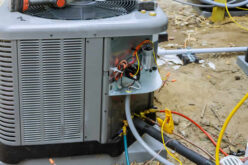
The outdoor unit is crucial for the heat pump to be able to transfer heat efficiently. If leaves, soil, or snow accumulate within the unit, it will cut off air movement and hinder the operation. Avoid this by ensuring space around the heat pump remains free of any obstructions.
Leaves should be cleaned regularly, vegetation should be cut back from the unit, and there needs to be a minimum two-foot clearance around the unit to ensure airflow remains best. In addition, lightly brushing away piled-up snow during extended snowstorms will prevent the formation of ice that may affect the system’s efficiency.
3. Schedule Expert Check-Ups Annually
Maintenance can be done at home, but a professional check-up is essential for long-term performance. Professional HVAC technicians can identify issues that a homeowner may not catch, such as leaks in refrigerant, electrical failure, or worn-out components.
They also perform such operations as lubricating operating parts and adjusting the thermostat to ensure correct accuracy. Homeowners who receive annual tune-ups can detect small problems before they lead to expensive repairs.
People who are in need of reliable maintenance should turn to experts who offer professional heat pump installation services since they have the skills needed to service the system to keep it functioning at its optimum performance.
4. Check the Thermostat Settings
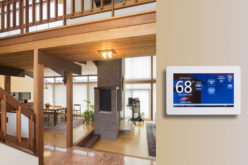
Correctly adjusting the thermostat can make a heat pump more efficiently and extend its lifespan. Heat pumps, as opposed to traditional HVAC systems, work best when maintained at a constant temperature rather than constantly adjusting the settings.
Having a programmable thermostat can help regulate indoor temperatures efficiently, preventing unnecessary strain on the system. During the winter, lowering the thermostat a few degrees when sleeping or away from home conserves energy.
During the summer, keeping it a little higher prevents overworking. Maintaining the thermostat properly also prevents unnecessary cycling that can wear out the system.
5. Listen for Strange Sounds or Performance Issues
A well-maintained heat pump is silent so that any strange sounds could be an indication of an issue. Rattling, grinding, or hissing noises may indicate loose parts, motor problems, or refrigerant leaks.
If the unit is having trouble holding the preferred temperature or cycles constantly on and off, it might be time to call in a professional. Small problems ignored can create greater issues in the future.
Monitoring the heat pump’s performance on a regular basis can allow one to detect possible malfunction earlier, avoiding the shock of sudden breaks down and expensive repairs.

What Does HVAC Mean? Why HVAC is a Vital Component for Your Home
Understanding a home HVAC (Heating, Ventilation, and Air Conditioning) system is essential for ensuring comfort, energy efficiency, and proper indoor air quality in your living space.

6. Keep the Coils Clean for Maximum Efficiency
Condenser and evaporator coils are fundamental parts of a heat pump’s mechanism of heat transfer. Dirt and dust can, in time, accumulate on these coils and result in inefficiency and make it difficult for the system to heat and cool the house effectively.
Coil cleaning once or twice annually can prevent this issue from arising. A soft brush or vacuum may be used to sweep out dirt, with a possible need for professional maintenance to really clean more deep-seated material. A clean coil allows the heat pump to run at optimal efficiency, reducing energy and boosting overall performance.
Conclusion
Routine maintenance is the key to making a heat pump run efficiently after installation. Simple steps such as cleaning filters, clearing debris, and scheduling yearly check-ups can prevent costly repairs and extend the life of the system.
Monitoring thermostat settings and paying attention to unusual noises can catch problems early. A properly maintained heat pump not only adds comfort to the home but also saves energy, making it a smart and long-term investment.
other related analysis of interest: (new win)
Find Home Cooling Services Air Conditioning Cooling Fans Thermostats top-rated, pre-screened local contractors FREE: download contractor selection enter zip code – powered by HomeAdvisor ™


Image credit: maintaining your heat pump by envato.com
end of post … please share it!
| more photo remodeling |
Jump Over to Our Photo Analysis Center for Ideas on
"Renovating Home"
|__________________________________________________________|
home remodeling surprise
find out where it might go - new win


Helpful article? Leave us a quick comment below.
And please share this article within your social networks.