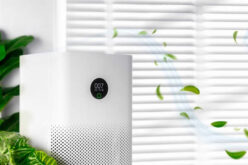
It’s a common frustration for homeowners trying to keep their sanctuary fresh and comfortable. While we often think of temperature control when we hear "HVAC," true home comfort goes much deeper—it’s about the air we breathe.
Many of us rely on standard air conditioning to cool us down, assuming it’s also taking care of the air quality. But did you know there is a difference between cooling air and actually ventilating it?
This is where modern solutions like mini-split systems are changing the game for home comfort. Let’s explore how these systems do more than just change the temperature; they can transform the way your home breathes.
- post content
- Understanding Home Ventilation
- Mini-Split Systems: An Overview
- How Mini-Split Systems Provide True Ventilation
- Benefits of Using Mini-Split Systems for Ventilation
- Installation and Maintenance
- Creating a Healthier Home
- view table:content summary
- view notes:collective tips
- view ideas:latest remodeling analysis
- view post (new win):Guide to Air Purifiers
Understanding Home Ventilation
Before diving into the technology, it helps to understand what "ventilation" really means in the context of a healthy home.
It’s easy to confuse it with simple air circulation—like a ceiling fan moving air around a room—but true ventilation involves the exchange of stale indoor air with fresh outdoor air.
-
What is True Home Ventilation?
True ventilation is the process of refreshing the air inside your home. It involves removing indoor air that may contain pollutants, odors, and excess moisture and replacing it with filtered, fresh air.
In many older HVAC setups, the system simply recirculates the existing air in your house, cooling or heating it over and over. While this changes the temperature, it doesn’t necessarily improve the quality of the air you are breathing.
-
The Benefits of Proper Ventilation
Why does this matter? Because the air inside our homes can actually be more polluted than the air outside.
Everyday activities like cooking, cleaning, and even owning pets release particles into the air. Without proper ventilation, these particulates get trapped.
- Healthier Living:
Fresh air reduces the concentration of airborne viruses, bacteria, and volatile organic compounds (VOCs) from household products. - Comfort:
Proper ventilation helps regulate humidity levels, preventing that clammy feeling in the summer or excessive dryness in the winter. - Odor Control:
It helps whisk away lingering smells from dinner or damp basements, keeping your home smelling neutral and clean.
- Healthier Living:

Mini-Split Systems: An Overview
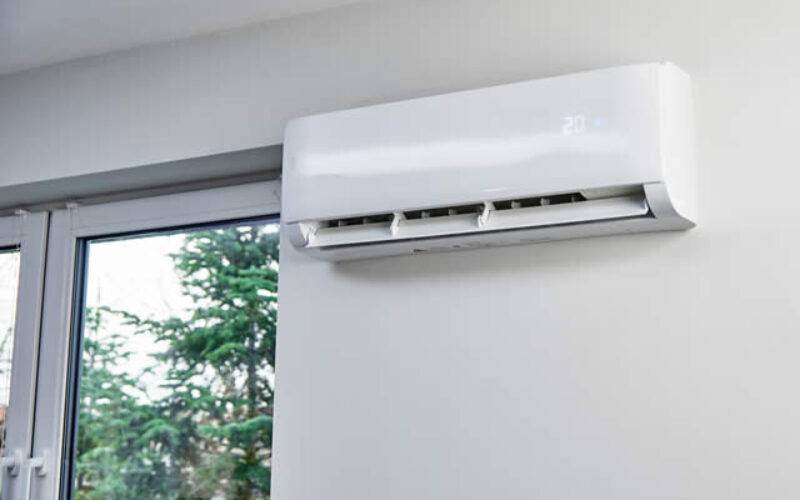
You may have seen these sleek units mounted high on walls in restaurants or modern homes. Mini-split systems, often called ductless heat pumps, are heating and cooling systems that allow you to control the temperatures in individual rooms or spaces.
-
What Are They?
Unlike traditional central air systems that push air through a network of ducts hidden in your walls and ceilings, mini-splits have two main components: an outdoor compressor/condenser and an indoor air-handling unit.
They are connected by a conduit, which houses the power cable, refrigerant tubing, and a condensate drain.
-
How Do They Work?
The beauty of a mini-split lies in its simplicity and efficiency. The outdoor unit absorbs heat energy from the outside air (even in cold weather) and transfers it indoors to heat your home, or reverses the process to cool it.
Because they don’t rely on ducts—where energy loss often occurs—they are incredibly efficient. But their benefits extend far beyond just heating and cooling; they play a pivotal role in how your home "breathes."
what makes up the term HVAC?

What Does HVAC Mean? Why HVAC is a Vital Component for Your Home
Understanding a home HVAC (Heating, Ventilation, and Air Conditioning) system is essential for ensuring comfort, energy efficiency, and proper indoor air quality in your living space.
How Mini-Split Systems Provide True Ventilation
While standard mini-splits are primarily recirculating systems, advanced models and specific installation setups can facilitate true ventilation, bridging the gap between energy efficiency and air quality.
-
Advanced Filtration Features
One of the standout features of mini-split systems is their multi-stage filtration. Unlike the single, often thin filter found in central furnace units, mini-split heads typically come equipped with washable filters that trap dust, allergens, and other particulates.
Some advanced models even feature deodorizing filters and ionization technology to neutralize bacteria and viruses within the recirculated air.
-
Fresh Air Intake Capabilities
This is where the "true ventilation" aspect really shines. Many modern mini-split units, particularly cassette styles (which are mounted in the ceiling), can be equipped with a fresh air intake kit.
This allows the unit to pull in a percentage of fresh outdoor air, filter it, condition it to the right temperature, and then mix it with the indoor air.
This capability is a game-changer. It means you aren’t just cooling the same stale air; you are constantly introducing a fresh stream of oxygenated air into your living space without opening a window and losing your precious cool (or warm) air.
-
Consistent Airflow Management
Traditional systems often blast air for a short period until the thermostat is satisfied, then shut off completely. This "stop-and-go" cycle allows air to become stagnant in between cycles.
Mini-splits use inverter technology to run continuously at lower speeds, maintaining a constant, gentle flow of air. This ensures that filtration is happening constantly, not just when the temperature spikes.
Benefits of Using Mini-Split Systems for Ventilation
Upgrading to a system that prioritizes ventilation offers tangible benefits for your family and your home’s structure.
-
Improved Indoor Air Quality
For families with allergy sufferers or asthma, the difference can be night and day. By continuously filtering out pollen, dust mites, and pet dander, a mini-split system acts as a guardian for your lungs.
The introduction of fresh air dilutes indoor pollutants, creating a healthier environment for everyone.
-
Enhanced Comfort
Have you ever walked upstairs and felt a wall of heat, while the downstairs is freezing? Mini-splits solve this by offering "zoned" comfort.
You can ventilate and cool the kitchen while you cook without freezing out the family watching TV in the living room. The consistent airflow also eliminates hot and cold spots, creating a uniform blanket of comfort.
-
Energy Efficiency and Cost Savings
It might seem counterintuitive that running a system continuously saves money, but it does. Because mini-splits modulate their speed rather than shutting on and off, they use significantly less energy—much like how cruise control on a highway uses less gas than stop-and-go city driving.
Plus, because there are no ducts, you eliminate the energy loss associated with duct leaks, which can account for up to 30% of energy consumption in central systems.
-
Reduced Humidity and Mold Growth
Moisture control is a critical part of ventilation. Excess humidity is a breeding ground for mold and mildew. Mini-split systems are excellent dehumidifiers.
By running for longer periods at lower speeds, they have more time to pull moisture from the air compared to standard AC units. This protects your home’s structure and your health from the dangers of mold.
more info below about indoor air quality

Combating Indoor Air Pollution for Better Home Improvement
We tend to associate air pollution primarily with exhaust fumes or industrial emissions, but the truth is, that the air inside our homes can be just as tainted, if not more so.
Installation and Maintenance
Bringing a mini-split system into your home is a significant improvement project, but it is less invasive than installing new ductwork.
-
Tips for Proper Installation
While you might be a DIY enthusiast, installing a mini-split is best left to professionals. It involves handling refrigerant, electrical work, and precise drilling through exterior walls.
- Location Matters:
Your installer will help you place the indoor units for optimal airflow and aesthetic integration. - Sizing is Key:
A unit that is too big will short-cycle and fail to dehumidify, while a unit that is too small won’t keep up. A professional load calculation is essential.
- Location Matters:
-
Routine Maintenance Tasks
To keep your system providing that fresh, clean air, a little TLC goes a long way.
- Clean the Filters:
Most mini-splits have easy-access filters. Pop them out once a month, rinse them in the sink, let them dry, and put them back. It’s a five-minute task that keeps efficiency high. - Clear the Outdoor Unit:
Ensure the outdoor compressor is free of leaves, snow, or overgrown shrubs so it can breathe freely.
- Clean the Filters:
-
When to Seek Professional Help
An annual tune-up is recommended. A technician will check refrigerant levels, clean the internal coils (which can get moldy if neglected), and ensure the condensate drain is clear.
This small investment protects the longevity of your system.
Creating a Healthier Home
We invest so much in making our homes look beautiful, but the invisible element of air quality is just as important for our quality of life. True home ventilation isn’t just a luxury; it’s a key component of a healthy, happy living environment.
Mini-split systems offer a sophisticated solution that bridges the gap between energy-efficient temperature control and superior air quality.
By filtering pollutants, managing humidity, and introducing fresh air, they allow your home to breathe as freely as you do. If you are looking to upgrade your comfort, exploring ductless technology might be the breath of fresh air your home needs.
other related analysis of interest: (new win)
Is Your Yard a Swamp? Master Your Home Drainage System
Should You Move or Improve? The Rise of “Stay-Put Renovations”
| Aspect | Details | Benefits |
|---|---|---|
| True Home Ventilation | Refreshing the air inside a home by removing indoor air containing pollutants, odors, and moisture, and replacing it with filtered, fresh outdoor air. | Improves air quality by reducing pollutants, regulates humidity, and enhances overall comfort. |
| Mini-Split Systems Overview | Heating and cooling systems comprising an outdoor compressor/condenser and an indoor air-handling unit, connected via a conduit. | Provide zoned comfort, eliminate energy losses from ducts, and offer continuous airflow for consistent temperature and air quality management. |
| Features for Ventilation | Include advanced filtration for dust and allergens, fresh air intake kits, and inverter technology for continuous, gentle airflow. | Improve indoor air quality, enhance comfort through consistent airflow, and reduce humidity to prevent mold growth. |
| Installation and Maintenance | Professional installation required to ensure correct sizing and placement. Routine tasks include cleaning filters and clearing the outdoor unit. | Ensures efficient operation, protects system longevity, and maintains optimal air quality with minimal effort. |

Find HVAC Services Air Conditioning Central Heating Ducts & Vents Insulation Thermostats Water Heaters top-rated, pre-screened local contractors FREE: download contractor selection enter zip code – powered by HomeAdvisor ™


Image credit: ventilation with mini-split systems by envato.com
end of post … please share it!
| more photo remodeling |
Jump Over to Our Photo Analysis Center for Ideas on
"Renovating Home"
|__________________________________________________________|
home remodeling surprise
find out where it might go - new win


Helpful article? Leave us a quick comment below.
And please share this article within your social networks.