Summary Outline –
Choosing the appropriate duster for each area transforms this routine chore into a manageable task. High ceilings demand different solutions than low baseboards, and delicate decor requires gentler treatment than sturdy shelves.
Understanding the strengths of each dusting tool helps you build an efficient cleaning arsenal that addresses every surface with confidence.
This comprehensive guide explores the evolution of dusting technology, examines the science behind modern materials, and provides practical recommendations for matching tools to specific cleaning challenges.
Whether you’re tackling cobwebs in vaulted ceilings or dust bunnies under appliances, you’ll discover which dusters deliver professional-grade results without unnecessary expense or effort.
- post content … analysis/ choosing the right duster
- 1st: Evolution Of Home Dusting Tools And Techniques
- 2nd: Exploration of Microfiber Technology for Surface Maintenance
- 3rd: Natural Fibers Versus Synthetic Disposable Dusters
- 4th: High Reach Solutions For Elevated Home Surfaces
- 5th: Specialized Cleaning Tools for Narrow and Hard-to-Reach Gaps
- 6th: Vacuum-Based Dusting Systems
- 7th: Matching The Right Duster To Your Home’s Specific Needs
- conclusion
- other home utility management topics

-
- —— begin first topic ——
-
1st Review: Evolution Of Home Dusting Tools And Techniques
This breakthrough led to the development of specialized synthetic fibers designed specifically for dust capture, fundamentally changing how effectively homes could be maintained.
Modern dusting tools incorporate advanced materials science, ergonomic design principles, and adaptable features that address diverse household cleaning challenges.
Telescoping handles extend reach without ladders, pivoting heads navigate awkward angles, and washable components reduce waste while maintaining performance. These innovations reflect a deeper understanding of both particle behavior and practical homeowner needs, according to cleaning industry research published by professional janitorial organizations.
The shift toward reusable, efficient dusting systems also aligns with growing environmental awareness among consumers.
Disposable options still serve specific purposes, but many households now prefer durable tools that deliver consistent results across multiple cleaning sessions while minimizing environmental impact and long-term costs.
- Quick scroll to summary content …
Category Traditional Methods Modern Innovations Environmental Impact Tools Used Cloth rags and feather dusters, which often redistributed dust rather than capturing it. Specialized synthetic fibers designed to attract and hold microscopic particles through static charge. Shift towards durable, reusable tools that minimize waste and align with environmental awareness. Techniques Shaking dusty cloths outdoors or observing dust particles resettle onto cleaned surfaces. Advanced materials science, ergonomic designs, and adaptable features such as telescoping handles and pivoting heads. Reduction in disposable tools usage, leading to lower environmental footprint and reduced long-term costs. Effectiveness Limited effectiveness due to the redistribution of dust rather than removal. Improved dust capture and cleaning efficiency through innovations that consider particle behavior and practical homeowner needs. Consistent performance across multiple uses while maintaining environmental consciousness. 

copyright image by 123rf.com
Outdoor Pollution: What You Need to Know
Dusting is key to maintaining clean indoor air, as it removes allergens, pollutants, and dust mites that can affect your health.
However, outdoor pollution also plays a significant role in your home’s air quality. Pollen, smog, and vehicle emissions can find their way inside through open windows, doors, or even on your clothes.
For a healthier home, it’s wise to combine regular dusting with other strategies like using air purifiers, sealing drafts, and adding houseplants to naturally filter the air.
view ideas: combating indoor air pollution(new win)
-
Scroll up to directory … or scroll to next section about choosing the right duster …


-
-
2nd Review: Exploration of Microfiber Technology
… for surface maintenance
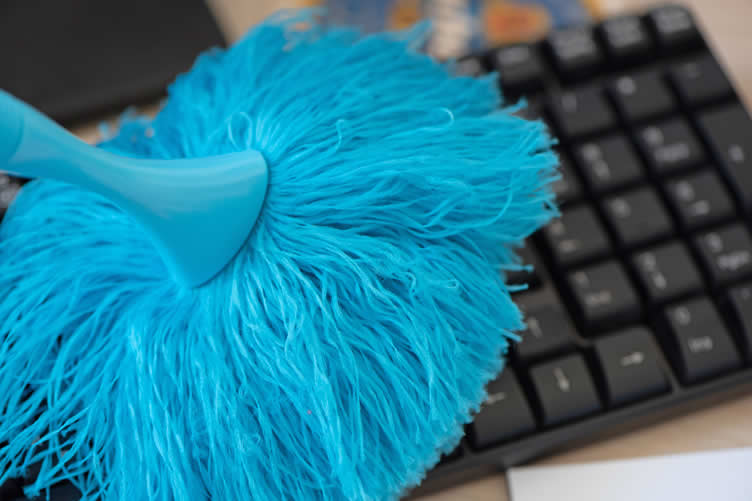
Microfiber technology has completely transformed the way we tackle surface cleaning and maintenance, proving essential in both professional settings and everyday residential use.
These innovative tools are specifically designed to deliver exceptional dust removal performance, thanks to the fine, densely packed fibers that effectively trap dirt, dust, and small particles without spreading them around.
Their versatility allows them to be used on a wide range of surfaces, from delicate furniture to hard-to-reach spaces, making them an invaluable addition to modern cleaning routines.

copyright image by 123rf.com

Furthermore, microfiber dusters are highly efficient, often requiring less effort and fewer cleaning products, which not only saves time but also reduces environmental impact.
Their eco-friendliness, combined with their ability to consistently provide superior results, has made them a popular choice for homes and businesses alike.
Let’s take a closer look at how these tools work and explore the many benefits they bring to cleaning and maintenance practices.
-
What Makes Microfiber Unique?
Microfiber dusters are crafted from synthetic fibers, typically blends of polyester and polyamide, which are split into ultra-fine strands—often thinner than a single strand of human hair.
This unique structure creates millions of microscopic hooks that allow the duster to attract and trap dust particles through electrostatic forces.
Unlike traditional dusting methods, microfiber tools effectively lock in debris without generating excess friction or requiring chemical cleaners. This makes them ideal for preserving the integrity of delicate surfaces while ensuring a residue-free finish.
-
Effectiveness Across Surface Types
One key advantage of microfiber dusters lies in their ability to perform exceptionally well on a variety of surfaces. The electrostatic charge generated by their fibers enables efficient cleaning of delicate items such as electronics, glass, and polished wood.
These surfaces are often susceptible to scratches or streaks when cleaned with conventional methods, but microfiber dusters ensure a safe and thorough removal of dust.
By gliding a microfiber duster across these surfaces, static fields pull particles into the fabric, preventing them from becoming airborne and redistributing.
-
Versatility in Application
Microfiber dusters are adaptable for cleaning both easily accessible and hard-to-reach areas. Hand-held models are perfect for use on furniture, bookshelves, picture frames, and other home accents.
Their gentle fibers effectively remove dust from sensitive items such as computer monitors and television screens, preserving their appearance and function.
For high-reach applications, microfiber dusters can be paired with extendable poles, allowing homeowners to clean ceiling fans, crown molding, light fixtures, and tall cabinets with ease, eliminating the need for ladders or step stools.
-
Economical and Environmentally Friendly
One of the standout qualities of microfiber dusters is their re-usability. These tools can be easily cleaned—either by rinsing under warm water or machine washing according to manufacturer guidelines.
This capability not only restores the duster’s effectiveness after each use but also significantly reduces household waste compared to single-use alternatives.
For households with frequent dusting needs, such as those with pets, allergies, or dusty environmental conditions, washable microfiber dusters offer a cost-efficient and sustainable cleaning solution.
-
A Preferred Choice in Professional and Residential Cleaning
The attributes that make microfiber dusters favored by professional cleaning services—such as their reliability, versatility, and ability to deliver consistent results without damage—are equally appreciated in residential applications.
Homeowners can achieve a professional-grade level of cleanliness while saving on recurring costs. With microfiber technology, maintaining a clean and healthy environment becomes easier, safer, and more efficient, making it a must-have tool for any modern home.
- Quick scroll to summary content …
Aspect Description Benefits What Makes Microfiber Unique? Microfiber dusters are crafted from synthetic fibers like polyester and polyamide, split into ultra-fine strands thinner than human hair. Their structure creates microscopic hooks attracting and trapping dust via electrostatic forces. Effectively locks in debris without excess friction or chemicals, preserving delicate surfaces and ensuring a residue-free finish. Effectiveness Across Surface Types Microfiber dusters perform well on surfaces like electronics, glass, and polished wood, using an electrostatic charge to clean delicately without scratching or streaking. Safely removes dust while preventing particles from becoming airborne or redistributing, leaving a polished finish. Versatility in Application Hand-held models are ideal for furniture, bookshelves, and sensitive items, while extendable poles help reach high areas like ceiling fans and light fixtures. Allows efficient cleaning in both accessible and hard-to-reach spaces, eliminating the need for ladders and promoting convenience. Economical and Environmentally Friendly Microfiber dusters are reusable and easy to clean through rinsing or machine washing according to manufacturer guidelines. Reduces household waste and provides a cost-effective, sustainable option for frequent dusting needs. A Preferred Choice in Cleaning Praised for reliability, versatility, and professional-grade results, microfiber dusters are trusted by professionals and homeowners alike. Makes cleaning more efficient, safe, and cost-effective for maintaining a healthy environment. 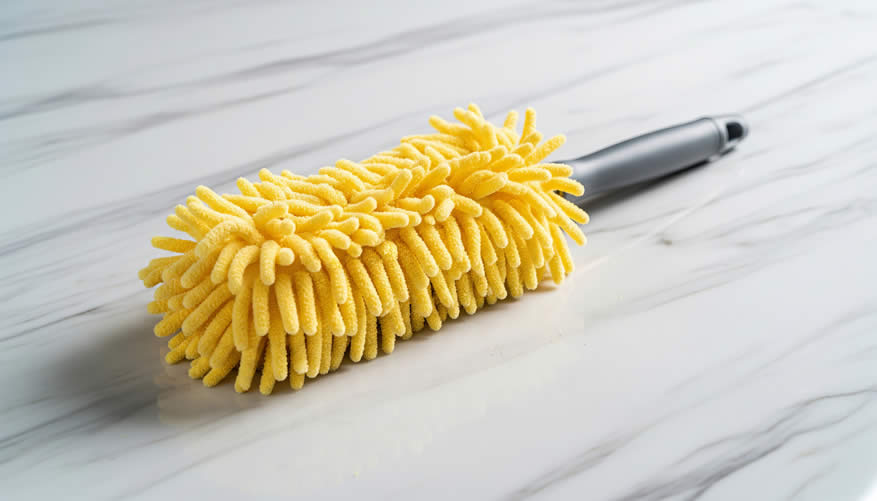
copyright image by 123rf.com
Simple Steps to Eco-Living
Washable microfiber dusting tools not only offer efficient cleaning but also contribute to a greener lifestyle by reducing single-use waste.
To deepen your commitment to eco-living, consider integrating other sustainable practices, such as composting food scraps, opting for refillable cleaning and beauty products, or using solar-powered lighting.
Each small step plays a role in creating a more eco-conscious home and a healthier planet, proving that sustainability starts with simple, everyday choices.
view ideas: what is eco-living?(new win)
-
Scroll up to directory … or scroll to next section looking at natural fiber dusters and other …
-
-



-
-
3rd Review: Natural Fibers Versus Synthetic Disposable Dusters
When it comes to keeping your home dust-free and maintaining the pristine beauty of your furniture and decorative pieces, selecting the right cleaning tools is absolutely crucial.
The market offers a wide array of dusting tools, each varying in material, overall effectiveness, and specific application, making the choice between natural fibers and synthetic disposable dusters an important one to consider for any household.

AI generated image by 123rf.com
Both options come with their own distinct advantages, and understanding their unique properties will help homeowners like you choose the solution best suited for their specific cleaning needs and preferences.
Below, we’ll take a closer look at each category of dusters, exploring them in detail and highlighting the benefits and practical considerations for each type.
-
Natural Fiber Dusters
Natural fiber dusters, such as those made from ostrich feathers or lambswool, have long been household staples for gentle and effective dusting.
-
Ostrich Feather Dusters
Ostrich feather dusters are renowned for their excellent dust-trapping capabilities. The feathers’ natural structure, which contains countless tiny barbs, allows these dusters to capture dust particles with ease.
Additionally, high-quality ostrich feathers contain natural oils that enhance their ability to attract and hold dust without dispersing it into the air.
Because of their soft texture, these dusters are ideal for delicate surfaces such as antiques, finely finished furniture, lampshades, and carved wood details. Generations of homeowners have relied on ostrich feather dusters to clean areas where precision and care are essential.
However, these dusters do have limitations for high-reach applications. While some models are designed with longer handles, the rigidity and straight construction of natural materials make them less adaptable for cleaning angled or elevated spaces like ceiling fans or tall shelves.
Users may need to position themselves underneath or beside the area being cleaned for optimal use.
-
Lambswool Dusters
Lambswool dusters offer another excellent option for natural fiber dusting. The crimped structure of the wool fibers provides a soft, cushioning touch that is especially effective on curved surfaces or intricate decorative pieces.
This makes lambswool dusters a go-to choice for dusting collectibles, framed photographs, and other sentimental items where a gentle approach is key.
Much like ostrich feather dusters, lambswool variants also work best for mid-height surfaces, as they typically cannot easily extend or angle to reach high places.
-
-
Synthetic Disposable Dusters
For homeowners seeking quick and convenient dusting solutions, synthetic disposable dusters have become a popular alternative.
-
Electrostatic Properties
Synthetic dusters, often featuring fluffy, chemically treated fibers, excel at attracting and holding dust through a built-in static charge. This makes them particularly effective for cleaning electronics, window blinds, baseboards, and other low-level surfaces with minimal effort.
-
Convenience and Flexibility
One of the biggest advantages of synthetic disposable dusters is their convenience. Many systems come with extendable handles capable of reaching up to six feet, making them ideal for tackling ceiling fans, bookcases, and other high surfaces without requiring ladders or step stools.
Once the duster head becomes soiled, it can simply be discarded, eliminating the need for washing or long-term storage.
-
Environmental and Cost Considerations
Despite their practicality, synthetic disposable dusters do have drawbacks. The ongoing cost of replacement heads can add up, particularly for households that dust frequently.
Additionally, environmentally conscious users might prefer reusable alternatives to avoid contributing to landfill waste. When deciding between disposable and reusable options, factors such as cleaning needs, budget, and environmental priorities should be carefully considered.
-
-
Choosing the Right Duster for Your Home
Both natural fiber and synthetic disposable dusters bring unique benefits to the table, and the choice ultimately depends on your specific cleaning requirements.
For detailed, gentle dusting of fine surfaces, natural materials like ostrich feathers and lambswool are timeless and effective. For versatile, high-reach applications and quick convenience, synthetic disposable dusters provide a modern solution.
Consider your budget, cleaning frequency, and the surfaces you’ll be maintaining to select the perfect dusting companion for your home.
- Quick scroll to summary content …
Natural/Synthetic Dusters
(from the summary table below)
Type of Duster Key Features Ideal Uses Considerations Ostrich Feather Dusters Natural structure with tiny barbs for trapping dust.
Contains natural oils for enhanced dust attraction.
Soft texture ideal for delicate surfaces.Antiques, finely finished furniture, lampshades, carved wood, and other delicate surfaces requiring precision. Limited flexibility for high-reach applications.
May require positioning near or below the cleaning target.Lambswool Dusters Crimped wool fibers provide a cushioning touch.
Ideal for curved and intricate surfaces.
Gentle on fragile or sentimental items.Collectibles, framed photographs, and decorative pieces that need a soft approach. Limited reach for high or angled areas.
Best suited for mid-height surfaces.Synthetic Disposable Dusters Fluffy, chemically treated fibers with electrostatic properties.
Effective dust attraction and retention.
Convenient and disposable.Electronics, window blinds, baseboards, ceiling fans, and tall shelves. Ongoing cost of replacement heads.
Environmental concerns due to single-use waste.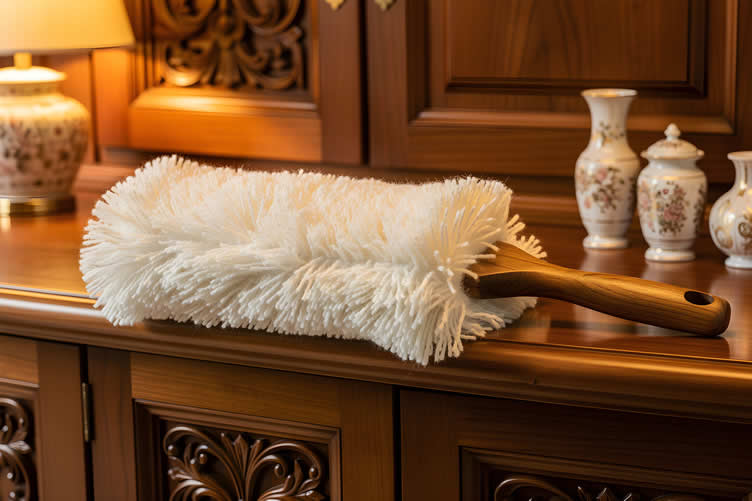
AI generated image by 123rf.com
Dusting Houseplants
To keep your houseplants dust-free, natural fibers like ostrich feathers and lambswool brushes are ideal. Their gentle touch cleans delicate leaves without causing damage.
However, easy access to your plants is just as important. A decorative houseplant stand of the right height not only elevates your greenery but also makes regular care, like dusting, much simpler.
Choosing a stand that combines style with function will help you maintain healthier, dust-free plants while enhancing your home’s decor.
view ideas: elevate your greenery(new win)
-
Scroll up to directory … or scroll to next section for elevating dusting …
-
-

Managing house cleaning by choosing the right duster and all other home improvement needs …

… save this curated directory of ideas for future reference.


-
-
4th Review: High Reach Solutions For Elevated Home Surfaces
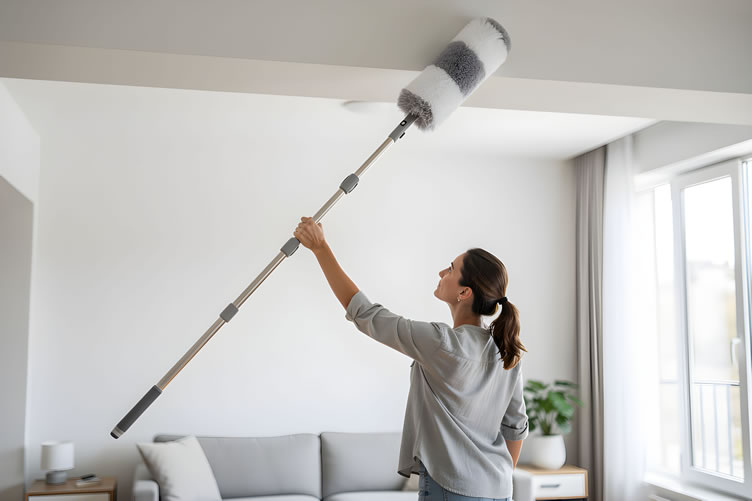
Maintaining the beauty and cleanliness of elevated home surfaces, such as ceiling fans, light fixtures, crown molding, and high corners, can often feel like a daunting task.
These spots tend to accumulate dust and debris surprisingly quickly, yet they often remain untouched simply because of their challenging, out-of-reach placement.
AI generated image by 123rf.com
In the past, addressing these spaces usually required dragging out a cumbersome ladder or a wobbly step stool, which not only introduces safety concerns but also demands excessive time and physical effort.
Fortunately, thanks to modern innovations like telescoping dusters and versatile extension tools, homeowners can now clean these elevated surfaces efficiently and, most importantly, safely.
These clever tools have transformed what was once a tedious and risky chore into a simple, manageable task.
-
Common Challenges of Elevated Surface Cleaning
Elevated surfaces in homes are high-maintenance areas that often go unnoticed until visible layers of dust appear or trigger allergies. Traditional cleaning methods relied heavily on climbing equipment such as ladders, requiring physical effort and increasing the risk of accidents.
Even then, achieving a thorough clean in hard-to-reach spots, like the tops of ceiling fans or the intricate edges of crown molding, was still a challenge.
These methods were not only inefficient but also tiresome, leaving most homeowners frustrated or neglecting these areas altogether.
-
The Role of Telescoping Dusters
Telescoping dusters revolutionized high-reach cleaning by eliminating the need for ladders in most residential situations. These tools feature extendable poles that can reach up to six feet or more, enabling users to access elevated areas from the safety and comfort of floor level.
The engineering behind these dusters ensures that they balance extended length with stability, preventing the poles from becoming unwieldy or difficult to handle.
They are designed to make cleaning convenient, effective, and safe, significantly reducing the time and effort required.
-
Versatility Through Interchangeable Heads
Interchangeable head systems are among the most valuable innovations in telescoping dusters, enhancing their functionality for a variety of surfaces.
A single handle can accommodate attachments like microfiber sleeves for general dusting, cobweb brushes for tight corners, flat paddles for ceiling fans, and specialized brushes for vents or light fixtures.
This adaptability consolidates multiple cleaning tools into one system, addressing a wide range of elevated cleaning challenges without requiring distinct implements for each.
-
Enhanced Effectiveness with Pivoting Heads
Fixed heads on cleaning tools often limit maneuverability and angle coverage, making it difficult to clean surfaces thoroughly. To overcome this, many modern high-reach dusters feature pivoting or bending heads that can rotate or flex.
This allows users to clean fan blades from the side, access the tops of cabinets, or adjust for complex angles around light fixtures, all without awkward body positioning. The result is not only better cleaning outcomes but also a more comfortable and efficient process.
-
Lightweight Materials for Comfortable Use
To reduce arm fatigue during overhead work, professional-grade telescoping dusters are often constructed from lightweight materials like aluminum or reinforced fiberglass.
These materials provide the necessary durability and strength without excessive weight, making them easier to handle during extended cleaning sessions.
This thoughtful design ensures that users can tackle high-reach cleaning projects comfortably and effectively, distinguishing quality tools from cheaper, less ergonomic alternatives.
-
Solutions for Homes with Exceptionally High Ceilings
For homes featuring ceilings above ten feet—such as those with cathedral ceilings or two-story entryways—specialized extension systems go beyond standard telescoping dusters.
These tools can reach up to twelve to twenty feet, making them ideal for addressing commercial-height spaces or architectural features that are otherwise unreachable.
While they may not be required in every home, these extended-reach solutions fill an essential role for properties with unique architectural designs.
By incorporating advanced engineering, adaptable design, and user-friendly materials, modern high-reach cleaning tools have redefined how homeowners maintain elevated surfaces.
Whether addressing day-to-day cleaning or tackling seasonal deep cleans, these innovations ensure both efficiency and peace of mind, allowing anyone to keep their home looking pristine with ease.
- Quick scroll to summary content …
Section Description Key Features High Reach Solutions Modern tools like telescoping dusters and extension poles make cleaning elevated surfaces like ceiling fans, light fixtures, and crown molding safer and more efficient, eliminating the need for ladders. Telescoping tools allow safe and easy cleaning from floor level. Common Challenges Traditional cleaning required ladders, increasing safety risks. Hard-to-reach areas often accumulate dust and are neglected. Physical effort and inefficient cleaning methods were significant issues. Telescoping Dusters These tools feature extendable poles that maintain stability and balance, making it safer for users to clean elevated areas with ease. Reach up to six feet or more, reducing time and effort. Interchangeable Heads Allows one tool to perform multiple cleaning functions by swapping attachments like microfiber sleeves, cobweb brushes, or vent cleaners. Adaptive system addresses varied cleaning tasks effectively. Pivoting Heads Pivoting heads enable better maneuverability, allowing users to clean hard-to-reach angles and surfaces like fan blades and cabinet tops. Improves cleaning outcomes and user comfort. Lightweight Materials Materials such as aluminum or fiberglass reduce arm fatigue, enabling users to clean comfortably during extended sessions. Durable, ergonomic, and professional-grade. Solutions for High Ceilings Special tools designed for homes with ceilings over ten feet can reach heights from twelve to twenty feet, addressing architectural challenges. Ideal for cathedral ceilings and two-story entryways. 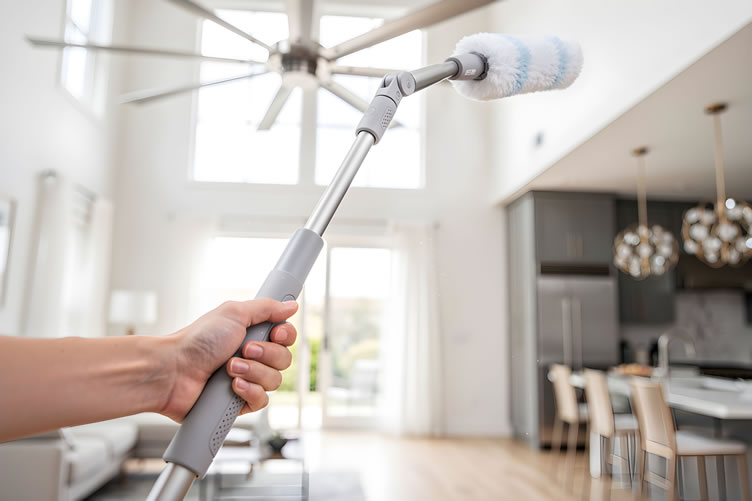
AI generated image by 123rf.com
Understanding Cobwebs and House Spiders
Cobwebs often collect in high ceilings and walls because these undisturbed areas are ideal for spiders to spin webs and trap prey.
House spiders are generally harmless and help control pests. To manage cobwebs, regularly dust high surfaces with extendable tools and keep your home clean to reduce insects that attract spiders.
Sealing cracks around windows and doors can also help keep spiders out.
view ideas: house spiders 101(new win)
-
Scroll up to directory … or scroll to next section addressing specialized cleaning tools …
-
-



-
-
5th Review: Specialized Cleaning Tools
… for narrow and hard-to-reach gaps
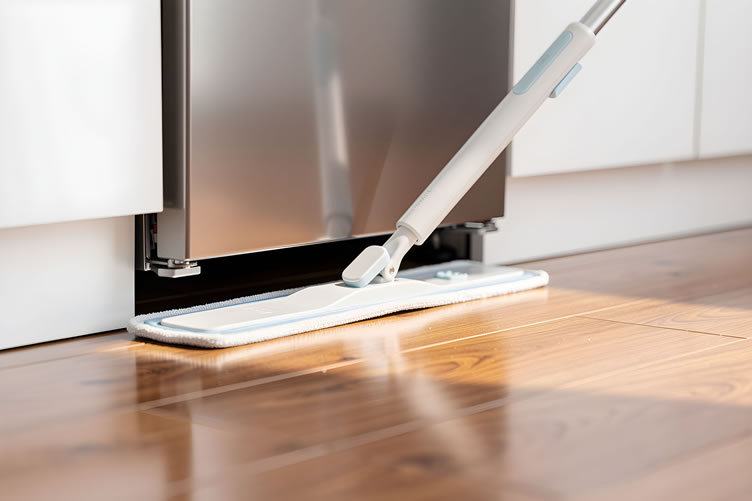
Dust doesn’t just settle on surfaces we can see—it has a sneaky way of infiltrating narrow spaces beneath appliances, between closely placed furniture pieces, behind radiators, and deep within tight corners that standard dusters simply cannot access.
These often-overlooked areas can harbor some of the densest accumulations of dust, hair, and other allergens.
AI generated image by 123rf.com
Even when the more visible surfaces in your home appear perfectly clean, these hidden pockets can contribute to poor air quality and trigger allergies.
Effectively addressing these challenging locations requires more than just a standard cloth; it calls for innovative, specialized tools designed with these confined spaces in mind.
Below, we explore the various types of cleaning tools that make tackling these tricky areas a simple and efficient task.
-
Under-Appliance Dusters
Under-appliance dusters feature exceptionally thin, flat microfiber heads mounted on slim handles that slide effortlessly beneath refrigerators, washing machines, stoves, and low-profile furniture.
The compact profile—often less than two inches in height—makes it easy to maneuver into spaces traditional cleaning tools cannot reach. These dusters capture accumulated dust bunnies and debris, maintaining a high level of air quality throughout the home.
Thanks to the microfiber material’s superior dust-capturing effectiveness, these tools ensure a thorough cleanup, removing particles rather than pushing them further back.
-
Gap Dusting Tools
Gap dusting tools are designed with narrow, elongated heads that can slip between closely spaced objects, such as books on shelves, file cabinets near walls, or tightly arranged furniture.
Some feature flexible shafts that bend around obstacles, while others incorporate rigid construction with precisely measured widths to fit into standard gap spaces.
These highly specialized tools alleviate the need to move heavy furniture or clear shelf contents, turning challenging cleaning tasks into quick, manageable projects.
-
Blind and Vent Dusters
Window blinds and air vents often collect dust on multiple, parallel surfaces, creating cleaning challenges that standard dusters can’t address.
Blind dusters with multi-prong designs clean several slats in a single pass, dramatically reducing the time and effort needed to maintain these fixtures.
Similarly, vent dusters feature specially shaped heads that conform to the unique geometry of air vents and heating registers, ensuring both a polished look and improved air quality.
-
Crevice Cleaning Tools
Crevice dusting tools extend cleaning capabilities even further, with their extra-long, narrow profiles able to reach deep into radiator fins, behind toilet tanks, or along baseboard heating units.
Combining microfiber surfaces with slight flexibility, these tools are ideal for navigating around pipes, brackets, and other obstacles, ensuring no area is left untouched.
While their specialized purpose limits their versatility, their performance in difficult-to-reach areas makes them indispensable additions to a comprehensive cleaning toolkit.
-
When to Invest in Specialized Tools
Investing in these specialized cleaning tools depends on your home’s design and furnishings. Homes with many built-in features, closely arranged furniture, or older heating systems will benefit most from these targeted tools, as they simplify the cleaning of spaces that are otherwise hard to maintain.
On the other hand, homes with open floor plans or fewer tight spaces may find standard cleaning tools sufficient, with occasional repositioning of furniture required to access gaps.
By incorporating these tools into your cleaning routine, you can transform once-frustrating tasks into efficient processes, achieving a pristine and healthy home environment. These innovations ensure every corner of your living space is free from hidden dust, enabling you to clean smarter—not harder.
- Quick scroll to summary content …
Cleaning Tool Description Advantages Under-Appliance Dusters Exceptionally thin and flat microfiber heads mounted on slim handles; designed to slide beneath appliances and low-profile furniture. Effortlessly reaches areas traditional tools cannot, captures dust effectively, and improves air quality by thoroughly removing dust particles. Gap Dusting Tools Narrow, elongated heads designed to slip between closely spaced objects, such as books on shelves or file cabinets near walls. Reduces need to move furniture, fits into tight spaces, and can include flexible or rigid designs for various needs. Blind and Vent Dusters Multi-prong designs for cleaning several slats in one pass; specialized heads conform to air vent and heating register geometries. Efficiently cleans parallel surfaces, maintains polished fixtures, and enhances air quality with minimal effort. Crevice Cleaning Tools Extra-long and narrow tools with microfiber surfaces and slight flexibility, designed for radiator fins, behind toilet tanks, and baseboard heating units. Navigates around obstacles, ensures deep cleaning in confined spaces, and performs well in difficult-to-reach areas. 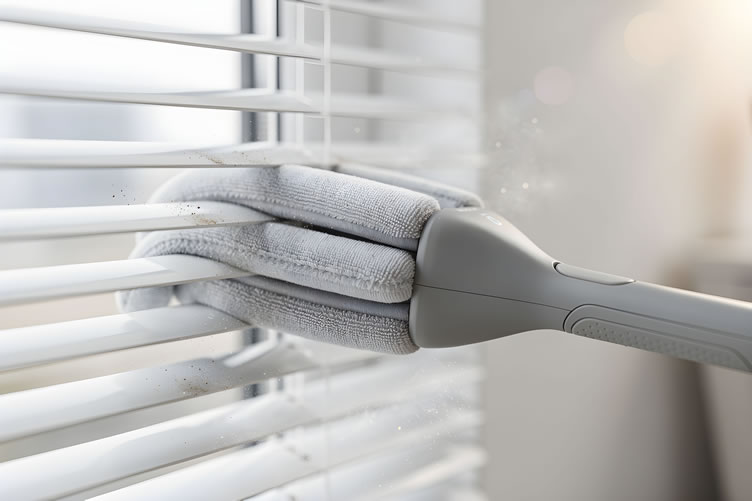
AI generated image by 123rf.com
Role of Air Purifiers
A dust-free home is essential for easier breathing, especially for those with allergies or respiratory issues.
But with open doors, windows, and daily activities, keeping dust at bay can be challenging.
This is where a room air purifier helps. It filters dust, allergens, and pet dander, creating a healthier indoor environment.
Adding an air purifier to your space reduces dust and helps make your home cleaner and more comfortable for your family.
view ideas: breathe easy(new win)
-
Scroll up to directory … or scroll to next section about choosing the right duster …
-
-
SHARE IT ..! Someone in your network might benefit from this insightful post about choosing the right duster. Feel free to share it on Facebook, X (formally Twitter), LinkedIn, or Pinterest!




-
-
6th Review: Vacuum-Based Dusting Systems
… for professional-grade results
Vacuum-based dusting represents a significant advancement in home cleaning, blending the familiar motion of traditional dust removal with the power of modern suction technology.
This innovative method offers a highly efficient way to handle everything from routine maintenance to more intensive deep cleaning projects.

AI generated image by 123rf.com
By using specialized vacuum attachments, dedicated dusting brushes, and other advanced systems, you can achieve a professional level of cleanliness right in your own home.
This approach not only helps protect your delicate surfaces but also captures dust and debris more effectively than ever before.
Let’s take a closer look at the key components of vacuum-based dusting, explore its various applications, and discuss some important considerations for incorporating this technique into your cleaning routine.
-
Dusting Brush Attachments for Everyday Use
Standard vacuum cleaners are often equipped with dusting brush attachments, which are soft-bristled heads specifically designed to loosen and capture dust particles simultaneously.
This dual-action approach is especially effective on surfaces like baseboards, shelves, windowsills, and vents where dust tends to compact rather than remain loose.
The soft bristles of high-quality brush attachments prevent damage to delicate wood finishes, painted surfaces, or other materials that could be scratched by harder implements. For added assurance, options with natural horsehair or soft synthetic bristles strike the right balance between gentle agitation and effective dust removal.
These tools are ideal for mid-height applications, allowing you to efficiently clean furniture, cabinetry, bathroom vanities, and entertainment centers, leaving your home looking polished and pristine.
With their practicality and ease of use, these attachments are a must-have for any comprehensive cleaning toolkit.
-
High-Reach Vacuum Systems for Elevated Surfaces
When it comes to cleaning high ceilings or large elevated spaces, professional-grade high-reach vacuum systems offer unparalleled advantages.
These systems include extended, lightweight poles that connect to powerful vacuum units, enabling the removal of dust from heights of 12 to 20 feet or more. By capturing particles directly through the wand into the vacuum chamber, they eliminate the redistribution of dust that can occur with manual dusting tools.
High-reach vacuum systems are particularly useful for homes with architectural features such as vaulted ceilings, cathedral-style great rooms, or specialty spaces like indoor courts and home theaters.
Though commonly used by commercial cleaning professionals in spaces like churches or gymnasiums, these systems can be a worthwhile investment for homeowners seeking to effectively maintain hard-to-reach areas without compromising cleanliness or indoor air quality.
-
Central Vacuum Systems for Convenience
For homes equipped with built-in central vacuum systems, dusting becomes a more seamless process.
By connecting dusting brush attachments to strategically placed outlets, homeowners gain the benefits of vacuum dust capture without the inconvenience of transporting a portable vacuum unit.
This setup reduces noise, eliminates bulk, and encourages more consistent use, making suction-based dusting a practical choice for regular maintenance tasks.
Central vacuum systems also enhance the versatility of traditional cleaning routines. They allow you to address both floor and elevated surface cleaning efficiently, helping you maintain a dust-free home with less effort and disruption.
-
Practical Considerations for Vacuum Dusting
While vacuum-based dusting offers numerous advantages, it’s important to consider the physical effort and noise associated with vacuum operation.
Carrying or positioning a vacuum may require more energy than manual dusting tools, especially for early morning or late evening cleaning sessions when minimizing noise is important.
To integrate vacuum dusting effectively into your home care routine, it works best in conjunction with comprehensive cleaning tasks, where both dusting and floor care are tackled simultaneously.
By aligning these activities, you can streamline your cleaning process and achieve a more thorough result.
Vacuum-based dusting systems blend innovation and practicality to deliver cleaner, healthier living spaces. Whether you’re maintaining your everyday surfaces or tackling architectural challenges, these tools bring professional-grade results within reach of every homeowner.
- Quick scroll to summary content …
Component Description Applications Considerations Dusting Brush Attachments Soft-bristled vacuum attachments designed to loosen and capture dust particles effectively. Prevents damage to delicate surfaces and ensures efficient cleaning. Ideal for mid-height surfaces like shelves, windowsills, baseboards, and furniture. Ensures polished and pristine finishes. Options with natural horsehair or soft synthetic bristles are recommended for gentle yet effective dusting. High-Reach Vacuum Systems Systems with extended, lightweight poles that connect to powerful vacuum units to clean elevated areas. Useful for high ceilings, vaulted rooms, and specialty spaces such as indoor courts or theaters. Reduces dust redistribution and improves air quality but may require storage space and an initial investment. Central Vacuum Systems A built-in vacuum system with strategically placed outlets for convenient dust capture without the need for portable units. Great for seamless floor and surface cleaning with reduced noise and effort. Encourages regular maintenance but requires a central vacuum setup in the home. Practical Considerations Effective vacuum dusting may require physical effort and generate noise, limiting use during certain times. Best for combining multiple cleaning tasks like dusting and floor care for streamlined results. Works well when integrated with a comprehensive cleaning routine for thorough and efficient maintenance. 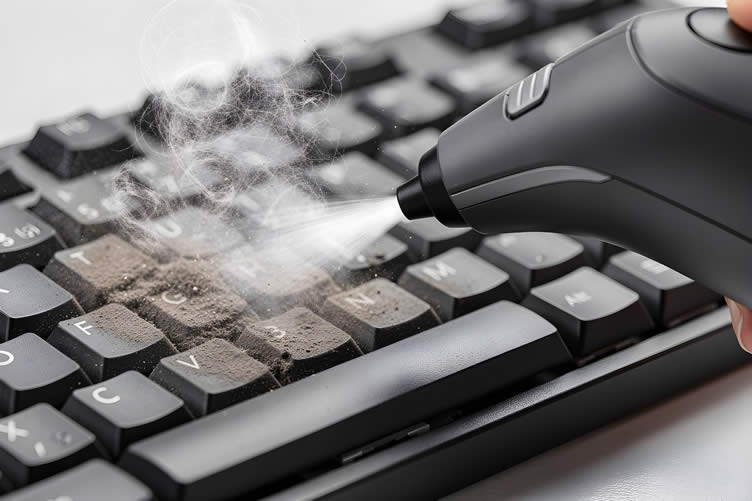
AI generated image by 123rf.com
Simplify Your Cleaning Routine
Dusting, vacuuming, cleaning windows, and tackling other household cleaning tasks can often feel like a drain on your valuable time. Thankfully, advancements in smart home technology offer a solution.
Robotic cleaners, from self-guided vacuums to automated window washers, provide an efficient and stress-free way to manage your chores.
These devices can adapt to various surfaces and hard-to-reach areas, helping to maintain a spotless home while freeing up your schedule for what truly matters.
view ideas: meet your new home robots(new win)
-
Scroll up to directory … or scroll to next section about matching the right duster …
-
-

Download this PDF for a concise summary of everything you need to know about …?


-
-
7th Review: Matching The Right Duster
… to your home’s specific needs
Crafting an effective dusting strategy begins with understanding your home’s unique needs. Since every space is different, what works for one home may not work for another.
Consider your ceiling heights, surface types—like wood, glass, or electronics—furniture arrangements, and those tricky spots where dust loves to settle. These factors will help you choose the best tools for the job with the least effort.
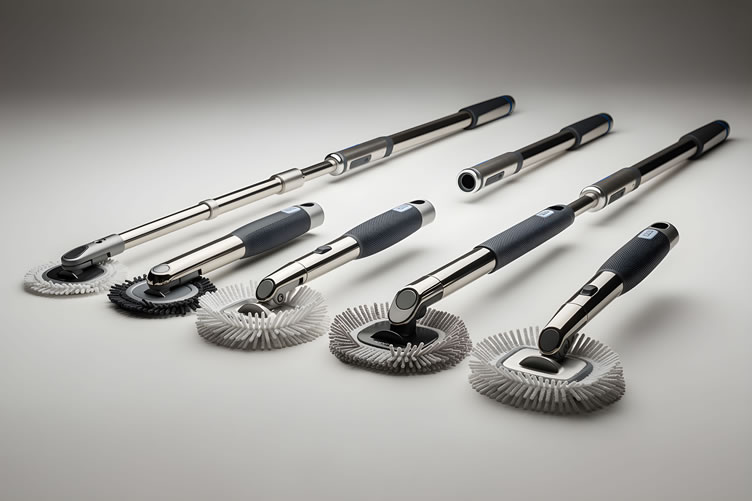
AI generated image by 123rf.com
Selecting the right combination of tools isn’t about having the latest gadgets; it’s about smart, efficient cleaning.
A well-chosen toolkit allows you to tackle every nook and cranny without unnecessary redundancy or expense. By tailoring your approach to your home’s specific requirements, you can refine your cleaning routine, save time and money, and enjoy a lasting, dust-free result.
-
Assessing Elevated Surfaces
High surfaces often pose the most significant challenges when it comes to dusting. Start by evaluating ceiling heights in your main living areas and identifying elevated elements that require regular care, such as ceiling fans, light fixtures, exposed beams, high shelving, or crown molding.
For standard eight-to-ten-foot ceilings, a good telescoping duster with a microfiber head and articulating capability can effectively handle these elevated needs.
However, if your home has cathedral ceilings or two-story spaces, investing in extended-reach dusters or professional-grade vacuum systems may be more suitable, especially if you prefer to avoid frequent ladder usage.
-
Mid-Height and Low-Level Cleaning
Once your high surfaces are addressed, turn your focus to mid-height areas, such as furniture, electronics, and decorative items. Hand-held microfiber dusters are an excellent choice for these areas, offering both control and a gentle touch.
For homes with valuable antiques, delicate collectibles, or items requiring extra care, natural fiber dusters deliver superior gentleness and assurance against unintended damage.
For more routine maintenance of blinds, baseboards, and everyday surfaces, disposable dusters with extender handles provide convenience. However, the environmental and economic effects of frequent replacements should be considered when opting for this category of tools.
-
Tackling Confined Spaces and Specialty Areas
Many homes feature narrow or hard-to-reach spaces that demand specialized cleaning tools. For example, under-appliance dusters are ideal for cleaning tight gaps between appliances and walls.
For properties with extensive window blinds, a multi-prong blind duster can significantly reduce cleaning time. Older homes with architectural details, such as radiators or intricate baseboards, benefit from crevice tools that are specifically designed to target small, detailed areas.
By addressing these unique needs, you can ensure a more comprehensive cleaning process that leaves every corner of your home spotless.
-
Prioritizing Quality and Budget
While budget considerations naturally come into play, it’s often more cost-effective in the long run to invest in high-quality dusting tools.
For example, a single, durable telescoping duster with interchangeable heads may have a higher upfront cost but offers versatility and longevity over years of use.
Alternatively, households with tighter budgets can focus on building their collection gradually, starting with essential tools for the most challenging areas and expanding over time as needs and resources allow.
-
Considering Physical Comfort and Accessibility
The physical comfort and capabilities of household members are crucial factors when selecting dusters. Lightweight telescoping poles help reduce arm fatigue during overhead work, while ergonomic handle designs minimize hand strain during extended cleaning sessions.
For households with members who experience limited mobility or strength, prioritizing tools with maximum reach and minimal weight ensures that cleaning tasks remain accessible and manageable.
Although these tools may come with slightly higher costs, they provide invaluable ease and enable more consistent upkeep of your living space.
By evaluating your home’s unique needs and selecting tools accordingly, you can create a customized, effective dusting strategy that transforms this seemingly simple task into a highly efficient and rewarding part of your cleaning routine.
- Quick scroll to summary content …
Category Details Recommendations Matching the Right Duster to Your Needs Understanding your home’s characteristics, including ceiling heights, surface types, furniture arrangements, and dust accumulation zones, allows for selecting appropriate tools. Choose tools that provide efficient results suited to your home’s specific cleaning needs. Assessing Elevated Surfaces High surfaces such as ceiling fans, light fixtures, and exposed beams require evaluation of ceiling heights to determine the appropriate cleaning method. For standard ceilings, use a telescoping duster with a microfiber head. For extremely high spaces, consider extended-reach dusters or professional-grade vacuum systems. Mid-Height and Low-Level Cleaning Focus on furniture, electronics, decorative items, blinds, baseboards, and daily-use surfaces for mid-height and low-level cleaning. Use microfiber dusters for delicate items and disposable dusters with extenders for convenience. Balance environmental and economic impacts of disposable tools. Tackling Confined Spaces Specialized areas such as gaps under appliances, window blinds, radiators, or intricate designs require dedicated tools. Use under-appliance dusters, multi-prong blind dusters, and crevice tools for effective cleaning in narrow or detailed spaces. Prioritizing Quality and Budget Investing in high-quality tools ensures long-term efficiency and durability, although budget constraints may influence purchasing decisions. Start with essential tools for challenging areas and expand gradually. Durable, versatile tools provide cost-effectiveness over time. Considering Physical Comfort Physical capabilities of household members should be considered, focusing on comfort and ease of use. Opt for lightweight telescoping poles and ergonomic designs to reduce strain and make tasks more accessible, especially for those with limited mobility or strength. 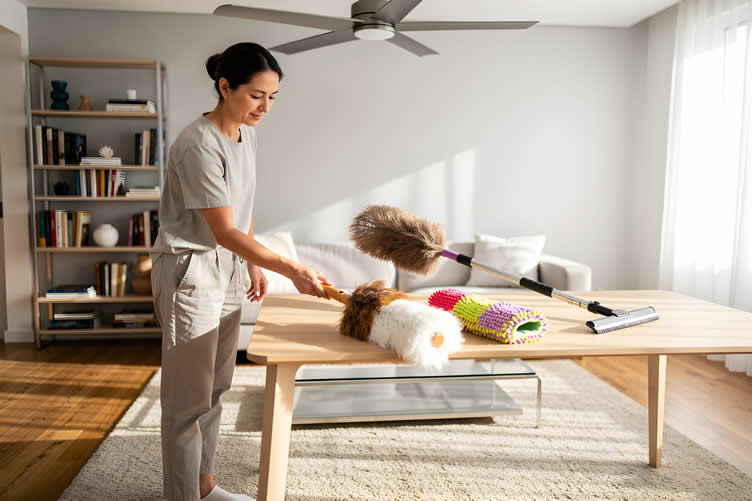
AI generated image by 123rf.com
Fresh Perspective on Cleaning
Managing household chores keeps your home tidy and inviting, but have you considered applying the same approach to your health?
Just as a clean home feels refreshing, “cleaning out your body” by eating foods free of preservatives and chemicals can energize you.
Choosing fresh, wholesome ingredients helps you avoid additives that weigh you down, fueling your body with natural goodness for a healthier, more vibrant life.
view ideas: hidden health risks(new win)
Lighten Your Load with Professional Cleaning Services
Keeping your home spotless can be a challenging task amidst a busy lifestyle. Hiring professional cleaning services is an excellent way to alleviate the burden, giving you more time to focus on family, work, or relaxation.
These experts not only ensure a pristine home but also help maintain its value and comfort over time.
-
What Professional Cleaning Services Can Offer
- Expert-Level Cleanliness:
Professionals use advanced tools and products to achieve a deep clean that is hard to replicate. - Time-Saving Convenience:
Free up hours otherwise spent on tedious cleaning tasks. - Customized Services:
Select packages tailored to your needs, whether it’s weekly upkeep or a one-time deep clean. - Specialized Knowledge:
Comprehensive care for delicate surfaces, intricate decor, or hard-to-reach areas. - Healthier Home Environment:
Better indoor air quality and reduced allergens through professional techniques.
By bringing in experienced cleaners, you can trust your home is in capable hands.
It’s important to research your options by reading customer reviews, asking about certifications, and comparing service packages.
Many companies also offer free consultations or personalized quotes to help you make an informed decision that fits your needs and budget.
- Expert-Level Cleanliness:
LetsRenovate has partnered with HomeAdvisor™, a renowned provider of highly-rated, carefully-vetted cleanings. Start your search here by choosing the type of contractor you need and entering your zip code to find local professionals.

AI generated image by 123rf.com
But Wait!
Before searching for house cleaning services, download this evaluation worksheet.
It will help you objectively compare contractors by assessing key factors like pricing, licensing, and referrals.

Evaluation Sheet
File Type:-
Scroll up to directory … or scroll to conclusion and references …
-
-
-
Conclusion
… creating lasting cleanliness through strategic tool selection
Dusting doesn’t have to be a frustrating chore—paired with the right tools, it can become an efficient routine. Today’s variety of dusters, including advanced microfiber options, offers solutions for different surfaces and needs.
Microfiber dusters trap fine particles on delicate surfaces, while extendable dusters easily reach high or awkward spots like ceiling fans or shelves. Understanding each tool’s strengths can simplify your routine and help keep your home dust-free.
(Citation Note)
-
Quick scroll to more home utility management ideas …
-
ideas to view and compare from the photo above
- What comments can you share about
choosing the right duster for your home?
Easily determine the dimensions you need for any home remodeling project …
… ensuring functionality, visual appeal, and compliance with building codes.

… home remodeling – improvement – repair


Calendar For:
Home Maintenance
File Type:
… view our sharing links below for a quick "share the knowledge"
Find Home Cleaning Services Home Cleaning Carpet-Drapes Property Clean-Up Windows top-rated, pre-screened local contractors FREE: download contractor selection enter zip code – powered by HomeAdvisor ™
Quick Contractor Guides selecting negotiating working with inspecting

Cover image credit: choosing the right duster by 123rf.com
end of post … please share it!
 |
did you find this choosing the right duster analysis helpful? If so, please share the article with your friends and family! |
Nice pic idea? Leave us a quick comment below.
And please share this pic idea within your social networks.