Summary Outline –
Unlike a traditional sunroom addition, converting an existing interior room into a year-round sun-filled sanctuary requires thoughtful planning, technical expertise, and a clear understanding of your family’s needs.
When done right, it delivers something rare: a space that is simultaneously functional, restorative, and beautiful, no matter what the weather brings outside.
This guide walks you through every stage of that conversion, from evaluating your existing structure to navigating permits, selecting materials, and designing a space your family will actually use.
Whether you are drawn to the health benefits of increased sunlight exposure or simply need a more purposeful room in your home, the information here will help you make confident, well-informed decisions.
- post content … analysis/ four-season sunroom
- 1st: The Health Benefits of a Dedicated Sunroom
- 2nd: How a Sunroom Can Serve Your Family
- 3rd: Decor Elements That Bring A Sunroom To Life
- 4th: Converting an Interior Room Into a Sunroom?
- 5th: Getting Started with Your Project
- 6th: Considering a Sunroom Addition
- conclusion
- other interior room topics

-
- —— begin first topic ——
-
1st Section: The Health Benefits of a Dedicated Sunroom
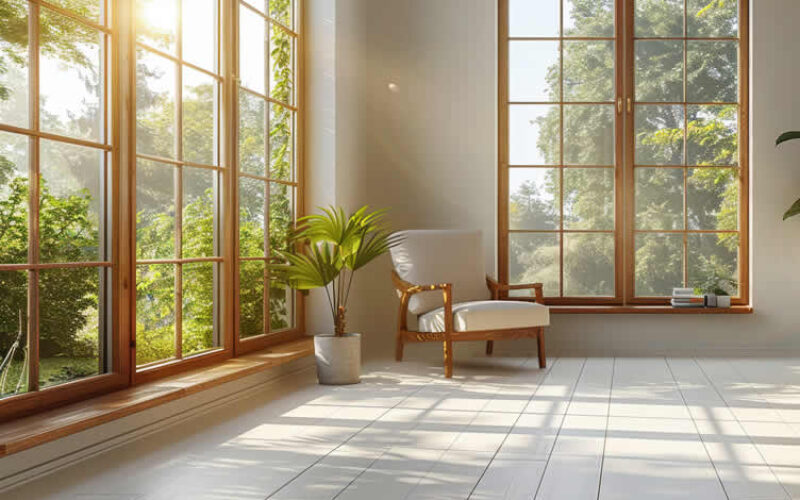
A dedicated sunroom can dramatically enhance your home’s value and functionality, but its benefits go far beyond aesthetics and practical use.
Sunrooms provide a unique connection to the outdoors while still offering the comfort and security of being indoors. This harmonious balance makes them a powerful tool for improving physical health and mental well-being.
Natural light has long been associated with positive health effects, from boosting mood to improving productivity.
copyright image by 123rf.com

Having a sunroom in your home offers a sanctuary bathed in sunlight, even during colder months or inclement weather.
These spaces can serve as a vital refuge for relaxation, a serene environment for family bonding, and even a rejuvenating spot for daily wellness routines like yoga or meditation. By investing in a sunroom, you’re not just adding square footage to your home—you’re creating a space that nurtures the mind and body.
Below, we’ll explore the remarkable health and mental benefits of a dedicated sunroom, supported by expert insights and research-backed evidence.
-
Increased Exposure to Natural Light and Vitamin D
One of the most significant health benefits of a sunroom is the abundance of natural light it provides. Sunlight serves as your body’s primary source of vitamin D, which is critical for maintaining bone health, supporting immune function, and reducing inflammation.
Spending time in a sun-filled room allows your body to absorb this essential nutrient naturally, even when outdoor temperatures don’t make excursions appealing.
Natural light also regulates your body’s circadian rhythm, promoting better sleep and overall energy levels. A well-designed sunroom with intentional placement of glass panels can help you reap these benefits all year long, acting as a mini retreat within your home.
Studies have shown that sunlight exposure can also reduce the symptoms of seasonal affective disorder (SAD), making a sunroom particularly valuable in regions with long, harsh winters.
-
Stress Reduction and Mental Clarity
Sunrooms offer more than just physical health benefits—they foster profound mental health improvements as well. Being surrounded by natural light and outdoor views has been shown to lower stress hormone levels, reduce anxiety, and create a calming effect.
These serene environments can help you recharge emotionally, whether you’re enjoying your morning coffee, reading a book, or simply soaking in the view of your garden.
Furthermore, the dynamic visuals of nature—swaying trees, blooming flowers, or even falling snow—can promote mindfulness and mental clarity.
Research from the Journal of Environmental Psychology highlights that visually connecting with the natural world has restorative effects on cognitive functioning, helping individuals manage daily demands more effectively.
-
Enhanced Opportunities for Physical and Emotional Wellness Activities
A sunroom can serve as a versatile space for wellness-focused activities that improve both your physical and emotional health. Yoga, pilates, or simple stretching routines performed in a sun-drenched space enable you to combine movement with natural light exposure, creating an immersive wellness experience.
This dedicated environment can also foster family togetherness, serving as an inviting location for board games, group discussions, or shared creative hobbies like painting.
For individuals working remotely or managing busy households, a sunroom can also offer a quiet, inspiring atmosphere for focused work.
According to data from the Journal of Positive Psychology, working in naturally lit spaces can boost productivity by up to 15% and promote a sense of well-being throughout the day.
A dedicated sunroom ensures you have a calming and energizing workspace that supports both professional and personal balance.
-
Supported by Science, Designed for You
The health and mental benefits of a dedicated sunroom are well-documented, with research affirming the importance of natural light and nature’s restorative powers.
By transforming an underused area of your home into this vibrant and multi-functional space, you’re prioritizing wellness for yourself and your loved ones. Integrating a sunroom into your home is not just an investment in property value—it’s a lasting commitment to your family’s health and happiness.
- Quick scroll to summary content …
Health and Mental Benefits of Sunroom
(from the summary table below)
Aspect Details Key Benefits Overview A dedicated sunroom enhances a home’s value and functionality while offering a connection to the outdoors with the comfort of being indoors. Improves physical and mental well-being, provides natural light, and serves as a multi-functional space for relaxation and activities. Natural Light Exposure Sunrooms provide abundant natural light, which serves as a primary source of vitamin D and regulates circadian rhythm. Boosts mood, supports immune function, promotes better sleep, and reduces symptoms of seasonal affective disorder (SAD). Mental Health Benefits Surrounding yourself with natural light and outdoor views in a sunroom lowers stress and anxiety levels while creating a calming effect. Enhances mindfulness, promotes mental clarity, and supports cognitive functioning. Wellness and Activities Sunrooms offer versatile spaces for physical activities like yoga and pilates, family bonding, or focused work. Supports emotional well-being, fosters family togetherness, and enhances productivity in naturally lit spaces. Scientific Support Research affirms the restorative power of natural light and nature, emphasizing the health benefits of sunlight exposure in daily life. Combines enhanced property value with a commitment to overall wellness for individuals and families. 

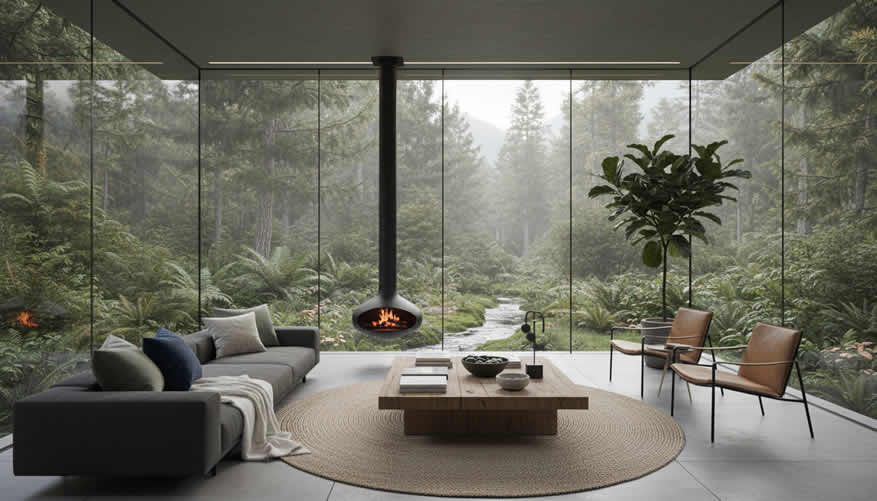
copyright image by 123rf.com
Brighten Every Corner with Natural Light
Does your home truly get enough natural lighting? While a sunroom can flood your home with sunlight, don’t overlook the potential of your bedroom, kitchen, and living room.
Small adjustments like strategically placing mirrors, opting for light curtains, or choosing reflective surfaces can amplify existing light and make every space feel open and inviting.
By incorporating these techniques, you can create a more cheerful, energy-efficient home that boosts your mood and enhances the overall ambiance.
view ideas: does your home get enough natural light?(new win)
-
Scroll up to directory … or scroll to next section about how a sunroom serve your family …

-

… to convert an existing room into a four-season sunroom

-
-
2nd Section: How a Sunroom Can Serve Your Family
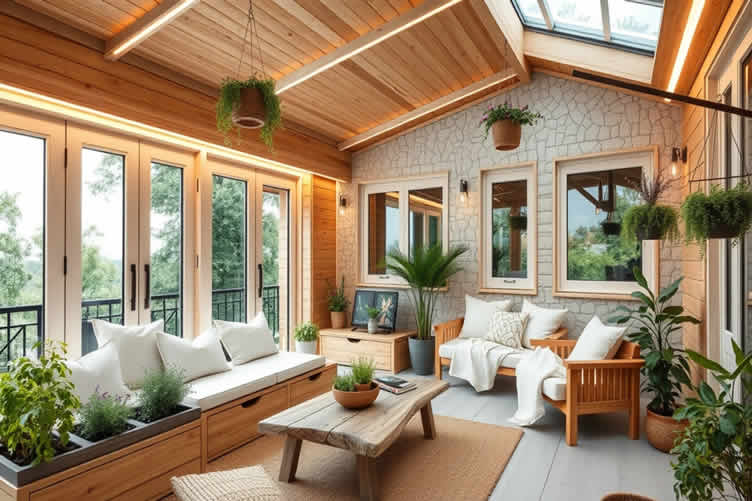
A sunroom offers more than just an elegant addition to your home—it creates a dynamic space that can be tailored to support your lifestyle, passions, and family’s needs.
By blending the beauty of natural light with versatile functionality, a sunroom introduces opportunities for relaxation, productivity, and connection that a traditional interior setting may not provide.
Whether it’s a tranquil corner for yoga, a productive home office, or even a lush indoor greenhouse, this adaptable space transforms your home’s utility and value.
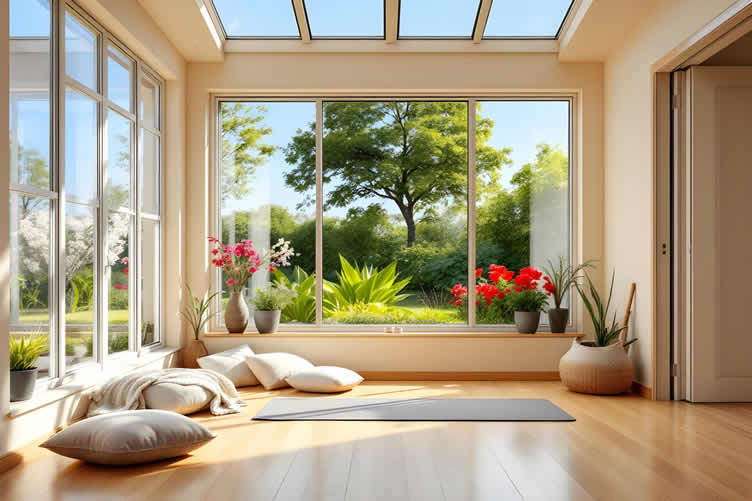
AI generated image by 123rf.com
The charm of a sunroom lies in its ability to adapt to your unique needs and preferences. Regardless of your design style, the addition of a sunroom enhances both the aesthetic and practical elements of your home.
It invites the outdoors in, creating a fluid connection between your living space and the surrounding environment while also allowing you to enjoy natural light throughout the year.
Below, discover how to tailor a sunroom to meet various purposes in your home, complete with practical design tips and inspirations.
-
Home Office[ view]
With remote and hybrid work now a permanent fixture of professional life for millions of Americans, a bright, climate-controlled room dedicated to focused work offers a meaningful quality-of-life upgrade over a dark spare bedroom or crowded kitchen table.
A sunroom can function as a serene home office that stimulates creativity and focus. The abundance of natural light enhances productivity while reducing eye strain compared to artificial lighting.
By working in a space surrounded by nature, you’ll benefit from improved mood and reduced stress levels, which are essential for any professional environment.
Style and Design Ideas:
- Incorporate ergonomic furniture such as an adjustable desk and a supportive chair to ensure comfort.
- Use sheer or light-filtering curtains to maintain privacy without compromising sunlight.
- Add plants to boost air quality and contribute to the natural aesthetic of the space.
- Install built-in shelving or minimalist storage solutions to keep the area organized.
-
Wellness and Yoga Room[ view]
With its abundance of natural light and beautiful outdoor views, a sunroom is the perfect spot for meditation, yoga, or quiet reading.
Transform this space into your personal wellness retreat where you can unwind with nature as your backdrop. The bright, airy atmosphere is ideal for all kinds of wellness activities, promoting a sense of calm and relaxation.
Style and Design Ideas:
- Layer soft rugs and yoga mats for comfort underfoot and visual warmth.
- Introduce soothing colors like soft greens or earthy tones to enhance relaxation.
- Include mirrors to visually expand the space and help monitor yoga postures.
- Add diffusers with essential oils and soft ambient lighting for evening mindfulness routines.
-
Indoor Greenhouse[ view]
A four-season sunroom offers a controlled environment perfect for cultivating plants all year. Imagine growing herbs, tropical flowers, and even small citrus trees in a well-glazed, climate-managed space.
Your sunroom can become a beautiful indoor greenhouse, allowing you to nurture a variety of plants, from houseplants and herbs to fruits and vegetables.
This not only enhances your home’s decor but also adds fresh ingredients to your culinary adventures.
Style and Design Ideas:
- Use tiered plant stands or hanging planters to maximize vertical space.
- Incorporate a mix of pots in varying textures for visual interest.
- Ensure proper ventilation and humidity control with portable humidifiers or ceiling fans.
- Select furniture with waterproof finishes to prevent damage from watering plants.
-
Dining Room[ view]
Imagine transforming your dining room into a sun-drenched space where everyday meals feel like special occasions.
Many people find their families spend more quality time eating together after converting their dining area into a sunroom. It’s the perfect setting for both intimate family meals and larger gatherings.
The natural light streaming through the windows creates a vibrant and inviting atmosphere, encouraging everyone to connect around the table.
Style and Design Ideas:
- Place a statement dining table with durable materials like natural wood or glass.
- Accent the space with pendant lighting for dinner ambiance.
- Incorporate sliding or French doors to connect the space to a patio or garden for seamless indoor-outdoor dining.
- Use a mix of upholstered and natural chairs to balance comfort with style.
-
Sitting Room (Nook)[ view]
A sitting nook offers the perfect space within a sunroom for sipping your morning coffee, reading a book, or simply soaking in the views.
Style and Design Ideas:
- Position a cozy chaise lounge or loveseat near the largest windows for optimal views.
- Include a coffee table and layered textiles like throw blankets and cushions for added comfort.
- Use natural wood finishes and greenery to mirror the outdoors.
- Add a bookshelf or magazine cart for easy access to your favorite reads.
-
Entertainment Room[ view]
Your sunroom can be a natural hub for family life and social events. With the right acoustic treatments and lighting, it can easily transform into a space for movie nights, game nights, or casual get-togethers.
The bright, open environment creates a welcoming atmosphere for any occasion.
Style and Design Ideas:
- Install blackout curtains or motorized blinds for movie-focused evenings.
- Arrange modular seating for flexibility according to group size.
- Add a TV or projector and speaker system for an immersive entertainment experience.
- Use multi-functional furniture, like ottomans with storage, to keep the space tidy.
-
Spare Bedroom[ view]
Imagine your guests waking up to the gentle morning light in a peaceful, cozy retreat. A sunroom can be a charming spare bedroom, offering an abundance of natural light that makes the space feel both open and welcoming.
With proper insulation and HVAC integration, it can be a comfortable guest room, especially during the mild spring and fall seasons.
Style and Design Ideas:
- Use light, neutral tones for walls and bedding to keep the space airy and inviting.
- Opt for a daybed or murphy bed to maximize usability when the room isn’t serving as a bedroom.
- Include layered curtains or blinds for privacy and light control.
- Add bedside tables and soft lamps for a hotel-inspired touch.
-
Other Uses[ view]
A sunroom’s versatility truly knows no bounds, offering a blank canvas that you can customize to fit your family’s unique interests and needs.
Whether you dream of a dedicated playroom where your children’s imaginations can run wild or an inspiring art studio bathed in natural light, you can easily transform this adaptable space to meet any unique requirement.
Style and Design Ideas:
- For a children’s playroom, include cubbies for toy storage and a durable area rug for playtime safety.
- For an art studio, prioritize natural light with uncluttered windows and introduce storage for art supplies.
- Create a music room by incorporating acoustic paneling and instrument display elements.
- For a hobby space, tailor the room with storage and lighting optimized for your passion.
-
Your Personalized Sunroom Awaits
A sunroom offers not only an escape from the everyday but also a blank canvas to create the perfect space for your family’s lifestyle.
From increasing your home’s functionality to boosting its resale value, the benefits of a sunroom are as boundless as they are fulfilling.
Start envisioning your sunroom transformation today, and unlock the potential of your home with creative design that enhances both your well-being and your living experience.
- Quick scroll to summary content …
Use Description Style and Design Ideas Home Office With the rise of remote and hybrid work, a sunroom serves as a bright, climate-controlled workspace that boosts creativity and focus. The natural light enhances productivity and reduces stress levels, making it an ideal professional environment. Use ergonomic furniture like an adjustable desk and supportive chair. Sheer or light-filtering curtains provide privacy while allowing sunlight. Add plants for aesthetic and air quality improvement, and incorporate minimalist storage solutions. Wellness and Yoga Room A sunroom offers a serene and bright space ideal for meditation, yoga, or quiet reading. The natural light and views promote a calming atmosphere perfect for wellness activities. Layer rugs and yoga mats for comfort. Use soothing colors like soft greens or earthy tones, and include mirrors to expand space and monitor postures. Add essential oil diffusers and soft ambient lighting for relaxation. Indoor Greenhouse A sunroom provides a controlled environment suitable for growing plants year-round, from herbs to tropical flowers, adding beauty and functionality to your home. Use tiered plant stands or hanging planters. Mix pot textures for a dynamic look. Ensure proper ventilation with humidifiers or ceiling fans, and select furniture with waterproof finishes to prevent damage. Dining Room A sun-drenched sunroom elevates daily meals into special experiences. Natural light provides an inviting atmosphere for both intimate family dinners and larger gatherings. Feature a statement dining table in natural wood or glass. Use pendant lighting to set ambiance and sliding or French doors for seamless indoor-outdoor transition. Balance style with upholstered and natural chairs. Sitting Room (Nook) A cozy sitting nook in a sunroom creates a perfect spot for sipping coffee, reading, or enjoying outdoor views. Place a chaise lounge or loveseat near windows. Incorporate layered textiles like blankets and cushions. Use natural wood finishes, greenery, and a coffee table for comfort. Entertainment Room A sunroom can become a hub for social gatherings, movie nights, or game nights, offering a bright yet versatile space for fun-filled moments. Install blackout curtains for movies. Use modular seating for flexibility and multi-functional furniture for organization. Add a TV or projector with a speaker system for an immersive experience. Spare Bedroom A sunroom can function as a cozy guest retreat filled with natural light, making it an open and welcoming space for visitors. Opt for a daybed or murphy bed for versatility. Use light, neutral tones for walls and bedding. Include privacy layers like curtains and add bedside tables with lamps for comfort. Other Uses The adaptability of a sunroom allows it to function as anything from a children’s playroom to an inspiring art studio or hobby space tailored to your needs. For a playroom, provide storage cubbies and a durable rug. For an art studio, focus on natural light and organized storage. Create a music room with acoustic paneling or tailor a hobby room with specialized storage solutions. 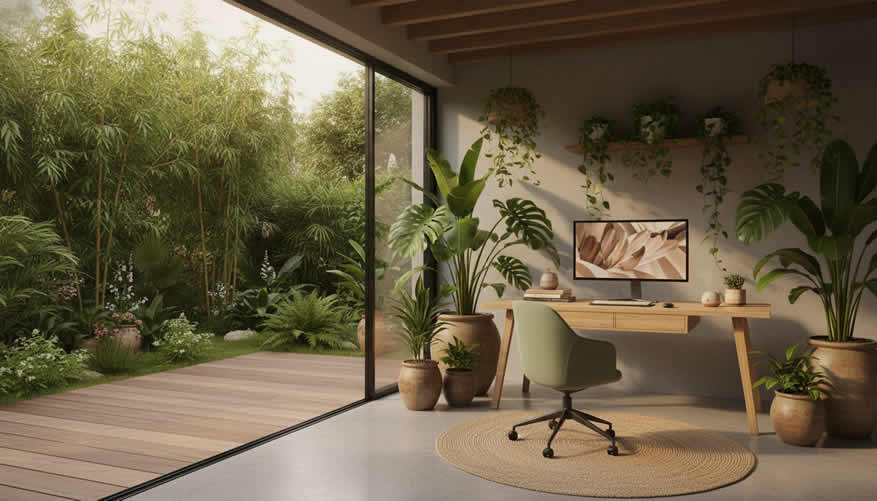
copyright image by 123rf.com
Sunroom Home Office
A sunroom makes an excellent home office, providing plenty of natural light to help you stay motivated and focused. Its bright, airy atmosphere boosts productivity and creates a calm workspace.
After the workday, it can easily transition into a reading nook or play area for the family. The key is to set up your office so it doesn’t interfere with the sunroom’s other functions.
Consider using modular furniture and flexible storage solutions that can be rearranged or tucked away, maintaining the room’s versatility.
view ideas: home office set-up in small spaces(new win)
-
Scroll up to directory … or scroll to next section about bringing a sunroom to life …
-
-

Designing a four-season sunroom and other home improvement needs …

… save this curated directory of ideas for future reference.




-
-
3rd Section: Decor Elements That Bring A Sunroom To Life
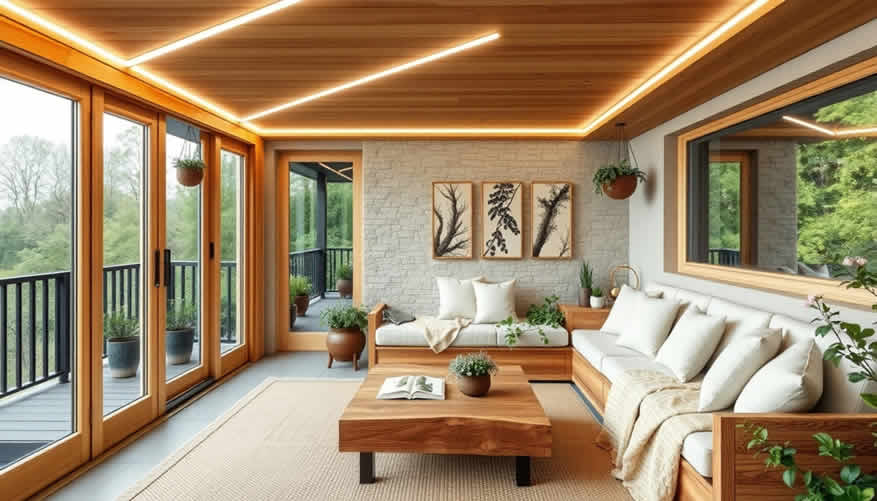
Creating a sunroom is an exciting opportunity to design a serene and functional space that enhances your home and your life.
Whether your goal is to establish a peaceful reading retreat, a lush indoor garden, or the ultimate family gathering spot, the right decor elements will breathe life into your vision.
A thoughtfully decorated sunroom combines natural light with complementary design choices that elevate both comfort and style.
copyright image by 123rf.com
The key to designing a compelling sunroom lies in balancing aesthetics and functionality. This space benefits from decor that can withstand sunlight exposure while remaining inviting and reflective of your personal taste.
When selecting decor elements, consider how colors, textures, and materials harmonize with the surrounding environment, ensuring the room feels cohesive and seamlessly connected to the outdoors.
Below are the decor elements that will bring your sunroom to life, helping you tailor it to your needs and lifestyle.
-
Natural Furniture for Comfort and Durability
Furniture made from natural materials such as rattan, teak, or bamboo brings both charm and functionality to a sunroom. These materials are perfect for sunlit spaces, as they are durable, lightweight, and resistant to fading over time.
Additionally, the earthy tones of natural furniture create warmth and reinforce the connection to nature, which is the essence of a sunroom.
Pair your seating options with plush cushions or upholstered accents in easy-care fabrics like linen or performance textiles that can effortlessly handle spills and sun exposure.
To maximize flexibility, consider incorporating multi-functional furniture such as ottomans with hidden storage or modular seating to accommodate diverse needs. Properly arranged, natural furniture will create a cozy atmosphere while ensuring the sunroom remains welcoming and versatile for any activity.
Furniture should be durable and UV-resistant, as sunlight exposure over time will fade and degrade materials not designed for it.
Look for performance fabrics rated for sun exposure, and prioritize pieces that are easy to rearrange as the room’s function shifts across seasons.
-
The Use of Natural Materials
Natural materials—rattan, linen, weathered wood, stone tile—anchor the space visually while contributing to its organic feel. These elements bring warmth and texture, creating a serene environment that seamlessly blends indoor comfort with outdoor charm.
Weathered wood tables or shelves can introduce a sense of rustic sophistication. Stone tile flooring, paired with soft linen curtains, can ground the space while ensuring it’s easy to maintain and durable over time.
By incorporating these materials, you not only enhance the visual appeal of your sunroom but also create an environment that feels connected to nature, promoting relaxation and well-being.
-
Lush Greenery for a Vibrant Atmosphere
Nothing complements a sun-filled room more than the presence of indoor plants. Adding greenery can transform your sunroom into a tranquil oasis, purifying the air and heightening the sense of relaxation.
Select plants that thrive in bright, indirect sunlight, such as fiddle-leaf figs, peace lilies, or snake plants. For a more immersive, garden-like ambiance, consider hanging plants such as Boston ferns or cascading pothos from the ceiling or placing them on tiered plant stands.
For an added touch of creativity, mix and match planters in varying sizes, materials, and finishes to enhance visual interest.
Ceramic pots, woven baskets, or textured planters can double as decor elements, reinforcing your design style. The diverse shapes, colors, and textures of thriving plants will undoubtedly energize your sunroom while fostering a closer connection with nature.
-
Soft Textiles to Add Warmth and Style
Textiles play a crucial role in adding dimension and coziness to a sunroom. Use rugs, curtains, and throw pillows in complementary colors and patterns to ground the space and tie your design together.
When selecting rugs, consider natural fibers like jute or sisal for a durable, eco-conscious option that aligns with the room’s indoor-outdoor theme. Layering a smaller, patterned rug over a neutral base can also create a focal point while adding texture.
For curtains or shades, prioritize lightweight, breezy fabrics like sheer or linen panels that provide privacy without obstructing the sunlight. Pair these with accent pillows and throws in coordinating patterns and colors to create a cohesive look that’s visually pleasing and practical.
Soft textiles will ensure the space feels inviting year-round, keeping you inspired whether you’re sipping coffee on a crisp morning or hosting an afternoon gathering.
-
Thoughtful Lighting for Evening Ambiance
While natural light is the star of any sunroom during the day, incorporating strategic lighting ensures the space remains functional and inviting after sunset.
Overhead fixtures, such as pendant lights or chandeliers, can establish a central focal point, while floor and table lamps in natural finishes add layers of warmth and charm. Consider integrating dimmable options to customize the mood based on the time of day or activity.
For added ambiance, string lights or lanterns can provide a cozy, romantic glow, especially during evenings spent with loved ones. By combining practical and decorative lighting options, your sunroom will feel equally vibrant and functional no matter the hour.
-
Art and Accessories for Personal Expression
Finally, no sunroom design is complete without accessories that tell your story and reflect your personality. Artwork, whether it’s nature-inspired prints, landscapes, or handmade pieces, can add a polished, finished touch to your walls.
Mirrored elements are another excellent choice, not only visually enlarging the space but also amplifying the natural light.
Accent tables, vases, and decorative objects crafted from organic materials like terracotta or wood enhance the overall earthy aesthetic. Books and personal mementos can also make the space feel uniquely yours, encouraging meaningful interactions and moments of relaxation.
These final layers of decor are essential in transforming your sunroom from a functional area into a soulful retreat that resonates with all who enter.
By incorporating these decor elements with care and intention, you will create a balanced and visually striking sunroom that nurtures both the spirit and the senses. With the right choices, your sunroom will become a cherished part of your home where memories flourish and inspiration abounds.
- Quick scroll to summary content …
Decor Element Description Benefits Natural Furniture Furniture made from materials like rattan, teak, or bamboo that are durable, lightweight, and resistant to fading. Often paired with plush cushions in easy-care fabrics. Combines charm and functionality while reinforcing a connection to nature. Ensures durability and flexibility for multi-functional needs. Natural Materials Elements such as rattan, linen, weathered wood, and stone tile add warmth and texture while enhancing the room’s organic appeal. Creates a serene environment connected to nature, combining durability and visual sophistication. Lush Greenery Indoor plants like fiddle-leaf figs, peace lilies, or cascading pothos create a tranquil, vibrant atmosphere. Purifies the air, enhances relaxation, and adds natural beauty and variety to the sunroom. Soft Textiles Layered rugs, curtains, and pillows in natural fabrics like jute or linen provide dimension and a cozy ambiance. Grounds the space while ensuring year-round comfort and a cohesive design theme. Thoughtful Lighting Overhead fixtures, lamps, string lights, and dimmable options offer functional and decorative lighting for evenings. Adds warmth, charm, and versatility, ensuring the sunroom remains inviting after sunset. Art and Accessories Personalized touches like artwork, mirrors, vases, and books enhance the space with individuality and style. Transforms the room into a soulful retreat while amplifying natural light and encouraging meaningful moments. 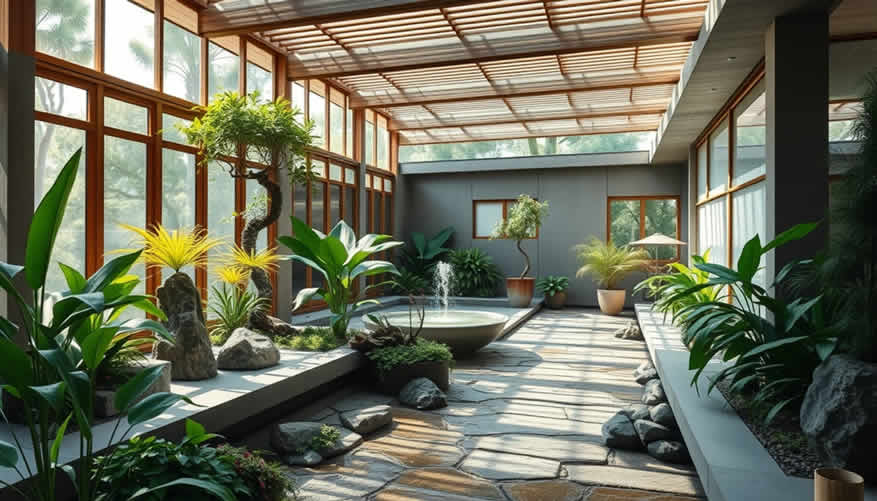
copyright image by 123rf.com
Stylish Ways to Display Houseplants
A sunroom provides the perfect, light-filled haven for houseplants to thrive. The challenge, however, is displaying them in a way that enhances your room’s style.
To elevate your space, consider tiered plant stands to create depth or hanging planters to add a boho-chic vibe while saving floor space.
You can also group plants of varying heights and textures in decorative pots that match your decor, breathing life and personality into your sunroom.
view ideas: guide to indoor plant stands(new win)
Houseplant Display
google imagesclassical display view samples modern display view samples pedestal display view samples shelf display view samples ladder display view samples hanging display view samples mounted display view samples terrarium display view samples -
Scroll up to directory … or scroll to next section of the converting requirements …
-
-

Easily determine the dimensions you need for any home remodeling project …

… ensuring functionality, visual appeal, and compliance with building codes.


-
-
4th Section: Converting an Interior Room Into a Sunroom?
… read this first before proceeding
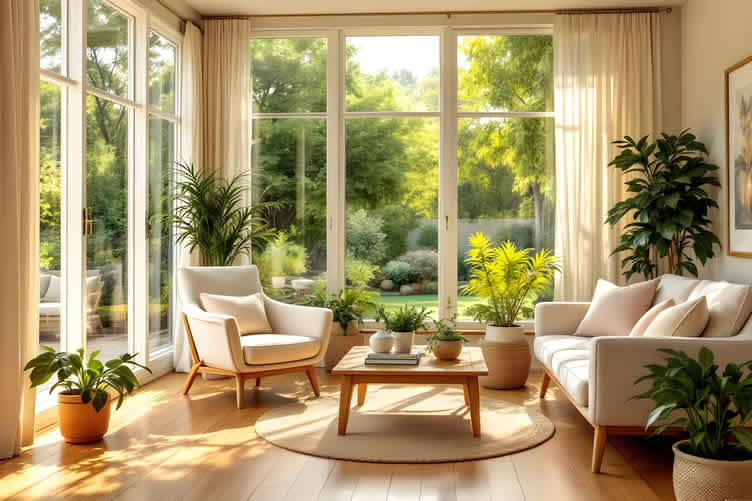
There is something deeply appealing about a sunroom—the warmth of natural light streaming in, the sense of being connected to the outdoors without sacrificing the comfort of your home.
But if you are thinking about converting an existing interior room into a sunroom, the process involves far more than swapping out a few walls for glass and calling it a day.
AI generated image by 123rf.com
This kind of project is fundamentally a structural transformation. You are, in essence, reclassifying an interior room as an exterior-grade conditioned space—and that changes everything.
Foundation performance, structural framing, building envelope systems, and HVAC capacity all come into play. Understanding these layers before breaking ground can save you from costly surprises and help you create a sunroom that performs beautifully for decades.
-
Evaluating Your Existing Interior Space
Not every room is equally suited to a sunroom conversion. Before engaging an architect or contractor, a structural and thermal assessment of the space will determine what is feasible within your existing footprint.
Key considerations include wall orientation—south-facing rooms in the Northern Hemisphere receive the most consistent sunlight throughout the day, making them optimal candidates for conversion.
East-facing rooms deliver bright morning light ideal for breakfast and wellness use, while west-facing spaces offer warm afternoon and evening sun.
-
Understanding the Complexity of Interior to Sunroom Conversions
The most common misconception about this type of project is that it is primarily a cosmetic upgrade. In reality, an interior-to-sunroom conversion demands the same level of planning and engineering rigor as building a new addition.
The room must transition from being shielded by the rest of the house to functioning as part of the building’s thermal and structural envelope.
That means thinking critically about how the space will handle heat loss, moisture intrusion, wind loads, and structural stress—especially across four seasons.
According to Sunroom Designs New England, the supporting structure must perform like the main house, with proper footings, correct frost depth, and no undersized piers or posts.
-
Structural Assessment and Load Bearing Requirements for Foundation Stability
Before any walls come down or windows go in, a structural engineer or qualified contractor should assess which walls and headers are currently carrying roof or second-floor loads. This is a non-negotiable first step.
Opening an exterior wall for more glass almost always requires new LVL (laminated veneer lumber) or steel beams—along with structural posts—to carry those loads back down to the foundation, as noted by LoadBearingWall.com.
Floor capacity is another critical factor. Four-season sunrooms can add 30 to 40 pounds per square foot due to the additional weight of framing, glass, and finishes. Existing floor joists may need reinforcement or added support below to handle this increase safely (Potomac Outdoor Living).
The foundation itself must also be re-evaluated. What was acceptable for an interior room may not meet the performance requirements of a conditioned exterior space.
Footings need to extend to the local frost depth to prevent heaving, and any undersized structural supports should be addressed before the project moves forward.
-
Engineering the Building Envelope for Maximum Energy Efficiency
Once the structural foundation is confirmed, attention turns to the building envelope—the assembly of walls, windows, roof, and floor that separates conditioned interior air from the outside environment. In a sunroom, where glazing dominates, this envelope must be engineered with particular care.
Walls that now face the outdoors should be framed like standard exterior walls: treated bottom plates, studs spaced 16 to 24 inches on center, structural sheathing, and proper connections to the existing framing (Clarksville Construction).
High-performance insulated, low-E window units are standard for sunrooms, offering thermal efficiency while managing solar heat gain. These large glass units also introduce significant wind load considerations, so framing must be properly sized and braced.
Insulation throughout the walls, ceiling, and floor should meet current energy code minimums. Spray foam, rigid foam boards, or high-density batts are all effective choices in the tight cavities common to sunroom construction (One Hour Air Fort Worth).
Getting the insulation right from the start is what separates a sunroom that feels cold and drafty in January from one that stays comfortable year-round.
-
Managing Structural Integrity When Expanding Exterior Openings
Enlarging openings to accommodate more glass is one of the defining features of sunroom design—and one of the most structurally demanding aspects of the conversion.
Every new or widened opening must be properly headed with a beam sized to carry the loads above, and that beam needs posts or columns to transfer those loads to the foundation.
Roof framing above the new sun-facing wall must also be engineered for local snow and wind loads, particularly if skylights are part of the design.
New rafters, ridge beams, or a shed or gable roof system should be tied structurally into the existing house framing using ledger boards, joist hangers, and hurricane ties—not simply fastened to the fascia or soffit (Sunroom Designs New England; YouTube – Sunroom Structural Connection).
This connection between old and new framing is where many DIY projects fall short. A properly engineered tie-in is what keeps the sunroom performing as part of the house rather than moving independently over time.
-
Material Selection for Exterior Grade Framing and Sheathing
Interior walls are framed with untreated lumber because they are protected from moisture. Once those same walls become exterior-facing, the material requirements change entirely. Treated lumber is required for bottom plates that contact concrete or are near grade, where moisture exposure is highest.
Structural sheathing—typically OSB or plywood rated for exterior use—should be applied continuously across wall framing to provide both racking resistance and a substrate for the water-resistive barrier. Continuous sheathing also contributes to overall air tightness, which directly affects energy performance and comfort.
Hardware throughout the assembly—joist hangers, beam connectors, post bases—should be rated for exterior or corrosive environments, particularly in coastal or high-humidity climates. Specifying the right materials at this stage avoids premature deterioration and structural callbacks down the road.
-
Moisture Mitigation Through Proper Flashing and Housewrap Systems
Water infiltration is the leading cause of long-term failure in sunroom additions. A comprehensive moisture management system is not optional—it is foundational to the durability of the space.
This system typically consists of housewrap or a similar water-resistive barrier applied over sheathing, integrated with metal flashing at all horizontal transitions, window and door openings, and roof-to-wall intersections (MyDeck.com).
Flashing must be lapped and sealed in the correct sequence to direct water outward and downward at every potential entry point. Sealants alone are not a substitute for proper flashing geometry; they are a secondary line of defense, not the primary one.
Vapor control also matters in high-glass, high-sun spaces where temperature differentials can drive moisture into wall assemblies. A well-placed vapor barrier, combined with comprehensive air sealing at joints and penetrations, helps manage condensation risk—particularly in cold climates.
-
HVAC Integration and Climate Control in Conditioned Spaces
A true four-season sunroom requires a dedicated heating and cooling strategy. Simply extending an existing duct run from the main system is rarely adequate and can actually unbalance the home’s overall HVAC performance.
A proper Manual J load calculation—which accounts for the room’s glazing area, orientation, insulation values, and local climate—should be performed before any HVAC decisions are made.
Common solutions include a ductless mini-split system, which offers precise zone control without requiring major ductwork modifications, or baseboard or radiant floor heating paired with operable windows or a ceiling fan for summer ventilation.
In milder climates, a well-insulated three-season room may get by with less mechanical support, but four-season comfort demands a purpose-built solution.
Ventilation also plays a role in air quality and moisture control. Operable windows or a small exhaust fan can prevent the buildup of heat and humidity on sunny days, extending the comfort of the space well beyond what mechanical cooling alone can achieve.
- Quick scroll to summary content …
Key Topic Details Important Considerations Converting Interior Room to Sunroom Turning an existing interior room into a sunroom is a structural transformation that involves more than replacing walls with glass. It reclassifies the room as a conditioned, exterior-grade space. Ensure proper planning for foundation performance, structural framing, building envelope systems, and HVAC capacity. Evaluating Existing Interior Space A thermal and structural assessment defines the feasibility of conversion. Wall orientation impacts sunlight exposure, making certain rooms more suitable for a sunroom. South-facing rooms get consistent sunlight. East-facing are ideal for morning light, while west-facing catch warm afternoon and evening sun. Structural and Load-Bearing Requirements A structural engineer or contractor must assess load-bearing walls before modifications. Reinforcement of floor capacity and footings to frost depth is often necessary. LVL or steel beams and proper structural posts ensure safety while bearing roof or second-story loads. Building Envelope and Energy Efficiency Walls, windows, roof, and floor must be designed to manage heat loss, solar heat gain, and wind loads, while meeting energy codes. Use high-performance insulated, low-E windows, proper framing, and advanced insulation techniques for year-round comfort. Expanding Exterior Openings Enlarging openings for glass windows requires sized beams and structural connections to handle loads and prevent movement over time. Proper tie-ins between old and new framing are critical for structural integrity. Material Selection Use treated lumber for moisture-prone areas and exterior-grade framing and sheathing for durability and performance. Structural hardware should be rated for corrosive environments, especially in coastal or humid locations. Moisture and Flashing Systems Proper housewrap, flashing, and vapor barriers are essential to preventing water infiltration and managing condensation risks. Flashing systems should be lapped and sealed correctly; sealing alone is not sufficient for durability. HVAC Integration Four-season sunrooms need dedicated heating and cooling systems suited for the room’s design and climate. Ductless mini-splits or radiant heating combined with ventilation options offer precise comfort control and better air quality. 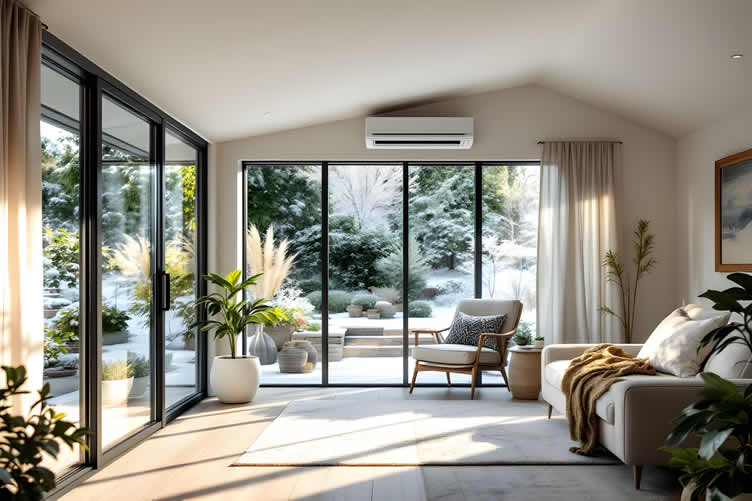
AI generated image by 123rf.com
Comfortable Four-Season Sunroom
To get the most out of your sunroom, you’ll want it to be a four-season space that you can enjoy on hot summer days and cold winter nights.
An efficient HVAC system is key to maintaining a comfortable temperature year-round. A mini-split ventless system is a great choice because it provides heating and cooling without needing extensive ductwork.
This energy-efficient solution also gives you precise temperature control, making your sunroom comfortable no matter the season.
view ideas: advantages of ductless HVAC systems(new win)
-
Scroll up to directory … or scroll to next section of the getting started …
-
-


Outline the specific requirements needed for making …
… key home improvement and remodeling decisions


-
-
5th Section: Getting Started with Your Project
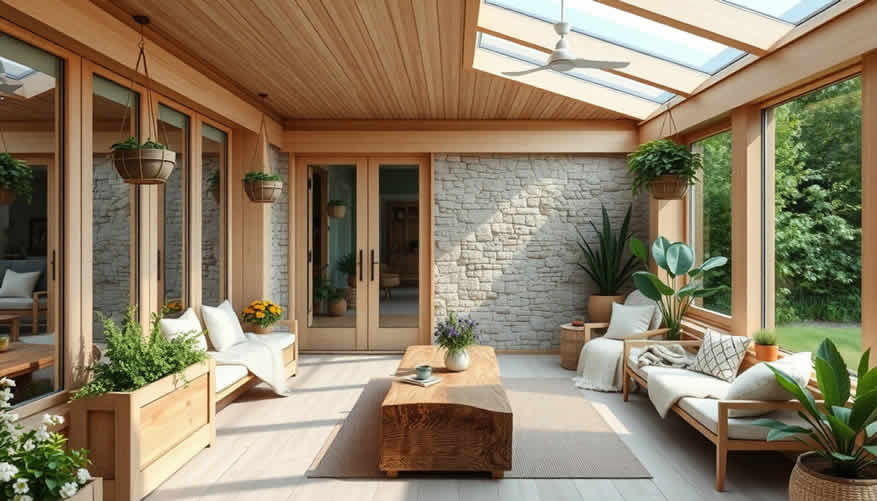
Starting a sunroom conversion project can feel both exciting and overwhelming, but breaking the journey into manageable steps is key.
Whether you’re planning a major renovation like adding a sunroom or a small update, understanding the process from start to finish will help you avoid common pitfalls.
Addressing foundational aspects like the architectural process, local zoning laws, and a thorough cost-benefit analysis early on will set the groundwork for a successful project that meets your vision and stays within budget.
copyright image by 123rf.com
This initial planning phase is crucial for turning your ideas into a concrete, actionable plan. Thinking through the logistics beforehand helps you anticipate challenges and make informed decisions, preventing stressful surprises later.
Finding the right expert help, such as an architect and/or contractor, is another vital component. These professionals offer guidance through the complexities of building codes and construction, ensuring your project is completed safely and to a high standard.
With a clear roadmap, you can move forward confidently, knowing you’ve laid the foundation for a beautiful and valuable addition to your home.
-
Navigating The Architectural Design Process
Converting an interior room into a functional four-season sunroom is an architectural exercise, not merely a renovation task. Engaging a licensed architect or a design-build firm with specific experience in residential glazed spaces is strongly recommended.
The architectural design process typically begins with a programming phase, during which the designer documents the room’s existing conditions, your functional goals, and any site constraints. From there, schematic designs are developed and refined through client feedback before moving into construction documentation.
Aesthetic integration is a critical design goal. The converted sunroom should feel like a natural extension of your home’s interior language, not an afterthought.
This means carrying consistent flooring materials where possible, aligning ceiling heights thoughtfully, and selecting trim and millwork that echoes the detailing found elsewhere in the house.
Lighting design deserves special attention. Natural light is the soul of the space, but layered artificial lighting—ambient, task, and accent—ensures the room remains functional and inviting after dark.
professional advisors can help plan costs (new win) the importance of an architectural plan -
Zoning Laws And Building Permit Essentials
Any structural modification to an existing room—particularly one involving changes to exterior walls, window enlargements, or HVAC integration—will require building permits in virtually every U.S. jurisdiction.
Proceeding without permits exposes homeowners to significant legal and financial risk, including fines, mandatory demolition of unpermitted work, and complications at the point of sale.
Begin by contacting your local building department or planning office early in the process. Permit requirements vary by municipality, but most sunroom conversions will require a building permit, and some may trigger zoning review if the proposed changes alter the exterior appearance of the home or affect setback compliance.
Your architect or contractor will typically manage the permit application process on your behalf, submitting construction drawings and specification documents as required. Plan for permit approval timelines ranging from two weeks to several months, depending on your jurisdiction and the complexity of the project.
Homeowners in HOA-governed communities should also review their association’s design guidelines before committing to any design decisions, as exterior changes often require HOA approval separate from municipal permits.
view more information (new win) building permits and codes for home renovations -
Cost-Benefit Analysis And Long-Term Property Valuation
A four-season sunroom conversion represents a meaningful financial investment. Project costs vary significantly based on room size, the extent of structural modifications, glazing system selection, and regional labor markets.
According to Remodeling Magazine’s annual Cost vs. Value report, sunroom additions—a closely related project type—typically recoup between 50 and 75 percent of their cost at resale, depending on market conditions and the quality of execution.
That figure, however, does not capture the full picture. The livability value of a well-designed sunroom—the daily quality-of-life improvement experienced by your household—is real and meaningful, even if it does not appear on an appraisal.
Homes with distinctive, high-quality light-filled spaces often command buyer interest and faster sale timelines in competitive markets.
Energy efficiency improvements made during the conversion—better insulation, high-performance glazing, upgraded HVAC—may also qualify for federal tax credits under the Inflation Reduction Act’s energy efficiency provisions, reducing the effective cost of the project.
view more information (new win) analyzing the numbers you need to decide the question – (new win) should you move or improve?
- Quick scroll to summary content …
Heading Details Additional Notes Getting Started with Your Project Starting a sunroom conversion project can be exciting yet overwhelming. Breaking the process into manageable steps is key to success. This includes addressing architectural planning, zoning laws, and cost-benefit analysis early on. A clear roadmap helps prevent challenges and enables informed decision-making. Hiring professionals, such as architects, ensures safety and high standards in construction. Navigating The Architectural Design Process The architectural design process begins with evaluating current conditions and refining schematic designs. Ensuring aesthetic integration, consistent materials, and thoughtful lighting design creates a space that feels natural. An architect or design-build firm is recommended for effective handling of residential glazed spaces. Zoning Laws and Building Permit Essentials Structural modifications require building permits to abide by local laws. Contact local building departments for zoning reviews and permits, and expect timelines from weeks to months. Understand HOA requirements if applicable. Permit applications are often managed by architects or contractors on behalf of homeowners. Cost-Benefit Analysis and Long-Term Property Valuation Sunroom conversions may recoup 50-75% of their cost at resale. However, livability value and energy efficiency improvements add intangible benefits, alongside potential federal tax credits for upgrades. Investing in quality design and execution enhances property value and comfort. Getting Expert Help Partnering with experienced contractors ensures the success of sunroom projects. Their expertise spans energy efficiency, compliance with codes, high-quality materials, and skilled craftsmanship. Look for contractors with specialized experience and excellent reviews, and compare quotes before finalizing. 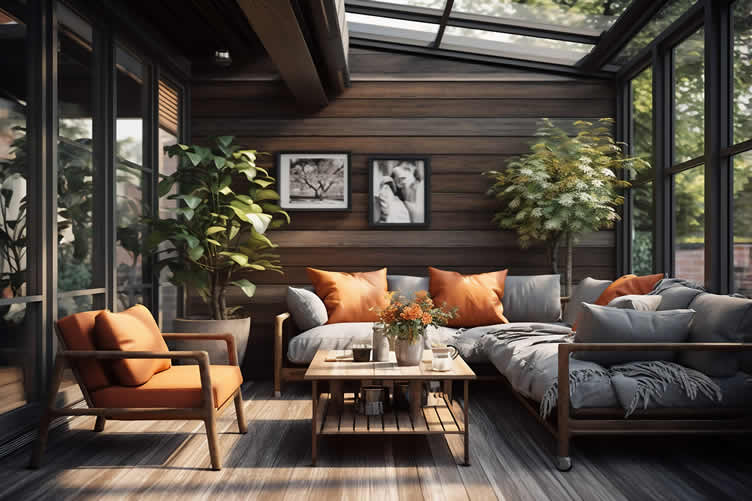
copyright image by 123rf.com
Transform Your Deck or Patio
One of the best ideas for sunroom conversion is transforming your existing deck or patio into an all-season haven.
With door access already in place, it serves as the perfect entry point for your new sunroom, simplifying the transition from outdoor to indoor space.
By incorporating features like insulated windows, weatherproof flooring, and climate control systems, you can create a comfortable and inviting environment that can be enjoyed year-round.
Whether it’s a serene space for morning coffee or a bright, cozy area to entertain guests, an all-season sunroom adds both functionality and aesthetic appeal to your home.
view ideas: from deck (or patio) to dream room(new win)
Getting Expert Help
Transforming an existing room into a beautiful sunroom is an exciting prospect, but it can also be a surprisingly complex undertaking. The process requires a delicate balance of technical expertise to ensure the final space meets your goals for energy efficiency, maintains structural integrity, and achieves the desired aesthetic appeal.
For these reasons, partnering with an experienced remodeling contractor is not just a recommendation—it’s truly essential for a successful and stress-free transformation that you will love for years to come.
-
Benefits of Hiring an Experienced Remodeling Contractor
Hiring an experienced remodeling contractor is one of the most important decisions you’ll make during your sunroom conversion.
A skilled professional brings invaluable expertise to the project, ensuring a smooth process and high-quality results that will stand the test of time.
Here’s a closer look at what they can offer:
- Professional Assessment and Design:
Contractors can provide a comprehensive evaluation of your space and develop a custom design tailored to your home and lifestyle. - Knowledge of Building Codes:
They ensure all work complies with local permitting regulations and safety standards, avoiding costly mistakes. - Energy Efficiency Expertise:
With the installation of insulation, energy-efficient windows, and HVAC systems, they ensure your sunroom is comfortable year-round while reducing energy costs. - Access to Quality Materials:
Professionals often have trusted suppliers, ensuring you get high-quality materials at competitive prices. - Skilled Craftsmanship:
From framing to finishing details, an experienced contractor delivers impeccable workmanship that enhances both form and function. - Time and Cost Efficiency:
Their project management skills help streamline schedules, control budgets, and reduce unexpected delays. - Warranty and Support:
Most contractors offer warranties on their work, giving you peace of mind and post-project support if needed.
- Professional Assessment and Design:
-
Finding the Right Contractor
To find an experienced contractor for your sunroom conversion, start by researching local remodeling services with excellent online reviews and customer references.
Look for contractors who specialize in sunroom installations and have a portfolio showcasing similar projects. Request quotes from multiple professionals and compare their services, timelines, and costs.
Don’t hesitate to ask for proof of licenses and insurance to ensure you’re working with a trusted professional. This diligent process will help you choose a contractor who aligns with your vision and guarantees exceptional results.
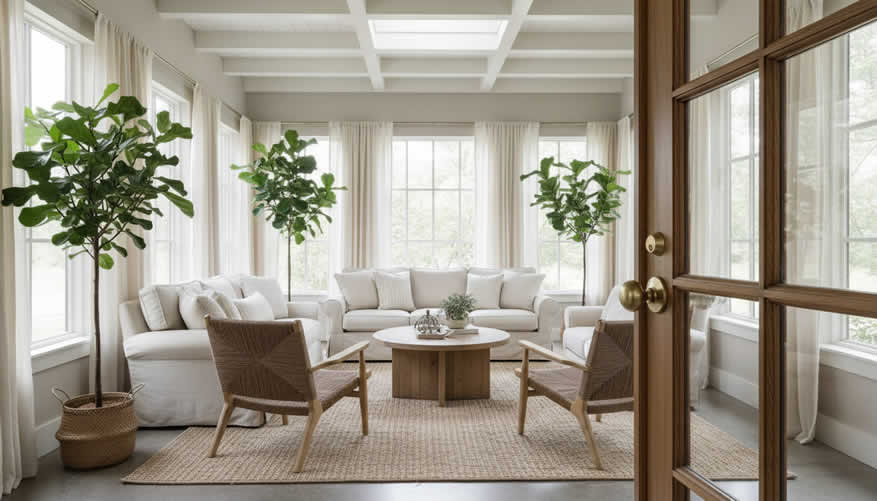
LetsRenovate has partnered with HomeAdvisor™, a renowned provider of highly-rated, carefully-vetted remodeling contractors. Start your search here by choosing the type of contractor you need and entering your zip code to find local professionals.
copyright image by 123rf.com
But Wait!
Before searching for home remodeling contractors for your sunroom conversion, download and use our evaluation worksheet.
This resource will help you objectively rank and assess potential contractors based on essential factors like pricing, licensing, and referrals.

Evaluation Sheet
File Type:-
Scroll up to directory … or scroll to next section about sunroom addition …
-
-
SHARE IT ..! Someone in your network might benefit from this insightful post about managing an interior room into four-season sunroom. Feel free to share it on Facebook, X (formally Twitter), LinkedIn, or Pinterest!



Download this PDF for a concise summary of everything you need to know about …?

Calendar For:
Home Maintenance
File Type:


-
-
6th Section: Considering a Sunroom Addition
… instead of a converted interior room
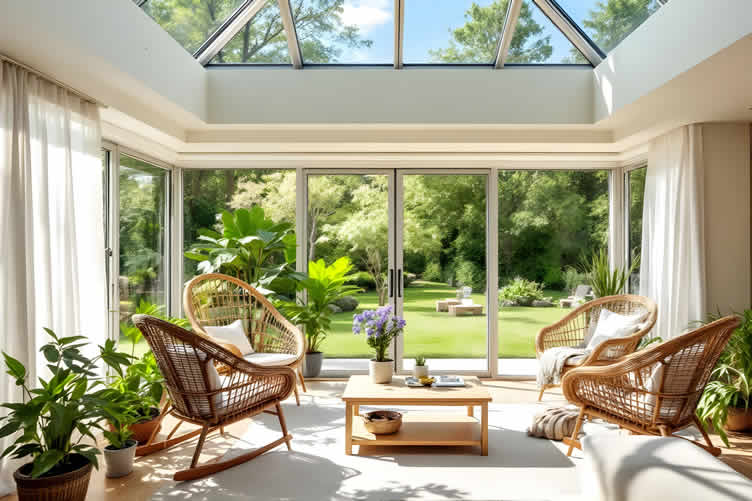
Converting an existing interior room into a sunroom may seem like the more straightforward option, a full sunroom addition can offer greater flexibility, enhanced aesthetics, and increased home value.
By building a sunroom addition from the ground up, you can fully control layout, style, and features while integrating the new structure harmoniously with your home’s existing architecture.
AI generated image by 123rf.com
Sunroom additions also allow for more significant opportunities to optimize natural light and airflow, which are key features of these spaces.
From positioning the sunroom to capture the ideal sunlight to incorporating energy-efficient materials, an addition provides greater freedom to align with both your design and functionality goals.
However, such an undertaking requires careful planning, particularly when it comes to costs and timelines. Before embarking on a sunroom addition, it’s essential to understand the considerations and commitments involved to ensure a successful project.
-
Cost and Time Considerations of a Sunroom Addition
Opting for a sunroom addition typically involves a higher upfront investment compared to converting an interior space, but the payoff can be significant. This investment varies depending on size, materials, design complexity, and regional construction costs.
On average, a custom-built sunroom addition can range between $20,000 to $70,000 or more, according to industry insights from remodeling experts and home improvement publications.
This cost provides you with the benefit of tailored options, from insulated roofing and dual-pane windows to HVAC integrations that make the space suitable for year-round use.
The timeline for a sunroom addition also tends to be longer when compared to a conversion. It may take several weeks to months to complete, depending on the project’s scope and any required permits or inspections.
Securing proper zoning and permits is a critical step, as sunroom additions often involve foundation work and structural changes that must adhere to local building codes. Working with professional contractors experienced in sunroom installations can help streamline the process and avoid costly delays.
While the longer timeline and higher cost may require additional planning, the value of a purpose-built sunroom addition often outweighs the drawbacks.
Not only can it enhance your quality of life by delivering an uplifting space for relaxation or entertaining, but it also contributes to the long-term value of your home.
Real estate professionals frequently cite sunrooms as desirable features, particularly when well-executed. Ultimately, a sunroom addition can transform both the functionality and appeal of your living space, making it a valuable investment for years to come.
- Quick scroll to summary content …
Topic Details Considerations Benefits Sunroom Addition Overview Building a sunroom addition provides a bright, inviting space connecting indoors and outdoors harmoniously with your home’s architecture. Offers greater flexibility, style control, and integration with existing design versus converting an interior room. Optimizes natural light, airflow, and offers tailored options for enhanced aesthetics and functionality. Cost A sunroom addition typically requires a higher initial investment compared to a conversion project. Costs vary by size, materials, design complexity, and regional construction requirements. Average cost ranges $20,000 to $70,000 or more, offering custom features and year-round usability with insulated and energy-efficient materials. Timeline Building a sunroom addition takes longer than converting an interior space, with timelines spanning weeks to months. Requires securing permits, zoning, and adhering to building codes due to foundation and structural work. Professional contractors experienced in sunroom projects help ensure timely completion and adherence to regulations. Long-Term Value Sunrooms enhance quality of life as uplifting spaces for relaxation and entertaining. Proper planning ensures the addition meets functional goals and complies with standards. Significantly adds to home value, being a desirable feature among buyers when well-executed. 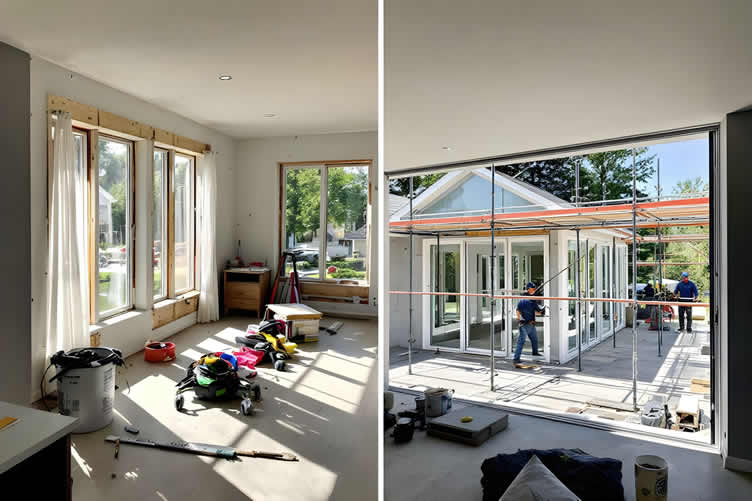
AI generated image by 123rf.com
Taking the Leap with Confidence
Deciding whether to convert an existing room or add a new sunroom is a major financial decision.
A conversion might seem cheaper initially, but it often involves significant modifications.
Building a new addition allows for a custom design but typically comes with higher costs and a longer construction time.
By carefully considering your needs, budget, and long-term goals, you can make a confident choice that will enhance your home’s comfort, value, and beauty.
view ideas: should you remodel your home?(new win)
-
Scroll up to directory … or scroll to conclusion and references …
-
-
-
Conclusion
… from interior room to sun-drenched sanctuary
Converting an existing room into a four-season sunroom is a deeply personal and rewarding investment. It begins with understanding your family’s needs and ends with a space that fulfills them, day after day.
While the technical details are crucial—structural assessments, glazing performance, HVAC integration, permits, and material selection—so is the human element. Think of the morning light lifting your mood, a quiet corner for reflection, or family dinners that linger because the space feels so inviting.
To start, identify a room with good solar orientation and strong structural bones. Find an experienced architect or design-build professional and review their past projects. Discuss your budget openly and allow yourself the time to plan it properly.
A carefully built four-season sunroom will serve your family for decades. It’s more than a renovation; it’s a transformation worth making.
Resource Citations
- U.S. Department of Energy. (2024). Energy Efficient Windows. Office of Energy Efficiency & Renewable Energy.
https://www.energy.gov/… - U.S. Department of Energy. (2024). Insulation. Office of Energy Efficiency & Renewable Energy.
https://www.energy.gov/… - National Institutes of Health. (2022). Light Exposure and Circadian Rhythm Regulation. National Library of Medicine.
https://www.ncbi.nlm.nih.gov/ - Remodeling Magazine. (2024). Cost vs. Value Report. Zonda Media.
https://www.remodeling.hw.net/… - Sunroom Designs New England. Deck to Sunroom Conversion Guide in Connecticut.
https://sunroomdesignsnewengland.com/… - Clarksville Construction. How to Convert a Screened Porch Into a Sunroom.
https://clarksvilleconstruction.net/… - One Hour Air Fort Worth. Insulation and Ventilation.
https://www.onehourairftworth.com/… - LoadBearingWall.com. Sunroom Additions vs. Patio Conversions.
https://www.loadbearingwall.com/… - Michael Bennett Homes. Incorporating a Four-Season Sunroom Into Your Custom Home Design.
https://www.michaelbennetthomes.com/… - Titan Sunrooms. Navigating the Sunroom Permit Process: A Homeowner’s Guide.
https://titansunrooms.com/… - YouTube. Sunroom Structural Connection Video.
https://www.youtube.com/watch?v=Jd53GpY-X3E
- U.S. Department of Energy. (2024). Energy Efficient Windows. Office of Energy Efficiency & Renewable Energy.
-
Quick scroll to more interior home and decor ideas …
-
ideas to view and compare from the photo above
- What comments can you share about
a four-season sunroom that you have installed?
… view our home remodeling guides and steps
… view our sharing links below for a quick "share the knowledge"
Find Home Remodeling Services Additions Major Remodels Minor Remodels Disability Needs Plumbing Drain Clearing Appliances Electrical top-rated, pre-screened local contractors FREE: download contractor selection enter zip code – powered by HomeAdvisor ™
Quick Contractor Guides selecting negotiating working with inspecting

Cover image credit: four-season sunroom by 123rf.com
end of post … please share it!
 |
did you find four-season sunroom analysis helpful? If so, please share the article with your friends and family! |
Nice pic idea? Leave us a quick comment below.
And please share this pic idea within your social networks.