Summary Outline –
Homeowners who choose sustainable living solutions often discover that their eco-friendly upgrades lead to significant cost savings over time.
Energy-efficient appliances reduce monthly utility bills, sustainable materials often prove more durable than conventional alternatives, and water conservation systems can dramatically lower water expenses. These improvements also increase property values, making eco-friendly homes a smart financial investment.
The journey toward sustainable living encompasses several key areas that work together to create a harmonious, efficient home environment. Energy efficiency forms the foundation of any eco-friendly home, while sustainable materials ensure that your living space supports environmental health.
- post content
- Eco-Home Tip 1: Optimizing Energy Efficiency
- Eco-Home Tip 2: Implementing Water Conservation Strategies
- Eco-Home Tip 3: Consolidate e-Systems with Smart Home Technology
- Eco-Home Tip 4: Employing Sustainable Materials
- Eco-Home Tip 5: Transitioning to an Eco-Home: Building a Greener Future

-
Quick scroll to first topic about eco-friendly homes … or review summary content

Content Summary
section directory1st Eco-Home Review: [view section]
… one of the easiest ways to make your home more sustainable is by improving its energy efficiency. Start by reducing electricity consumption with LED light bulbs, better insulation, and proper weatherproofing. Upgrading to energy-efficient appliances can also make a significant impact. Once you’ve optimized energy usage, consider generating your own power with renewable options like solar panels or geothermal energy. These steps can help create a more eco-friendly and energy-conscious home.
2nd Eco-Home Review: [view section]
… the second section focuses on water conservation strategies to support sustainable living at home. Simple measures include installing low-flow faucets and toilets, using water monitoring systems to track usage and detect leaks, and landscaping with native plants to minimize water needs. Additionally, you can explore rainwater harvesting and greywater recycling to further reduce water consumption.
3rd Eco-Home Review: [view section]
… managing energy and water usage requires time and discipline, but home automation with AI analytics can make the process simpler and more efficient. Start by optimizing your HVAC system to ensure it runs at peak efficiency. Then, incorporate smart switches, outlets, and sensors to help reduce both energy consumption and water usage. AI-powered home automation can also enhance your efforts with smart irrigation systems and tools for managing home energy production. By consolidating these tasks, you can create a more sustainable and seamlessly connected home.
4th Eco-Home Review: [view section]
… the fourth point highlights the importance of using sustainable building materials in your new home or renovation project. Choosing sustainable materials not only promotes a healthier indoor environment but also minimizes the environmental impact of construction and remodeling.
5th Eco-Home Review: [view section]
… the fifth and final section focuses on transitioning to an eco-home, whether by building a new sustainable home from scratch or gradually transforming your existing one. This process can involve a mix of DIY efforts and hiring contractors to create an eco-friendly living space that reduces environmental impact while saving on costs.
first “eco-friendly homes” idea
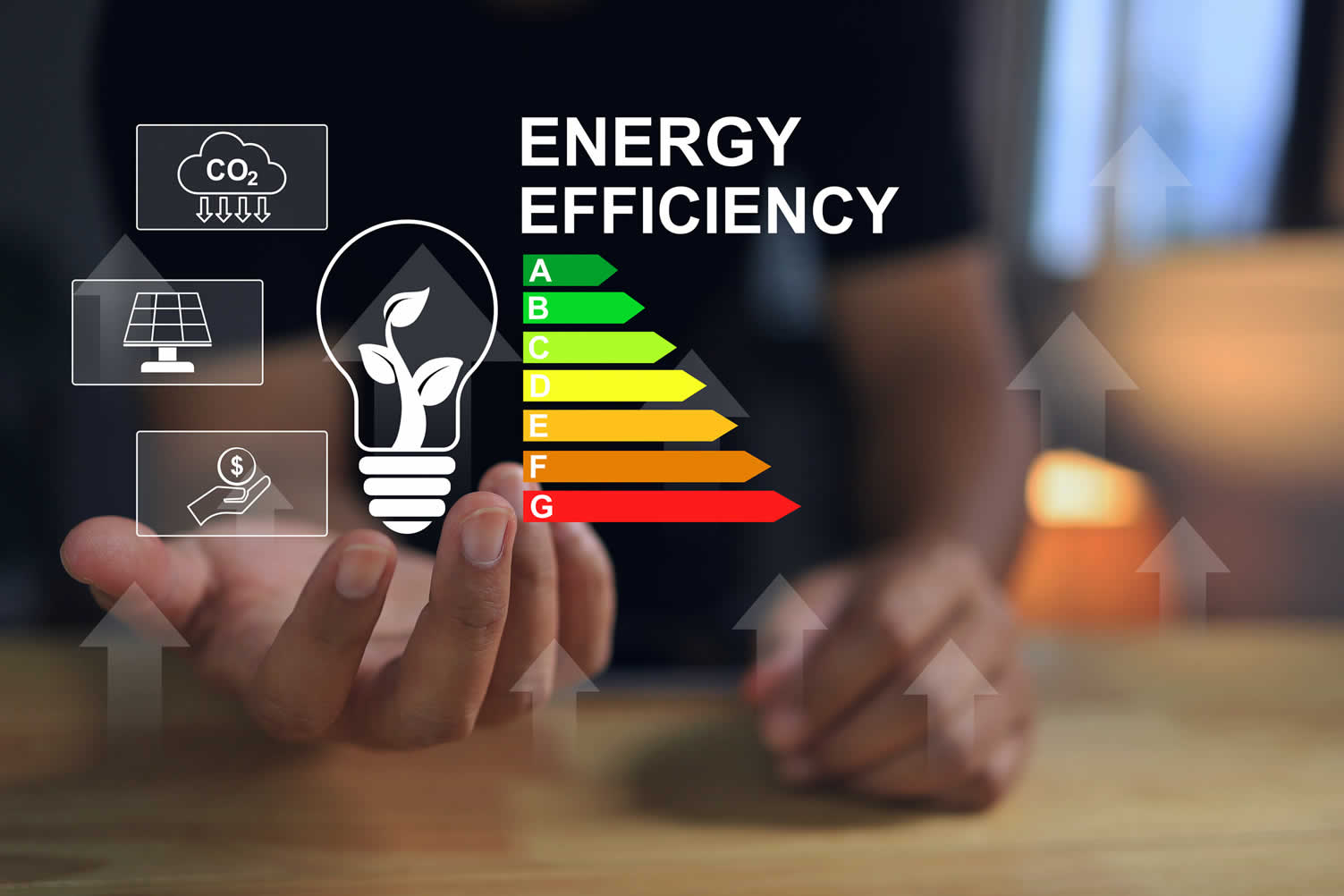

copyright image by 123rf.com
Eco-Home Tip 1: Optimizing Energy Efficiency
Notes:
-
Energy efficiency stands as the cornerstone of eco-friendly homes, offering the most immediate and measurable impact on both environmental footprint and household expenses.
Modern energy-efficient solutions have evolved far beyond simple conservation—they represent sophisticated technologies that maintain or even enhance comfort while dramatically reducing energy consumption.
The path to energy efficiency involves multiple interconnected systems that work together to create an optimized home environment. From advanced lighting solutions to renewable energy sources, each component plays a vital role in reducing your home’s energy demands while maintaining the modern conveniences you expect.
-
Quick scroll to supporting notes …
-
-
1st: Transitioning to LED Lighting
Switching to LED lighting is one of the simplest yet most impactful changes you can make to transform your home into an eco-friendly sanctuary. LED (Light Emitting Diode) technology has rapidly gained popularity for its energy efficiency, versatility, and sustainability, becoming the gold standard in modern home illumination.
These innovative lights not only pave the way for significant energy savings but also enhance your space with advanced features and customizable designs.
Whether you’re upgrading fixtures or planning a comprehensive home remodel, LED lighting offers both immediate and long-term benefits that align with your goals for an eco-home.
[ view summary table: LED lighting ]
-
Reduced Energy Consumption and Cost Savings
One of the most compelling reasons to switch to LED lighting is its efficiency. LEDs use approximately 75% less energy than traditional incandescent bulbs and even outperform compact fluorescent lights (CFLs).
This energy reduction translates directly into cost savings. Homeowners can expect a lower utility bill as LEDs draw less electricity while maintaining consistent brightness.
For families, individuals, or growing households, the savings multiply over years, creating a more economical and environmentally conscious home.
-
Minimal Heat Output for Increased Safety
Unlike older lighting technologies, LED lights produce little to no heat, making them safer and more practical for a variety of applications. Traditional incandescent bulbs convert a significant portion of energy into heat, often creating unnecessary strain on air conditioning systems during warmer months.
LEDs provide a cooler, more efficient alternative that performs exceptionally well in both residential and commercial environments. For eco-minded consumers, this minimal heat output reduces the overall energy footprint, contributing to a more sustainable home climate.
-
Longevity for Lasting Value
LEDs are engineered to last significantly longer than other types of lighting, with some models offering lifespans up to 25,000 hours or more. This longevity reduces the need for frequent replacements, saving both time and money.
When viewed from an environmental perspective, fewer replacements mean less waste reaching landfills, making LEDs an ideal choice for those aiming to reduce their ecological impact.
Their extended lifespan also appeals to busy homeowners who value products that require minimal maintenance while enhancing overall convenience.
-
Versatility in Design and Functionality
Modern LEDs are available in a wide array of styles, shapes, and colors, allowing homeowners to achieve virtually any design aesthetic. From sleek recessed lighting to elegant pendants and even artistic statement pieces, LEDs complement traditional, contemporary, and transitional decor alike.
This versatility extends to lighting tones, with options ranging from soft, warm white to crisp, cool hues, creating the perfect ambiance for any space in your home.
For anyone considering home remodeling, the adaptability of LED lighting ensures its suitability for every room, including kitchens, bathrooms, and living spaces.
-
Smart Capabilities for Enhanced Control
Many LED lighting systems are compatible with smart home technologies, offering advanced options for automation and convenience. Smart LEDs can be dimmed, scheduled, or controlled remotely via smartphone applications or voice assistants, giving users precise control over their lighting environment.
These features not only add convenience but also increase energy efficiency by offering the ability to customize usage patterns.
Homeowners seeking to integrate smart home functionality appreciate the seamless integration that modern LED systems provide, making it easier than ever to build a futuristic, eco-friendly living space.
References:
- U.S. Department of Energy. "LED Lighting." https://www.energy.gov/energysaver/led-lighting
- Environmental Protection Agency (EPA). "Benefits of LED Lighting." https://www.epa.gov/led-lighting-benefits
- Energy Star. "Lighting Efficiency and Energy Cost Savings." https://www.energystar.gov/products/lighting’s-benefits
- National Renewable Energy Laboratory (NREL). "Sustainability Advantages of LED Technology." https://www.nrel.gov/led-technology-sustainability
Feature Description Benefits Reduced Energy Consumption and Cost Savings LEDs use approximately 75% less energy than incandescent bulbs and outperform CFLs. Lower utility bills, reduced overall energy use, and long-term cost efficiency. Minimal Heat Output for Increased Safety LEDs produce little to no heat compared to traditional incandescent bulbs. Safer lighting, decreased strain on cooling systems, and a lower energy footprint. Longevity for Lasting Value LEDs can last up to 25,000 hours or more, far outlasting other types of bulbs. Fewer replacements, cost savings, less waste, and lower environmental impact. Versatility in Design and Functionality Available in numerous styles, shapes, colors, and tones to fit any aesthetic. Adaptability to various home designs and spaces, from kitchens to living rooms. Smart Capabilities for Enhanced Control LEDs integrate with smart technologies for automation, dimming, and remote access. Convenience, improved energy efficiency, and advanced customization options. 


copyright image by 123rf.com

-
-
2nd: Installing Solar Panels
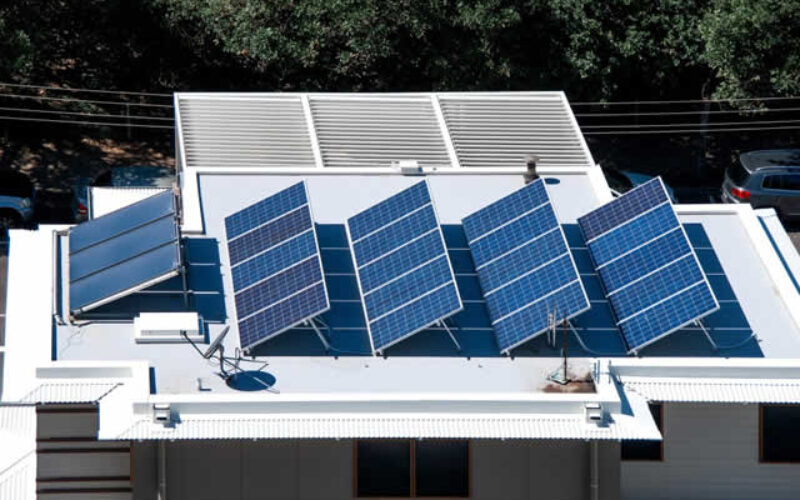
Transitioning your home to use solar energy is a forward-thinking, impactful decision that benefits both the environment and your household. Solar panels, typically installed on rooftops or open areas with access to abundant sunlight, convert renewable solar energy into electricity.
This technology significantly reduces reliance on traditional energy sources, promoting sustainability while lowering long-term energy costs. For homeowners embarking on their eco-home journeys, understanding the value and benefits of solar panels is an essential first step.
[ view summary table: installing solar ]
-
Eco-Benefits of Installing Solar Panels
Harnessing the power of the sun to fuel your home offers considerable environmental advantages. Solar panels drastically reduce greenhouse gas emissions by decreasing dependence on fossil fuels.
These emissions, often associated with traditional energy generation, contribute heavily to climate change. By opting for solar energy, your household plays a direct role in minimizing its carbon footprint.
Further, solar panels are a highly sustainable energy solution. Unlike finite resources such as coal and natural gas, solar energy is abundant and renewable.
Each day, the sun delivers more energy to Earth than humanity could consume in a year, making it an exceptional resource for eco-conscious living. By tapping into this source, you align with global goals of conserving the planet’s resources for future generations.
Solar panels also aid in reducing air and water pollution. Traditional energy production, particularly from coal-fired plants, can release harmful contaminants into the environment, affecting air quality and sometimes contaminating water supplies during the cooling processes.
Solar energy systems operate cleanly and safely, ensuring a healthier environment in and around your home.
-
Empowering Your Eco-Home Transition
Investing in solar panels is not only an environmentally responsible choice but also a doorway to energy independence. With the capability to generate your own electricity, you decrease your reliance on grid-based energy, which is often susceptible to price fluctuations and outages.
Over time, this translates into substantial savings on energy bills, providing homeowners with financial predictability and peace of mind.
Solar energy systems are also incredibly adaptable to diverse housing and budget requirements. Whether you live in a rural property with extensive open areas or a suburban neighborhood with moderate rooftop space, solar panels can be customized to meet your specific needs.
Federal, state, and local incentives like tax credits or rebates make these systems accessible for many budgets, ensuring the widespread adoption of clean energy.
Beyond your household, adopting solar technology demonstrates leadership in environmental stewardship. Solar-powered homes inspire neighbors and communities to take similar steps toward a sustainable future.
By paving the way, you contribute to a collective effort to create cleaner, more energy-efficient living spaces.
-
Seamless Integration into Your Home
The installation process for solar panels has become increasingly streamlined and user-friendly due to advancements in solar technology and professional services.
Coordinating with reputable solar providers ensures proper assessment of your property’s suitability, efficient system design, and flawless installation. Professionals will evaluate factors like roof orientation, shading, and energy consumption patterns to recommend a system tailored to your needs.
Modern solar panels are designed with durability and longevity in mind. With lifespans often exceeding 25 years and minimal maintenance requirements, they provide consistent performance for decades.
Furthermore, surplus energy generated by your solar system can often be fed back into the grid, earning credits through net metering programs. This not only maximizes your investment but contributes additional clean energy to local grids.
-
The Broader Impact of Solar Energy
The incorporation of solar panels into homes has ripple effects that extend far beyond individual households. Increased adoption of solar energy strengthens the renewable energy sector, fostering job creation in manufacturing, installation, and maintenance roles.
Simultaneously, the reduced strain on conventional power plants decreases infrastructure costs and promotes a more resilient energy system.
By choosing solar energy, you reinforce your commitment to the environment, personal financial well-being, and the broader societal benefits of clean energy. Transitioning to solar power marks a significant milestone in creating eco-homes that are not just stylish and functional but also planet-forward.
References:
- U.S. Department of Energy. “Benefits of Residential Solar Electricity.” https://www.energy.gov/eere/solar/homeowners-guide-solar-electric-systems
- International Renewable Energy Agency (IRENA). "Solar Power’s Environmental and Economic Benefits." https://www.irena.org/solar-benefits
- National Renewable Energy Laboratory (NREL). “Residential Solar Adoption Trends.” https://www.nrel.gov/solar-trends
- Solar Energy Industries Association (SEIA). “The Role of Solar Energy in Sustainability.” https://www.seia.org
Aspect Details Environmental Benefits Solar panels reduce greenhouse gas emissions by decreasing reliance on fossil fuels, helping mitigate climate change. They also reduce air and water pollution, contributing to a cleaner environment. Sustainability Solar energy is abundant and renewable, unlike finite resources such as coal and natural gas. Using solar aligns with global conservation goals for future generations. Energy Independence Homeowners can generate their own electricity, reducing reliance on the grid and avoiding energy price fluctuations. This leads to long-term financial savings. Adaptability Solar panels are customizable to fit various housing setups and budgets. Incentives like tax credits and rebates make them more affordable. Installation Process Professional services ensure efficient design and installation tailored to property needs. Modern panels are durable, low-maintenance, and offer a lifespan exceeding 25 years. Community Impact Adopting solar inspires community action, contributes surplus energy to grids via net metering, and creates jobs in the renewable energy sector. Broader Benefits Adoption strengthens the renewable energy sector, reduces strain on traditional power infrastructure, and fosters a resilient energy system. 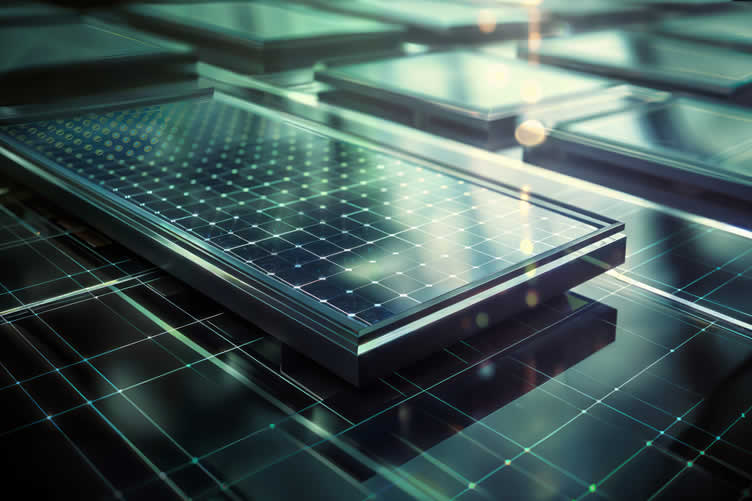
AI generated image by 123rf.com
-
-
3rd: Consider Geothermal Energy
For homeowners residing in areas with access to geothermal resources, installing a geothermal system is an effective way to optimize energy efficiency. This advanced system leverages the Earth’s natural heat to maintain a consistent indoor temperature throughout the year, making it a sustainable and cost-efficient solution.
Below, we explore everything you need to know about geothermal energy, its suitability, installation process, and the eco-benefits it offers.
[ view summary table: geothermal energy ]
-
What Is Geothermal Energy?
Geothermal energy is a renewable energy source that harnesses heat stored beneath the Earth’s surface. This natural heat originates from the Earth’s core and can be extracted for various purposes, such as heating, cooling, and electricity generation.
Geothermal systems depend on underground pipes and a heat pump to transfer thermal energy into your home during the winter and remove heat during the summer. This innovative technology operates efficiently, providing year-round comfort while relying on a sustainable resource.
-
Is Geothermal Energy Right for Your Area?
Determining whether geothermal energy is a viable option for your home depends on several factors. Areas with geothermal potential are typically characterized by consistent underground temperatures and suitable soil or rock conditions.
Before considering installation, an evaluation by a certified geothermal energy specialist is recommended. They will assess factors such as your property’s geological structure, climate, and local regulations. Additionally, check for any government incentives or rebates that may be available to support renewable energy installations in your region.
-
How to Install a Geothermal System
Installing a geothermal system involves a multi-step process that should be carried out by qualified professionals. The first step is conducting a site survey to determine the ideal location for the geothermal loops, which are often installed vertically or horizontally underground.
Once the loops are placed, they are connected to a heat pump located inside the home. This pump manages the exchange of heat between the Earth and your home.
Although upfront installation costs may seem significant, many homeowners find that reduced energy bills and increased property value make the investment worthwhile over time.
-
Eco-Benefits of Geothermal Systems
Geothermal systems are among the most sustainable ways to heat and cool a home. By utilizing the stable temperature of the Earth, these systems drastically reduce reliance on fossil fuels, minimizing carbon emissions and contributing to cleaner air.
They are exceptionally energy-efficient, often consuming up to 50% less electricity compared to conventional heating and cooling systems. Beyond environmental benefits, geothermal energy promotes financial savings through lower utility bills and reduced maintenance costs.
Additionally, adopting geothermal technology positions homeowners as leaders in sustainable living, promoting a greener future for their community.
References:
- U.S. Department of Energy. "Geothermal Heat Pumps." https://www.energy.gov.
- International Ground Source Heat Pump Association. "Geothermal FAQs." https://igshpa.org.
Geothermal Energy System Overview What Is Geothermal Energy? A renewable energy source that utilizes heat from beneath the Earth’s surface for heating, cooling, and electricity generation. It operates using underground pipes and a heat pump for year-round efficiency. Suitability Ideal for areas with consistent underground temperatures and suitable soil or rock conditions. Requires evaluation by a certified specialist to determine feasibility and compliance with local regulations. Installation Process Includes a site survey for loop placement (vertical or horizontal), installation of loops underground, and connection to an indoor heat pump. Professional installation is necessary due to system complexities. Eco-Benefits Minimizes carbon emissions, reduces reliance on fossil fuels, and consumes up to 50% less electricity. Offers lower utility bills, reduced maintenance costs, and enhances property value. 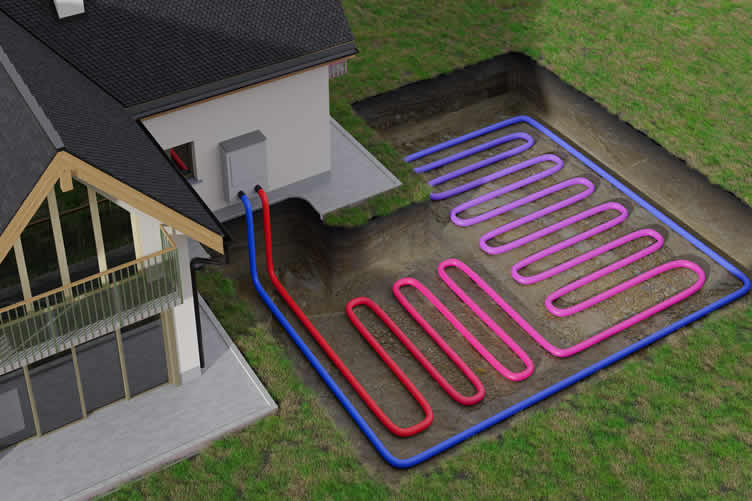
AI generated image by 123rf.com
[ view diagram: home geothermal system]
[ youtube: Is a Geothermal Heat Pump Worth It?]
-
-
4th: Use Energy-Efficient Appliances
Energy-efficient appliances have revolutionized the way we consume and conserve energy, offering a sustainable pathway toward reducing environmental impact and enhancing the comfort and functionality of our homes.
Upgrading to energy-efficient appliances not only benefits the planet but also delivers tangible financial and long-term performance advantages for homeowners.
With technological advancements and industry certifications like ENERGY STAR, these appliances are designed to meet the needs of eco-conscious consumers while significantly lowering energy consumption.
[ view summary table: energy-efficient appliances ]
-
The Environmental Benefits of Energy-Efficient Appliances
One of the primary advantages of energy-efficient appliances is their impact on reducing greenhouse gas emissions. By requiring less energy to function, these appliances contribute to lower fossil fuel consumption—a key factor in combating climate change.
For instance, ENERGY STAR-certified refrigerators use approximately 15% less energy than non-certified models. Similarly, energy-efficient dishwashers and washing machines consume significantly less water compared to standard versions, conserving a vital natural resource in addition to energy.
Replacing older appliances with newer, energy-efficient models minimizes your home’s carbon footprint, actively contributing to global efforts to promote sustainability. The adoption of these appliances aligns with eco-friendly living goals, enabling users to make conscious choices that support the environment without sacrificing performance or convenience.
-
Financial Advantages of Adopting Energy-Efficient Appliances
Beyond their environmental benefits, energy-efficient appliances deliver measurable financial savings. According to the U.S. Department of Energy, homeowners can save up to 50% annually on energy costs by upgrading from standard appliances to ENERGY STAR-certified options.
These savings are achieved through innovative designs that optimize energy use, such as advanced compressors in refrigerators or sensors in modern HVAC systems that adjust operation based on real-time needs.
Additionally, reduced energy consumption translates into lower utility bills, allowing families to reinvest their savings into other aspects of home improvement or everyday living expenses.
Many municipalities and energy providers also offer rebates and tax incentives for purchasing energy-efficient appliances, making the upfront investment more accessible and financially appealing.
-
Minimal Maintenance, Maximum Performance
Energy-efficient appliances are engineered for longevity and require less frequent maintenance compared to traditional options. Features such as improved motor technology and self-regulating systems help these appliances operate more effectively, reducing wear and tear over time.
This leads to fewer repairs and higher durability, ensuring homeowners enjoy years of reliable service with minimal effort.
For instance, advancements in energy-efficient washing machines incorporate direct-drive motors that not only save energy but are also quieter and sturdier. High-efficiency water heaters similarly employ innovative insulation techniques to prevent heat loss, ensuring reliable performance with reduced maintenance needs.
-
Types of Energy-Efficient Appliances for Eco-Homes
An eco-friendly home can benefit from a variety of energy-efficient appliances tailored to different household requirements. ENERGY STAR-certified appliances include:
-
Kitchen Appliances
- Energy Star-rated refrigerators
- Induction cooktops
- Low-flow dishwashers
- Convection ovens
- Smart microwaves
-
Laundry Appliances
- High-efficiency washing machines
- Energy Star-certified dryers
- Heat pump dryers
- Compact laundry units
-
HVAC Systems
- Smart thermostats
- High-efficiency furnaces
- Geothermal heat pumps
- Energy-efficient air conditioners
- Variable-speed HVAC systems
-
Other Appliances
- Tankless water heaters
- Energy-efficient ceiling fans
- Dehumidifiers with energy-saving modes
- Programmable water softeners
For increased energy independence, pairing these appliances with renewable resources such as solar power amplifies the environmental and financial benefits.
Many homeowners integrate energy-efficient appliances into holistic systems, combining them with solar panels and smart home hubs for seamless energy management.
-
-
Cultivating an Eco-Home Through Certification
ENERGY STAR certification ensures that appliances meet strict energy-efficiency guidelines set by the U.S. Environmental Protection Agency (EPA) and the Department of Energy.
Products with this certification not only perform exceptionally well but also typically use 10-50% less energy compared to standard models. This certification empowers homeowners to make informed decisions by providing assurance of quality, energy savings, and environmental stewardship.
References:
- U.S. Department of Energy – "Energy Efficient Appliances." https://www.energy.gov
- Environmental Protection Agency – "ENERGY STAR Certified Products." https://www.energystar.gov
- American Council for an Energy-Efficient Economy (ACEEE) – "The Benefits of High-Efficiency Appliances." https://www.aceee.org
- National Renewable Energy Laboratory – "Energy Savings from Eco-Friendly Technologies." https://www.nrel.gov
Key Benefits Details Environmental Benefits – Reduces greenhouse gas emissions by lowering fossil fuel consumption.
– ENERGY STAR-certified appliances save energy and conserve resources (e.g., 15% less energy use for refrigerators).
– Promotes eco-friendly living and minimizes carbon footprint.Financial Advantages – Saves up to 50% annually on energy costs due to optimized designs.
– Lower utility bills provide long-term financial relief.
– Eligible for rebates and tax incentives, enhancing affordability.Performance and Maintenance – Engineered for reduced wear and tear and increased durability.
– Features like advanced compressors and self-regulating systems decrease maintenance needs.
– Reliable operation over time with minimal repairs.Types of Appliances – Kitchen appliances (e.g., Energy Star-rated refrigerators, induction cooktops).
– Laundry appliances (e.g., high-efficiency washers, heat pump dryers).
– HVAC systems (e.g., smart thermostats, energy-efficient air conditioners).
– Other appliances (e.g., tankless water heaters, energy-saving ceiling fans).Energy Efficiency Certification – ENERGY STAR certification ensures appliances meet strict efficiency standards.
– Certified products use 10-50% less energy compared to standard models.
– Supports quality assurance and environmental stewardship.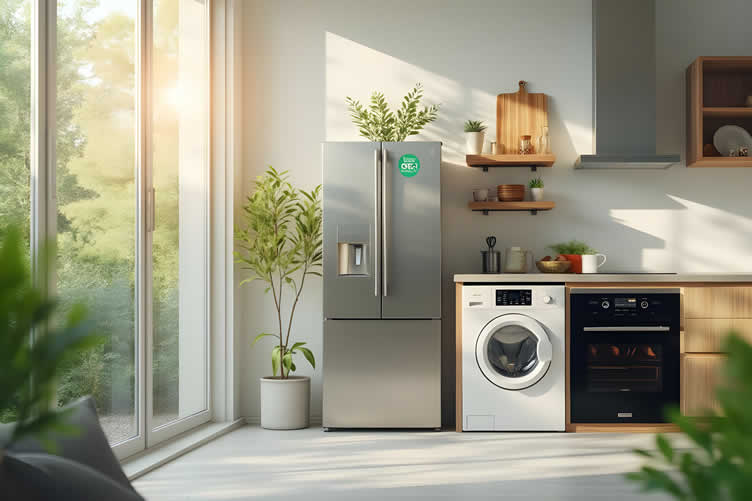
AI generated image by 123rf.com
[ view diagram: understand energy star rating]
[ youtube: What to Know About Energy Efficient Appliances]
-
-
5th: Improving Insulation and Weatherization
Energy efficiency begins at home, and improving insulation and weatherization is one effective way to enhance your home’s comfort, cut energy costs, and reduce environmental impact.
These upgrades not only keep your home cozy during the colder months and cool in the summer but also significantly lower energy consumption.
By optimizing how your home retains or blocks heat, you create a more sustainable living space while boosting its overall energy performance.
[ view summary table: insulation/weatherization ]
-
The Eco-Benefits of Improved Insulation
Investing in high-quality insulation is one of the most impactful ways to reduce your home’s energy footprint. Proper insulation minimizes heat transfer, meaning less energy is needed for heating or cooling, leading to significant reductions in energy use.
According to ENERGY STAR, properly insulated homes can see energy savings of up to 15% annually on heating and cooling bills. These energy savings translate directly to environmental benefits, as reduced energy demand leads to fewer greenhouse gas emissions tied to fossil fuel-based energy production.
By creating a thermally efficient barrier, upgraded insulation contributes to a stable indoor environment, which in turn reduces wear and tear on HVAC systems and extends their lifespan.
-
The Role of Weatherization in Energy Efficiency
Weatherization complements insulation by sealing gaps, cracks, and leaks throughout the home. This process prevents air infiltration, which can account for up to 20% of energy loss according to studies by the American Council for an Energy-Efficient Economy (ACEEE).
By applying weatherstripping around windows, using caulk to seal cracks, and incorporating advanced materials such as airtight doors, homeowners drastically enhance thermal efficiency.
Weatherization reduces drafts and humidity variability, improving indoor air quality and climate consistency. Many modern weatherization methods include eco-friendly options, ensuring that upgrades align with sustainable practices.
-
Key Areas of the Home for Improved Insulation
Investing in insulation upgrades is one of the most effective ways to improve your home’s energy efficiency while enhancing comfort and reducing energy costs. Here are the primary areas where enhanced insulation can make a significant impact:
- Attics and Ceilings:
Properly insulating your attic prevents heat from escaping in the winter and protects your living space from overheating in the summer. This is one of the most critical areas for energy efficiency. - Walls:
Both interior and exterior walls can benefit from improved insulation. Whether you’re looking at batt insulation, spray foam, or blown-in options, insulated walls help maintain consistent indoor temperatures year-round. - Basements and Crawl Spaces:
Adding insulation to basement walls or crawl spaces can reduce heat loss and prevent drafts, keeping your home’s foundation more energy-efficient and comfortable. - Floors Over Unheated Areas:
Insulating floors that are above garages or other unconditioned spaces can help eliminate drafts and cold spots, improving the overall coziness of your home. - Windows and Doors:
While not traditional insulation, weatherstripping around windows and doors or using insulated doors can further reduce drafts and heat loss. Installing energy-efficient windows also provides significant energy savings. - Air Ducts:
Insulating ducts in non-conditioned spaces like attics, basements, and crawl spaces ensures efficient airflow and reduces energy waste, improving your home’s heating and cooling system performance.
By focusing on these areas, homeowners can create a more energy-efficient living environment that retains warmth in the winter, stays cool during the summer, and ultimately reduces both utility costs and environmental impact.
- Attics and Ceilings:
Citations and References:
- U.S. Department of Energy – "Insulation and Air Sealing." https://www.energy.gov
- Environmental Protection Agency – "ENERGY STAR Certified Homes and Home Upgrades." https://www.energystar.gov
- American Council for an Energy-Efficient Economy (ACEEE) – "The Role of Weatherization in Energy Conservation." https://www.aceee.org
- National Renewable Energy Laboratory (NREL) – "Energy Efficiency Strategies for Sustainable Living." https://www.nrel.gov
Key Areas of the Home Benefits of Improved Insulation or Weatherization Attics and Ceilings Prevents heat escape during winter, reduces overheating in summer, and significantly boosts energy efficiency. Walls Helps maintain consistent indoor temperatures with options like batt insulation, spray foam, or blown-in insulation. Basements and Crawl Spaces Reduces heat loss, prevents drafts, and improves the foundation’s energy efficiency. Floors Over Unheated Areas Eliminates drafts and cold spots in rooms above garages or unconditioned spaces for better comfort. Windows and Doors Weatherstripping and energy-efficient installations reduce drafts and heat loss, improving overall insulation. Air Ducts Insulated ducts improve airflow efficiency, reduce energy waste, and enhance HVAC system performance. 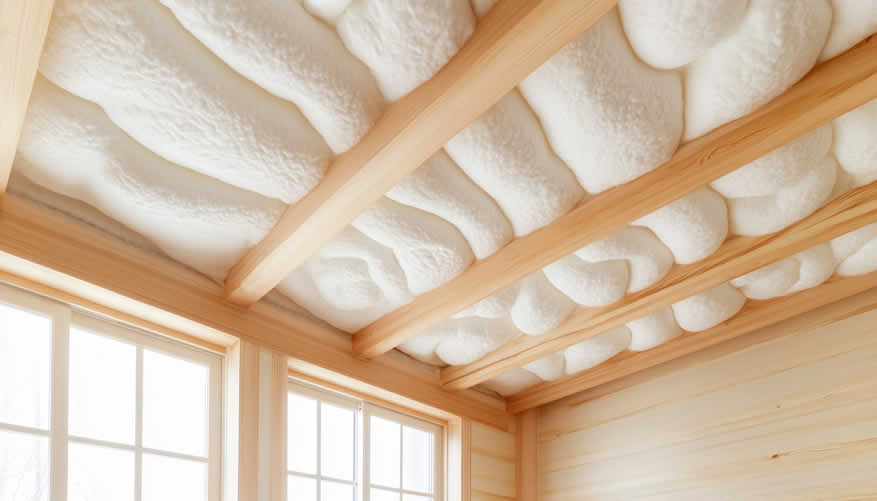
copyright image by 123rf.com
-
-
6th: Cost Savings from Energy-Efficient Upgrades
Energy-efficient upgrades are not only beneficial to the environment but also offer significant financial advantages for homeowners over time.
By reducing energy consumption and optimizing the efficiency of various systems within a home, these upgrades can generate noticeable savings on utility bills while simultaneously increasing comfort and home value.
Below are insights into how specific energy-efficient items can result in tangible cost savings when implemented.
[ view summary table: cost savings ]
-
LED Lighting
LEDs use up to 75% less energy than traditional incandescent bulbs and last significantly longer, often exceeding 25,000 hours of use.
Their extended lifespan reduces the frequency of bulb replacements, saving both money and time. This shift can lead to an estimated 10-15% reduction in household electricity expenses solely on lighting.
-
Solar Panels
While the upfront cost of solar installation can be substantial, tax incentives, rebates, and reduced utility bills can offset these costs in the long term.
On average, homes equipped with solar panels save between $500 and $1,500 annually, depending on location, system size, and local electricity rates.
-
Energy-Efficient Appliances
These appliances are designed to use up to 50% less energy than older, less efficient models. For instance, replacing an outdated refrigerator with an energy-efficient model can save up to $200 annually in energy costs.
Over the lifespan of appliances, the cumulative savings can be substantial, making this a worthwhile investment for budget-conscious homeowners.
-
Improved Insulation and Weatherization
By sealing leaks and installing high-performance insulation, homes can maintain consistent indoor temperatures, reducing the demand on heating and cooling systems. This results in energy savings of up to 20% or more on annual utility bills.
Energy-Efficient Upgrade Benefit Estimated Cost Savings LED Lighting Uses up to 75% less energy and lasts over 25,000 hours, reducing replacements. 10-15% reduction in electricity expenses for lighting. Solar Panels Offsets installation costs through tax incentives, rebates, and reduced utility bills. $500-$1,500 annually, depending on factors like location and system size. Energy-Efficient Appliances Uses up to 50% less energy compared to older models. Up to $200 annually per appliance, with substantial cumulative savings over time. Improved Insulation and Weatherization Maintains consistent indoor temperatures by sealing leaks and adding insulation. Up to 20% savings on annual utility bills. 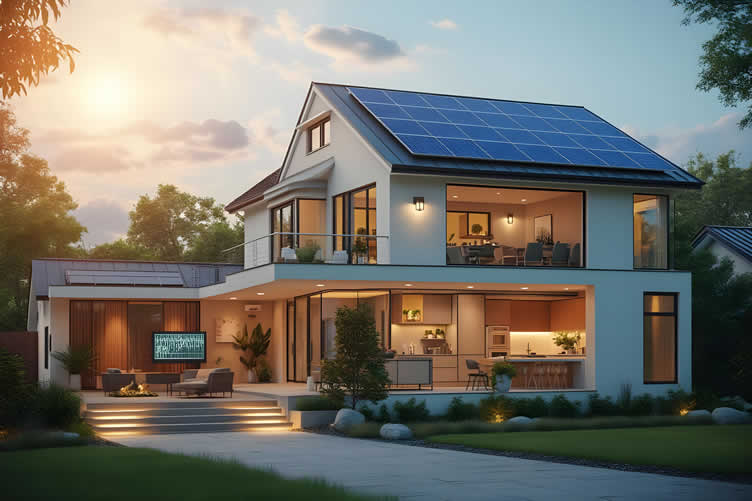
AI generated image by 123rf.com
-
-
-
ideas to view and compare from the information discussed above
Scroll up to directory … or scroll to next section about eco-friendly homes …


… by using water conservation tactics




Download this PDF for a concise summary of all you need to know about …?








looking for other interesting topics that may have been missed but could be helpful …?


second “photo remodeling” idea

AI generated image by 123rf.com
Eco-Home Tip 2: Implementing Water Conservation Strategies
Notes:
-
Water conservation represents a critical aspect of sustainable living, addressing both environmental concerns and household expenses. Effective water conservation strategies reduce demand on municipal water systems while lowering utility bills and supporting long-term water security.
Modern water conservation technologies have evolved to provide significant savings without compromising performance or convenience. These systems work together to create comprehensive water management solutions that benefit both homeowners and the broader community.
-
Quick scroll to supporting notes …
-
-
1st: Installing Low-Flow Fixtures
Introducing low-flow fixtures into your home is one of the most practical and cost-effective ways to conserve water. By upgrading to fixtures designed to reduce water output while maintaining high performance, homeowners can make a significant impact on their water usage without sacrificing comfort or convenience.
These solutions not only save resources but also lower utility bills, contributing to a more sustainable and financially-savvy lifestyle.
[ view summary table: low-flow fixtures ]
-
Low-Flow Showerheads
Low-flow showerheads are engineered to restrict water flow while delivering an invigorating and satisfying shower experience. Traditional showerheads, in most cases, use approximately 2.5 gallons per minute (GPM).
By comparison, modern low-flow showerheads reduce water usage to as little as 1.5 GPM, translating to a 40% savings per minute of use. For an average household, this could mean saving tens of gallons of water daily, depending on shower frequency and duration.
Many low-flow showerheads achieve this efficiency by aerating the water or using advanced pressure-compensating technologies, ensuring a consistent flow rate even in homes with varying water pressures.
-
Low-Flow Faucets
Low-flow faucets are another impactful upgrade that homeowners can implement in kitchens and bathrooms. Traditional faucets often release anywhere from 2.2 to 2.5 GPM, whereas low-flow faucets utilize around 1.5 GPM or less without compromising water pressure. Over time, this can result in substantial savings, particularly in households where faucet use is frequent.
Imagine tasks like handwashing, cooking, or cleaning using significantly less water while still delivering full functionality. These fixtures often incorporate aerators, which mix air with water, creating a uniform and efficient stream while reducing overall consumption.
-
The Impact on Water Savings
Making the switch to low-flow fixtures offers significant water-saving potential. For instance, replacing a standard showerhead used for an average 8-minute shower daily can save approximately 8 gallons of water per session.
Similarly, upgrading a faucet that runs for roughly 10 minutes per day might save up to 7 gallons daily, depending on the usage scenario.
Over time, these savings add up not just in reduced water utility bills but also in minimizing strain on municipal water systems and preserving fresh water resources.
-
Final Word on Choosing Low-Flow Fixtures
When selecting low-flow fixtures, look for products labeled with the WaterSense certification provided by the U.S. Environmental Protection Agency (EPA). This label ensures that the product meets rigorous criteria in both performance and water efficiency.
Proper installation is also crucial. Following the manufacturer’s guidelines or consulting a plumber ensures seamless integration into your home for long-term benefits.
By adopting these water-saving technologies, you’ll not only enhance your home’s eco-friendliness but also enjoy a tangible reduction in household expenses.
References:
- U.S. Environmental Protection Agency. "WaterSense Products." www.epa.gov
- Energy.gov. "Efficient Water Use and Conservation." www.energy.gov
- Department of Energy, Office of Energy Efficiency & Renewable Energy. "Low-flow Showerheads & Faucets." www.energy.gov
Type Solution Benefits Low-Flow Showerheads Showerheads that reduce water flow to as low as 1.5 GPM using aeration or pressure-compensating technology. Saves about 40% of water per minute, ensures consistent water pressure, and reduces utility bills. Low-Flow Faucets Faucets with a flow rate around 1.5 GPM or less, often incorporating aerators for efficiency. Reduces water consumption during everyday tasks, offers full functionality, and lowers household water usage. Water Savings Impact Using low-flow fixtures for showers and faucets. 8 gallons of water saved per 8-minute shower and approximately 7 gallons daily saved through faucet use. 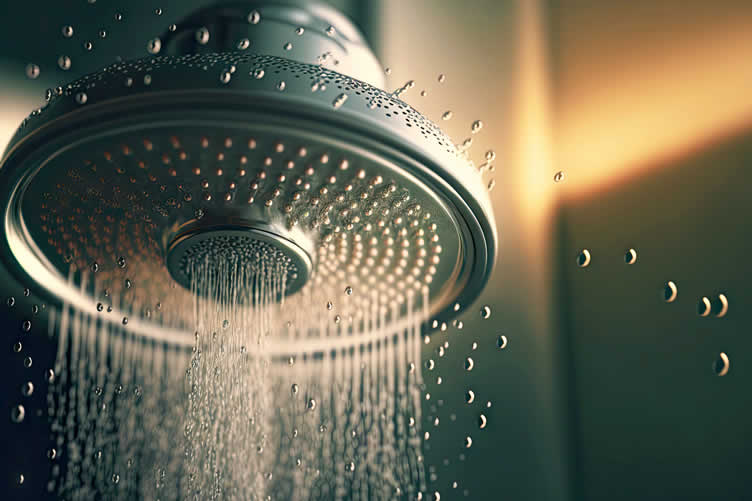
copyright image by 123rf.com
-
-
2nd: Adding Low-Flow Toilets
Water conservation is a pressing concern for many households, and it’s no surprise that toilets account for a significant portion of indoor water use. By upgrading to low-flow toilets and implementing effective water-saving strategies, families can significantly reduce their water consumption and lower utility bills, all while contributing positively to the environment.
Here, we explore water-conserving toilet solutions, their advantages, and additional tactics tailored to maximize savings.
[ view summary table: low-flow toilets ]
-
Efficient Low-Flow Toilets
Low-flow toilets are designed to use substantially less water per flush compared to traditional models, making them a popular choice for eco-conscious homeowners.
Conventional toilets typically consume 3.5 to 7 gallons of water per flush; in contrast, modern low-flow models use just 1.28 gallons or less, adhering to the Environmental Protection Agency’s WaterSense standards.
This reduction can save a household tens of thousands of gallons annually, depending on usage. Despite the significant decrease in water usage, low-flow toilets maintain exceptional performance due to advancements in flushing technology, including gravity-assisted and pressure-assisted mechanisms.
-
Smart Toilets
A step further in water-saving innovation is the smart toilet. Smart toilet designs incorporate advanced features that not only enhance hygiene and comfort but also optimize water efficiency.
Dual-flush technology is a key component, allowing users to choose between a lower-volume flush for liquid waste and a higher-volume flush for solids.
Some smart toilets even feature built-in sensors that automatically adjust flush volume based on what is required, avoiding unnecessary water use altogether. These models, while an investment, offer long-term savings and sustainability benefits.
-
Water-Saving Retrofits for Standard Toilets
Not every homeowner may be ready to upgrade to a new toilet, but there are creative ways to retrofit existing fixtures to save water. Installing a toilet fill cycle diverter helps minimize tank refill amounts, while adding a water displacement device in the tank reduces the water required per flush.
Flapper replacements and dual-flush conversion kits are also effective and affordable solutions, offering versatility for those wanting incremental improvements. These solutions ensure that even older toilet systems can operate at reduced water consumption levels.
-
The Impact of Water Savings
By replacing standard toilets with WaterSense-labeled low-flow options, a family can save as much as 13,000 gallons of water annually. For households opting for smart toilet solutions with dual-flush technology, the savings can be even more significant.
Retrofits for traditional toilets can still yield measurable reductions in water use, particularly in homes with older plumbing systems, promoting both environmental conservation and cost efficiency.
References:
- Environmental Protection Agency. "WaterSense Products." www.epa.gov
- Department of Energy, Office of Energy Efficiency & Renewable Energy. "Efficient Water Use at Home." www.energy.gov
- Alliance for Water Efficiency. "Toilet Technologies and Trends." www.allianceforwaterefficiency.org
Type Solution Benefits Efficient Low-Flow Toilets Upgrade to modern low-flow models using 1.28 gallons or less per flush, adhering to EPA’s WaterSense standards. Reduces water usage significantly, saves tens of thousands of gallons annually, and lowers utility bills while maintaining effective performance. Smart Toilets Install smart toilets with dual-flush technology and sensors that adjust flush volume automatically. Optimizes water efficiency, enhances convenience and hygiene, offers long-term savings, and promotes sustainability. Water-Saving Retrofits Additions like fill cycle diverters, water displacement devices, replacement flappers, and dual-flush conversion kits for existing toilets. Cost-effective and incremental improvements to reduce water consumption in older toilet systems, offering flexibility for homeowners. 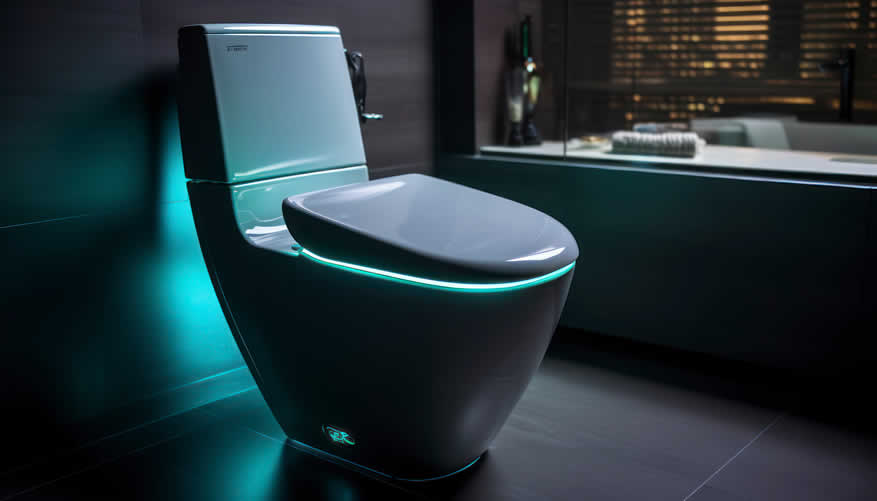
copyright image by 123rf.com
-
-
3rd: Implementing Leak Detection Monitors
Water leaks are often silent culprits of waste in many households, leading to higher utility bills and unnecessary environmental strain. Research shows that even minor leaks can waste thousands of gallons of water annually if left unattended.
Implementing leak detection monitors is a forward-thinking solution that not only aids in conserving water but also protects your home from potential damage. Here’s how these systems work, their benefits, and the estimated water savings they provide.
[ view summary table: leak detection ]
-
Understanding Leak Detection Systems
Leak detection monitors are advanced devices designed to identify water leaks at the earliest possible stage. These systems use sensors to monitor your home’s plumbing for irregular water flow, pressure changes, or unusual moisture levels.
Depending on the model and technology, some systems automatically shut off the water supply when a leak is detected, minimizing waste and damage. Modern monitors can also be integrated with smart home systems, allowing you to receive real-time alerts on your smartphone.
Many options are available, such as flow-based monitors that track the rate of water movement within pipes and moisture-based systems that detect leaks in walls, ceilings, or floors. Each type functions to address specific needs, enabling you to choose one that aligns with your home’s requirements and your budget.
These systems add value by providing peace of mind, protecting your home from structural damage, and significantly contributing to water conservation efforts.
-
The Impact of Leak Detection on Water Savings
The water savings potential from leak detection systems is substantial. The Environmental Protection Agency (EPA) highlights that repairing easily corrected leaks in homes can save approximately 10% on water bills.
With automated leak detection, the benefits multiply, as these systems can prevent the wastage of up to 10,000 gallons per year for an average household. This figure varies based on the severity of leaks, but proactive prevention reduces overall water waste exponentially when compared to homes without detection systems.
By addressing leaks promptly, homeowners not only contribute to environmental sustainability but also enhance the efficiency of their water systems. Over time, this leads to significant savings on water expenses and a more environmentally responsible lifestyle.
Investing in a leak detection monitor is, therefore, an essential step in any comprehensive water conservation strategy.
-
Why Leak Detection Monitors are Essential for Modern Homes
The importance of leak detection extends beyond just water conservation. Water damage from undetected leaks can lead to costly repairs, mold growth, and structural compromise.
For homeowners prioritizing sustainability and cost efficiency, installing a leak detection monitor is one of the most effective and proactive measures available.
With technology advancing rapidly, these systems are now more accessible and user-friendly, making them a practical solution for households of all sizes and budgets.
References:
- Environmental Protection Agency (EPA). “Fix a Leak Week.” www.epa.gov
- Alliance for Water Efficiency. “Detecting Leaks in Your Home Plumbing.” www.allianceforwaterefficiency.org
- American Water Works Association. “The Value of Preventing Water Loss.” www.awwa.org
Topic Description What Are Leak Detection Systems? Devices designed to identify water leaks early using sensors that monitor water flow, pressure, or moisture levels. Some systems offer automatic water shut-off and real-time alerts through smart home integration. Types of Leak Detection Systems – Flow-based monitors track water movement in pipes.
– Moisture-based systems detect leaks in walls, floors, or ceilings.
Each type suits specific needs and budgets.Water Savings Benefits Leak repairs can save approximately 10% on water bills. Automated systems can prevent the waste of up to 10,000 gallons per year for an average household, depending on leak severity. Additional Advantages Protects homes from water damage, reduces repair costs, prevents mold growth, and enhances environmental sustainability. These systems are practical and accessible for most households. 
copyright image by 123rf.com
[ view diagram: how leak detection works ]
[ amazon: leak detector ]
-
-
4th: Collecting Rainwater and Runoff Water
Water conservation is an essential strategy for homeowners seeking to reduce their environmental footprint, cut utility costs, and preserve natural resources. With changing climate patterns and increasing concerns about water scarcity, implementing methods to collect rainwater and runoff water offers a sustainable and practical solution.
Not only do these systems contribute to a greener lifestyle, but they also ensure that households are equipped with a supplementary source of water for non-potable needs, decreasing reliance on municipal water supplies.
[ view summary table: rainwater harvesting ]
-
Understanding Rainwater and Runoff Collection Systems
Rainwater harvesting systems are designed to capture, divert, and store rainwater directly from rooftops and surfaces before it becomes runoff. These systems often include gutters, downspouts, filters, and storage tanks or barrels where the water is held for later use.
Modern rainwater harvesting systems may also include purification mechanisms, making the water suitable for an expanded range of applications.
Runoff water systems, on the other hand, focus on managing water collected from surfaces such as driveways, patios, and landscaping areas. These systems aim to capture water that would otherwise flow into storm drains, preventing soil erosion and reducing the strain on local water infrastructure.
Typically, they include catchment basins, permeable pavement designs, or specialized drainage systems that allow water to be directed and stored efficiently.
-
Leveraging Rainwater to Reduce Water Consumption
The water collected through rainwater and runoff harvesting systems holds immense potential for reducing overall household water usage. Stored rainwater can be utilized for a variety of non-potable purposes, such as lawn or garden irrigation, car washing, and toilet flushing.
Additionally, it can serve as a backup resource during drought conditions, providing peace of mind for homeowners concerned about water availability during dry periods.
For those pursuing more advanced strategies, rainwater systems can be integrated into home plumbing, using purified or filtered rainwater for tasks like laundry or even potable consumption in some cases, following local health codes and regulations.
By strategically utilizing captured water, households can significantly lower their reliance on municipal supplies, leading to reduced water bills and a positive contribution toward conserving local water reserves.
-
Rainwater Harvesting Storage Systems
Effective rainwater harvesting relies significantly on proper storage systems to ensure water remains clean, accessible, and usable for various purposes.
A well-designed storage system can maximize your water collection efforts while minimizing waste and contamination. Below is a summary of common types of rainwater storage systems:
- Above-Ground Tanks:
These are popular for their affordability and ease of installation. They come in a variety of materials, including plastic, metal, and fiberglass, making them adaptable to different needs and budgets. - Underground Tanks:
Ideal for saving space, underground tanks are discreet and protected from temperature fluctuations. These systems often require professional installation and are constructed with durable materials like concrete or polyethylene. - Barrels:
Rain barrels are perfect for small-scale water collection, especially for gardening needs. They are affordable, easy to install, and often come with attachments for hoses or watering cans. - Pillow Tanks:
Flexible and portable, pillow tanks are designed for temporary or seasonal harvesting. These collapsible tanks are particularly useful in locations with limited storage space. - Modular Tank Systems:
These systems are scalable and can be customized for larger water storage needs. They are commonly used in commercial or community-wide rainwater harvesting projects.
By choosing the right storage system tailored to your needs, you can efficiently harness rainwater and enjoy its many benefits while supporting sustainable water practices.
- Above-Ground Tanks:
-
The Benefits of Water Collection Systems
The environmental and financial benefits of rainwater and runoff collection are undeniable. Beyond fostering sustainability, these systems allow homeowners to take tangible steps toward a self-reliant and eco-friendly lifestyle.
They also empower communities by reducing storm-water runoff, which can overwhelm drainage systems and lead to urban flooding. Additionally, collected water contributes to healthier gardens and landscapes, as rainwater is free of the chlorine and other chemicals commonly found in treated municipal water.
With proper installation and maintenance, rainwater and runoff harvesting systems can seamlessly integrate into the home, offering long-term value and a reduction in water-related carbon footprints.
For individuals looking to make a difference through practical water conservation measures, this is one of the most effective and actionable solutions.
-
Understanding Local Regulations on Rainwater Harvesting
Before installing a rainwater harvesting system, it’s essential to research and comply with local regulations. While the practice is encouraged in many areas for its environmental benefits, some jurisdictions have restrictions or guidelines in place that may limit or regulate how rainwater can be collected and used.
These policies are often tied to water rights laws or environmental conservation efforts specific to the region.
To avoid potential fines or complications, check with your local government or municipal water authority to understand the rules that apply in your area. Some regions may require permits for installation, limit the types of systems allowed, or impose restrictions on water usage.
By taking this step early in the planning process, you can ensure your system is not only efficient and functional but also fully compliant with local laws.
Sourcing and Citations:
- U.S. Environmental Protection Agency (EPA) resources on rainwater harvesting and storm-water management (www.epa.gov)
- Rainwater Harvesting Guidance by the American Rainwater Catchment Systems Association (ARCSA) (www.arcsa.org)
- Local government guidelines on water conservation systems, e.g., California Urban Water Conservation Council recommendations (www.cuwcc.org)
Category Description Importance of Water Conservation Essential for reducing environmental footprint, lowering utility costs, and preserving natural resources, especially with growing water scarcity concerns. Rainwater Collection Systems Capture and store rainwater from rooftops using components such as gutters, downspouts, filters, and tanks. Advanced systems may include purification for expanded use. Runoff Water Systems Collect and manage water from surfaces like driveways and patios to prevent soil erosion and community drainage strain. Use catchment basins, permeable pavement, or specialized drains. Uses of Captured Water Used for non-potable purposes, such as landscaping, car washing, and toilet flushing. Can also serve as a backup during droughts or be integrated into home plumbing with purification. Storage Options - Above-Ground Tanks: Cost-effective and easy to install.
- Underground Tanks: Space-saving and durable.
- Barrels: Affordable for small-scale collection.
- Pillow Tanks: Portable and collapsible for temporary use.
- Modular Tanks: Scalable solutions for larger needs.
Benefits Combines financial savings, eco-friendliness, and reduced storm-water runoff. Promotes healthier gardens free from chemical treatments in municipal water. Local Regulations Research and comply with local laws regarding installation, permits, and usage limitations to ensure systems adhere to water rights and conservation rules. 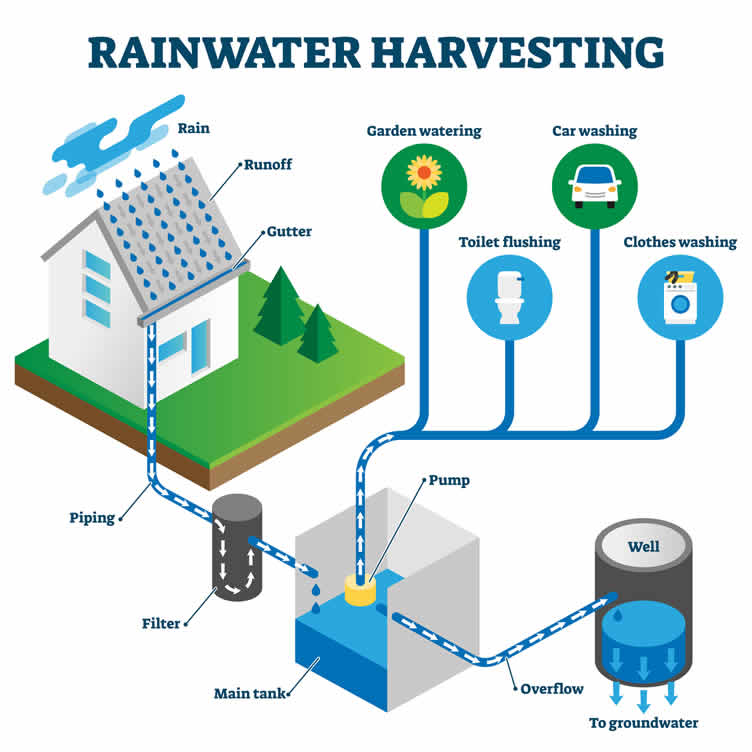
copyright image by 123rf.com
-
-
5th: Landscaping with Native Plants
Landscaping with native plants is an effective and sustainable strategy for implementing water conservation in gardens. Native plant landscapes are not only beautiful and environment-friendly but also help reduce water usage, minimize maintenance, and support local ecosystems.
By incorporating native species into your garden design, you can create a vibrant, water-efficient space that aligns with local climate conditions and conserves valuable resources.
[ view summary table: native plants landscaping ]
-
Why Choose Native Plants for Your Garden?
Native plants have evolved over time to thrive in the specific climate, soil, and weather conditions of their region. Unlike non-native or exotic plants, they require significantly less water once established because they are naturally adapted to the local rainfall patterns.
This adaptation helps reduce reliance on supplemental irrigation, especially during dry seasons. Furthermore, native plants are often more resistant to pests and diseases and require fewer chemical treatments, making them an eco-friendly choice.
For example, replacing a traditional turf lawn with native groundcovers such as purple needlegrass in California or buffalo grass in Texas can save between 30 to 70 gallons of water per square foot annually, depending on the local climate.
Over time, this can lead to substantial water savings, particularly in areas prone to drought or water restrictions.
-
Designing a Native Plant Landscape for Maximum Water Savings
A thoughtfully designed native plant landscape blends functionality, aesthetics, and sustainability. Begin by selecting plants that are indigenous to your region and suited to your garden’s conditions, such as sunlight exposure, soil type, and natural drainage.
Group plants with similar water needs together to further optimize water usage—this strategy, known as hydro-zoning, helps prevent over-watering while ensuring each plant receives sufficient moisture.
When planning your garden, consider incorporating permeable surfaces like gravel paths and mulch layers to reduce water runoff and improve soil moisture retention.
Adding native shrubs, such as desert willow in arid regions or red osier dogwood in wetter climates, can enhance biodiversity while maintaining water efficiency. Native wildflowers and grasses can also provide seasonal color and attract beneficial pollinators without adding to your water bill.
-
Quantifying Water Savings with Native Plant Landscaping
Implementing a native plant landscape can result in dramatic reductions in water consumption compared to traditional gardening practices. According to the U.S. Environmental Protection Agency (EPA), replacing a 1,000-square-foot conventional lawn with drought-tolerant native plants can save homeowners approximately 20,000 gallons of water annually.
Furthermore, using drip irrigation systems or rainwater harvesting methods with native plants ensures even greater efficiency in water usage.
To understand the impact at a larger scale, communities that adopt native plant landscaping as part of urban planning or neighborhood projects can collectively conserve thousands of gallons of water annually.
These efforts not only reduce utility costs but also lessen the strain on municipal water supplies, contributing to a more resilient and sustainable ecosystem.
-
Supporting Local Ecosystems and Communities
Beyond water conservation, landscaping with native plants offers numerous additional benefits. Native plants provide essential habitats for local wildlife, including pollinators like bees and butterflies, which play a crucial role in maintaining biodiversity.
By promoting ecological balance, native landscapes can increase the health and resilience of the surrounding environment, even in areas facing climate challenges.
Homeowners who transition to native plant landscaping often see higher soil health, less erosion, and improved air quality.
Additionally, these landscapes can enhance property value and appeal by creating a unique and low-maintenance garden that resonates with today’s environmentally conscious buyers.
References:
- U.S. Environmental Protection Agency. (n.d.). Water-Efficient Landscaping. Retrieved from www.epa.gov
- American Society of Landscape Architects. (n.d.). Benefits of Native Plants. Retrieved from www.asla.org
- U.S. Department of Agriculture. (2023). Native Plants Database. Retrieved from plants.usda.gov
- California Native Plant Society. (2023). Water-Wise Gardening with Native Plants. Retrieved from www.cnps.org
Aspect Details Benefits of Native Plants Reduces water usage, minimizes maintenance, supports local ecosystems, eco-friendly, and cost-effective. Water Efficiency Requires less water due to adaptation to local rainfall patterns; can save 30-70 gallons of water per square foot annually in some regions. Design Considerations Select region-specific plants, group by water needs (hydrozoning), use permeable surfaces like gravel and mulch, and incorporate native wildflowers, shrubs, and grasses. Water Savings Replacing a 1,000 sq. ft. lawn with native plants can save up to 20,000 gallons of water annually; further savings achievable with drip irrigation and rainwater harvesting. Ecosystem Benefits Supports pollinators (bees, butterflies), improves soil health, reduces erosion, and enhances biodiversity. Community Impact Conserves water on a larger scale, lowers utility costs, and lessens strain on municipal water supplies, fostering sustainability. Additional Advantages Enhances property value, creates low-maintenance landscapes, and appeals to eco-conscious homeowners. 
AI generated image by 123rf.com
-
-
6th: Implementing Water Conservation Strategies
… using a greywater system
Conserving water is an essential aspect of sustainable home improvement, offering both environmental benefits and potential cost savings. One effective way to achieve water conservation is by utilizing a greywater system.
These systems provide a method for reusing water from household sources, reducing overall water consumption while nurturing plants and landscapes. By understanding what a greywater system is, how it operates, and how to implement one, homeowners can take a significant step toward creating an eco-friendly living space.
[ view summary table: greywater system ]
-
What is a Greywater System?
Greywater systems recycle water from sinks, showers, and washing machines for irrigation and other non-potable uses, typically reducing household water consumption by 30% to 50%.
These systems filter and treat wastewater to make it suitable for plant irrigation while keeping it separate from blackwater that requires more intensive treatment. Unlike blackwater, which comes from toilets and poses higher contamination risks, greywater is relatively clean and safe for reuse when managed properly.
This recycled water can be used to irrigate gardens and landscapes, supporting the growth of plants while significantly reducing the demand for fresh water. Greywater systems align with sustainable principles, offering a practical solution for environmentally conscious homeowners.
-
How Do Greywater Systems Work?
Greywater systems function by capturing the water exiting certain household fixtures, treating it if necessary, and redistributing it for specific uses, primarily irrigation. The process typically involves a filtration or sedimentation mechanism to remove debris and impurities, ensuring safe application for plants.
Advanced greywater systems may also include treatment components that further purify the water. The system operates through a network of pipes that move greywater from its source to the desired application site, such as garden beds or flowerbeds, without mixing it with potable water supplies.
-
How to Implement a Greywater System
The implementation of a greywater system should be planned carefully to ensure efficiency, compliance with local regulations, and environmental safety.
Below are the steps to help homeowners set up a functional greywater system for their household:
- Identify suitable greywater sources within your home, such as washing machines, bathroom sinks, or showers. Avoid including water contaminated with harsh chemicals or oils.
- Research local plumbing codes and water reuse standards to ensure your system complies with regulations and safety requirements.
- Install a simple greywater diverter valve to reroute water from its source directly to an outdoor area or collection system.
- Incorporate a filtration system to remove solid particles and debris from the water before use.
- Design and connect the system to your landscaping or garden irrigation setup, ensuring it distributes water evenly to vegetation. Avoid water contact with edible plant parts or root crops to maintain food safety.
- Regularly maintain and inspect the system to ensure it continues to function correctly and does not cause soil or water contamination.
-
Benefits of Using a Greywater System
By integrating a greywater system into your home, you contribute to water conservation efforts while reaping the benefits of reduced water bills.
These systems also promote healthier plant growth by providing consistent irrigation and help reduce the environmental strain on municipal water supplies. Additionally, utilizing greywater systems supports a sustainable lifestyle, aligning with environmentally friendly home improvement practices.
References:
- Environmental Protection Agency. (n.d.). Water Recycling and Reuse. Retrieved from www.epa.gov
- Greywater Action. (n.d.). What is Greywater? Retrieved from www.greywateraction.org
- California Department of Water Resources. (2022). Greywater Systems. Retrieved from water.ca.gov
- Green Building Alliance. (n.d.). Benefits of Greywater Reuse. Retrieved from www.go-gba.org
Aspect Details Definition Greywater systems recycle water from sinks, showers, and washing machines for non-potable use, typically reducing household water consumption by 30% to 50%. Environmental Benefits Reduces demand for fresh water, conserves resources, and supports sustainable principles. How It Works Greywater systems capture water from specific household fixtures, filter or treat it if necessary, and redistribute it for uses like irrigation via a network of pipes. Implementation Steps - Identify suitable greywater sources (e.g., washing machines, sinks).
- Research and comply with local regulations.
- Install a greywater diverter valve.
- Add a filtration system to remove debris.
- Connect the system to landscaping or garden irrigation setup.
- Maintain and inspect regularly for proper function.
Usage Guidelines Avoid mixing greywater with blackwater, prevent contact with edible plants, and exclude water containing harsh chemicals or oils. Benefits - Contributes to water conservation.
- Reduces water bills.
- Promotes healthier plant growth through consistent irrigation.
- Supports an eco-friendly and sustainable lifestyle.
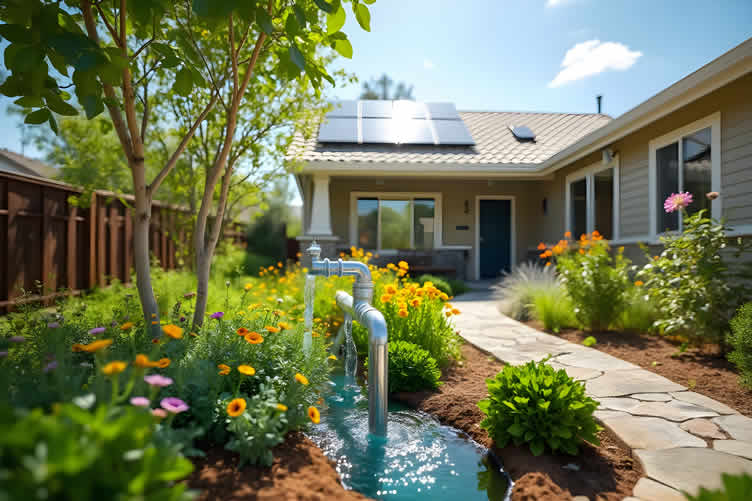
AI generated image by 123rf.com
[ view diagram: how greywater system works ]
[ youtube: How to Install a Greywater Irrigation System ]
-
-
-
ideas to view and compare from the information discussed above
books: low-water landscapingnative plant landscapinggreywater landscaping
Scroll up to directory … or scroll to next section about eco-friendly homes …

addressing transitioning to an eco-friendly home and other home improvement needs …

… grab this directory of ideas for future use


Download this PDF for a concise summary of all you need to know about …?




… remodeling decisions
Download this PDF for a concise summary of all you need to know about …?
May We Suggest Other Photo Remodeling Ideas About
“Home Entertainment …” (new win)



third “photo remodeling” idea
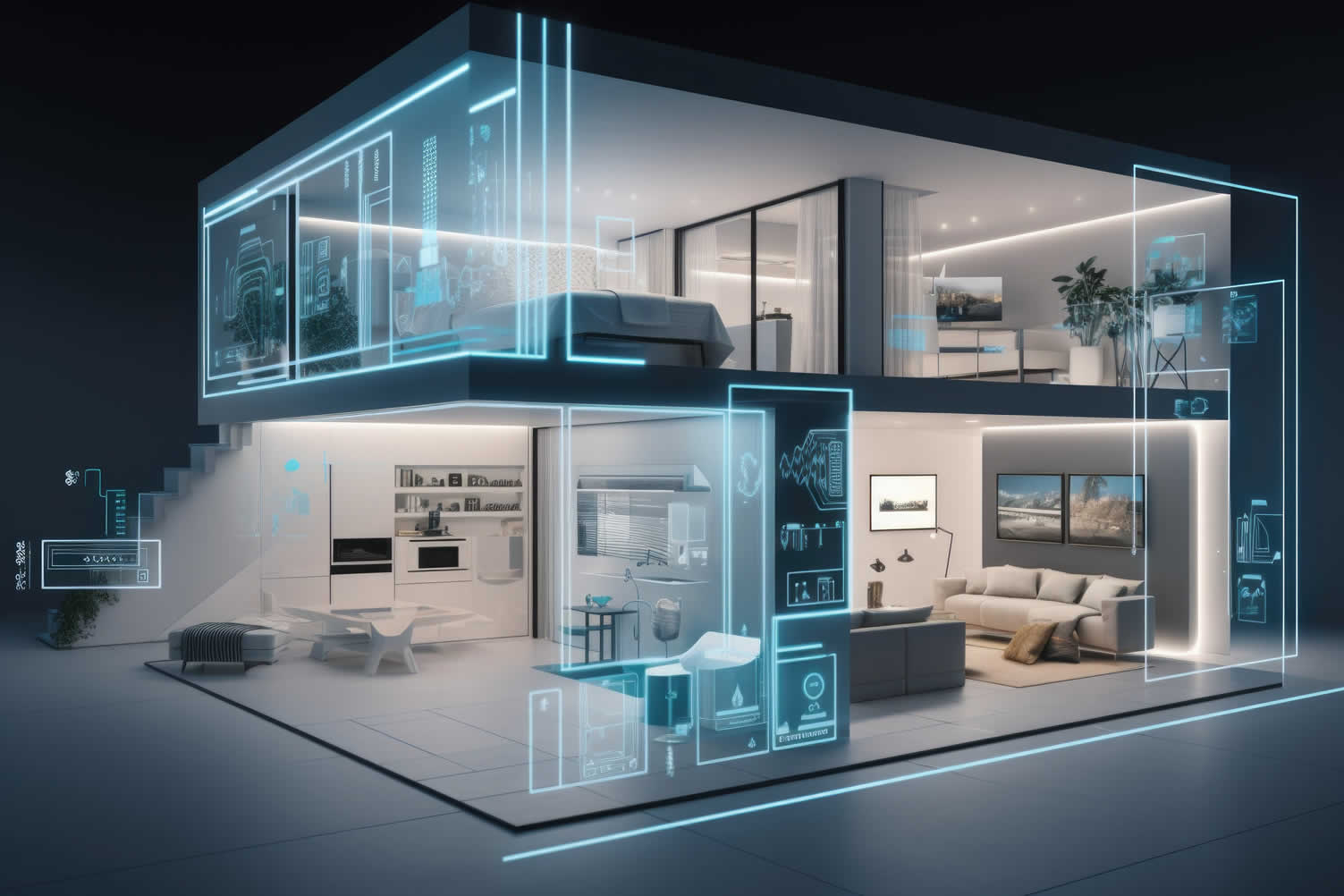
copyright image by 123rf.com
Eco-Home Tip 3: Consolidate e-Systems with Smart Home Technology
Notes:
-
Smart home technology enhances eco-friendly living by optimizing resource consumption through automated systems that respond to occupancy patterns, weather conditions, and energy pricing. These technologies provide convenience while maximizing efficiency and minimizing waste.
The integration of smart home systems creates synergies between different efficiency measures, allowing heating, cooling, lighting, and appliance systems to work together for optimal performance.
Advanced systems learn household patterns and preferences, automatically adjusting to provide comfort while minimizing resource consumption.
-
Quick scroll to supporting notes …
- 1st: Maximizing Home Heating and Cooling Efficiency
- 2nd: Smart Switches, Outlets, and Sensors
- 3rd: Using Smart Irrigation Systems with Sensors
- 4th: Home Automation for Managing Energy Needs
- 5th: Potential Savings with Home Automation Integration
- shop ideas
- next topic: Employing Sustainable Materials
-
-
1st: Maximizing Home Heating and Cooling Efficiency
Home automation systems, powered by advanced technology and AI integration, are transforming the way we manage home heating and cooling. These innovative solutions are designed to enhance comfort while drastically reducing energy consumption, making them essential tools for efficient and sustainable home management.
By integrating AI-driven features, homeowners can optimize resource usage, lower utility bills, and create an environmentally friendly living space with ease.
Below, we explore cutting-edge home automation solutions that can help achieve these goals while providing a deeper understanding of how they work.
[ view summary table: home heating/cooling efficiency ]
-
Smart Thermostats with AI Integration
A smart thermostat equipped with AI capabilities represents a significant leap forward in home climate control. These devices learn your daily habits, occupancy patterns, and temperature preferences, enabling them to automatically adjust heating and cooling schedules for maximum efficiency.
For example, an AI-enabled thermostat might reduce heating output during the day when no one is home and preheat the space shortly before you return. The continuous learning capabilities of these systems ensure optimal comfort without unnecessary energy usage.
These devices can reduce heating and cooling costs by 10% to 20% while maintaining comfort through intelligent temperature management.
-
Wi-Fi Control for Remote Management
Wi-Fi-enabled home automation ensures you can remain in control of your heating and cooling systems at all times, no matter where you are. Using a smartphone app, homeowners can remotely modify temperature settings, activate energy-saving modes, or even turn off HVAC systems in unoccupied zones.
This connectivity provides flexibility and eliminates waste, particularly in situations where schedules change unexpectedly. Wi-Fi integration often works alongside AI systems, providing data insights and enabling smarter automation decisions.
-
Presence and Motion Sensors
Presence and motion sensors are key components that enhance home automation by dynamically adapting to the occupancy of a room. These sensors can detect when a space is being used and adjust heating or cooling output accordingly.
For instance, if a room remains vacant, the system will lower energy consumption to avoid ineffective use. Integrated into an AI-driven home setup, motion sensors contribute to a seamless experience that balances comfort and efficiency.
This adaptability improves resource conservation, providing measurable reductions in energy costs.
-
Energy Monitoring and Insights
Energy monitoring technology is a powerful tool for understanding and managing your home’s resource consumption. With AI integration, these systems analyze historical and real-time energy usage patterns to suggest optimization opportunities.
Homeowners can view in-depth insights on their heating and cooling performance, enabling informed decisions that align with personal goals and environmental objectives.
Many systems also provide alerts and recommendations for maintenance, ensuring HVAC units operate efficiently over the long term.
-
Automatic Window Blinds for Temperature Control
Automatic window blinds combined with intelligent home systems add another layer of efficiency. These blinds can be programmed to open or close based on factors like sunlight intensity or room temperature.
By blocking direct sunlight on hot days or allowing natural heat during winter, smart blinds regulate indoor temperatures without requiring additional energy. Integrated AI systems even consider weather forecasts, making proactive adjustments to prepare your home for outdoor conditions.
-
Future Opportunities in Home Automation
Other emerging technologies, such as integrated ventilation controls and smart zoning systems, continue to expand the possibilities for home automation. When combined, these technologies create a holistic ecosystem that optimizes HVAC performance, reduces carbon footprints, and enhances the overall living experience.
Investing in smart automation solutions fosters sustainability while proving cost-effective for homeowners over time.
References:
- "The Role of AI in HVAC Systems," Energy.gov, 2023. Accessible at https://www.energy.gov
- "Smart Home Technology Trends in Energy Efficiency," International Energy Agency, 2022. Accessible at https://www.iea.org
- McKinsey & Company, "The Connected Home and Its Impact on Energy Consumption," 2023. Accessible at https://www.mckinsey.com
- "Benefits of Smart Thermostats for Homeowners," ENERGY STAR Program, Environmental Protection Agency, 2023. Accessible at https://www.energystar.gov
Type Solution Benefits Smart Thermostats with AI Integration AI-enabled thermostats learn daily habits and adjust heating/cooling schedules automatically. Reduces heating and cooling costs by 10-20% while maintaining optimal comfort. Wi-Fi Control for Remote Management Wi-Fi-enabled systems allow remote access to heating/cooling controls via smartphone apps. Provides flexibility, eliminates energy waste, and adapts to unexpected schedule changes. Presence and Motion Sensors Sensors detect room occupancy and adjust HVAC output accordingly. Reduces energy usage in unoccupied spaces, improving conservation and cutting costs. Energy Monitoring and Insights AI-driven systems analyze energy use and provide optimization suggestions. Enables data-driven decisions, reduces resource use, and ensures maintenance efficiency. Automatic Window Blinds Blinds adjust based on sunlight or temperature, integrated with AI forecasts. Regulates indoor temperature naturally, reducing reliance on HVAC systems. 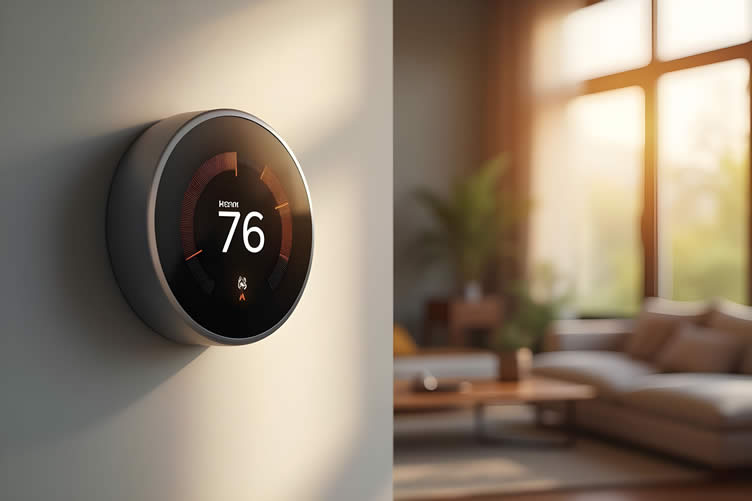
AI generated image by 123rf.com
[ diagram: how smart thermostat works ]
[ amazon: smart thermostats ]
[ amazon: wifi window blinds ]
-
-
2nd: Optimizing Energy Control
… with smart switches, outlets, and sensors
Smart home advancements continue to provide homeowners with powerful tools to save energy, reduce electricity bills, and enhance everyday convenience.
One of the most effective ways to manage energy usage is by integrating smart switches, outlets, and sensors into your home. These devices allow for superior control of lighting and plug-in devices, creating an energy-efficient, smarter living environment.
[ view summary table: smart switches/outlets ]
-
How Smart Switches and Outlets Work
Smart switches and outlets are designed to replace traditional wall switches and plug points, offering wireless connectivity and advanced automation. By connecting to your home’s Wi-Fi or a smart home hub, they allow users to control connected devices remotely via dedicated mobile apps or digital assistants like Alexa or Google Assistant.
Users can set schedules, automate on/off cycles, and even monitor energy consumption, all from their smartphones or voice commands. Sensors complement these devices by detecting light levels or occupancy, ensuring lights and devices are only active when needed, eliminating unnecessary energy use.
-
Managing Lighting with Smart Switches
Smart switches empower homeowners to take command of their lighting systems with unmatched flexibility. By integrating these switches with motion sensors, lights can automatically turn off when a room is unoccupied, preventing wasted electricity.
Dimming capabilities further enhance energy savings, as they allow users to adjust lighting intensity to suit their needs, reducing power consumption.
With programmable schedules, lights can also be aligned with your routine, such as gradually brightening in the morning or switching off at bedtime, contributing to both energy conservation and enhanced comfort.
-
Managing Plug-in Appliances Effectively
Smart outlets are a practical solution for monitoring and controlling energy-intensive appliances like televisions, microwaves, and coffee makers. Many appliances continue to draw power even in standby mode, known as phantom power.
Smart outlets can eliminate this unnecessary draw by allowing users to cut power to devices entirely when they’re not in use, either manually or through scheduling.
For instance, a smart outlet can automatically turn off a space heater or lamp left on after bedtime, directly reducing energy expenses.
-
Leveraging Occupancy and Wi-Fi Controls for Efficiency
Sensors integrated into smart systems ensure lights and connected devices respond to occupancy. For instance, when a person enters a room, motion sensors can signal smart switches to activate the lights. Similarly, once the room is vacated, the lights can switch off automatically.
These features are particularly effective in high-traffic areas like hallways or less frequently used spaces such as basements or garages. Wi-Fi controls, meanwhile, extend accessibility by enabling users to control their home’s devices from virtually anywhere.
Forget to turn the lights off before leaving the house? A simple tap on your smartphone can correct this instantly, saving energy and providing peace of mind.
-
The Energy Savings Advantage
The implementation of smart switches, outlets, and sensors brings tangible energy savings. Studies show that automating lights and managing plug-in devices with smart technology can reduce energy consumption by up to 30%, depending on usage habits and household size.
For example, using dimmers and scheduled lighting can lower energy use significantly over time. Eliminating phantom power and modular control over energy-hungry appliances further add to compound savings, making these devices an excellent investment for achieving both environmental and financial goals.
Referencing and Citations:
- "What Are Smart Light Switches and How Do They Work?" CNET, 2023. Accessible at https://www.cnet.com
- "The Energy-Saving Definition of Smart Plugs," ENERGY STAR Program, Environmental Protection Agency, 2023. Accessible at https://www.energystar.gov
- "Energy Efficiency Benefits of Motion Sensors and Controlled Lighting," U.S. Department of Energy, 2023. Accessible at https://www.energy.gov
Type Solution Benefits Smart Switches Replace traditional wall switches with wireless-enabled devices. Control lighting through mobile apps, voice commands, or programmable schedules. Prevents wasted electricity, enables dimming for energy savings, automates lighting based on daily routines, and enhances comfort. Smart Outlets Substitute standard plug points with smart outlets to control power flow. Monitor appliance energy use and eliminate phantom power. Reduces standby power consumption, cuts energy costs, and provides remote management for high-energy devices like space heaters or TVs. Sensors Use motion and light sensors to detect occupancy or natural light levels. Automate on/off cycles for connected devices. Ensures devices operate only when needed, saves energy in high-traffic areas, and increases efficiency in rarely used spaces. Wi-Fi Controls Enable remote management of devices through smartphone apps or digital assistants over Wi-Fi. Improves control accessibility, allows adjustments from anywhere, and enhances energy savings with ease and convenience. 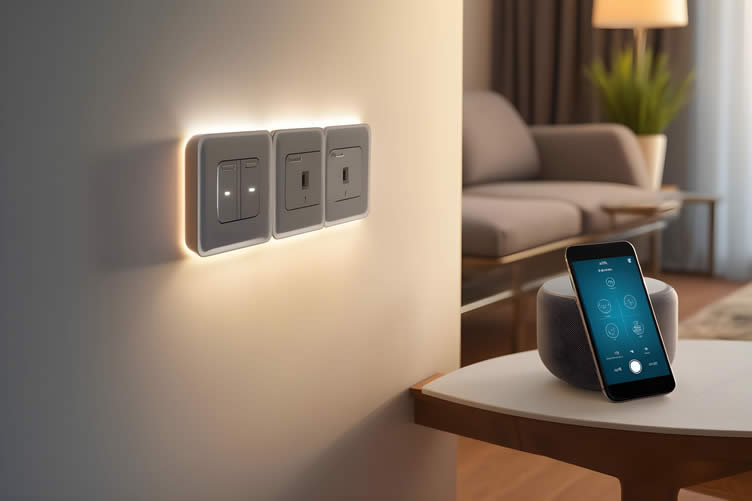
AI generated image by 123rf.com
-
-
3rd: Using Smart Irrigation Systems with Sensors
… for efficient landscape and garden watering
Smart irrigation technologies have revolutionized water management for landscapes and gardens, delivering precise, data-driven watering solutions that align perfectly with environmental sustainability and cost efficiency.
By leveraging the integration of smart controllers and advanced soil moisture sensors, homeowners can ensure their outdoor spaces thrive while conserving water and reducing utility expenses.
This innovative approach combines technological advancements with sustainable practices, making it an essential tool for modern gardening and landscaping enthusiasts.
[ view summary table: smart irrigation ]
-
How Smart Irrigation with Sensors Works
Smart irrigation systems equipped with sensors function by collecting real-time data about environmental and soil conditions. Soil moisture sensors, typically placed in designated planting zones, measure the volume of water present in the soil.
These sensors interact with the smart irrigation controller to determine whether watering is necessary, based precisely on plant needs and local weather conditions. This system eliminates the guesswork traditionally involved in gardening, minimizing over-watering or drought stress for plants.
Weather-based smart controllers further enhance the system by using data such as temperature, precipitation forecasts, wind, and humidity to adjust the watering schedule in real time.
For example, if rainfall is predicted, the system can automatically skip or reduce a scheduled watering session, maintaining ideal soil moisture levels without wasting water. The seamless integration of these components ensures a holistic and intelligent approach to irrigation.
-
Implementing Smart Irrigation Systems
Implementing a smart irrigation system with sensors requires careful planning to maximize efficiency and achieve the desired outcomes. Begin by assessing your landscape’s water requirements based on plant types, soil composition, and climate conditions.
Zones with differing plant needs (e.g., lawns, flower beds, vegetable gardens) should be identified for optimal sensor placement.
After planning, select a reliable smart controller paired with compatible soil moisture sensors. Look for systems that offer features such as app integration, programmable schedules, and weather-based settings to provide flexibility and ease of use.
During installation, place the sensors at the root zone depth of plants to accurately gauge moisture levels where it matters most.
Proper configuration of the system is key. Calibrate the sensors and controllers based on your soil type and plant needs, as sandy soils drain faster than clay soils, requiring different watering patterns.
Post-installation, monitor system performance using companion apps or dashboards to ensure it responds effectively to dynamic conditions.
Maintaining the system over time is also critical to its success. Periodically check for proper operation of sensors, clean any debris that might accumulate on devices, and update firmware or software as needed.
By ensuring the system remains in top condition, you’ll enjoy consistent water savings and vibrant plant growth throughout the seasons.
References and Citations:
- Smart Irrigation Controllers and Sensors. (2023). EPA WaterSense. Retrieved from https://www.epa.gov/watersense
- Soil Moisture Sensor Applications in Irrigation Systems. (2023). Irrigation Association. Retrieved from https://www.irrigation.org
- Evaluating Smart Irrigation Technology for Water Conservation. (2022). Journal of Environmental Horticulture, Vol. 40 (2), 121–130.
- Weather-Based Irrigation Controllers and Their Benefits. (2023). University of Florida IFAS Extension. Retrieved from https://edis.ifas.ufl.edu
Key Aspect Details The Potential of Smart Irrigation Systems Smart irrigation technologies provide precise, data-driven water management for landscapes and gardens. These systems improve environmental sustainability, conserve water, and reduce utility costs by combining advanced controllers and soil moisture sensors. How Smart Irrigation with Sensors Works Sensors collect real-time data on soil moisture and environmental conditions to avoid over-watering or under-watering. Weather-based controllers adjust schedules using local weather data, such as temperature and rainfall forecasts, ensuring efficient watering tailored to plant needs. Implementation Steps - Assess landscape needs by plant type, soil, and climate.
- Identify planting zones for sensor placement.
- Select a reliable smart controller and compatible sensors with features like app integration and weather-based settings.
- Install sensors at root depth for accurate moisture measurements and calibrate for soil type.
- Monitor system performance via apps and maintain devices regularly for consistent efficiency.
Maintenance Ensure sensors are working effectively, clean debris, update systems regularly to maintain optimal performance, and maximize water conservation and healthy plant growth. 
copyright image by 123rf.com
-
-
4th: Home Automation for Managing Energy Needs
Home automation is revolutionizing the way we manage and optimize energy consumption in modern eco-homes. By integrating advanced technology with sustainable practices, homeowners can achieve improved energy efficiency, reduced utility costs, and a smaller carbon footprint.
Eco-friendly living evolves when energy use becomes intelligent, streamlined, and flexible through the application of home automation. Below, we explore how automation systems can optimize specific aspects of energy production and consumption while supporting sustainability goals.
[ view summary table: managing energy needs ]
-
Monitoring and Optimizing Renewable Energy Production and Consumption
For eco-homes utilizing renewable energy sources such as solar panels, geothermal systems, and wind turbines, home automation provides sophisticated tools for monitoring and optimizing energy production and consumption.
Smart energy management systems can track the performance of solar panels, analyze energy generation rates, and synchronize energy use with peak production hours. These systems allow homeowners to prioritize energy storage or consumption based on real-time data, ensuring maximum efficiency.
Geothermal systems also benefit from automated controls that regulate heating and cooling based on environmental conditions and occupancy. Automated geothermal monitoring ensures that these systems operate at optimal levels, balancing energy savings with home comfort.
Other renewable energy sources, such as wind turbines, can be integrated into a unified home automation system to analyze and adjust their output for seamless energy coordination throughout the property.
-
Managing Home Water Heating Systems
Water heating can be one of the most energy-intensive systems in any household. By incorporating smart water heating technologies, home automation helps to reduce waste and manage energy effectively.
Intelligent water heaters equipped with automation features can adjust heating schedules based on usage patterns, ensuring hot water is available only when needed. Homeowners can also use mobile apps to monitor water heater efficiency and make adjustments remotely, leading to significant energy savings.
Advanced systems can even tie water heating to renewable energy production. For example, if solar panels generate excess energy during the day, an automated system can direct that surplus power to heat water, effectively using clean energy instead of drawing from the grid. This enhances the sustainability of the entire eco-home ecosystem.
-
Managing Water Consumption Through Smart Devices
Water conservation is another critical component of sustainable living, and home automation offers several practical solutions. Smart faucets and toilets enable homeowners to monitor water usage in real-time and detect excessive consumption patterns.
These devices can adjust flow rates and flush volumes to reduce waste without compromising functionality or comfort.
Leak detection systems represent another essential feature of automated water management. These systems use sensors to identify leaks the moment they occur, helping to prevent costly water damage and reducing unnecessary water loss.
Notifications sent to a homeowner’s smartphone or home automation hub ensure quick action can be taken to resolve problems promptly. These technologies not only conserve resources but also reduce utility bills by lowering water usage.
-
Enhancing Energy Efficiency Across Other Systems
Beyond renewable energy and water management, home automation can optimize other energy needs in an eco-home. Smart lighting systems, for example, incorporate sensors that adjust lighting based on occupancy or natural light availability, reducing electricity consumption.
Automated climate control systems leverage learning algorithms to adjust heating, cooling, and ventilation to maintain comfort while minimizing energy use.
Additionally, automation allows for seamless integration of all systems within the home. By centralizing controls for lighting, HVAC, renewable energy, and water systems, homeowners can monitor their energy footprint holistically and make informed decisions regarding their consumption habits.
This interconnected approach provides a unified system designed to maximize efficiency and sustainability across all aspects of home energy management.
References and Citations:
- Smarter Home Guide. "The Future of Home Automation for Sustainable Living." Retrieved from https://smarterhomeguide.com.
- Green Building Advisor. "Optimizing Renewable Energy with Home Automation Technology." Retrieved from https://www.greenbuildingadvisor.com.
- Energy.gov. "Intelligent Water Heating Systems and Their Role in Energy Efficiency." Retrieved from https://www.energy.gov.
- Renewable Energy World. "Integrating Wind, Solar, and Geothermal into Smart Eco-Homes." Retrieved from https://www.renewableenergyworld.com.
- Consumer Energy Center. "Reducing Utility Costs Through Home Automation." Retrieved from https://consumerenergycenter.org.
Aspect Automation Function Benefits Renewable Energy Production and Consumption Monitoring energy generation, synchronizing energy use with peak production, and regulating geothermal systems based on conditions. Maximizes efficiency, enhances energy storage, reduces waste, and balances comfort with energy savings. Water Heating Systems Adjusting heating schedules based on usage patterns, monitoring remotely, and utilizing surplus renewable energy for heating. Reduces energy waste, lowers utility costs, and promotes the use of clean energy. Water Consumption Monitoring usage in real-time, adjusting flow rates, and detecting leaks with smart devices. Conserves water resources, prevents costly water damage, and reduces utility bills. Energy Efficiency Across Systems Optimizing lighting and climate control through sensors and learning algorithms, and centralizing system controls. Minimizes electricity consumption, maintains comfort, and creates a unified, sustainable home energy system. 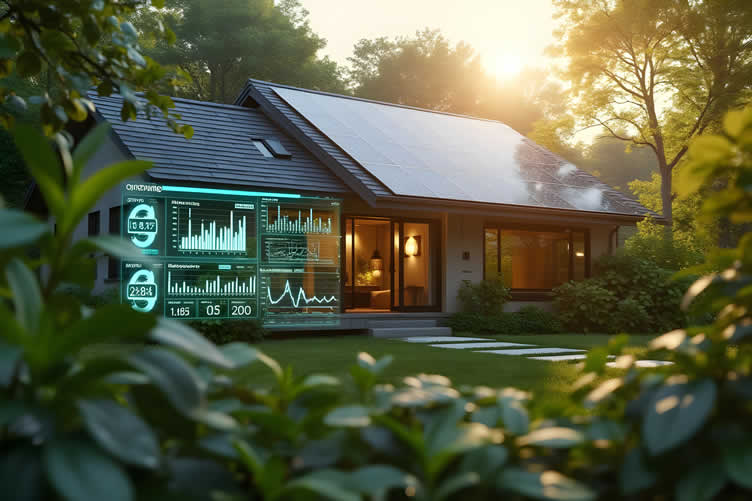
AI generated image by 123rf.com
-
-
5th: Potential Savings with Home Automation Integration
Integrating home automation systems provides substantial savings across various aspects of home management. Here’s an estimate of the potential savings when automating key systems in your home:
[ view summary table: potential savings ]
- HVAC Systems:
Automating heating and cooling with programmable smart thermostats and sensors can reduce energy waste.Potential Savings: Up to 10-15% on annual heating and cooling costs.
- Lighting and Appliances:
Smart lighting solutions, such as motion sensors and timers, combined with energy-efficient appliances, can cut down unnecessary power usage.Potential Savings: Approximately 10-20% on electricity bills.
- Smart Irrigation:
Automated irrigation systems that adapt to weather conditions and soil moisture levels can significantly reduce water consumption.Potential Savings: Up to 30% on outdoor water usage.
- Renewable Energy:
Optimizing solar panel systems with smart inverters and energy storage management helps maximize energy production and usage efficiency.Potential Savings: Variable, but can offset up to 50% of traditional energy costs depending on system size and energy consumption.
- Smart Water Faucets and Toilets:
Low-flow smart faucets and toilets with automation features, like auto shut-off and flush regulation, help conserve water.Potential Savings: Up to 20% on household water usage.
- Other Systems:
Additional home automation features, such as smart plugs, energy monitors, and home security, reduce waste and enhance convenience.Potential Savings: Varies, typically 5-10% on total energy costs.
System Description Potential Savings HVAC Systems Programmable smart thermostats and sensors reduce energy waste in heating and cooling. Up to 10-15% on annual heating and cooling costs Lighting and Appliances Smart lighting solutions, motion sensors, and energy-efficient appliances minimize power usage. Approximately 10-20% on electricity bills Smart Irrigation Automated irrigation adjusts to weather and soil conditions, conserving water. Up to 30% on outdoor water usage Renewable Energy Smart inverters and energy storage management optimize solar panel systems. Variable; can offset up to 50% of energy costs Smart Water Faucets and Toilets Automation features like auto shut-off and flush regulation conserve water. Up to 20% on household water usage Other Systems Smart plugs, energy monitors, and home security systems reduce waste and enhance convenience. Varies, typically 5-10% on total energy costs 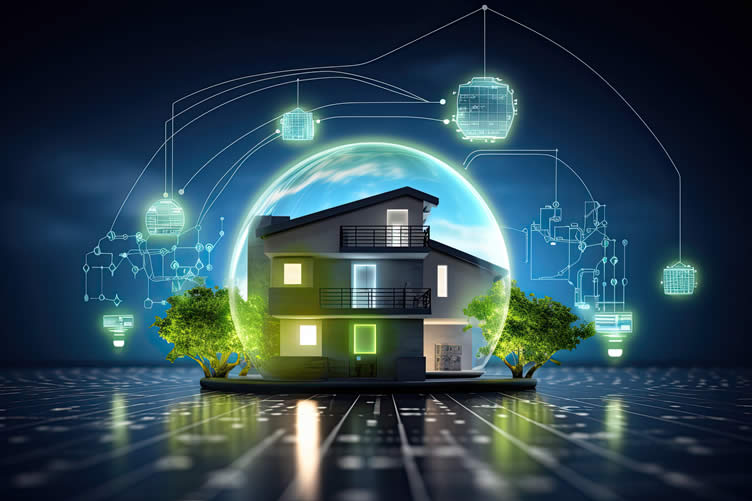
copyright image by 123rf.com
- HVAC Systems:
-
-
ideas to view and compare from the information discussed above
Scroll up to directory … or scroll to next section about eco-friendly homes …
SHARE IT ..! You might have someone in your social network who could find this informative post eco-friendly homes valuable. Feel free to share it on Facebook, X (formally Twitter), LinkedIn, or Pinterest!


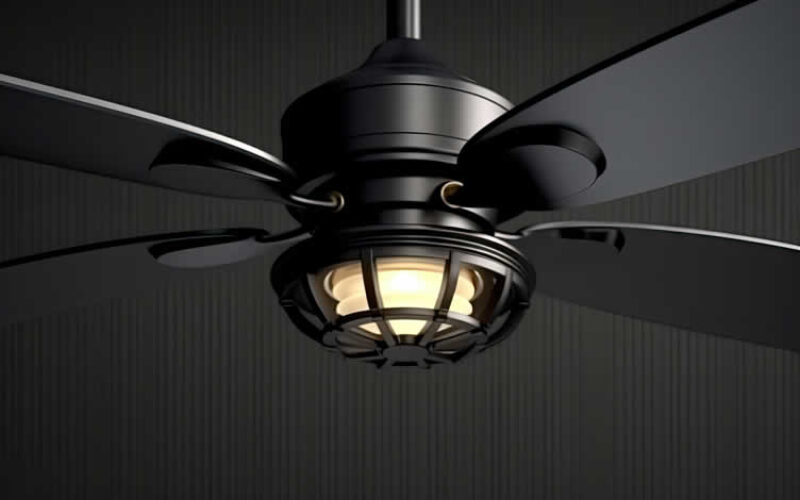
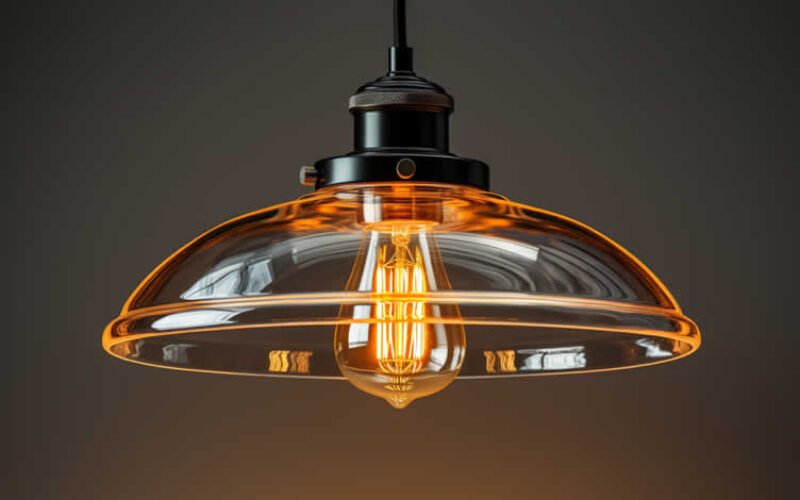

… view our home remodeling guides and steps

get the size dimensions for any home remodeling project …
… for functionality, aesthetics, and adhering to building codes




Budgeting Worksheet For Costing Home Remodeling and Home Improvement Decisions
 File Type (excel)
fourth “photo remodeling” idea

copyright image by 123rf.com
Eco-Home Tip 4: Employing Sustainable Materials
Notes:
-
Sustainable materials form the foundation of truly eco-friendly homes, offering environmentally responsible alternatives that often exceed conventional materials in both performance and longevity. These materials support healthy indoor environments while reducing the environmental impact associated with home construction and renovation.
The selection of sustainable materials involves considering their entire life-cycle, from initial production through disposal or recycling.
The best sustainable materials come from renewable sources, require minimal processing, and can be recycled or safely returned to the environment at the end of their useful life.
-
Quick scroll to supporting notes …
-
-
1st: Employing Sustainable "Building" Materials
… in your eco-home
Creating an eco-home is a purposeful step toward a sustainable and environmentally conscious lifestyle. One of the core components of an eco-friendly home design is the use of sustainable building materials.
Thoughtful building material choices not only enhance the beauty and comfort of your living space but also contribute to reduced environmental impact and improved indoor air quality. By using renewable, recycled, and natural resources, sustainable building materials help you create a healthier and more responsible home that aligns with your values.
Below, we explore some of the top choices for sustainable flooring and wall materials, offering insights into why these are ideal for your eco-conscious renovation or new build.
[ view summary table: sustainable “building” materials ]
-
Sustainable Flooring Options
Choosing sustainable flooring can transform your home while minimizing waste and supporting renewable resources. Bamboo is one such option, prized for its rapid growth cycle and durability.
Unlike traditional hardwood, bamboo can mature in just three to five years, making it a highly renewable resource. Its strength rivals hardwood, making it a resilient and stylish option for both modern and traditional designs.
Additionally, cork flooring has gained popularity for being a natural, soft material harvested from the bark of cork oak trees without harming the tree itself. It is not only eco-friendly but also provides excellent insulation and comfort underfoot.
For those interested in adding character and history to their homes, reclaimed wood presents a compelling choice. Sourced from old buildings, barns, and industrial sites, reclaimed wood reduces the demand for new timber and showcases unique patinas and textures that infuse your spaces with charm.
Each piece tells a story while contributing to a sustainable approach by re-purposing resources that would otherwise go to waste.
cork flooring ideas -
Sustainable Wall Materials and Finishes
Walls set the tone for your interiors and provide an excellent opportunity to incorporate sustainability. Bamboo extends its application beyond flooring and can also be used creatively as wall paneling, offering a contemporary yet warm aesthetic.
Similarly, cork panels can be used for walls, adding both soundproofing qualities and a distinctive appearance. Cork is naturally mold-resistant, further contributing to a healthier living environment.
Reclaimed wood, once again, serves as a versatile option for walls, where it brings a rustic or industrial feel to spaces while avoiding the need for newly harvested materials.
Beyond wood, recycled materials like recycled glass tiles or composite products made of reclaimed paper and resin create modern, sustainable finishes for walls. These innovations ensure that your walls contribute to environmental conservation while maintaining high aesthetic standards.
For a completely renewable and biodegradable wall finish, natural clay plasters provide an elegant and breathable surface. Clay plaster enhances indoor air quality by regulating humidity and is free of synthetic chemicals that can emit harmful volatile organic compounds (VOCs). It’s an excellent choice for homeowners prioritizing both sustainability and health.
reclaimed wood ideas -
A User-Centric Approach to Sustainability
When integrating sustainable building materials into your eco-home, prioritize products that match your functional needs, design vision, and environmental goals. Sustainable building materials prove that you don’t have to compromise aesthetics to achieve eco-consciousness.
Many modern manufacturers offer comprehensive options cater to diverse tastes and project types, providing solutions for every budget. Partnering with knowledgeable professionals, researching product credentials, and exploring certifications such as FSC (Forest Stewardship Council) for wood products will help ensure your choices are genuinely sustainable.
core panels
References and Citations:
- Schmitz, A., & Kaufmann, B. (2020). Eco-Design in Building Materials and Products. Springer Verlag.
- FSC International. (2023). Forest Stewardship Council Certification Database. Retrieved from https://fsc.org.
- Heller, J., & Kehrli, A. (2021). “Sustainable Materials for Home Design.” The Journal of Green Building. 16(3), 135–148.
- Sustainable Flooring Guide. (2023). Natural Materials for Eco-friendly Homes. U.S. Green Building Council. Retrieved from https://usgbc.org.
Category Material Properties Benefits Sustainable Flooring Bamboo Rapid growth cycle (3-5 years), durable Highly renewable, resilient, suitable for various designs Sustainable Flooring Cork Soft, harvested from bark without harming trees Eco-friendly, excellent insulation, comfort underfoot Sustainable Flooring Reclaimed Wood Re-purposed from old structures, unique patinas Reduces demand for new timber, adds character Sustainable Walls Bamboo Paneling Contemporary, warm aesthetic Versatile, sustainable design option Sustainable Walls Cork Panels Soundproofing, mold-resistant Distinctive appearance, healthier environment Sustainable Walls Reclaimed Wood Rustic or industrial look Avoids need for new materials, re-purposes resources Sustainable Walls Recycled Glass Tiles Made from recycled materials Modern finishes, eco-friendly Sustainable Walls Natural Clay Plasters Breathable, free of synthetic chemicals Improves air quality, regulates humidity [ pinterest: sustainable building materials ]
[ youtube: Green Building Materials ]
-
-
2nd: Employing Sustainable "Insulative" Materials
… in your eco-home
Creating an eco-home begins with thoughtful "insulative" material selection to achieve both sustainability and efficiency. Using sustainable "insulative" materials not only minimizes environmental impact but also enhances the home’s energy performance and overall comfort.
Among the many choices available, "insulative" materials such as straw bales, hempcrete, and sheep’s wool offer unique advantages, making them excellent options for insulation.
These materials promote energy conservation, lower carbon emissions, and improve indoor air quality, aligning seamlessly with an environmentally conscious lifestyle.
[ view summary table: sustainable “insulative” materials ]
-
Straw Bales for Insulation
Straw bales are a versatile and renewable resource for eco-friendly homes. Harvested as a byproduct of agricultural processes, straw bales provide exceptional thermal performance by acting as natural insulators.
Their dense structure traps air, creating a barrier that keeps homes warm in winter and cool in summer. This material is also biodegradable, making it sustainable from production through the end of its life-cycle.
While straw bales are generally used in wall construction, their thermal properties and fire resistance meet modern building code standards, making them a durable and safe choice for insulation.
straw bales insulation -
Hempcrete and Its Benefits
Hempcrete is a hemp-based material made from a mix of the plant’s woody core, lime, and water. It is lightweight, breathable, and possesses excellent insulating properties.
Hempcrete regulates indoor temperature and moisture levels, contributing to a healthier home environment by preventing mold. Another significant advantage of hempcrete is its carbon-negative properties; it absorbs more carbon dioxide during its production than it emits.
Hemp is a rapidly renewable crop, requiring minimal water and no synthetic fertilizers, which adds to its eco-friendly credentials. Although hempcrete is not structural, it pairs well with other sustainable frameworks to create a green-built home.
insulative hempcrete -
Sheep’s Wool as a Natural Insulator
Sheep’s wool, a byproduct of the livestock industry, is increasingly recognized as an outstanding insulator for eco-friendly homes. It provides excellent thermal regulation, maintaining interior temperatures effectively while remaining breathable.
Wool is naturally fire-resistant and can absorb and release moisture without losing its insulating properties, which makes it suitable for a variety of climates. Furthermore, sheep’s wool is biodegradable and recyclable, unlike synthetic insulators often used in conventional homes.
Its durability and ability to maintain air quality by filtering pollutants like formaldehyde make it a valuable material for sustainable design.
sheep wool insulation -
Other Innovations in Sustainable Insulation
Emerging alternatives such as recycled denim, cork, and cellulose are excellent options to further enhance eco-friendly insulation.
Recycled denim re-purposes textile waste, providing high thermal resistance and diverting material from landfills. Similarly, cork, a natural and renewable material, offers unique acoustic and thermal insulation while also being lightweight and recyclable.
Cellulose insulation, made from recycled paper, is treated with non-toxic fire retardants to offer safe and effective thermal performance. These materials showcase the adaptability of sustainable practices to suit diverse budgets and design preferences.
cellulose insulation
References:
- Magwood, C., & Walker, P. (2021). Sustainable Building Design for a Greener Future. Taylor & Francis.
- Forest Stewardship Council International. (2023). FSC Product Guide. Retrieved from https://fsc.org.
- U.S. Department of Energy. (n.d.). Sustainable Home Insulation Options. Retrieved from https://energy.gov.
- Allen, G., & Griffiths, E. (2020). "Hempcrete Applications for Zero-Energy Homes" in Renewable Resources Journal, 9(2), 45-50.
- Schmidt, H. (2022). Natural Wool for Ventilation and Insulation. Energy Saving Trust Resource Center.
Material Key Features Environmental Benefits Straw Bales – Exceptional thermal performance
– Biodegradable
– Fire-resistant
– Suitable for wall construction– Renewable resource
– Low carbon footprint
– Sustainable throughout its life-cycleHempcrete – Lightweight and breathable
– Excellent insulation
– Carbon-negative production
– Regulates temperature and moisture– Absorbs more CO2 than it emits
– Renewable crop
– Minimal water and no synthetic fertilizers requiredSheep’s Wool – High thermal regulation
– Fire-resistant
– Filters indoor air pollutants
– Durable and breathable– Biodegradable and recyclable
– Improves indoor air quality
– Sustainable byproduct of livestock industryRecycled Denim – High thermal resistance
– Diverts textile waste from landfills– Recycles textiles into insulation
– Environmentally sustainable insulation optionCork – Acoustic and thermal insulation
– Lightweight and recyclable– Naturally renewable and eco-friendly
– Sustainable insulation materialCellulose – Made from recycled paper
– Treated with safe fire retardants
– Effective thermal performance– Re-purposes paper waste
– Eco-conscious insulation choice[ pinterest: insulative sustainable materials ]
[ youtube: Building with Hemp ]
-
-
3rd: Employing "Other" Sustainable Materials
… in your eco-home
Building or upgrading an eco-home is not just about energy efficiency; it requires thoughtful material choices that reduce environmental impact and promote sustainability.
By incorporating alternative materials like recycled components, low-VOC paints, earthen substances, and innovations such as aerated concrete or mass timber, homeowners can enhance the sustainability of their projects while creating beautiful, durable living spaces.
Below, we explore these sustainable material options and their unique benefits.
[ view summary table: sustainable “other” materials ]
-
Recycled Materials
Using recycled materials for construction and decoration is an impactful way to reduce waste while adding unique character to your home.
Recycled steel, for instance, is incredibly durable and often less energy-intensive to produce compared to virgin steel. It is an excellent material for structural components such as beams or roofing.
Recycled glass can be transformed into stylish countertops, backsplashes, or decorative finishes, offering both functionality and aesthetic appeal.
Similarly, recycled plastic is being innovatively used in flooring, insulation, and even furniture, providing an eco-conscious alternative while keeping waste out of landfills.
Leveraging these recycled materials reduces your carbon footprint and helps conserve natural resources without compromising on style or performance.
recycled glass countertops -
Choosing Low-VOC Paints
Traditional paints release volatile organic compounds (VOCs), which contribute to indoor air pollution and can pose health risks. Low-VOC paints, on the other hand, are designed to emit fewer chemicals, making them safer for both homeowners and the environment.
These eco-friendly options are available in a variety of colors and finishes, ensuring that you don’t have to sacrifice aesthetics for health and sustainability. By using low-VOC paints, you not only improve indoor air quality but also support a greener production process.
Make sure to look for certifications like Greenguard or Green Seal when selecting paints to ensure their environmental integrity.
low voc meaning -
Earthen Materials
Earthen materials like rammed earth, cob, and compressed earth blocks offer natural beauty and superior sustainability.
- Rammed earth involves compacting soil into solid walls, creating a structure that is thermally efficient and remarkably sturdy.
- Cob, a mix of clay, sand, and straw, is known for its versatility and sculptural flexibility, making it well-suited for unique, organic designs.
- Compressed earth blocks are a modern innovation, constituting building blocks formed from sustainably sourced earth that provide excellent thermal regulation.
All of these materials minimize reliance on synthetic resources and are biodegradable, making them prime options for eco-conscious home projects.
earthen materials -
Innovative Alternatives
Modern advances in sustainable construction have given rise to materials like aerated concrete and mass timber. Aerated concrete is lightweight, energy-efficient, and provides excellent insulation properties, making it ideal for walls and floors.
This material is manufactured using less energy than traditional concrete, contributing to lower emissions. Mass timber, created by bonding layers of wood to form strong structural components, is rapidly gaining popularity due to its renewable nature and ability to store carbon over the life-cycle of the building.
Both of these materials exemplify how innovation can drive a shift toward greener construction practices without compromising structural integrity or functionality.
By employing these sustainable materials, you can align your home improvement projects with environmentally responsible practices while enjoying lasting benefits in terms of durability, beauty, and performance.
These choices not only reduce environmental footprint but also contribute to healthier living environments for occupants, reflecting an advanced understanding of eco-conscious living.
aerated concrete
References:
- Forest Stewardship Council International. (2023). FSC Product Guide. Retrieved from https://fsc.org.
- U.S. Department of Energy. (n.d.). Sustainable Home Insulation Options. Retrieved from https://energy.gov.
- EPA. (n.d.). "Volatile Organic Compounds’ Impact on Indoor Air Quality." Retrieved from https://epa.gov.
- Allen, G., & Griffiths, E. (2020). "Hempcrete Applications for Zero-Energy Homes" in Renewable Resources Journal, 9(2), 45-50.
- Green Building Materials Report. (2022). "Advancements in Aerated Concrete and Mass Timber Use." Sustainable Construction Quarterly.
- Sustainable Earth Building Technology Organization. (2023). Compressed Earth and Rammed Earth Applications for Eco-Friendly Architecture. Reliable Academic Publishing.
Material Description Benefits Recycled Materials Utilizes re-purposed materials like steel, glass, and plastic in construction and decor. Reduces waste, lowers carbon footprint, conserves natural resources, and adds unique aesthetic value. Low-VOC Paints Paints that emit fewer volatile organic compounds, ensuring safety and eco-friendliness. Improves indoor air quality, reduces health risks, and supports sustainable production processes. Earthen Materials Includes natural components like rammed earth, cob, and compressed earth blocks. Offers thermal efficiency, durability, biodegradability, and organic design flexibility. Aerated Concrete A lightweight construction material with excellent insulation properties. Energy-efficient, reduces emissions, and provides superior thermal regulation. Mass Timber Structural wood formed by bonding multiple layers for strength. Renewable, stores carbon, and supports eco-friendly construction practices. [ pinterest: recycled building materials ]
[ youtube: Recycled Glass Countertops For Busy Kitchens ]
-
-
-
ideas to view and compare from the information discussed above

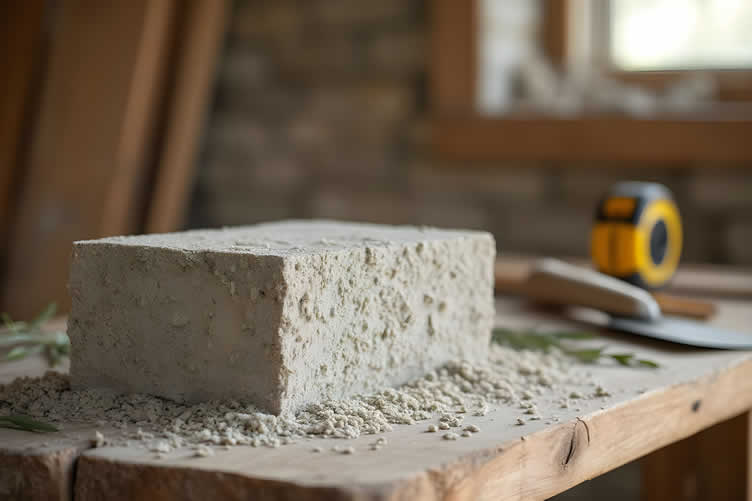
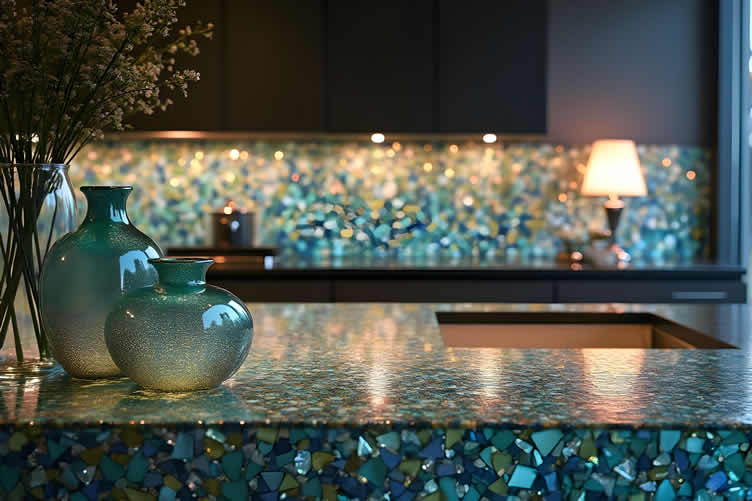
Scroll up to directory … or scroll to next section about eco-friendly homes …



plan the specifications you need for making eco-home transitions …
… and other key home improvement and remodeling decisions
Download this PDF for a concise summary of all you need to know about …?
Find Home Remodeling Services Additions Major Remodels Minor Remodels Disability Needs Plumbing Drain Clearing Appliances Electrical top-rated, pre-screened local contractors FREE: download contractor selection enter zip code – powered by HomeAdvisor ™
Quick Contractor Guides selecting negotiating working with inspecting

fifth and last “photo remodeling” idea
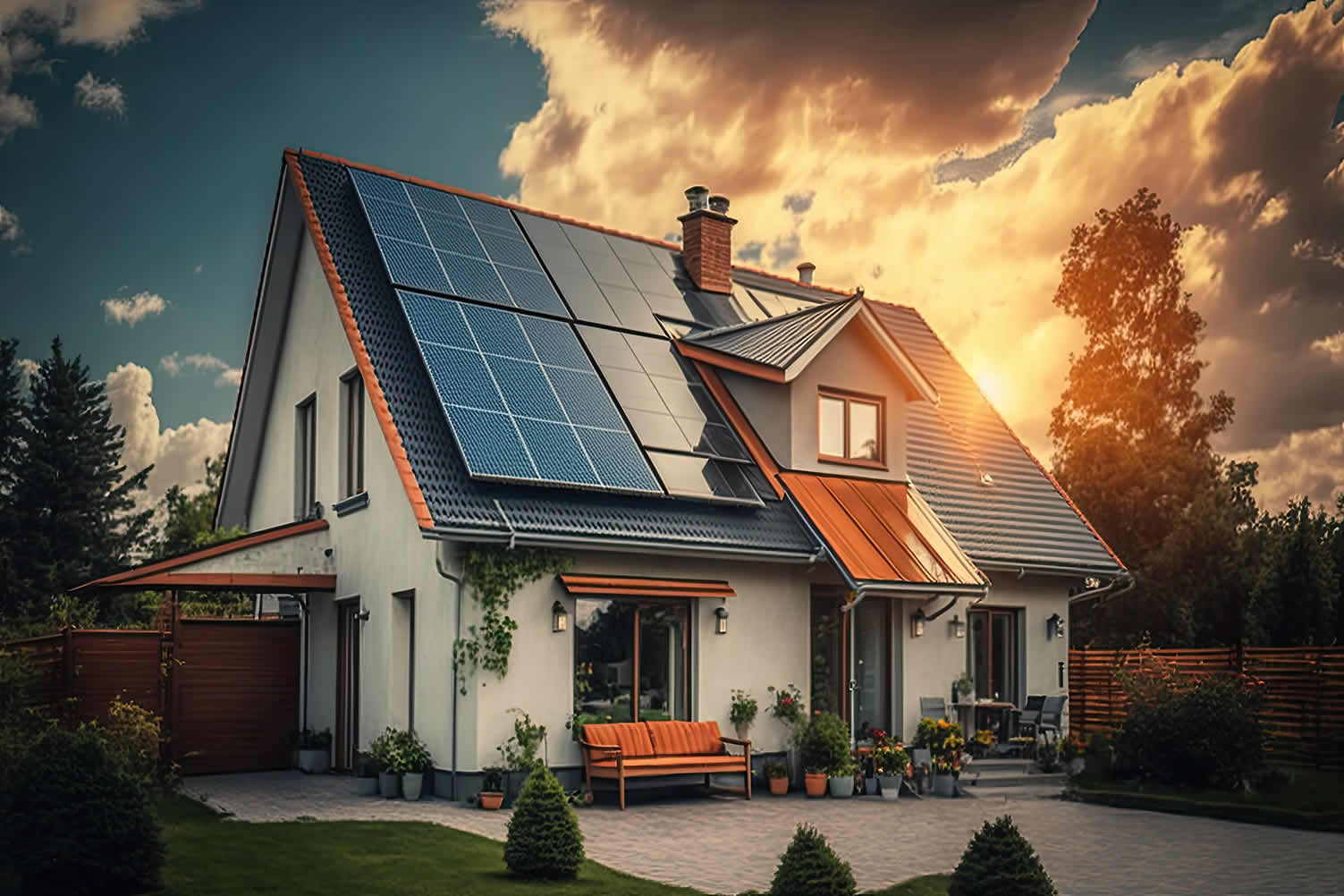

copyright image by 123rf.com
Eco-Home Tip 5: Transitioning to an Eco-Home: Building a Greener Future
Notes:
-
Creating an eco-home is not only a step toward reducing your environmental impact but also a way to enhance your home’s efficiency, comfort, and long-term value.
Whether you are starting fresh with a new construction project or adapting your current home in stages, transitioning to an eco-home offers countless benefits for you and the planet. From incorporating energy-saving systems to choosing sustainable materials, the process allows you to re-imagine your living space while supporting a greener lifestyle.
For those building a new home, planning with eco-friendly principles from the ground up can lead to remarkable results. On the other hand, transforming an existing home into a more sustainable retreat is a rewarding challenge that can be approached incrementally to suit your budget and timeline.
This section will explore the practical steps and innovative ideas needed to create an eco-home, empowering you to make informed choices that align with your goals, lifestyle, and the environment’s well-being.
-
Quick scroll to supporting notes …
-
-
1st: Eco-Friendly Home Through New Home Construction
Building a new home offers a unique opportunity to transition to an eco-friendly living space that prioritizes sustainability, efficiency, and comfort. By planning thoughtfully and leveraging the latest advancements in green technology, homeowners can create a residence that minimizes environmental impact while maximizing long-term savings.
Proper design and material choices lay the foundation for a more sustainable, environmentally responsible future.
[ view summary table: new home construction ]
-
Crafting a Sustainable Foundation with Eco-Friendly Materials
The foundation of any eco-friendly home begins with the materials used in construction. Opting for sustainable resources, such as reclaimed wood, bamboo, and recycled concrete, not only reduces environmental harm but also enhances the durability of the structure.
Using materials certified by organizations like LEED (Leadership in Energy and Environmental Design) or the Forest Stewardship Council ensures that you are implementing eco-conscious practices.
Additionally, non-toxic paints, adhesives, and finishes can further improve indoor air quality and make the living environment healthier.
-
Enhancing Energy Efficiency with Proper Insulation and Weatherization
Proper insulation and weatherization are critical components in improving energy efficiency and reducing heating and cooling demands. High-performance insulation materials, such as spray-foam insulation or insulated concrete forms (ICFs), help regulate indoor temperature, reducing the need for excessive energy usage.
Furthermore, advanced weatherproofing techniques, including energy-efficient windows and sealed doors, prevent heat loss during colder months and minimize heat gain during warmer seasons.
-
Zone-Specific HVAC Systems for Sustainable Climate Control
Smart heating, ventilation, and air conditioning (HVAC) systems allow homeowners to control energy usage efficiently. Zone-specific HVAC systems utilize smart thermostats to adjust heating and cooling based on individual room needs.
This targeted approach not only eliminates energy waste but also creates personalized comfort throughout the home. Integrating energy recovery ventilation (ERV) systems further improves air quality and reduces energy demand by recycling heat and moisture in the airflow system.
-
Renewable Energy Integration for Long-Term Sustainability
Installing renewable energy systems, like solar panels, wind turbines, or geothermal energy sources, enables new homeowners to generate their own clean, sustainable energy.
Solar power, in particular, has become more accessible in recent years due to falling equipment costs and financial incentives, such as tax credits and rebates from local governments.
Pairing these systems with battery storage solutions ensures energy availability even during outages, enhancing reliability and independence from fossil fuels.
-
Advanced Electrical Systems to Optimize Utility Usage
Smart home electrical wiring offers innovative ways to monitor and reduce energy consumption. Smart wired plugs, switches, and lighting systems can track electricity usage in real-time, allowing for informed decisions about energy use.
A home automation setup with a central hub, such as a smart home assistant, can streamline the management of energy by scheduling power usage during off-peak hours and automating lighting, appliances, and HVAC operations for optimal efficiency.
-
Water Conservation Systems for a Sustainable Future
Water efficiency is another fundamental component of eco-friendly design. Installing systems such as rainwater harvesting, greywater recycling, and low-flow fixtures can significantly reduce water waste.
Advanced irrigation systems that adjust based on weather conditions ensure outdoor landscaping remains sustainable without unnecessary water consumption. By incorporating these technologies into new construction, homeowners can preserve natural water resources while keeping their utility bills low.
-
Centralized Home Automation for Unified Control
A well-designed eco-friendly home benefits from a centralized smart automation system, providing seamless control of all interconnected devices. This system allows homeowners to manage lighting, climate, security, and appliances from one convenient platform.
The integration of artificial intelligence and machine learning can even offer predictive energy-saving suggestions, ensuring ongoing efficiency without sacrificing comfort or convenience.
-
Exploring Sustainable Modular Homes as a Budget-Friendly Option
For those seeking an eco-friendly living space without the hefty price tag of traditional new construction, sustainable modular homes offer an innovative and cost-effective solution. These homes are pre-fabricated in controlled factory environments, minimizing waste and ensuring energy-efficient design and construction processes.
By utilizing sustainable materials, such as reclaimed wood, recycled steel, or eco-friendly insulation, modular homes can significantly reduce the environmental impact compared to conventional building methods.
Another key advantage is the flexibility of modular designs, which allow homeowners to customize layouts and features to suit their needs and preferences. From solar panel systems to energy-efficient windows, modular homes can be equipped with green technologies that further enhance their sustainability.
Additionally, the building process for modular homes is faster and often more affordable, making them an excellent choice for families or individuals looking to balance their budget with their environmental goals.
Choosing a sustainable modular home as a path to an eco-home ensures you are investing in a greener future while enjoying the benefits of a stylish and functional living space that meets your needs.
References:
- U.S. Green Building Council. "LEED Rating System." Link
- Energy.gov. "Efficient Home Design." Link
- EPA. "WaterSense – An EPA Partnership Program." Link
- Solar Energy Industries Association. "Solar Energy Facts and Statistics." Link
- Forest Stewardship Council. "FSC Certification." Link
Eco-Friendly Home Features Key Benefits Eco-Friendly Materials (Reclaimed wood, bamboo, recycled concrete, non-toxic finishes) Reduces environmental harm, enhances durability, and improves indoor air quality. Energy Efficiency (High-performance insulation, weatherproofing, energy-efficient windows) Minimizes heating and cooling demands, reduces energy usage, and enhances indoor comfort. Zone-Specific HVAC Systems (Smart thermostats, ERV systems) Eliminates energy waste, provides customized climate control, and improves air quality. Renewable Energy (Solar panels, wind turbines, geothermal energy) Generates sustainable energy, lowers reliance on fossil fuels, and enhances energy independence. Smart Electrical Systems (Smart plugs, central home automation) Monitors energy consumption, optimizes utility usage, and streamlines energy management. Water Conservation (Rainwater harvesting, greywater recycling, low-flow fixtures) Reduces water waste, preserves natural resources, and lowers utility bills. Centralized Home Automation System Manages lighting, climate, and appliances with AI-driven energy-saving suggestions. Sustainable Modular Homes Cost-effective, reduces waste, customizable designs with eco-friendly materials and technologies. [ youtube: How to build a sustainable house ]
[ youtube: 25 Modern Prefab Home Builders ]
-
-
2nd: Transitioning Current Home into an Eco-Home in Stages
Creating an eco-friendly home doesn’t have to happen all at once. Transitioning your living space into a more sustainable and energy-efficient home can be done incrementally, aligning with your budget and long-term goals.
By tackling improvements in manageable stages, you can reduce your environmental impact while enhancing your home’s comfort, efficiency, and value. This systematic approach allows flexibility and ensures that upgrades are tailored to your needs.
[ view summary table: transitioning current home ]
-
Stage 1: Foundational Changes for Immediate Impact
The first stage focuses on affordable and accessible upgrades that are easy to implement and yield immediate energy savings. These changes form the foundation of an eco-home by improving energy efficiency and reducing waste in day-to-day living.
- Start by transitioning from traditional lighting to LED bulbs, which consume significantly less energy and have longer lifespans.
- Install low-flow faucets and showerheads to conserve water without compromising functionality. Smart leak detectors are another excellent addition to monitor water usage and prevent waste.
- Upgrading to smart plugs and switches helps optimize energy consumption by setting schedules or turning off unused appliances remotely.
- Pairing these upgrades with a smart thermostat allows for better control over heating and cooling, reducing energy use during off-hours.
These initial changes, while small, are incredibly impactful and cost-effective solutions that set the stage for more extensive upgrades in the future.
-
Stage 2: Enhanced Efficiency and Sustainability
Once foundational changes are established, the second stage moves toward more impactful and durable energy-saving measures, focusing on improving your home’s insulation and efficiency while integrating sustainable landscaping concepts.
- Start by weatherproofing and insulating doors, windows, and walls to minimize heat loss in winter and cooling loss in summer. This step is crucial for reducing energy bills and maintaining consistent indoor temperatures.
- Consider routine appliance replacement with energy-efficient models when older appliances reach the end of their lifespan. Modern energy-star-rated refrigerators, washing machines, and dishwashers significantly reduce energy and water requirements.
- Similarly, investing in native plant landscaping or drought-resistant gardens can cut down water usage while boosting curb appeal. Smart irrigation systems can further optimize outdoor water consumption by limiting over-watering.
- For bathroom upgrades, smart toilets reduce water usage, making them a sustainable and modern choice.
By layering these efficient upgrades, homeowners can build on the basic groundwork established in Stage 1, advancing toward a more robust eco-home that provides enhanced comfort and environmental benefits.
-
Stage 3: Comprehensive Integration of Advanced Eco-Technology
The final and most transformative stage involves integrating cutting-edge eco-technology and adopting large-scale sustainable solutions.
- Solar panels or other renewable energy sources, such as wind or geothermal systems, are highly effective in offsetting energy use and creating a more self-reliant home. Pairing these systems with battery storage ensures a continuous energy supply, even during outages or low-generation periods.
- To improve climate control, transition to smart HVAC systems with zoned heating and cooling capabilities. These systems optimize energy use by targeting specific areas of the home rather than maintaining an unnecessary, uniform temperature throughout.
- Rain harvesting and greywater systems add another element of sustainability by reusing water for landscaping and non-potable purposes, reducing reliance on municipal water supplies.
- Upgrades to smart electrical wiring and home automation, aided by Internet of Things (IoT) devices and AI solutions, enable seamless energy management. These technologies can integrate and coordinate systems like lighting, security, HVAC, and appliances for optimal efficiency.
Additionally, when conducting any necessary renovations or replacements, prioritize sustainable materials such as reclaimed wood, recycled metals, or low-VOC paints, which have minimal environmental impact.
These large-scale and advanced measures complete the eco-home transformation by creating a truly sustainable and innovative living space.
Stage Focus Key Actions Benefits Stage 1 Foundational Changes for Immediate Impact - Switch to LED lighting
- Install low-flow faucets and showerheads
- Add smart leak detectors
- Upgrade to smart plugs, switches, and thermostats
Cost-effective energy savings, reduced water consumption, and foundational efficiency improvements. Stage 2 Enhanced Efficiency and Sustainability - Weatherproof and insulate doors, windows, and walls
- Replace old appliances with energy-efficient models
- Adopt native plant landscaping and smart irrigation systems
- Install smart toilets
Lower utility bills, improved indoor comfort, and outdoor water usage reduction. Stage 3 Comprehensive Integration of Advanced Eco-Technology - Install solar panels, wind, or geothermal systems with battery storage
- Adopt smart HVAC systems with zoned climate control
- Implement rain harvesting and greywater systems
- Upgrade with sustainable materials and IoT-integrated home automation
Energy independence, sustainable resource reuse, and maximized eco-home transformation. [ pinterest: How to Make Your Home More Sustainable ]
[ youtube: 10 Most Eco Friendly Home Features to Consider ]
-
-
3rd: When to Call in a Professional Contractor
While many eco-friendly home upgrades and projects can be tackled as DIY endeavors, there are times when bringing in a professional contractor is the best course of action.
Complex installations, such as solar panels, energy-efficient HVAC systems, or advanced water-saving plumbing fixtures, often require specialized skills and certifications to ensure everything is installed safely and performs at its peak capacity.
Professionals have the tools, experience, and expertise to adapt solutions to your home’s unique requirements, helping to maximize energy savings and eco-friendly benefits.
Additionally, contractors can often help homeowners identify additional opportunities for efficiency improvements that might not be immediately apparent, such as sealing air leaks or optimizing insulation.
Hiring a professional doesn’t just ensure your investment is protected—it ensures that the updates are functional, long-lasting, and contribute meaningfully to your goals of sustainability and comfort.
Whether you’re upgrading a single system or taking on an extensive renovation, a trusted professional contractor can be a valuable partner in your eco-home transition.
LetsRenovate has partnered with HomeAdvisor™, a renowned provider of highly-rated, carefully-vetted local contractors. Start your search here by choosing the type of contractor you need and entering your zip code to find local professionals.
But Wait!
Before beginning your search for eco-contractors, be sure to download and use this comprehensive evaluation worksheet.
Designed to streamline your decision-making process, this tool allows you to objectively assess and rank potential contractors based on key factors like pricing, licensing, and referrals.

Evaluation Sheet
File Type:
-
-
Conclusion: Creating Long-Term Sustainability
The journey toward creating an eco-friendly home extends beyond individual improvements to encompass ongoing maintenance, continuous improvement, and community engagement. Sustainable homes require thoughtful care and periodic updates to maintain optimal performance and adapt to changing needs.
Successful eco-friendly homes evolve over time, incorporating new technologies and practices as they become available. This adaptive approach ensures that your sustainable living practices remain current and effective while providing opportunities for continuous improvement and learning.
Whether you start with simple changes like LED lighting and low-flow fixtures or invest in major improvements like solar panels and comprehensive insulation upgrades, each step moves you closer to a more sustainable, comfortable, and economical home.
-
ideas to view and compare from the information discussed above
- What comments can you share about
eco-friendly homes?
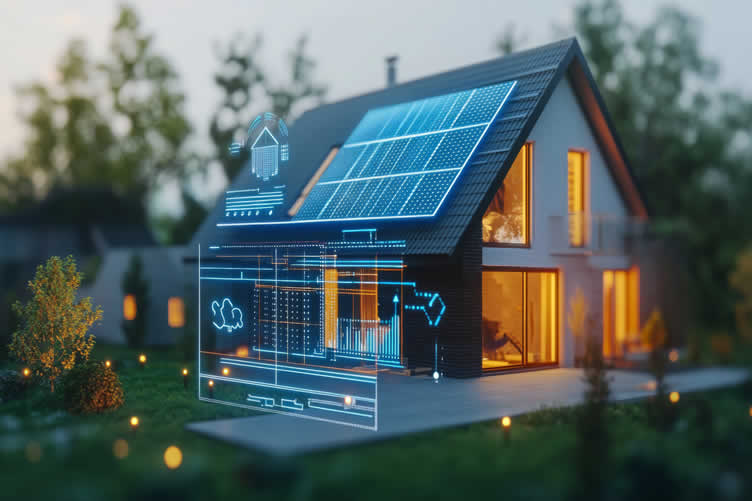
Scroll up to directory … or scroll to more home utility-related topics …
view illustration “becoming a bank”



Download this PDF for a concise summary of all you need to know about …?


Calendar For:
Home Maintenance
File Type:
… view our sharing links below for a quick "share the knowledge"
Cover image credit: eco-friendly homes by 123rf.com
end of post … please share it!
 |
did you find how simple renovations can eco-friendly homes analysis helpful? If so, please share the article with your friends and family! |
Nice pic idea? Leave us a quick comment below.
And please share this pic idea within your social networks.