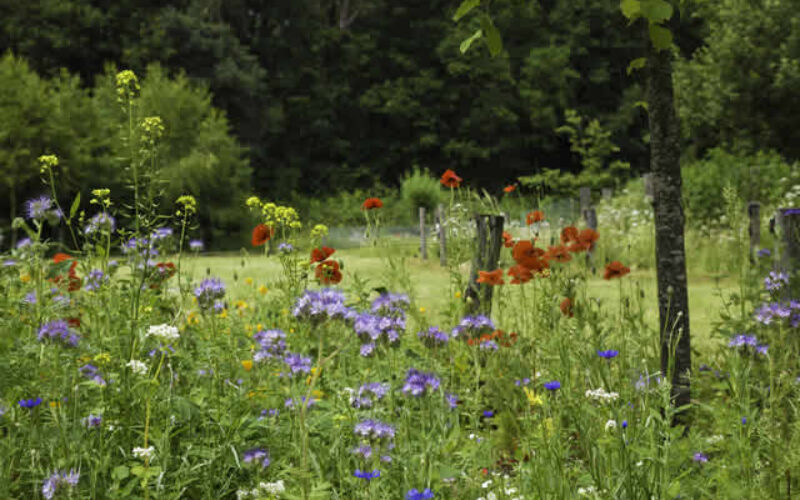
Meadow gardening is not just a style; it’s a movement that blends ecological stewardship and stunning visual appeal. More homeowners and professionals are turning to meadow or prairie-style gardens, relying on native perennials and grasses to build vibrant, self-sustaining landscapes.
This approach champions the benefits of drought-tolerant plants and celebrates the crucial role these gardens play in supporting pollinators such as bees, butterflies, and moths.
Meadow gardening offers more than just a pretty vista. By prioritizing local species that thrive without heavy intervention, these gardens require less water, resist pests, and create self-renewing habitats for wildlife.
When planned with intention and maintained with light-touch care, a meadow garden can transform even the smallest space into an ecological powerhouse.
This guide will take you through the essential steps for creating your own native perennial meadow, from planning and plant selection to maintenance and troubleshooting.
Introduction to Meadow Gardening
Meadow gardening replaces traditional turf lawns and inorganic landscapes with a tapestry of native wildflowers, grasses, and companion plants. Its growing popularity stems from its ability to deliver year-round beauty while benefiting the local ecosystem.
Where manicured landscapes often rely on irrigation, fertilizers, and pesticide treatments, meadows flourish on nature’s terms. By choosing drought-tolerant native perennials and grasses, gardeners dramatically reduce water use and maintenance needs.
The ecological advantages are profound. Native plants form intricate root systems that stabilize soil, improve water infiltration, and prevent erosion.

They also provide essential resources for birds, pollinators, and beneficial insects, many of which are struggling due to habitat loss. Meadow gardens become living, breathing support systems for biodiversity, bringing vitality back to urban and rural spaces alike.

Planning Your Meadow Garden
Successful meadow gardening starts with thoughtful preparation and smart choices. Each site brings its own opportunities and constraints that will shape your planting plan.
-
Site Assessment
Begin by carefully observing your garden’s sunlight, soil type, and drainage patterns. Most native perennials and meadow grasses crave full sun, meaning at least six hours of direct light each day. Shadier sites can still support meadow planting using woodland-edge species, though the palette may change.
Test your soil texture and fertility. Native plants often prefer well-drained, moderately fertile soils, but many can adapt if you choose appropriate species. Assess how water moves and pools during rainfall to avoid low-lying, soggy areas unless you are creating a wet meadow.
-
Design Considerations
Meadow gardens can be as formal or informal as you like. Decide whether you want a free-form patch with naturalistic drifts or a structured design with anchored beds and mow-paths. Consider the mature heights and bloom times of your plants to ensure constant color and texture.
Smaller yards may benefit from defined borders to keep the look intentional rather than weedy. Pathways, stepping stones, or intentional clearings can help access and showcase your planting.
-
Plant Selection
The foundation of every thriving meadow garden is its plant palette. Focus on native species that evolved in your region’s climate and soils, as these will need less attention and offer greater habitat value.
Seek out seed mixes or plugs from reputable native plant nurseries. Local extension offices and native plant societies can provide valuable recommendations for your area.
Selecting Native Perennials and Grasses
Choosing the right inhabitants for your meadow is crucial for longevity and visual appeal. This section explores standout options among perennials and grasses, as well as the role of companion plants in extending interest and ecological impact.
-
Top Native Perennials
Native perennials are the floral backbone of any meadow garden. Classics such as Black-Eyed Susan (Rudbeckia hirta) bring sunny yellow blooms and thrive in a range of soils.
Purple Coneflower (Echinacea purpurea) offers resilience and a favorite landing pad for butterflies. Smooth Aster (Symphyotrichum laeve) extends the season with late blue blooms that nourish pollinators in autumn.
Other favored perennials include Wild Bergamot (Monarda fistulosa), beloved by hummingbirds and bees, and Butterfly Weed (Asclepias tuberosa), an essential choice for Monarch butterflies. These species not only dazzle the eye but provide rich nectar and pollen for a diversity of pollinators.
-
Top Native Grasses
Grasses add movement, structure, and year-round beauty. Little Bluestem (Schizachyrium scoparium) stands out for its striking blue-green blades that turn copper in fall. Switchgrass (Panicum virgatum) grows upright and robust, ideal for stabilizing soil while offering winter interest.
Prairie Dropseed (Sporobolus heterolepis) is a fine-textured ornamental grass known for its graceful, arching leaves and tolerance for poor soils.
Indian Grass (Sorghastrum nutans) and Big Bluestem (Andropogon gerardii) can anchor larger landscapes. By intermingling grass and wildflower species, you mimic the rich tapestry found in wild meadows.
-
Companion Plants
To create a layered, dynamic planting that blooms from spring through frost, add companion species. Goldenrod (Solidago spp.), New England Aster (Symphyotrichum novae-angliae), and Wild Senna (Senna hebecarpa) offer late-season color and nectar.
Low-growing groundcovers like Prairie Smoke (Geum triflorum) and Foamflower (Tiarella cordifolia) fill in gaps, suppress weeds, and create a lush underplanting.

Understanding Perennial and Annual Flower Plantings
In the world of gardening, the choice between planting annuals and perennials can drastically shape the aesthetic and functional aspects of your garden. Each type of plant offers its unique benefits and challenges, influencing not only the seasonal display but also the maintenance and long-term planning of your garden space.
Sunny Perennial Pics
Part-Sun Perennials
Planting Your Meadow Garden
With your plan and plant list in place, the next step is site preparation and proper planting practices.
-
Soil Preparation
Remove existing turf or weeds using sheet mulching, solarization, or physical removal. Avoid intensive tilling, which can awaken dormant weed seeds. Instead, loosen the topsoil and amend with compost if soil fertility is low.
Native perennials are often less demanding about soil amendments, especially in nutrient-poor prairie conditions.
-
Planting Techniques
Sow native seeds in late fall or early spring for optimal germination, allowing natural cycles of freeze and thaw to break seed dormancy. For immediate impact, plant container-grown plugs or bare-root specimens.
Pay attention to spacing, allowing most perennials and grasses at least twelve to eighteen inches to grow and mature.
Planting depth matters; most seeds should be just covered with soil, while plugs need roots fully buried but not deeper than their existing soil line. Mix species to avoid large monocultures, reducing disease and pest risk.
-
Initial Watering
All new plantings need consistent moisture until roots establish, typically during the first growing season. Deep, occasional watering encourages roots to grow downward rather than remain shallow.
Once plants are well established, your meadow will thrive on natural rainfall except during severe drought.
Maintaining Your Meadow Garden
A well-planted meadow garden largely maintains itself, but strategic care in the early years leads to long-term success.
-
Watering Needs
During the establishment phase, keep soil evenly moist but not waterlogged. Mature meadows require far less supplemental watering, relying on rainfall due to the deep roots of drought-tolerant perennials and grasses. Only irrigate in periods of extended drought.
-
Weeding Strategies
Stay vigilant in the first two seasons by removing weeds before they set seed. Hand-pulling or spot treatments are effective. Never use broad-spectrum herbicides, which harm non-target natives and pollinators.
-
Cutting Back
For most native meadow plants, cut back dead stems and grasses in late winter or early spring rather than fall. This allows overwintering insects and beneficial creatures to complete their life cycles. Leave some leaf litter and standing stems as habitat, then clear debris before new shoots emerge.
Supporting Pollinators
Meadow gardens double as sanctuaries for pollinators. Creating a vibrant habitat involves thoughtful enhancements and ongoing stewardship.
-
Creating Habitat
Beyond food, pollinators need safe spaces to nest and overwinter. Leave some bare patches of soil for ground-nesting bees, and provide bundles of hollow stems or dead wood as homes for solitary pollinators.
-
Avoiding Pesticides
Pesticides, especially neonicotinoids and broad-spectrum insecticides, pose serious risks to bees and beneficial insects. Opt for organic or mechanical management of pests, and practice tolerance for minor cosmetic damage in exchange for ecological health.
-
Planting for Continuous Bloom
Stagger your plant selections for an uninterrupted sequence of flowers from spring through late fall. This ensures a steady supply of nectar and pollen through the active season, supporting the full lifecycle of bees, butterflies, and other key species.

5 Beautiful Tips for Creating a Bee-Friendly Garden
Want to take care of the planet? There are a few ways you can do just that—you could plant a tree, recycle more, or create a compost bin. You could also start a garden to knock out a few birds with one stone.
Troubleshooting Common Issues
Even with careful planning, a meadow garden faces occasional challenges. Understanding common problems ensures your planting continues to thrive.
-
Pest and Diseases
Native plants are generally resistant to pests, but aphids, leaf miners, and fungal diseases can still appear. Healthy, diverse plantings are your best defense. Remove and destroy heavily affected plants, and avoid overwatering.
-
Overcrowding
Once established, meadow plants may self-sow aggressively or encroach on neighbors. Thin plants in spring or early fall to maintain airflow and prevent stress.
-
Lack of Bloom
If your meadow is sparse or lacks color, check for insufficient sunlight, poor soil, or excessive competition from weeds. Re-evaluate your plant choices, and adjust soil conditions as necessary. Restarting small areas or overseeding in fall can renew vigor.
other related analysis of interest: (new win)
From Vine to Vineyard: Growing Grapes in Wine Barrels at Home
Backyard Wildlife: How to Invite, Control, and Remove When Necessary
Launch Your Own Meadow Transformation
Meadow gardening isn’t just a landscaping trend. It’s a profound way to restore biodiversity, conserve water, and invite natural beauty into daily life. Whether you have a corner lot or expansive acreage, a meadow garden offers color, fragrance, and life all season long.
Begin with a small patch and expand as your knowledge and curiosity grow. Connect with local native plant groups, attend workshops, and consult resources from reputable organizations to deepen your meadow gardening expertise.
With patience and observation, your efforts will nurture resilience and delight for years to come.
| Aspect | Key Practices and Details |
|---|---|
| Sunlight Requirements | At least 6 hours of direct light; some shade-tolerant natives available |
| Soil Type | Well-drained, moderately fertile preferred; amend as needed; avoid intensive tilling |
| Top Native Perennials | Black-Eyed Susan, Purple Coneflower, Smooth Aster, Wild Bergamot, Butterfly Weed |
| Top Native Grasses | Little Bluestem, Switchgrass, Prairie Dropseed, Indian Grass, Big Bluestem |
| Plant Spacing | 12–18 inches apart; mix species for diversity and resilience |
| Watering Needs | Consistent during establishment; naturally drought-tolerant once mature |
| Mulching/Weeding | Mulch with organic matter or groundcovers; weed aggressively in first 2 years |
| Cutting Back | Late winter or early spring to protect overwintering beneficial insects |
| Pollinator Support | Leave bare patches and hollow stems; stagger bloom times for continuous resources |
| Troubleshooting | Address pests, overcrowding, and low bloom with site reassessment and periodic thinning |
Find Landscaping/Maintenance Landscape Design Landscape Maintenance Pest Control Sprinkler Systems Tree & Shrubs Water Features top-rated, pre-screened local contractors FREE: download contractor selection enter zip code – powered by HomeAdvisor ™


Image credit: by envato.com
end of post … please share it!
| more photo remodeling |
Jump Over to Our Photo Analysis Center for Ideas on
"Renovating Home"
|__________________________________________________________|
home remodeling surprise
find out where it might go - new win


Helpful article? Leave us a quick comment below.
And please share this article within your social networks.