summary “ways to access renewable and affordable energy” idea

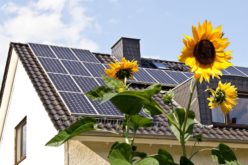
copyright image by twenty20.com
Summary Outline:
This article will cover five different ways to access renewable energies to reduce our dependency on non-renewable resources while boosting our country’s economy and creating jobs: solar farms, wind farms, hydroelectricity generation stations, geothermal heat pumps, and battery storage devices.
The objective of this post is to review current renewable energy sources and other alternative options to help move the US energy economy to clean and reliable energy sources. It will also provide the “know-how” for personal home generation and the pros and cons of each:
-
Quik scroll to first topic about ways to access renewable and affordable energy …

first “photo remodeling” idea
copyright image by envato.com
Solar Farms
Notes:
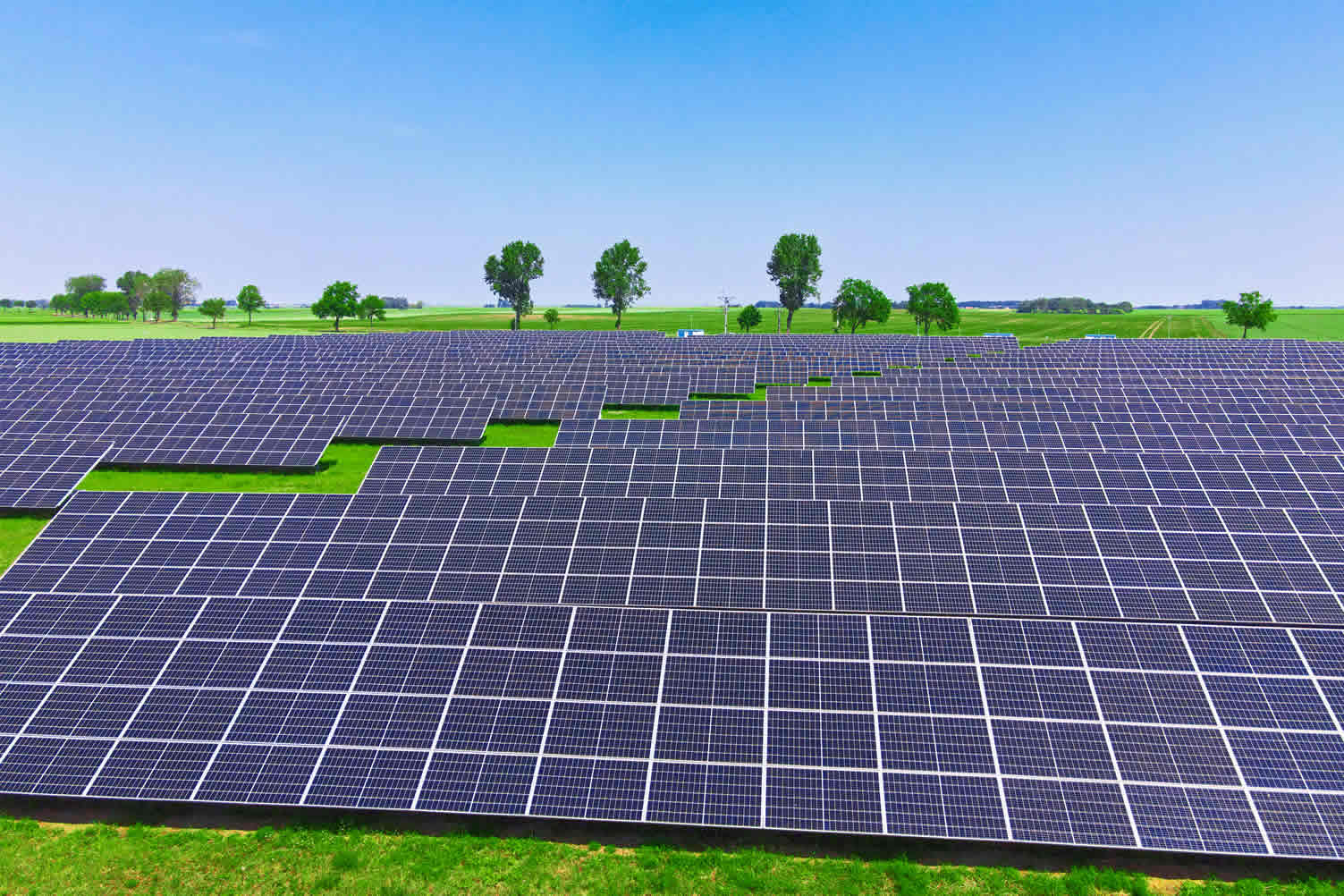
- Solar farms are responsible for most renewable energy derived from non-hydroelectric sources. ACCORDING TO CLEAN TECHNICA, the US makes up only 20% of the world’s solar power, but it generates 43% of all new solar power worldwide.
- California’s single large solar farm has generated enough energy to power 8,800 homes and reduced carbon emissions by more than 1 million tons. The solar array was expected to be paid off within eight years and generate $15 million per year.
- It was built on government-owned land where nothing else could be built because of environmental regulations, but the project still became a success.
- This means that solar farms can be a great way to power homes and businesses while saving money in the long run.
-
Quik scroll to topic side notes …
-
-
Understanding Solar Power:
Solar power generates ~2.8% of all electricity generated in the U.S. in 2021 – (1). Sun rays are absorbed by the PV cells in the panel. This energy creates electrical charges that move in response to an internal electrical field in the cell, causing electricity to flow.
Solar panels work perfectly in desert regions such as California and the southwest areas where land has little production value and the region gets plenty of sun.
However, in regions where there are farmland and forest trees, stripping the land from food-producing farms or forests/wood trees to solar is not best environmental practice.

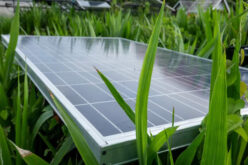
copyright image by Pixabay
In some areas, you will find solar development and land conservation colliding. Converting precious land to solar is an issue that must be addressed before sweeping the country with solar farms.
The cost to produce a megawatt of solar power per hour is ~$50. This is a dramatic cost reduction over the years will make solar an effective source of energy production
The pros and cons of solar power:
Pros:
- renewable energy source
- reduces electricity production costs.
- low maintenance cost
- technology development for better output
Cons:
- weather dependent
- solar energy storage expensive
- hazardous materials used in production
- limited recycling
- uses a lot of land space
-
Solar For Your Home:
As you drive through neighborhoods, these days, you’ll see more and more homes topped with solar panels. Adding solar panels to roofs is one way to generate power without the sacrifice of valuable land.
The power generated (depending on the amount of sunlight) can provide enough electricity for home use. Any excess electricity not used is fed back into the grid.
If every roof in the U.S. had solar panels, it would supply an estimated 39% of all power generated. Unfortunately, homeowners are wary about the cost and the return on investment.

copyright image by envato.com
Find out what type of incentives, tax credits, and rebates are available in your area that you can get before committing solar installation – whether it is solar panels or solar shingles.
Some states and utility associations offer rebates and other incentives for going solar. You may find that installing solar has a high ROI since it not only reduces or eliminates your monthly electric bill but also increases your home’s value.
view post: (new win) converting your home to solar power on a budget
-
-
Quik scroll to next topic about ways to access renewable and affordable energy …
-
ideas to view and compare from the information discussed above
| Supporting Resources (opens new win) | |
| HOW: solar power works | |
| WHAT IS: the future of solar power | |
| INFO: solar power facts | |
| YOUTUBE: solar power for the home | |
| SHOP: green energy (scroll) | |
about home solar


second “photo remodeling” idea

copyright image by envato.com
Wind Farms
Notes:
- Wind farms have been in use since the 1970s, but they weren’t always profitable. A wind turbine could cost $5 million to build and only produce $500,000 worth of electricity over 20 to 30 years.
- However, it is now possible to get wind turbine towers for less than $400 per kilowatt-hour, cheaper than building a dirty coal power plant.
- Originally, wind farms would only generate electricity during nighttime hours, but recently they have been constructed with blades that can rotate at any time to capture energy during the day.
- Steam turbines are also used to convert this energy into electricity. Because of the advancements in wind power technology, there is no longer an economic reason why wind farms cannot be built in every location with sufficient wind.
-
Quik scroll to topic side notes …
-
-
Understanding Wind Power:
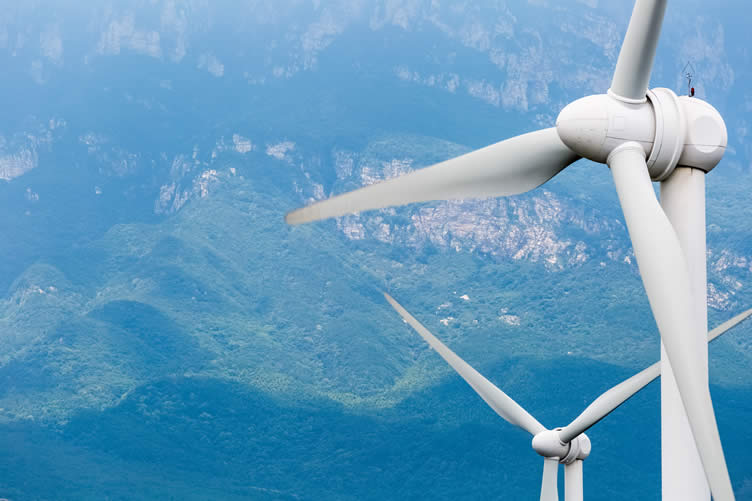
Wind power generates ~9.2% of all electricity generated in the U.S. in 2021 – (1). The wind turns the propeller-like blades of a turbine around a rotor, which spins a generator to create electricity. Cost is about $45 per production of megawatt power.
Wind is found almost everywhere in the United States – both on-line and on water – and wind turbines don’t consume vast amount of land like solar. Turbines must be spaced far enough apart where the land can be worked into crops and used for grazing.
copyright image by Pixabay
The only negative is site pollution – wind farms in populated areas can be unsightly to view given their size and the numbers that take up an area. Wind operations have destroyed mountain views, coastal beaches and other scenic areas – in other words, “… you can have them but not in my backyard”.
Wind farms are also noisy – they are not ideal to be placed near living communities or homes.
The pros and cons of wind power:
Pros:
- renewable energy source
- reduces electricity production costs
- doesn’t disrupt farm land
- low maintenance cost
- technology development
Cons:
- dangerous to some wildlife
- very noisy
- expensive to install
- destroys landscapes and scenery
- unreliable/unpredictable
- too remote may require additional transmission lines
-
Wind For the Home:
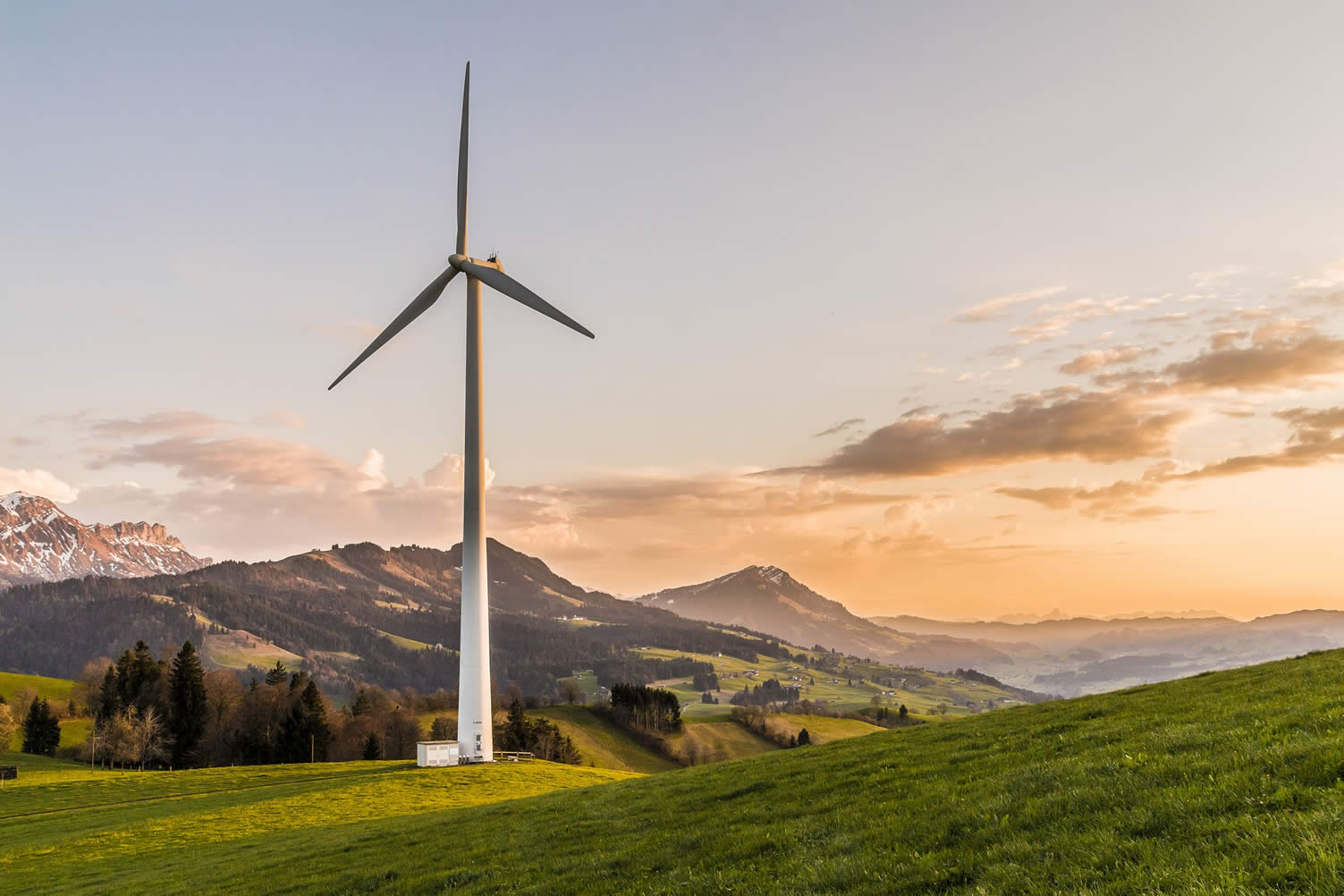
If you live in an windy area, why not harness the wind to produce energy for your home and business use?
An industrialized wind-generating turbine with a capacity of 2.5–3 MW can produce at 25% capacity 4.38 million kWh in a year – enough to supply 330+ average households with electricity. But these turbines can be $3-4 million dollars in installation costs.
copyright image by Pixabay
You can find small residential and farm wind turbines that can harness the wind and work in conjunction with solar panels and other energy saving techniques to make your home more energy efficient.
If the cost analysis doesn’t work for your “windy” situation, perhaps a decorative wind mill or weathervane might be the answer to enjoy those windy days.
view post: (new win) on windy days – how to enjoy, harness and protect
-
-
Quik scroll to next topic about ways to access renewable and affordable energy …
-
ideas to view and compare from the information discussed above
| Supporting Resources (opens new win) | |
| WHAT IS: wind power | |
| INFO: wind information n’ facts | |
| YOUTUBE: offshore wind energy | |
eco-living at home



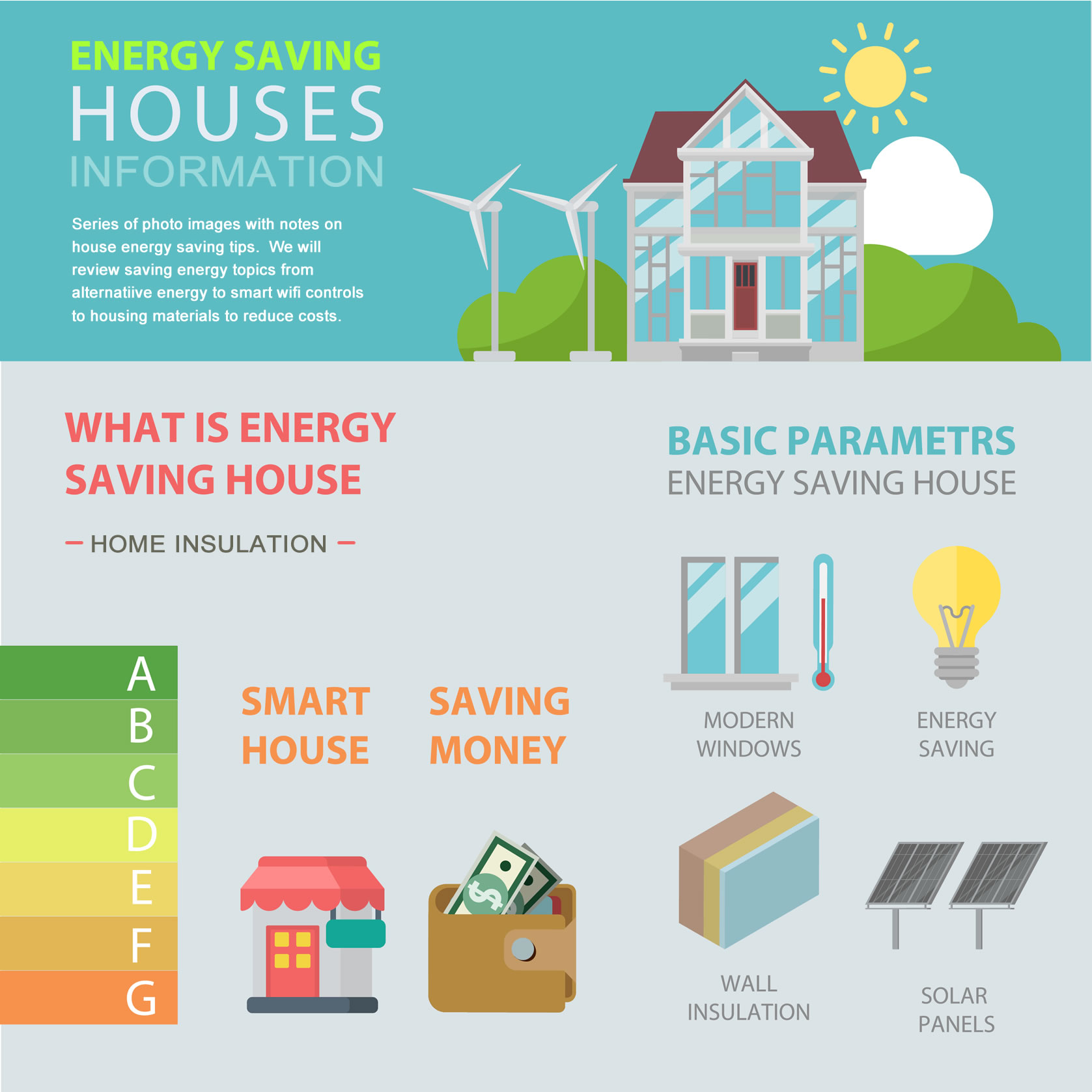
May We Suggest Other Photo Remodeling Ideas About
“Saving Energy at Home”


third “photo remodeling” idea
copyright image by envato.com
Hydroelectricity Generation Stations
Notes:
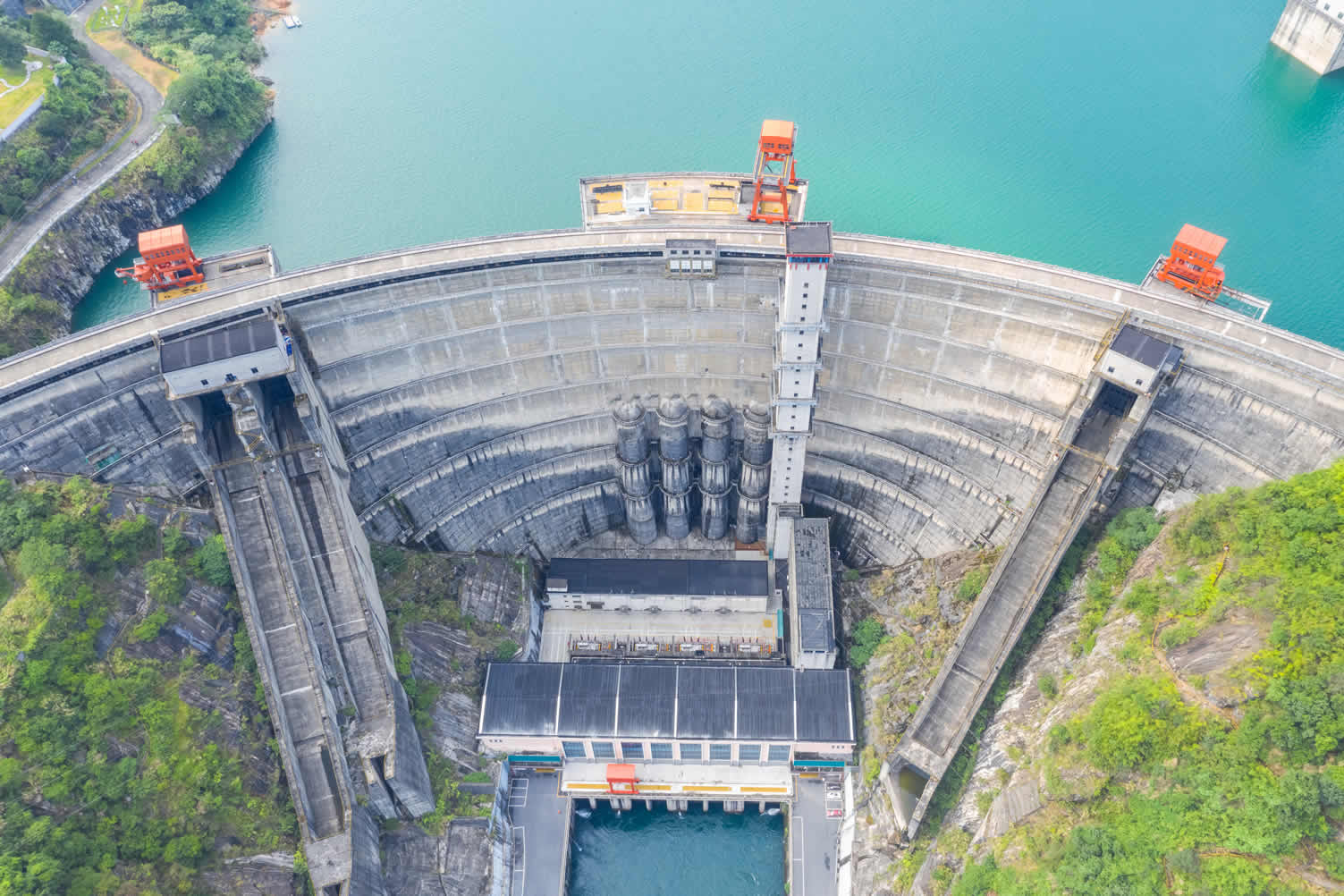
- Hydroelectricity generation stations consist of dams and canals that redirect water from a river or ocean and direct it through turbines to make electricity. These locations are also used for creating hydroelectricity from other sources, such as falling rain.
- Most hydroelectricity stations use dams that already exist, but in the US alone, there are more than 25,000 dams of all sizes that could be re-purposed for energy generation.
- The Grand Coulee Dam in Washington state, originally built to divert water to nearby farms, can generate 3.5 billion kilowatt-hours of electricity each year. It is also the largest generator of hydroelectricity in the entire United States.
-
Quik scroll to topic side notes …
-
-
About Hydroelectricity Stations:
Hydro power generates ~6.3% of all electricity generated in the U.S. in 2021 – (1). The most effective are impoundments, where dams backup a water source and then channel the water through an outlet that turns a turbine for generating power. Other hydro power stations include diverters and pump stations.
Of the 90,000 dams operating in the US, approximately 2,300 dams are power generating stations. Cost is about $45 per production of megawatt power.
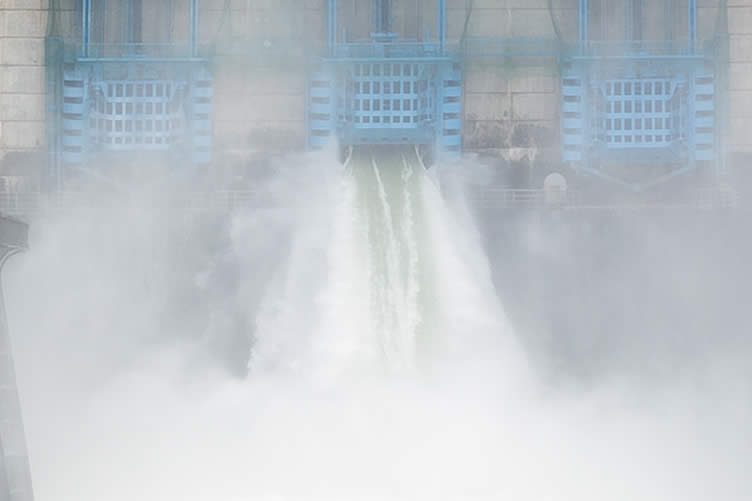
image by envato.com
Hydropower relies on suitable sites on rivers. They are expensive to build and do come with some environmental impact. However, there are benefits of dams.
These include water storage, flood control, and recreational purposes. They are extremely important in areas where dams need to store winter runoff and rains for water usage later in the year summer planting.
The pros and cons of hydropower:
Pros:
- inexpensive source of power
- controls and store water
- offer recreational use
- can operate to meet peak demands
Cons:
- environmental impact of river flow
- disrupts animal migration path
- expensive to build
- relies on rain and snow melt
- dams can break causing floods down river
-
Other Electric Generation Stations:
Most of the US electricity is generated by fossil-related power stations. Let’s review their capabilities and challenges:
Fossil Fuels:
Fossil fuels generate nearly 60% of all electrical needs of US. That compares to all renewables generating only 20.1% in 2021 – (1). So we have a long ways to go before we are completely renewable – but is that smart energy economics?
The advantage of fossil fuels is dependability. Solar farms need sunny days; wind farms need wind; and hydro needs rain. These are weather patterns that are unpredictable. If the weather changes, there is no power.
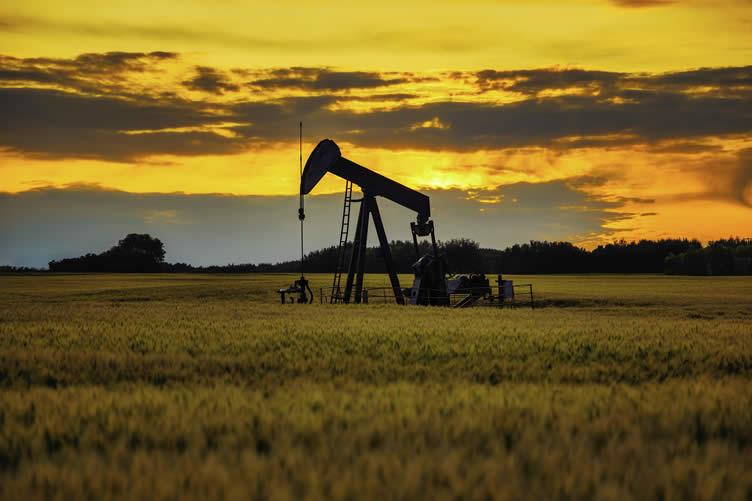
Fossil fuels can be used at any time and during any season to generate power as needed. Natural gas is the most used fossil-generating source; about ~38.3% of all electricity generated in the U.S. Coal burning plants is second, at about ~21.8% of all electricity generated. Other fossil sources are petroleum and methane gas.
copyright image by envato.com
The concept of generating electricity is simple – the fossil fuels are heated up to high temperatures to produce a gas and/or to heat water to produce steam that is forced out through an conduit that turns a turbine that generates electricity.
The by-product of the spent fuel is the carbon that is release into the atmosphere – the main cause of climate change. Natural gas is cleaner to burn than coal. And many coal burning plants must have carbon scrubbers to clean any emissions. That drives up the cost of megawatt production; $102 dollars per megawatt for gas; $148 per megawatt for coal.
There is also the environmental impact of drilling and mining for fossil fuels including the transportation via rail, pipe, and other to get the fossil fuels to electric generation stations.
The pros and cons of fossil burning plants
Pros:
- easy to store and transport
- more reliable than renewables
- very cheap
- can operate anytime
Cons:
- pollutes the environment
- releases carbon emissions
- not a renewable energy source
- can be dangerous if mishandled
Nuclear Power:
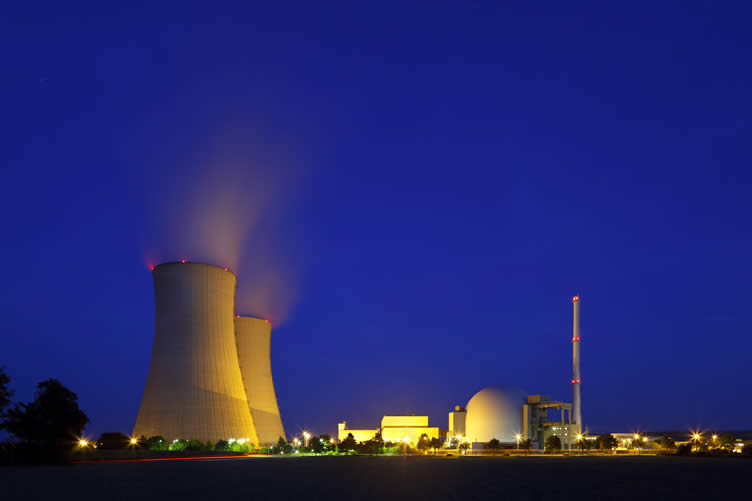
Nuclear power is one of the best electrical-generating options that is reliable, efficient and environmentally friendly. Nuclear power generates ~18.9% of all electricity generated in the U.S. in 2021 – (1) with an cost of about $148 per megawatt hour of produced energy.
But given the “potential” meltdown occurrences at 3-Mile Island, Chernobyl, and others, nuclear plants are being decommissioned across the US and the world. These plants have been converted to coal, oil, or gas power stations, which emit carbon dioxide, pollutants, and contaminants into the atmosphere.
copyright image by envato.com
Another issue of nuclear power is the small amount of nuclear waste that must be recycled or permanently stored in underground repository for safe keeping. These storage factors and other potential mishaps risk radioactive contaminants being released into the environment.
The pros and cons of nuclear power:
Pros:
- sustainable and reliable
- no pollution
- high power output
- low operating costs
Cons:
- uranium non-renewable
- radioactive waste disposal
- nuclear accidents
- fuel availability
-
-
Quik scroll to next topic about ways to access renewable and affordable energy …
-
ideas to view and compare from the information discussed above
hydroponics growing systemposter hoover damabout fish migration
| Supporting Resources (opens new win) | |
| WHAT ARE: types of hydropower plants | |
| ABOUT: controversial future of nuclear power | |
| YOUTUBE: the salmon’s life mission | |
… a kitchen remodel



… for summer fun



fourth “photo remodeling” idea
copyright image by envato.com
Geothermal Heat Pumps
Notes:
- Geothermal heat pumps have been around since 1863, but they have only become feasible for widespread use recently. They utilize heat from deep underground to keep buildings warm without using energy from the power grid.
- For example, the city of San Francisco has used geothermal heat pumps since 1929 to keep street lights illuminated at night. It was the first city in the world to implement this technology.
- Although running these street lights costs $10,000 per year, they pay for themselves in 2 years through energy savings. This means that every year after that, they are generating profit through energy savings rather than just operational costs.
- Rio Tinto Alcan’s smelter also uses Quebec’s geothermal heat pump system. This factory requires 25 megawatts of power to keep it running – but using geothermal heat pumps would only require 6 megawatts from the grid.
-
Quik scroll to topic side notes …
-
-
Understanding Geothermal Energy:
Geothermal energy generates ~0.4% of all electricity generated in the U.S. in 2021 – (1). It does have potential, but currently only a small percentage of use.
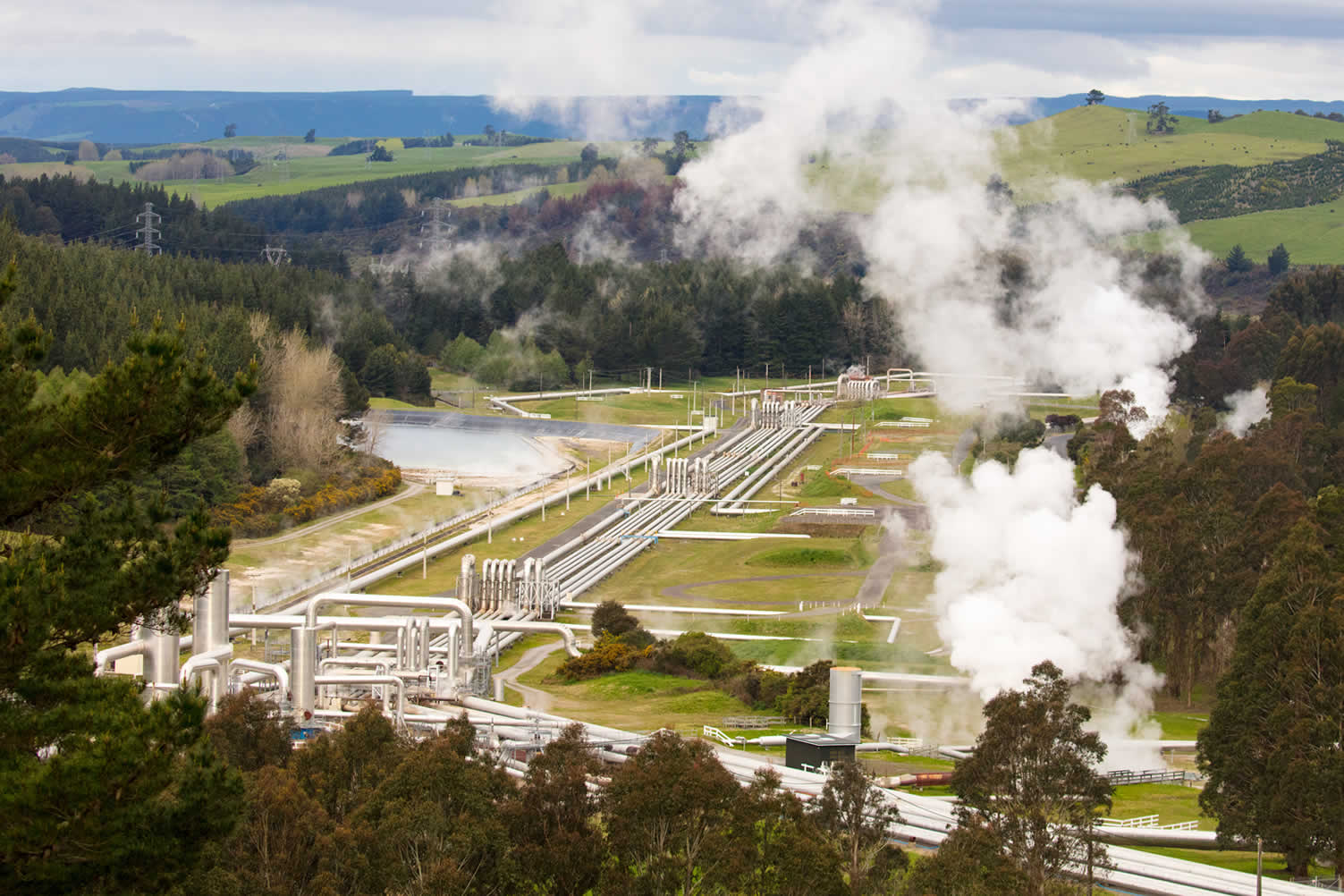
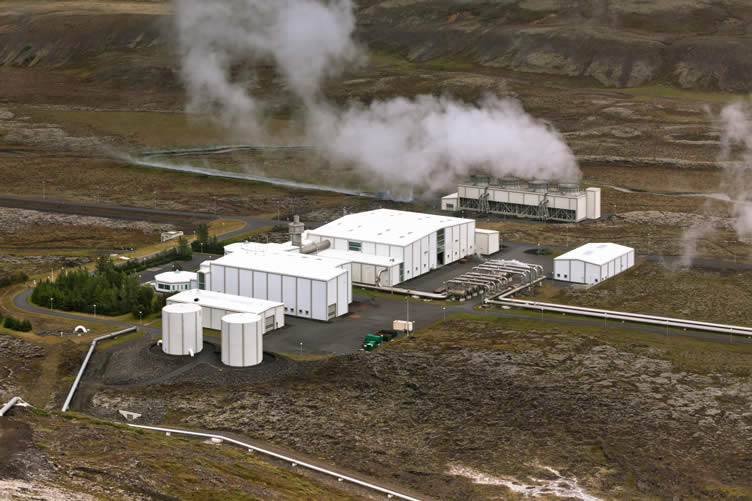
Geothermal energy take the heat beneath the earth and uses it to generate steam that powers a turbine generator. However, to get enough heat to provide power for a populated area, geothermal power stations are located in select regions where intense heat rises to the surface, which can be found in a few earthly locations.
copyright image by envato.com
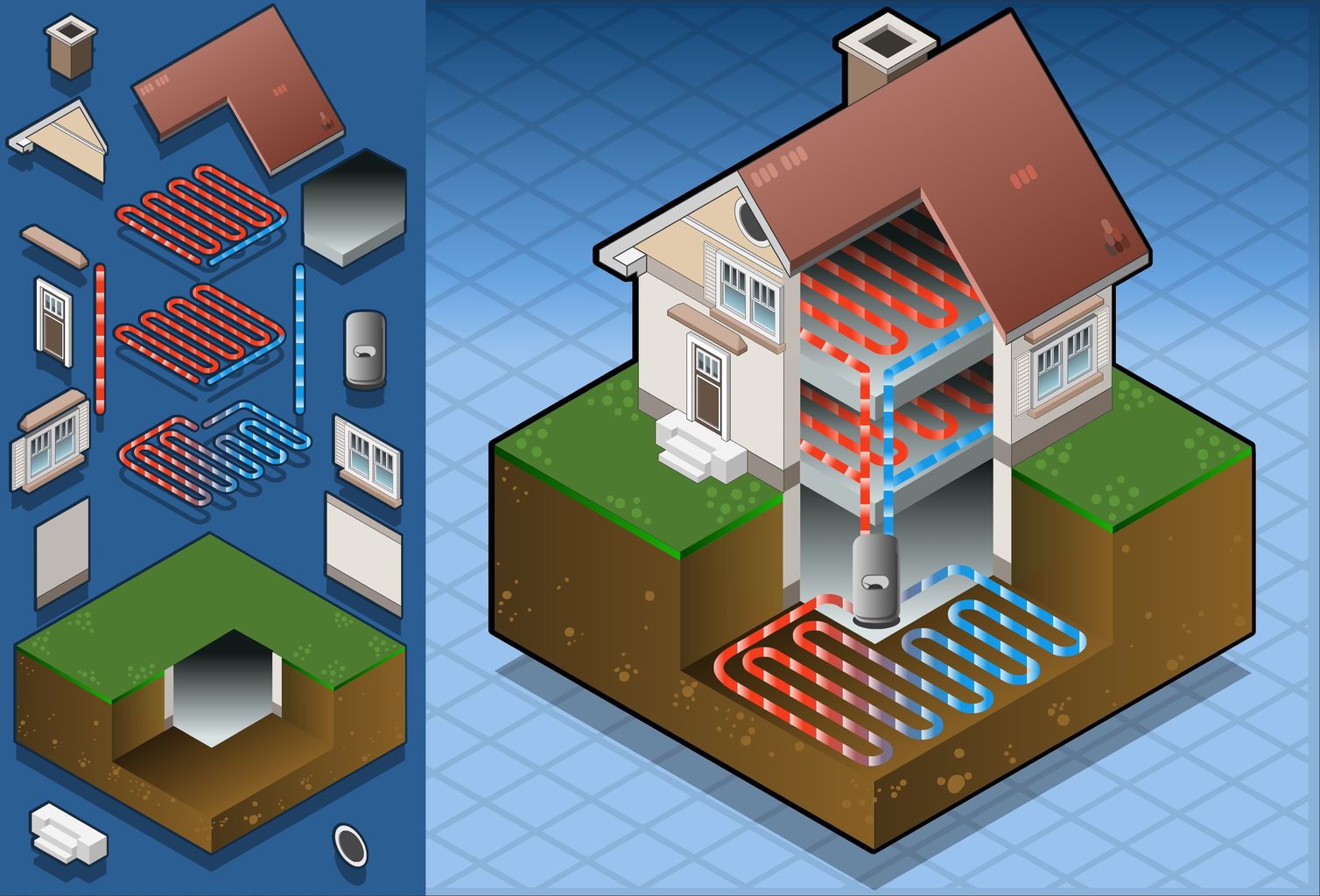
A geothermal heat pump, however, can be used almost anywhere. It converts the heat from the below the earth and converts it to heat a home or building. It is costly to implement, but very energy efficient with a good ROI over time.
The pros and cons of geothermal power:
Pros:
- environmentally friendly
- renewable
- sustainable/stable
- heating and cooling
- huge potential
Cons:
- location restricted
- high costs
- potential environmental side effects
- selected areas prone to earthquakes
-
Geothermal Heat Pumps For The Home:
If you are thinking of a new HVAC system (or in new home construction), look into geothermal technology. As the diagram illustrates, pipes that run under the ground can circulate a temperate solution for your home.
copyright image by 123rf.com
It’s a system that relies totally on natural environmental factors for maintaining a HVAC system. This will require an investment that is suited for a home that you intend to maintain for years to come. But if circumstances require you to sell your house the investment will make your home more valuable.
-
-
Quik scroll to next topic about ways to access renewable and affordable energy …
-
ideas to view and compare from the information discussed above
| References (opens new win except noted) | |
| SERVICES: green energy (see below) | |
| WHAT IS: geothermal heat pump | |
| WHY: geothermal great for home | |
| YOUTUBE: is geothermal worth it | |
| PLANNING: green energy home (same win) | |
Find Energy Efficient Services Insulation Windows-Insulation Ducts & Vents Thermostats Roof Installation Skylights Home Automation Generators top-rated, pre-screened local contractors FREE: download contractor selection enter zip code – powered by HomeAdvisor ™
Quick Contractor Guides selecting negotiating working with inspecting

fifth and last “photo remodeling” idea

copyright image by envato.com
Future Energy Sources
Notes:
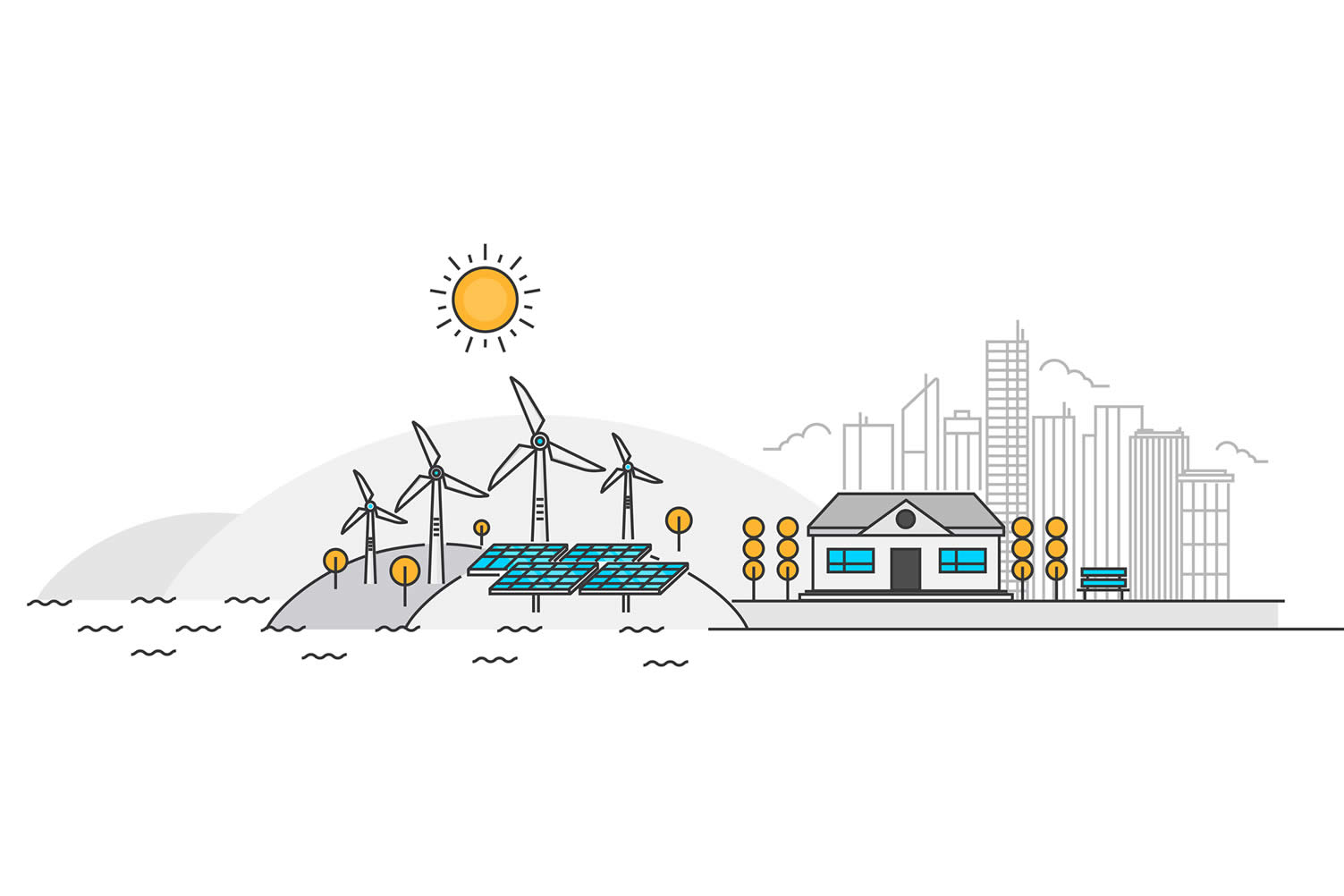
- As noted, renewables make up only ~20.1% of all energy produced in 2021. It is going to take a long time before this number is 100% – if that is even possible and feasible. The biggest challenge with renewables is that they are unreliable if weather conditions impact performance.
- So it may require a balance of energy from renewables, fossils, and nuclear. With technological improvements and research, perhaps renewables and cleaner fossils can work together to provide the energy and clean environment for the future.
- This will require a national energy plan that will incentivize the development for the following:
- Solar Panels on Homes:
The more homes and businesses that use solar panels to generate their home electrical use, the less energy from other sources will be needed. If solar could be placed on most homes – and business buildings – renewable generating power will climb to 40% or more, reducing the need of fossil fuels. -

copyright image by envato.com
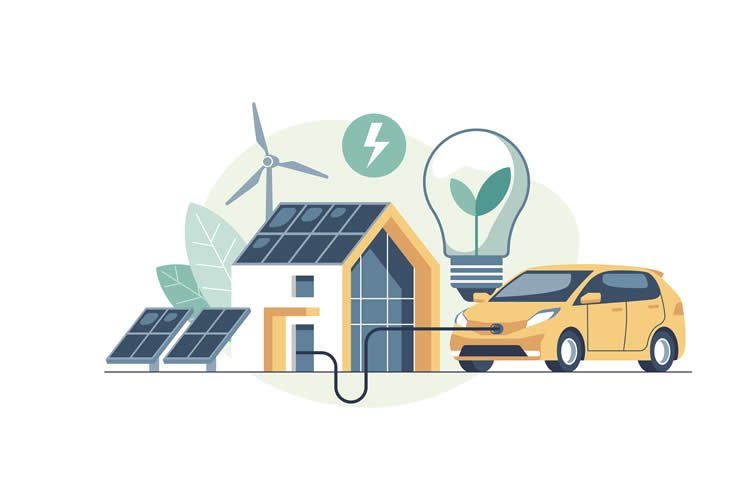
- One consideration that must be factored is the conversion to electric vehicles (EV). Transportation is the highest percentage of greenhouse omissions. Converting to EV will help in reducing that percentage. But EVs require electricity. That is where home solar panels can play a part is generating the source for EV and other home needs.
- Wind Power Off Shore:
Floating wind towers on our oceans and large lakes can capture wind sources that blow almost constantly. These towers can be placed out far enough to avoid ruining the landscape and coastal scenes. - These off-shore wind units will require extra length of transmission lines to transport the electricity to shore and into the grid. It will also require on-shore surveillance for monitoring and management.
- Clean Burning of Natural Gas:
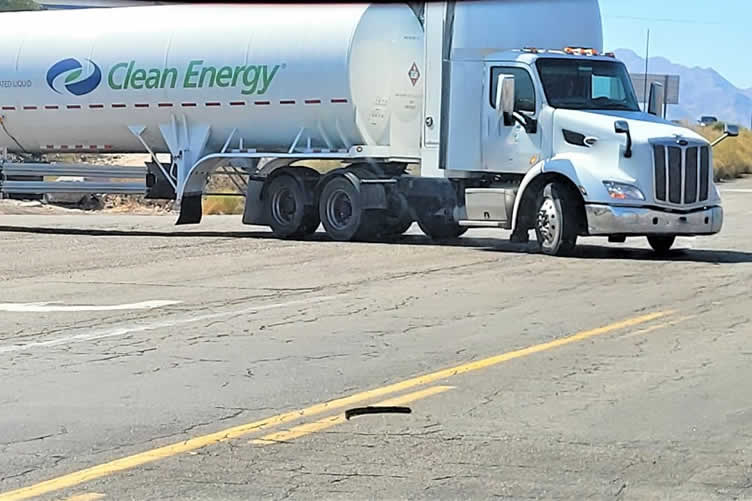
Fossil fuels are not going away – at least not for the immediate future. So the policy should be the focus on one type of fossil fuel allocating investments in research to make it as clean as possible. - We are referring to natural gas – which by itself is cleaner then coal or petroleum. The US has vast amounts of natural reserves that must be collected in the best possible way to protect the environment.
-
copyright image by twenty20.com
- Another regulatory policy is the capturing and storing of carbon omissions underground known as CCS (carbon capture and storage). It is currently a slow development but can be utilized over time.
- Rethink Nuclear Energy:
Not a popular option, but perhaps the best near-time solution to replace fossil burning options. Nuclear technology today is much safer than years past to avoid accidents and potential radioactive leaks. - Our economy needs a reliable and stable energy source. Nuclear energy can be that source until future technological developments in renewables can be made.
- Invest in Battery Storage:
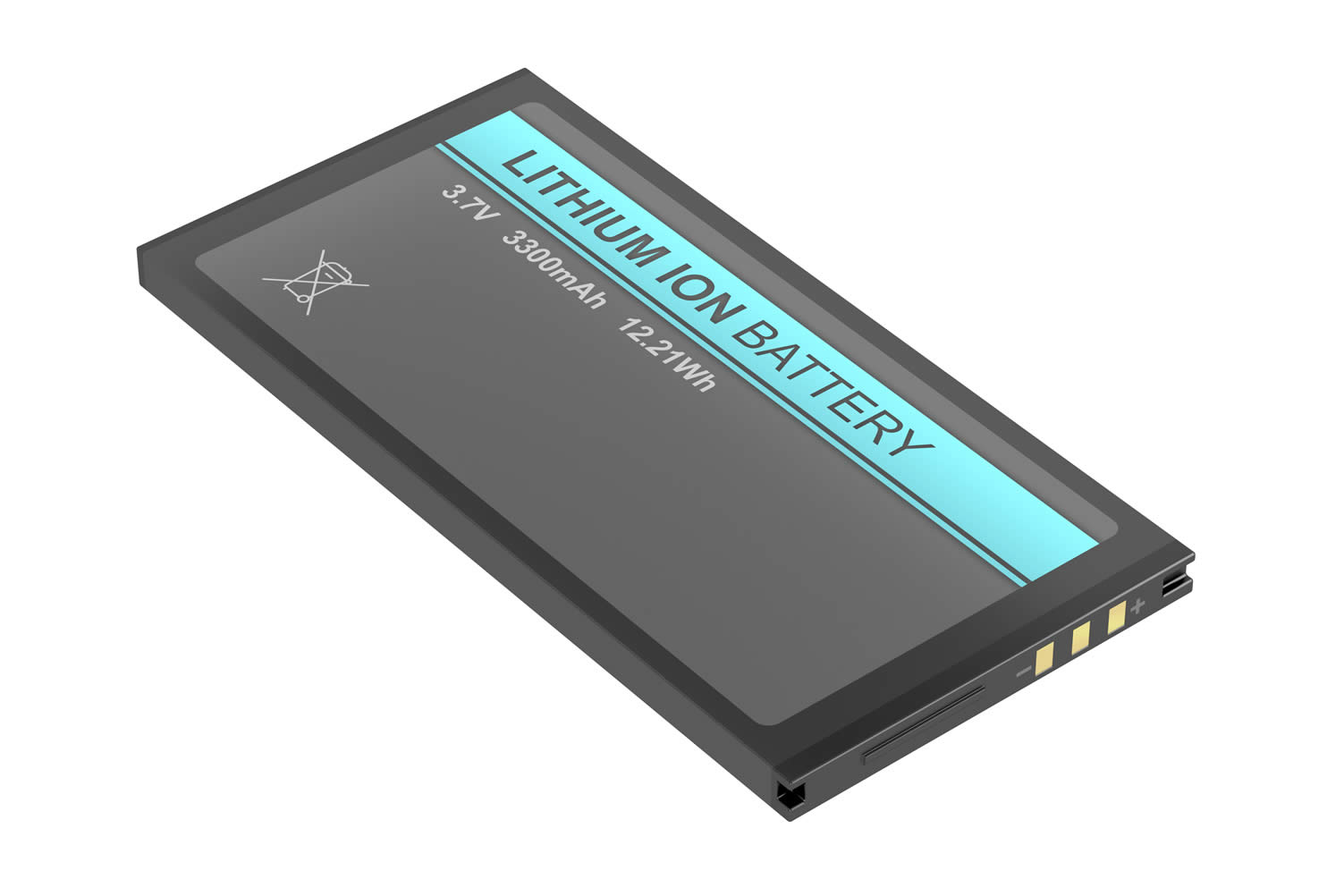
The weak link in renewables is the reliability and availability of energy as needed – if the wind doesn’t blow or the sun doesn’t shine – no electricity is available. So what’s needed are battery storage units that could supply electrical needs to the grid as needed. -
copyright image by envato.com
- By using solid-state lithium batteries to store electricity from solar and wind farms, we would be able to reduce emissions and save money at the same time.
- Battery storage is also important for home solar and wind power – it’s the key access of reliable renewable energy. With good storage batteries, homes can light up at night and run necessary electrical needs without tapping into the grid.
- Solar Panels on Homes:
-
Quik scroll to topic side notes …
-
-
The Future of Energy
What the future of energy looks like depends on the technological developments that maximize the use of the earth’s natural elements. This includes the sun, wind, gravity pull, and other resources that are clean and dependable.
What they visualize include the following:
Future of Solar:
The future of solar is developing maximum energy using smaller-sized panels and shingles:- solar cells on all homes and buildings
- solar cells on transportation EVs
- solar cells along highway systems
- smaller cells that take up less farm land
- solar greenhouses and food gardens
copyright image by envato.com
Future of Wind:
The future of wind is finding areas that are more isolated that don’t scar the natural landscape:- off shore floating wind turbines
- underwater mills
- farm windmills
Fusion Energy:
Fusion occurs when two light atoms combine to form a single heavier one, creating a great deal of energy in the process. There would be four times more energy produced by fusion per kilogram of fuel than nuclear fission (used in nuclear reactors) and nearly four million times more energy produced by burning coal or oil.Clean, safe, and affordable energy could be provided virtually endlessly to meet world demand. The current technology, however, is unable to create fusion that is a viable energy source.
Wave Energy:
Where systems are developed to take advantage of the gravity pull of ocean waves and tide movements. These would be underwater systems where wave action turn generators to create electricity.
-
-
CONCLUSION: WHY BATTERY STORAGE
Many solar panels are installed and then produce extra energy after the sun goes down. This extra electricity cannot be used to power homes or businesses because batteries are too expensive to store this energy for later use.
- If we could have affordable, efficient battery storage devices, there would be no reason not to use renewable energies more often. Overall, this would ensure that future generations could continue using these resources.
-
Quik scroll more “green energy” ideas …
-
ideas to view and compare from the information discussed above
lithium home batteriesstandby generatorbattery for solar panels
- What comments can you share about
ways to access renewable and affordable energy in your area?
| Supporting Resources (opens new win) | |
| HOW: solar batteries work | |
| INFO: energy sources of the future | |
| YOUTUBE: how china plans energy win | |
Cover image credit: ways to access renewable and affordable energy by envato.com
(1) Resource: U.S. Energy Information Administration
end of post … please share it!
 links open new win
or simply search by entering green home item or other remodeling need

Nice pic idea? Leave us a quick comment below.
And please share this pic idea within your social networks.