Summary Outline –
Selecting the right area rug can transform not only the style but also the comfort and safety of every space in your home, especially when you have hard surface floors like wood, tile, or stone. With so many options available, it can be challenging to know where to start.
This guide offers expert advice on choosing area rugs for living rooms, kitchens, bathrooms, bedrooms, laundry rooms, and kids’ playrooms—with a focus on rug placement, materials, and practical tips tailored to each room’s unique needs.
- post content … analysis/ choosing the best area rugs
- 1st: Introduction to Area Rugs and Hard Surface Floors
- 2nd: The Best Types of Rugs for Living Rooms
- 3rd: Best Rug Materials and Styles for Kitchens
- 4th: The Best Area Rugs for Dining Rooms
- 5th: Best Types of Area Rugs for Bathrooms
- 6th: Best Types of Style Rugs for Bedrooms
- 7th: The Best Types of Rugs for Laundry Rooms
- 8th: Best Types of Material Rugs for Kids’ Playrooms
- 9th: Understanding Types of Area Rug Styles
- 10th: Understanding Design Styles
- 11th: Proper Placement, Sizing, Care, and Maintenance
- 12th: Partnering with an Interior Designer

-
- —— begin first topic ——
-
1st Rug Tip: Introduction to Area Rugs and Hard Surface Floors
Area rugs are versatile textile floor coverings that define spaces, add warmth, reduce noise, and express your personal style. They are especially valuable in homes with hard surface floors like hardwood, tile, stone, or polished concrete, providing both visual interest and functional benefits.
Choosing the right area rug for each room is more than a design choice. The rug’s size, material, placement, and style will impact how the space looks, feels, and functions on a daily basis.
A rug that shines in the living room might struggle in a moisture-prone bathroom or a high-traffic kitchen. Matching your area rugs to the function and style of each room, along with the underlying hard surface, ensures both comfort and practicality while extending your flooring’s lifespan.
-
Common Types of Rug Materials
When choosing an area rug, the material plays a crucial role in determining its durability, texture, and overall suitability for a specific room.
Understanding the different types of rug materials can help you make an informed decision that matches both your style preferences and practical needs.
-
Wool
Wool rugs are renowned for their softness, durability, and natural resistance to stains, making them a timeless and practical addition to any home. Wool fibers are naturally resilient, allowing the rug to maintain its shape and texture even in high-traffic areas like living rooms, hallways, or bedrooms.
Additionally, wool is a sustainable, eco-friendly material that provides excellent insulation, helping to keep your space warm and cozy. Its natural stain resistance and easy maintenance make wool rugs a smart, long-lasting choice for families and pet owners alike.
-
Cotton
Cotton rugs are lightweight, easy to clean, and versatile, making them a practical choice for many homes. They come in a wide variety of colors, patterns, and sizes, allowing you to easily match them to your décor.
Their softness adds comfort underfoot, while their durability makes them ideal for high-traffic areas. Perfect for casual spaces like kitchens, bathrooms, or even entryways, cotton rugs are both functional and stylish, combining simplicity with a touch of charm.
Plus, they’re often machine washable, making maintenance a breeze.
-
Jute and Sisal
These natural fiber rugs bring a rustic, textured aesthetic to any space, making them a stylish addition to your home. Crafted from materials like jute, sisal, or seagrass, they offer durability and charm.
However, due to their sensitivity to moisture, they are best suited for low-moisture areas such as living rooms, dining rooms, or bedrooms.
Their natural tones and textures can complement a wide range of decor styles, adding warmth and character to your space.
-
Polypropylene
Rugs made from polypropylene are highly durable, stain-resistant, and versatile, making them ideal for both indoor and outdoor use. This synthetic material is designed to withstand heavy foot traffic, resist fading from sunlight, and repel stains, making it a practical choice for busy households or spill-prone areas like dining rooms, patios, and entryways.
Easy to clean and maintain, polypropylene rugs combine functionality with style, offering a reliable solution for any space in your home or outdoor setting.
-
Nylon
Nylon rugs are strong, resilient, and known for their ability to maintain vibrant colors over time. They’re highly durable, making them an excellent choice for high-traffic areas like kids’ playrooms, hallways, or even living rooms.
These rugs are also resistant to stains and wear, ensuring they can handle the demands of everyday life while still looking great.
-
Silk
Silk rugs provide a luxurious softness and a beautiful sheen, making them a premium choice for elegant and formal spaces such as sitting rooms or master bedrooms. Their intricate designs and vibrant colors can elevate the aesthetic of any room, adding a touch of sophistication and refinement.
However, due to their delicate nature, silk rugs are less durable compared to rugs made from materials like wool or synthetic fibers. They require special care, including gentle cleaning methods and protection from heavy foot traffic, to maintain their beauty and longevity.
-

copyright image by 123rf.com
[ pinterest: different types of area rugs ]
[ youtube: How To Pick the Right Rug Material ]
-
Scroll up to directory … or scroll to next section of selecting area rugs …


-
-
2nd Rug Tip: The Best Types of Rugs for Living Rooms
Choosing the right rug for your living room is an essential aspect of interior design, especially when dealing with hard surface floors such as hardwood, tile, or laminate. The right rug not only ties your living space together but also provides comfort, warmth, and a layer of protection for your floors.
Different materials and styles offer unique benefits, and understanding how to select the ideal rug can dramatically transform the look and feel of your living room.
[ view sample images: living room rugs ]
-
Wool Rugs
Wool rugs are one of the most popular choices for living rooms, particularly those with hard surface floors. Known for their exceptional softness, durability, and resilience, wool is a natural fiber that withstands heavy foot traffic, making it perfect for high-use areas.
Wool rugs are also excellent at insulating both temperature and sound, which can be critical for living spaces with hard floors. They are naturally stain-resistant due to their waxy outer coating, and their moisture-wicking properties make them suitable for humid environments.
Hand-knotted wool rugs from regions like Persia, Turkey, and India are renowned for their longevity and timeless patterns, making them a worthwhile investment for any home.
-
Synthetic Fiber Rugs
Synthetic materials, such as polypropylene, nylon, and polyester, are a practical option for homeowners seeking durable rugs at an affordable price. These rugs are ideal for families with children or pets because they are highly resistant to stains, water, and fading.
The ease of cleaning and maintenance further solidifies their appeal for active households. Synthetic fiber rugs are available in a variety of patterns, textures, and colors, ranging from contemporary designs to traditional motifs, ensuring there is something for every aesthetic preference.
They pair exceptionally well with hard surface floors, as their backing often provides extra grip to prevent slippage.
-
Natural Fiber Rugs
Natural fiber rugs like jute, sisal, and seagrass are eco-friendly options that bring a touch of organic charm to your living room. These rugs are appreciated for their earthy tones and textures, which complement both rustic and modern décor styles.
While natural fiber rugs are more delicate than wool or synthetics, they offer a unique aesthetic that adds depth and character to your space. When placed on hard floors, it’s important to use a rug pad underneath to ensure comfort and longevity, as well as to prevent the rug from sliding.
-
Cotton Rugs
Cotton rugs offer a casual and lightweight option for living rooms, usually at a lower cost than wool or synthetic options. They are easy to clean—many are machine washable—and come in a plethora of vibrant patterns and colors.
While not as durable as wool or synthetics, cotton rugs work well in low-traffic living areas. They are best suited for homes that seek versatility and a softer look without investing heavily in more premium materials.
-
Luxurious Silk Rugs
For an elegant and sophisticated touch, silk rugs are an excellent option, though they are best suited for low-traffic living rooms. Silk rugs are prized for their intricate patterns and unparalleled sheen, which can elevate your living room’s appearance instantly.
While they offer exquisite beauty, they are also more fragile and require careful maintenance. Combining silk with other materials like wool can result in a more durable blended rug, offering both luxury and practicality.
-
Oriental Rugs
Oriental rugs are timeless pieces that bring warmth, character, and a sense of tradition to any living room. Known for their intricate designs and vibrant color palettes, they are handcrafted with great attention to detail, often using techniques passed down through generations.
These rugs are typically made from high-quality materials such as wool, silk, or a combination of both, ensuring durability and luxury. Beyond their aesthetic appeal, Oriental rugs serve as focal points, tying together various elements in your living room.
With proper care, they can last for decades, becoming cherished heirlooms that add a unique story to your space.
-
Shag Rugs and High-Pile Options
Shag and high-pile rugs are designed for comfort and softness, making them ideal for living rooms where relaxation is key. They add a cozy, plush feel underfoot and can soften the appearance of hard floors.
While they are incredibly stylish, these rugs may require more upkeep to maintain their texture and cleanliness, as they can trap dust and debris more readily than low-pile rugs. Vacuuming with care and regular professional cleaning can extend their life and preserve their fluffy appeal.
Note: Rug slippage is a common concern, especially on slick hard surfaces. Always use high-quality rug pads to prevent movement, enhance comfort, and protect both the rug and the floor beneath from scratches. To maintain your rug’s appearance, rotate it regularly and vacuum with a brushless suction head.
Material/Style Key Features Recommended Use Case Wool Soft, durable, stain-resistant, insulating High-traffic living rooms seeking luxury and longevity Synthetic Fiber Affordable, stain-resistant, water-resistant, easy to clean Households with kids or pets, casual settings Natural Fiber Eco-friendly, textured, earthy tone Rustic and contemporary spaces, lower-traffic areas Cotton Lightweight, vibrant, budget-friendly Low-traffic living areas, informal spaces Silk Elegant, intricate designs, high sheen Low-traffic living rooms focusing on luxury décor Oriental Rugs Timeless, handcrafted, intricately detailed Formal living rooms, traditional and vintage-inspired spaces Shag/High-Pile Plush, cozy, soft Relaxation-focused living spaces with moderate use 

copyright image by 123rf.com
[ youtube: Rug placement guide for living room ]
[ youtube: How to Choose the Right Rug Size ]
-
Scroll up to directory … or scroll to next section of selecting area rugs …
-
-
3rd Rug Tip: The Best Area Rugs for Dining Rooms
An area rug in a dining room can transform the space, adding warmth, comfort, and style to hard surface floors. Beyond aesthetics, rugs protect flooring from scratches and create a more grounded, cohesive design.
The right rug can also absorb sound, making the room feel cozier and quieter, especially when placed over hardwood, tile, or laminate flooring.
Choosing the best area rug for a dining room requires considering factors such as material, durability, size, and ease of maintenance. Here, we explore the top rug types for dining rooms and why each suits different needs.
[ view sample images: dining room rugs ]
-
Wool Rugs for Dining Rooms
Wool rugs are renowned for their resilience, softness, and natural elegance. They are an ideal choice for dining rooms due to their durability, resistance to stains, and ability to retain their appearance over time.
Wool fibers naturally repel water and dirt, making it easier to clean up accidental spills—a common event in dining areas. Additionally, wool provides an upscale look that complements both traditional and contemporary dining room styles.
Opt for a low-pile wool rug, as it is easier to manage and less likely to trap crumbs or debris beneath the dining table.
-
Flatweave Rugs for a Modern Appeal
Flatweave rugs are a practical and stylish option for dining rooms, offering a lightweight and tightly woven design. These rugs sit low to the floor, making them easy to move and clean, and they do not interfere with furniture placement.
The flat surface minimizes the risk of tripping and allows chairs to glide easily, enhancing functionality in the space. Available in a range of patterns, colors, and textures, flatweave rugs bring a modern aesthetic to dining areas and are particularly well-suited for minimalist or Scandinavian-inspired décor.
-
Indoor-Outdoor Rugs for High-Traffic Dining Areas
Indoor-outdoor rugs are an excellent solution for dining rooms that experience heavy use or frequent messes, such as those in families with children or pets. These rugs are crafted from durable, stain-resistant materials like polypropylene, which make them easy to clean and resistant to moisture and spills.
They hold up well to foot traffic and can be cleaned with a simple wipe or hose-down when needed. Indoor-outdoor rugs are available in a variety of designs, ranging from casual to sophisticated, allowing homeowners to blend practicality with style.
-
Cotton Rugs for a Casual, Low-Maintenance Option
For a more relaxed and casual dining room environment, cotton rugs are a versatile and affordable choice. They are lightweight and highly washable, making them perfect for households where regular cleaning is necessary.
While they may not be as durable as wool or synthetic options, cotton rugs bring a fresh and cheerful vibe to dining rooms, often featuring bright patterns and colors. These rugs are best suited for low-traffic dining areas or spaces where the focus is on comfort and ease of use.
-
Antique or Distressed Rugs for Timeless Charm
An antique or distressed area rug can serve as a centerpiece in a dining room, exuding timeless charm while enhancing the character of the space. These rugs often feature intricate patterns and muted, faded tones that blend effortlessly with traditional or eclectic interiors.
While antique rugs can be an investment, many modern manufacturers create distressed-look rugs that provide the same aesthetic at a more accessible price point.
Look for high-quality materials like wool or synthetic fibers that mimic the durability and elegance of true antique designs.
Rug Type Key Features Best For Wool Durable, stain-resistant, soft, elegant Traditional and contemporary dining rooms Flatweave Lightweight, low-pile, modern design Minimalist, modern, and sleek dining room aesthetics Indoor-Outdoor Stain-resistant, moisture-proof, durable High-traffic dining areas, family-friendly setups Cotton Washable, lightweight, colorful Casual, low-maintenance dining rooms Antique/Distressed Intricate patterns, timeless appeal Classic, vintage, or eclectic dining room designs 
copyright image by 123rf.com
[ pinterest: dining room area rug ideas ]
[ youtube: Do Area Rugs Belong In The Dining Room? ]
-
Scroll up to directory … or scroll to next section of selecting area rugs …
-
-
4th Rug Tip: Best Rug Materials and Styles for Kitchens
When selecting an area rug for a kitchen with hard surface floors, practicality and aesthetics must harmonize. Kitchens are high-traffic areas prone to spills, stains, and constant movement, making it crucial to choose the right rug materials and styles.
A well-chosen rug not only enhances the comfort and safety of your kitchen but also adds a touch of design elegance while being easy to maintain.
Below, we explore the best materials and designs for kitchen rugs, ensuring a balance between function and style.
[ view sample images: kitchen rugs ]
-
Low-Pile Synthetic Rugs
Low-pile synthetic rugs, such as those made from polypropylene or nylon, are excellent choices for kitchens. These materials are highly durable, stain-resistant, and water-resistant, which is an essential feature in a space that experiences frequent spills and splashes.
Their low-pile construction reduces the risk of tripping, making them ideal for high-traffic areas where safety is a concern.
Furthermore, synthetic rugs are typically easy to clean, allowing homeowners to quickly wipe up any messes or vacuum loose debris. Available in a wide array of colors and patterns, these rugs can complement almost any kitchen décor.
-
Machine-Washable Cotton Rugs
For an option that blends softness with convenience, machine-washable cotton rugs are highly recommended. Cotton rugs offer a lightweight and breathable solution that feels soft underfoot.
Their biggest advantage is their washability, which makes it effortless to maintain hygiene and freshness, particularly in an area prone to food spills. Cotton rugs often come in vibrant prints and designs that add a casual charm and a pop of color to kitchens.
However, it’s important to note that they are best suited for lower-traffic kitchen areas or homes without pets, as cotton tends to wear out faster compared to synthetic options.
-
Flatweave Rugs
Flatweave rugs stand out for their thin, lightweight structure and versatility in design. These rugs are often made with natural fibers like jute, wool, or a blend of synthetic materials, offering a durable yet stylish option for kitchen spaces.
Their flat, tightly woven texture makes them easy to clean and prevents dirt and debris from becoming embedded. Flatweave rugs also work well in layering for households looking to add a modern aesthetic.
While they offer great durability, natural fiber flatweave rugs may need occasional care to prevent fraying.
-
Anti-Fatigue Gel Mats
For homeowners seeking ultimate comfort while working for long hours in the kitchen, anti-fatigue gel mats are a top choice. These mats are designed to reduce strain on your feet and joints, making them a practical solution for areas in front of sinks or stovetops.
Though these aren’t traditional rugs, their ergonomic benefits make them a popular pick. Available in sleek designs that fit seamlessly with kitchen décor, these mats are both functional and attractive, ensuring your kitchen environment remains comfortable without compromising on style.
-
Indoor-Outdoor Rugs
Indoor-outdoor rugs are highly durable and designed to withstand moisture, stains, and heavy wear, making them particularly suitable for kitchens with hard floors.
These rugs are often made of synthetic materials like polypropylene or polyester and are exceptionally easy to clean—an essential feature for families with kids or pets.
Their tough construction ensures longevity in busy kitchens, while their variety in patterns, textures, and colors allows for great design flexibility.
Material/Style Key Features Ideal Use Cases in Kitchens Low-Pile Synthetic Durable, stain-resistant, water-resistant, easy to clean High-traffic kitchens, homes with children or pets Machine-Washable Cotton Lightweight, vibrant, washable Lower-traffic kitchen areas, casual spaces Flatweave Thin, versatile, tightly-woven, modern aesthetic High-traffic kitchens, layered design setups Anti-Fatigue Gel Mats Ergonomic, reduces joint strain Areas in front of sinks or stovetops Indoor-Outdoor Moisture-resistant, stain-resistant, heavy-duty Kitchens prone to spills and heavy foot traffic 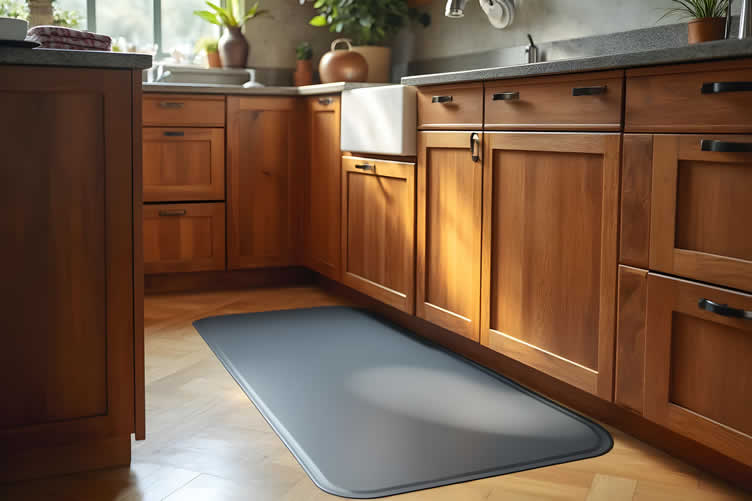
AI generated image by 123rf.com
[ youtube: Best Kitchen Rugs Review ]
[ youtube: Best Anti Fatigue Kitchen Mat ]
-
Scroll up to directory … or scroll to next section of selecting area rugs …
-
-
5th Rug Tip: Best Types of Area Rugs for Bathrooms
Choosing the right rug for a bathroom with hard surface floors requires a balance between function and style.
Bathrooms are prone to moisture, spills, and high foot traffic, which makes selecting the appropriate rug material and design essential for maintaining a safe, comfortable, and visually appealing space.
Rugs in bathrooms must also provide adequate grip to prevent slipping while being easy to clean and comfortable underfoot. Below, we detail the best materials and styles suitable for these unique conditions to help you make an informed decision.
[ view sample images: bathroom rugs ]
-
Cotton Rugs
Cotton rugs are a popular choice for bathrooms due to their softness, lightweight feel, and ease of maintenance. These rugs are highly absorbent, making them ideal for absorbing water spills and providing comfort when stepping out of the shower or bath.
Machine-washable options are widely available, ensuring they are easy to clean and maintain. Opt for non-slip backing or pair them with a rug pad for added safety, especially on hard flooring.
-
Microfiber Rugs
When it comes to moisture absorption and fast drying times, microfiber rugs excel. These rugs are crafted from synthetic fibers that wick away water quickly, reducing the risk of mold or mildew build-up in humid bathroom environments.
The plush texture of microfiber rugs offers excellent comfort and warmth underfoot, while their durability ensures long-lasting use. Many microfiber rugs come with anti-slip features, providing an additional layer of safety on hard surfaces.
-
Bamboo or Teak Rugs
For a more natural and spa-like aesthetic, bamboo or teak rugs are excellent choices. Both materials are highly durable, resist moisture, and are naturally anti-microbial, which can be an advantage in damp spaces such as bathrooms.
Bamboo and teak rugs also allow for water drainage, making them practical for use in areas that experience consistent moisture exposure. These rugs are easy to clean with a simple wipe-down and can add an elegant, contemporary touch to your bathroom.
-
Memory Foam Bath Mats
Memory foam bath mats provide a luxurious and practical solution for hard surface floors in bathrooms.
Designed with a soft, cushioned core, these mats provide superior comfort and support when standing, making them especially useful in spaces where individuals stand for extended periods, such as in front of the sink.
They are also water-resistant and often come with non-slip backing, ensuring safety and ease of use.
-
Indoor-Outdoor Rugs
For bathrooms that experience high foot traffic or are shared by multiple users, indoor-outdoor rugs are a robust choice. Made with moisture-resistant and stain-resistant materials, these rugs are designed to withstand frequent use and exposure to water.
They are typically crafted from durable synthetic fibers such as polypropylene, which prevents mold and mildew accumulation. Their low-maintenance design makes them easy to clean, either with a basic wipe or hose-down, ensuring a pristine look even in heavily used spaces.
-
Wool Rugs
Although less common in bathrooms, wool rugs can be a practical choice for their natural moisture-wicking properties and durability. Wool’s dense texture repels water rather than absorbing it, which can help prevent water saturation.
However, it’s essential to choose a wool rug that has been specially treated to handle damp environments and pair it with a rug pad to ensure it remains securely in place.
Wool rugs offer an upscale look and soft, insulating comfort, making them suitable for larger bathrooms with proper air circulation.
Rug Material or Style Key Features Benefits for Bathrooms Cotton Soft, absorbent, machine-washable Ideal for water absorption, easy maintenance, comfort Microfiber Fast-drying, plush, durable Moisture-resistant, comfortable, reduces mold risk Bamboo or Teak Natural, anti-microbial, water-draining Spa-like aesthetic, moisture resistance, easy cleaning Memory Foam Cushioned, water-resistant, non-slip Superior comfort, safety, water-resistant functionality Indoor-Outdoor Stain-resistant, moisture-resistant Durable for heavy use, low-maintenance, hygienic Wool Moisture-wicking, durable, insulating Repels water, upscale appearance, soft underfoot 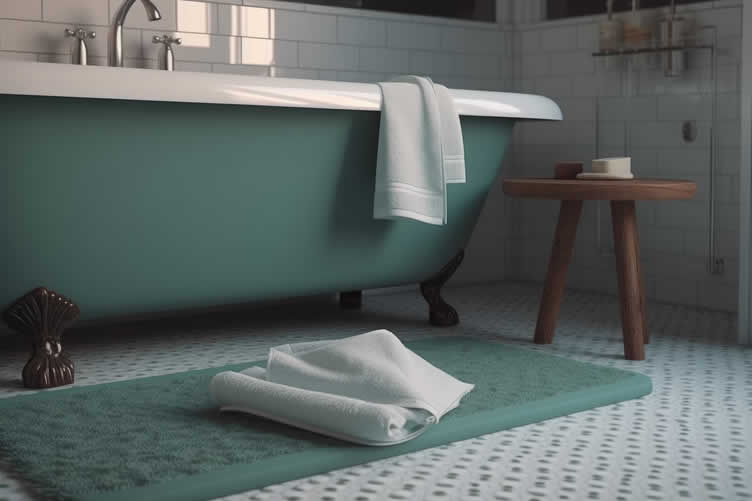
copyright image by 123rf.com
[ pinterest: bathroom area rug ideas ]
[ youtube: Safest Bath Mats for Seniors and the Elderly ]
-
Scroll up to directory … or scroll to next section of selecting area rugs …
-
-
6th Rug Tip: Best Types of Style Rugs for Bedrooms
When selecting an area rug for a bedroom with hard surface floors, the decision goes beyond mere aesthetics. Rugs play a significant role in enhancing comfort, softening the acoustics, and adding warmth to the space.
It is essential to choose rug materials and styles that provide functionality, durability, and a welcoming ambiance.
Understanding the unique properties of materials and how they align with room usage can ensure a stylish and practical addition to your bedroom.
[ view sample images: bedroom rugs ]
-
Wool Rugs
Wool rugs are a timeless choice for bedrooms due to their natural softness, durability, and insulating properties. They provide a luxurious feel underfoot while offering excellent moisture resistance and long-lasting quality.
Wool rugs also have natural wicking abilities, which can repel small amounts of moisture and stains. Their insulating nature makes them ideal for cold climates, ensuring warmth and comfort during colder months.
Additionally, wool is an environmentally friendly material, as it is renewable and biodegradable, contributing to sustainable design choices.
-
Cotton Rugs
Cotton rugs are lightweight, versatile, and easy to maintain, making them suitable for bedrooms requiring a relaxed, casual vibe. These rugs are an excellent choice for those who want comfort without the heavier texture of wool rugs.
Cotton is breathable and works well in warmer climates, where excessive insulation may not be necessary. However, cotton rugs are less durable than wool, so they are better suited for low-traffic bedrooms.
Regular washing is simple with cotton rugs, allowing them to remain fresh and hygienic in the long run.
-
Silk or Silk-Blend Rugs
For a bedroom with a luxurious design focus, silk or silk-blend rugs provide unparalleled sophistication. Known for their sheen and smooth texture, silk rugs elevate the overall aesthetics of a space, giving a high-end appearance.
While pure silk rugs are costly and more delicate, silk-blend options offer greater resilience without compromising on elegance. These rugs are better suited to low-traffic bedrooms or as accents layered over more durable materials.
-
Jute or Sisal Rugs
Jute and sisal rugs offer a natural, textured style that complements hard surface floors beautifully. Derived from plant fibers, these materials are eco-friendly and offer a rustic charm, perfect for bedrooms with a bohemian or minimalist aesthetic.
While they are durable and can withstand regular use, they may not be as soft underfoot as wool or cotton. Adding a soft rug pad underneath a jute or sisal rug can enhance comfort while protecting hard floors.
-
Synthetic Fiber Rugs
Synthetic fiber rugs, such as polyester, nylon, or polypropylene, are practical and budget-friendly options for bedrooms. These rugs are designed to resist stains, fade, and wear, making them an appropriate choice for high-traffic or pet-friendly bedrooms.
Advancements in synthetic materials have made these rugs appear more visually appealing while providing softness. They are particularly user-friendly due to their easy cleaning and resilience, proving to be both a functional and affordable solution.
Material Key Benefits Ideal Features in Bedrooms Wool Soft, durable, insulating Practical for colder climates, luxurious underfoot Cotton Lightweight, breathable, affordable Ideal for low-traffic spaces, casual aesthetic Silk/Silk-Blend Luxurious, smooth, high-end appearance Sophisticated elegance, better for low-traffic areas Jute/Sisal Natural, eco-friendly, textured Rustic appeal, works with bohemian or minimalist styles 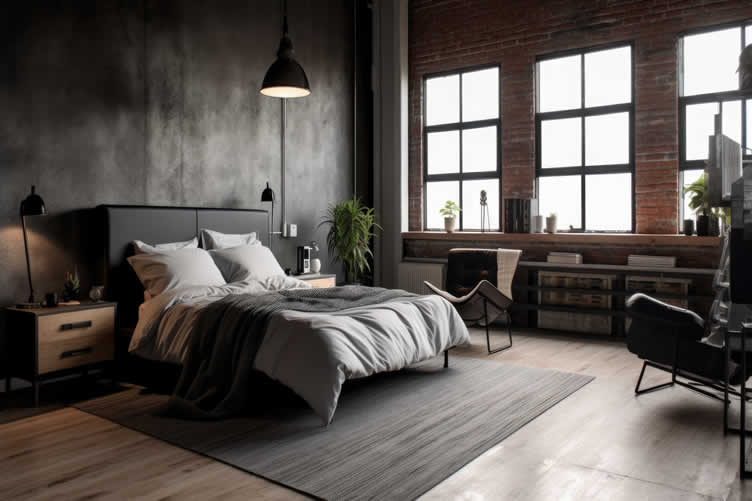
copyright image by 123rf.com
[ pinterest: bedroom area rug ideas ]
[ youtube: Area Rugs Dos and Don’ts ]
-
Scroll up to directory … or scroll to next section of selecting area rugs …
-
-
7th Rug Tip: The Best Types of Rugs for Laundry Rooms
When it comes to selecting the ideal rug for your laundry room, functionality and durability are just as important as style. Laundry rooms often feature hard surface floors like tile, vinyl, or hardwood, which are easy to clean but lack warmth and underfoot comfort.
Rugs can provide a solution by offering a layer of cushioning, preventing slips, and enhancing the overall aesthetic. Choosing the right rug material and style is crucial to withstand the demands of a high-traffic, moisture-prone environment.
Below are the best options to consider when selecting area rugs for your laundry room.
[ view sample images: laundry room rugs ]
-
Low-Pile Rugs for Easy Maintenance
Low-pile rugs are perfect for laundry rooms, as they are easy to clean and maintain. These rugs feature a flat and tightly woven surface that resists dirt and stains, making them practical for spaces prone to spills and foot traffic.
Materials such as polypropylene or cotton work exceptionally well for low-pile rugs due to their durability and ability to handle moisture without degrading.
Additionally, their non-bulky construction ensures that they can fit beneath appliances or doorways without obstructing movement or creating unnecessary bulk.
-
Washable Rugs for High-Utility Spaces
Washable rugs are an increasingly popular choice for laundry rooms due to their versatility and convenience. Made from materials like recycled polyester or blends of synthetic fibers, these rugs can easily be cleaned in a standard washing machine.
For spaces where spills or detergent splashes are common, washable rugs provide peace of mind while maintaining a fresh and tidy appearance. Many modern designs also offer an array of patterns, ensuring functionality doesn’t compromise style.
-
Anti-Slip Rugs for Safety
Safety should never be overlooked, especially in utilitarian spaces like laundry rooms, where wet floors can be a hazard. Anti-slip rugs generally come equipped with built-in rubber or latex backing, preventing them from sliding around on hard surfaces.
A good anti-slip rug not only reduces the likelihood of accidents but also sits securely in place even under heavy use. For extra stability, mats with high-friction backing properties can be an excellent addition alongside vibrant patterns or neutral tones to match your décor.
-
Outdoor-Grade Rugs for Enhanced Durability
Outdoor-grade rugs may seem unconventional for indoor use, but they’re perfectly suited for the moisture-heavy and high-activity environment of a laundry room.
These rugs are typically crafted from weather-resistant materials such as polypropylene or polyester, providing exceptional resilience against water, stains, and wear.
Additionally, outdoor rugs often come in modern, stylish designs that work well with minimalist or contemporary interiors, making them a top choice in creating a functional and attractive laundry space.
-
Natural Fiber Rugs for Sustainability
Homeowners looking for eco-friendly options can consider natural fiber rugs like jute or sisal. These materials are sustainable, hardy, and bring a touch of organic texture to the laundry room.
While not as moisture-resistant as synthetic alternatives, jute and sisal rugs treated with water-repellent coatings can endure moderate exposure to dampness. They are best suited for parts of the laundry room that experience less direct moisture contact, combining natural appeal with utility.
Rug Type Material Key Features Ideal Benefits Low-Pile Rugs Polypropylene, Cotton Tightly woven, stain-resistant Easy to clean, fits under doors or appliances Washable Rugs Recycled Polyester Machine washable, moisture-friendly Convenient maintenance, stylish options Anti-Slip Rugs Rubber, Latex-Backed Non-sliding, secure on hard surfaces Improved safety, stays in place Outdoor-Grade Rugs Polypropylene Water and stain-resistant, durable Long-lasting, modern designs Natural Fiber Rugs Jute, Sisal Sustainable, organic textures Eco-friendly, rustic aesthetic 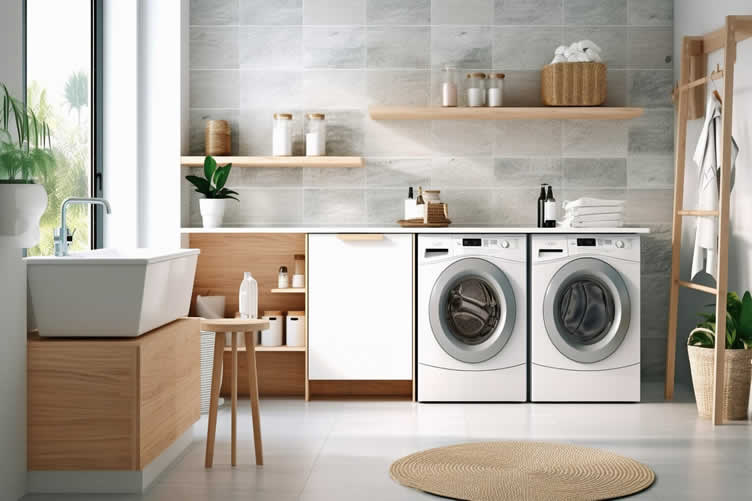
copyright image by 123rf.com
[ pinterest: laundry room area rug ideas ]
[ youtube: Life is Better with Washable Rugs ]
-
Scroll up to directory … or scroll to next section of selecting area rugs …
-
-
8th Rug Tip: Best Types of Material Rugs for Kids’ Playrooms
Designing a kids’ playroom requires careful consideration of elements that balance safety, style, and functionality.
When it comes to selecting an area rug for a playroom with hard surface flooring, such as hardwood, tile, or laminate, prioritizing materials and styles that offer comfort, durability, and stability is essential.
Kids’ playrooms are high-traffic areas subject to spills, energetic activities, and heavy use, which means selecting the right rug can significantly enhance the space’s practicality and appeal.
Below is a detailed guide to the best materials and rug styles that address these needs while creating a safe and engaging environment for children.
[ view sample images: kids playroom rugs ]
-
Washable Rugs for Easy Maintenance
Washable rugs are an excellent choice for kids’ playrooms as they combine functionality with convenience. Typically made of recycled polyester or other machine-washable fabrics, these rugs are easy to clean, allowing parents to quickly tackle spills or stains that are inevitable in a playroom setting.
Washable rugs often feature moisture-friendly designs, making them appropriate for activities like crafting or snack time. Their soft and comfortable surfaces add a layer of cushioning over hard floors, ensuring a cozy and inviting space for children.
-
Anti-Slip Rugs for Safety
For playrooms with hard surface flooring, safety is paramount. Anti-slip rugs, often backed with rubber or latex materials, provide a secure and stable foundation that stays firmly in place even during the most energetic play.
These rugs reduce the risk of slips and falls, which can be a concern on smooth floors. Opting for anti-slip designs ensures the rug remains where it should, creating a safe environment for toddlers and older children alike.
These rugs are available in a variety of fun, colorful patterns that enhance the aesthetic of the playroom while prioritizing child safety.
-
Low-Pile Rugs for Durability and Practicality
Low-pile rugs are ideal for kids’ playrooms as they offer better resistance to wear and are easier to clean than higher-pile options. Constructed from materials such as nylon or polypropylene, these rugs are highly durable, withstanding high traffic and rough usage.
The low-pile design prevents toys or small objects from getting lost within the fibers, making them a practical choice for vibrant play areas.
These rugs often feature bright colors, playful designs, or educational patterns that stimulate creativity and learning while complementing the functionality of the space.
-
Natural Fiber Rugs for an Eco-Friendly Option
For those who prefer sustainable choices, natural fiber rugs made from materials like jute or sisal offer an eco-conscious solution for playrooms. These rugs bring organic textures and a rustic aesthetic to the room.
While they may not be as soft as other options, placing a padded rug underlay can help add extra comfort for hard surface floors. Natural fiber rugs tend to be strong and durable, ideal for older children’s play areas where heavy footfall or furniture may be present.
Additionally, they align perfectly with environmentally friendly design principles, making them a choice that benefits both the family and the planet.
-
Foam Layered Mats for Maximum Comfort and Protection
Foam-layered rugs or interlocking foam tiles are increasingly popular for younger children’s playrooms. These foam-based options provide a softer, cushioned surface that minimizes impact during falls and accidents.
Especially useful for babies and toddlers, foam mats not only add substantial comfort to hard floors but are often crafted from non-toxic materials to ensure safety.
With an array of colors, patterns, and detachable designs, these can transform a playroom into a vibrant and versatile area for children to explore.
Rug Type Material Key Advantages Ideal For Playroom Needs Washable Rugs Recycled Polyester Easy to clean, moisture-resistant Maintenance-friendly, soft surface comfort Anti-Slip Rugs Rubber, Latex Non-sliding, secure foundation Enhanced child safety, stays in place Low-Pile Rugs Nylon, Polypropylene Durable, easy to maintain High traffic spaces, practicality Natural Fiber Rugs Jute, Sisal Sustainable, organic textures Eco-conscious design, strong and durable Foam Layered Rugs EVA Foam Cushioned and soft, shock-absorbing Safety and comfort for younger children 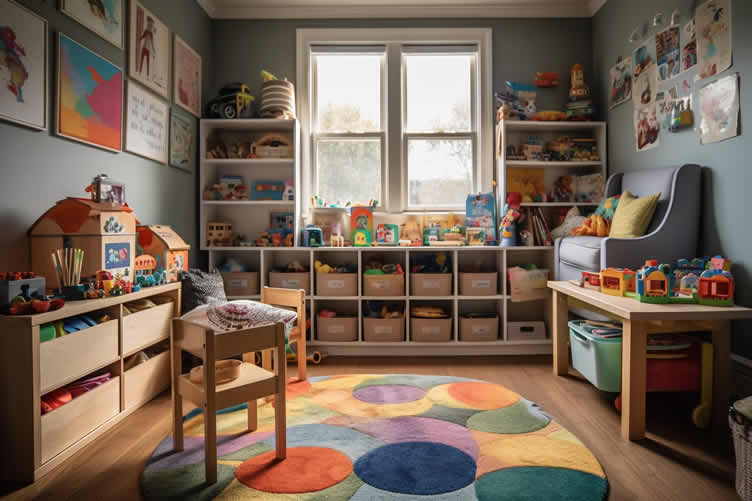
AI generated image by 123rf.com
[ pinterest: kids playroom rug ideas ]
[ youtube: Best Playroom Rugs ]
-
Scroll up to directory … or scroll to next section of selecting area rugs …
-
-
9th Rug Tip: Understanding Types of Area Rug Styles
Selecting the right area rug style for rooms with hard surface floors is a critical step in achieving a balance of aesthetic appeal, comfort, and functionality.
Hard surface flooring, such as hardwood, tile, or laminate, often requires thoughtful pairing with soft textiles to create a warm and inviting environment, while also addressing practical needs like safety and durability.
Each rug style offers distinct benefits tailored to specific room requirements, lifestyles, and interior design goals. Below, we explore various area rug styles and their applications for different spaces with hard surface floors.
[ view sample images: types of area rug styles ]
-
Plush and High-Pile Rugs for Cozy Comfort
For areas where comfort is paramount, such as bedrooms or living rooms, plush and high-pile rugs are an excellent choice. These rugs provide a luxurious, soft texture underfoot, making them ideal for spaces where individuals may walk barefoot or spend extended periods relaxing.
High-pile rugs excel in enhancing warmth and coziness, especially in colder climates. However, they require regular maintenance, as long fibers can trap dust and debris, making them less suitable for high-traffic or spill-prone spaces.
-
Low-Pile Rugs for Versatile Durability
Low-pile rugs, made from materials such as polypropylene or nylon, are a versatile solution for areas that experience high foot traffic, like hallways, kitchens, and entryways. Their shorter fibers make them durable and easy to clean, ensuring they maintain their appearance even under heavy use.
These rugs are especially practical for families with children or pets, offering a low-maintenance option while still adding style to hard floors.
-
Natural Fiber Rugs for an Eco-Friendly Statement
Natural fiber rugs, including those crafted from jute, sisal, or seagrass, bring organic textures and sustainability into residential spaces.
Their earthy tones and inherent durability make them an excellent complement to contemporary or rustic designs. Ideal for dining rooms and sunrooms, their sturdy construction resists frequent use.
However, these rugs may feel rough underfoot, so consider layering them with a softer material if comfort is a priority.
-
Anti-Slip Rugs for Safety and Stability
For households with children, elderly adults, or frequent visitors, anti-slip rugs made with rubber or latex backing offer added security on hard surface floors.
The non-sliding properties of these rugs help prevent trips and accidents, particularly in busy areas like staircases or foyers. They also work effectively in wet-prone spaces such as bathrooms or kitchens, ensuring a secure foundation while maintaining a sleek appearance.
-
Foam Layered Rugs for Child-Friendly Spaces
Foam layered rugs, often made from EVA foam, are a safe and shock-absorbing option for playrooms or nursery spaces. Their cushioned texture creates an inviting area for children to crawl or play, while also protecting against injury from hard surfaces.
Easy to clean and highly supportive, these rugs prioritize children’s safety and comfort while remaining stylish and functional.
Rug Style Materials Key Benefits Best Suited for Plush and High-Pile Wool, Polyester Soft, luxurious, and warming Bedrooms, living rooms, relaxed environments Low-Pile Nylon, Polypropylene Durable, low-maintenance High-traffic spaces like hallways, kitchens Natural Fiber Jute, Sisal Sustainable, organic textures Dining rooms, sunrooms, eco-conscious homes Anti-Slip Rubber, Latex Safety and stability Child-friendly homes, bathrooms, wet areas Foam Layered EVA Foam Cushioned support, shock-absorbing Playrooms, nurseries, areas for young children 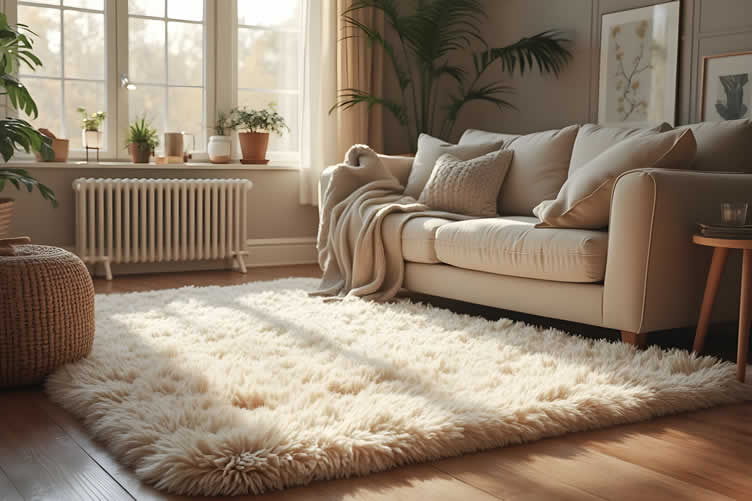
AI generated image by 123rf.com
[ youtube: Low Pile vs High Pile Carpet ]
[ youtube: Gorilla Grip Non-Slip Area Rug Pad ]
Area Rug Types
viewing amazon-
Scroll up to directory … or scroll to next section of selecting area rugs …
-
-
10th Rug Tip: Understanding Design Styles
Area rugs are more than just decorative accents; they are essential components in defining spaces, adding texture, and providing both comfort and practicality. When selecting an area rug for a room with hard surface floors, it’s important to understand the different design styles available.
Each style serves to complement a wide range of interiors, from sleek contemporary spaces to cozy traditional homes. Knowing these styles will help homeowners make informed choices based on their personal taste, room function, and existing decor.
Below, we explore the primary design styles of area rugs and their suitability for various rooms.
[ view sample images: area rug design styles ]
-
Modern and Contemporary Styles
Modern and contemporary area rugs are characterized by their bold, sometimes abstract patterns and a focus on clean, minimalist designs.
These rugs often feature geometric motifs, neutral or monochromatic color schemes, and a variety of textures such as shag or low-pile materials.
They are ideal for living rooms or offices with hard flooring where a dynamic yet understated aesthetic is desired. Contemporary rugs can also create visual interest in otherwise streamlined interiors without overwhelming the space.
-
Traditional Styles
Traditional area rugs are deeply influenced by classic designs, often taking inspiration from Persian, Oriental, or Victorian-era motifs. These rugs frequently feature intricate patterns with rich, warm tones such as deep reds, blues, and golds.
They work especially well in formal dining spaces, grand entryways, or bedrooms where a touch of elegance and timeless beauty is required.
Traditional rugs are versatile enough to pair with both antique and modern furnishings, offering a balanced look that blends the old with the new.
-
Transitional Styles
Transitional rugs combine elements of both traditional and contemporary designs, making them incredibly versatile. Their patterns are usually more subdued than traditional styles, incorporating softer colors and subtle motifs.
Transitional rugs are well-suited to spaces where homeowners want a timeless and sophisticated feel without committing fully to the ornate designs of traditional rugs.
For living areas, family rooms, or bedrooms with blended decor styles, transitional rugs provide an excellent middle ground.
-
Bohemian and Eclectic Styles
Bohemian or eclectic-style rugs are perfect for those who wish to showcase creative and vibrant interiors. These rugs often feature vivid colors, tribal patterns, and unconventional textures.
They bring a sense of individuality and liveliness to spaces, making them ideal for living rooms, play areas, or artist studios with hard flooring.
Bohemian rugs excel in making bold statements or adding a pop of personality to otherwise neutral settings.
-
Minimalist and Scandinavian Styles
Minimalist and Scandinavian-style rugs emphasize simplicity, often favoring soft textures and neutral palettes such as whites, grays, and muted pastels.
Their understated beauty blends seamlessly into spaces with minimalist or modern Nordic decor.
These rugs are perfect for bedrooms, study areas, or quiet spaces where calmness and functionality are prioritized. Along with their aesthetic appeal, minimalist rugs commonly use eco-friendly and sustainable materials, which are ideal for eco-conscious buyers.
-
Rustic and Farmhouse Styles
Rustic and farmhouse rugs exude charm and comfort with their earthy tones, textured materials, and patterns inspired by nature. These rugs often feature plaids, striped designs, or weathered, vintage effects.
They work wonderfully in kitchens, dining areas, or living rooms where a cozy, homey atmosphere is desired. Rustic rugs pair well with wood or stone surfaces and complete the charm of a farmhouse-inspired interior.
Design Style Key Features Best Used For Modern and Contemporary Bold, geometric patterns, neutral tones, abstract designs Living rooms, offices Traditional Ornate, classic patterns, rich tones, timeless elegance Formal dining rooms, entryways, bedrooms Transitional Subtle patterns, soft colors, versatile design Family rooms, blended decor styles Bohemian and Eclectic Vibrant colors, tribal designs, artistic textures Play areas, artist studios, creative spaces Minimalist and Scandinavian Simple, neutral palettes, eco-friendly materials Bedrooms, study areas, quiet spaces Rustic and Farmhouse Earthy tones, natural themes, vintage effects Kitchens, dining areas, cozy living rooms 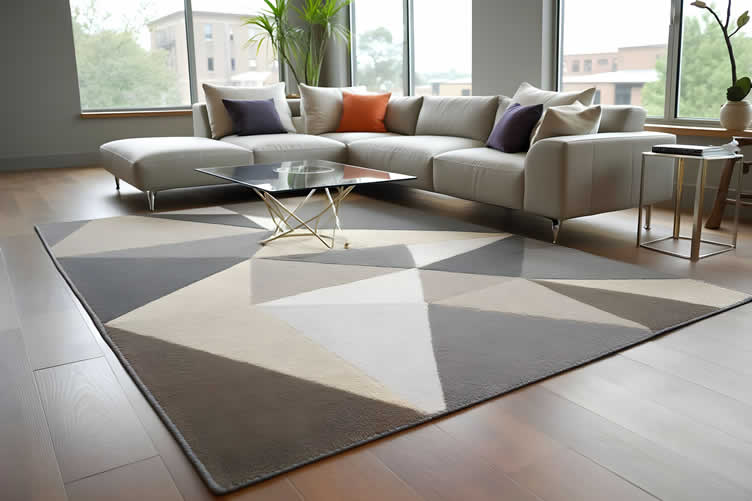
AI generated image by 123rf.com
-
Scroll up to directory … or scroll to next section of selecting area rugs …
-
-
11th Rug Tip: Proper Placement, Sizing, Care, and Maintenance
Area rugs play a crucial role in enhancing the aesthetic appeal and functionality of rooms with hard surface floors. Beyond their decorative value, rugs provide warmth, comfort, and protection for flooring in spaces such as living rooms, bedrooms, and entryways.
However, for optimal longevity and performance, it is essential to carefully consider their placement, safety measures, care routines, and maintenance practices.
Below, we explore all aspects to ensure your area rugs remain beautiful and practical while supporting the design and safety of your home.
-
Proper Placement
The placement of area rugs is pivotal to achieving both aesthetic harmony and practical functionality. When positioning rugs in rooms with hard surface floors, consider scale and orientation to complement the furniture layout.
For instance, in living rooms, place the rug so that it anchors the seating arrangement, often extending under the front legs of sofas and chairs. For dining areas, opt for a rug large enough to accommodate the table and chairs, even when the chairs are pulled back.
Rugs in hallways or entryways benefit from non-slip padding to prevent slipping and ensure stability. Bedrooms often feature rugs placed under the bed, extending on either side to provide comfort when stepping out in the morning. Always choose placements that enhance traffic flow and balance the space visually.
-
Size Consideration
Selecting the appropriate size for an area rug is crucial to achieving a cohesive and well-balanced look in your space.
To begin, measure the dimensions of the room and take into account the furniture layout. For living rooms, a popular choice is a rug that allows all the front legs of the furniture to rest on it, creating a unified and connected arrangement.
If you prefer a larger rug that encompasses the entire seating area, ensure there is at least 6-12 inches of space between the rug’s edges and the walls to frame the room effectively.
For dining rooms, the rug should extend at least 24 inches beyond the edges of the table to accommodate chairs being pulled back without slipping off the rug.
For bedrooms, consider choosing a rug size that extends about two to three feet around the sides and foot of the bed to add softness underfoot.
Always double-check your measurements before purchasing by marking the area with painter’s tape or laying out newspaper sheets to visualize the rug’s footprint.
This careful planning will help you select a rug that enhances the room’s proportions and overall ambiance.
-
Safety Considerations
Hard surface floors, such as hardwood, tile, or laminate, can pose risks if rugs are improperly secured. A high-quality rug pad is essential to prevent sliding and to reduce the risk of tripping accidents.
Non-slip pads made from natural rubber or felt are ideal, as they provide a firm grip on the floor and extend the life of your rug by reducing wear and tear.
Additionally, ensure rug edges lie flat by smoothing out any wrinkles or bunched areas. Rugs with low-pile or flat-weave constructions are often safer in high-traffic areas, as they minimize the chances of tripping.
-
Care Guidelines
Consistent care is key to maintaining the vibrancy and cleanliness of your area rugs. Start by vacuuming regularly to remove dirt and debris that can become embedded in the fibers over time.
Use suction-only vacuum settings for delicate rugs or those with high-pile textures to avoid damaging fibers. For deeper cleaning, spot-clean stains as they arise using a mild detergent or a professional rug cleaning solution, ensuring it is suitable for the rug material.
Rotate rugs periodically to facilitate even wear and prevent fading from sunlight exposure. For wool rugs and natural fibers, consider professional cleaning annually to retain their softness and integrity.
Delicate rugs, such as silk or handwoven designs, require extra attention, so always consult care instructions or a professional cleaner for guidance.
-
Maintenance Practices
Rug maintenance helps preserve the physical condition and aesthetic appeal of your investment. Address spills promptly to prevent staining, blotting (not rubbing) with a clean, absorbent cloth.
For hard surface floors, it’s important to keep the surrounding area clean as well. Dust, sand, and particles on the floor can abrade the underside of the rug, so sweeping or mopping the floor regularly is recommended.
To protect rugs from fraying edges, consider using binding or tape on high-usage sections. Inspect the material regularly for signs of wear or damage, such as loose threads or fading colors, and take appropriate action if repairs are needed.
For homes with pets, ensure rugs are protected from claws and accidents, and pet-friendly materials like polypropylene are often more durable in such environments.
-
Additional Considerations
Certain environmental factors can impact the condition of rugs on hard surface floors. For example, moisture can lead to mold or mildew development, particularly if the rug accumulates water from spills or humidity.
Use a dehumidifier in damp environments and ensure rugs are completely dry after cleaning before placing them back on the floor.
If you have radiant floor heating, ensure the rug material is compatible and does not block heat transfer effectively.
Lastly, practice seasonal cleaning and decluttering to maintain rugs alongside other elements of your décor, ensuring they remain integral to the home’s design.
Aspect Key Points Proper Placement Anchors furniture, complements room layout, adjusts for traffic flow. Size Consideration Choose rugs proportional to room dimensions, allow sufficient floor space to frame the rug, accommodate furniture placement for balance and functionality. Safety Considerations Use non-slip pads, maintain flat edges, prioritize low-pile rugs in high-traffic areas. Care Guidelines Vacuum regularly, spot-clean gently, rotate for even wear, consult professionals for delicate rugs. Maintenance Practices Address spills immediately, clean floors surrounding rugs, inspect regularly for wear. Additional Considerations Avoid moisture accumulation, ensure compatibility with radiant heating, account for seasonal care. 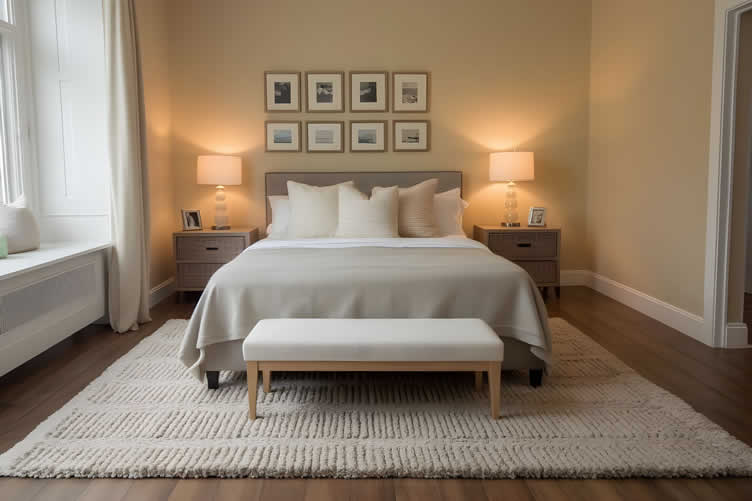
AI generated image by 123rf.com
[ diagram: rug size guide ]
[ youtube: How to Clean An Area Rug ]
-
Scroll up to directory … or scroll to next section of selecting area rugs …
-
-
12th Rug Tip: Partnering with an Interior Designer
Choosing the perfect area rug can be a daunting task, as it requires careful consideration of style, functionality, and spatial harmony.
Enlisting the help of an experienced interior designer or decorator can significantly streamline the process and ensure the success of your selection.
Interior designers bring specialized knowledge, a trained eye, and access to resources that can elevate your space while meeting your specific needs and preferences.
-
Expertise in Style and Aesthetic Coordination
Interior designers understand the nuances of style, color, and texture, helping you choose an area rug that complements your décor and visual preferences.
Whether your aesthetic leans toward contemporary minimalism, eclectic vibrancy, or classic elegance, a designer can guide you in finding a rug that enhances your existing furniture, lighting, and overall ambiance.
By assessing factors like fabric type, weaving technique, and design patterns, they can provide tailored recommendations that align with your taste while maintaining a cohesive look.
-
Precision in Sizing and Placement
The size of an area rug is a critical element in defining the space, balancing proportions, and maintaining functionality. Interior designers calculate the optimal size based on the specific room layout, furniture configuration, and traffic flow.
For example, in living areas, a properly sized rug ensures that the front legs of your furniture rest on it, creating a unified look. Designers also account for practical considerations such as rug overlap with doorways or adjacent rooms.
Their expertise in spatial planning ensures seamless rug placement, enhancing the room’s flow and usability.
-
Access to High-Quality Resources and Products
A professional designer often has access to exclusive showrooms, trusted manufacturers, and custom design options that may not be readily available to the average consumer. This ensures you have access to high-quality area rugs in a variety of styles and price ranges.
Designers often work closely with rug specialists or artisans, ensuring that you invest in a product that not only suits your needs but also stands the test of time. They can also assist in sourcing sustainable and eco-conscious materials, reflecting a growing consumer demand for environmental responsibility.
-
Tailored Solutions for Functionality and Maintenance
Beyond aesthetics, an interior designer helps you consider practical aspects such as durability and care. They can recommend rugs made from materials that align with your household’s needs—for instance, stain-resistant options for families with kids or pets, or low-pile rugs ideal for high-traffic areas.
Additionally, designers can provide valuable guidance on care protocols to ensure the rug’s longevity, such as proper cleaning techniques and advice on protective rug pads.
-
The Value of Professional Insight
Working with an interior designer eliminates much of the guesswork, saves you time, and provides peace of mind. Their professional insight ensures that every detail of your area rug selection and placement is carefully curated to achieve a perfect balance of beauty, practicality, and durability.
Aspect Interior Designer Contributions Style and Aesthetics Guides the selection of colors, textures, and designs that complement your décor and personal preferences. Sizing and Placement Determines the correct rug dimensions and ideal placement based on room layout and furniture arrangement. Access to Resources Provides access to exclusive, high-quality rugs, trusted vendors, and custom solutions that suit your budget and needs. Functionality and Care Recommends materials and designs suited to specific lifestyles while offering guidance on maintenance and care. LetsRenovate has partnered with HomeAdvisor™, a renowned provider of highly-rated, carefully-vetted local contractors. Start your search here by entering your zip code to find local professionals.
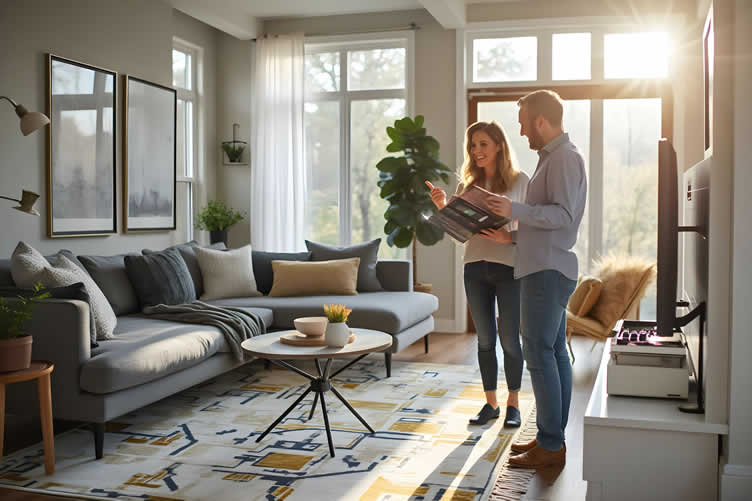
AI generated image by 123rf.com
But Wait!
Before beginning your search for interior decorators who specialize in area rugs, we highly recommend downloading this evaluation worksheet.
This valuable tool allows you to objectively assess and rank potential contractors by considering key factors such as pricing, licensing, and referrals.

Evaluation Sheet
File Type:
-
Scroll up to directory … or scroll to conclusion …
-
-
Conclusion
Choosing the right area rug for your hard surface floors requires careful consideration of each room’s function, layout, and personal style. Prioritize both aesthetics and practicality by paying attention to rug placement, size, material, and safety features for every space in your home.
An area rug that is well-matched to its environment not only enhances your décor but also supports comfort, reduces wear on expensive flooring, and helps tie your spaces together.
If you’re uncertain which rug best fits your space, consult with trusted home interior professionals or reputable sources like the American Society of Interior Designers (ASID) and the Carpet and Rug Institute. Their guidelines offer additional insights on rug care and placement to ensure long-term satisfaction and safety.
Investing in the right area rugs creates a home environment that is both cohesive and comfortable, with each room reflecting your needs and style.
-
Quick scroll to more interior home and decor ideas …
-
ideas to view and compare from the photo above
- What comments can you share about
the types of rugs that you have installed?

addressing how to select rugs for the home and other home improvement needs …

… grab this directory of ideas for future use
… remodeling decisions





Download this PDF for a concise summary of all you need to know about …?





Budgeting Worksheet For Costing Home Remodeling and Home Improvement Decisions
 File Type (excel)
SHARE IT ..! You might have someone in your social network who could find this informative post about choosing area rugs for a room valuable. Feel free to share it on Facebook, X (formally Twitter), LinkedIn, or Pinterest!



looking for other interesting topics that may be helpful …?


… home remodeling – improvement




get the size dimensions for any home remodeling project …
… for functionality, aesthetics, and adhering to building codes



Calendar For:
Home Maintenance
File Type:
… view illustration “becoming a bank”
… view our sharing links below for a quick "share the knowledge"
Find Interior Design Services Decorators Interior Designers Furniture Painting & Staining top-rated, pre-screened local contractors FREE: download contractor selection enter zip code – powered by HomeAdvisor ™
Quick Contractor Guides selecting negotiating working with inspecting

AI generated image: rug finding by 123rf.com
end of post … please share it!
 |
did you find this rug analysis helpful? If so, please share the article with your friends and family! |
Nice pic idea? Leave us a quick comment below.
And please share this pic idea within your social networks.