Summary Outline –
You may wonder how a plumber’s touch can contribute significantly to updating your spaces. The plumbing in your home is a critical infrastructure. It comprises complex systems of pipes, fixtures, valves, and appliances that require maintenance to stay functional and safe.
With the right expertise, innovation, and tools, plumbers can provide cost-efficient ways to revitalize kitchens, bathrooms, and even outdoor areas.
Summary of Site Content
1st Segment: [view segment]
… the first segment discusses the importance of plumbers in any home renovation or addition. It highlights their expertise in installing and rerouting plumbing lines for kitchen, bathroom, or patio makeovers.
2nd Segment: [view segment]
… the second segment emphasizes the significance of preserving the value of your home when contemplating any new plumbing requirements. Incorporating energy-efficient systems and ensuring sustainable homes are among the various value-added benefits that can be achieved.
3rd Segment: [view segment]
… the third segment highlights the essential steps involved in planning and initiating plumbing projects. It covers a comprehensive understanding of plumbing systems, distinguishing between various types of plumbing, and emphasizing the significance of rough-in plumbing in home renovations.
4th Segment: [view segment]
… the fourth segment focuses on avoiding common plumbing mistakes and problems. It highlights the distinction between projects that require professional assistance and those that can be tackled as DIY tasks.
5th Segment: [view segment]
… the fifth and final segment covers the process of selecting the right plumber for your project. It gets into various aspects such as finding a certified plumber, reviewing essential questions, and gaining an understanding of building permits and codes.
They have evolved from handling conventional plumbing issues to taking part in comprehensive renovations that improve the functionality and aesthetics of homes. Today, they are highly sought after by homeowners for their design ideas and knowledge of new technologies.

-
Quik scroll to first topic about revamp your space with a plumber expertise …

first “revamp your space with a plumber expertise” idea

copyright image by 123rf.com
Segment 1: The Value of a Professional Plumber in Renovations
Notes:
-
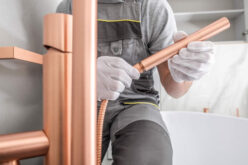
In the world of home renovations, the plumber’s role is indispensable, extending far beyond mere fixture installations or leak repairs. When undertaking a kitchen or bathroom remodeling project, the expertise of a professional plumber becomes crucial.
They can assist in rerouting plumbing lines, ensuring proper installation of new fixtures, and even facilitating significant changes to floor plans. By including a skilled plumber on your renovation team, you can be confident in the seamless execution of your project and the long-lasting functionality of your plumbing system.
Take a look at these informative tidbits about how a skilled plumber can enhance various spaces in your home and garden. From upgrading your bathroom to revamping your kitchen, their expertise can truly elevate your living environment.
-
Quik scroll to topic side notes …
-
-
1st: Bringing In Luxury to Your Bathroom
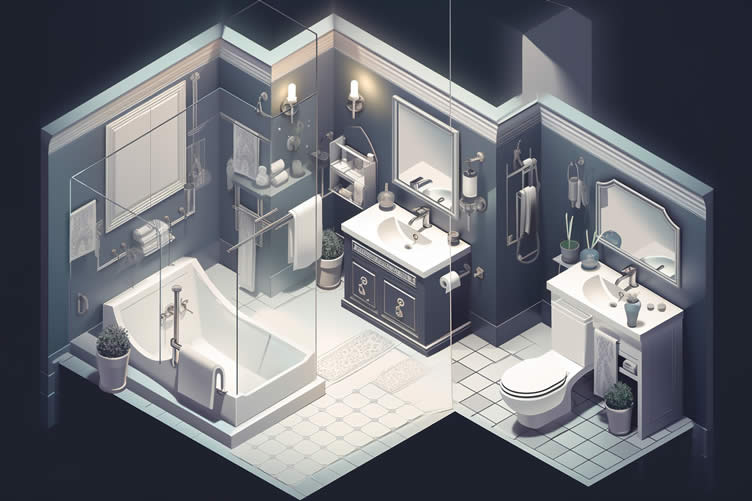
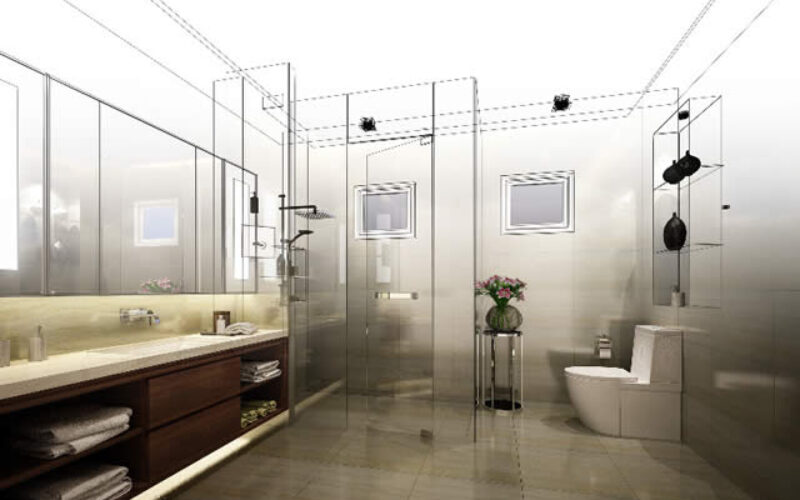
Bathrooms have evolved beyond their traditional functional role to become luxurious havens for relaxation and rejuvenation. With the help of an experienced plumber, you can bring this vision to life by installing elegant contemporary fixtures and employing modern plumbing techniques.
Consider innovative solutions like walk-in showers with fashionable panels, high-tech toilets with advanced features, and indulgent Jacuzzi-style bathtubs that offer a blissful bathing experience.
Elevate your bathroom to a whole new level of luxury and comfort with these exquisite additions. Experience the ultimate in opulence and unwind in a space that exudes tranquility and style.
copyright image by 123rf.com

-
2nd: Revitalizing Your Kitchen with Plumbing Innovations
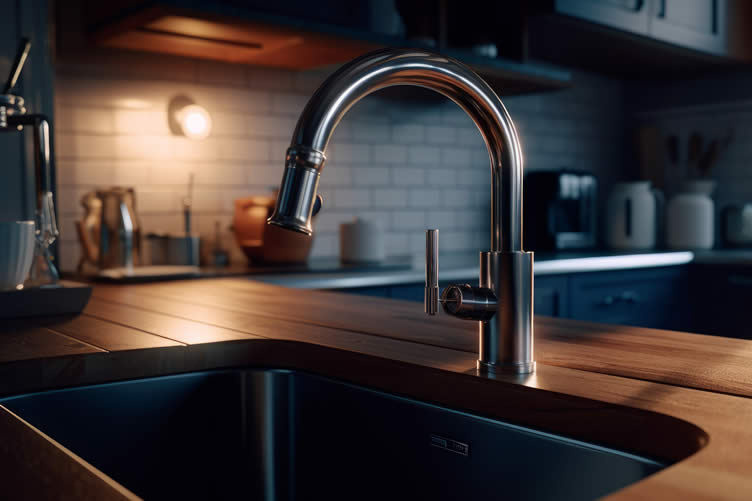
As the heart of your home, your kitchen deserves impressive style and functionality. A skilled and experienced plumber can play a crucial role in enhancing your kitchen beyond just sink installation or drainage system repairs.
Picture this: imagine having a modern and sleek dishwasher drawer seamlessly integrated into your kitchen cabinets, providing a convenient and space-saving solution for your dishwashing needs.
Not only that, but they can also assist in the installation of temperature-controlled wine fridges, ensuring that your favorite wines are stored at the perfect temperature for maximum enjoyment.
Moreover, a plumber can introduce advanced water filtration systems that go beyond basic filtration, offering you and your family improved health and safety by providing clean and purified water straight from your tap.
With their expertise, a plumber can truly transform your kitchen, making it a functional and stylish space that meets all your needs and desires.
copyright image by 123rf.com
-
3rd: Enriching Outdoor Spaces
Experienced plumbers play a crucial role in enhancing the aesthetics and functionality of your outdoor spaces.
By skillfully installing outdoor kitchens, garden fountains, and irrigation systems, they contribute significantly to creating a refreshing environment that brings new life to your yard.
These additions not only increase the livability of your home but also enhance its value. Moreover, the expertise of a skilled plumber ensures that these conveniences are not only installed safely but also designed to withstand various weather elements, ensuring their optimal functionality for years to come.

copyright image by 123rf.com
[ view images: outdoor kitchen plumbing]
[ pinterest: outdoor kitchen ideas]
-
-
ideas to view and compare from the information discussed above
Scroll up to directory … or scroll to next Segment about revamp your space with a plumber expertise …

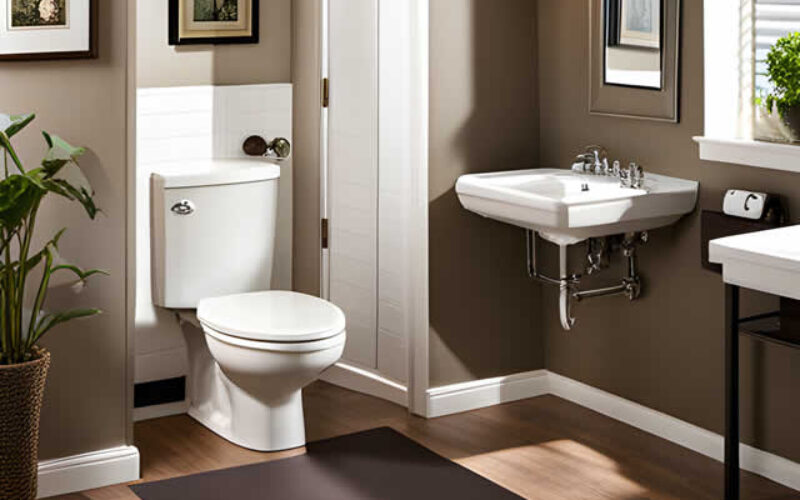

second “photo remodeling” idea
copyright image by 123rf.com
Segment 2: Maintaining Home Value
Notes:
-
Investing in a high-quality renovation can have a significant impact on the value of your property. One aspect that should not be overlooked is the inclusion of professional plumbing services.
By incorporating these services into your renovation project, you can ensure that the entire undertaking adheres to building regulations, resulting in a more efficient system and preventing potential issues in the future.
These factors not only contribute to your property’s resale value but also provide peace of mind knowing that your home is in top-notch condition.
On the other hand, neglecting plumbing issues during remodeling could potentially devalue your home and lead to costly repairs when it comes time to sell.
-
Quik scroll to topic side notes …
-
-
Sustainability With Plumbers’ Help:
Plumbers play a crucial role in guiding you toward adopting environmentally-friendly choices during your renovation projects. They have the expertise to recommend and install various sustainable solutions that can greatly reduce your environmental footprint and save on utilities.
For instance, they can suggest the installation of low-flow fixtures, such as water-efficient faucets and toilets, which can significantly conserve water.
Additionally, they can help you select energy-efficient home appliances that consume less electricity, contributing to a greener and more cost-effective household.
Furthermore, plumbers can also assist in setting up water recycling systems, allowing you to reuse water for non-potable purposes like irrigation or flushing toilets.
By leveraging their knowledge and skills, plumbers can make a critical difference in achieving both sustainability and efficiency goals for your home.
Check out their expertise to learn more about how they can support your environmentally-conscious renovation journey.
copyright image by 123rf.com
-
-
ideas to view and compare from the information discussed above
water monitoring devicewater leak detectionwater efficient sprinklers
Scroll up to directory … or scroll to next section about revamp your space with a plumber expertise …
May We Suggest Other Photo Remodeling Ideas About
“Home Structural Projects and Needs for Renovation …” (new win)


third “photo remodeling” idea
copyright image by 123rf.com
Segment 3: Starting a Plumbing Project
Notes:
-
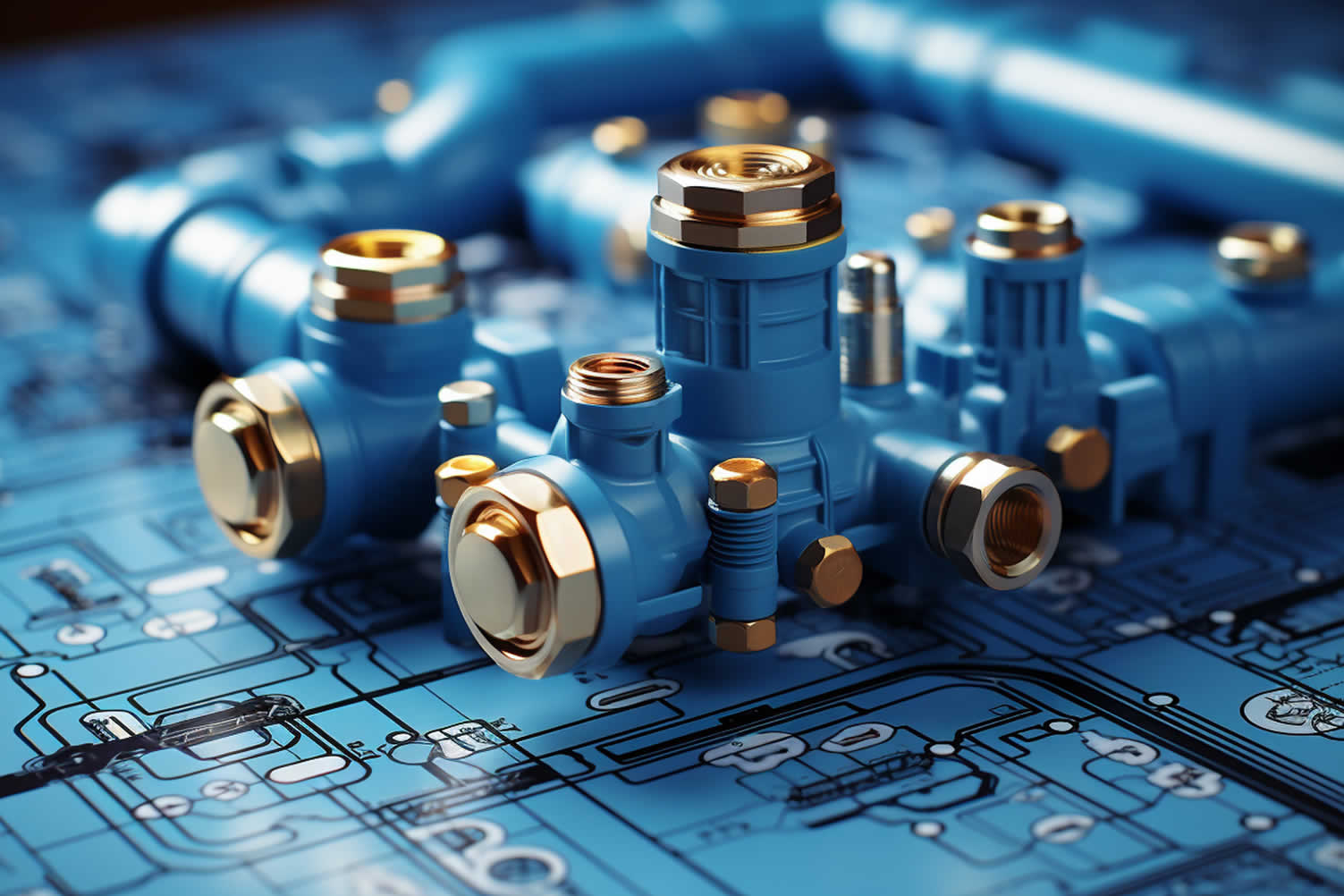
Before embarking on a plumbing project for a new addition or a renovation, it’s crucial to understand the complexity of home plumbing and the need to plan effectively.
A good starting point is sketching out the layout of your new addition or renovation, and identifying where plumbing fixtures will be located. Once this is done, you’ll need to determine the type, size, and length of pipes required.
Remember to factor in the need for vents, traps, and cleanouts in the design to ensure a functional and compliant plumbing system.
Given the technicality of home plumbing, it’s often advisable to consult professional plumbers. Their expertise can help in the accurate estimation of materials, compliance with building codes, and execution of the project proficiently.
Using professional plumbers not only ensures the efficiency of your plumbing system but also safeguards your home’s value by preventing potential water damage caused by faulty plumbing. Consequently, starting a plumbing project requires a careful blend of personal effort and professional guidance.
-
Quik scroll to topic side notes …
-
-
1st: Understanding How Home Plumbing Works
Home plumbing is a system of interconnected pipes and fixtures designed to ensure a seamless flow of water in and out of a residence. The primary elements of home plumbing include the water supply system, the drainage system, and the vent system.
The water supply system channels clean water from the municipal supply or a private well to your home, servicing the faucets, washing machines, dishwashers, and other water outlets. Conversely, the drainage system handles waste and used water, directing it away from your home to the local sewage system or septic tank.
The vent system is crucial for maintaining appropriate atmospheric pressure within the pipes, permitting water to flow freely.
-
The Role of Gravity
Gravity plays a pivotal role in the functioning of home plumbing, particularly in the drainage and vent systems. The drainage pipes are slanted downward away from the home, a design that leverages gravity to pull wastewater from your home towards the municipal sewage system or septic tank.
This downward slope ensures an unobstructed flow of water and waste, minimizing the likelihood of blockages.
Similarly, in the vent system, gravity assists in maintaining the right atmospheric pressure within the pipes. It allows air to flow upwards and out through the vent stack, thereby preventing any backflow of sewer gases into the home.
-
The Need of P-Trap
The P-trap, named for its distinctive P shape, is another integral component of home plumbing. Positioned under sinks and other water outlets, it serves a dual purpose – blocking sewer gases from reentering the home and preventing clogs further down the system.
The P-trap holds a small amount of water in its curved section post-use, creating a seal that blocks the backward flow of gases from the sewer line into the home. This water seal is replenished each time the sink or outlet is used, ensuring a continuous barrier against sewer gases.
In addition, the P-trap also acts as a catchment area for heavier items or debris, preventing them from causing blockages deeper within the plumbing system.
Regularly cleaning your P-trap can help maintain the efficiency of your home’s plumbing and mitigate the risk of troublesome clogs.
-
About Water Pressure
Water pressure is another crucial component of a well-functioning plumbing system. It is the force that propels water through the pipes to reach various outlets in the home, such as faucets, showers, and washing machines.
The pressure must be sufficient to overcome gravity and resistance caused by pipe bends or valves in order to deliver water to the points of use effectively, especially in multi-story buildings where water needs to reach higher floors.
Inadequate water pressure can lead to inconveniently slow water flow, whereas excessively high pressure can cause damage to pipes and fixtures, leading to leaks and other serious problems.
Therefore, maintaining optimal water pressure is essential to ensure the efficiency and longevity of your home’s plumbing system.
copyright image by 123rf.com
[ view images: home plumbing gravity flow diagram]
[ youtube: water flow and water pressure]
-
-
2nd: Understanding Different Types of Plumbing
When considering a new addition or renovation, understanding the types of plumbing systems is essential. Here are some common types:
-
Supply Plumbing System:
This system carries fresh water into homes, providing a clean and reliable water supply for daily needs. The pipes used for this purpose are typically made of copper, PEX (cross-linked polyethylene), or PVC (polyvinyl chloride).
The choice of pipe material depends on various factors including local building codes, the type of building structure, and budget considerations.
Copper pipes are known for their durability and resistance to corrosion, while PEX pipes offer flexibility and ease of installation. PVC pipes are a cost-effective option that provide good strength and longevity.
By carefully considering these factors, homeowners can select the most suitable pipe material to ensure a safe and efficient water distribution system in their homes.
-
Drain-Waste-Vent (DWV) System:
This system carries wastewater out of your home. It efficiently removes waste through a network of drain pipes, waste pipes, vent pipes, and traps. These pipes, specifically designed for wastewater management, are typically larger in diameter compared to those utilized in the supply plumbing system.
They are commonly constructed with durable materials such as cast iron, PVC, or ABS, ensuring long-lasting performance and preventing any potential leaks or blockages.
Choosing the correct size of drainage is paramount, as the effectiveness of the home’s plumbing system hinges on it; a mismatch could lead to inefficiencies or malfunctions, possibly necessitating expensive repairs or modifications.
-
Gas Plumbing System:
If your home relies on natural gas for heating or cooking, this system delivers the gas through a network of durable black iron pipes. This separate system ensures utmost safety, keeping it isolated from other systems within your home. By utilizing this dedicated setup, you can enjoy the benefits of natural gas with peace of mind.
Remember, it’s always a good idea to consult professional plumbers when deciding which systems and materials are best for your specific project. They can help ensure everything is installed correctly and up to code.
copyright image by 123rf.com
[ view images: home plumbing gravity flow diagram]
[ youtube: how your home plumbing works]
-
-
3rd: Home Fixtures Where Plumbing May Be Needed
When planning plumbing project, it’s essential to consider the fixtures that will require plumbing. Each fixture serves a specific purpose and may require a certain type of plumbing system as it relates to size and pressure.
Here are some common home fixtures that typically require professional plumbing:
-
Toilets:
The most common fixture in a bathroom, toilets play a vital role in the overall functionality of the space. In order to operate effectively, toilets need a connection to the home’s Drain-Waste-Vent (DWV) system. This ensures proper disposal of waste and maintains a healthy plumbing system.
Whether you’re remodeling a bathroom or adding a new one, it’s crucial to consider the importance of toilets and their integration with the DWV system for a seamless and efficient bathroom experience.
-
Sinks:
Found in kitchens, bathrooms, and laundry rooms, sinks are essential fixtures that require both supply and drainage pipes for proper functionality. When it comes to the installation of faucets, water lines, and drain pipes, it is crucial to rely on the expertise of a professional plumber.
With their knowledge and experience, they can guarantee the correct alignment and configuration of these components, ensuring optimal performance and functionality for your sink.
-
Showers and Bathtubs:
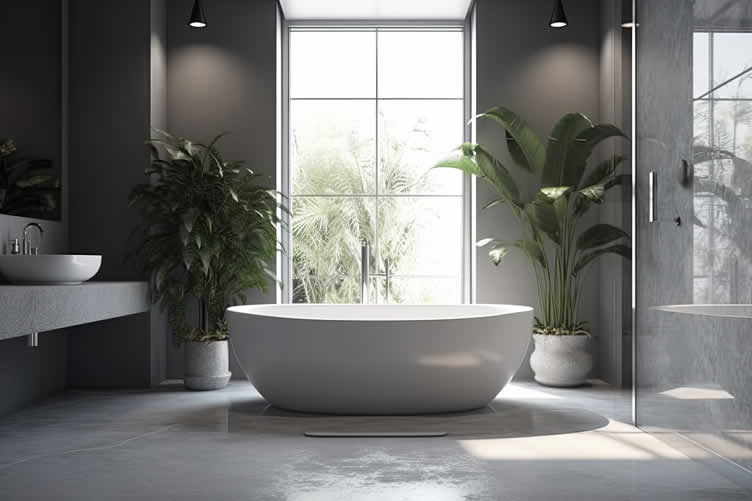
When it comes to bathroom fixtures, such as showers and tubs, it’s important to ensure they are properly connected to both hot and cold water supply lines. Additionally, these fixtures should also be connected to the DWV (drain-waste-vent) system for effective drainage.
As you plan your bathroom renovation, carefully consider the placement and type of shower or tub to ensure optimal functionality and aesthetic appeal. Taking these factors into account will help you create a bathroom space that is both practical and visually pleasing.
-
Dishwashers and Washing Machines:
When it comes to installing these appliances, it is important to note that they require connections to both the hot water supply and the DWV (drain, waste, and vent) system. This ensures that they function properly and efficiently.
-
Water Heaters:
A water heater needs to be correctly connected to your home’s water supply system in order to provide hot water efficiently. It is usually installed in utility rooms or basements, where it can be easily accessed for maintenance.
It is important to have a professional install the water heater to ensure proper safety measures are followed and to maximize its efficiency.
-
Outdoor Sinks and Showers:
Outdoor amenities like sinks and showers are becoming increasingly popular in modern homes. These fixtures require a water supply line and a connection to the DWV system for drainage.
They can be particularly useful for cleaning up after outdoor activities or for outdoor cooking.
-
Swimming Pools and Hot Tubs:
These large fixtures, such as swimming pools or hot tubs, require a complex plumbing system to ensure proper water circulation, filtration, and heating. A professional plumber with expertise in designing and installing such systems can help ensure that every aspect is meticulously planned and executed.
From determining the optimal placement of pipes and valves to selecting the right equipment and materials, they will work closely with you to create a robust and efficient plumbing system that meets your specific needs.
-
Sprinkler Systems:
Sprinkler systems, often used as an integral part of a home’s landscaping, provide a convenient and efficient way to water the lawn and plants. These systems require a connection to the home’s water supply, allowing for automated and regulated irrigation.
To ensure optimal performance and water efficiency, it is recommended to have these systems installed and maintained by a professional with expertise in sprinkler system installation.
-
Outdoor Water Fountains and Water Features:
These fixtures, such as fountains and waterfalls, add significant aesthetic value to a property, creating a serene and captivating atmosphere. They not only enhance the overall appeal of the surroundings but also provide a soothing and tranquil experience.
To ensure their proper functioning, these water features require a reliable water supply and sometimes, a well-designed drainage system to prevent any water accumulation.
copyright image by 123rf.com
[ youtube: how to plumb a bathroom]
[ youtube: drain and venting kitchen]
-
-
4th: About Rough-In Plumbing
Your plumbing system runs across large sections of your home. It starts where your mains supply arrives and travels to all the places in your home that need water. These are then all connected to drains which take the wastewater and other products away from the home safely.
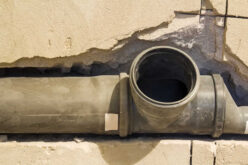
Rough in plumbing is the initial stage of a plumbing project where the basic layout of pipes is established, before any fixtures or appliances are installed. During this phase, professional plumbers install the main lines for water supply and sewer or drain pipes, creating a blueprint for the system.
This process plays a critical role in ensuring that plumbing fixtures align properly with the planned design, and the correct slope for gravity-dependent waste removal is established. Precise calculations are essential during the rough in phase to avoid plumbing issues down the road.
In principle, the system is straightforward. But, in most cases, the majority of the plumbing is hidden behind your walls. That can make it difficult to trace leaks and resolve other plumbing issues if they occur in the future.
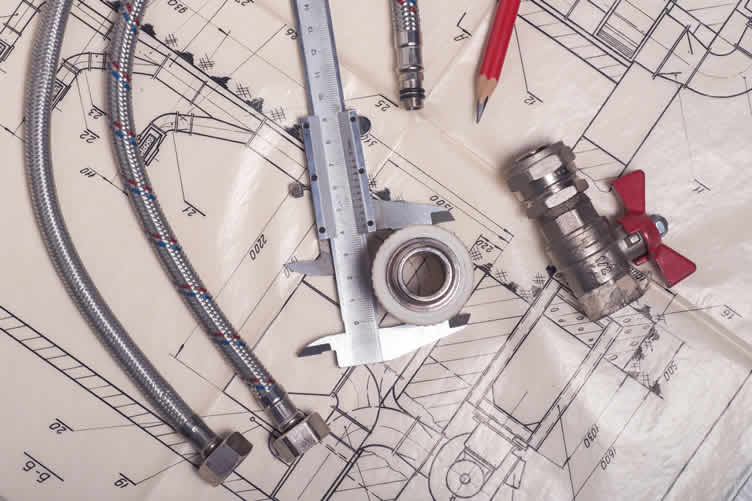
This is precisely why accurate rough-in plumbing blueprints and diagrams hold immense significance. Creating a diagram of your home’s plumbing system is a crucial step when planning any renovation or installation.
This visual guide should encompass the main supply into your home, as well as any individual valves you have already installed. This rough-in plumbing will become a valuable diagram in the event of changes or services that may be needed in the future.

copyright image by envato.com
[ youtube: rough-in plumbing for new construction]
[ youtube: how to conduct rough plumbing inspection]
-
-
ideas to view and compare from the information discussed above
garage utility sinktankless water heatersoutdoor water features
Scroll up to directory … or scroll to next section about revamp your space with a plumber expertise …





 … grab this directory of ideas
fourth “photo remodeling” idea
copyright image by 123rf.com
Segment 4: Avoiding Common Plumbing Mistakes
Notes:
-
Numerous studies have consistently shown that it is not uncommon for an enthusiastic do-it-yourselfer to come across unexpected plumbing issues when undertaking home renovations. These problems can range from minor inconveniences to major setbacks, potentially causing significant damage and costly repairs.
By having a professional plumber on site, you can ensure that you avoid common pitfalls such as incorrect fixture installation or complications related to shutting off the water supply. Their expertise and experience in handling complex plumbing systems will provide you with peace of mind, allowing your home renovation project to proceed smoothly and efficiently.
-
Quik scroll to topic side notes …
-
-
1st: Key Plumbing Tasks Best Left to Professionals
When embarking on a home addition or renovation project, there are several plumbing tasks that warrant the expertise of professional plumbers. These complex tasks require specialized knowledge and tools to ensure proper installation and maintenance, thereby preventing future issues:
-
Installing New Pipes:
Whether you’re adding a bathroom, kitchen, or extending an existing room, new pipe installation is a task best left to professionals. This ensures the correct pipe size and material are used, and they are correctly installed to avoid leakages and water pressure issues.
-
Relocating Existing Pipes:
If your renovation involves moving your kitchen or bathroom to a new location, you’ll need to move the existing pipes. This requires not just the physical labor of moving the pipes, but also an understanding of your home’s overall plumbing layout.
-
Installing Water Heaters:
Incorrect installation of water heaters can lead to dangerous situations, including carbon monoxide leaks or even explosions. A professional plumber will ensure the heater is installed correctly and safely, adhering to local building codes.
-
Sewer Line Rerouting:
For substantial home additions or renovations, you may need to reroute your sewer lines. This complex task should be left to a professional plumber to prevent potential environmental hazards and ensure compliance with local regulations.
-
Adding Vent Pipes:
Vent pipes are crucial for maintaining water pressure and getting rid of sewer gases. Installing these requires a deep understanding of how your home’s plumbing system works, making it a job best suited for professional plumbers.
Other Projects Best Left to Professional Plumbers
Despite the temptation to handle all home repairs on your own, certain plumbing projects are best left to professional plumbers due to their complexity and the risk of causing further damage. Here are a few examples:
-
Installation of New Pipes or Large Appliances:
This is a large job that requires specialized knowledge and tools. Professional plumbers are familiar with the local codes and regulations and ensure the job is done correctly.
-
Sewer Line Blockages:
Sewer line issues can be messy and troublesome. It requires a professional to accurately diagnose and solve the problem, often involving specialized equipment.
-
Water Heater Issues:
Dealing with hot water means there is a risk of burns, and improper installation or repair could lead to gas leaks.
-
System-Wide Low Water Pressure:
This issue could be due to multiple causes, some of which are difficult to identify without professional equipment.
-
Major Leaks or Flooding:
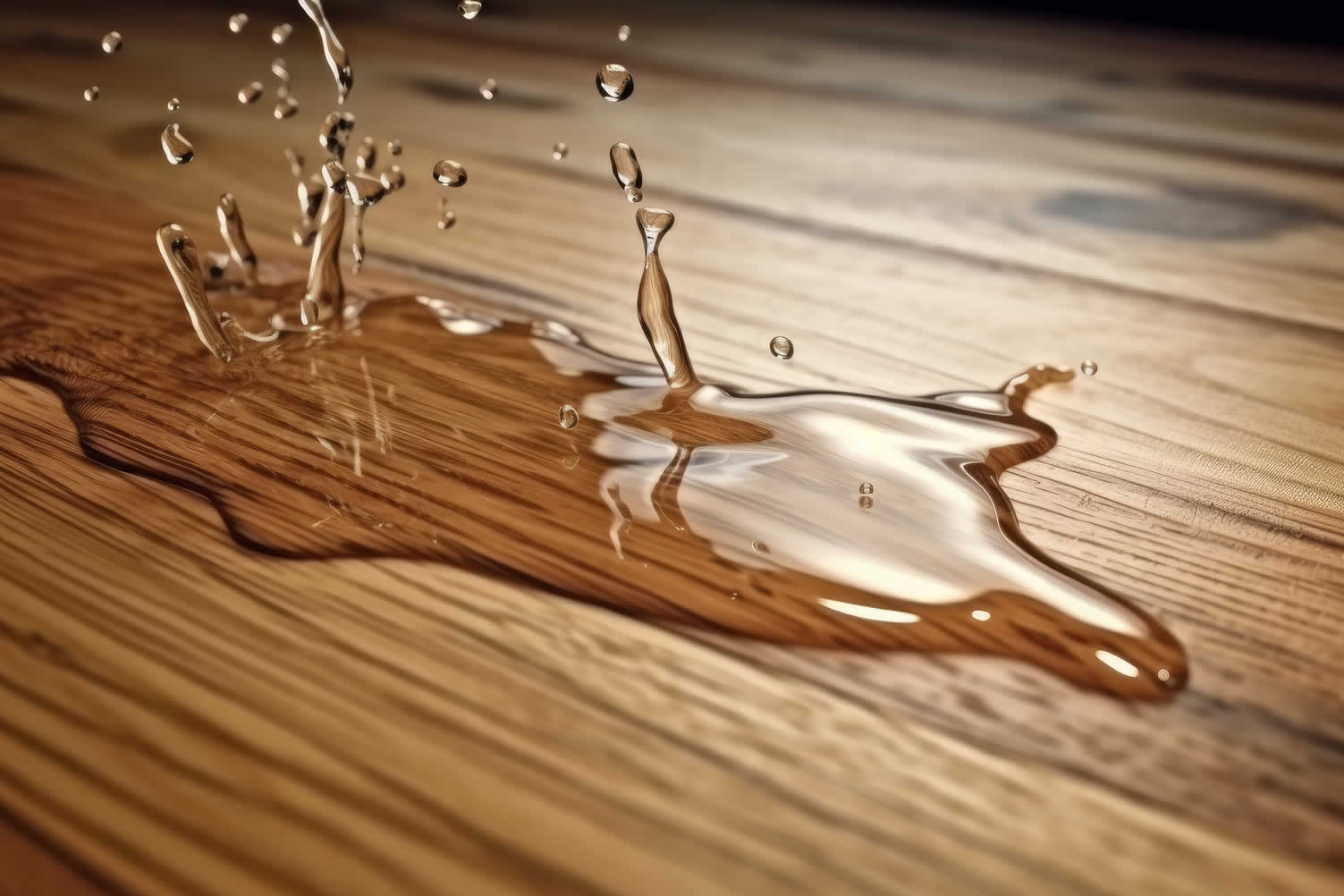
A major leak or flood could be a sign of a serious issue in your plumbing system. Immediate professional assistance is required to prevent further damage to your home.
copyright image by 123rf.com
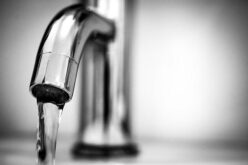
[ view images: bathroom faucet ideas]
[ pinterest: types bathroom sinks]
-
-
2nd: DIY Plumbing: A Basic Understanding
DIY Plumbing refers to do-it-yourself plumbing tasks that homeowners can undertake with the appropriate tools and basic knowledge of plumbing systems. This can be a cost-effective alternative to hiring a professional plumber for minor issues. However, it’s crucial to know your limits and call in professional help when necessary to avoid further complications.
Here are some of the types of DIY Plumbing tasks that homeowners can generally handle:
-
Fixing Leaky Faucets:
A common issue in many homes is dealing with a leaky faucet. When faced with this problem, one often needs to replace the worn-out washer, which is a small but crucial component responsible for preventing water leakage.
By addressing this issue promptly, homeowners can save water, prevent further damage, and ensure the smooth functioning of their plumbing system.
-
Unclogging Drains:
When faced with clogs in sinks and toilets, using a plunger or a plumber’s snake is often an effective solution. These tools provide the necessary force and flexibility to dislodge and clear most common types of clogs, ensuring smooth drainage and preventing further issues.
By applying pressure or maneuvering the snake through the pipes, you can tackle stubborn blockages and restore the proper functioning of your plumbing system. Remember to use these tools carefully and follow proper guidelines for optimal results.
-
Replacing Showerheads:
Replacing a showerhead is a simple and straightforward task. Begin by unscrewing the old showerhead, ensuring to turn it counterclockwise until it comes off.
Then, take the new showerhead and screw it onto the shower arm in a clockwise direction until it is securely in place. Enjoy the refreshing and revitalizing experience of your newly replaced showerhead!
-
Installing a New Toilet:
While more complex, this task can be completed by homeowners with a good understanding of the process and the right tools. By following step-by-step instructions and utilizing proper safety measures, homeowners can confidently tackle this project.
With careful attention to detail and precise execution, they can ensure a successful outcome that enhances their home and showcases their DIY skills. Remember, patience and perseverance are key when taking on such endeavors, as they often require problem-solving and adaptability.
So, with a positive mindset and a willingness to learn along the way, homeowners can confidently embark on this rewarding journey of home improvement.
-
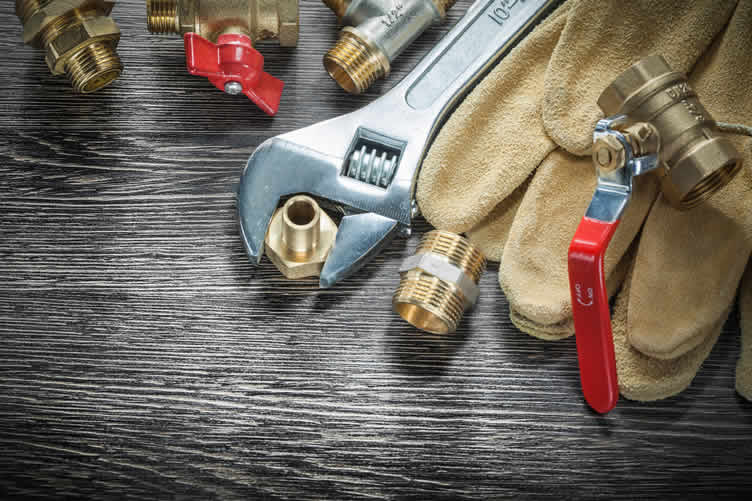
Replacing Kitchen or Bath Faucet:
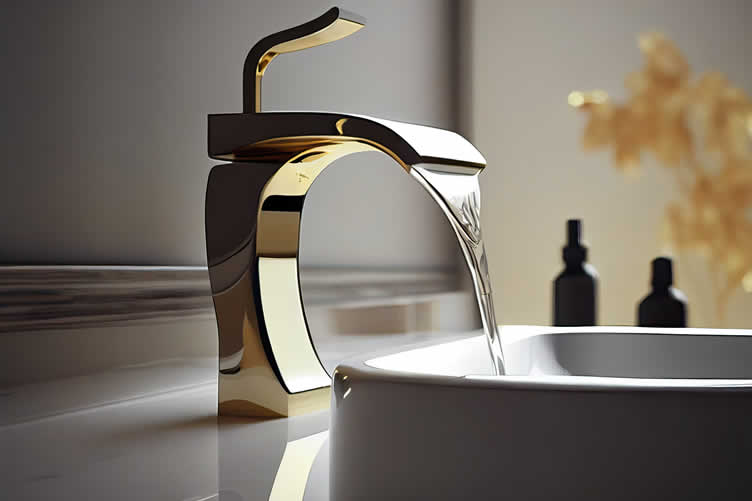
Changing a faucet may seem daunting, but it’s a task that can be done by homeowners who have a basic understanding of plumbing.
First, turn off the water supply and disconnect the supply lines from the faucet. Remove the old faucet from the sink, being sure to protect the finish of the sink with a cloth while working. Next, clean the sink surface thoroughly before proceeding.
Now you’re ready to install the new faucet. Follow the manufacturer’s instructions carefully as each model may have unique installation steps.
Once the faucet is installed, reconnect the water supply lines, ensuring they are secure, but do not over tighten. Turn on the water supply and check for leaks. If all is well, you are finished! It’s a rewarding task that can significantly improve the look and utility of your kitchen or bathroom.
Remember, while DIY plumbing can save money, it’s essential to know when to call a professional. Some jobs are best left to the experts to ensure they’re done correctly and safely.
copyright image by 123rf.com
[ view images: replacing faucet diagram]
[ youtube: how to install faucet]
-
-
3rd: Common DIY Plumbing Problems
Homeowners may encounter a variety of plumbing problems that, in some cases, can be addressed by themselves. Here are some common issues and their potential fixes:
-
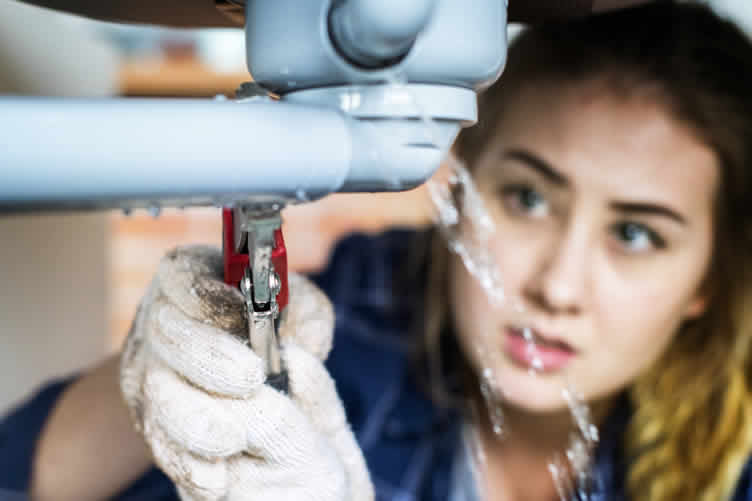
Leaky Faucets:
A dripping faucet is not only an annoyance, but it can also waste significant amounts of water over time. This problem typically stems from a worn-out washer.
To replace the washer, first turn off the water supply. Then, remove the handle of the faucet and the packing nut, which will reveal the stem.
Remove that as well and you’ll find the washer. If it’s damaged or worn out, replacing it will likely solve the problem.
-
Slow Draining Sink:
This is usually caused by a blockage that restricts water flow. You can often fix this issue by removing the pop-up that’s used to stop up the sink and cleaning it.
If that doesn’t work, you may need to use a plumber’s snake or a hand auger.
-
Low Water Pressure:
A common issue in old houses, which can be caused by a hidden leak or a build-up of sediment. If the low water pressure is found at a single faucet, the fix is often as simple as cleaning the aerator.
However, if it’s a house-wide problem, it may require a plumber.
-
Running Toilet:
If your toilet seems to be continuously running, it may be an issue with its flapper valve which controls the water that passes from the tank to the bowl. This can usually be fixed by replacing the flapper.
-
Clogged Toilet:
This common issue can usually be fixed with a plunger. If that doesn’t work, a plumber’s snake or closet auger can break up the clog.
Remember, while some of these issues can be fixed with a bit of DIY plumbing knowledge, more significant problems should be left to professional plumbers to avoid exacerbating the problem or causing new ones.
copyright image by envato.com
[ view images: clogged plumbing diagram]
[ youtube: most common plumbing problems]
-
-
-
ideas to view and compare from the information discussed above
Scroll up to directory … or scroll to next section about revamp your space with a plumber expertise …
below for …
plumbing services



Find Plumbing Services Plumbing Issues Drain Clearing Septic/Sewers Water Heaters Pumps Water Softening top-rated, pre-screened local contractors FREE: download contractor selection enter zip code – powered by HomeAdvisor ™
Quick Contractor Guides selecting negotiating working with inspecting

fifth and last “photo remodeling” idea

copyright image by 123rf.com
Segment 5: Choosing the Right Plumber for Your Renovation
Notes:
-
Selecting a plumber for your renovation may prove just as crucial as choosing the right design or materials. Consider their experience, qualifications, reputation, and correspondence with your budget and timelines. Also, check if they can accommodate the scope of your project, whether it is a simple bathroom makeover or an entire house remodel.
-
Planning Ahead with Your Plumber
To virtually eliminate any unexpected issues during your remodeling project, discuss details and expectations with your plumber upfront. Thorough preparation ensures that every process from plumbing line rerouting to the final fixture installation aligns seamlessly with other renovation tasks on schedule.
-
Consider Multi-Skilled Plumbers
Picking a plumber who possesses skills beyond basic plumbing may provide added value to your renovation. These professionals could help in areas like painting or tiling and thus serve a dual role in your project. Their multi-skill ability not only saves time but could also reduce costs.
-
Respect the Plumbing Craft
While often overlooked, the art of plumbing requires technical knowledge, precision, and experience. The ability to shape home renovations and create improvements tailored to needs is truly a valuable service. As such, your appreciation and understanding elevate not only the work process but also the relationship with your plumbing professional.
-
Building Relationships with Trusted Professionals
Undergoing renovations gives you the opportunity to establish relationships with trusted professionals like plumbers. Future plumbing issues or renovation projects become less stressful when you have established rapport with a reliable service provider. The team at Ferguson’s, for example, is known for excellent customer service and professional workmanship.
-
-
Quik scroll to topic side notes …
-
-
1st: Selecting Your Plumbing Contractor
One of the most reliable methods for locating plumbing services is by seeking referrals from friends and neighbors. They can provide a comprehensive evaluation of their work and dedication, offering valuable insights and recommendations.
Occasionally, you may need to make use of a trusted brand’s third-party search portal. These portals carefully screen their contractors and offer a selection of reputable plumbing professionals (2-3 or more) who will competitively bid on your home or renovation project.
LetsRenovate has aligned with HomeAdvisor ™, one of the leading providers of top-rated, pre-screened local contractors. Begin your search here by selecting the type of roofing services needed and then entering your zip code for local contractor search.
copyright image by 123rf.com
But Wait!
Before engaging with contractors, it is advisable to download and utilize a contractor search and evaluation worksheet. This resource allows you to effectively rank and assess contractors based on factors such as price, experience, time commitment, insurance, references, and their affiliation with professional associations.
By employing this tool, you can make informed decisions and ensure the selection of the most suitable contractor for your needs.

Evaluation Sheet
File Type:
Spec Planning
File Type:When searching for contractors, it is important to compare their positive customer reviews, proven experience, and solid reputation in the community. Additionally, it is beneficial to verify if they are licensed and insured, as this offers an extra layer of protection.
Customers who have used Ferguson’s service vouch for their punctual and flawless delivery. They appreciate the team’s meticulous attention to detail, transparent pricing, and commitment to making sure clients are satisfied.
The positive customer voice about Ferguson’s service illustrates their unwavering dedication to providing excellent and reliable plumbing solutions.
Moreover, trustworthy plumbers will gladly furnish a written estimate, establish a project timeline, and offer a lucid explanation of the intended work.
A few critical questions to ask before settling on a plumbing contractor could include:
- What type of plumbing materials will you use for my project?
- Can you provide an itemized bill that breaks down costs for labor and materials?
- What is the timeframe for the project, and how will it affect my daily life?
- How will you handle any unforeseen issues or complications that may arise?
- How often will you update me about the progress of the project?
- Are you and your team experienced in handling projects similar to mine?
- What is your procedure for cleanup and disposal of waste materials after project completion?
- What kind of warranty or guarantee do you offer on your workmanship and materials?
- Will you obtain the necessary permits for the project?
Similarly, make sure you are ready to respond to the inquiries posed by the plumbing contractor. These questions are crucial for them to determine the estimated cost and timeframe.
- What type of plumbing fixtures are you planning to install in the new spaces?
- Can you provide any architectural or planning diagrams for the renovation or addition?
- Is there a specific brand of plumbing materials you prefer?
- How many additional bathrooms or kitchens will be added, and what will their size be?
- Will there be any special installations such as a hot tub, sauna, or specialized kitchen fixtures?
- Is the current plumbing system capable of handling the additional load, or will it need upgrades?
- How soon do you plan to start the renovation or addition project?
- Are there any specific environmental or efficiency concerns you would like us to consider, like low-flow toilets or tankless water heaters?
- Do you intend to live in the house during the renovation, or will the premises be vacant?
- What are your expectations regarding the timeline and budget for the plumbing part of the project?

copyright image by 123rf.com
-
2nd: About Permits and Building Codes
Before starting any home improvement project, such as an addition or renovation, it’s crucial to understand the need for proper building permits, especially plumbing permits. These permits are essential to ensure that all plumbing works are up to the local building codes, providing safety and efficiency to homeowners.
Here are some types of building permits you may need:
-
Standard Plumbing Permit:
Required for most plumbing work such as installing a new water heater or changing drainage pipes. It ensures that the work meets local plumbing codes.
-
Gas Permit:
Needed when installing gas lines for appliances like stoves or fireplaces. This permit ensures the gas line installation meets safety standards.
-
Mechanical Permit:
If you’re adding or replacing HVAC systems, a mechanical permit is often necessary. This permit is for ensuring the proper installation of heating, cooling, and ventilation equipment.
-
Electrical Permit:
If your renovation includes the addition or alteration of electrical systems, an electrical permit is required. This ensures all electrical work meets local safety codes.
Remember, unpermitted work can lead to fines and can cause problems when you decide to sell your home. Always consult with a professional plumber when taking on a home renovation or addition project.
-
About Building Codes
Building codes are a set of rules and standards established by local authorities to ensure the safety and health of residents. When it comes to plumbing, these codes regulate numerous aspects of the construction and design of plumbing systems.
For instance, they dictate the types of materials that can be used for pipes, the correct ways to install these pipes, and the required distances between plumbing fixtures. They also regulate the design and layout of drainage, waste, and vent systems.
Moreover, plumbing codes often include requirements for water conservation measures, such as the use of low-flow fixtures. Compliance with these building codes is crucial, as any violation can lead to fines, penalties, and even the necessity to redo the entire plumbing work.
Therefore, it’s always recommended to hire a professional plumber who is knowledgeable and experienced in navigating these codes.
copyright image by 123rf.com
-
-
-
FINAL REMARKS
Renovating your space with a plumber’s touch merges practicality with elegance. It adds value and functionality to your property.
Whether it is remodeling indoor spaces like kitchens and bathrooms or creating new appeals outdoors, a professional plumber’s contribution can transform your home intuitively and sustainably.
-
ideas to view and compare from the information discussed above
- What comments can you share about
revamp your space with a plumber expertise?
Scroll up to directory … or scroll to next section about revamp your space with a plumber expertise …
view illustration “becoming a bank”
remodeling decisions
the plumbing of bathroom features
Cover image credit: revamp your space with a plumber expertise by 123rf.com
end of post … please share it!
 |
did you find this revamp your space with a plumber expertise analysis helpful? If so, please share the article with your friends and family! |
Nice pic idea? Leave us a quick comment below.
And please share this pic idea within your social networks.