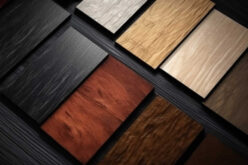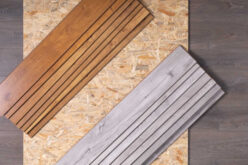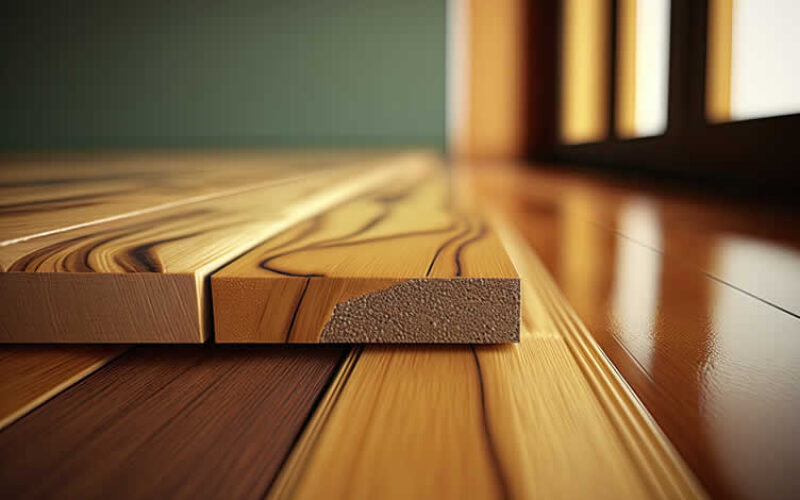
first “flooring options for an eco-friendly home” idea
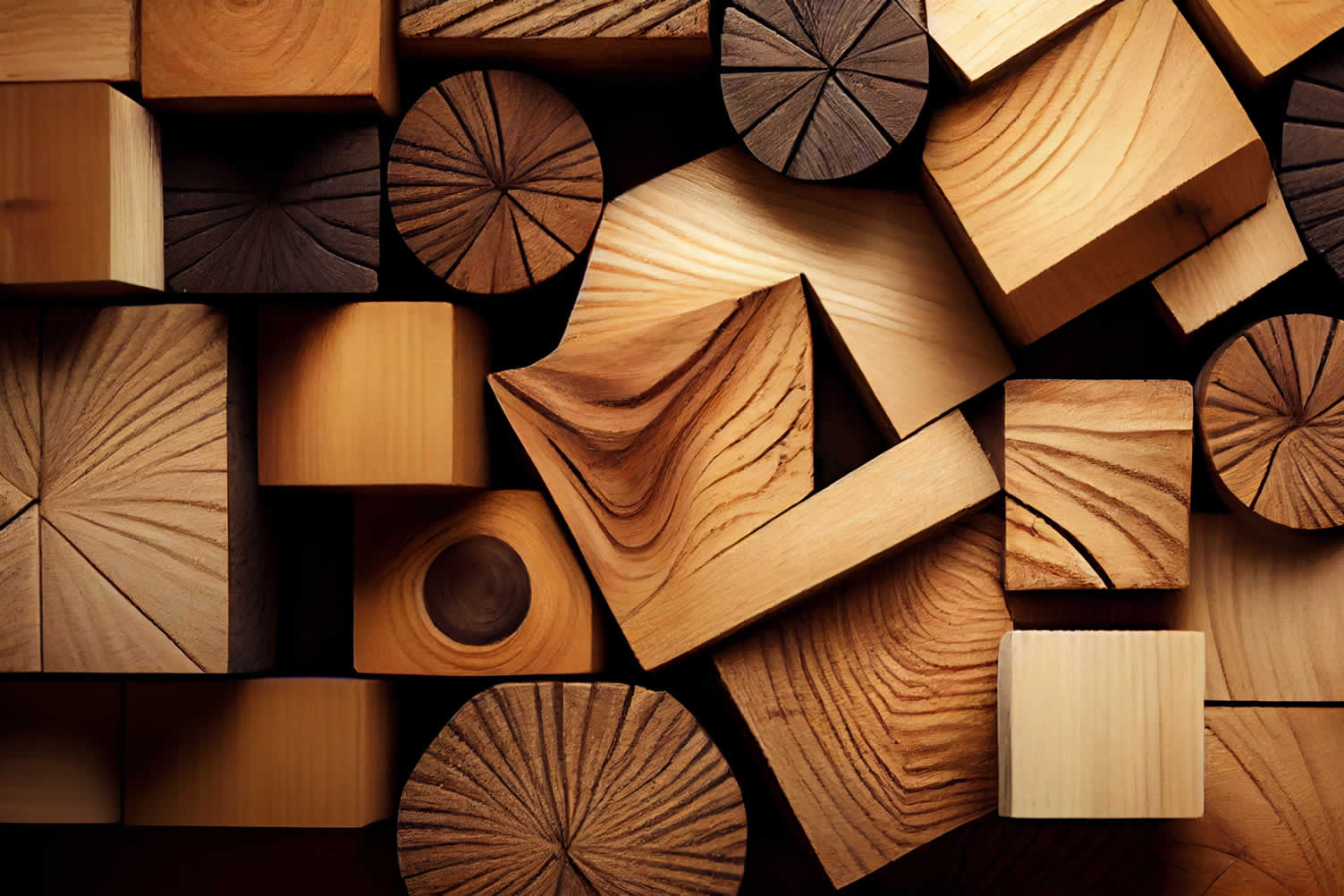

copyright image by 123rf.com
Summary Outline –
When undertaking an eco-friendly home renovation, considering sustainable flooring options can be a game-changer. These environmentally friendly choices not only reduce the renovation’s impact on the planet, but they also provide a unique aesthetic appeal.
There are numerous sustainable flooring options on the market today, such as cork, bamboo, and recycled hardwood. These materials are renewable, reducing the demand for non-renewable resources, and often come with the added benefit of being more durable and requiring less maintenance than traditional flooring materials.
By choosing sustainable flooring options, homeowners can significantly contribute to the conservation of natural resources and the promotion of a healthier environment.
Let’s look at some of the top eco-friendly flooring options:

-
- —— begin first topic ——
-
1st:Bamboo Flooring
Bamboo flooring, known for its sustainability and aesthetic appeal, has gained popularity in eco-friendly home renovations. This renewable resource offers various styles and colors, allowing homeowners to match their design preferences.
Moreover, bamboo’s durability and easy maintenance make it a practical choice. Additionally, it’s a great option for DIY enthusiasts since installation is straightforward, and you can typically manage floor-related renovations on your own.
So, with its natural beauty and eco-conscious benefits, bamboo flooring provides a harmonious blend of elegance and environmental responsibility. Bamboo is a top contender if you’re seeking cost-effective and manageable sustainable flooring options!
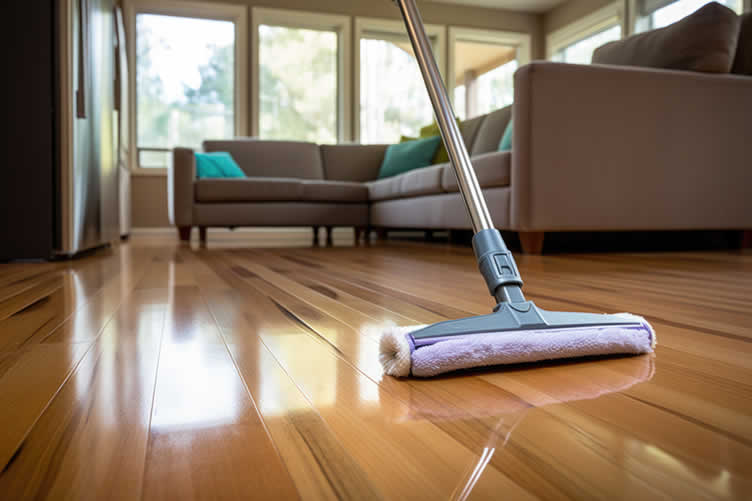
copyright image by 123rf.com
[ view images: bamboo hardwood flooring]
[ view pinterest: bamboo hardwood styles]
-
About Bamboo Flooring
Contrary to popular belief, bamboo is not a tree but a type of grass, making it an incredibly fast-growing and renewable resource. Predominantly harvested in its native environment in Southeast Asia, bamboo can reach maturity in as little as three to five years. This is a stark contrast to hardwood trees which can take upwards of 20 years to mature.
The process of making bamboo flooring is relatively straightforward. After the bamboo stalks are harvested, they are cut into strips and then boiled to remove any residual starches and sugars.
These strips are then either laid out flat or stood vertically, and then laminated under high pressure to create the final product. Throughout this process, care is taken to ensure minimal waste, further enhancing the eco-friendly credentials of bamboo flooring.
-
Pros and Cons of Bamboo Flooring
- Sustainability:
As outlined above, bamboo is a rapidly renewable resource that matures much faster than hardwood trees, making it a highly sustainable flooring option. - Durability:
Bamboo flooring is incredibly strong and can withstand heavy foot traffic, making it a long-lasting choice. - Easy Maintenance:
Cleaning bamboo floors is straightforward. Most spills and dirt can be cleaned with a simple broom, vacuum, or damp mop. - Versatility:
Bamboo flooring comes in a variety of styles and colors, meaning it can fit into almost any home décor style.
Pros
- Cost:
Bamboo flooring can be quite expensive, especially compared to other sustainable flooring options. - Moisture Vulnerability:
While bamboo is more resistant to moisture than traditional hardwood, it is still prone to warping and discoloration if exposed to standing water or high humidity for extended periods. - Chemical Use:
The process of transforming bamboo into flooring often involves the use of chemicals that can be harmful to the environment.
Cons
The above list provides a balanced view of the advantages and disadvantages of bamboo flooring. As with any significant home improvement decision, it’s crucial to weigh these factors against your specific needs and circumstances.
- Sustainability:

-
-
2nd:Cork Flooring
Cork flooring is one of the most versatile, sustainable options. It’s derived from renewable cork oak bark, promoting sustainability. Moreover, the softness underfoot offers comfort, and its insulating properties add to its appeal.
Besides, as noted by the moving teams from Zapt Movers, this type of flooring is tough, making it worry-free when moving heavy furniture. Scuffing or damaging it isn’t a major concern! With various styles and patterns, cork flooring seamlessly integrates into different interior designs.
So, whether you want to enhance your living space’s aesthetic or seek a practical solution, cork flooring provides a balanced blend of style, functionality, and resilience.

copyright image by 123rf.com
[ view images: cork flooring]
[ view pinterest: cork wood styles]
-
About Cork Flooring
Cork is harvested from the bark of the Cork Oak tree, predominantly grown in the western Mediterranean region, with Portugal and Spain leading in production.
The production process of cork flooring is both fascinating and sustainable. The bark of the Cork Oak tree is carefully stripped off without causing any harm to the tree, which then regrows its bark over a period of 9 years. This makes every Cork Oak a renewable source of raw material.
The harvested cork bark is left out to dry for several months, after which it’s boiled and processed into sheets. These sheets are then baked in a kiln to produce cork flooring. During this process, no part of the cork is wasted—residual cork dust is collected and used to make other products.
Thus, cork flooring stands as an exemplary option for those seeking sustainable flooring options for an eco-friendly home renovation.
-
Pros and Cons of Cork Flooring
- Sustainability:
As previously discussed, one of the greatest advantages of cork flooring is its sustainability. No trees are cut down in the production of cork floors; only the bark is harvested, and the tree continues to grow and produce. - Comfort:
Cork floors have a natural elasticity. This makes them very comfortable to walk on, and they can even reduce strain if you’re standing for long periods of time. - Insulation:
Cork has natural insulating properties, making it a great choice for maintaining a steady temperature in your home, thus potentially reducing energy costs. - Sound Dampening:
Another advantage of cork’s natural properties is that it can help reduce noise, making it an excellent choice for rooms that require a quiet environment.
Pros
- Susceptibility to Damage:
While cork is naturally elastic and resilient, it can still be damaged by very sharp objects, heavy furniture, or high-heeled shoes. It’s also not resistant to pets’ claws. - Fading:
Extended exposure to sunlight can cause cork flooring to fade over time, which may affect the aesthetic appeal. - Moisture Damage:
While cork is water-resistant, it’s not waterproof. Prolonged exposure to moisture can warp or damage the flooring, making it less than ideal for very damp environments.
Cons
In summary, while cork flooring has its specific drawbacks, its sustainability, comfort, and natural insulating properties make it a strong contender in the race for the best eco-friendly flooring options.
- Sustainability:
-
-
3rd:Reclaimed Wood Flooring
Reclaimed wood flooring infuses your home with history and eco-friendliness. Each plank tells a unique tale, having been rescued from old structures. This sustainable choice adds character and reduces environmental impact.
Moreover, the diverse shades and textures effortlessly match your modern or rustic decor. And with its proven durability, reclaimed wood has already withstood the test of time. Its innate charm also creates a warm and authentic ambiance!
So, if you’re seeking distinctive and environmentally conscious flooring, reclaimed wood flooring offers a perfect blend of heritage and style for your living space.

copyright image by 123rf.com
[ view images: reclaimed wood flooring]
[ view pinterest: reclaimed wood styles]
-
About Reclaimed Wood Flooring
This flooring option comes from wood that has been salvaged from old structures like barns, factories, and warehouses, instead of being harvested from forests. The process of making reclaimed wood flooring involves several steps.
First, the salvaged wood is carefully de-nailed and kiln-dried to remove any moisture. This step is crucial to prevent the wood from warping or twisting.
Then, the wood is milled into flooring planks, while preserving as much of the original character as possible. Finally, the planks are sanded and finished to enhance durability and longevity.
The end result is a unique and sustainable flooring option that not only adds character to a home but also contributes to eco-friendliness by reducing the demand for new lumber.
-
Pros and Cons of Reclaimed Wood Flooring
- Eco-Friendly:
Reclaimed wood flooring reduces the demand for new lumber, contributing to forest conservation. - Unique Character:
Each plank carries its history, offering unique textures and patterns that new wood can’t replicate. - Durability:
Reclaimed wood is often sourced from old-growth trees, making it denser and more durable than new lumber. - Aging Gracefully:
Reclaimed wood hides dents and scratches better than new wood, adding to its charm over time.
Pros
- Cost:
Reclaimed wood can be more expensive than new lumber due to the labor-intensive process of sourcing, refurbishing, and preparing the wood. - Availability:
Because it relies on salvaged materials, the supply of reclaimed wood can be unpredictable. - Refinishing Challenges:
The unique characteristics of reclaimed wood can make it more challenging to refinish than new wood. - Potential Health Hazards:
If not properly treated, reclaimed wood can harbor old nails, lead paint, or pests.
Cons
- Eco-Friendly:
-
-
4th:Recycled Glass Tile Flooring
Recycled glass tile flooring offers a sustainable and stylish choice for your home. The use of repurposed glass contributes to environmental conservation. These tiles come in various colors and designs, allowing customization to your aesthetic preferences.
So, with this flooring and a couple of other small changes that have a big impact, you can completely transform your living space! And the shimmering effect of glass tiles also adds a touch of elegance and modernity to your interiors.
Whether you’re renovating your kitchen, bathroom, or any room, recycled glass tile flooring adds a unique flair while supporting a greener lifestyle.
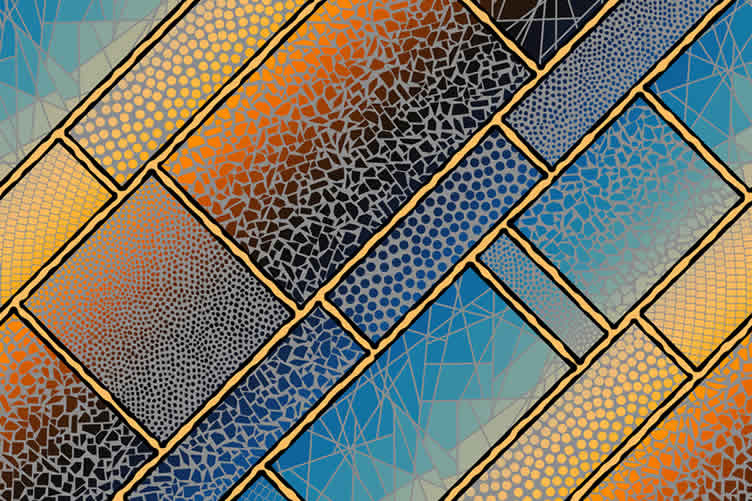
copyright image by 123rf.com
[ view images: recycled glass tile flooring]
[ view pinterest: recycled glass tile styles]
-
About Recycled Glass Tile Flooring
These tiles are primarily made from post-consumer glass sourced from municipal recycling programs. The process begins with the collection and sorting of the glass based on color.
Once sorted, the glass is cleaned and crushed into a fine powder. The powdered glass is then heated to a melting point and poured into tile molds. The precise heating and cooling process is what gives these tiles their strength and durability. After the cooling process, these tiles are checked for quality, after which they are ready for installation.
The manufacturing process of recycled glass tiles is relatively energy-efficient. It requires less energy to melt down the recycled glass than to produce new glass from raw materials, thus reducing the carbon footprint associated with its production. Furthermore, as recycled glass tiles can be manufactured locally, it can also significantly reduce the transportation footprint.
Choosing recycled glass tile flooring for your home renovation project not only contributes to an eco-friendly home but also supports the sustainable use of resources and promotes recycling efforts.
-
Pros and Cons of Recycled Glass Tile Flooring
When considering sustainable flooring options, it’s essential to weigh the advantages and disadvantages. Here are the key pros and cons of choosing recycled glass tile flooring for your eco-friendly home renovation:
- Sustainable Material:
Recycled glass tiles are made from post-consumer glass, reducing the demand for new raw materials and diverting waste from landfill. - Energy-Efficient Production:
The manufacturing process uses less energy than producing new glass, lowering the carbon footprint associated with its production. - Local Manufacturing:
As these tiles can often be produced locally, transportation footprints can be significantly reduced. - Unique Aesthetic:
These tiles offer a unique look, adding a vibrant and stylish touch to your home.
Pros
- Cost:
Recycled glass tiles can be more expensive than traditional flooring options due to the specialized manufacturing process. - Installation Complexity:
The installation of recycled glass tiles can be more complex, potentially requiring professional help. - Durability:
While these tiles are generally sturdy, they may be more susceptible to cracks and chips than other flooring options like ceramic or stone. - Maintenance:
These tiles may show water spots and fingerprints more easily, requiring more frequent cleaning.
Cons
- Sustainable Material:
-
-
5th:Linoleum Flooring
Linoleum flooring is one of the more common picks among the many sustainable flooring options. It’s composed of natural materials, making it eco-friendly, and with a range of patterns and colors, linoleum effortlessly matches your decor preferences.
Moreover, as a durable and resilient flooring choice, it stands up well to everyday wear and tear. Maintenance is simple and cost-effective as well, adding to its appeal. Furthermore, linoleum’s biodegradable nature ensures a minimal environmental footprint.
Finally, it’s easy to install and can be a DIY project, which means you can save on installation costs. So, with linoleum, you’re enhancing your space’s visual appeal and making an eco-conscious choice that contributes to a healthier planet.
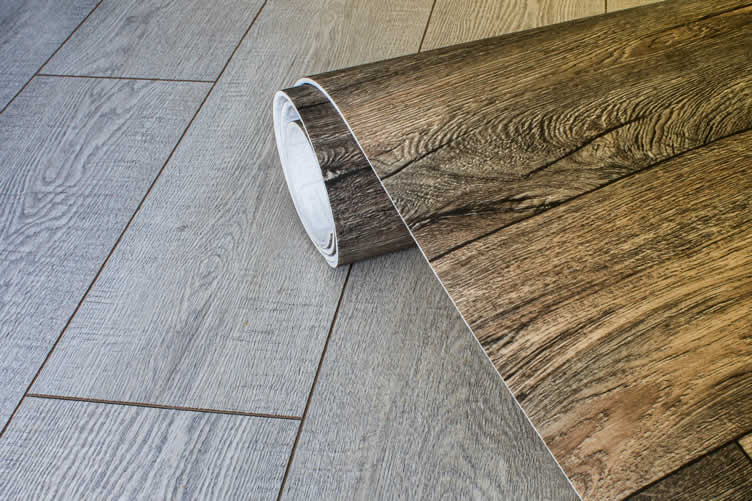
copyright image by 123rf.com
[ view images: linoleum flooring]
[ view pinterest: linoleum flooring styles]
-
About Linoleum Flooring
Linoleum flooring, a popular choice for eco-friendly home renovations, is made primarily from renewable resources. The production process commences with the extraction of linseed oil from flax seeds.
This oil is then oxidized to form a thick, gum-like substance which is mixed with pine rosin to create linoleum cement. To this cement, wood flour, and cork dust are added, providing texture and color to the linoleum.
Finally, this mixture is rolled onto a jute or canvas backing, and it undergoes a curing process to harden and stabilize the material. This method of production ensures that linoleum flooring is biodegradable and non-toxic, aligning with the principles of sustainable living.
-
Pros and Cons of Linoleum Flooring
- Eco-Friendly:
Linoleum is made from natural, renewable materials making it a sustainable flooring option. - Durability:
If properly maintained, linoleum flooring can last upwards of 40 years, offering excellent value for money. - Non-Toxic:
Unlike some other flooring types, linoleum doesn’t emit volatile organic compounds (VOCs), contributing to better indoor air quality. - Biodegradable:
At the end of its life-cycle, linoleum is completely biodegradable, reducing waste and its environmental footprint.
Pros
- Maintenance:
Linoleum requires regular waxing and polishing to maintain its shine and prevent damage. - Water Sensitivity:
It’s not as water-resistant as other flooring types, so it might not be the best choice for damp areas. - Discoloration:
Linoleum can become discolored when exposed to sunlight for prolonged periods. - Installation Difficulty:
The installation process can be complex and may require a professional, which can add to the overall cost.
Cons
- Eco-Friendly:
-
-
6th:Natural Stone Flooring
Natural stone flooring brings timeless elegance and durability to your home interior. Each stone boasts unique patterns and colors sourced from the earth. Moreover, the durability of natural stone ensures a long-lasting investment for your space.
From rustic to modern, natural stone complements different styles effortlessly! So, choosing natural stone flooring adds a touch of nature’s beauty to your home while making an eco-conscious decision.

copyright image by 123rf.com
[ view images: natural stone flooring]
[ view pinterest: natural stone floor styles]
-
About Natural Stone Flooring
Natural stone flooring, another sustainable flooring option, embodies durability and timeless elegance. It’s a popular choice amongst homeowners seeking to add an eco-friendly yet luxurious touch to their interiors.
The journey of a stone floor begins in a quarry, where large blocks of stone are extracted from the earth. This extraction process has a minimal environmental impact, as the stone is a natural material and does not require any energy-intensive manufacturing processes.
These stone blocks are then transported to a processing plant, where they are cut into slabs or tiles using diamond-tipped blades. The cutting process utilizes water to cool the blades and minimize dust.
The next stage is the finishing process, which determines the stone’s final appearance. This could be polishing for a glossy finish, honing for a matte look, or flaming for a rugged, textured surface. This stage again doesn’t involve the use of any harmful chemicals, keeping the production process eco-friendly.
Once the stone tiles are finished, they are packed and transported to various distributors and retailers. Despite the long journey, natural stone flooring remains a sustainable choice, as it is durable, long-lasting, and can be completely recycled at the end of its life-cycle.
-
Pros and Cons of Natural Stone Flooring
While natural stone flooring is an excellent sustainable flooring option for an eco-friendly home, it comes with its own set of advantages and disadvantages.
- Durability:
Natural stone flooring is extremely durable and can withstand heavy foot traffic and the test of time. It’s a long-lasting choice that can serve you for many years. - Aesthetics:
The natural beauty and unique patterns of natural stone offer an unrivaled aesthetic. Each stone tile has a distinctive look, adding character and luxury to any room. - Eco-Friendly:
Given its natural origin and minimal processing, stone flooring is a sustainable choice. It doesn’t involve the use of harmful chemicals and can be recycled at the end of its life cycle. - Maintenance:
Stone floors are easy to maintain, requiring only regular sweeping and mopping.
Pros
- Cost:
Natural stone flooring can be expensive, not only for the material itself but also for the installation, which often requires a professional. - Cold Underfoot:
Stone floors can feel cold underfoot, particularly during the winter months. This can be offset with underfloor heating, but that entails an additional cost. - Hardness:
While the hardness of natural stone contributes to its durability, it can also make it uncomfortable to stand on for prolonged periods. - Variability:
Due to the natural origin of the stone, there can be significant variation in color, pattern, and texture between different tiles, which might not appeal to everyone.
Cons
- Durability:
-
-
7th:Hempcrete Flooring
Hempcrete flooring is a perfect and intriguing option for your home design. It’s eco-friendly and biodegradable and composed of hemp fibers and a lime binder. The material’s thermal properties also contribute to energy efficiency, and hempcrete is lightweight and easy to work with, simplifying installation!
Furthermore, it even regulates humidity, creating a comfortable indoor environment. And with proper sealing, it’s durable and can easily withstand daily use. So, hempcrete flooring promotes greener living practices while adding a unique touch to your home.
You should choose hempcrete to balance functionality and environmental responsibility, enhancing your living space for years to come!

copyright image by 123rf.com
[ view images: hemp hardwood flooring]
[ view pinterest: hemp hardwood styles]
-
About Hempcrete Flooring
This innovative material is made using the woody core of the hemp plant, called ‘shiv’ or ‘hurd’, mixed with a lime-based binder to create a lightweight but durable building material.
Hempcrete is predominantly produced in regions where industrial hemp farming is legal and widespread. The hemp plant is a fast-growing crop that requires minimal water, making it a sustainable choice. The plant is cultivated and harvested, after which the outer fibers are stripped away for other industrial uses, leaving the woody interior.
This woody core is then cut into small chips, which are combined with a lime-based binder. The lime acts as a protective coating around the hemp hurds, making them resistant to pests and mold. This mixture is then poured into molds and left to cure and harden, forming a strong, lightweight, and insulative hempcrete block.
These hempcrete blocks are then used to create a variety of sustainable building materials, including flooring. The result is an eco-friendly floor that is not only aesthetically pleasing but also highly insulative and breathable, contributing to a comfortable and healthy indoor environment.
-
Pros and Cons of Hempcrete Flooring
Hempcrete flooring offers several advantages for eco-friendly homes. Despite its benefits, however, there are also some drawbacks
- Sustainability:
Hemp is a rapidly growing plant that requires little water, making it a sustainable flooring material choice. - Durability:
The unique combination of hemp and lime creates a sturdy, long-lasting flooring surface. - Insulation:
Hempcrete flooring provides excellent thermal insulation, helping to regulate the temperature inside the home. - Health:
As a breathable material, hempcrete helps to enhance indoor air quality, contributing to a healthier living environment.
Pros
- Availability:
As hemp production is limited to certain regions, the availability of hempcrete flooring can be restricted. - Cost:
Hempcrete flooring can be relatively expensive compared to more traditional flooring options. - Installation Process:
Installing hempcrete flooring might require professional expertise, adding to the overall cost. - Finish Options:
While hempcrete offers a unique aesthetic, it does not provide the same range of finishes and styles as other flooring options like hardwood or tile.
Cons
- Sustainability:
-
-
8th:Salvaged Tile Flooring
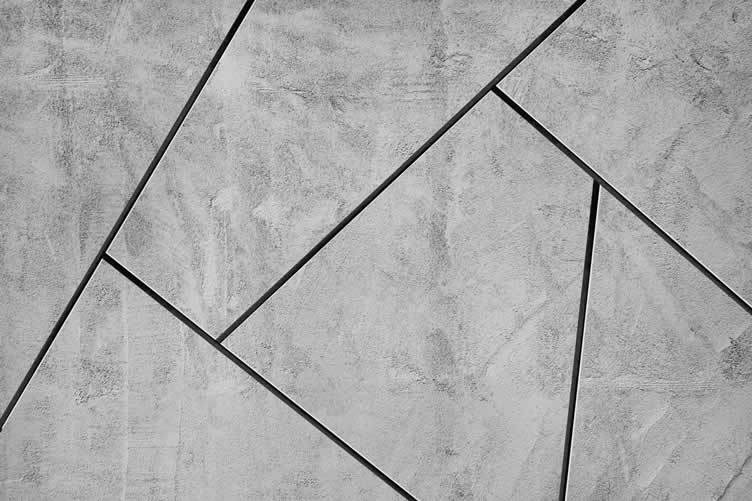
Salvaged tile flooring brings character and sustainability to your home renovation. The tiles come in various styles, too, including some beautiful vintage designs that are no longer available. So, they add a unique and rustic charm to your space, reflecting history.
By choosing salvaged tile flooring, you’re embracing heritage and eco-consciousness, creating a unique atmosphere!
copyright image by 123rf.com
[ view images: salvaged tile flooring]
[ view pinterest: salvaged tile floor styles]
-
About Salvaged Tile Flooring
Salvaged tile flooring is an eco-friendly option that reuses tiles recovered from various demolition or renovation sites. This sustainable flooring option prevents waste and contributes to the overall green goals of eco-friendly home renovations.
The process of creating salvaged tile flooring begins with the careful extraction of tiles from old buildings, houses, and other structures slated for renovation or demolition. The removal process is meticulous to ensure minimal damage to the tiles and preserve their original character.
Once the tiles are removed, they are thoroughly cleaned and inspected for defects. Tiles that pass inspection are then sorted by size, color, and style to create a diverse range of options for homeowners. Some companies specialize in refurbishing and restoring these salvaged tiles, adding an extra layer of polish or finish to give them a renewed appearance.
The origin of salvaged tile flooring can vary vastly, adding a unique and captivating historical element to your home. They can originate from antique buildings, renowned architectural structures, or residential homes, each carrying a story of its own. By incorporating salvaged tile flooring into your home renovation, you’re not just choosing a sustainable flooring option but also preserving a piece of history.
-
Pros and Cons of Salvaged Tile Flooring
- Sustainability:
Salvaged tiles are a great way to reuse materials and reduce waste, contributing to the overall sustainability goals of your eco-friendly home. - Unique Aesthetic:
Each tile carries a unique history that can add a captivating element to your home’s interior design. - Variety:
Salvaged tiles come in a wide array of colors, sizes, and styles, offering a diverse range of options for homeowners. - Durability:
Tiles are generally robust and hard-wearing, providing a long-lasting flooring option.
Pros
- Availability:
The supply of salvaged tiles relies on demolition and renovation projects, which can make it challenging to find specific designs or enough quantity for larger spaces. - Potential Damage:
Despite careful extraction, some tiles may have imperfections or damages that could affect their durability and appearance. - Cost:
Depending on the origin and the process of refurbishment, salvaged tiles may sometimes be more expensive than new ones. - Installation:
Installing salvaged tiles can be more complex due to their varied sizes and potential imperfections, possibly requiring professional help.
Cons
- Sustainability:
-
-
9th:Rubber Flooring
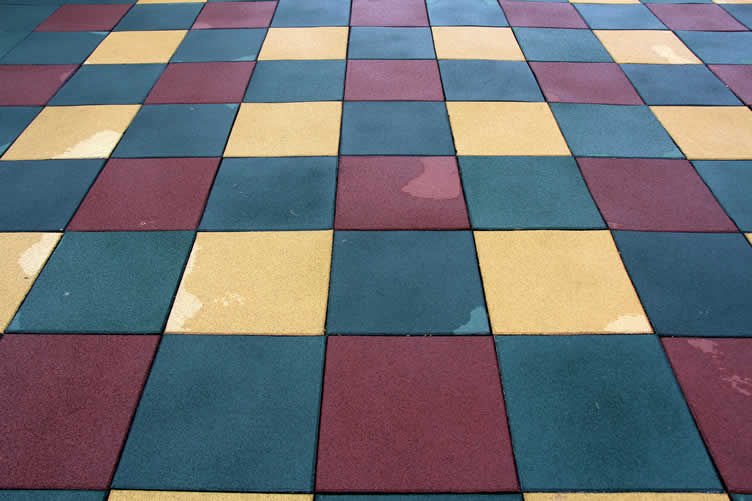
Rubber flooring is one of the more interesting sustainable flooring options. Made from recycled rubber, it naturally reduces waste while still looking good. Moreover, its durability withstands heavy use and provides comfort underfoot. And rubber’s shock-absorbing quality makes it ideal for play areas or gyms!
Additionally, maintenance is simple and hassle-free, saving you time and effort. And with its resilient nature, rubber flooring retains its appeal over time. So, by opting for rubber flooring, you make an environmentally conscious choice while adding a contemporary touch to your living space. .
copyright image by 123rf.com
[ view images: rubber hardwood flooring]
[ view pinterest: rubber flooring styles]
-
About Rubber Flooring
Rubber flooring is primarily made from natural rubber, also known as latex, harvested from the sap of the rubber tree (Hevea brasiliensis). This process, known as tapping, is a sustainable practice as it does not harm the tree, allowing it to continue producing sap for many years.
The manufacturing process of rubber flooring begins with the coagulation of the harvested latex. This latex is then processed into sheets and dried. These sheets are subsequently treated and vulcanized to improve their durability and resilience, before being cut into tiles or rolls for flooring.
Rubber flooring can also be made from recycled rubber products such as used vehicle tires. This not only diverts waste from landfills but also reduces the demand for new latex production.
After a process of cleaning and shredding, the old tires are transformed into granules. These granules are then bonded together under high heat and pressure, creating sheets that are later cut into tiles or rolls.
Whether made from natural or recycled rubber, rubber flooring is a versatile, durable, and eco-friendly choice. It provides excellent shock absorption and noise reduction properties, making it ideal for high-traffic areas in the home.
-
Pros and Cons of Rubber Flooring
- Eco-friendly:
Rubber flooring, especially when made from recycled products, helps to reduce waste and conserves natural resources. - Durability:
Rubber provides a highly durable surface, resisting wear and tear from high traffic and lasting for many years with minimal maintenance. - Comfort:
The elasticity of rubber provides a comfortable surface underfoot. It also offers excellent shock absorption, which can help minimize fatigue and injury from falls. - Noise Reduction:
Rubber flooring significantly reduces noise transmission, making it an ideal choice for rooms where noise is a concern, such as children’s playrooms or home offices.
Pros
- Cost:
While its durability and long life can make rubber flooring a cost-effective choice over the long term, the initial cost is higher than many other types of flooring. - Limited Styles:
While rubber flooring comes in a variety of colors and textures, it doesn’t offer the same range of style options as some other types of flooring, such as hardwood or ceramic tile. - Installation:
Rubber flooring requires professional installation for the best results, which can add to the cost. - Maintenance:
While rubber flooring is relatively easy to clean, it can be damaged by certain types of cleaners and requires specific products to maintain its finish.
Cons
- Eco-friendly:
-
-
10th:Eucalyptus Flooring
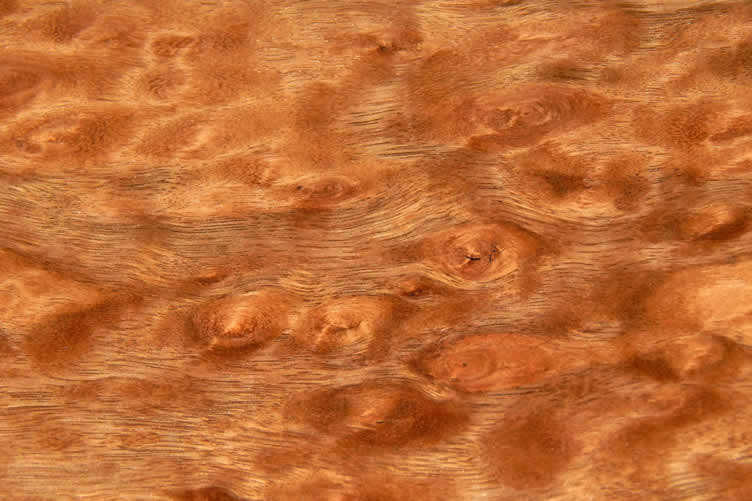
Eucalyptus flooring, another of the sustainable flooring options derived from fast-growing trees, combines sustainability and style for your home upgrade. The hardness and resilience of eucalyptus ensure durability in high-traffic areas.
Moreover, with various finishes and shades available, it adapts well to different design preferences. Naturally, this makes a great pick to refresh and improve your home! Besides, eucalyptus’s unique appearance also adds character to your space.
Maintenance is simple, too, and proper care will keep its beauty over time. So, by choosing eucalyptus flooring, you’re enhancing your home with an environmentally conscious and visually appealing material.
copyright image by 123rf.com
[ view images: eucalyptus hardwood flooring]
[ view pinterest: eucalyptus flooring styles]
-
About Eucalyptus Flooring
Eucalyptus flooring, an increasingly popular sustainable flooring option, begins its journey in sustainably managed eucalyptus forests. Primarily found in Australia, these forests are nurtured under responsible forestry practices that prioritize biodiversity and ecological balance.
The trees are harvested usually between 3 and 5 years, a significantly shorter period compared to traditional hardwoods, making eucalyptus a highly renewable resource.
The harvested logs are transported to the manufacturing facilities where they undergo a series of processes to transform them into finished flooring products. Initially, the logs are cut into thin slices or veneers.
These veneers are then bonded together under heat and pressure in a process known as lamination. This not only enhances the strength and durability of the flooring but also allows for a variety of design possibilities.
The laminated eucalyptus layers are then milled into planks, finished with a protective coating, and prepared for installation. The entire manufacturing process is optimized to minimize waste and reduce environmental impact, reflecting the eco-friendly ethos of eucalyptus flooring.
Ultimately, what arrives in your home is an elegant, durable, and sustainable flooring option that contributes to a healthier planet.
-
Pros and Cons of Eucalyptus Flooring
- Sustainability:
Eucalyptus grows much faster than traditional hardwoods, making it a highly renewable resource. This makes it an excellent choice for eco-conscious homeowners. - Durability:
The lamination process enhances the strength and durability of eucalyptus flooring, ensuring it lasts for years with proper care. - Versatility:
The lamination process also allows for a variety of design possibilities, enabling homeowners to choose a look that best suits their style. - Ease of Maintenance:
Eucalyptus flooring is relatively easy to clean and maintain, adding to its appeal for busy homeowners.
Pros
- Specific Care Requirements:
While eucalyptus flooring is easy to maintain, it does require specific cleaning products. Using incorrect cleaning agents can damage the finish and shorten its lifespan. - Sensitivity to Humidity:
Like other wood flooring, eucalyptus can be sensitive to changes in humidity. This can lead to warping or cracking in extreme conditions. - Installation Complexity:
Eucalyptus flooring installation can be complex and may require professional help, potentially adding to the overall cost.
Cons
- Sustainability:
-
-
Key Takeaway
With all the different sustainable flooring options for an eco-friendly home renovation, it’s hard to walk away disappointed. So, we hope you, too, have found the perfect flooring material for your home!
-
Quik scroll to more home flooring ideas …

-
ideas to view and compare from the photo above
bamboo hardwood flooringreclaimed wood flooringrecycled glass tiles
- What comments can you share about
flooring options for an eco-friendly home?
 … grab this directory of ideas

remodeling decisions



below for …
flooring installation


decorative area rugs for your eco-friendly floors
view illustration “becoming a bank”

Find Flooring Services (opens new win) Brick & Stone Concrete Carpet Hardwood top-rated, pre-screened local contractors Laminate & Vinyl Tile enter zip code – powered by HomeAdvisor ™
Quick Contractor Guides selecting negotiating working with inspecting
Cover image credit: flooring options for an eco-friendly home by 123rf.com
end of post … please share it!
Rug Color
 links open new win
Rug Make and Other
links open new win
or simply search by entering rug type or other remodeling need

Nice pic idea? Leave us a quick comment below.
And please share this pic idea within your social networks.